Key Takeaways
- Africa on Foot sits in the unfenced Klaserie Private Nature Reserve — full Big Five territory open to Kruger
- Five ground-level thatched chalets plus a treehouse sleep-out platform
- Walking safaris are the signature — led by FGASA-qualified trails guides among the Klaserie's best
- Sister camp to nThambo Tree Camp; shared traversing area with minimal vehicle traffic
- Rates from approximately R5,775 / ~US$315 per person per night, fully inclusive
- One of Greater Kruger's best-value Big Five experiences
TL;DR: Africa on Foot is a no-frills, big-heart Klaserie camp built around walking safaris. Five thatched chalets on the ground, Big Five game drives on near-empty roads, and trails guides who make the bush come alive on foot. It's the most affordable way into Greater Kruger's private reserves without sacrificing wildlife quality. Not for luxury seekers — but if you want the bush raw and unfiltered, this is it.
First Impressions: Bush Camp Done Right
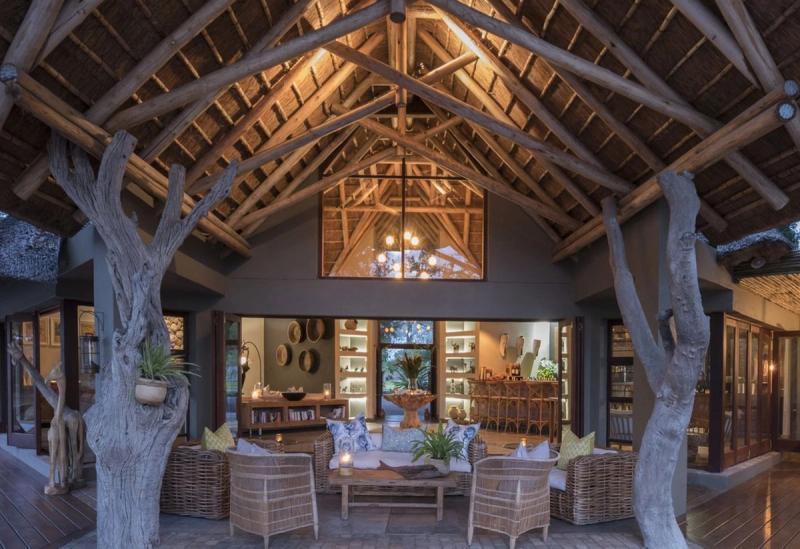
Africa on Foot is a camp that wears its philosophy in its name. This isn't a lodge designed to impress with architecture or interiors — it's a base camp for walking the African bush. The main area is a simple thatched structure with open sides, comfortable seating and a long dining table. The bar is stocked with honest South African wines and cold beers. The boma fire pit is where the real entertainment happens: stories from the day's walk, the guide's analysis of the tracks you found, the debate over whether the distant call was a spotted hyena or a pearl-spotted owlet.
It's unpretentious, warm and entirely focused on what matters: getting you into the bush, on foot, with guides who love this landscape and know it intimately. The Klaserie doesn't have the marketing budget of the Sabi Sand or the name recognition of Timbavati. What it has is space, wildlife and quiet — and Africa on Foot uses all three to brilliant effect.
The Chalets: Simple, Solid, Comfortable
Five thatched chalets sit at ground level in a loose arc facing the bush. Each is spacious enough for a double bed, an en-suite bathroom with indoor and outdoor showers, and a small veranda. The décor is clean and minimal — polished concrete, natural timber, muted earth tones. There's a fan but no air-conditioning; mosquito nets and the Klaserie's evening breeze do the work.
What sets Africa on Foot apart from sister camp nThambo is the ground-level approach. Where nThambo puts you in the canopy, Africa on Foot keeps you at bush level — you step off your veranda and you're on the same plane as the impala grazing twenty metres away. It's a different kind of immersion: less romantic than the treehouses, perhaps, but more immediate. You're eye to eye with the wild.
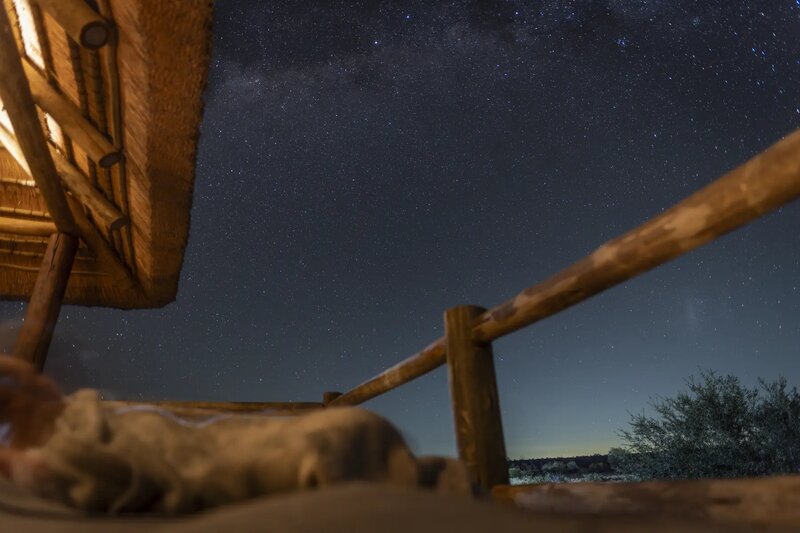
For the adventurous, there's also a treehouse sleep-out platform — a raised open-air deck where you can spend the night under the stars with nothing between you and the Milky Way. It's an unforgettable experience, though not for anyone who startles easily at the sound of a hyena at close quarters.
Walking Safaris: The Heart of the Experience
This is what you come to Africa on Foot for. The camp's trails guides are FGASA Level 3 qualified and deeply experienced in the Klaserie — men who've spent years reading this landscape, tracking its predators and interpreting its smallest details. A morning walk typically covers three to five kilometres through open woodland and along seasonal riverbeds. You move slowly, deliberately, following fresh tracks, pausing to examine a spider's web or the scrape marks of a territorial leopard.
The intensity is different from a game drive. On foot, your senses sharpen. You smell the dung before you see it. You hear the oxpeckers before you spot the buffalo. Your guide reads the bush like a book — this broken twig means elephant, this flattened grass means lion rested here at dawn, these tiny tracks belong to a steenbok that passed an hour ago. It's a masterclass in ecology, delivered on the move, and it will change how you see every safari thereafter.
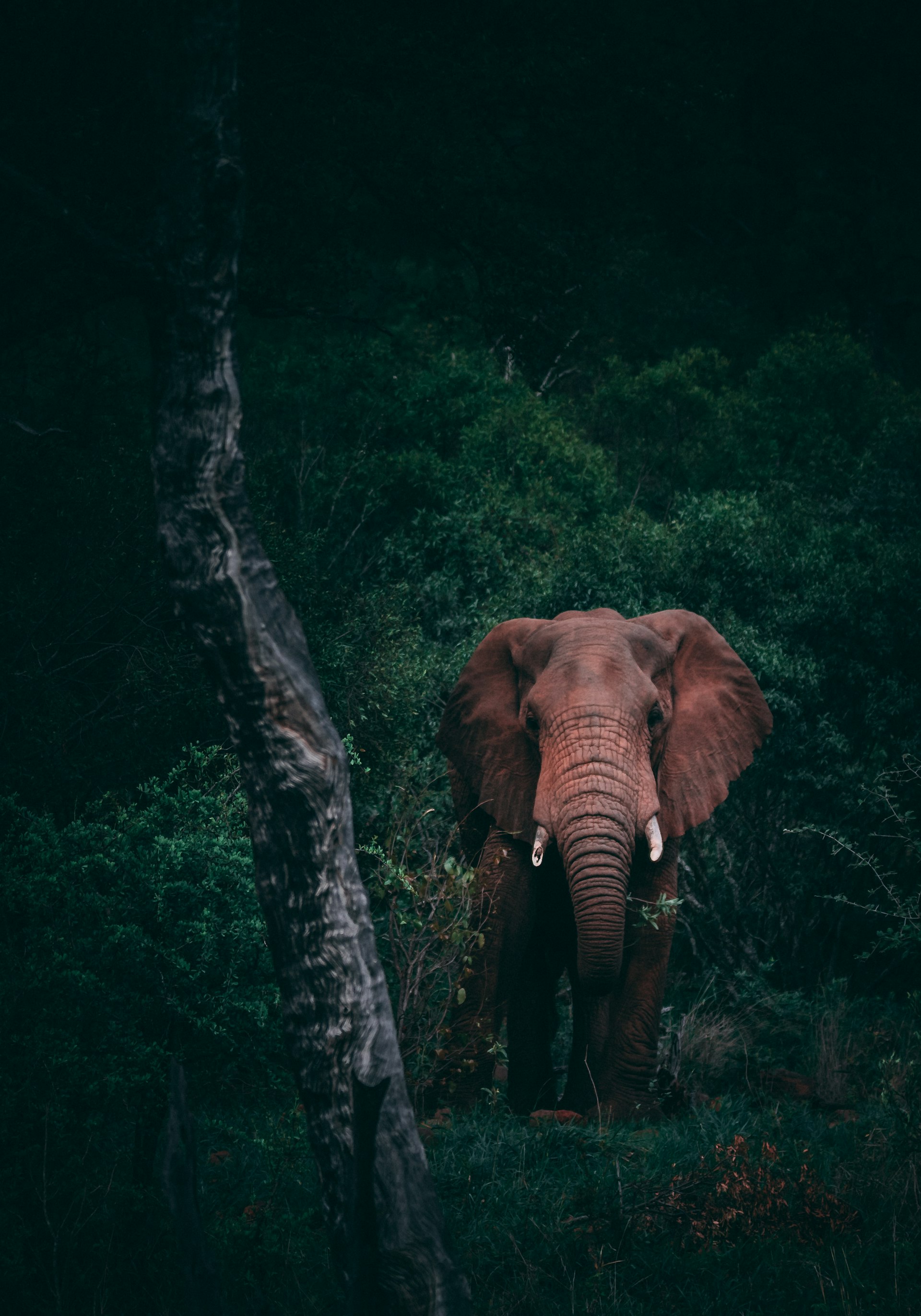
The walks operate in Big Five country — meaning you may encounter elephant, buffalo, rhino or lion on foot. The guides carry rifles and are trained to manage these encounters calmly and safely. In practice, most walks are spent on the smaller stories: insects, plants, tracks and signs. The occasional close encounter with large game is exhilarating precisely because of the context — you're on foot, at their level, and deeply aware of your place in the food chain.
Game Drives: Klaserie's Quiet Roads
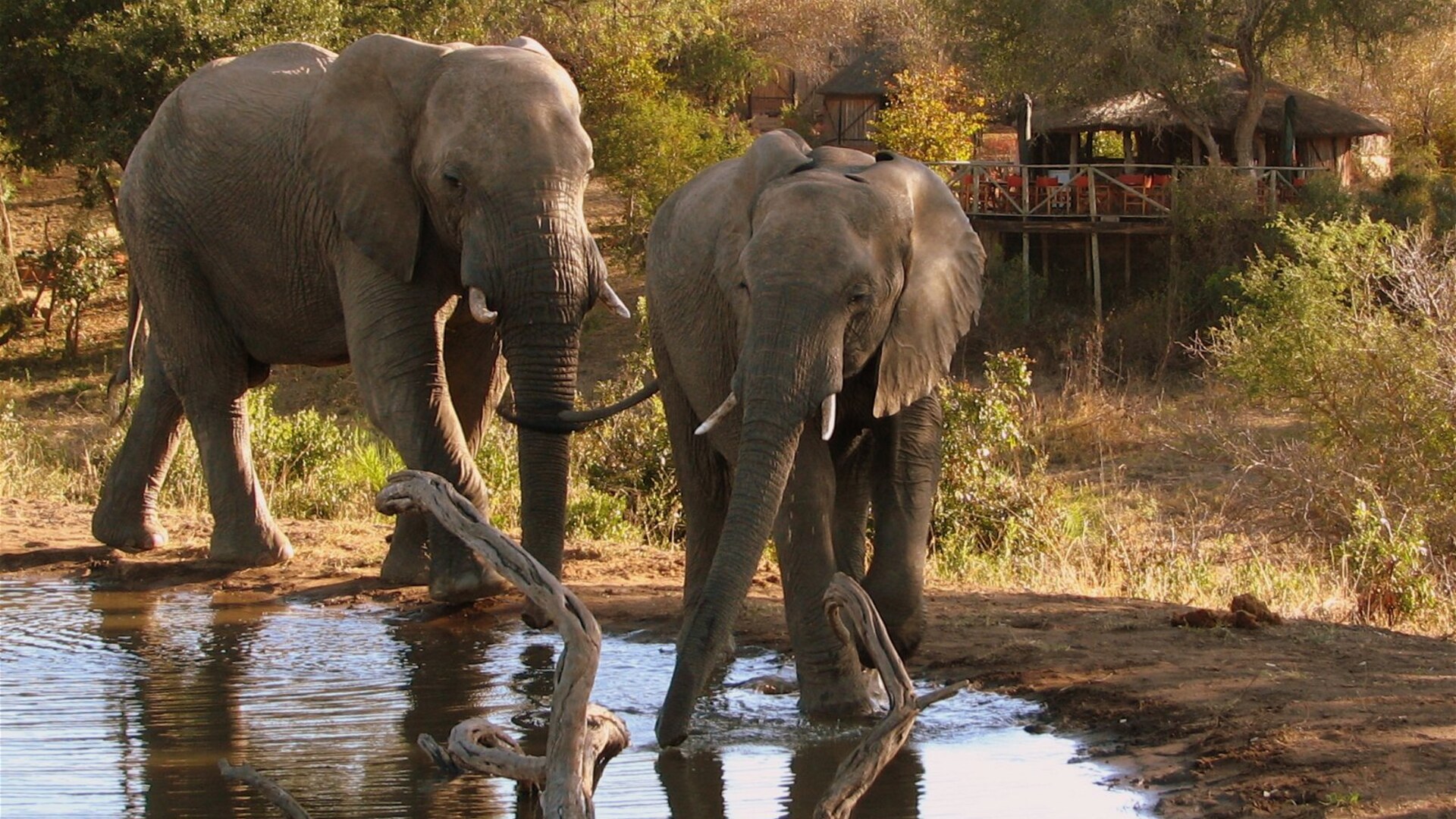
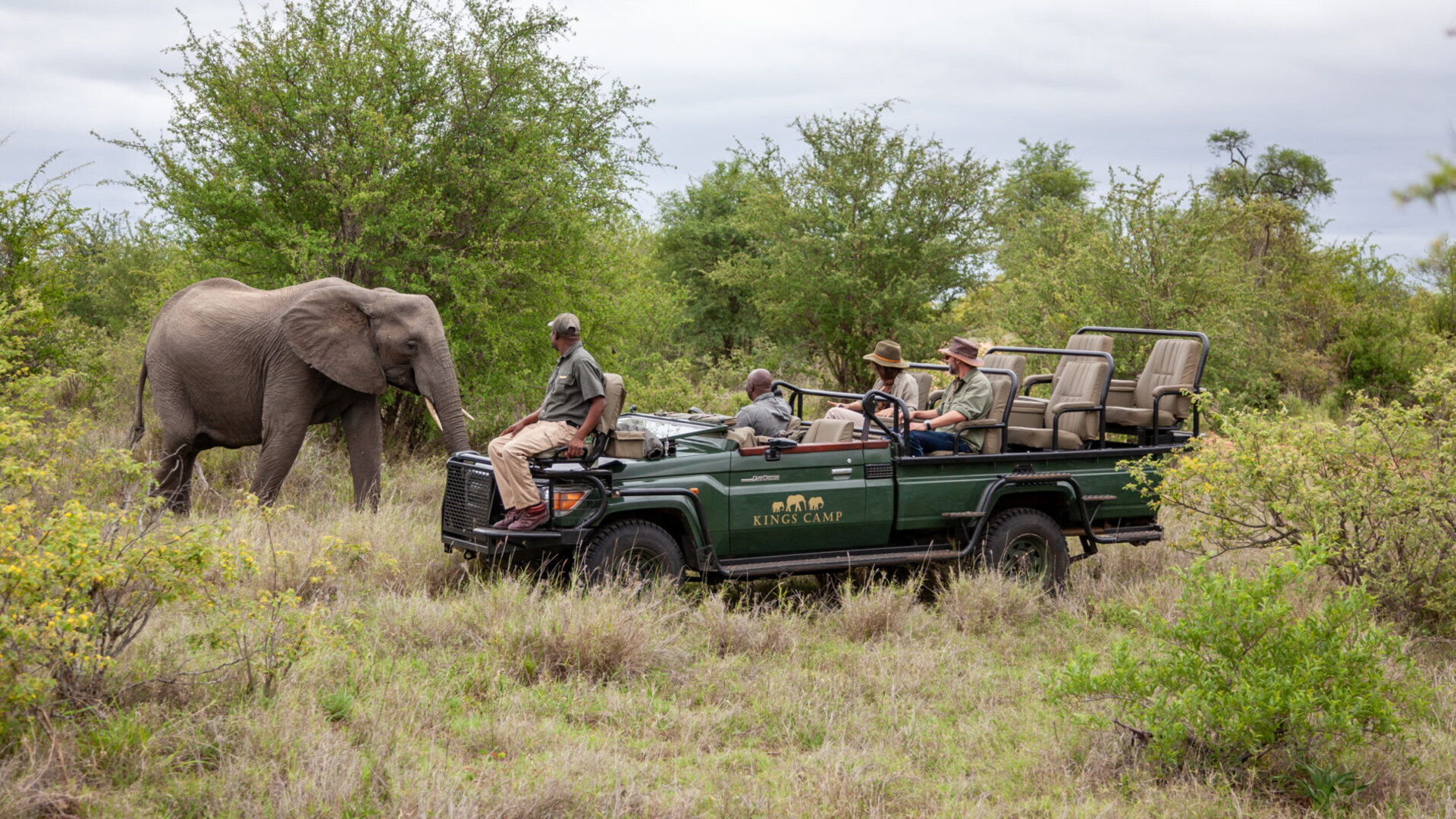
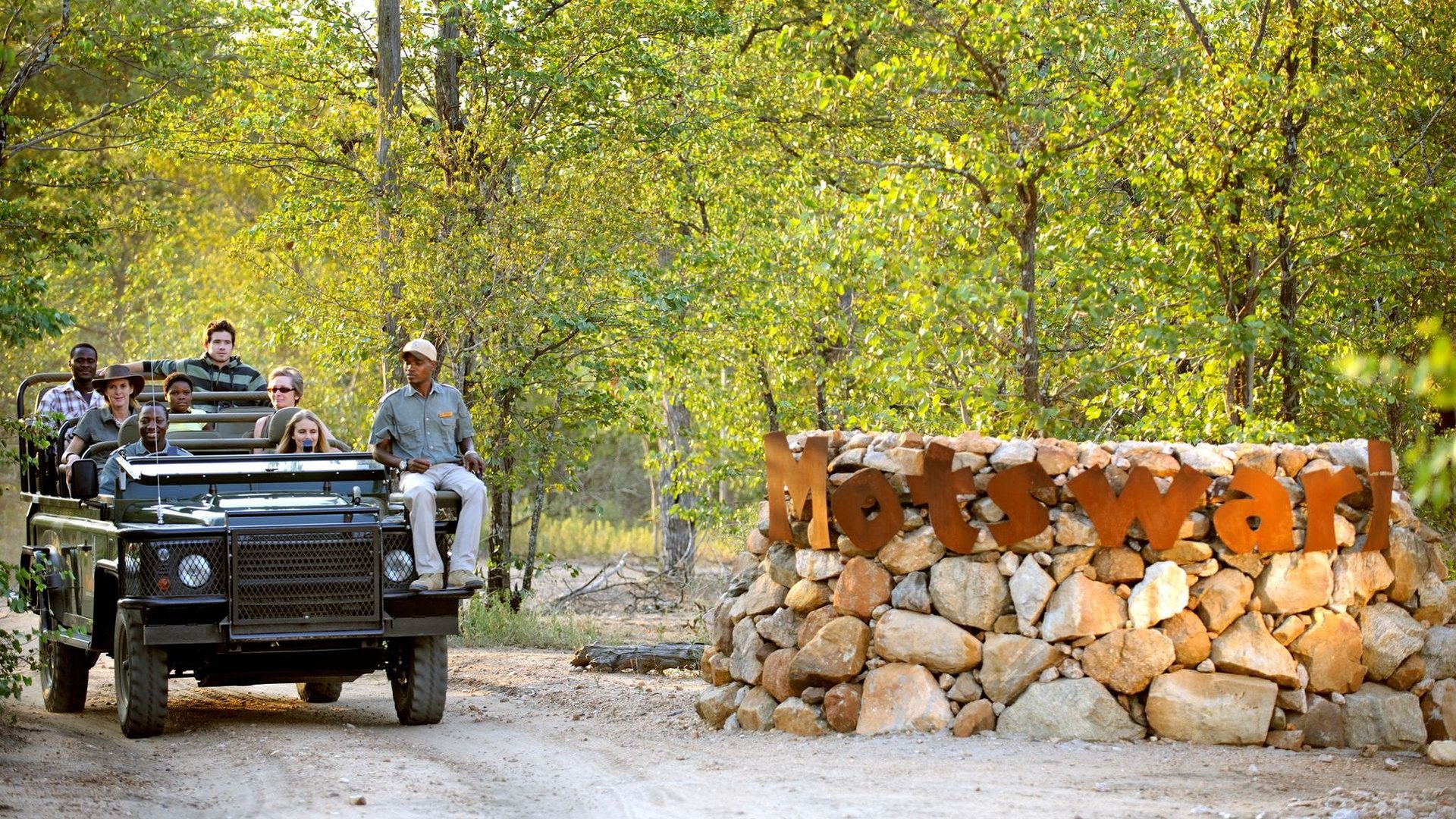
Twice daily, Africa on Foot sends out open Land Cruisers into the Klaserie's traversing network. The reserve carries all of the Big Five, plus healthy populations of cheetah, wild dog, hyena, giraffe, zebra and a rich variety of antelope. The Klaserie River — seasonal but important — draws elephants, hippos and buffalo to its pools during the dry months, creating natural gathering points that the guides know intimately.
What makes the Klaserie special is the vehicle density: you share your traversing with only nThambo and a small number of other properties. At a lion sighting, you might be the only vehicle. At a leopard, perhaps one other. The result is a quality of game viewing that rivals the Sabi Sand's best lodges — without the queues. Your guide has the freedom to sit with a sighting for as long as the story unfolds.
Dining and Atmosphere
Meals are hearty and communal. Breakfast is cooked on the fire after the morning walk — eggs, bacon, boerewors, fresh bread. Lunch is light — salads, cold meats, fresh fruit. Dinner is the main event: a braai under the stars in the boma, or a potjie on the fire, shared around the communal table with your guides and fellow guests.
The atmosphere is social and relaxed. Guides eat with guests. Conversations flow easily. By the second night you know everyone's name and everyone's bush story. It's this human quality — the genuine warmth, the shared passion for the bush — that guests remember long after the sightings fade.
Who Is Africa on Foot For?
Africa on Foot is perfect for travellers who prioritise experience over extravagance. If you want to learn the bush — really learn it, on foot, from guides who live and breathe this landscape — there are few better places in Greater Kruger. It's also exceptional value: at roughly US$315 per person per night for a full Big Five safari in a private reserve, it undercuts the Sabi Sand and Timbavati's luxury lodges by 60–70% without sacrificing wildlife quality.
It suits couples, solo travellers, photographers and anyone with a genuine interest in natural history. It's less suited to guests who need luxury amenities, families with young children, or travellers who want a polished lodge experience. For those guests, Klaserie Sands River Camp offers a more refined alternative in the same reserve.
Africa on Foot vs nThambo Tree Camp
Same traversing area. Same management. Same wildlife. The difference is entirely one of style. Africa on Foot's chalets are ground-level, slightly larger and a bit more conventional. nThambo's treehouses are elevated, more romantic and more atmospheric. Africa on Foot tends to draw a slightly more practical crowd — people who are here for the walking, the learning, the bush. nThambo draws the dreamers and the romantics. Both are excellent. Choose with your gut. See our nThambo Tree Camp review for the other side of the story.
Getting There and Booking
Fly into Hoedspruit Eastgate Airport (HDS) on Airlink from Johannesburg or Cape Town. The camp arranges road transfers (approximately 45 minutes) from the airport through the Klaserie gate. Self-drivers can access the reserve from the R40. Rates include accommodation, all meals, local beverages, two game drives daily and a morning walking safari. Conservation levies are additional.
Frequently Asked Questions
Do I need to be fit for the walking safaris?
A reasonable level of fitness is helpful but you don't need to be an athlete. Walks typically cover 3–5 km at a slow, deliberate pace with frequent stops. The guides adapt to the group's ability. Anyone who can walk comfortably for two hours on uneven ground will manage well.
Is Africa on Foot safe if it's unfenced?
Yes. The camp follows strict safety protocols. Guests are escorted to and from their chalets after dark by armed rangers. Walking safaris are led by FGASA-qualified guides who carry rifles and are trained to manage dangerous-game encounters. The camp has operated safely in the Klaserie for many years.
What's the difference between Africa on Foot and nThambo?
Same traversing area, same management, same wildlife. Africa on Foot has ground-level thatched chalets; nThambo has elevated treehouse suites. Africa on Foot is slightly more affordable and a touch more practical; nThambo is more atmospheric and romantic. Both offer excellent walking safaris.
Can I see the Big Five at Africa on Foot?
Yes. The Klaserie Private Nature Reserve is unfenced to Kruger and carries all Big Five species — lion, leopard, elephant, buffalo and rhino. Sightings are never guaranteed, but the reserve's low vehicle density and excellent guiding give you very strong chances over a 2–3 night stay.
Is there Wi-Fi at Africa on Foot?
Limited Wi-Fi is available in the main area. It's sufficient for messaging and email but not for streaming or large uploads. Most guests find the digital detox part of the appeal — you're here for the bush, not the bandwidth.
Private Tours Cape Town arranges every detail of your Africa on Foot stay — flights, transfers, Klaserie multi-lodge itineraries and Greater Kruger pairings.