Key Takeaways
- nThambo Tree Camp sits in the unfenced Klaserie Private Nature Reserve, part of the Greater Kruger ecosystem
- Five elevated treehouse suites with open-air views into the bushveld canopy
- Owner-run by the Africa on Foot team — personal, warm and unpretentious
- Big Five traversing across thousands of hectares shared with only a handful of vehicles
- Renowned walking safaris led by qualified trails guides — among the best in Greater Kruger
- Rates from approximately R6,750 / ~US$370 per person per night, fully inclusive
TL;DR: nThambo Tree Camp is the Klaserie's most characterful stay — genuine treehouse suites, Big Five game drives with almost no other vehicles, and walking safaris that rank among Greater Kruger's best. It's unpolished luxury with an owner-run soul, ideal for couples and solo travellers who want intimacy over marble. If you want five stars and butler service, look elsewhere. If you want the bush up close and personal, this is your camp.
First Impressions: A Camp in the Canopy
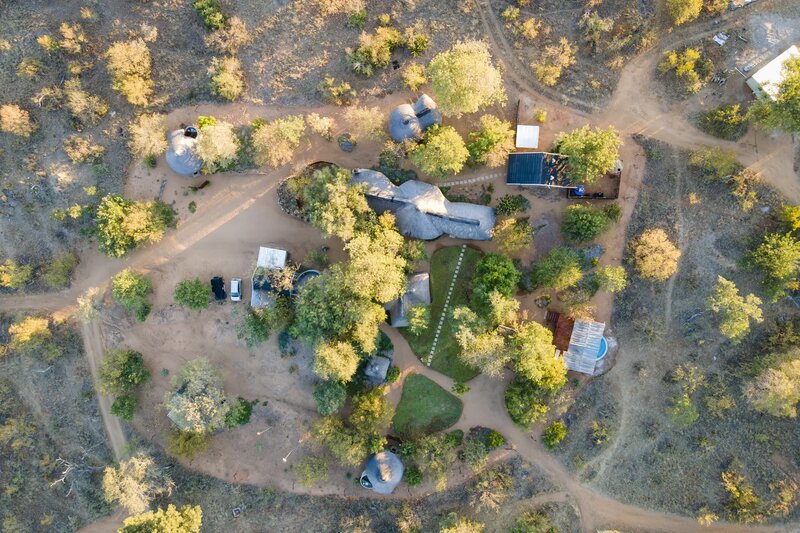
nThambo Tree Camp doesn't announce itself with a grand entrance gate or a champagne-on-arrival ritual. You drive through the Klaserie's dry woodland, cross a riverbed, and suddenly there it is — a cluster of elevated timber structures perched in the jackalberry and marula trees, connected by walkways that creak pleasantly underfoot. It feels less like checking into a lodge and more like arriving at a friend's bush hideout.
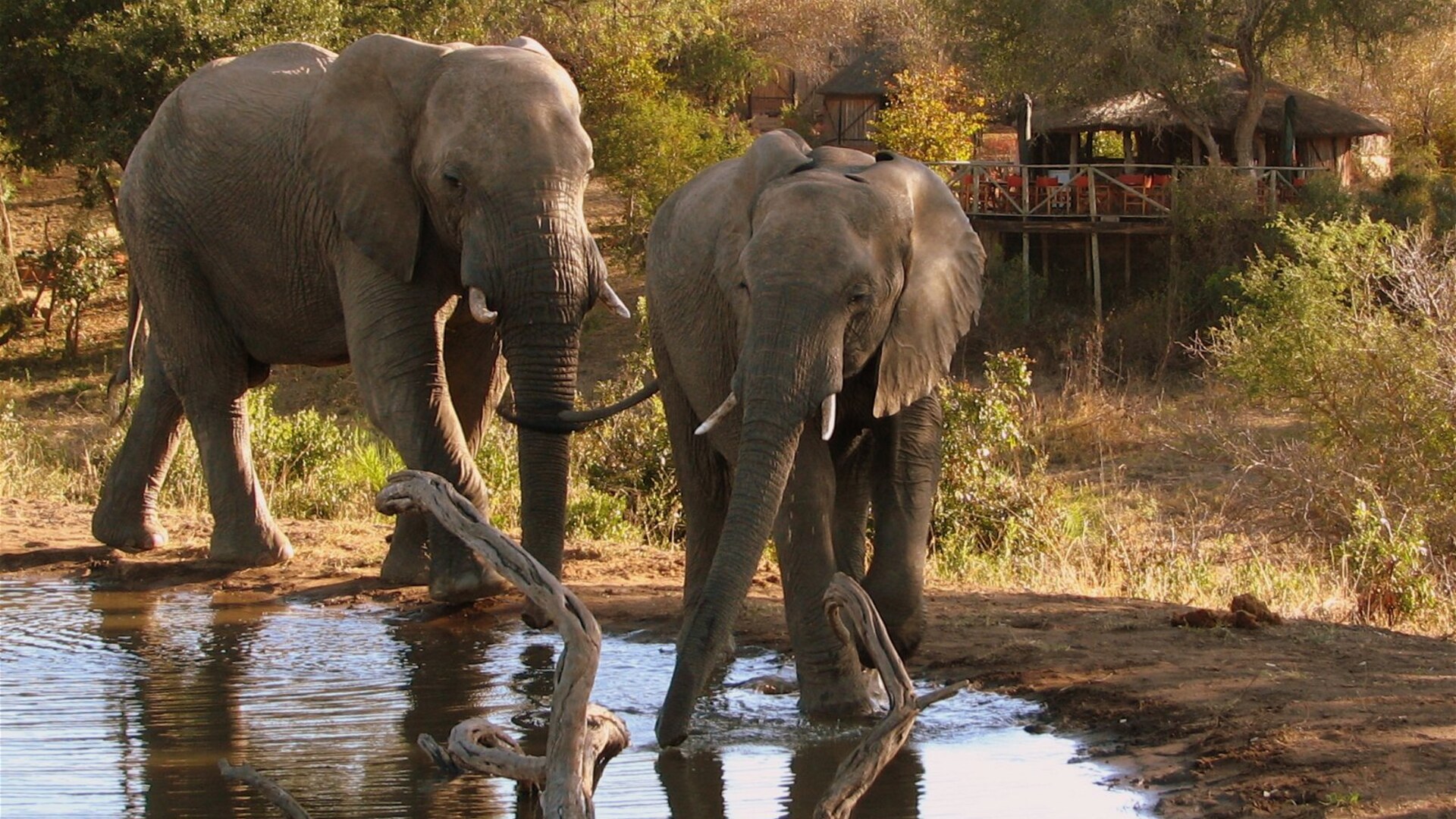
The main deck sits high enough to put you at eye level with hornbills and squirrels. Below, the bush floor stretches uninterrupted — no fences, no walls. Elephants drift past in the afternoons. At night, hyenas whoop from the darkness below your suite. The sense of immersion is total and immediate: you're not watching the bush from behind glass; you're sleeping in it.
The Treehouse Suites: Elevated and Elemental
nThambo's five suites are genuine treehouses — raised timber platforms with canvas walls, open-air fronts and uninterrupted views into the canopy. Each has a double bed draped in mosquito netting, an en-suite bathroom with a bush shower, and a private balcony where you can sit in the dark and listen to the nightjar calls. There's no air-conditioning, no television, no minibar. What there is: the sound of the wind in the leadwood trees, the scent of wild sage, and the knowledge that the leopard whose tracks you saw at breakfast is probably lying in a thicket fifty metres below.
The design is deliberate in its simplicity. Polished concrete floors, natural timber, khaki canvas — nothing that competes with the view. The real luxury here is the elevation. Sleeping above the bush floor changes the experience fundamentally: you hear things you'd miss at ground level, you see the canopy light shift through the day, and the sense of safety (even in an unfenced reserve) lets you relax into the wildness completely.
Game Drives: Big Five on Empty Roads
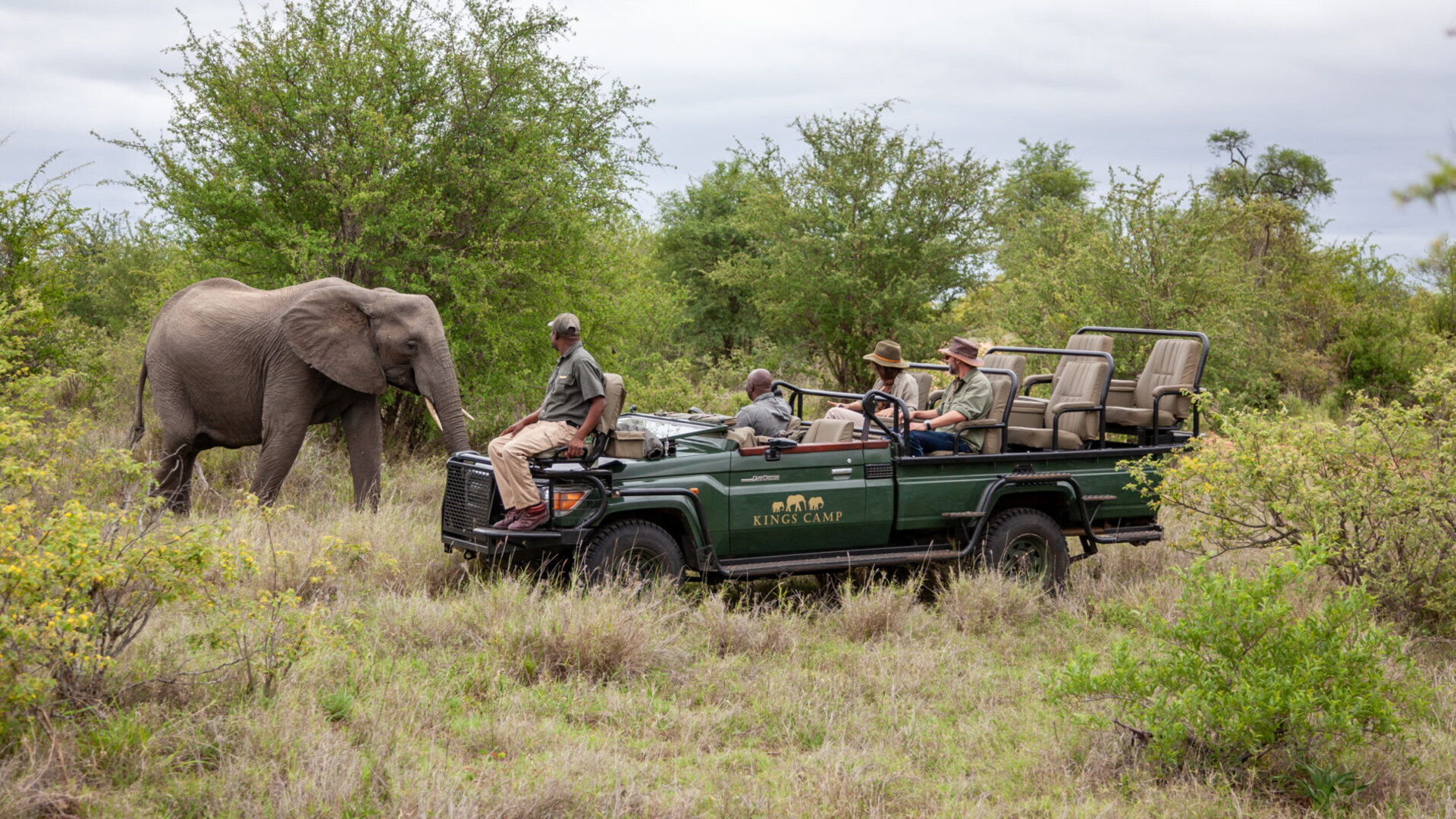
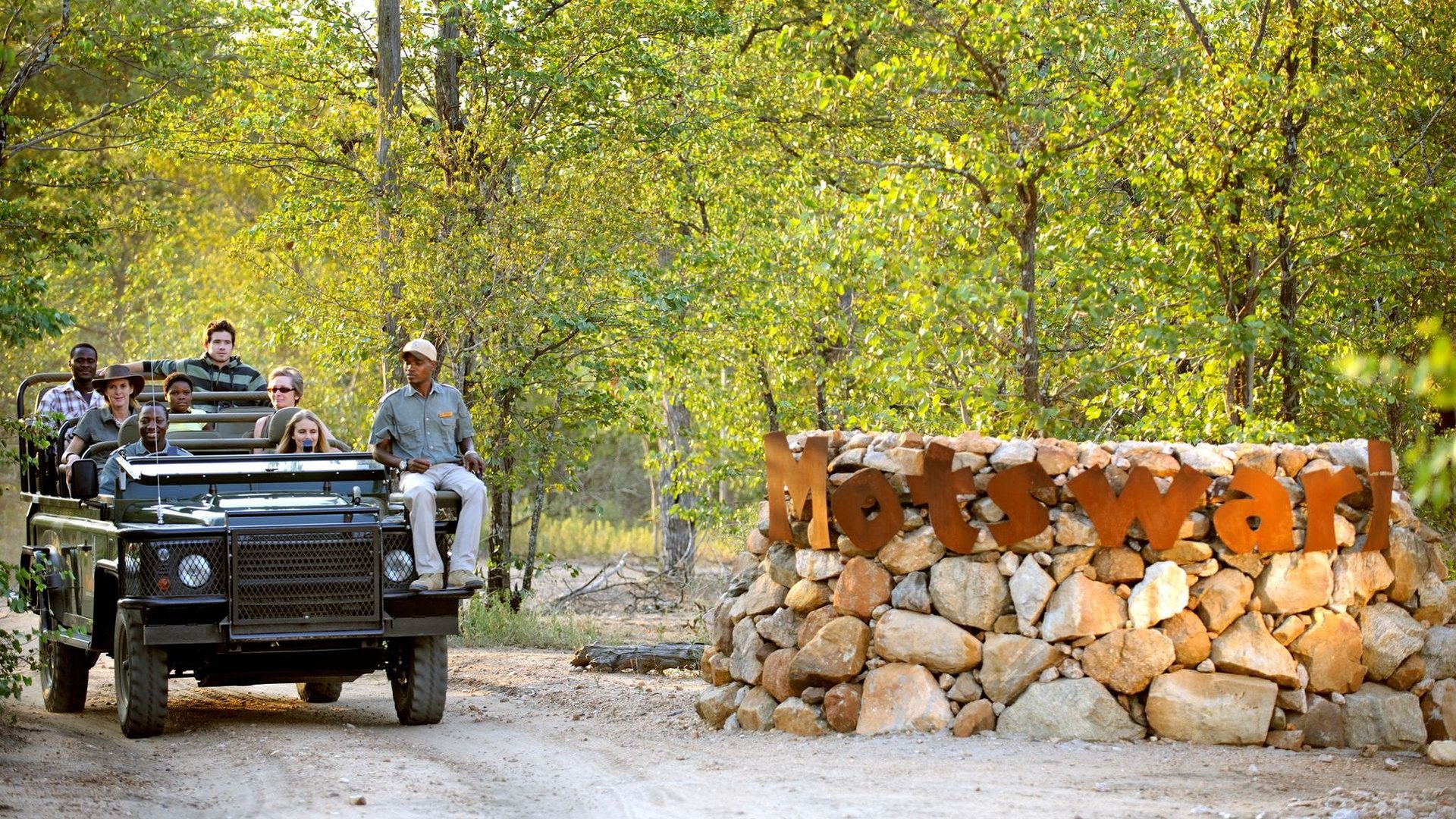
nThambo shares its traversing area with sister camp Africa on Foot and a handful of other small properties — which means you'll rarely see more than one or two other vehicles at a sighting. Compare that to Kruger's public roads or the Sabi Sand's busier concessions, and the difference is stark. At nThambo, a leopard sighting belongs to you.
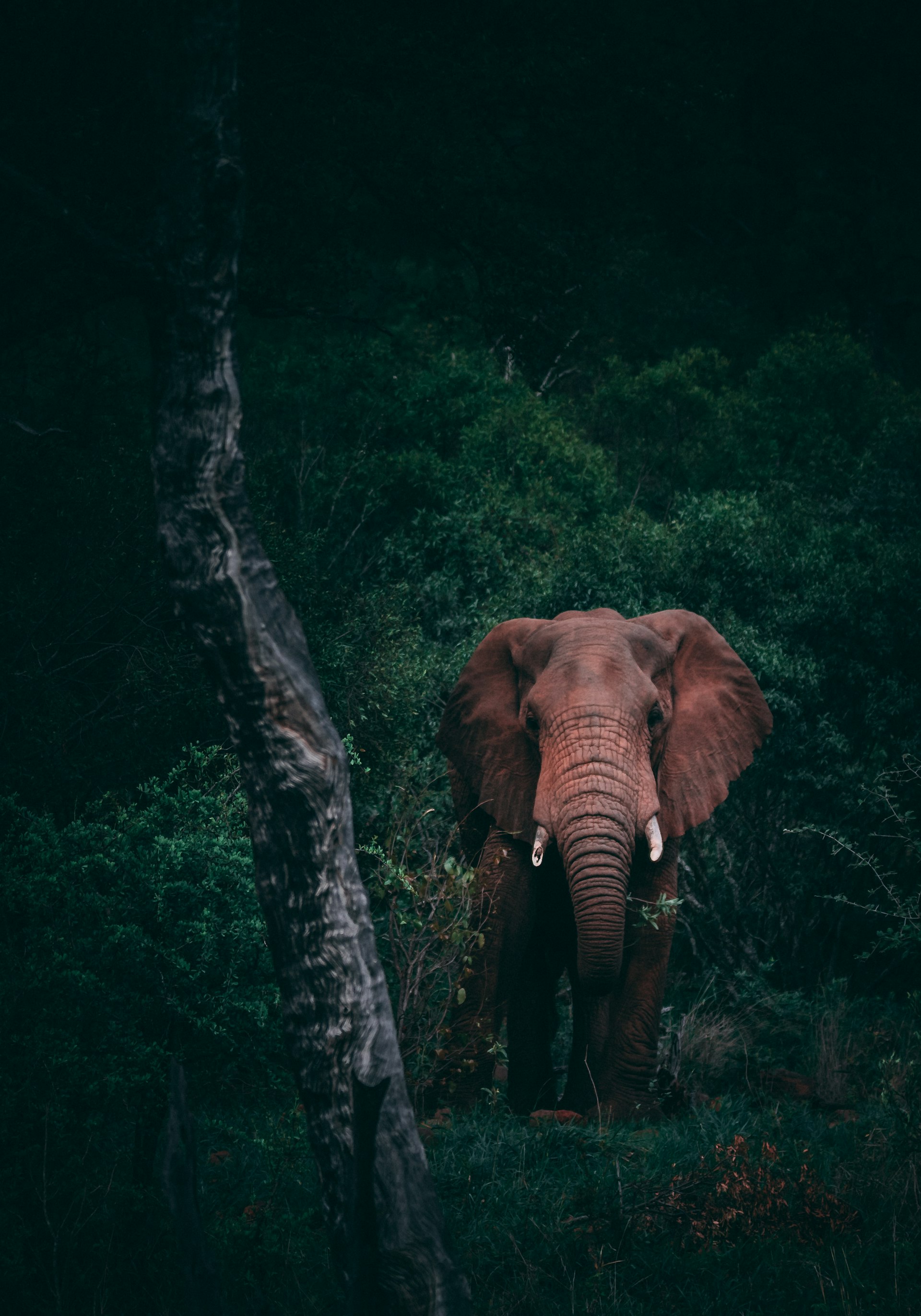
The Klaserie's wildlife is classic Greater Kruger: elephant herds along the seasonal rivers, lion prides holding territories in the open woodland, leopard in the drainage lines, buffalo in the clearings, and — with patience — white rhino on the open plains. The reserve's 60,000 hectares are unfenced to Kruger, so animals move freely across the boundary. Your morning drive might follow a breeding herd of elephants from the Klaserie River north toward Orpen Gate; your afternoon could end with a pride of lions settling onto a kill as the sun drops behind the Drakensberg escarpment.
The guides at nThambo are experienced, quietly knowledgeable and refreshingly unscripted. They'll adapt the drive to what the bush is offering — following tracks, reading alarm calls, letting the sighting unfold at its own pace rather than racing between GPS coordinates.
Walking Safaris: Where nThambo Excels
If nThambo has a single calling card, it's the walking safaris. The camp's trails guides are among the best in Greater Kruger — FGASA-qualified, deeply experienced and passionate about interpreting the bush at ground level. A walk here isn't a gentle stroll; it's a sensory education. You learn to read the age of a dung pile, identify a spider's web by its architecture, distinguish a leopard's alarm bark from a baboon's, and — occasionally — stand your ground while a breeding herd of elephants passes at close range.
Walking the Klaserie changes your understanding of safari completely. From a vehicle, the bush is a spectacle. On foot, it becomes a conversation. You notice the textures, the smells, the tiny dramas — a dung beetle rolling its prize, a flap-necked chameleon hunting on a branch, the fresh scrapes of a territorial leopard on a marula trunk. It's humbling, thrilling and profoundly addictive. If you've never done a walking safari, nThambo is one of the finest places in Southern Africa to start.
Dining and Social Life
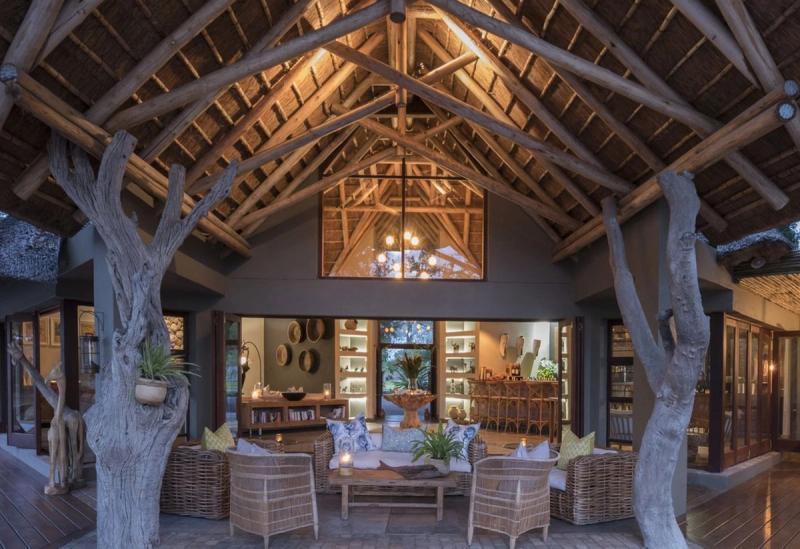
Meals at nThambo are hearty, homestyle and served communally — either around a long wooden table on the main deck or around the boma fire pit under the stars. Expect traditional South African braai (barbecue), potjiekos (slow-cooked stew), fresh salads and homemade bread. The cooking is generous rather than gourmet, and the atmosphere is warm and social: you'll share stories with your guides and fellow guests over cold Windhoek lagers and decent South African wine.
There's no pretension here. Dinner might involve the head guide drawing a map of the morning's walk in the sand, or the camp manager describing the leopard that visited the waterhole the previous night. It's the kind of bush hospitality that the big corporate lodges struggle to replicate — personal, spontaneous and genuine.
Conservation and Community
nThambo and its sister camp Africa on Foot are committed to a low-impact model. The treehouses are built on stilts to minimise ground disturbance. Water is heated by solar and gas. Waste is managed carefully in a reserve where elephant, hyena and honey badger will investigate anything left unattended. The camp also supports local community initiatives, employing staff from the neighbouring villages and contributing to education and anti-poaching efforts in the Klaserie.
The Klaserie Private Nature Reserve itself is a conservation success story — 60,000 hectares of former hunting land now managed as a Big Five photographic reserve, unfenced to Kruger and contributing to one of the largest contiguous wildlife areas on the continent.
Who Is nThambo For?
nThambo is ideal for couples, solo travellers and small groups who value authenticity over opulence. If you want a genuine bush experience — sleeping in the trees, walking with armed rangers, sharing stories around the fire — this camp delivers brilliantly. It's also excellent value for money: you get Big Five traversing in one of Greater Kruger's finest private reserves at a fraction of the price of the Sabi Sand or Timbavati's top-tier lodges.
It's less suited to guests who want air-conditioned suites, private plunge pools or spa treatments. The treehouses are open to the elements — beautiful in the dry season, occasionally challenging in summer when the heat and humidity build. If creature comforts are non-negotiable, consider Klaserie Sands River Camp or RockFig Safari Lodge instead.
nThambo vs Africa on Foot
The two camps share the same traversing area and the same management team, so the wildlife experience is identical. The difference is style: nThambo's treehouses are elevated, romantic and more immersive; Africa on Foot's chalets are ground-level, slightly more spacious and a touch more conventional. nThambo tends to attract couples and honeymooners; Africa on Foot draws a broader mix including small families. Both offer outstanding walking safaris. If sleeping in a treehouse appeals to you, choose nThambo. If you prefer solid walls and a bit more floor space, go with Africa on Foot. See our Africa on Foot review for the full comparison.
Getting There and Booking
nThambo Tree Camp is accessed via Hoedspruit Eastgate Airport (IATA: HDS), which receives daily flights from Johannesburg and Cape Town via Airlink. From Hoedspruit, it's approximately a 45-minute road transfer to the camp via the Klaserie gate. Self-drivers can also access the reserve from the R40 between Hoedspruit and the Orpen Gate road. The camp arranges all transfers.
Rates include accommodation, all meals, local beverages, two game drives daily and a walking safari. Park and conservation fees are additional. Book early for the peak dry season (June–September) — with only five suites, nThambo fills quickly.
Frequently Asked Questions
Is nThambo Tree Camp fenced?
No. nThambo sits in the unfenced Klaserie Private Nature Reserve, which is open to Kruger National Park. Wildlife — including elephants, lions and leopards — moves freely through and around the camp. The elevated treehouse design provides safety while keeping you immersed in the bush.
What is included in the nThambo rate?
Rates include accommodation, all meals, local drinks (house wine, beer, soft drinks), two game drives per day and a walking safari. Conservation and reserve fees are charged separately. Premium spirits and champagne are available at extra cost.
Is nThambo suitable for children?
Children aged 12 and over are welcome on game drives. Walking safaris require guests to be 16 or older. The open treehouse design means the camp is not well-suited to very young children. Families with younger kids may prefer a fenced lodge or a reserve with dedicated family programmes.
How does nThambo compare to Sabi Sand lodges?
The wildlife is comparable — both reserves are unfenced to Kruger and carry the Big Five. The key differences are vehicle density (far fewer in Klaserie), style (nThambo is rustic-elegant vs the polished luxury of Sabi Sand), and price (nThambo costs roughly a third of top Sabi Sand lodges). If you value exclusivity and walking safaris over marble bathrooms, nThambo delivers exceptional value.
When is the best time to visit nThambo?
The dry season (May–October) offers the best game viewing as vegetation thins and animals concentrate around water. July and August nights can be cold — bring warm layers for morning drives. The green season (November–March) brings lush landscapes, migratory birds and newborn animals, though thick bush makes sightings harder. Walking safaris run year-round.
Private Tours Cape Town arranges every detail of your nThambo Tree Camp stay — transfers, flights, multi-lodge Klaserie itineraries and seamless Greater Kruger pairings.