Key Takeaways
- The Klaserie Private Nature Reserve is a 60,000-hectare unfenced Big Five wilderness in the Greater Kruger, sharing open borders with the Kruger National Park, the Timbavati and the Balule — wildlife moves freely across nearly two million hectares.
- It is widely regarded as the birthplace of the Greater Kruger walking safari — guided bush walks led by expert armed rangers are a signature experience here, and camps like Africa on Foot have made walking safaris their speciality for decades.
- You get the full Big Five — lion, leopard, elephant, buffalo and rhino — plus cheetah, African wild dog and over 350 bird species, with very low vehicle density compared to busier reserves.
- The best lodges range from the treehouse charm of nThambo Tree Camp and the rustic-chic walking-safari heritage of Africa on Foot to the riverfront elegance of Klaserie Sands and the modern design of RockFig Safari Lodge — roughly US$315 to US$1,150 per person per night depending on the camp and season.
- The Klaserie offers exceptional value compared to the Sabi Sand — the same Greater Kruger ecosystem, the same Big Five, but at a fraction of the price and with far fewer vehicles at each sighting.
- For the wider picture see our Timbavati safari guide, our Greater Kruger private reserves guide, and our best Sabi Sand lodges guide.
TL;DR — The Klaserie is one of the Greater Kruger’s best-kept secrets: a vast, unfenced Big Five reserve famous for walking safaris, with significantly fewer vehicles than the Sabi Sand or even the Timbavati. Lodges start at around US$315 per person per night (full board with game drives), making it the best value in the Greater Kruger. If you want a raw, authentic bush experience with expert guiding and genuine wilderness — this is the place.
Why the Klaserie Is the Greater Kruger’s Best-Kept Secret
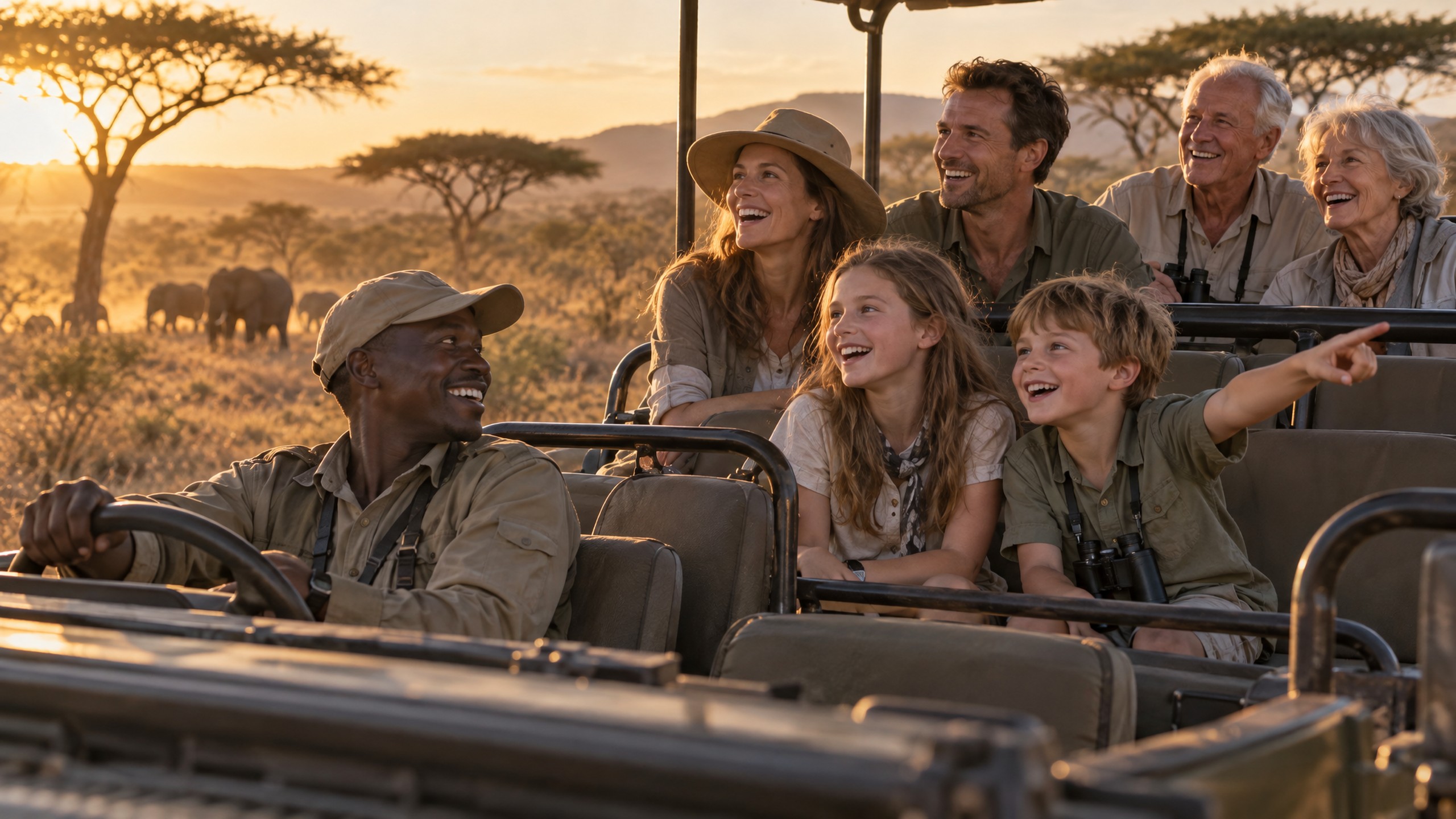
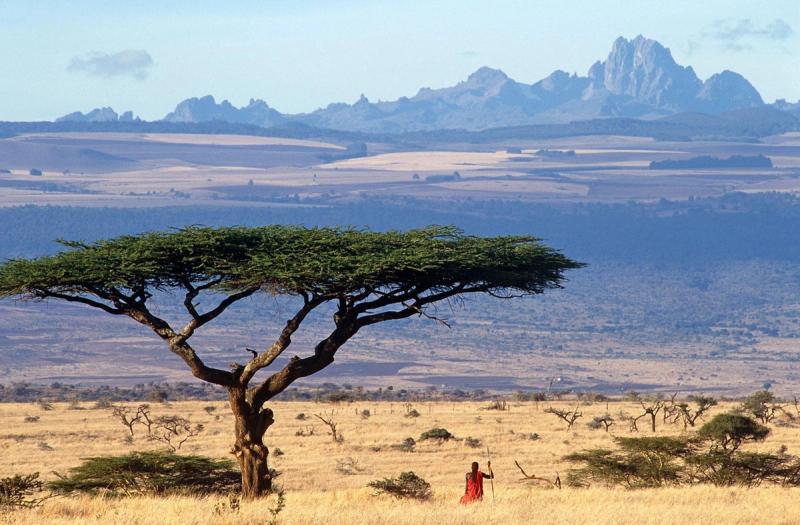
Ask most international travellers about a private game reserve near the Kruger and they will name the Sabi Sand or the Timbavati. The Klaserie rarely comes up — and that is precisely what makes it so special. This is the reserve that insiders love: a 60,000-hectare sweep of open Lowveld savanna on the western flank of the Kruger National Park, sharing completely unfenced borders not only with the Kruger itself but also with the Timbavati to the north and the Balule to the south. Wildlife moves freely across all of them — the same elephant herds, the same lion prides, the same leopards — but the Klaserie has something the others do not: space, silence and a fraction of the vehicles.
Where the Sabi Sand might have four or five vehicles jostling around a leopard, a Klaserie game drive often has the sighting entirely to itself. Where the Timbavati has grown into a well-known name with high-end lodges to match, the Klaserie has stayed deliberately low-key, with a small number of owner-run camps that have guarded the reserve’s wild character for decades. This is safari country for people who value authenticity over branding, and it is one of the most rewarding Big Five destinations in all of South Africa.
This guide covers everything you need to plan a Klaserie safari in 2026: the extraordinary wildlife, the walking safaris that made the reserve famous, the best lodges and camps (from treehouse charm to riverfront elegance), honest 2026 rates, the best time to visit, how to get there, and how the Klaserie compares with the Sabi Sand and the Timbavati. For the wider picture of all the Greater Kruger’s private reserves, our Greater Kruger private reserves guide is the perfect companion read.
The Walking Safari: Where It All Began
If the Klaserie has a single defining claim, it is this: the reserve is widely regarded as the birthplace of the Greater Kruger walking safari. Long before walking safaris became a luxury add-on at high-end Sabi Sand lodges, the Klaserie’s guides were leading guests into the bush on foot — reading tracks in the dust, identifying bird calls, interpreting the wind, and bringing the African wilderness alive in a way no vehicle can.
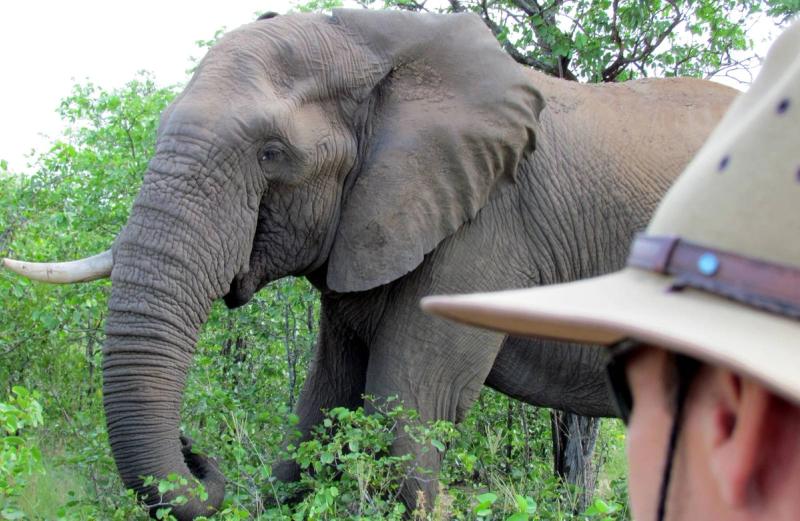
A walking safari in the Klaserie is not a gentle garden stroll. You are on foot in genuine Big Five country, led by an armed, qualified field guide and a Shangaan or Pedi tracker who has grown up reading this bush. You might follow fresh leopard tracks along a dry riverbed, or freeze as an elephant bull emerges from the knobthorn woodland barely forty metres ahead. The guides teach you to read the landscape at ground level: the pattern of broken spider webs that shows which way a herd passed, the alarm call of a go-away bird that warns of a lurking predator, the fresh buffalo dung that tells you the herd came through within the hour.
It is immersive, visceral and profoundly different from a game drive. Every Klaserie camp offers some form of guided walk, but Africa on Foot has made it the centrepiece of the experience — guests who stay there walk morning and afternoon, covering real ground, and sleep in an open-air treehouse under the stars. nThambo Tree Camp and Klaserie Sands both offer morning walks as part of the daily programme, and the standard is consistently high across the reserve.
The Wildlife: Big Five, Big Cats & More
Because the Klaserie shares an open, unfenced boundary with the Kruger National Park (and the Timbavati and Balule), the wildlife here is exactly the same as the Kruger — viewed from a private reserve with off-road access, expert guiding and very few other vehicles. The full Big Five is present: lion, leopard, elephant, buffalo and both white and black rhino. But the Klaserie’s character goes well beyond the marquee five.
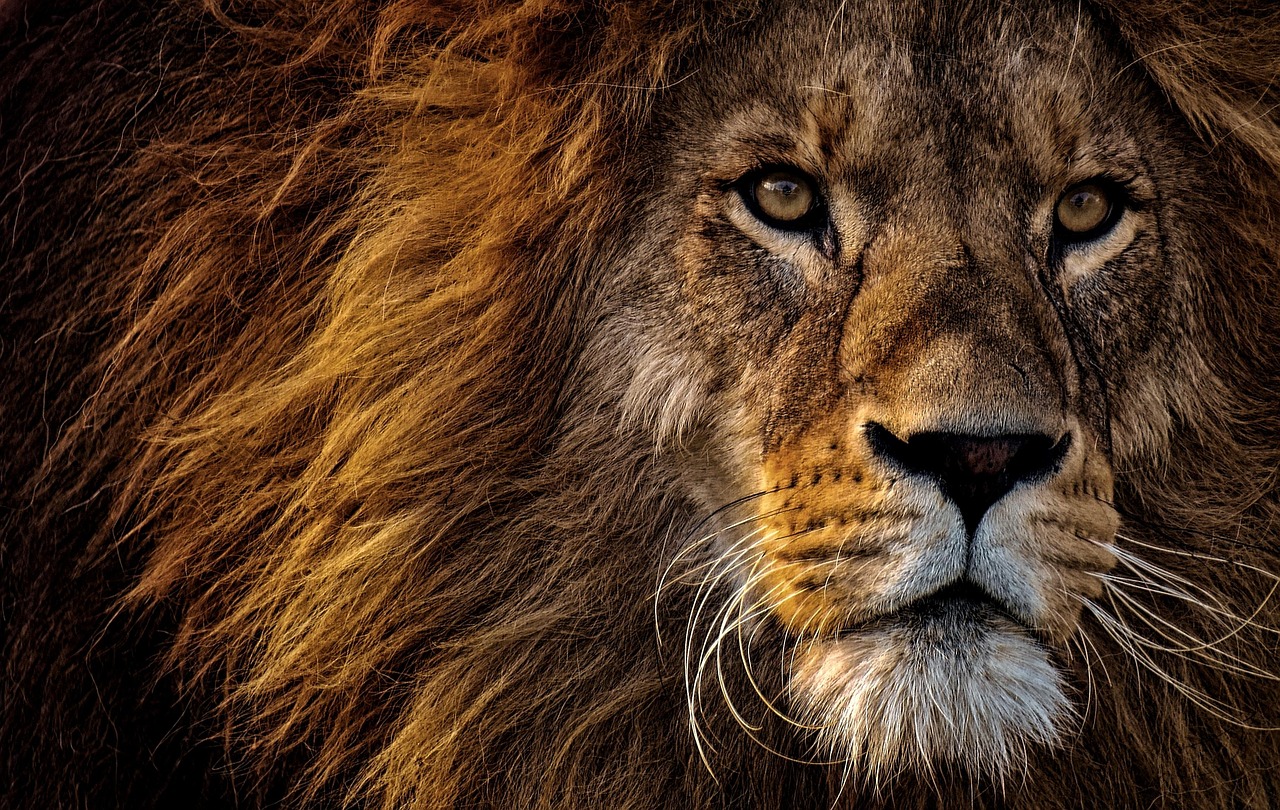
Lions are the headline act. The Klaserie sits on prime lion territory, and the prides here are large, active and well-habituated to vehicles. Morning drives regularly track fresh lion spoor along the sand roads, and the reserve’s open savanna and seasonal pans make for dramatic lion sightings — a kill at a waterhole, a pride dozing under a leadwood tree, a coalition of males patrolling at dawn.
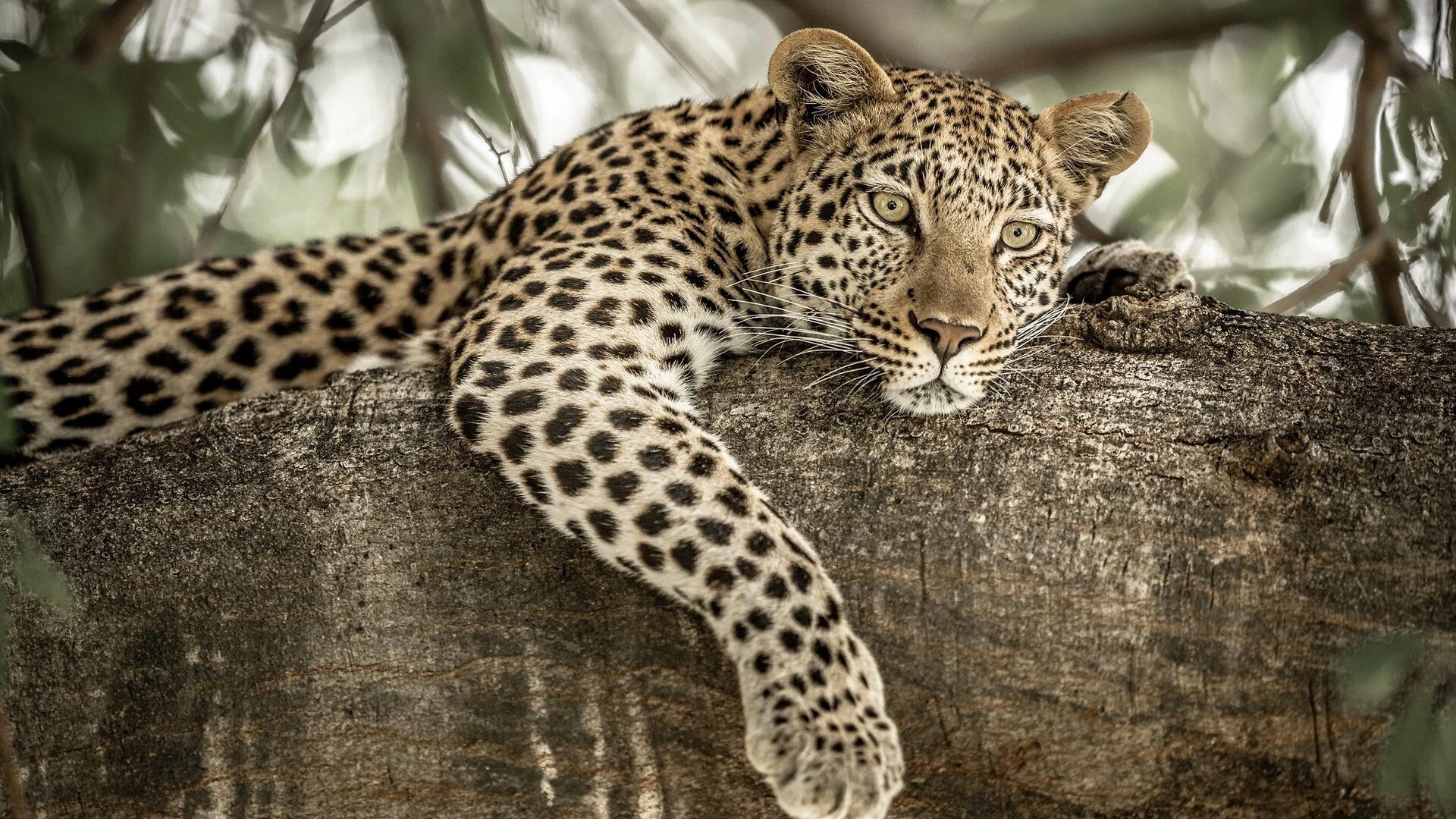
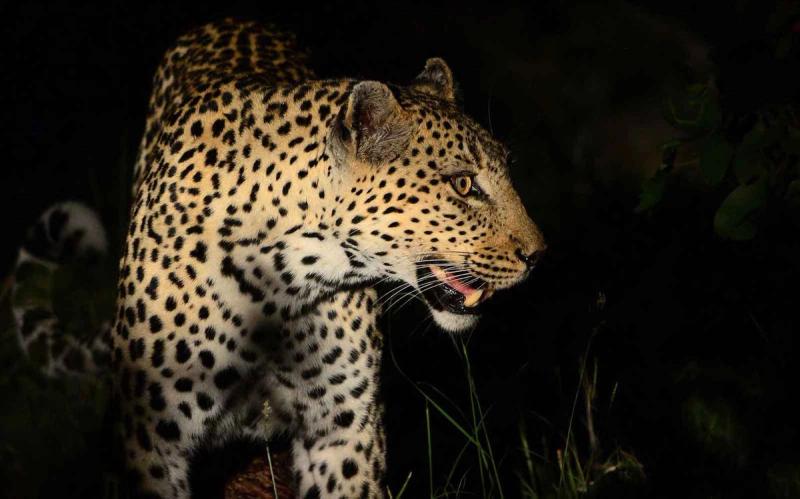
Leopards thrive in the Klaserie’s mix of woodland and riverine bush. Sightings may not be as frequent as in the Sabi Sand (which has an abnormally high leopard density and decades of deliberate habituation), but the Klaserie’s leopard encounters have a raw quality: a cat dragging an impala into a marula tree at sunset, or a female padding silently along a dry creek bed on a night drive.
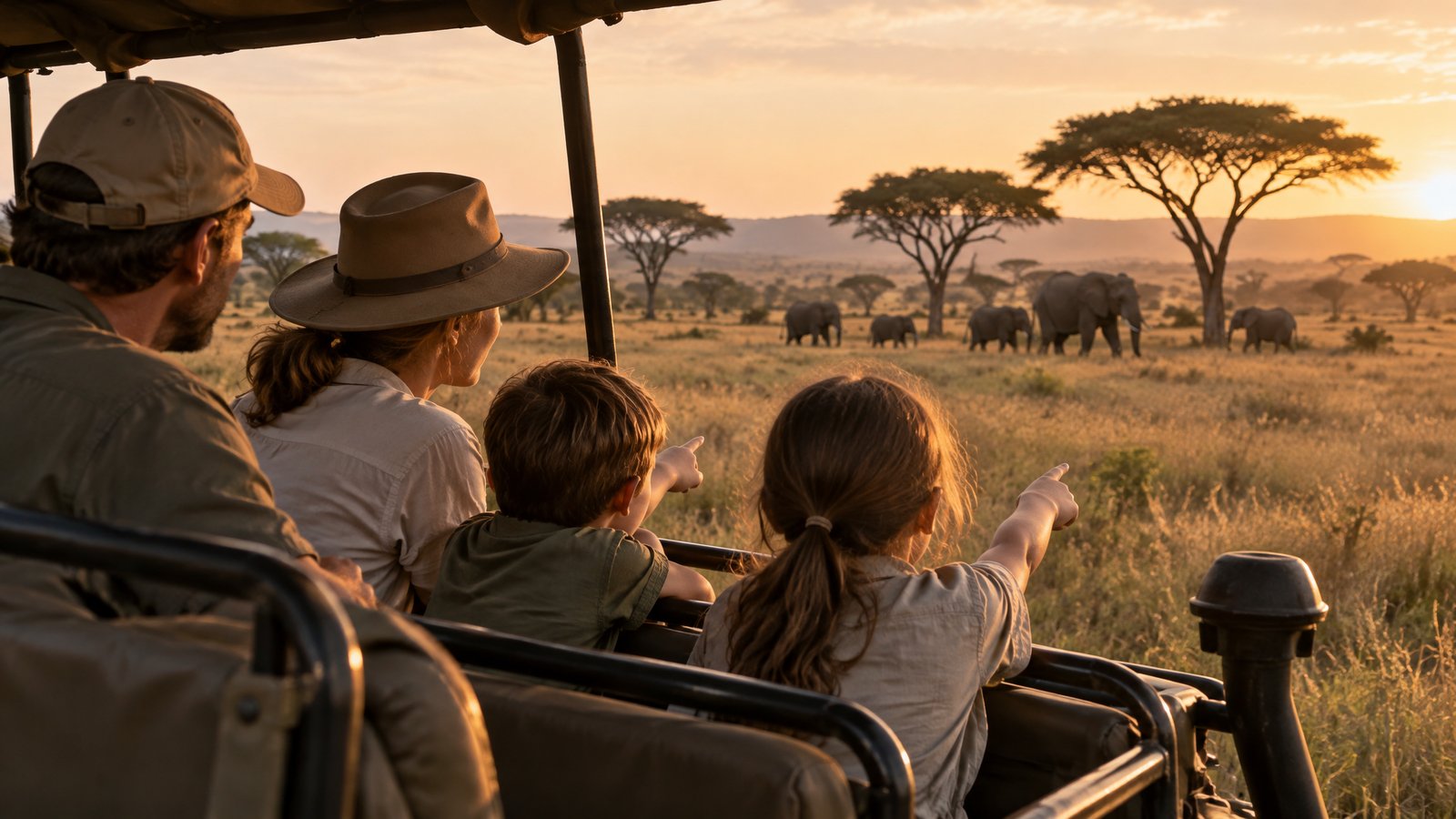
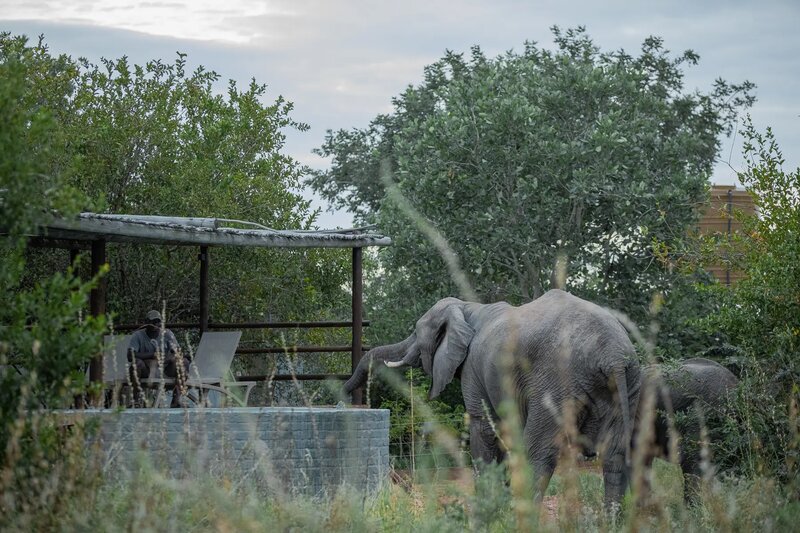
Elephants are everywhere. Large breeding herds move through the reserve, and big bulls are a regular feature at waterholes and along the seasonal rivers. Buffalo herds hundreds strong graze the open flats, and both white and black rhino are present (the black rhino more elusive, as everywhere). Cheetah favour the Klaserie’s open plains, and the reserve is one of the better places in the Greater Kruger to see the endangered African wild dog — packs move through on regular circuits, and a wild-dog sighting on a Klaserie game drive is genuinely thrilling.
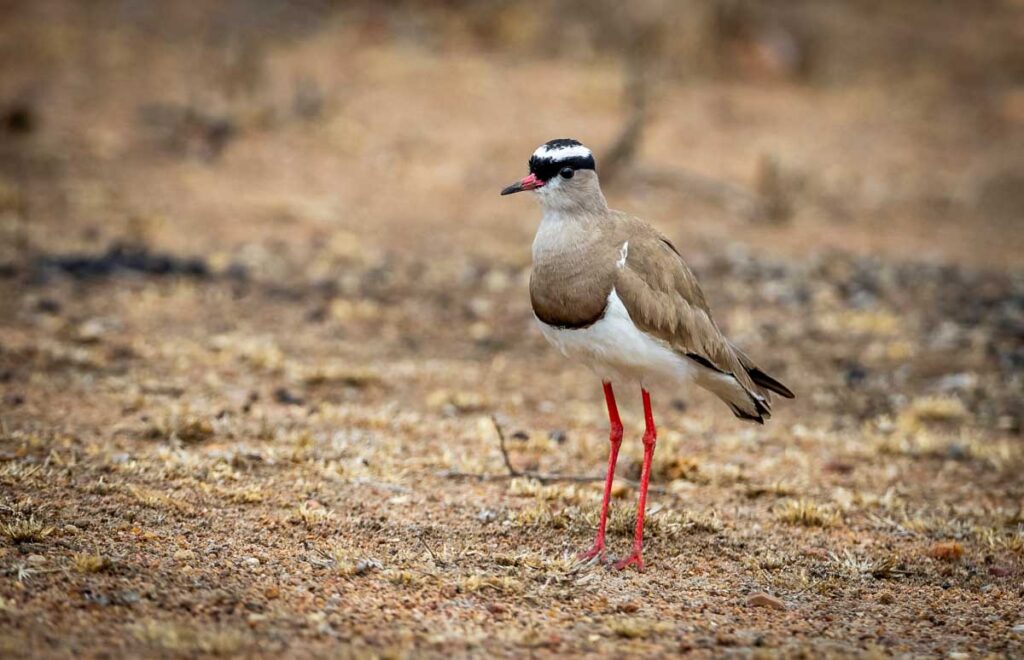
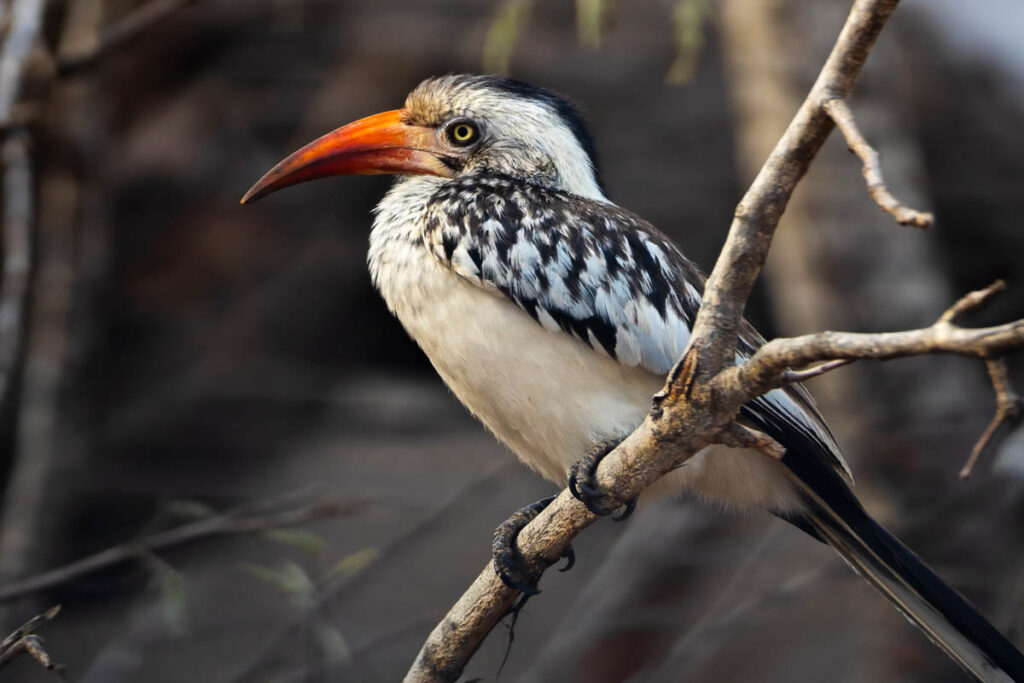
Birders will find over 350 species recorded: lilac-breasted rollers, bateleur eagles, the sought-after southern ground hornbill (the subject of an active Klaserie conservation project), and in summer a riot of migratory colour. The real magic is how you experience it all: on foot, or from an open 4x4 with a qualified ranger and a Shangaan tracker, free to go off-road and out after dark on night drives when the nocturnal world of genets, civets, porcupines and hunting leopards comes alive.
The Best Lodges & Camps in the Klaserie
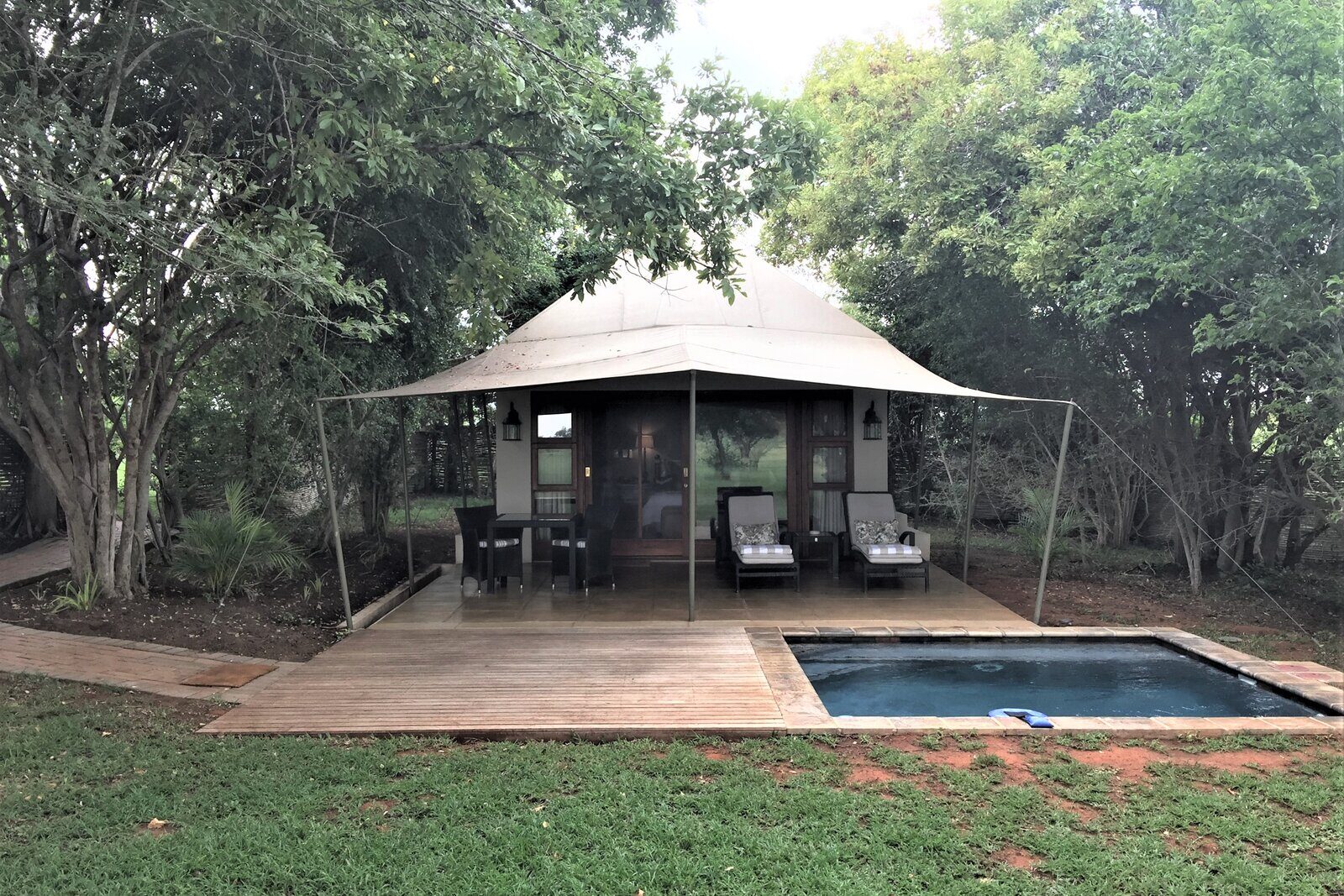
The Klaserie has far fewer lodges than the Sabi Sand or the Timbavati, and that is a large part of its charm. The camps here are mostly owner-run, intimate and unpretentious — places where the emphasis is on the bush, the guiding and the wildlife, not on designer interiors. That said, the accommodation is comfortable, the food is excellent, and several properties have been thoughtfully refurbished in the last two years. Here are our four picks for 2026, each offering a distinct character and price point.
nThambo Tree Camp — Treehouse Safari
1. nThambo Tree Camp
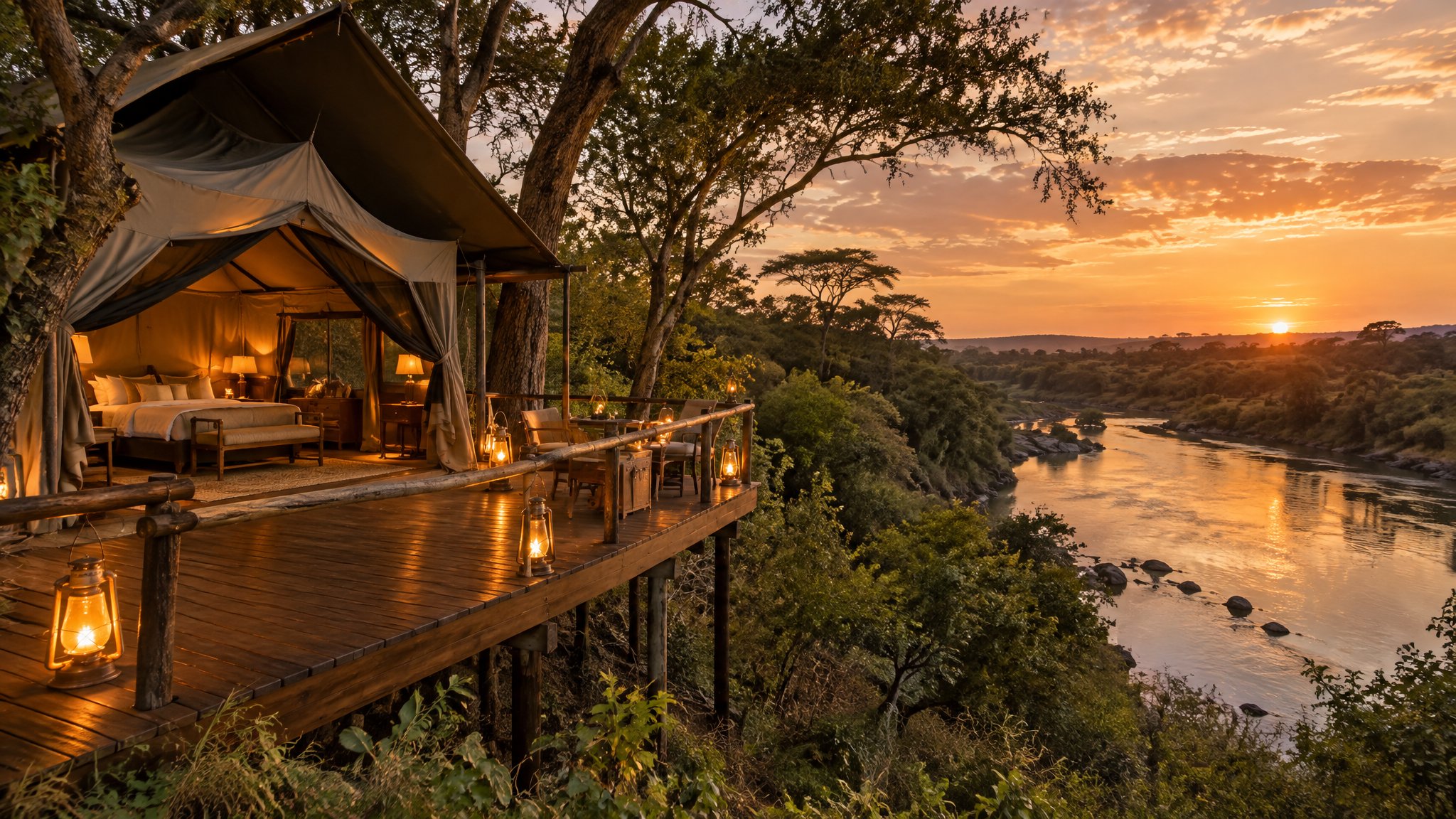
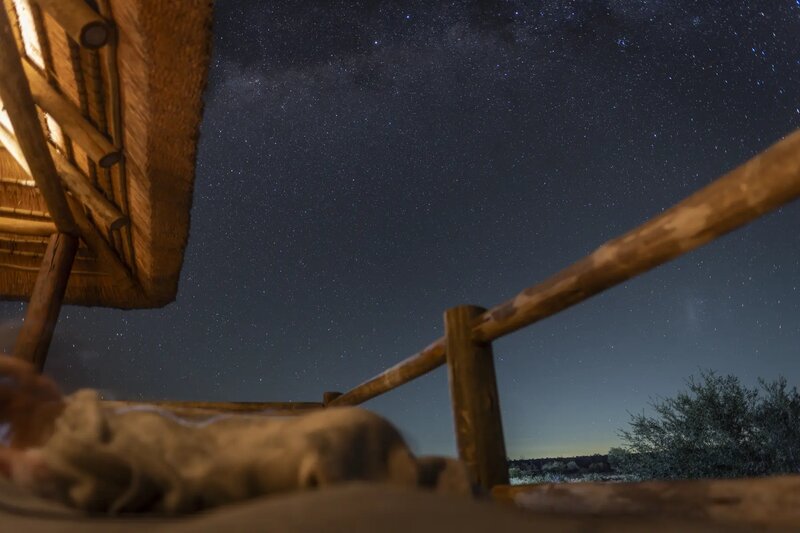
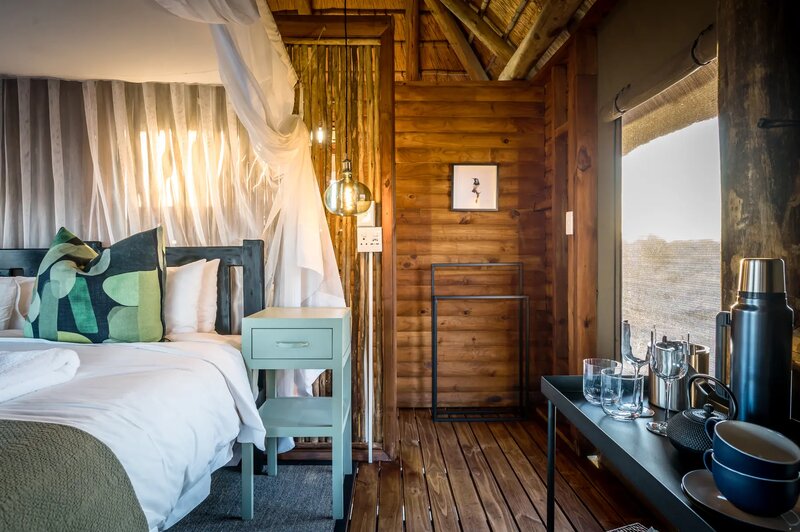
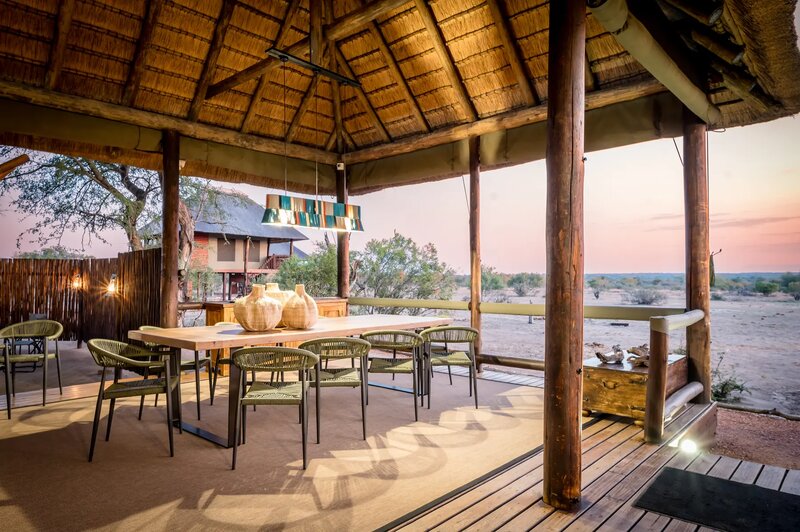
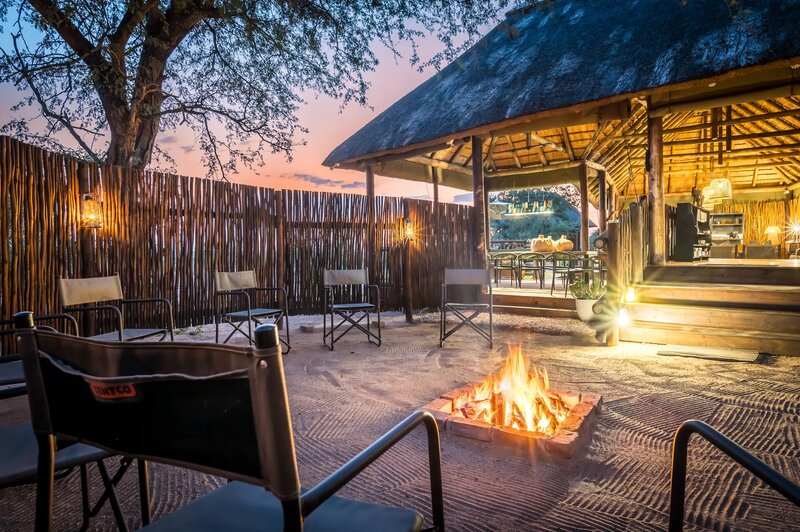
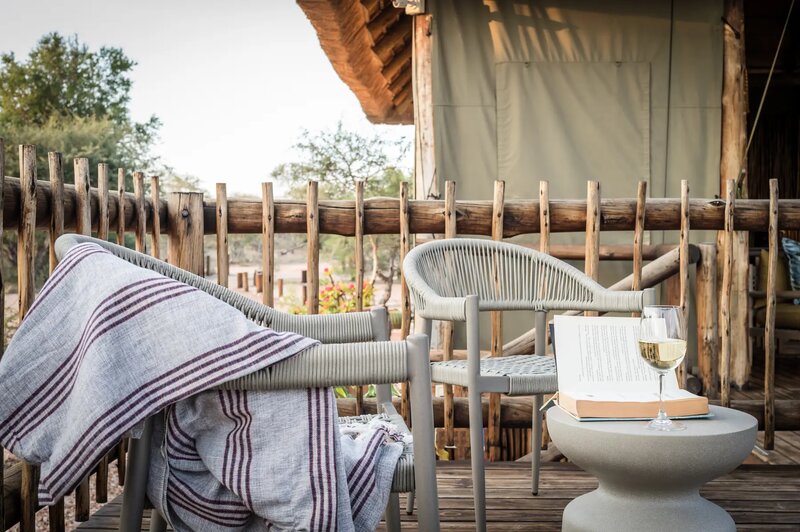
The treehouse camp. nThambo is one of those places that makes you remember why you fell in love with safari in the first place. Five elevated treehouse chalets sit in the canopy of a riverine woodland, looking out over a pumped waterhole where elephants drink, buffalo wallow and the occasional leopard comes to hunt at dusk. The chalets are a beautiful blend of wood, canvas and thatch — rustic but comfortable, with en-suite bathrooms, private balconies and the sound of the bush all around you.
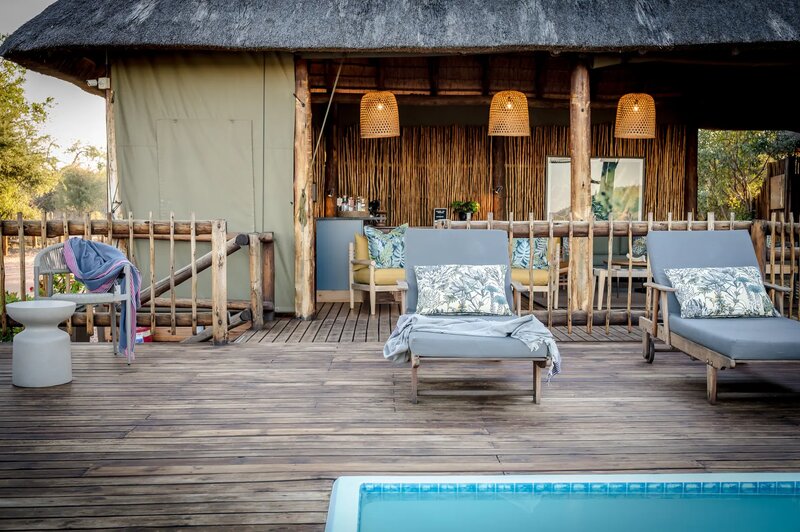
The main lodge is an airy open-plan affair with a lounge, bar and dining area that flows out to a splash pool overlooking the waterhole — sundowners here, watching elephants arrive in the golden light, are unforgettable. There is an outdoor boma for bush dinners under the Milky Way. nThambo is run by the Motlala family, and the warmth of the welcome is genuine — this is a family camp, not a corporate lodge.
Game drives are in open 4x4 vehicles with expert rangers and Shangaan trackers, and morning bush walks are offered. The camp shares a large traverse with Africa on Foot (its sister camp), so the Big Five viewing is excellent and the vehicle density is very low.
nThambo Tree Camp — At a Glance
| Style | Elevated treehouse chalets, rustic-luxury |
| Rooms | 5 treehouse chalets (king or twin) |
| 2026 Rate | From R6,750 / ~US$370 per person per night (full board) |
| Includes | All meals, game drives, bush walk, teas & coffees |
| Children | 12 years and older |
| Best For | Couples, solo travellers, value seekers, treehouse lovers |
Africa on Foot — The Walking Safari Pioneer
2. Africa on Foot
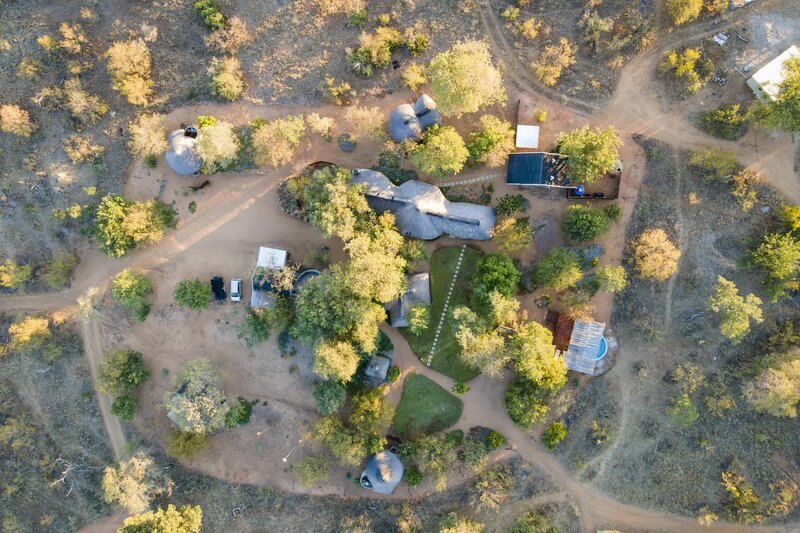
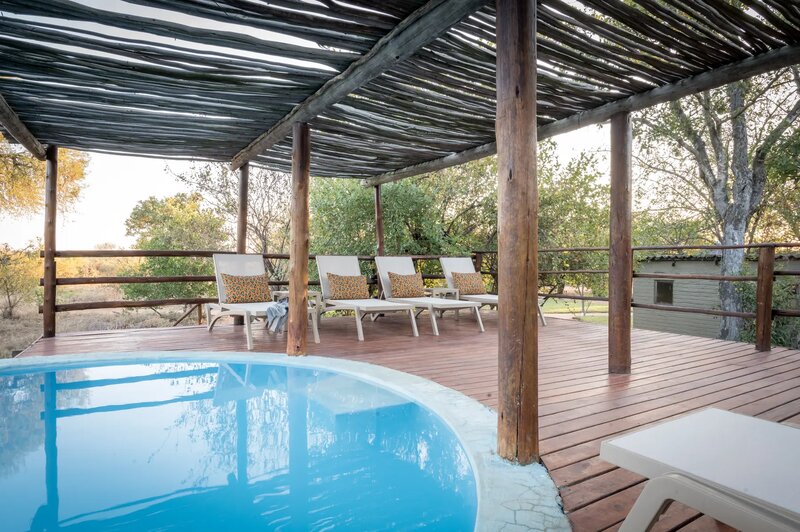
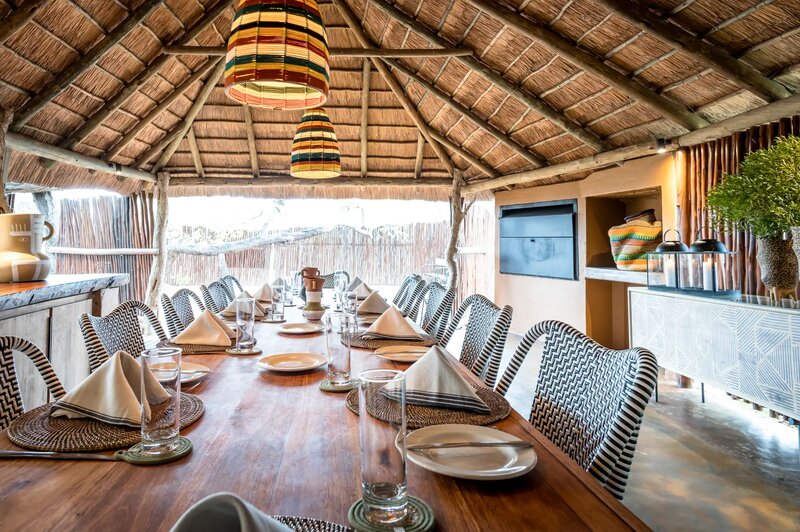
The walking-safari original. If the Klaserie is the birthplace of the Greater Kruger walking safari, Africa on Foot is the camp that wrote the rulebook. Run by Classic Africa, this intimate camp on a 13,000-hectare traverse has been leading guests into the bush on foot for years — not as a gentle add-on, but as the main event. Morning and afternoon walks are the default here, and the guides are among the best in the business: patient, passionate and deeply knowledgeable about everything from dung beetles to dangerous game.
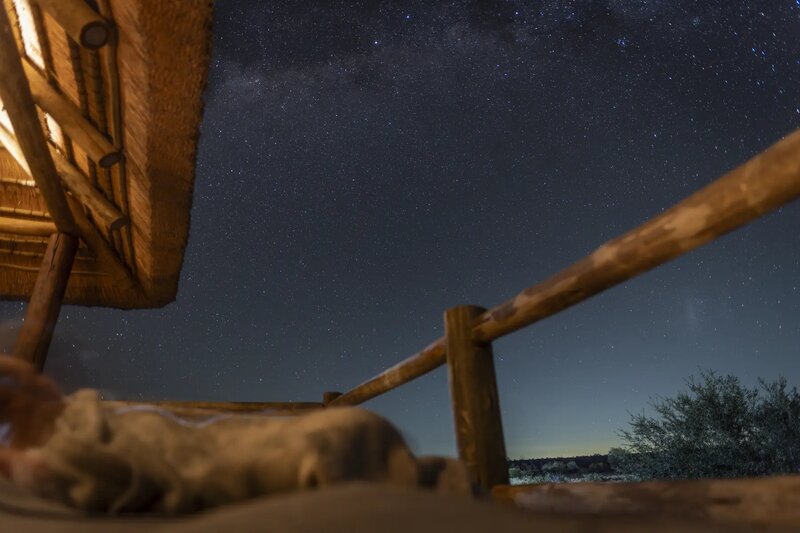
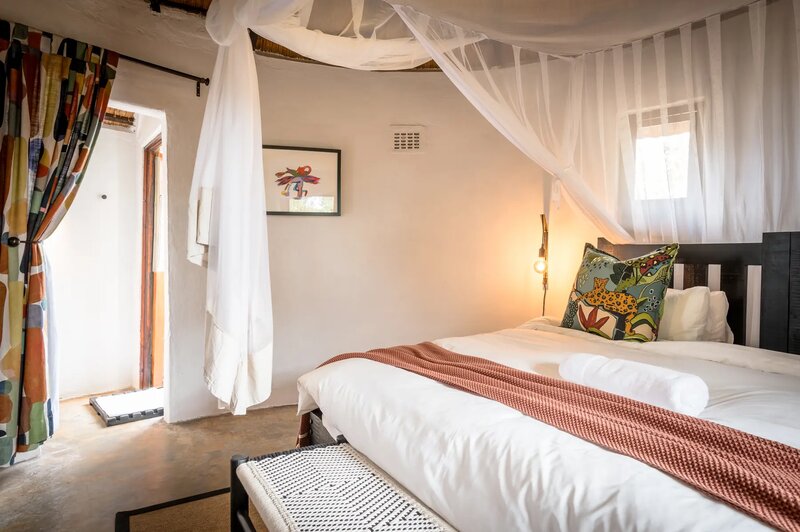
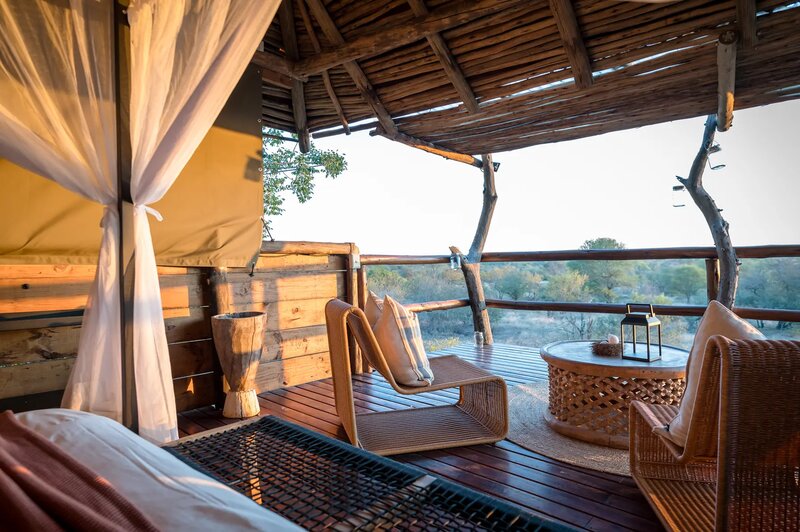
The camp has five brick-and-thatch chalets (including two family rooms) with en-suite bathrooms, rustic decor, quality linen and mosquito nets. There are two splash pools and an outdoor boma for evening fires. But the star attraction is the open-air treehouse — a sleeping platform in the canopy, available at a modest surcharge, where you fall asleep to the sounds of the bush and wake to birdsong and the first light filtering through the leaves. It is one of the most magical sleep-out experiences in the Greater Kruger.
Game drives in open 4x4 vehicles are also offered, and the Big Five viewing on the shared nThambo/Africa on Foot traverse is excellent. Children aged five and above are welcome, though walking safaris are reserved for guests sixteen and older.
Africa on Foot — At a Glance
| Style | Rustic-chic walking safari camp |
| Rooms | 5 chalets + 1 open-air treehouse |
| 2026 Rate | From R5,775 / ~US$315 per person per night (full board) |
| Includes | All meals, game drives, walking safaris, teas & coffees |
| Children | 5+ (walking safaris 16+) |
| Best For | Walking safari enthusiasts, adventurous couples, families with teens |
Klaserie Sands River Camp — Riverfront Elegance
3. Klaserie Sands River Camp
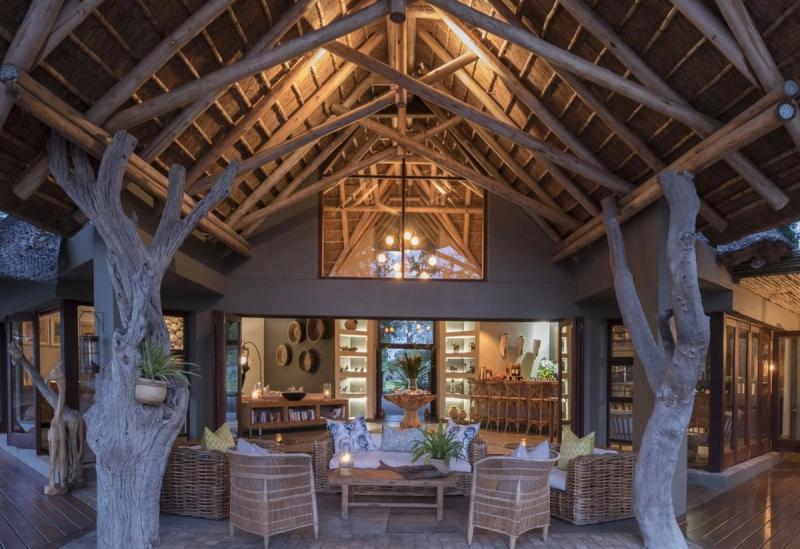
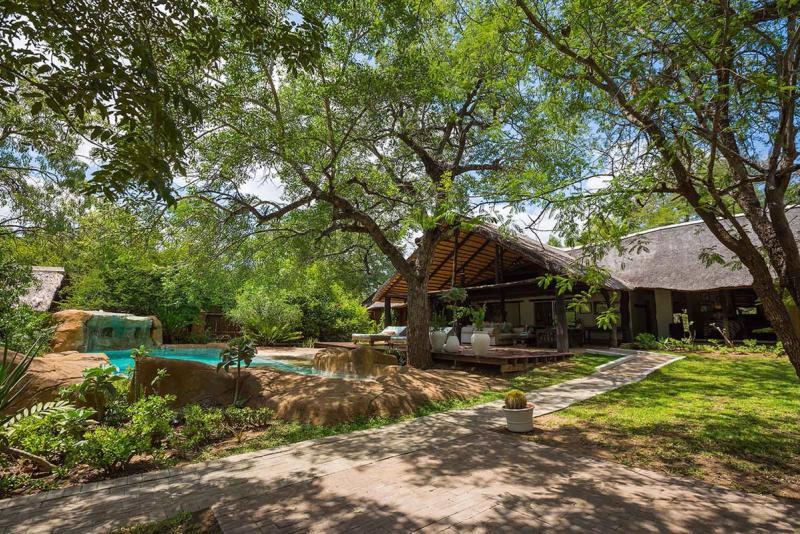
The riverfront option. Set along the banks of a seasonal river within the Klaserie, this mid-range lodge offers a polished, comfortable take on the bush experience without the ultra-luxury price tag. The suites are air-conditioned with en-suite bathrooms, quality linen and private decks looking out over the riverbed — a natural wildlife corridor where elephants, buffalo and waterbuck come to drink. The main area is centred around a rim-flow swimming pool, a fully equipped gym, a library and an outdoor boma for bush dinners.
Game drives are led by experienced rangers, and guided bush walks are offered. The camp is gently fenced to allow safe movement between suites and the main lodge — a practical touch that makes it one of the more family-friendly options in the Klaserie, welcoming children of all ages. Klaserie Sands sits in excellent Big Five territory, and the waterhole near the lodge is a magnet for wildlife, especially in the dry winter months.
Klaserie Sands River Camp — At a Glance
| Style | Mid-range riverfront lodge, family-friendly |
| Rooms | 4–5 air-conditioned suites |
| 2026 Rate | From ~US$350 per person per night (all-inclusive) |
| Includes | All meals, drinks, game drives, bush walks |
| Children | All ages welcome |
| Best For | Families, couples seeking comfort at value pricing |
RockFig Safari Lodge — Modern Design Meets the Wild
4. RockFig Safari Lodge
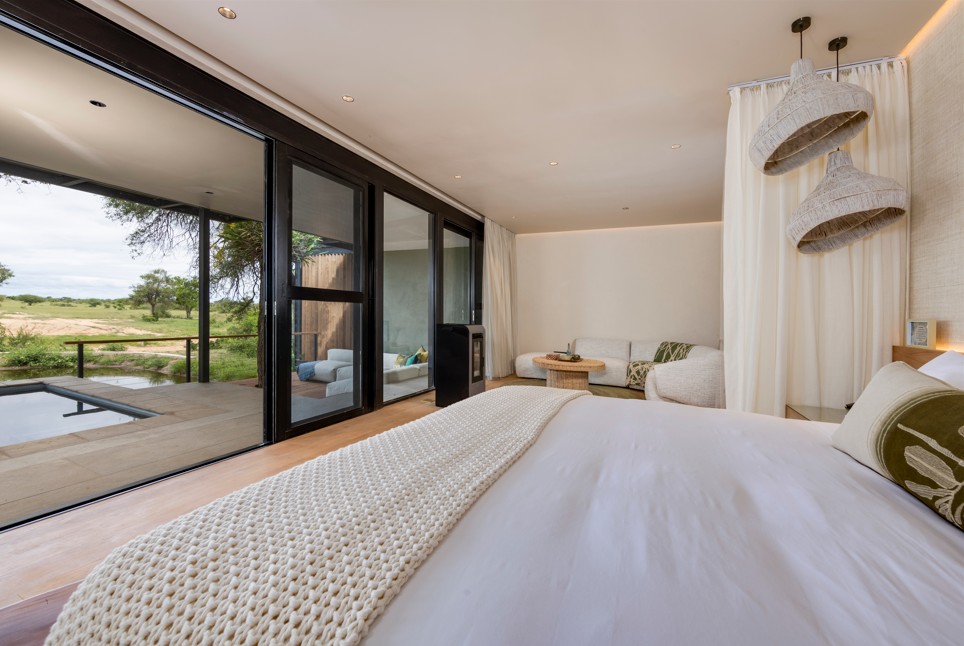
The design-led choice. RockFig sits on a traverse that spans the Klaserie–Timbavati boundary, giving it access to both reserves — a huge traversing area of open savanna and riverine bush. The lodge is modern, clean-lined and contemporary: six chalet-style suites with private plunge pools, indoor-outdoor bathrooms, floor-to-ceiling glass and a design sensibility that sets it apart from the rustic camps elsewhere in the Klaserie. A maximum of twelve adults (sixteen guests including children) makes it one of the most intimate lodges in the Greater Kruger.
Families and groups of four or more get an exclusive-use game-drive vehicle, and the guiding standard is superb — RockFig’s rangers and trackers work this traverse with the same quiet skill as the best Sabi Sand or Timbavati operations. The rates are higher than the value camps (this is luxury territory), but still considerably below equivalent Sabi Sand lodges, and the experience is polished, personal and genuinely special.
RockFig Safari Lodge — At a Glance
| Style | Contemporary luxury, design-led |
| Rooms | 6 suites with private plunge pools (max 12 adults) |
| 2026 Rate | From R21,000 / ~US$1,150 per person per night (fully inclusive) |
| Includes | All meals, local drinks, game drives, laundry, airstrip transfers |
| Children | All ages (under-3s free, 3–12 at 50%) |
| Best For | Couples, honeymooners, design lovers, small groups |
Klaserie vs Sabi Sand vs Timbavati: How They Compare
| Klaserie | Sabi Sand | Timbavati | |
|---|---|---|---|
| Size | ~60,000 ha | ~65,000 ha | ~53,000 ha |
| Big Five | Yes (full) | Yes (full) | Yes (full) |
| Leopard density | Good | Exceptional | Good |
| Walking safaris | Signature experience | Available (limited) | Available |
| Vehicle density | Very low | Moderate–high | Low–moderate |
| Price range (pp/night) | US$315–$1,150 | US$800–$3,500+ | US$300–$1,400 |
| Character | Wild, raw, uncrowded | Polished, leopard-focused | White-lion heritage, classic |
All three reserves share unfenced borders with the Kruger and offer a genuine Big Five safari. The Sabi Sand is the most famous (and the most expensive), renowned for close leopard encounters and ultra-luxury lodges. The Timbavati carries the mystique of the white lion and has a strong mid-range to luxury offering. The Klaserie is the wild card — less known, less visited, significantly better value, and with the strongest walking safari tradition of the three. If you have the budget, a combination stay (Klaserie + Sabi Sand, or Klaserie + Timbavati) gives you the best of both worlds. For the deeper comparison, see our Sabi Sand vs Timbavati guide.
When to Visit the Klaserie
The Klaserie works year-round, but the seasons shape the experience:
| Season | Months | What to Expect |
|---|---|---|
| Dry / Winter | May–Sep | Best wildlife viewing. Vegetation thins, animals concentrate at water. Mild days (20–25 °C), cold mornings (5–10 °C). Peak season for Big Five. Ideal walking weather. |
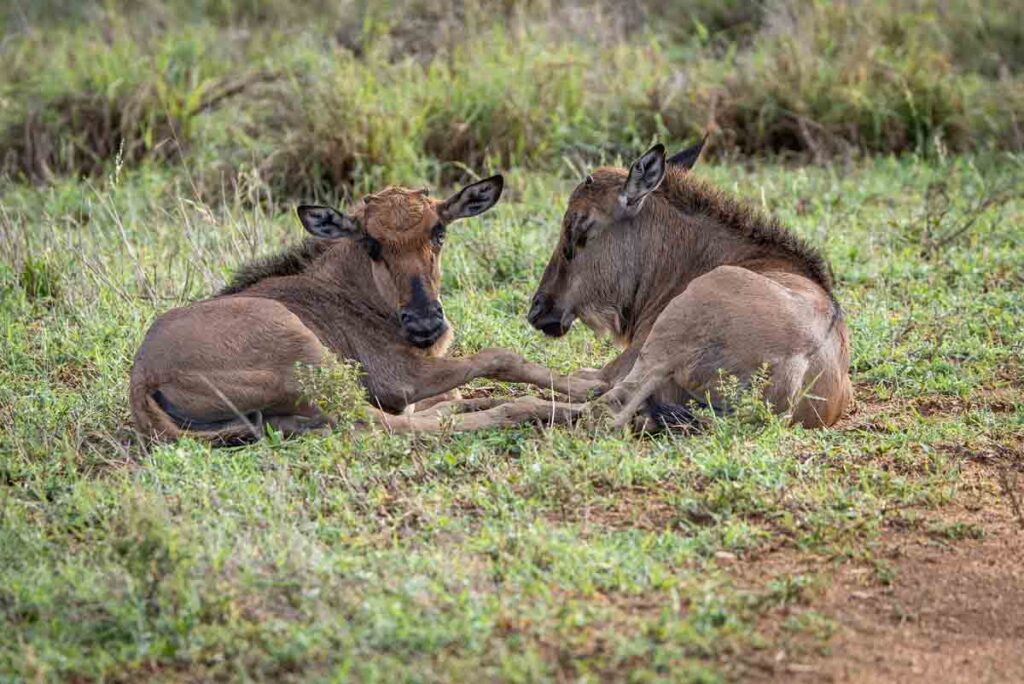
| Green / Summer | Nov–Mar | Lush, green landscapes. Newborn animals (impala lambs, elephant calves). Superb birding (migratory species). Afternoon thunderstorms. Thicker bush makes sightings harder. Lower rates. |
| Shoulder | Apr & Oct | Excellent middle ground. Good game viewing, pleasant temperatures, fewer crowds, often better rates than peak dry season. |
Our honest recommendation: May to September is the best time for most visitors. The walking is comfortable, the bush is open, and the Big Five concentrate around the remaining water sources — making every game drive and bush walk rewarding. The shoulder months of April and October are also superb, and come with slightly lower rates.
How to Get to the Klaserie
The Klaserie is in Limpopo province, on the western boundary of the Kruger National Park, about 500 km (5–6 hours by road) northeast of Johannesburg.
By air: The nearest airport is Hoedspruit Eastgate (HDS), which receives daily flights from Johannesburg O.R. Tambo (about 1 hour) and from Cape Town. Most Klaserie lodges arrange road transfers from Hoedspruit, typically 30–60 minutes. RockFig has its own private airstrip and offers complimentary transfers for guests.
Self-drive: From Johannesburg, take the N4 east to Nelspruit, then the R40 north through White River and Hazyview to Hoedspruit. The reserve gates are well signposted from the R40. Self-driving is a pleasant option if you enjoy the road trip, and several lodges offer secure parking.
Charter flights: For guests combining the Klaserie with Cape Town or the Sabi Sand, we can arrange private charter flights direct to Hoedspruit or to lodges with their own airstrip. This is the seamless way to build a multi-stop South African itinerary.
Conservation in the Klaserie
The Klaserie is not just a place to see wildlife — it is a place where conservation runs deep. The reserve has been privately owned and managed since 1969, and its landowners have committed to keeping the land wild in perpetuity. All guests pay a conservation levy (currently R520 per person per night) that funds anti-poaching, ecological monitoring and community projects.
Notable conservation initiatives include:
- The Klaserie Ground Hornbill Project — protecting one of South Africa’s most endangered bird species, with artificial nests and monitoring across the reserve.
- Elephant research — long-term population studies tracking herds across the Greater Kruger.
- The Klaserie Children’s Eco-Training Project — environmental education for local schoolchildren from surrounding communities.
- Anti-poaching operations — dedicated ranger teams, canine units and technology-assisted patrols protecting rhino and other vulnerable species.
When you stay in the Klaserie, your rate directly supports this work. It is conservation tourism at its most genuine.
Pricing & Value: Why Klaserie Is the Greater Kruger’s Best Deal
Let us be direct: the Klaserie offers the best value of any Big Five private reserve in the Greater Kruger ecosystem. The same wildlife, the same unfenced wilderness, the same expert guiding — but at prices that start where the Sabi Sand’s entry-level rates end.
| Lodge | Tier | 2026 Rate (pp/night) |
|---|---|---|
| Africa on Foot | Value | From ~US$315 (full board) |
| nThambo Tree Camp | Value | From ~US$370 (full board) |
| Klaserie Sands River Camp | Mid-range | From ~US$350 (all-inclusive) |
| RockFig Safari Lodge | Luxury | From ~US$1,150 (fully inclusive) |
For context, an entry-level Sabi Sand lodge typically starts at US$800–$1,000 per person per night, and the top-tier names (Singita, Londolozi, Royal Malewane) are US$2,000–$3,500+. You can have three nights in the Klaserie at Africa on Foot for the price of one night at a mid-range Sabi Sand lodge. The Big Five are the same. The walking safaris are arguably better. The Klaserie is, quite simply, the savvy traveller’s secret.
All Klaserie rates exclude the reserve conservation levy (currently R520/~US$28 per person per night for guests aged 12+), which is invoiced separately.
Why Book Your Klaserie Safari with Beyond Africa Safaris
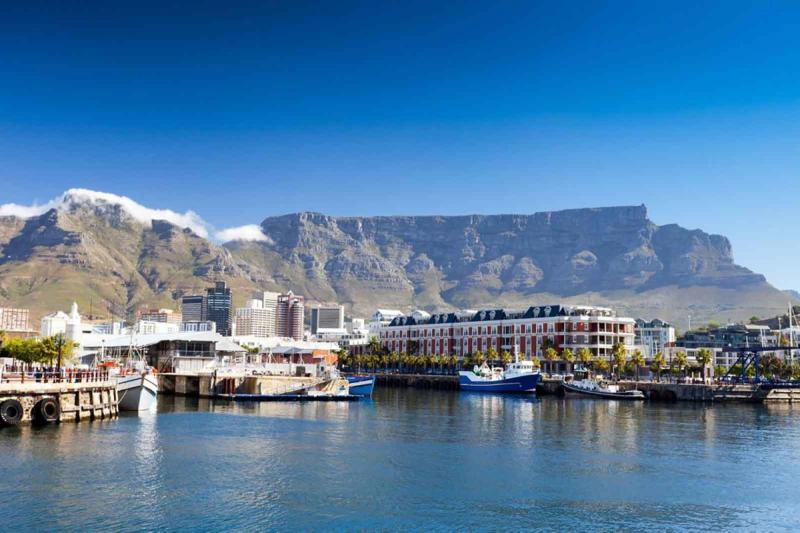
We are a private Cape Town-based safari house — not an online aggregator, not a call centre. We have walked these Klaserie trails, slept in these treehouses, and sat around these bomas. We know which lodge suits which guest, which traverse is strongest this season, and how to combine the Klaserie with a Cape Town stay, a Garden Route road trip or a Sabi Sand extension into a single, seamless South African journey.
Every Klaserie safari we build is private, tailor-made and fully managed — flights, transfers, lodge bookings, dietary requirements, special occasions, the lot. We do not do group departures and we do not do cookie-cutter itineraries.