🦁 Key Takeaways — African Safari from Ireland
- Best routing: Ethiopian Airlines daily Dublin → Addis Ababa → Johannesburg (≈13h 35min) or Nairobi/Kilimanjaro — the smoothest single-connection path from Ireland
- Visa ease: Visa-free for South Africa (90 days) and Botswana (30 days); Kenya eTA (€50–€60) and Tanzania e-Visa ($100) for East Africa
- Budget reality: Return flights €650–€1,300; expect €4,850–€10,600 pp for mid-range and €10,600–€29,500 pp for luxury 7–10 day safaris
- Best timing: June–October dry season = peak wildlife (Great Migration July–Sept); aligns with Irish summer and October mid-term holidays
- Top picks: Sabi Sands Big Five year-round, Serengeti/Masai Mara Migration (July–Oct), Okavango Delta water safari
Why Ireland to Africa Safari Works
Planning an African safari from Ireland has never been more accessible. While Dublin doesn't offer direct flights to Johannesburg—unlike London or Frankfurt—Irish travelers benefit from streamlined routing through Ethiopian Airlines' Addis Ababa hub, visa-free entry to South Africa and Botswana, and a safari market increasingly aligned with Irish values: sustainability, authenticity, and conservation.
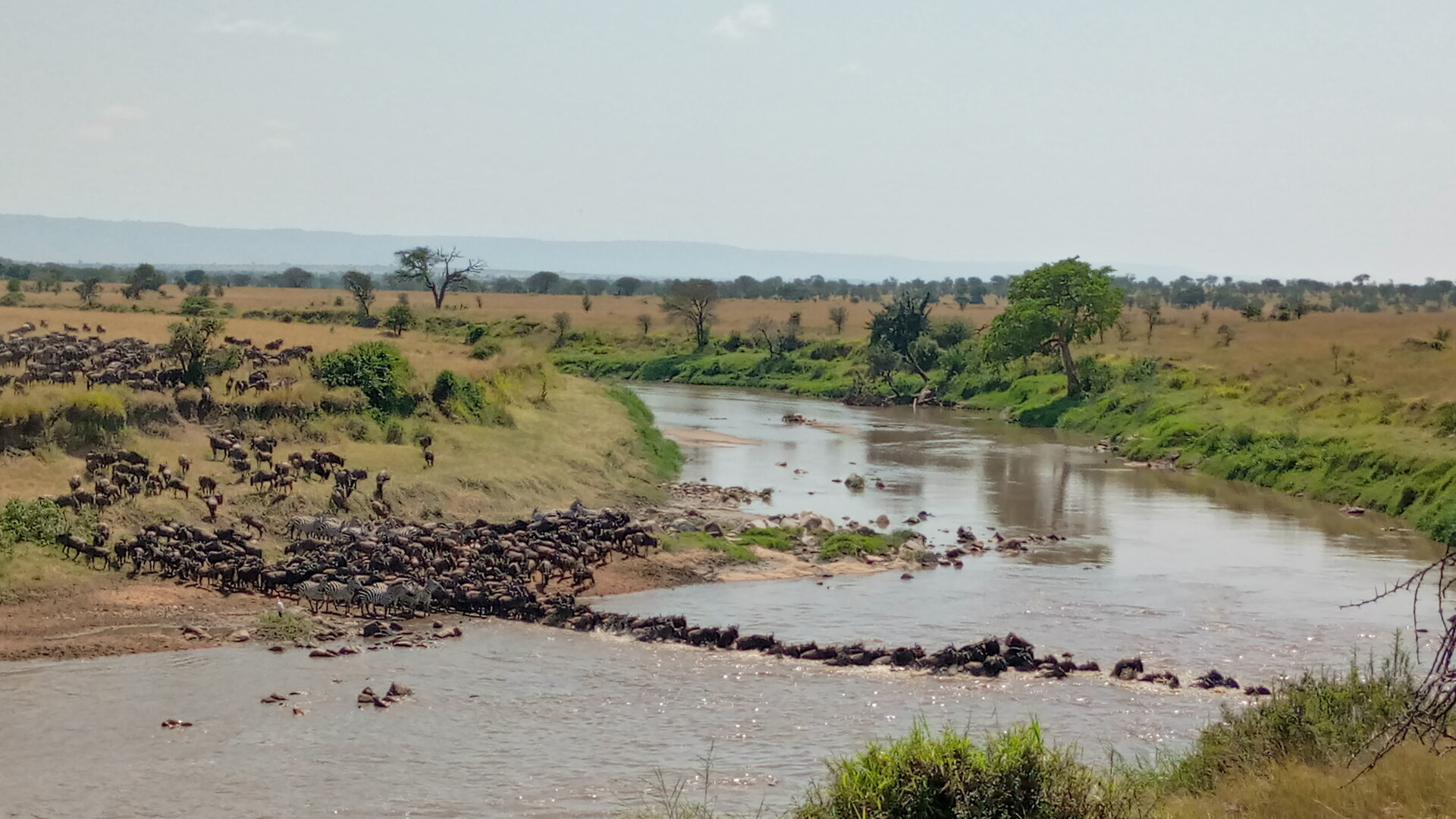
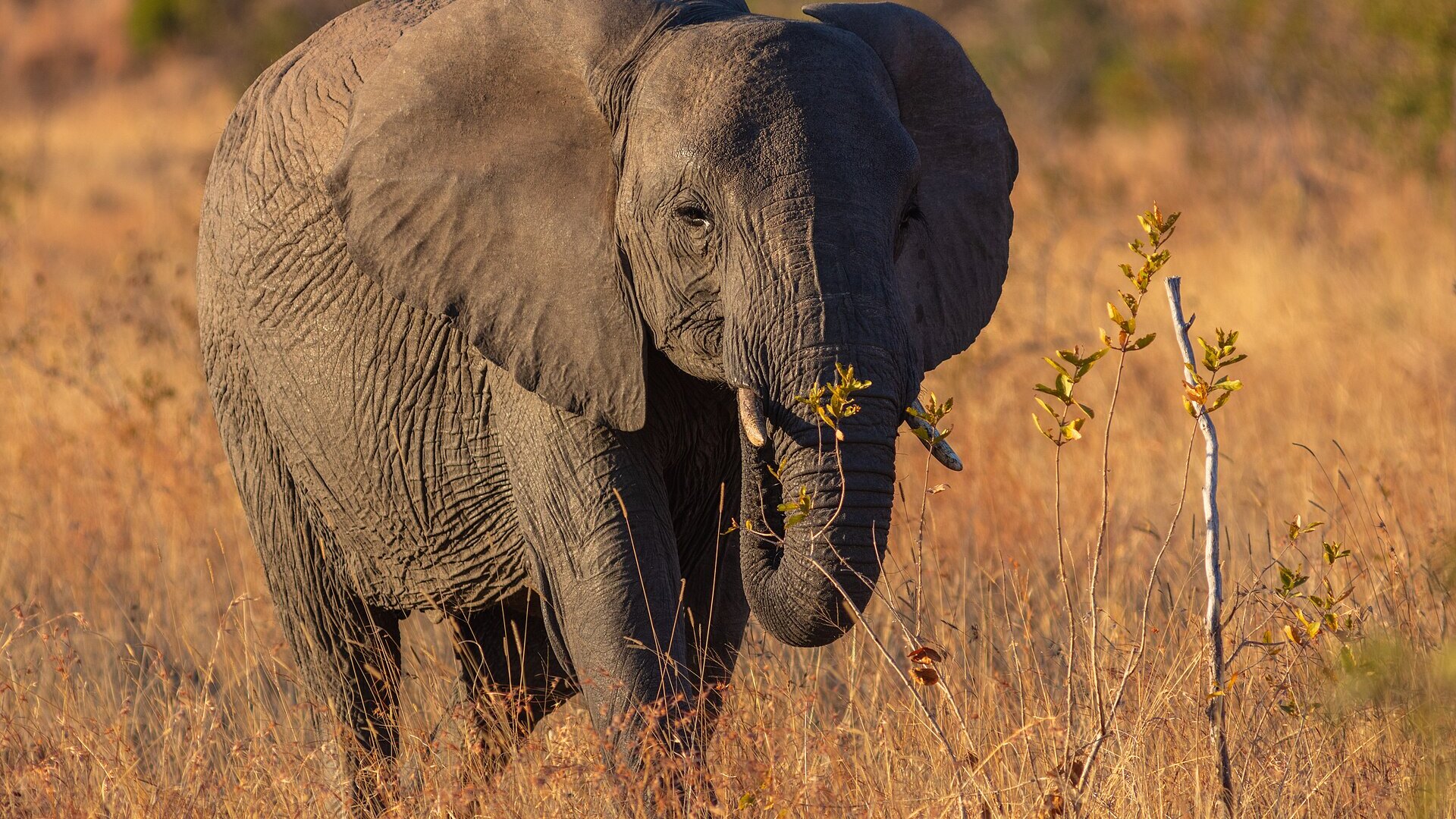
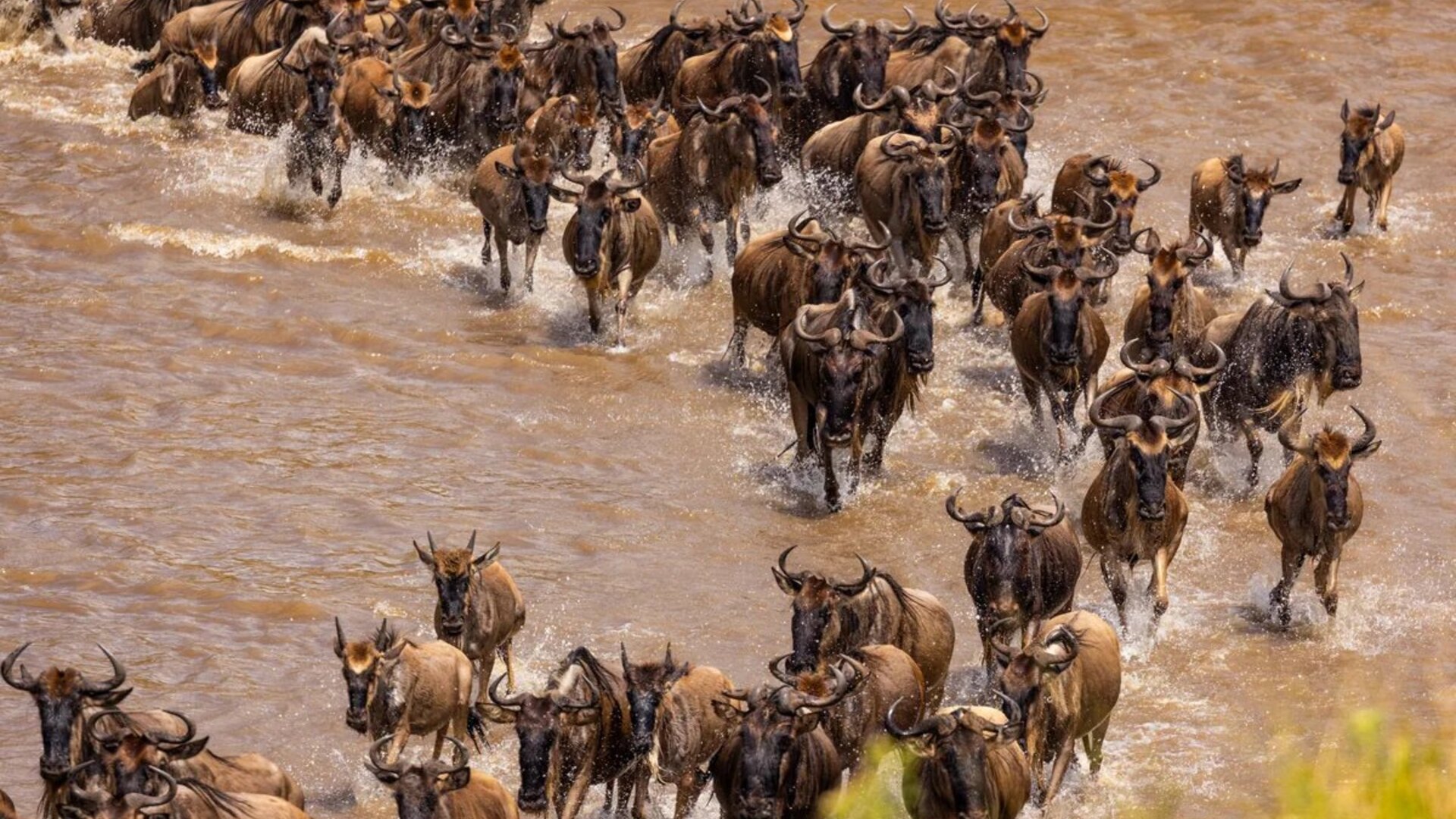
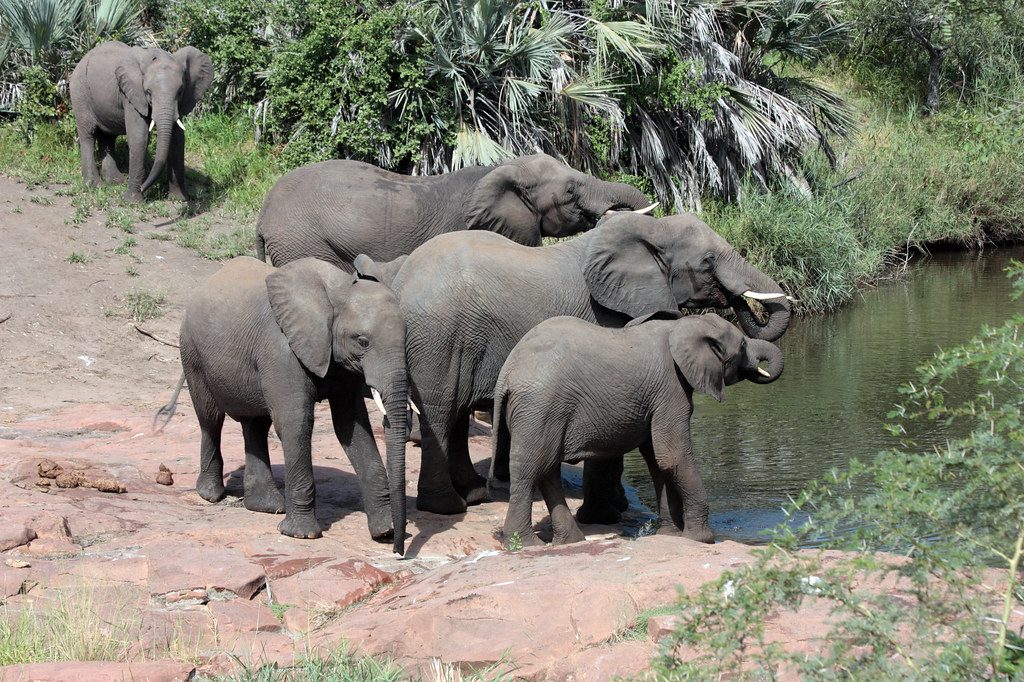
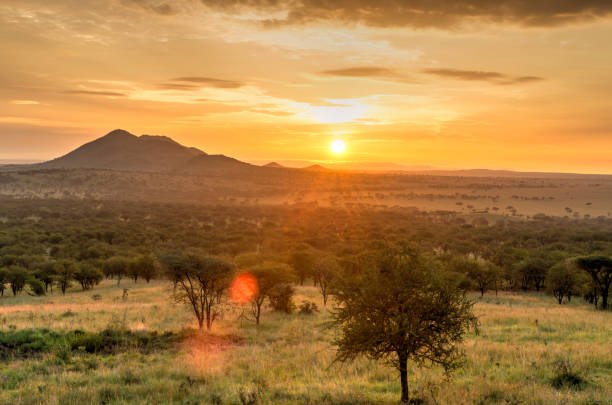
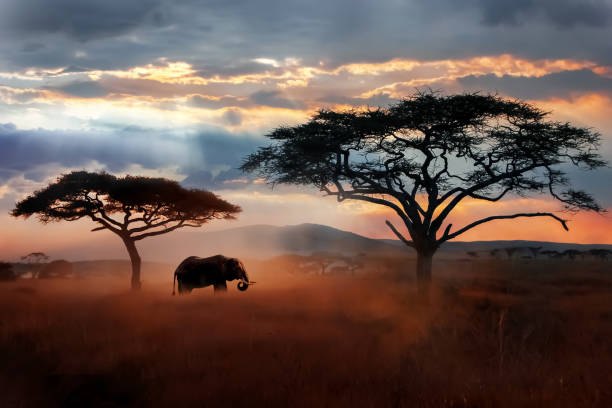
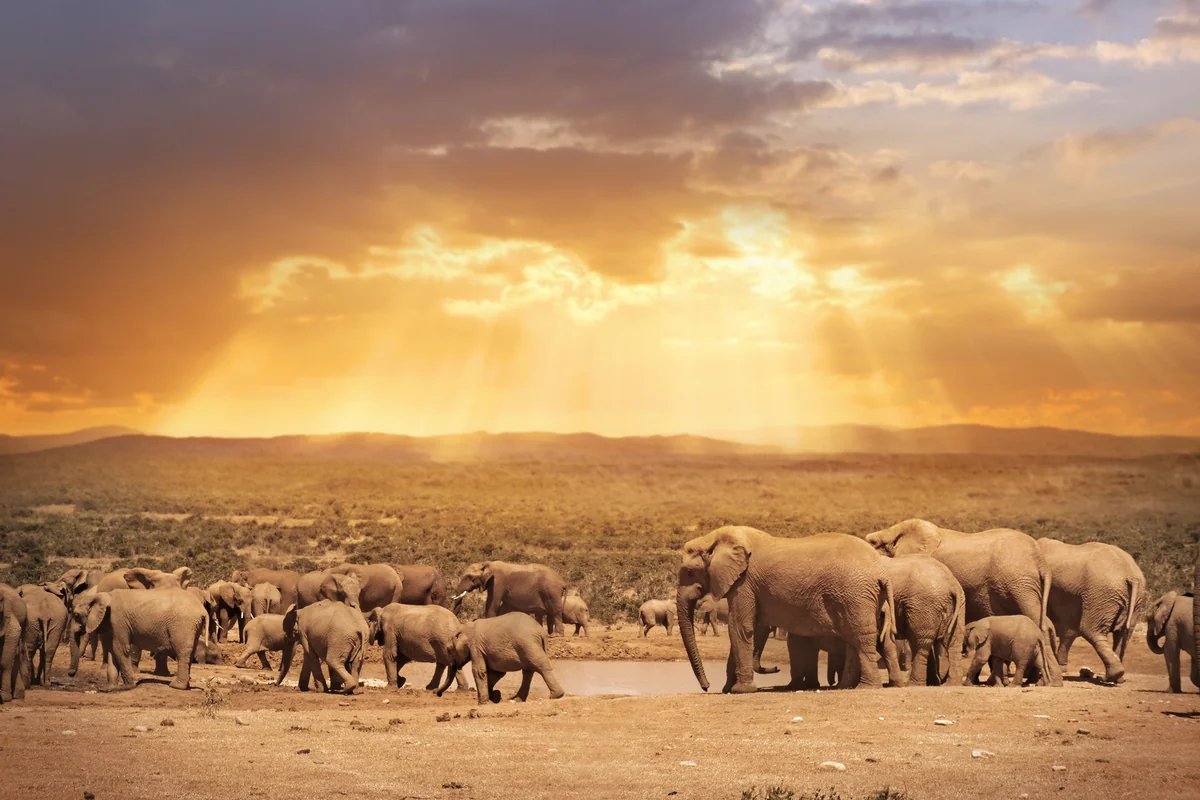
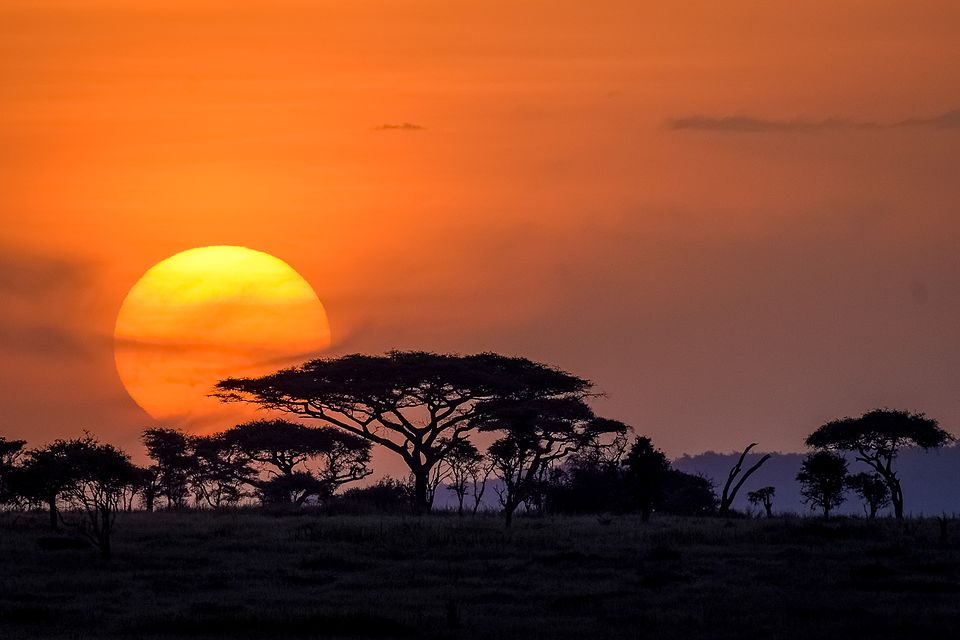
Ireland consistently contributes to Europe's high-value safari market, with Irish travelers seeking immersive wildlife experiences that rival the Wild Atlantic Way for raw natural beauty. The difference? Instead of Atlantic cliffs and rolling green hills, you're watching lions stalk through golden savanna grass at sunrise, elephants crossing rivers beneath storm clouds, and two million wildebeest thundering across the Serengeti plains during the Great Migration.
Ethiopian Airlines operates daily Dublin to Addis Ababa service with seamless onward connections to Johannesburg, Nairobi, Kilimanjaro, and Cape Town. Total journey time from Dublin to Johannesburg: approximately 13 hours 35 minutes including the connection—competitive with many European departure points. Add visa-free entry to South Africa for Irish passport holders (90 days) and Botswana (30 days), and the path from Dublin to the Big Five is remarkably smooth.
Flight Routes from Dublin & Cork
Ethiopian Airlines: The Primary Route
Ethiopian Airlines is the most efficient carrier for Irish safari travelers. Daily non-stop Dublin (DUB) to Addis Ababa (ADD) flights connect seamlessly to the airline's extensive African network:
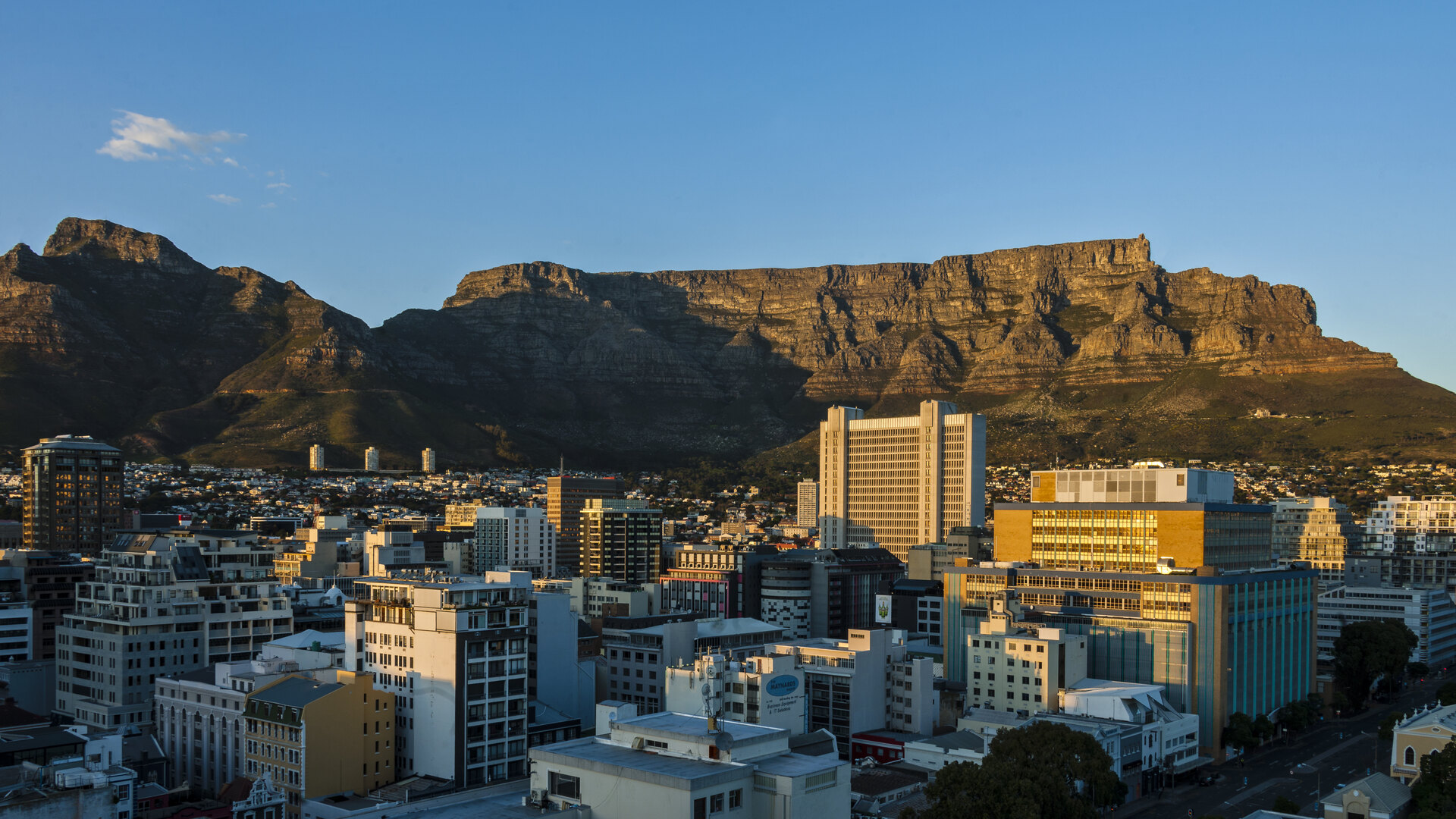
- Dublin → Addis Ababa → Johannesburg: Total journey time approximately 13 hours 35 minutes. Overnight departure from Dublin, morning arrival in Johannesburg. Ideal for connecting to Kruger, Sabi Sands, or Cape Town.
- Dublin → Addis Ababa → Nairobi: Similar routing for East Africa safaris. Direct connection to Masai Mara, Amboseli, and Kenyan coast.
- Dublin → Addis Ababa → Kilimanjaro: Gateway to Serengeti, Ngorongoro Crater, and Zanzibar.
- Dublin → Addis Ababa → Dar es Salaam/Zanzibar: For Tanzania's southern parks (Nyerere, Ruaha) and beach extensions.
Ethiopian's Cloud 9 business class offers lie-flat seats, priority boarding, and lounge access—worthwhile for overnight sectors. Economy is comfortable with decent seat pitch and in-flight entertainment.
Alternative Carriers
Other options involve European connections:
- British Airways via London Heathrow: Dublin → LHR → Johannesburg or Cape Town. Approximately 57 flights per week (including BA codeshare). Total journey time 15-17 hours including layover.
- Lufthansa via Frankfurt: Dublin → FRA → Johannesburg. Around 33 flights per week. Good for accessing Botswana via JNB.
- Emirates via Dubai: Dublin → DXB → Johannesburg or Nairobi. Premium cabin experience, longer routing (~18 hours total).
- Qatar Airways via Doha: Dublin → DOH → Johannesburg or Nairobi. Similar timing to Emirates.
- Turkish Airlines via Istanbul: Dublin → IST → Johannesburg or Nairobi. Approximately 21 flights per week.
Flight Cost Reality (EUR): Expect €650-€900 return Dublin to Johannesburg in economy during shoulder season (April-May, September-November). Peak season (June-August, December-January) rises to €1,100-€1,300. Business class typically €3,500-€5,500 return.
Cork Travelers: Most Cork-based safari-goers connect via Dublin on Aer Lingus (1 hour domestic hop, €60-€120 return) or fly Cork → London Heathrow → Johannesburg on British Airways. The Dublin connection is generally smoother due to Ethiopian's superior African network.
East Africa vs Southern Africa: The Strategic Choice
Your first decision: East Africa or Southern Africa? Both are accessible from Dublin via Ethiopian Airlines, but the choice depends on your priorities.
| Factor | East Africa (Kenya/Tanzania) | Southern Africa (SA/Botswana) |
|---|---|---|
| Visa for Irish | Kenya: eTA required (€50-60) Tanzania: e-Visa required ($100) |
South Africa: Visa-FREE 90 days Botswana: Visa-FREE 30 days |
| Great Migration | ✅ Serengeti/Masai Mara (July-Oct) | ❌ Not applicable |
| Big Five Reliability | Very High (Masai Mara, Ngorongoro) | Exceptional (Sabi Sands, Kruger) |
| Malaria Risk | Moderate-High (most parks) | Low-Moderate (many malaria-free options) |
| Flight Time from Dublin | ~14-15 hours (via ADD to NBO/JRO) | ~13.5-14 hours (via ADD to JNB) |
| Peak Season Cost | €8,500-€12,000 pp (7-10 days) | €7,500-€11,000 pp (7-10 days) |
| Add-On Extensions | Zanzibar, Kenyan coast, Rwanda gorillas | Cape Town, Victoria Falls, Mozambique beaches |
Choose East Africa if: Witnessing the Great Migration is non-negotiable. The Serengeti wildebeest crossing the Mara River (July-September) is the planet's greatest wildlife spectacle, and you're willing to navigate Kenya's eTA and Tanzania's e-Visa requirements.
Choose Southern Africa if: You want visa-free entry, year-round Big Five reliability, shorter total travel time, and the option to extend to Cape Town's wine country or Victoria Falls. South Africa's Sabi Sands and Kruger deliver extraordinary leopard and Big Five sightings 365 days a year.
Top Safari Destinations for Irish Travelers
Southern Africa: Visa-Free Convenience
1. Sabi Sands Private Game Reserve (South Africa)
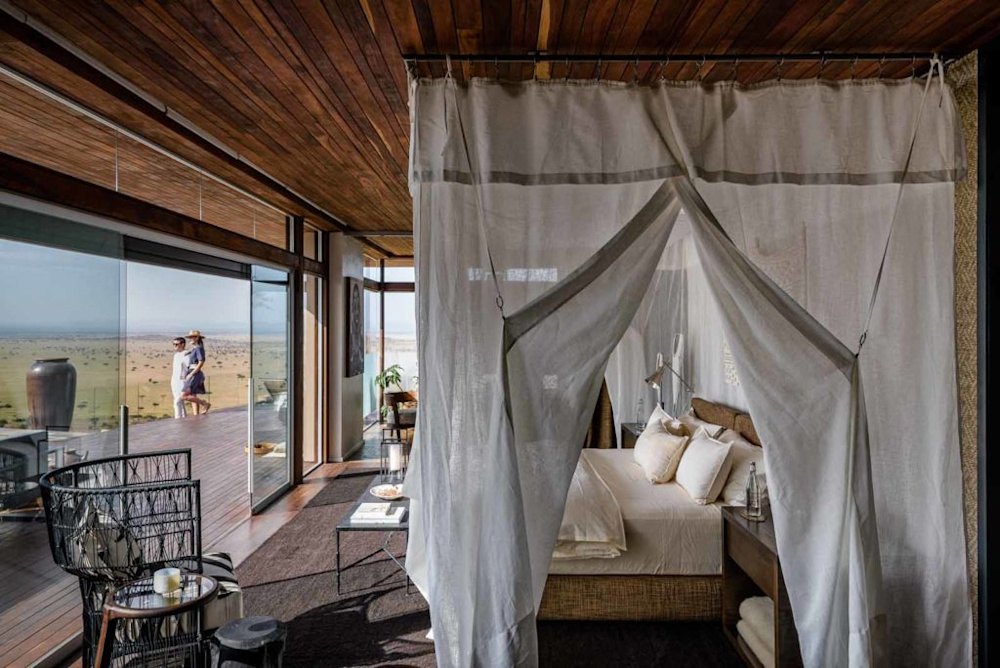
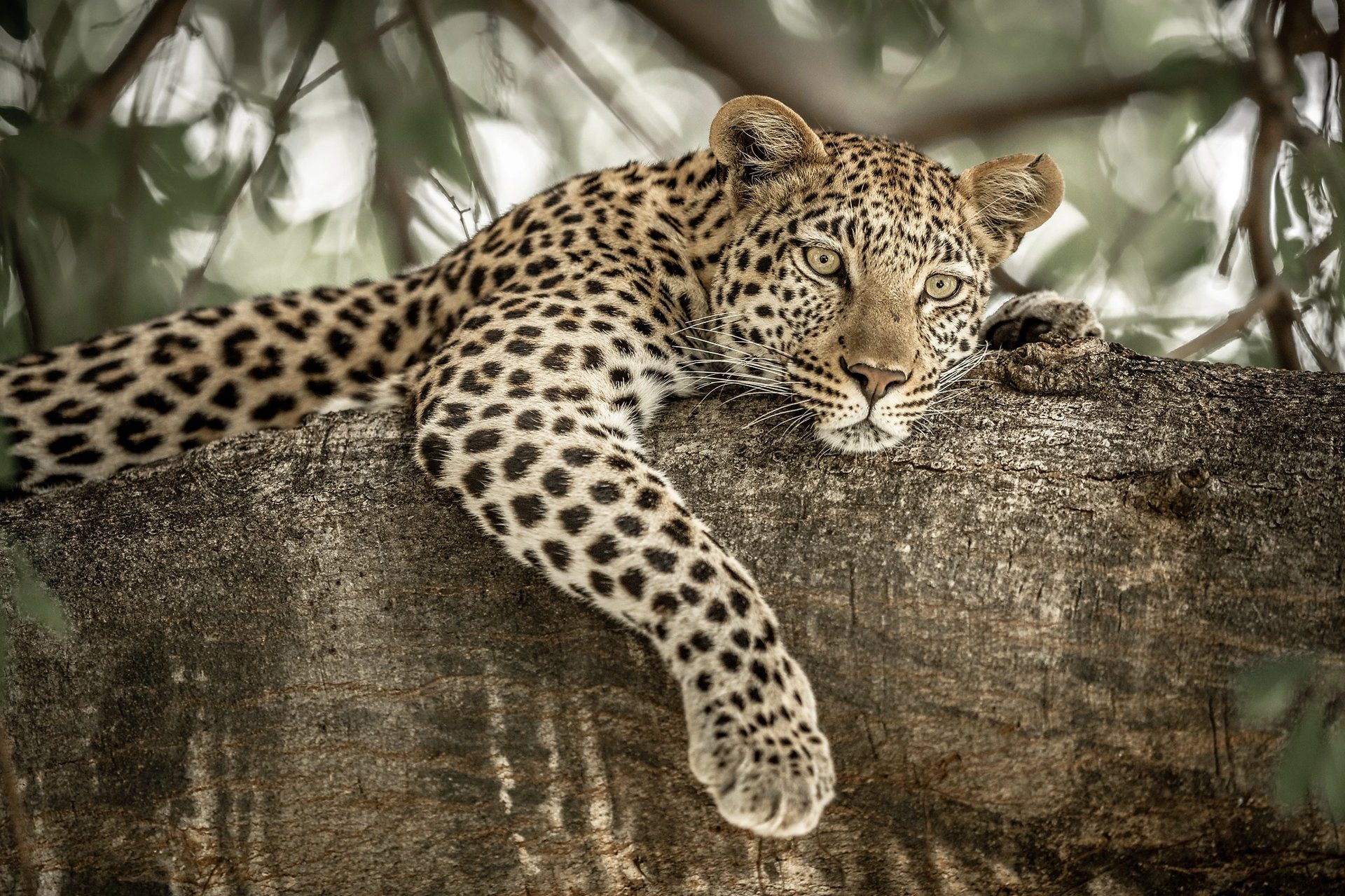
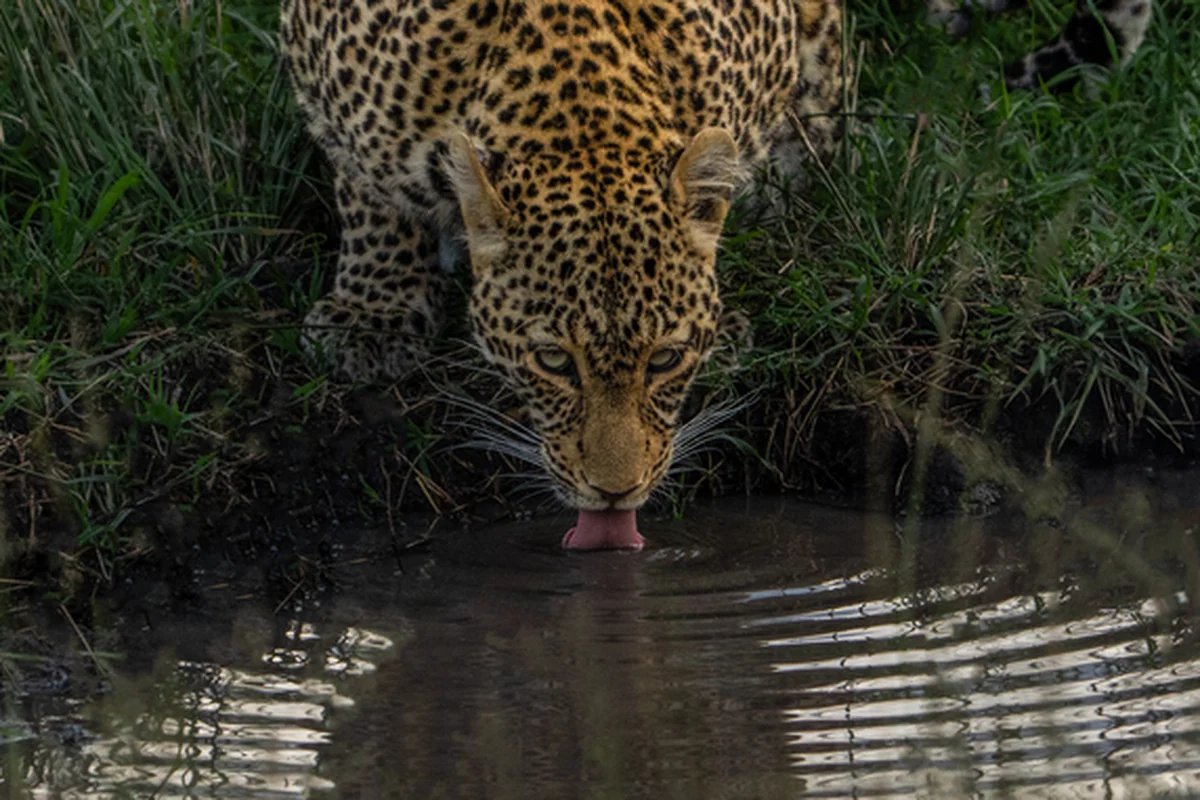
The gold standard for luxury safari. Unfenced border with Kruger National Park means wildlife roams freely, but Sabi Sands' private concession allows off-road driving, night drives, and walking safaris—illegal in Kruger itself. Leopard sightings are near-guaranteed. Lions, elephants, rhinos, and buffalo complete the Big Five. Lodges like Singita, Londolozi, and Exeter prioritize sustainability, with many operating on 100% solar power.
Flight routing: Dublin → Addis Ababa → Johannesburg → Skukuza (MQP) or drive 5 hours.
Cost: €9,000-€16,000 per person for 7 nights all-inclusive (June-October peak).
2. Kruger National Park (South Africa)
Africa's flagship national park. Two million hectares of wilderness with the highest Big Five density on the continent. Accessible via fly-in safari lodges (luxury) or self-drive (budget-friendly for adventurous Irish travelers). Malaria risk exists but is manageable with prophylaxis.
Flight routing: Dublin → Addis Ababa → Johannesburg → Kruger Mpumalanga (MQP) or Hoedspruit (HDS).
Cost: €6,800-€10,500 per person for 7 nights all-inclusive mid-range to luxury.
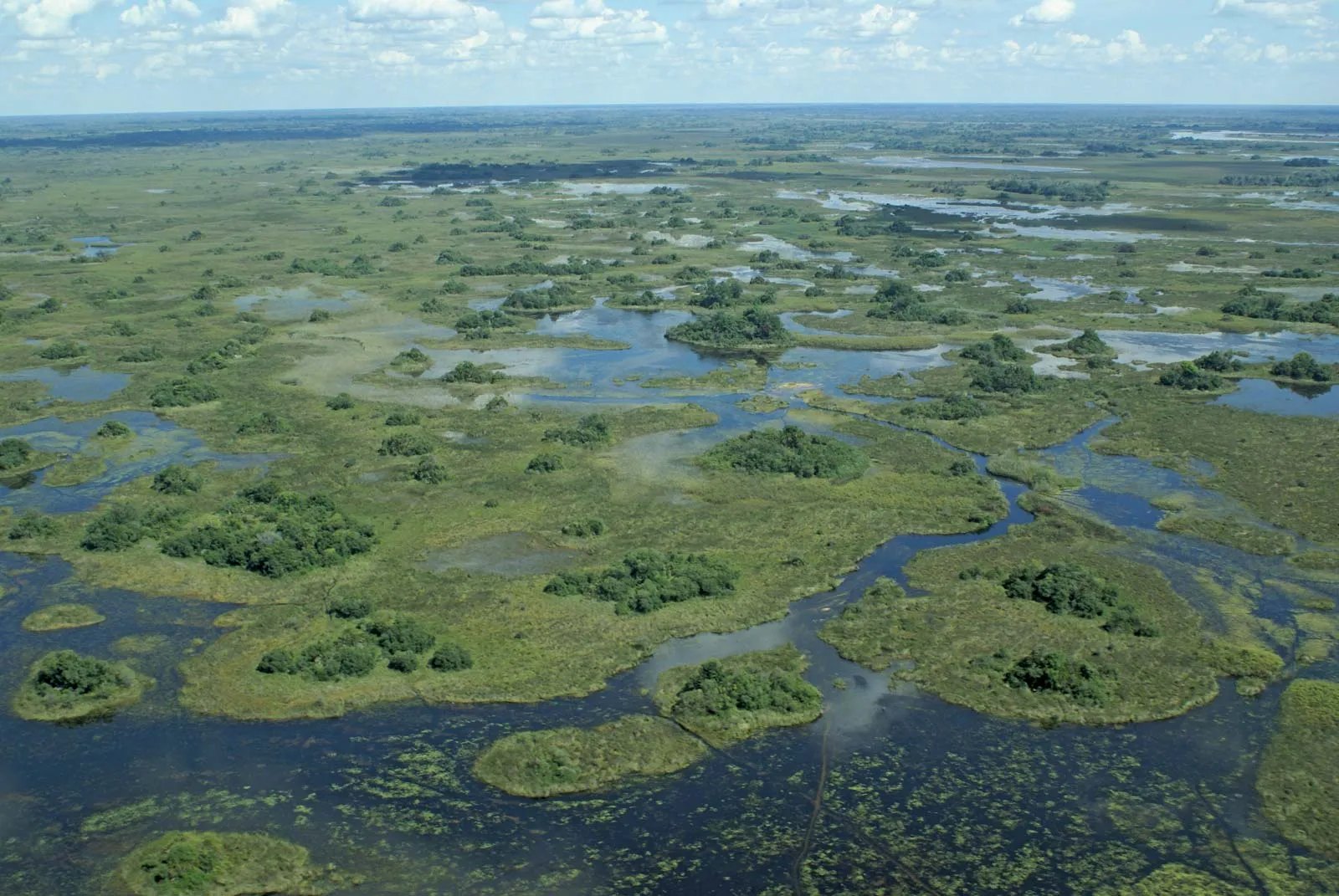
3. Okavango Delta (Botswana)
The ultimate water-based safari. Glide through papyrus-lined channels in a traditional mokoro canoe, camp on remote islands, and experience Africa's most pristine ecosystem. Visa-free for Irish passport holders (30 days). Camps are deliberately small (maximum 16 guests) to preserve exclusivity and minimize environmental impact.
Flight routing: Dublin → Addis Ababa → Johannesburg → Maun (MUB) → fly-in to camp.
Cost: €10,500-€18,000 per person for 7 nights all-inclusive (peak season).
East Africa: Migration & Iconic Parks
4. Serengeti National Park & Masai Mara (Tanzania/Kenya)
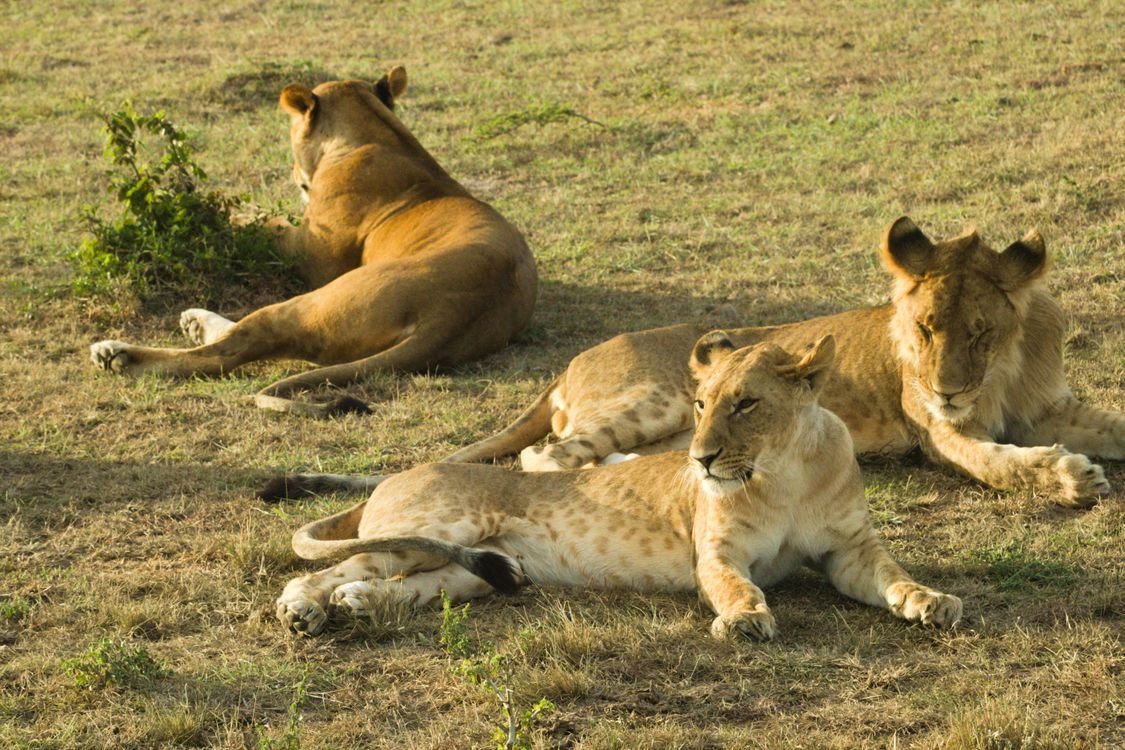
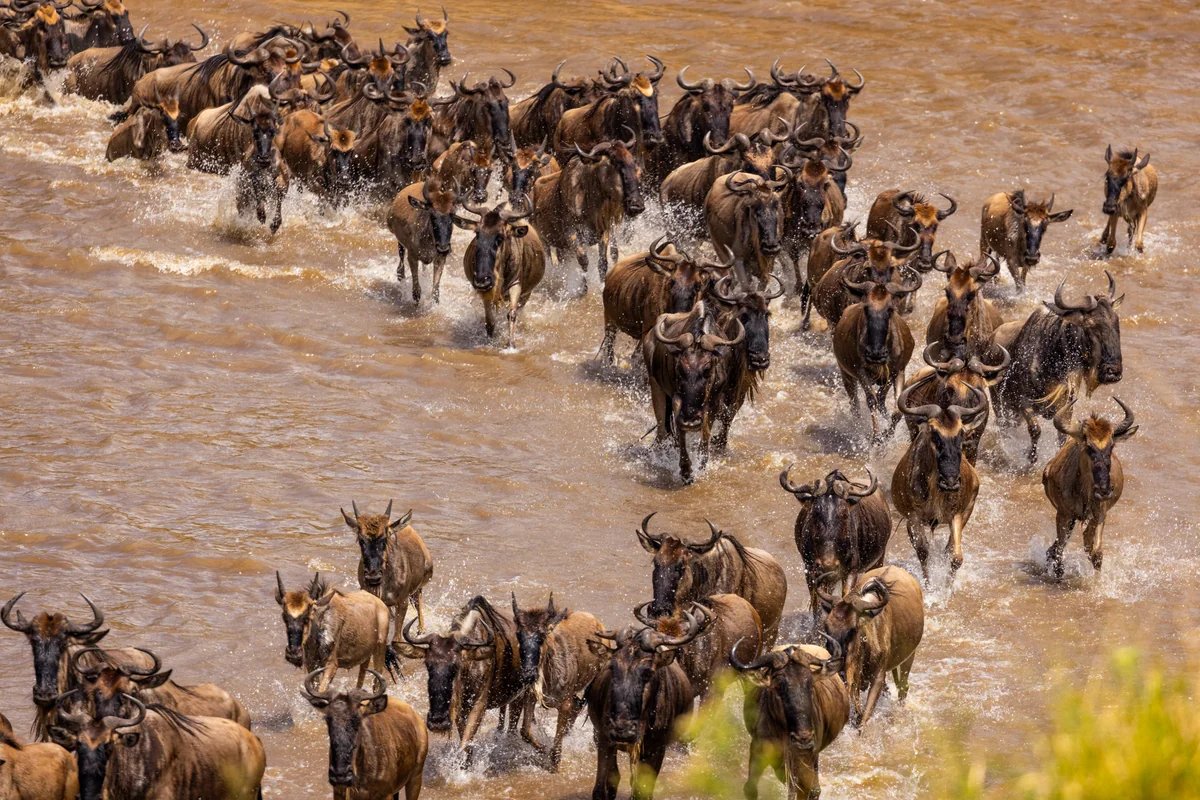
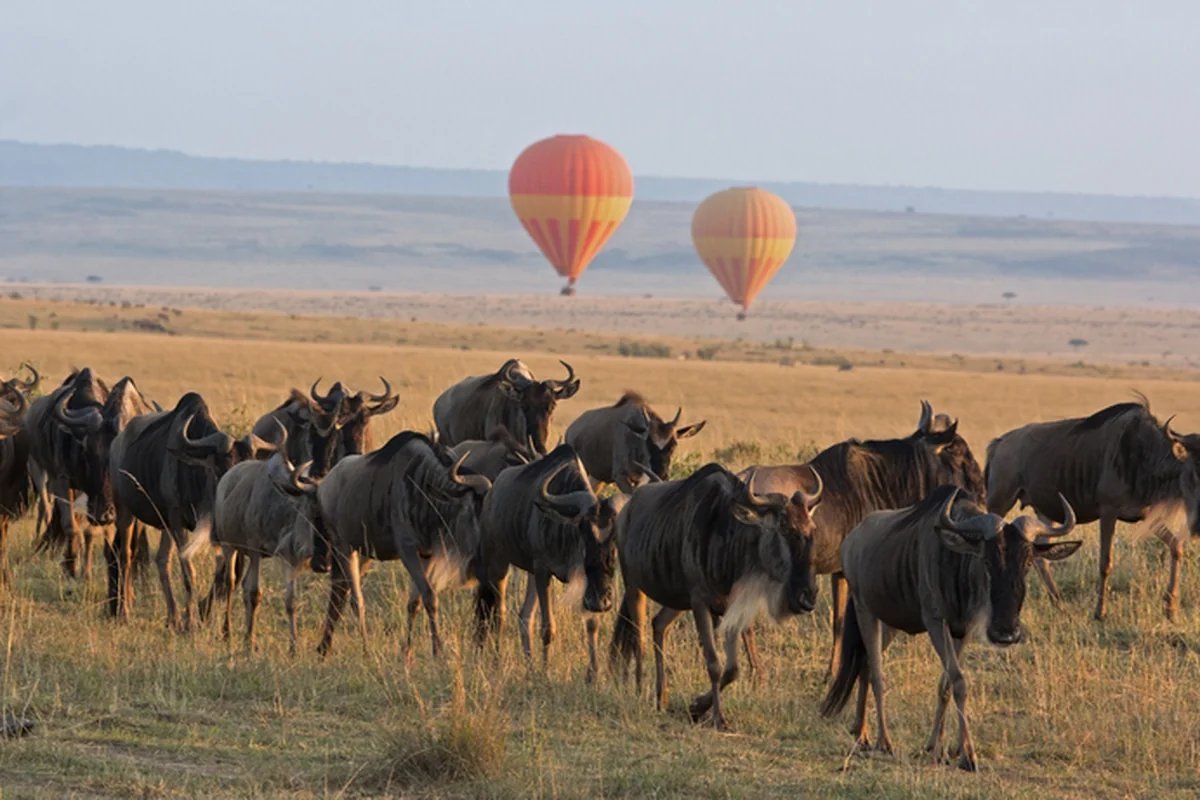
Home to the Great Migration. From July through October, two million wildebeest and zebra cross the Mara River in a chaotic, predator-filled spectacle. Kenya's Masai Mara offers the most dramatic river crossings; Tanzania's Serengeti provides year-round dispersal and the February calving season. Visa requirement: Kenya eTA (€50-60, apply online 3+ days before departure) and Tanzania e-Visa ($100).
Flight routing: Dublin → Addis Ababa → Nairobi (NBO) or Kilimanjaro (JRO) → fly-in to Mara/Serengeti.
Cost: €8,500-€14,000 per person for 7-10 days all-inclusive (July-October peak).
5. Ngorongoro Crater (Tanzania)
The world's largest intact volcanic caldera. A natural amphitheatre 600 meters deep and 20 kilometers across, sheltering the densest concentration of large mammals in Africa: lions, elephants, black rhinos, hippos, and flamingos on the crater lake. Often combined with Serengeti in a Northern Tanzania circuit.
Flight routing: Dublin → Addis Ababa → Kilimanjaro → drive 3 hours.
Cost: €7,500-€12,000 per person for 7 nights combined Serengeti-Ngorongoro circuit.
Budget Reality: What Irish Travelers Actually Pay
Safari pricing depends on season, destination, and lodge tier. Here's the honest EUR breakdown for Irish travelers in 2026:
| Budget Tier | Flight Cost (EUR) | Safari Cost (EUR) | Total per Person (7-10 days) |
|---|---|---|---|
| Budget-Conscious | €650-€900 (Economy, shoulder season) |
€4,200-€6,500 (Mid-range lodges, shared game drives) |
€4,850-€7,400 |
| Mid-Range Luxury | €900-€1,100 (Economy, peak season) |
€6,500-€9,500 (4-star lodges, all-inclusive, good guiding) |
€7,400-€10,600 |
| High-End Luxury | €1,100-€1,300 (Economy, peak) or €3,500-€5,500 (Business class) |
€9,500-€16,000 (Singita, Londolozi, andBeyond—5-star service, private game drives, conservation funding) |
€10,600-€17,300 (Economy flights) or €13,000-€21,500 (Business class) |
| Ultra-Luxury | €3,500-€5,500 (Business class) |
€16,000-€24,000 (Private villas, dedicated guides, helicopter transfers, philanthropic conservation partnerships) |
€19,500-€29,500 |
What's Included in All-Inclusive Safari Pricing:
- Accommodation (luxury tented camps or lodges)
- All meals and premium drinks (wine, spirits, craft beer)
- Two game drives per day (morning and afternoon/evening) with expert guides
- Park fees and conservation levies
- Bush walks, night drives, and specialized wildlife tracking (where permitted)
- Laundry service (most luxury lodges)
- Road or air transfers between camps within the safari region
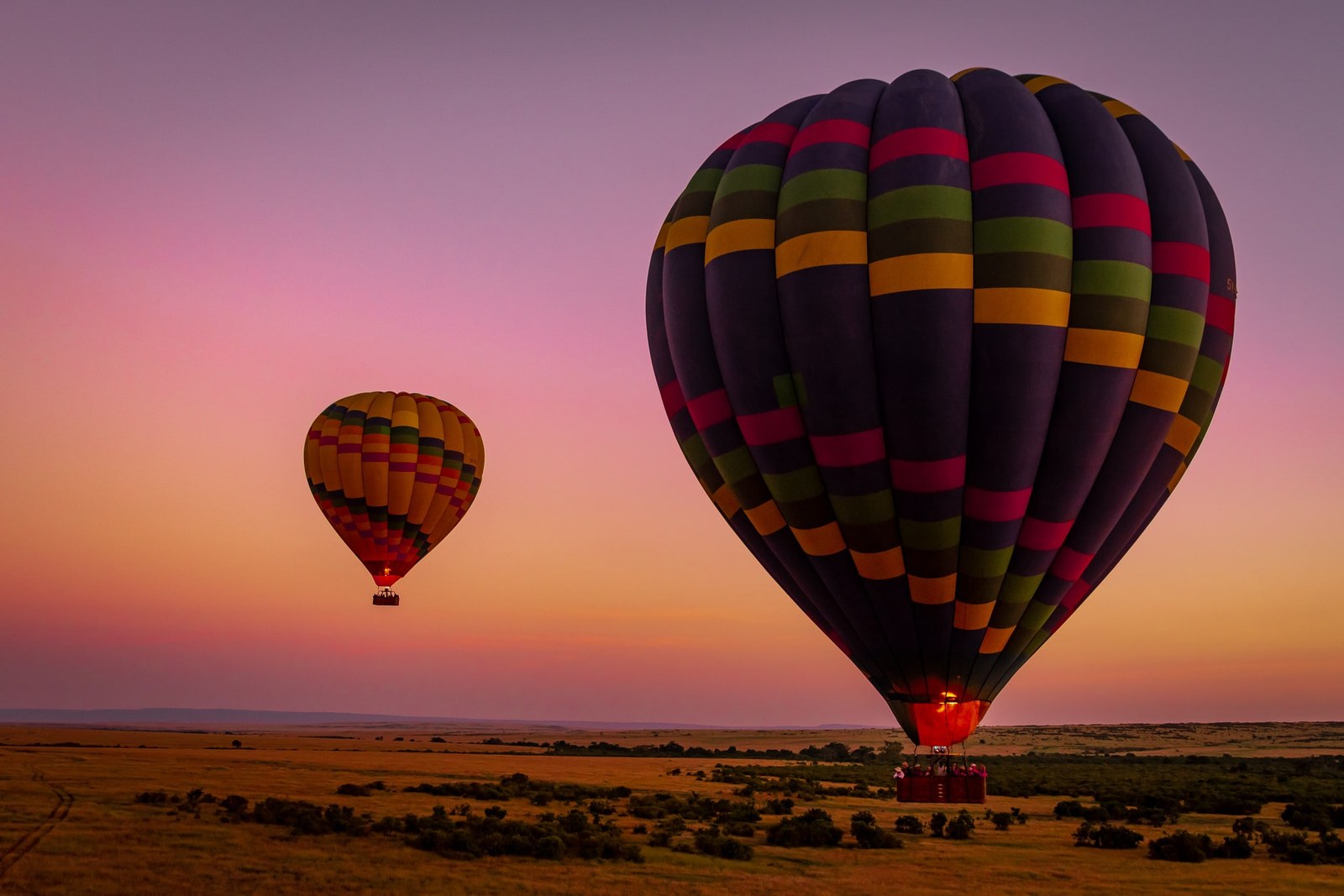
Not Included: International flights, tips for guides and lodge staff (budget €80-€150 total for a week-long safari), travel insurance, premium spa treatments, and hot air balloon safaris (€400-€600 per person where available).
Irish Budget Note: Most luxury safari lodges price in USD but display EUR equivalents on booking platforms. Current exchange rates (August 2026: 1 USD = €0.92) favor Irish travelers slightly compared to US visitors, though less so than British travelers benefiting from a stronger pound.
Visa Requirements for Irish Passport Holders
Irish passport holders enjoy advantageous visa status across Southern Africa but face modest pre-travel requirements for East Africa:
Visa-Free Destinations
- South Africa: No visa required. Irish citizens receive a 90-day tourist stamp on arrival at O.R. Tambo Airport (Johannesburg) or Cape Town International. Ensure your passport has at least two blank pages and is valid for at least 30 days beyond your departure date.
- Botswana: No visa required. Irish passport holders receive a 30-day entry stamp on arrival. Sufficient for all Okavango Delta and Chobe National Park safaris.
Pre-Arranged Electronic Visas
- Kenya: Irish citizens must apply for an Electronic Travel Authorisation (eTA) online before departure. Cost: approximately €50-€60 (pricing varies slightly with payment processor fees). Apply at least 3 days before your flight via www.etakenya.go.ke. Processing typically takes 1-3 business days. As of August 2026, travelers must also hold travel health insurance with a minimum cumulative cover of US $50,000 for the duration of their Kenyan stay.
- Tanzania: Irish nationals should obtain an e-Visa online prior to departure. Cost: US $100 for an ordinary single-entry visa. Apply via eservices.immigration.go.tz. While visas can technically be obtained on arrival at Kilimanjaro or Dar es Salaam airports, the process has tightened considerably, making online application the strongly recommended route. Processing time is typically 5-10 business days.
Multi-Country Safaris: KAZA UniVisa
If your itinerary combines Zimbabwe and Zambia (Victoria Falls region, Hwange, South Luangwa), the KAZA UniVisa is ideal. Irish passport holders are eligible. Cost: US $50. Valid for 30 days and allows unlimited entries into both countries. Purchase on arrival at Victoria Falls Airport, Livingstone Airport, or any land border crossing between the two nations. This eliminates the need for separate single-entry visas and is particularly useful for day trips across the falls.
Best Time & Irish Holiday Alignment
Peak Safari Season: June through October
Africa's winter dry season delivers peak wildlife viewing. Animals concentrate around permanent water sources, vegetation is sparse (making predators easier to spot), and the Great Migration crosses the Mara River in the Serengeti/Masai Mara during July-September. Weather is sunny and mild: daytime temperatures 20-25°C, cool mornings and evenings (pack layers).
Irish Holiday Alignment (2026):
- Summer Holidays (Late June - Early September): Perfect for the Great Migration in the Masai Mara and Serengeti. Book 12-15 months ahead for luxury lodges during this peak window, as occupancy reaches 90-100% at top camps.
- October Mid-Term (26-30 October 2026): Excellent for South Africa (Kruger, Sabi Sands) and Botswana (Okavango Delta). Wildlife viewing is still exceptional, and you'll avoid the July-August European peak. Rates drop 10-15% compared to August.
Shoulder Season: April-May & November
Wildlife viewing remains very good. The "emerald season" (November-December in East Africa; April-May in Southern Africa) offers dramatic post-rain landscapes, excellent birding, and 25-35% savings on lodge rates. Morning mist over the savanna creates cinematic photographic conditions.
Irish Holiday Alignment (2026):
- Easter Break (27 March - 12 April 2026): Ideal for Southern Africa (South Africa, Botswana, Namibia). Green season delivers lush scenery and newborn antelope—perfect for families with children wanting to see baby animals. Lodges offer family suites and child-friendly game drives.
- February Mid-Term (16-20 February 2026): Catch the Serengeti calving season (January-March) when 500,000 wildebeest give birth on the southern plains. Predator action is extraordinary as lions, cheetahs, and hyenas target vulnerable calves. Hot and humid but thrilling wildlife theatre.
Green Season: December-March
Africa's summer wet season. Afternoon thunderstorms, lush vegetation, and dramatic skies. Wildlife is more dispersed, but birding is superb (migratory species arrive from Europe), and rates drop 30-40%. Many lodges close for annual maintenance in November, but those that remain open offer exceptional value.
Irish Holiday Alignment (2026):
- Christmas Break (22 December 2026 - 5 January 2027): Popular for Irish families despite being green season. Many lodges offer festive Christmas Day celebrations with traditional meals adapted to the bush setting. Victoria Falls is at its thundering peak (highest water flow) in February-April, making post-Christmas Victoria Falls extensions spectacular.
Malaria Prophylaxis & Health Prep
Malaria Reality
Most prime safari regions carry malaria risk, particularly during the wet season (November-May). Irish travelers should consult a travel clinic in Dublin, Cork, or Galway 6-8 weeks before departure. The Irish Health Service Executive (HSE) provides travel health guidance, but specialist clinics offer tailored safari advice.
Recommended Prophylaxis Options:
| Medication | Dosage | Cost (EUR, Ireland) | Pros | Cons |
|---|---|---|---|---|
| Malarone (Atovaquone-Proguanil) | 1 tablet daily, start 1-2 days before, continue 7 days after | €70-€130 (2-week supply) | Short pre/post-trip dosage, fewer side effects | More expensive; daily dosing |
| Doxycycline | 100mg daily, start 1 day before, continue 4 weeks after | €35-€60 (2-week supply) | Inexpensive, dual acne-treatment benefit | Sun sensitivity (use SPF 50+), longer post-trip dosage |
| Mefloquine (Lariam) | 1 tablet weekly, start 2-3 weeks before, continue 4 weeks after | €25-€50 (2-week supply) | Weekly dosing, very effective | Neuropsychiatric side effects (vivid dreams, anxiety) in ~10% of users |
Malaria-Free Safari Options: Families with young children or travelers avoiding prophylaxis can choose South Africa's Eastern Cape private reserves—Shamwari, Kwandwe, Amakhala, Addo Elephant Park—which are malaria-free year-round and deliver exceptional Big Five sightings.
Other Health Prep
- Vaccinations: No mandatory vaccines for Irish citizens entering South Africa, Botswana, Kenya, or Tanzania unless arriving from a yellow fever endemic country. Routine vaccinations (MMR, Tdap) should be up-to-date. Hepatitis A and Typhoid are recommended for rural safaris.
- Travel Insurance: Comprehensive travel insurance is essential. Ensure coverage includes emergency medical evacuation (safari lodges are remote; air ambulance to Johannesburg or Nairobi costs €15,000-€30,000 if uninsured). Irish providers like Multitrip.com, AA Travel Insurance, and Laya Healthcare offer safari-specific policies starting around €80-€150 for two weeks.
- Sun Protection: African sun is intense. Pack SPF 50+ sunscreen, wide-brimmed hats, and UV-protective sunglasses. Reapply sunscreen every 2-3 hours during game drives.
Sustainable Safari Options for Irish Travelers
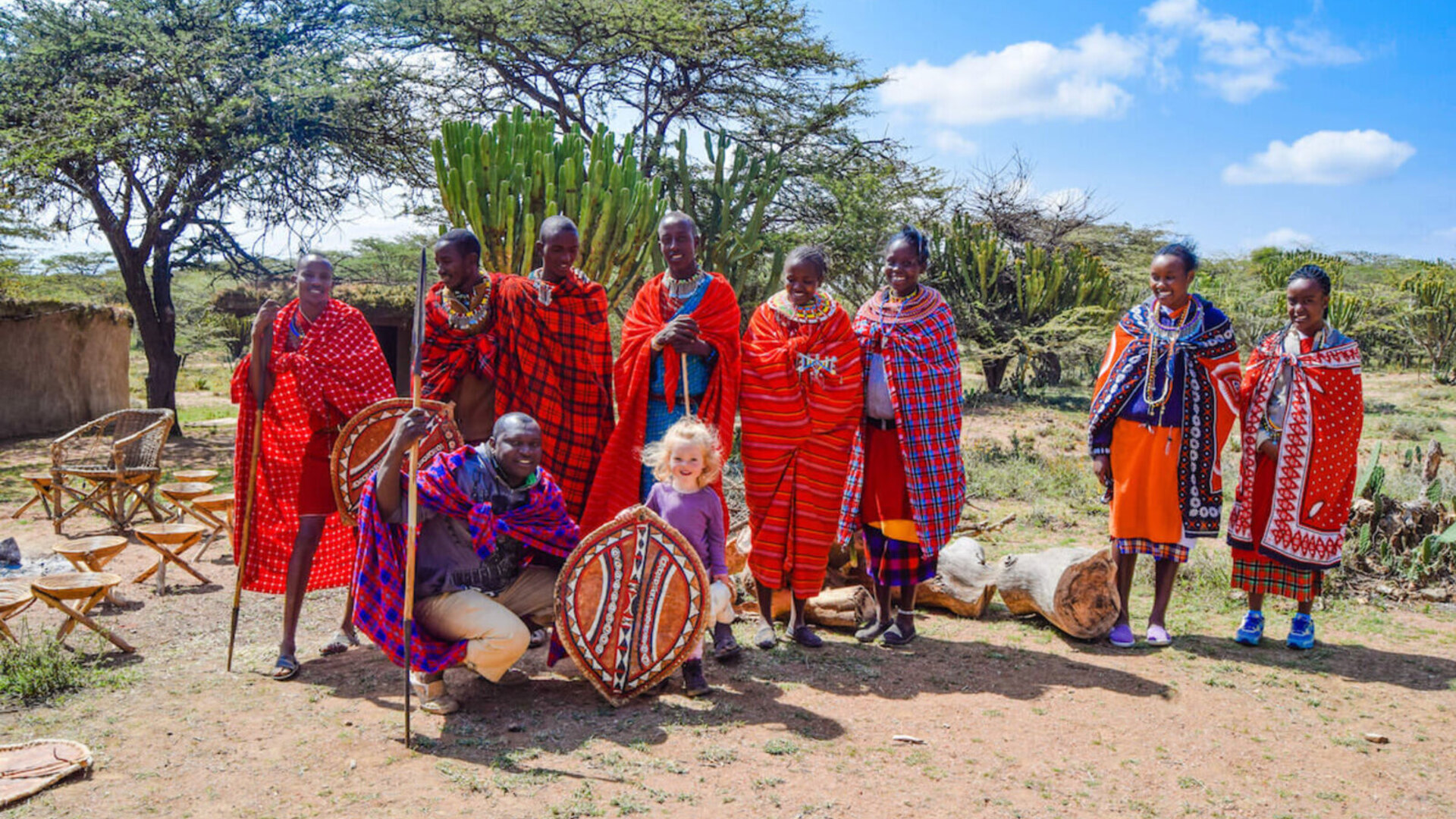
Irish travelers increasingly prioritize ethical and sustainable tourism. The safari industry has responded with lodges that operate on renewable energy, fund anti-poaching units, and directly support local Maasai, Zulu, and San communities.
What to Look For:
- Travelife Gold Certification: International sustainability standard verifying energy use, water conservation, waste management, and community benefit.
- Fair Trade Tourism (South Africa): Certification ensuring fair wages, ethical working conditions, and community ownership stakes in lodge operations.
- 100% Solar Power: Many top camps (Singita, Great Plains Conservation, andBeyond) now run entirely on solar energy with battery storage. Zero diesel generators, zero carbon footprint for accommodation.
- Anti-Poaching Funding: Premium lodges contribute directly to rhino and elephant protection units. Your lodge fees fund ranger patrols, sniffer dogs, and surveillance technology.
- Community Conservancies: Lodges operating on Maasai or San community land return a percentage of revenue directly to local populations, funding schools, clinics, and water infrastructure.
Recommended Sustainable Lodges:
- Singita (South Africa, Tanzania): Operates its own anti-poaching units protecting 350,000 acres. Committed to carbon neutrality, with extensive solar installations and community education programs.
- andBeyond (Multiple Countries): Pioneering the "Care of the Land, Care of the Wildlife, Care of the People" model. All lodges contribute to local schools and clinics.
- Wilderness (Botswana, Zambia, Zimbabwe): Non-profit conservation arm, Children in the Wilderness, funds education for 6,000+ rural children annually. Camps are low-impact, solar-powered, and designed to be decommissioned with zero environmental trace.
- Great Plains Conservation (Botswana, Kenya): Founded by National Geographic explorers. Every night you stay funds one night of anti-poaching patrol. High-impact conservation model with direct rhino protection.
Ready to Plan Your African Safari from Ireland?
We specialize in luxury, private, and sustainable safaris for Irish travelers. From Ethiopian Airlines routing to Irish school holiday alignment, we handle every detail.
Contact our safari planning team:
📧 Email: Enquire with our specialists
📱 WhatsApp: +27 78 471 4852
🌍 Explore: Our Safari Packages