Key Takeaways
- Amakhala Game Reserve is a 9,000-hectare malaria-free Big Five reserve in the Eastern Cape — home to lion, leopard, elephant, rhino, buffalo, cheetah and giraffe.
- It sits just over one hour from Gqeberha (Port Elizabeth) airport on tarred roads — no light aircraft, no anti-malarials, no long transfers.
- Amakhala is a community-based conservation project — seven founding families pooled their land to create a contiguous wildlife sanctuary, then built 11 distinct lodges that share access to the same game.
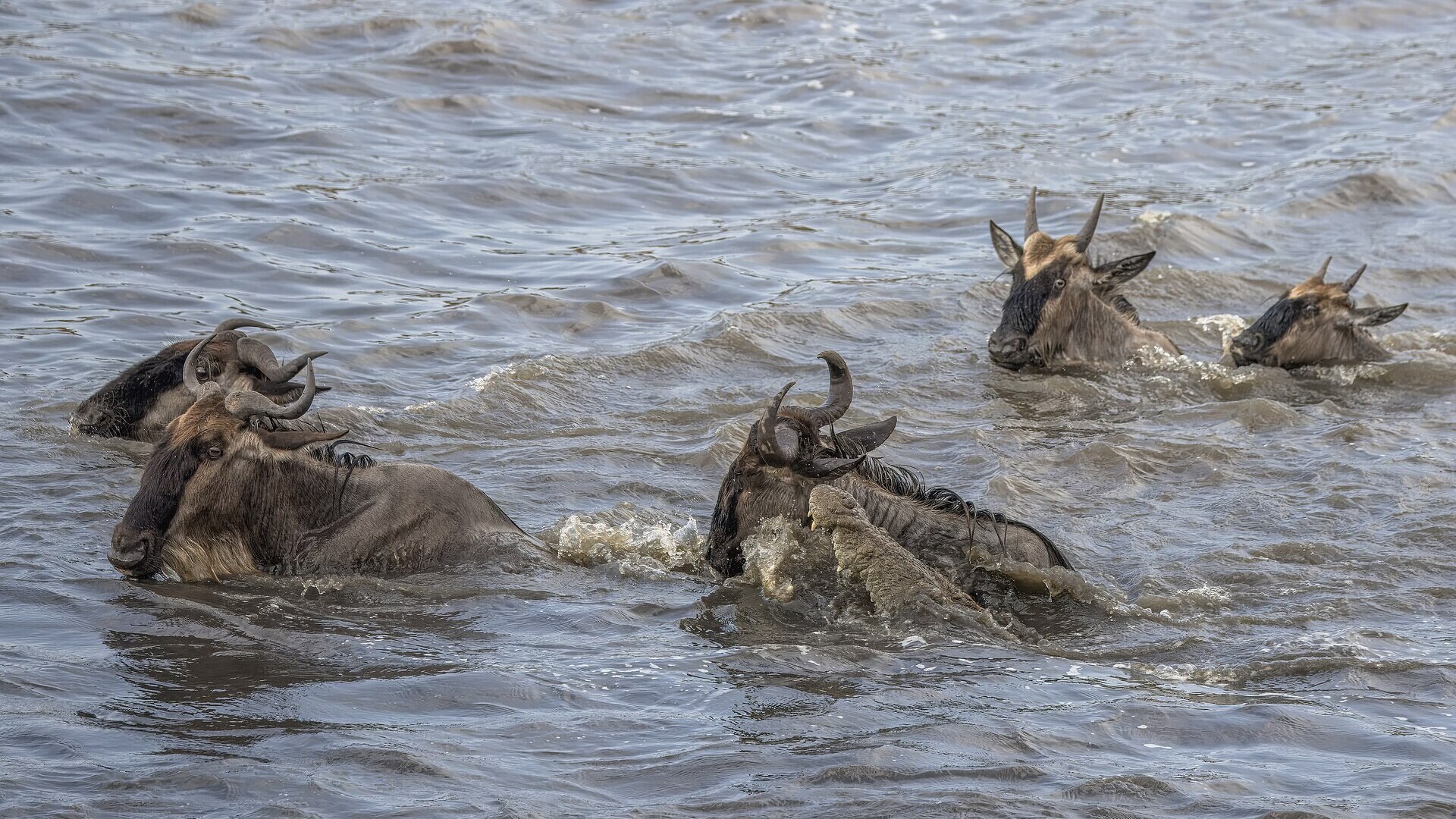
- The reserve backs onto the Bushman's River, which allows river cruises, fishing and guided walks in addition to classic game drives.
- Amakhala supports volunteer tourism — guests can participate in hands-on conservation activities including wildlife monitoring and anti-poaching patrols.
- We build bespoke Amakhala stays from around US$400–US$1,000 per person per night depending on lodge and season. See our guides to Eastern Cape private game reserves and malaria-free safaris.
Why Amakhala Game Reserve is the Eastern Cape's Community Conservation Flagship
Most private game reserves in South Africa are single-owner operations. Amakhala is different. It was created in the late 1990s when seven neighbouring families decided to drop the fences between their properties and manage the combined land as a contiguous Big Five sanctuary. Each family retained ownership of their original parcel and built their own lodge or lodges, but the wildlife roams freely across all 9,000 hectares. The result is a reserve where 11 distinct establishments — ranging from restored 1800s farmhouses to luxury tented camps — share identical access to the same lion prides, elephant herds and leopard territories, but offer radically different accommodation styles and price points. You can stay in a period country house one night and a contemporary safari lodge the next, tracking the same animals but experiencing entirely different atmospheres. This community model has become a blueprint for conservation in the Eastern Cape. Because each family has a direct financial stake in the wildlife, the incentive to protect it is deep and immediate. Amakhala supports a full-time anti-poaching unit, a wildlife vet on call, and ongoing habitat restoration. Guests contribute a Conservation and Community Development Levy with every stay, which funds these efforts as well as local schools, clinics and skills training in the surrounding communities. The reserve also backs onto the Bushman's River, one of the few permanent waterways in the region, which adds river cruises, catch-and-release fishing and riverside walks to the classic safari experience. This bush-and-water combination is rare in the Eastern Cape and gives Amakhala a dimension that purely land-based reserves cannot match. Location-wise, Amakhala sits just over an hour from Gqeberha (Port Elizabeth) airport on fully tarred roads. It is malaria-free year-round, which makes it ideal for families, first-timers and anyone combining a safari with the Garden Route or Cape Town. And because it is slightly less well-known than Shamwari or Kwandwe, you often get better value and quieter game viewing.The Community Conservation Story: How Amakhala Was Built
In the mid-1990s, seven neighbouring farming families in the Eastern Cape faced a common problem: the land was overgrazed, wildlife populations had collapsed, and traditional livestock farming was barely profitable. Rather than sell to developers, they chose a different path. The families — the Gush, Hoffman, Moolman, Cloete, Smith, Cordier and Taylor families — dropped the internal fences, pooled their land into a single 9,000-hectare block, and began the slow work of restocking indigenous wildlife. Lions were reintroduced. Elephants were brought in. Buffalo, rhino, cheetah and giraffe followed. The land, freed from the pressure of continuous grazing, began to recover. Each family retained ownership of their original parcel and built one or more lodges on their section, but the wildlife roams freely across the entire reserve. This shared-land, private-lodge model is now common in the Eastern Cape, but Amakhala was one of the pioneers. Today the reserve supports 40+ mammal species including the Big Five, a full-time anti-poaching team, a wildlife veterinary partnership and ongoing habitat restoration. The Conservation and Community Development Levy — paid by every guest — funds not just wildlife protection but local schools, clinics and job training in the surrounding villages. This is conservation with direct, measurable community benefit. For guests who want to go deeper, Amakhala offers volunteer tourism programmes where you can spend time with the conservation team, participate in wildlife monitoring, join anti-poaching patrols and learn about the challenges of managing a working reserve. This is not performative; these are real tasks that contribute to the reserve's operations.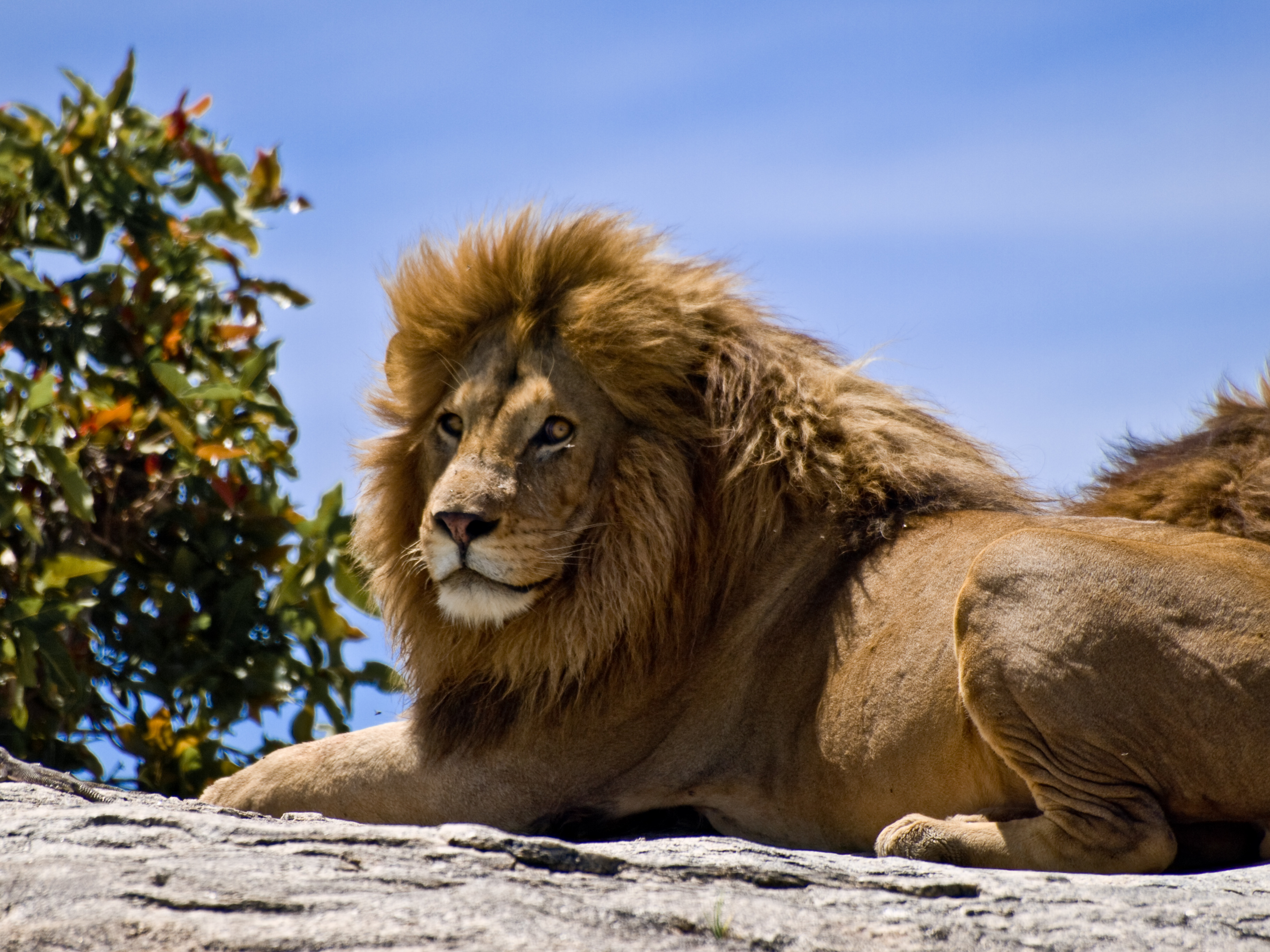
The Big Five & Beyond: What You See at Amakhala
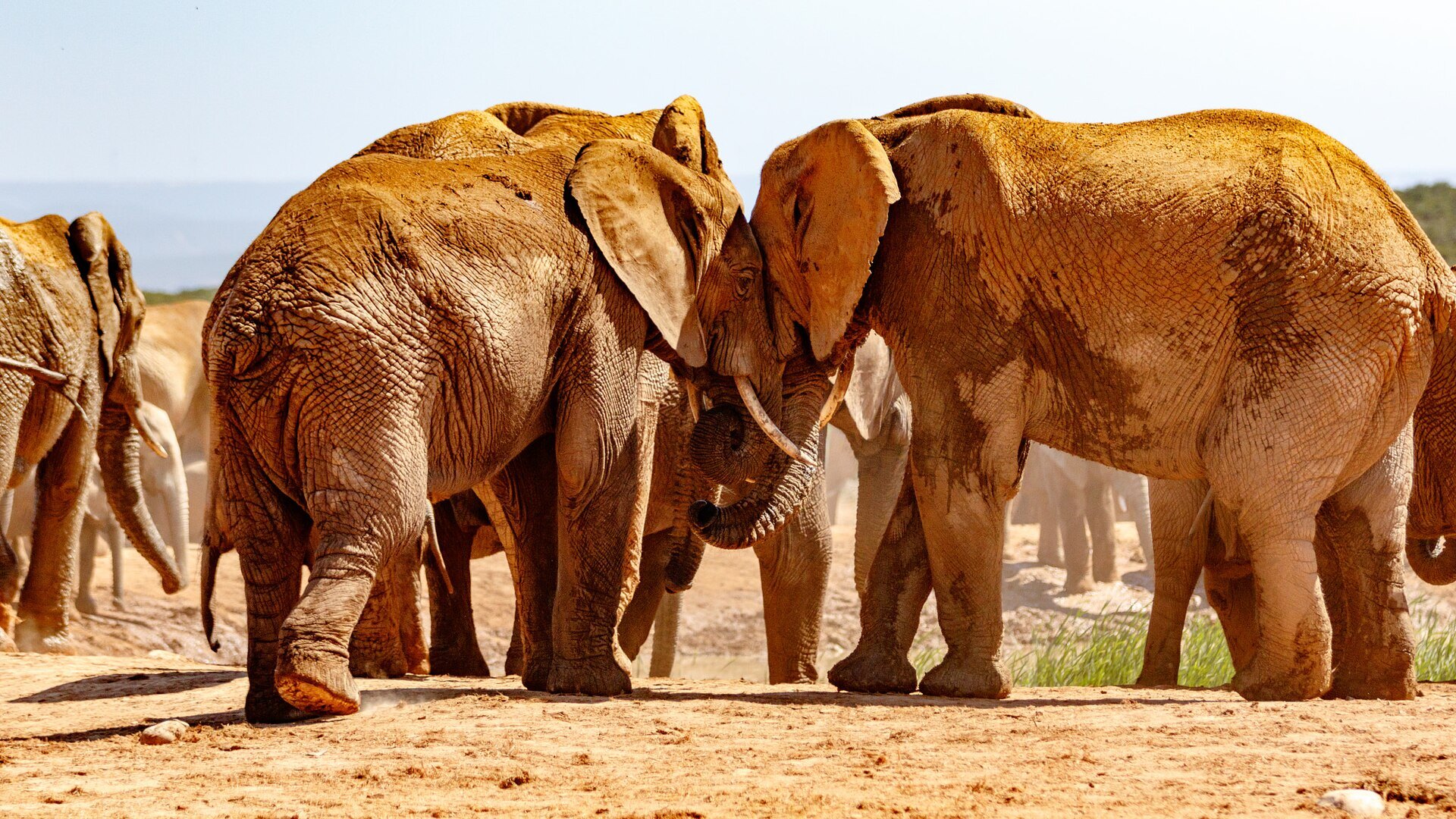
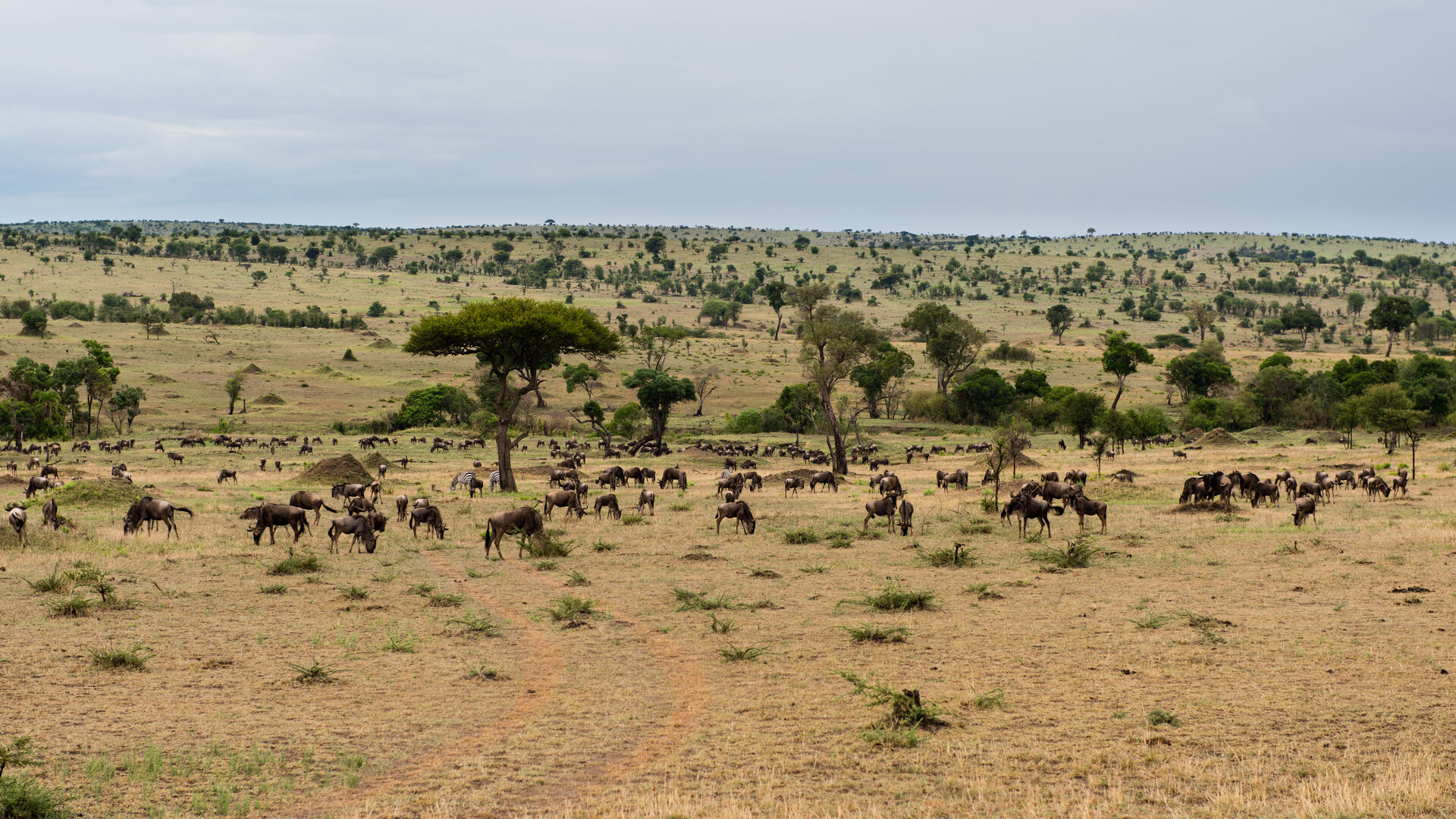
Amakhala is home to all five iconic species — lion, leopard, African elephant, both black and white rhinoceros, and Cape buffalo — as well as cheetah, giraffe, zebra, hippo, crocodile and 14 species of antelope including the magnificent sable and black wildebeest. Lions are the most reliably seen predator. Amakhala supports several established prides, and because the reserve is unfenced internally, the cats move naturally following prey migrations. Sightings are consistent throughout the year, particularly in the dry winter months when game congregates around the remaining water sources. Leopards are present but elusive. Your best chance is on night drives, when the rangers spotlight the rocky outcrops and riverine thickets where leopards den. The Bushman's River corridor is a known leopard stronghold. Elephants are frequently encountered, particularly along the river and in the thicker vegetation where browsing is richest. Amakhala's elephant population is relaxed and habituated to vehicles, which makes for excellent close-range photography. Rhinos — both species — are a conservation priority. The reserve maintains 24/7 anti-poaching patrols and participates in regional rhino-monitoring networks. White rhino are often seen grazing the open plains; black rhino are shyer but present. Buffalo move in herds of varying size and are often seen drinking at the river or grazing the floodplains. Beyond the Big Five, Amakhala is a strong birding destination with roughly 290 bird species recorded, including the African fish eagle, martial eagle, secretary bird and several kingfisher species along the river. If you are a serious birder, bring the field guide and request a dedicated birding drive.
The 11 Lodges: Which One is Right for Your Stay
Amakhala's lodge selection is the most diverse in the Eastern Cape. Here is the honest breakdown of the major properties.Bukela Game Lodge — Premium Luxury
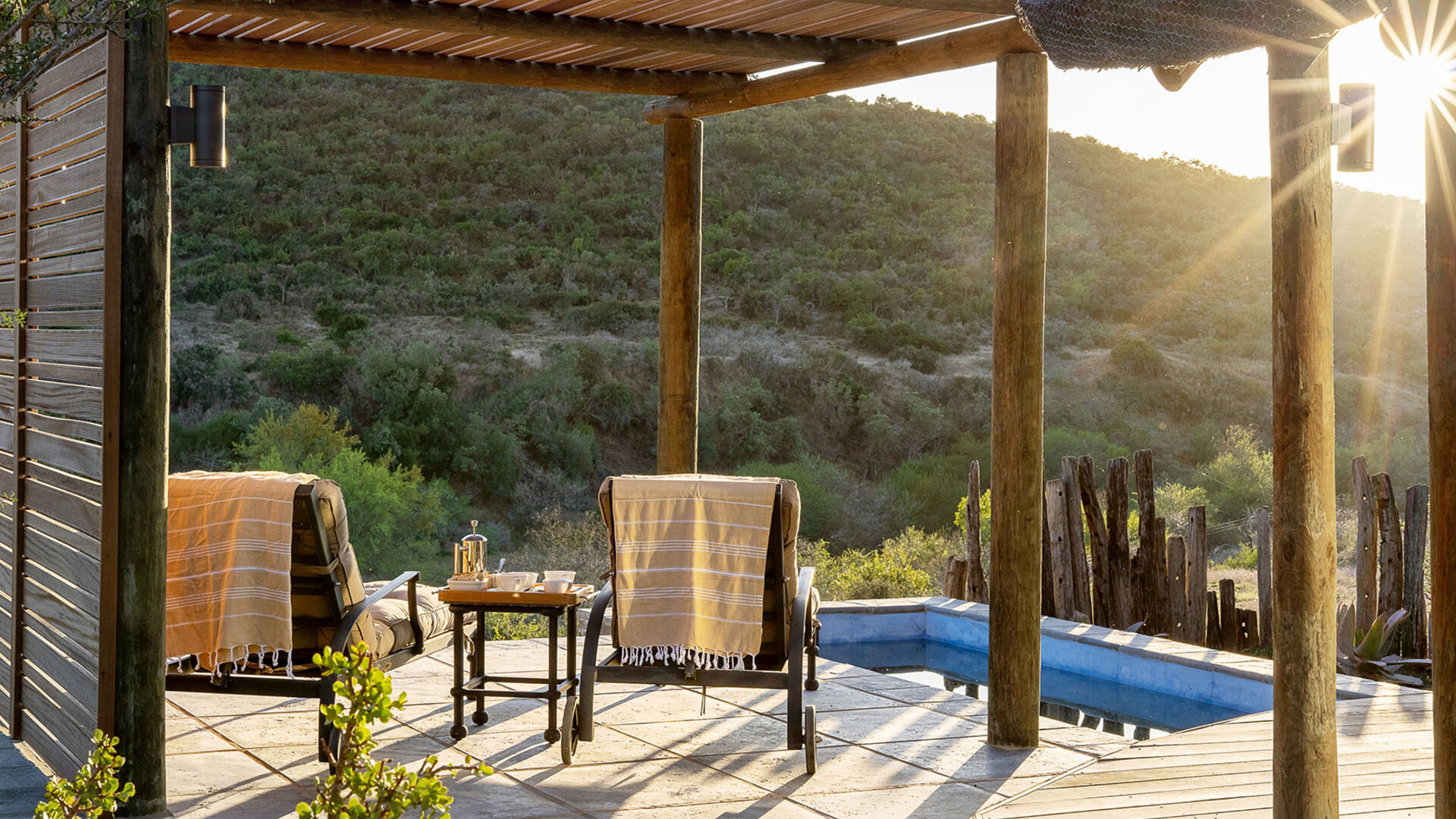
Bukela is Amakhala's flagship — contemporary design, spacious suites, heated pool and top-tier guiding. The food and service are excellent, and the communal areas are designed for relaxation without being over-formal. Bukela is adults-focused (minimum age restrictions apply) and attracts honeymooners, couples and small groups seeking upmarket comfort without stuffiness.Safari Lodge — Family-Friendly Comfort
Safari Lodge is Amakhala's family workhorse — thatched suites, a relaxed atmosphere and a ranger team experienced in working with young children. The design is classic safari (stone, thatch, timber), and the boma dinners are a highlight. If you are travelling with kids under 12, this is the default choice.Woodbury Lodge — Exclusive-Use Tented Villa
Woodbury is an exclusive-use property with eight luxury tents on elevated wooden platforms. You have the entire lodge, chef, ranger and vehicle to yourselves, which makes it ideal for extended families or groups of friends. The setting — overlooking a floodplain — is superb for wildlife viewing straight from the deck.Hillsnek Safari Camp — Authentic Bush Experience
Hillsnek is a small, intimate tented camp with a focus on authenticity over luxury. The tents are comfortable but deliberately rustic, with canvas walls, open-air bucket showers and an emphasis on immersive bush living. This is for travellers who want the safari unpolished.Quatermain's Camp — Colonial-Era Nostalgia
Quatermain's recreates the atmosphere of a 1920s explorer's camp — walk-in tents, campaign furniture, paraffin lamps and a deliberate emphasis on period detail. The experience is more theatrical than some of the other camps, but if you are drawn to the romance of the golden-age safari, Quatermain's delivers it.The Manor, Leeuwenbosch & Reed Valley — Restored Farmhouses
These three properties are restored 1800s farmhouses converted into exclusive-use lodges. The atmosphere is more country estate than safari camp, with period furnishings, grand dining rooms and sprawling gardens. They work beautifully for multi-generational families or groups who want exclusivity and a different aesthetic from the tented lodges.