Key Takeaways
- Lalibela Wildlife Reserve is a 10,500-hectare (26,000-acre) malaria-free Big Five reserve in the Eastern Cape — home to lion, leopard, elephant, rhino and buffalo across five distinct biomes.
- It sits roughly one hour from Gqeberha (Port Elizabeth) airport on tarred roads — no light aircraft, no anti-malarials, no long dirt transfers.
- The reserve's valley bushveld biome is unique to the Eastern Cape and is known for exceptionally high wildlife carrying capacity — you see more game per drive than in many larger parks.
- Lalibela has six distinct lodges — Kichaka (five-star luxury), Mills Manor (historic exclusive-use villa), Tree Tops (tented eco-camp), Inzolo, Lentaba and Mark's Camp — spanning every style and price point.
- Because there are no public roads crossing the property, all game viewing is genuinely private and exclusive to guests.
- We build bespoke Lalibela stays from around US$450–US$1,200 per person per night depending on lodge and season. See our guides to Eastern Cape private game reserves and malaria-free safaris in South Africa.
Why Lalibela Game Reserve Stands Apart in the Eastern Cape
The Eastern Cape is home to roughly two dozen private Big Five reserves, all of them malaria-free and within reasonable driving distance of Gqeberha. Most are excellent. Some — like Lalibela — are extraordinary for reasons that aren't always obvious from the brochure. What sets Lalibela apart is biological diversity combined with deliberate, long-term rewilding. The reserve was assembled through careful land acquisitions over more than two decades, and it now spans five distinct biomes — including the valley bushveld, which exists only in this corner of the Eastern Cape and is notable for its exceptionally high carrying capacity. That translates, in practical terms, into some of the most productive game viewing you will find in the province: more species, more density, more encounters per drive. Because no public roads cross the reserve, every game drive here is private in the truest sense — no queues, no other vehicles jostling for position at a lion sighting, just you, the ranger and the landscape. The lodge selection is equally thoughtful: six properties ranging from the five-star intimacy of Kichaka to the rustic authenticity of Tree Tops and the historic grandeur of Mills Manor, which gives every traveller — whether honeymooner, family or solo safari enthusiast — a lodge that fits. And then there is the sheer convenience. Lalibela sits an hour from Gqeberha airport on fully tarred roads. It is malaria-free year-round, which makes it ideal for families with young children, pregnant travellers and anyone who would rather not take prophylactics. And it pairs beautifully with the Garden Route and Cape Town, which is exactly how we structure most of our Eastern Cape safari itineraries. This is not the cheapest reserve in the Eastern Cape, nor is it trying to be. What you are paying for is ecological richness, lodge variety, true exclusivity and a proven conservation ethic that has been refining this property for more than twenty years.The Five Biomes: Why Lalibela's Landscape is Ecologically Unique
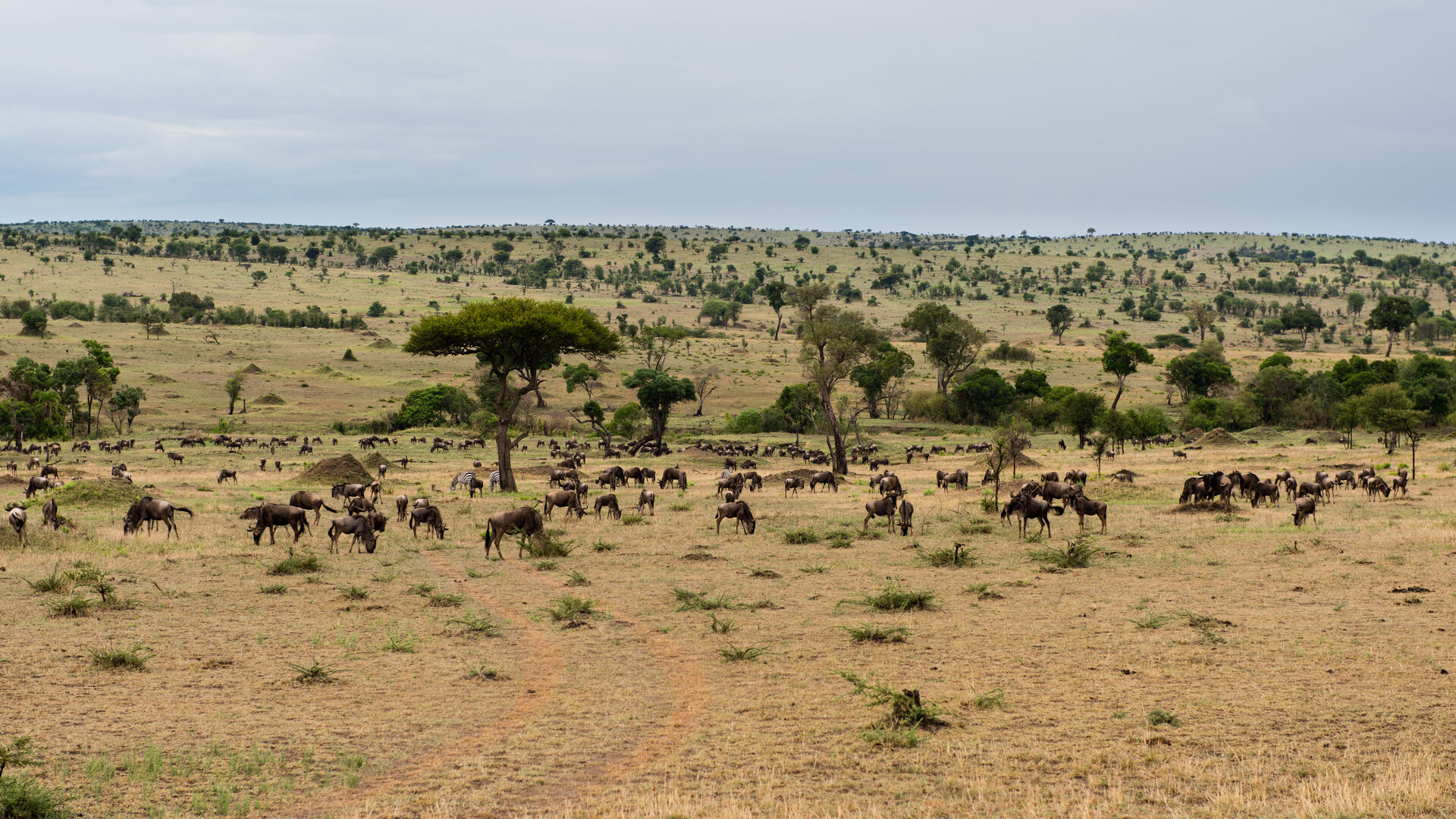
Most private reserves in the Eastern Cape encompass one or two vegetation types. Lalibela shelters five — the valley bushveld (endemic to the Eastern Cape), riverine thicket, Karoo shrubland, grassland and coastal forest. This is not marketing embellishment; it is taxonomy, and it matters. Different biomes support different species. The valley bushveld — the jewel of Lalibela's landscape — is the most nutrient-rich vegetation type in the Eastern Cape and has a carrying capacity that rivals Kruger's southern plains. You see it in the game densities: healthy populations of kudu, impala, wildebeest, zebra, warthog and other browsers and grazers, which in turn support robust predator numbers. The riverine thicket along the watercourses shelters elephant, buffalo and rhino during the heat of the day, while the grassland plateaux are where you often encounter lion and cheetah on the hunt. The Karoo shrubland attracts eland and springbok. Each biome has its own seasonal rhythms, which means the reserve never feels static — what you see in June will differ from what you encounter in December, not just in terms of animal behaviour but in the landscape itself. For wildlife photographers and repeat visitors, this diversity is gold. A single three-night stay at Lalibela can deliver sightings across five distinct ecosystems without ever leaving the property. That is rare in a reserve of this size.
The Big Five & Beyond: What You Actually See at Lalibela
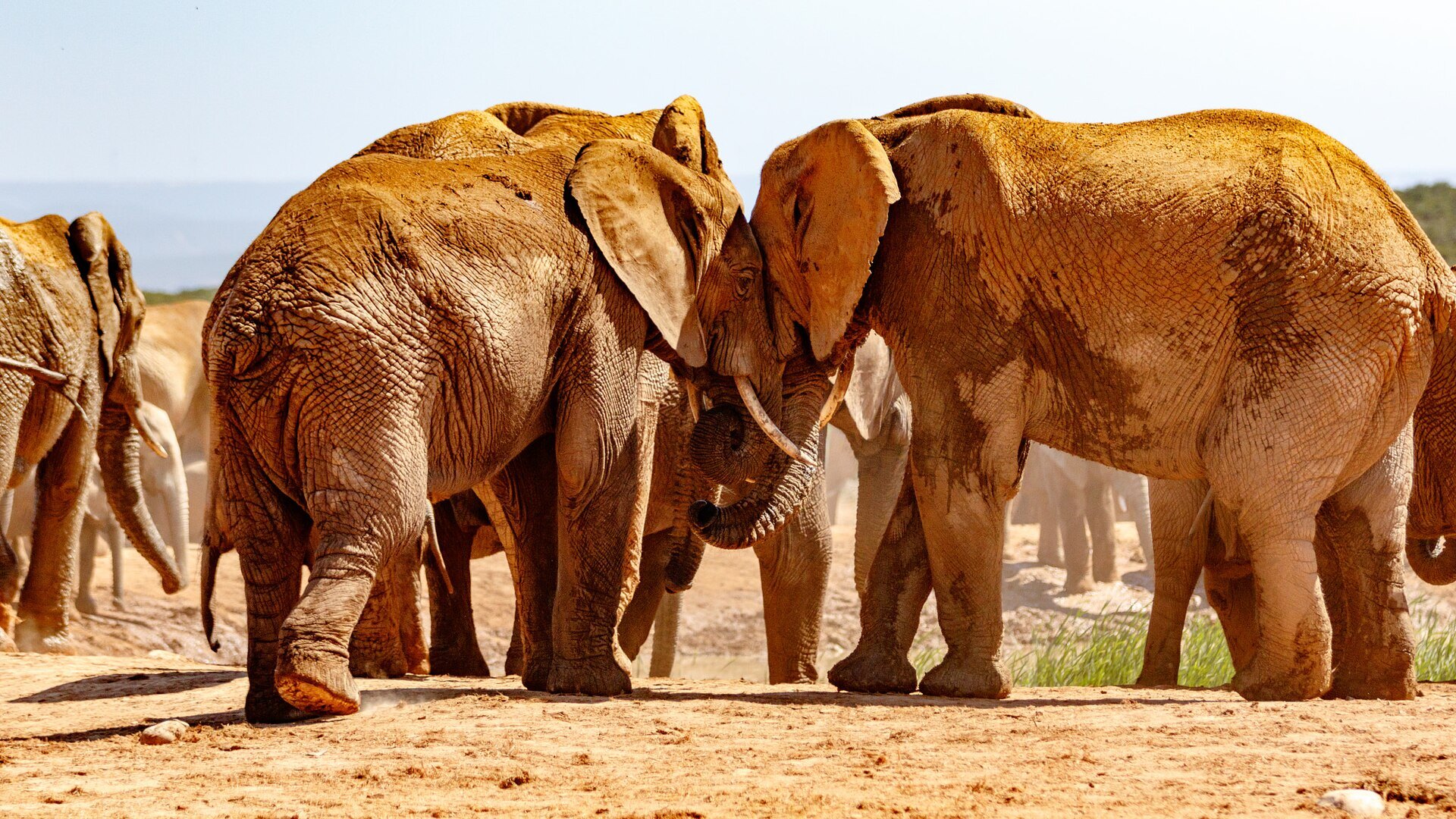
Lalibela is home to all five of Africa's iconic species — lion, leopard, elephant, rhino (both black and white) and Cape buffalo — as well as cheetah, giraffe, zebra, hippo and more than 200 bird species. This is not a paper list; these are free-roaming populations with healthy breeding dynamics. Lions are the marquee species. Lalibela supports several established prides, and sightings are consistent throughout the year. Because the reserve is unfenced on the inside (no internal roads means no internal fencing), prides move naturally across the property following prey migrations, which gives you genuine, unscripted lion encounters. Leopards are present but elusive, as they are everywhere. Your best chance is on night drives, when the rangers spotlight the riverine thickets and rocky outcrops where leopards den and cache their kills. Elephants are frequently seen, particularly along the watercourses and in the valley bushveld where the browsing is richest. Lalibela's elephant population is relaxed and habituated to vehicles, which makes for superb close-range photography. Rhinos — both black and white — are a conservation priority here, and the reserve maintains an active anti-poaching unit. Sightings are regular, though black rhino remain more elusive than their white cousins. Buffalo move in herds of varying size and are often encountered grazing the grasslands or drinking at waterholes. Beyond the Big Five, Lalibela is a birdwatcher's reserve. The valley bushveld and riverine thicket attract species you won't see in the drier parks further north, including several endemics and near-endemics. If you are a serious birder, bring the field guide.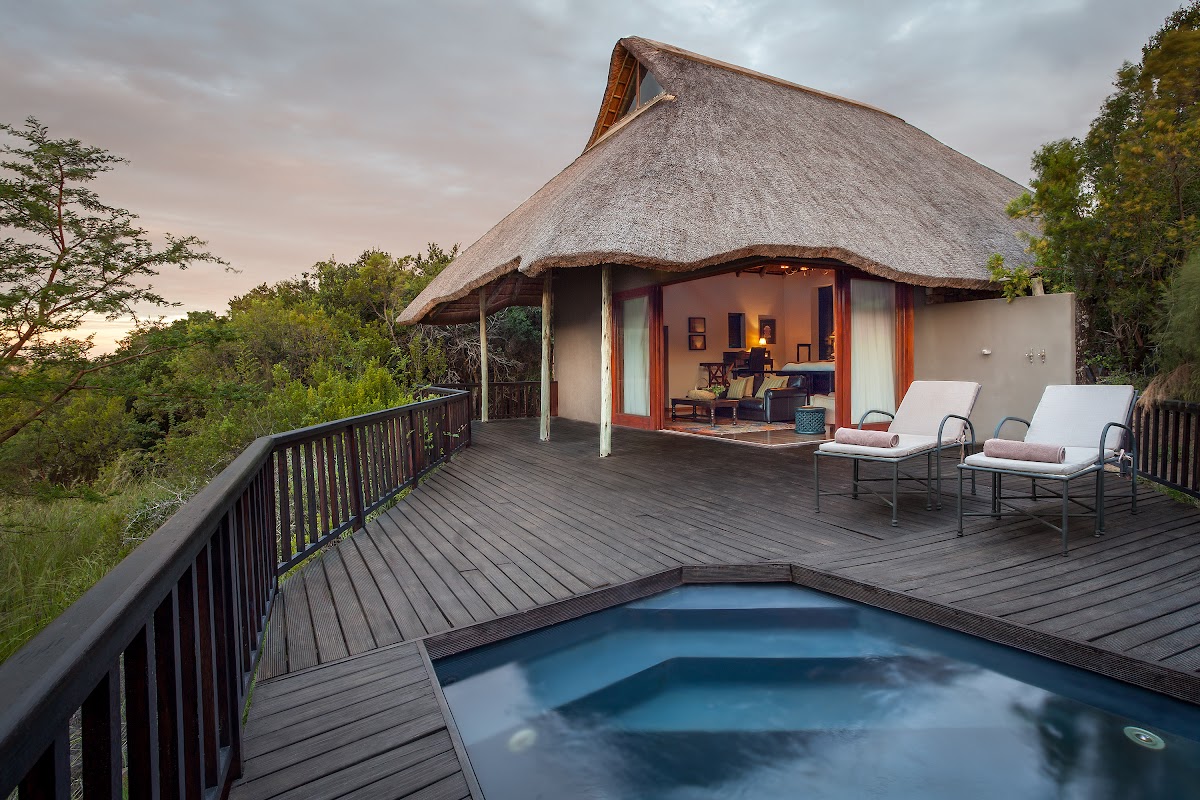
The Six Lodges: Which One is Right for Your Stay
Lalibela's six lodges span the full spectrum of safari accommodation — from five-star intimacy to family-friendly comfort to tented authenticity. Here is the honest breakdown.Kichaka Lodge — Five-Star Luxury
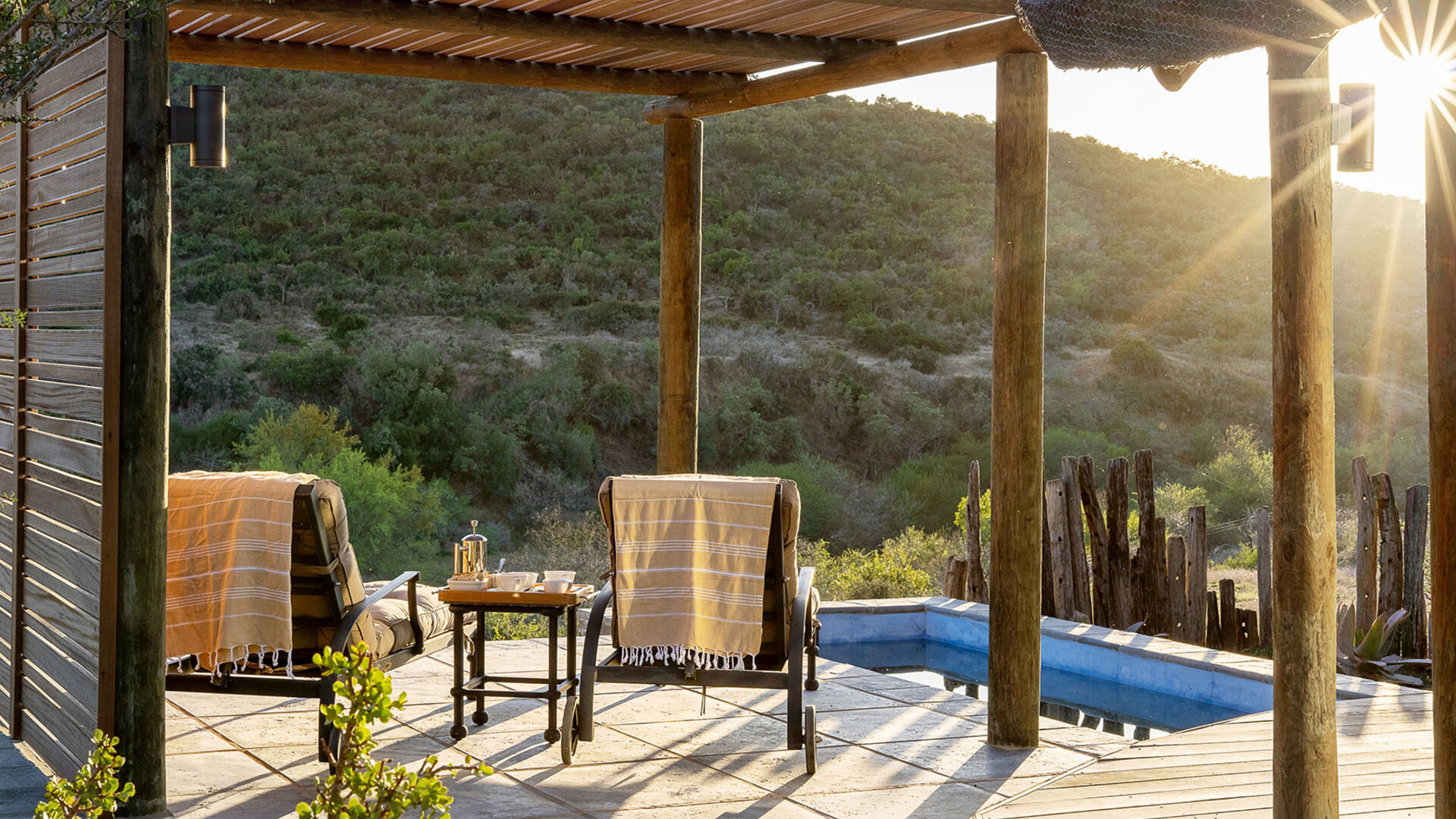
Kichaka is Lalibela's flagship — ten suites, each with a heated plunge pool on the private deck. The design is contemporary African luxury with an emphasis on privacy and space. Kichaka is adults-only (children 12 and over), which makes it the natural choice for honeymooners, couples and small groups seeking exclusivity. The food, service and guide quality are all top-tier. If you want the best Lalibela has to offer and are willing to pay for it, Kichaka is the lodge.Mills Manor — Historic Exclusive-Use Villa
Mills Manor is a 100-year-old residence that has been restored as an exclusive-use villa for families or groups of up to ten guests. You have the entire property to yourselves — the manor, the chef, the ranger, the vehicle. The atmosphere is more house party than hotel, with period furnishings, a grand dining room and sprawling lawns. If you are travelling with extended family or a group of friends and want genuine exclusivity, this is the one.Tree Tops Safari Lodge — Tented Eco-Camp
Tree Tops is Lalibela's most authentic offering — an eco-conscious tented camp set within indigenous forest vegetation. The tents are comfortable but deliberately rustic, with canvas walls, solar power and an emphasis on low-impact luxury. This is for travellers who want the safari experience unpolished — the sounds of the bush at night, the crackle of the campfire, the sense of being embedded in the landscape rather than insulated from it.Inzolo Lodge — Intimate and Secluded
Inzolo is a small, intimate lodge with four elevated suites overlooking the reserve. It is quiet, private and well-suited to couples or small groups who want exclusivity without the price tag of Kichaka. The design is classic safari — thatch, timber, stone — and the guiding is excellent.Lentaba Lodge — Hillside Luxury
Lentaba sits on a hillside with sweeping views across the bushveld. The thatched villas feature private decks and outdoor showers, and the communal areas are designed for relaxation rather than socialising. Lentaba is a strong choice for couples and small groups who want comfort and views without the full Kichaka price.Mark's Camp — Family-Friendly Lodge
Mark's Camp is Lalibela's family lodge — stone-and-thatch suites, a relaxed atmosphere and a ranger team experienced in working with young children. If you are travelling with kids under 12, this is where we book you. The game viewing is identical to the other lodges; the only difference is the vibe, which is more forgiving of small voices and early bedtimes.