Key Takeaways
- KwaZulu-Natal offers the full Big Five — lion, leopard, elephant, buffalo and rhino — across a set of reserves that are smaller, closer to a major airport and far quieter than the Kruger region, and it is the best place on Earth to see rhino, having pulled the southern white rhino back from the brink at Hluhluwe-iMfolozi.
- Our ranked picks for 2026: Phinda for all-round luxury and rare species, Hluhluwe-iMfolozi for best-value Big Five and rhino, Thanda for luxury with Zulu culture, Nambiti for a fully malaria-free family safari, Manyoni for conservation and wild dog, Tembe for giant-tusker elephants, and Amakhosi for intimate riverside luxury.
- The malaria picture matters and is often misreported: the midlands reserves such as Nambiti are genuinely malaria-free, while the far-northern Maputaland reserves (Phinda, Tembe, Manyoni) sit in a low-risk zone where simple precautions or a short course of tablets are sensible. We spell out the risk reserve by reserve below.
- Access is a real advantage. Most KZN reserves are a two-to-four-hour drive from Durban’s King Shaka International, and several have their own airstrips for a short flight from Johannesburg — so you spend more time on safari and less in transit.
- Only KwaZulu-Natal lets you combine the Big Five with a genuine Zulu cultural journey and a warm Indian Ocean beach in the same week — the reason a Zululand safari plus the coast is one of the most complete trips in Southern Africa.
- Anti-cannibalization: this guide ranks the reserves. For the classic bush-and-beach itinerary see our Big Five and beach safari guide; for the flagship reserve in depth, our Phinda safari guide; for the state park, our Hluhluwe-iMfolozi guide; and for timing, our best time to visit KwaZulu-Natal guide.
Why KwaZulu-Natal Is South Africa's Most Underrated Big Five Region
Ask most first-time visitors where to see the Big Five in South Africa and they name the Kruger. Ask a conservationist where the Big Five were saved, and they will point you to KwaZulu-Natal. This is the province where the southern white rhino was pulled back from near-extinction in the 1950s and 60s through Operation Rhino, run out of the iMfolozi bush by a young ranger named Ian Player — the reason there are white rhino anywhere in the world today. KZN is where the oldest proclaimed nature reserve on the African continent still runs game drives, and where a string of private reserves has quietly built some of the finest Big Five viewing in the country, without the crowds that fill the roads further north.
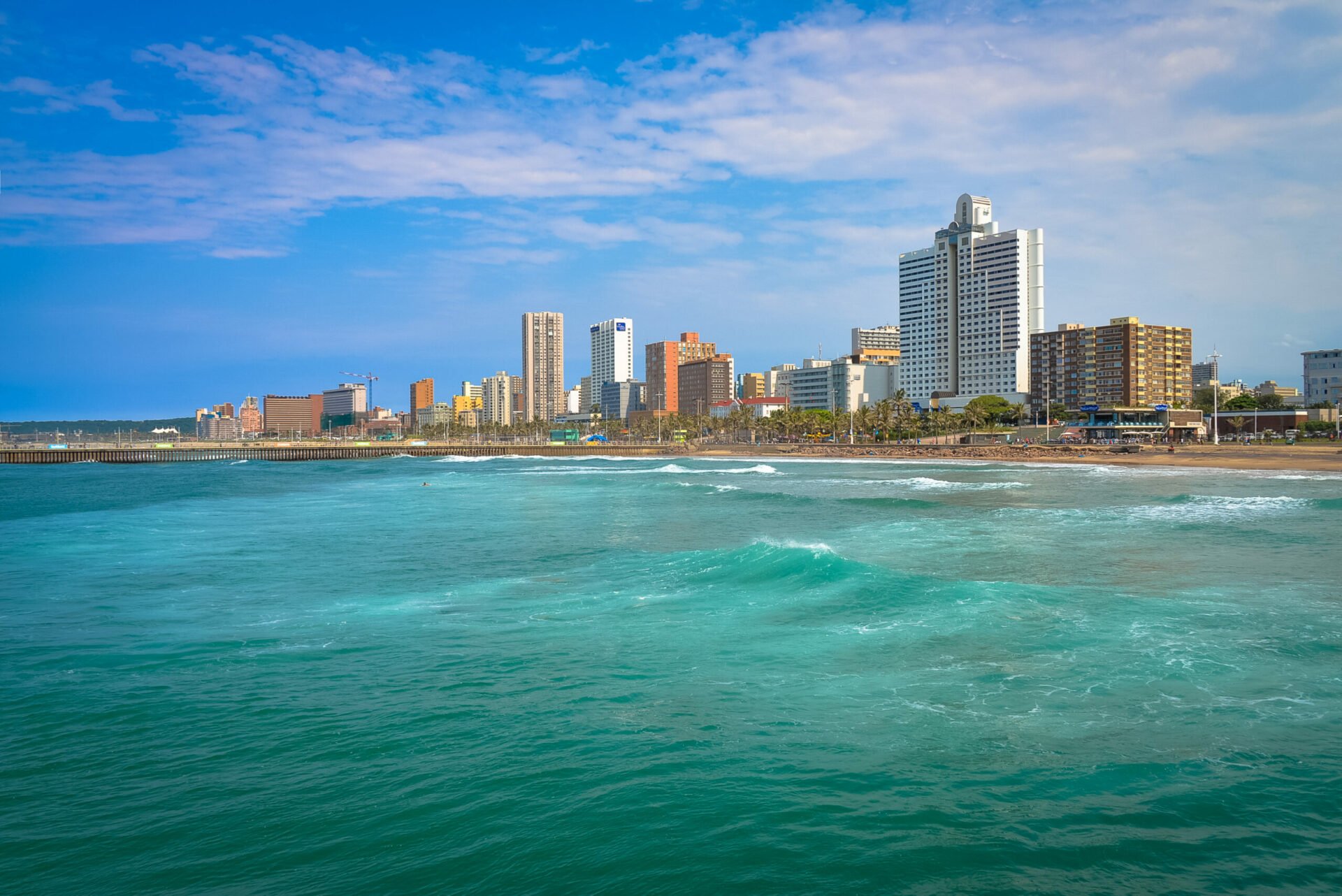
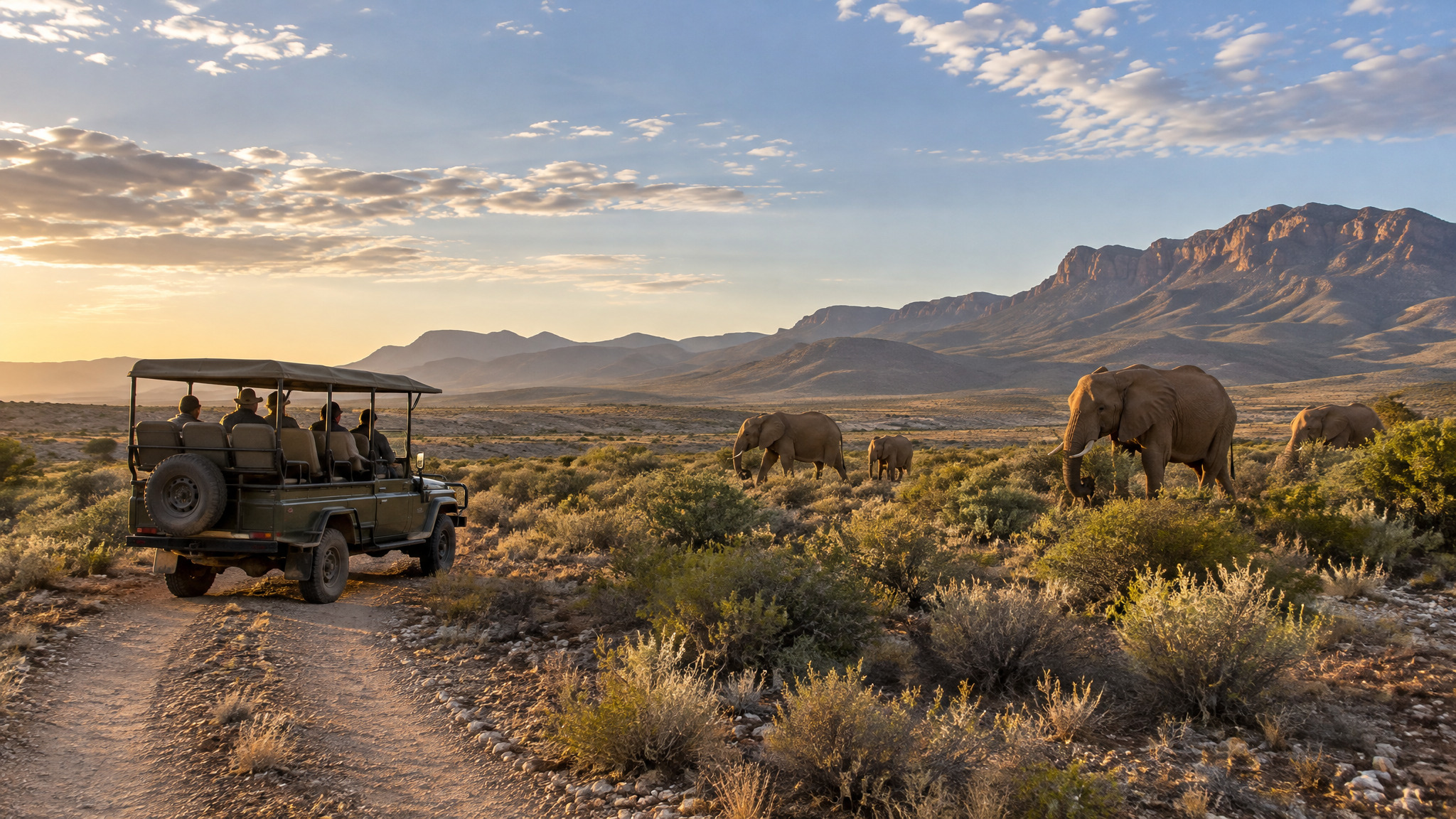
What sets KwaZulu-Natal apart is the combination. The reserves here are generally smaller and more intimate than the vast Kruger concessions, which means high sighting densities and guides who know every animal by name. Most sit within a two-to-four-hour drive of Durban’s King Shaka International Airport, and several have their own airstrips for a quick hop from Johannesburg — so the province is far easier to reach than its reputation suggests. And uniquely, KZN lets you fold three very different experiences into a single trip: world-class Big Five game viewing, a living Zulu cultural heritage that runs through the land and its lodges, and a warm Indian Ocean coastline of turtle-nesting beaches, coral reefs and whale-watching bays that is only a short drive from the game.
This guide ranks the seven best Big Five game reserves in KwaZulu-Natal for 2026 — what each does best, honest guidance on price and access, and the real malaria picture reserve by reserve — followed by the private safaris we run to each one. Every trip here is designed and operated by Beyond Africa Safaris directly; nothing on this page is a marketplace listing or a middleman quote.
The Best Big Five Reserves in KwaZulu-Natal — At a Glance
Every reserve below carries the full Big Five, but each one is best at something different. Use this table to match a reserve to the trip you want, then read the detail underneath. Malaria status is given honestly: "malaria-free" means no risk at all; "low-risk" means the far-northern Maputaland zone where simple precautions or a short course of tablets are sensible, especially in the wet summer months.
| Reserve | Best for | Malaria | Drive from Durban | Style |
|---|---|---|---|---|
| Phinda | All-round luxury, cheetah & rare species | Low-risk | ~3.5 hrs (or fly in) | Luxury lodges |
| Hluhluwe-iMfolozi | Best-value Big Five & rhino | Low-risk | ~2.5–3 hrs | State park + lodges |
| Thanda | Luxury with Zulu culture | Low-risk | ~3 hrs (or fly in) | Luxury lodge & tents |
| Nambiti | Malaria-free family safari | Malaria-free | ~3 hrs | Family lodges |
| Manyoni | Conservation, rhino & wild dog | Low-risk | ~3.5 hrs | Mid-range to luxury |
| Tembe | Giant-tusker elephants | Low-risk | ~4.5 hrs | Single tented lodge |
| Amakhosi | Intimate riverside luxury | Low-risk | ~4 hrs | Boutique lodge |
1. Phinda Private Game Reserve — The All-Round Best
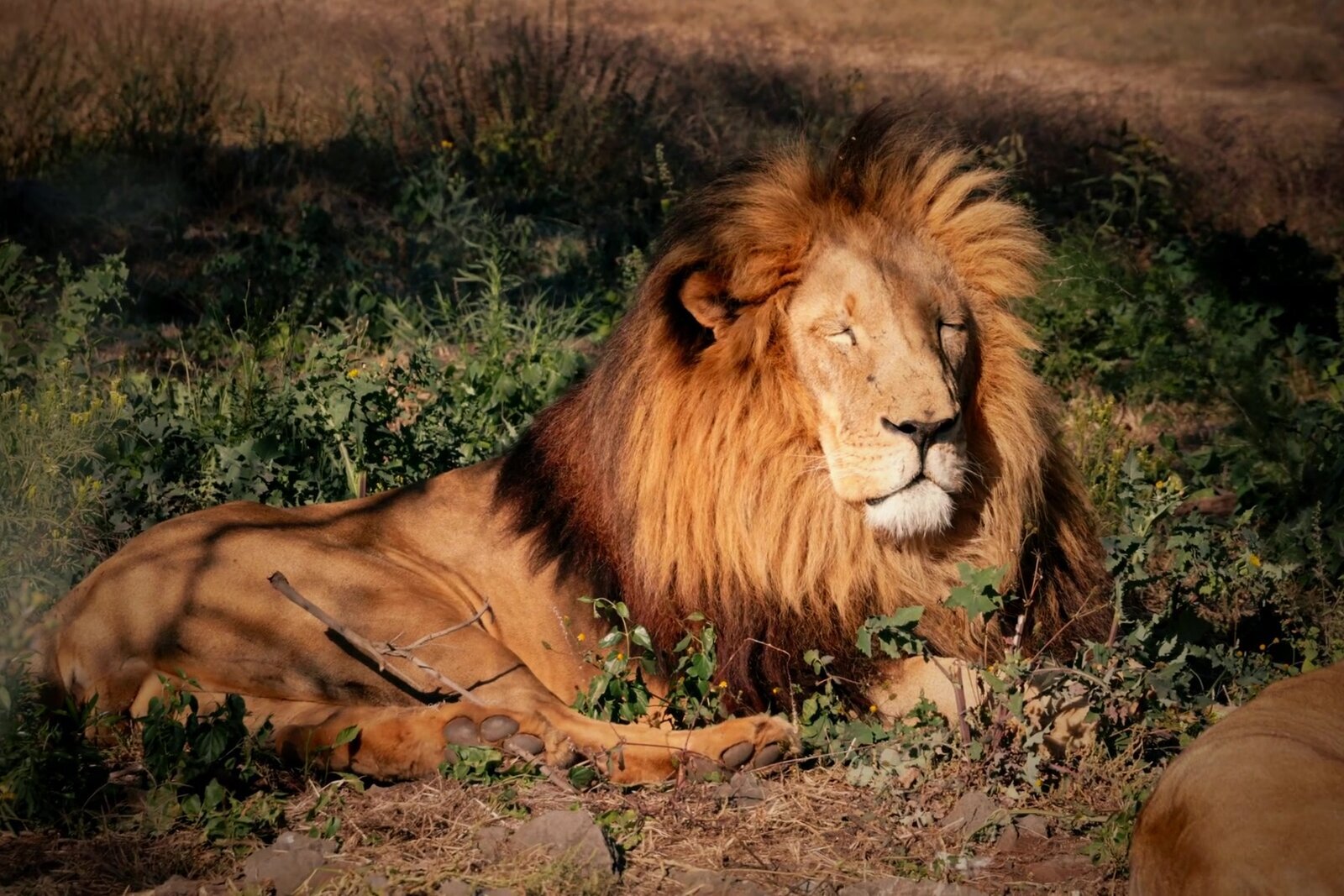
If you want one reserve that does almost everything well, Phinda is the answer. &Beyond’s flagship in northern Zululand spreads across roughly 28,500 hectares and seven distinct habitats — from open savannah and wetlands to the rare dry sand forest that gives the reserve its name (phinda means "the return" in Zulu). That range of country is why Phinda holds so much: the full Big Five, plus one of the best cheetah populations in South Africa, regular leopard sightings, African wild dog, black and white rhino, and rare antelope such as nyala and the tiny suni that live nowhere else so accessibly.
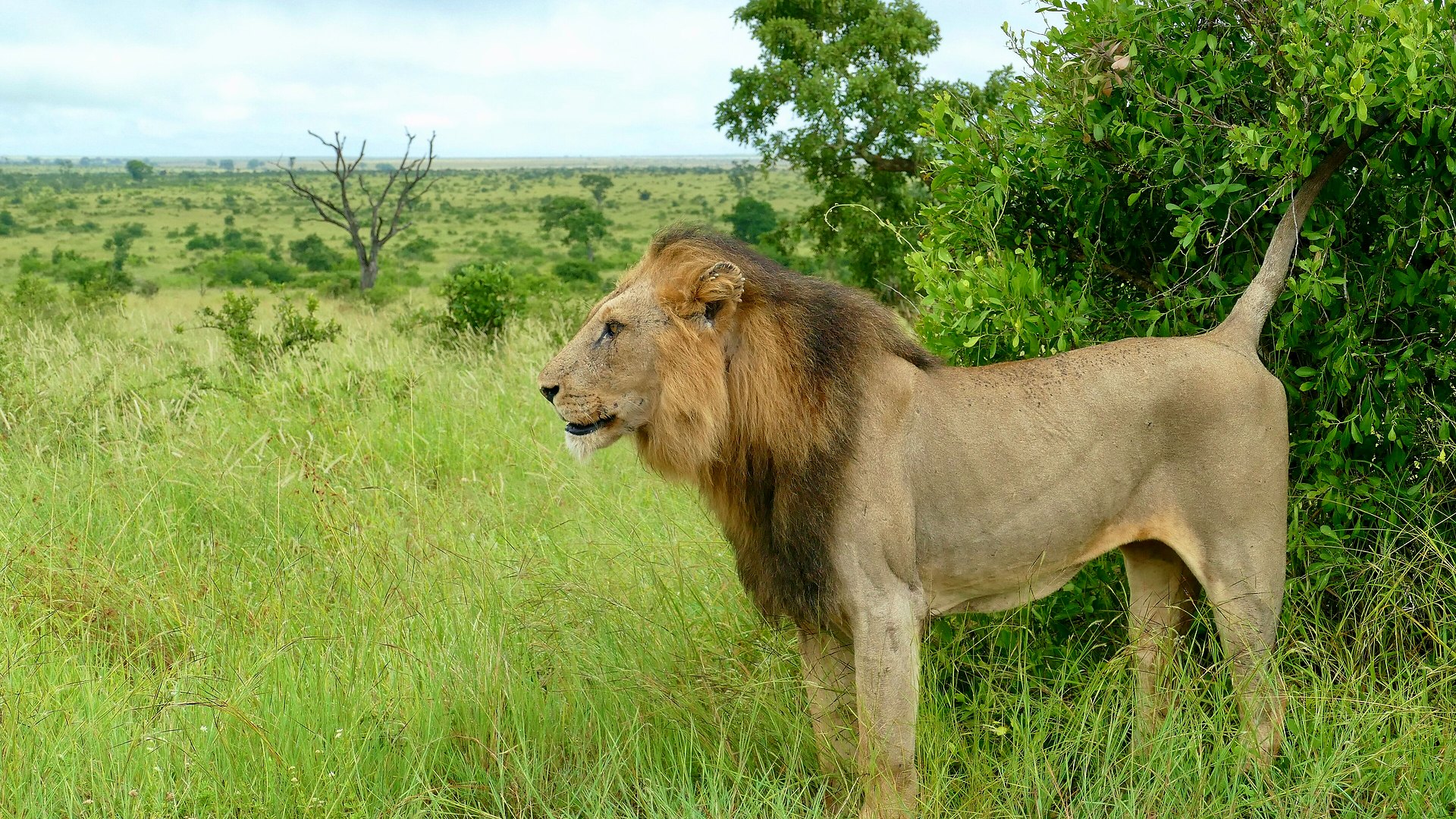
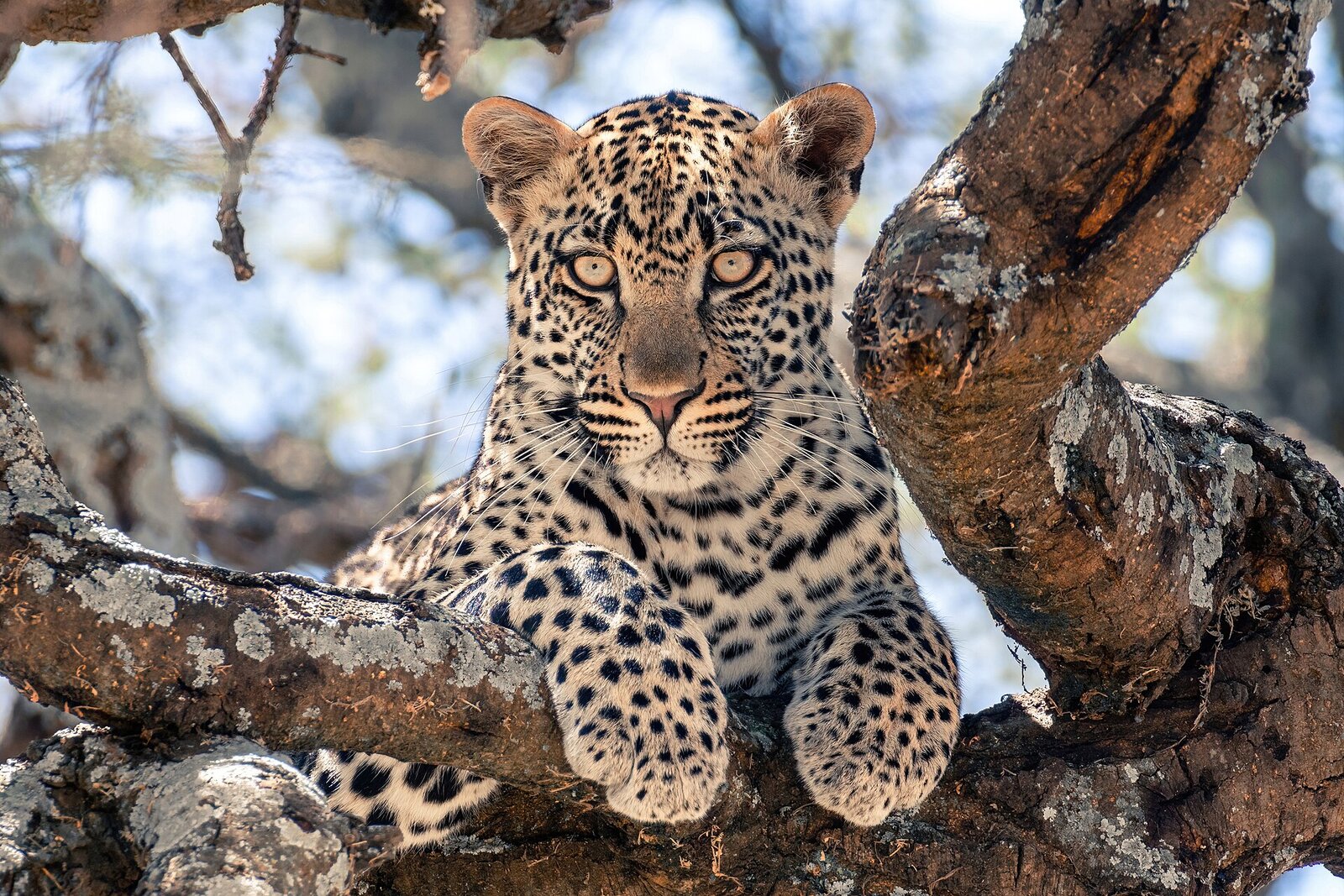
What you’ll see: Lion, leopard, elephant, buffalo and both black and white rhino, with Phinda especially strong on cheetah — its open grasslands are ideal for watching them hunt — and on leopard, thanks to years of habituation. Wild dog move through in packs, and the sand forest holds species you will struggle to find elsewhere. Night drives and guided walks add another dimension few state parks allow.
Lodges and access: Phinda runs six individually styled lodges, from the glass-walled Forest Lodge in the sand forest to the family-friendly Mountain Lodge and the exclusive-use Homestead. It is a low-risk malaria area — simple precautions are sensible in summer. Reach it on a scenic 3.5-hour drive from Durban, or fly straight into Phinda’s own airstrip from Johannesburg in under two hours. Our Phinda Private Game Reserve Luxury Safari is built entirely around the reserve, and the Zululand, Phinda & Hluhluwe Luxury Safari pairs it with the rhino heartland.
2. Hluhluwe-iMfolozi Park — Best Value & the Rhino Heartland
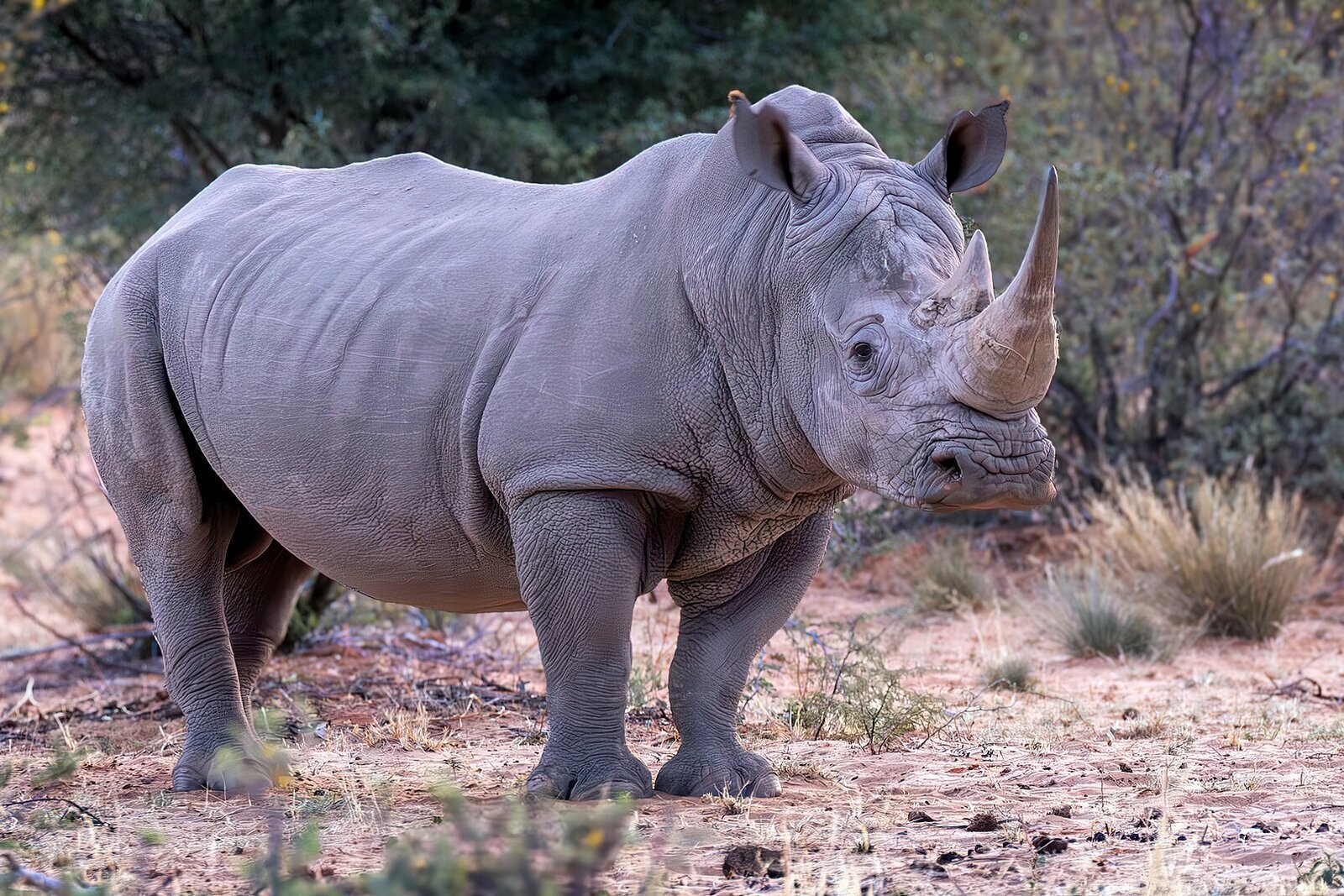
No reserve in South Africa carries more conservation weight than Hluhluwe-iMfolozi. Proclaimed in 1895, it is the oldest formally protected game reserve on the African continent, and it is the place where the southern white rhino was saved — Operation Rhino, launched here in the 1950s, took the species from a few hundred survivors to the tens of thousands alive today. At around 96,000 hectares it is also the largest reserve on this list, a landscape of rolling hills, dense thickets and river valleys run by Ezemvelo KZN Wildlife.
What you’ll see: The full Big Five, and the best rhino viewing anywhere on the continent — both white and the more secretive black rhino. Elephant, buffalo and lion are well established, leopard are present in the thickets, and the park’s birdlife and general game are outstanding. Because it is a public park you can self-drive its network of roads, or join guided drives from a lodge for the best chance at the cats.
Lodges and access: This is the best-value Big Five in the province. You can stay in Ezemvelo’s own Hilltop Camp inside the park, or at private lodges on the boundary, at a fraction of a private-reserve rate. It is roughly a 2.5-to-3-hour drive from Durban — the shortest transfer on this list — and low-risk for malaria. Our Durban & Zululand Big Five Luxury Safari is built around it, and it pairs naturally with Phinda on the 5-day Zululand combination.
3. Thanda Safari — Luxury Meets Zulu Culture
Thanda Safari, a Relais & Châteaux member near Hluhluwe, is the reserve to choose when you want serious Big Five game viewing wrapped in genuine Zulu heritage. Thanda means "love" in Zulu, and the reserve makes its cultural story central rather than decorative — from the design of its lodges to visits with the neighbouring community and the on-site cultural experiences. Across roughly 14,000 hectares of classic Zululand bush, the game viewing is quietly excellent, with low vehicle numbers and skilled guiding.
What you’ll see: Lion, leopard, elephant, buffalo and rhino, plus cheetah, giraffe, zebra and rich plains game across open savannah and acacia woodland. Thanda has invested heavily in rhino protection, and sightings of both black and white rhino are a highlight. Its photographic hide and specialist guiding make it a favourite with photographers.
Lodges and access: Choose between the opulent main lodge, a luxury tented camp, and an exclusive-use villa. It is a low-risk malaria area, around three hours from Durban by road or a short flight from Johannesburg to a nearby airstrip. Thanda slots neatly into any Zululand itinerary alongside Phinda and Hluhluwe-iMfolozi, and our team builds it into private trips on request — start with the Zululand luxury route and we tailor from there.
4. Nambiti Private Game Reserve — The Malaria-Free Family Choice
For families and anyone who would rather not think about anti-malarials at all, Nambiti is the standout. Set in the KZN midlands near Ladysmith, in the historic Battlefields region, this roughly 9,000-hectare reserve is genuinely malaria-free — no tablets, no worries, ideal for young children and older travelers. The landscape here is different from the northern bush: open grassland plains and acacia, with wide horizons that make for superb sightings.
What you’ll see: The full Big Five, along with cheetah, hippo, giraffe and more than forty other mammal species on the open plains. The grassland setting means lion and elephant are often seen in the open, and the reserve’s size keeps sightings intimate. General game is abundant, and the birdlife is excellent.
Lodges and access: Nambiti holds a cluster of independently owned lodges to suit different budgets, from family-friendly to boutique-luxury, so it works for a wide range of travelers. It is an easy three-hour drive from Durban and very reachable from Johannesburg — one of the most convenient malaria-free Big Five reserves in the country. It pairs beautifully with the Drakensberg mountains and the Battlefields for a broader KZN journey. Ask us to build Nambiti into a family safari, or begin with our malaria-free thinking in the malaria-free Big Five approach and we’ll adapt it to KZN.
5. Manyoni Private Game Reserve — A Conservation Success Story
Manyoni — formerly the Zululand Rhino Reserve — is one of the great rewilding stories in KwaZulu-Natal. In 2004, seventeen separate landowners dropped their internal fences to create a single roughly 23,000-hectare protected area, and the reserve has since become a stronghold for both black and white rhino, with a serious anti-poaching and dehorning programme, and a celebrated pangolin reintroduction project. For travelers who want their safari to mean something, Manyoni delivers Big Five game viewing with a genuine conservation heart.
What you’ll see: The full Big Five, with especially strong rhino, plus African wild dog, cheetah, elephant and a healthy predator population across varied bushveld. The reserve’s conservation focus means guiding here often comes with real insight into rhino protection and rewilding, rather than a checklist of sightings.
Lodges and access: A handful of owner-run lodges span mid-range to luxury, including well-regarded river and bush camps, so Manyoni suits a range of budgets while keeping numbers low. It sits in the low-risk malaria zone north of Hluhluwe, around 3.5 hours from Durban. It combines naturally with Phinda and Hluhluwe-iMfolozi on a longer Zululand loop, which our team builds to order.
6. Tembe Elephant Park — Land of the Giant Tuskers
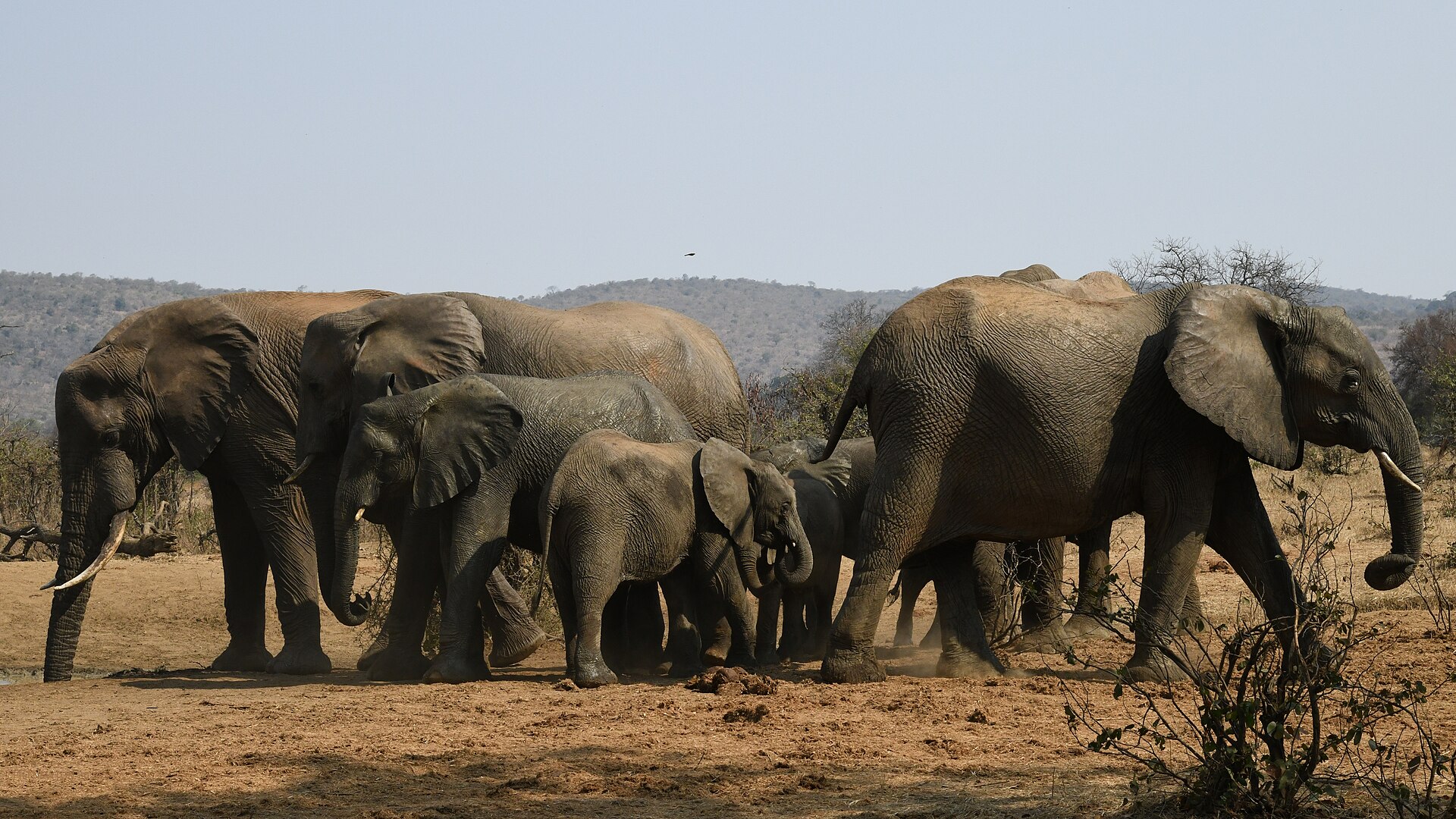
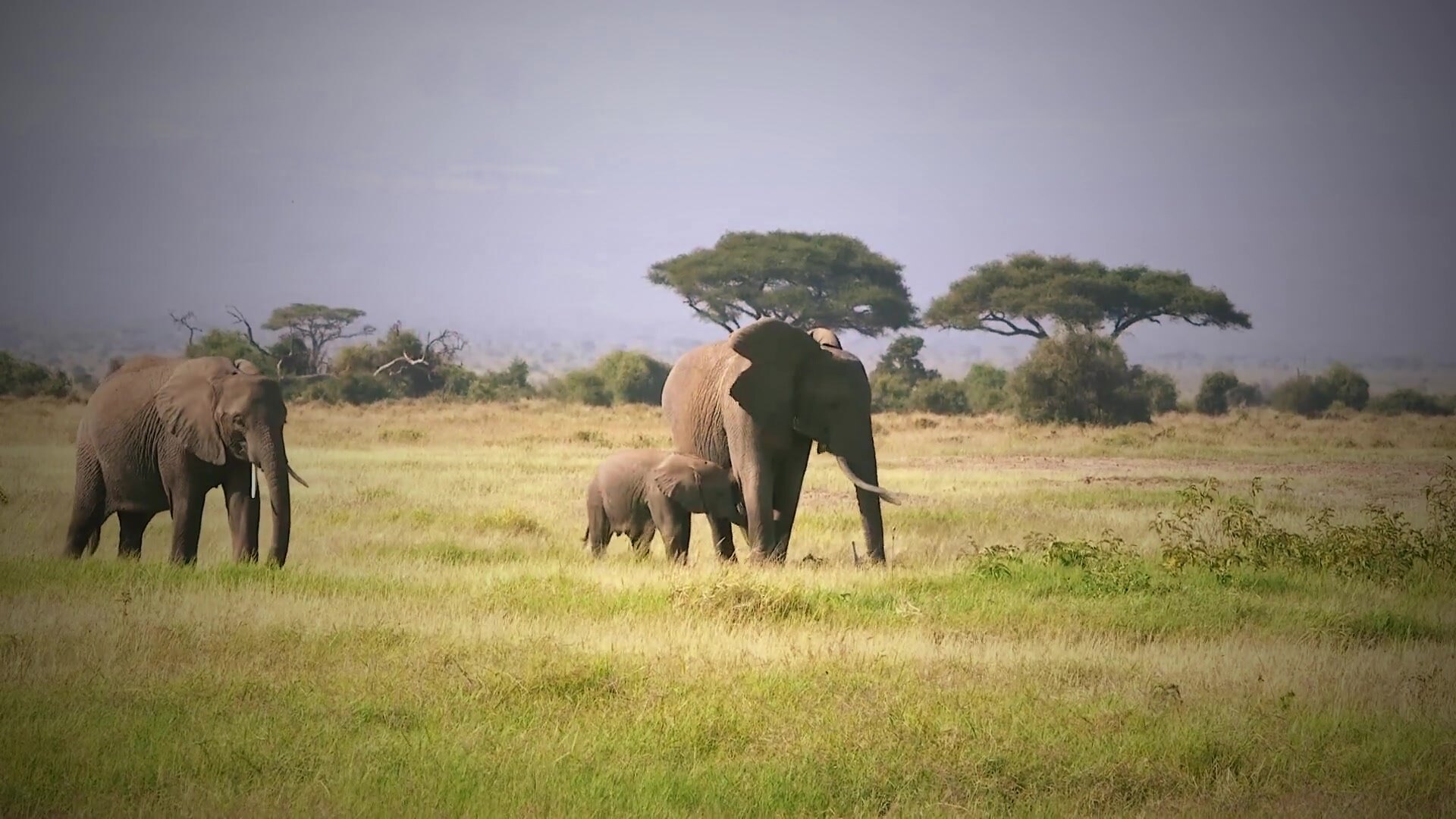
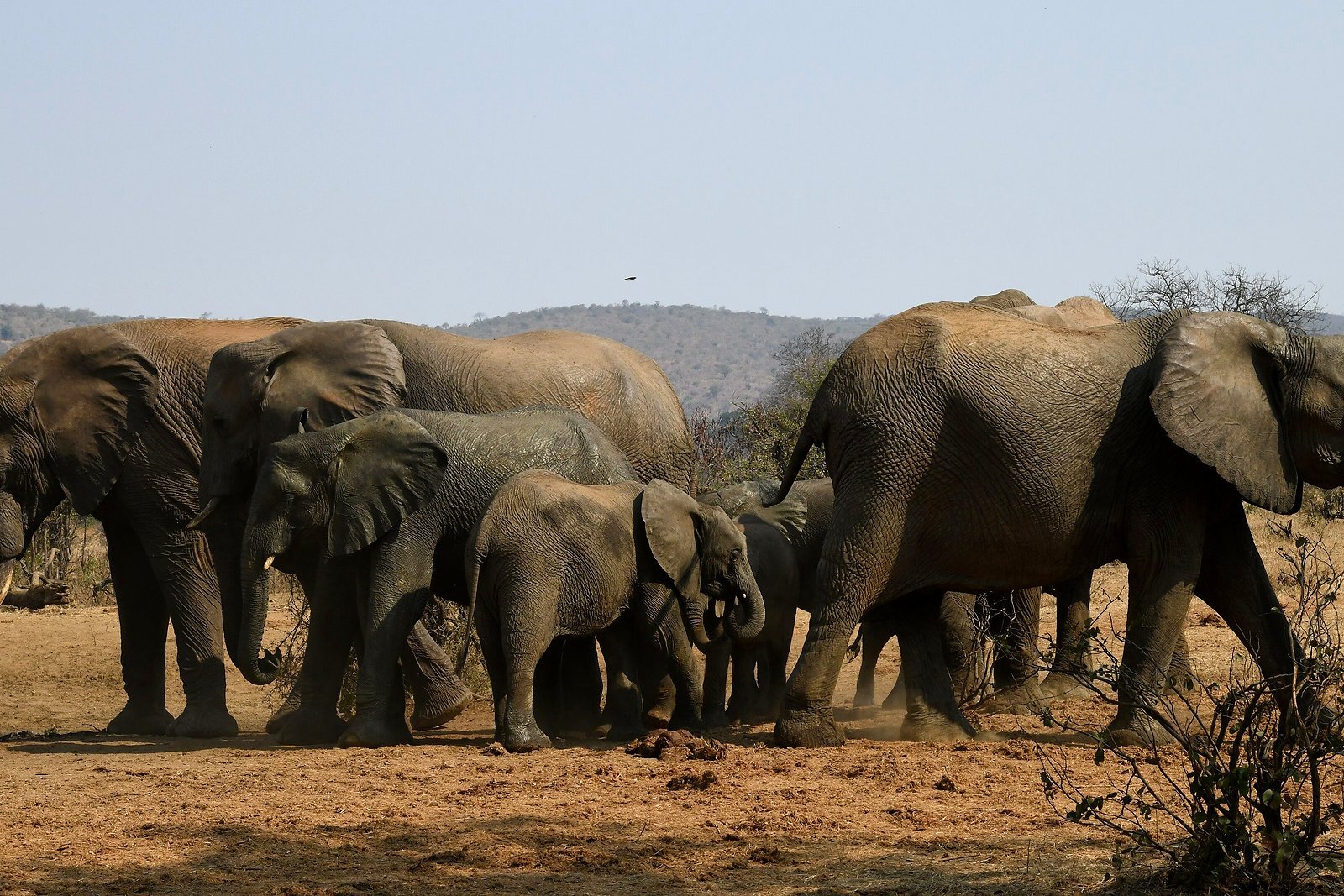
Tembe is the reserve for elephant lovers. On the Mozambique border in far-northern Maputaland, this roughly 30,000-hectare park protects one of Africa’s last free-ranging elephant populations — and famously some of the largest tuskers left on the continent, great old bulls carrying ivory that sweeps to the ground. Community-owned by the Tembe people and co-managed with Ezemvelo, it is a wild, remote place of ancient sand forest and open pans.
What you’ll see: The full Big Five, with elephant the undisputed star — including the legendary big tuskers Tembe is known for. Lion, leopard, rhino and buffalo are all present, along with rare suni antelope and superb sand-forest birding. The remoteness means you often have sightings entirely to yourself.
Lodges and access: Tembe has a single tented lodge, keeping the whole park exclusive and quiet. It is the most northerly reserve on this list, around 4.5 hours from Durban, and sits at the higher end of the low-risk malaria zone given its position on the Mozambique border — a short course of tablets is worth discussing with your doctor for a summer visit. Access is via 4x4, and we build it into far-northern KZN itineraries for travelers who want genuine wilderness.
7. Amakhosi Safari Reserve — Intimate Riverside Luxury
Rounding out the seven, Amakhosi is the reserve for travelers who want the Big Five with a small, personal footprint. Set along the Mkuze River in northern Zululand, this privately owned reserve of roughly 15,000 acres pairs riverside luxury with quiet, unhurried game viewing and a single intimate lodge, so the whole experience feels more like a private safari than a resort.
What you’ll see: Lion, leopard, elephant, buffalo and rhino across riverine bush and open country, with the Mkuze River drawing game and birds to its banks. Low guest numbers mean flexible, personal drives, and the guiding is attentive and knowledgeable — ideal for a honeymoon or a small-group family trip.
Lodges and access: The boutique riverside lodge keeps things exclusive, with a strong focus on service and setting. It is a low-risk malaria area around four hours from Durban, and works well combined with Hluhluwe-iMfolozi or the coast at Sodwana and iSimangaliso. Ask our team to fold Amakhosi into a bespoke Zululand and beach itinerary.
The Real Malaria Picture in KwaZulu-Natal
Malaria is the single most common question we get about KZN, and it is often reported carelessly. Here is the honest position. The midlands reserves — Nambiti above all — are genuinely malaria-free, with no risk at any time of year, which is why they are the first choice for families with young children and for older travelers. The far-northern Maputaland reserves — Phinda, Thanda, Manyoni, Amakhosi and especially Tembe on the Mozambique border — sit in a low-risk malaria zone. Risk there is low, seasonal and concentrated in the warm, wet summer months (roughly November to April); in the dry winter it is very low indeed.
For a low-risk reserve, sensible precautions go a long way: cover up at dawn and dusk, use a good repellent, and sleep under the nets or in the screened rooms the lodges provide. Many travelers also take a short course of anti-malarial tablets for the northern reserves, particularly in summer — a decision worth making with your doctor or a travel clinic before you go. If avoiding malaria entirely is a priority, choose Nambiti or another malaria-free midlands reserve, or ask us about pairing KZN with the fully malaria-free Big Five reserves of the Eastern Cape. Our best time to visit KwaZulu-Natal guide covers the seasons in detail.
Combine the Big Five with the Zulu Coast
The reason so many travelers choose KwaZulu-Natal over the Kruger is what lies an hour or two east of the reserves: the Indian Ocean. After a few days on safari in Zululand you can drop down to the coast at iSimangaliso Wetland Park, a UNESCO World Heritage Site, and the beaches of Sodwana Bay and St Lucia — some of the best diving, turtle-nesting and whale-watching country in Africa. Loggerhead and leatherback turtles come ashore to nest between November and February; humpback whales pass offshore on their winter migration; and the warm reefs off Sodwana are among the southernmost coral in the world.
Folding the two together — a few nights of Big Five in the bush, then a few nights of warm water and empty beaches — makes for one of the most complete and best-value trips in Southern Africa. Our Big Five and beach safari guide lays out exactly how to plan the combination, and our team builds it as a single well-planned private trip. It is the kind of week that reminds you why KZN is the quiet giant of South African safari.
How to Choose the Right KZN Reserve for You
With seven strong reserves, the choice comes down to what matters most to you. If you want one reserve that does everything — luxury lodges, the widest range of species and the best cheetah viewing — choose Phinda. If value and rhino are the priority, nothing beats Hluhluwe-iMfolozi, the shortest transfer from Durban and the best rhino country on Earth. For luxury with a real cultural story, choose Thanda.
If you are traveling with young children or want zero malaria risk, go straight to Nambiti in the malaria-free midlands. If you want your trip to support conservation and to see wild dog, Manyoni is the one. For elephants and true wilderness, make the longer drive to Tembe and its giant tuskers. And for an intimate, personal luxury reserve ideal for honeymoons, Amakhosi on the Mkuze River is hard to beat. The best trips often combine two — say Phinda and Hluhluwe-iMfolozi, then the coast — and that is exactly what we build.
Plan Your KwaZulu-Natal Big Five Safari
Tell us how you like to travel and we’ll match you to the right reserve — or combine two with the Zulu coast. Every trip is designed and run by our own team on the ground, direct, with no marketplace markup.