Key Takeaways
- Hluhluwe-iMfolozi is Africa's oldest proclaimed game reserve, established in 1895 in KwaZulu-Natal.
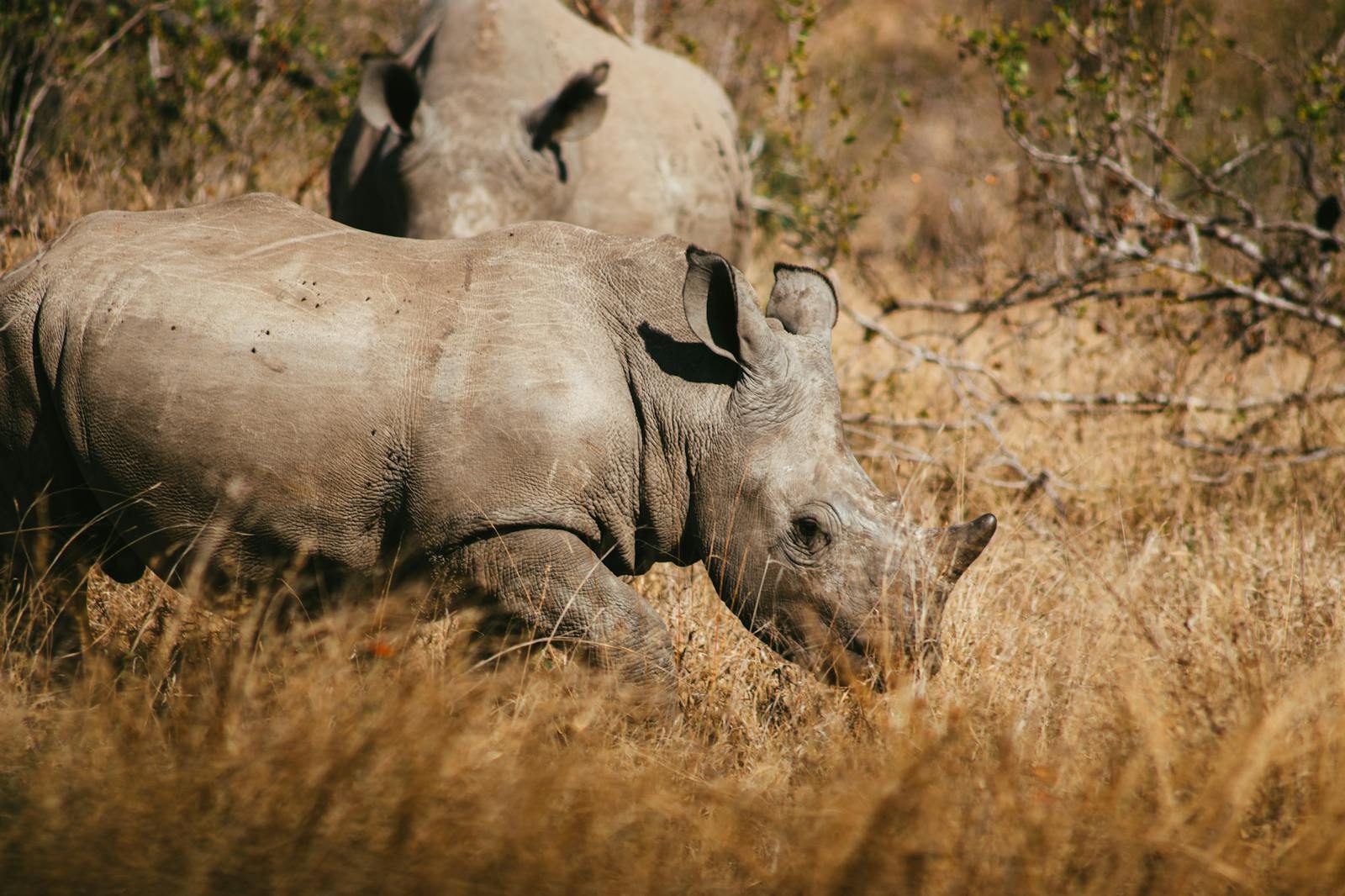
- It is the rhino capital of the world — the park that saved the white rhino through Operation Rhino.
- You'll find the full Big Five plus wild dog, cheetah and 340+ bird species across stunning green hills.
- It is an easy 2.5–3 hour drive from Durban, deep in the heart of Zululand.
- The dry winter (May–September) is the golden window for game viewing, but the park is beautiful year-round.
Why Hluhluwe-iMfolozi Is One of Africa's Great Reserves
Hluhluwe-iMfolozi is where the story of African conservation began. Proclaimed in 1895, it is the oldest protected wildlife area on the continent, and in the mid-twentieth century it became the stage for one of history's greatest conservation victories — the rescue of the white rhino from the very edge of extinction. To stand among its rhino today, in the green folds of Zululand, is to witness that triumph first-hand.
But Hluhluwe-iMfolozi is far more than a rhino sanctuary. Two rivers, the Hluhluwe in the north and the Black and White iMfolozi in the south, carve through a landscape of forested hills, open savanna and riverine bush that many visitors consider the most beautiful of any South African park. It holds the full Big Five, is rich in predators and plains game, and offers something increasingly rare — genuine wilderness trails on foot.
What sets Hluhluwe-iMfolozi apart:
- The rhino capital of the world — the finest place on earth to see white and black rhino.
- Africa's oldest reserve — more than 125 years of conservation history.
- The full Big Five — lion, leopard, elephant, rhino and buffalo, plus wild dog and cheetah.
- Breathtaking scenery — rolling green hills and river valleys unlike the flat Lowveld parks.
- Pioneering wilderness trails — the birthplace of the guided walking safari.
The Wildlife: Rhino, Big Five & More
Hluhluwe-iMfolozi's varied terrain, from misty hilltops to riverbanks, supports a wonderfully rich concentration of wildlife.
The headline species to look for:
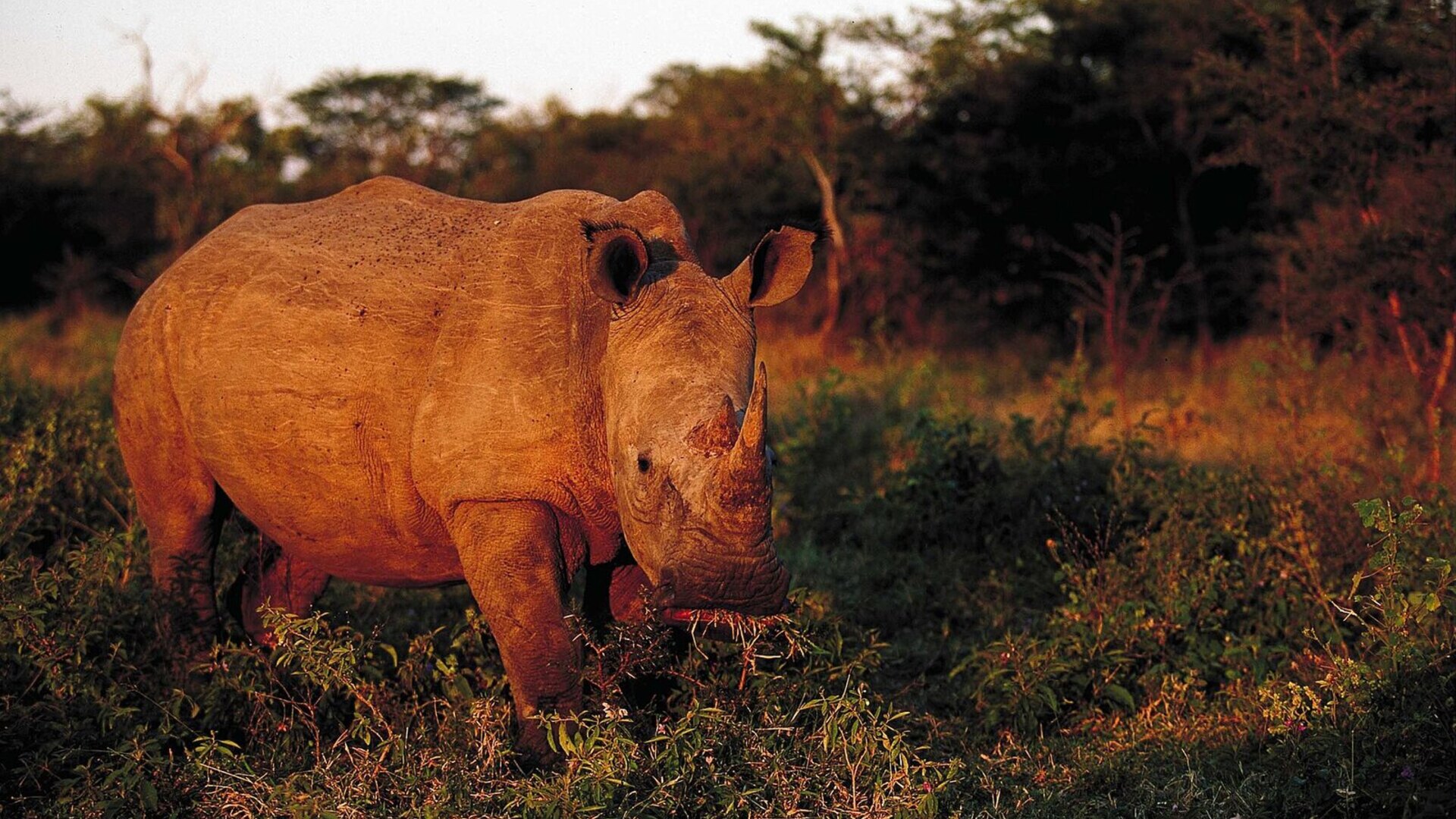
- White rhino — the park holds one of the largest populations on earth; sightings are frequent and often close.
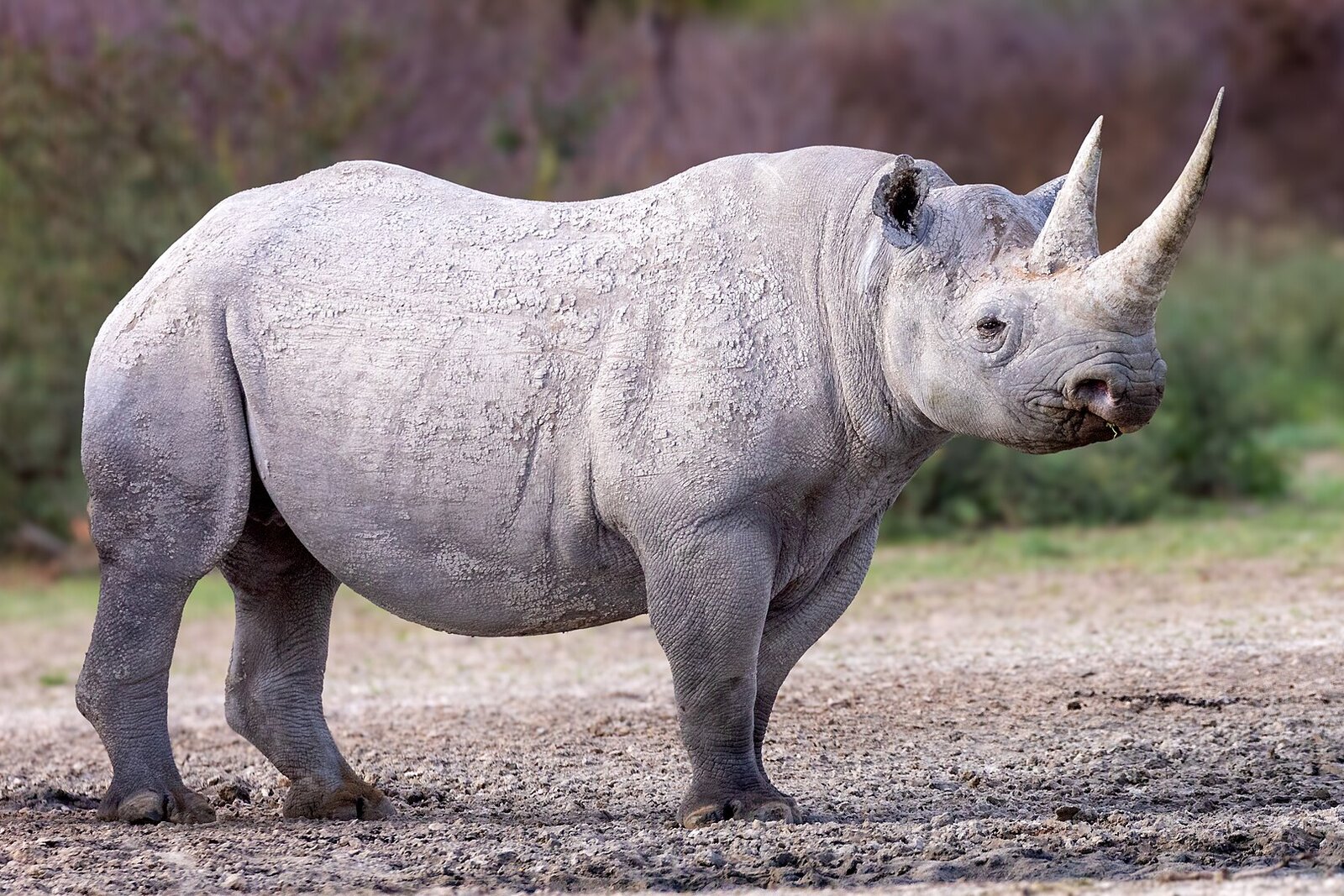
- Black rhino — the rarer, more elusive browser, also carefully protected here.
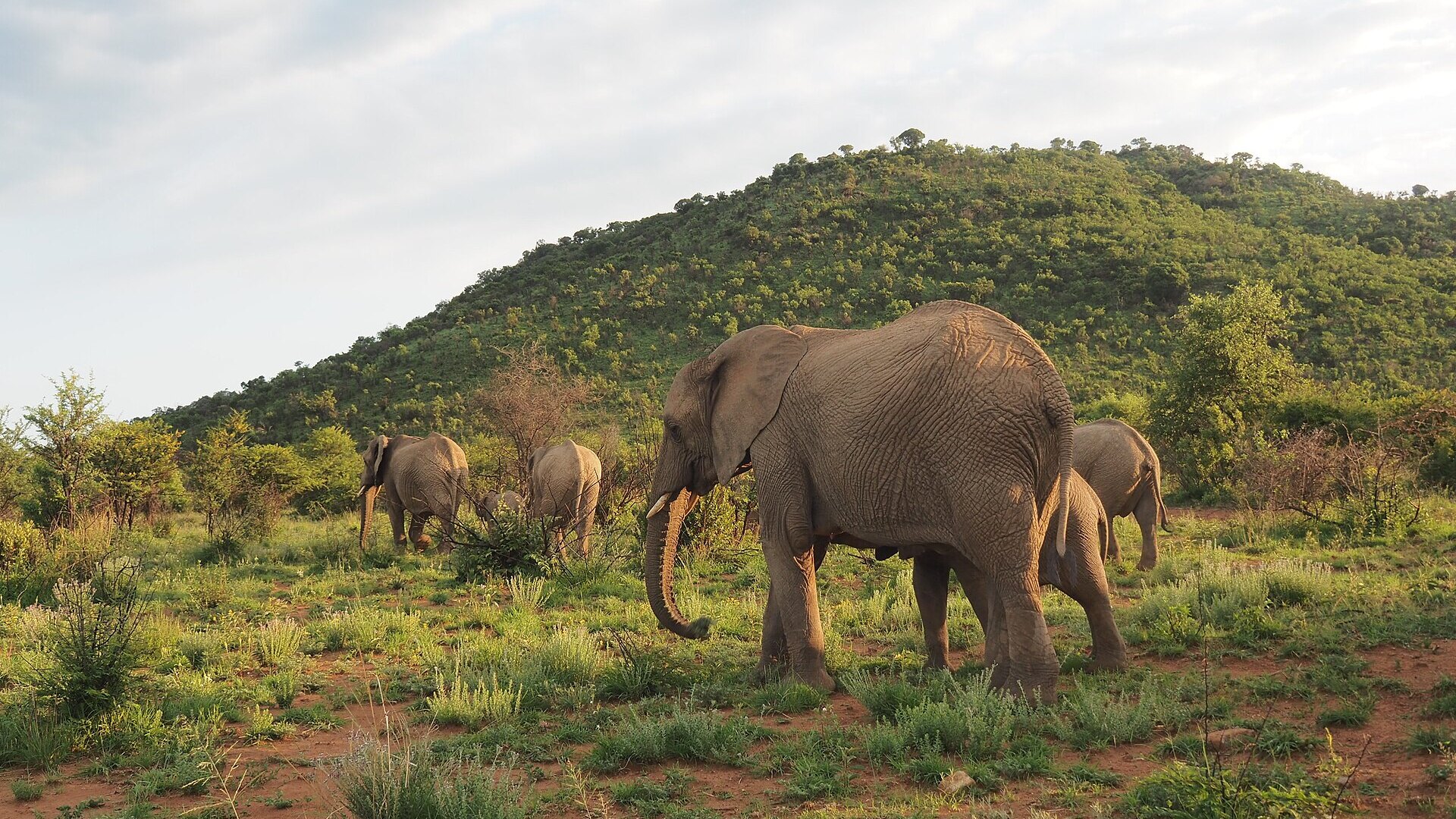
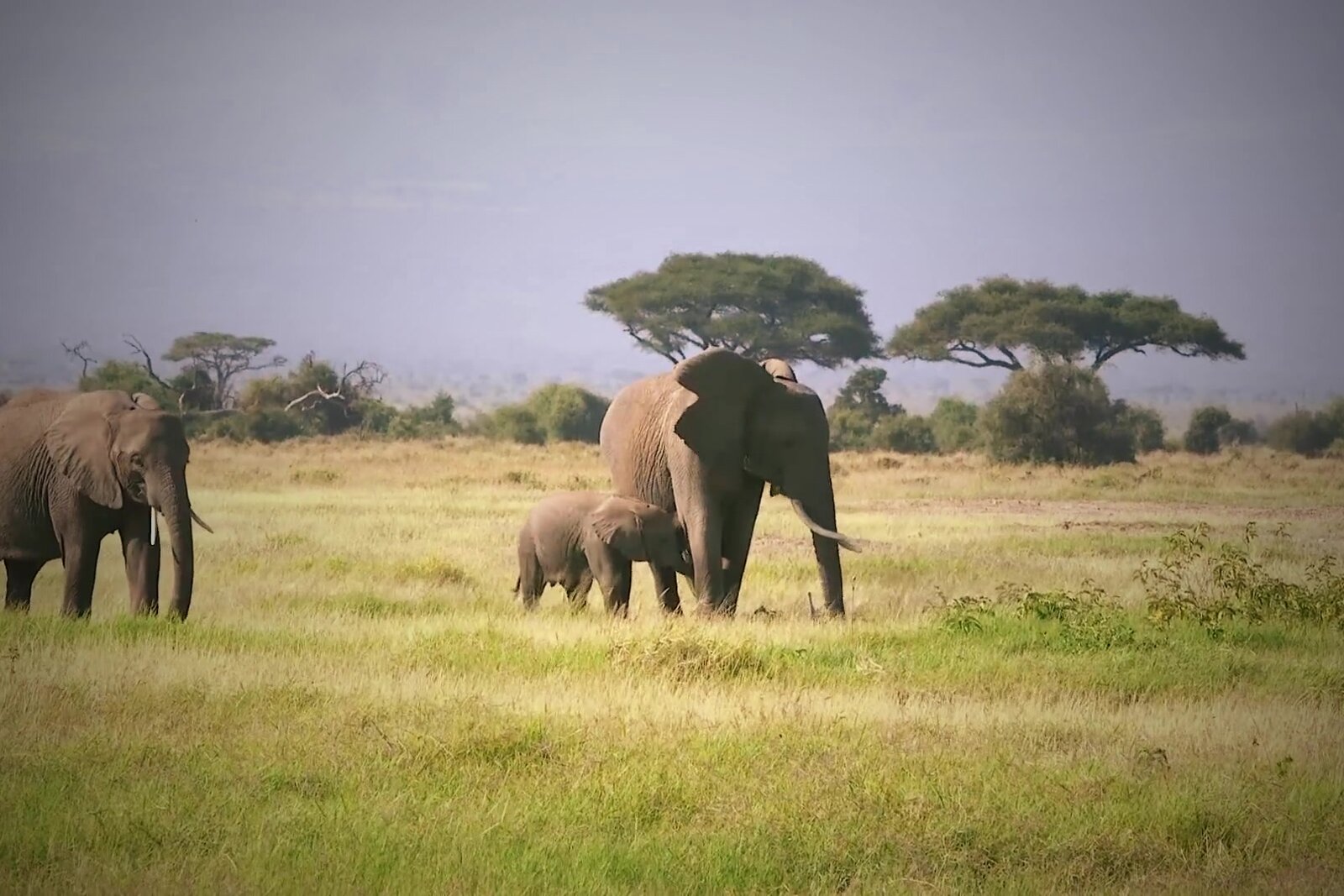
- Elephant — herds move through the hills and gather along the rivers.
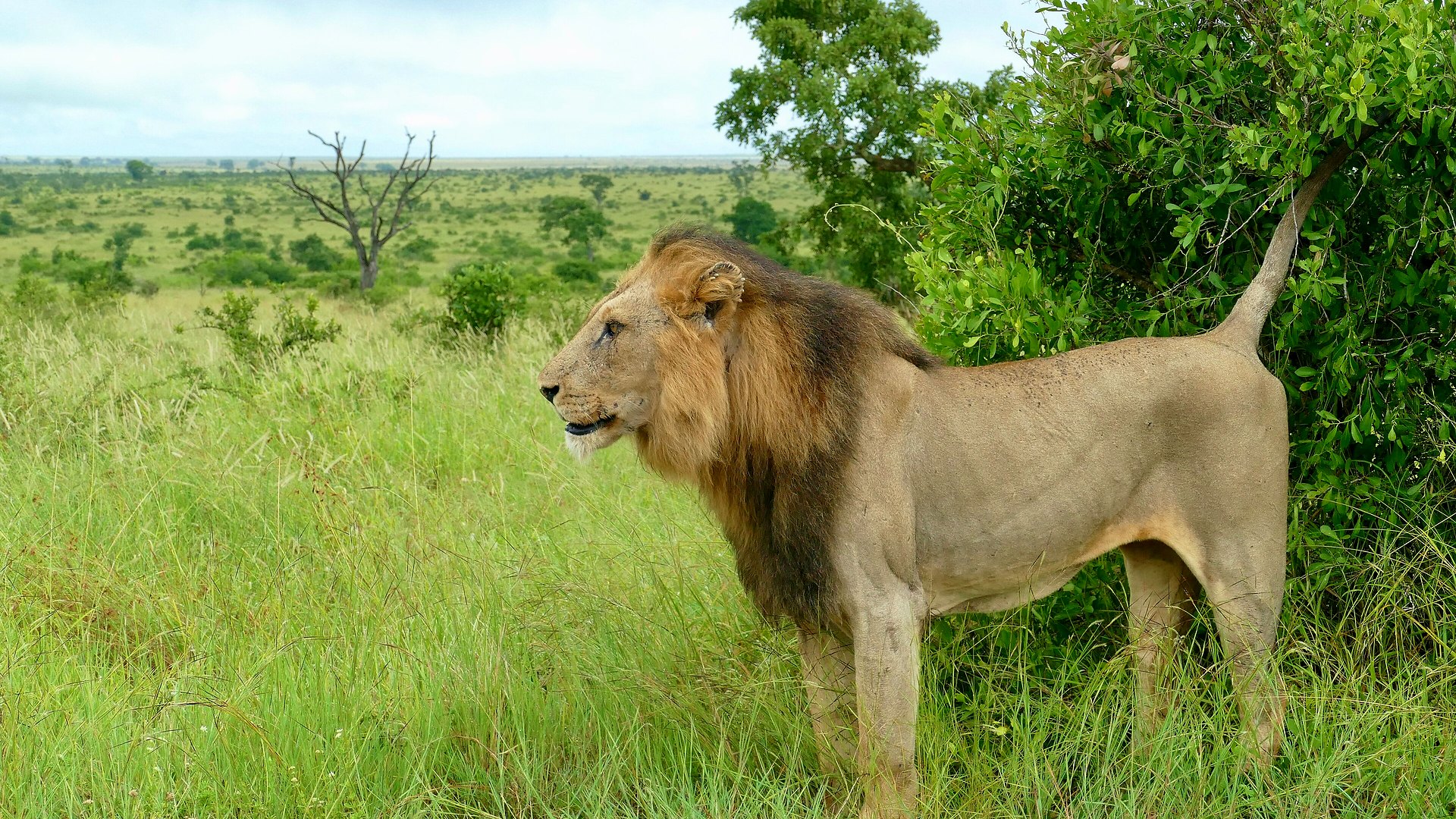
- Lion & leopard — both present, with lion often seen on the iMfolozi grasslands.
- Buffalo — large herds complete the Big Five across the reserve.
- Wild dog and cheetah — both roam the park, adding real excitement to any drive.
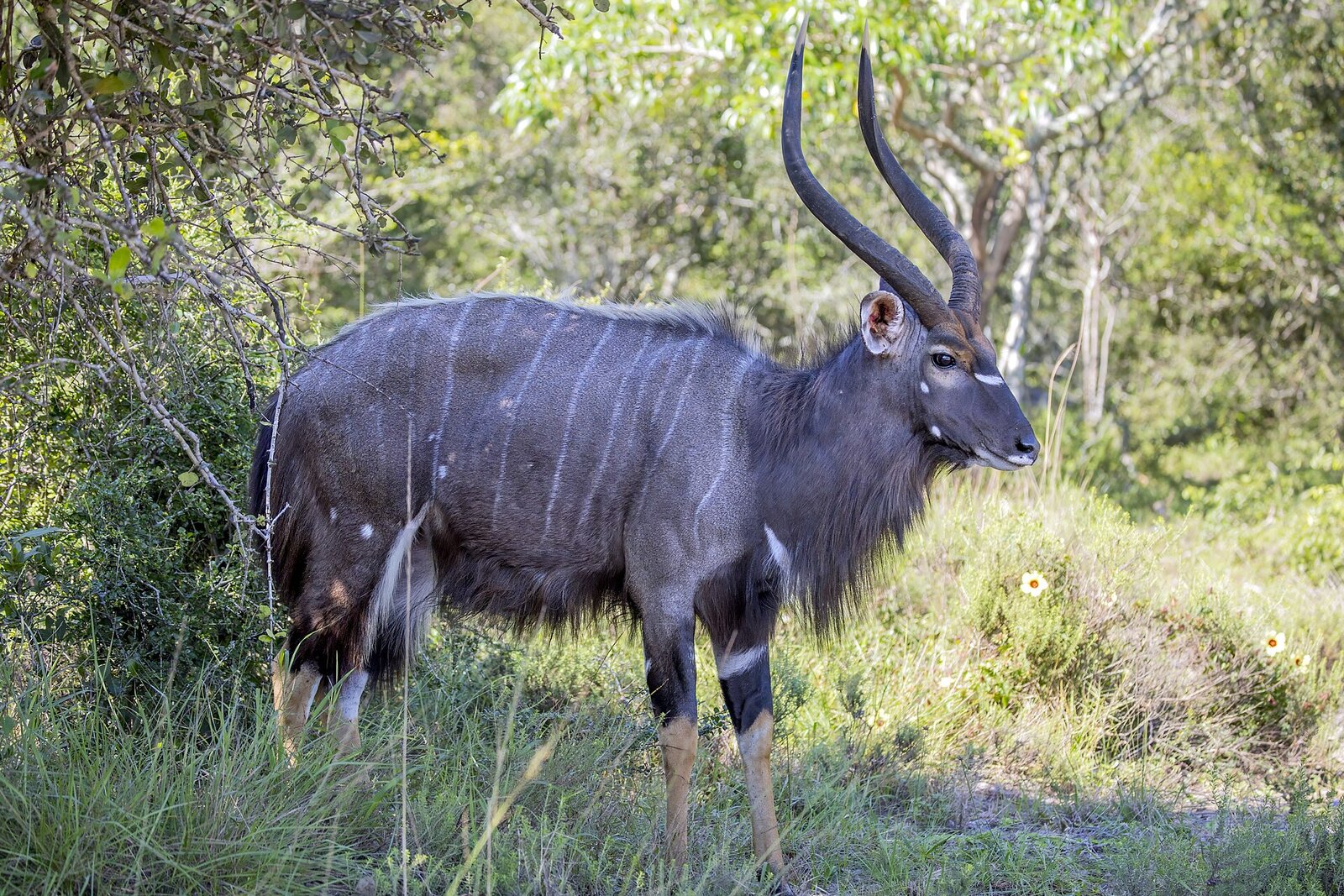
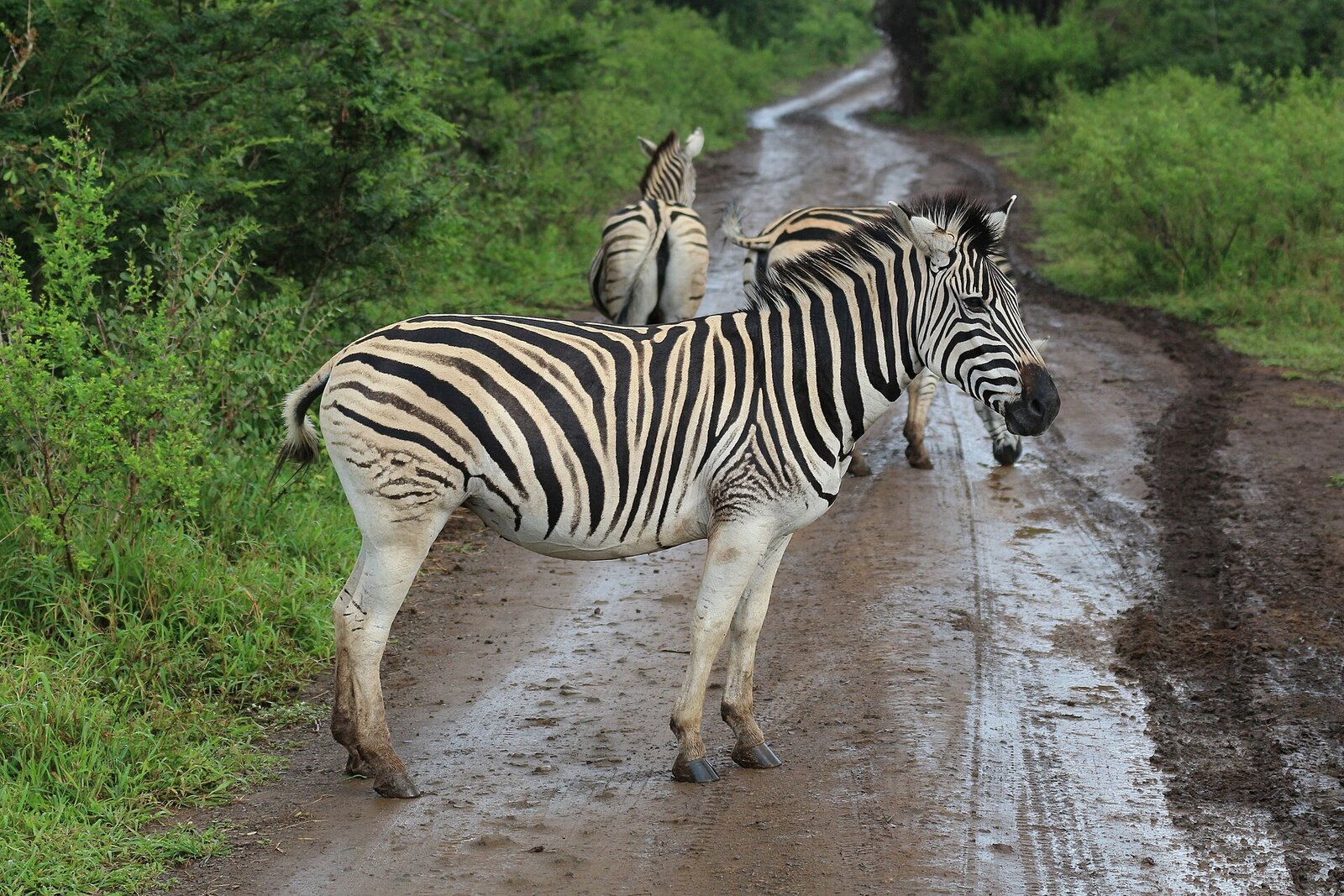
Add giraffe, zebra, nyala, kudu, warthog, hippo and crocodile, plus more than 340 bird species, and Hluhluwe-iMfolozi delivers one of the fullest game lists in South Africa. The nyala, an elegant spiral-horned antelope, is especially associated with this corner of Zululand.
Best Time to Visit Hluhluwe-iMfolozi
The park rewards visitors all year, but the seasons change the experience.
Dry season — May to September (best for game viewing): The bush thins, animals gather at rivers and waterholes, and the cooler, clearer days make sightings easier. This is the prime window for the Big Five and for comfortable game drives and walks.
Green season — October to April (best for scenery, birds and newborns): Summer rains turn the hills vividly green, migrant birds arrive, and it is the season of newborn animals. Days are hot and humid with afternoon storms, but the landscape is at its most beautiful.
Our recommendation: For the best all-round game viewing, aim for May to September. For lush green scenery, superb birding and photography, the shoulder months of October and April are wonderful. Early morning and late afternoon are always the prime hours.
How to Get to Hluhluwe-iMfolozi
The park is one of the most accessible major reserves in the country, deep in scenic Zululand.
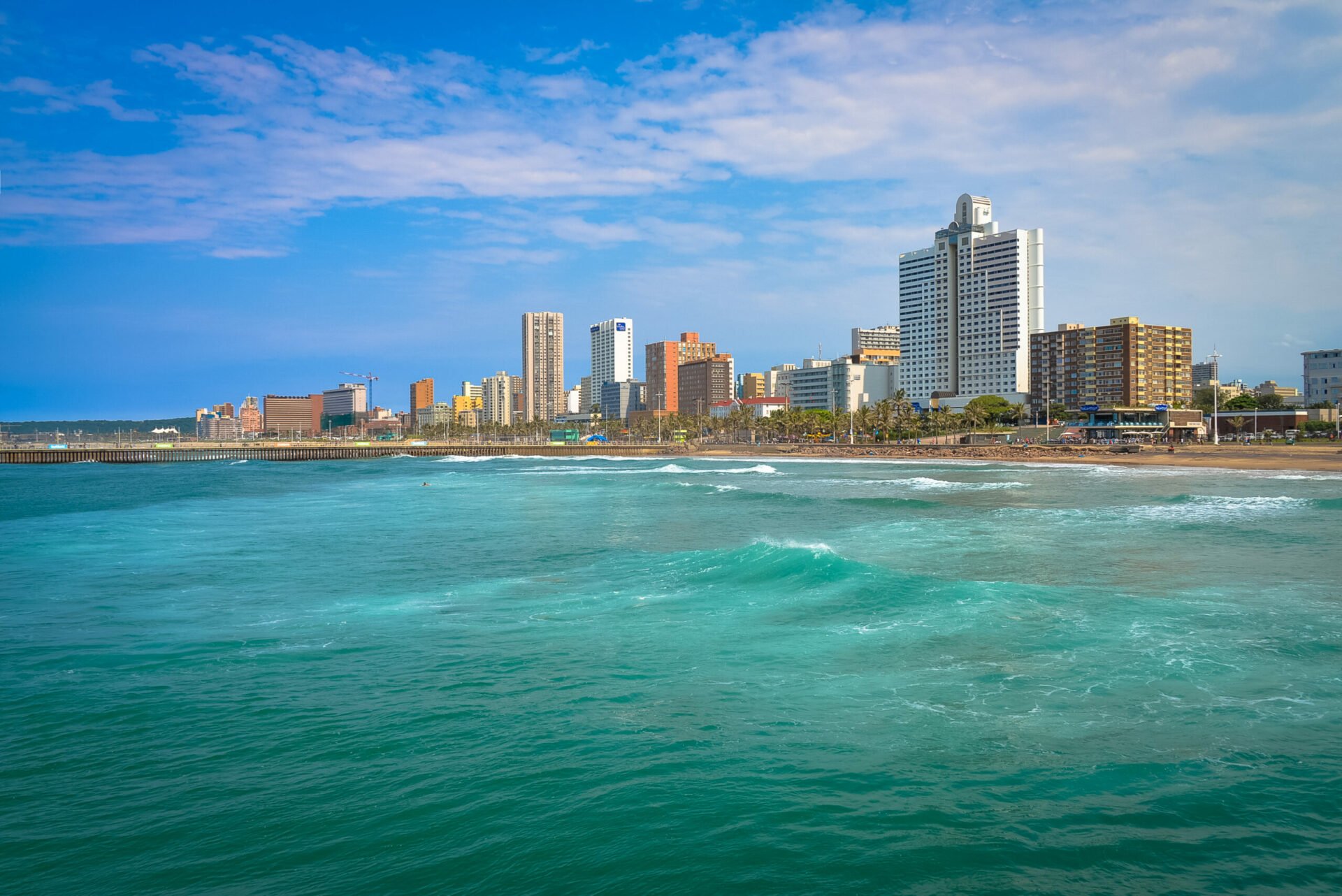
- By road from Durban: An easy drive of about 2.5 to 3 hours (roughly 280 km) north on the N2, the most popular route.
- By road from Johannesburg: Around 6 hours, often combined with a longer KwaZulu-Natal journey.
- By air: Fly into King Shaka International in Durban, then transfer by road; charter flights to nearby airstrips can also be arranged.
- From Cape Town: Fly to Durban, then a scenic road transfer — we handle the entire chain as part of a tailor-made itinerary.
Its position in Zululand means Hluhluwe-iMfolozi pairs beautifully with the beaches and wetlands of iSimangaliso and the wider KwaZulu-Natal coast for a varied safari-and-sea holiday.
The Best of Hluhluwe-iMfolozi: Highlights Not to Miss
These are the experiences that define a Hluhluwe-iMfolozi safari — the moments we build every itinerary around.
Rhino Encounters
Nowhere on earth offers better white rhino viewing. Watching these ancient giants graze the green hills, often just metres from the vehicle, is the park's defining, humbling experience.
Big Five Game Drives
Guided drives in open 4x4s traverse forested hills and open grassland in search of lion, leopard, elephant, rhino and buffalo across constantly changing scenery.
Wilderness Walking Trails
Hluhluwe-iMfolozi is the birthplace of the wilderness trail. Walking the iMfolozi wilderness with an armed guide is one of the purest, most thrilling ways to experience the African bush.
River & Hilltop Views
The park's dramatic topography — from the iMfolozi river valleys to misty ridgelines — delivers panoramic scenery unmatched by the flatter Lowveld reserves.
Zululand Culture
The reserve lies in the historic heart of the Zulu kingdom, and a visit can be enriched with authentic cultural experiences in the surrounding communities.
Hluhluwe-iMfolozi for Families & First-Timers
Hluhluwe-iMfolozi is a superb choice for families and first-time safari-goers. Its easy access from Durban, reliable Big Five sightings and — above all — its extraordinary rhino viewing make for an inspiring introduction to Africa's wildlife and to the story of conservation itself.
The park's beautiful, green, hilly scenery is gentler on the eye than the harsh Lowveld, and there is a real range of lodges and camps, from comfortable rest camps to private lodges. Note that unlike Madikwe or Pilanesberg, this is not a malaria-free area — low-risk in winter — so we advise families on the right precautions and timing.
Hluhluwe-iMfolozi vs the Famous Parks
How does Hluhluwe-iMfolozi compare with South Africa's best-known safari areas?
- vs Kruger National Park: Kruger is far larger, but Hluhluwe-iMfolozi is more scenic, less crowded, and unbeatable for rhino, with the bonus of wilderness walking trails.
- vs Sabi Sand: Sabi Sand is the leopard capital and ultra-exclusive; Hluhluwe-iMfolozi is more affordable, richer in rhino, and set in more beautiful country.
- vs Madikwe / Pilanesberg: Those parks are malaria-free and closer to Johannesburg; Hluhluwe-iMfolozi offers deeper conservation heritage, superior rhino and grander scenery.
In short: if you dream of seeing rhino in some of Africa's most beautiful country, at a park that helped write the story of conservation, Hluhluwe-iMfolozi is unmatched.
The Park That Saved the White Rhino
By the 1950s, the southern white rhino had been hunted to the very brink — only a few hundred survived, almost all of them in iMfolozi. It was here that conservationists, led by the legendary Dr Ian Player, launched Operation Rhino in the 1960s, pioneering the capture, protection and relocation techniques that would repopulate reserves across Africa and beyond. From those few hundred animals, the southern white rhino recovered to tens of thousands — one of the greatest conservation successes in history.
That legacy continues today, as the park remains at the front line of the fight against rhino poaching. Every visit helps fund the anti-poaching, monitoring and community programmes that keep these ancient animals safe — making a Hluhluwe-iMfolozi safari a journey with genuine meaning.
Plan Your Hluhluwe-iMfolozi Safari With Beyond Africa
We are a Cape Town-based, tailor-made safari house, and Hluhluwe-iMfolozi is one of the most rewarding reserves we plan — for its rhino, its scenery and its remarkable history. We match you to the right lodge or camp, time your visit for the best game viewing, and combine the park with the beaches of iSimangaliso, the KwaZulu-Natal coast, Cape Town or Victoria Falls for a truly memorable journey.
Ready to see rhino in the world's rhino capital? 👉 Request a Hluhluwe-iMfolozi safari quote → 👉 Browse our safari packages → 👉 WhatsApp us: +27 78 471 4852