Key Takeaways — Eswatini in 60 Seconds
- ◆Malaria-free heartland: most of the kingdom is malaria-free or very low risk — a rare Big Five-country destination for families and first-timers.
- ◆Rhino on foot: track black rhino at Mkhaya with expert rangers, and drive among white rhino, elephant and lion at Hlane.
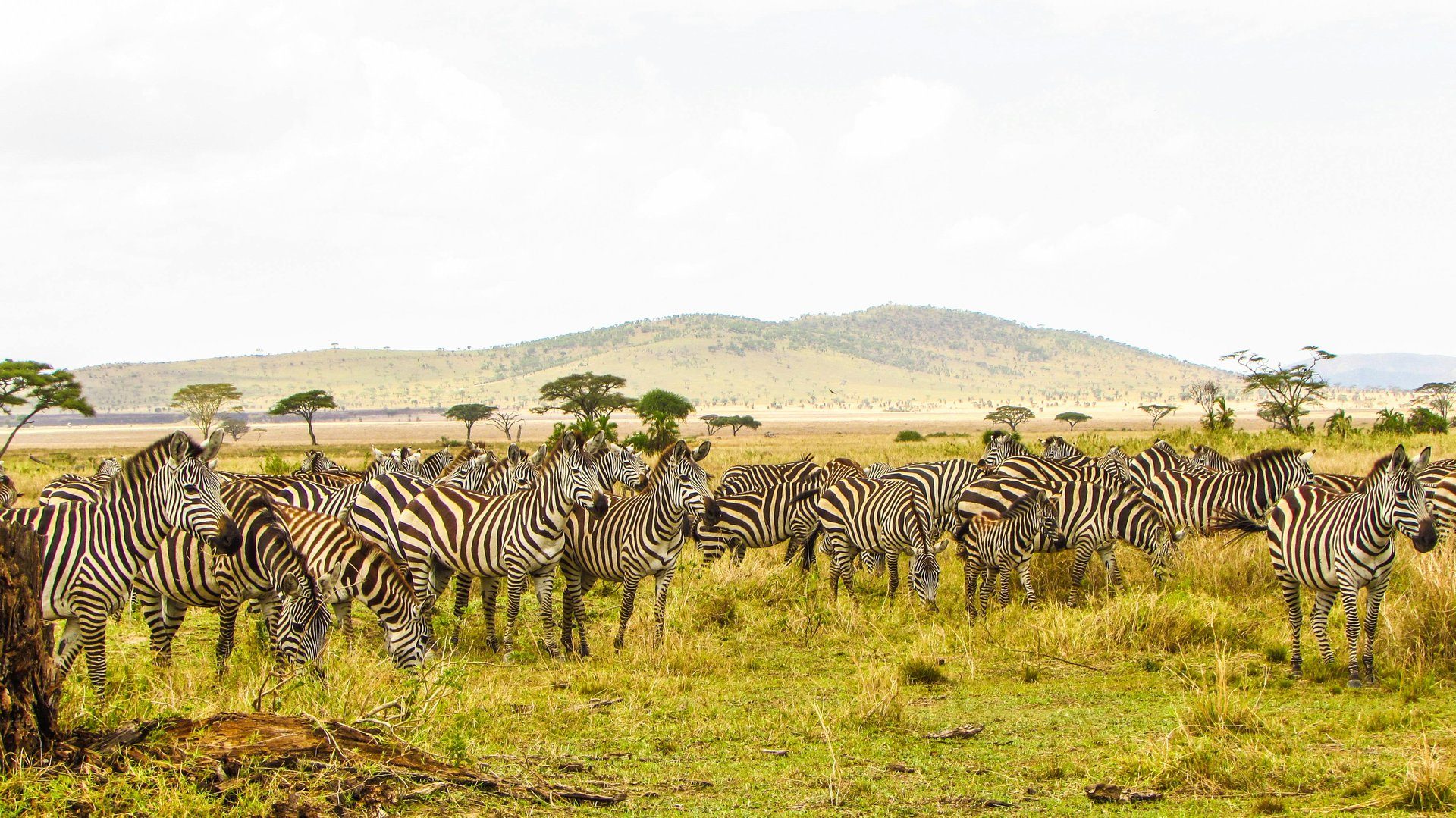
- ◆Predator-free adventure: at Mlilwane you can walk, cycle and ride on horseback among zebra, antelope and hippo.
- ◆Living culture: the Umhlanga Reed Dance, the sacred Incwala, Sibebe Rock and Africa's finest craft markets.
- ◆Perfect add-on: compact, affordable and easily combined with Kruger and South Africa — best wildlife May to September.
Why Eswatini Is a Different Kind of Safari
Tucked between South Africa and Mozambique, the Kingdom of Eswatini — the country the world knew for a century as Swaziland — is one of Africa's smallest nations and one of its most rewarding surprises. You can drive across it in a morning, yet within that compact space it holds rhino-rich lowveld reserves, misty highland mountains, and a Swazi culture so alive and so proud that it feels like a country several times its size.
What sets Eswatini apart is a rare combination of qualities. First, it is largely malaria-free: the highveld and middleveld where most visitors stay carry little or no risk, making this a genuine Big Five-country destination for families with young children and for anyone who would rather travel without anti-malarial medication. Second, it is compact and easy — no long internal flights, no vast transfers; everything is close, and it slots effortlessly alongside a Kruger safari next door. Third, and most memorably, it offers wildlife experiences you cannot easily have elsewhere: tracking black rhino on foot at Mkhaya, and exploring a predator-free sanctuary by bicycle or on horseback at Mlilwane.
And then there is the culture. Eswatini is one of the last absolute monarchies on earth, and its traditions are not staged for tourists but genuinely, vibrantly lived — from the great annual ceremonies of the Reed Dance and the Incwala to the everyday warmth of the Swazi people and the extraordinary quality of their craftwork. This is not a safari of huge numbers and endless plains; it is a safari of intimacy, authenticity and variety, in a kingdom that punches far above its weight.
Hlane Royal National Park — Rhino, Lion & Elephant
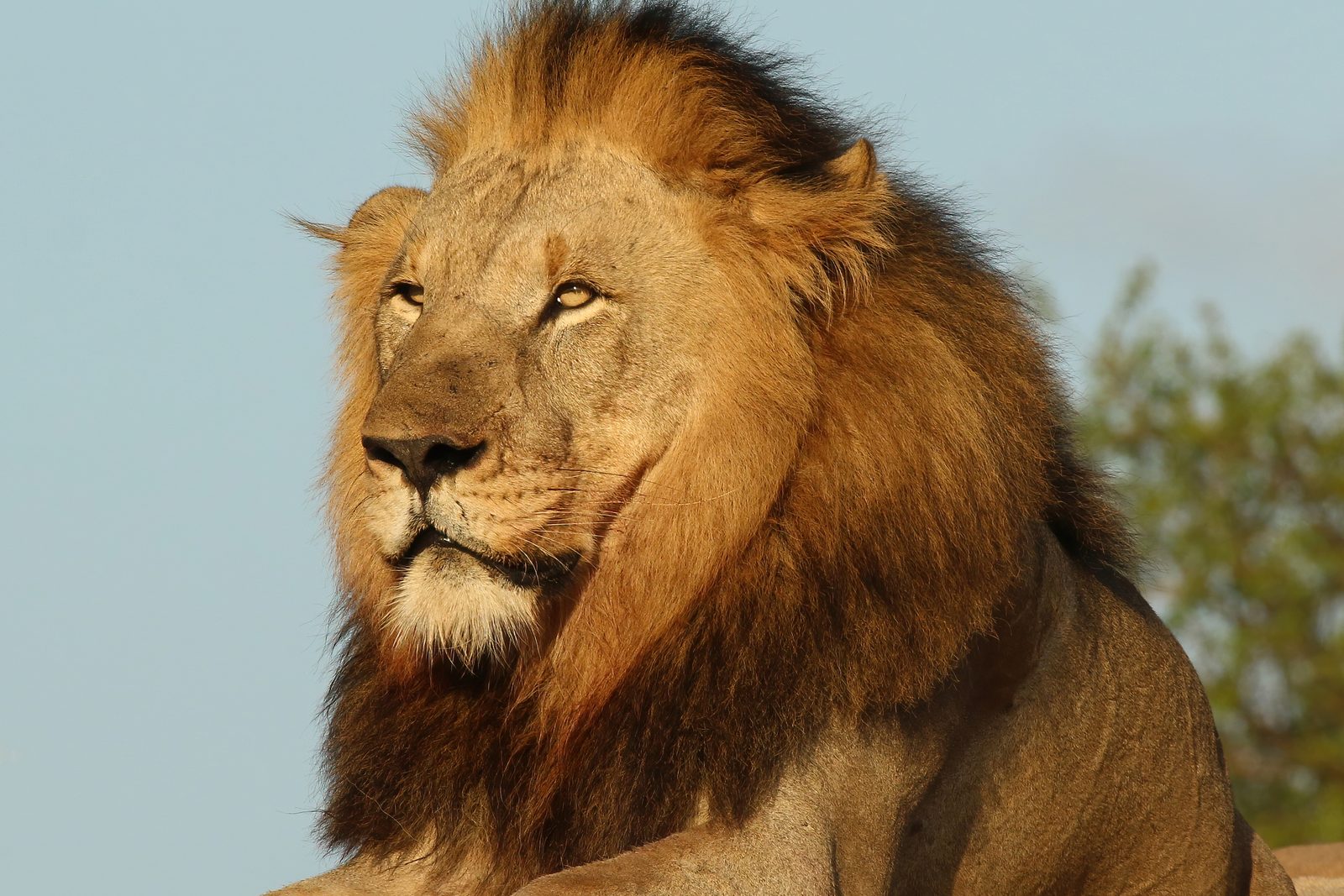
The kingdom's largest protected area, Hlane Royal National Park, is Eswatini's flagship game reserve and the best place in the country for classic vehicle-based safari. Its name means "wilderness" in siSwati, and this is royal land — the park is held in trust by the Swazi monarchy, and its ancient hardwood veld once served as the king's private hunting ground. Today it protects the widest range of big game in the kingdom.
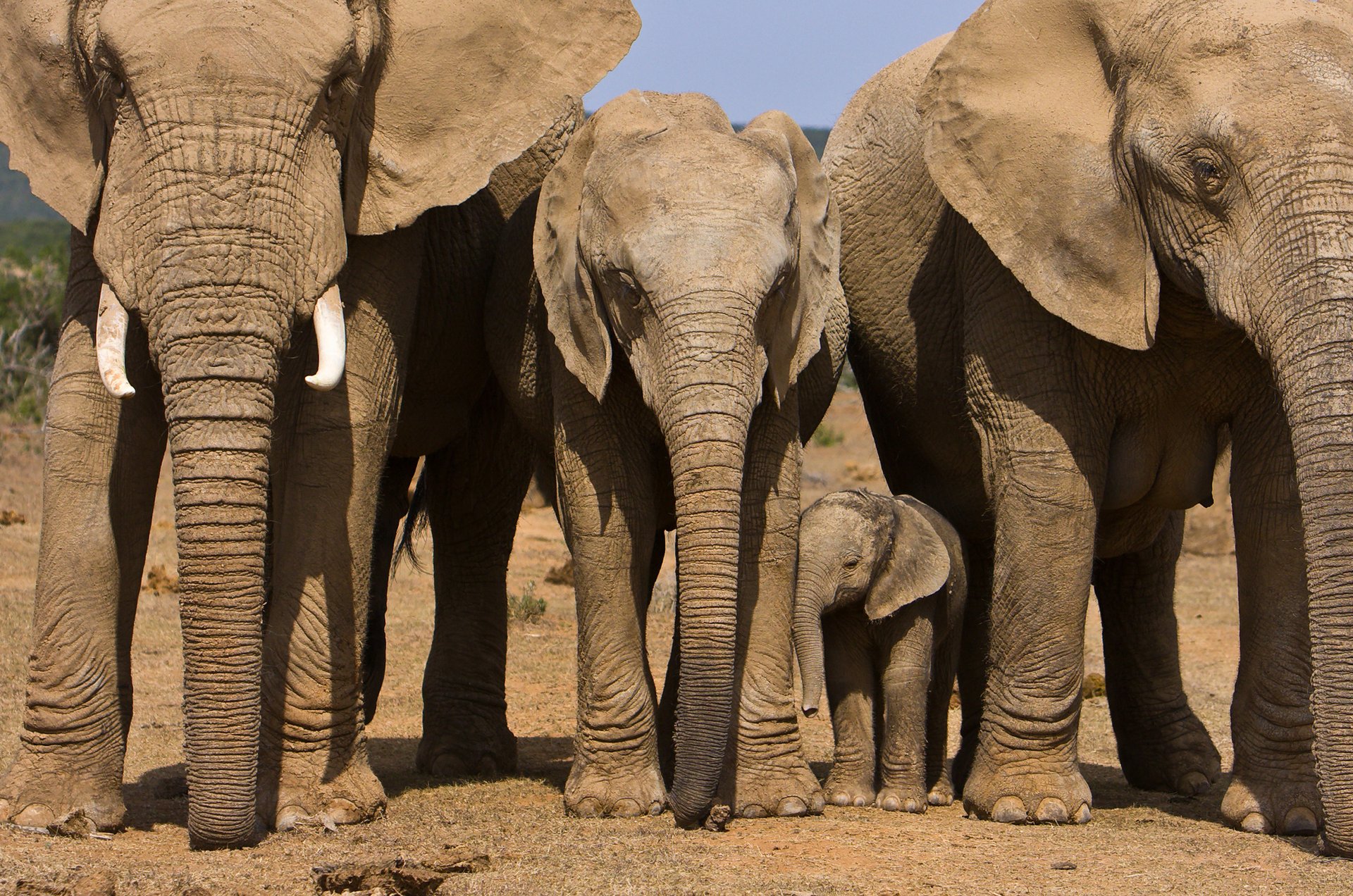
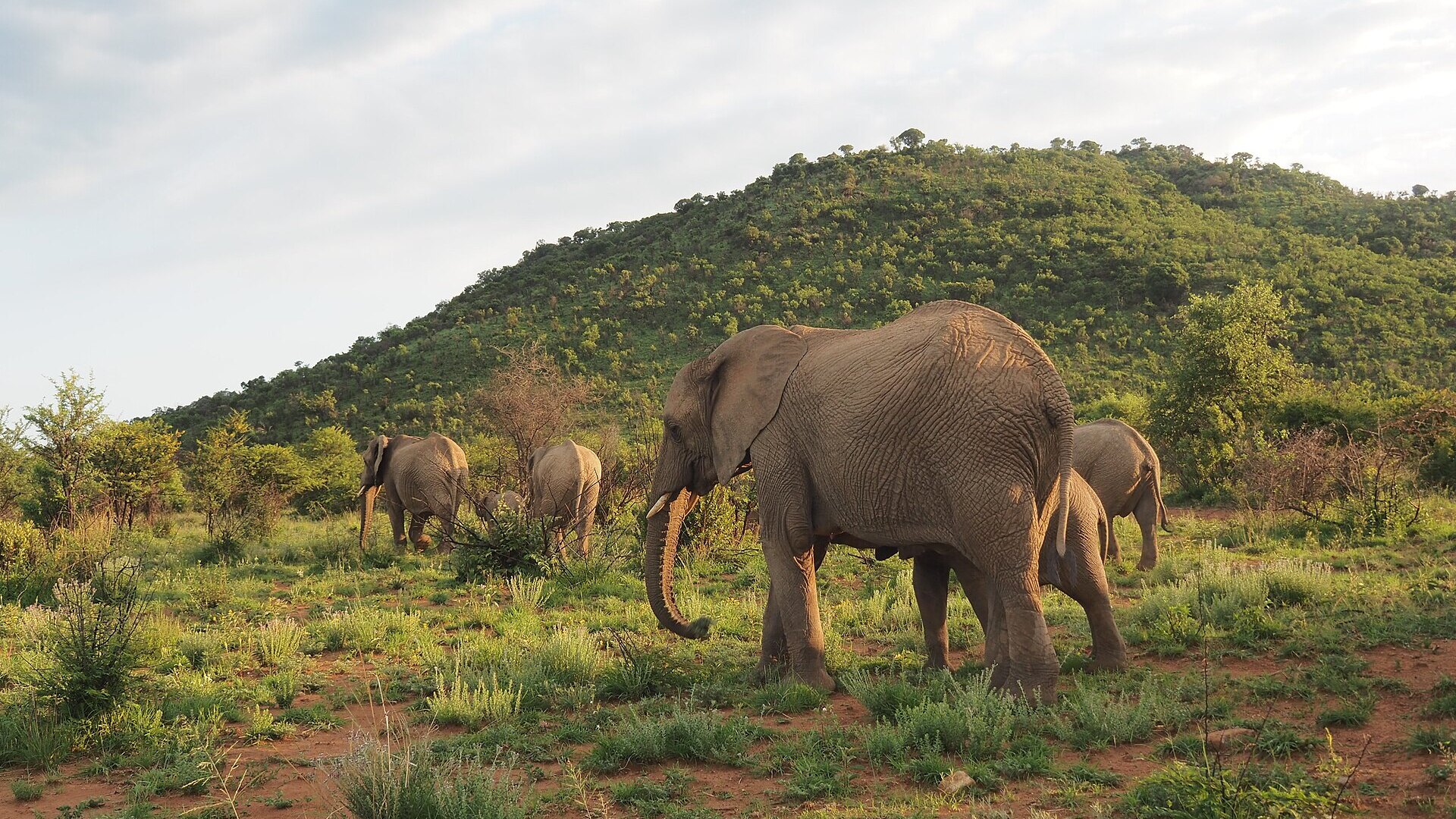
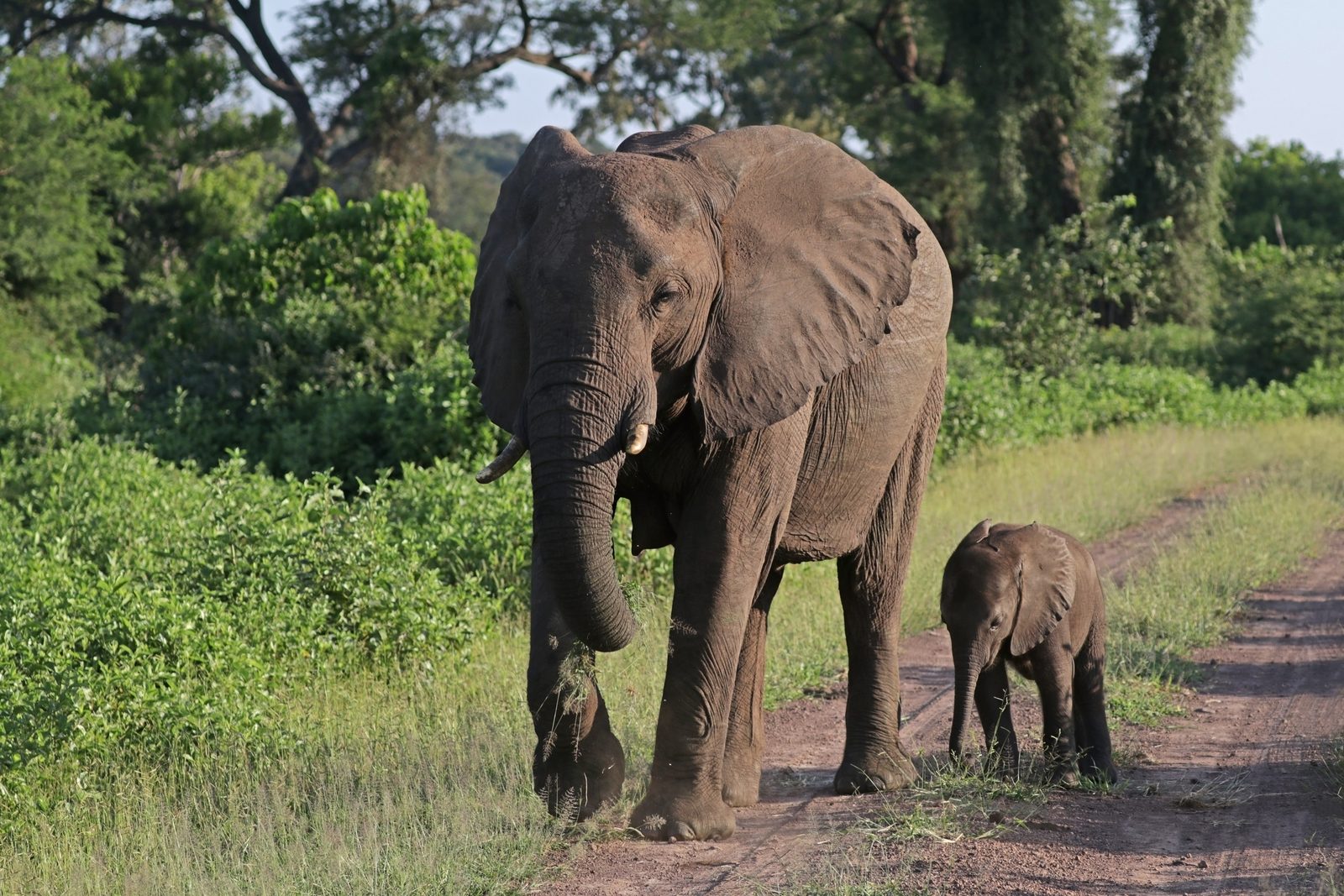
Hlane is, above all, rhino country. White rhino are readily and reliably seen here, often at close quarters around the waterholes, and the park is justly celebrated for the quality of its rhino viewing. It is also home to elephant, and — in a dedicated, separately managed area — to lion, giving Eswatini its big-cat credentials. Add giraffe, hippo, crocodile, a wealth of antelope and some of the best raptor watching in the region — including nesting white-backed and marabou storks and Africa's largest breeding population of white-backed vultures — and Hlane delivers a genuine, satisfying safari.
Game drives, including guided night drives in search of nocturnal wildlife and the lion, are the way to explore, and the park's rest camps look out over floodlit waterholes where rhino and elephant come to drink after dark. It is unpretentious, uncrowded and authentic — a safari with none of the queues of the great parks.
Mkhaya Game Reserve — Black Rhino & Walking Safaris
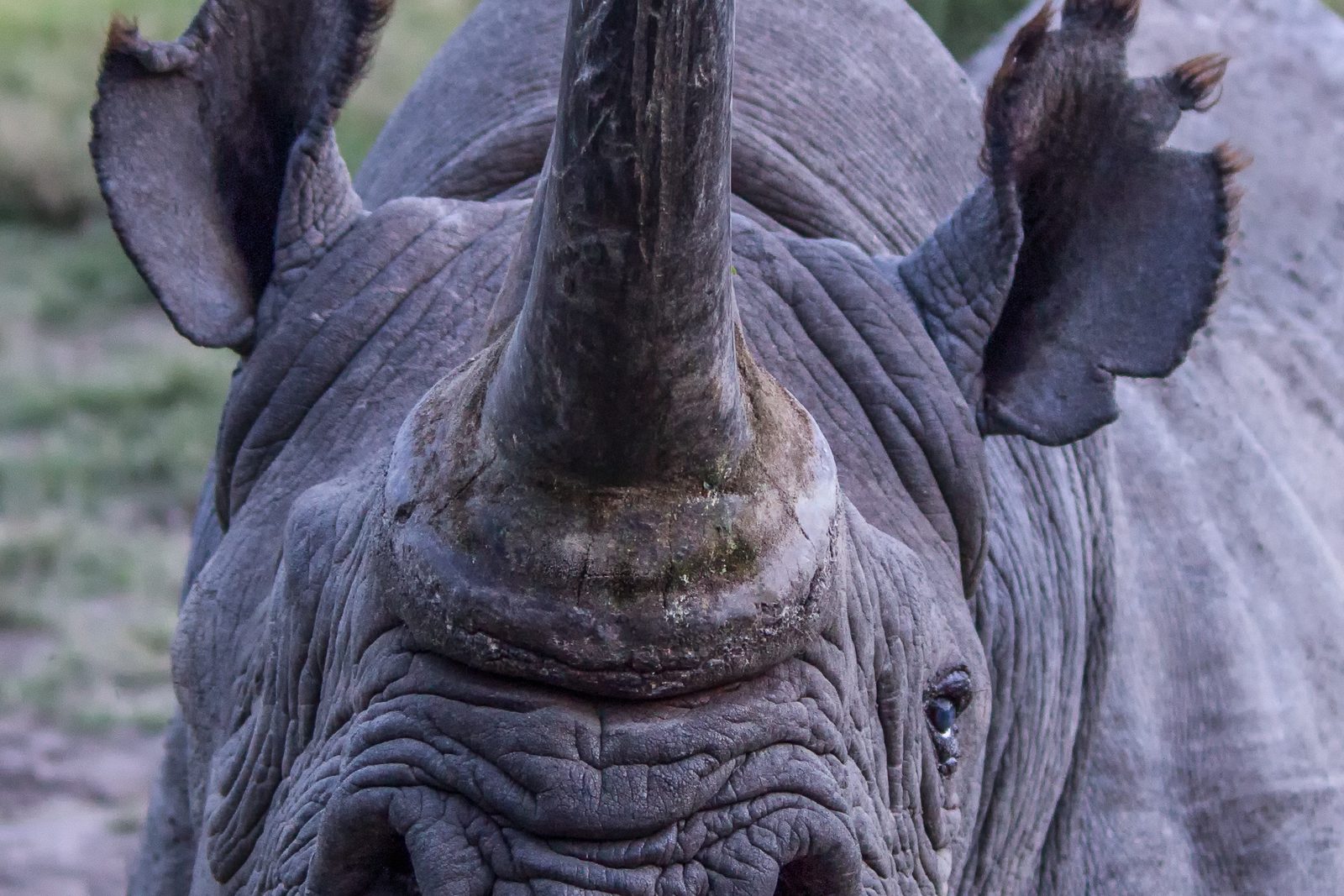
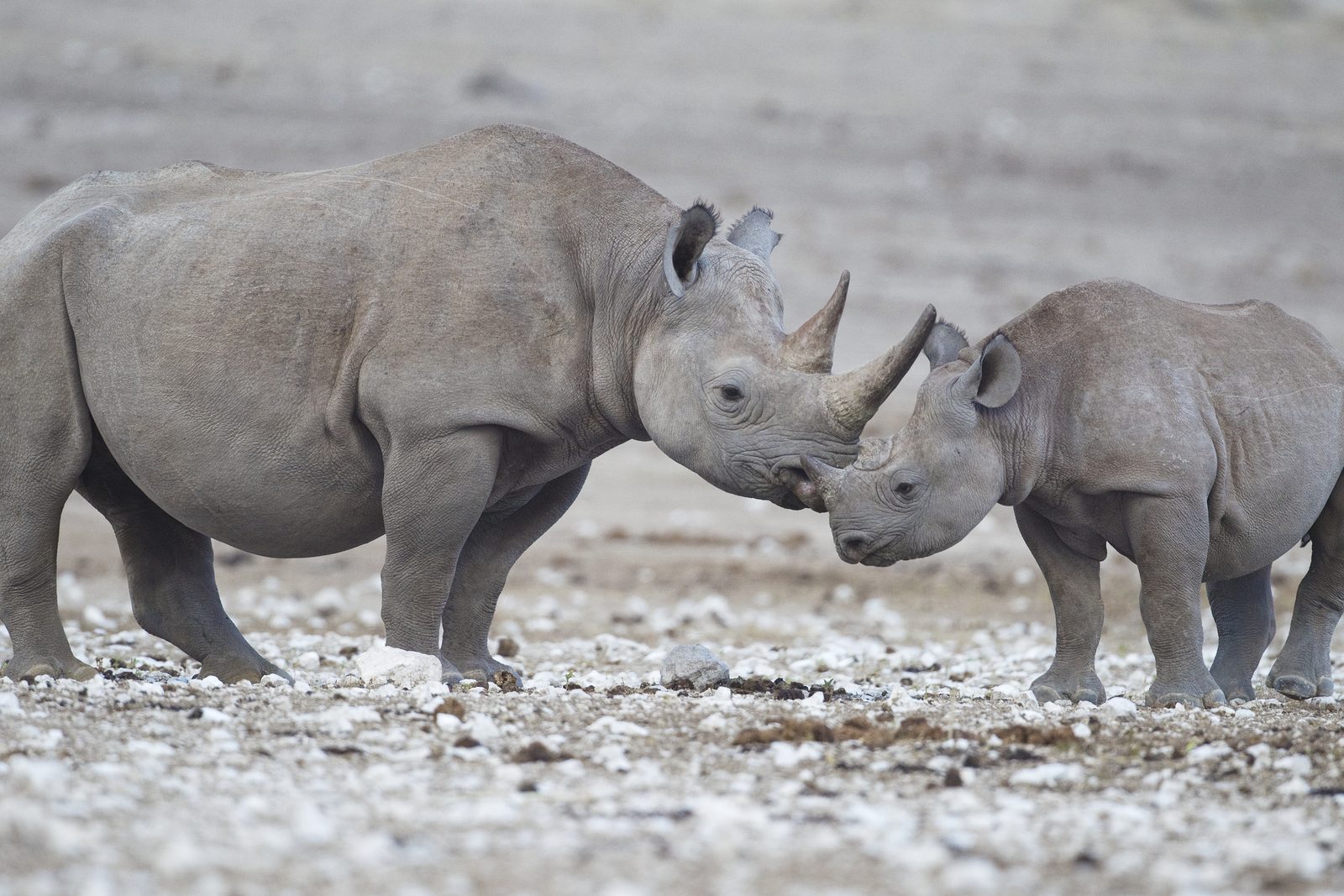
If Hlane is the kingdom's flagship, Mkhaya Game Reserve is its jewel. This private, low-volume reserve in the eastern lowveld was created to protect endangered species, and it has become one of the finest places in all of Africa to encounter the black rhino — and, remarkably, to track them on foot.
A safari at Mkhaya is deliberately intimate. Visitor numbers are kept low, vehicles are few, and the signature experience is walking through the bush with expert Swazi rangers to approach black and white rhino on foot — an encounter that is immeasurably more thrilling and more personal than viewing from a vehicle. To stand quietly, downwind, a respectful distance from a browsing black rhino is a heart-in-mouth privilege that few destinations can offer. The reserve is also excellent for elephant, buffalo, giraffe, nyala, roan and sable antelope and a superb variety of birds.
Mkhaya's celebrated Stone Camp completes the experience: open and semi-open stone-and-thatch shelters set deep in the bush, with no walls, no fences and nothing between you and the sounds of the African night. It is rustic, romantic and utterly authentic — consistently rated one of the most memorable safari camps in Southern Africa. For many travellers, Mkhaya alone is reason enough to visit Eswatini.
Mlilwane Wildlife Sanctuary — Walk, Cycle & Ride
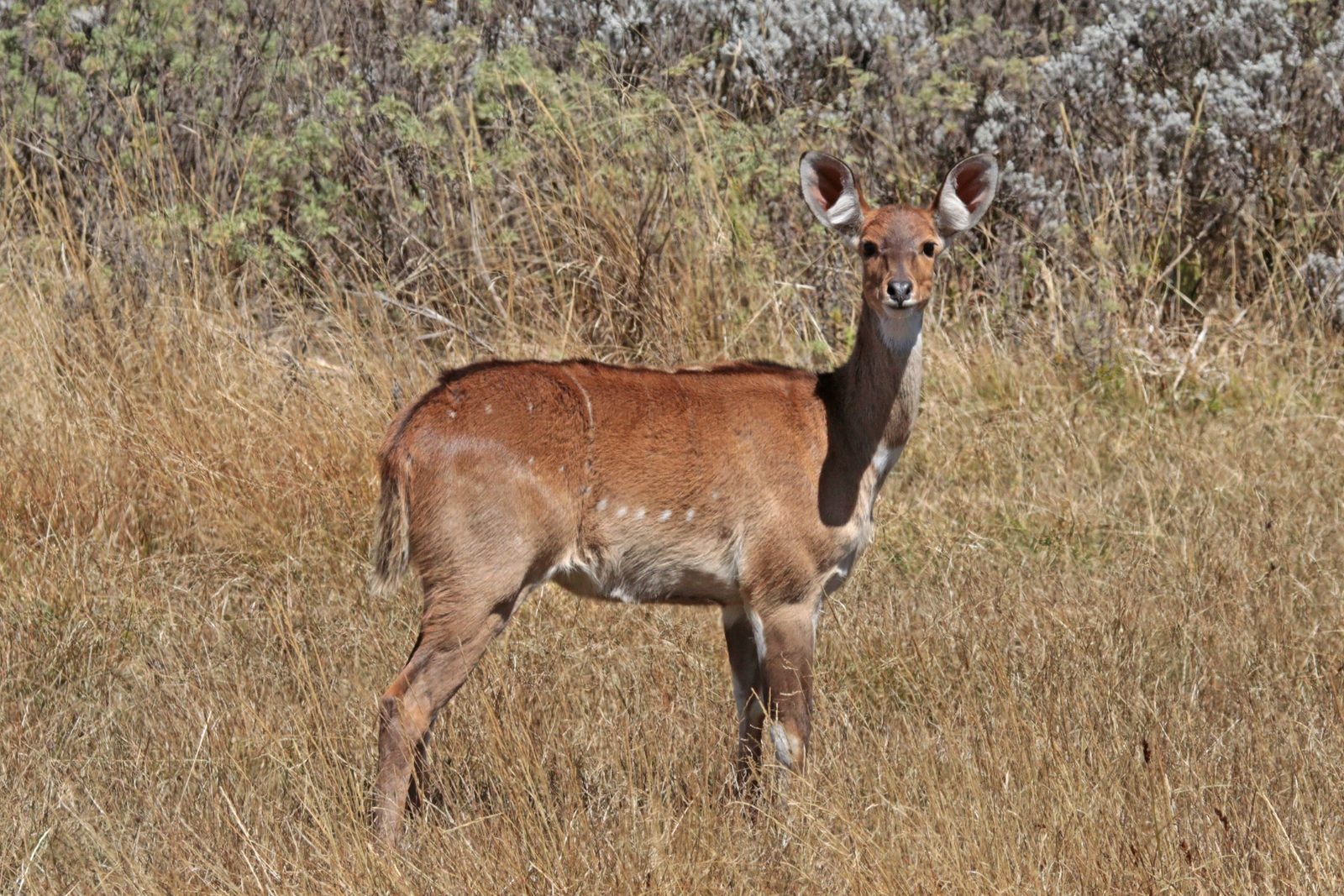
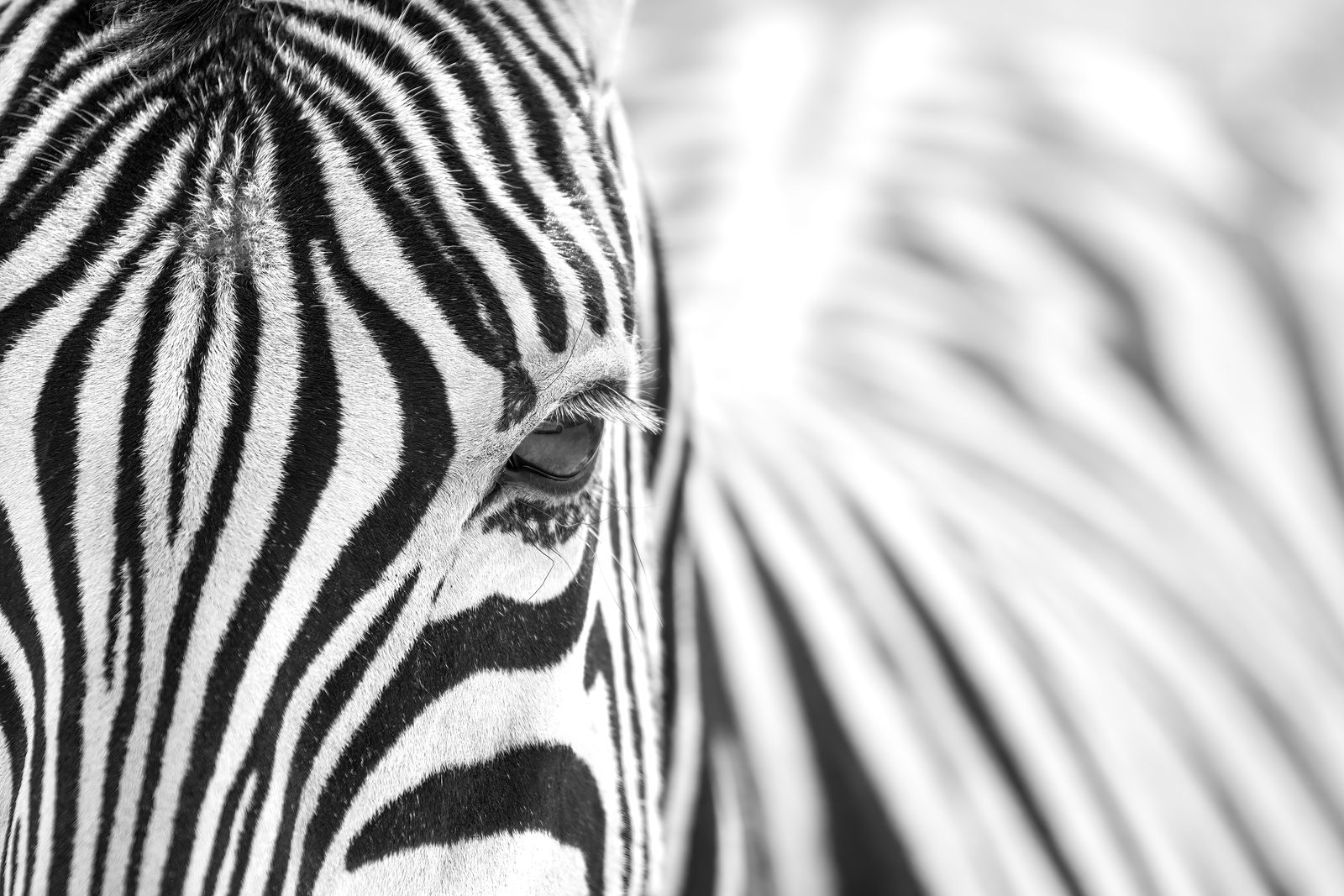
In the beautiful Ezulwini Valley, close to the royal and administrative heart of the kingdom, lies Mlilwane Wildlife Sanctuary — Eswatini's oldest protected area and one of the most delightful reserves in Southern Africa. Mlilwane's great distinction is that it has no large predators, and that changes everything: here you are free to explore the bush not only by vehicle but on foot, by mountain bike, and on horseback, moving among the wildlife in a way that is impossible in Big Five country.
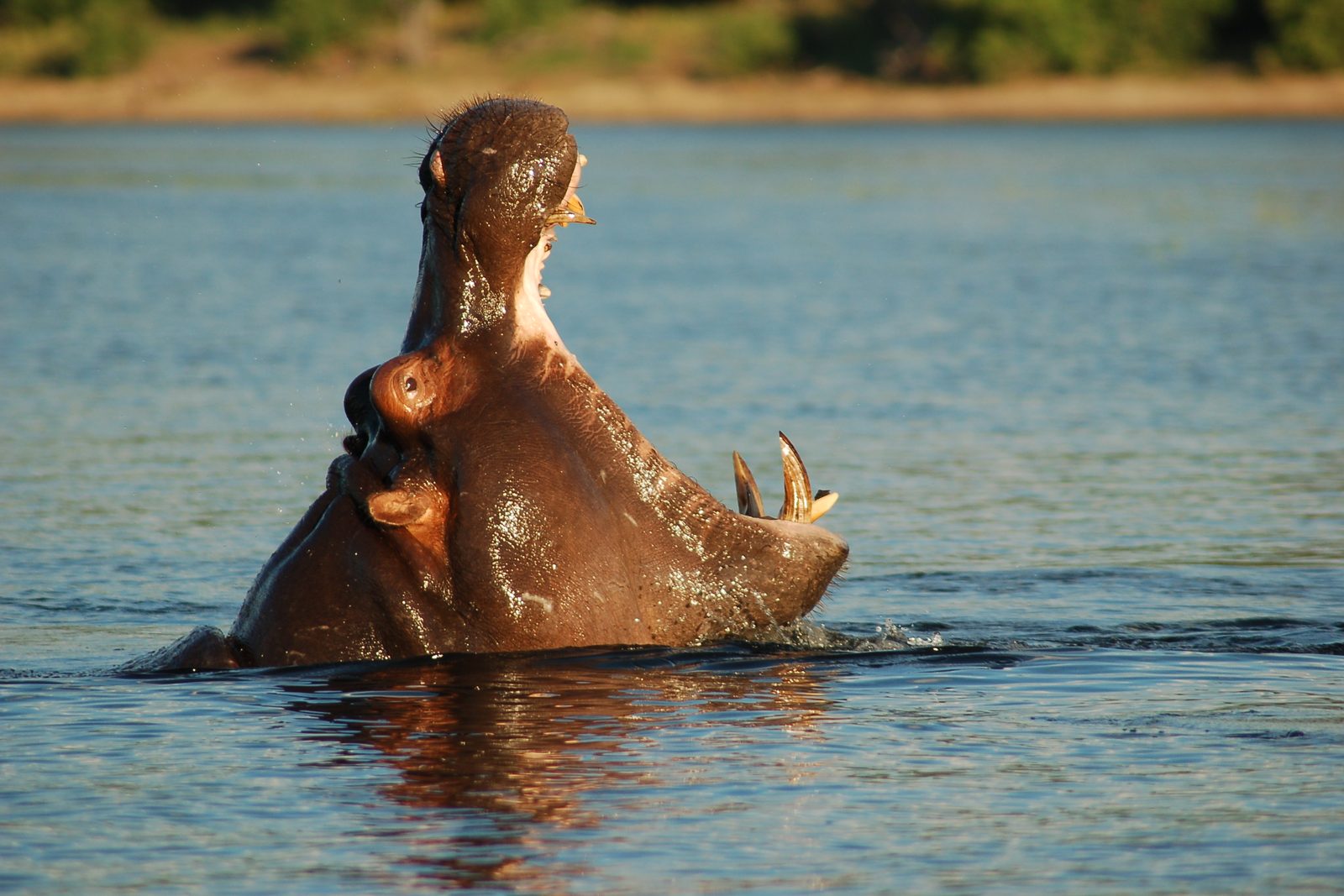
The sanctuary is home to zebra, blesbok, nyala, impala, warthog, kudu, crocodile and hippo, along with wonderful birdlife, and its gentle, rolling scenery of hills, dams and grassland is a joy to explore at walking or cycling pace. Antelope wander freely around the famous rest camp, and the resident warthogs — which graze the lawns and doze by the huts — have become beloved characters of the place. Horseback safaris through the reserve, past grazing herds and up into the hills, are a particular highlight and suit riders of all levels.
Mlilwane is also a story of conservation: it was the birthplace of wildlife protection in Eswatini, founded by the pioneering Reilly family who went on to establish Hlane and Mkhaya too. Relaxed, affordable, family-friendly and beautifully situated within easy reach of the craft markets and cultural sites of the Ezulwini and Malkerns valleys, it is the perfect base from which to feel the gentle heart of the kingdom.
Swazi Culture — Reed Dance, Incwala & Crafts
No visit to Eswatini is complete without stepping into its living culture, for the kingdom is one of the last places in Africa where ancient tradition is not a performance but the fabric of daily life. Eswatini is an absolute monarchy, ruled by a king — the Ngwenyama — and the Queen Mother, and its two great ceremonies are among the most spectacular cultural events on the continent.
The Umhlanga, or Reed Dance, held over several days in late August or early September, sees tens of thousands of young Swazi women gather to cut reeds and present them to the Queen Mother, dancing in a breathtaking display of colour, song and national pride. The Incwala, the sacred kingship ceremony held around December and January, is the most important ritual in the Swazi calendar — a solemn, powerful festival of first fruits and renewal centred on the king. Witnessing either, where visitors are permitted to observe respectfully, is an unforgettable privilege, and we time journeys to coincide with them where our clients wish.
Everyday culture is just as rewarding. Eswatini is renowned for the quality of its handicrafts — candles, glass, textiles, basketry, carving and jewellery — much of it produced at well-known workshops and sold at excellent markets in the Malkerns and Ezulwini valleys, where you can meet the makers and buy directly. Cultural villages such as Mantenga offer authentic insight into traditional Swazi homestead life, dance and music. Warm, welcoming and genuinely proud of their heritage, the Swazi people make cultural travel here a real pleasure.
Sibebe Rock & the Highlands
Beyond its wildlife and culture, Eswatini is a country of genuine scenic beauty, and its highveld in particular is a landscape of misty mountains, granite peaks, waterfalls and deep green valleys. The kingdom's natural landmark is Sibebe Rock, a colossal granite dome rising just outside the capital, Mbabane — the world's largest exposed granite pluton, and the second-largest monolith on earth after Australia's Uluru. Hiking to the top, a steep but exhilarating climb, rewards you with sweeping views across the Swazi highlands and a real sense of the country's ancient geology.
The Ezulwini Valley — the "Valley of Heaven" — and the neighbouring Malkerns Valley form the cultural and scenic heart of the kingdom, a lush corridor of craft markets, cultural villages, gardens and comfortable lodges set beneath dramatic hills. In the north, the Malolotja Nature Reserve offers some of the finest highland hiking and birding in the region, with rolling montane grassland, waterfalls and a canopy zip-line adventure. For those who enjoy walking, biking and mountain scenery alongside their wildlife, Eswatini's highlands add a dimension few small countries can match — and it is all within an hour or two of the main reserves.
Best Time to Visit Eswatini
Eswatini's climate is shaped by altitude, ranging from the cool, misty highveld to the warmer lowveld where the game reserves lie. The best time to visit depends on whether you are prioritising wildlife, weather or the great cultural ceremonies — here is the year at a glance:
| Period | Season | Best For |
|---|---|---|
| May–Sep | Dry winter season | ★ Peak game viewing: thin bush, animals at waterholes, mild dry days, lowest malaria risk; Reed Dance (late Aug/early Sep) |
| Oct–Nov | Early summer | Warming and greening, newborn animals and excellent birding; afternoon storms begin |
| Dec–Jan | Peak summer | Lush, hot and green; superb birding; the sacred Incwala ceremony; highest (still low) lowveld malaria risk |
| Feb–Apr | Late summer | Green and scenic with fewer visitors; thicker bush makes wildlife harder to spot; pleasant highland weather |
In short: the dry winter of May to September is the classic time for wildlife — the game viewing is at its best, the weather is comfortable, and the malaria risk in the lowveld is at its lowest — and it conveniently coincides with the peak season next door in Kruger. If culture draws you, time your visit for the Umhlanga Reed Dance in late August or the Incwala around the turn of the year. The green summer months are lush and wonderful for birding, if a little harder for spotting game. We match your journey to exactly what you most want to see and do.
Getting There & Combining with Kruger
One of Eswatini's greatest strengths is how easily it fits into a wider Southern African journey. The kingdom is small and landlocked, bordered by South Africa on three sides and Mozambique to the east, and it combines especially well with the Kruger National Park, which lies just to the north.
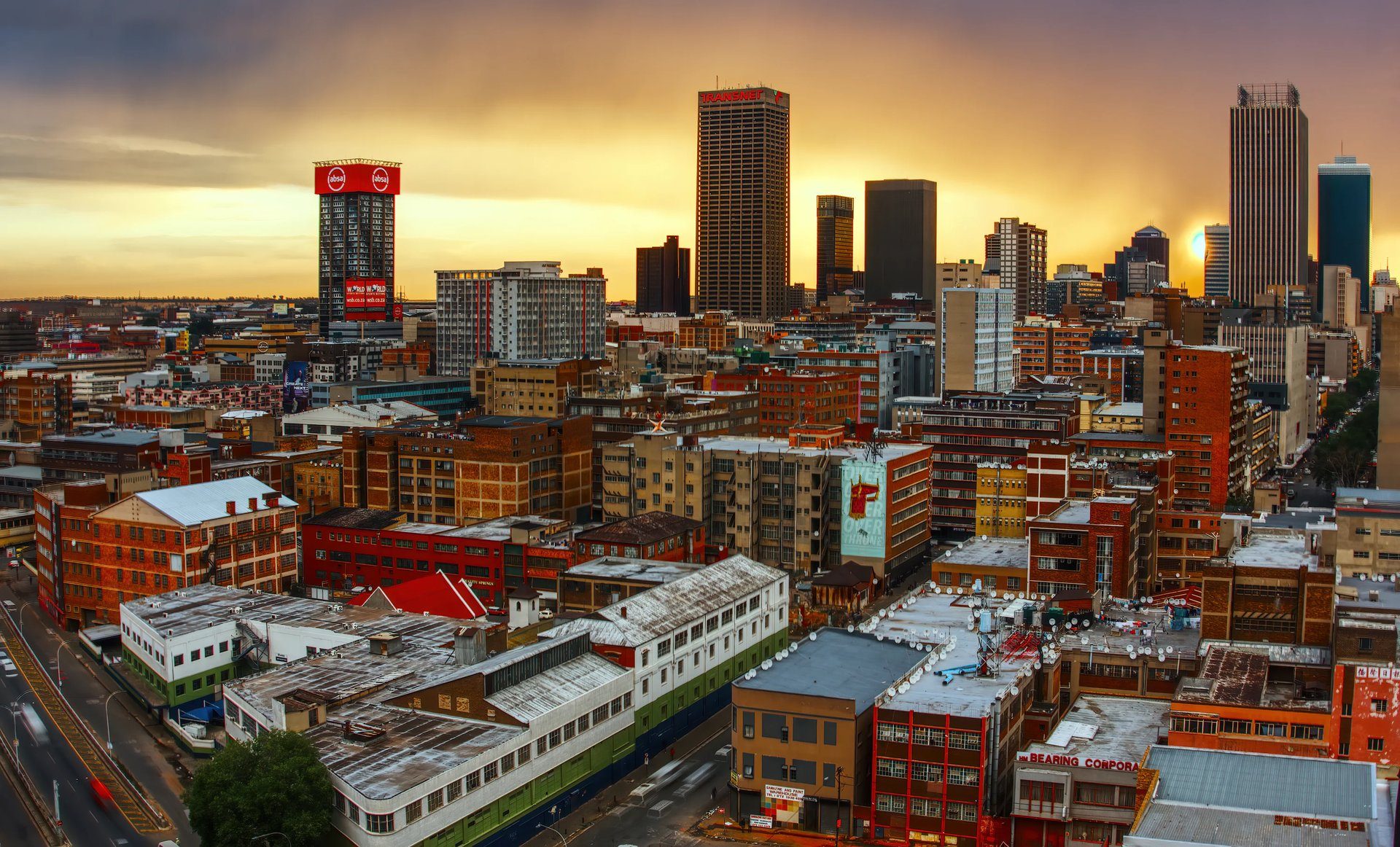
Most visitors arrive by road. From Johannesburg it is a comfortable four-to-five-hour drive, while from the southern Kruger and the Mpumalanga lowveld it is an easy border crossing directly into the kingdom — which is exactly why so many travellers add Eswatini to the start or end of a Kruger safari. The border posts are straightforward, and a private transfer or self-drive across is simple. Eswatini also has its own airport, King Mswati III International near Manzini, with regional flight connections, most commonly routed via Johannesburg.
Once you are inside the kingdom, its compact size is a gift: the major reserves — Hlane, Mkhaya and Mlilwane — and the Ezulwini Valley are all within a short, scenic drive of one another, so there are no long transfers or internal flights to eat into your time or budget. This ease and efficiency is precisely why a few days in Eswatini transform a standard Kruger or South Africa trip into a far richer, more varied journey — combining big-game density in Kruger with rhino-on-foot, predator-free adventure and living culture across the border.
What an Eswatini Trip Costs & Sample Itineraries
Eswatini is one of the most affordable safari destinations in Southern Africa, and its compact size keeps transfer costs low, so your budget goes further here than almost anywhere else on the continent. Here is an honest guide, per person and excluding international flights:
| Tier | Indicative Cost (per person) | What You Get |
|---|---|---|
| Comfortable / Value | from US$1,500 (a few days) | Rest-camp and mid-range lodges across the reserves, shared or self-drive touring, the key parks and culture |
| Classic Combination | US$2,500–4,000 (Eswatini focus) | Hlane, Mkhaya's Stone Camp and Mlilwane with private guiding, walking safaris and cultural experiences |
| Eswatini + Kruger | US$4,500+ (combined tour) | A seamless private safari pairing Kruger's big game with Eswatini's rhino, walking safaris and Swazi culture |
Below are three of our most popular itinerary frameworks; each is a starting point we tailor entirely to your dates, interests, budget and pace.
Itinerary 1: The Essence of Eswatini (4 Days)
- 1. Day 1: Arrive via Johannesburg or the Kruger border; settle into the Ezulwini Valley near Mlilwane.
- 2. Day 2: Mlilwane Wildlife Sanctuary — walking, cycling or horseback among zebra and antelope, plus craft markets and cultural village.
- 3. Day 3: Hlane Royal National Park — game drives among white rhino, elephant and lion, with a night drive.
- 4. Day 4: Mkhaya Game Reserve — track black rhino on foot before onward travel.
Itinerary 2: Kruger & the Kingdom (9 Days)
- 1. Days 1–4: Kruger National Park — big-game safari for the full Big Five and big-herd spectacle.
- 2. Day 5: Cross the border into Eswatini; Hlane Royal National Park for rhino and a night drive.
- 3. Days 6–7: Mkhaya Game Reserve — black rhino walking safaris from Stone Camp.
- 4. Days 8–9: Ezulwini Valley & Mlilwane — culture, crafts and predator-free adventure before departure.
Itinerary 3: Kingdom, Culture & Highlands (7 Days)
- 1. Days 1–2: Ezulwini & Malkerns valleys — Mlilwane, cultural villages, craft markets and Sibebe Rock.
- 2. Day 3: Malolotja Nature Reserve — highland hiking, birding and the canopy zip-line.
- 3. Days 4–5: Hlane Royal National Park — rhino, elephant, lion and night drives.
- 4. Days 6–7: Mkhaya Game Reserve — black rhino on foot from Stone Camp, then departure.
How We Plan Your Eswatini Journey — Book Direct
We are Beyond Africa Safaris — a specialist operator that plans and books each journey direct on the ground, working with trusted Swazi guides, camps and rangers. There is no middleman, no reseller mark-up, and no generic package pulled from a brochure. Eswatini rewards this approach: it is a compact kingdom where the right camps, the timing of the walking safaris and the great cultural ceremonies, and a seamless combination with Kruger all depend on genuine local knowledge.
Here is how it works:
- Consultation: We start by understanding what draws you — rhino on foot at Mkhaya, the family-friendly malaria-free angle, Swazi culture and the Reed Dance, or a seamless Kruger combination — along with your dates, pace and budget.
- Bespoke itinerary: A detailed, day-by-day plan with the right reserves, camps, guides and activities, sequenced to make the most of Eswatini's compact geography.
- Refinement: We adjust until it is exactly right — add Kruger, time it for the Umhlanga or Incwala, build in the highlands, or focus on the malaria-free heartland for young families.
- Booking & logistics: We book every component direct, confirm in writing, and handle the transfers, border crossings, park fees, walking safaris and cultural visits end to end.
- Pre-departure & on the ground: A full pack with entry, health and packing guidance, and a day-by-day briefing — plus real support throughout your journey.
Start Planning Your Eswatini Journey
Eswatini is the safari for travellers who want something intimate, authentic and different — black rhino tracked on foot, a predator-free sanctuary explored on horseback, a kingdom of living culture and misty mountains, and all of it largely malaria-free and easily paired with the great parks next door. It is a small country with an outsized heart, and one that rewards being planned with real local knowledge.
Tell us what calls to you and when you would like to travel. We will design a journey that takes in the very best of the Kingdom in the Hills — planned direct, guided by trusted locals, timed to the season, and supported every step of the way.
Contact Beyond Africa Safaris today and start planning your Eswatini journey.