Of all the Big Five, none carries the weight of the rhinoceros. Ancient, armoured and astonishingly rare, the rhino is a living relic from the age of giants — and today, the most precious sighting on any safari. To watch a wild rhino graze peacefully on open grassland is to witness both the resilience of nature and the urgent reality of conservation, for these magnificent animals have been pushed to the very edge of survival.
And there is one country above all others where the rhino's last great strongholds remain: South Africa, the rhino capital of the world, home to the large majority of the planet's remaining rhinos. This complete rhino safari guide covers where to see rhinos in the wild, the difference between black and white rhino, how they behave, the conservation story, the best parks, and how to plan a private rhino safari.
South Africa — the rhino capital of the world and the global stronghold of both white and black rhino.
Meet the Rhinoceros: A Living Relic
Rhinos are among the last of the great megaherbivores, descendants of a lineage that has roamed the earth for over 50 million years. Africa is home to two species: the white rhino and the black rhino. Both are massive — a white rhino bull can weigh well over two tonnes — with thick, folded skin, a powerful build and the iconic horns that have, tragically, made them a target.
Those horns are made of keratin, the same protein as human hair and fingernails, yet false beliefs about their value have driven a poaching crisis that has devastated rhino populations across the continent. South Africa's intensive conservation efforts have made it the species' last great refuge, and seeing a wild rhino here is both a privilege and a direct contribution to their survival.
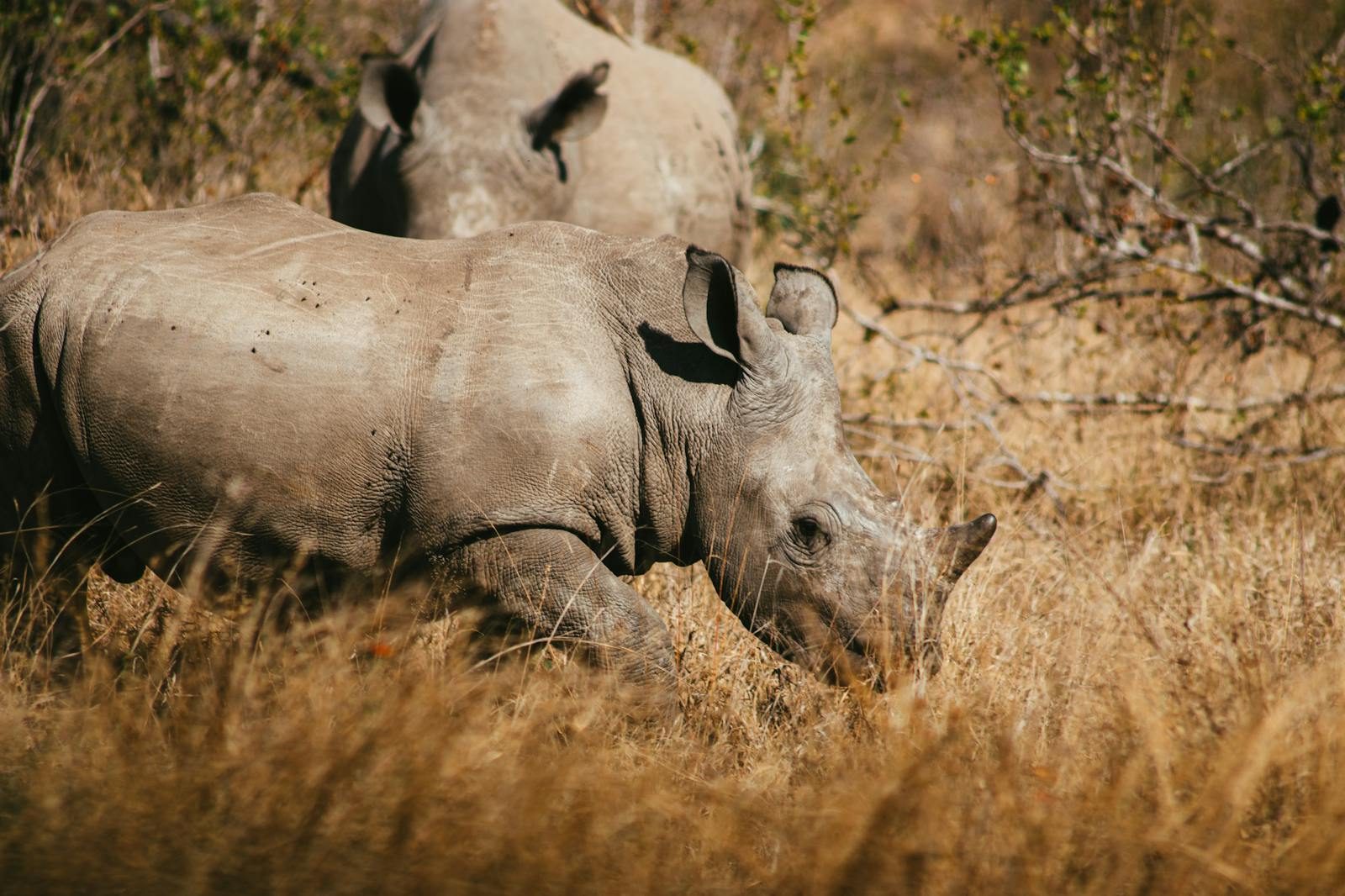
A rhino on alert — South Africa protects the world's largest populations of both white and black rhino.
Black Rhino vs White Rhino: How to Tell Them Apart
One of the most common questions on safari is the difference between the two African rhinos. Confusingly, both are grey — the names have nothing to do with colour.
| Feature | White Rhino | Black Rhino |
|---|---|---|
| Size | Larger (up to 2,300 kg) | Smaller (up to 1,400 kg) |
| Lip shape | Wide, square (grazer) | Pointed, hooked (browser) |
| Diet | Grass | Leaves, twigs, shrubs |
| Habitat | Open grassland | Dense thickets, bush |
| Temperament | Calmer, more social | Solitary, more temperamental |
| Sightings | More common, easier | Rarer, more elusive |
A simple way to remember: the "white" rhino comes from the Afrikaans "wyd", meaning wide — a reference to its broad, square grazing lip, not its colour. In South Africa, seeing both species on a single safari is genuinely possible, a privilege offered in very few places on earth.
Why South Africa is the Rhino Capital of the World
The most important fact for any rhino-lover is this: South Africa protects the large majority of the world's remaining rhinos. No other country comes close.
This is no accident. South Africa is home to one of conservation's greatest triumphs. In the early 20th century, the southern white rhino had been hunted to fewer than 100 individuals, all in Hluhluwe-iMfolozi Park in KwaZulu-Natal. A pioneering programme known as Operation Rhino bred and relocated them across the region, bringing the subspecies back from the very brink. Today the southern white rhino is the most numerous rhino on earth — a recovery that began, and continues, in South Africa.
Kruger National Park and its adjacent private reserves, the malaria-free parks of the Eastern Cape, and the historic reserves of KwaZulu-Natal together make South Africa the single best place in the world to see wild rhinos. Every visit supports the rangers and programmes on the front line of their protection.
Quick Pick
For the best chance to see rhinos in the wild — including both white and black rhino — there is one clear answer: South Africa. Kruger, Sabi Sands, Hluhluwe-iMfolozi and the malaria-free Eastern Cape reserves offer the finest rhino viewing on the planet.
Where to See Rhinos in Africa: The Best Destinations
1. Kruger National Park & Sabi Sands, South Africa — Most Reliable
The Greater Kruger ecosystem, including the private reserves of Sabi Sands, offers the most reliable rhino viewing on earth, with healthy populations of both white and black rhino. White rhinos are regularly seen grazing in open areas, while the rarer black rhino is a thrilling find in denser bush. Sabi Sands' expert trackers and off-road access make rhino sightings especially rewarding.
2. Hluhluwe-iMfolozi, South Africa — The Park That Saved the Rhino
In KwaZulu-Natal, Hluhluwe-iMfolozi is the historic home of the white rhino's recovery and one of the best places to see them today. Visiting connects you directly to one of the greatest conservation success stories ever told.
3. Eastern Cape Malaria-Free Reserves, South Africa — Best for Families
The malaria-free private reserves of the Eastern Cape offer excellent, accessible rhino viewing within easy reach of the Garden Route and Port Elizabeth — ideal for families and first-time safari-goers seeking the Big Five without anti-malarials.
4. Other African Strongholds
Beyond South Africa, rhinos can be seen in parts of Namibia (famous for desert-adapted black rhino), Kenya's specialist sanctuaries such as Ol Pejeta and Lewa, and a handful of protected areas elsewhere. But for sheer numbers, reliability and the chance to see both species, South Africa stands alone.
How Rhinos Live and Behave
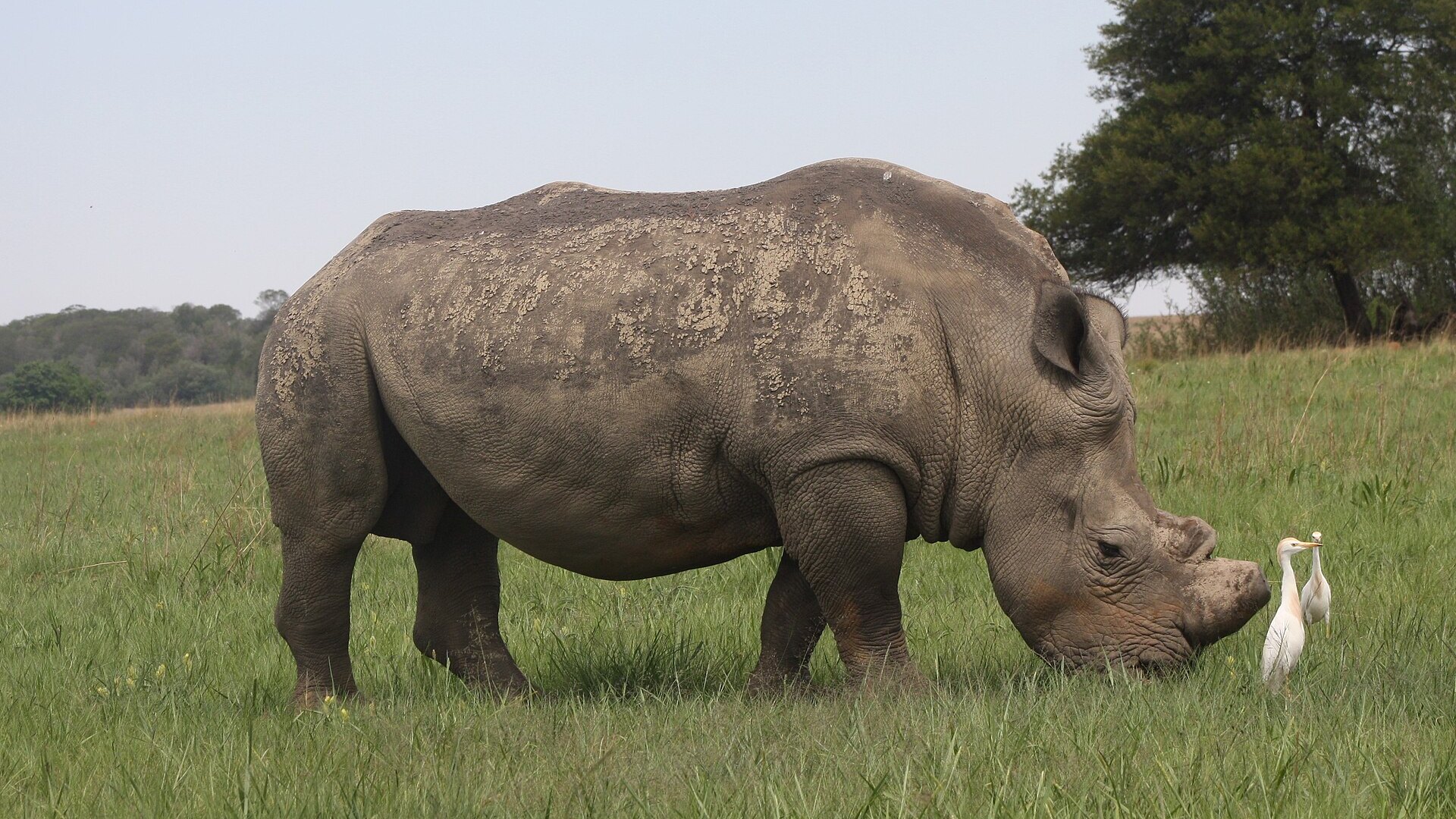
White rhinos are relatively social, sometimes seen in small groups called crashes, grazing peacefully across open grassland. Black rhinos are solitary and far more elusive, browsing alone in dense thickets and known for their unpredictable, sometimes irritable temperament. Both have poor eyesight but an acute sense of smell and hearing, and both rely on regular mud-wallowing to cool down and protect their skin from parasites and sun.
Rhinos mark their territories with communal dung heaps called middens, which act as a kind of bulletin board, carrying scent messages about who has passed by. A rhino calf stays close to its mother for two to three years, and watching a mother and calf together is one of the most heart-warming — and increasingly precious — sights on any safari.
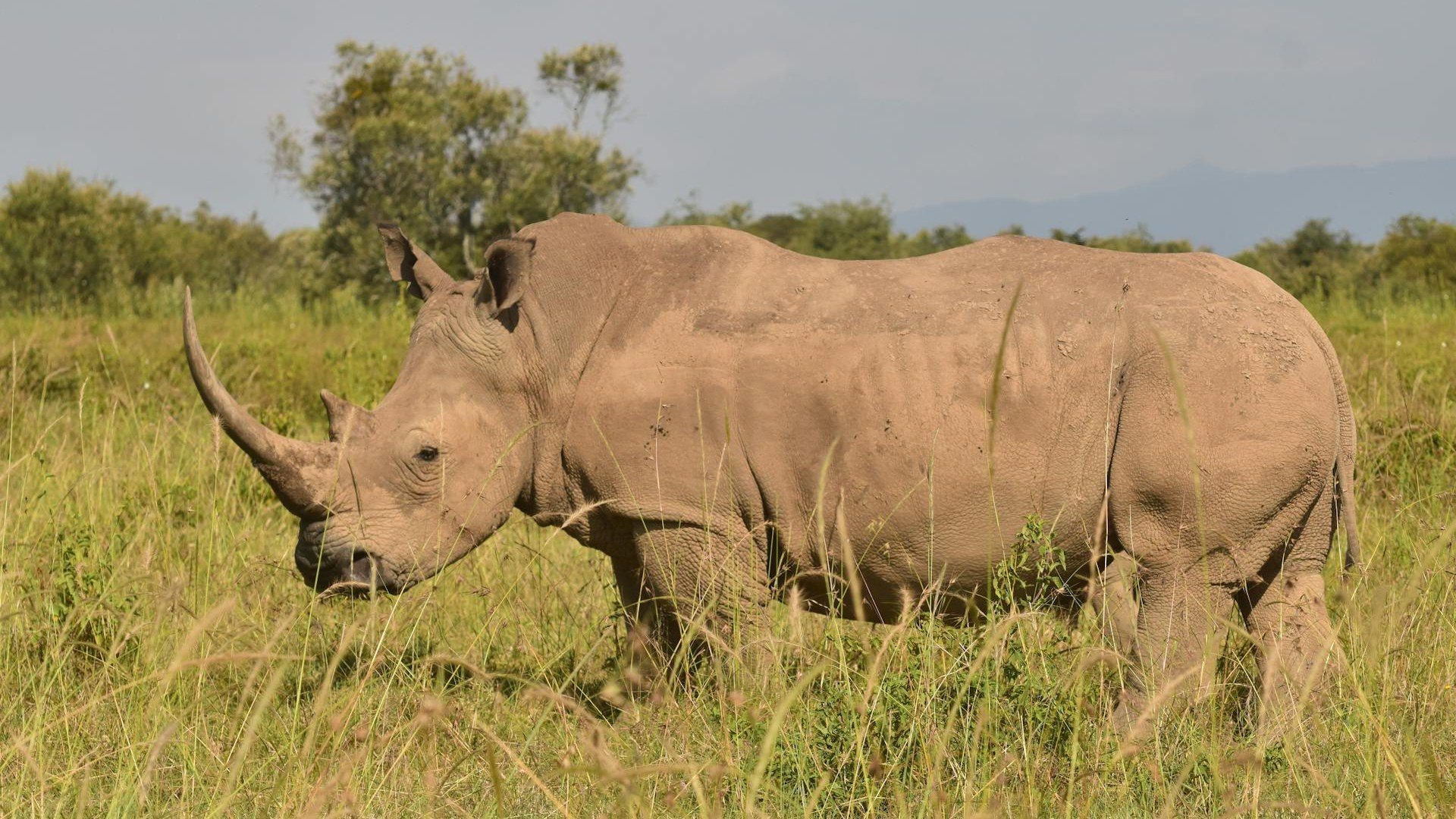
A white rhino grazes on open grassland — the more social of Africa's two rhino species, sometimes seen in small groups called crashes.
The Conservation Story: Why Every Sighting Matters
The rhino's story is one of both tragedy and hope. Poaching for horn — driven by false beliefs about its value — pushed rhinos to the edge, and the northern white rhino is now functionally extinct, with only two females left on earth. Yet South Africa's intensive anti-poaching operations, monitoring and conservation breeding have kept the world's largest rhino populations alive against extraordinary odds.
This is why responsible rhino tourism matters so much. Park fees and lodge revenue fund the rangers, helicopters, tracking technology and community programmes that protect these animals every single day. Reputable operators follow strict protocols — viewing rhinos quietly at a respectful distance, and never publicly sharing their locations, to keep them safe from poachers. When you go on an ethical rhino safari, you become part of the effort keeping the species alive.
Tips for the Best Rhino Sightings
- Choose South Africa — Kruger, Sabi Sands, Hluhluwe-iMfolozi and the Eastern Cape offer the world's best rhino viewing.
- Pick a private reserve for expert trackers and off-road access that improve sightings of the elusive black rhino.
- Go in the dry season (May to September) when thinner bush makes rhinos easier to spot.
- Be quiet and patient — rhinos are sensitive to sound and movement.
- Respect the protocols — never ask for or share rhino locations or GPS coordinates.
- Support accredited reserves so your visit funds anti-poaching and conservation.
Plan Your Rhino Safari
Seeing a wild rhino has never been more meaningful — and South Africa, the rhino capital of the world, is the place to do it. Whether you dream of watching white rhino graze on Kruger's plains, glimpsing an elusive black rhino in the Eastern Cape bush, or completing your Big Five in the country that saved the rhino from extinction, a well-planned private safari puts you in the right place with guides who protect these animals every day.
Plan Your Rhino Safari with Beyond Africa Safaris
We design private, tailor-made safaris to the world's greatest rhino destinations — the Greater Kruger and Sabi Sands, the historic reserves of KwaZulu-Natal and the malaria-free parks of the Eastern Cape. We handle every detail: expert guides, handpicked lodges, flawless logistics and responsible, conservation-focused encounters with the most precious of the Big Five.
Contact us to start planning your rhino safari today.