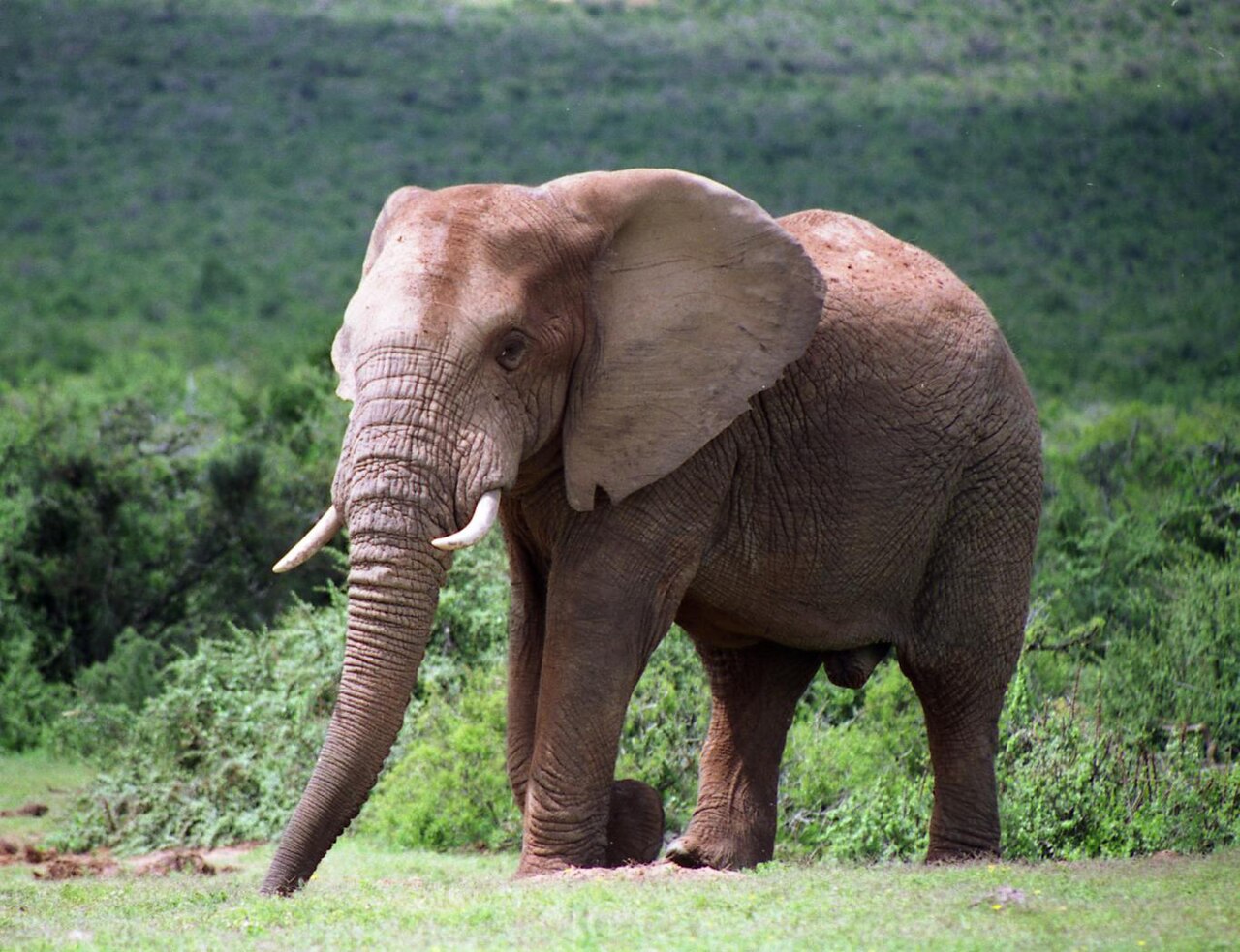
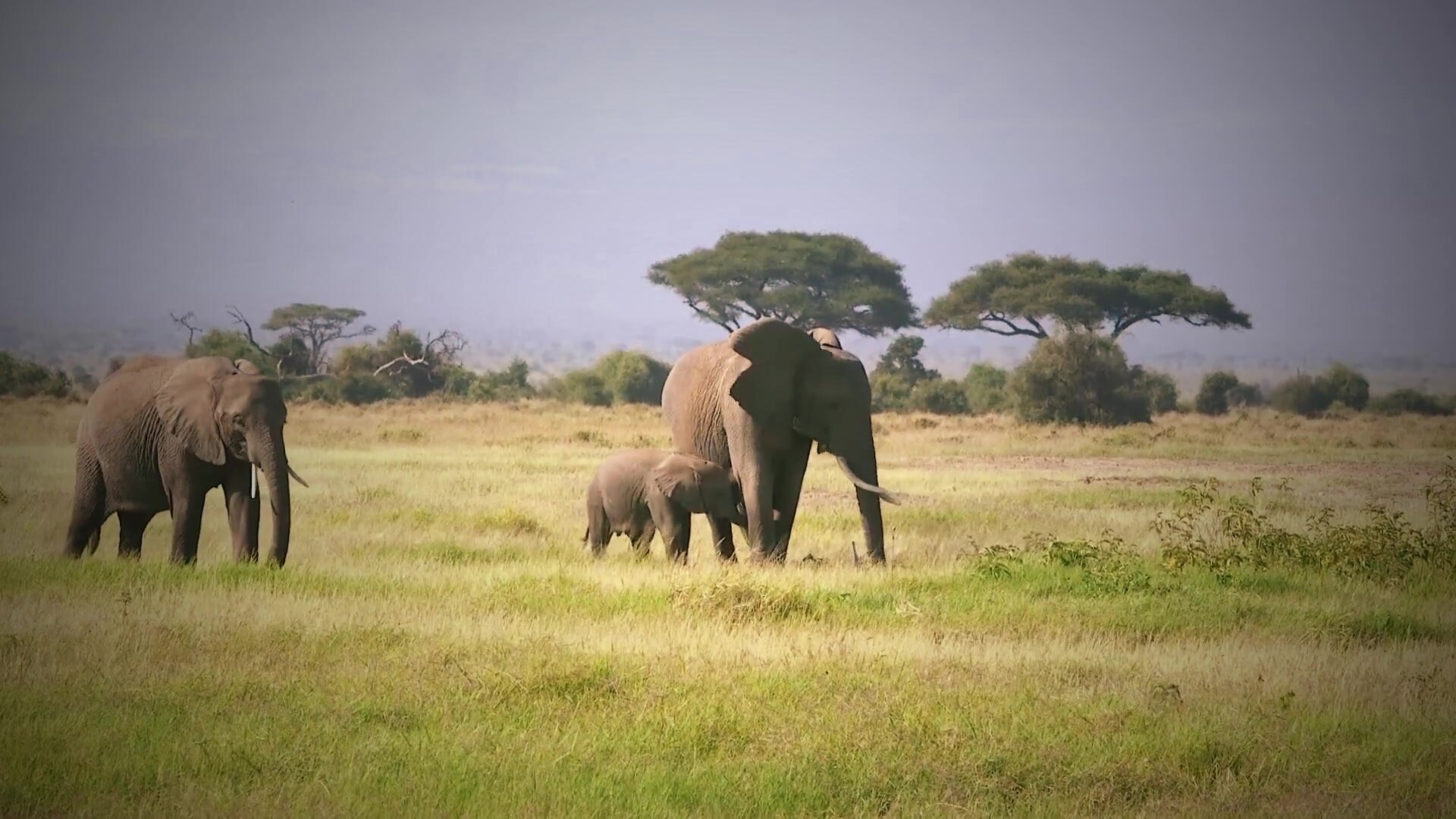
There is no encounter on safari quite like meeting an African elephant. The largest land animal on earth, the elephant is also among the most intelligent and emotional — a creature of deep family bonds, long memory and quiet majesty. To sit quietly as a breeding herd crosses in front of your vehicle, calves tucked protectively in the centre, is to feel the true scale and soul of the African wilderness.
From the malaria-free herds of Addo in South Africa to the legendary elephant gatherings of Chobe, this complete African elephant safari guide covers where to see elephants in the wild, how herds and families live, the best time to visit, conservation, and how to plan a private elephant safari.
South Africa — home to Addo's malaria-free elephant herds and the great wilderness of Kruger.
Meet the African Elephant: A Gentle Giant
The African bush elephant (Loxodonta africana) is the largest land animal on the planet. Bulls can stand over three metres at the shoulder and weigh up to six tonnes, while females are smaller but still immense. Their enormous ears — shaped roughly like the African continent — help radiate heat, and their remarkable trunk, containing some 40,000 muscles, serves as nose, hand, snorkel, trumpet and tool all in one.
But the elephant's true distinction is not its size — it is its mind. Elephants possess large, complex brains, prodigious memories and rich emotional lives. They cooperate, problem-solve, communicate across kilometres using low-frequency rumbles, and display behaviours that look unmistakably like grief, joy and empathy. Spending time with elephants is less like watching wildlife and more like meeting another civilisation.
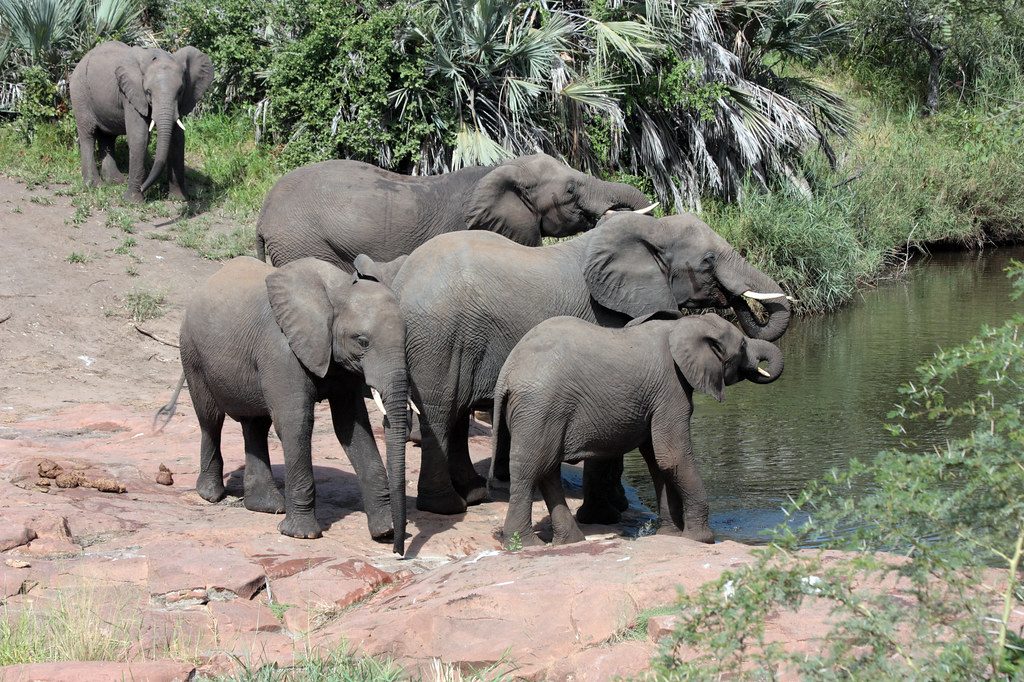
A breeding herd at a waterhole — elephant families are led by the oldest, wisest female, the matriarch.
Where to See Elephants in Africa: The Best Destinations
1. Addo Elephant National Park, South Africa — Best Malaria-Free Elephant Safari
Addo, in South Africa's Eastern Cape near Port Elizabeth, is one of the world's great elephant destinations and entirely malaria-free. Founded in 1931 to save just eleven remaining elephants, Addo is now home to well over 600, often seen in large, relaxed groups around the park's waterholes. The combination of dense, easily-viewed herds and a malaria-free setting makes Addo ideal for families, older travellers and first-time safari-goers. It is one of the few places where seeing dozens of elephants in a single sighting is routine.
2. Chobe National Park, Botswana — The Largest Elephant Population on Earth
Botswana's Chobe National Park holds an astonishing 120,000 elephants — the densest concentration on the continent. In the dry season, thousands gather along the Chobe River, and a sunset boat cruise through herds drinking, bathing and crossing the water is one of the greatest wildlife spectacles in Africa.
3. Kruger National Park, South Africa — Year-Round Big Five Elephants
Kruger holds around 30,000 elephants across its vast wilderness, seen daily on game drives, especially in the north. As part of the full Big Five experience, Kruger lets you combine superb elephant viewing with lions, leopards, rhino and buffalo, all at outstanding value.
4. Amboseli, Kenya — Elephants Beneath Kilimanjaro
Kenya's Amboseli is famous for its big-tusked elephants framed against the snows of Mount Kilimanjaro — one of the most iconic images in all of African wildlife photography.
5. Hwange, Zimbabwe — Great Dry-Season Gatherings
Zimbabwe's Hwange National Park hosts enormous elephant herds that gather around its pumped waterholes in the dry season, offering spectacular numbers and excellent viewing.
Quick Pick
For the biggest numbers, Chobe in Botswana is unrivalled. For a relaxed, malaria-free family elephant safari with dense, easily-seen herds, Addo in South Africa is the standout — and pairs beautifully with the Garden Route and Cape Town.
Best Elephant Safari Destinations Compared
| Destination | Country | Elephant Viewing | Best For |
|---|---|---|---|
| Addo | South Africa | Excellent, dense herds | Malaria-free family safaris |
| Chobe | Botswana | World's largest population | Sheer numbers & river cruises |
| Kruger N.P. | South Africa | Excellent, year-round | Full Big Five & value |
| Amboseli | Kenya | Big-tuskers, iconic | Kilimanjaro backdrops |
| Hwange | Zimbabwe | Great dry-season herds | Waterhole gatherings |
How Elephants Live: Family, Memory and the Matriarch
The Matriarchal Herd
Elephant society revolves around the family. A breeding herd is led by the matriarch — the oldest and most experienced female — whose memory holds the locations of distant water and food, and whose decisions guide the family through droughts and dangers. The herd is made up of her daughters, sisters and their calves, bound by deep, lifelong relationships. The bonds within an elephant family are among the strongest in the animal kingdom.
Bulls and Bachelor Life
Young males leave the herd in their teens to live alone or in loose bachelor groups, returning to breeding herds only to mate. Mature bulls periodically enter a heightened state called musth, marked by raised testosterone and assertive behaviour. The great old bulls — calm, immense and ancient — are among the most magnificent sights on any safari.
Communication and Emotion
Elephants communicate through trumpets, rumbles and low-frequency infrasound that travels for kilometres, felt through the ground as much as heard. They greet one another with elaborate ceremonies, comfort distressed family members, and famously appear to mourn their dead — gently touching and investigating the bones of those they have lost. This emotional depth is part of what makes elephant encounters so profoundly moving.
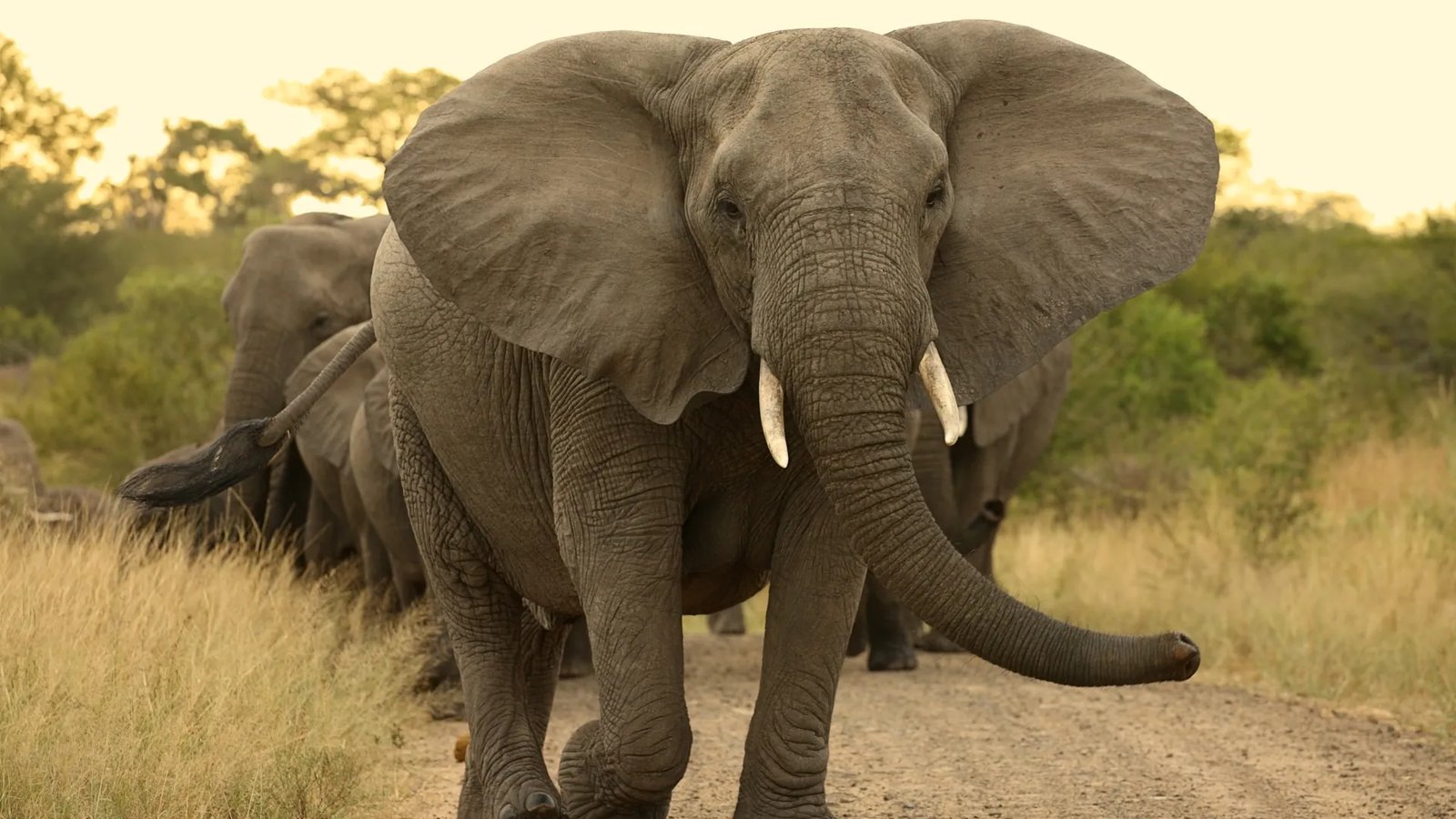
A great bull elephant — mature males live apart from the breeding herds, alone or in loose bachelor groups.
Best Time of Year to See Elephants
The dry season — roughly May to October in southern Africa — is the best time to see elephants in large numbers. As seasonal pans and rivers dry up, elephants gather around permanent water, producing the spectacular dry-season gatherings for which Chobe and Hwange are famous. Vegetation thins, making them easier to spot.
In Addo and Kruger, elephants are seen reliably year-round, but the dry winter months concentrate them at waterholes and improve visibility. The green season (November to March) brings lush scenery and newborn calves, a wonderful time for photography even if the herds are more dispersed.
Elephant Conservation
African elephant numbers have fallen dramatically over the past century, driven by the ivory trade, habitat loss and human-wildlife conflict. The species is now a conservation priority across the continent. South Africa's success story at Addo — from eleven elephants in 1931 to a thriving population today — shows what well-managed protection can achieve. Every responsible safari contributes directly to elephant conservation through park fees, anti-poaching efforts and community programmes that give local people a stake in protecting wildlife.
Tips for the Best Elephant Encounters
- Visit in the dry season for the biggest gatherings around water.
- Choose Addo for a malaria-free family safari with dense, relaxed herds.
- Take a Chobe boat cruise to see hundreds of elephants from the water at sunset.
- Be patient and quiet — calm vehicles allow elephants to approach naturally.
- Watch the body language — your guide will explain ear-flaps, trunk gestures and posture.
- Never crowd a breeding herd with calves, and always follow your guide's lead.
Plan Your Elephant Safari
Few experiences match the wonder of watching wild elephants — and South Africa offers everything from the malaria-free herds of Addo to the great wilderness of Kruger, with the option to add Botswana's incomparable Chobe. Whether you dream of a relaxed family elephant safari, a Garden Route and Addo combination, or a grand multi-country adventure, a well-planned private safari puts you among Africa's gentle giants at their very best.
Plan Your Elephant Safari with Beyond Africa Safaris
We design private, tailor-made safaris to Africa's finest elephant destinations — from the malaria-free herds of Addo and the Big Five wilderness of Kruger to the legendary elephant gatherings of Chobe. We handle every detail: expert guides, handpicked lodges, flawless logistics and unforgettable encounters with the largest land animal on earth.
Contact us to start planning your elephant safari today.