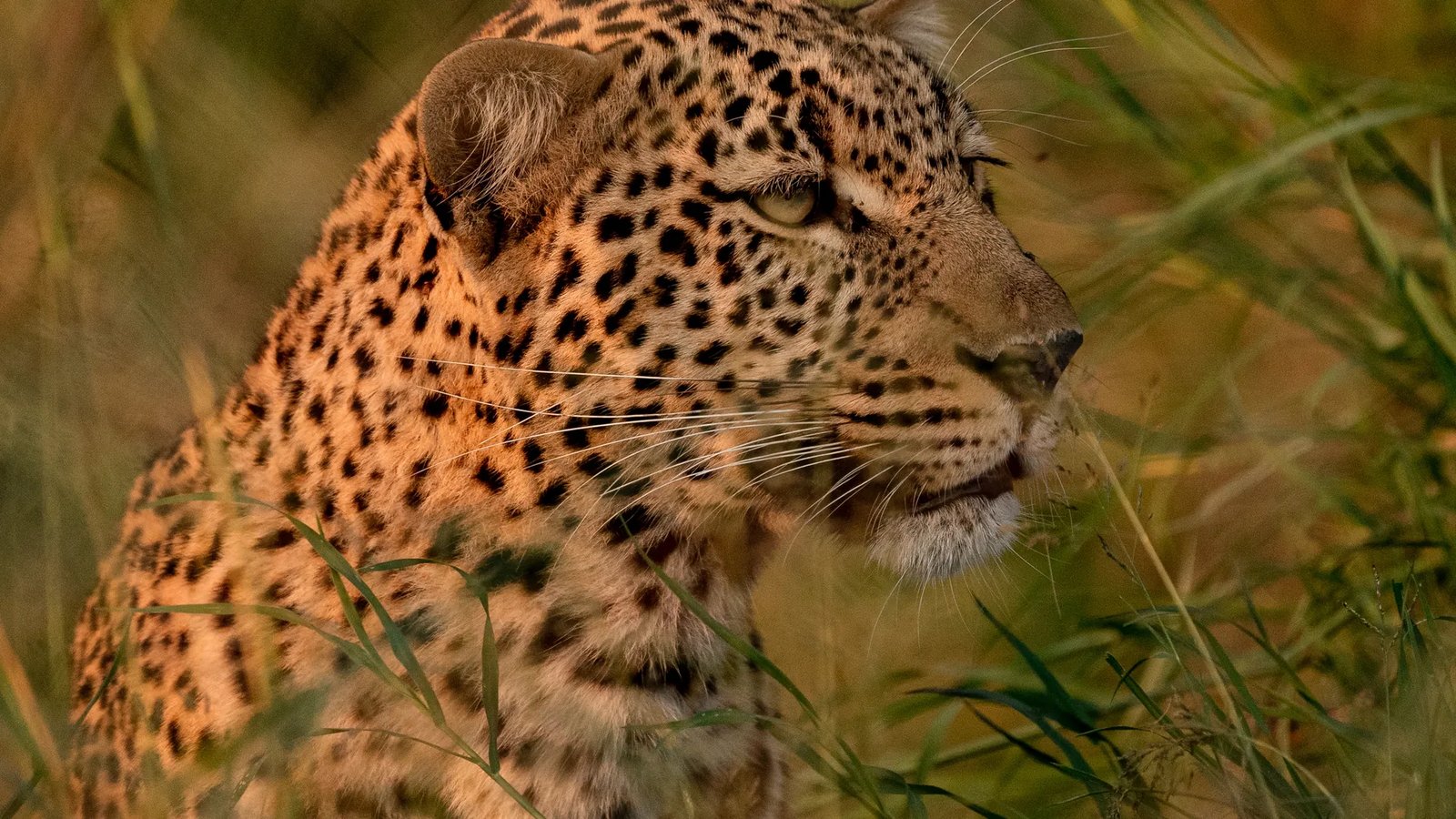
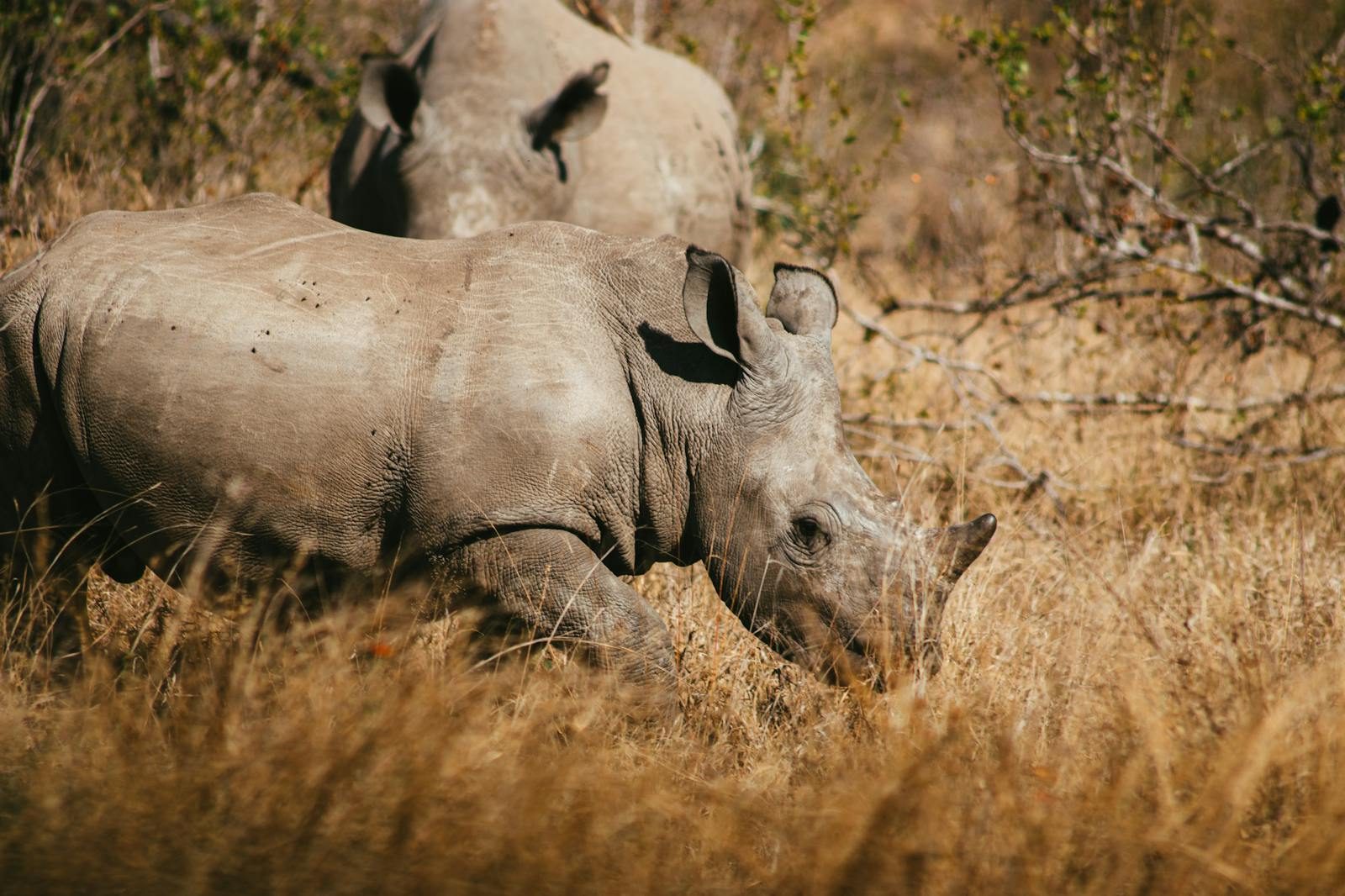
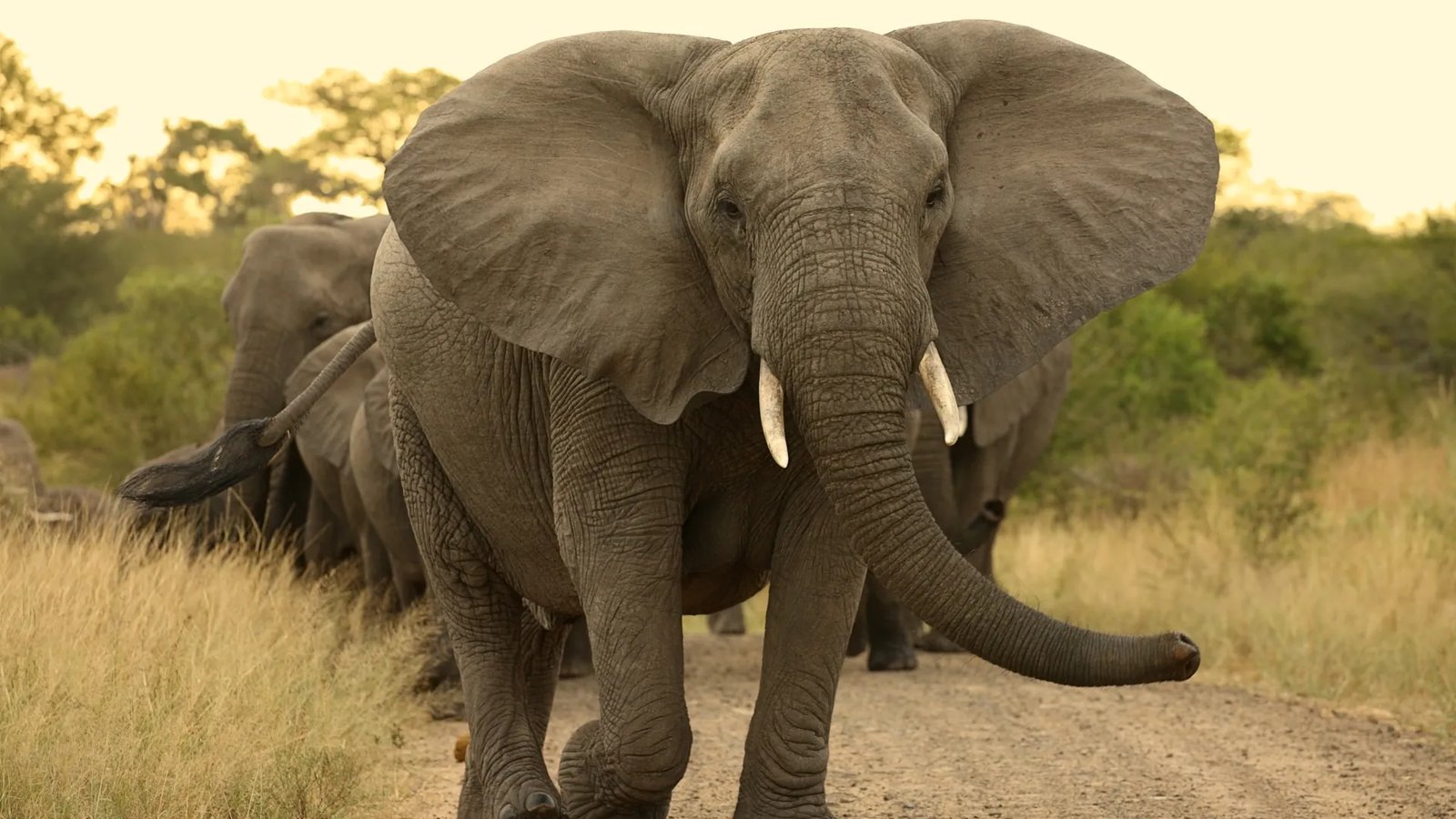
No animal embodies the African safari like the lion. The largest of Africa's big cats, the most social, and the only one that lives in family groups, the lion is the most sought-after sighting on any game drive and the undisputed star of the famous Big Five. To watch a pride at rest in the golden light, to hear a male roar across the darkness, or to witness a coordinated hunt at dawn is to experience the African wilderness at its most powerful.
This complete African lion safari guide covers everything you need to know to see lions in the wild — the best parks and reserves, how prides live and hunt, the best time of day and year for sightings, lion conservation, and how to plan a private lion safari in South Africa and across the continent.
South Africa — home to Kruger, Sabi Sands and some of the most reliable lion viewing on the continent.
Meet the African Lion: King of the Savanna
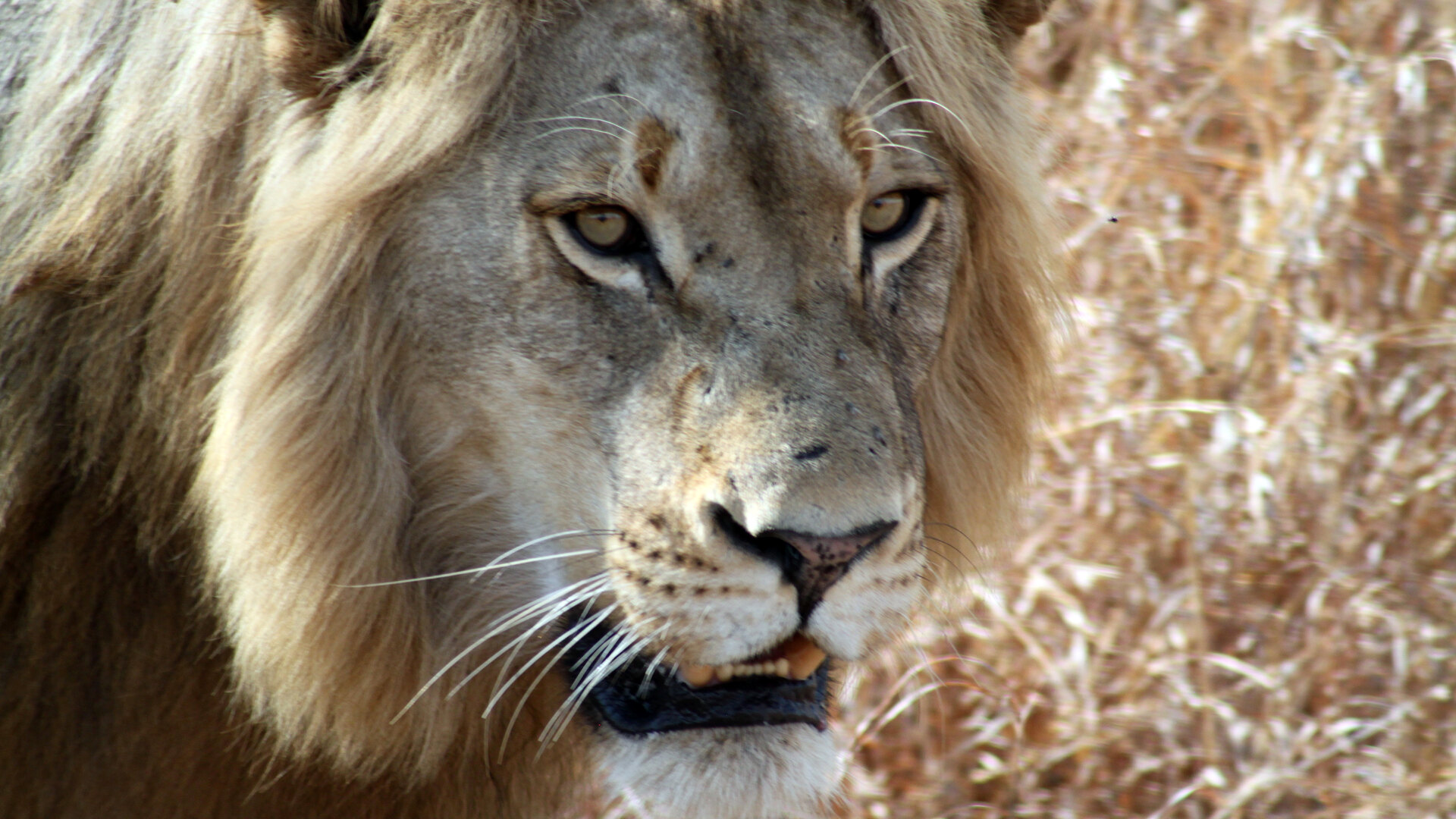
The African lion (Panthera leo) is the second-largest cat on earth after the tiger, with adult males weighing up to 250 kilograms and standing over a metre at the shoulder. Males are instantly recognisable by their flowing manes, which range from blond to almost black and signal age, health and dominance. Females are smaller, leaner and do most of the hunting for the pride.
What sets the lion apart from every other big cat is its social structure. Lions live in prides — family groups typically made up of related females, their cubs, and a coalition of one to several adult males. A pride may number anywhere from three to thirty individuals, holding and defending a territory against rivals. This social complexity is what makes lion sightings so rewarding: you are rarely watching a single animal, but an entire family drama unfolding in real time.
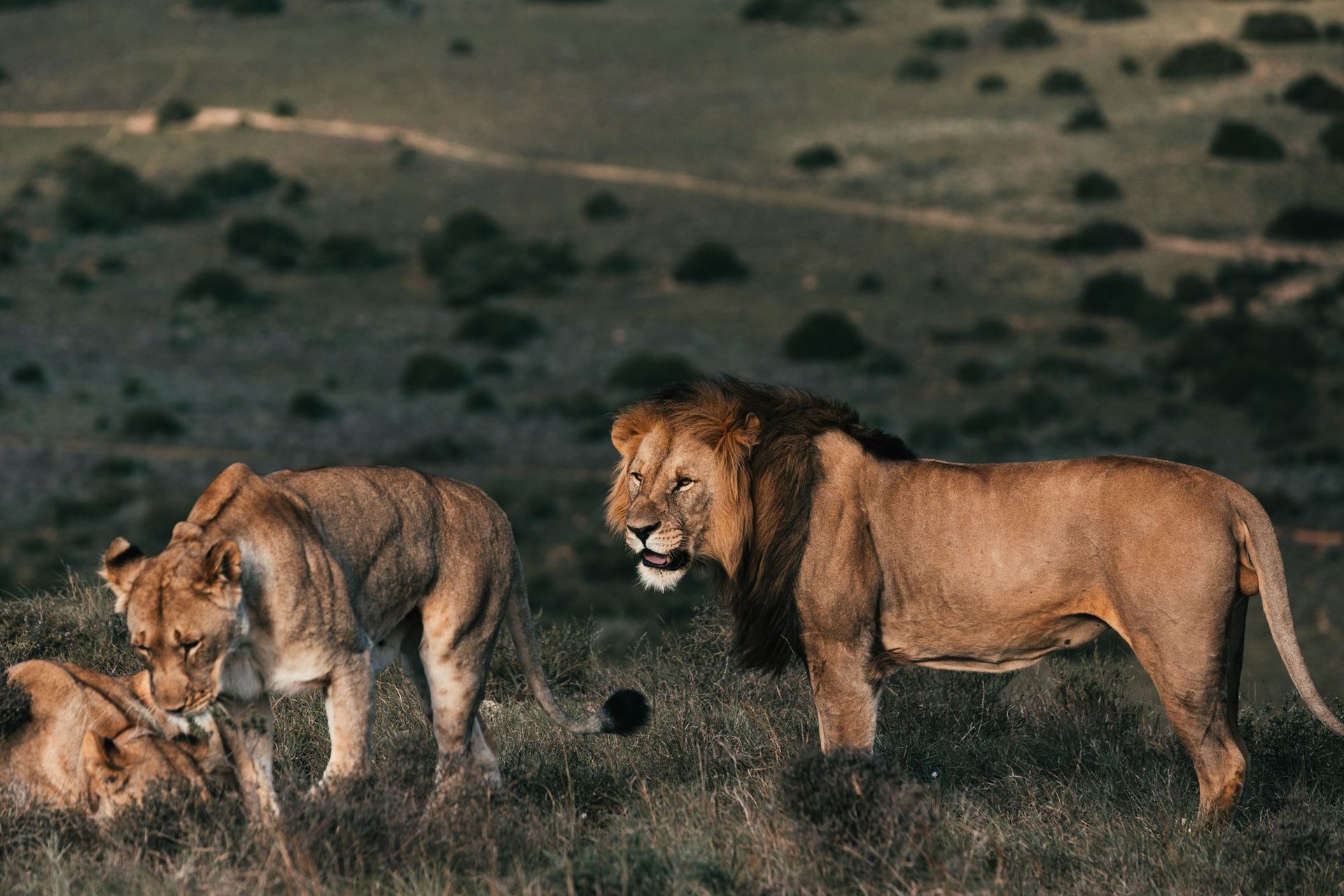
A pride at golden hour — lions are the only big cats that live in family groups called prides.
Where to See Lions in Africa: The Best Destinations
Lions are found across sub-Saharan Africa, but some destinations offer far more reliable and rewarding sightings than others. Here are the very best places to see lions in the wild.
1. Sabi Sands & Greater Kruger, South Africa — Best for Reliability
The Sabi Sands private reserve, sharing an unfenced boundary with South Africa's Kruger National Park, is arguably the most reliable place on the continent to see lions at close range. Skilled guide-and-tracker teams, off-road driving and a high density of habituated prides mean lion sightings are an almost daily occurrence. The big-cat dynasties of Sabi Sands are among the most studied and famous lions in Africa.
2. Kruger National Park, South Africa — Best for Value
Kruger itself holds an estimated 1,600 to 2,000 lions across its vast 19,485 square kilometres. The central region around Satara is known as "cat country" for its exceptional predator density. Kruger offers superb lion viewing whether you self-drive the excellent road network or join a guided safari, all at outstanding value. It is one of the best first-safari destinations in the world.
3. Masai Mara, Kenya — Best for Open-Plains Drama
The Masai Mara is famous for its lions, made world-renowned by decades of wildlife documentaries. The open plains make sightings easy and dramatic, and the Mara's prides are large and confident. During the Great Migration (July to October), lions feast on the abundance of wildebeest and zebra, producing spectacular predator-prey action.
4. Serengeti, Tanzania — Best for Big Prides
Tanzania's Serengeti holds one of the largest lion populations in Africa, with an estimated 3,000 lions. The endless plains support enormous prides, and the Seronera Valley is one of the finest year-round lion-viewing areas on the continent.
5. Okavango Delta, Botswana — Best for Wild, Untamed Lions
Botswana's Okavango Delta is home to powerful, water-adapted lions famous for hunting buffalo and even swimming between islands. The delta's wild, remote character makes for thrilling, low-density sightings in pristine wilderness.
Quick Pick
For a first lion safari that combines reliability, accessibility, value and close-up sightings, Sabi Sands and Greater Kruger in South Africa are the standout choice. Add the Masai Mara or Serengeti if you want open-plains drama and the Great Migration.
Best Lion Safari Destinations Compared
| Destination | Country | Lion Viewing | Best For |
|---|---|---|---|
| Sabi Sands | South Africa | Exceptional, close-up | Reliability & off-road sightings |
| Kruger N.P. | South Africa | Excellent, year-round | Value & accessibility |
| Masai Mara | Kenya | Excellent, open plains | Migration & big-cat drama |
| Serengeti | Tanzania | Excellent, big prides | Large prides & vast plains |
| Okavango Delta | Botswana | Very good, wild | Remote wilderness |
How Lions Live: Prides, Territory and Social Life
Understanding lion behaviour transforms a sighting from a photo opportunity into a window onto one of nature's most fascinating societies.
The Pride
A lion pride is built around a core of related females — sisters, mothers, daughters and aunts — who stay together for life. They share hunting, raise cubs communally, and defend a territory. Adult males form coalitions, often of brothers, who take over a pride and defend it against rival males. A coalition's tenure typically lasts two to four years before younger, stronger males challenge and replace them.
Territory and Roaring
Lions are fiercely territorial. Males patrol and scent-mark the boundaries, and roaring is their primary long-distance communication — a roar can carry up to eight kilometres on a still night, advertising strength and warning off intruders. Hearing lions roar at dawn or in the dark from your lodge is one of the most thrilling sounds on safari.
Cubs and Family Life
Lionesses give birth to two to four cubs, hiding them away for the first weeks before introducing them to the pride. Cub survival is precarious — only about half reach adulthood — but watching cubs play, stalk and tumble is one of the great joys of a lion sighting.
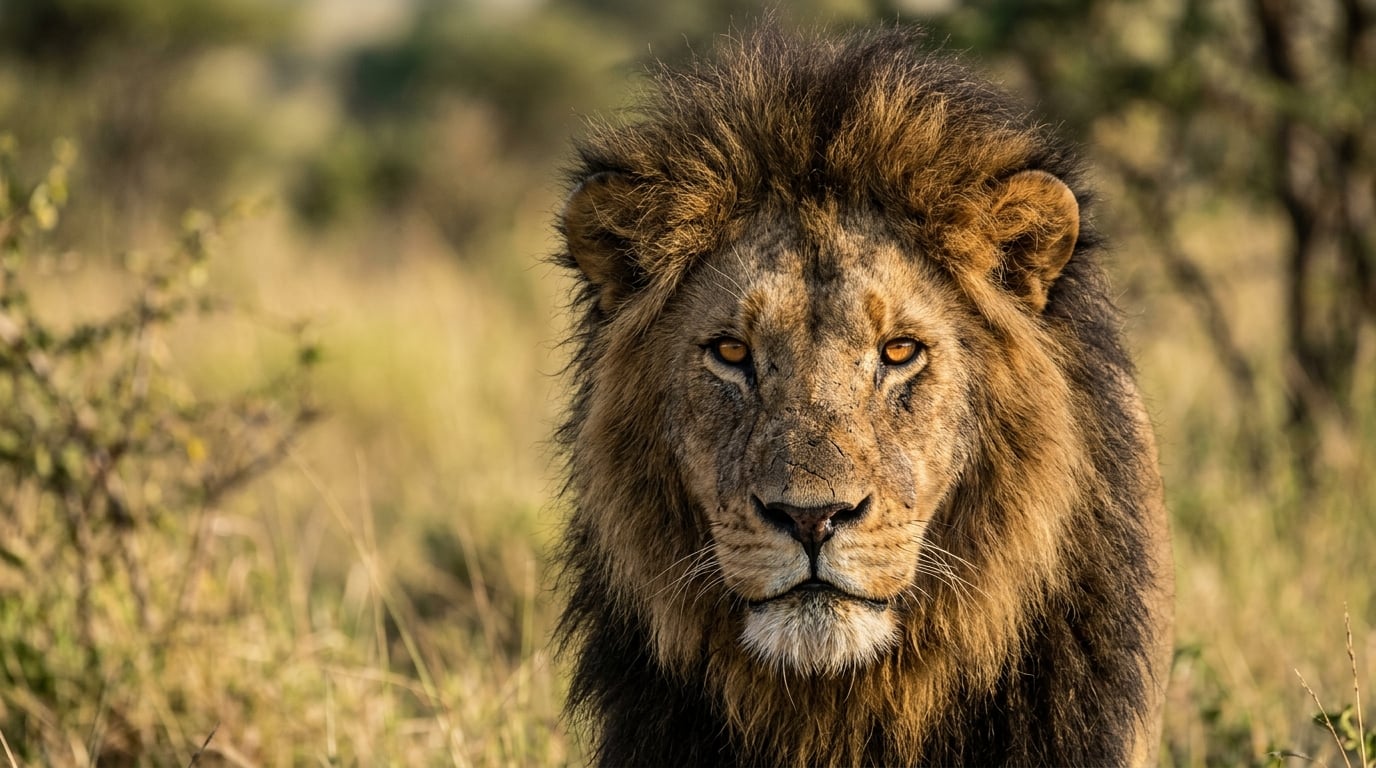
A dominant male surveys his territory — coalitions defend prides for two to four years on average.
How Lions Hunt
Lions are the only truly cooperative hunters among the big cats. The lionesses do most of the hunting, often working as a team to encircle and ambush prey. They favour large herbivores — zebra, wildebeest, buffalo and antelope — and hunt mostly at dawn, dusk and through the night, using the cover of darkness and their excellent night vision.
Despite their power, lions succeed in only around one in four or five hunts. Hunting is exhausting and dangerous, and a kick from a zebra or the horns of a buffalo can be fatal. This is why lions spend up to twenty hours a day resting — conserving energy for the brief, explosive bursts of effort that hunting demands. If you find lions sprawled out and sleepy during the day, you are seeing entirely normal behaviour.
Best Time of Day and Year to See Lions
Time of day: Early morning and late afternoon are best. Lions are most active in the cool hours around dawn and dusk, when they hunt and socialise. During the midday heat they rest in the shade. Morning drives that start at sunrise and afternoon drives that extend into the golden hour and beyond offer the best chances of active lions. Night drives in private reserves add the thrill of seeing lions hunt under spotlight.
Time of year: In South Africa, the dry winter months of May to September are ideal — thinning bush and concentrated water sources make lions easier to find. In the Masai Mara and Serengeti, lion viewing is excellent year-round, but it peaks during the Great Migration months when prey is abundant.
Lion Conservation: A Species Under Pressure
A century ago, around 200,000 lions roamed Africa. Today, fewer than 25,000 remain in the wild. Habitat loss, conflict with livestock farmers, poaching and the decline of prey have all taken their toll, and the lion is now classified as Vulnerable. South Africa's well-managed national parks and private reserves play a vital role in protecting healthy lion populations, and every responsible safari contributes directly to their conservation through park fees, anti-poaching funding and community employment.
Choosing a reputable, conservation-focused safari operator means your trip helps secure a future for wild lions. The Greater Kruger ecosystem and the private reserves of southern and East Africa are among the most important lion strongholds left on earth.
Tips for the Best Lion Sightings
- Stay at least two to three nights in a top lion reserve to maximise your chances.
- Choose a private reserve like Sabi Sands for off-road driving and skilled trackers, which dramatically improves close-up sightings.
- Go on morning and afternoon drives — the cool hours are when lions are active.
- Be patient at sightings. Lions may sleep for hours, but the payoff comes when they wake, interact or move to hunt.
- Bring binoculars and a zoom lens for distant prides and detail.
- Listen at night from your lodge — roaring lions are a magical part of the experience.
- Always follow your guide's instructions and stay inside the vehicle.
Plan Your Lion Safari
Seeing lions in the wild is the defining experience of an African safari — and South Africa offers some of the most reliable, accessible and rewarding lion viewing on the planet. Whether you dream of the famous prides of Sabi Sands, the cat country of central Kruger, or a combined adventure taking in the open plains of East Africa, a well-planned private safari puts you in the right place at the right time, with expert guides who know exactly where the lions are.
Plan Your Lion Safari with Beyond Africa Safaris
We design private, tailor-made safaris built around Africa's greatest big-cat destinations — from the famous prides of Sabi Sands and Kruger to the open plains of the Masai Mara and Serengeti. We handle every detail: expert guides and trackers, handpicked lodges, flawless logistics and unforgettable lion encounters in the heart of the African wilderness.
Contact us to start planning your lion safari today.