📅 Key Takeaways — Best Time for KwaZulu-Natal
- Dry Season (May–Sep): Best overall — excellent game viewing in Hluhluwe, clear Drakensberg hiking weather, comfortable coast temperatures. Peak months are June–August.
- Green Season (Nov–Mar): Lush landscapes, baby animals, wildflowers, turtle nesting. Afternoon thunderstorms common, but mornings are clear.
- Shoulder Seasons (Apr & Oct): Ideal for avoiding crowds while still enjoying good weather — warm days, fewer tourists, moderate prices.
- Winter (Jun–Aug): Coolest and driest — best for Big Five safaris. Drakensberg can get snow on peaks; pack warm layers.
- Summer (Dec–Feb): Hot and humid, especially on the coast. Best for beach holidays, snorkelling & birdwatching. Game viewing is still good but vegetation is thick.
Why Timing Matters in KwaZulu-Natal
KwaZulu-Natal's climate varies significantly across its three main regions — the lowveld bushveld (Hluhluwe, Phinda), the highland Drakensberg mountains, and the subtropical Indian Ocean coast (iSimangaliso). Each region has its own microclimate, and the best time to visit depends on whether you're prioritising safari game viewing, mountain hiking, or beach relaxation.
The province experiences two main seasons: a dry winter (May to September) with mild days and cool nights, and a wet summer (November to March) with afternoon thunderstorms and lush green landscapes. Understanding these seasons helps you plan the perfect trip, whether you want guaranteed Big Five sightings, snow-dusted Drakensberg peaks, or turtle nesting on the coast.
Dry Season (May to September): Best for Big Five Safaris
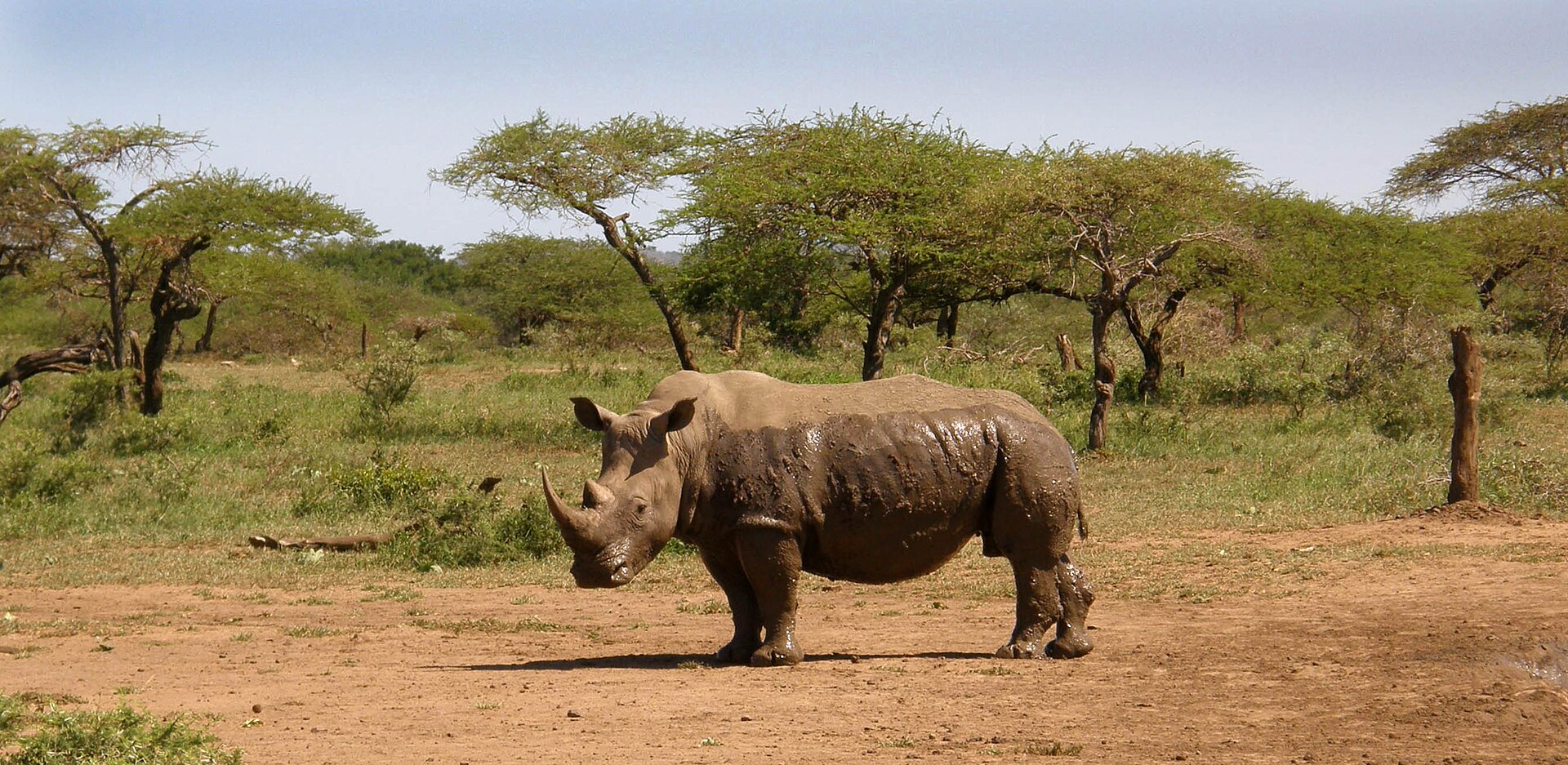
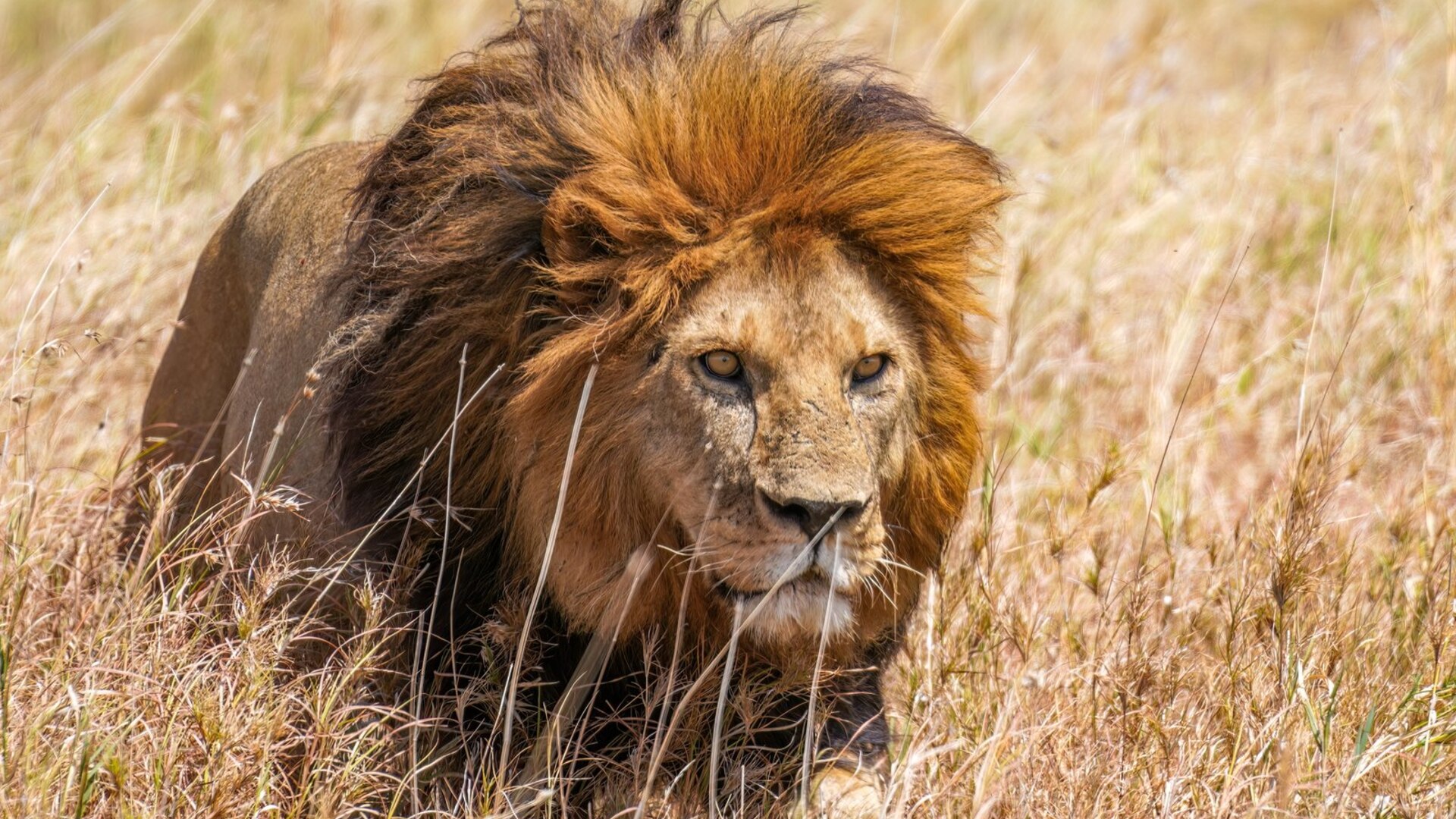
The dry season, particularly June to August, is peak safari time in KwaZulu-Natal. With little to no rain, vegetation thins out, and animals congregate around permanent water sources, making Big Five sightings more reliable. Hluhluwe-iMfolozi and &Beyond Phinda deliver their best game viewing during these months — white rhino herds at waterholes, elephant feeding on exposed roots, and lion prides resting in the open.
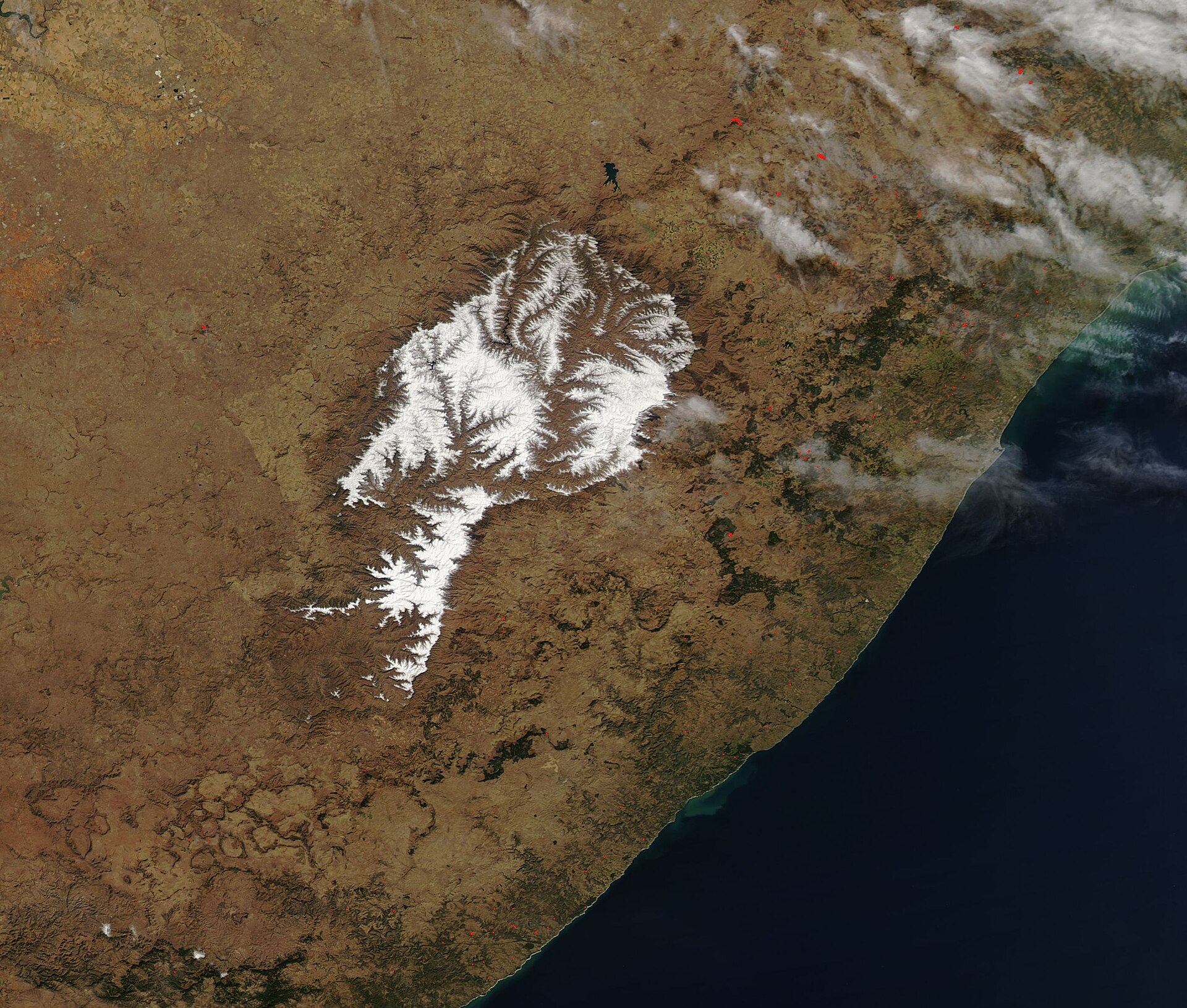
Days are mild (18–24°C) and sunny, while nights can be cool, especially in the Drakensberg where temperatures drop to freezing. This is also the best time for Drakensberg hiking: clear skies, crisp air, and the chance to see snow on the high peaks (Cathedral Peak, Champagne Castle). The coast is comfortable, with warm sea temperatures and minimal humidity — perfect for beach walks and snorkelling.
Peak season means higher lodge rates and busier game drives, especially during South African school holidays (late June to mid-July). Book well in advance if travelling in winter. For a balance of good weather and fewer crowds, consider May or September — shoulder months with excellent conditions and better availability.
Green Season (November to March): Lush Landscapes & Baby Animals
Summer in KwaZulu-Natal transforms the landscape. November rains turn the bushveld lush and green, wildflowers carpet the Drakensberg foothills, and migratory birds return in vast numbers. This is the season of new life — impala lambs, nyala calves, and elephant babies fill the reserves, and predator activity increases as lions and leopards hunt the abundant young prey.
Game viewing is still excellent, though thick vegetation can make animals harder to spot. Mornings are typically clear and perfect for safari drives, while afternoons bring dramatic thunderstorms that roll in over the mountains. The coast is hot (28–32°C) and humid — ideal for swimming, snorkelling and turtle nesting experiences (loggerhead and leatherback turtles nest from November to February on iSimangaliso's beaches).
Summer is low season for safaris, meaning lower lodge rates and fewer tourists. If you don't mind afternoon rain and thicker bush, this is a budget-friendly time to visit with a bonus: incredible photographic light as storm clouds build over the Drakensberg escarpment.
| Season | Months | Pros | Cons |
|---|---|---|---|
| Dry / Winter | May – Sep | Best game viewing, clear skies, low humidity | Higher prices, busier lodges, cool nights |
| Green / Summer | Nov – Mar | Lower rates, lush scenery, baby animals, turtle nesting | Afternoon storms, thicker vegetation, hot & humid |
| Shoulder | Apr, Oct | Great weather, fewer crowds, moderate prices | Shorter daylight in April |
Month-by-Month Guide to KwaZulu-Natal Weather
April–May (Autumn): Warm days (22–26°C), minimal rain. Perfect for hiking and game drives. Drakensberg foliage turns golden.
June–August (Winter): Cool and dry (18–24°C days, 5–10°C nights). Best Big Five season. Drakensberg peaks may have snow. Pack warm layers.
September–October (Spring): Warming up (24–28°C), wildflowers bloom. Excellent safari weather with fewer tourists than peak winter.
November–March (Summer): Hot (28–32°C), afternoon thunderstorms. Lush greenery, baby animals, turtle nesting. Coast is humid; bushveld is vibrant.