Key Takeaways — Teen Safari in 60 Seconds
- ◆Teens want action, not observation: Walking safaris (age 12+/16+), mokoro canoeing, wildlife photography workshops, conservation projects and adrenaline activities — the right safari turns a reluctant teen into an Africa convert for life.
- ◆Age minimums matter: Walking safaris from 12 (some reserves 16), gorilla trekking 15+ (Rwanda & Uganda), hot-air balloons typically 7+, microlight flights 16+ — plan around your teen's exact age.
- ◆Top destinations for teens: Kruger walking trails, Okavango Delta mokoro, Masai Mara / Serengeti migration drama, Rwanda gorilla trekking (older teens), South Luangwa walking, Namibia dunes & quad biking.
- ◆Conservation gives purpose: Predator tracking, rhino monitoring, turtle tagging, community school visits — hands-on projects that make your teen a participant, not a spectator.
- ◆Involve them in planning: Let your teenager choose destinations, set photography goals, pick activities — ownership of the itinerary is the single best cure for teen reluctance.
Why Teenagers Need a Different Safari
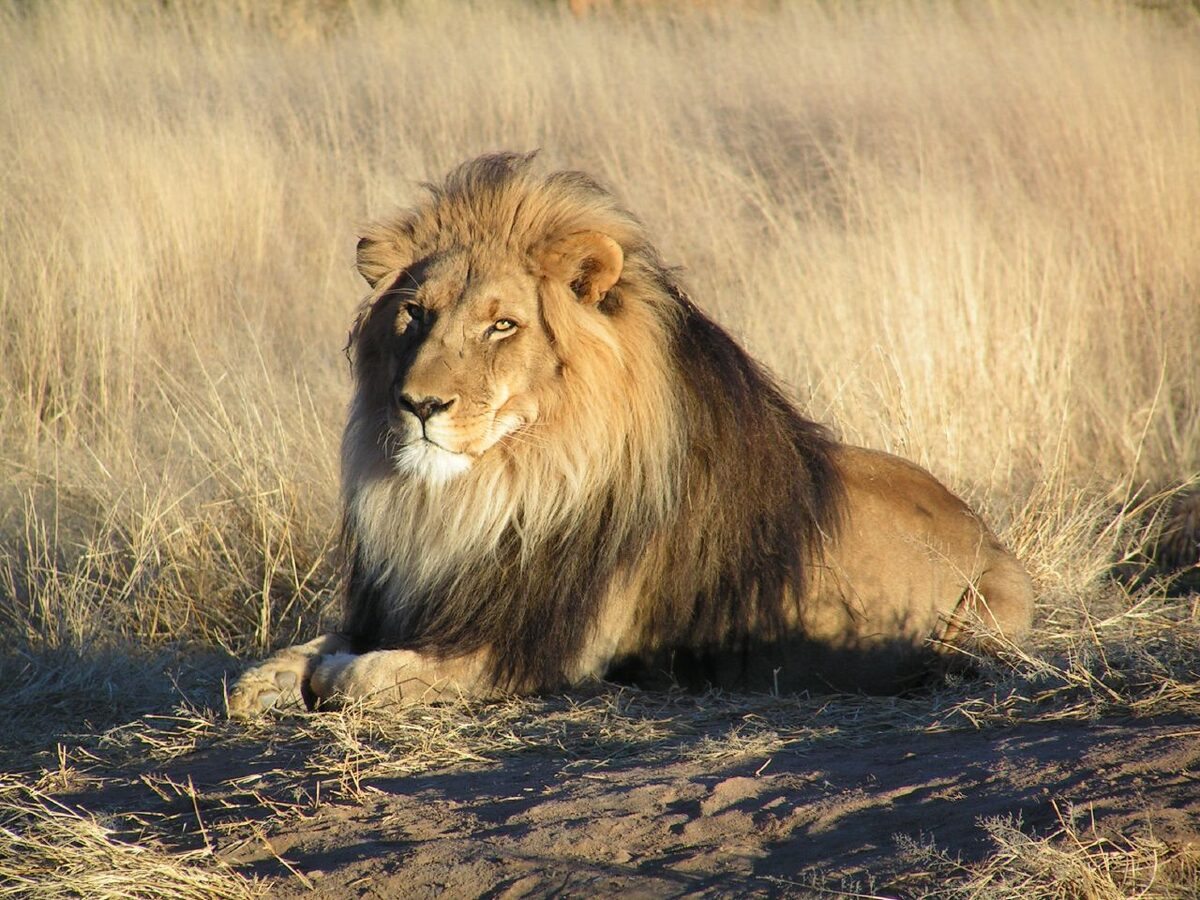
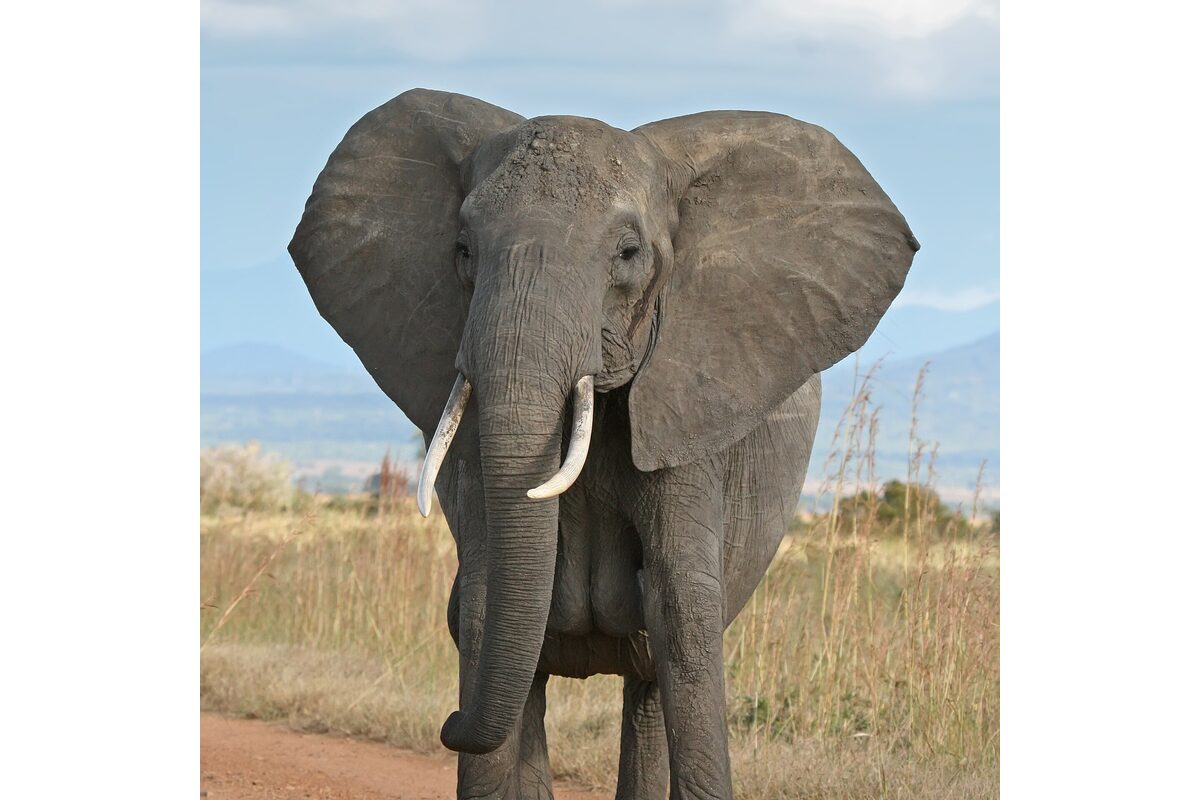
Here is the honest truth that most safari operators will not tell you: the family-safari formula that works for a six-year-old does not work for a sixteen-year-old. A young child is enchanted by the mere sight of an elephant. A teenager has seen a thousand elephants on screens — they need context, agency and a reason to care. They need to understand why that elephant matters, what threatens it, and what they can do about it. They need to walk through the bush on their own feet, feel the weight of real danger, and earn the sighting rather than having it delivered through a vehicle window.
The safari industry has been slow to recognise this. Most "family safari" marketing is built around toddler-proofing: child-minding services, early dinners, shallow pools, short game drives. There is nothing wrong with that for the under-tens. But a thirteen-year-old who is told to sit quietly in the back of a Land Cruiser for three hours will check out mentally within twenty minutes — and a seventeen-year-old will resent you for dragging them away from their friends for a holiday that feels like it was designed for someone half their age.
The solution is not to avoid safari. The solution is to build a fundamentally different kind of safari — one that treats your teenager as a young adult capable of walking through Big Five territory, paddling a canoe through hippo water, tracking predators on foot, contributing to real conservation research, and engaging with a continent that will challenge every assumption they hold about the world. That is the safari this guide is built to help you plan.
Walking Safaris: Africa on Foot (Age 12+ / 16+)
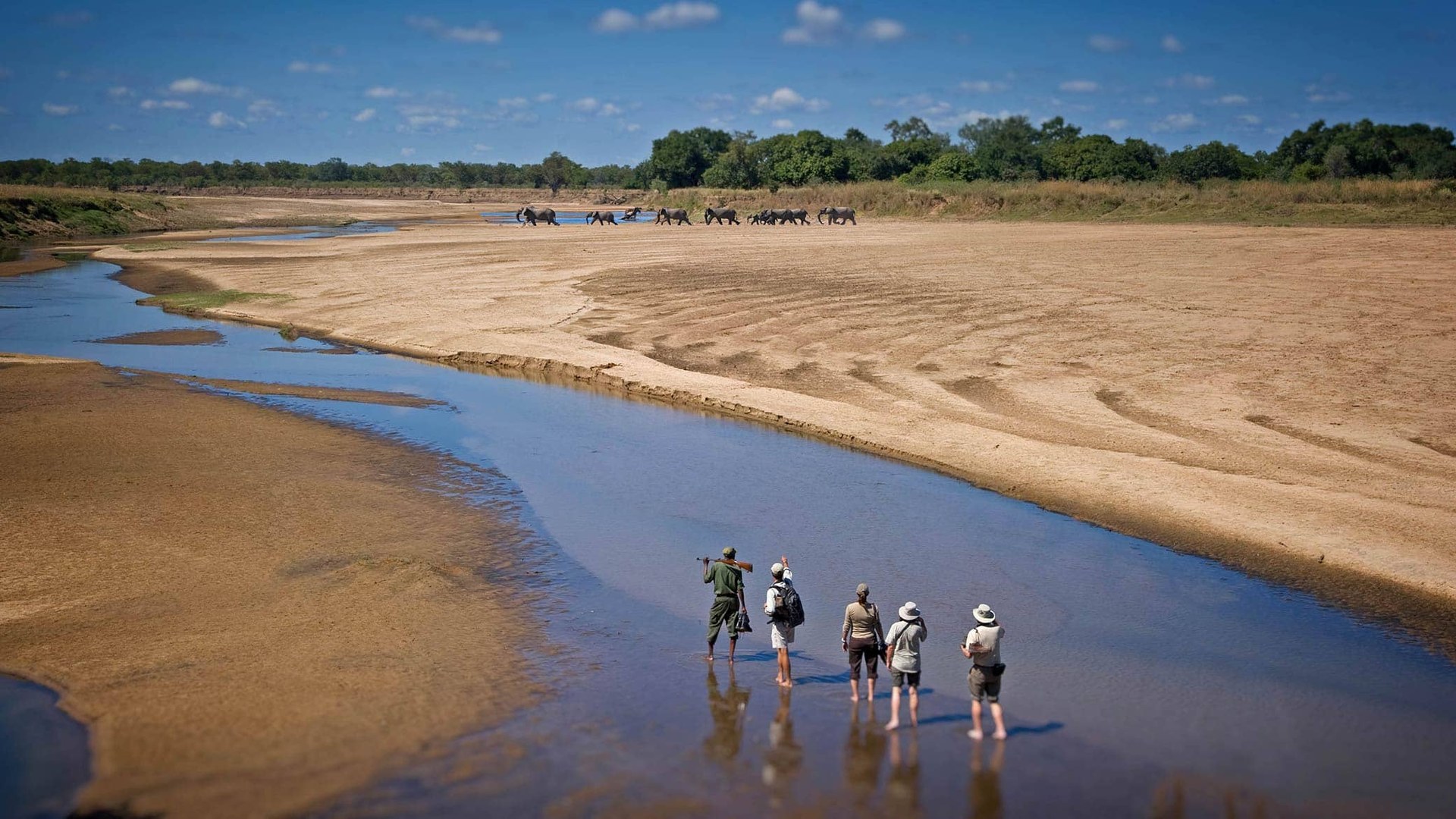
If there is a single activity that transforms a teen safari from good to life-changing, it is walking. A walking safari strips away the metal shell of the vehicle and puts your teenager on the ground, at eye level with the bush, breathing the same air as the animals. Every sense sharpens. Every rustle matters. The armed ranger ahead is not a prop — they are the reason you are safe, and your teenager will understand that within the first five minutes.
The physical engagement is what makes walking safaris so effective for teens. They are not sitting. They are moving, reading tracks in the dust, learning to identify dung (which teenagers find endlessly entertaining), listening to birdsong for alarm calls that betray a hidden predator, and experiencing the primal awareness that comes from being a soft, slow, relatively defenceless human in a landscape shared with lions, leopards, elephants and buffalo. It is, without exaggeration, the most educational and emotionally powerful activity you can give a teenager in Africa.
Where to Walk: The Best Walking Safari Destinations for Teens
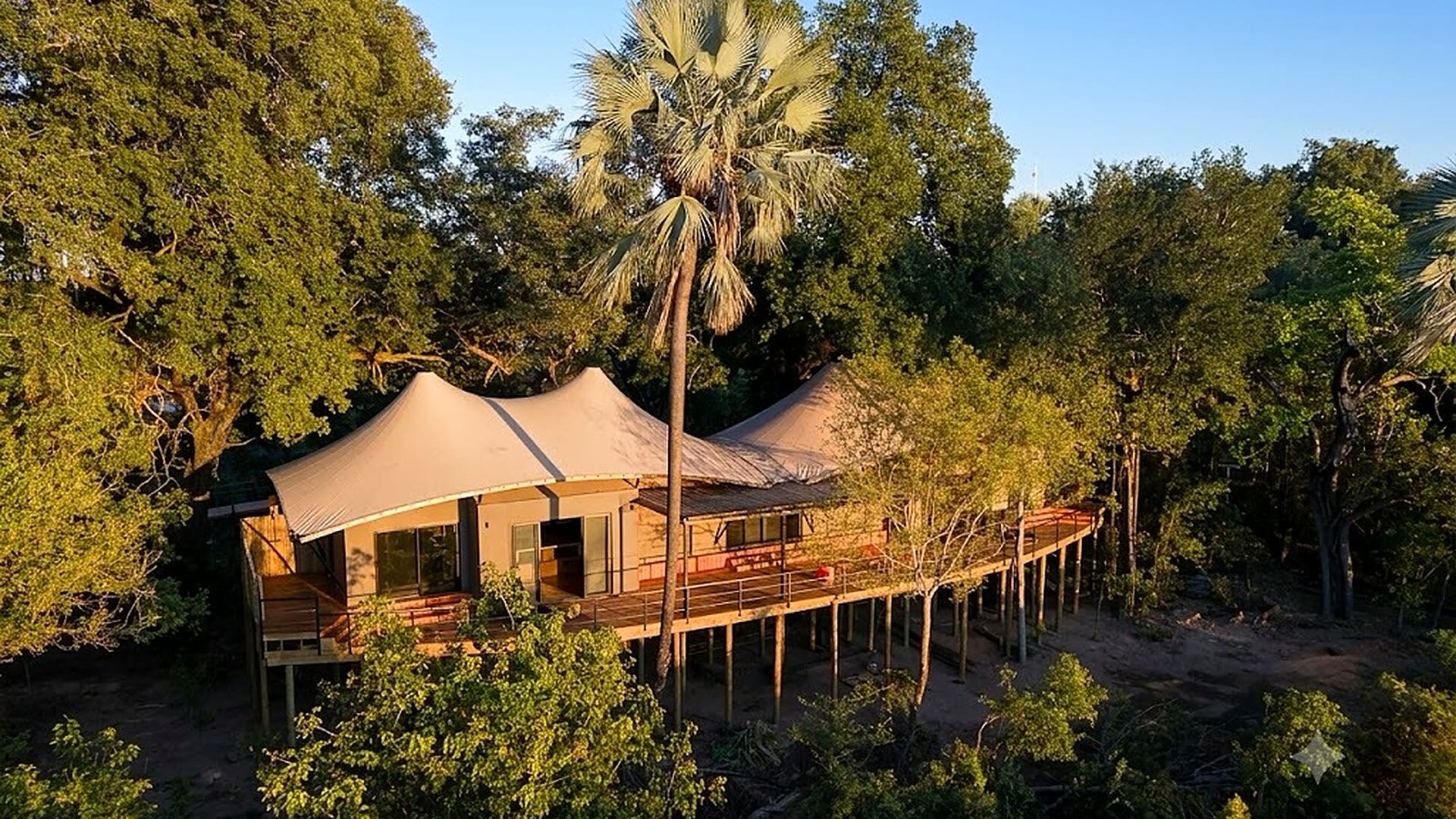
South Africa — Greater Kruger & Kruger Wilderness Trails: The Greater Kruger ecosystem offers the widest range of walking options in Africa. Private concessions like the Sabi Sands, Timbavati, Klaserie and Manyeleti all offer guided bush walks — some lodges accept walkers from age 12 with parental consent, while others set the minimum at 16 for full walking safaris in Big Five areas. Kruger's official wilderness trails (Wolhuter, Olifants, Metsi-Metsi, Sweni) are multi-day walking experiences that require participants to be at least 12 years old and physically fit enough for several hours of walking per day in the heat. These trails are rustic, remote and utterly transformative — three nights of walking, sleeping in basic trail camps, and understanding the bush at a pace that no vehicle can match.
Zambia — South Luangwa & Lower Zambezi: South Luangwa invented the modern walking safari, and it remains one of the finest places on earth to walk with wildlife. Most operators accept walkers from 12 to 16 depending on the specific camp and trail intensity. The Lower Zambezi offers walking combined with canoeing — a superb combination for active teenagers who thrive on variety. Robin Pope Safaris, Remote Africa Safaris and Norman Carr Safaris are among the pioneers who run multi-day walking trails in the Luangwa that will push a fit teenager just enough to make them proud of what they have accomplished.
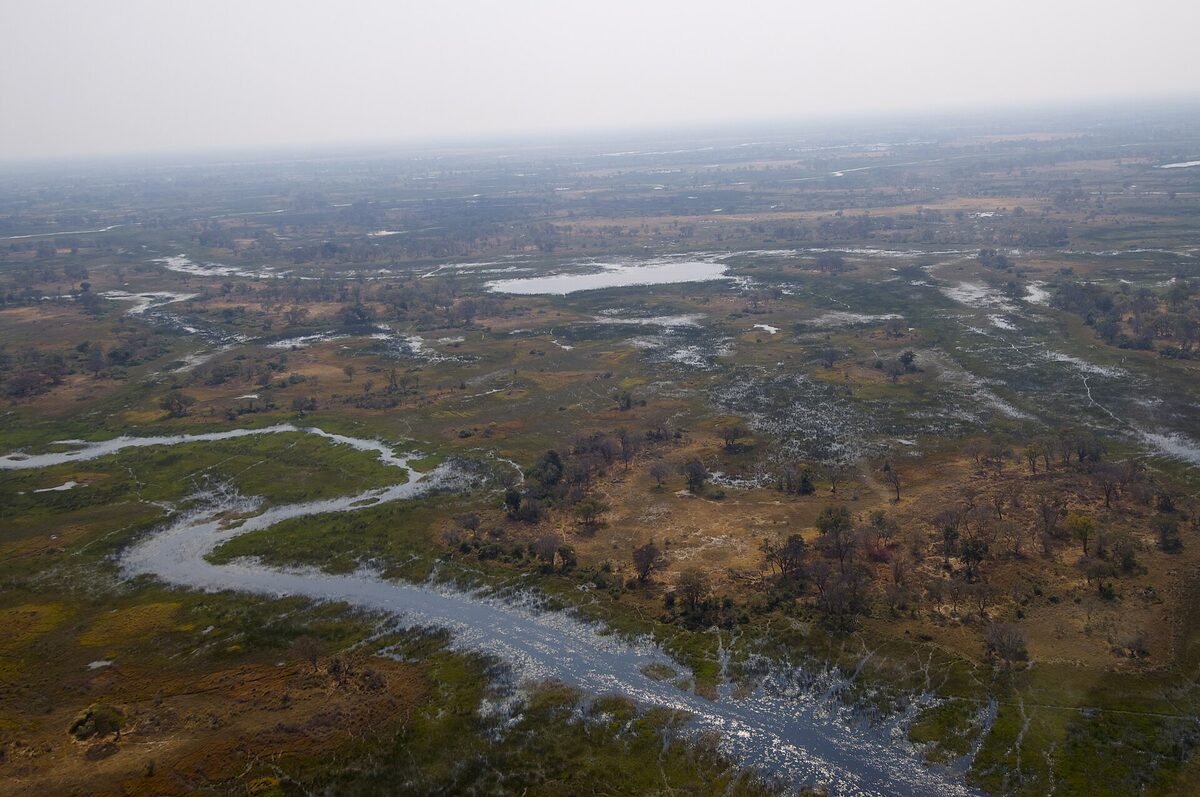
Botswana — Okavango Delta & Moremi: Several Okavango camps offer guided bush walks from age 12, typically shorter morning walks through the floodplain and island margins. The walking here is different from the Kruger or Luangwa — you walk through a landscape of water, papyrus and palm islands, with the possibility of encountering elephants, buffalo, hippos and the occasional lion on the dry ground between channels. The combination of a morning walk and an afternoon mokoro excursion is, for many teenagers, the perfect safari day.
Age Minimums: What You Need to Know
| Destination / Reserve | Min. Age (Walking) | Notes |
|---|---|---|
| Greater Kruger private concessions | 12–16 | Varies by lodge; some accept 12 with parental consent, others require 16 for Big Five walks |
| Kruger Wilderness Trails (SANParks) | 12 | Multi-day trails; must be fit for 3–4 hours of walking per day in heat |
| South Luangwa, Zambia | 12–16 | Norman Carr & Robin Pope pioneered walking safaris; intensity varies by operator |
| Lower Zambezi, Zambia | 12–16 | Walking + canoeing combos; Chiawa, Old Mondoro, Chongwe |
| Okavango Delta, Botswana | 12 | Shorter island walks; combined with mokoro canoeing |
| Masai Mara conservancies, Kenya | 12–16 | Walking allowed only in private conservancies, not the national reserve |
| Hwange & Mana Pools, Zimbabwe | 12–16 | Mana Pools is legendary for walking; requires fitness and maturity |
Mokoro Canoeing & Water Adventures
If walking safaris are the most transformative activity for teenagers, water-based safaris are the most fun. There is something about being on the water — low to the surface, moving silently, surrounded by hippo grunts and kingfisher flashes — that bypasses every teenage defence mechanism. Even the most screen-addicted, eye-rolling fifteen-year-old will be fully present when a four-tonne hippo surfaces three metres from their mokoro.
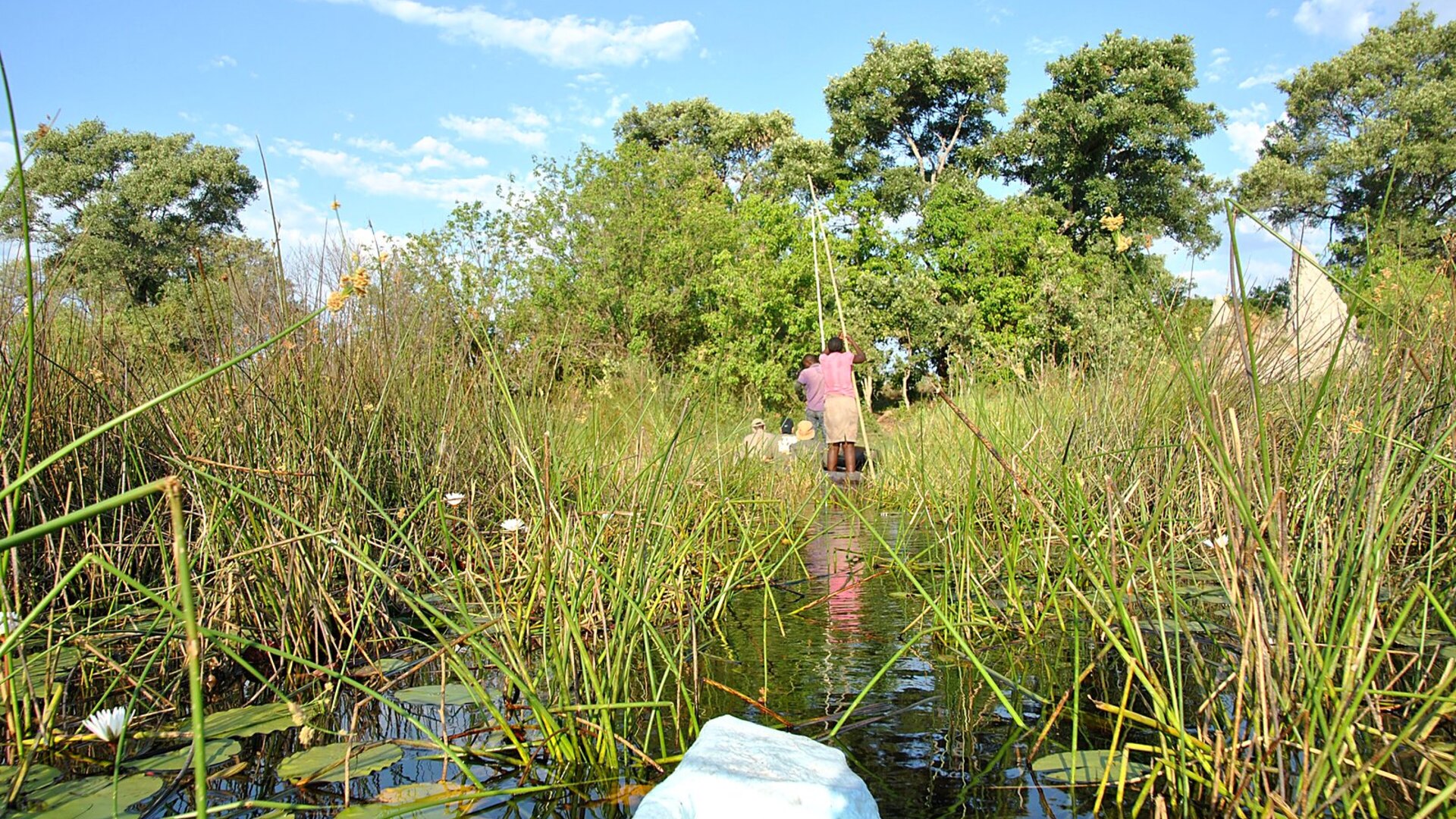
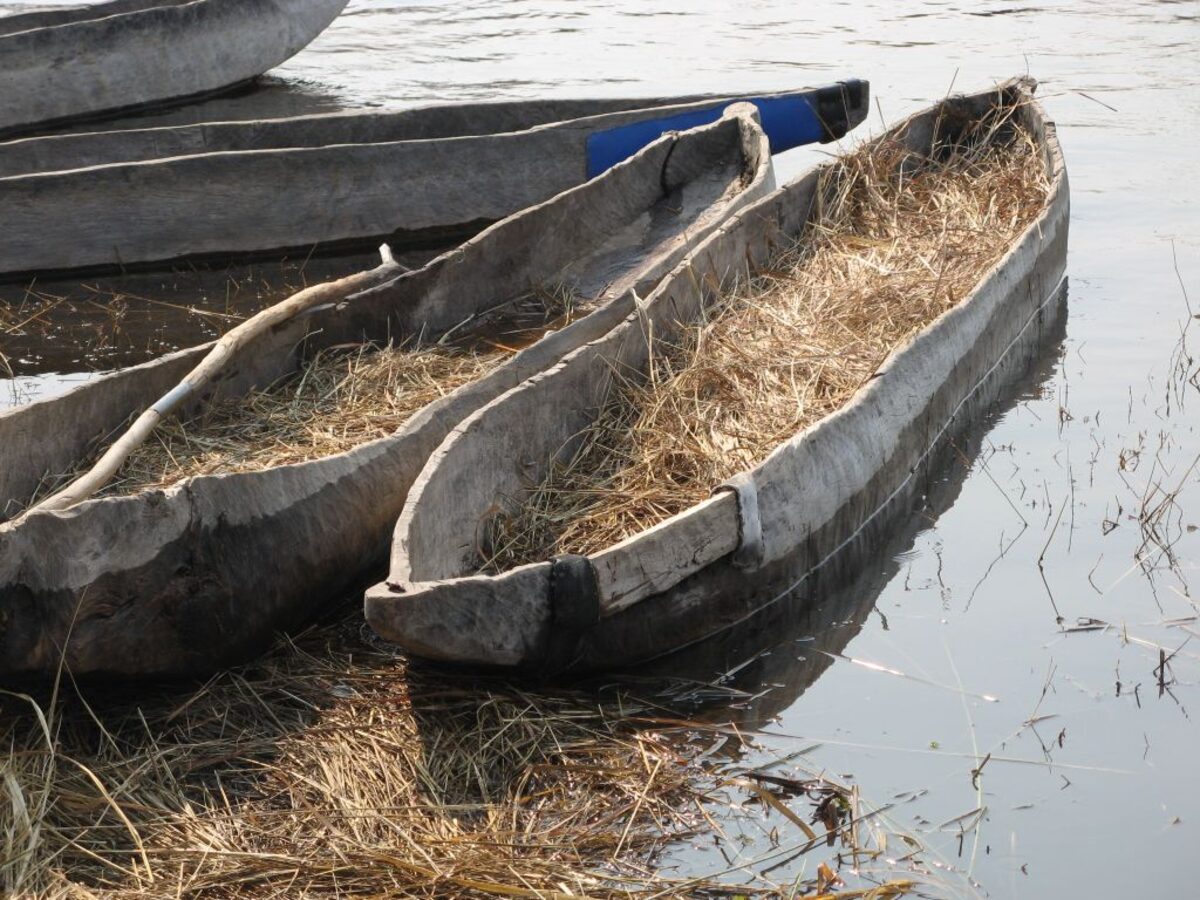
The mokoro — the traditional dugout canoe of the Okavango Delta — is the signature water experience for teen safaris. Propelled by a standing poler (your guide), the mokoro glides through crystal channels barely wider than the canoe itself, between walls of papyrus and beds of water lilies, past elephants drinking on the bank and crocodiles sliding off sand bars. Your teenager sits at the front, eye level with the water, camera in hand, and for once in their life they are not looking at a screen — they are inside the screen, living the kind of moment that Instagram was invented to approximate.
Other Water Adventures for Teens
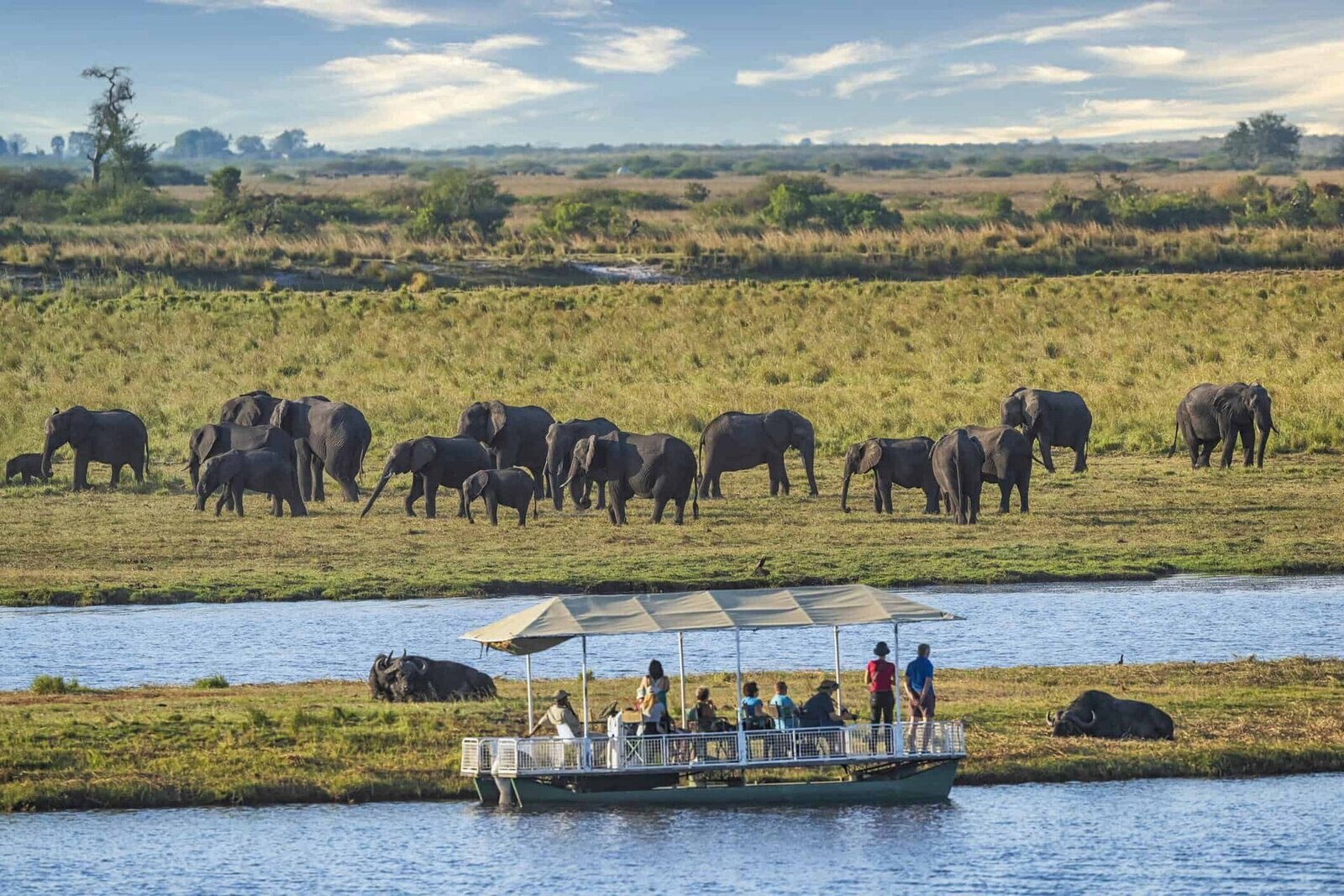
Zambezi Canoeing (Zambia/Zimbabwe): Multi-day canoe safaris on the Lower Zambezi put teenagers on a river shared with hippos, crocodiles and elephants — typically from age 12 with a parent, though some operators require 16 for the full multi-day descent. The combination of paddling, camping on river islands, and walking on the banks between paddles is superb for active teens.
Snorkelling & Marine Safaris (Mozambique, Zanzibar, South Africa): For water-confident teenagers, add a beach extension with snorkelling or diving. Mozambique's Bazaruto Archipelago and Tofo Beach offer whale-shark and manta-ray snorkelling; Zanzibar's Mnemba Atoll is a marine reserve with pristine coral; and South Africa's Sardine Run (June–July) is the most extreme marine wildlife event on earth — dolphins, sharks, whales and gannets in a single bait-ball spectacle that will leave any teenager speechless.
White-Water Rafting (Victoria Falls): The Zambezi below Victoria Falls offers Grade 3–5 rapids that are among the best commercially rafted white water on the planet. Most operators accept rafters from age 15 (some from 12 on lower-grade sections). It is the ultimate adrenaline add-on for a teen safari, and pairs perfectly with a bungee jump off the Victoria Falls Bridge (minimum age varies, typically 14–16 with parental consent).
Gorilla Trekking for Older Teens (15+)
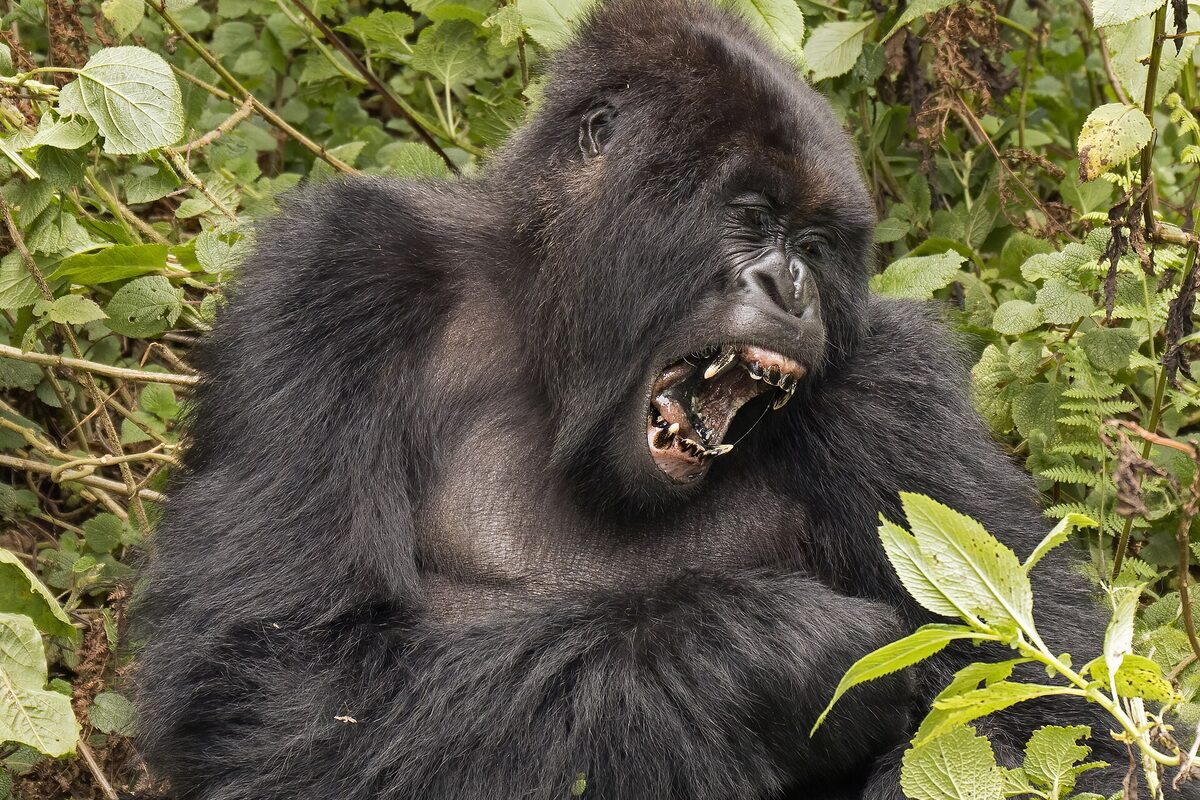
If your teenager is fifteen or older, gorilla trekking in Rwanda or Uganda is not optional — it is compulsory. There is no wildlife encounter on earth that compares to sitting in a misty bamboo forest seven metres from a four-hundred-pound silverback mountain gorilla who looks directly into your eyes with an intelligence that is unmistakably, disturbingly close to your own. Adults weep. Hardened guides weep. And a teenager — who has spent their entire life being told that the natural world is under threat, that species are disappearing, that the planet is in trouble — will sit in that forest and understand, viscerally, why conservation matters. Not because a textbook told them. Because a silverback told them.
Rwanda — Volcanoes National Park: The more expensive option (USD 1,500 per permit) but the more accessible: Kigali is a one-hour drive from the park, the gorilla families are relatively close to the trailheads, and the country's infrastructure is excellent. Treks typically last two to six hours depending on the family's location. Rwanda pairs beautifully with a Serengeti migration safari via a direct Kigali-to-Kilimanjaro or Kigali-to-Arusha flight.
Uganda — Bwindi Impenetrable Forest: The more adventurous option (USD 800 per permit) with longer, steeper treks through genuinely impenetrable forest. Bwindi is remote — a full day's drive from Entebbe or a charter flight — but the experience is raw and wild in a way that appeals to older, fitter teenagers who want the harder path. Uganda also offers chimpanzee trekking in Kibale Forest (no age minimum, but 12+ recommended), which pairs well for a primate-focused itinerary.
Conservation Projects & Citizen Science
The generation that grew up with climate anxiety does not want to observe Africa — they want to help it. And the best teen safaris harness that impulse by building genuine conservation work into the itinerary. This is not voluntourism theatre. These are real projects with real outcomes, run by lodges and organisations that use guest participation as both a funding mechanism and an education platform.
Predator Tracking & Wildlife Monitoring
Several lodges in the Greater Kruger, Laikipia (Kenya) and the Okavango Delta involve guests in daily predator-monitoring activities: tracking collared lions and wild dogs via telemetry, recording GPS positions, identifying individuals by whisker-spot patterns, and entering data into research databases. For a teenager who loves technology and animals, spending a morning helping a conservation researcher track a wild dog pack by radio signal — then watching those dogs make a kill at sunset — is worth a hundred classroom lessons about ecology.
Turtle Tagging & Marine Conservation
Mozambique's coastline hosts nesting loggerhead and leatherback turtles from October to March. Several community-based projects welcome teenage volunteers to assist with nest monitoring, hatchling releases and turtle tagging under the supervision of marine biologists. Combine this with reef snorkelling and whale-shark encounters for a marine-conservation extension that gives your teenager a fundamentally different perspective on Africa — one that goes beyond the savanna and into the ocean.
Community & Cultural Projects
The best teen safaris include meaningful cultural engagement — not the awkward "visit a village" experiences that benefit no one, but genuine interactions: helping build a classroom at a rural school, spending an afternoon at a community-run craft cooperative, learning to track from San Bushmen in the Kalahari (a masterclass in indigenous knowledge that no university can replicate), or cooking with local families. Lodges like Singita, andBeyond and Wilderness Safaris run community programmes that are designed for exactly this kind of purposeful engagement.
Rhino Monitoring & Anti-Poaching Awareness
For older teenagers with a serious interest in conservation, several reserves offer behind-the-scenes access to their anti-poaching and rhino-monitoring operations. This is not a tourist activity — it is an education in the reality of wildlife protection: the technology (drones, thermal cameras, GPS collars), the cost (some reserves spend over USD 1,000 per day on anti-poaching), and the human stories of the rangers who risk their lives to protect a species. It is sobering, powerful and exactly the kind of real-world exposure that schools cannot provide.
Adrenaline Activities: Beyond the Game Drive
Teenagers run on adrenaline, and the best safari itineraries feed that hunger with activities that are safe but genuinely thrilling. Here is what is available across the continent:
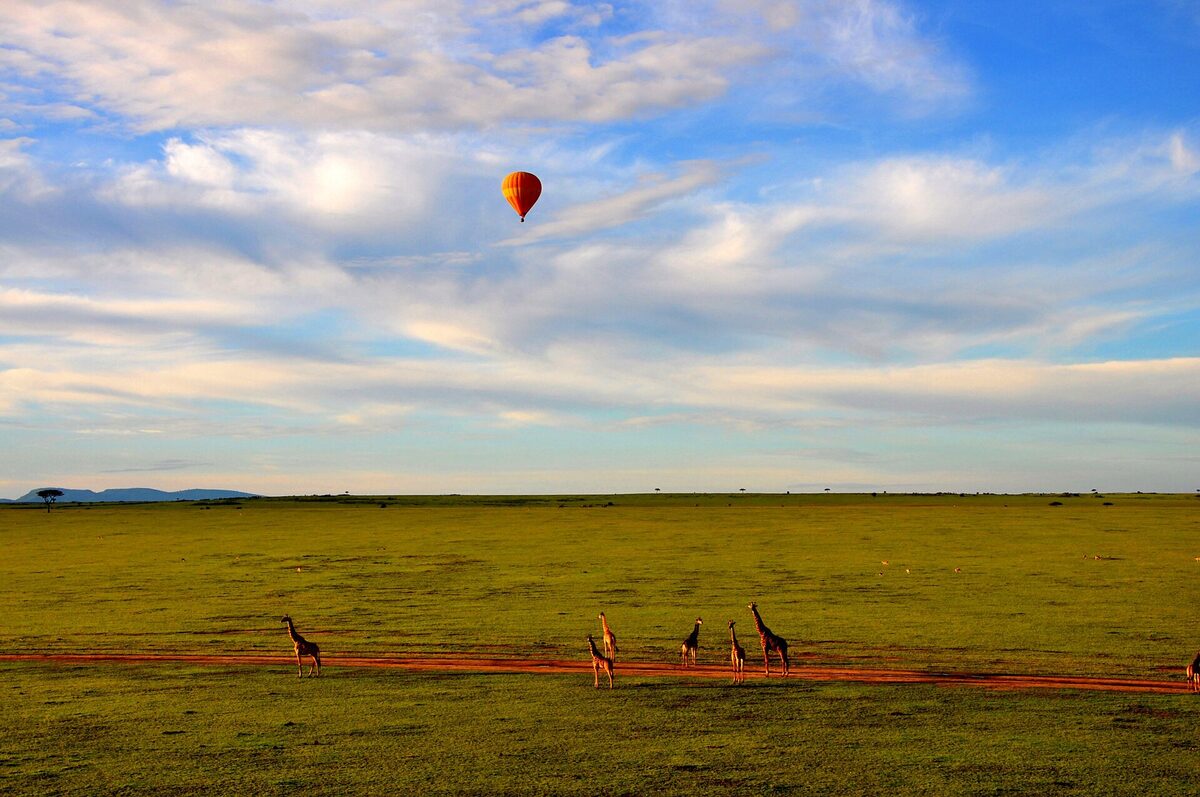
Hot-Air Balloon Safaris (Masai Mara, Serengeti, Pilanesberg): Lifting off at dawn over the Mara or Serengeti — watching herds of wildebeest and zebra from a thousand feet, seeing the scale of the migration from the air, landing for a champagne breakfast in the bush — is one of the most spectacular experiences in global tourism. Most operators accept passengers from age 7, but the experience is most impactful for teenagers who can appreciate the perspective. Budget USD 400–550 per person.
Microlight Flights (Victoria Falls, Livingstone): An open-cockpit microlight flight over Victoria Falls is a controlled rush of adrenaline that combines the thrill of flying with one of the natural wonders of the world. Minimum age is typically 16, and flights last 15–30 minutes. For a teenager who has just watched the Falls from the ground, seeing them from above is the exclamation point on the experience.
Quad Biking & Mountain Biking: Several lodges in Namibia (Sossusvlei, Damaraland), South Africa (Madikwe, some Waterberg reserves) and Kenya (Laikipia) offer quad-biking or mountain-biking excursions through the bush. These are guided, safe and spectacularly scenic — and they appeal directly to the teenage need for speed and physical engagement. Mountain biking through a reserve where you might encounter giraffe or zebra on the trail is a story worth telling.
Bungee Jumping & Zip-Lining (Victoria Falls): The 111-metre bungee jump off the Victoria Falls Bridge is one of the highest commercial bungee jumps in the world. The gorge swing, zip line and bridge slide at the same location offer alternatives for teens who want the rush without the full plunge. Age minimums vary by operator (typically 14–16 with parental consent). Pair it with white-water rafting for a full adrenaline day before or after your safari.
Wildlife Photography: A Purpose for Every Game Drive
Hand a teenager a camera — or better, let them use a proper telephoto lens on a game drive — and watch the transformation. Photography gives teens a reason to pay attention, a creative framework for every sighting, and a tangible product they can share (which matters enormously to a generation raised on visual media). Several lodges and specialist operators now offer dedicated wildlife photography workshops and safaris tailored to younger guests.
What works: A pre-trip photography brief with a species checklist (photograph the Big Five, a bird in flight, a predator kill, a sunset silhouette) turns every game drive into a mission. Lodges with photographic hides — where your teenager can sit at eye level with a waterhole and wait for elephants, buffalo or leopards to appear — are gold. Pangolin Photo Safaris in Botswana, Wild Eye in South Africa, and andBeyond's photography-focused departures all cater to keen young shooters. Even a smartphone in the right hands, with a clip-on telephoto attachment and some basic composition guidance from the guide, produces results that make teenagers genuinely proud.
The Screen-Free Safari: Digital Detox That Actually Works
Every parent of a teenager fantasises about getting their child off screens. A safari delivers it — not through confiscation (which breeds resentment) but through replacement. When a fifteen-year-old is tracking a leopard on foot with an armed ranger, or paddling through hippo water in a mokoro, or sitting seven metres from a silverback gorilla in a misty forest, there is no screen in the world that can compete. The bush wins. It always wins.
The trick is to lean into the replacement rather than fighting the addiction. Let them bring their phone — but challenge them to use it as a camera, not a social-media device. Most remote safari camps have limited or no Wi-Fi (and some lodges deliberately disable it in guest rooms), so the detox happens organically. By day three, most teenagers stop asking for the password. By day five, they stop thinking about it. By the end of the trip, you will catch them sitting on the deck at sunset, watching the bush instead of a screen, and you will know the investment was worth every cent.
Involve Your Teenager in the Planning
This is the single most important piece of advice in this entire guide, and it costs nothing: involve your teenager in planning the safari from day one. Show them the destinations, let them compare lodges, give them veto power over activities, and let them feel ownership of the itinerary. A teenager who chose to go gorilla trekking in Rwanda arrives at Volcanoes National Park with an entirely different level of investment than one who was told they were going. A teenager who picked the Okavango Delta because they read about mokoro canoeing will paddle that mokoro with a focus and enthusiasm that surprises everyone — including themselves.
Practical ways to involve teens in planning:
- Destination shortlist: Give them three or four options with photos and activity lists. Let them rank them.
- Activity budget: Allocate a portion of the trip budget to optional activities (balloon, bungee, photography workshop) and let your teenager decide how to spend it.
- Photography brief: Set a challenge — photograph the Big Five, capture a kill, get a bird-in-flight shot — with a prize for the best image of the trip.
- Research project: Ask them to research one animal, ecosystem or conservation issue before the trip. They present their findings to the family at dinner on safari.
- Journal or blog: Challenge them to keep a daily journal or photo blog of the trip. Some teens who would never write for school will write three pages a night about the leopard they saw at sunset.
Best Destinations for Teens at a Glance
| Destination | Star Activities for Teens | Best Ages | Best Season |
|---|---|---|---|
| Greater Kruger, South Africa | Walking safaris, Big Five game drives, photography hides, bush skills | 12+ | Jun–Oct |
| Okavango Delta, Botswana | Mokoro canoeing, walking, boat safaris, star beds | 12+ | Jun–Oct |
| Masai Mara, Kenya | Migration drama, walking in conservancies, balloon safari, cultural visits | 12+ (walking), 7+ (balloon) | Jul–Oct |
| Serengeti, Tanzania | Great Migration, balloon safari, walking in controlled areas, photography | All ages (game drive), 12+ (walking) | Jun–Oct (dry), Jan–Mar (calving) |
| Rwanda — Volcanoes NP | Gorilla trekking, golden monkey tracking, volcano hiking | 15+ (gorillas) | Jun–Sep, Dec–Feb |
| South Luangwa, Zambia | Walking safaris (birthplace of walking), night drives, photography | 12–16+ (walking) | Jun–Oct |
| Victoria Falls, Zambia/Zimbabwe | White-water rafting, bungee, microlight, zip line, Falls walk | 14–16+ (adrenaline activities) | Jul–Dec (rafting), Year-round (Falls) |
| Namibia — Sossusvlei & Damaraland | Dune climbing, quad biking, desert-adapted wildlife tracking, stargazing | All ages | May–Oct |
Best Teen-Friendly Lodges & Sample Itineraries
Lodges with Dedicated Teen Programmes
The following lodges and operators have invested specifically in programming for teenagers — not the generic "kids' club" that entertains toddlers, but structured activities that respect the intelligence, energy and independence of the 13–19 age bracket:
- Singita (Sabi Sands, Grumeti, Volcanoes NP): Community and conservation immersion, bush skills, culinary workshops, photography with professional guides. Minimum age 10 at most properties, 16 for walking safaris.
- andBeyond (multiple destinations): WILDchild programme (ages 3–17) with age-appropriate activities: teens get GPS-based tracking challenges, camera-trap projects, junior ranger certifications and conservation discussions. Properties across South Africa, Botswana, Kenya, Tanzania.
- Wilderness Safaris (Botswana, Namibia, Zimbabwe, Zambia, Rwanda): Nature-focused teen itineraries incorporating walking, mokoro, community visits and conservation briefings. DumaTau, Vumbura Plains and Mombo are standouts for teenage guests who want premium guiding.
- Great Plains Conservation (Botswana, Kenya): Duba Explorers Camp and ol Donyo Lodge both welcome families with teenagers and offer walking, riding, photography and conservation-focused activities.
- Robin Pope Safaris (South Luangwa, Zambia): Multi-day walking safaris that are perfect for fit teenagers 16+. Nkwali Camp accepts families with children 12+ and offers bush walks, night drives and community visits.
Sample Itineraries for Teen Safaris
Itinerary 1: The All-Action Southern Africa (Ages 13–19) — 12 Nights
Nights 1–4: Greater Kruger, South Africa (walking safari, Big Five game drives, photography hide, bush skills).
Nights 5–7: Okavango Delta, Botswana (mokoro canoeing, island walks, boat safari, star bed).
Nights 8–9: Chobe, Botswana (boat safari, game drives, fishing).
Nights 10–12: Victoria Falls (white-water rafting, bungee/zip-line, microlight, Falls walk).
From: ~USD 8,500–14,000 per person sharing (varies by lodge tier and season).
Itinerary 2: The Gorilla & Migration Combo (Ages 15–19) — 10 Nights
Nights 1–3: Volcanoes NP, Rwanda (gorilla trek, golden monkey, volcano hike, community visit).
Fly Kigali → Arusha/Kilimanjaro.
Nights 4–7: Serengeti, Tanzania (Great Migration, walking in controlled areas, balloon safari, photography).
Nights 8–10: Ngorongoro Crater & Tarangire (crater descent, Maasai cultural visit, baobab forests).
From: ~USD 10,000–16,000 per person sharing (including gorilla permits at USD 1,500 each).
Itinerary 3: The Walking & Conservation Safari (Ages 16+) — 9 Nights
Nights 1–4: South Luangwa, Zambia (multi-day walking safari, night drives, community school visit).
Nights 5–7: Lower Zambezi, Zambia (canoeing, walking, fishing, conservation research participation).
Nights 8–9: Livingstone (Victoria Falls, white-water rafting, farewell dinner).
From: ~USD 7,000–11,000 per person sharing (varies by camp and season).
What to Pack for a Teen Safari
Teenagers are notoriously bad packers, so here is the essential list — nothing more, nothing less:
- Neutral-coloured clothing: Khaki, olive, tan, brown — no bright colours, no white, no camouflage (which is illegal in some African countries). Layers for cold early mornings and warm afternoons. Long sleeves and long trousers for walking safaris (thorns and tsetse flies).
- Sturdy closed-toe shoes: Hiking boots or trail shoes for walking safaris. Sandals for camp. No flip-flops in the bush.
- Camera: A decent camera with a telephoto lens (or a smartphone with a clip-on telephoto) makes every game drive purposeful. Bring extra batteries and memory cards — there is no camera shop in the Okavango Delta.
- Binoculars: A compact pair of 8x42 or 10x42 binoculars transforms sightings. Teens who have their own pair engage more actively than those borrowing from a parent.
- Sun protection: High-SPF sunscreen, a wide-brimmed hat, sunglasses. The African sun is not negotiable.
- Headlamp: Essential for walking safaris, bush camps and evening walks to dinner in unfenced lodges.
- Reusable water bottle: Hydration matters, and most lodges offer filtered water refills. No single-use plastic.
- Journal or sketchbook: Even screen-addicted teens often surprise themselves by filling a journal on safari. The analog experience matters.
The Trip That Changes Everything
We have planned hundreds of family safaris over the years, and the pattern is always the same. Parents worry about taking their teenager to Africa. They worry about boredom, about complaints, about the expense of a trip that might be wasted on someone who would rather be at home with their friends. And then they go. And the teenager who rolled their eyes at the airport walks off the plane at the end of the trip a different person.
Not because Africa is some magical cure-all. But because a well-planned teen safari does something that almost nothing else in a teenager's life can do: it puts them in a situation where their phone is useless, their comfort zone is irrelevant, and the only thing that matters is the animal in front of them, the ground beneath their feet, and the people beside them. It strips away the noise of adolescence and replaces it with something ancient, honest and profoundly simple — the experience of being a human being in a wild landscape, alert, humble and alive.
That is what this guide is designed to help you build. Not a holiday. Not a family trip. An experience that your teenager will carry for the rest of their life — and that will shape the kind of adult they become.
Contact us to start planning. We book direct with every lodge, tailor every itinerary to your teenager's exact age and interests, and we will make sure that when you land back home, your teenager does not ask for a new phone or a gaming console — they ask when you are going back to Africa.