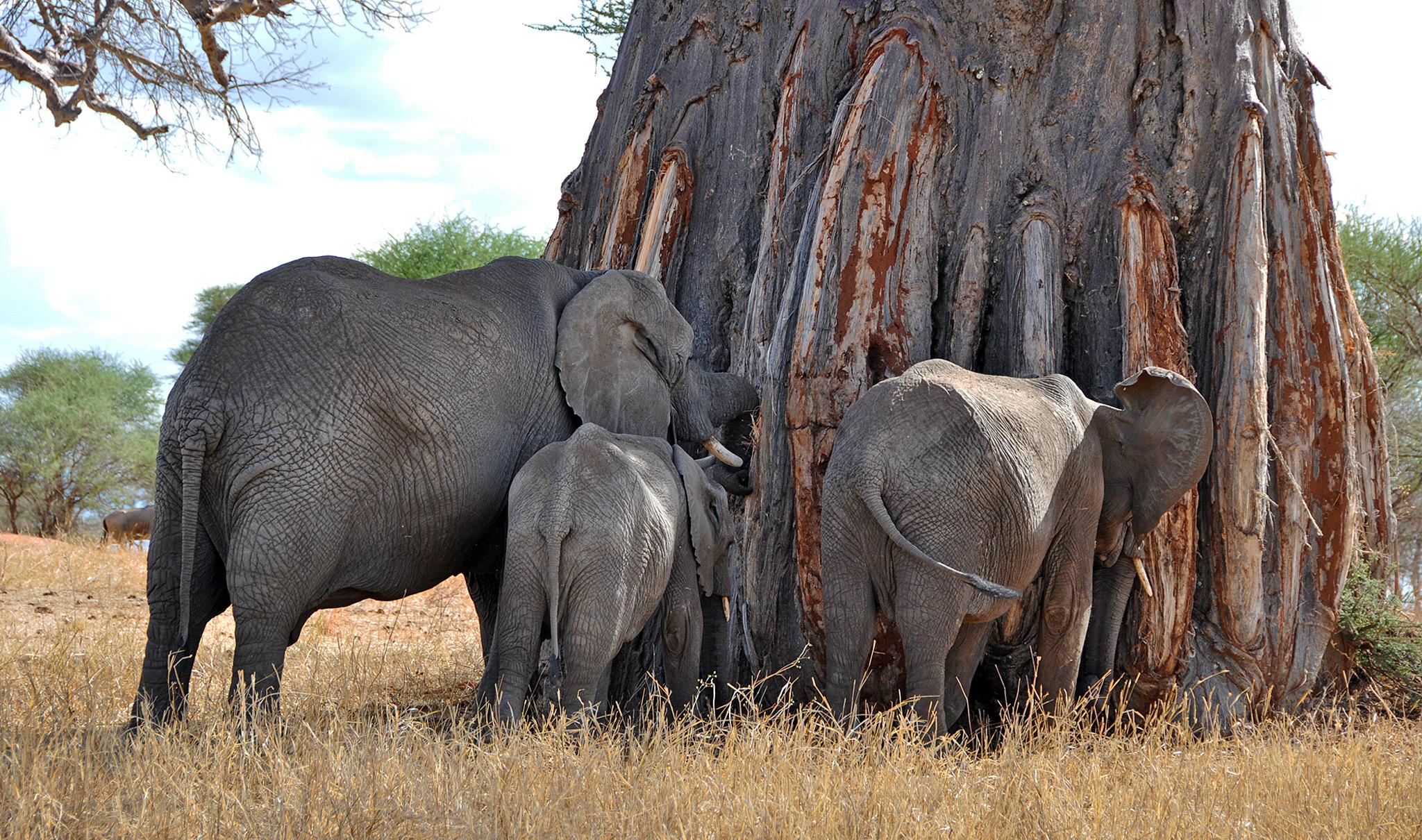
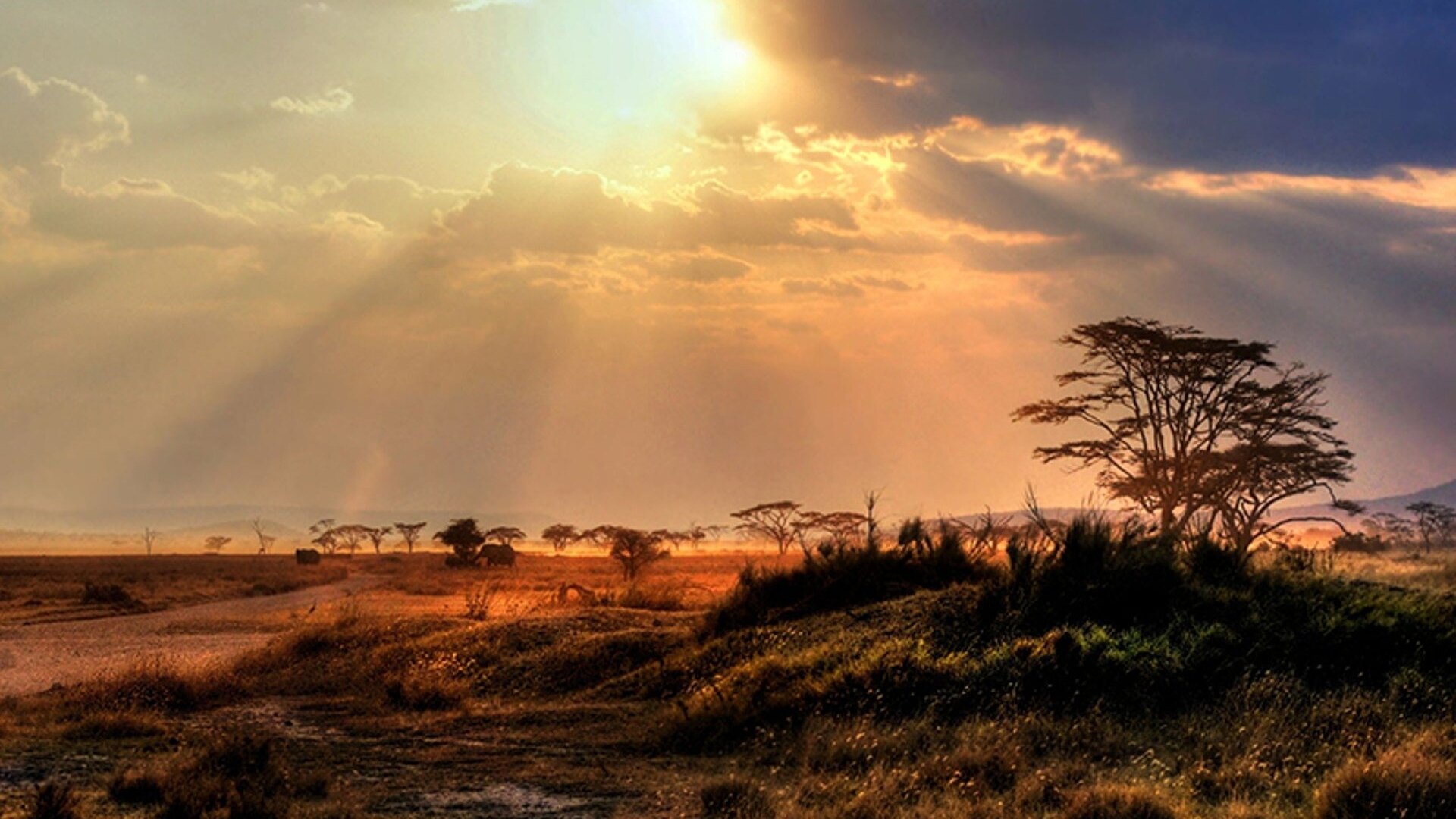
Welcome to Mashatu Game Reserve, the legendary "Land of Giants" in Botswana's Northern Tuli Block. Spanning 29,000 hectares of pristine wilderness at the tri-border confluence of the Limpopo and Shashe rivers, Mashatu shelters 1,200 elephants—the largest population on private land in Southern Africa—alongside seven iconic "giant" species and Africa's densest leopard concentrations outside Sabi Sands.
As a private game reserve, Mashatu offers experiences forbidden in Botswana's national parks: night drives to track nocturnal predators, off-road game viewing for intimate wildlife encounters, walking safaris among elephant herds, horseback expeditions through riverine forests, and the continent's most renowned underground photographic hides placing you eye-to-eye with elephants at ground level. This is Botswana's wild eastern frontier—raw, accessible, and spectacularly different from the Delta's water-world.
Why Mashatu is Called the "Land of Giants"
Mashatu earns its title through a convergence of scale. The reserve takes its name from the massive, centuries-old mashatu (nyala berry) trees lining the Limpopo and Majale rivers—some reaching 20 meters tall with sprawling canopies that shade elephant herds during midday rest. But the "giants" are seven iconic African species, each representing the extreme of its category:
| Giant Species | Superlative | Mashatu Highlights |
|---|---|---|
| African Elephant | World's largest land animal | 1,200+ elephants; herds of 100–200 at dry-season waterholes; underground hide viewing at Matebole |
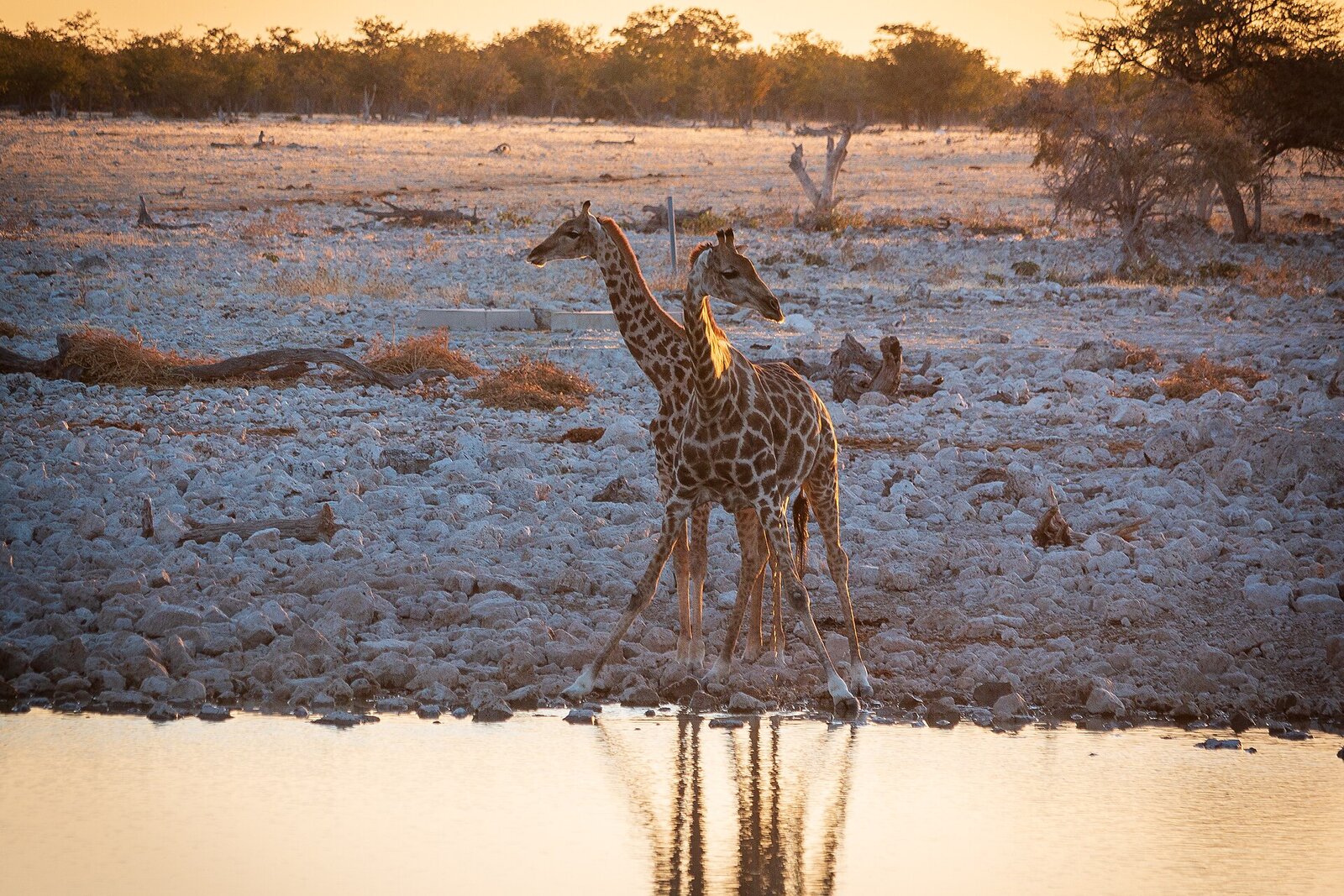
| Giraffe | World's tallest mammal | Southern giraffe browse acacia forests; neck-wrestling bulls in territorial displays |
| Eland | World's largest antelope | Bulls reaching 1,000 kg; mixed herds on open plains; spiral-horned sentinels |
| Lion | Africa's largest cat | Three resident prides; specialist elephant calf hunters; night-drive prime sightings |
| Ostrich | World's largest bird | Males display jet-black plumage in courtship; chicks guarded by breeding pairs |
| Kori Bustard | World's heaviest flying bird | Males weigh up to 19 kg; elaborate inflation courtship displays in grasslands |
| Baobab Tree | Africa's most iconic tree | Ancient specimens 1,000+ years old; massive trunks storing water through droughts; sunset silhouettes |
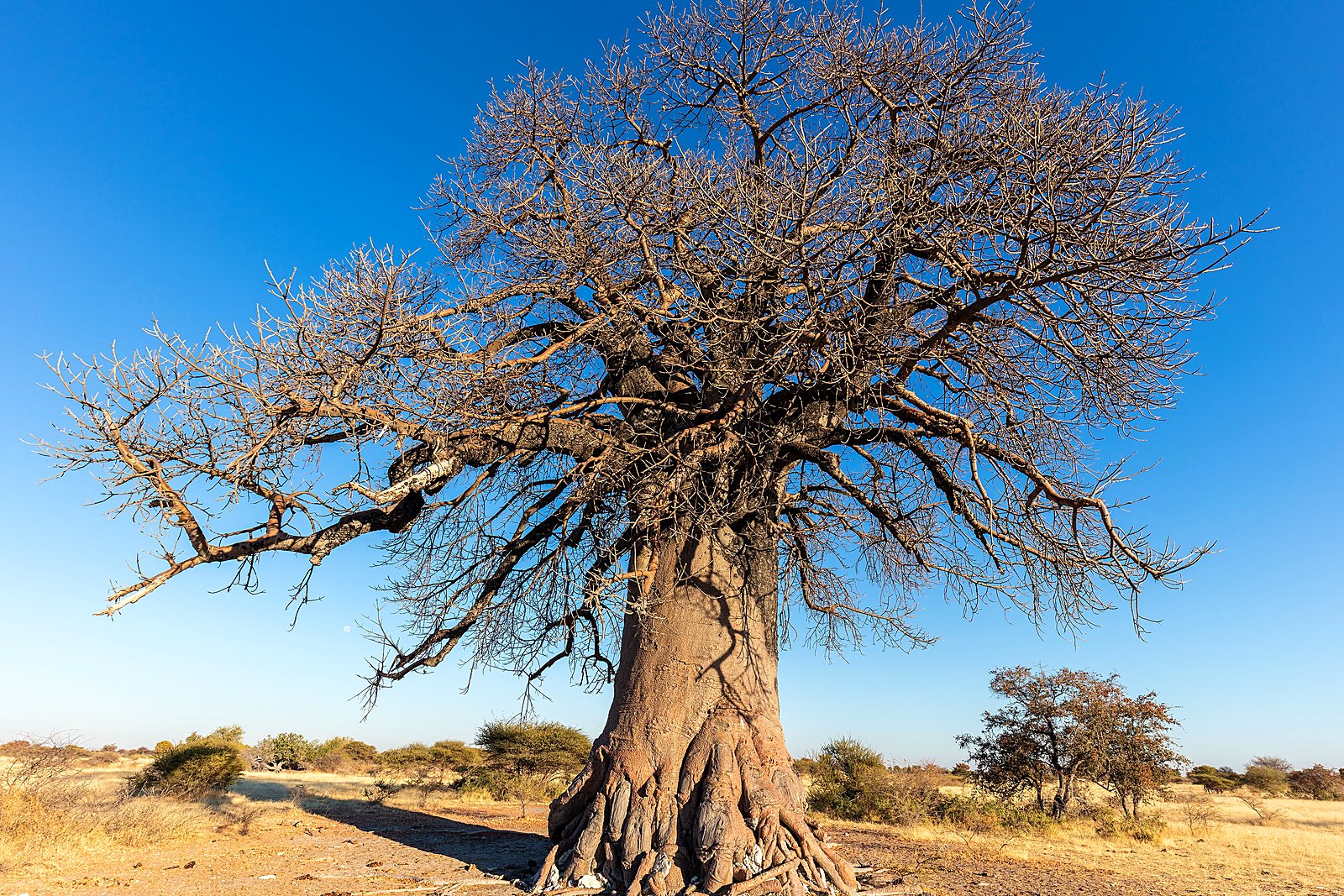
Ancient baobab sentinel — a 1,000-year-old giant framing the Tuli Block's golden-hour magic, where the land's true scale reveals itself in the centuries-old trees that have witnessed elephant migrations since before human memory.
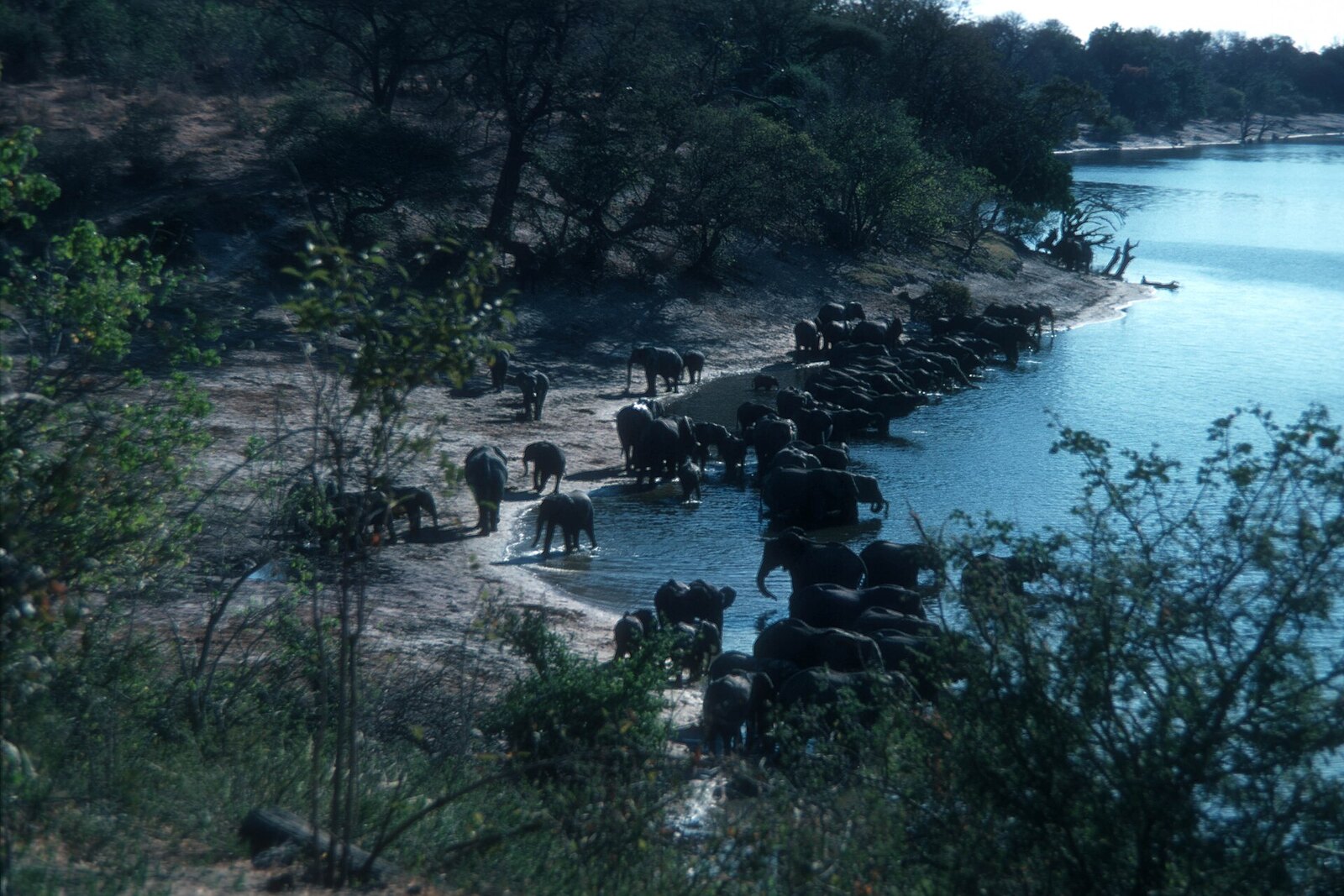
The reserve's geology amplifies the sense of scale. Red sandstone ridges tower over the plains—Solomon's Wall, a 30-kilometer escarpment, rises 300 meters above the Limpopo floodplain. Massive granite kopjes, sculpted smooth by millennia of wind and rain, dot the landscape like natural cathedrals. During the dry season (May–October), when vegetation thins, you witness the full drama: herds of 200 elephants converging on the Majale River, digging into sandy riverbeds with their trunks to access subterranean water, while lions watch from sandstone outcrops and leopards patrol the mashatu groves.
The Tuli Block: Botswana's Private Wilderness Frontier
The Northern Tuli Game Reserve (Notugre) encompasses 72,000 hectares of privately owned, unfenced wilderness along Botswana's southeastern border, where the Limpopo and Shashe rivers form natural boundaries with South Africa and Zimbabwe. Mashatu, the reserve's flagship concession, anchors this unique conservation landscape that permits activities forbidden in Botswana's national parks—a critical distinction that shapes your safari experience.
What sets Mashatu apart from Chobe, Moremi & the Okavango Delta:
- Night drives — Track leopards, honey badgers, aardvarks, African wild cats & civets after dark (prohibited in national parks)
- Off-road game viewing — Follow predators into thickets & riverine forests for intimate encounters (national parks restrict vehicles to tracks)
- Walking safaris — Stalk elephant herds on foot with armed guides, experiencing the bush's sensory depth (walking banned in most Botswana parks)
- Horseback safaris — Ride through mopane woodlands & alongside grazing herds, silent & scent-neutral (unique to private reserves)
- Underground photographic hides — Eye-level wildlife photography from subterranean bunkers at waterholes (Mashatu exclusive)
- Mountain biking — Explore ancient San rock art sites & baobab groves on two wheels (no cycling in national parks)
- Vehicle limits — Maximum 3 vehicles per sighting vs. 15–20 in national parks; genuine exclusivity
- No park fees — Rates include all activities; no per-person/per-day government levies (Chobe/Moremi add $150+ per person in park fees)
- Malaria-free status — Low-risk area with minimal prophylaxis needed vs. high-risk Delta/Chobe
- Self-drive accessibility — Sealed tar roads to the reserve from Johannesburg (400 km) or Gaborone; no charter flights required
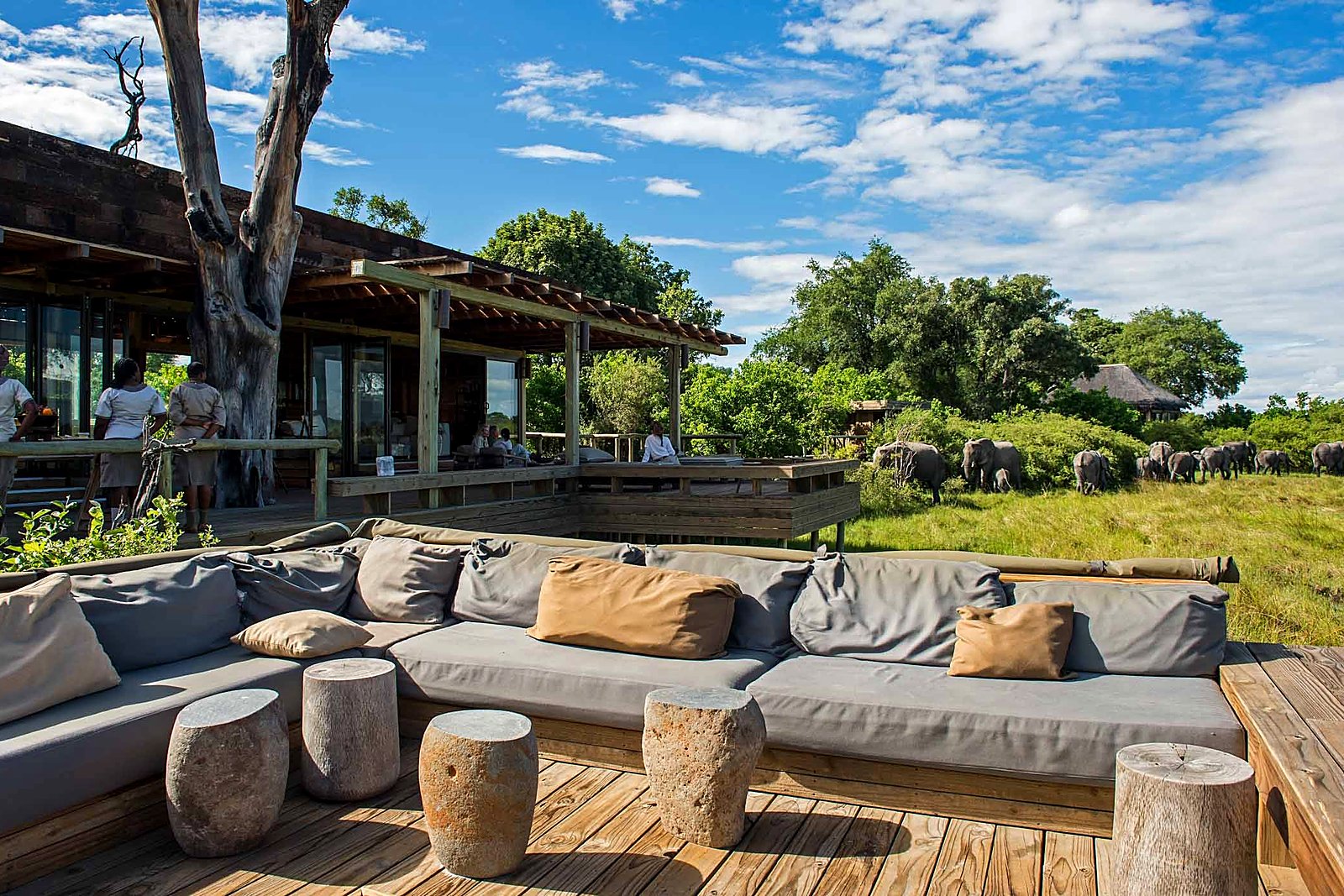
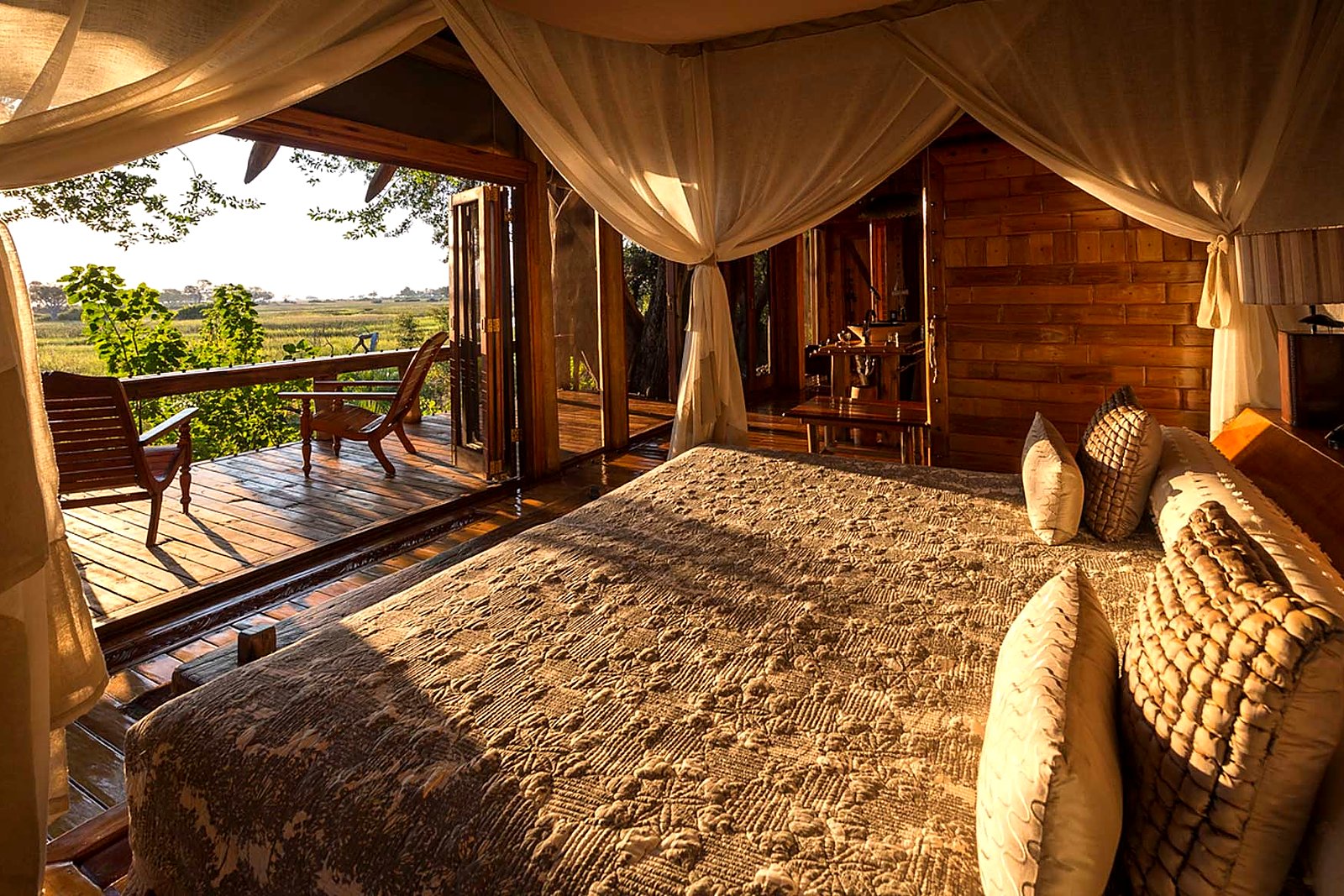
Wildlife Beyond the Giants: The "Land of Leopards"
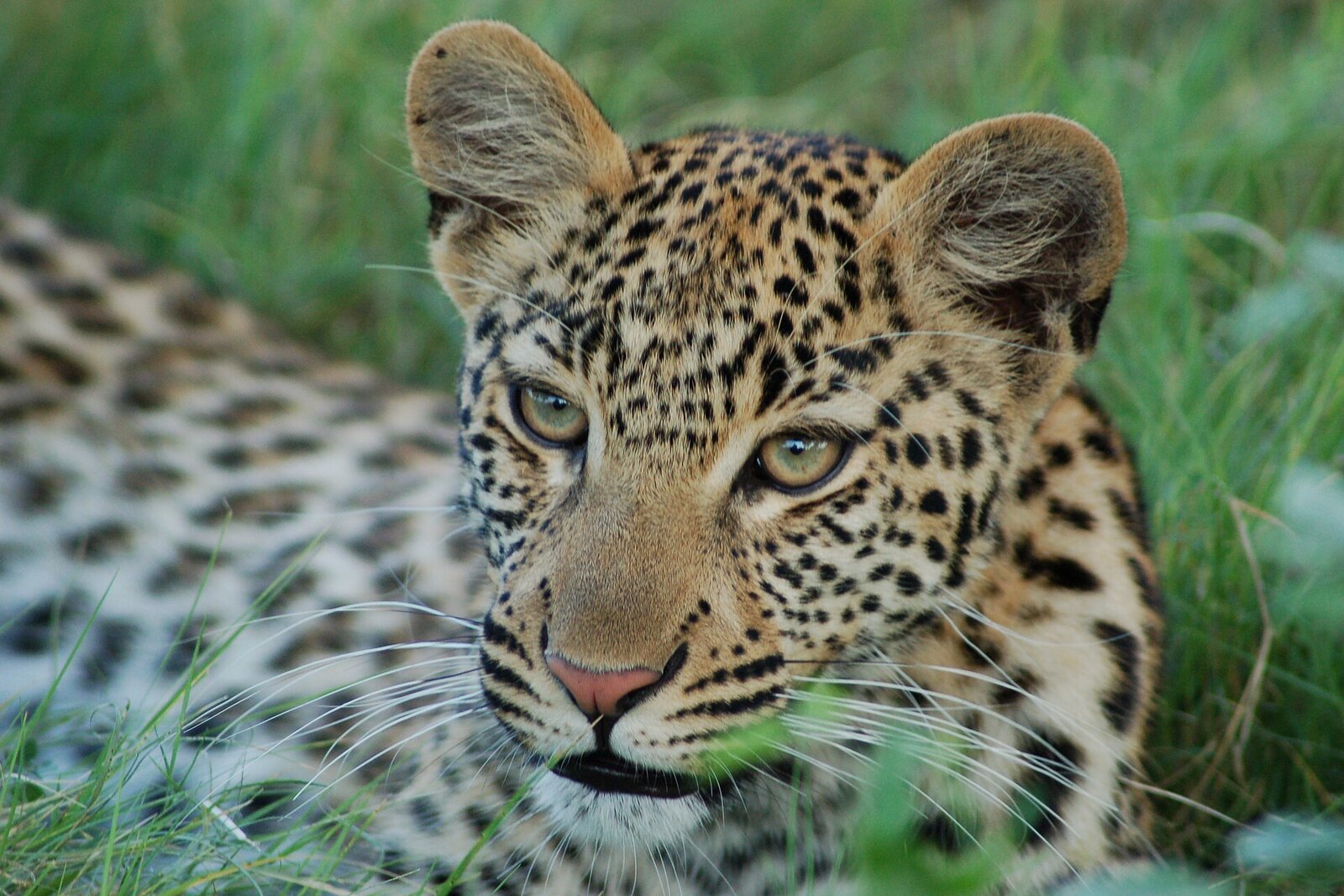
While the seven giants headline Mashatu's billing, the reserve has earned a parallel reputation as "the Land of Leopards" for its exceptional big-cat density. With over 200 leopards recorded, Mashatu rivals Sabi Sands for leopard sightings—but in a dramatically different habitat. Here, leopards hunt in riverine mashatu forests, rocky kopjes, and open savanna, adapting their behavior to the Tuli Block's mosaic of environments.
Other predators & rare species:
- Three resident lion prides — Solomon's, Tshokwane & Tau prides totaling 30+ individuals; night drives reveal hunting tactics
- Cheetah coalitions — Open plains provide ideal hunting grounds; brothers patrol territories spanning 15–20 km
- Spotted hyena clans — Matriarchal clans of 15–20 dominate kills; underground hide captures den activity
- African wild dogs — Migratory packs pass through April–June; tracking their 30-km daily range on mobile game drives
- Caracal & serval — Night drives spot these elusive felines hunting hares & francolins in grasslands
- Aardvark & pangolin — Mashatu's sandy soils support termite populations; spotlighting reveals nocturnal feeders
- 350+ bird species — Limpopo riverine forests host Southern ground hornbills, martial eagles, Pel's fishing owls, Meyer's parrots & African hoopoes
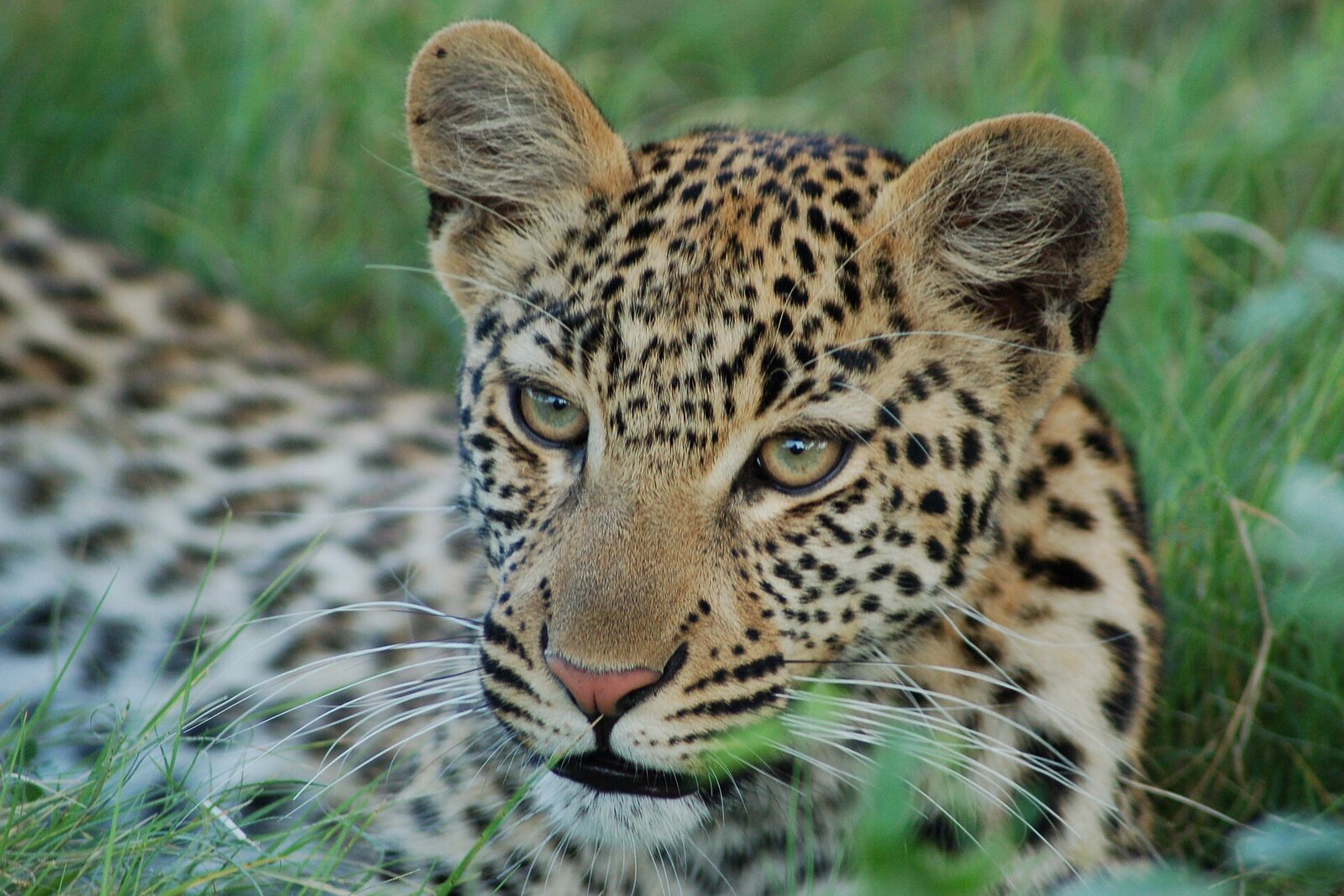
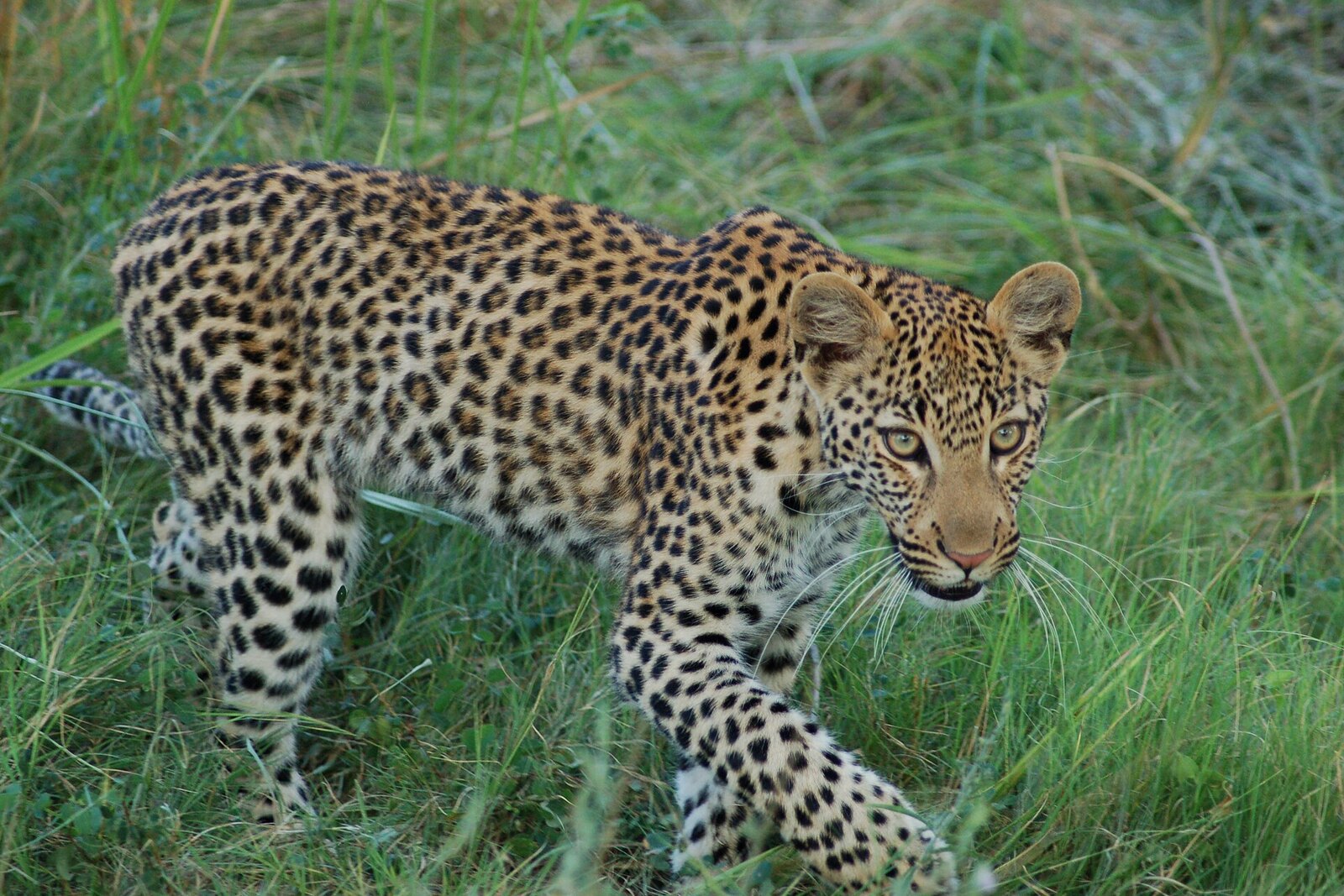
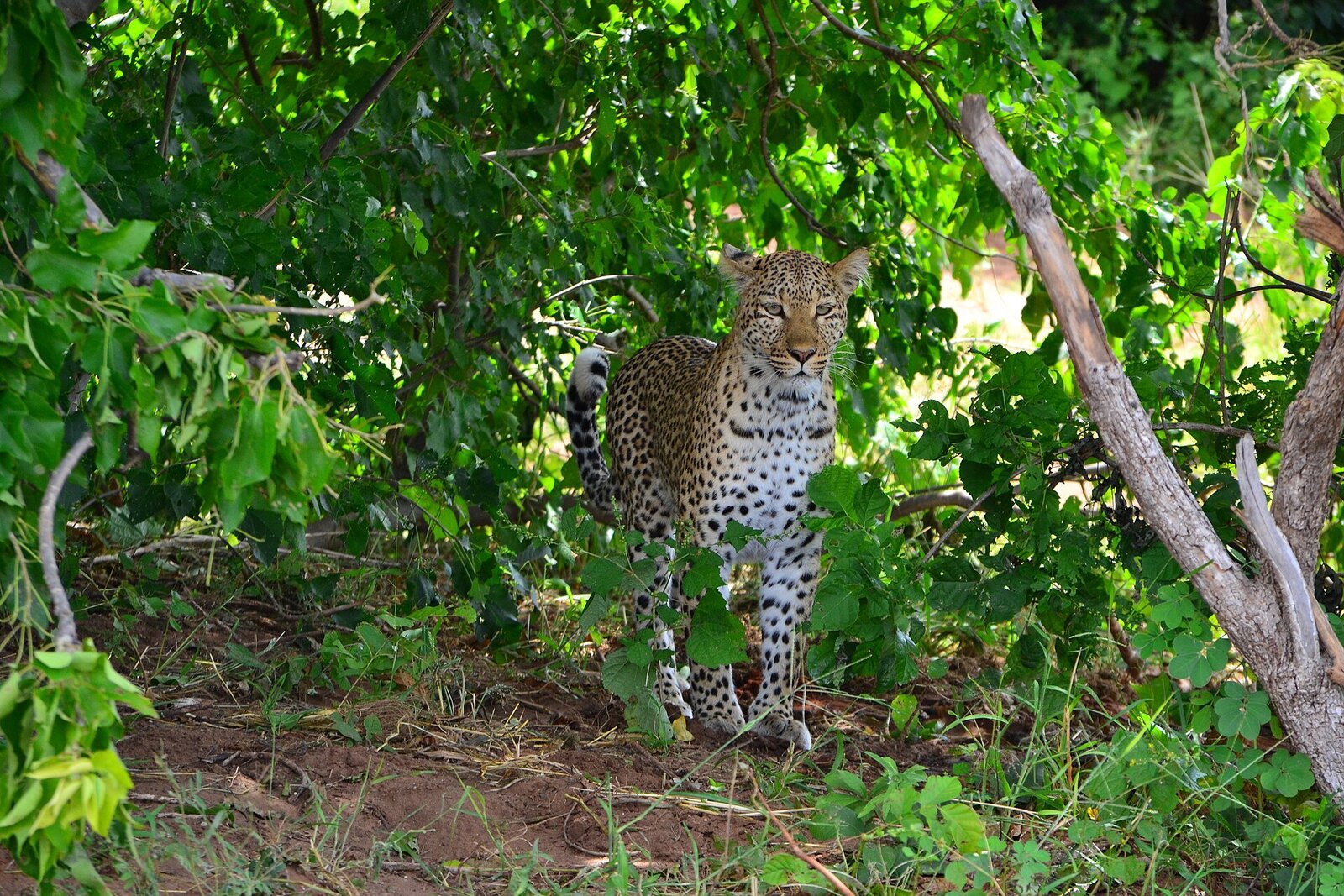
Leopard in the mashatu groves — where riverine forests meet open savanna, Mashatu's 200+ leopards hunt with a density rivaling the Sabi Sands, yet in a wilderness vast enough that each sighting feels like the first discovery.
Underground Photographic Hides: The Mashatu Signature Experience
Mashatu pioneered wildlife photography from underground hides—subterranean bunkers positioned at permanent waterholes, with viewing windows at ground level. The flagship Matebole Hide, a 10-minute walk from Mashatu Main Camp, places you eye-to-eye with drinking elephants, their trunks filling the frame as they suck water mere meters from the glass. No vehicle noise, no human scent above ground—just you, the wildlife, and the intimacy of their unguarded behavior.
What makes underground hides revolutionary:
- Ground-level perspective — Photograph elephants' feet, lions' eyes, warthogs' tusks at their actual height; perspective impossible from vehicles
- Silent observation — Wildlife unaware of human presence; natural behavior unfolds without alarm
- Weather-independent — Climate-controlled bunkers allow hours-long sessions in comfort, regardless of heat or rain
- Predictable subjects — Permanent waterholes guarantee elephant herds, kudu, impala, warthog & predators in dry season
- Photographic perfection — Stable tripod platforms, controlled lighting angles, no vehicle vibration
- Multi-hour immersion — Spend 3–4 hours observing herd dynamics—calves playing, bulls sparring, matriarchs disciplining juveniles
Beyond Matebole, Mashatu operates additional hides at seasonal pans. The River Hide focuses on the Majale River's sandy channel, where elephants dig for water using their trunks and feet, creating temporary wells that sustain entire herds. The Kopje Hide overlooks a rocky outcrop waterhole favored by leopards at dusk—photographers have captured leopards drinking, grooming, and even mating within 5 meters of the glass.
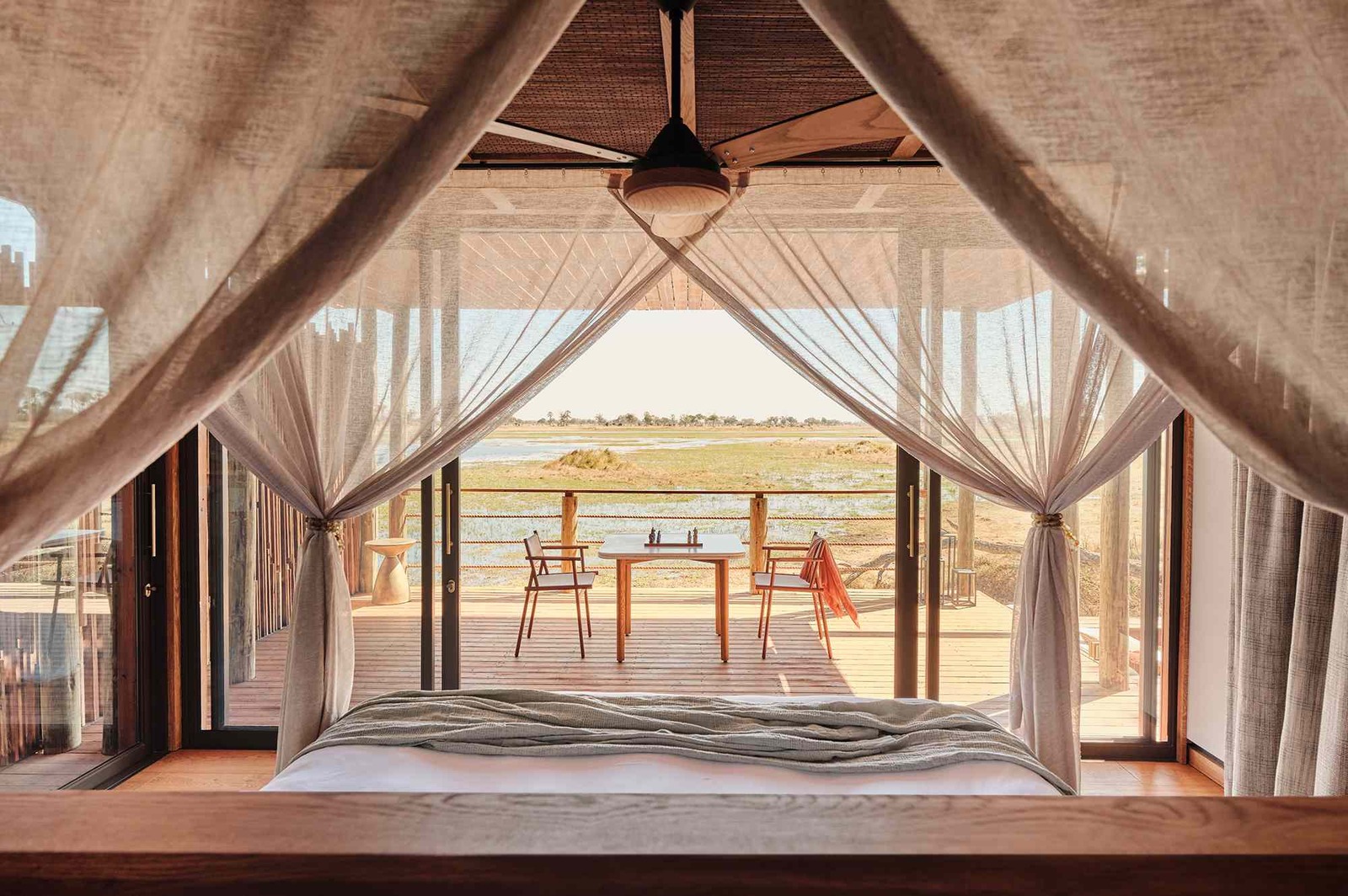
Best Time to Visit Mashatu Game Reserve
Mashatu's dry season (May–October) delivers peak game viewing as wildlife concentrates around the Limpopo, Majale, and Matloutse rivers. Sparse vegetation and predictable water sources create unparalleled photographic opportunities—elephant herds numbering 100–200 gather at river channels, while predators shadow the migration. The wet season (November–April) transforms the landscape into a lush green paradise ideal for birding (350+ species, including summer migrants) and calving season drama, though game disperses across ephemeral pans.
| Season | Months | Highlights | Weather |
|---|---|---|---|
| Peak Dry | July–September | Maximum elephant concentrations (100–200 per herd); sparse vegetation; underground hide perfection; leopard sightings daily; lion pride hunts at night | Mild days (22–28°C), cold mornings/evenings (5–10°C); virtually no rain; clear skies |
| Shoulder Dry | May–June, October | Excellent game viewing with fewer crowds; October heat (35–45°C) drives wildlife to water; May autumn colors; predator activity peaks at dusk | May pleasant (18–26°C); October scorching (30–45°C); sparse rain; dust storms possible |
| Green Season | November–April | 350+ bird species (migrants arrive); calving season (December–February); lush landscapes; newborn impalas/kudus attract predators; lower rates; fewer vehicles | Hot & humid (25–38°C); afternoon thunderstorms; 400mm annual rainfall concentrated here; muddy tracks possible |
| Calving Peak | December–February | Impala, kudu, wildebeest births; lion/leopard/hyena calf-hunting; underground hide captures maternal behavior; baby elephants in herds; photographic gold | Peak summer heat (30–40°C); daily rain (brief storms); green flush; high humidity |
Weather & clothing notes: Mashatu is classified low-risk malaria (prophylaxis optional but recommended November–April). Pack layers for July–September (5°C mornings, 28°C afternoons). October can reach 45°C—hydration critical. The reserve enjoys 320+ sunshine days annually; rain is brief and photogenic. Neutral safari colors (khaki, olive, beige) recommended for game drives and photographic hides to avoid startling wildlife.
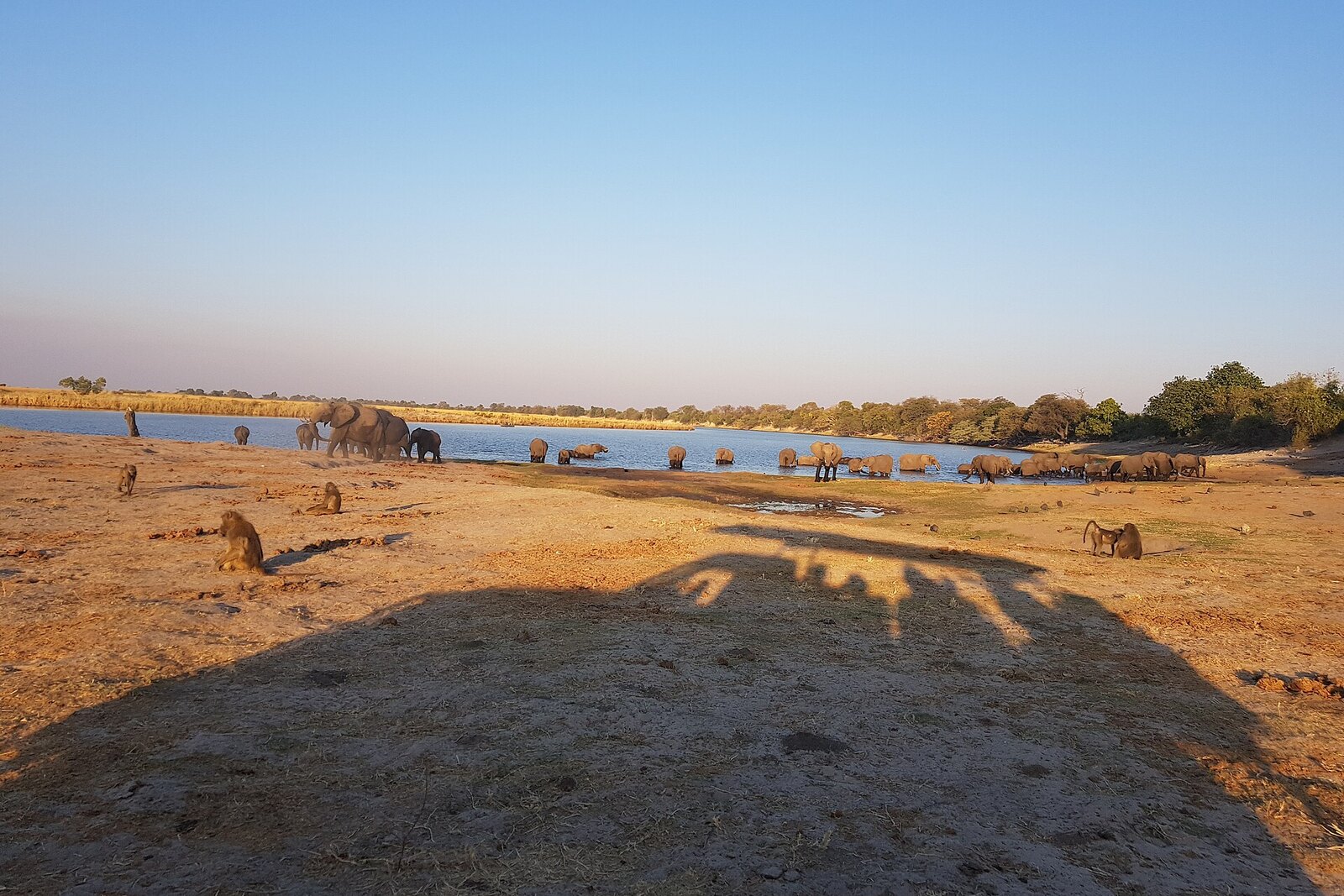
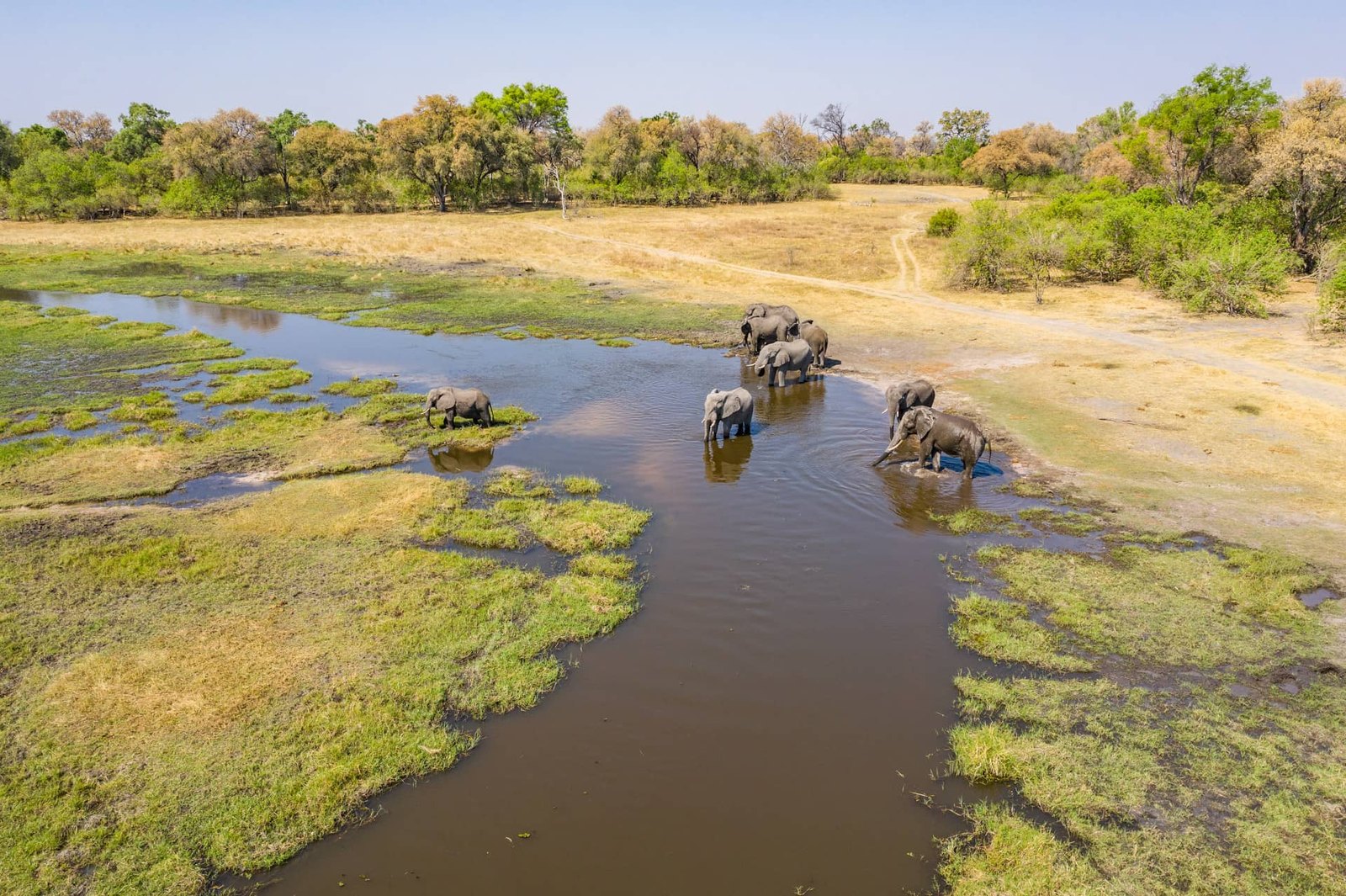
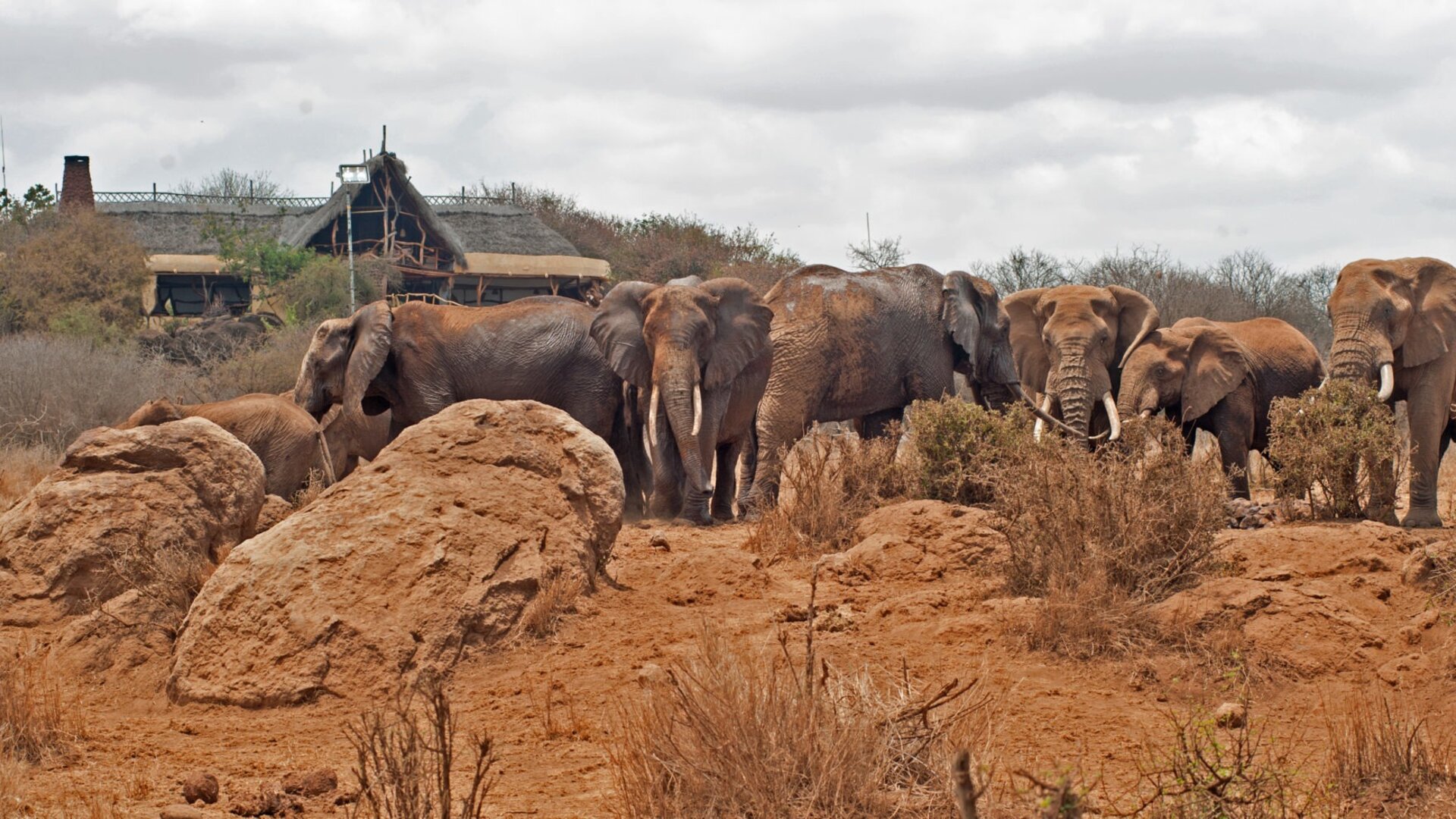
Dry-season congregation — when the Limpopo and Majale rivers recede, Mashatu's permanent waterholes become the stage for Africa's greatest wildlife theater, with herds of 100–200 elephants arriving at dawn and dusk in synchronized ritual.
Safari Activities: Beyond the Traditional Game Drive
Mashatu's private-reserve status unlocks experiences that redefine the Botswana safari. While twice-daily game drives in open 4x4 vehicles remain the core activity—with off-road privileges allowing your guide to follow predator hunts into riverine thickets—the reserve's adventure menu extends far beyond:
- Night drives (18:00–21:00) — Spotlight safaris reveal leopards on the hunt, porcupines foraging, genets in mashatu trees, honey badgers raiding termite mounds, aardvarks excavating burrows, African wild cats stalking francolins, and the eerie glow of eyes in the darkness—lions, hyenas, civets, owls. National parks ban night drives; Mashatu makes them nightly.
- Walking safaris (3–4 hours) — Armed guides lead small groups (max 8) through mopane woodlands and along the Majale River, tracking elephant herds by fresh dung, reading predator spoor in sand, identifying trees by bark texture, and experiencing the bush's sensory intensity—the snap of a twig triggering instant adrenaline, the acrid scent of elephant urine on crushed grass, the guttural rumble of a distant lion at dawn.
- Horseback safaris — Experienced riders (walk, trot, canter) explore Mashatu on horseback, approaching giraffe herds and kudu without the noise or scent of vehicles. Horses move silently through the landscape, allowing proximity impossible on foot or in 4x4s—giraffe at 20 meters, zebra grazing unconcerned, and the sensation of being part of the herd rather than an intruder.
- Mountain biking — Guided cycling safaris through baobab groves, to ancient San rock art sites at Tsodilo Kopje, and along the Limpopo floodplain's sandy tracks. Early-morning rides (06:00 departure) maximize wildlife sightings while avoiding midday heat.
- Cultural experiences — Visit Motloutse village to meet the Kalanga people, learn traditional beer brewing, witness basket weaving with ilala palm, and hear oral histories of the Tuli Block's transformation from colonial farmland to conservation showcase.
- Discovery Room — Mashatu Lodge's on-site museum houses fossil displays (dinosaur footprints, ancient hominid tools), geological specimens (sandstone formations, quartz crystals), and ecological exhibits explaining the Limpopo-Shashe ecosystem's evolution over 200 million years.
Conservation & the Tuli Block's Transformation
The Northern Tuli Game Reserve represents one of Southern Africa's most dramatic conservation success stories. In the 1960s–1980s, this land was fragmented cattle ranches plagued by human-wildlife conflict—elephants destroyed crops, lions killed livestock, and retaliatory poisoning decimated predator populations. The establishment of Notugre in 1990, consolidating private landholdings into a unified, unfenced reserve, reversed this trajectory.
Today, Mashatu anchors a 72,000-hectare transboundary conservation area linking Botswana, South Africa (Mapungubwe National Park), and Zimbabwe, allowing elephants and predators to migrate seasonally across three countries. The reserve operates under strict sustainability protocols: maximum 3 vehicles per sighting (vs. 15–20 in national parks), no off-road driving during wet season to prevent habitat degradation, and community partnerships employing 180+ local staff from Motloutse and surrounding villages.
Key conservation achievements include the recovery of the elephant population from 400 (1990) to 1,200+ (2026), the return of African wild dogs (locally extinct until 2015), and the protection of the Limpopo's riparian forests—critical habitat for 350+ bird species and the genetic corridor connecting South African and Zimbabwean wildlife populations.
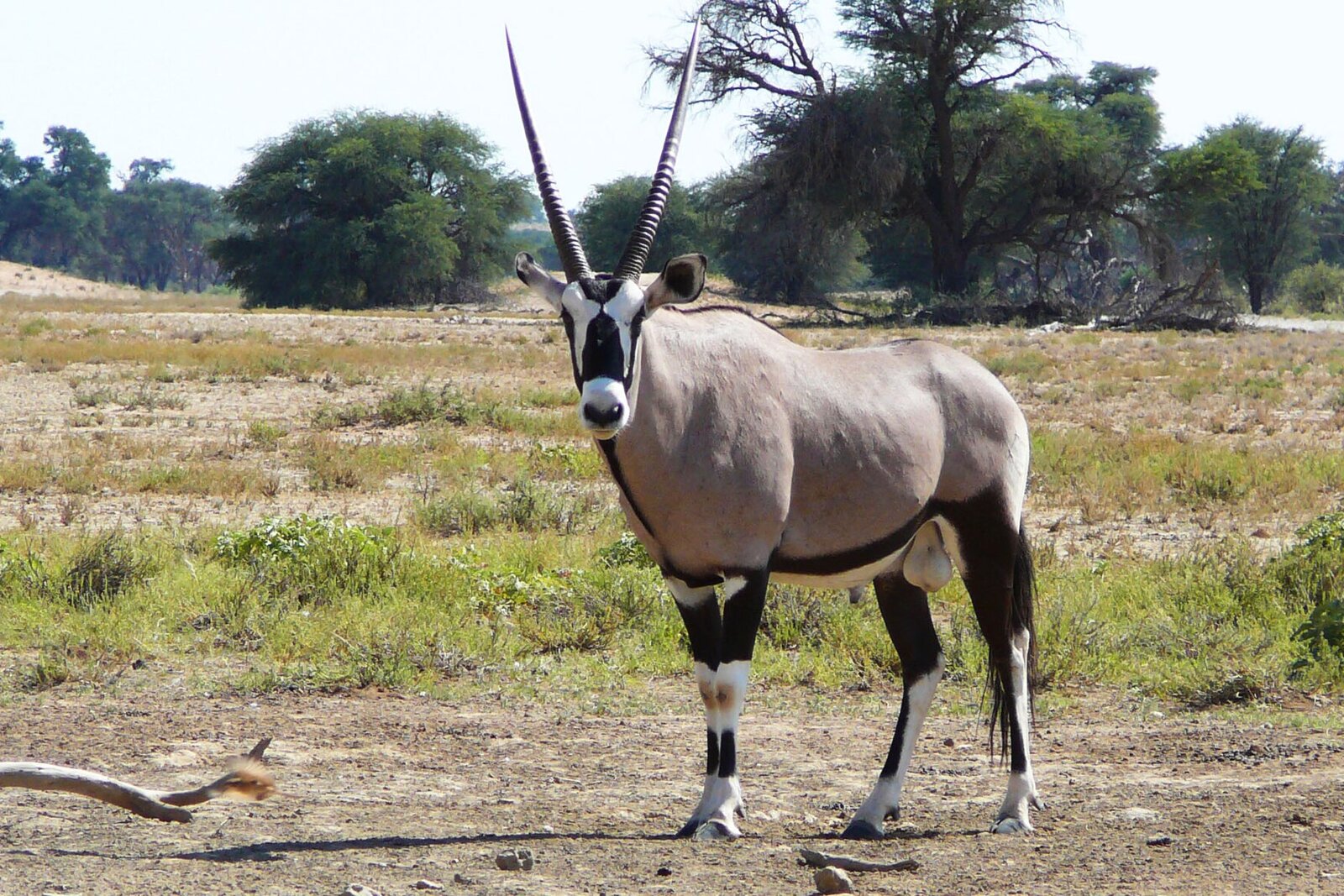
Antelope of the Tuli plains — where gemsbok, kudu, impala, and the giant eland (world's largest antelope) graze the grasslands between mashatu groves and baobab sentinels, their migrations synchronized with the seasonal pulse of the Limpopo's floods.
Getting to Mashatu & Practical Information
Mashatu's accessibility distinguishes it from Botswana's fly-in reserves. The reserve lies 400 km northeast of Johannesburg via sealed tar roads (N1 highway to Pont Drift border, then 30 km dirt track), making it ideal for self-drive safaris or road transfers. Flight options include scheduled charters from Johannesburg (1 hour) to Limpopo Valley Airstrip, followed by a 20-minute game drive to camp—combining air convenience with Mashatu's terrestrial character.
Key logistics:
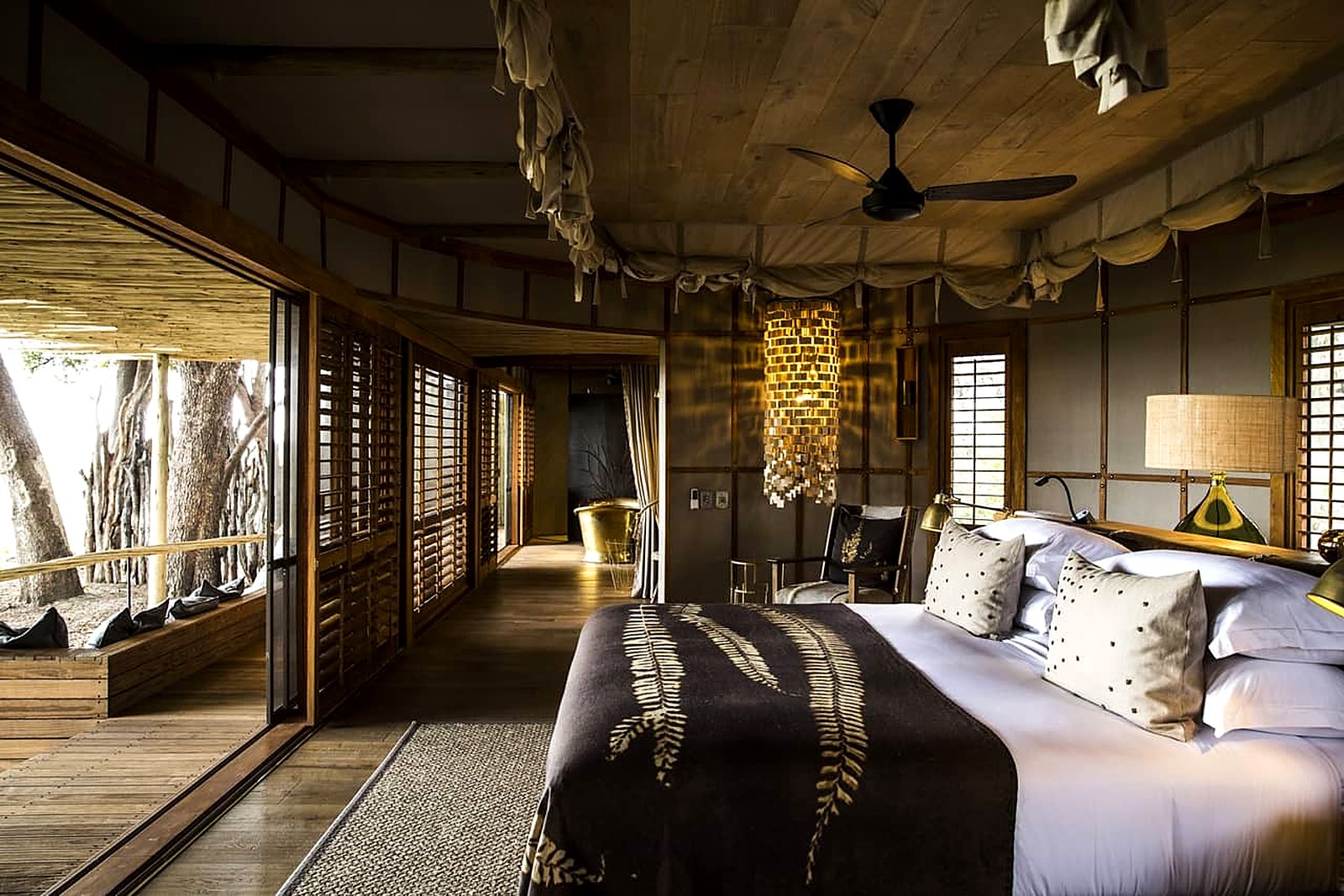
- Accommodation — Mashatu Main Camp (14 suites), Mashatu Tented Camp (8 tents), Mashatu Little Outpost (2-bedroom private villa for families)
- Rates — $450–$650 per person per night (all-inclusive: meals, game drives, night drives, walking safaris, underground hides, mountain biking, horseback safaris, local beverages); no park fees unlike Chobe/Moremi
- Season closures — None; open year-round (wet-season rates 30–40% lower November–April)
- Minimum stay — 3 nights recommended (2 nights minimum) to experience full activity range
- Malaria — Low-risk area; prophylaxis optional (consult your physician)
- Visas — Most nationalities receive free 90-day visa on arrival at Botswana border (passport validity 6+ months required)
- What's included — All meals, local drinks (beer, wine, spirits, soft drinks), twice-daily game drives, night drives, walking safaris, underground hide sessions, laundry, WiFi at lodge (limited in rooms)
- What's extra — Premium imported spirits, champagne, curio shop purchases, tips (suggested $15–20 per person per day for guide/tracker team)
Combining Mashatu with other Botswana experiences: The Tuli Block pairs naturally with Chobe National Park (400 km northwest; 5-hour drive or charter flight), the Okavango Delta (fly Mashatu → Maun; connect to Moremi/Delta camps), or South Africa's Kruger/Sabi Sands (450 km south; seamless road/fly combination for the ultimate "Big Five + water + predators" itinerary).