- The Cape Peninsula troops are chacma baboons (Papio ursinus), the largest of the baboons — a big male carries canine teeth longer than a leopard's and weighs up to around 30 kilograms.
- They are the only baboons on earth that forage the seashore, turning over kelp at low tide to crack open mussels, limpets and sand hoppers — a habit found nowhere else in the species' range.
- The best place to see them wild is the Cape of Good Hope section of Table Mountain National Park and the road down to Cape Point, with troops also on the slopes around Simon's Town, Scarborough and Tokai.
- You can see them all year — they are resident, not seasonal. Early morning and late afternoon are when troops are most active and most often near the road.
- The single rule that matters: never feed a baboon and never let one reach your food. Keep car windows up and doors locked, carry nothing edible in your hands, and a fed baboon becomes a raiding baboon that ends up shot. Watching them well means keeping them wild.
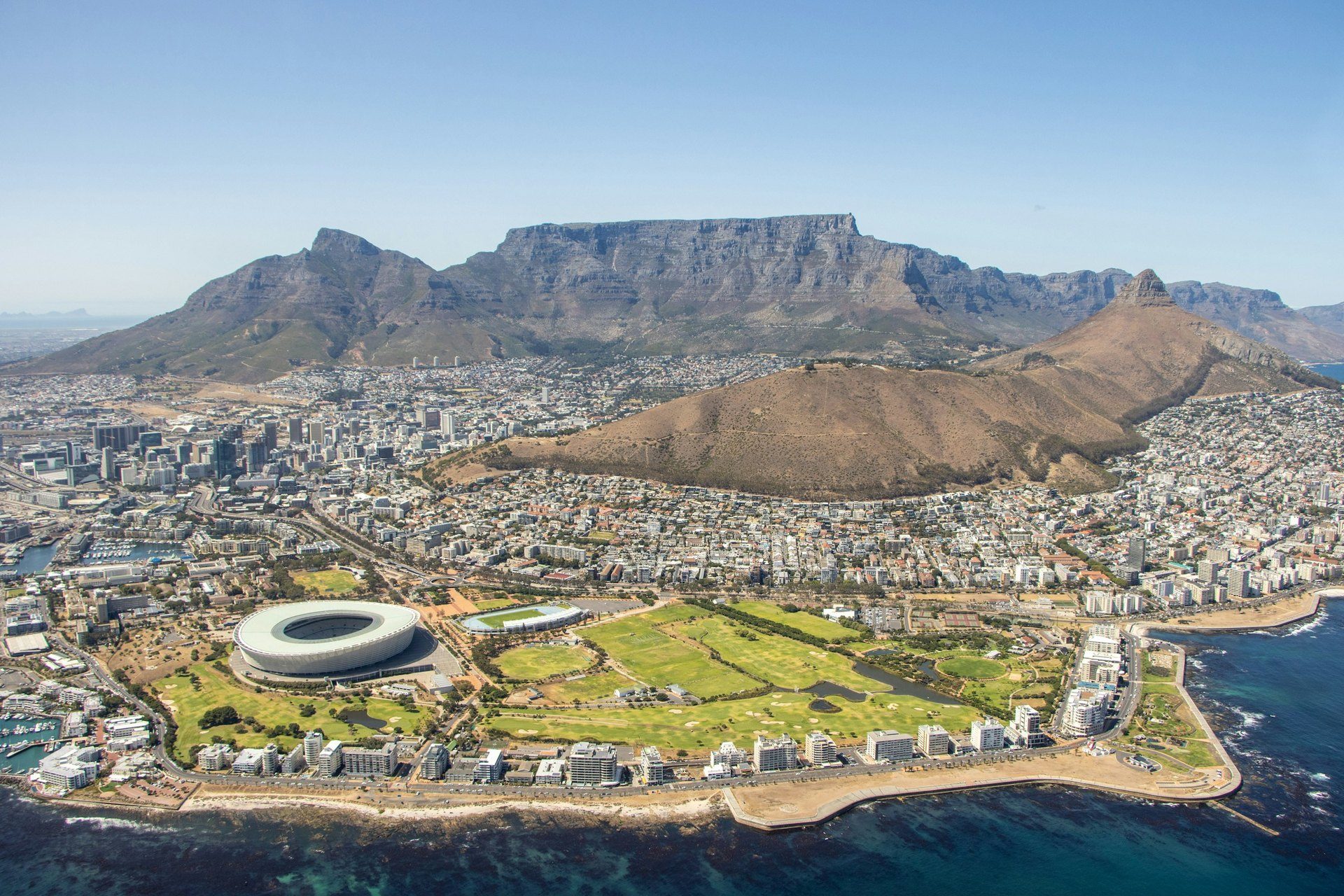
The first baboon most guests meet in Cape Town is sitting on a road sign near the Cape Point gate, looking entirely unbothered by the queue of cars. It is a strange, brilliant thing — a troop of large wild primates living out their whole lives at the end of a peninsula that also holds suburbs, a naval base, vineyards and a coastal road full of tourists. Nowhere else in Africa do baboons and a big city press up against each other quite like this, and once you understand the troop you start to read the whole peninsula differently.
This is the guide I give guests before a Cape Point day, because baboons are the one animal here that people get wrong. They are not pets and they are not pests — they are a wild, intelligent, tightly organised society, and the way you behave around them decides whether the encounter is a highlight or a headache. Below you will find what makes the Cape chacma special, where to see them, what the troop is doing, the honest truth about the conflict with people, when to go, and how we build a private peninsula day that puts them at the centre of it.
The Cape chacma: the biggest baboon of all
There is one baboon on the Cape Peninsula, and it is the chacma, Papio ursinus — the southern African baboon and the largest of the five baboon species. A dominant male is a serious animal: up to around 30 kilograms, draped in a dark grey-brown cape of longer hair over the shoulders, with a long dog-like muzzle and a set of canine teeth that are, measured properly, longer than a leopard's. He does not use them on people — they are for fighting other males and warning off predators — but they tell you at a glance that this is not a creature to crowd.
Females are about half the size, and the troop is built around them. Baboon society is matrilineal: females stay in the troop they are born into for life, and a female inherits her mother's rank, so the family lines run the social order down the generations. Males leave the troop they grew up in and work their way into another, which is why the big peninsula males often carry scars — the road into a new troop is a hard one.
A Cape Peninsula troop usually runs from around 30 to 80 animals, led day to day by the adult females and their young, with the dominant male holding the top of the male hierarchy and watching the edges for trouble. They are omnivores and opportunists, eating fruit, seeds, bulbs, flowers, grass, insects, birds' eggs, the occasional small animal — and, on this peninsula and nowhere else, the sea.
The only baboons that work the sea
This is the fact that makes the Cape troops matter to anyone interested in animals. Across the whole range of the species — from the Cape up through southern Africa — baboons are a bush and mountain animal. Only here, on the Cape Peninsula, do troops come down to the rocks at low tide and forage the intertidal zone like a flock of oversized, clever gulls.
Watch a troop on the shore at Cape of Good Hope and you will see them flip over kelp and loose rock to get at what is underneath: black mussels prised off the rocks and cracked open, limpets levered free, sand hoppers snapped up, and the egg cases of sharks and rays — the leathery "mermaid's purses" that wash into the wrack line — chewed open for the yolk. It is learned behaviour, passed from mother to young, and it is one of the few places on earth you can watch a primate make a living from the sea. For a guest who thinks they have seen baboons before, this alone is worth the drive to the point.


Where to see baboons on the Cape Peninsula
You do not need a permit or a guided walk to see baboons here — you need to be on the right part of the peninsula at the right time of day, and to know how to behave when you find them. Here is where I take guests, in the order I would send you.
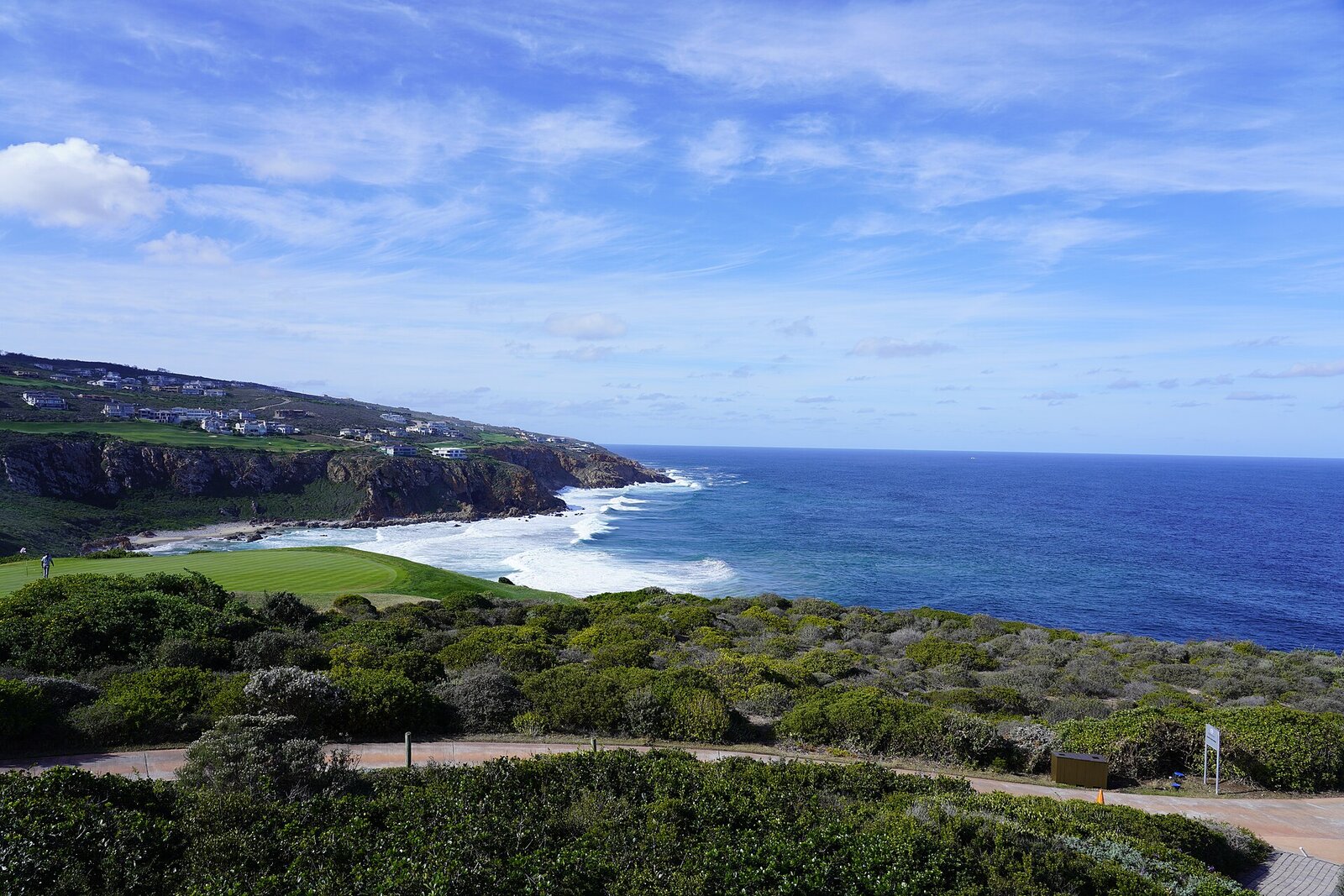
1. The Cape of Good Hope section of Table Mountain National Park. This is the reliable one. The reserve at the tip of the peninsula holds several resident troops, and the road from the gate down towards Cape Point and the Cape of Good Hope car park regularly passes animals feeding on the verge, crossing the tar, or working the rocks near the sea. Stay in the car, keep the windows up, and you can watch a whole troop go about its morning a few metres away.
2. The road to Cape Point, around Smitswinkel and the reserve gate. The stretch of the M4 as it drops towards the reserve is classic baboon country. Troops move between the mountainside and the shore across this road, and the area around the gate is where guests most often get their first close look — again, from inside the vehicle.
3. The slopes above Simon's Town. The naval town on the False Bay side has lived alongside baboons for generations. The troops here — around Da Gama Park, Murdock Valley and the mountain behind the town — are the ones most used to people, which is exactly why the town works hard to keep them out of houses and bins. You will see them on the slopes and sometimes on the edge of town; this is also where you see the management effort up close.
4. Scarborough and Misty Cliffs. On the wilder Atlantic side of the south peninsula, small troops move through the low fynbos above these two tiny villages. It is a quieter, more natural setting to watch them foraging the way baboons have here for thousands of years.
5. Tokai and the Silvermine side. Closer to the city, troops range through the Tokai forest edge and the Silvermine section of the park. These animals are more of a suburban-boundary troop, and seeing them here tells the other half of the story — how the city and the baboons share an edge.
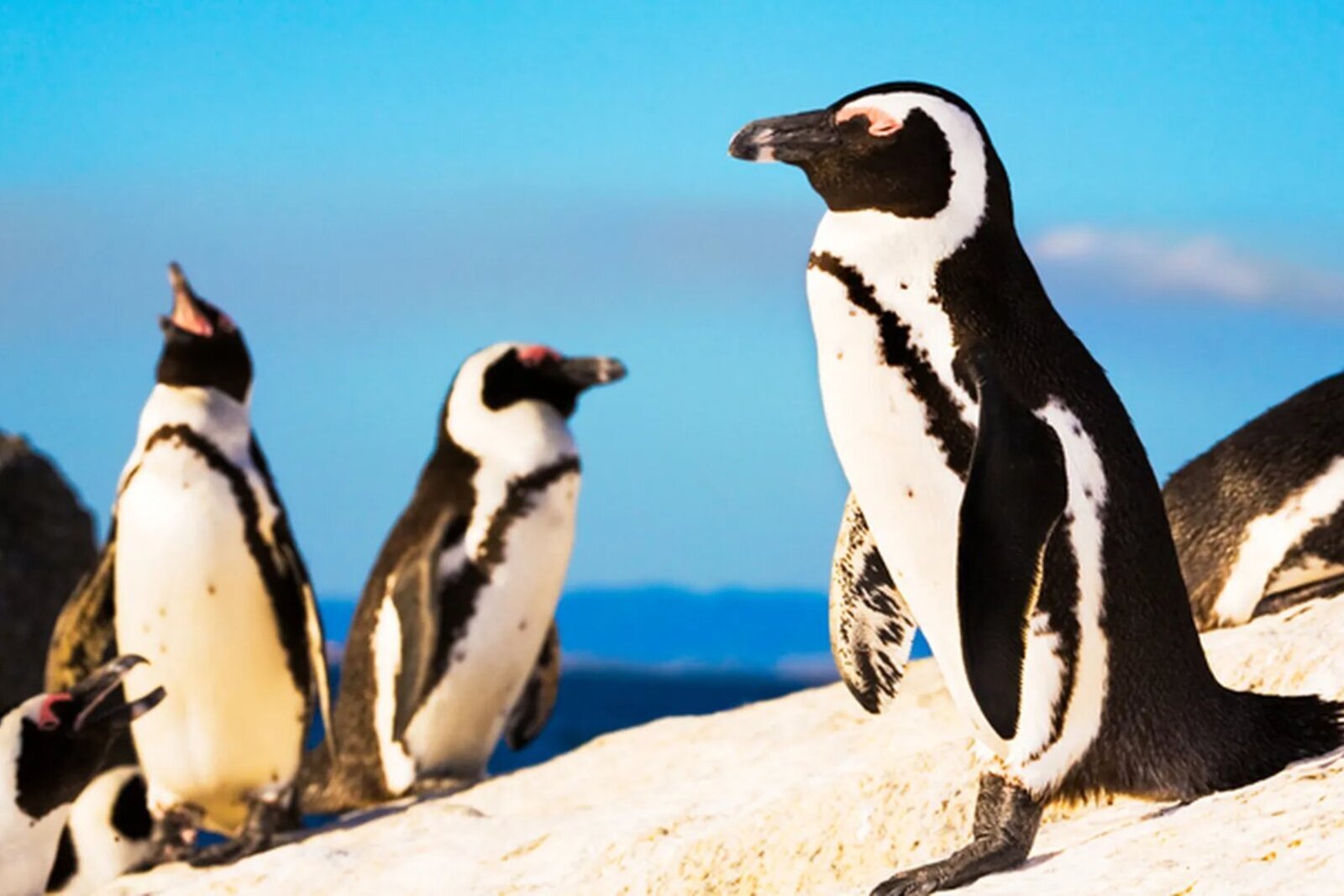
6. A private peninsula day. My own preference. With your own guide-driver you can run the Cape Point road slowly in the early light when the troops are near the road, give the animals the room they need, read the behaviour properly, and fold the baboons into the bigger peninsula morning — the penguins at Boulders, the ostriches and bontebok in the reserve, the view from the point. No schedule to chase, just the right place at the right hour.
Watching them the right way — the rule that keeps them alive
This is the most important part of the guide, so I will be plain about it. The chacma baboons of the Cape are protected and managed, and the greatest danger to them is not drought or leopards — it is human food. A baboon that learns to get food from people, cars or bins stops foraging wild, becomes bold, starts raiding, and eventually becomes a "problem animal" that is put down. Feeding a baboon, even once, even by accident, is a step on the road to that animal being killed. There is nothing softer to say about it.
So the rules are simple and they are not negotiable:
Never feed a baboon, and never hold food where one can see it. In the Cape of Good Hope reserve, feeding wildlife is an offence and carries a fine.
Keep car windows up and doors locked when a troop is near the road. Baboons are strong and clever enough to open a car door that is not latched, or reach through a gap, and they are looking for exactly that. A closed car is a non-event to them; an open one is a target.
Carry nothing edible in your hands at the viewpoints and car parks. Put the sandwich away before you get out. A baboon will take food off a person without hesitation, and a small grab can turn into a scare for everyone.
Do not get between a baboon and its troop, and never crowd a female with a baby or a feeding male. Give them space, let them cross, and do not try for the selfie. They are wild animals with the strength to hurt you if they feel cornered, and almost every bad baboon encounter in Cape Town starts with a person too close or a person with food.
Managed well, they are a joy to watch and no danger at all. The whole relationship rests on them staying wild, and that is in the hands of every visitor who meets them.
The monitors, and the work of keeping troops wild
Behind every calm baboon encounter on the peninsula is a quiet amount of work. For years, teams of trained rangers — the baboon monitors — have moved with the troops on the urban edge, gently herding them back toward the mountain and the fynbos and away from the houses, bins and roads where trouble starts. The aim is not to tame the baboons but the opposite: to keep them doing what wild baboons should, eating wild food in wild places, so that they never learn to depend on people.
The town side has done its part too — baboon-proof bins, electric fencing along some boundaries, by-laws against feeding, and a long, sometimes difficult public conversation about how a growing city shares a peninsula with a wild primate. It is not a solved problem and it never will be fully, but it is the reason the troops are still here and still wild. When you follow the rules around them, you are part of that same effort. When you feed one for a photo, you undo it.
I tell guests this not to lecture but because it changes how the encounter feels. Once you understand that the relaxed troop by the road is the result of real work, watching them respectfully stops being a restriction and becomes the point.
What the troop is actually doing
Half the pleasure of baboons is that you can read them. Sit quietly and a troop by the road turns from a crowd of animals into a story with characters.
Grooming is the glue. The animals you see working through each other's fur, parting it with quick fingers, are not just cleaning off ticks — grooming is how baboons build and maintain their alliances. Who grooms whom, and for how long, maps the friendships and the ranks of the whole troop. A female will groom up the ladder toward higher-ranking animals; the big male often sits and receives.
The young ride and the young test. A new infant clings to its mother's belly for the first weeks, then graduates to riding on her back, jockey-style, as the troop moves. Older youngsters spend the whole day play-fighting, chasing and wrestling through the bushes, which is how they learn the social rules they will live by for life.
The big male watches. The dominant male usually sits a little apart and a little higher, scanning. His job is the edges — other males, dogs, danger — and a sharp bark from him moves the whole troop. That deep two-syllable alarm bark carrying across a valley is one of the great sounds of the Cape mountains.
They talk constantly. Baboons have a wide range of calls, grunts, screams and barks, plus a vocabulary of faces and gestures — the raised eyebrows, the lip-smack of appeasement, the yawn that flashes those long canines as a threat. Once you know a few of them you can follow the small dramas of the troop in real time.
When to go, and how to time the morning
Baboons are resident on the peninsula all year, so there is no wrong month. What matters is the time of day. Troops are most active and most often near the road in the first few hours after sunrise and again in the late afternoon, when they move and feed; through the hot middle of the day they tend to rest up in the shade and are harder to find.
The cooler shoulder seasons — autumn around March to May and spring around September to November — give the most comfortable days for a slow peninsula drive, with softer light for photographs and fewer cars on the Cape Point road than high summer. Spring also brings the fynbos into flower and the newborn baboons of the year, so a troop in September or October often has pink-faced infants riding along, which is as good as baboon-watching gets. Come in summer and you will still see them; just start early, before the heat and the crowds.
How we build a peninsula day around the baboons
When guests want the baboons, I do not hand them a map and wish them luck — I build the morning to put them in the right place at the right hour and to read the animals properly when we find them. A typical day starts early, running the Cape Point road into the reserve while the troops are still near the verge, stopping where it is safe to watch a troop forage or cross, and getting down to the shore at Cape of Good Hope where the animals work the rocks. From there the same loop takes in the ostriches and bontebok of the reserve, the view from the point, and the African penguins at Boulders on the way back — one slow, flexible peninsula day with the baboons as the wild heart of it.
Because we go privately, with our own guide-driver, we can give the troop the room it needs, keep everyone safe and the animals wild, and still get you close enough for the encounter you came for. Below are the tours we run on this coast and the day we most often book for guests who want the baboons at the centre of it.
A note on the photographs and film: the hero film shows a baboon grooming another, filmed in the wild (Giles Laurent, Wikimedia Commons, CC BY-SA 4.0). The gallery images are all genuine chacma baboons (Papio ursinus), from Wikimedia Commons contributors under Creative Commons licences — D. Gordon E. Robertson (CC BY-SA 3.0), LBM1948 (CC BY-SA 4.0), Ctac (CC BY-SA 3.0), Harald Süpfle (CC BY-SA 2.5), Bernard Dupont (CC BY-SA 2.0) and Warren Garst / Dickinson College (CC BY-SA 4.0). We use honest, properly credited imagery and never pass off one animal for another.