Key Takeaways
- Diosso Gorge — red canyon near Pointe-Noire: Iron-rich laterite cliffs dropping 100+ metres toward the Atlantic, 30 km north of the city. A geological wonder shaped by millennia of tropical erosion, with viewpoints overlooking a canyon the locals call Congo's Grand Canyon.
- Loufoulakari Falls — cascade near Brazzaville: A wide waterfall where the Loufoulakari River plunges over a basalt ledge into a forested ravine, 80 km southwest of the capital. A popular day-trip for Brazzaville families — swimming, picnics, no entrance fee.
- Under $50 per person: Both sites are accessible as budget day trips. No permits, no charter flights, no luxury infrastructure — just transport costs, an optional guide, and whatever you bring to eat.
- Frontier travel, real rewards: Rough roads, no guardrails, no tourist facilities. Travellers willing to embrace the rawness discover landscapes that rival anything in Central Africa — with zero crowds.
What Are Diosso Gorge & Loufoulakari Falls?
The Republic of the Congo is known for its equatorial rainforest, western lowland gorillas, and the immense Congo River. But two natural landmarks on opposite sides of the country tell a different geological story — and almost no one outside Central Africa has heard of either.
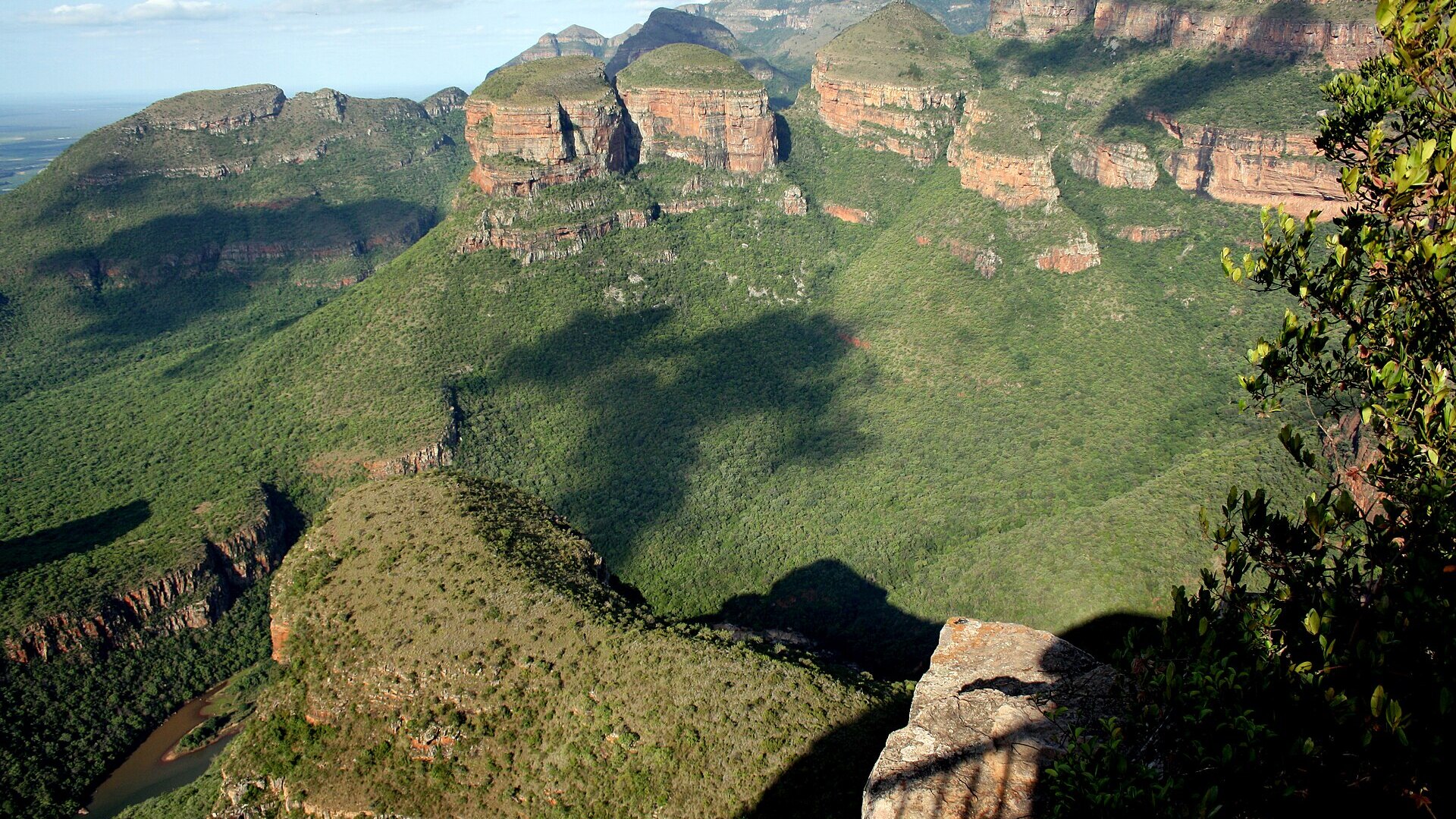
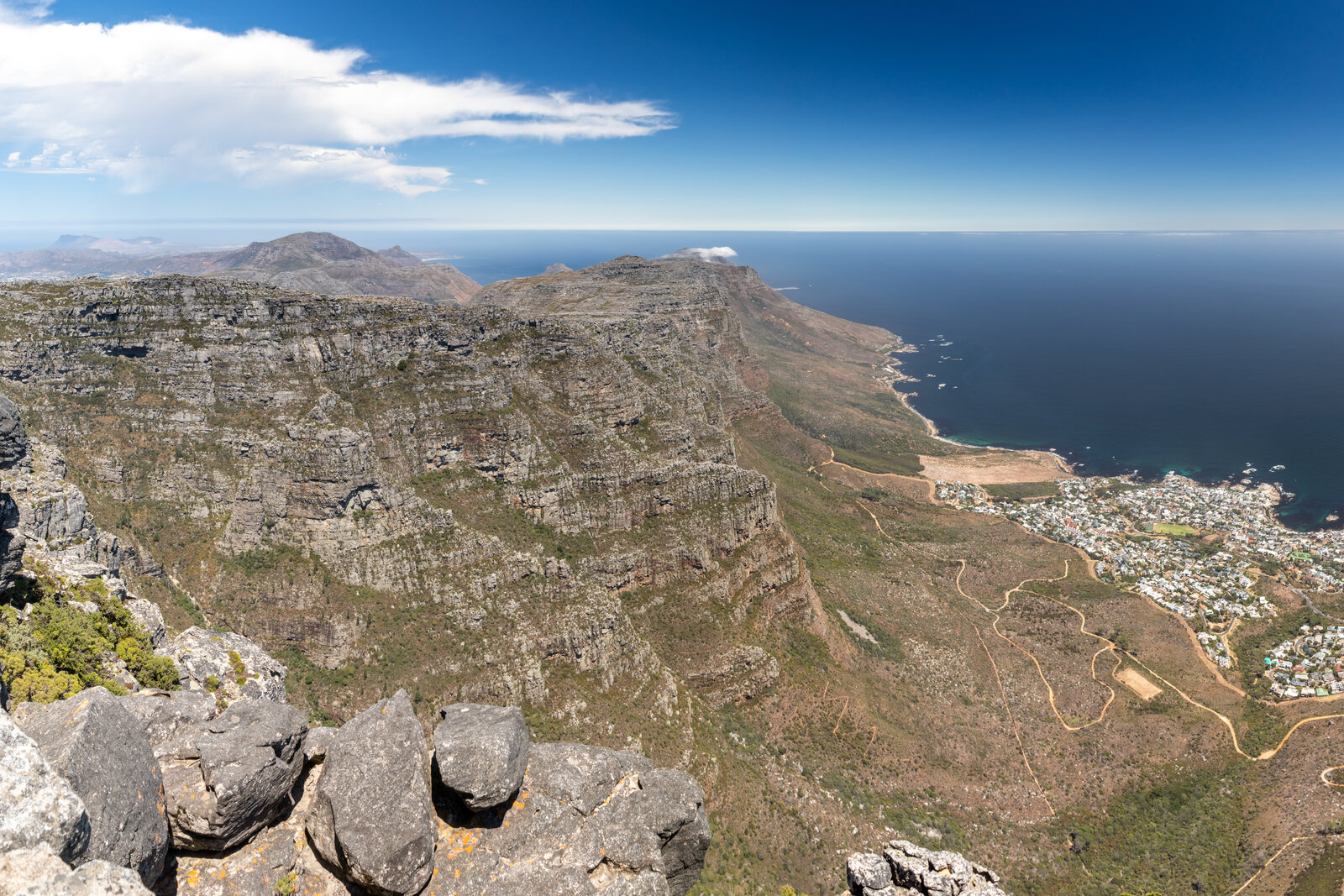
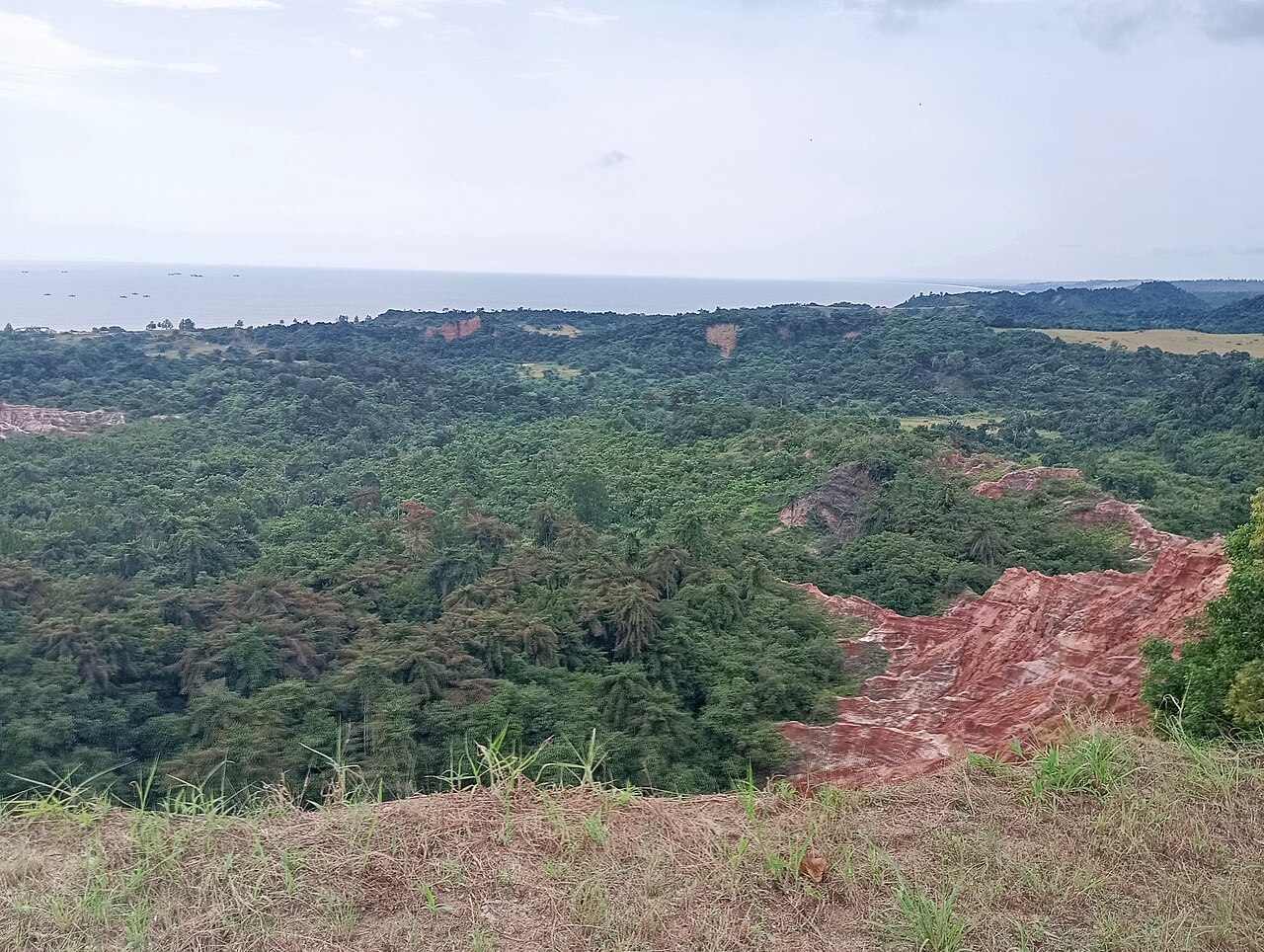
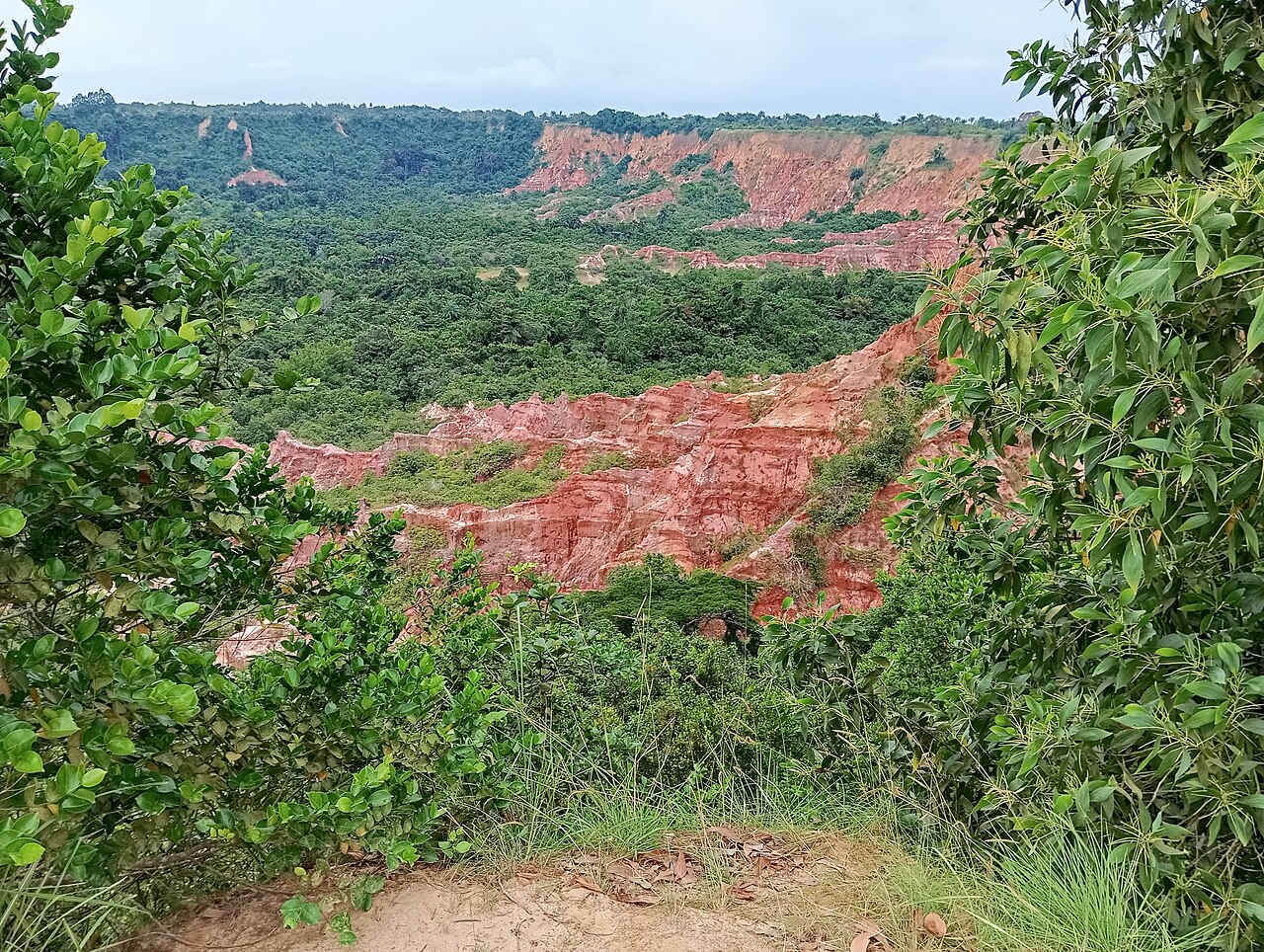
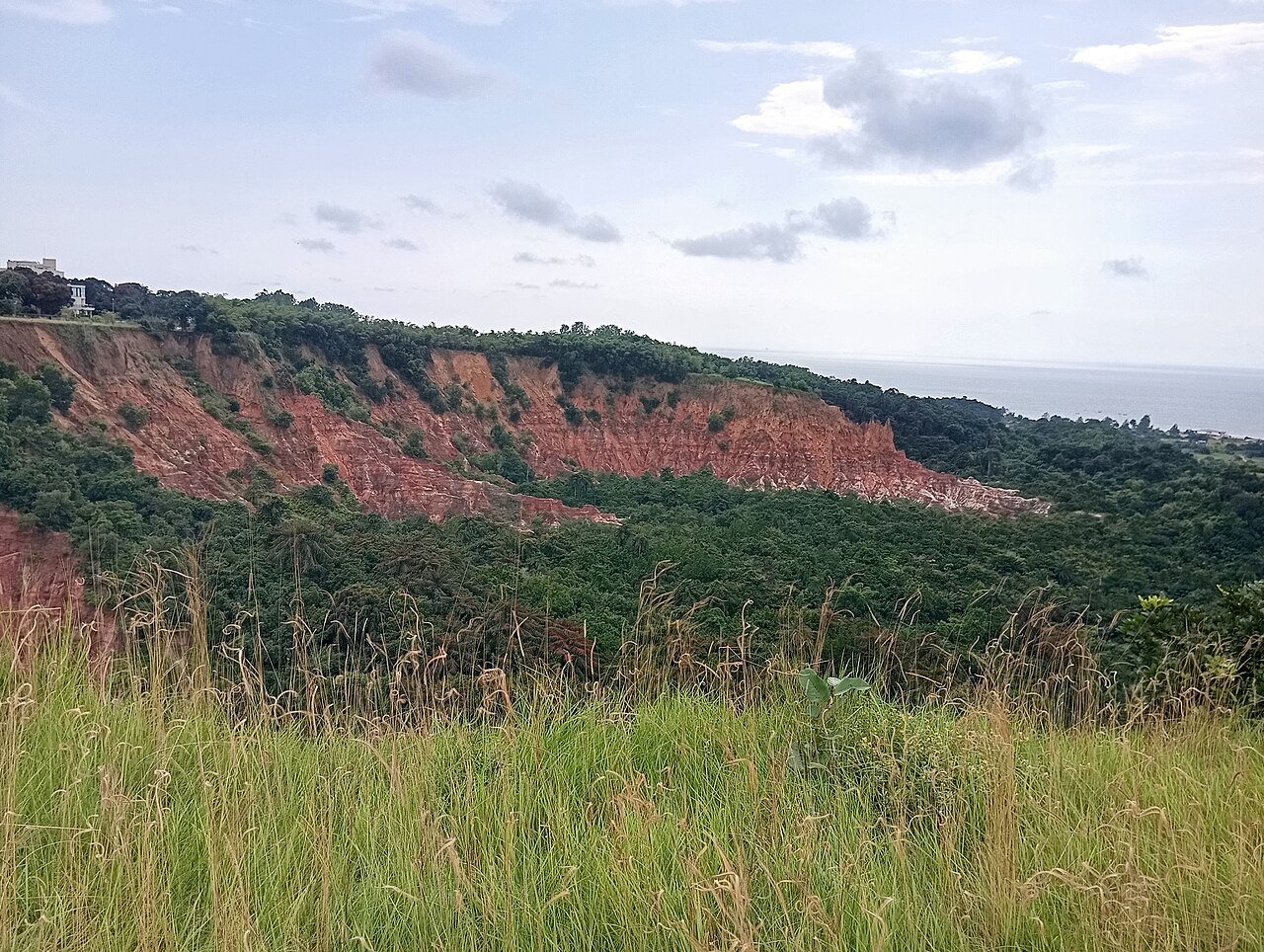
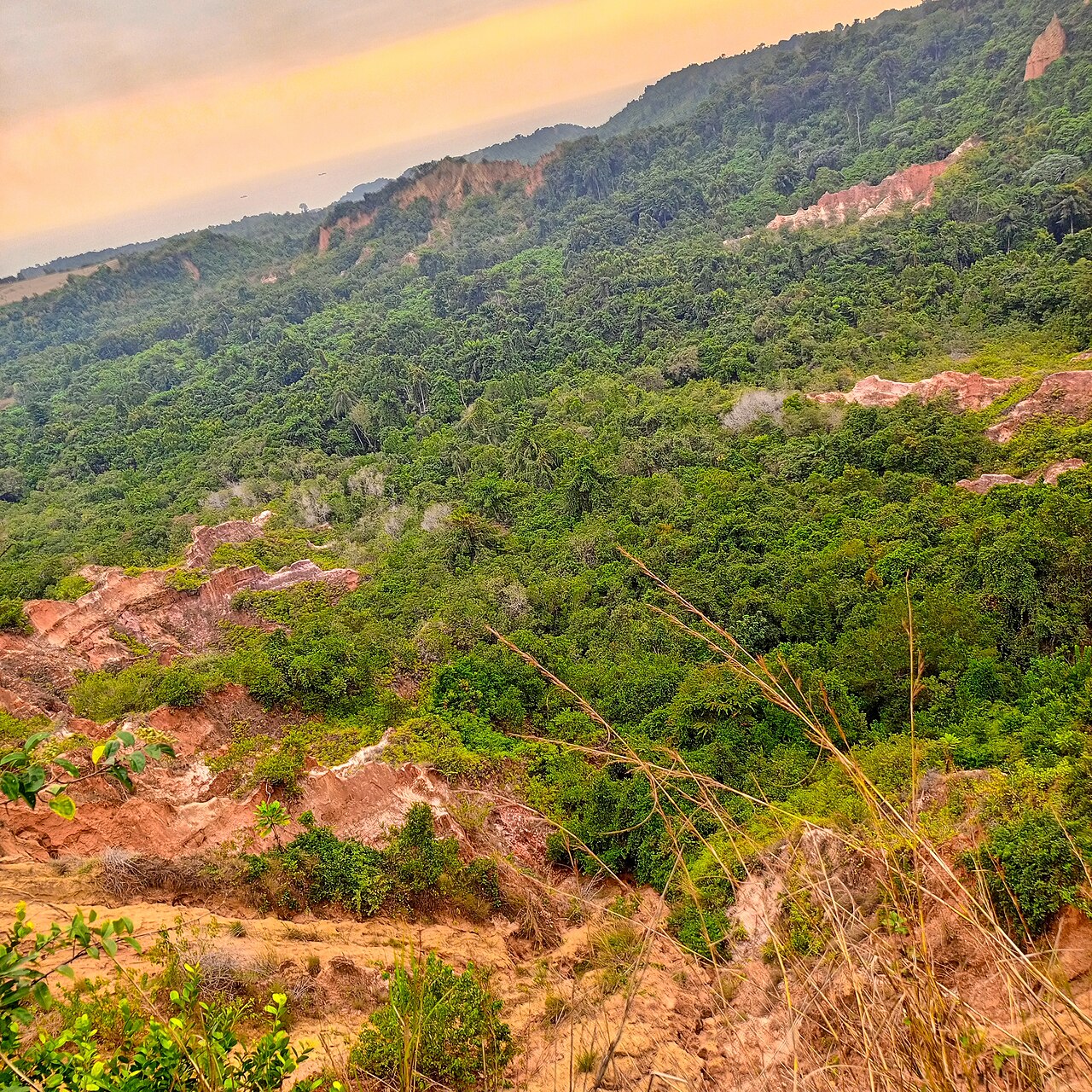
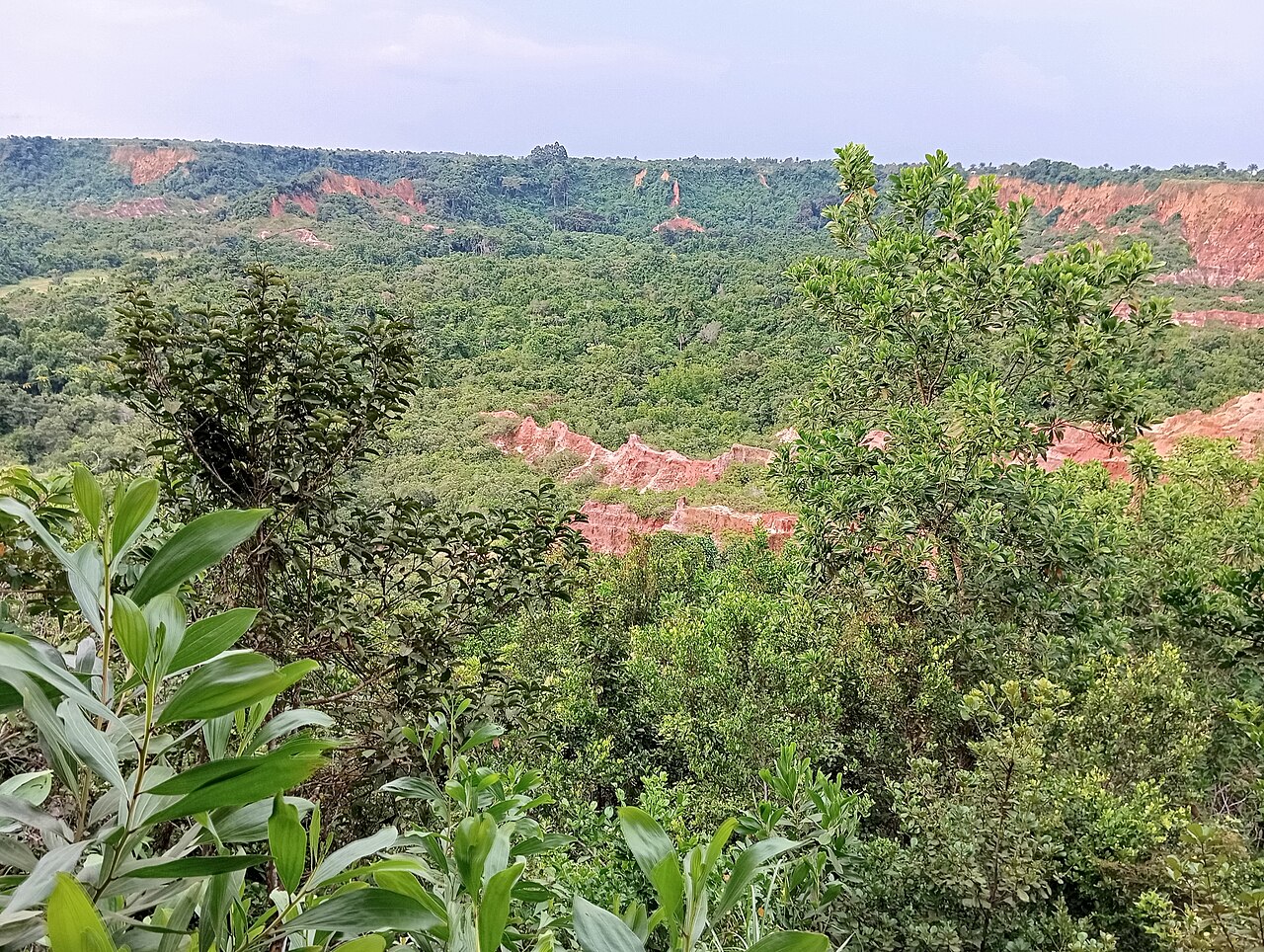
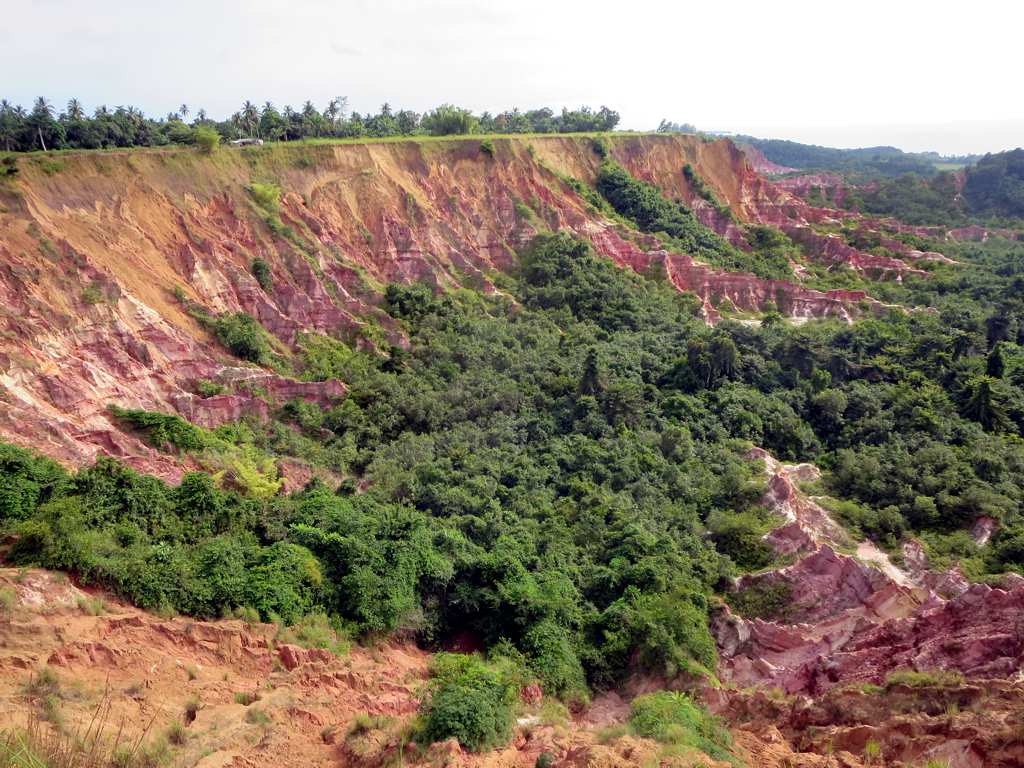
Diosso Gorge (Gorges de Diosso) is a system of deeply eroded red clay canyons located 30 kilometres north of Pointe-Noire, the country's economic capital on the Atlantic coast. The gorge sits in the Kouilou Department, near the village of Diosso — historic seat of the Loango Kingdom and home to the Ma-Loango Regional Museum. The cliffs are composed of iron-rich laterite, which gives them their signature burnt-orange to deep-crimson colouring. Erosion by tropical rainfall over millennia has carved them into a labyrinth of pinnacles, ravines, and vertical walls that drop roughly 100 metres toward the Atlantic Ocean. Standing at the rim and looking west, you can see the ocean on the horizon beyond the red earth.
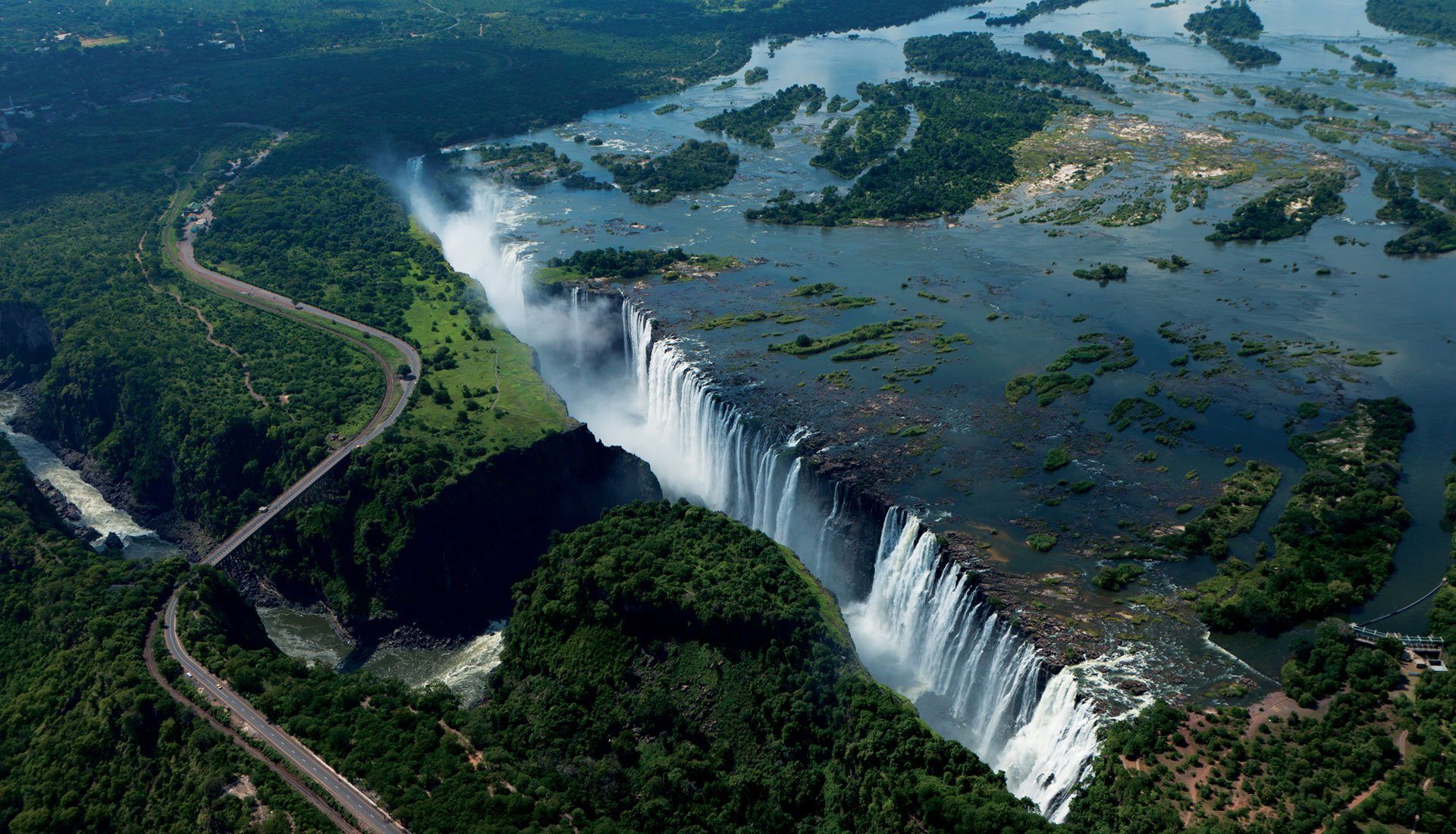
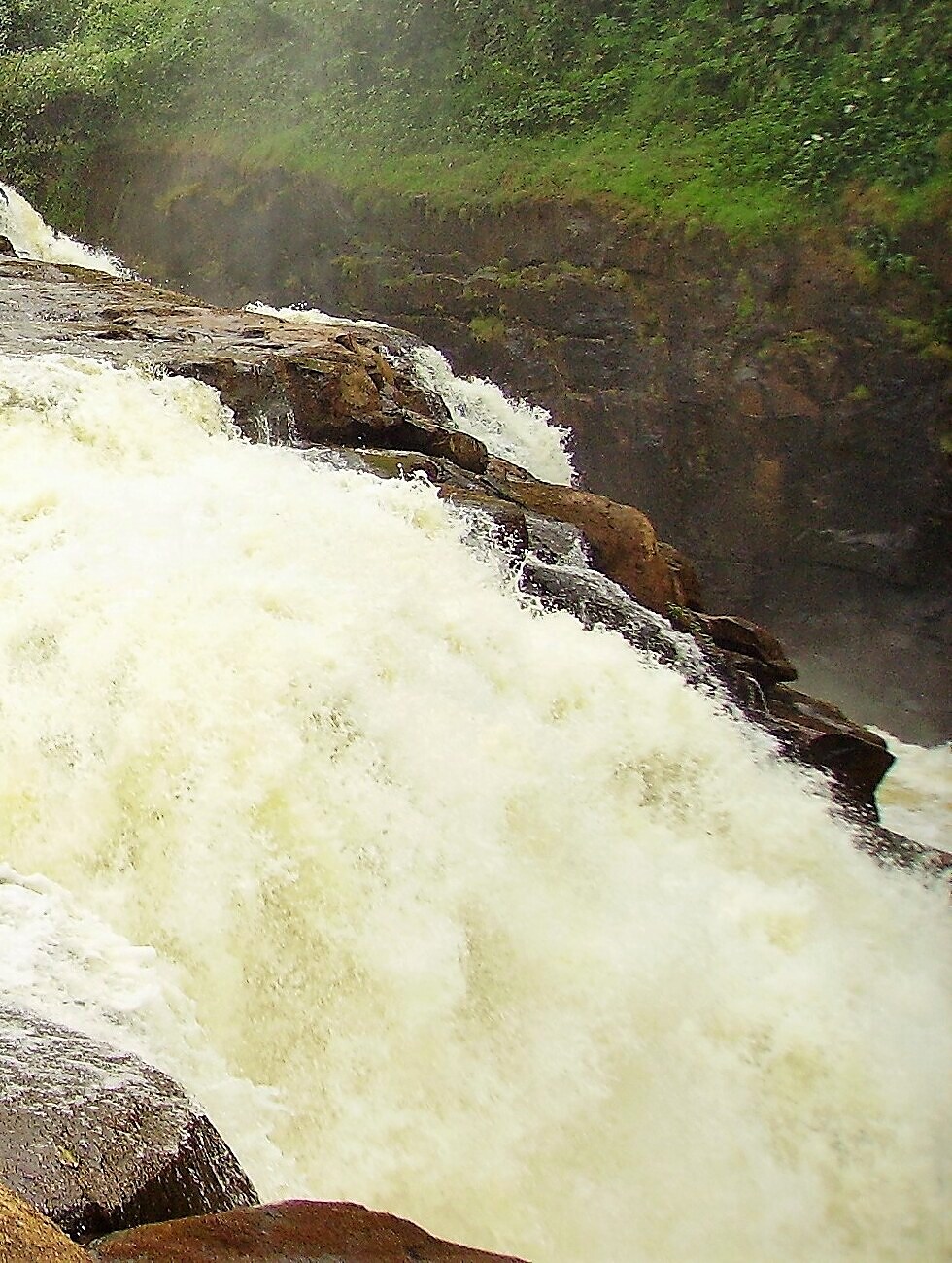
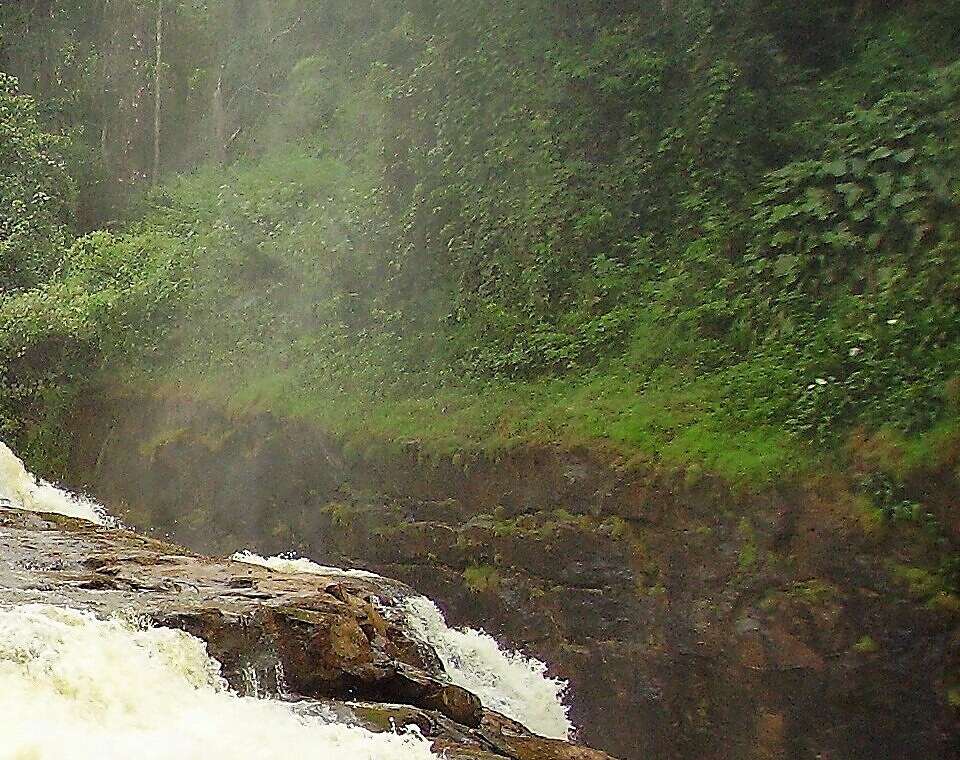
Loufoulakari Falls (Chutes de Loufoulakari) is a wide waterfall approximately 80 kilometres southwest of Brazzaville, where the Loufoulakari River — a tributary of the Congo — drops over a basalt ledge into a forested ravine. The falls are not a single dramatic plunge but a broad curtain of water tumbling across layered rock, surrounded by dense bush and gallery forest. During the wet season the volume is impressive; in the dry season the pools below are shallow enough for swimming. Brazzaville residents treat it as a weekend escape — spread blankets, cool off in the pools, and eat grilled fish beside the river.
Neither site has formal tourism infrastructure. There are no lodges, no ticket offices, and no interpretive signage. Both are visited primarily by Congolese day-trippers and the occasional adventurous foreign traveller. That rawness is precisely what makes them remarkable.
Diosso Gorge — Congo's Red Canyon
Geology & Formation
The Gorges de Diosso are carved into the coastal sedimentary basin that underlies much of the Kouilou Department. The dominant rock is laterite — a clay-rich soil with a high concentration of iron and aluminium oxides, which produces the vivid red, orange, and ochre tones visible from every angle. Millions of years of tropical rainfall have cut into this relatively soft formation, creating a canyon system that is still actively eroding. After heavy rains, you can sometimes hear rocks falling from the cliff faces.
The gorge runs roughly north-south for several kilometres, with depths of up to 100 metres in places. The canyon floor is choked with tropical vegetation — palm trees, lianas, and dense undergrowth — while the exposed cliff faces display layered strata of different red and yellow tones, each representing a different era of sediment deposition. From the rim, the effect is dramatic: vertical walls of burnt earth plunging into a green abyss, with the Atlantic Ocean glinting on the western horizon.
Viewpoints & What to See
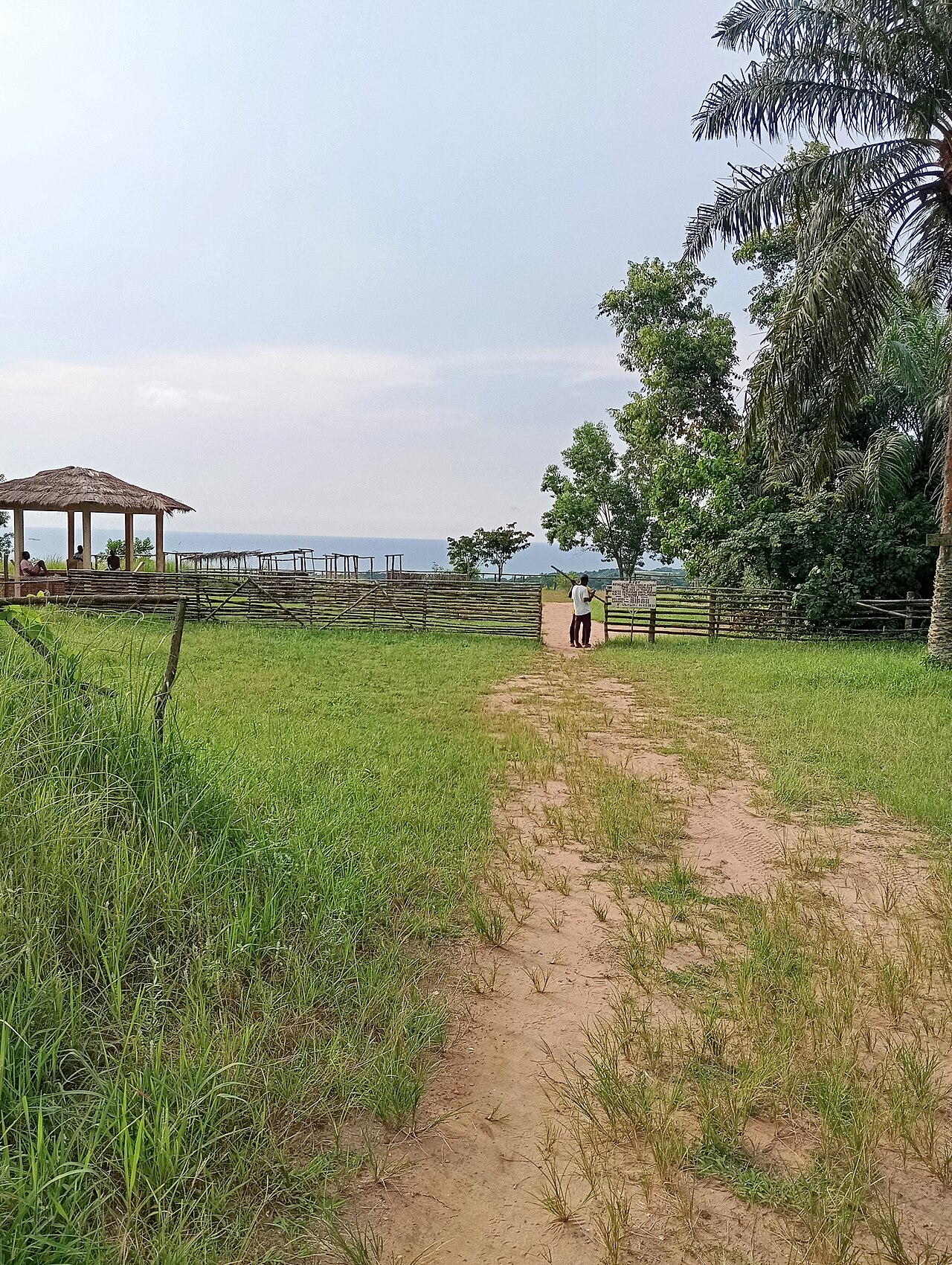
The main viewpoint is accessible from the village of Diosso itself. A path leads from the road to the canyon rim, where you can look down into the gorge and across to the ocean. Several informal viewpoints along the rim offer different perspectives — some looking directly into narrow side canyons, others providing wider panoramas of the full gorge system.
The Ma-Loango Regional Museum, located in the former royal palace of the Loango Kingdom in Diosso village, is a worthwhile stop before or after the gorge. The museum houses artefacts from the Kingdom of Kongo and the Loango Kingdom, including carved figures, fishing implements, and items related to the transatlantic slave trade. The building itself — a colonial-era structure perched above the gorge — provides an elevated vantage point.
For those comfortable with scrambling on loose terrain, it is possible to descend partway into the gorge with a local guide. The footing is unreliable — wet laterite is slippery — but the interior views of the cliff faces and the vegetation at the bottom are unlike anything else in the region.
How to Visit from Pointe-Noire
Diosso Gorge is approximately 30 km north of Pointe-Noire along the main coastal road. The drive takes 30–45 minutes depending on traffic and road conditions.
- By taxi: Negotiate a round-trip taxi from Pointe-Noire for CFA 15,000–25,000 (roughly $25–$40). Ask the driver to wait while you explore.
- By shared minibus: Minibuses to Diosso village depart from Pointe-Noire's Fond Tié-Tié area. The fare is CFA 1,000–2,000 ($1.50–$3). From Diosso village, walk 10–15 minutes to the gorge viewpoints.
- Guided excursion: Several Pointe-Noire tour operators offer half-day excursions to Diosso Gorge, often combined with the Ma-Loango Museum. Prices range from $30–$60 per person including transport and guide.
There is no formal entrance fee to the gorge viewpoints. However, if you engage a local guide from the village (recommended), a tip of CFA 5,000–10,000 ($8–$16) is appropriate. The museum charges a small entrance fee of CFA 1,000–2,000.
Best Time to Visit
The dry season (June–September) offers the firmest ground and the best visibility. The laterite colours appear most vivid in the low-angled light of early morning or late afternoon. During the wet season (October–May), the gorge is actively eroding — more dramatic, but slippery and potentially dangerous near the rim. The cliff faces look richer in colour after rain.
Village & Artisan Culture
Diosso village retains cultural significance as a former seat of the Vili-speaking Loango Kingdom. The village sits near the broader Loango Slavery Harbour site, which is on the UNESCO World Heritage Tentative List. Local artisans sell carved figures, woven baskets, and other crafts near the museum. Engaging with village guides and purchasing local crafts is a meaningful way to support the community.
Loufoulakari Falls — Brazzaville's Weekend Escape
The Falls
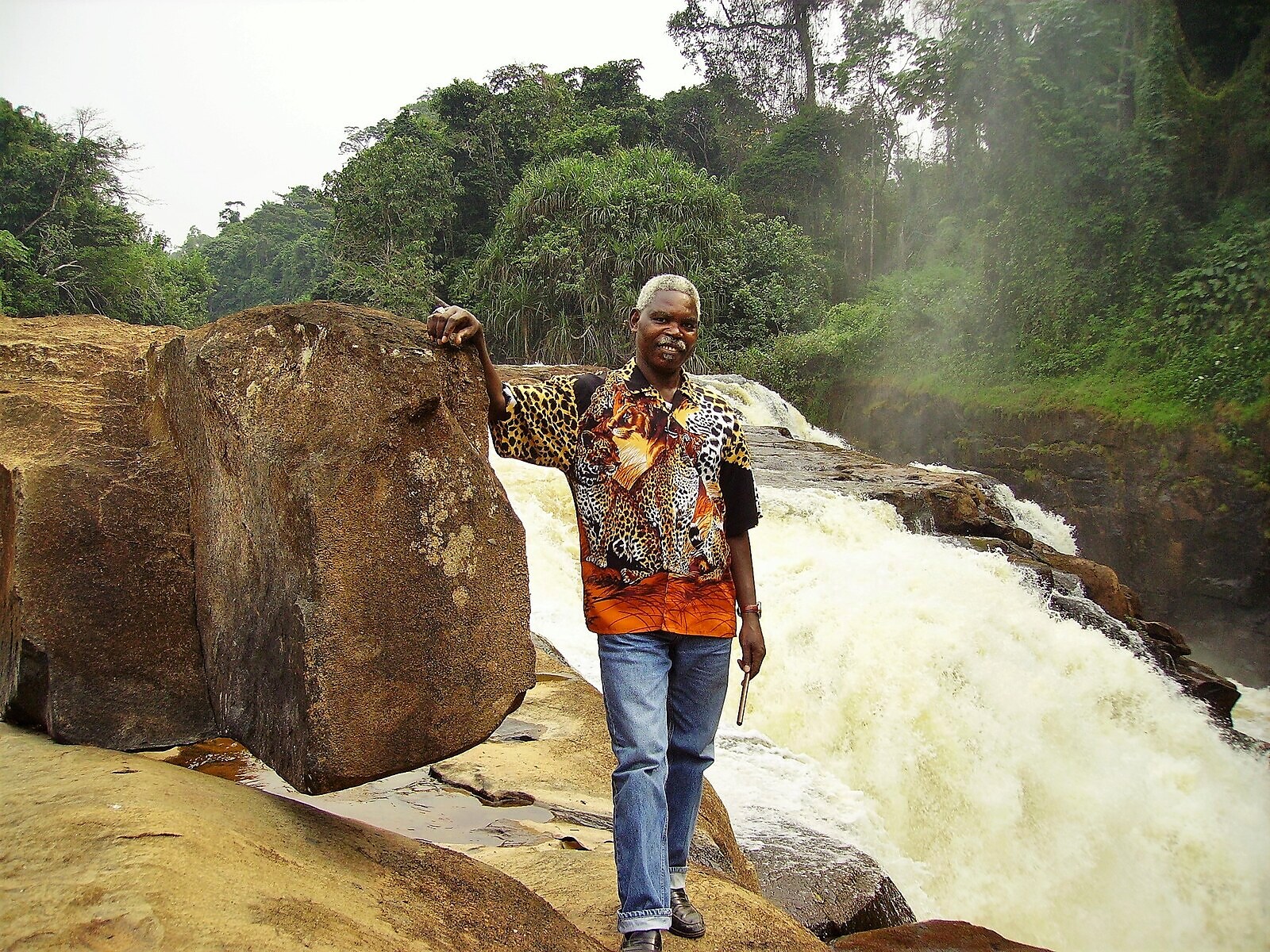
Loufoulakari Falls sits where the Loufoulakari River — a tributary of the Congo — drops over a wide basalt shelf before continuing its journey toward the main river. The falls are not a single dramatic plunge; they form a broad, tiered cascade spreading across the width of the river, with the water fanning out over weathered rock faces before collecting in pools below.
During the wet season (October–May), the volume increases substantially and the falls take on a more powerful, almost white-water character. In the dry season (June–September), the flow diminishes but the pools below become calm and swimmable — this is when most Brazzaville families visit.
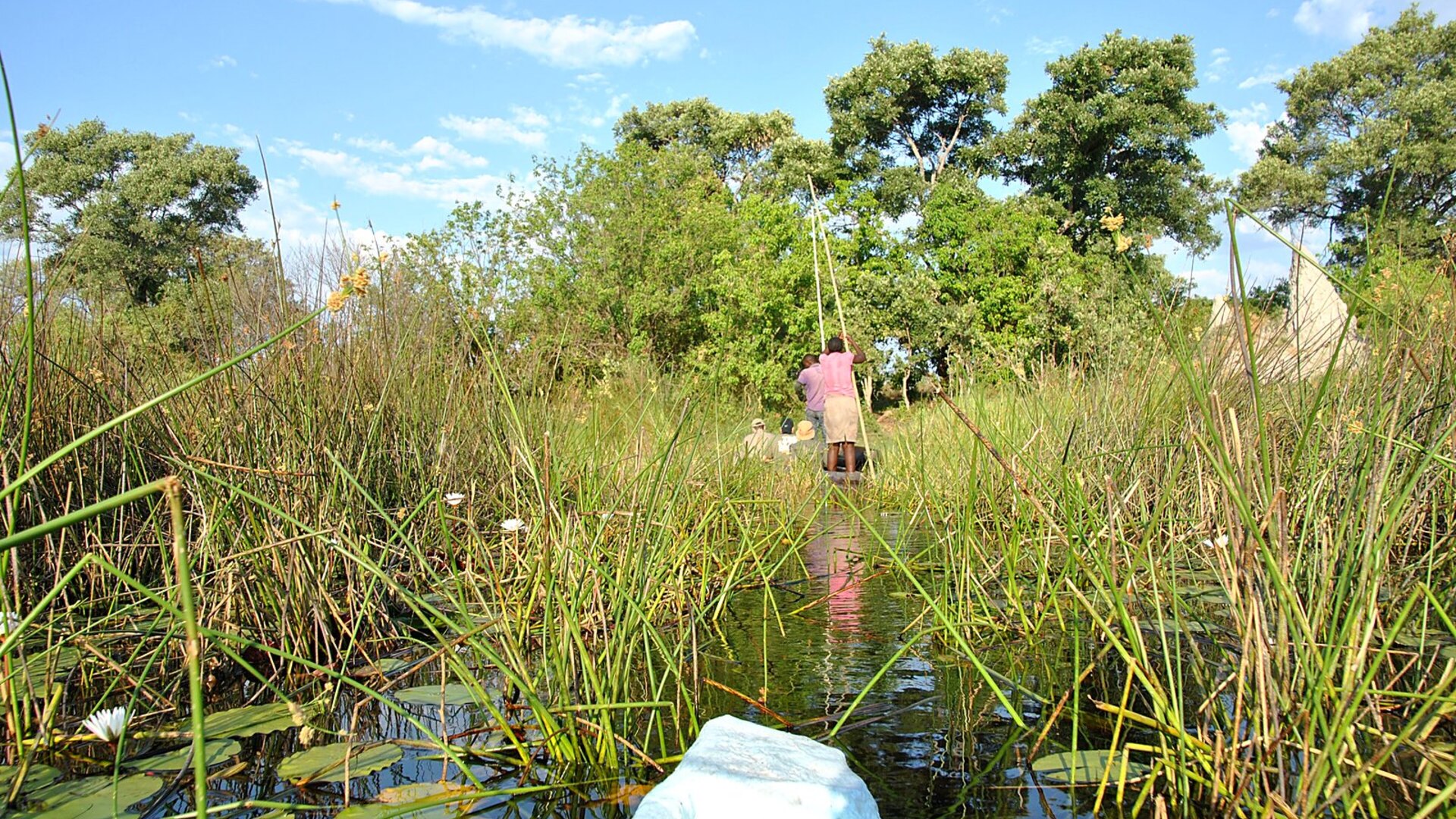
The surrounding landscape is classic Pool Department terrain: rolling grassland interspersed with gallery forest along the river corridor. The sound of the falls carries well upstream, so you hear them before you see them.
Swimming & Picnic Culture
Loufoulakari Falls is first and foremost a local recreation site. On weekends, Brazzaville families make the 80 km drive to swim in the natural pools, grill fish and plantain on the rocks, and spend the day by the water. The atmosphere is relaxed, communal, and distinctly Congolese. Foreign visitors are rare but welcomed.
There are no lifeguards, no changing rooms, and no formal facilities. Bring everything you need — water, food, sun protection, and a towel. The rocks can be slippery, so water shoes or sandals with grip are advisable. Swimming is safest in the dry season when flows are calmer.
How to Visit from Brazzaville
Loufoulakari Falls is approximately 80 km southwest of Brazzaville, off the road toward Kinkala (Route Nationale 1 south). The drive takes 1.5–2.5 hours depending on road conditions.
- By hired car: Rent a vehicle with driver from Brazzaville for a day trip. Expect to pay CFA 40,000–80,000 ($65–$130) round trip including fuel and waiting time. 4x4 is recommended, especially in the wet season.
- By shared transport: Minibuses and bush taxis heading south from Brazzaville pass near the turnoff to the falls. The fare is CFA 2,000–4,000 ($3–$6) to the junction, but you will need to walk or arrange a moto-taxi for the final stretch.
- Organised excursion: A handful of Brazzaville-based tour operators and hotels can arrange day trips. Prices range from $50–$100 per person including transport, a guide, and a packed lunch.
There is no entrance fee. The site is effectively open access. Engaging a local guide from the nearest village is optional but adds context and supports the community — tip CFA 5,000–10,000.
Best Time to Visit
For swimming: the dry season (June–September) when pool water is calm and access roads are passable. For waterfall volume and photography: the late wet season (March–May) when flows peak. Avoid the height of the rains (October–November) when roads can become difficult.
Diosso vs Loufoulakari — Which to Choose?
If your Congo itinerary is based around Pointe-Noire — perhaps arriving by flight from Brazzaville or as a pre/post Conkouati-Douli extension — Diosso Gorge is the natural add-on. It requires half a day, costs almost nothing, and delivers one of the most visually striking geological formations in Central Africa.
If your trip is anchored in Brazzaville — waiting for a charter to Odzala, arriving at Maya-Maya Airport, or spending a city-exploration day — Loufoulakari Falls is the obvious day trip. It is a genuine local experience: swimming, picnicking, and escaping the city heat alongside Congolese families.
| Factor | Diosso Gorge | Loufoulakari Falls |
|---|---|---|
| Base city | Pointe-Noire | Brazzaville |
| Distance | 30 km (30–45 min) | 80 km (1.5–2.5 hrs) |
| Cost per person | $5–$40 (transport + tip) | $10–$100 (transport + food) |
| Time needed | Half day | Full day |
| Primary appeal | Geological drama, photography | Swimming, local culture, relaxation |
| Best season | Jun–Sep (dry, vivid colours) | Jun–Sep (calm pools, good roads) |
| Difficulty | Easy (rim walk); moderate (descent) | Easy (riverside); rocky footing near falls |
If time allows, visit both. They represent two entirely different faces of the Congolese landscape — one a monument to erosion and geological time, the other a celebration of water and communal living. Together with Odzala-Kokoua, Conkouati-Douli, Nouabale-Ndoki, and Lesio-Louna, they round out a picture of the Republic of the Congo as a country with extraordinary natural diversity that is only beginning to be understood by the outside world.
Honest Take — Raw Beauty, Zero Polish
Neither Diosso Gorge nor Loufoulakari Falls is a polished tourism product. There are no information boards, no visitor centres, no cafes, and no souvenir shops. Roads can be rough. Local guides are informal — knowledgeable and friendly, but not trained in the way Odzala's tracker-guides are. You need to bring your own water, food, and sun protection.
This is frontier travel. The reward is experiencing landscapes of genuine power — landscapes that, in any other country, would be national parks with entrance fees, boardwalks, and gift shops. In the Congo, they are simply part of the terrain, visited by locals and ignored by the global travel industry.
For nature lovers, photographers, and travellers who measure a destination by what it reveals rather than what it provides, Diosso and Loufoulakari are extraordinary. For those who need infrastructure and predictability, these sites will feel too raw. Know which you are before you go.
What cannot be disputed is the visual impact. The red canyons of Diosso, viewed in the golden light of late afternoon with the Atlantic behind them, are genuinely breathtaking. And the simple joy of swimming in a natural pool below a Congo waterfall, surrounded by families doing exactly what families do on weekends everywhere, is one of those travel moments that stays.
Planning Tips for Both Sites
What to Bring
- Diosso Gorge: Sturdy closed-toe shoes (laterite is slippery when wet), hat, sunscreen, camera, water, and a light rain layer if visiting in the wet season. A local guide from the village is strongly recommended.
- Loufoulakari Falls: Swimwear, towel, water shoes or sandals with grip, picnic supplies, plenty of water, sunscreen, and insect repellent. Everything you need must be brought from Brazzaville — there are no shops at the falls.
Safety
Both sites are considered safe. Petty crime is not a significant concern at either location. The primary risks are environmental: loose footing near cliff edges at Diosso, slippery rocks and currents near the falls at Loufoulakari. Use common sense, stay back from unprotected edges, and don't swim in fast-flowing water during the wet season.
Combining with Broader Congo Itineraries
Most travellers visiting the Republic of the Congo are heading to Odzala-Kokoua National Park for gorilla trekking. Charter flights to Odzala depart from Brazzaville, so a day trip to Loufoulakari Falls fits naturally into a pre-Odzala or post-Odzala overnight in the capital. Diosso Gorge pairs well with visits to Conkouati-Douli National Park, which is accessed from Pointe-Noire.
A comprehensive Congo natural-wonders itinerary might run: Brazzaville (1–2 nights, Loufoulakari Falls day trip) → Odzala-Kokoua (7–10 nights, gorilla trekking) → Brazzaville (1 night) → Pointe-Noire (2–3 nights, Diosso Gorge + Conkouati-Douli) → Depart. Allow 12–18 days total.