Key Takeaways
- South Africa's greatest secrets lie far beyond Cape Town, the Kruger and the Winelands — in deserts, canyons, wild coasts and mountain wildernesses.
- Highlights include the Cederberg's Wolfberg Arch, the Blyde River Canyon, the quiver-tree deserts, Cape Agulhas (the true southern tip of Africa) and the Wild Coast's Hole in the Wall.
- Two natural spectacles are worth timing a trip around: Namaqualand's spring wildflowers (late August to September) and the Karoo's dark skies at Sutherland.
- Most of these hidden places pair naturally with classic routes — Agulhas with Cape Town, Blyde with the Kruger, iSimangaliso with the Drakensberg.
- We build these secret corners into tailor-made self-drive or privately guided itineraries so you get both the icons and the hidden gems.
The South Africa Most Travellers Never See
Cape Town, the Kruger, the Winelands, the Garden Route — these are the reasons most people first come to South Africa, and rightly so. But after twenty years of building journeys across this country, we can tell you that its deepest magic lives somewhere else entirely: in the corners the guidebooks give a single line, the places the tour buses never reach, the roads that turn to gravel and lead somewhere extraordinary.
South Africa is astonishingly varied — a country the size of Western Europe that packs deserts, canyons, alpine mountains, subtropical wetlands, ancient forests and two entire oceans into one set of borders. That variety means there is always another layer beneath the famous one: a rock arch hidden in a mountain wilderness, a forest of thousand-year-old aloes in a silent desert, a cliff with a hole punched clean through it on a coast where cattle wander the beach.
This is our list of the unique and hidden places we send curious travellers to — twelve secret corners, each real, each remarkable, and each one a reason to look beyond the obvious. We have noted where to find them, the best time to go, and how they slot into a wider trip. (One deliberate omission: the Garden Route's own hidden coves and forest towns deserve their own guide — see our Garden Route itinerary for those.)
1. The Cederberg & Wolfberg Arch
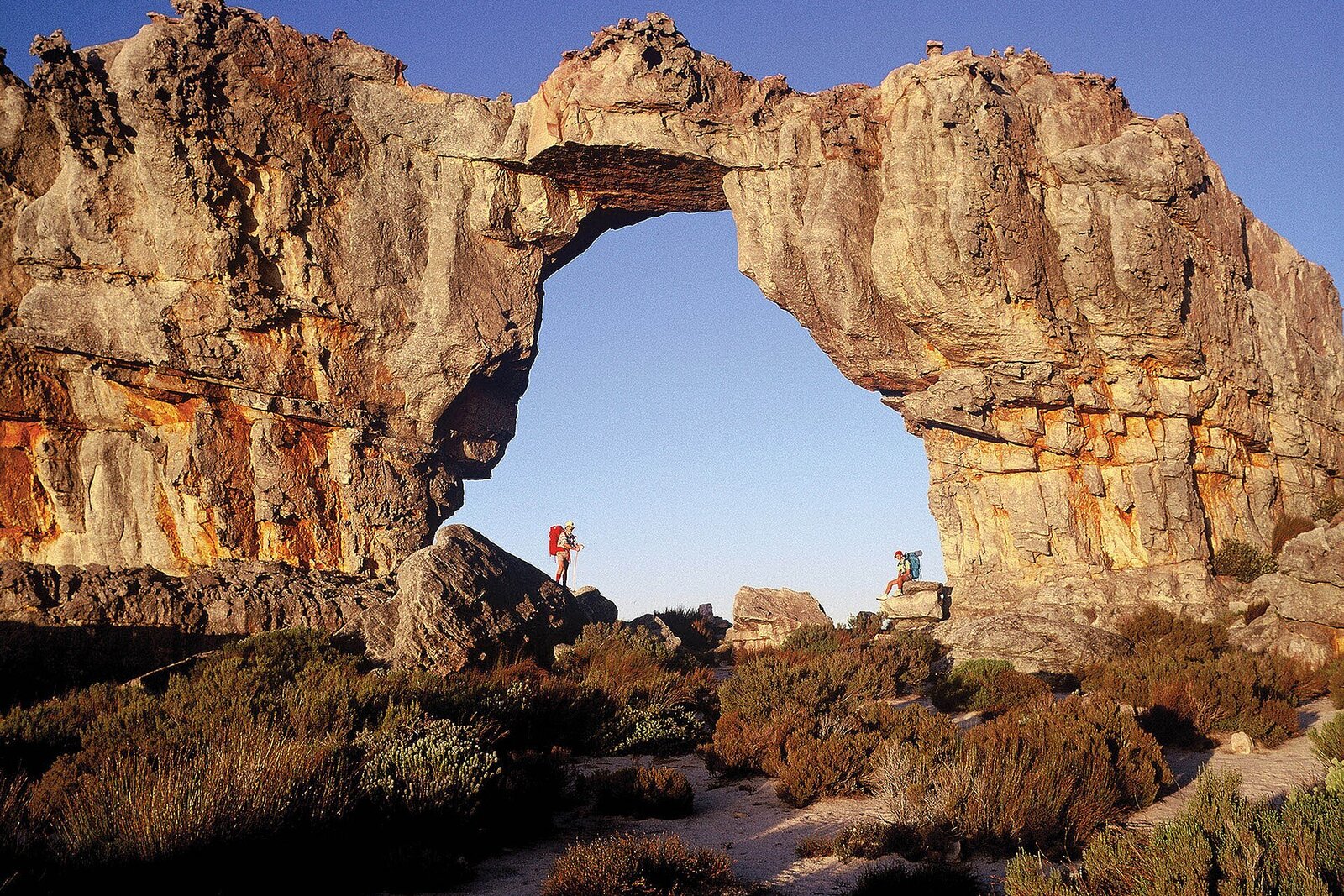
Just three hours north of Cape Town, the Cederberg is a wilderness that feels a world away — a jumble of wind-sculpted sandstone peaks, hidden valleys and some of the clearest night skies in the country. Its signature sight is the Wolfberg Arch, a vast natural rock arch reached by a strenuous but spectacular hike, framing the mountains beyond like a doorway cut into the sky. Nearby stands the slender Maltese Cross, another of the range's surreal rock formations.
The Cederberg is also one of the finest places in South Africa to see ancient San rock art, some of it thousands of years old, and it is the ancestral home of rooibos tea, grown nowhere else on earth. Come for the hiking, the rock formations, the rooibos estates and the silence — and stay for the stars, which blaze here with a brilliance you rarely see so close to a major city.
2. Blyde River Canyon & the Three Rondavels
On the Panorama Route in Mpumalanga, the Blyde River Canyon is one of the largest canyons on earth — and, unusually, one of the greenest, its plunging cliffs cloaked in subtropical vegetation. Its most photographed feature is the Three Rondavels: three enormous, rounded rock peaks rising from the canyon wall, named for their resemblance to the traditional round, thatched huts of the region. The viewpoint over them is simply breathtaking.
The Blyde sits right beside the Kruger, which makes it one of the easiest hidden gems to add to a classic safari — a day on the Panorama Route, taking in the canyon, God's Window and the waterfalls, is the perfect scenic bridge between Johannesburg and the bush. It is spectacular in any season, but clearest in the dry winter months from May to September.
3. Bourke's Luck Potholes
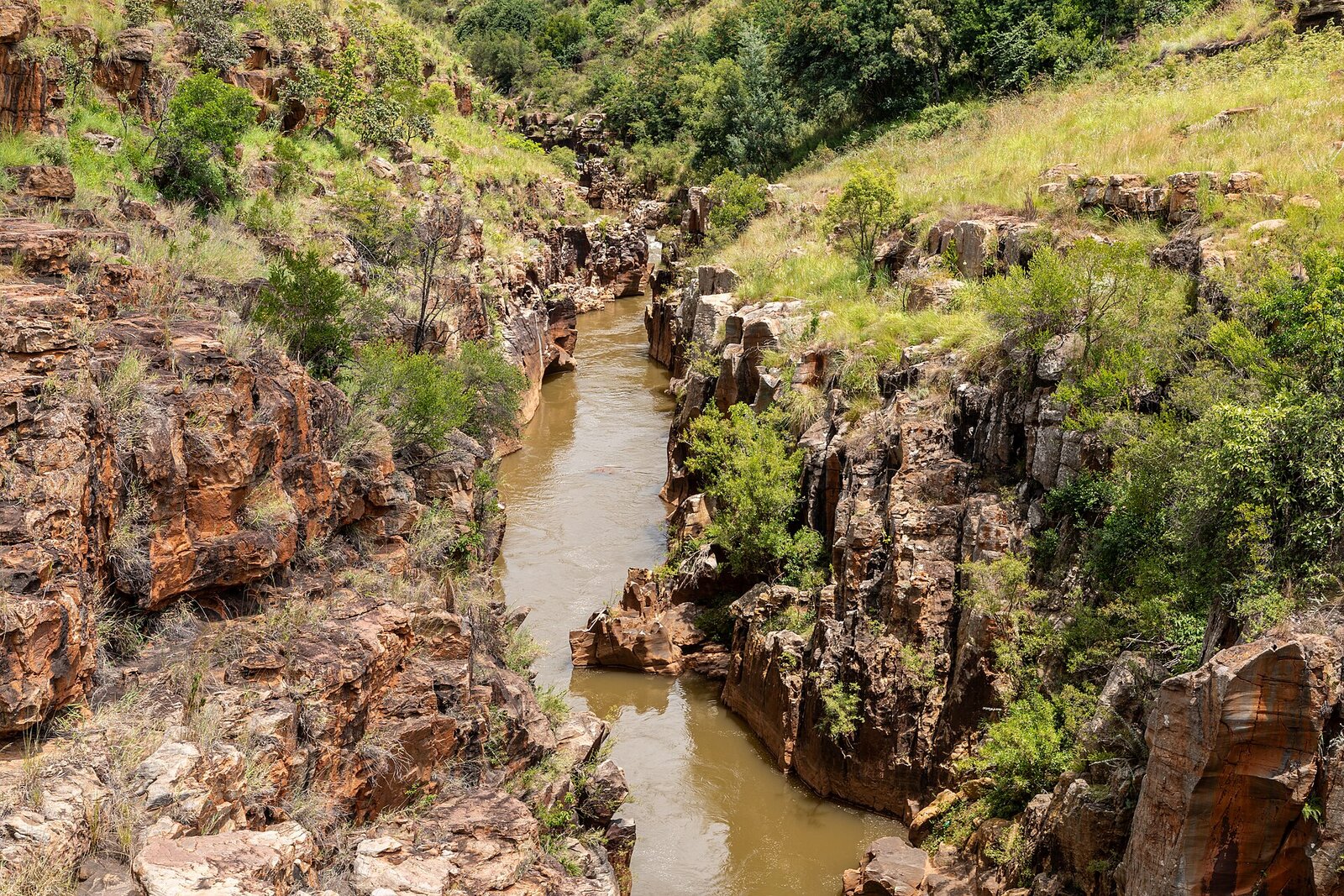
At the head of the Blyde River Canyon lies one of South Africa's strangest and most beautiful geological wonders: Bourke's Luck Potholes. Here, at the confluence of the Treur and Blyde rivers, centuries of swirling, sediment-laden water have drilled a series of deep, smooth, cylindrical cauldrons into the golden-red rock, spanned by walkways and footbridges that let you peer straight down into them.
Named after a gold prospector who worked the area, the potholes are a short, easy stop on the Panorama Route and a natural companion to the Three Rondavels. The interplay of water, light and sculpted stone makes it one of the most photogenic spots in the country — go in the morning for the best light and the quietest walkways.
4. The Quiver Tree Deserts of the Northern Cape
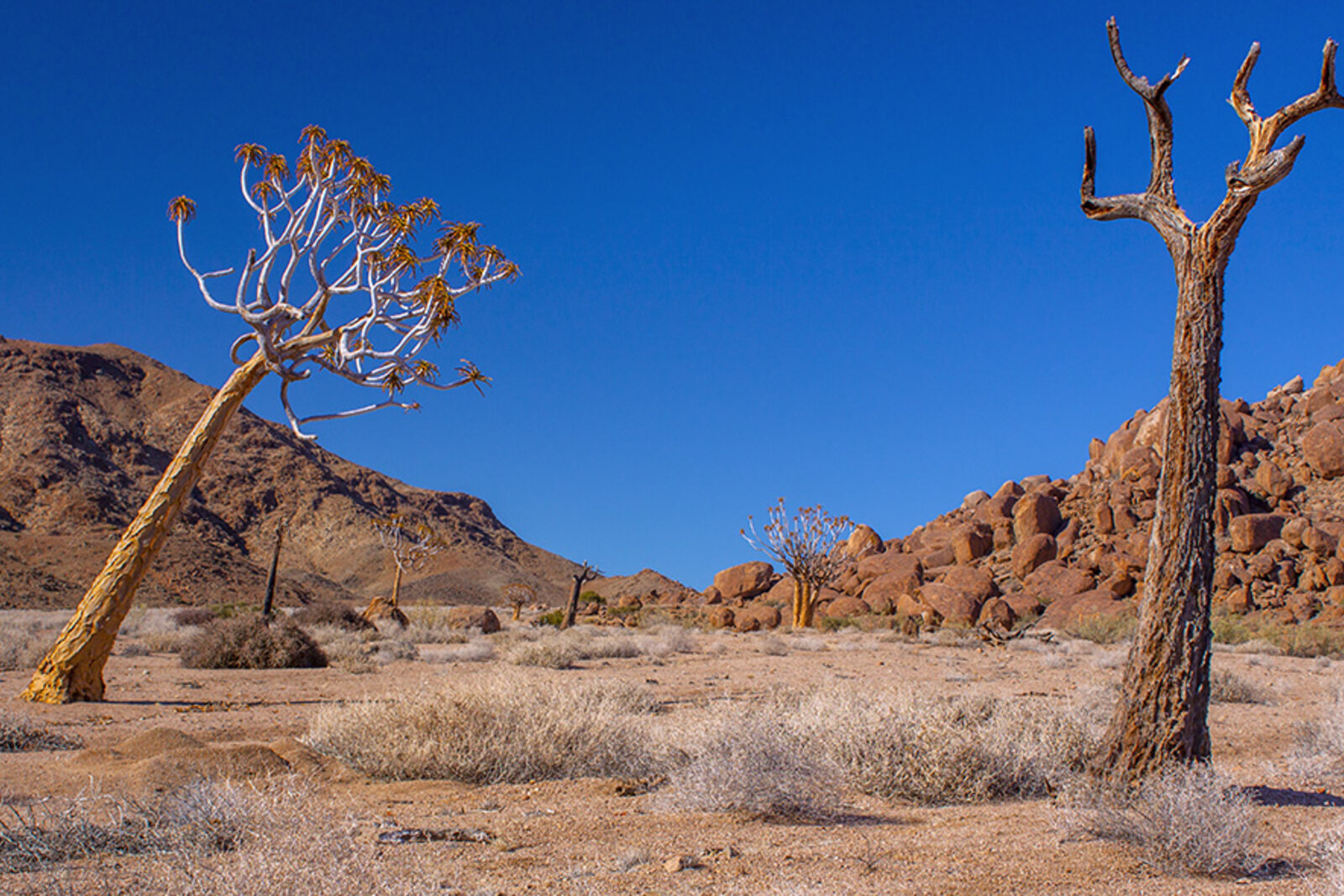
Deep in the arid interior of the Northern Cape stand some of the most surreal and photogenic trees on earth: the quiver tree, or kokerboom, a giant, branching aloe that thrives in the driest, rockiest, most sun-baked country imaginable. The San once hollowed out its soft branches to make quivers for their arrows — hence the name — and a grove of them at sunset, silhouetted against a burning sky, is an unforgettable sight.
These are the plants of South Africa's great empty spaces — the Namaqualand, the Richtersveld and the wider Karoo-Namib arid zone, where the air is clean, the towns are tiny and the silence is total. Pair the quiver trees with Namaqualand's spring flowers and the dark skies of the interior and you have one of the most otherworldly road trips the country offers.
5. Cape Agulhas — the Southern Tip of Africa
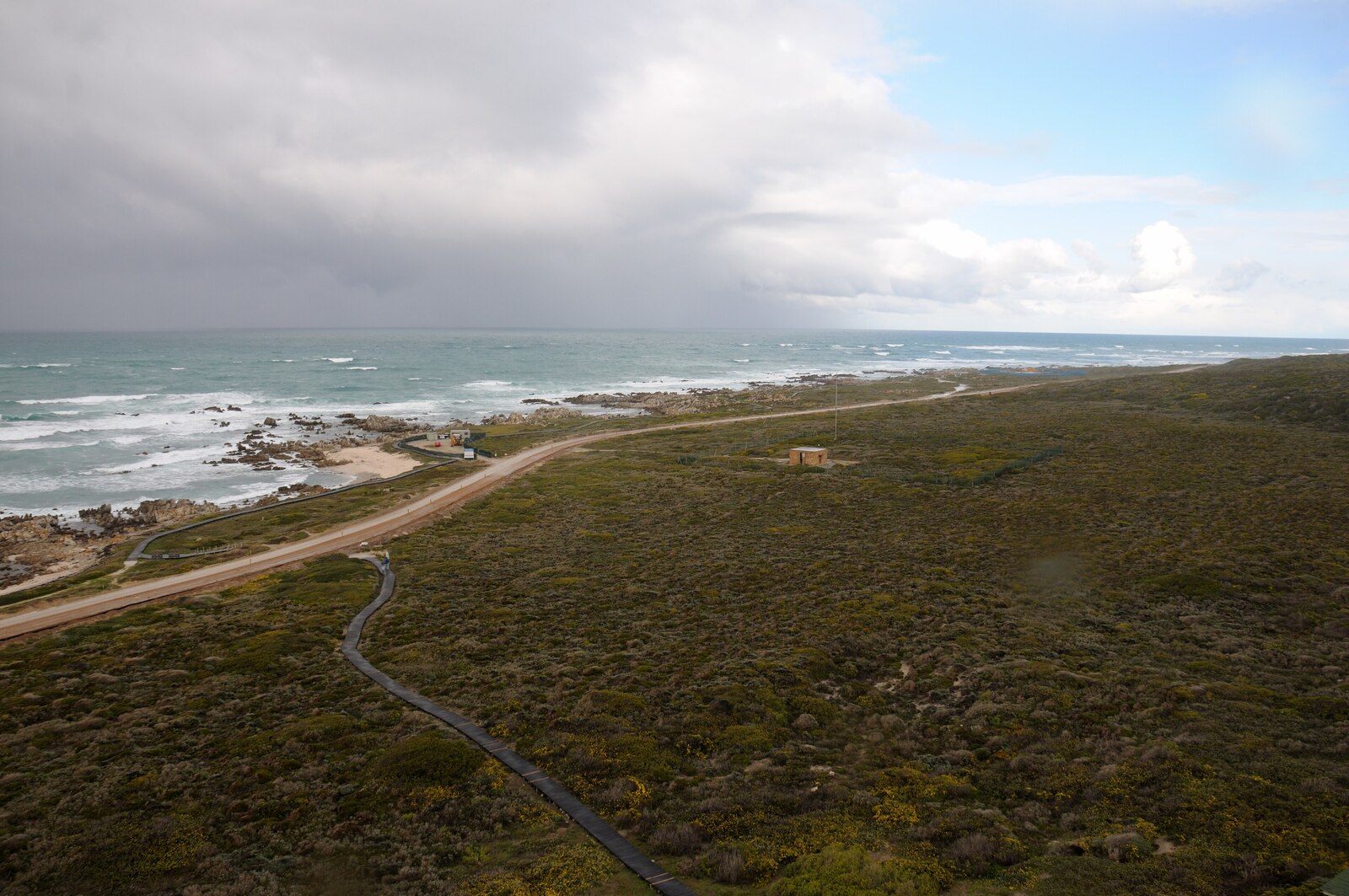
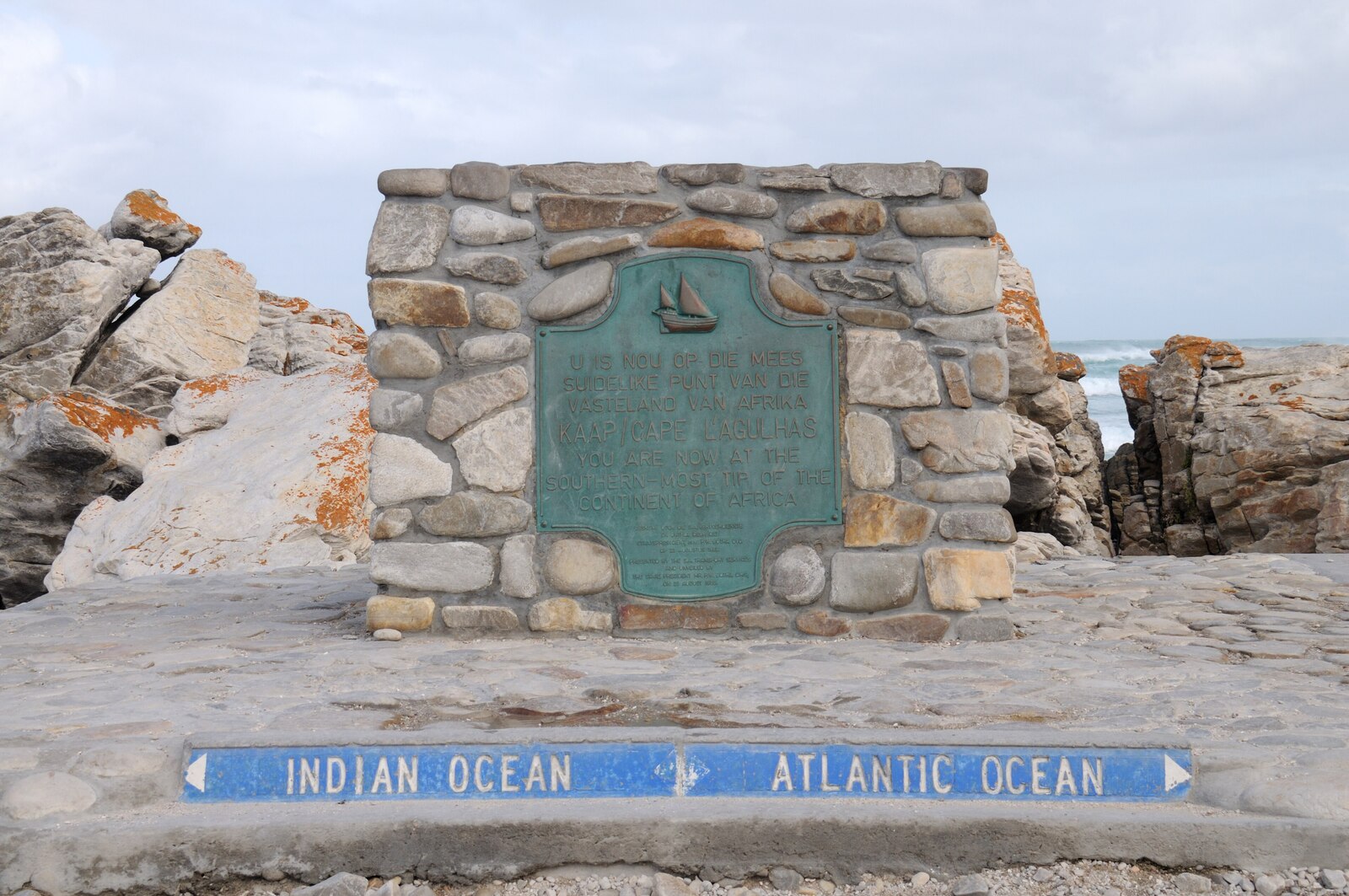
Most visitors believe Cape Point is the bottom of Africa. It isn't. The true southernmost point of the continent is Cape Agulhas, about two and a half hours east of Cape Town — a wild, low, rocky headland where the Atlantic and Indian Oceans officially meet. A simple marker shows the spot; stand beside it and you have one ocean on your left and another on your right.
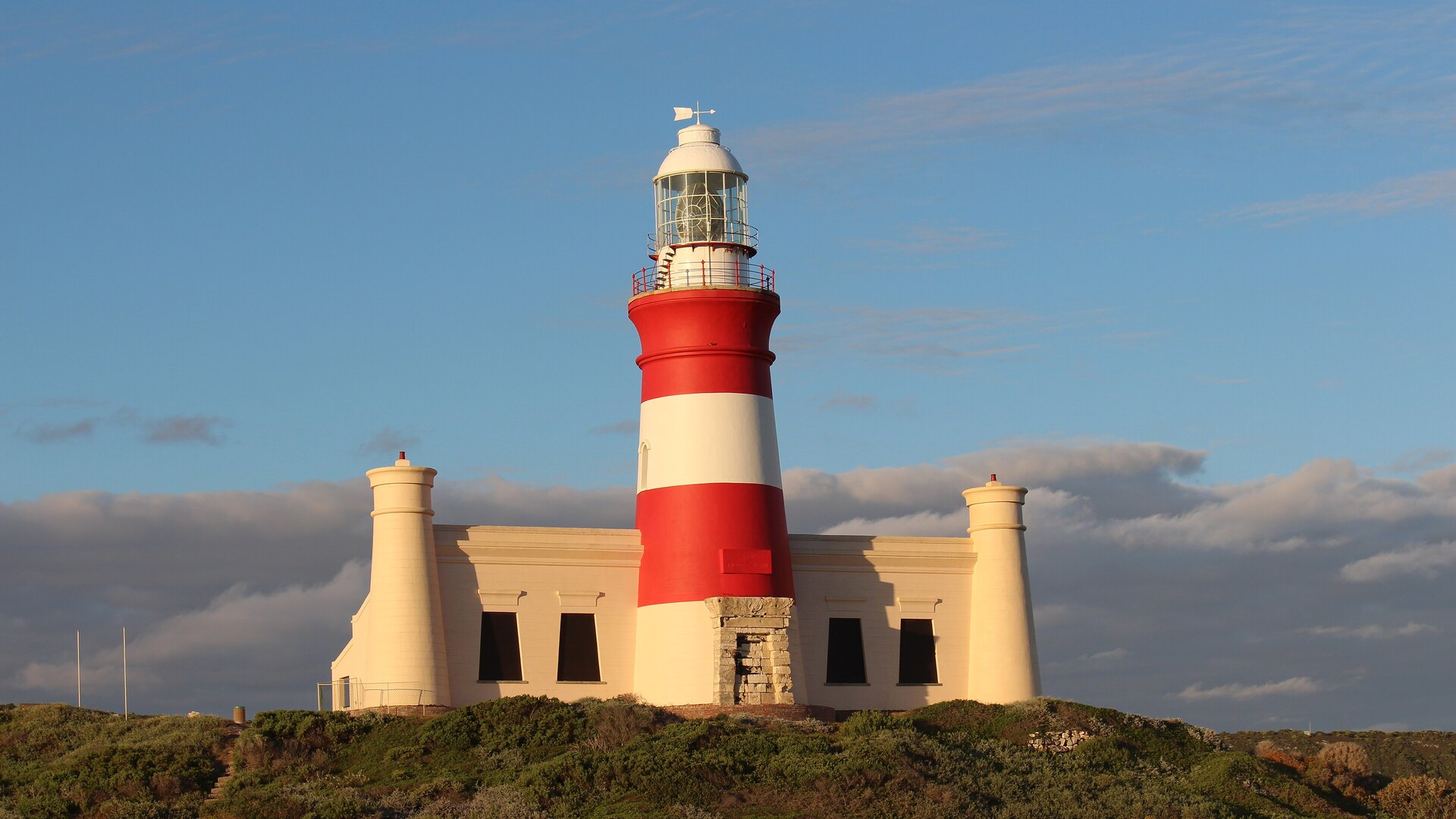
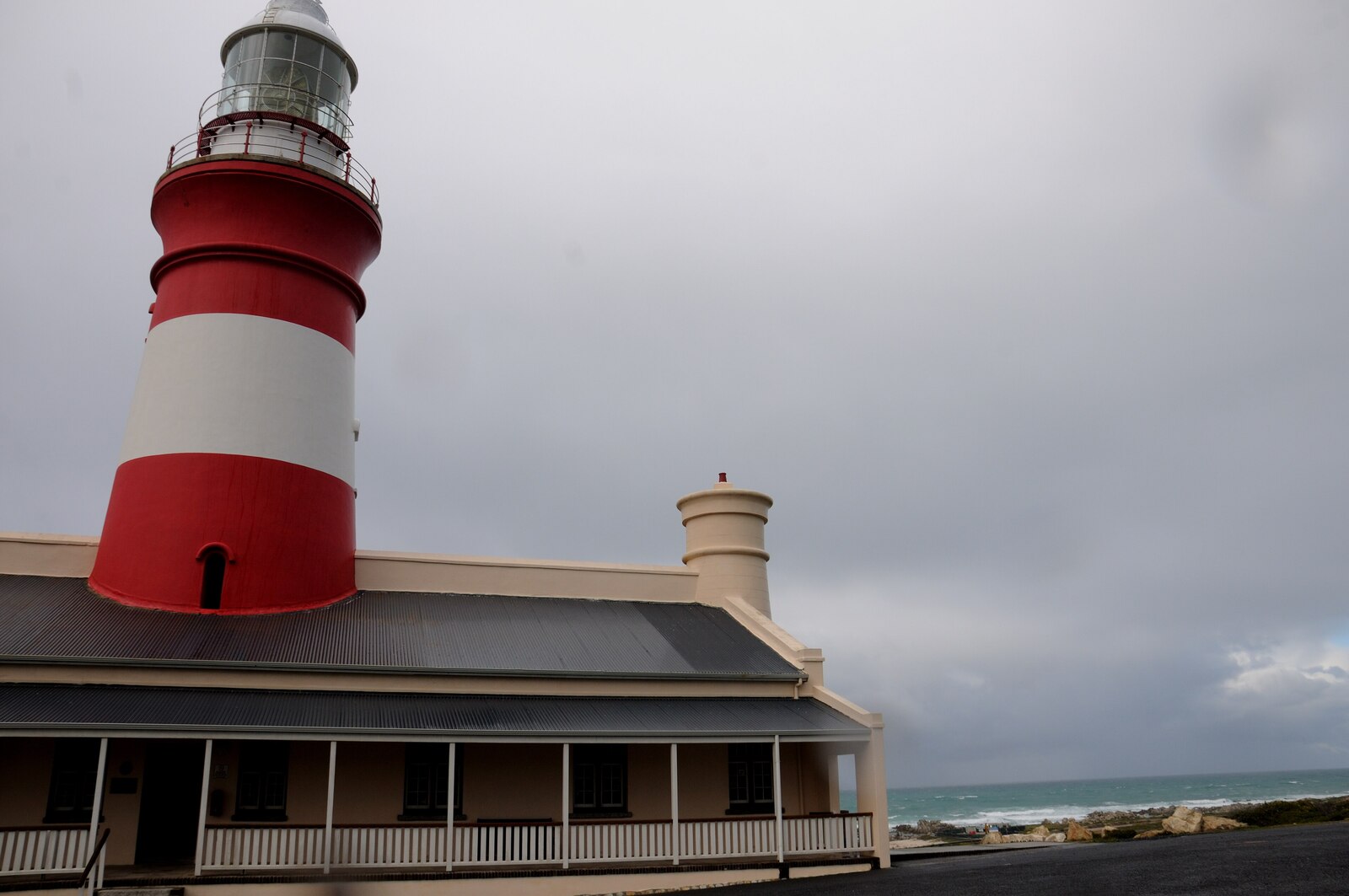
Agulhas is gloriously uncrowded and atmospheric. The historic red-and-white Agulhas Lighthouse — the second-oldest working lighthouse in South Africa — still guards this notorious stretch of coast, littered with shipwrecks, and the surrounding Agulhas National Park protects a rugged shoreline of tidal pools, fynbos and birdlife. It makes a wonderful, off-the-radar alternative or addition to the classic Cape Peninsula drive.
6. The Wild Coast & Hole in the Wall
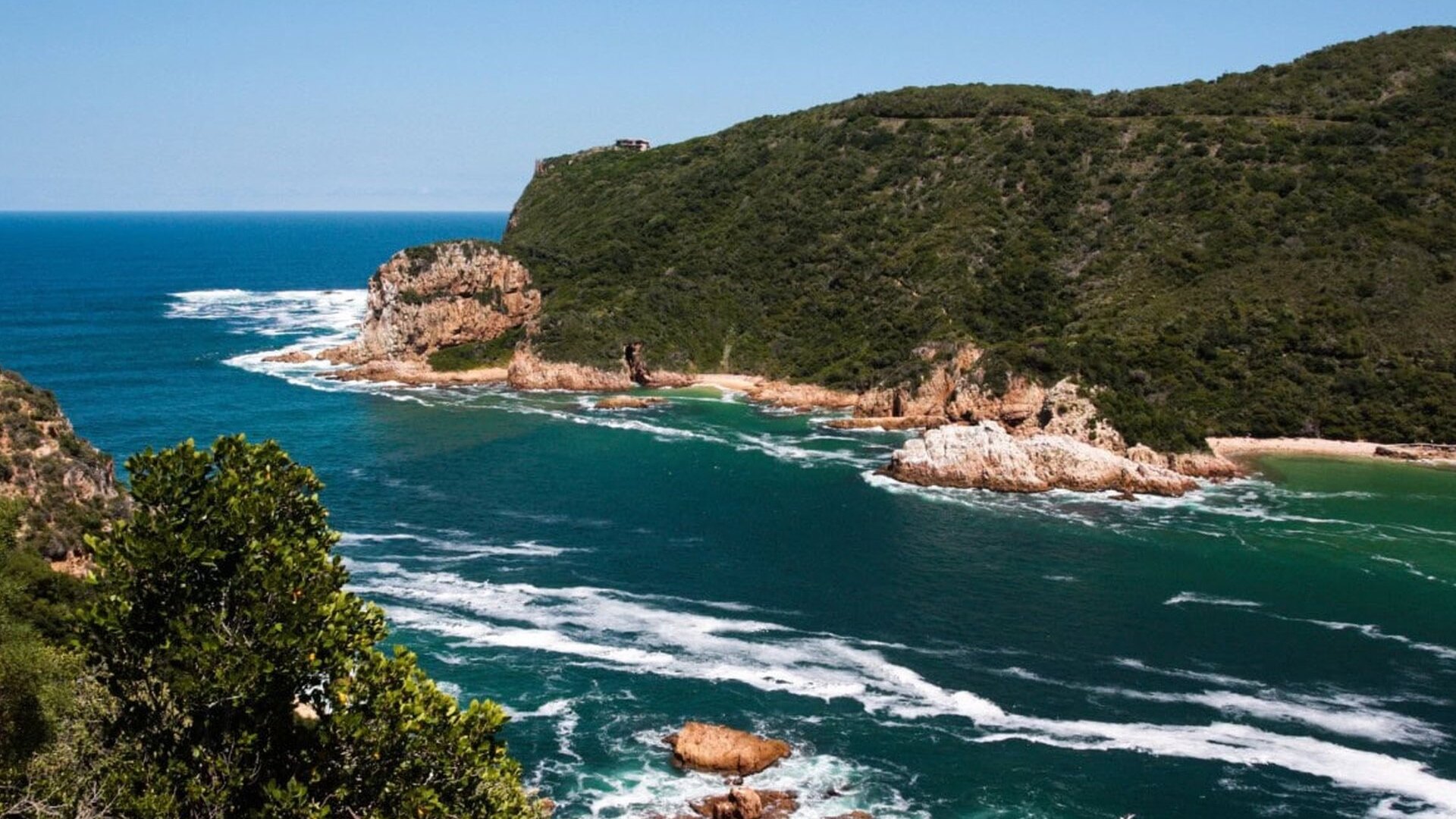
The Wild Coast of the Eastern Cape is South Africa at its most raw and authentic — a rolling green landscape of grassy hills, traditional Xhosa villages, cattle on empty beaches and dramatic cliffs falling into a churning sea. This is the ancestral heartland of the Xhosa people, and its rhythms feel a world away from the polished tourist trail.
Its most famous natural landmark is Hole in the Wall, near Coffee Bay: a great detached cliff with a huge arch carved clean through its base by the relentless waves, so that the sea surges straight through the rock. The local Xhosa name, esiKhaleni (“the place of sound”), comes from the boom of the water echoing through the opening. The roads out here are rough and the going is slow, but for travellers who prize culture, solitude and untamed beauty, the Wild Coast is unforgettable.
7. iSimangaliso Wetland Park
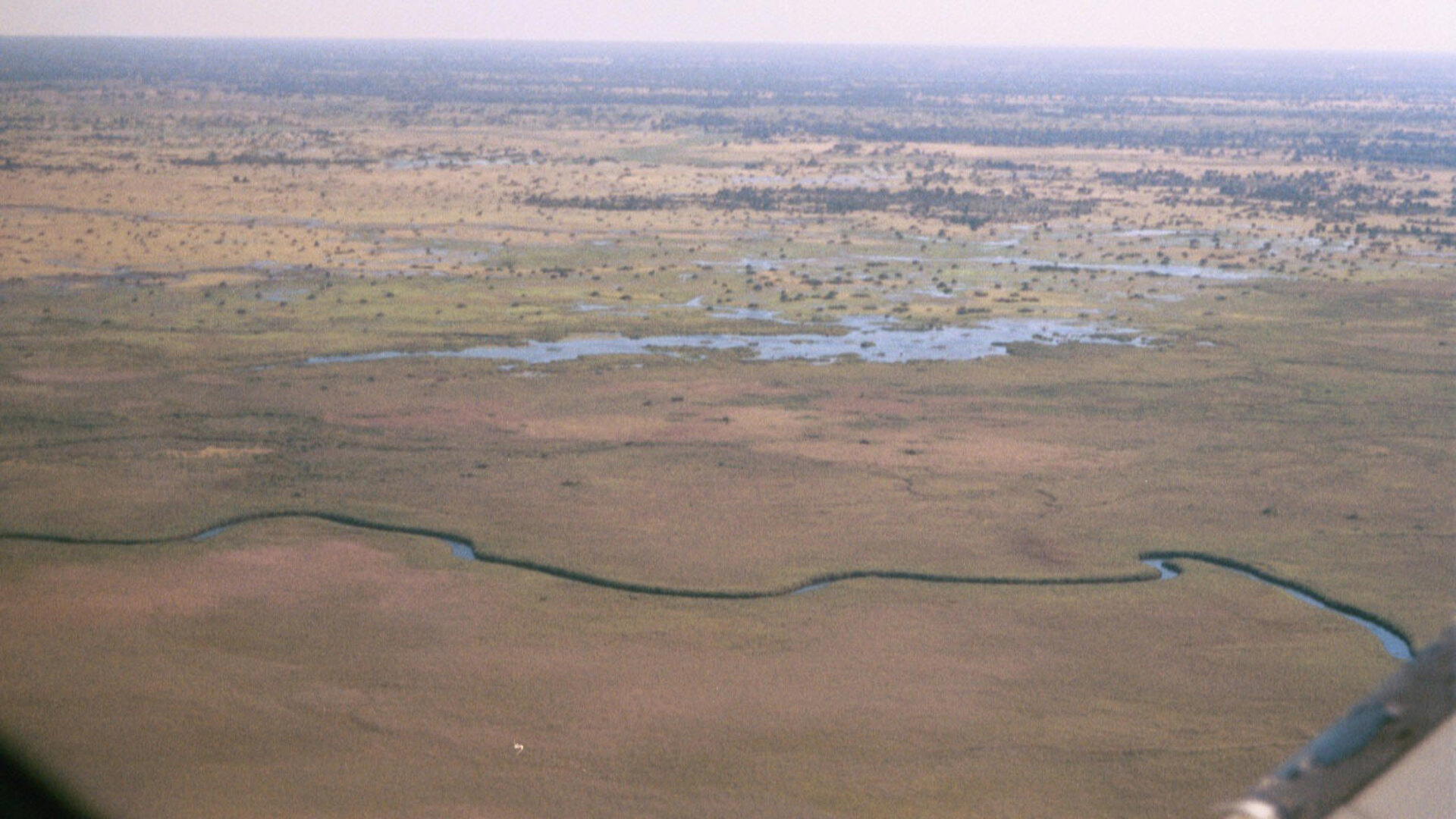
On the KwaZulu-Natal coast, iSimangaliso Wetland Park — South Africa's first UNESCO World Heritage Site — is a place its Zulu name translates fittingly as “a miracle and a wonder.” Stretching along more than 200 kilometres of coast, it protects an extraordinary mosaic of lakes, wetlands, dune forests, swamps and pristine beaches, and an astonishing concentration of wildlife.
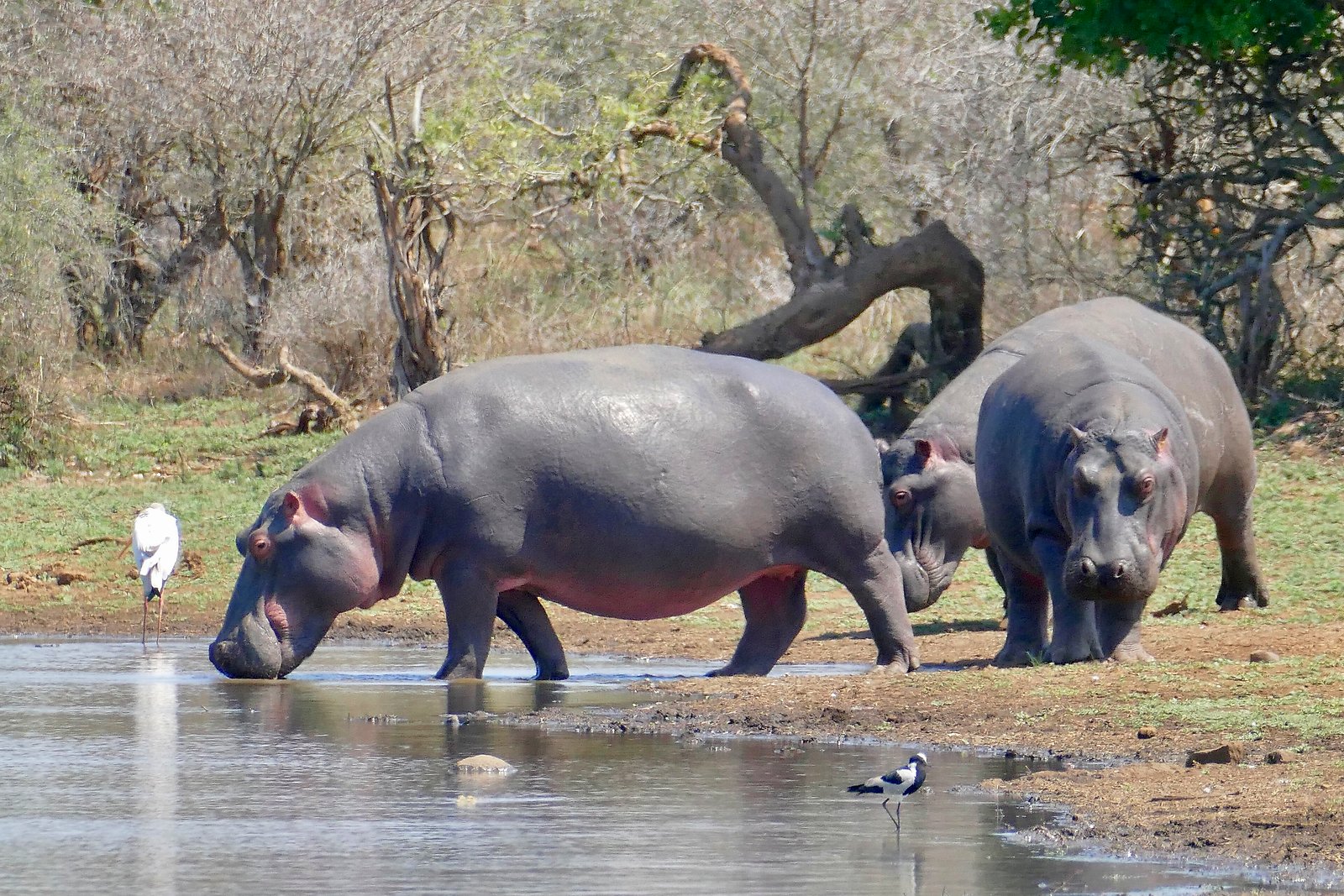
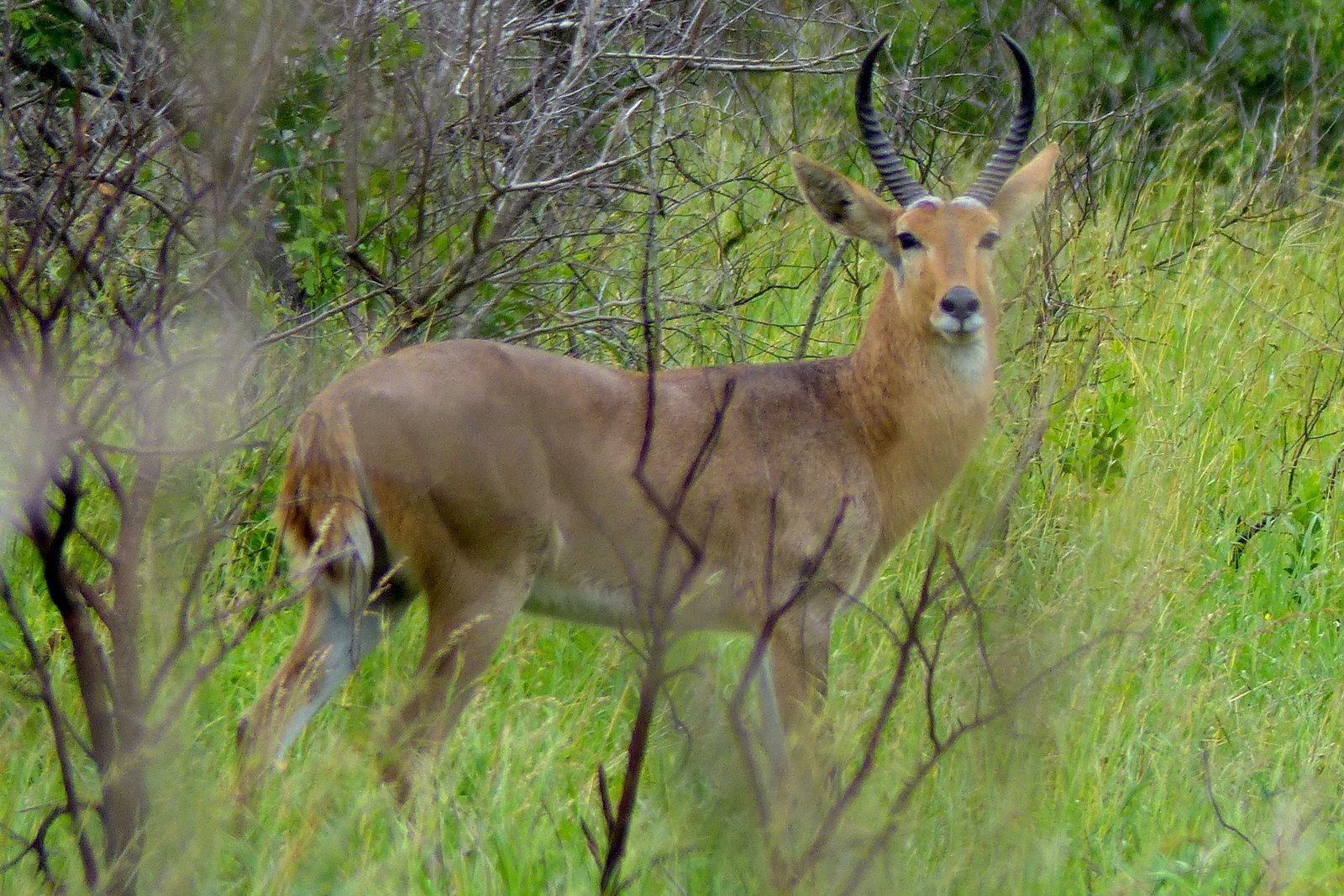
This is the only place in Africa where you can see the largest populations of hippo and crocodile sharing waters near the sea, watch loggerhead and leatherback turtles nesting on the beaches in summer, spot whales offshore in winter, and still find elephant, rhino and antelope in the surrounding reserves — all in one park. Boat safaris on the St Lucia Estuary, turtle tours, snorkelling at Sodwana Bay and birding in the wetlands make it one of the country's most rewarding and least-crowded natural treasures.
8. Namaqualand's Spring Flowers
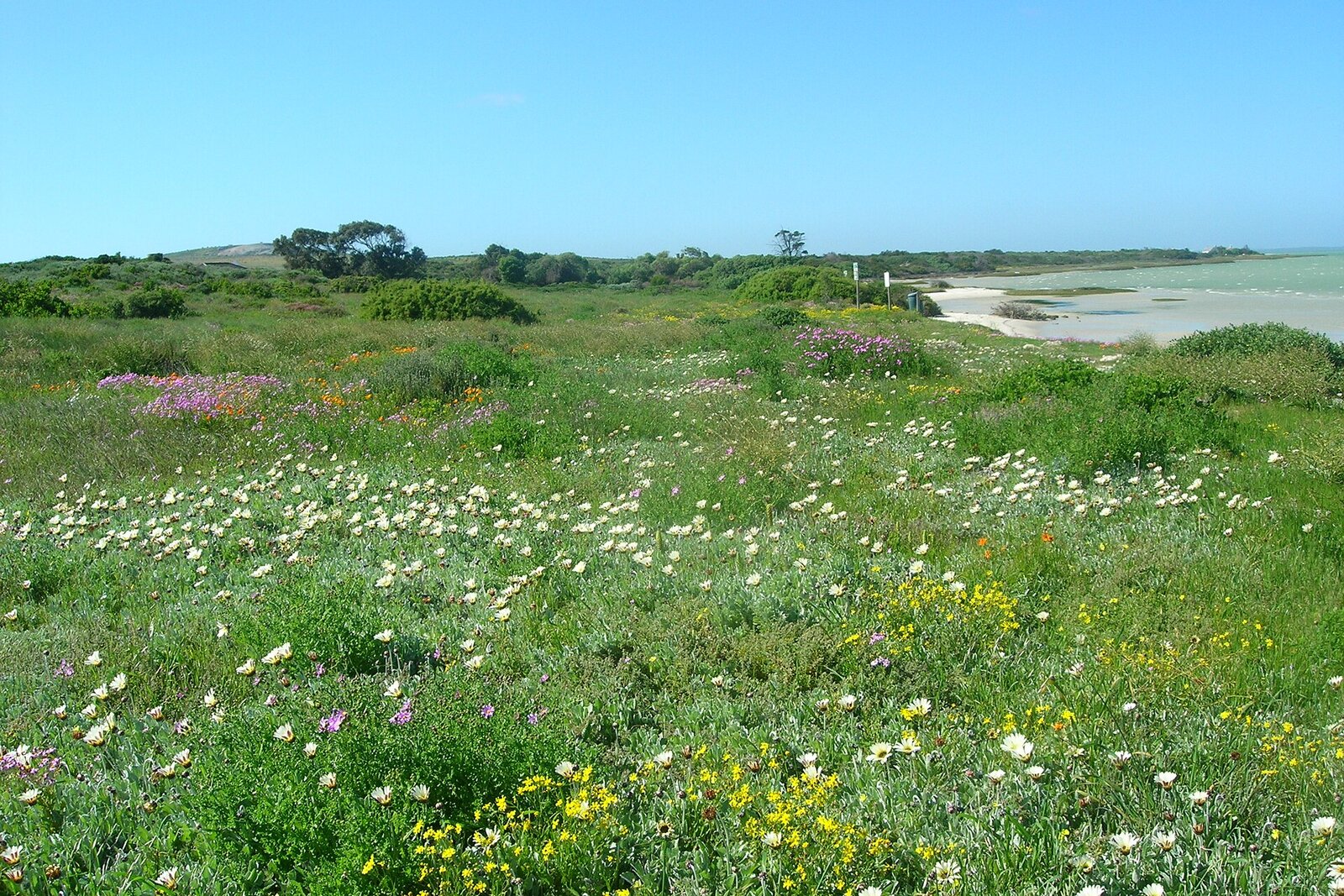
For most of the year, Namaqualand is a stark, sun-baked semi-desert stretching up the west coast towards the Namibian border — beautiful in its emptiness, but austere. Then, for a few short weeks each spring, something miraculous happens: after the winter rains, the whole landscape erupts into an overwhelming carpet of wildflowers — orange and white daisies, purple vygies and countless other species blooming as far as the eye can see.
It is one of the great floral spectacles on earth, and it is fleeting. The bloom usually peaks from mid-August to mid-September, though the timing shifts each year with the rains. To catch it at its best, travel on a warm, sunny day — the flowers open towards the sun and close in cloud or cold — and drive with the sun behind you. It is well worth planning an entire spring trip around.
9. The Drakensberg Amphitheatre
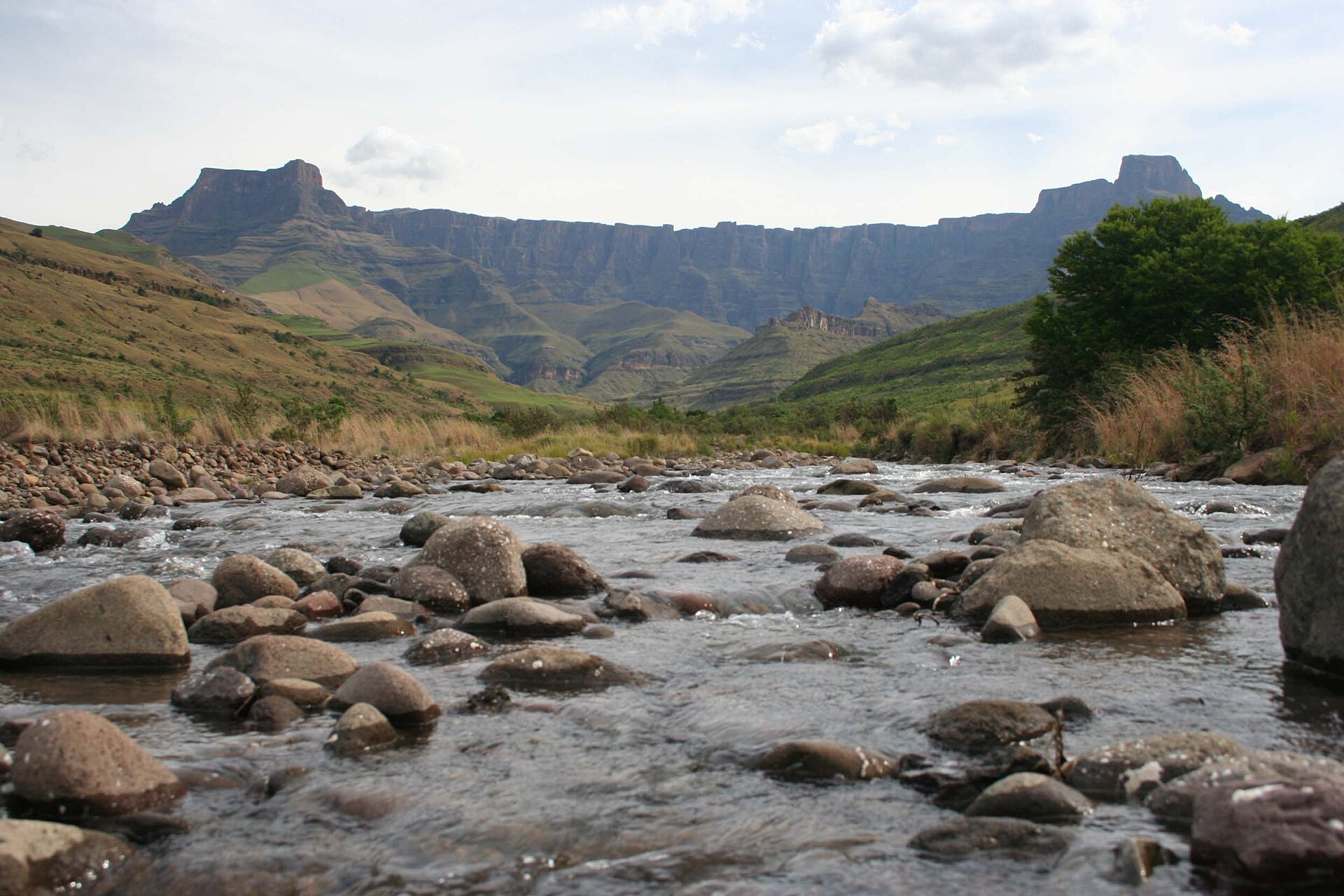
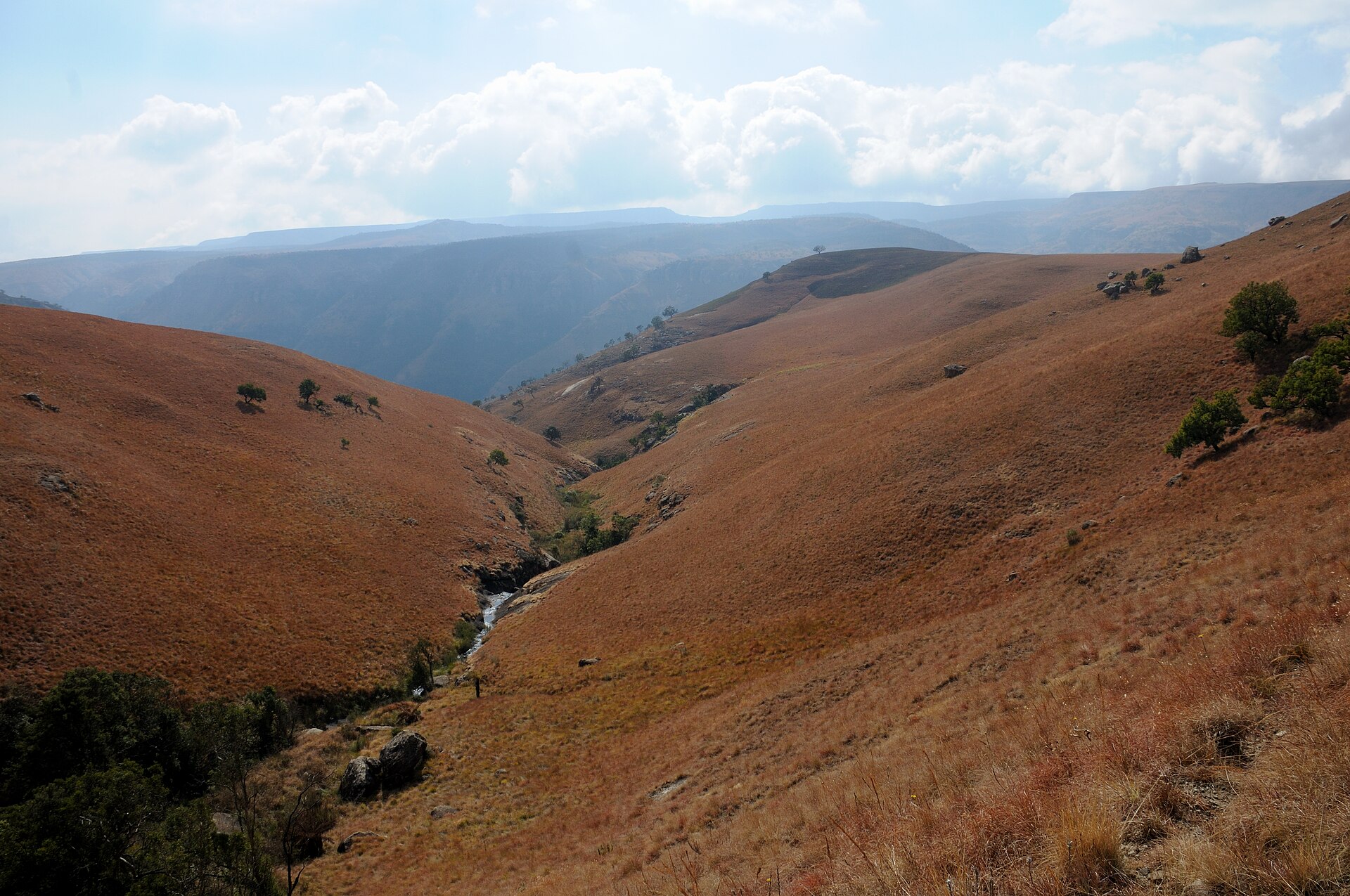
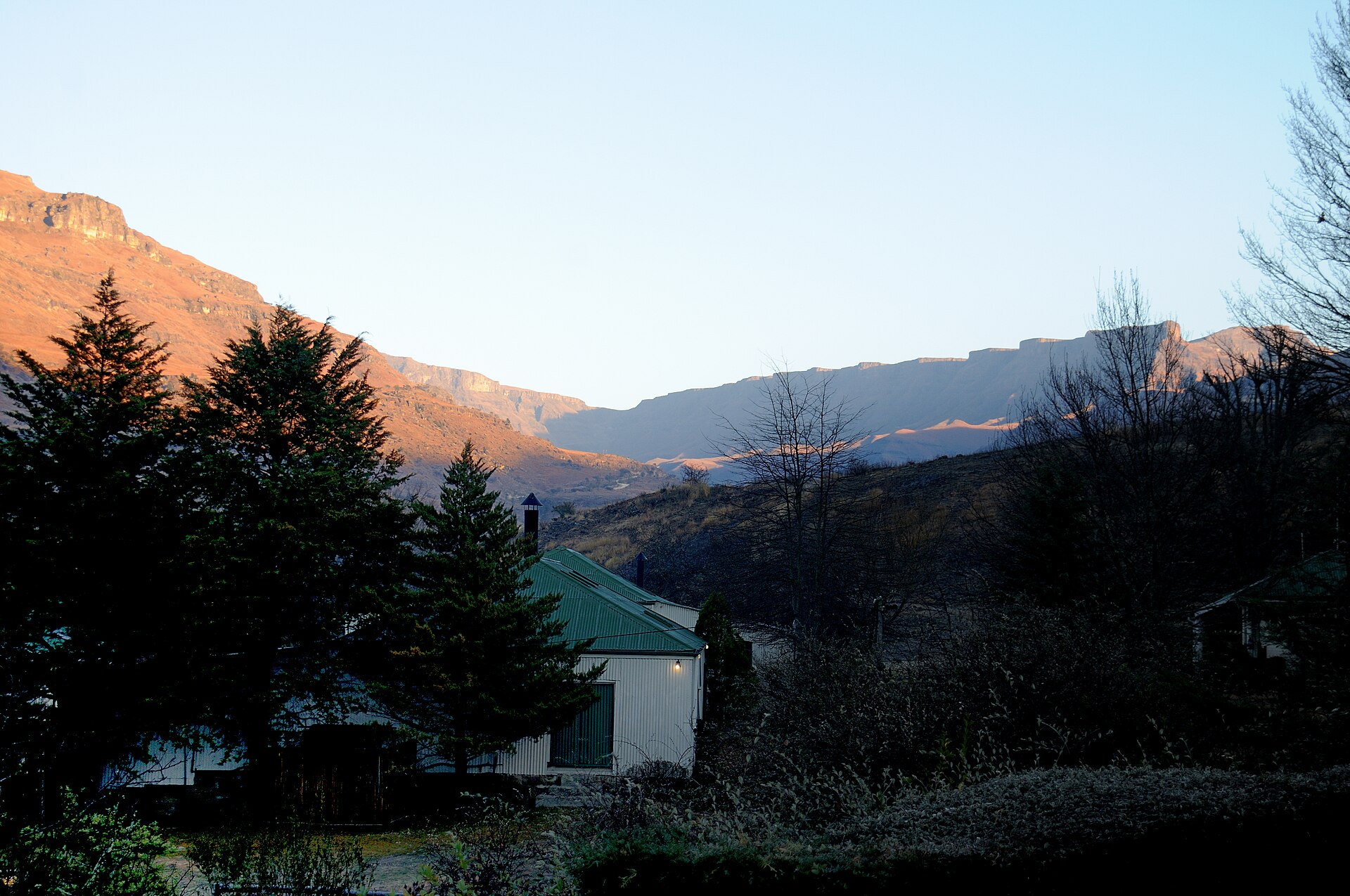
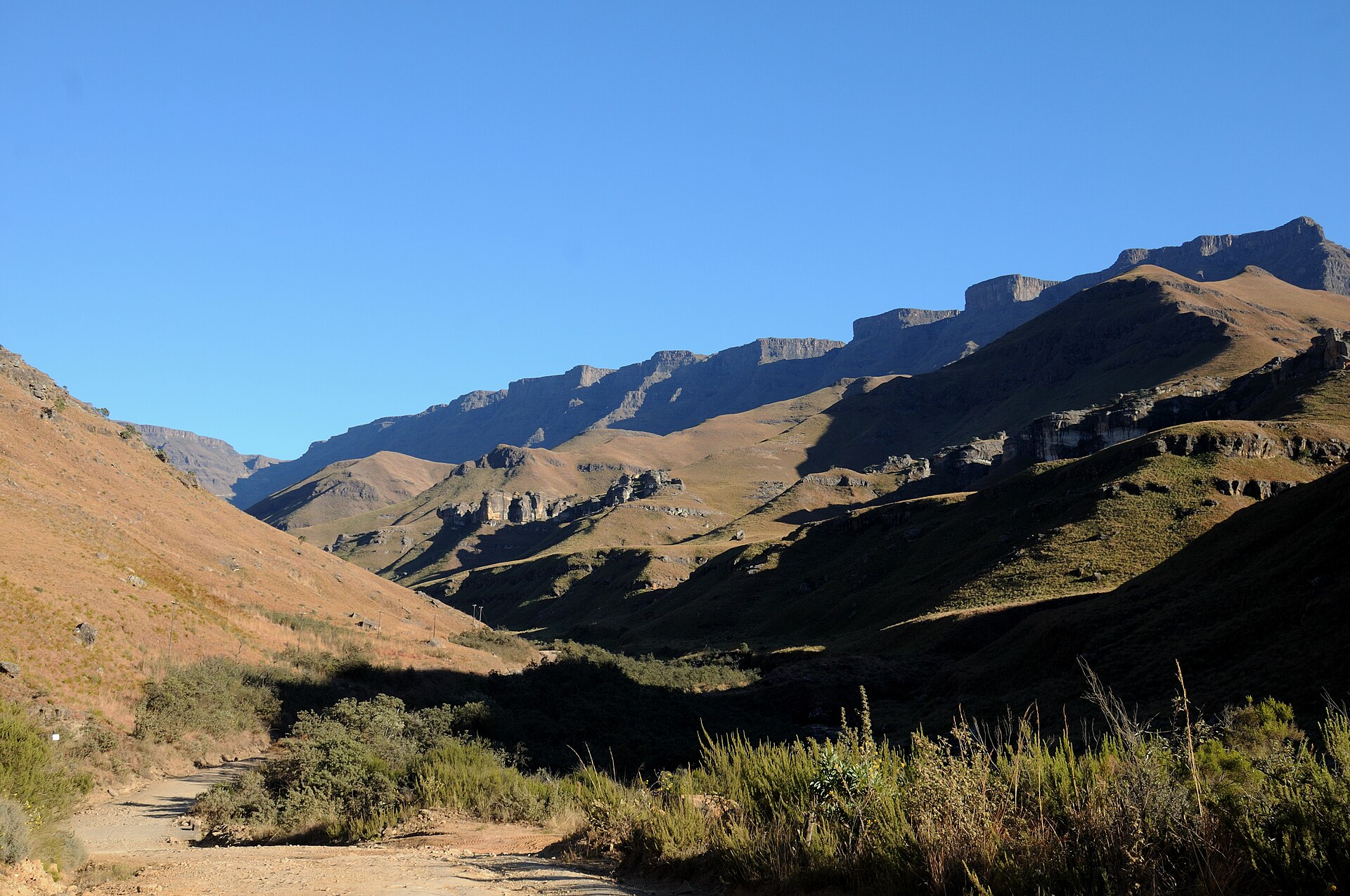
The Drakensberg — the “Dragon Mountains” — form South Africa's soaring alpine spine along the border with Lesotho, and their single most dramatic feature is the Amphitheatre: a sheer wall of basalt cliffs roughly five kilometres long and up to 1,200 metres high, one of the most imposing rock faces on the planet. Over its edge tumbles the Tugela Falls, among the highest waterfalls in the world.
This is a paradise for hikers, with trails ranging from gentle valley walks to the vertiginous chain-ladder route up to the top of the Amphitheatre itself. The wider range shelters San rock-art shelters, crystal streams and remote mountain retreats, and in winter the high peaks are often dusted with snow. It pairs beautifully with iSimangaliso for a journey that takes in both KwaZulu-Natal's mountains and its wild coast.
10. Sutherland & the Karoo Night Sky
In the vast, silent heart of the Karoo lies the small town of Sutherland — famous for two things: being one of the coldest towns in South Africa, and having some of the darkest, clearest night skies on earth. Its high altitude, bone-dry air and near-total absence of light pollution make it the country's stargazing capital, and it is home to the Southern African Large Telescope (SALT), the largest single optical telescope in the southern hemisphere.
Guided night-sky tours here reveal the Milky Way in staggering detail, along with planets, star clusters and galaxies, while daytime tours of the observatory explain the science behind it all. For anyone who has never seen a truly dark sky, a night in Sutherland is a revelation — and the surrounding Karoo, with its endless plains, quirky villages and Karoo lamb, is a hidden world in its own right.
11. Mapungubwe
In the far north, where South Africa, Botswana and Zimbabwe meet at the confluence of the Limpopo and Shashe rivers, lies the little-visited but deeply significant Mapungubwe National Park — a UNESCO World Heritage Site and the location of one of Africa's most important ancient kingdoms. Between roughly 1075 and 1300 AD, Mapungubwe was the centre of the largest kingdom in the subcontinent, trading gold and ivory as far as China and India.
Today the landscape is hauntingly beautiful: sandstone formations, riverine forest and giant baobab trees rising from the plains, with elephant, and other wildlife moving between three countries. The famous little gold rhino excavated here rewrote the history of pre-colonial southern Africa. For travellers drawn to history, archaeology and wild, empty landscapes, Mapungubwe is one of the country's most rewarding and least-known destinations.
12. Tswalu & the Green Kalahari
Finally, deep in the red dunes of the Northern Cape lies Tswalu, South Africa's largest private game reserve — a vast, malaria-free wilderness in the semi-arid southern Kalahari. This is a landscape of rolling red sand, golden grasses and big skies, and it protects species you will struggle to see anywhere else: black-maned Kalahari lions, meerkats, aardvark, pangolin, brown hyena and the rare desert-adapted black rhino.
Tswalu's philosophy — “leave the world a better place” — and its enormous scale mean a tiny number of guests have this immense wilderness almost to themselves. It is the ultimate hidden luxury: a private corner of the Kalahari, far from the crowds, where the desert reveals its secrets slowly. It is the perfect wild finale to a journey through South Africa's secret places.
How to Weave the Hidden Places Into Your Trip
The joy of these twelve corners is that most of them slot naturally alongside South Africa's classic routes — you don't have to choose between the icons and the secrets. This table shows how the hidden gems pair with the regions you may already have in mind.
We are a Cape Town-based, tailor-made travel house, and blending the famous and the hidden is exactly what we love to do. Whether you want a self-drive built around the wildflower season, a privately guided journey linking the Drakensberg and the Wild Coast, or a Cape trip that swaps the crowds of Cape Point for the solitude of Cape Agulhas, we plan every road, stay and stop around you — so you come home having seen the South Africa that most travellers never even know is there.
Get in touch to start planning — or reach us directly on WhatsApp and we will build your hidden-South-Africa journey around you.