Key Takeaways
- Namibia is the desert safari perfected. A country of towering red dunes, mirage-white salt pans, desert-adapted wildlife and some of the darkest skies on Earth - unlike any other safari destination in Africa.
- Start with Sossusvlei and Etosha. The apricot dunes of Sossusvlei and the game-rich waterholes of Etosha National Park are the two pillars of every first Namibia trip.
- Add Damaraland and the coast. Desert-adapted elephants in Damaraland and the haunting Skeleton Coast turn a good trip into a great one.
- Self-drive or fly-in. Namibia is Africa's premier self-drive country, with safe gravel roads - but fly-in safaris unlock the remote northwest.
- Best time: May to October for wildlife at the waterholes; the desert photographs beautifully year-round. Etosha peaks in September and October.
Namibia is the safari for travellers who thought they had seen everything. Here the wildlife shares the frame with the oldest desert on Earth - lions that hunt along fog-bound shores, elephants that walk dry riverbeds for days between drinks, oryx standing sentinel on apricot dunes, and night skies so dark the Milky Way casts a shadow. It is a place of immense space, silence and stark, sculptural beauty.
This guide ranks the ten safari destinations in Namibia worth building a trip around - desert parks, wildlife reserves, wilderness coasts and the routes that stitch them together. For each, we tell you what it is genuinely best for, when to go, how to reach it, and how it fits into a broader itinerary. For the comprehensive country overview, see our Ultimate Namibia Travel Guide. If you want accommodation detail, our Best Namibia Safari Lodges guide goes property by property. For the Big Five species story, see Big Five Safari Namibia. This article answers the bigger question: where should you go, and in what order?
How to Read Namibia: Three Safari Regions
Before choosing destinations, understand the geography. Namibia's safari areas fall into three broad regions, and knowing them makes every other decision simple.
| Region | Headline Destinations | Best For |
|---|---|---|
| The Namib Desert & South | Sossusvlei, NamibRand, Fish River Canyon, Swakopmund | Red dunes, dark-sky stargazing, desert landscapes, the great canyon, coastal adventure |
| The Wildlife North & Northwest | Etosha, Damaraland, Skeleton Coast, Kaokoland, Waterberg | Waterhole game viewing, desert elephants, black rhino, remote wilderness, rare species |
| The Water-Rich Northeast | Zambezi Region (Caprivi Strip), Kunene River | Rivers, buffalo, big elephant herds, birdlife, a green contrast to the desert |
Most first-time Namibia safaris combine the Namib Desert (Sossusvlei) + the wildlife north (Etosha) + the coast (Swakopmund) in a single loop from Windhoek. Return visitors add Damaraland and the Skeleton Coast for desert wildlife and raw wilderness, or the Zambezi Region for rivers and buffalo. Below, the ten destinations that make each region sing - ranked by how much they should shape your trip.
The 10 Best Safari Destinations in Namibia
1. Sossusvlei & Deadvlei - The World's Most Iconic Desert
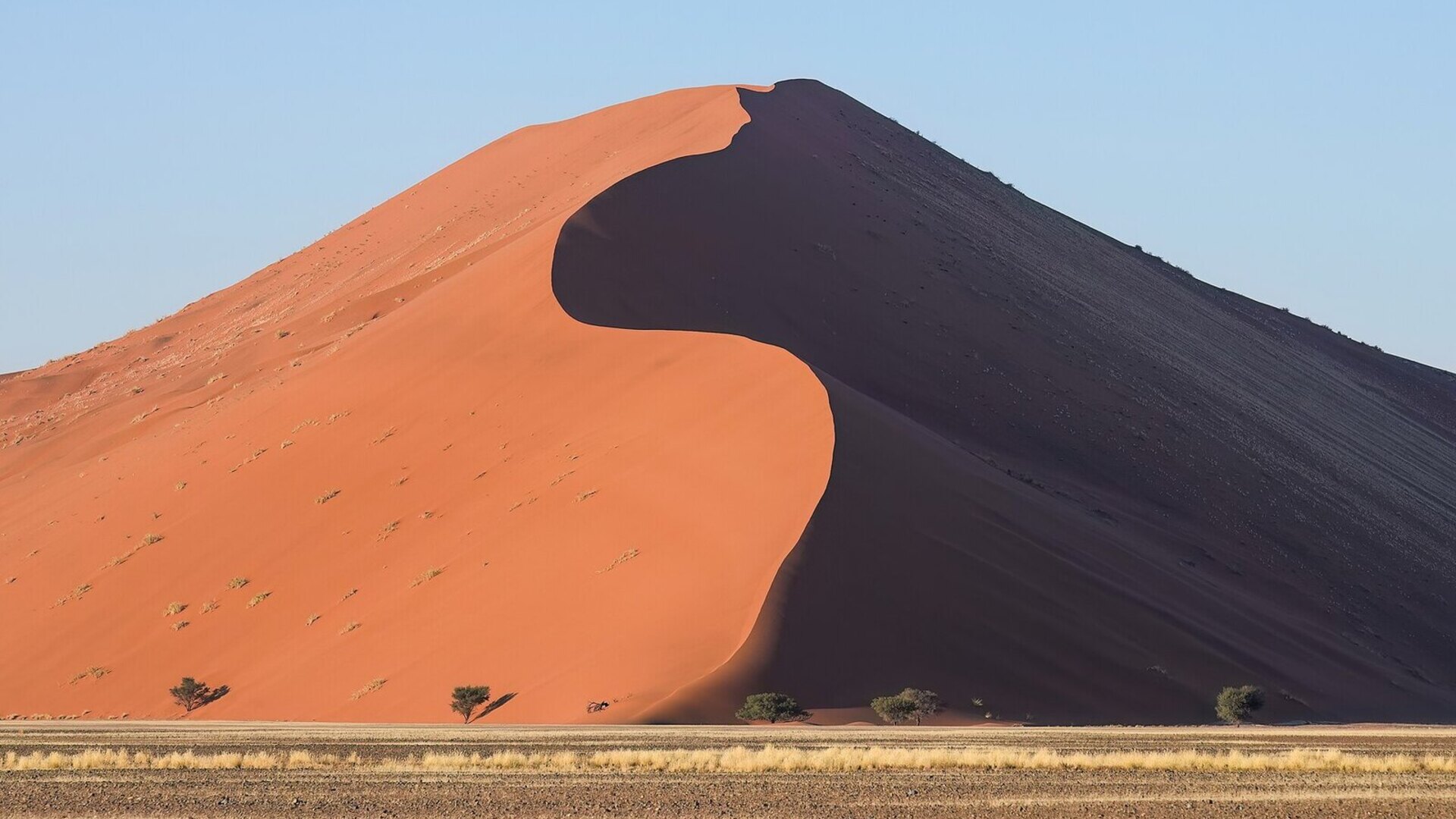
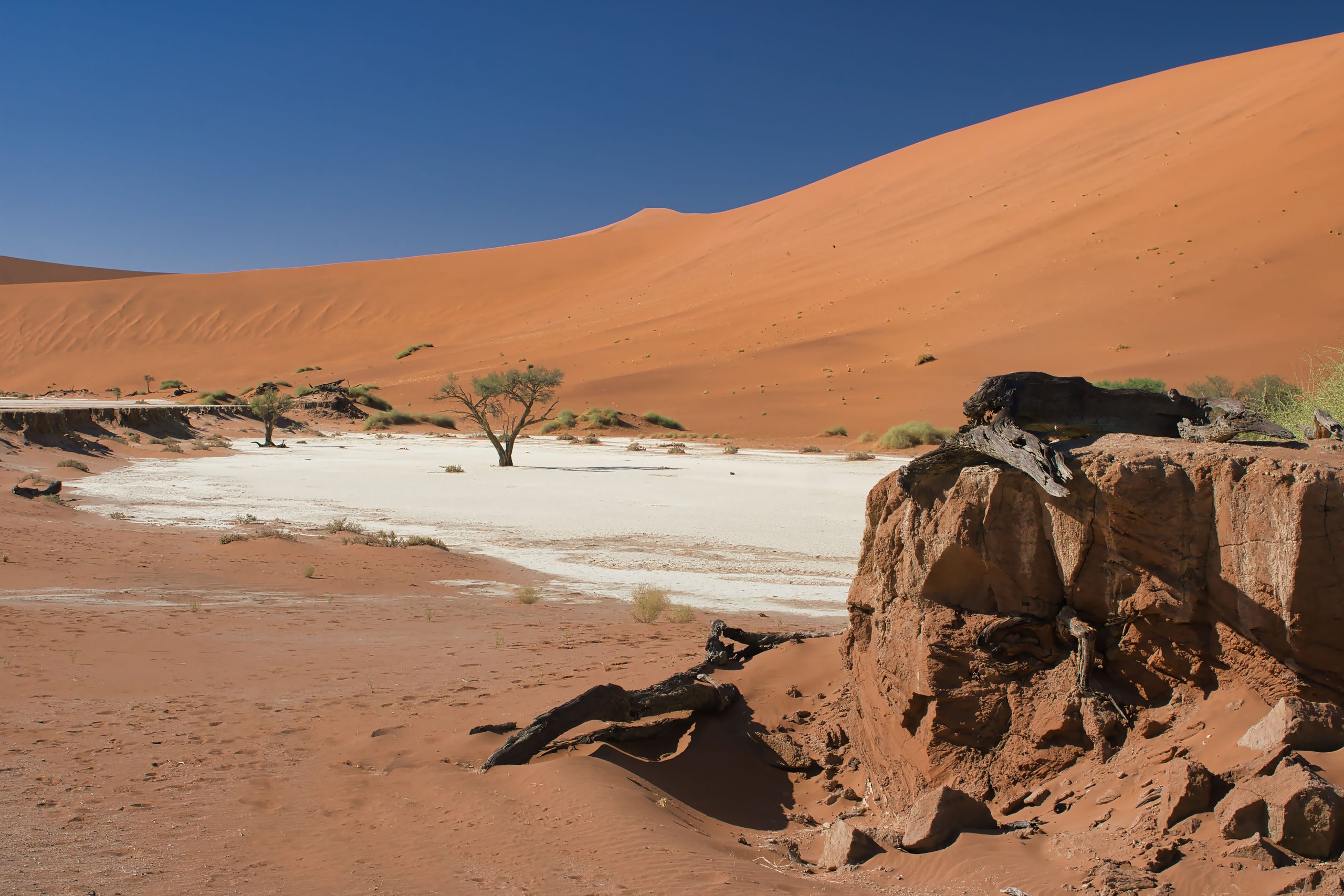
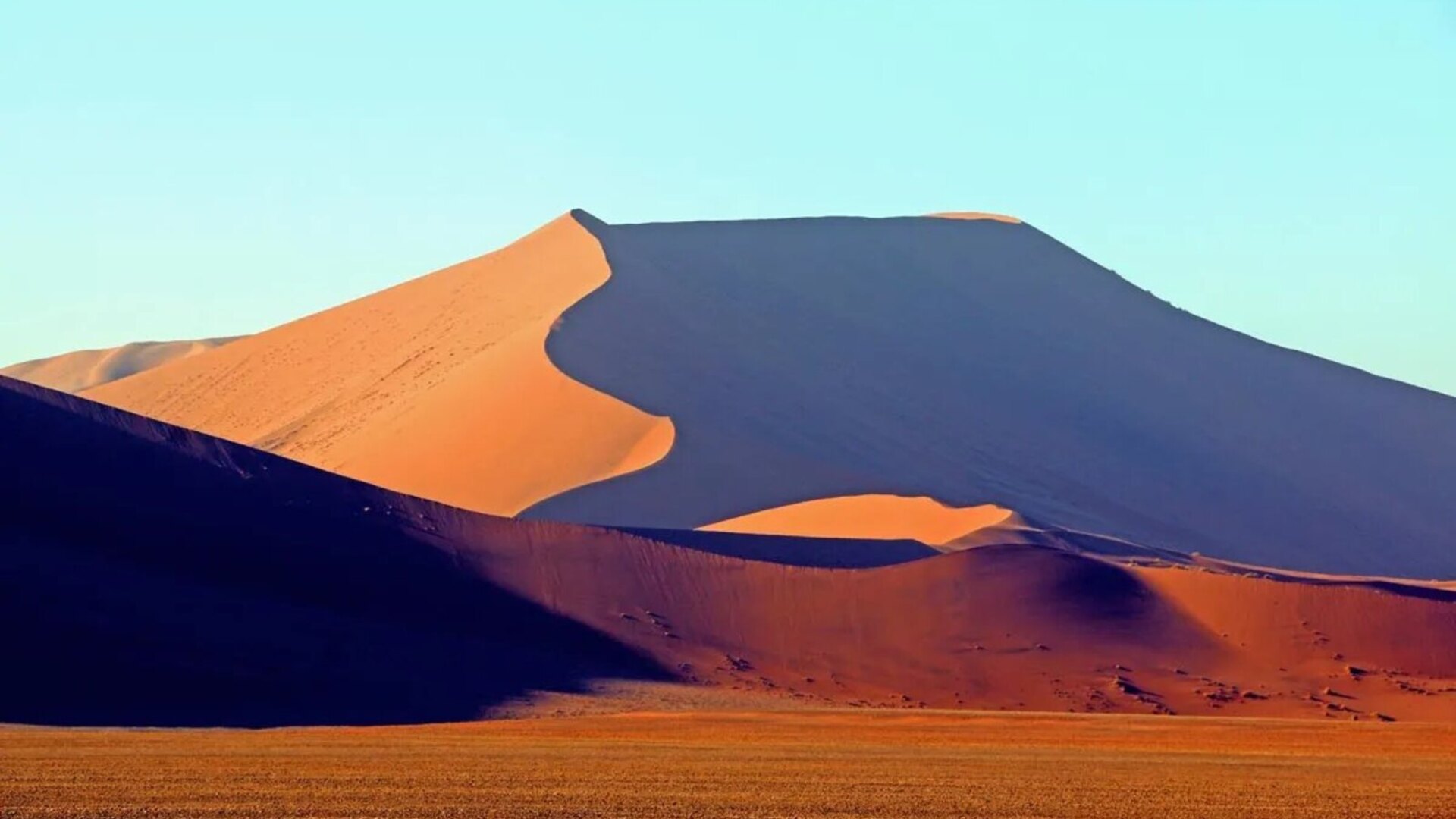
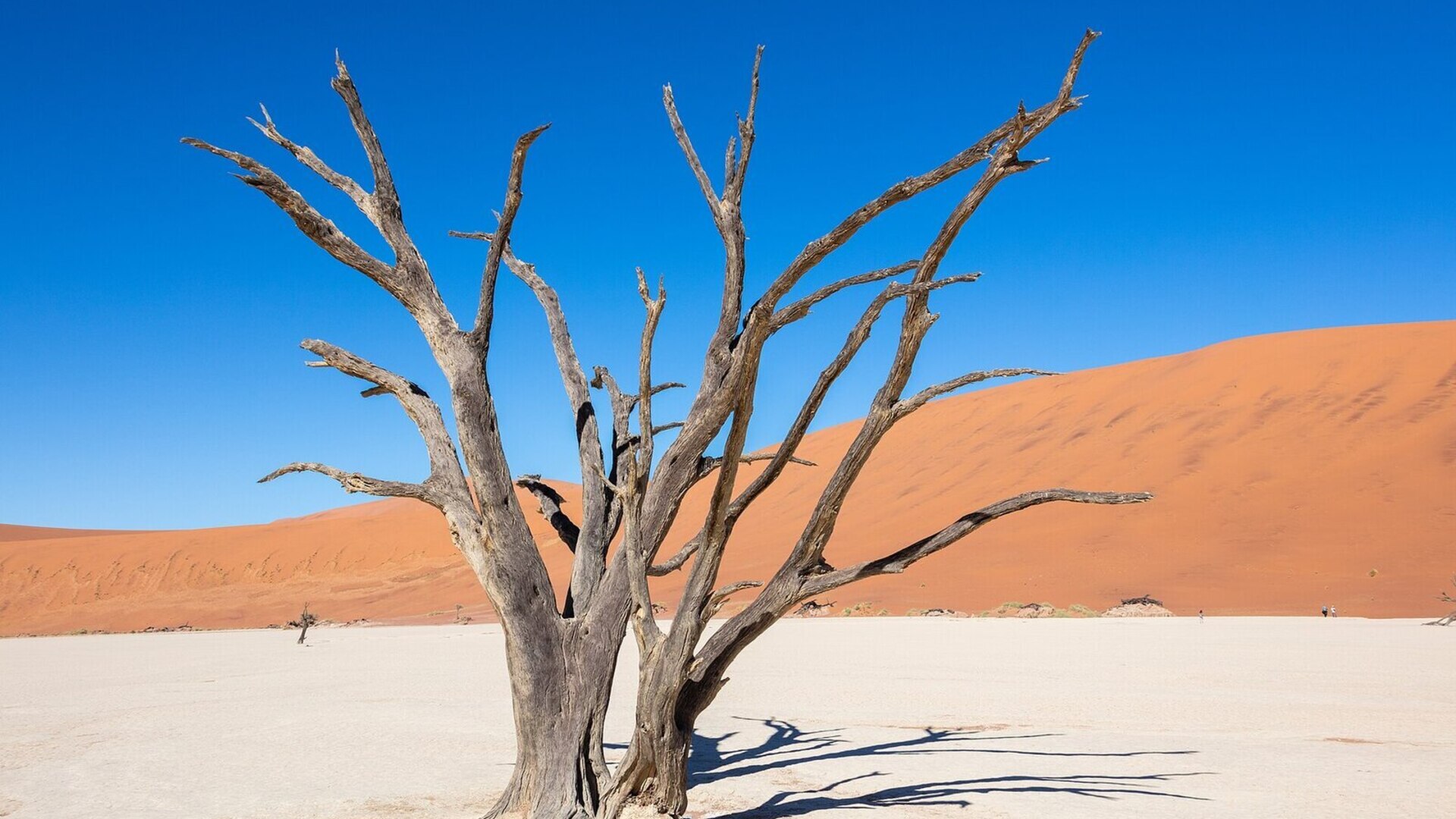
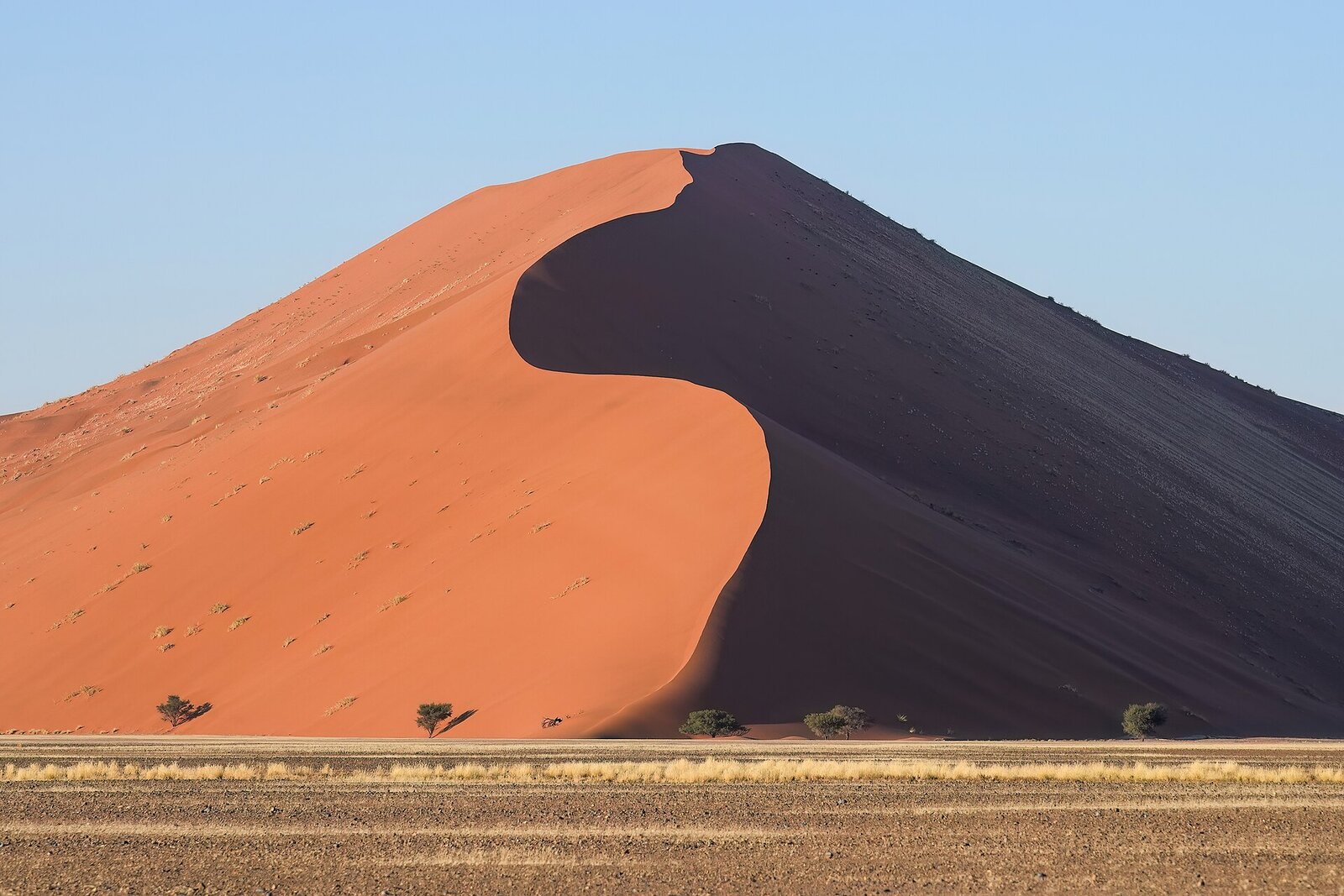
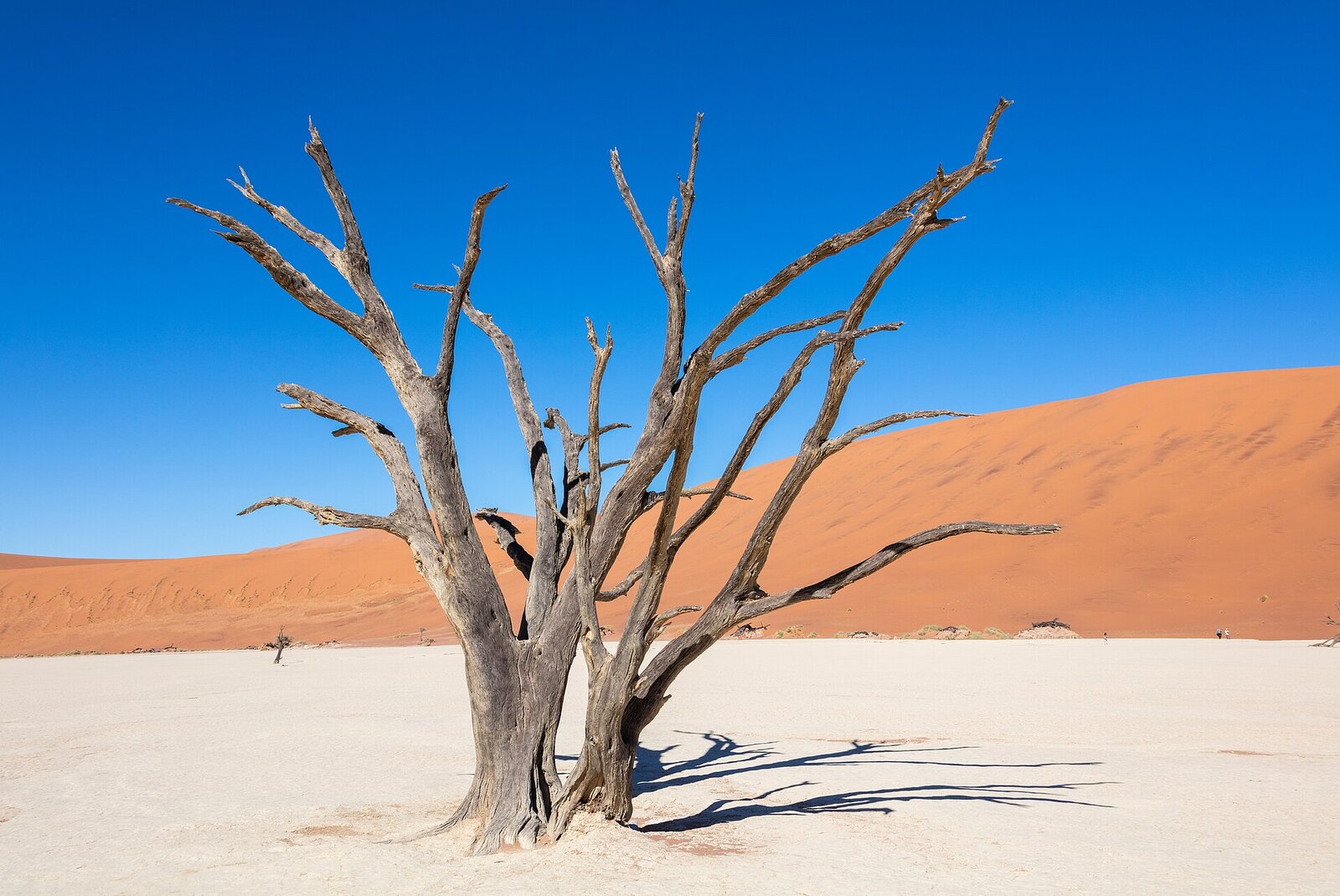
No image says Namibia like the towering apricot dunes of Sossusvlei. Rising over 300 metres from the floor of the Namib-Naukluft - among the tallest sand dunes on Earth - they glow crimson at sunrise and fold into deep blue shadow by mid-morning. At their heart lies Deadvlei, a blinding-white clay pan studded with 900-year-old camel-thorn trees, blackened by the sun and preserved by the dry air. It is one of the most surreal, most photographed landscapes on the planet.
Climb Big Daddy or Dune 45 before the heat, walk out across the cracked white floor of Deadvlei as the light turns, and you understand why Sossusvlei anchors almost every Namibia itinerary. This is not a wildlife destination first - it is a landscape destination - but oryx, springbok and ostrich move across the dunes, adding life to the emptiness.
- Best for: Iconic desert landscapes, photography, dune climbing, the essential Namibia experience.
- When to go: Year-round; cooler months (May-September) for comfortable dune climbs and the clearest light.
- Access: Self-drive or fly-in to Sesriem, roughly 4-5 hours from Windhoek; charter airstrips serve the luxury lodges.
- Reality check: A landscape, not a Big Five park. Pair it with Etosha for wildlife. Enter the gate at dawn for the best light and cooler climbing.
2. Etosha National Park - Namibia's Waterhole Theatre
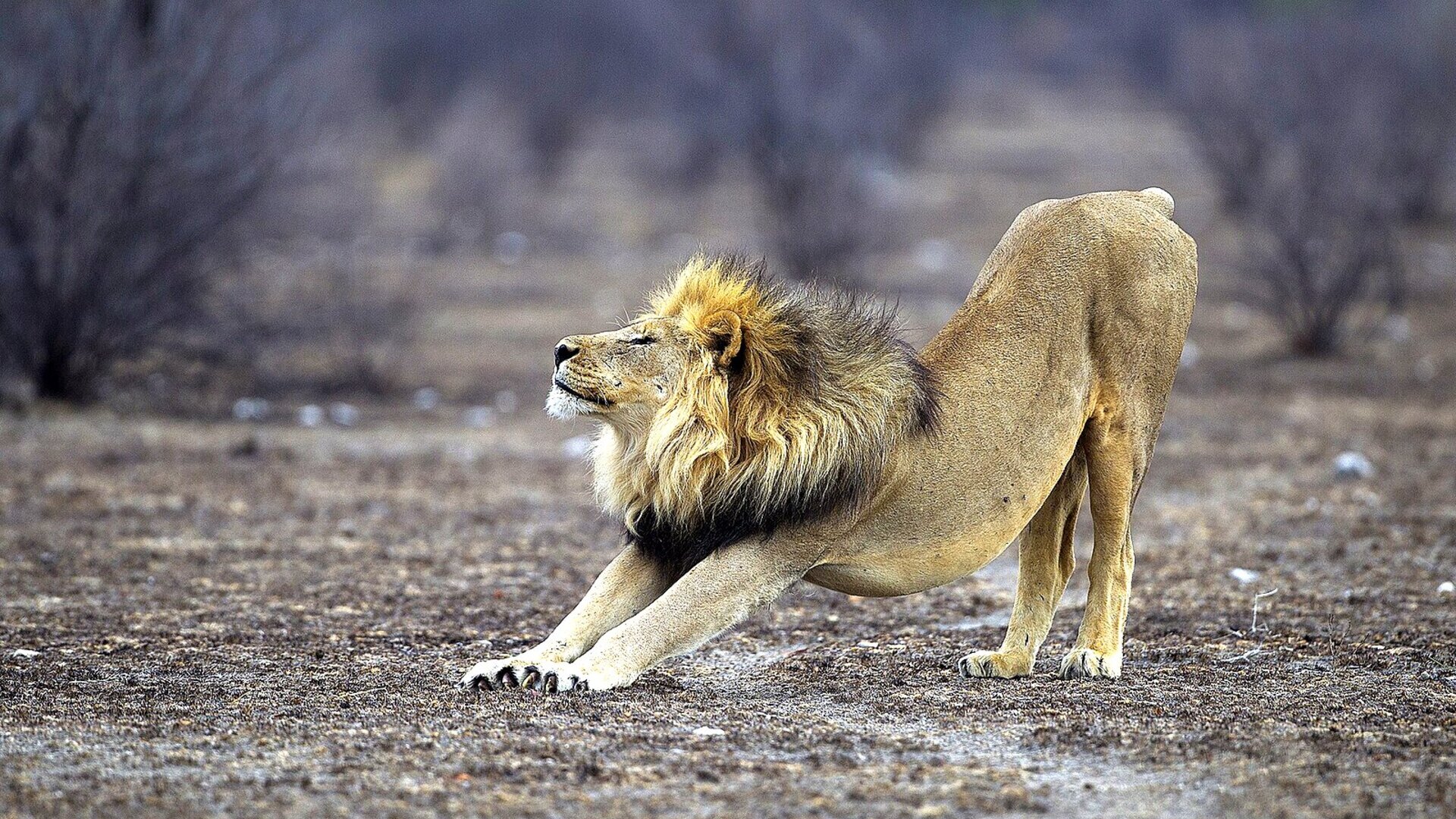
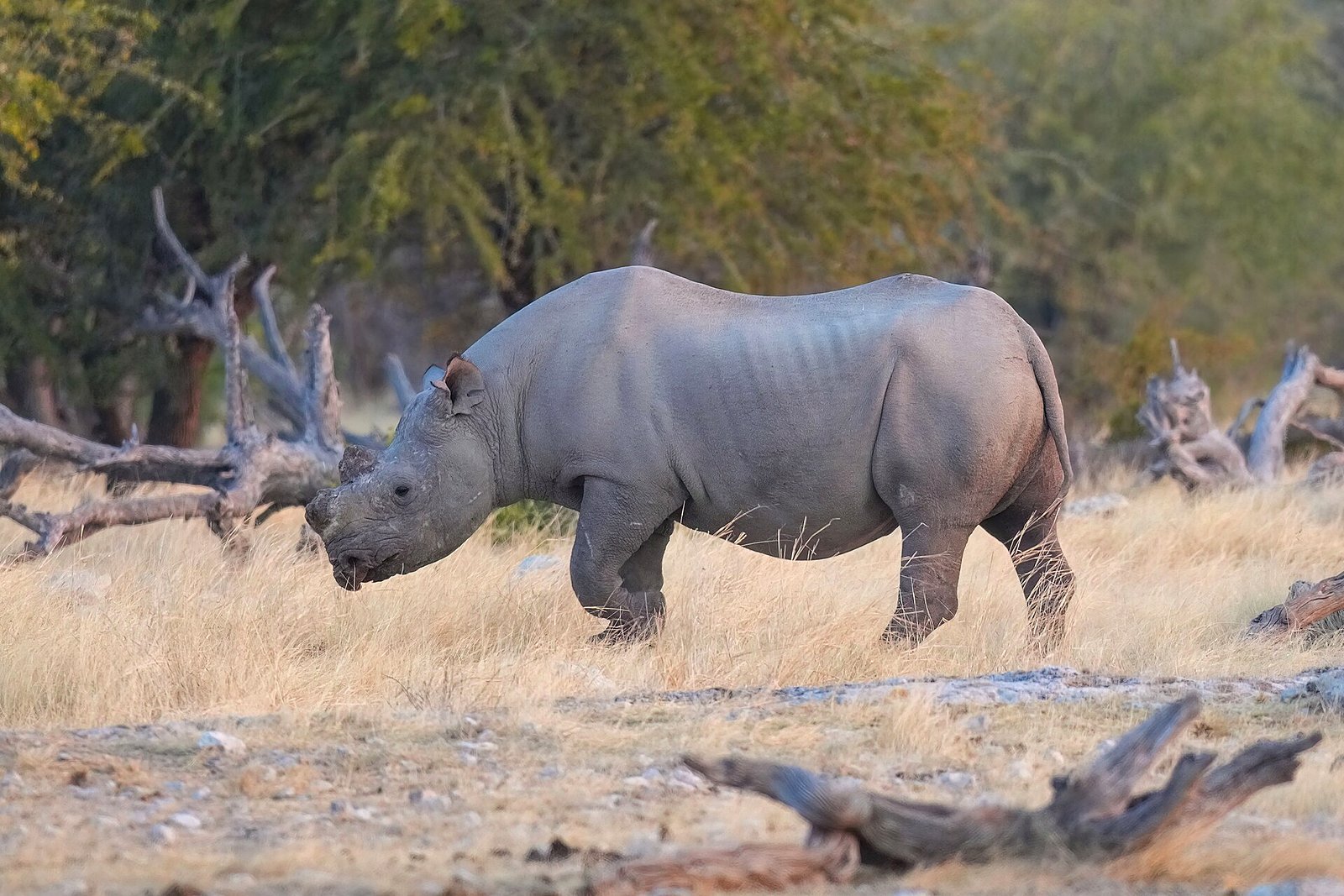
Etosha is Namibia's wildlife heart. At its centre lies a vast, shimmering salt pan so large it is visible from space, ringed by waterholes that become stages for one of Africa's great dry-season spectacles. Instead of chasing game across bush, you park at a waterhole and let the animals come to you - elephant, lion, giraffe, zebra, springbok, gemsbok and, if you are fortunate, the black rhino that Etosha protects better than almost anywhere on Earth.
The floodlit waterholes at the rest camps mean the drama continues after dark, when rhino and elephant arrive to drink under the stars. In the dry season, the concentration of animals at these life-giving pools is simply extraordinary.
- Best for: Classic wildlife, elephant and rhino, waterhole game viewing, families, first-time safari-goers.
- When to go: May-October, peaking September-October when animals crowd the waterholes.
- Access: Self-drive from Windhoek (about 5 hours) or fly-in to camps and private concessions on the park's edge.
- Reality check: No buffalo in the main park (they are confined to the northeast), so it is a Big Four destination. Floodlit waterholes are a highlight - stay inside the park at least one night.
3. Damaraland - Desert Elephants & Ancient Earth
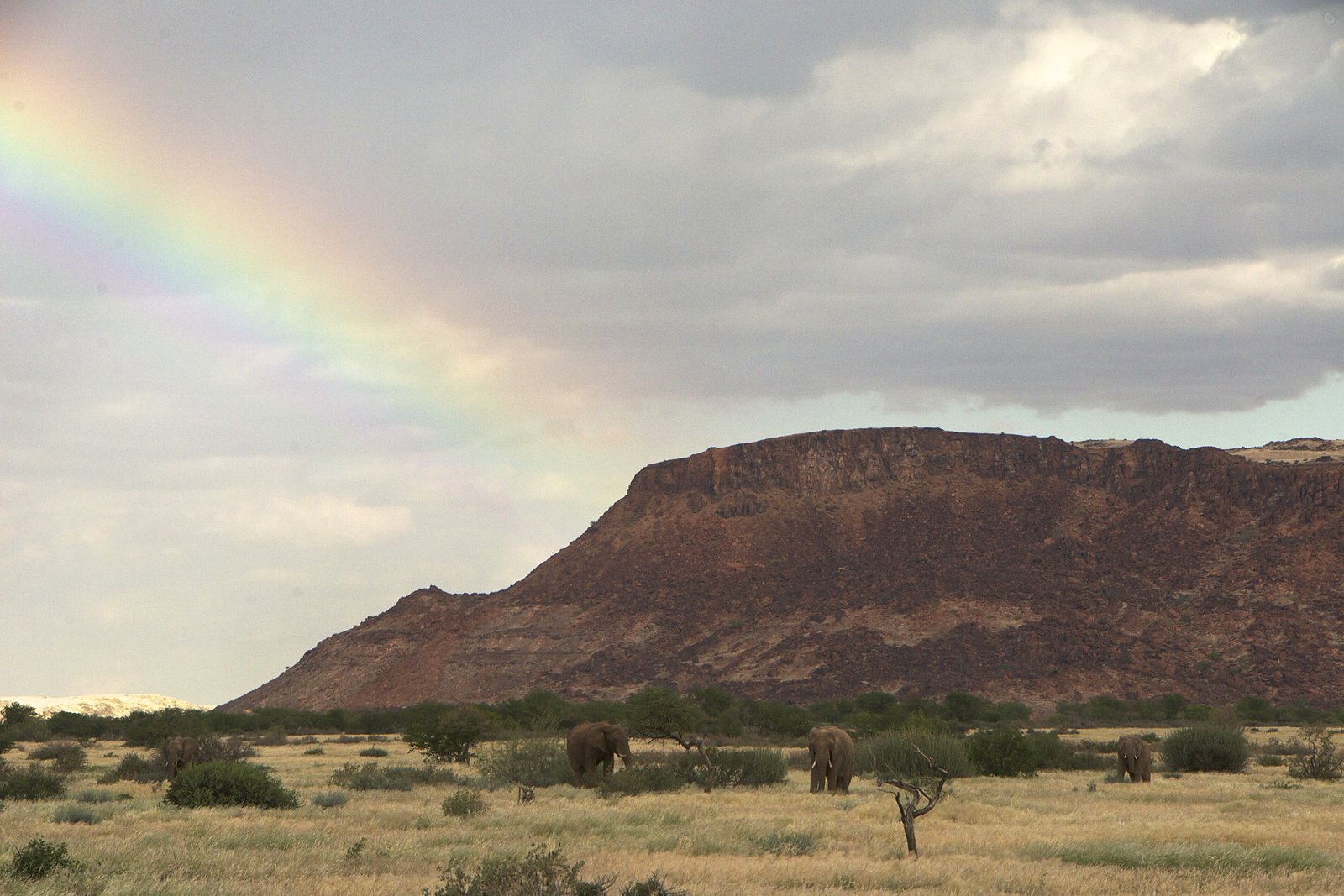
Damaraland (part of the wider Kunene Region) is Namibia at its most cinematic - a sweep of rust-red rock, flat-topped mountains and dry riverbeds where wildlife has learned to survive against the odds. This is the realm of the famous desert-adapted elephants, which walk vast distances between waterholes, and of free-ranging black rhino, tracked on foot by conservancy guides in one of Africa's great walking-safari experiences.
Damaraland is also rich in human history. The rock engravings at Twyfelfontein, a UNESCO World Heritage Site, are among the largest concentrations of San rock art in Africa, some over 6,000 years old. Add the geology of the Petrified Forest and the Organ Pipes, and you have a destination that feeds the mind as much as the eye.
- Best for: Desert-adapted elephants, black rhino tracking, dramatic landscapes, rock art, community conservation.
- When to go: May-October for the best wildlife tracking; the light is superb year-round.
- Access: Self-drive or fly-in; it slots neatly between the coast and Etosha on the classic loop.
- Reality check: Wildlife is low-density and hard-won - this is about quality and setting, not big numbers. The reward is exclusivity and landscape.
4. Skeleton Coast - Africa's Most Haunting Shoreline
The Skeleton Coast is where the desert meets the cold Atlantic in a collision of fog, wind and silence. Named for the whale bones and shipwrecks that litter its shores, this is one of the most remote and atmospheric coastlines on Earth - a place of stranded vessels half-buried in sand, roaring dunes, and the largest Cape fur seal colonies in the world at Cape Cross.
Inland, the coast's dry river valleys support surprising life - desert lions, brown hyena, elephants and oryx. A fly-in safari to the far northern Skeleton Coast is one of the most exclusive wilderness experiences in Africa, delivering total solitude in a landscape that feels closer to another planet than another country.
- Best for: Wilderness atmosphere, shipwrecks, seal colonies, desert-lion country, fly-in exclusivity.
- When to go: Year-round; morning fog is atmospheric and typical. Cooler and often misty on the coast.
- Access: The southern section (Cape Cross, Swakopmund) is drivable; the far north is fly-in only, into private concessions.
- Reality check: This is scenery and solitude first, wildlife second. The northern concessions are remote and priced accordingly.
5. NamibRand Nature Reserve - The Darkest Skies on Earth
Just south of Sossusvlei lies one of Africa's great private conservation success stories. The NamibRand Nature Reserve stitches together former farmland into a vast private wilderness of red dunes, grassy plains and island mountains - and it is certified as one of the world's premier International Dark Sky Reserves. On a moonless night here, the Milky Way is bright enough to read by and casts a faint shadow on the sand.
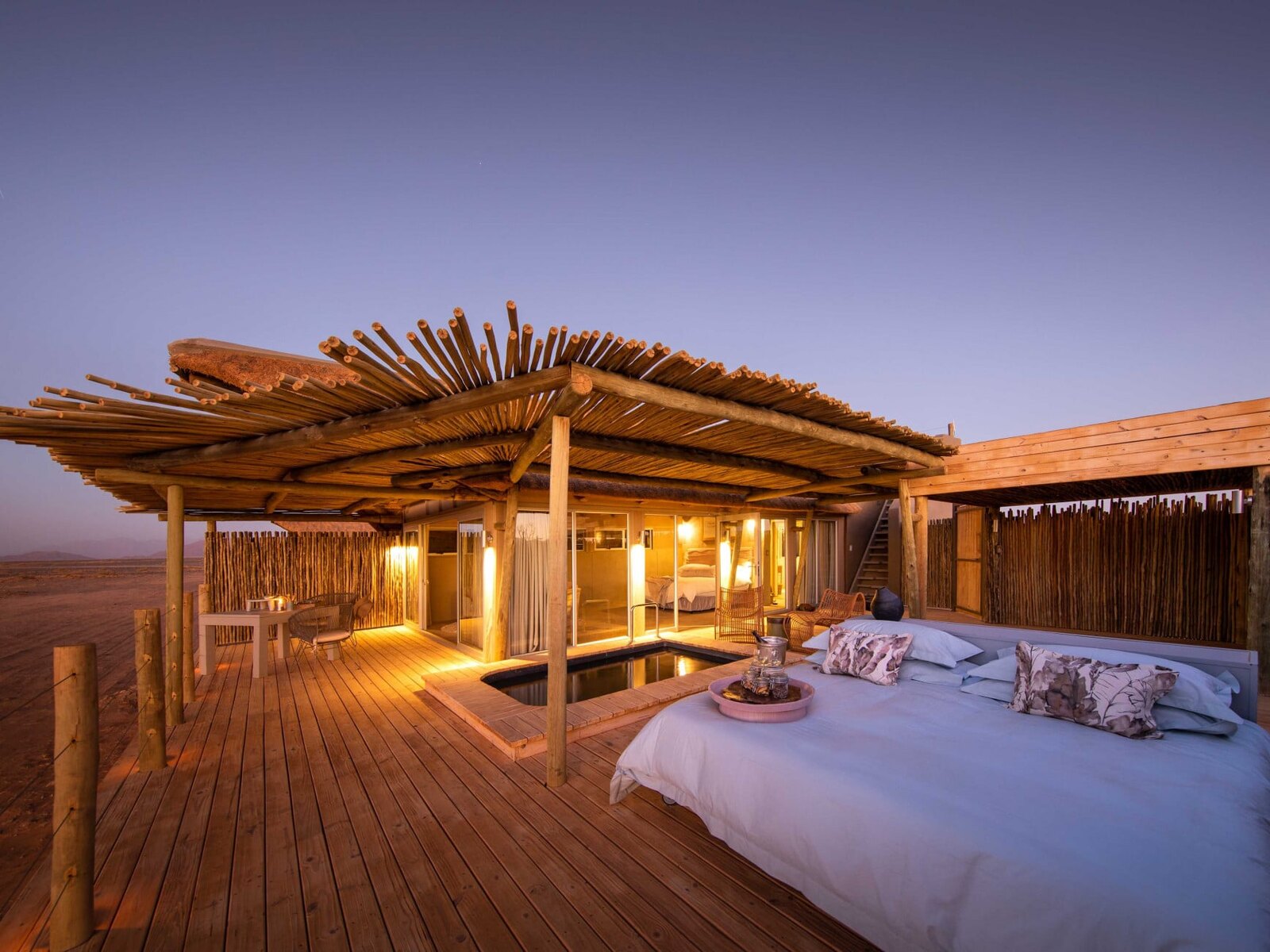
By day, NamibRand offers the classic Namib experience without the crowds - dune drives, nature walks, and superb populations of oryx, springbok and Hartmann's mountain zebra. By night, it delivers stargazing that has no equal on the continent. Several lodges here feature private observatories and open-air "star beds."
- Best for: Stargazing and astronomy, exclusive desert experiences, nature walks, low-impact conservation travel.
- When to go: Year-round; the winter months (May-August) offer the clearest, darkest skies.
- Access: Self-drive or fly-in, immediately south of the Sossusvlei area.
- Reality check: A landscape-and-sky destination rather than a Big Five park. Pair it with Sossusvlei for a complete southern-desert leg.
Namibia's Desert & Wildlife Landscapes
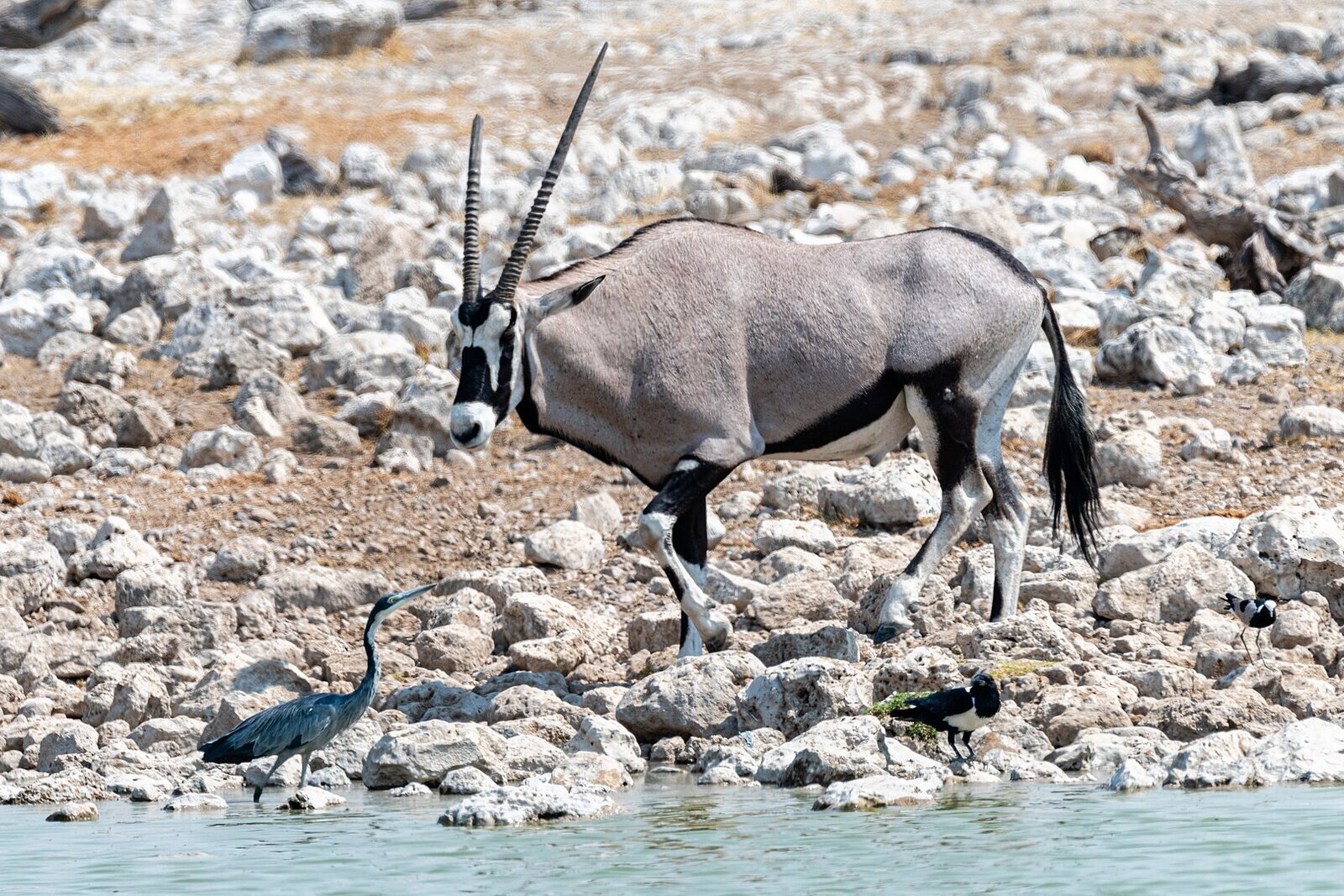
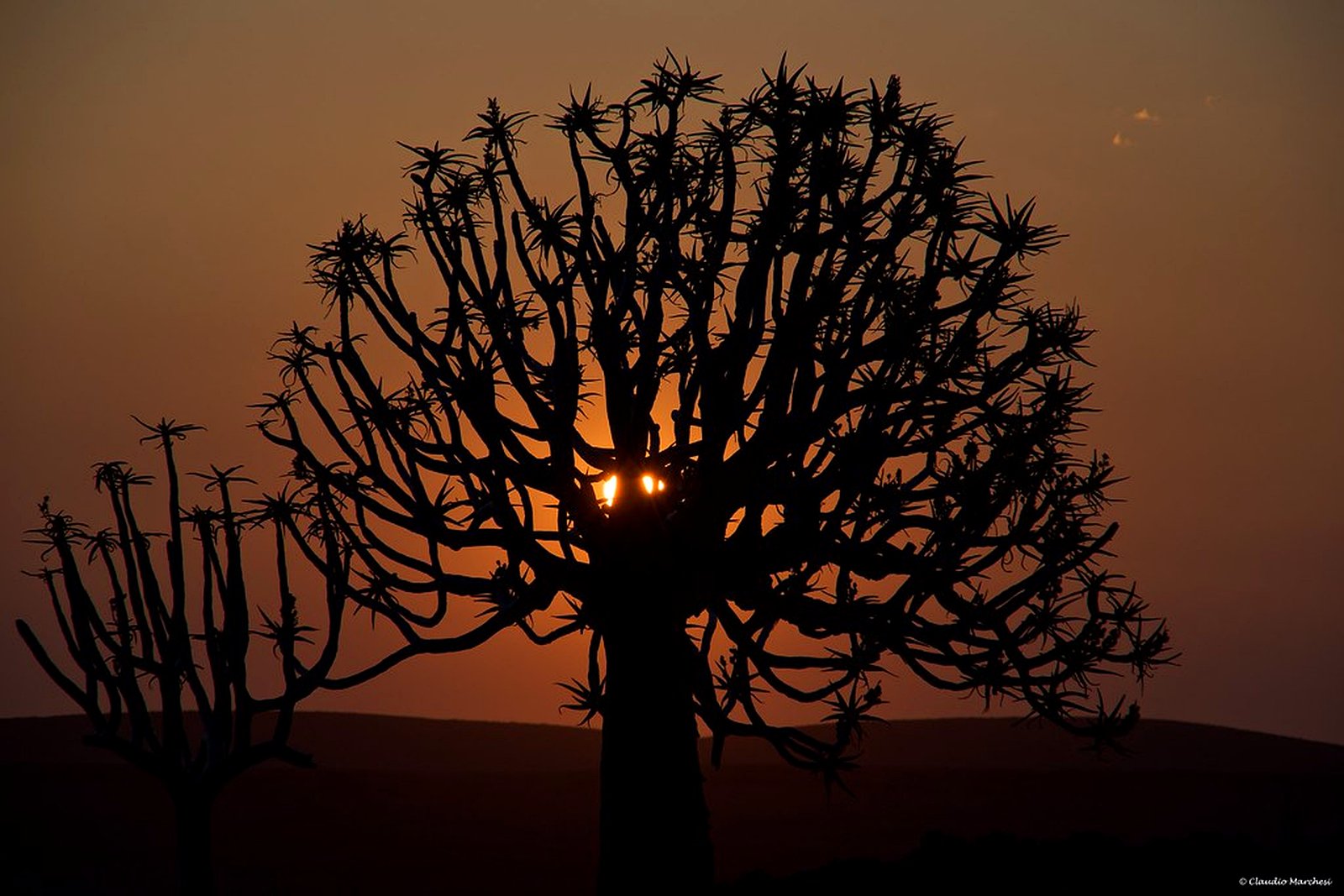
6. Kaokoland & the Kunene River - Namibia's Wildest Frontier
Kaokoland is the most remote and untamed corner of Namibia - a rugged expanse of mountains, dry riverbeds and gravel plains in the far northwest, ending at the perennial Kunene River on the Angolan border. This is the homeland of the Himba, one of Africa's last semi-nomadic pastoralist peoples, and of desert lions and elephants that range across some of the harshest terrain on the continent.
Travel here is a genuine expedition - 4x4 tracks, river crossings and self-sufficiency - or, more comfortably, a fly-in to one of the handful of remote camps. The reward is a Namibia few travellers ever see: raw, ancient and profoundly quiet, where the Kunene's green ribbon slices through desert mountains.
- Best for: Expedition travel, cultural encounters, desert lions and elephants, true wilderness and solitude.
- When to go: May-October (dry season) for the most reliable access and wildlife.
- Access: Fully-equipped 4x4 expedition or fly-in to remote camps; not for casual self-drivers.
- Reality check: The remotest region in the country. Go with an experienced guide or on a fly-in - independent travel demands serious preparation.
7. Zambezi Region (Caprivi Strip) - The Water-Rich Contrast
The Zambezi Region, still widely known as the Caprivi Strip, is the green surprise of Namibia - a narrow, water-rich panhandle in the far northeast fed by four great rivers. Here the desert gives way to floodplains, riverine forest and wetlands teeming with elephant, buffalo, hippo, crocodile and superb birdlife. It is the only part of Namibia where you can complete the Big Five, buffalo included.
Parks like Bwabwata, Mudumu and Nkasa Rupara connect Namibia to the wider Kavango-Zambezi Transfrontier Conservation Area - the largest of its kind on Earth - making the region a natural stepping stone to Victoria Falls, Chobe and Botswana. For travellers who want to pair Namibia's deserts with lush, water-based safari, this is the answer.
- Best for: Rivers and water safaris, buffalo and big elephant herds, birding, linking to Victoria Falls and Botswana.
- When to go: May-October (dry season) for wildlife; the green season is superb for birds.
- Access: Self-drive along the Trans-Caprivi Highway or fly-in; a gateway to Chobe and the Falls.
- Reality check: A different Namibia entirely - lush, not arid. There is a low seasonal malaria risk here, unlike the rest of the country.
8. Fish River Canyon - Africa's Grand Canyon
In the deep south, the earth splits open into the Fish River Canyon - the largest canyon in Africa and the second largest on Earth, a colossal amphitheatre of rock some 160 kilometres long, up to 27 kilometres wide and 550 metres deep. Standing on the rim at sunset, watching the light move down the ancient rock walls, is one of Namibia's most humbling moments.
For the adventurous, the multi-day Fish River Hiking Trail is one of Africa's legendary treks, descending into the canyon for an 85-kilometre wilderness journey (open in the cooler months only). Nearby, the hot springs of Ai-Ais offer the perfect reward. The canyon pairs naturally with the deep-south deserts and Lüderitz on a southern loop.
- Best for: Epic geology and scenery, hiking, deep-south road trips, sunset photography.
- When to go: April-September (cooler months); the hiking trail opens May-September only.
- Access: Self-drive in the far south; a long haul from the central highlights, best on a dedicated southern route.
- Reality check: Scenery, not wildlife. It is remote from the main circuit - build it into a southern loop rather than a quick detour.
9. Swakopmund & Walvis Bay - The Adventure Coast
Where the Namib dunes tumble into the cold Atlantic sits Swakopmund, Namibia's quirky German-colonial seaside town, and neighbouring Walvis Bay, whose lagoon is one of southern Africa's most important wetlands. This is the country's adventure and coastal-wildlife hub, and the natural halfway point on the classic desert loop.
Here you can kayak among Cape fur seals, cruise the lagoon past thousands of flamingos and pelicans, sandboard and quad-bike the dunes, take a scenic flight over the Skeleton Coast, or explore the eerie, living-desert world of the "little five" on a guided dune walk. It is where Namibia lets you catch your breath between wilderness legs - with good restaurants and cool ocean air.
- Best for: Coastal wildlife, adventure activities, flamingos and marine life, a comfortable base mid-trip.
- When to go: Year-round; the coast is cool and often foggy even in summer.
- Access: Self-drive or fly-in; central on the classic Windhoek loop.
- Reality check: A town and adventure hub, not a game park - its wildlife is marine and coastal. A welcome change of pace between desert and bush.
10. Waterberg Plateau - Sanctuary for Rare Species
Rising abruptly from the surrounding plains, the Waterberg Plateau is a striking red sandstone table mountain that has become a vital sanctuary for some of Namibia's rarest and most endangered wildlife. Its inaccessible heights and reliable springs create a natural refuge, and the plateau has been used to protect and breed species including sable and roan antelope, tsessebe, and both black and white rhino.
Guided game drives on top of the plateau, walking trails through lush gorges, and the sweeping view from the escarpment make Waterberg a rewarding and easily accessible stop between Windhoek and Etosha. Its birdlife - including a breeding colony of Cape vultures - is a further draw.
- Best for: Rare antelope and rhino, walking trails, birding, an easy stop en route to Etosha.
- When to go: May-October for wildlife; the plateau is green and beautiful after summer rains.
- Access: Self-drive, about 3-4 hours north of Windhoek, on the way to Etosha.
- Reality check: A conservation sanctuary with lower game density than Etosha - visit for the setting, rare species and walks, not big herds.
Etosha & Damaraland Wildlife
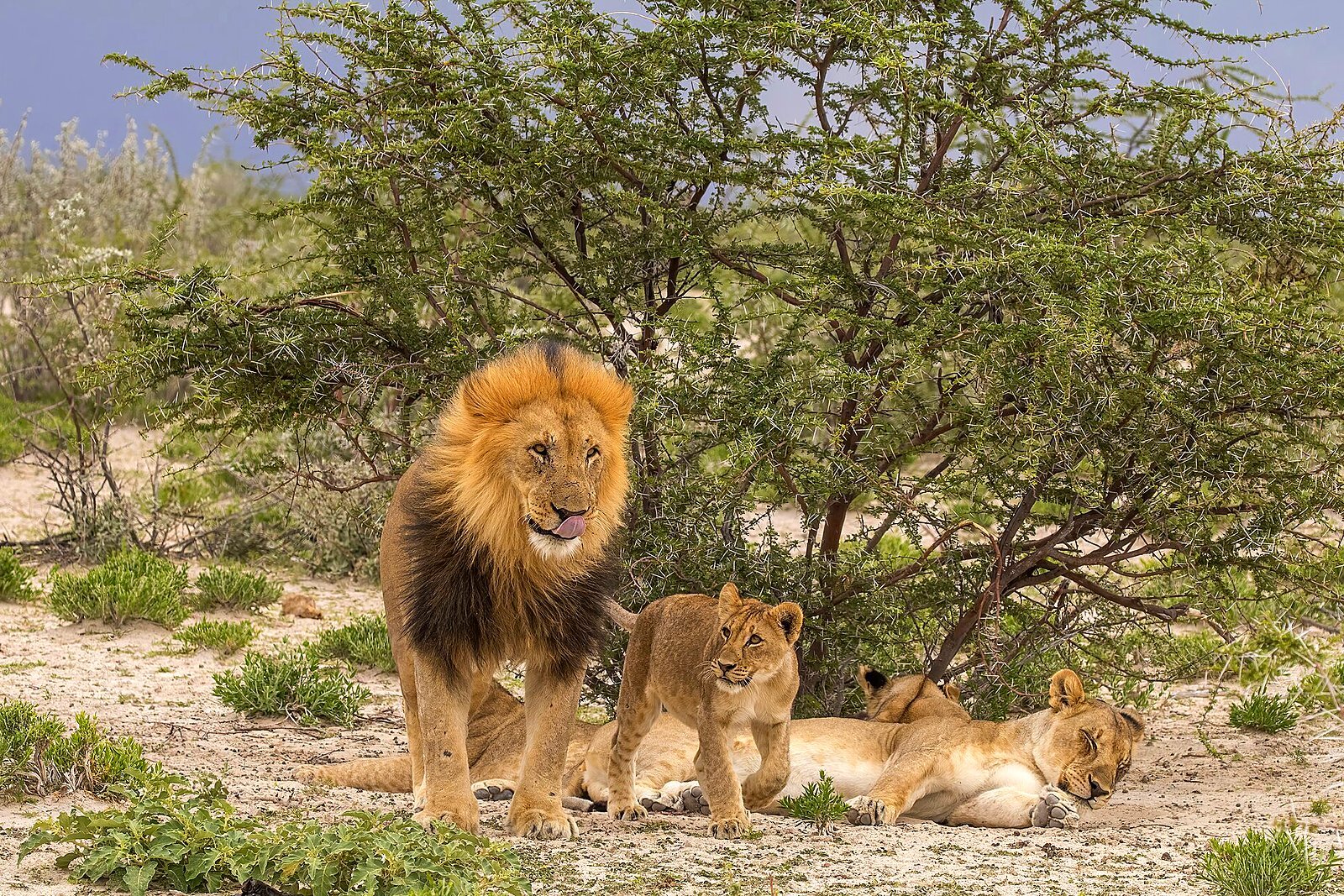
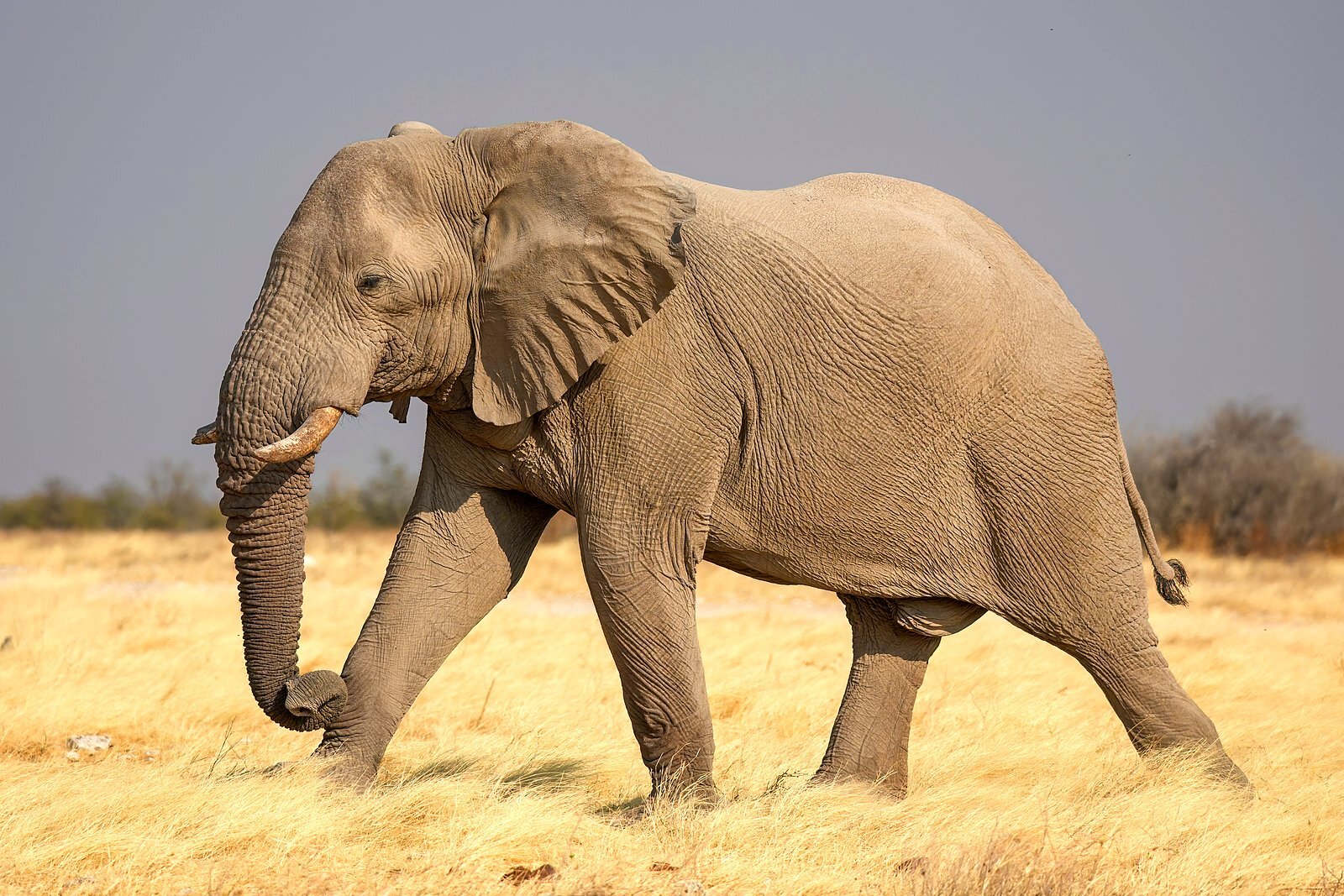
How to Combine Namibia's Destinations Into One Trip
Namibia rewards the loop. The classic 10-12 day route runs clockwise from Windhoek: south to Sossusvlei for the dunes (and NamibRand for the stars), west to Swakopmund and Walvis Bay for the coast, north through Damaraland for desert elephants and rock art, into Etosha for wildlife, then back to Windhoek. This single loop captures the essence of the country and works beautifully as a self-drive.
With more time, extend north to the Skeleton Coast and Kaokoland by fly-in for raw wilderness, or east to the Zambezi Region to add rivers, buffalo and a bridge to Victoria Falls and Botswana. For a southern focus, pair Fish River Canyon and Lüderitz with the deep-south deserts. For help mapping distances and pacing, our Self-Drive Safari Namibia guide and Ultimate Namibia Travel Guide are the place to start, and our Best Time to Visit Namibia guide helps you time it right.
Planning tip: Namibia's distances are deceptive - the country is large and much of the driving is on gravel. Build in no fewer than 8 days for a highlights loop, plan two nights at each key stop, and never rush a dune sunrise. If time is short, fly between the far-flung regions rather than trying to drive them all.
Best Time for a Namibia Safari
Namibia is a year-round destination, but the experience changes dramatically with the seasons. Here is the quick view - for the full month-by-month breakdown, see our Best Time to Visit Namibia guide.
| Season | Months | What to Expect |
|---|---|---|
| Peak Dry Season | August-October | Best wildlife - animals crowd Etosha's waterholes. Warm days, cool nights, minimal rain. Prime time. |
| Cool Dry Season | May-July | Clear skies, comfortable dune climbs, cold desert nights, superb stargazing. Excellent all-round. |
| Green Season | November-April | Dramatic skies, newborn animals, migratory birds, lower rates. Hotter, with occasional heavy rain that can flood gravel roads. |
| Shoulder Months | April & November | A fine balance of decent wildlife, green landscapes and fewer visitors. Good value. |
Ready to Plan Your Namibia Safari?
Our specialists design private, tailor-made Namibia journeys - self-drive or fly-in - across every destination in this guide.
Explore Namibia Safari PackagesFrequently Asked Questions
Which is the best safari destination in Namibia?
It depends on what you want. For classic wildlife and game viewing, Etosha National Park is unbeatable - its dry-season waterholes concentrate elephant, lion, rhino, giraffe and plains game. For the iconic desert landscapes Namibia is famous for, Sossusvlei's red dunes are essential. Most first-time visitors combine Sossusvlei, Etosha and the Swakopmund coast into one route. There is no single best - the magic of Namibia is chaining several very different destinations together.
Can you see the Big Five in Namibia?
You can see four of the Big Five relatively easily - elephant, lion, leopard and both black and white rhino - primarily in Etosha National Park and on private reserves. Buffalo are found only in the far northeast (the Zambezi Region), so seeing all five requires adding that region. Namibia is also the best country in the world for free-ranging black rhino, particularly in Etosha and Damaraland.
What are desert-adapted elephants and where do you see them?
Desert-adapted elephants are a remarkable population that has learned to survive in Namibia's arid northwest, walking long distances between waterholes along dry riverbeds and digging for water in the sand. They are found mainly in Damaraland and the Kunene Region, along seasonal rivers such as the Hoanib and Huab. Seeing them in this stark landscape is one of Namibia's signature experiences.
Is Namibia better for self-drive or fly-in safaris?
Both work superbly. Namibia has excellent, safe gravel roads and is one of Africa's premier self-drive destinations - ideal for independent travellers who want flexibility. Fly-in safaris suit those short on time or wanting to reach remote areas like the Skeleton Coast and Kaokoland without long drives. Many travellers combine the two - self-driving the accessible centre, then flying into the remote northwest.
How many days do you need for a Namibia safari?
A focused highlights trip (Sossusvlei, Swakopmund and Etosha) works in 7-8 days. A fuller loop adding Damaraland and the Skeleton Coast needs 10-12 days. A comprehensive journey including the Zambezi Region, Fish River Canyon or Kaokoland benefits from 14 days or more. Distances are large, so we recommend no fewer than 8 days.
When is the best time to go on safari in Namibia?
The dry season (May to October) is best for wildlife, as animals concentrate at waterholes - Etosha is at its finest in September and October. The desert landscapes of Sossusvlei photograph beautifully year-round, with the clearest light in the cooler months. The green season (November to April) brings dramatic skies, newborn animals and lower rates, though some gravel roads can flood.
How do you combine Namibia's safari destinations into one trip?
The classic route runs a loop from Windhoek: south to Sossusvlei for the dunes, west to Swakopmund and Walvis Bay for the coast, north through Damaraland for desert elephants and rock art, then into Etosha for wildlife, before returning to Windhoek. This covers the essential highlights in 10-12 days. Add Fish River Canyon in the deep south, or fly north to the Skeleton Coast and Kaokoland, for a longer and wilder journey.
Is Namibia safe for safari travel?
Yes - Namibia is one of Africa's safest and most stable safari destinations, with excellent infrastructure, well-maintained roads and a strong tourism industry. It is especially popular with self-drive travellers and families. Standard precautions apply, and your operator will brief you on gravel-road driving and remote-area logistics. Malaria risk is low to negligible across most of the country, with some seasonal risk only in the far north and the Zambezi Region.
The Verdict: Namibia's Best Safari Destinations
Namibia is not a single safari - it is a sequence of landscapes so distinct they feel like different countries. The red dunes of Sossusvlei, the waterhole theatre of Etosha, the desert elephants of Damaraland and the haunting Skeleton Coast together form one of the most extraordinary journeys in Africa. Chain them into a loop, take your time, and let the silence and space do their work.
When you are ready to turn this list into a route, our specialists will design a private, tailor-made Namibia journey - self-drive or fly-in - around exactly the destinations that speak to you. For where to sleep along the way, continue to our Best Namibia Safari Lodges guide, and to see the full range of trips, browse our Top 10 Best Safari Tours in Namibia.