Key Takeaways
- Day-trip accessibility: Lésio-Louna is 140 km north of Brazzaville — the only gorilla sanctuary in the Republic of the Congo reachable as a same-day excursion (2.5-hour drive each way).
- Conservation success: Aspinall Foundation has reintroduced 75+ western lowland gorillas since 1999, with 40+ wild births and a 95% annual survival rate — one of Africa’s most successful great ape reintroduction programs.
- The experience: Observe rescued gorillas at Iboubikro nursery, boat the Léfini River for hippos and birdlife, visit Blue Lake. This is sanctuary-based viewing, not wild forest trekking.
- Cost & logistics: Day trips cost $150–$300 per person (all-inclusive with transport, guide, permits, lunch). Best during the dry season (May–September). Book through a registered operator in Brazzaville.
What Is Lésio-Louna Gorilla Reserve?
Lésio-Louna is a 173,000-hectare protected area on the Batéké Plateau in the Republic of the Congo, managed as a partnership between the Congolese Ministry of Forest Economy and the UK-based Aspinall Foundation. The reserve was established by decree in 1999 with a single purpose: to reintroduce western lowland gorillas (Gorilla gorilla gorilla) into habitat where they had been hunted to local extinction.
What makes Lésio-Louna unusual is that it works. Since the sanctuary opened, more than 75 western lowland gorillas have been reintroduced — rescued orphans from the bushmeat trade and captive-born individuals repatriated from UK zoos. The program has documented over 40 wild births among the released population, and the annual survival rate stands at 95%. At least one troop now numbers over 30 individuals, led by a silverback who was rescued in 1993.
This is not Odzala. You are not trekking into primary rainforest to sit with habituated wild gorilla families. What you are witnessing instead is conservation in action — young gorillas being prepared for release, semi-wild troops learning to forage independently, and the gradual restoration of a population that was commercially wiped out. The fact that you can see it on a day trip from Brazzaville makes it one of the most accessible gorilla encounters in Central Africa.
The Aspinall Foundation Story — From Rescue to Rewilding
The Aspinall Foundation’s work in the Republic of the Congo began with a simple observation: the country’s western lowland gorilla population had collapsed due to hunting pressure, but suitable habitat remained intact. If rescued gorillas could be successfully reintroduced, the species might recover naturally.
The first gorillas arrived in 1999. Most were orphans — infants whose mothers had been killed for bushmeat — confiscated by wildlife authorities and sent to the sanctuary for rehabilitation. A smaller number came from UK zoos: captive-bred gorillas with no viable future in European breeding programs, flown to the Congo for a chance at a wild life.
The process is gradual. Young gorillas spend months or years in semi-wild enclosures at Iboubikro, the sanctuary’s main site, where they are introduced to forest foods, taught to build nests, and integrated into social groups. When a troop is deemed ready — stable hierarchy, foraging competence, no dependence on supplementary feeding — they are released into the wider reserve. Rangers monitor them for months, intervening only if injury or illness threatens survival. Over time, the gorillas disperse, breed, and behave like wild populations.
The results speak for themselves. By 2026, Lésio-Louna is home to breeding groups spread across the reserve’s gallery forests and savannas. Infant mortality is low. Wild-born gorillas are raising wild-born infants. The sanctuary is still accepting new rescues, but the focus has shifted: from saving individual orphans to managing a self-sustaining wild population.
The Day-Trip Experience — What You Actually See
Most visitors to Lésio-Louna book a day trip from Brazzaville through a local operator. The journey takes approximately 2.5 hours each way, covering 140 kilometers north via National Road 2. The road is paved for the majority of the route, degrading to a rough track for the final 12 kilometers to the reserve’s living base at Iboubikro.
Morning: Iboubikro Gorilla Nursery
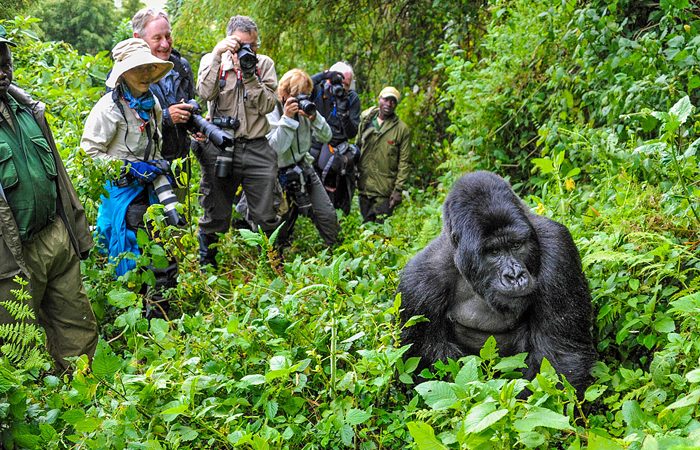
Iboubikro is the operational heart of the sanctuary. You arrive mid-morning to find a cluster of simple buildings, forest clearings, and semi-wild enclosures where young gorillas spend their days. This is not a zoo. There are no glass barriers or feeding schedules. The gorillas are free to move through the surrounding forest, returning to the feeding platforms at their own pace.
You watch from a designated viewing area as baby and juvenile gorillas forage, play, and interact under the watch of their keepers. Depending on the day, you may see infants clinging to older siblings, juveniles mock-wrestling, or a young silverback testing his dominance. The experience is intimate and unhurried. There is no trekking fatigue, no sweating through dense undergrowth. You stand still, and the gorillas go about their lives.
What you are observing is a halfway stage. These are gorillas in training — too young or too recently rescued to survive alone, but no longer dependent on human care. Some will graduate to full release. Others will remain semi-wild, visible to visitors but increasingly autonomous. The Foundation’s rangers know each gorilla by name, temperament, and lineage. If you ask, they will tell you who was orphaned where, who has been released, and which infants were born wild in the reserve.
Midday: Léfini River Boat Cruise
After the gorilla encounter, the itinerary shifts to the Léfini River. You board a motorized pirogue for a slow drift through gallery forest, swamp forest, and open savanna. The Batéké Plateau is not dense rainforest — it is a mosaic of grasslands, river corridors, and scattered woodland. The boat cruise is designed to show you the broader ecosystem: hippos wallowing in shallows, sitatunga (semi-aquatic antelope) browsing the riverbanks, African fish eagles perched on dead trees.
The birdlife is exceptional. Over 300 species have been recorded in the reserve, including forest specialists like the Congo serpent eagle and savanna endemics like the black-faced firefinch. If you are birding-inclined, bring binoculars. The river sections are the most productive for sightings.
Some itineraries include a stop at the Confluence, where the Léfini and Louna rivers meet, or a short hike to the Blue Lake (Lac Bleu) — a crystal-clear pool surrounded by cliffs and local legend. The lake is photogenic but not essential. The real draw is the boat itself: a chance to decompress after the gorilla encounter and see the plateau’s savanna-forest transition firsthand.
Afternoon: Return to Brazzaville
Most day trips depart Iboubikro by mid-afternoon, arriving back in Brazzaville by early evening. Some operators offer the option to extend the visit with an overnight stay at the reserve — basic accommodation at Iboubikro or rustic bush camps at Abio — but the majority of visitors opt for the same-day format. It is efficient, affordable, and sufficient for understanding what the sanctuary represents.
Costs & Logistics — How to Visit
Entry Fees & Permits
Access to Lésio-Louna requires an entry permit, which is typically included in the cost of a professional tour package. Independent travelers must contact the reserve office in Brazzaville in advance to arrange permits and transport. Walk-up visits are not permitted — the sanctuary limits visitor numbers to reduce disturbance to the gorillas.
The entry fee for the reserve is modest (€10–€20 per person), but the real cost is the guided day-trip package. Expect to pay $150–$300 per person for a full-day excursion that includes:
- Round-trip transport from Brazzaville in a 4x4 vehicle
- English- or French-speaking guide
- Reserve entry permit and conservation fees
- Gorilla viewing at Iboubikro
- Boat cruise on the Léfini River
- Packed lunch and drinking water
Multi-day packages with overnight accommodation at Iboubikro or Abio cost $300–$500, depending on the operator and level of comfort. The rustic camps offer basic beds, shared ablutions, and meals prepared on-site. They are functional rather than luxurious.
Best Time to Visit
Lésio-Louna is accessible year-round, but the dry season (May–September) offers the best conditions. Road access improves, wildlife congregates around permanent water sources, and the risk of being rained out is minimal. The plateau can be uncomfortably hot during the dry months — bring sun protection and light, breathable clothing.
The wet season (October–April) is not recommended for casual visitors. The final track to Iboubikro becomes impassable during heavy rains, and the boat cruises are less reliable. Serious birders may prefer the wet months for migratory species, but logistics become significantly more difficult.
How to Book
Book through a registered tour operator in Brazzaville. Reputable operators include Kamba African Rainforest Experiences (which also runs the Odzala camps), Eco Adventures Safaris, and local Brazzaville-based agencies like Congo Travel & Tours. Confirm in writing what is included in the package — some operators quote the entry fee separately, while others bundle everything into a single price.
You will need a yellow fever vaccination certificate to enter the Republic of the Congo (mandatory at immigration). A visa is also required — apply in advance through a Congolese embassy or arrange a Letter of Invitation through your tour operator.
Lésio-Louna vs. Odzala — Understanding the Difference
If you are researching western lowland gorilla encounters in the Republic of the Congo, you will encounter two options: Lésio-Louna (the sanctuary) and Odzala-Kokoua National Park (wild trekking). They are not interchangeable.
| Feature | Lésio-Louna | Odzala-Kokoua |
|---|---|---|
| Distance from Brazzaville | 140 km (2.5 hours by road) | 600+ km (charter flight required) |
| Gorilla experience | Rescued orphans in semi-wild sanctuary | Wild, habituated families in primary forest |
| Physical difficulty | Low (no trekking required) | High (2–7 hours through swamp forest) |
| Cost | $150–$500 (day trip or overnight) | $10,500+ (7-night all-inclusive package) |
| Time commitment | 1–2 days | Minimum 7 nights |
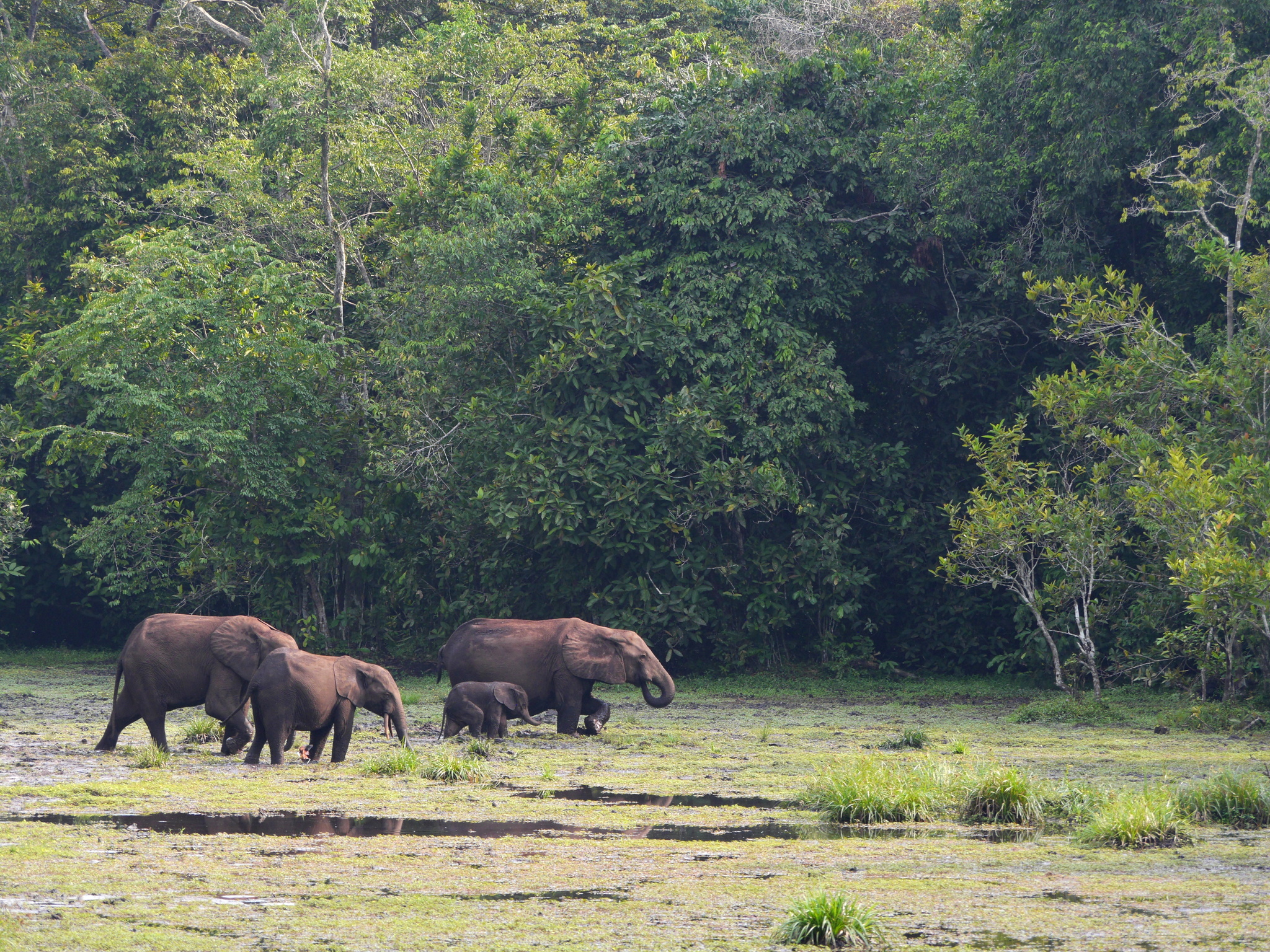
| Other wildlife | Hippos, sitatunga, birds (boat-based) | Forest elephants, bongo, forest buffalo (tracking-based) |
| Best for | Time-limited travelers, conservation tourism, Brazzaville stopovers | Serious primate enthusiasts, multi-day expeditions, authentic wilderness |
If you have one day in Brazzaville and want to see western lowland gorillas, Lésio-Louna is your only option. If you are planning a dedicated Congo safari and can commit a week to the experience, Odzala offers the real thing: wild gorillas, wild forest, and physical immersion in one of Africa’s last true wildernesses.
The Honest Take — Pros, Cons & Who Should Visit
What Lésio-Louna Does Well
- Accessibility: This is the only gorilla encounter in the Republic of the Congo that works as a day trip from a capital city. No charter flights, no week-long commitments.
- Conservation credibility: The Aspinall Foundation’s work is legitimate, well-documented, and transparent. Your entry fee directly funds gorilla reintroduction and anti-poaching patrols.
- Low physical barrier: No swamp-trekking, no leeches, no five-hour slogs through dense undergrowth. Suitable for families, older travelers, and anyone unwilling or unable to handle Odzala’s physical demands.
- Affordability: At $150–$300, this is exponentially cheaper than a full Odzala expedition ($10,500+). You can add it to a Brazzaville stopover without blowing your budget.
What It Is Not
- Wild gorilla trekking: The gorillas at Iboubikro are semi-wild at best. You are not hiking into untouched forest to find them. You are observing rescued individuals in a managed environment.
- Luxury safari: Accommodation (if you stay overnight) is basic. Meals are functional. This is conservation tourism, not five-star eco-luxury.
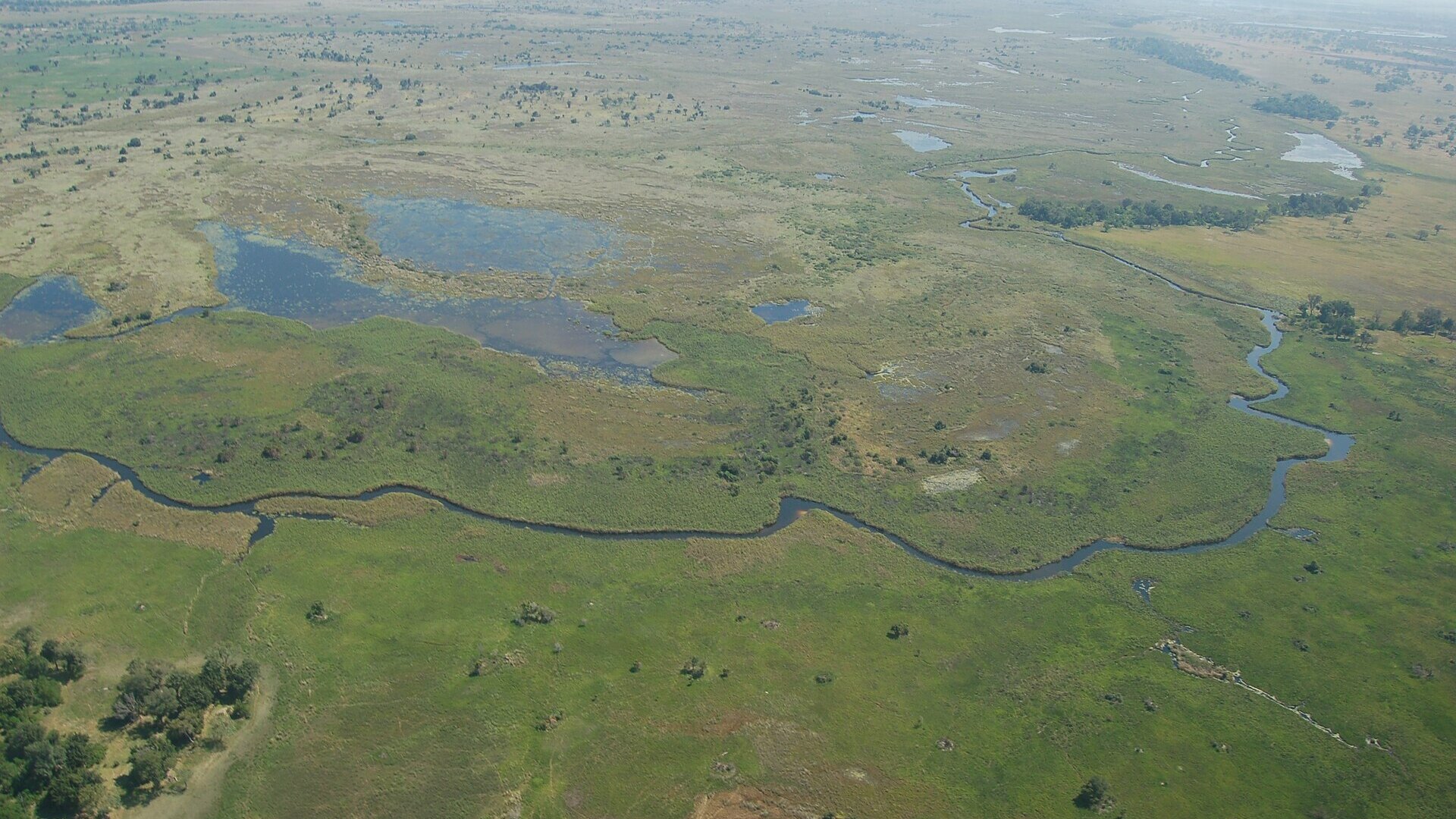
- Guaranteed sightings: While gorilla encounters at Iboubikro are highly reliable, the boat-based wildlife (hippos, sitatunga) is hit-or-miss. The plateau is not the Okavango.
Who Should Visit?
Lésio-Louna makes sense for three types of travelers:
- Time-limited visitors to Brazzaville who want a gorilla encounter but cannot commit to a week-long Odzala safari.
- Conservation-minded tourists who value supporting active reintroduction programs and are comfortable with sanctuary-style viewing.
- Travelers with physical limitations who want to see western lowland gorillas without the physical demands of wild forest trekking.
If you are a hardcore primate enthusiast seeking authentic wilderness immersion, skip Lésio-Louna and go straight to Odzala. If you have one free day in Brazzaville and $200 to spare, this is the best gorilla encounter you will find within driving distance of a Central African capital.
Practical Tips for Visiting
- Bring your own food and water: Some operators provide lunch; others do not. Confirm in advance. There are no shops or cafes at the reserve.
- Wear long trousers and closed shoes: The forest environment means insects. Tsetse flies are common. Do not show up in shorts and sandals.
- Carry cash (CFA francs): Credit cards are not accepted at the reserve. Brazzaville ATMs dispense local currency.
- Confirm road conditions: If you are visiting during the wet season, ask your operator about the state of the final 12 km track. Heavy rains can render it impassable.
- Book in advance: The sanctuary limits daily visitor numbers. Do not assume you can walk up and buy a permit on the day.
Beyond Lésio-Louna — Other Congo Experiences
If Lésio-Louna whets your appetite for Republic of the Congo wildlife, consider extending your trip to include:
- Odzala-Kokoua National Park: Wild western lowland gorilla trekking, forest elephant baïs, and luxury bush camps. Minimum 7 nights. Charter flight from Brazzaville.
- Conkouati-Douli National Park: Coastal wilderness south of Pointe-Noire, combining forest, savanna, and Atlantic beaches. Chimpanzees, sea turtles, and elephants. Less developed than Odzala but unique.
- Brazzaville city experiences: Sapeurs culture, Basilique Sainte-Anne, Congo River views, and the vibrant Poto-Poto arts district.
For comprehensive trip planning, see our Ultimate Republic of the Congo Safari Guide.