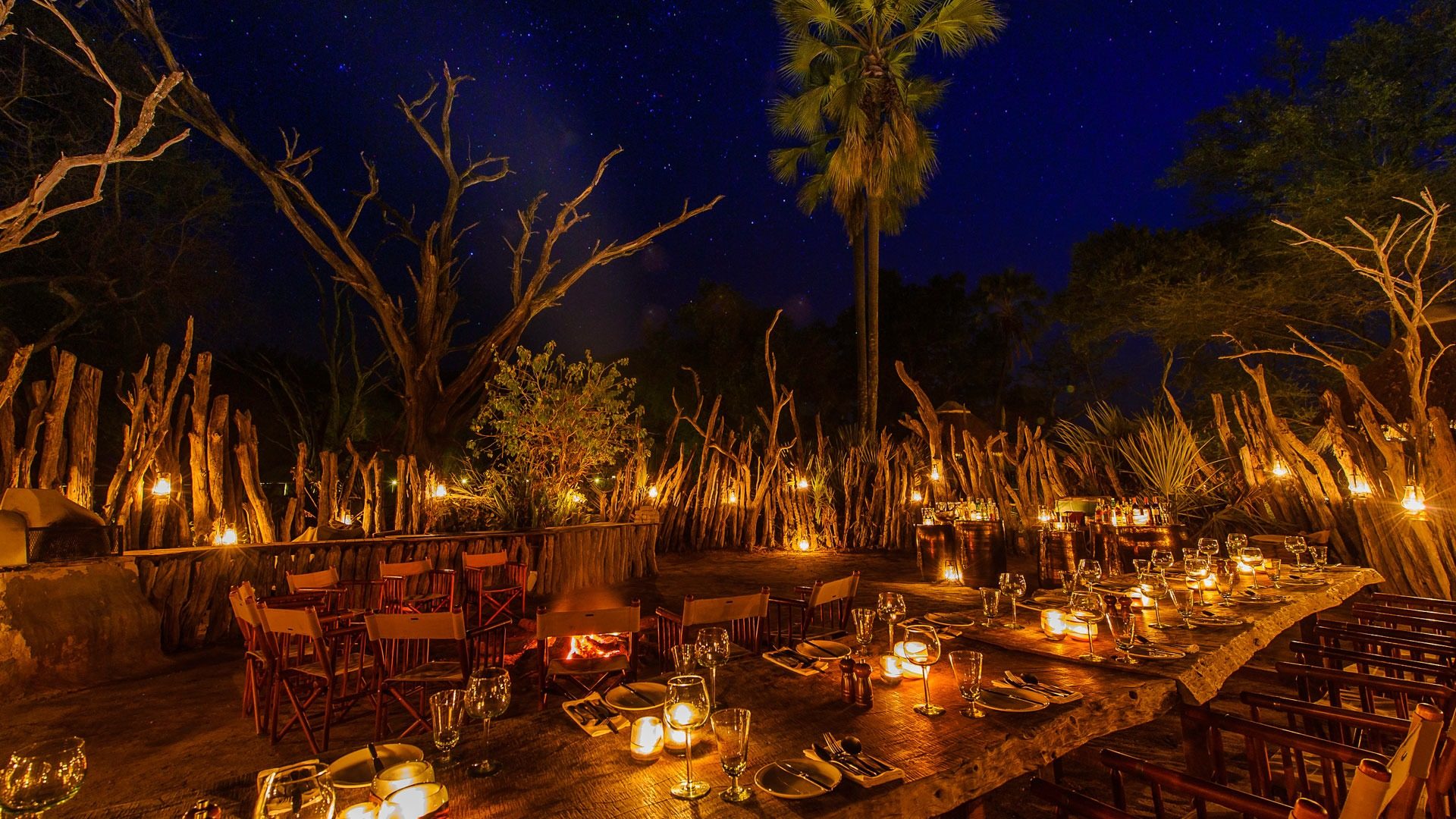
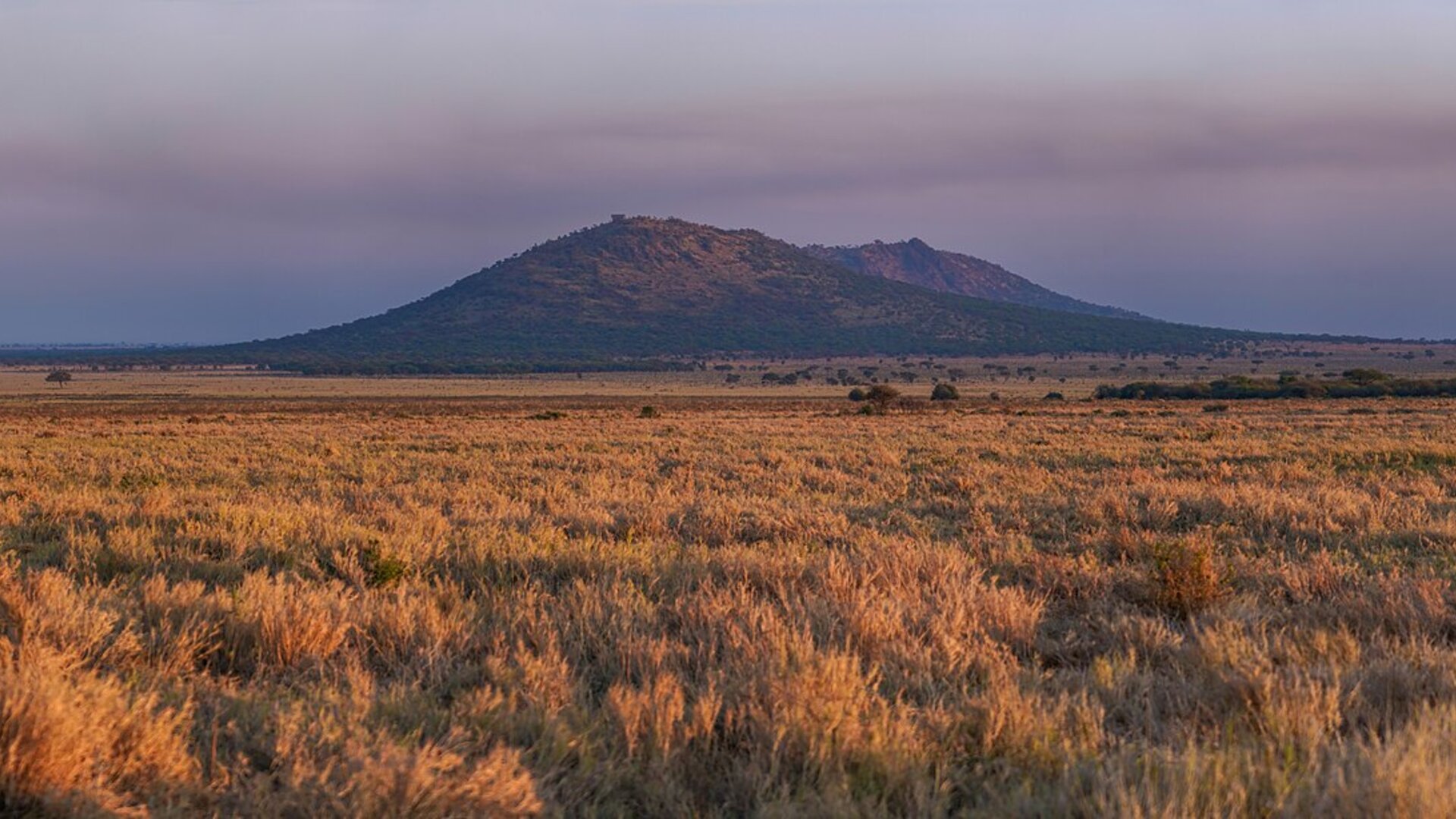
Some conservation stories begin with a scientist. This one begins with two filmmakers, a battered vehicle, and a decision that filming the disappearance of Africa's great predators was no longer enough.
The Filmmakers Who Refused to Look Away
For more than forty years, Dereck and Beverly Joubert have lived in the wild places of Africa with a camera between them and the animals they love. As National Geographic Explorers-at-Large, they have produced more than 40 films, written books, and shot the covers of magazines seen around the world — earning eight Emmy Awards and a Peabody along the way. Films like Eye of the Leopard and The Last Lions did not simply document wildlife; they made millions of people fall in love with individual animals, by name.
But the Jouberts were witnesses to something else, too. Season after season, they watched the lions thin out. They watched the wild lands shrink. They came to a hard conclusion: a beautiful film about a dying species is still a film about a dying species. Somewhere along the way, they decided to stop only recording the loss — and start reversing it.
This is the story of what that decision became: a conservation model built not on slogans, but on land bought back, species moved to safety, rangers paid through a pandemic, and wilderness measured in the millions of acres.
From Camera to Cause — The Birth of Great Plains
In 2006, the Jouberts founded Great Plains Conservation. The idea was deceptively simple and, at the time, quietly radical: use high-end, low-volume, low-impact tourism as the engine to finance the protection — and expansion — of Africa's most important wild places.
The logic runs against the grain of mass tourism. Rather than filling a landscape with vehicles, Great Plains keeps guest numbers deliberately tiny and value deliberately high, so that a single wilderness can pay for its own protection without being trampled by the very people who come to admire it. Every bed sold is, in effect, a conservation levy on a piece of Africa that might otherwise be lost to cattle, crops, or the gun.
Alongside the tourism company, the Jouberts established the Great Plains Foundation, a registered non-profit that channels additional funding into the projects that tourism alone cannot cover — species rescue, ranger support, community programmes, and large-scale rewilding. Company and foundation work as two hands of the same purpose: keep the wilderness intact, and make sure the people who live beside it benefit from doing so.
The Big Cats Initiative — A Line in the Sand
In 2009, the Jouberts joined forces with the National Geographic Society to launch the Big Cats Initiative — a direct response to a collapse most travellers never see coming. When the initiative began, Beverly Joubert put the scale of it plainly: Africa's lion population had fallen from roughly 450,000 to about 20,000 in only fifty years.
The numbers only sharpened with study. Research during the initiative's work found that African lions declined by 43% between 1993 and 2014, and have vanished from around 95% of their historic range. Cheetahs have been lost from more than 90% of theirs. These are not distant, abstract statistics — they are the quiet emptying of a continent's grasslands.
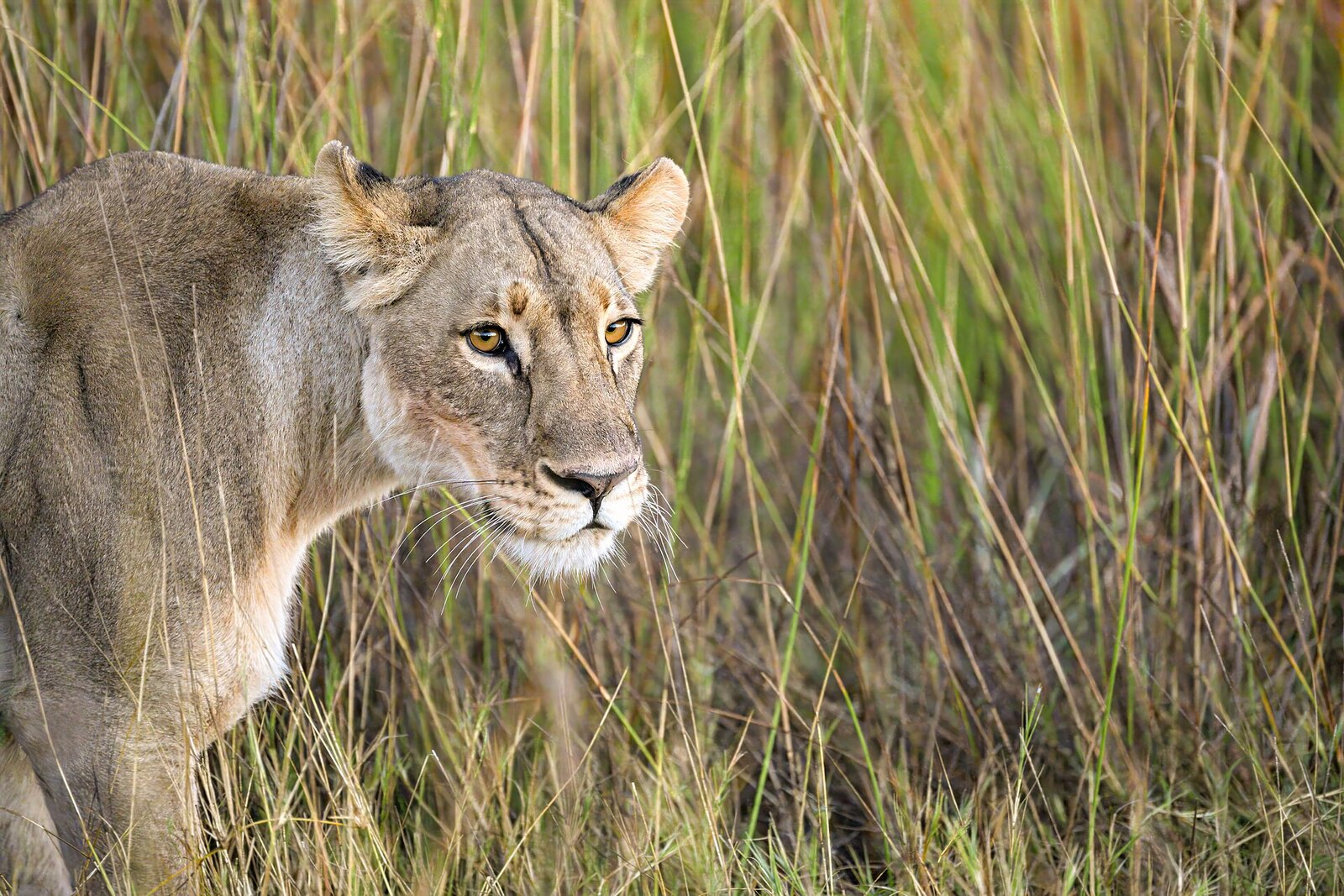
The Big Cats Initiative set out to slow that decline through practical, fundable action. Under the National Geographic Society it grew to support more than 150 projects across nearly 30 countries. On the ground, that meant building over 1,800 livestock enclosures to stop retaliatory killings of predators, running community herding programmes, and using the Jouberts' films and standing to press African governments on hunting policy — work that helped move Botswana toward its ban on lion, leopard, and general hunting. Today the programme continues under the Jouberts as the Great Plains Big Cats Initiative, still funding the scalable ideas most likely to turn the tide.
Rhinos Without Borders — Moving a Species to Safety
If big cats were the Jouberts' first cause, rhinos became their most audacious rescue. As poaching tore through South Africa's rhino strongholds, Great Plains partnered with the conservation-travel group &Beyond to ask a bold question: if a place is no longer safe, why not move the animals to one that is?
The answer was Rhinos Without Borders, launched in 2014. It built on a pioneering translocation the year before — 2013, when six white rhinos were moved from South Africa's Phinda Private Game Reserve to the relative safety of Botswana's Okavango Delta. The new initiative set a target of relocating 100 rhinos from high-poaching zones to Botswana, a country chosen for its space and its formidable anti-poaching record.
By December 2019, the project had successfully moved 87 rhinos — a logistical feat involving veterinarians, aircraft, crates, and armed protection at every step. And then came the real dividend: the relocated animals began to breed, adding dozens of calves born wild and free in their new home. The focus has since shifted to keeping them safe, with telemetry devices and dedicated monitoring teams guarding a growing population that now stands well beyond the number first moved.
It is one of the clearest ideas in modern conservation: when you cannot make a place safe fast enough, you carry the future of a species to safer ground — and give it room to grow.
Selinda and Duba — Rewilding the Okavango
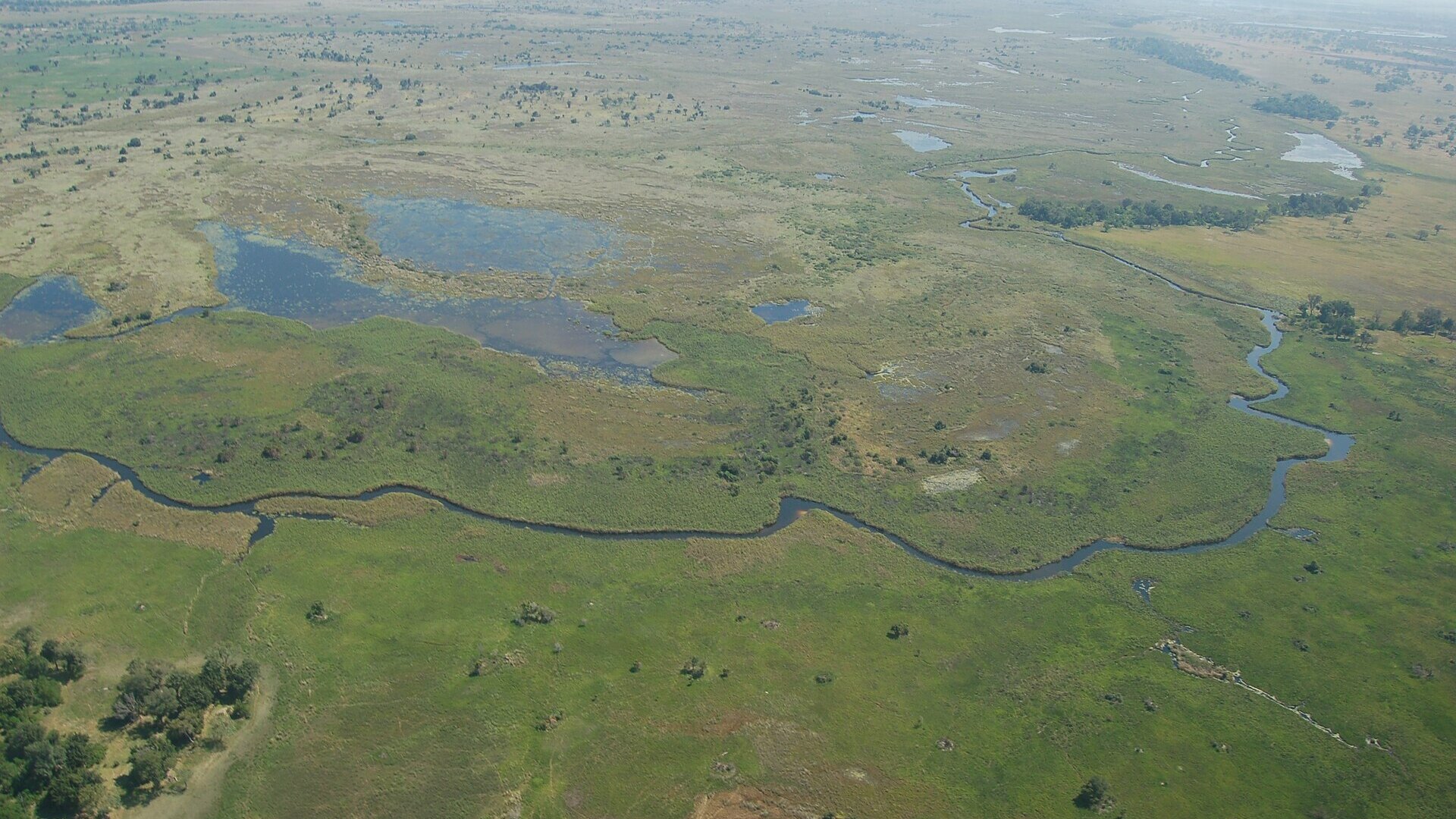
Great Plains does its most visible work in the wilderness it directly protects, and nowhere more so than in northern Botswana. The Selinda Reserve spans roughly 130,000 hectares of private wilderness strung between the Okavango and Linyanti-Chobe water systems, protecting the Selinda Spillway — a fossil channel that, in the right years, links two of Africa's greatest wetlands.
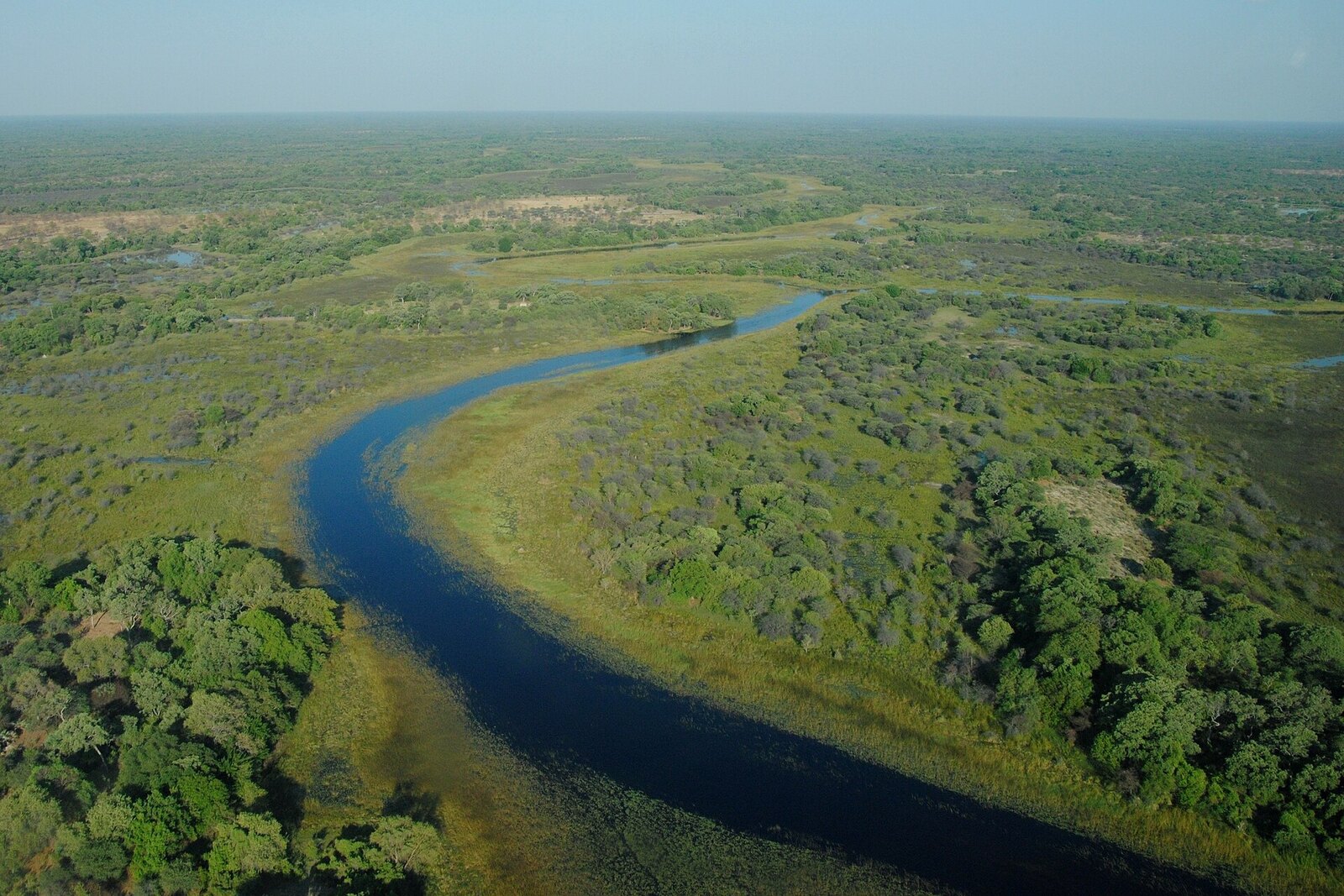
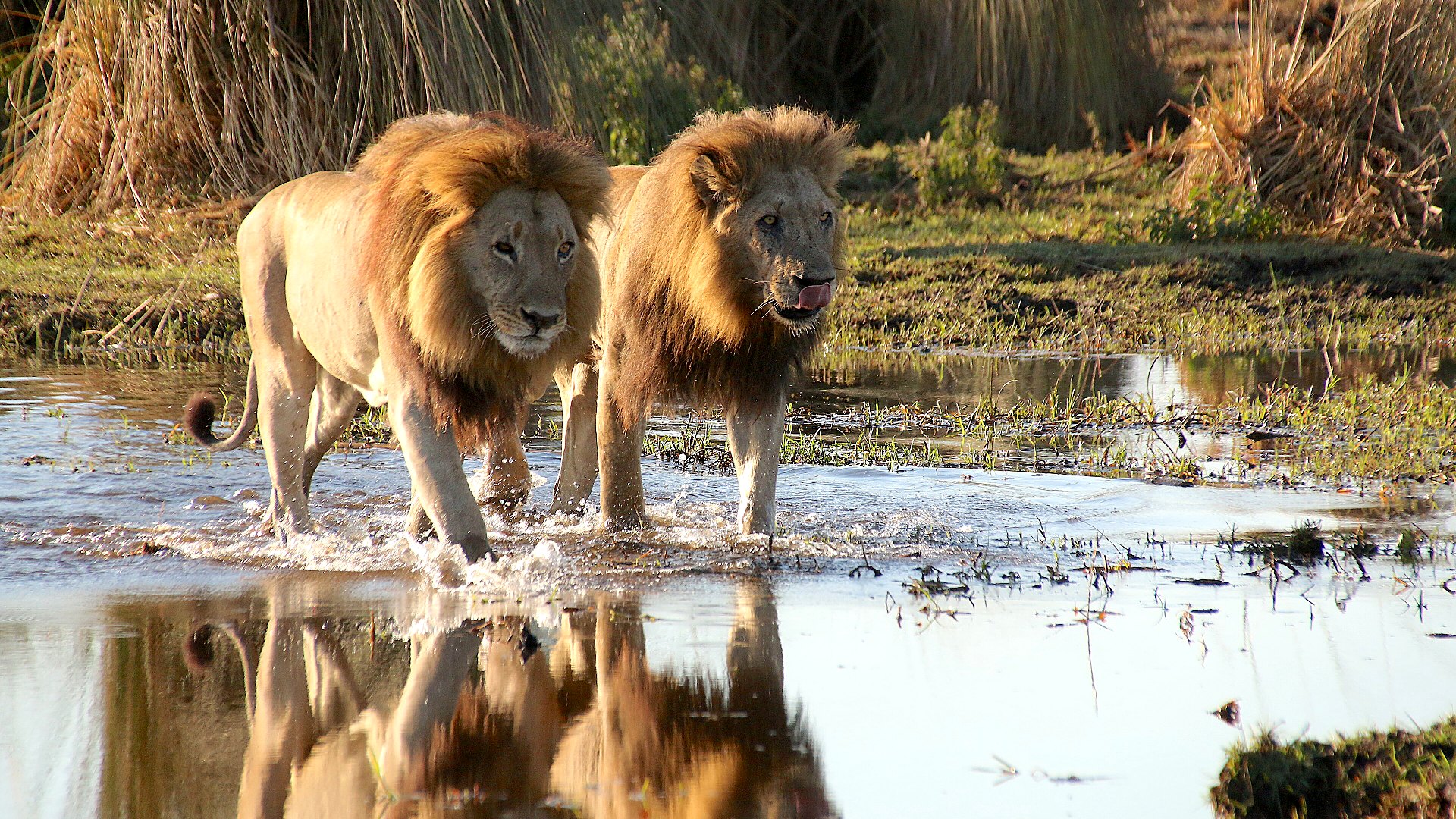
Nearby lies the Duba concession — about 33,000 hectares of palm-fringed islands and flooded plains in the northern Okavango. It was here that the Jouberts filmed some of their most famous footage: the extraordinary, high-stakes battles between lions and vast herds of buffalo that made Duba a household name among wildlife lovers. Protecting that stage — keeping it wild, unfenced, and undisturbed — is conservation in its most direct form.
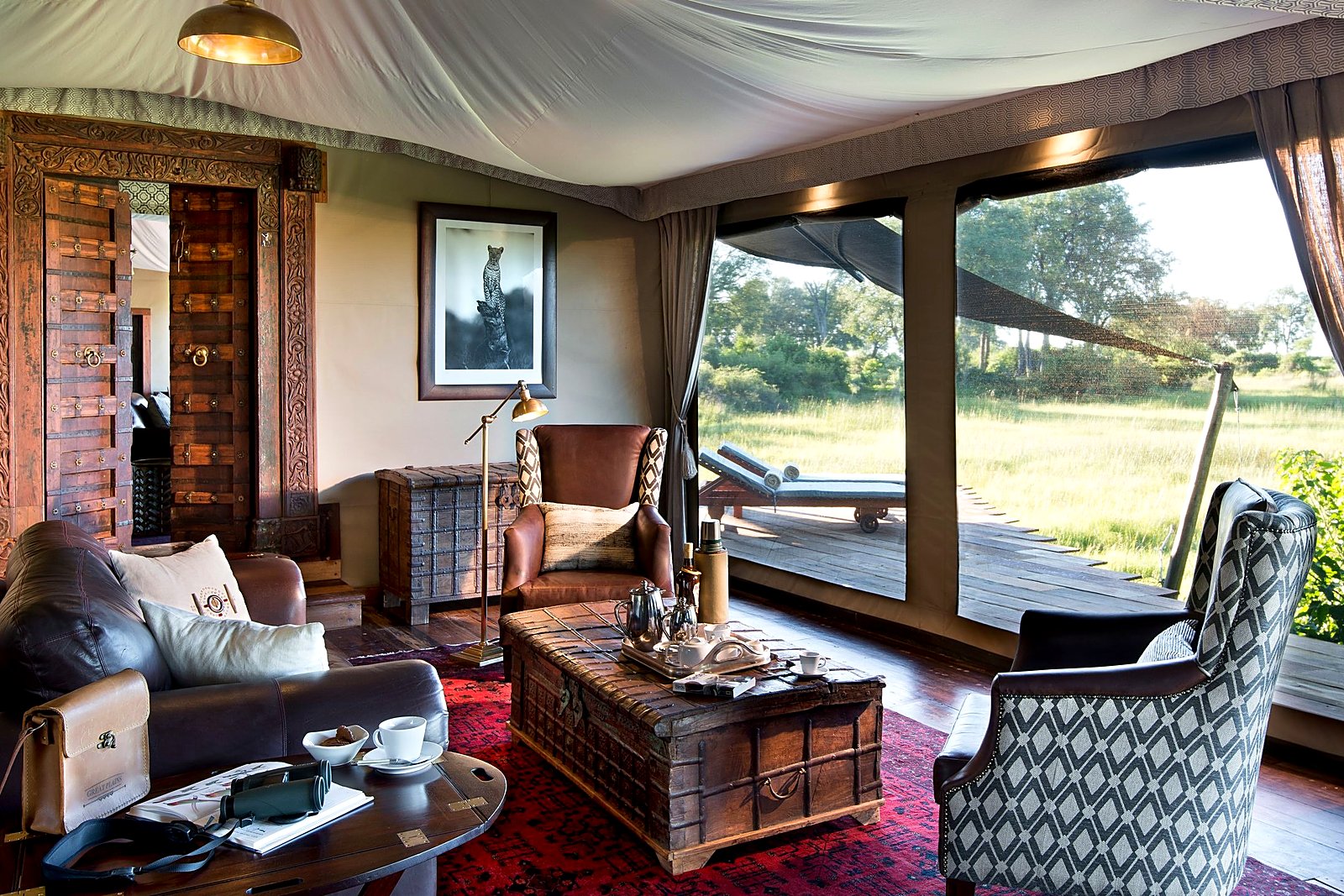
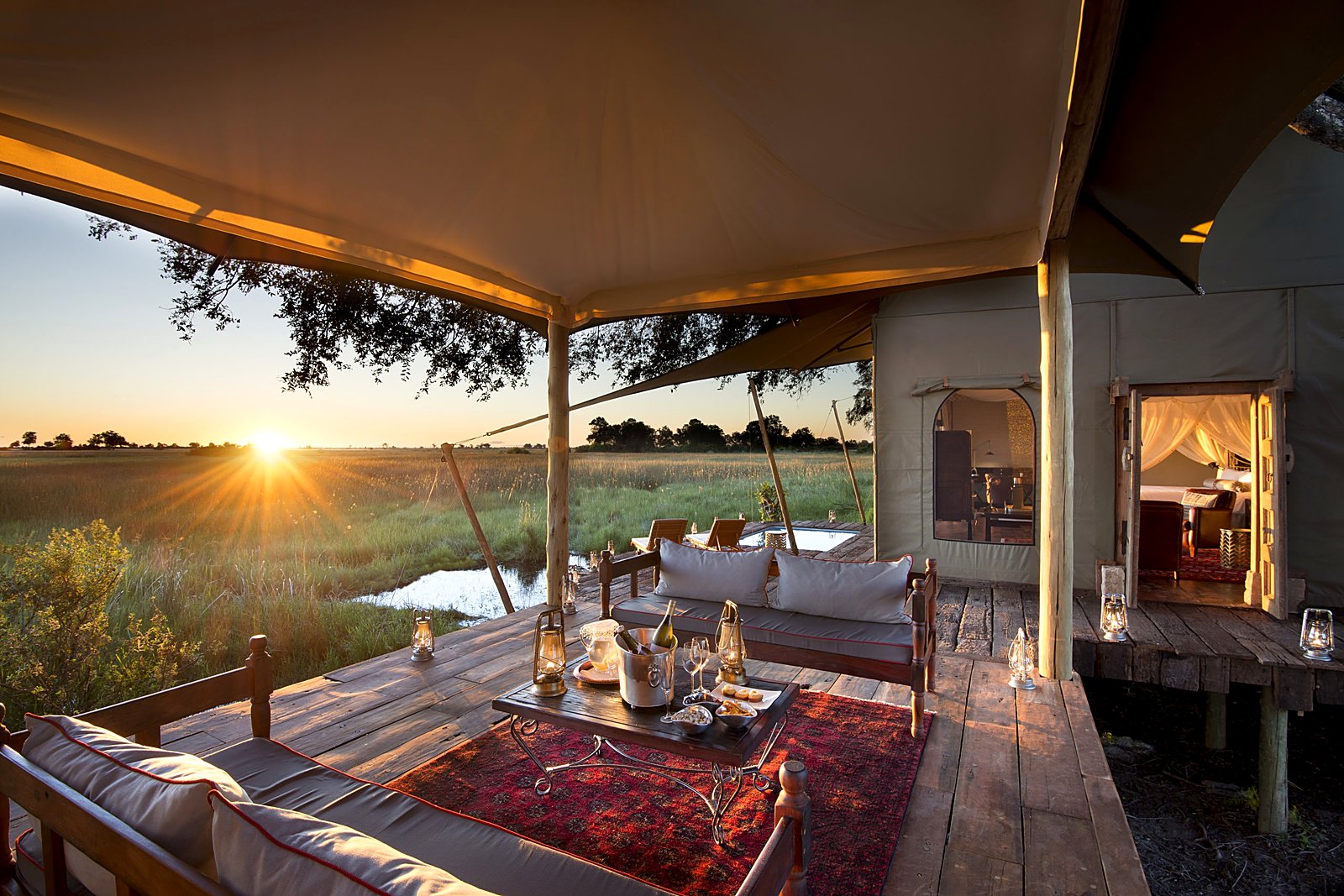
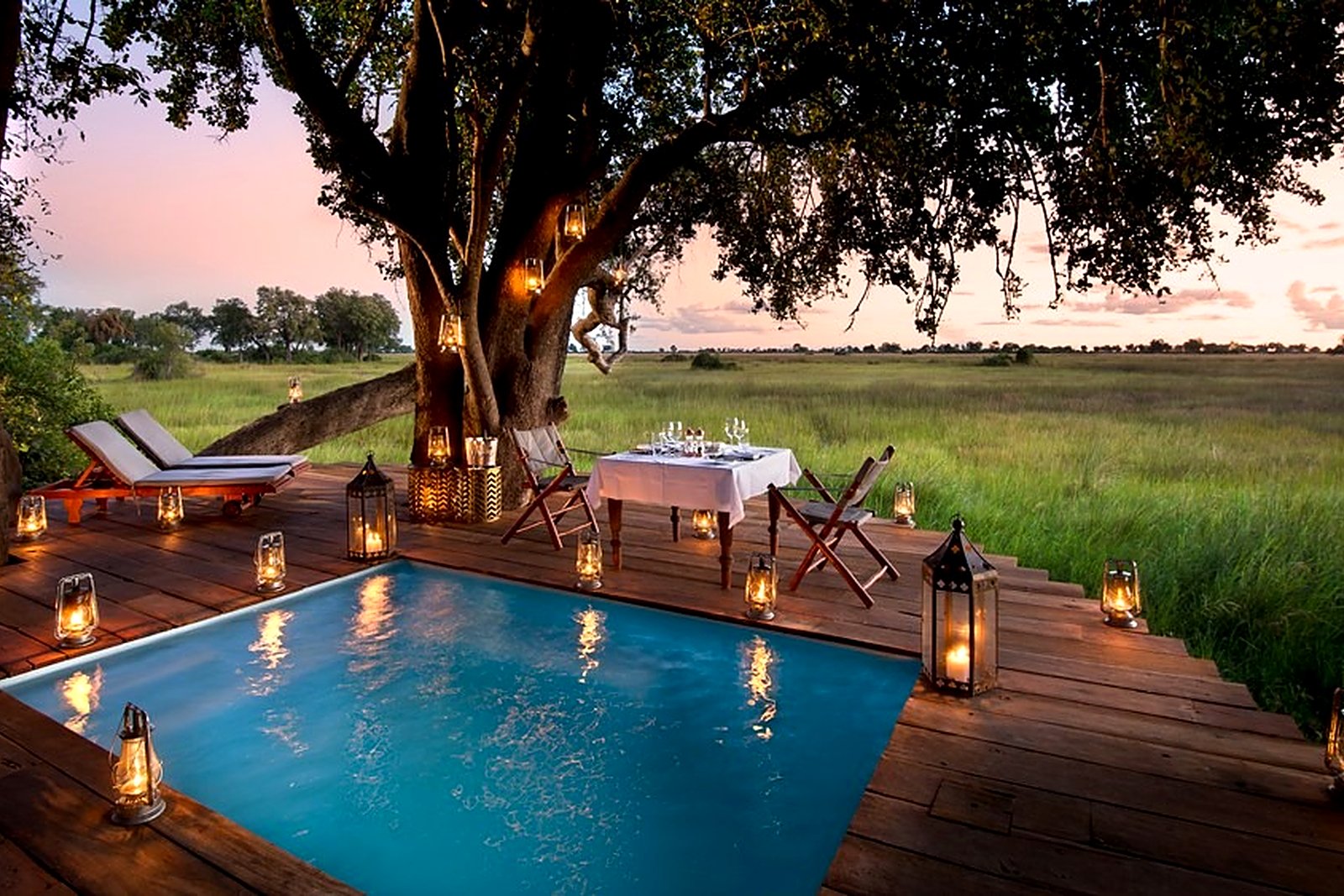
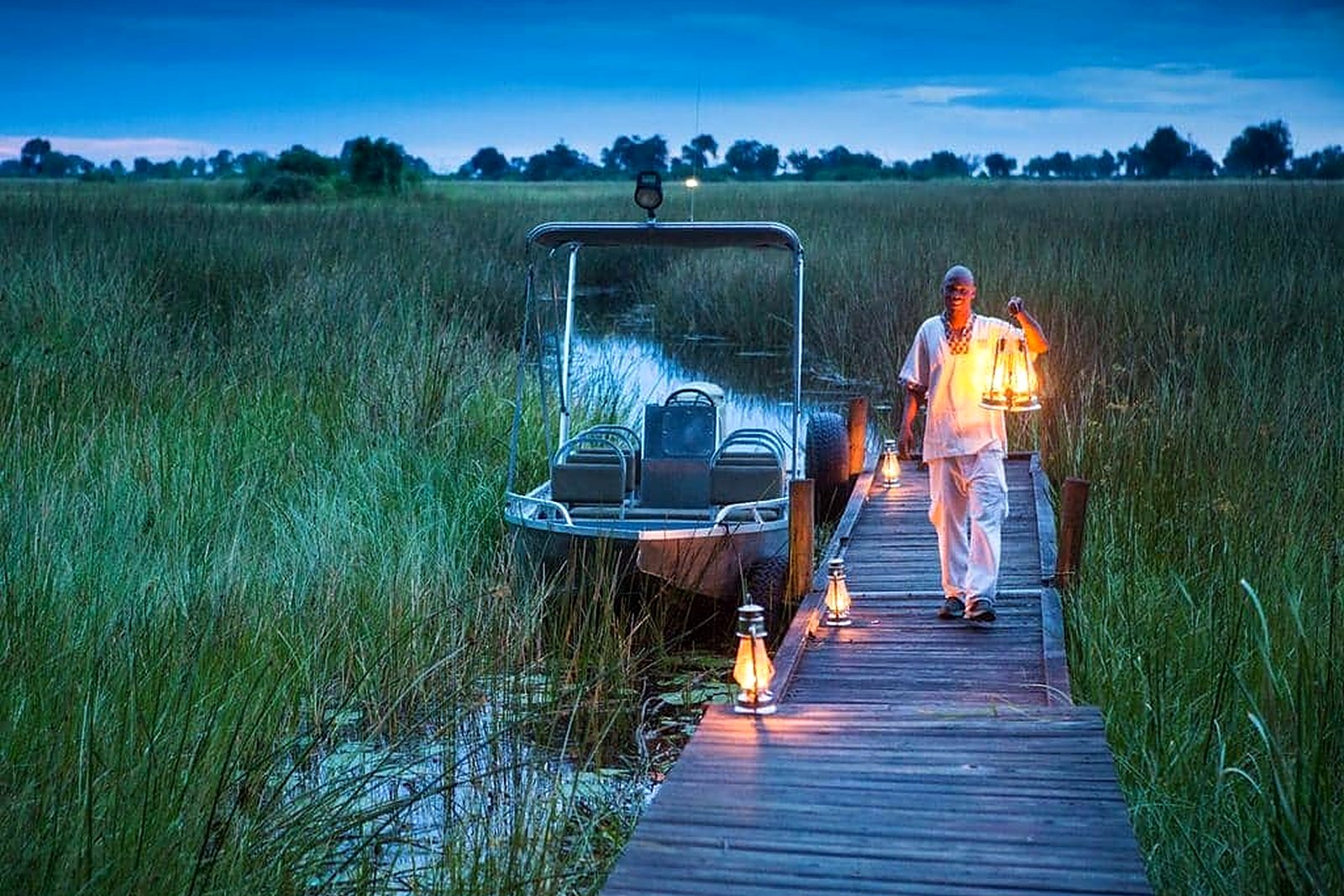
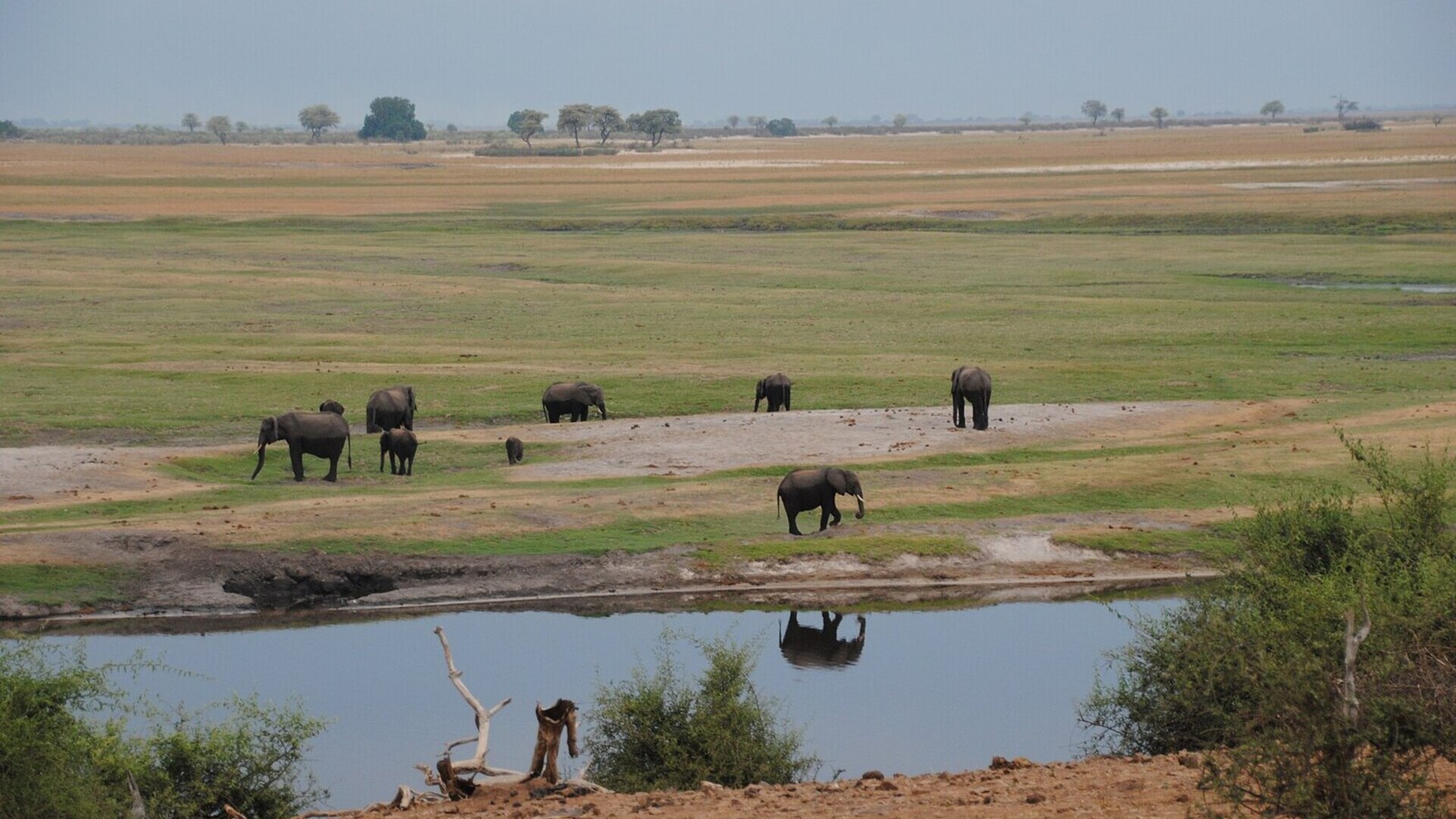
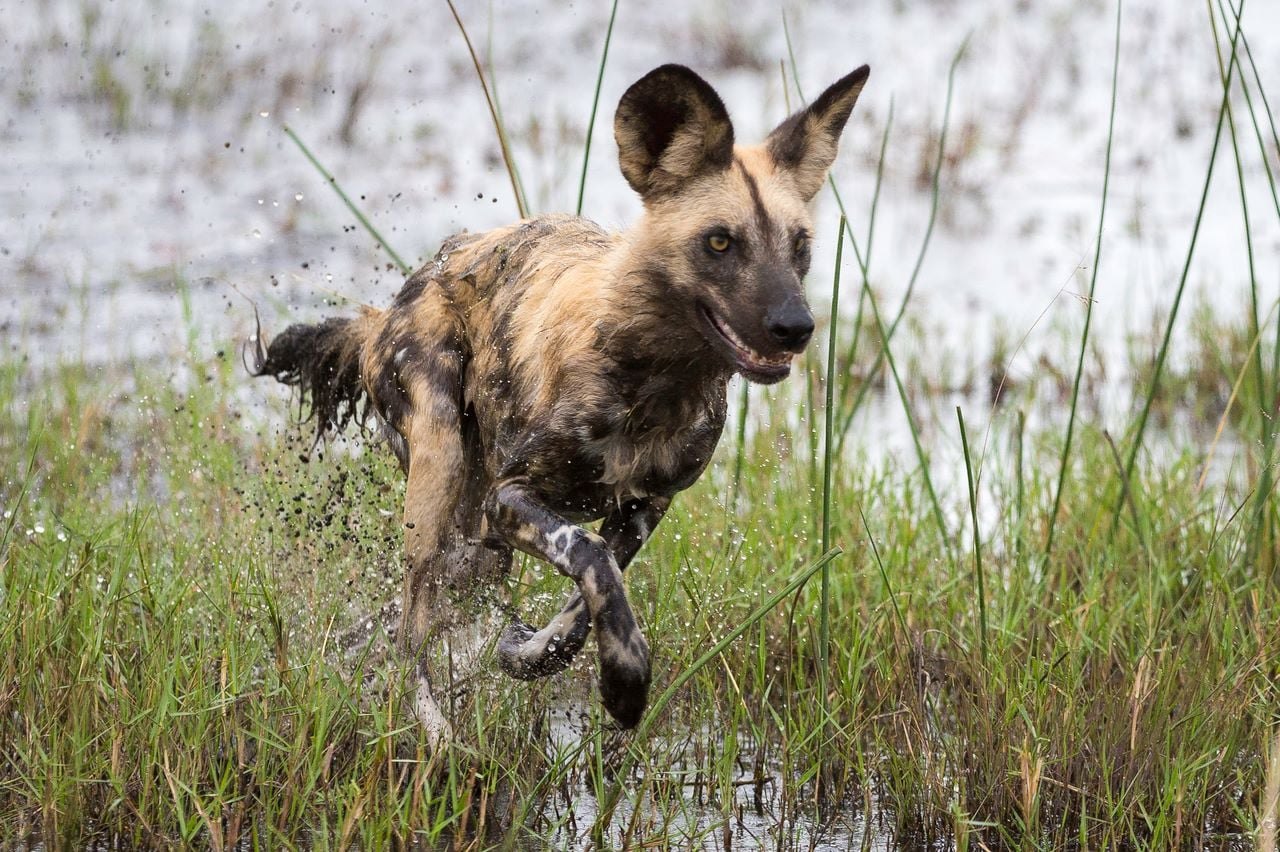
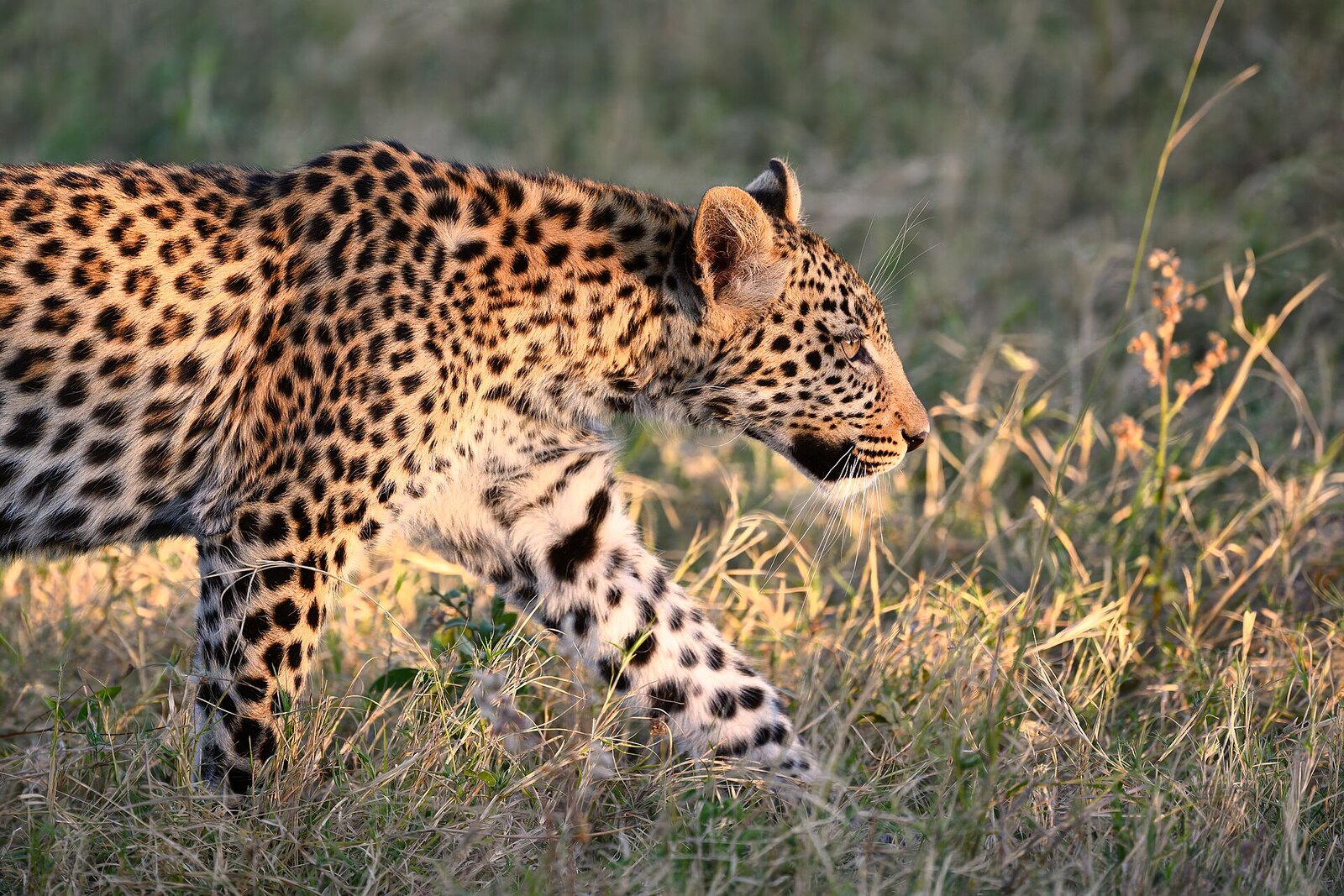
These reserves are alive with the species the Jouberts have spent a lifetime championing — lions and leopards, elephants moving in great breeding herds, and one of Africa's most endangered predators of all.
Sapi Reserve — Turning Guns Into Cameras
Perhaps the purest expression of the Great Plains philosophy sits on the banks of the Zambezi in Zimbabwe. The Sapi Reserve — some 118,000 hectares (around 290,000 acres) — had been a hunting concession since 1957. In late 2016, Great Plains took over its management and began a deliberate, dramatic conversion: from a place where wildlife was shot for trophies to a private photographic reserve where it is protected.
Sapi is no ordinary piece of bush. It borders Mana Pools National Park and forms part of the UNESCO World Heritage Site that spans the Mana Pools, Sapi and Chewore areas. Restoring it meant rebuilding roads, communications and a control room, and standing behind Zimbabwe's park rangers with equipment, training, and the recruitment of women wildlife monitors from local communities.
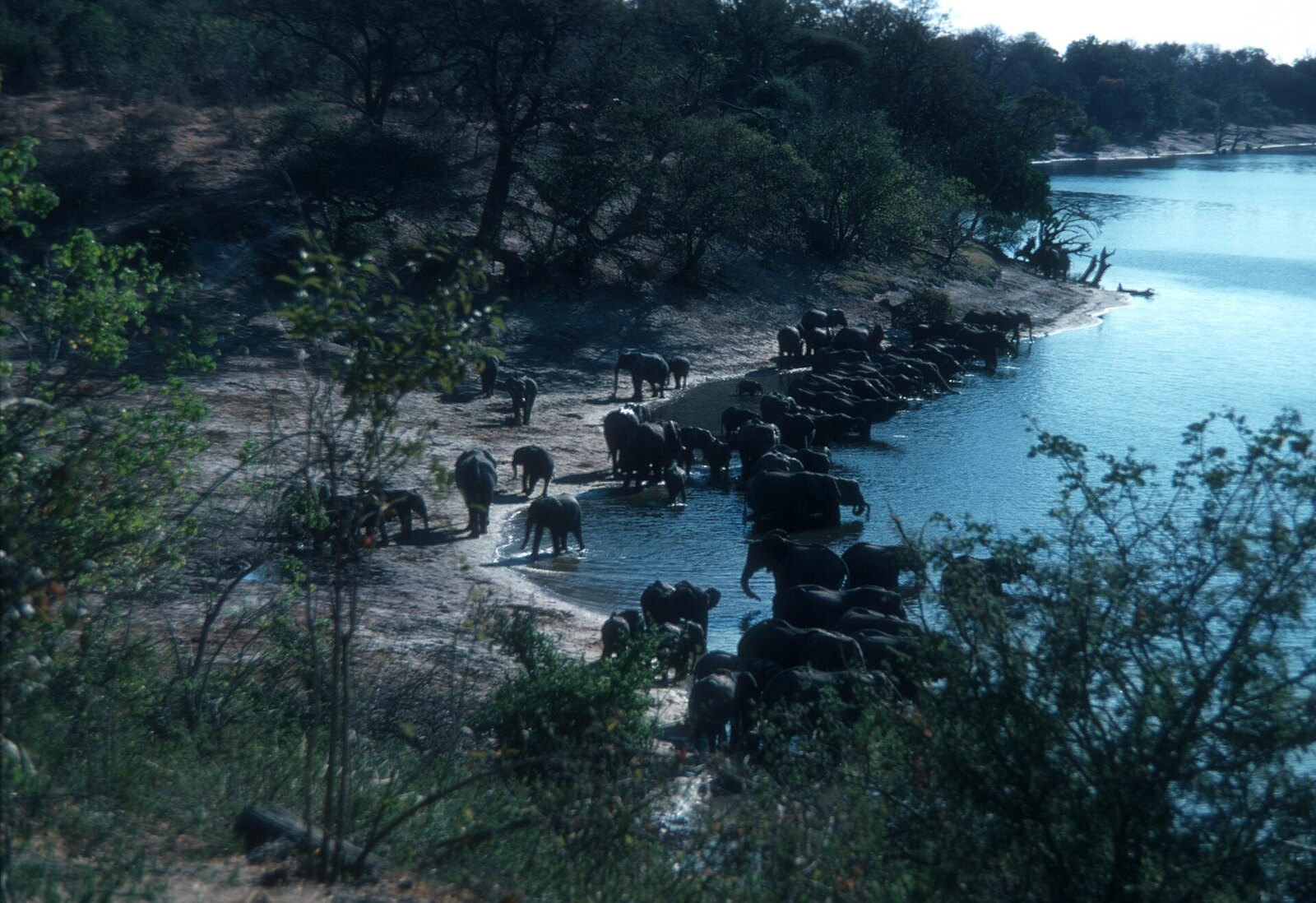
Then came the most ambitious stroke of all. Through Project Rewild Zambezi, the Great Plains Foundation helped carry out one of the largest wildlife relocations in history — moving nearly 3,000 animals, including elephants, lions, buffalo and painted dogs, from the over-populated Savé Valley Conservancy to help restock and rebalance the Zambezi ecosystem. A former hunting ground became a place where whole herds were brought back to life.
Project Ranger — Protecting the Protectors
Conservation depends, in the end, on people willing to walk the line between wildlife and those who would harm it. When the COVID-19 pandemic stopped global travel in 2020, the tourism revenue that funds anti-poaching across Africa collapsed almost overnight — leaving rangers unpaid and vast wildernesses suddenly undefended.
The Great Plains Foundation responded with Project Ranger: an emergency fund to keep frontline rangers and anti-poaching NGOs across the continent working through the crisis. The economics are humbling — roughly US$6,000 covers an average ranger's salary for an entire year. What began as pandemic triage has become an enduring programme, providing salary support, equipment, capacity-building, and a fast, flexible way to move help to wherever wildlife crime spikes.
Care of the Land, Wildlife and People
What ties every strand of this story together is a conviction the Jouberts have never wavered from: conservation only lasts when it pays for the people who live alongside the wild. Fences and fines do not save wilderness. Shared benefit does.
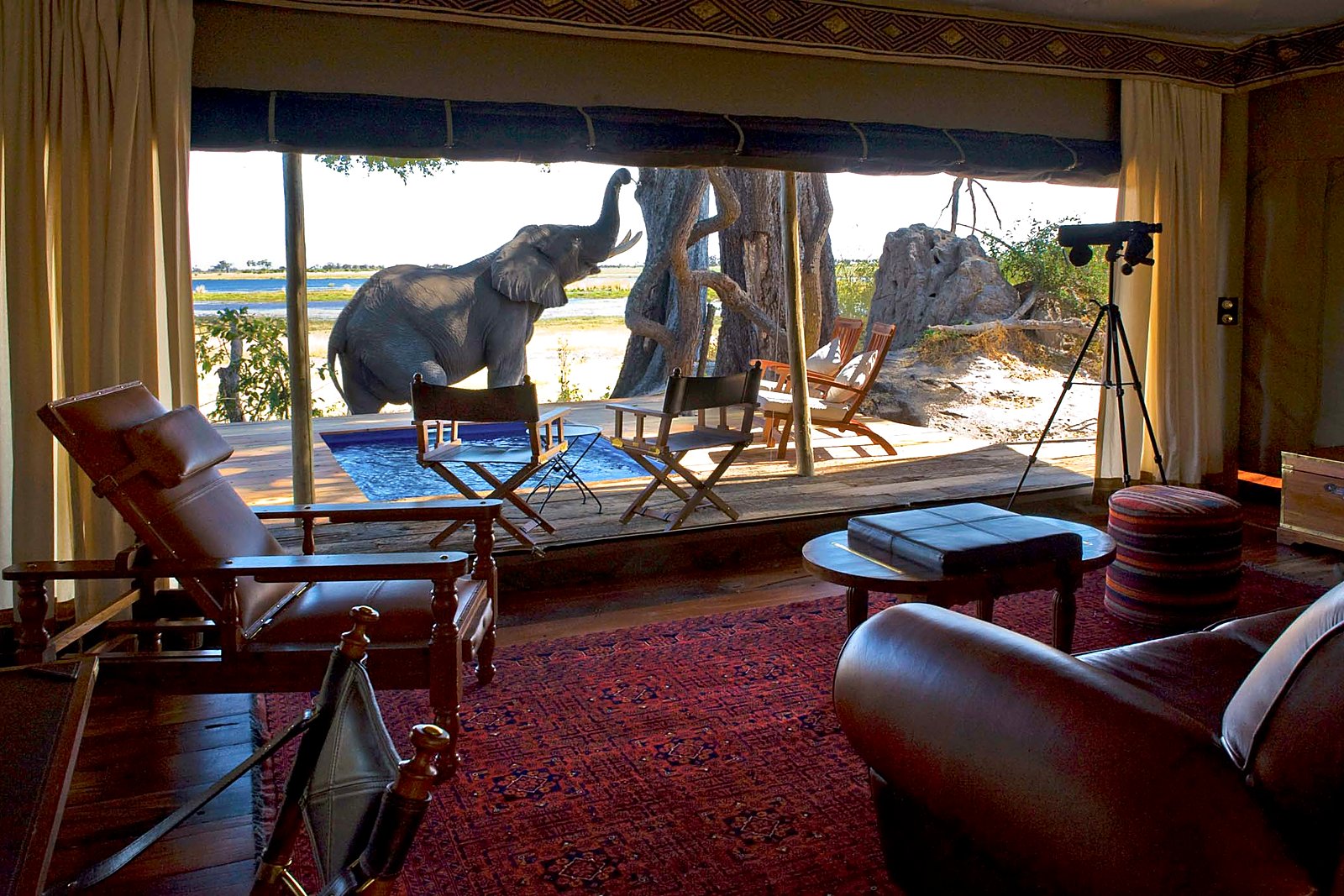
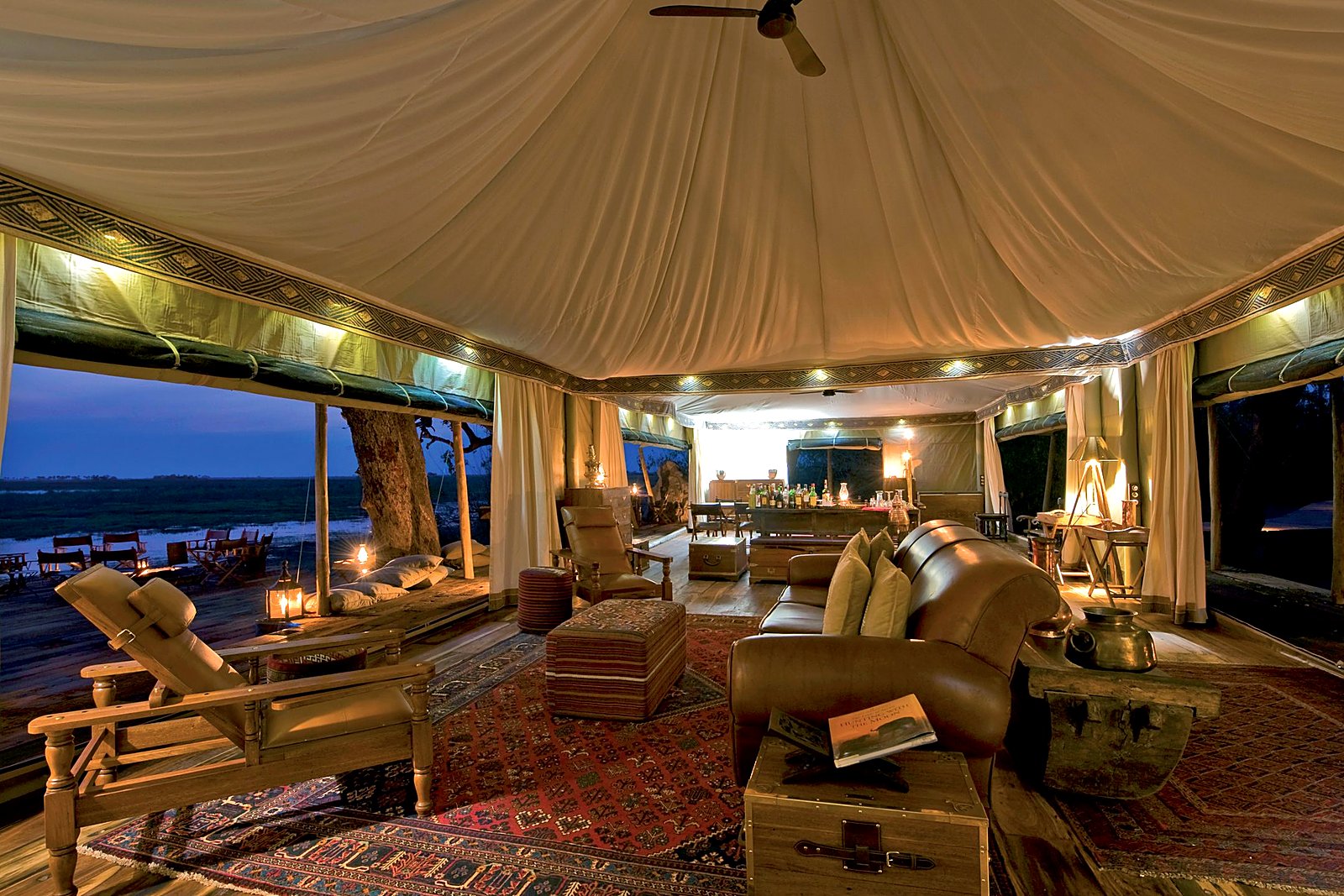
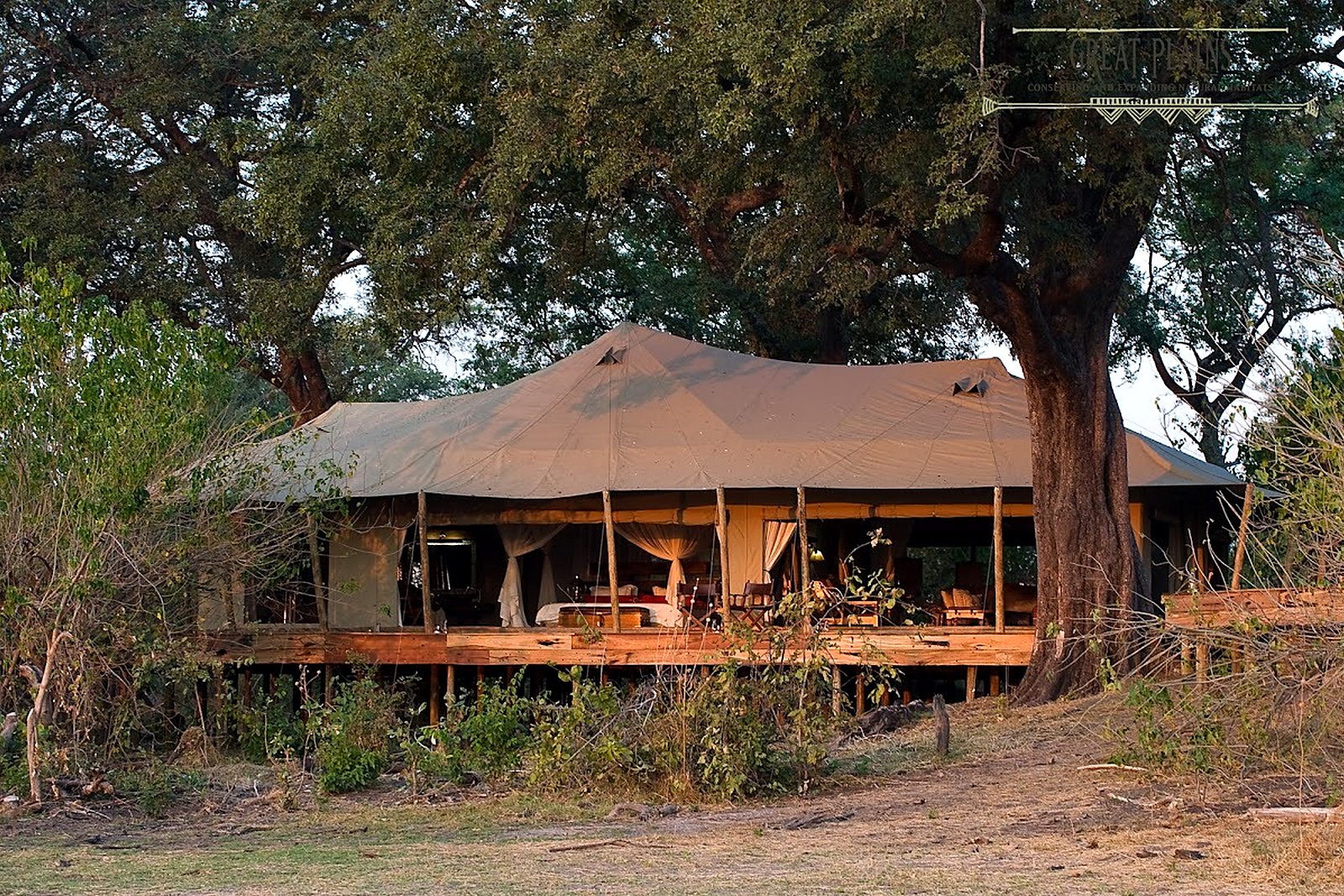
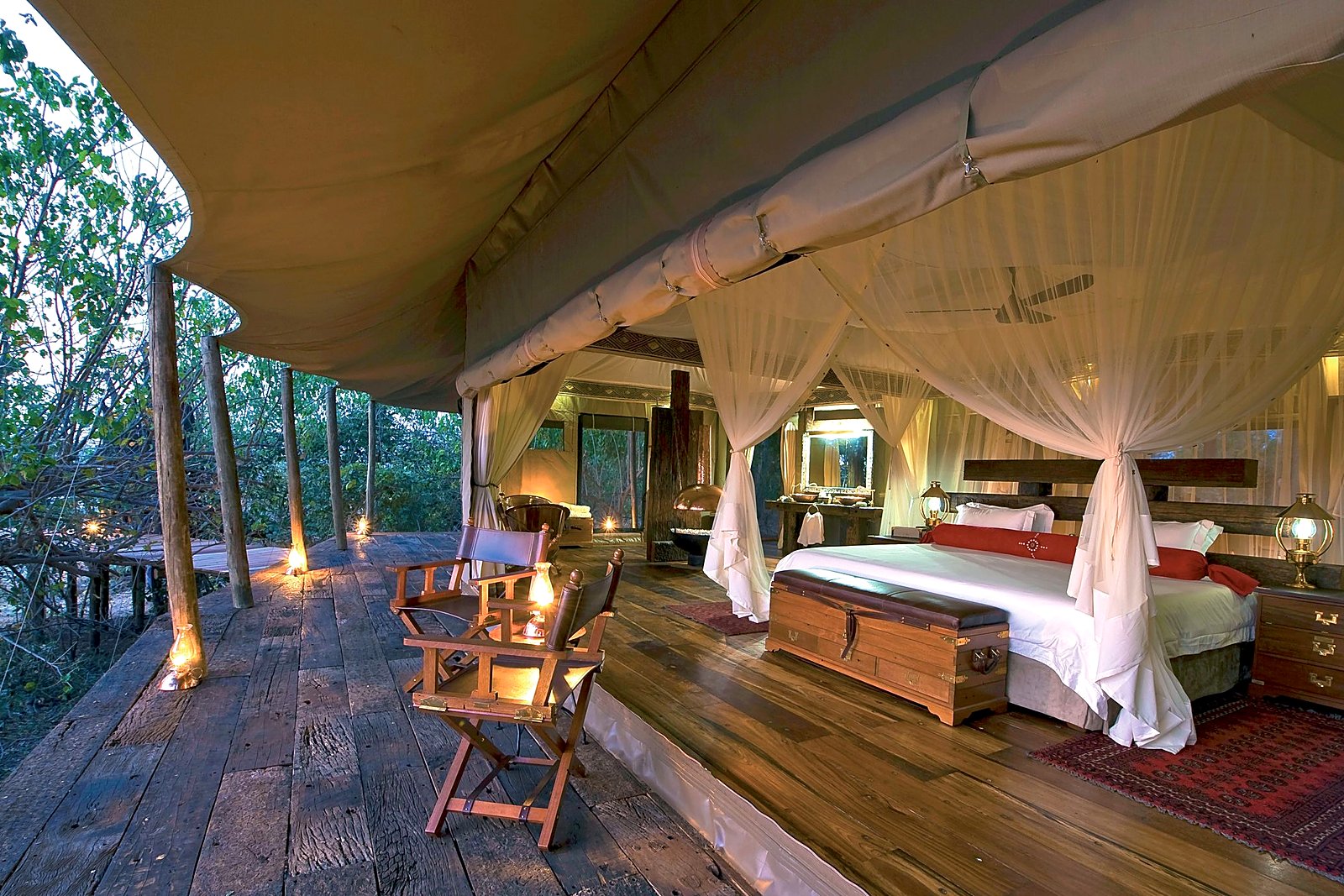
So Great Plains builds its reserves around community partnership — leasing land from local communities and conservancies, employing and training local people, channelling foundation funds into education, and keeping its own footprint feather-light, with solar power and low-impact camps designed to leave almost nothing behind. The message to a community is not "keep out," but "this wilderness is worth more to you standing than gone."
A Legacy in Numbers
Conservation storytelling too often leans on emotion. The Great Plains story is written in dates and figures:
- 2006: Dereck and Beverly Joubert found Great Plains Conservation on a low-volume, low-impact model.
- 2009: The Big Cats Initiative launches with National Geographic — growing to 150+ projects across nearly 30 countries and 1,800+ predator-proof livestock enclosures.
- 2013: Six white rhinos are moved from Phinda to Botswana — the pilot that inspires a movement.
- 2014: Rhinos Without Borders launches with &Beyond, targeting 100 rhinos relocated to safety.
- 2016: Great Plains takes over the 118,000-hectare Sapi Reserve, converting a 60-year hunting concession into a photographic reserve within a UNESCO World Heritage Site.
- 2019: Rhinos Without Borders passes 87 rhinos relocated — and the new population begins breeding.
- 2020: Project Ranger launches to keep frontline rangers paid through the pandemic collapse in tourism.
- Project Rewild Zambezi: nearly 3,000 animals relocated to restore the Zambezi ecosystem — one of the largest wildlife moves ever undertaken.
- 40+ films • 8 Emmy Awards: four decades of storytelling turned into a conservation engine.
These are not projections or marketing claims. They are the milestones of two people who decided that loving the wild was not the same as saving it — and then did the harder thing.
Experience the Great Plains Legacy
When you sit in a small open vehicle on the Selinda Spillway at dawn and watch a lioness lead her pride across the floodplain, you are not simply on holiday. You are the funding line at the end of a long chain — the reason a ranger is paid, a rhino is monitored, a hunting concession became a sanctuary, and a lion still has grass to walk through.
Let us take you into this story. Talk to our Botswana and big-cat specialists and we'll craft a journey through the Great Plains reserves — Selinda, Duba, and beyond — where every night in camp keeps this conservation legacy alive.
Conservation in Action:
Every stay in a Great Plains reserve funds big-cat protection, rhino security, ranger salaries and community partnership — the very work Dereck and Beverly Joubert built their lives around. Your journey doesn't just give you a lion at dawn; it helps keep that lion wild. Explore our conservation-focused safaris or message us on WhatsApp to design your journey.