Key Takeaways
- Kenya = the classic East African crown: the Masai Mara's Great Migration river crossings, world-class big cats, elephants beneath Kilimanjaro, rich Maasai culture, and broad accessibility from mid-range to ultra-luxury (roughly $250-1,000+ per night)
- Botswana = low-volume luxury and water-based safaris (mokoro canoes, Chobe elephants), wild dogs and small camps (6-12 rooms), at premium pricing (roughly $600-1,500+ per night)
- The Great Migration is Kenya's signature — the Mara River crossings run roughly July-October; Botswana has superb resident game but NO migration
- Water safaris are Botswana's crown: the Okavango Delta's mokoro canoe glides and the Chobe River's boat cruises are unmatched anywhere in Africa
- Big cats: the Masai Mara is one of the world's finest big-cat theatres (relaxed lion prides, daylight cheetah hunts); Botswana's edge is habituated leopard in top camps and its wild dogs
- Crowds: Botswana enforces strict low-density tourism nationwide, but Kenya's private conservancies (Mara North, Naboisho, Olare Motorogi) close the gap dramatically
- Best time: Kenya's Mara crossings peak July-October; Botswana's classic dry season is May-October (Okavango flood peaks June-August)
- The verdict: choose Kenya for the migration, big cats, culture and accessibility; choose Botswana for exclusive water wilderness, minimal crowds and wild dog encounters
Two Faces of the African Safari: The Migration Crown vs Water Wilderness
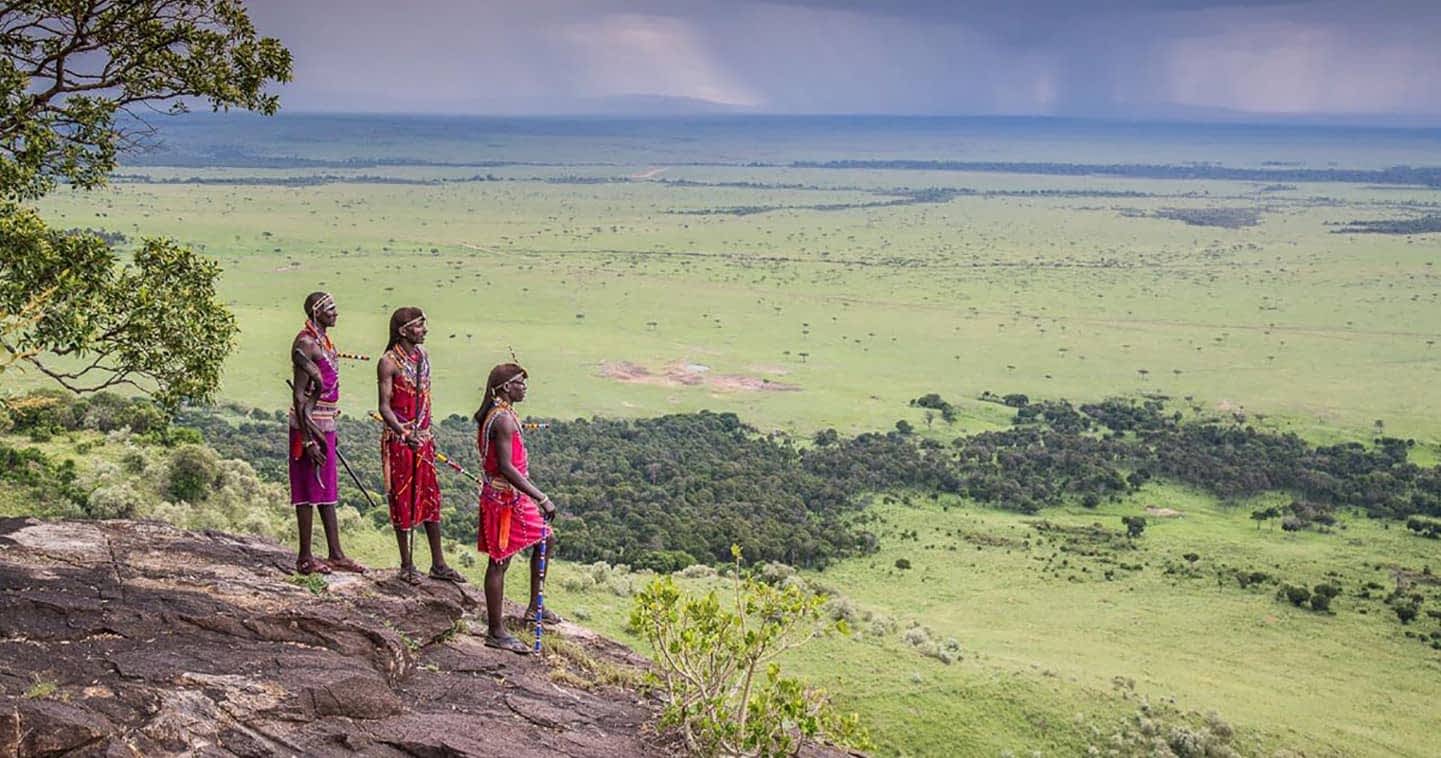
Kenya and Botswana represent two very different visions of the African safari. Kenya is the classic East African dream — the Masai Mara’s Great Migration river crossings, some of the finest big-cat viewing on earth, elephant herds marching beneath the snows of Kilimanjaro, and the living culture of the Maasai and Samburu. It is iconic, varied and accessible, and it remains the natural first safari for millions of travellers.
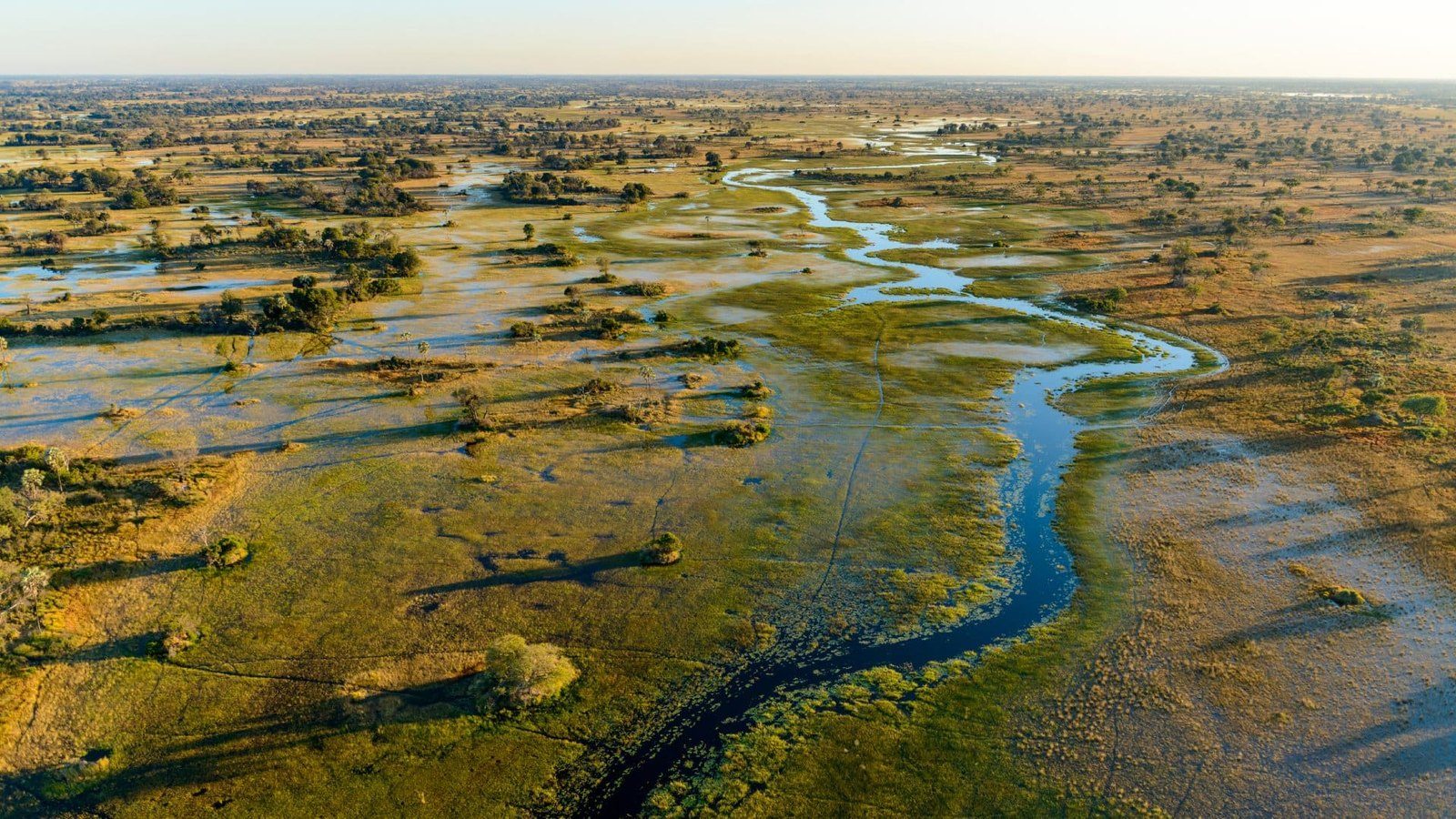
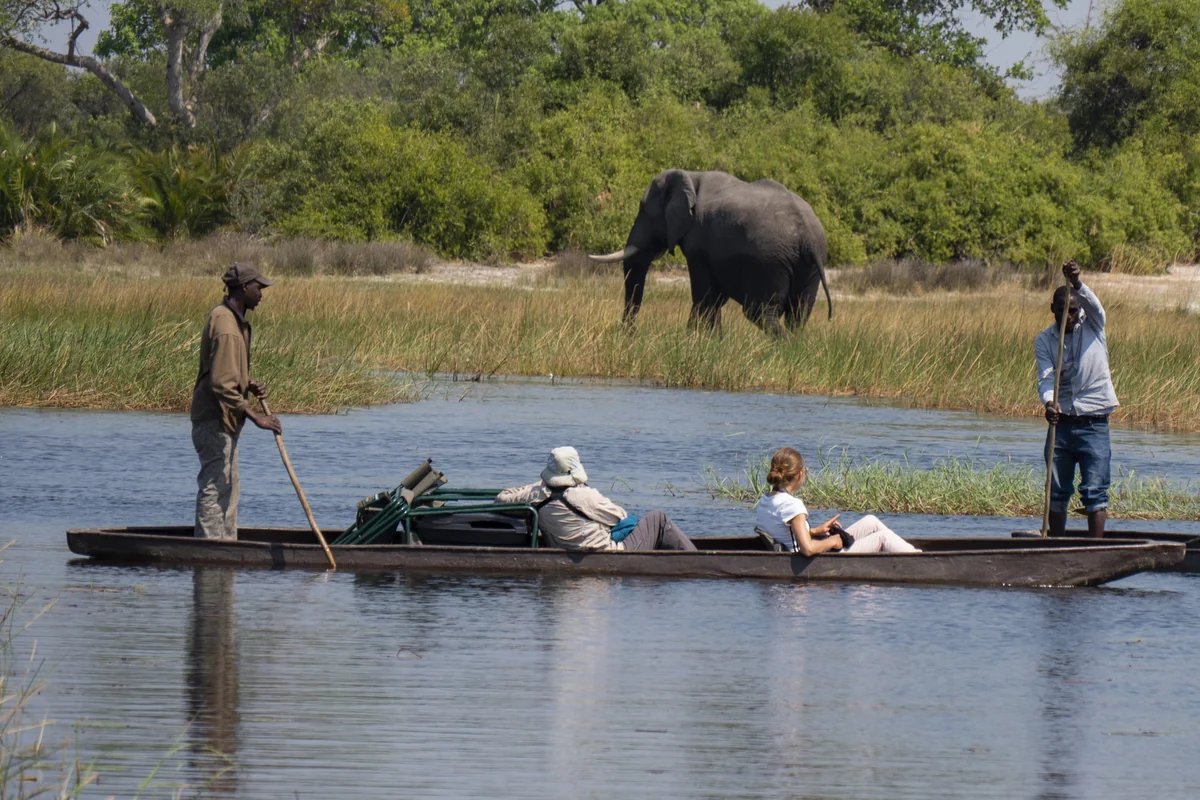
Botswana, by contrast, writes a different script. Here the safari is water-based: you glide silently in a mokoro canoe through the Okavango Delta’s lily-strewn channels, watch 50,000 elephants gather at the Chobe River, and track wild dogs through mopane woodland. Camps hold six to twelve guests, vehicles-per-sighting are capped, and the price reflects Botswana’s deliberate low-volume, high-value model.
This is not a park-versus-park comparison (that would be Masai Mara versus Okavango). This is the full country question: which nation offers the better safari when you weigh landscape, wildlife, exclusivity, cost, logistics and that intangible sense of wilderness? We break it into eleven decisive rounds, backed by a comparison table and the verdict you need to choose the right country for your Africa dream.
Below we compare Kenya and Botswana across landscape, migration, wildlife density, big cats, water safaris, crowds, scenery, cost, logistics, culture and the final do-both-or-pick-one call. Let’s break it down, round by round.
Round 1: Landscape & Setting
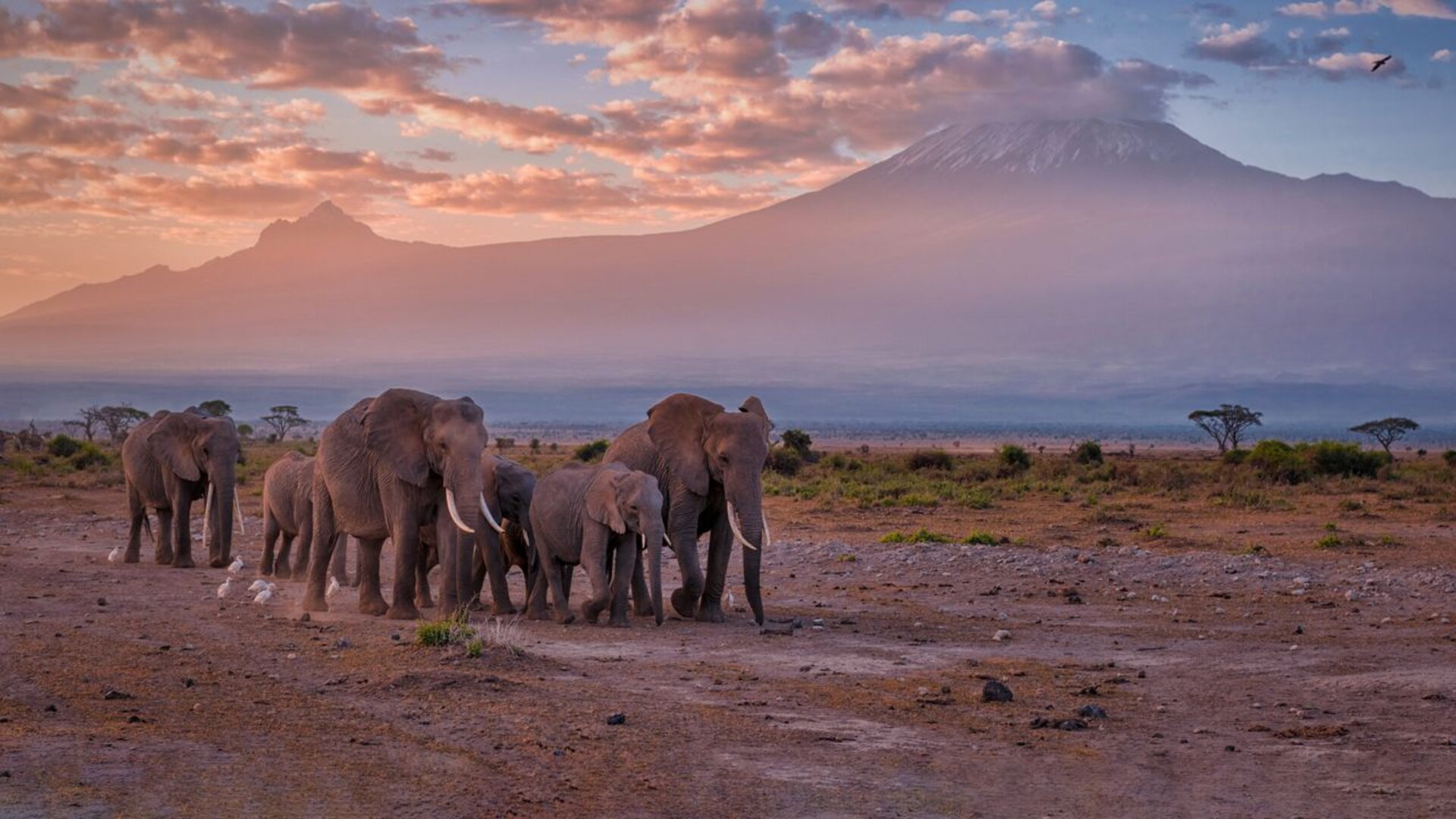
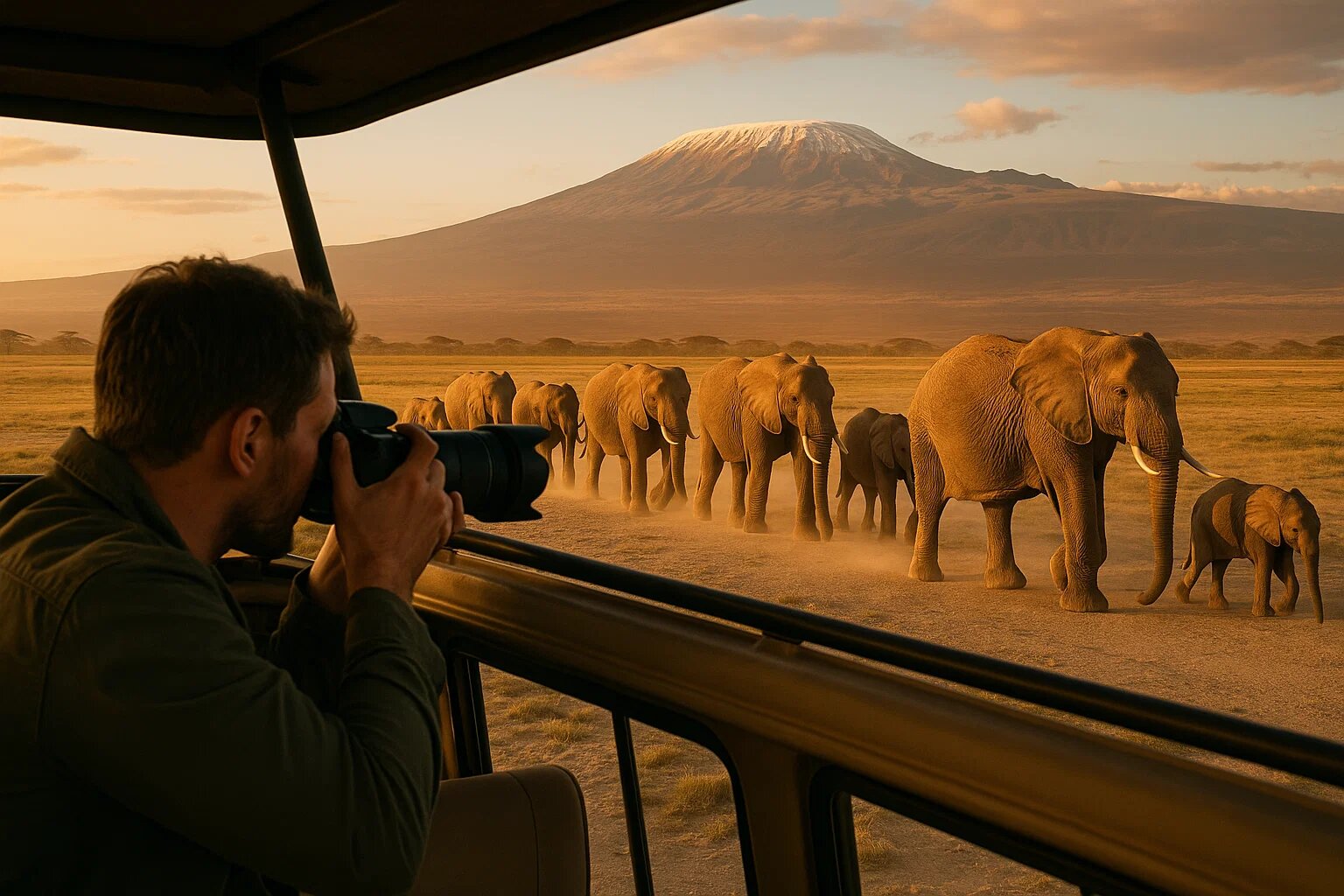
Kenya: Kenya is the birthplace of the word safari, and its landscapes are the ones the world pictures. The Masai Mara rolls out in golden, treeless plains that merge seamlessly with Tanzania’s Serengeti. Amboseli sets its elephant herds against the snow-capped dome of Kilimanjaro — arguably the most photographed backdrop in Africa. Samburu adds a rugged, semi-arid north of doum palms and the Ewaso Ng’iro River, while the Rift Valley lakes shimmer with flamingos. Kenya is compact, varied, and cinematic — the classic East African savannah at its most iconic.
Botswana: Botswana’s signature is water in a thirsty land. The Okavango Delta is the world’s largest inland delta, flooding annually to create 15,000 km² of channels, islands and floodplains you explore by mokoro canoe as much as by vehicle. Chobe National Park holds the continent’s highest elephant density, and the Chobe River delivers boat-based game viewing found nowhere else. The Kalahari adds desert-adapted species and vast salt-pan horizons. Botswana’s landscape is about water meeting wilderness — less wide-angle plains, more textured and intimate.
The split: Kenya wins for iconic, varied savannah and the Kilimanjaro backdrop. Botswana wins for the unique water-based ecosystems no other country can replicate.
Round 2: The Great Migration
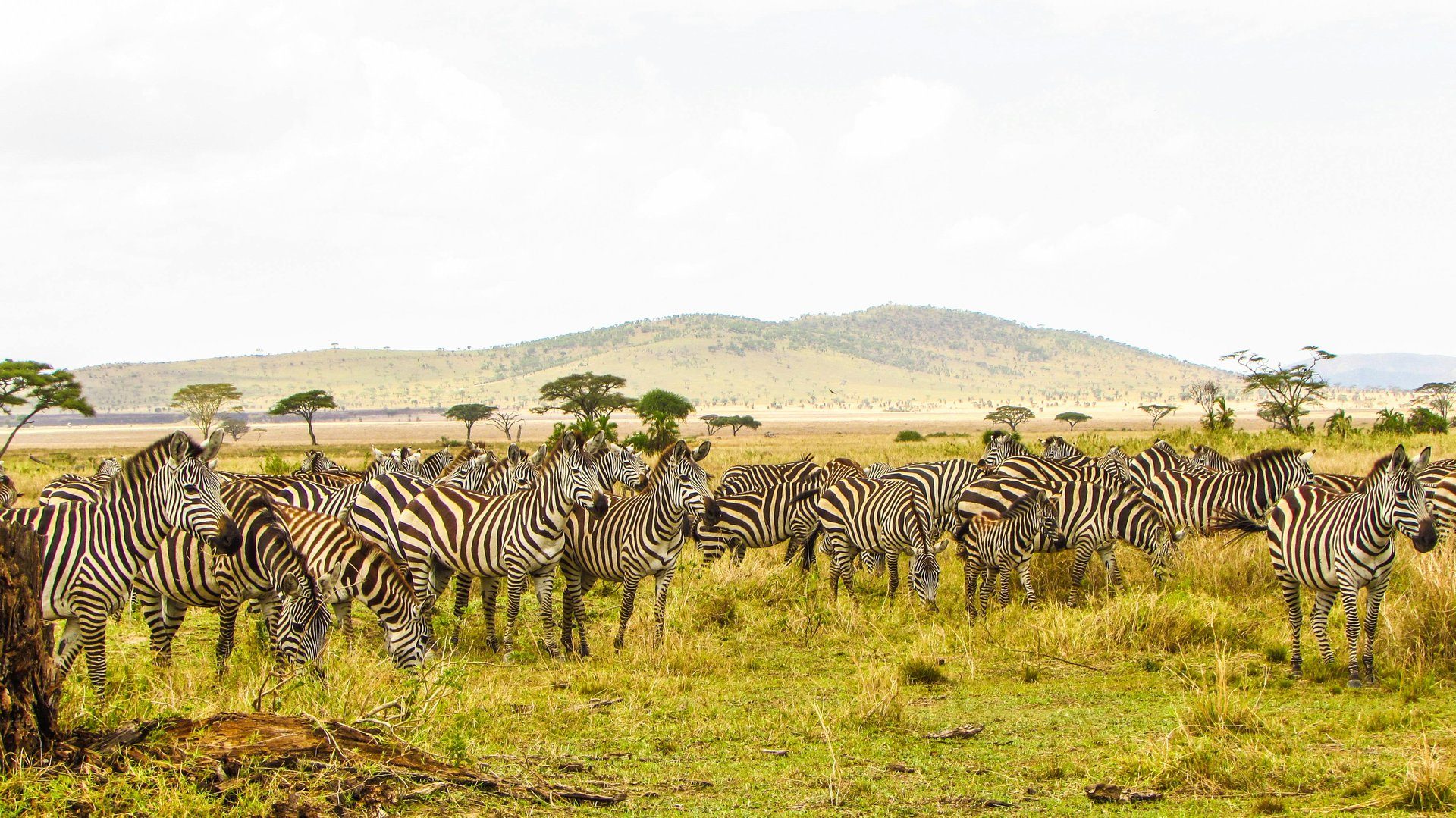
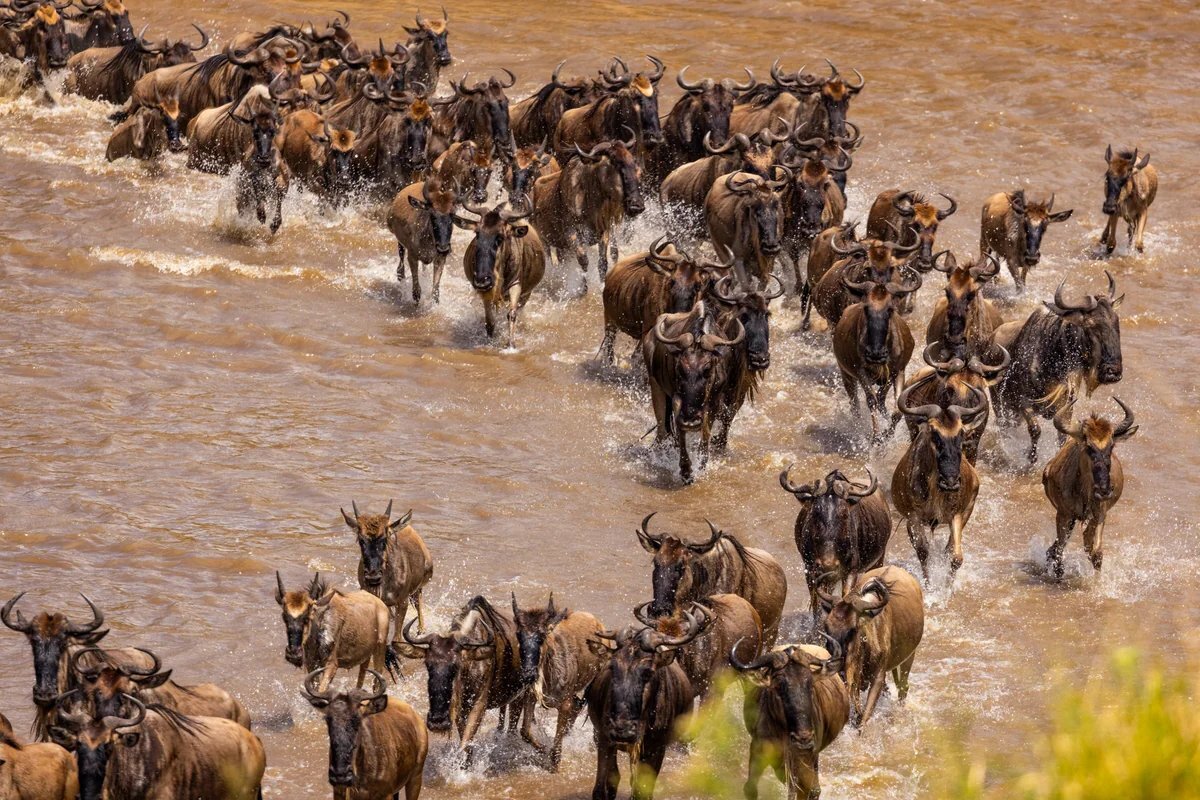
The Great Migration is Kenya’s trump card in the Masai Mara. From roughly July to October, over a million wildebeest and hundreds of thousands of zebra pour north across the Mara River in dramatic, crocodile-lined crossings — the single most electrifying wildlife event on earth. Because the Mara is compact and the herds concentrate along the river, Kenya often delivers the crossings at closer quarters than the vast Serengeti to the south.
Botswana has no migration. Its wildlife is resident and stable year-round, which means reliable, relaxed sightings but none of the raw drama of a million-strong herd on the move. There is a lesser-known zebra migration between the Okavango and the Makgadikgadi pans, but it is nothing like the Mara spectacle in scale or accessibility.
Winner: Kenya, decisively. If the river crossings are on your bucket list, the Masai Mara is one of only two places on earth to witness them.
Round 3: Wildlife Density & Big Five
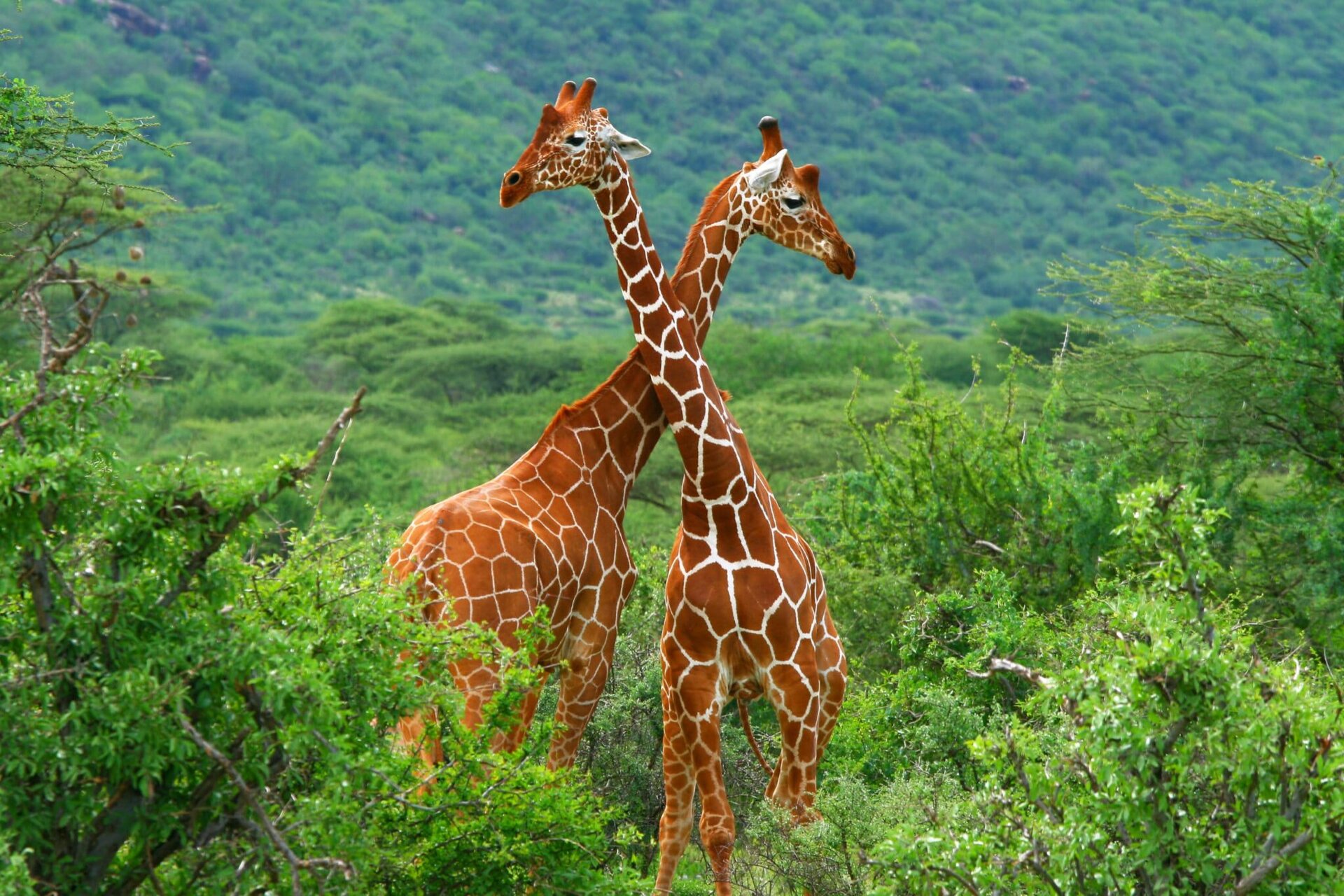
Kenya: The Masai Mara offers some of the highest big-cat and plains-game densities in Africa, and you can tick most of the Big Five in a single day of driving. Amboseli guarantees enormous elephant herds; Samburu adds the “Special Five” found nowhere else — reticulated giraffe, Grevy’s zebra, gerenuk, beisa oryx and Somali ostrich. Black rhino are present but scarce, best seen in conservancies such as Ol Pejeta and Lewa. Kenya’s variety across ecosystems is its great strength.
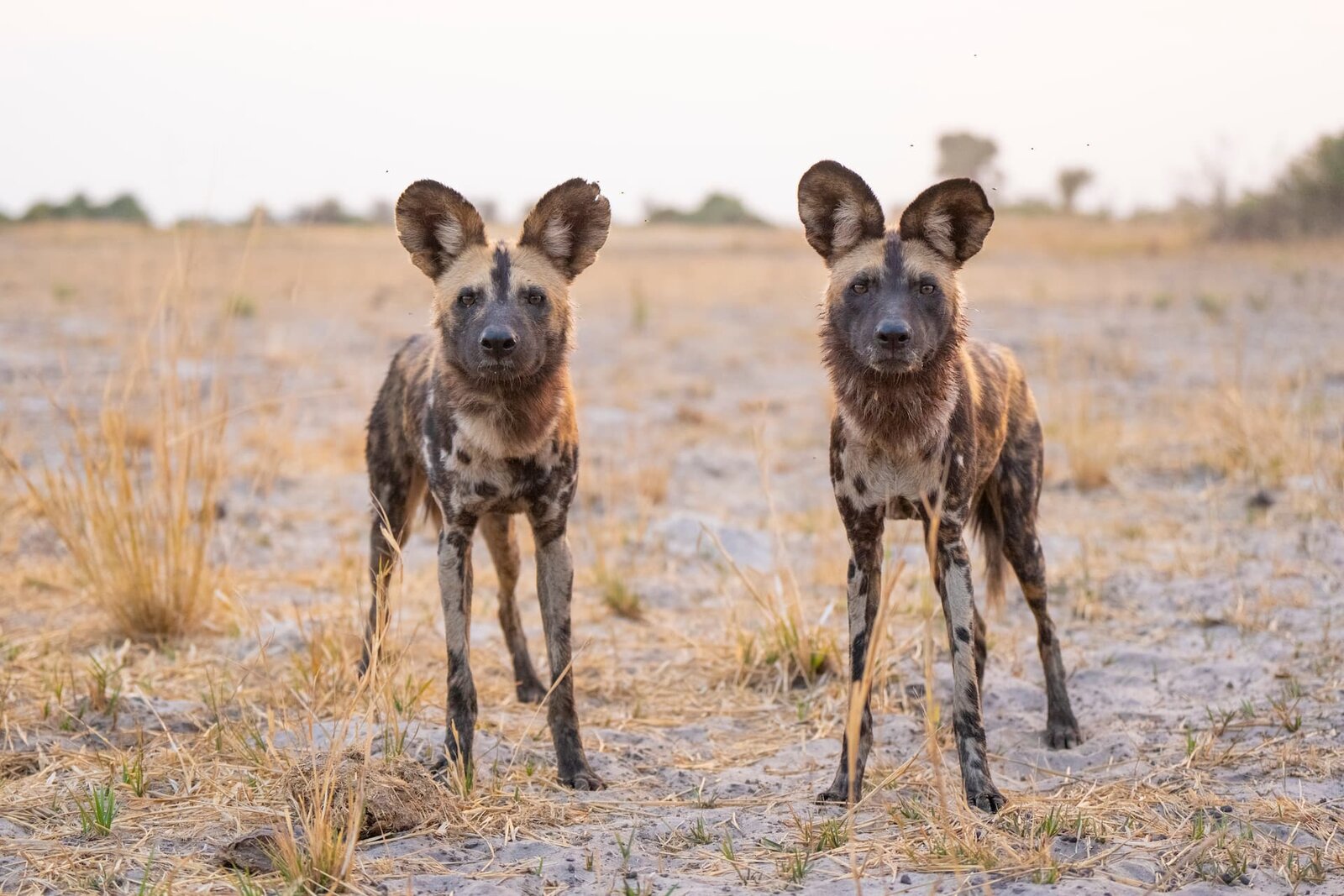
Botswana: Chobe’s 50,000-plus elephants deliver sightings you cannot replicate elsewhere — herds of 200 or more drinking at the river at sunset are routine. The Okavango and Moremi support healthy lion, leopard and buffalo, while rhino are rare (small reintroduced populations in private concessions only). Botswana’s edge is the African wild dog — it holds one of the continent’s healthiest populations, and packs hunt regularly in the Okavango, Moremi and Linyanti.
Winner: Split. Kenya for Big Five variety and the Samburu specials; Botswana for wild dogs and its unmatched elephant spectacle.
Round 4: Big Cats
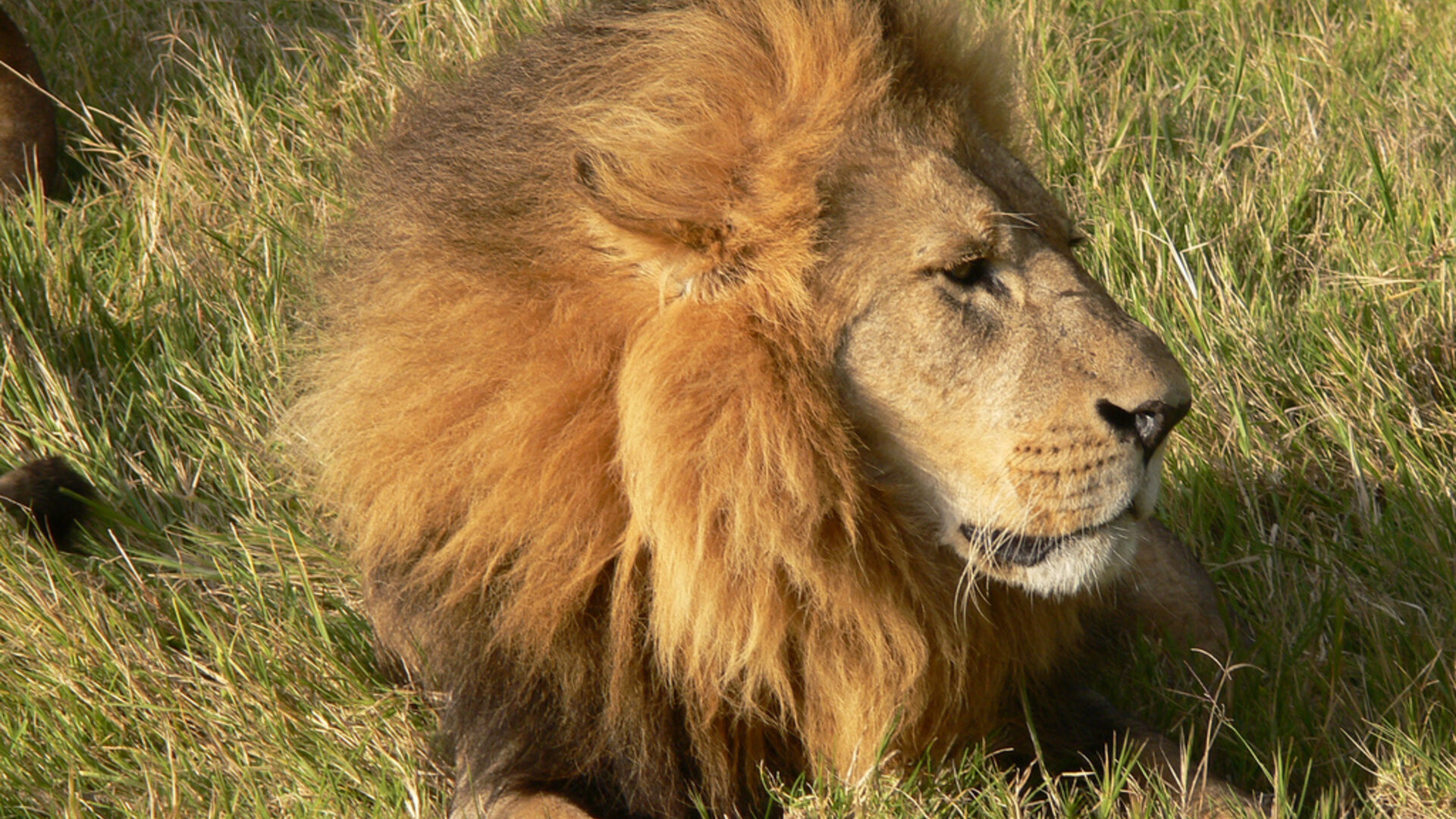
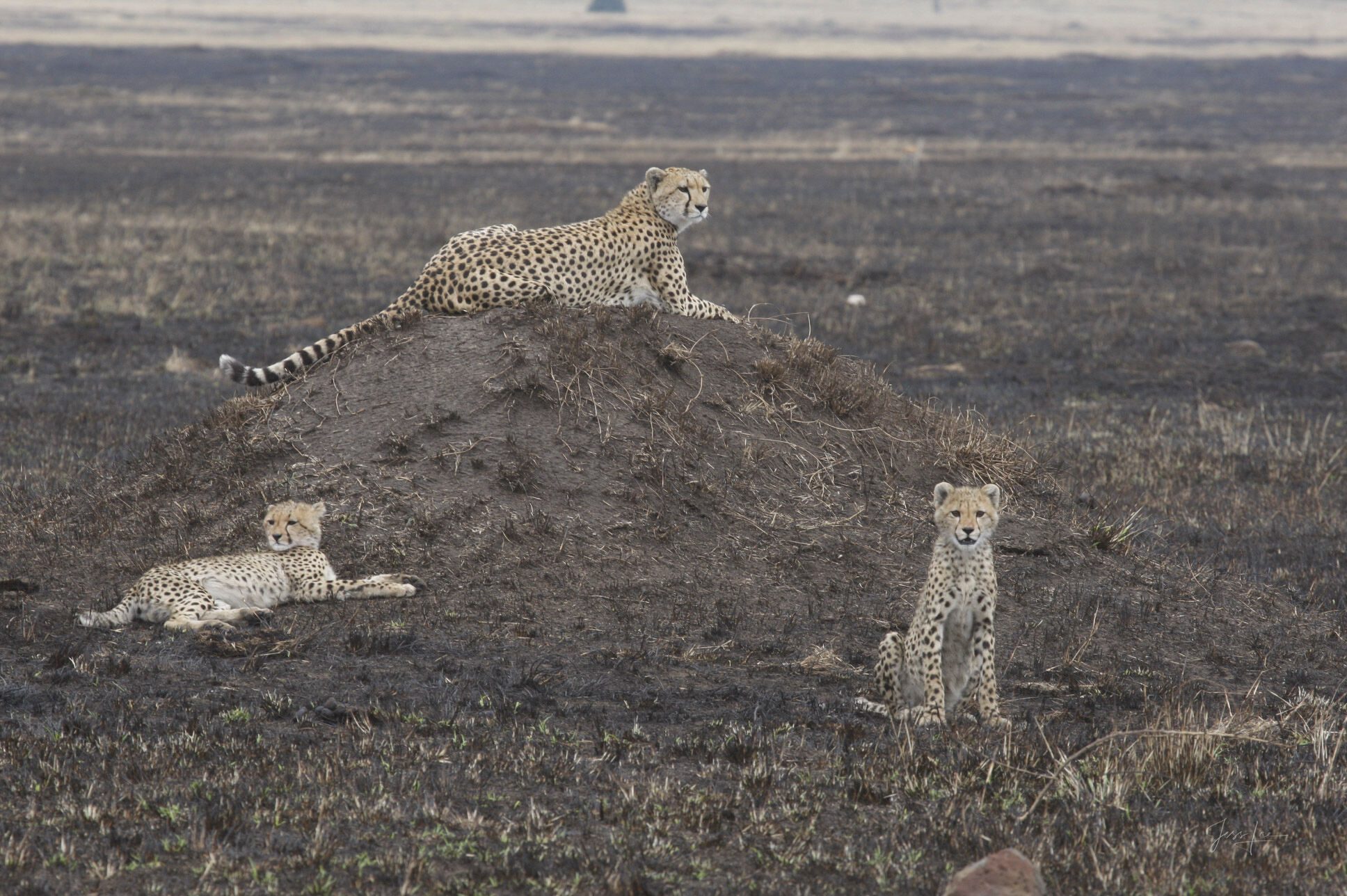
Kenya: The Masai Mara is one of the finest big-cat theatres on the planet. Lion prides are large and relaxed, cheetah hunt across the open plains in broad daylight (the Mara’s short grass is ideal for them), and leopard are regularly seen along the Talek and Mara rivers. Decades of documentary filming here — from the BBC’s Big Cat Diary onward — are testament to how visible and habituated the cats have become. For sheer cat action, Kenya is hard to beat.
Botswana: Lion and leopard are reliably present in Moremi, Savuti and the private concessions, but overall densities are lower than the Mara, and cheetah are less common. Botswana’s edge is leopard habituation in premium camps such as Mombo, where individual cats tolerate vehicles at close range for photography that rivals the best of Sabi Sands. Savuti is also famous for its lion prides that hunt elephant — a rare and dramatic behaviour.
Winner: Kenya for sheer numbers, daylight cheetah hunts and habituated prides; Botswana for intimate leopard encounters in select camps.
Round 5: Water Safaris & Unique Experiences
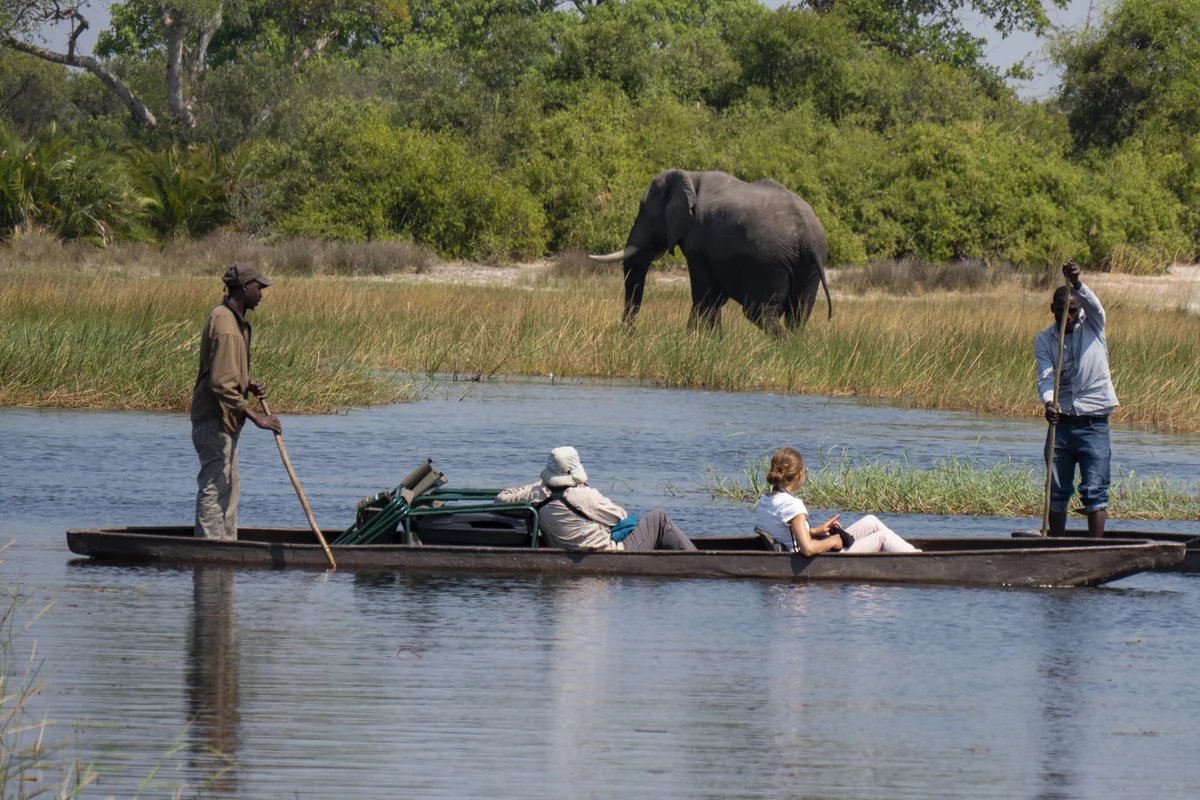
Botswana: This is where Botswana stands alone. Gliding through the Okavango’s lily-strewn channels in a mokoro — a traditional dugout canoe poled by an expert guide — is a safari experience found nowhere else on earth. Add boat cruises on the Chobe River, where you drift metres from drinking elephant herds and hippo pods, and guided walking safaris on private islands, and Botswana offers a texture of wilderness that vehicle-only destinations cannot match.
Kenya: Kenya’s signature unique experience is different but equally iconic — the hot-air balloon safari over the Masai Mara at dawn, drifting silently above the herds as the sun rises, followed by a champagne bush breakfast. Kenya also offers rich cultural immersion with the Maasai and Samburu, and horseback and walking safaris in the conservancies. But it has no true water-based safari to rival the Delta.
Winner: Botswana, for the mokoro and Chobe River experiences that define water-based safari. Kenya answers with the balloon, but the Delta is unrepeatable.
Round 6: Crowds & Exclusivity
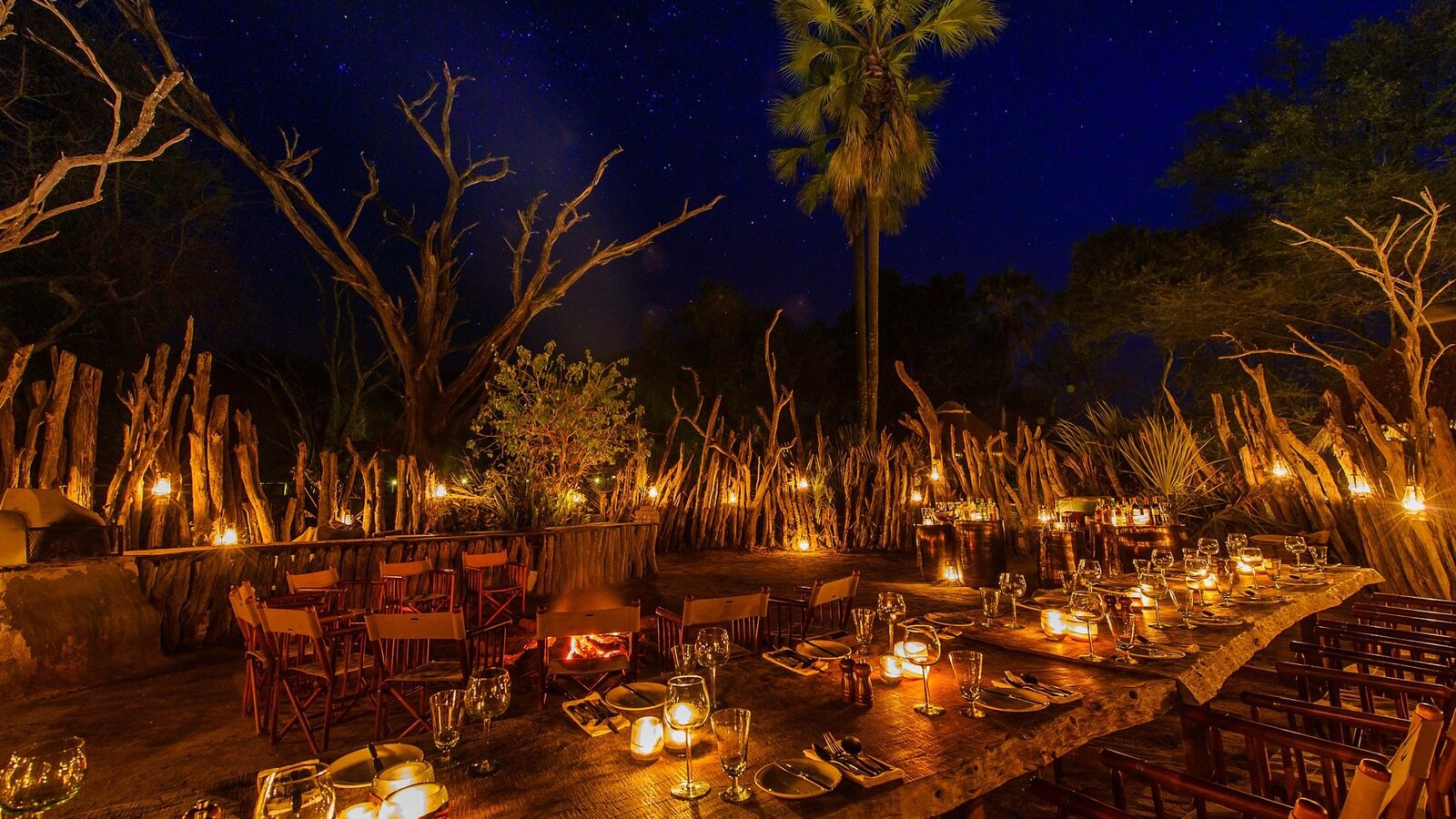
Botswana: The government’s tourism policy is explicit: low-volume, high-value. Camps in the Okavango and Moremi are capped at six to twelve rooms, and private concessions limit vehicles-per-sighting to one or two. You can spend an hour at a wild dog den or a leopard kill with nobody else around. The trade-off is cost — exclusivity is engineered and priced accordingly.
Kenya: The Masai Mara National Reserve can be busy at peak season, and a dramatic river crossing may draw a crowd of vehicles. But Kenya has a powerful answer: the private conservancies bordering the Mara (Mara North, Naboisho, Olare Motorogi) enforce strict vehicle limits, permit off-road driving and night drives, and deliver an exclusivity that rivals Botswana — often at a lower price. Choose a conservancy camp and Kenya’s crowds largely disappear.
Winner: Botswana by default across the whole country, but Kenya’s conservancies close the gap dramatically for travellers who book them.
Round 7: Scenery & Photography
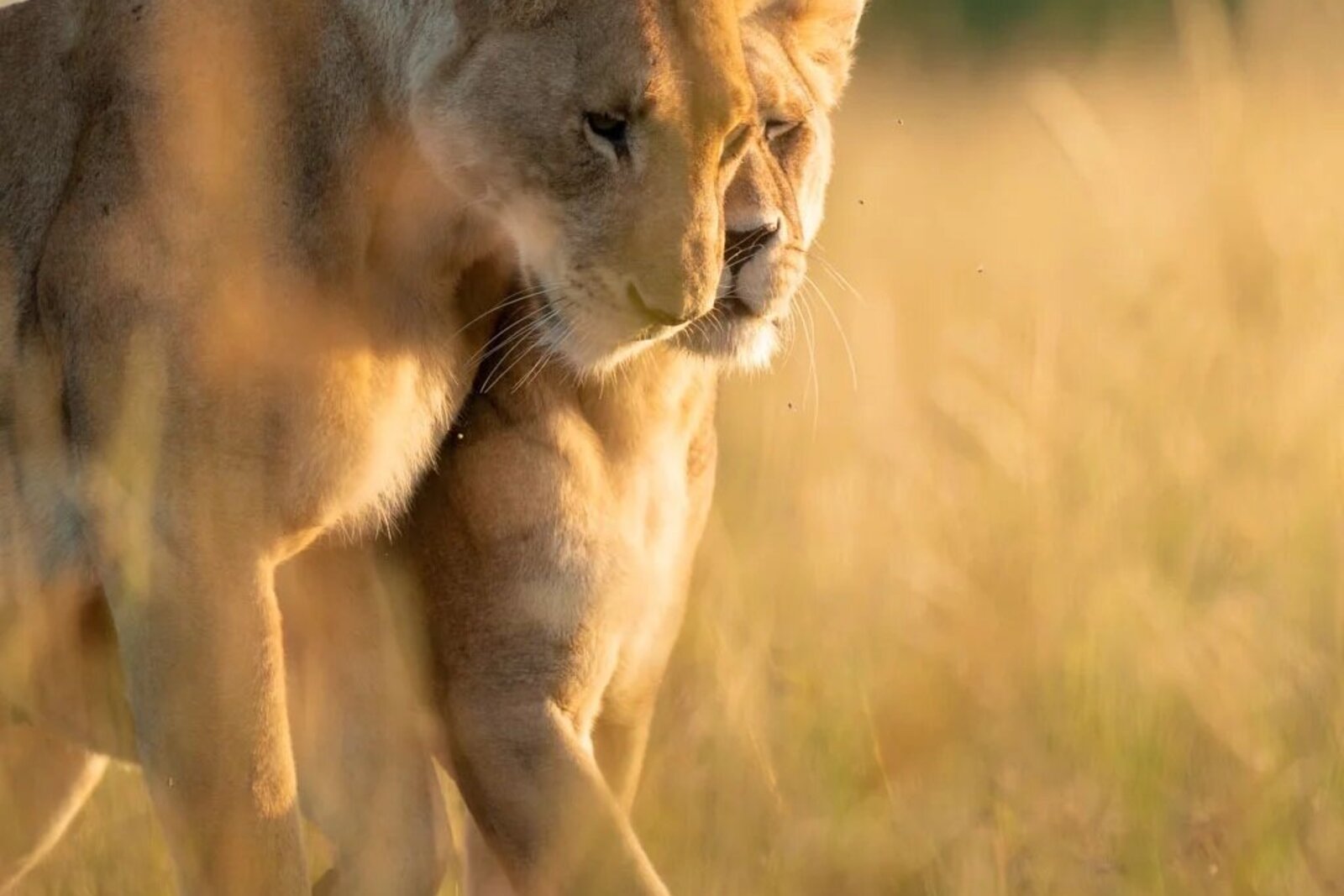
Kenya: Kenya delivers the wide-angle Africa of dreams — a lioness in golden grass at first light, elephants marching beneath Kilimanjaro, a cheetah scanning the endless Mara plains, and the fiery skies of a Rift Valley sunset. The compact reserves and open terrain make for uninterrupted sightlines and reliably cinematic light. Kenya is built for classic, sweeping wildlife photography.
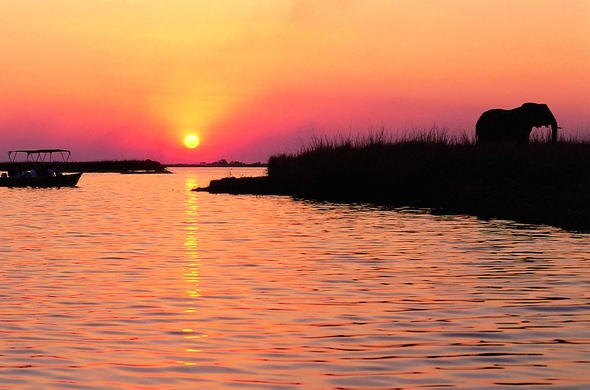
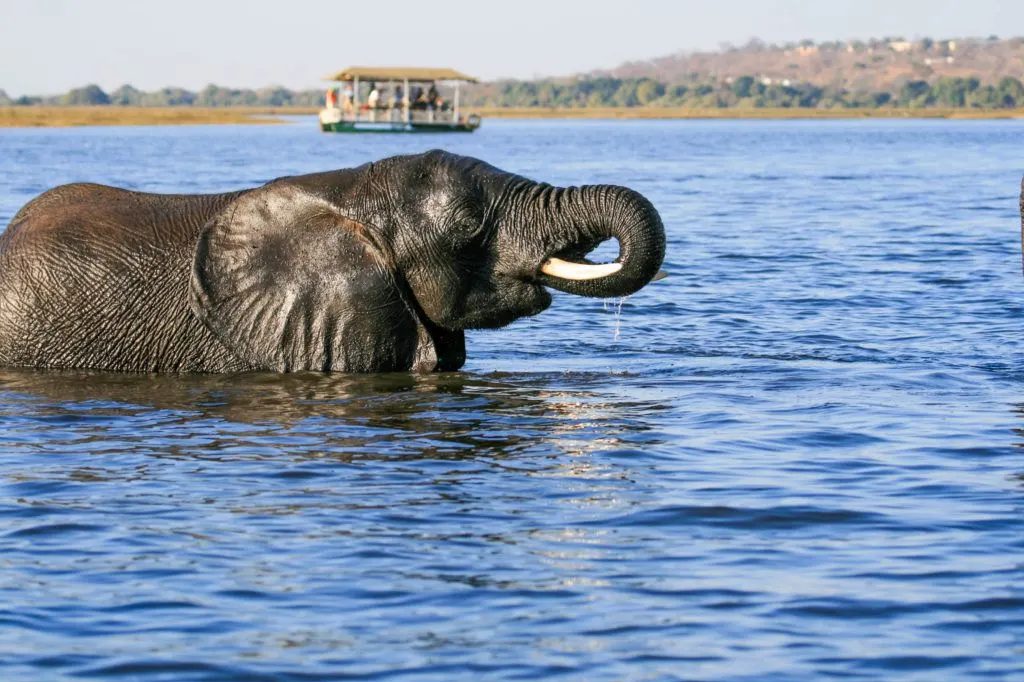
Botswana: The Okavango’s waterways, lily pads and papyrus channels create intimate, layered compositions — elephants reflected in still water, a mokoro gliding past a heron, a leopard drinking at the edge of a lagoon. Chobe River sunsets with elephants silhouetted mid-crossing are iconic. Botswana’s scenery is less about vastness and more about depth, texture and proximity to water.
Winner: Split. Kenya for classic savannah grandeur and the Kilimanjaro backdrop; Botswana for water-based intimacy and reflective light.
Round 8: Cost & Value
Kenya: Kenya accommodates almost every budget. You can join a comfortable mid-range lodge safari for roughly $250–450 per person per night, stay in fine tented camps for $500–800, or book ultra-luxury conservancy properties at $1,000-plus. Group and road-based safaris keep costs down, and Nairobi’s connectivity makes Kenya one of the most accessible safari countries for value-conscious travellers, honeymooners and families alike.
Botswana: Botswana is structurally expensive. The deliberate low-volume model means camps charge roughly $600–1,500-plus per person per night, all-inclusive, and there is no true budget tier — if you are visiting the Okavango or Moremi, you are paying for exclusivity whether you want it or not. Light-aircraft transfers between camps add a further $200–400 per leg. Botswana is a premium-only destination.
Winner: Kenya, comfortably, for accessibility and a full range of budgets. Botswana is world-class but priced for the top of the market.
Round 9: Getting There & Logistics
Kenya: Fly into Nairobi (NBO), a major international hub with direct connections across Europe, the Middle East, Asia and North America. From there the Masai Mara is a short scheduled flight or a scenic road transfer; Amboseli and Samburu are quick hops by light aircraft. Kenya’s reserves are close together, road-accessible, and easy to combine, making it one of the most logistically straightforward safari countries for first-timers.
Botswana: Fly into Maun (for the Okavango) or Kasane (for Chobe), then take light aircraft to your camp’s private airstrip — road access to most premium camps simply does not exist. Charter flights are scenic but add cost and baggage limits. Self-drive is possible in Chobe and parts of Moremi, but the Okavango requires fly-in guided camps. Botswana is more complex and less suited to budget do-it-yourself travellers.
Winner: Kenya, for its international hub, short internal hops and first-timer-friendly logistics.
Round 10: Culture & People
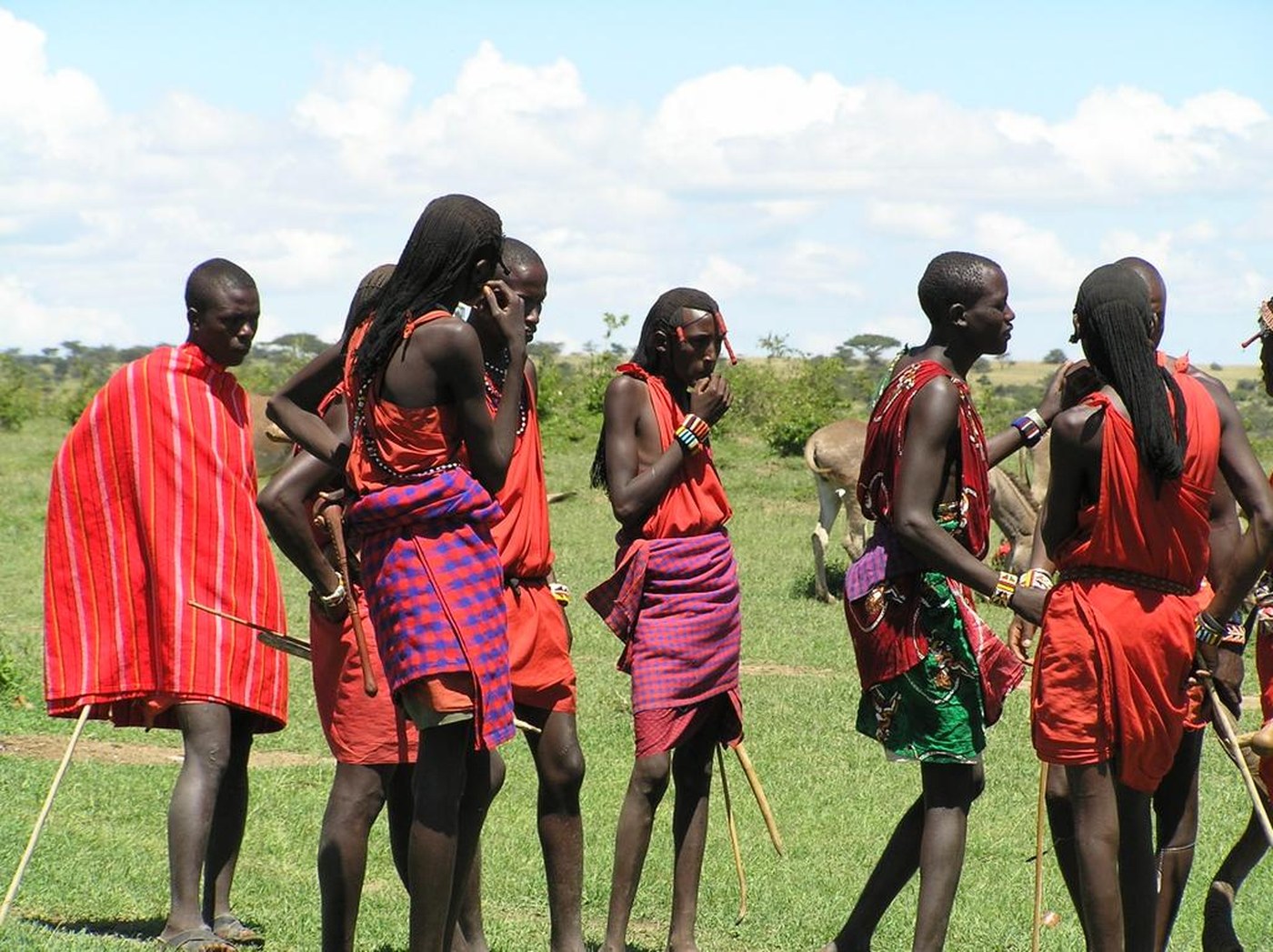
Kenya: Culture is woven into a Kenyan safari. The Maasai of the Mara and the Samburu of the north maintain vivid, living traditions, and a visit to a village — done respectfully through a reputable camp — adds real human depth to the wildlife. Many Mara conservancies are owned by Maasai communities, so your stay directly supports local livelihoods and conservation. Kenya’s cultural richness is one of its defining pleasures.
Botswana: Botswana offers cultural encounters too — the San (Bushmen) of the Kalahari share extraordinary bush-craft and tracking knowledge on guided walks, and river communities enrich a Delta stay. But because Botswana’s model is built around remote, low-density camps, cultural immersion is generally less central to the experience than it is in Kenya.
Winner: Kenya, for the depth and accessibility of Maasai and Samburu culture woven through the safari.
Round 11: Do Both or Pick One?
Kenya and Botswana are geographically distant and thematically distinct, so you would not typically do both in a single short trip — but they pair beautifully on a longer grand tour of East and Southern Africa.
Pick Kenya if: You want the Great Migration river crossings, the highest big-cat action, the Kilimanjaro backdrop, rich Maasai and Samburu culture, balloon safaris, easier logistics and a full range of budgets. Kenya is the natural first safari for most travellers.
Pick Botswana if: You want water-based wilderness (mokoro canoes, Chobe River cruises), the most exclusive low-density game viewing on the continent, wild dog encounters, and you have the budget for Botswana’s premium pricing. Botswana is the connoisseur’s choice — ideal for a second or third safari.
Do both if: You are planning a multi-country journey. Combine Kenya’s Masai Mara for the migration and big cats with Botswana’s Okavango for water and solitude — add Victoria Falls between them and you have one of the greatest safari trips on earth.
| Aspect | Kenya | Botswana |
|---|---|---|
| Landscape | Iconic savannah — Masai Mara plains, Amboseli & Kilimanjaro, Samburu's arid north | Water wilderness — Okavango Delta, Chobe River, Kalahari pans |
| Great Migration | Yes — the Mara River crossings (roughly July-October) | No — resident wildlife only |
| Wildlife Density | Very high big-cat & plains game; Samburu 'Special Five'; Amboseli elephants | Very high elephants (50K+ Chobe), wild dogs, stable lion/leopard |
| Big Cats | One of the world's best — relaxed prides, daylight cheetah hunts, leopard | Good lion/leopard (habituated in top camps), fewer cheetah |
| Wild Dogs | Present but uncommon | One of Africa's healthiest populations (Okavango, Moremi, Linyanti) |
| Water Safaris | None — but the hot-air balloon safari is iconic | Mokoro canoes & boat cruises (Okavango, Chobe) — unmatched |
| Crowds | Mara Reserve can be busy; private conservancies are exclusive | Low-density policy nationwide (6-12 room camps, 1-2 vehicles/sighting) |
| Culture | Rich & central — Maasai and Samburu woven through the safari | San/Bushmen bush-craft; generally less central to the experience |
| Best Time | Jul-Oct (Mara crossings), year-round game viewing | May-Oct dry season (Okavango flood Jun-Aug) |
| Cost | ~$250-1,000+/night (mid-range to ultra-luxury) | ~$600-1,500+/night (all-inclusive, premium-only) |
| Accessibility | Nairobi hub, short internal flights, easy logistics | Light aircraft to most camps; self-drive limited |
| Lodges | Full range: lodges, tented camps, conservancy luxury | Small (6-12 rooms), intimate, world-class luxury only |
| Add-ons | Zanzibar/Diani beaches, Kilimanjaro views, gorilla treks (nearby) | Victoria Falls (1 hr flight), Namibia deserts |
| Best For | The migration, big cats, culture, accessibility & value | Exclusive water wilderness, wild dogs, minimal crowds |
The table makes the distinction clear. Kenya is the accessible, migration-driven, big-cat and culture powerhouse — it ticks every box for a first safari and accommodates a broad range of budgets. Botswana is the exclusive, water-based, low-density luxury experience — it costs more, requires light aircraft, and delivers wild dog encounters and mokoro canoe safaris you cannot get anywhere else.
If the Great Migration and big cats are your priority, Kenya is the obvious choice. If you want near-private game viewing in a water wilderness, Botswana is worth the premium.
When to Visit: Migration Timing vs Dry Season
Kenya: The Masai Mara’s Great Migration river crossings peak from roughly July to October, though exact timing varies by rainfall and herd movements. Outside the crossings, the Mara delivers world-class big-cat viewing year-round, and Amboseli and Samburu are excellent in the dry months (June–October and January–February). The green season (November–May) brings lush landscapes, newborn animals, fewer crowds and lower prices, with short afternoon showers.
Botswana: The classic dry season is May to October. The Okavango flood peaks June–August (fed by rains in Angola), creating maximum water coverage and the best mokoro canoeing, while game viewing sharpens as the season progresses and water sources shrink. November to April is hotter, wetter, and some premium camps close — but it is birding paradise, and the Kalahari transforms into green grassland with newborn antelope.
Bottom line: Kenya rewards migration-timed visits but delivers superb game viewing year-round, while Botswana follows the classic Southern African dry-season calendar. Whichever you choose, matching your dates to the season — and to what you most want to see — is exactly the sort of planning a specialist operator lives for.
Why Book Your Kenya or Botswana Safari with Beyond Africa Safaris
We design safaris in both countries and know when to recommend which. If you want the migration, big cats and culture, we will route you through Kenya’s Masai Mara, Amboseli and Samburu — and steer you to the private conservancies where the game viewing is exclusive and the crowds disappear. If you want water-based exclusivity and wild dog tracking, we will place you in Botswana’s finest Okavango and Chobe concessions with mokoro-equipped guides and private vehicles.
We handle the logistics that intimidate first-timers — migration timing in Kenya, light-aircraft bookings in Botswana, visa requirements, and malaria precautions. You get one itinerary, one quote, and one point of contact from enquiry to return.
And because we are African-owned and operated from Cape Town, you plan directly with the experts who live and breathe this continent — not a distant middleman. Get in touch, and let’s build your perfect safari — in Kenya, in Botswana, or across both.
Ready to Choose Your Safari?
Tell us whether you are chasing the Great Migration and big cats or craving water-based solitude, and we will build the itinerary that matches — camps secured, timing dialled in, every detail handled. Kenya, Botswana, or both — we will get it right.