Key Takeaways
- Botswana = low-volume luxury, water-based safaris (mokoro canoes, Chobe elephants), wild dogs and small camps (6–12 rooms), at premium pricing (roughly $600–1,200+ per night)
- Tanzania = the classic East African crown: the Great Migration (Serengeti + Mara crossings), the Ngorongoro Crater and far broader accessibility, from budget camping to ultra-luxury (roughly $150–1,500 per night)
- The Great Migration is Tanzania's signature — the Mara River crossings (around July–September) and the southern-Serengeti calving (around January–March); Botswana has superb resident game but NO migration
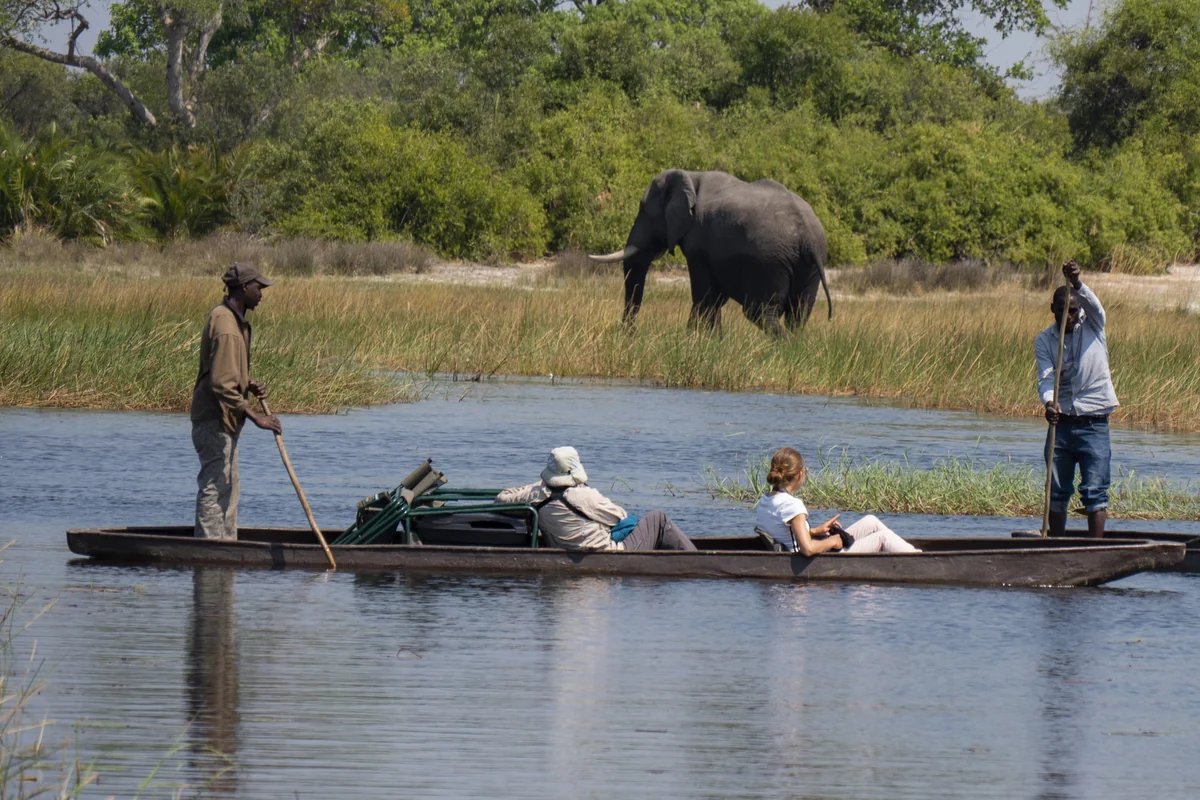
- Water safaris are Botswana's crown: the Okavango Delta's mokoro canoe glides and the Chobe River's boat-based game viewing are unmatched anywhere in Africa
- Crowds: Botswana enforces strict low-density tourism (one or two vehicles per sighting); Tanzania's Serengeti and Ngorongoro Crater floor can be busy at peak season
- Big Five: Ngorongoro is the best place in Africa for a guaranteed Big Five day, including the black rhino; Botswana's edge is wild dogs and Chobe's 50,000-strong elephant herds
- Best time: Botswana's classic dry season is May–October (Okavango flood peaks June–August); Tanzania is migration-timed (July–September for crossings, January–March for calving)
- The verdict: choose Tanzania for the migration, Big Five ease and first-timer accessibility; choose Botswana for exclusive water wilderness, minimal crowds and wild dog encounters
Two Faces of the African Safari: Water Wilderness vs the Migration Crown
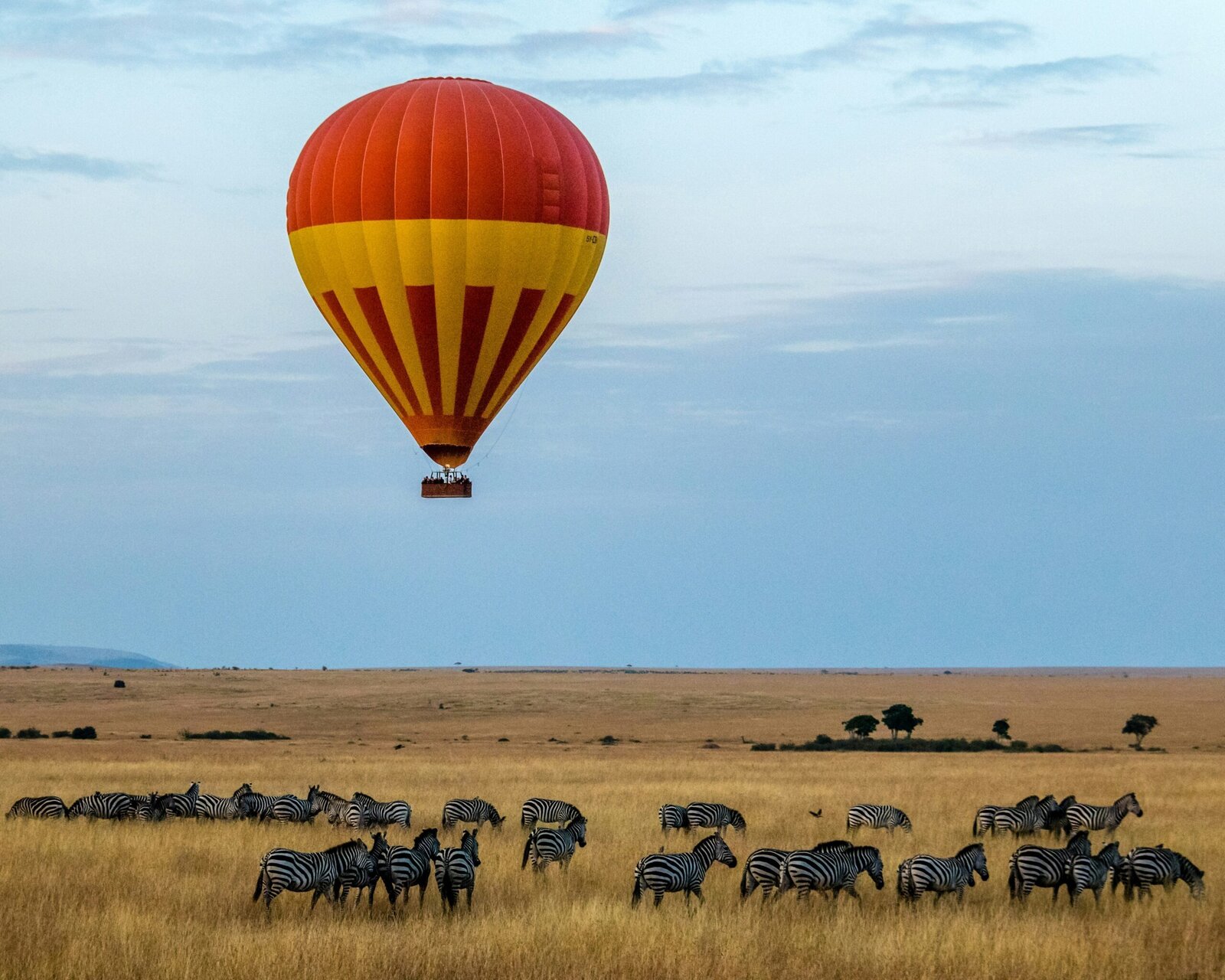
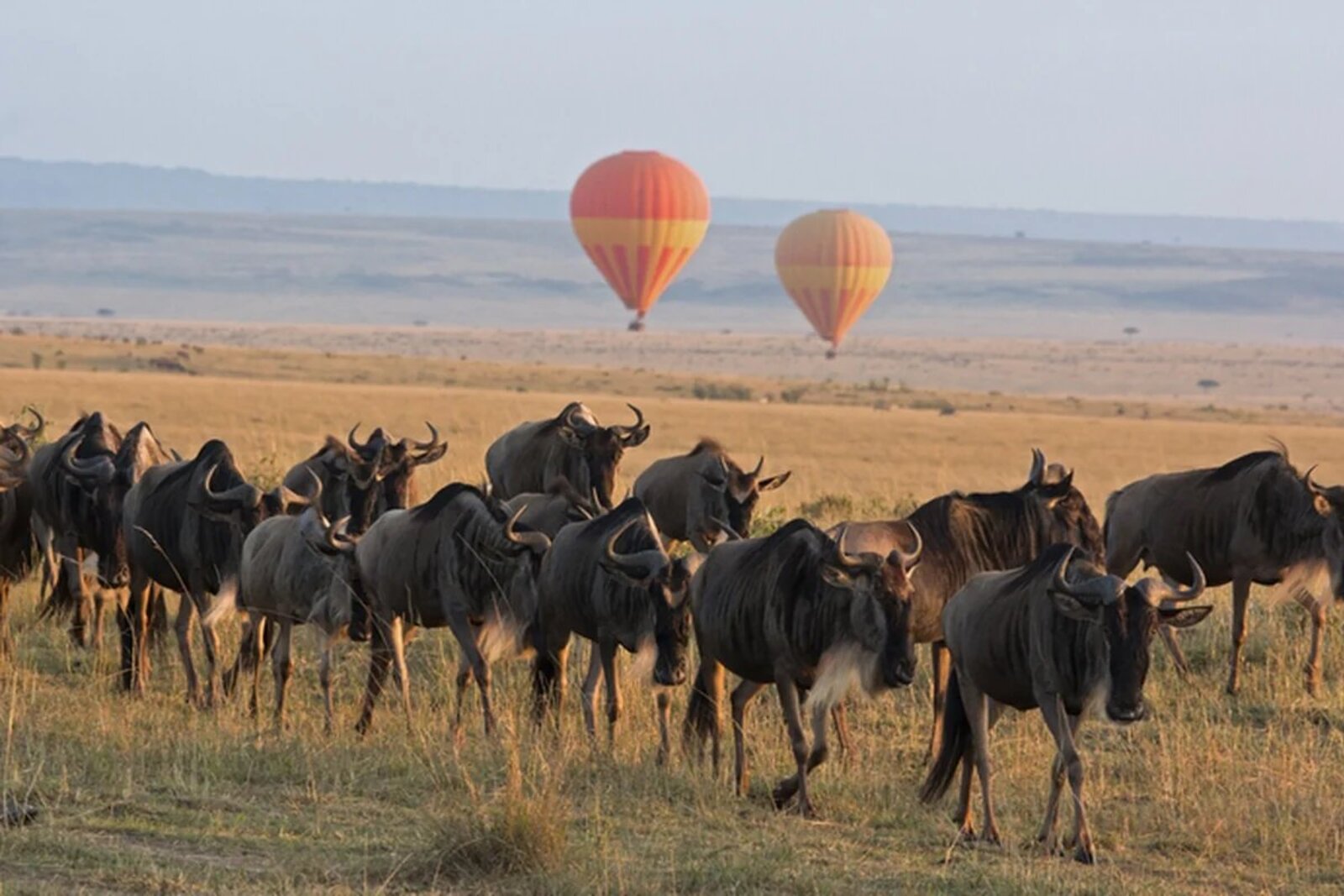
Botswana and Tanzania sit on opposite sides of Africa’s safari spectrum. Tanzania delivers the classic East African dream — the thunder of two million wildebeest crossing the Mara River, the Ngorongoro Crater’s guaranteed Big Five, Maasai culture, and balloon safaris floating over the endless Serengeti. It is accessible, iconic, and the natural first choice for anyone chasing the Great Migration.
Botswana, by contrast, writes a different script. Here the safari is water-based: you glide silently in a mokoro canoe through the Okavango Delta’s lily-strewn channels, watch 50,000 elephants gather at the Chobe River, and track wild dogs through mopane woodland. Camps hold six to twelve guests maximum, vehicles-per-sighting are capped, and the price reflects Botswana’s deliberate low-volume, high-value model.
This is not a park-versus-park comparison (that would be Okavango versus Serengeti). This is the full country question: which nation offers the better safari experience when you weigh landscape, wildlife, exclusivity, cost, logistics and that intangible sense of wilderness? We break it into eleven decisive rounds, backed by a comparison table and the verdict you need to choose the right country for your Africa dream.
Below we compare Botswana and Tanzania across landscape, migration, wildlife density, Big Five credentials, crowds, scenery, best time to visit, cost, accessibility, lodges and the final do-both-or-pick-one call. Let’s break it down, round by round.
Round 1: Landscape & Setting
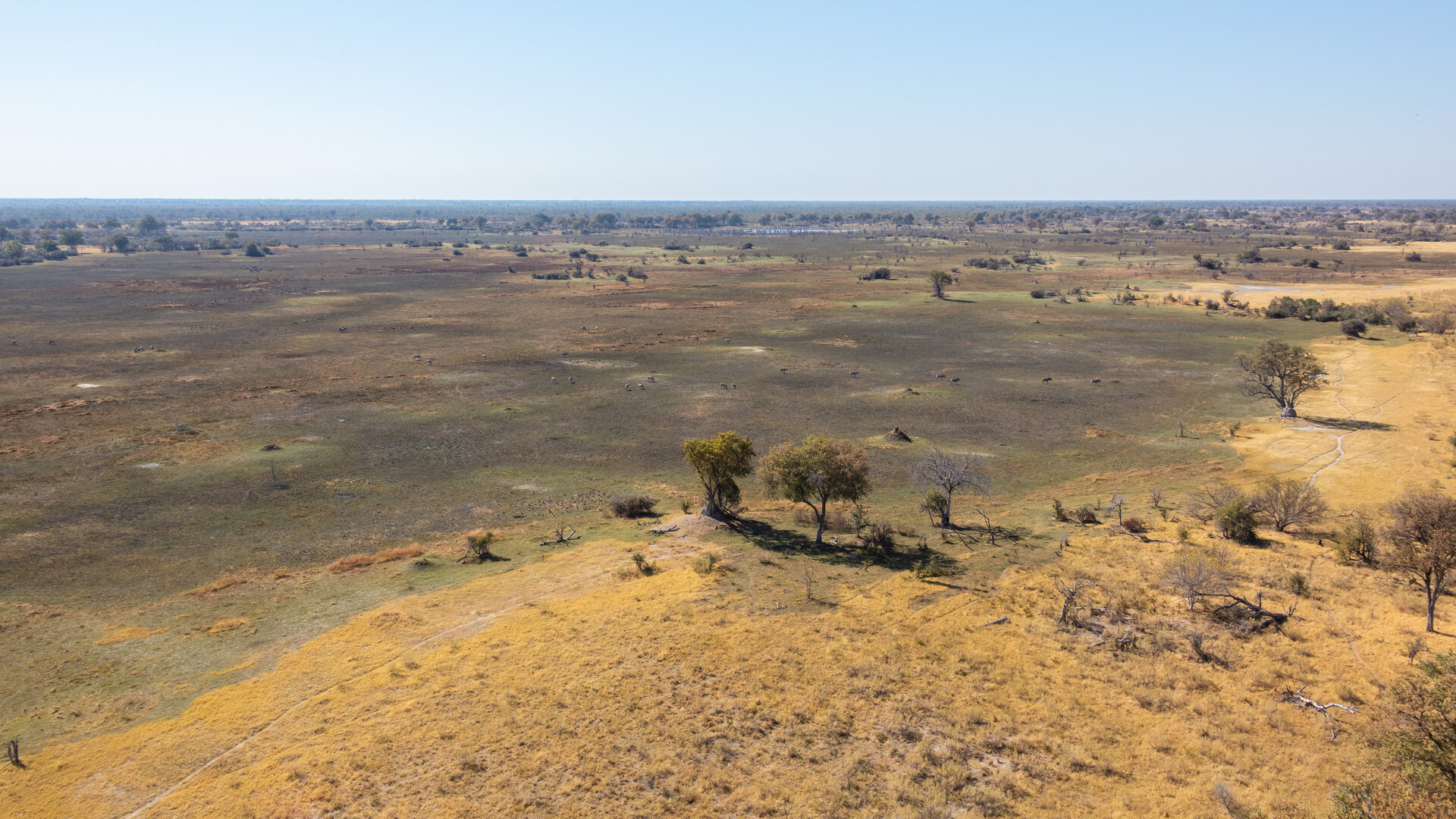
Tanzania: The Serengeti alone spans 15,000 km² of golden grassland, punctuated by granite kopjes and lone acacia trees — the Africa of every documentary. Add the Ngorongoro Crater (a 260 km² volcanic caldera with permanent water and year-round game), the semi-arid plains of Tarangire with its baobabs and elephant herds, and the forested slopes of the Ngorongoro Highlands. Tanzania delivers the quintessential East African savannah — vast, open, photogenic.
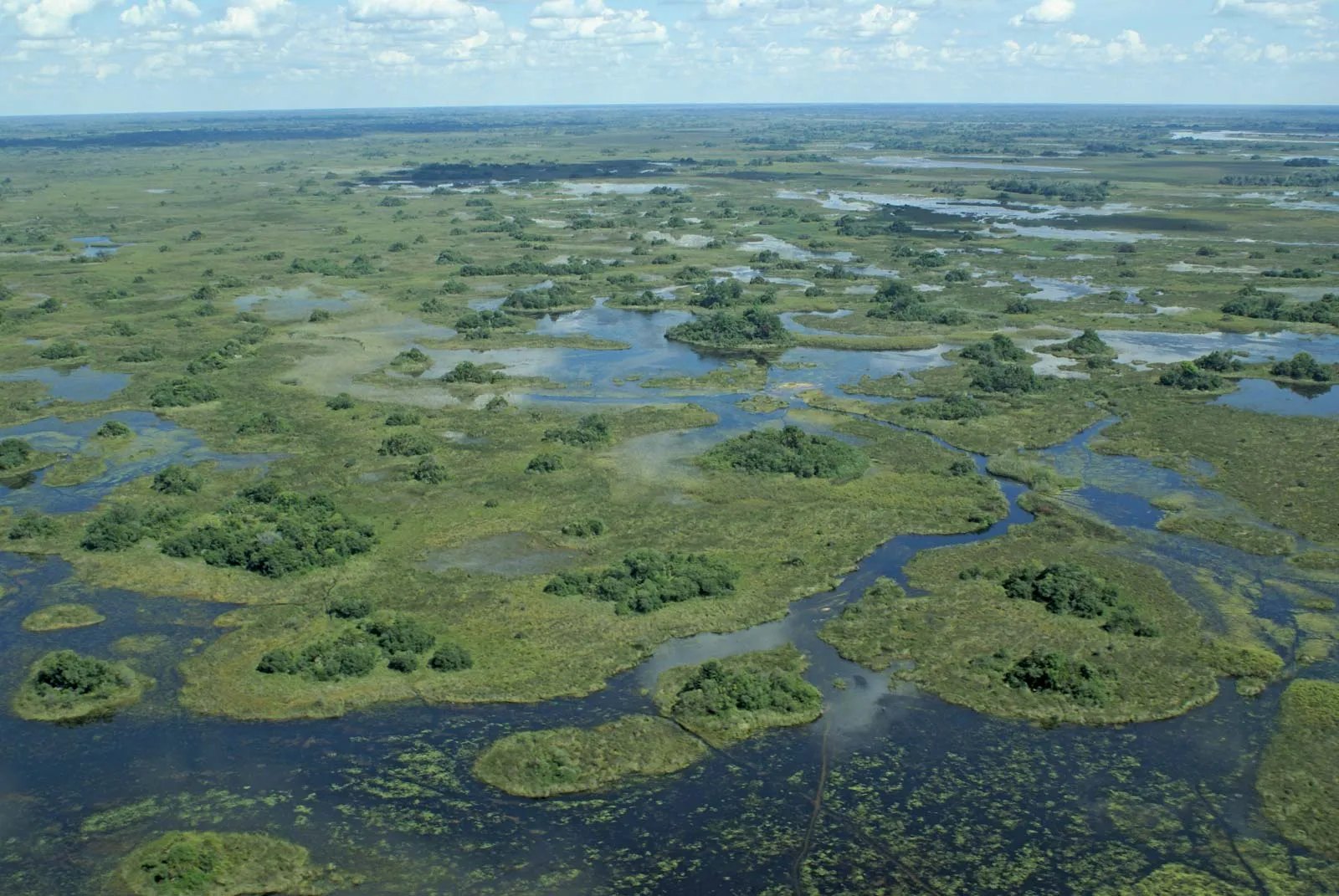
Botswana: The Okavango Delta is the world’s largest inland delta, flooding annually to create 15,000 km² of waterways, islands and floodplains where you explore by mokoro canoe as much as by vehicle. Chobe National Park holds the highest elephant density on the continent (an estimated 50,000), and the Chobe River delivers boat-based game viewing unmatched anywhere. The Kalahari adds desert-adapted species and surreal salt-pan vistas. Botswana’s landscape is about water meeting wilderness — it is less cinematic-plains, more textured and intimate.
The split: Tanzania wins for the iconic wide-angle savannah. Botswana wins for unique water-based ecosystems that no other country can replicate.
Round 2: The Great Migration
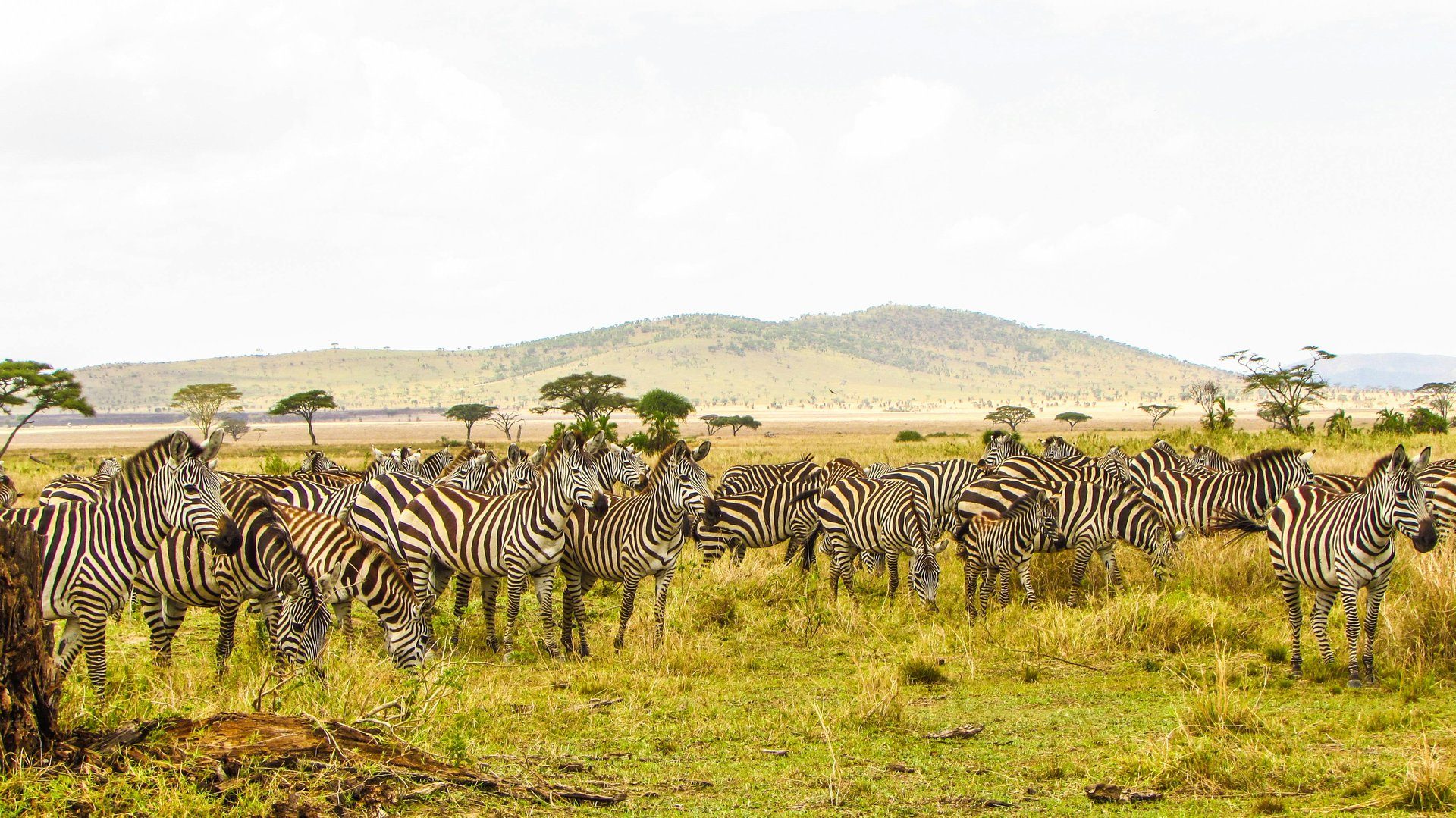
The Great Migration is Tanzania’s crown jewel. Two million wildebeest, zebra and gazelle circle the Serengeti-Mara ecosystem in a year-long loop, peaking with the dramatic Mara River crossings (typically July to September) where herds plunge into crocodile-infested waters under the gaze of waiting predators. January to March delivers the calving season in the southern Serengeti — half a million calves born in weeks, attracting lions, cheetah and hyena in numbers you will not see anywhere else.
Botswana has no migration. Its wildlife is resident and stable year-round, which means reliable sightings but none of the raw drama of a million-strong herd on the move. If the migration is on your bucket list, Tanzania is non-negotiable.
Winner: Tanzania, decisively. The migration is the world’s greatest wildlife spectacle, and it happens here.
Round 3: Wildlife Density & Big Five
Tanzania: Ngorongoro Crater is the single best place in Africa for guaranteed Big Five in one day — lion, elephant, buffalo, leopard and the continent’s densest population of black rhino outside South Africa. The Serengeti holds an estimated 3,000 lions (the world’s largest population), countless cheetah on the plains, and leopards lounging in acacia branches. Tarangire has elephant herds numbering in the hundreds. Tanzania’s wildlife density is reliably high, and you tick the Big Five without stress.
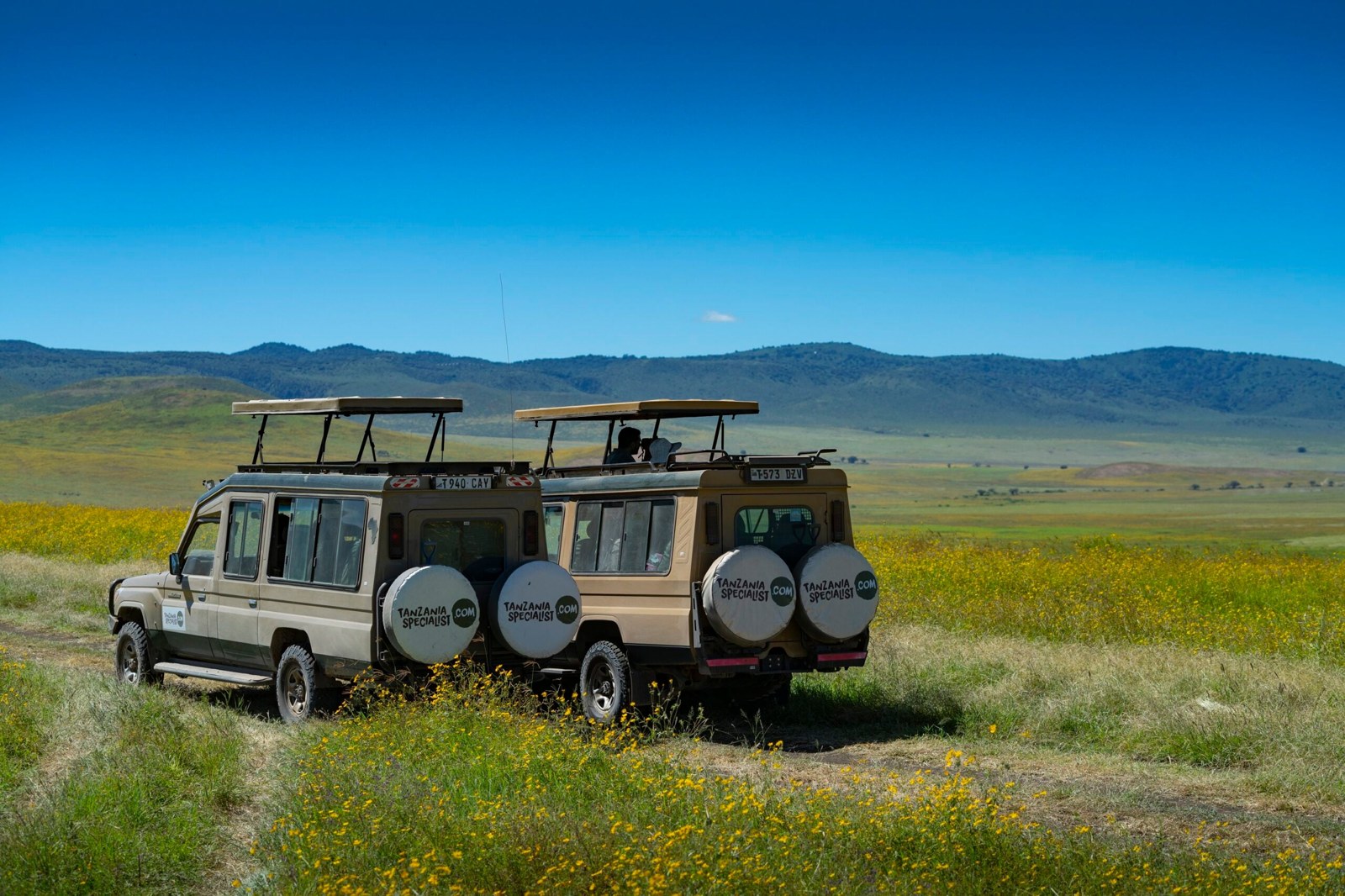
Botswana: Chobe’s 50,000+ elephants deliver sightings you cannot replicate elsewhere — herds of 200+ drinking at the river at sunset are routine. The Okavango and Moremi support healthy lion and leopard populations, and buffalo gather in enormous herds. Rhino are rare (small reintroduced populations in private concessions only). Botswana’s edge is the African wild dog — it holds one of the continent’s healthiest populations, and packs hunt regularly in the Okavango, Moremi and Linyanti. If wild dogs are your grail, Botswana beats Tanzania.
Winner: Tanzania for Big Five completeness and density. Botswana for wild dogs and elephant spectacle.
Round 4: Big Cats
Tanzania: The Serengeti is the lion capital of the world. Prides of 20+ lions lounge on kopjes in the central Seronera, and during the migration they gorge on wildebeest calves and stragglers. Cheetah density on the short-grass plains (especially Ndutu, January–March) is among the highest on earth — you watch coalition hunts in open terrain with uninterrupted sightlines. Leopards are common and often visible in trees along the Seronera River. Tanzania’s big cats are numerous, visible, and performing daily drama.
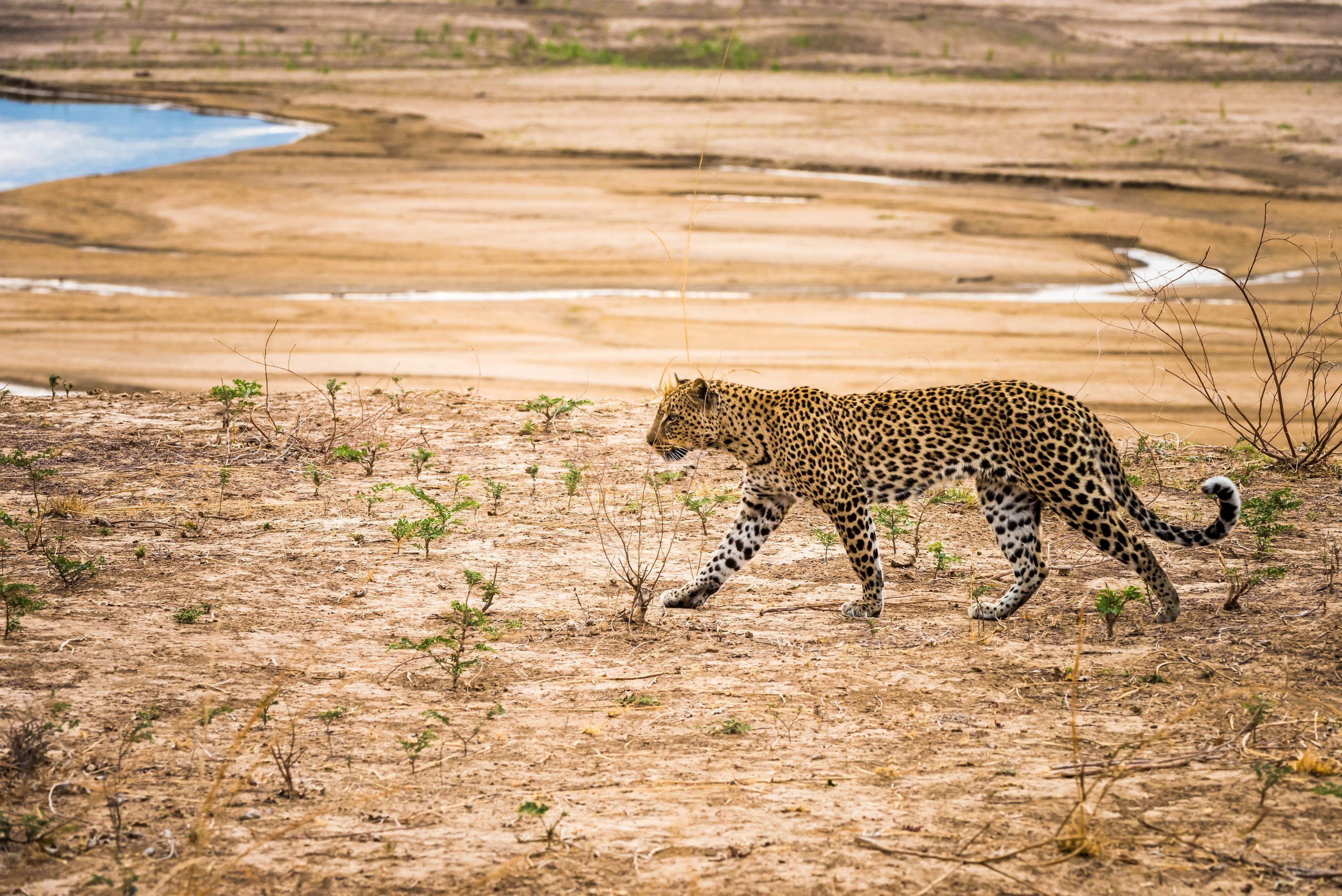
Botswana: Lion and leopard are reliably present in Moremi, Savuti and the private concessions, but densities are lower than Tanzania. Cheetah exist but are less common. Botswana’s edge is leopard habituation in premium camps like Mombo and Vumbura — these leopards tolerate vehicles at close range, delivering photography opportunities that rival the best of Sabi Sands. The wild dog (not a cat but a top predator) tips the balance for some visitors.
Winner: Tanzania for sheer cat numbers and variety. Botswana for intimate, habituated leopard encounters in select camps.
Round 5: Crowds & Exclusivity
Botswana: The government’s tourism policy is explicit: low-volume, high-value. Camps in the Okavango and Moremi are capped at 6–12 rooms (often closer to 8). Private concessions limit vehicles-per-sighting (typically one or two vehicles maximum). You can spend hours at a wild dog den or a leopard kill with nobody else around. The trade-off is cost — exclusivity is engineered and priced accordingly.
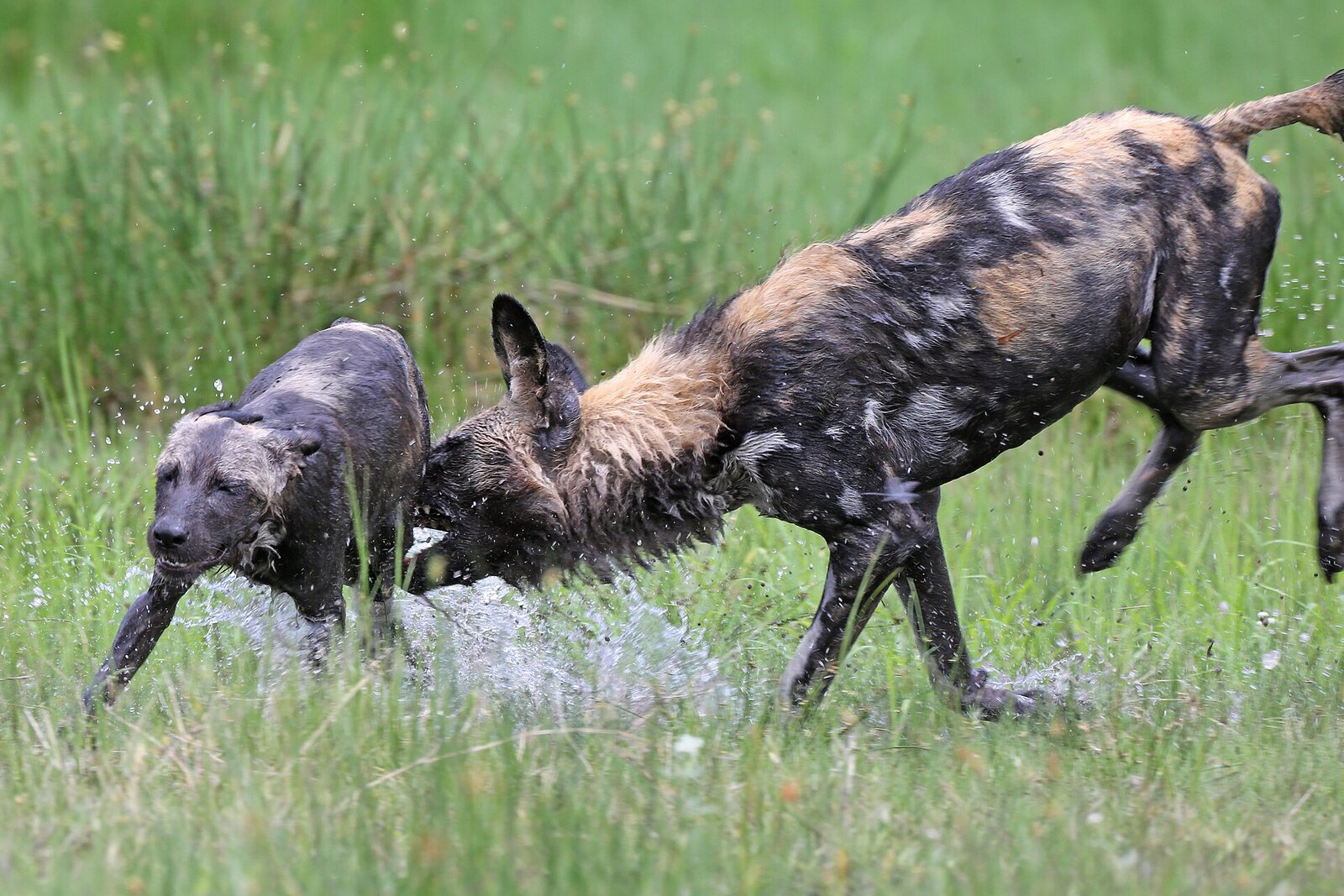
Tanzania: The Serengeti’s central Seronera and Ngorongoro Crater floor can be crowded, especially in July–September when the migration draws international visitors and dozens of safari vehicles. A single river crossing may attract 30+ vehicles. Budget camping operators share the same roads as luxury lodges, and sightings can feel competitive. The southern Serengeti and private concessions like Lamai and Singita Grumeti offer more space, but the classic northern circuit is busy.
Winner: Botswana, emphatically. If you want near-private game viewing and minimal vehicle congestion, Botswana is structurally built for it.
Round 6: Scenery & Photography
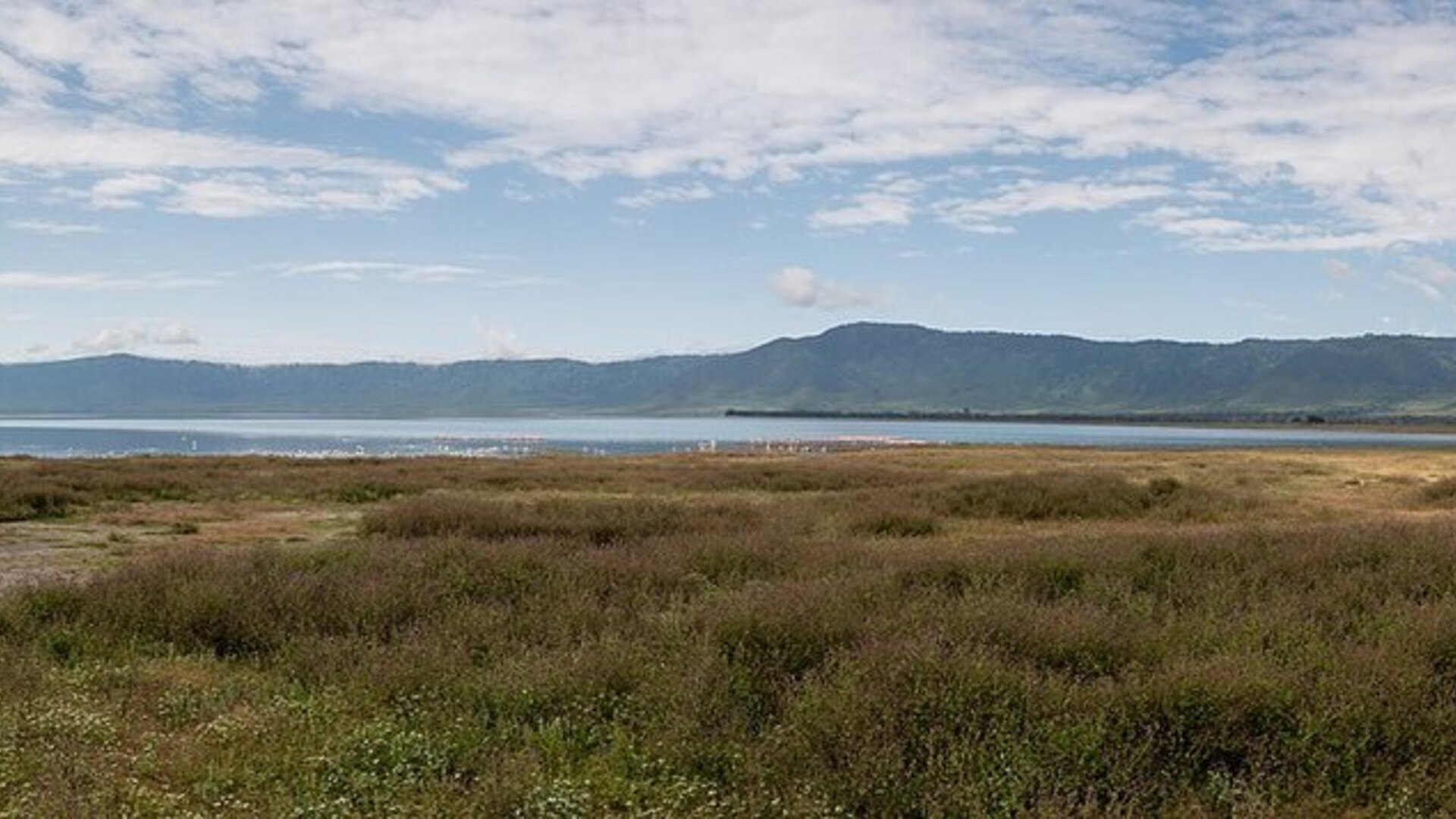
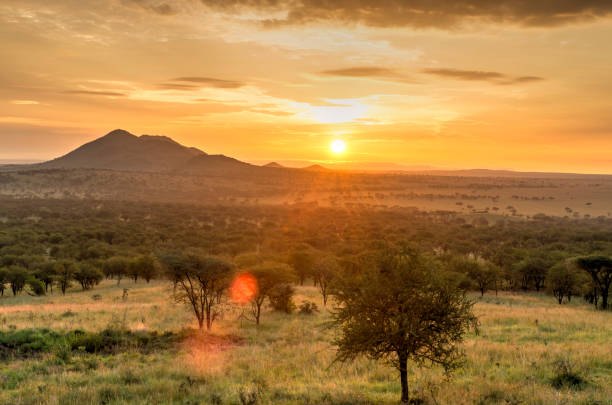
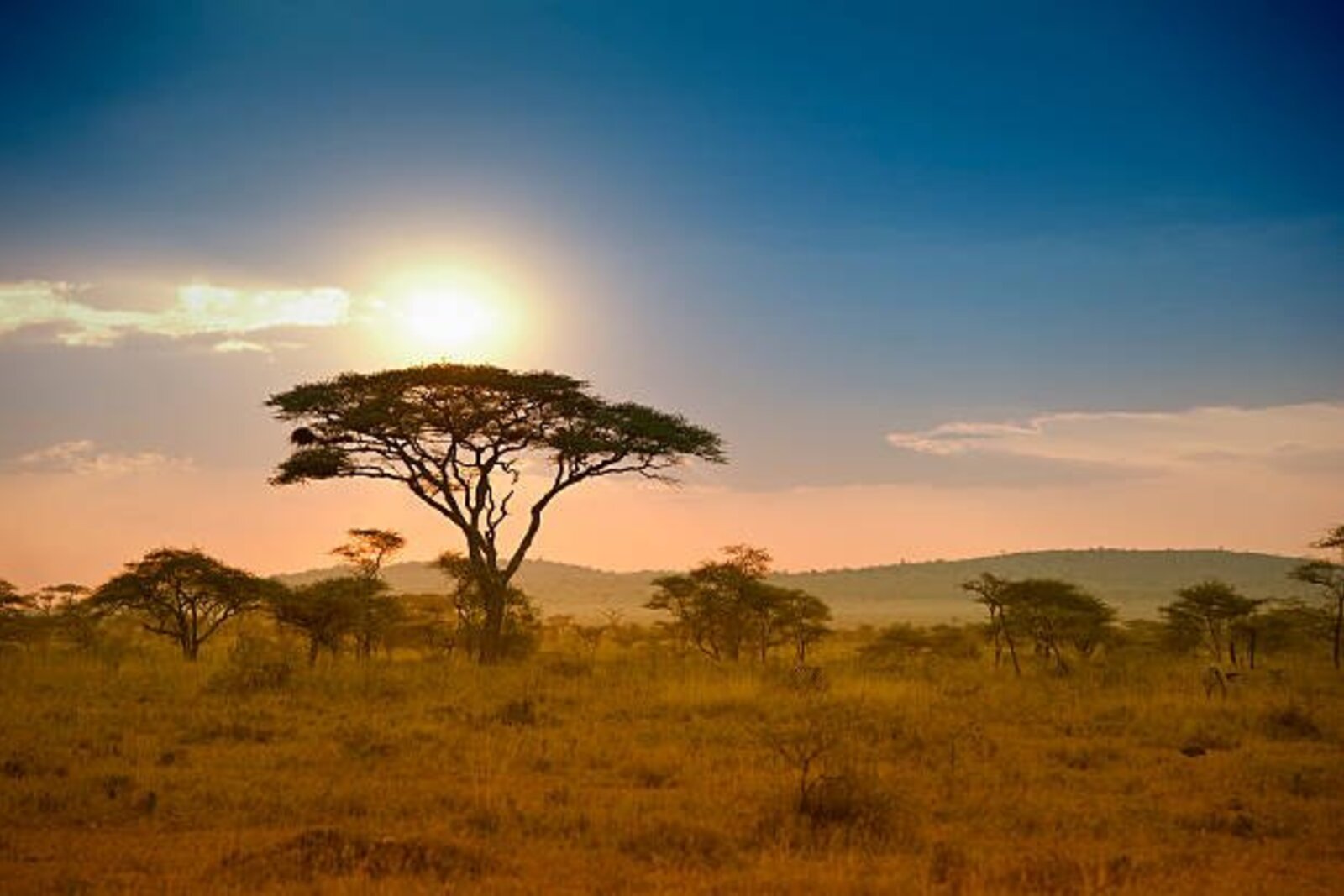
Tanzania: The Serengeti delivers the wide-angle shots that define Africa: a cheetah on a termite mound with endless plains behind it, a lone acacia silhouetted at sunrise, a line of wildebeest stretching to the horizon. The Ngorongoro Crater rim offers panoramic views of the caldera floor 600 metres below, with flamingos on Lake Magadi and game scattered across the grassland. Tanzania is built for epic, sweeping photography.
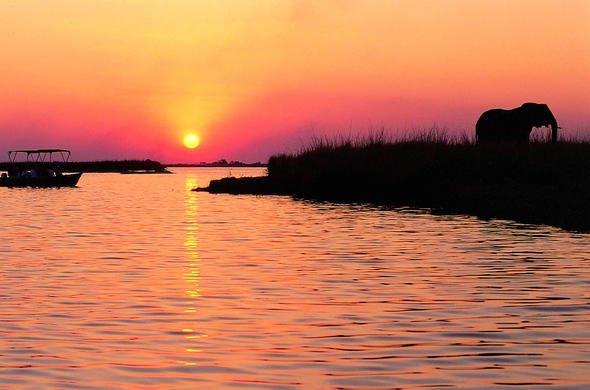
Botswana: The Okavango’s waterways, lily pads and papyrus channels create intimate, layered compositions — elephants reflected in still water, a mokoro gliding past a heron, a leopard drinking at the edge of a lagoon. Chobe River sunsets with elephants silhouetted mid-crossing are iconic. Botswana’s scenery is less about vastness and more about depth, texture and proximity to water.
Winner: Split. Tanzania for classic savannah grandeur. Botswana for water-based intimacy and reflective light.
Round 7: Best Time to Visit
Tanzania: The best time depends on what you want. For Mara River crossings, visit July to September (though exact timing varies by year). For wildebeest calving and predator action, come January to March in the southern Serengeti. The Ngorongoro Crater is excellent year-round. Green season (November–May) brings lush scenery and fewer crowds but afternoon rains. Tanzania’s calendar is tightly linked to migration movements.
Botswana: The classic dry season is May to October, when water is concentrated (easier game viewing) and the Okavango flood peaks (June–August, fed by rains in the Angolan highlands). November to April is green season — hotter, wetter, and many camps close, but it is birding paradise and the Kalahari comes alive. Botswana is less migration-dependent, so the dry season is the straightforward choice for first-timers.
Winner: Split. Tanzania rewards migration timing. Botswana follows a classic dry-season calendar.
Round 8: Cost & Value
Tanzania: Tanzania accommodates every budget. You can camp in the Serengeti for $150–250 per person per night (all-inclusive budget camping safaris), stay in comfortable mid-range lodges for $300–500, or book ultra-luxury properties like Singita Sasakwa ($1,500+ per night). Park fees are reasonable (Serengeti $71/day, Ngorongoro Crater $71/day + $295 vehicle fee), though they add up. Tanzania is accessible to honeymooners, families, and budget backpackers alike.
Botswana: Botswana is structurally expensive. The deliberate low-volume model means camps charge $600–1,200+ per person per night (all-inclusive). There is no budget tier — if you are visiting the Okavango or Moremi, you are paying for exclusivity whether you want it or not. Park fees and charter flights between camps add further cost. Botswana is a premium-only destination.
Winner: Tanzania for accessibility and value. Botswana is world-class but priced accordingly.
Round 9: Getting There & Logistics
Tanzania: Fly into Kilimanjaro International Airport (JRO) or Arusha (ARK) for the northern circuit. The Serengeti, Ngorongoro and Tarangire are 3–6 hours by road (often combined into a classic northern circuit loop), or you can fly directly into Seronera airstrip in the Serengeti. International connections via Addis Ababa, Nairobi, Doha or Amsterdam are plentiful. Tanzania is logistically straightforward for first-time safari-goers.
Botswana: Fly into Maun (for the Okavango) or Kasane (for Chobe), then take light aircraft to your camp’s private airstrip — road access to most premium camps does not exist. Charter flights are scenic but add $200–400 per person per leg. Self-drive safaris are possible in Chobe and parts of Moremi, but the Okavango requires guided camps. Botswana is logistically more complex and less suitable for budget DIY travellers.
Winner: Tanzania for ease, first-timer friendliness, and lower logistical friction.
Round 10: Lodges & Accommodation
Tanzania: Tanzania offers every tier: public campsites, mobile tented camps that follow the migration (like Serengeti Under Canvas), classic permanent lodges (Four Seasons Serengeti, Ngorongoro Crater Lodge), and ultra-luxury properties (Singita Sasakwa, &Beyond Klein’s Camp). You can mix budget and luxury within one itinerary. The range is unmatched.
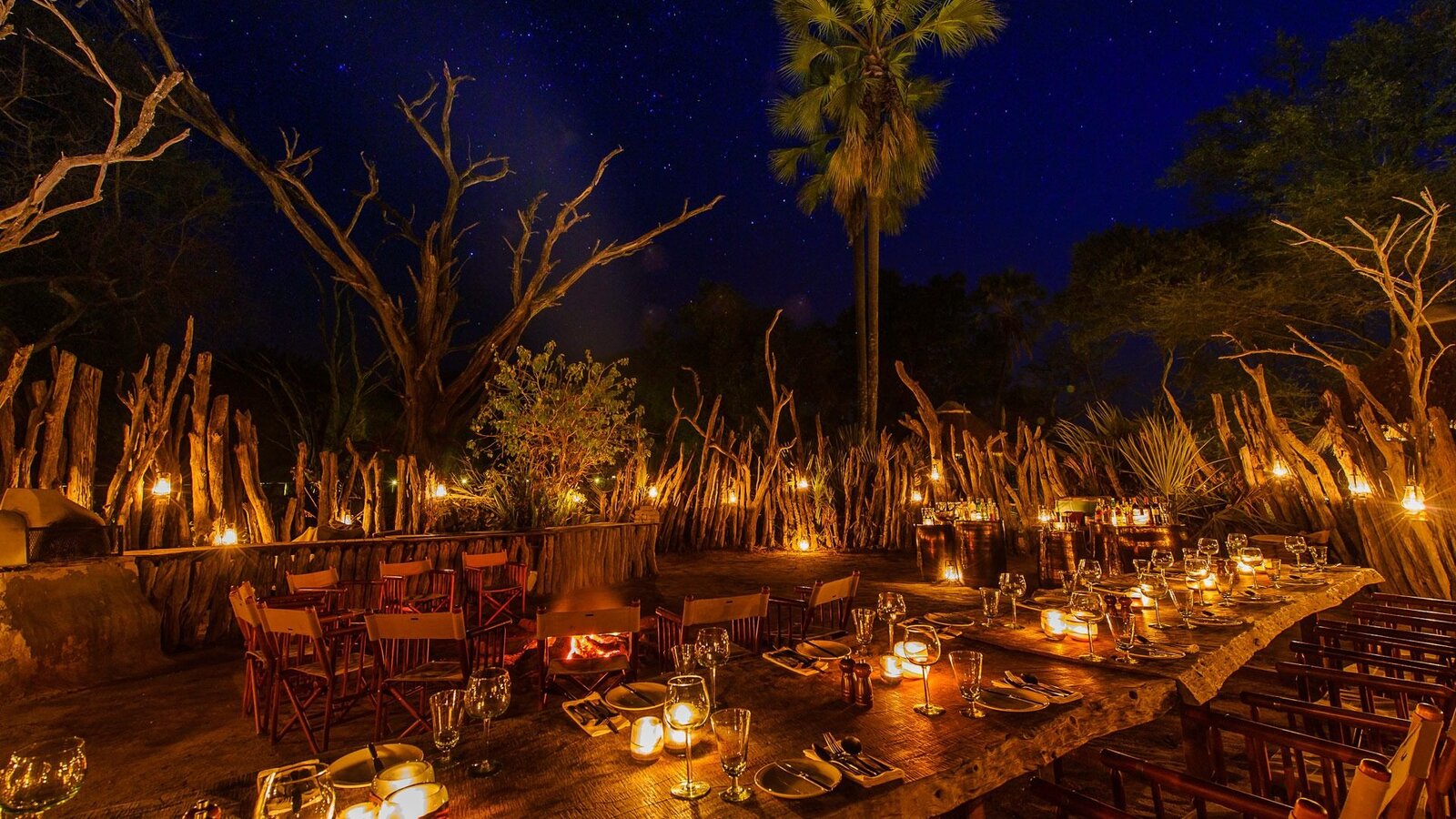
Botswana: Botswana’s camps are universally small, intimate, and high-end. Mombo Camp (Moremi) and Vumbura Plains (Okavango) are consistently ranked among Africa’s finest lodges. Most camps hold 8–12 guests maximum, with private plunge pools, guided walks, and mokoro excursions included. There is no budget tier, but if you want the most exclusive, low-density safari experience on the continent, Botswana’s camps deliver it.
Winner: Split. Tanzania for variety and accessibility. Botswana for intimate, world-class luxury.
Round 11: Do Both or Pick One?
Unlike comparisons where the two destinations are next-door rivals (e.g. Kruger vs Serengeti), Botswana and Tanzania are geographically separated and thematically distinct. You would not typically do both in one trip unless you are on a multi-country grand tour.
Pick Tanzania if: You want the Great Migration, guaranteed Big Five density, classic East African savannah, balloon safaris, easier logistics, and broader budget options. Tanzania is the natural first safari for most travellers.
Pick Botswana if: You want water-based wilderness (mokoro canoes, Chobe River cruises), exclusive low-density game viewing, wild dog encounters, and you have the budget for Botswana’s premium pricing. Botswana is the connoisseur’s choice — best suited for second or third safaris, or for travellers who prioritise exclusivity and intimacy over iconic spectacle.
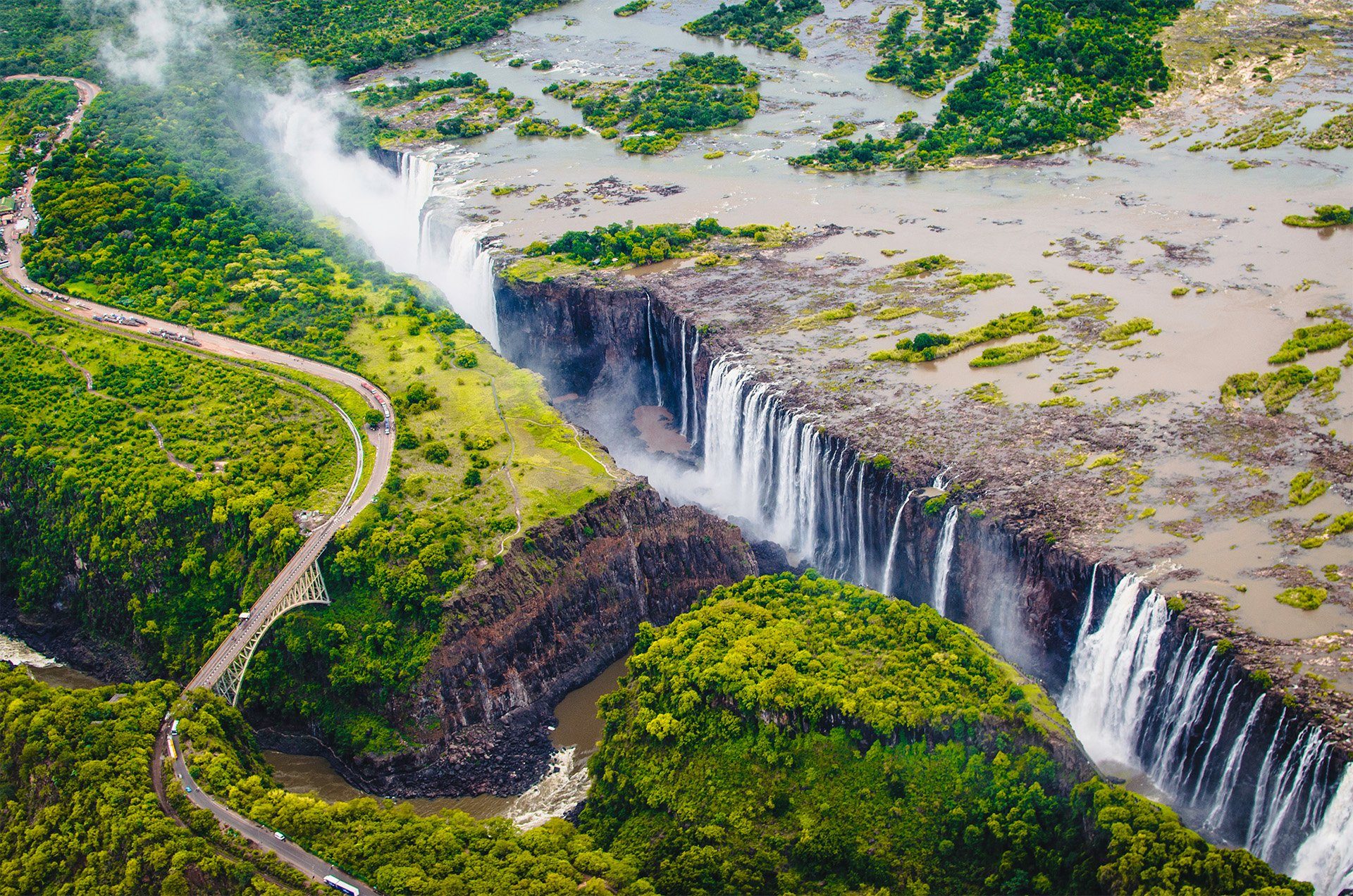
Do both if: You are planning a multi-country Southern + East Africa trip (e.g. Botswana + Victoria Falls, then fly to Tanzania for the migration). They complement each other perfectly: Botswana for water and solitude, Tanzania for migration and Big Five completeness.
| Aspect | Botswana | Tanzania |
|---|---|---|
| Landscape | Water wilderness — Okavango Delta, Chobe River, Kalahari pans | Classic savannah — endless Serengeti, Ngorongoro Crater, Tarangire baobabs |
| Great Migration | No — resident wildlife only | Yes — the world's greatest wildlife spectacle (Mara crossings, calving) |
| Wildlife Density | Very high elephants (50K+ Chobe), wild dogs, stable lion/leopard | Excellent Big Five density; Ngorongoro = guaranteed Big Five in a day |
| Big Cats | Good lion/leopard (habituated in top camps), fewer cheetah | World's largest lion population, cheetah plains, leopard common |
| Black Rhino | Rare — small reintroduced populations in select concessions | Ngorongoro = the best black rhino sightings in East Africa |
| Wild Dogs | One of Africa's healthiest populations (Okavango, Moremi, Linyanti) | Present but far less commonly seen than in Botswana |
| Crowds | Low-density policy (6–12 room camps, 1–2 vehicles/sighting) | Can be busy at peak (Seronera, Ngorongoro floor 30+ vehicles) |
| Water Safaris | Mokoro canoes & boat cruises (Okavango, Chobe) — unmatched | None — no water-based safari component |
| Best Time | May–Oct dry season (Okavango flood Jun–Aug) | Jul–Sep (Mara crossings), Jan–Mar (calving), year-round Ngorongoro |
| Cost | ~$600–1,200+/night (all-inclusive, premium-only) | ~$150–1,500/night (budget camping to ultra-luxury) |
| Accessibility | Light aircraft to most camps; self-drive limited | Road-accessible northern circuit, easy logistics, broad flights |
| Lodges | Small (6–12 rooms), intimate, world-class luxury only | Full range: budget camps to ultra-luxury, mobile & permanent |
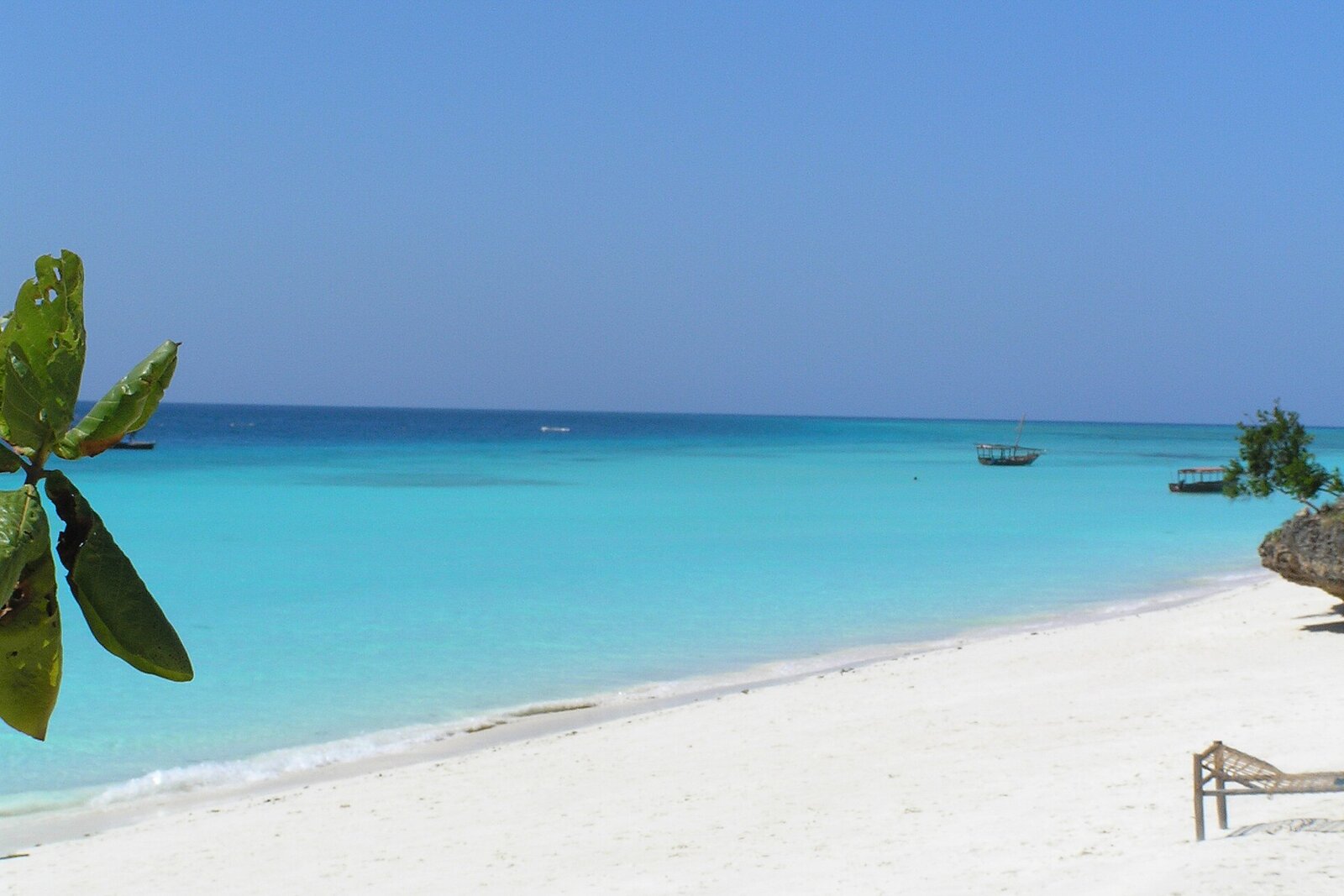
| Add-ons | Victoria Falls (1 hr flight), Namibia deserts | Zanzibar beaches, Kilimanjaro treks, Maasai culture |
| Best For | Exclusive water wilderness, wild dogs, minimal crowds | The migration, guaranteed Big Five, accessibility & ease |
The table makes the distinction clear. Tanzania is the accessible, migration-driven, Big Five powerhouse — it ticks every box for a first safari and accommodates every budget. Botswana is the exclusive, water-based, low-density luxury experience — it costs more, requires light aircraft, and delivers wild dog encounters and mokoro canoe safaris you cannot get anywhere else.
If the Great Migration is on your bucket list, Tanzania is non-negotiable. If you want near-private game viewing in a water wilderness, Botswana is worth the premium.
When to Visit: Migration Timing vs Dry Season
Tanzania: The northern Serengeti and Mara River crossings peak from July to September, though exact timing varies by rainfall and herd movements. For calving season and predator action, visit the southern Serengeti January to March. The Ngorongoro Crater is excellent year-round. Green season (November–May) brings lush landscapes, dramatic skies and fewer tourists, but afternoon thunderstorms are common.
Botswana: The classic dry season is May to October. The Okavango flood peaks June–August (fed by rains in Angola), creating maximum water coverage and the best mokoro canoeing. Game viewing improves as the season progresses and water sources shrink. November to April is hotter, wetter, and many premium camps close — but it is birding paradise, and the Kalahari transforms into green grassland with newborn antelope.
Bottom line: Tanzania rewards migration-timed visits, while Botswana follows the classic Southern African dry-season calendar. Whichever you choose, matching your dates to the season — and to what you most want to see — is exactly the sort of planning a specialist operator lives for.
Why Book Your Botswana or Tanzania Safari with Beyond Africa Safaris
We design safaris in both countries and know when to recommend which. If you want the migration and Big Five accessibility, we will route you through Tanzania’s northern circuit with timed camps that follow the herds. If you want water-based exclusivity and wild dog tracking, we will place you in Botswana’s finest concessions with mokoro-equipped guides and private vehicles.
We handle the logistics that intimidate first-timers — light aircraft bookings in Botswana, migration timing in Tanzania, visa requirements, and malaria-free versus malaria-endemic zones. You get one itinerary, one quote, and one point of contact from enquiry to return.
And because we are African-owned and operated from Cape Town, you plan directly with the experts who live and breathe this continent — not a distant middleman. Get in touch, and let’s build your perfect safari — in Botswana, in Tanzania, or across both.
Ready to Choose Your Safari?
Tell us whether you are chasing the Great Migration or craving water-based solitude, and we will build the itinerary that matches — camps secured, timing dialled in, every detail handled. Botswana, Tanzania, or both — we will get it right.