The Land That Was Almost Lost
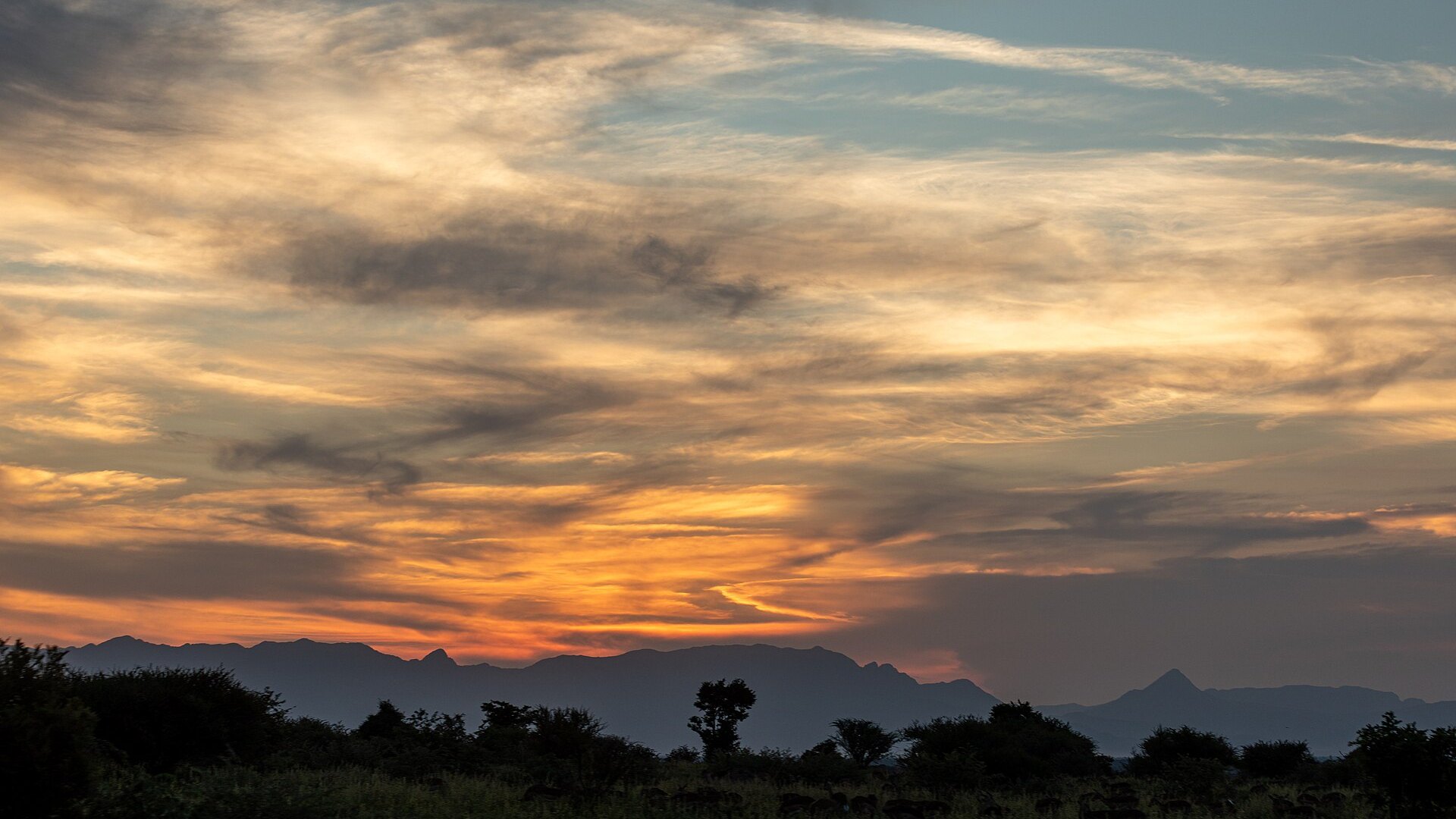
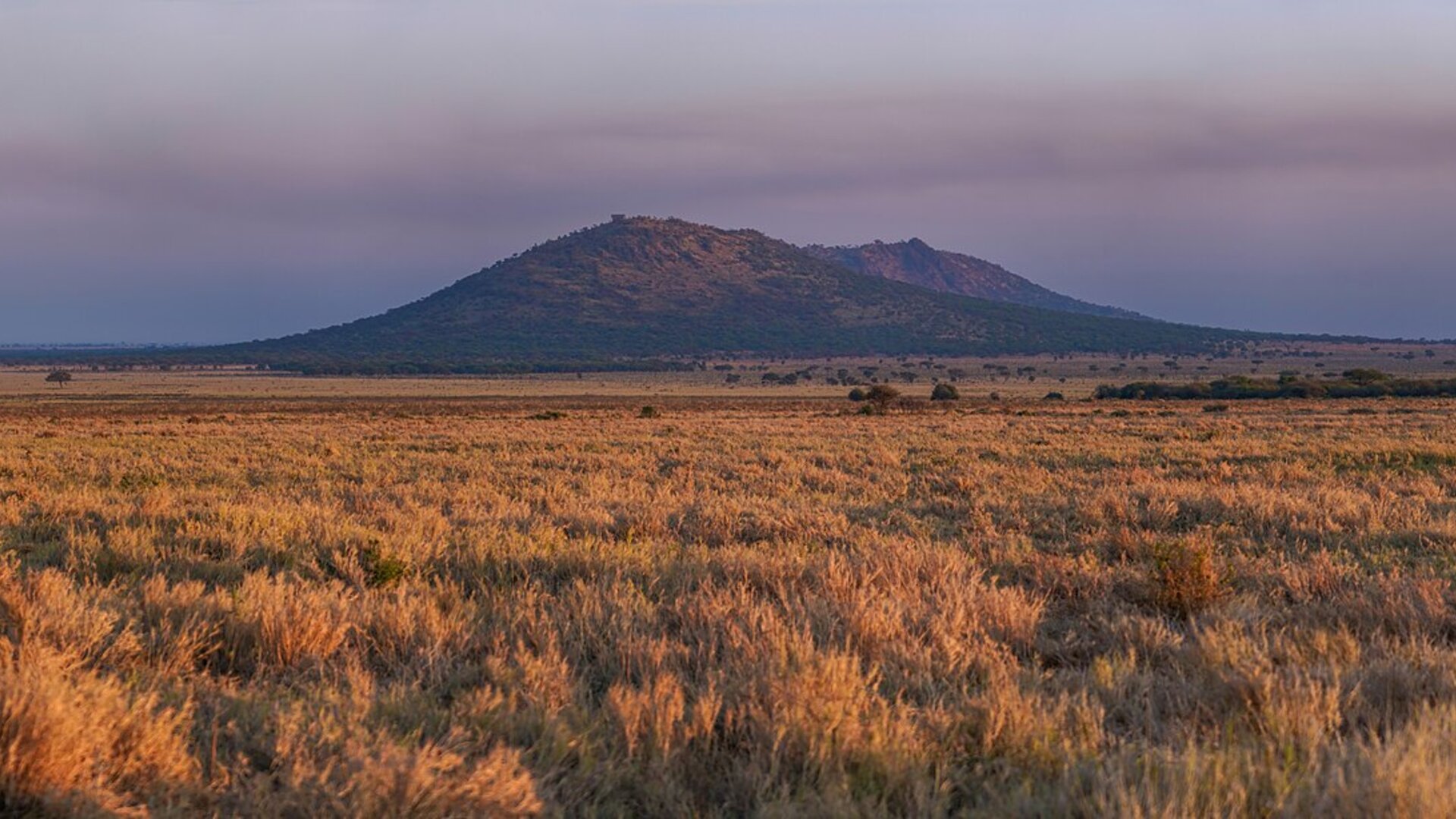
In 1926, two men — Charles Boyd Varty and Frank Unger — bought a stretch of tired, overgrazed farmland on the banks of the Sand River in what is now South Africa's Sabi Sand Game Reserve. It was not a wilderness. It was a degraded cattle farm, its grasses cropped short, its soil eroding, its game long since hunted out. For nearly half a century it would be run under the norms of the day, hunting included.
The name that piece of land would eventually take — Londolozi — comes from the Zulu for "protector of all living things." It was a name chosen not for what the land was, but for what one family decided it could become. This is the story of how a worn-out farm was transformed, over a hundred years, into one of the greatest conservation legacies in Africa.
This is not a brochure fantasy. It is a documented, measurable, century-long project in restoration — the kind of conservation that does not happen in a single grand gesture, but across generations of patient, unflinching work.
A Radical Idea — Cameras Instead of Rifles
The turning point came in 1969, when the next generation — brothers Dave and John Varty — took over the property. They were young, and they rejected the prevailing wisdom of the era. Africa's wild places were being carved up, fenced off, and hunted. The Vartys asked a heretical question: what if the animals were worth more alive than dead?
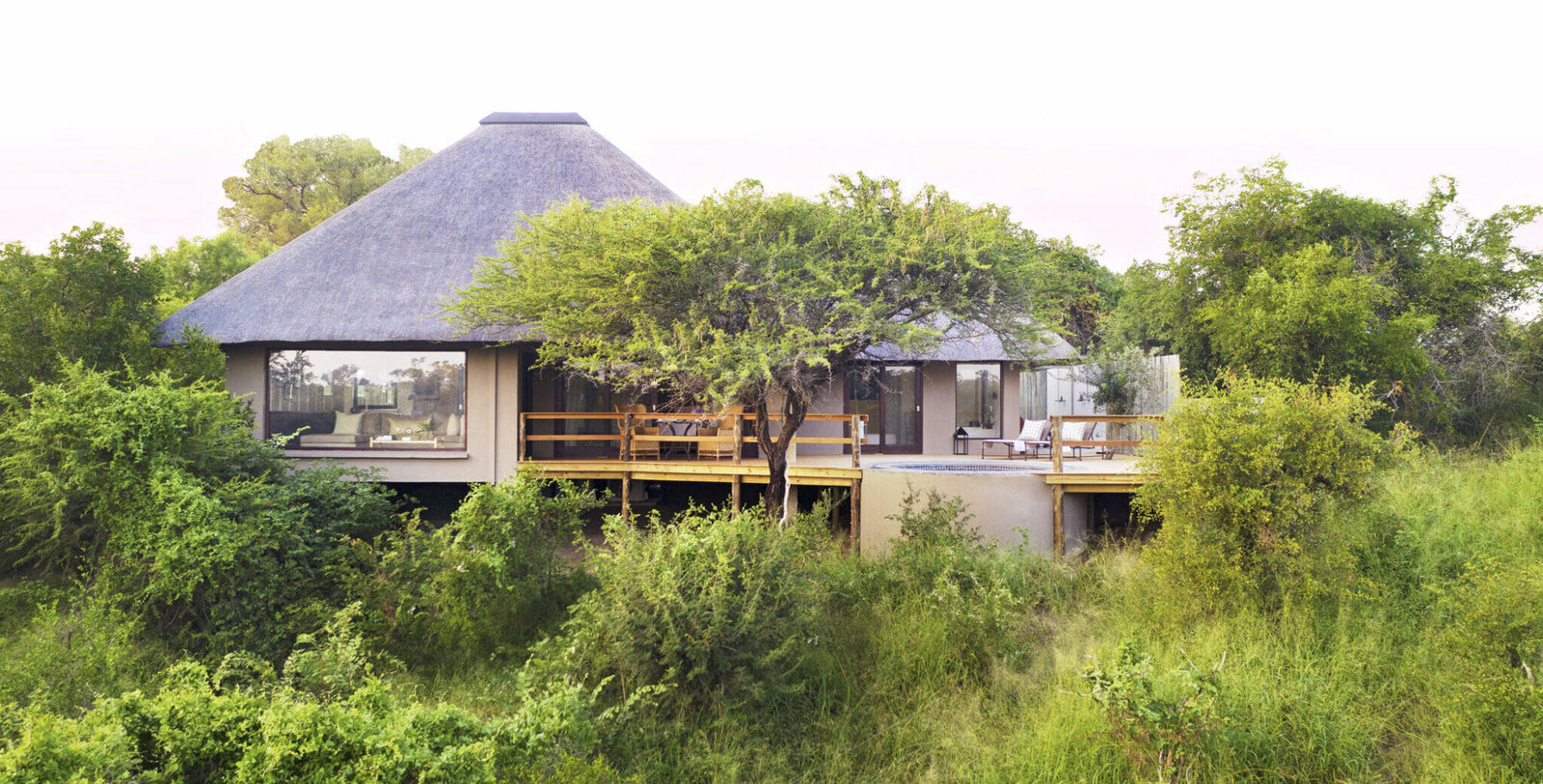
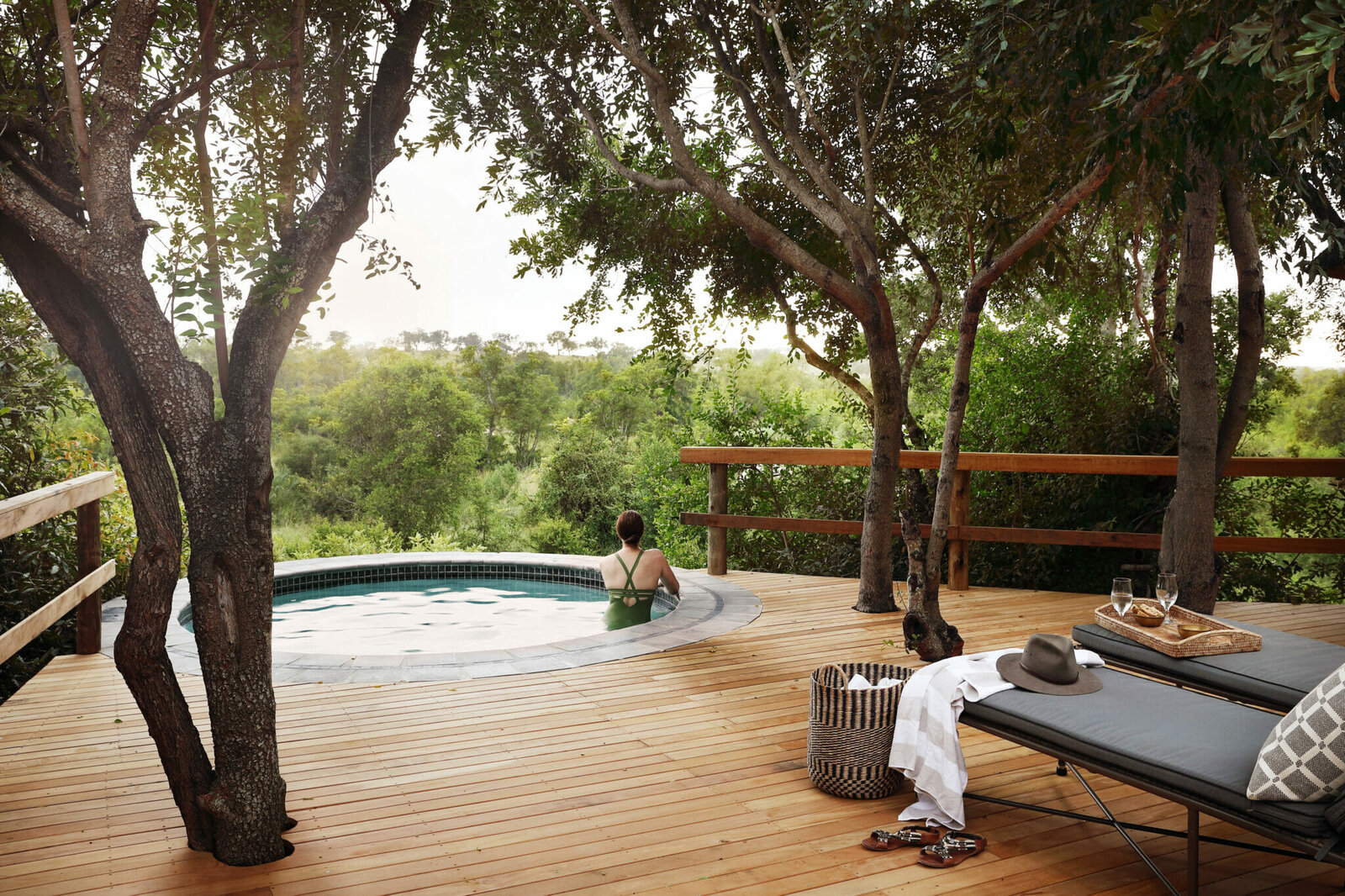
By 1976, they had their answer. Londolozi opened as South Africa's first photographic safari lodge — a place where guests came to capture wild moments through a camera lens rather than over a rifle sight. It sounds obvious now. In 1976, it was revolutionary. The entire modern safari industry — the low-impact, wildlife-first, camera-in-hand experience that draws travellers from across the world — traces its roots to this decision.
Restoring the Land — Ken Tinley's Blueprint
You cannot protect wildlife on land that is dying. The Vartys understood this early, and they turned to the ecologist Ken Tinley to guide them. What followed became one of the oldest documented rewilding projects in the world.
The work was unglamorous and relentless. Eroded gullies were healed. Water tables were carefully managed so that the Sand River system could sustain life through the dry months. Indigenous grasses and trees returned. Slowly — over years, not seasons — the land came back. Game that had been hunted out began to repopulate naturally. The degraded farm of 1926 became, once again, a functioning African ecosystem.
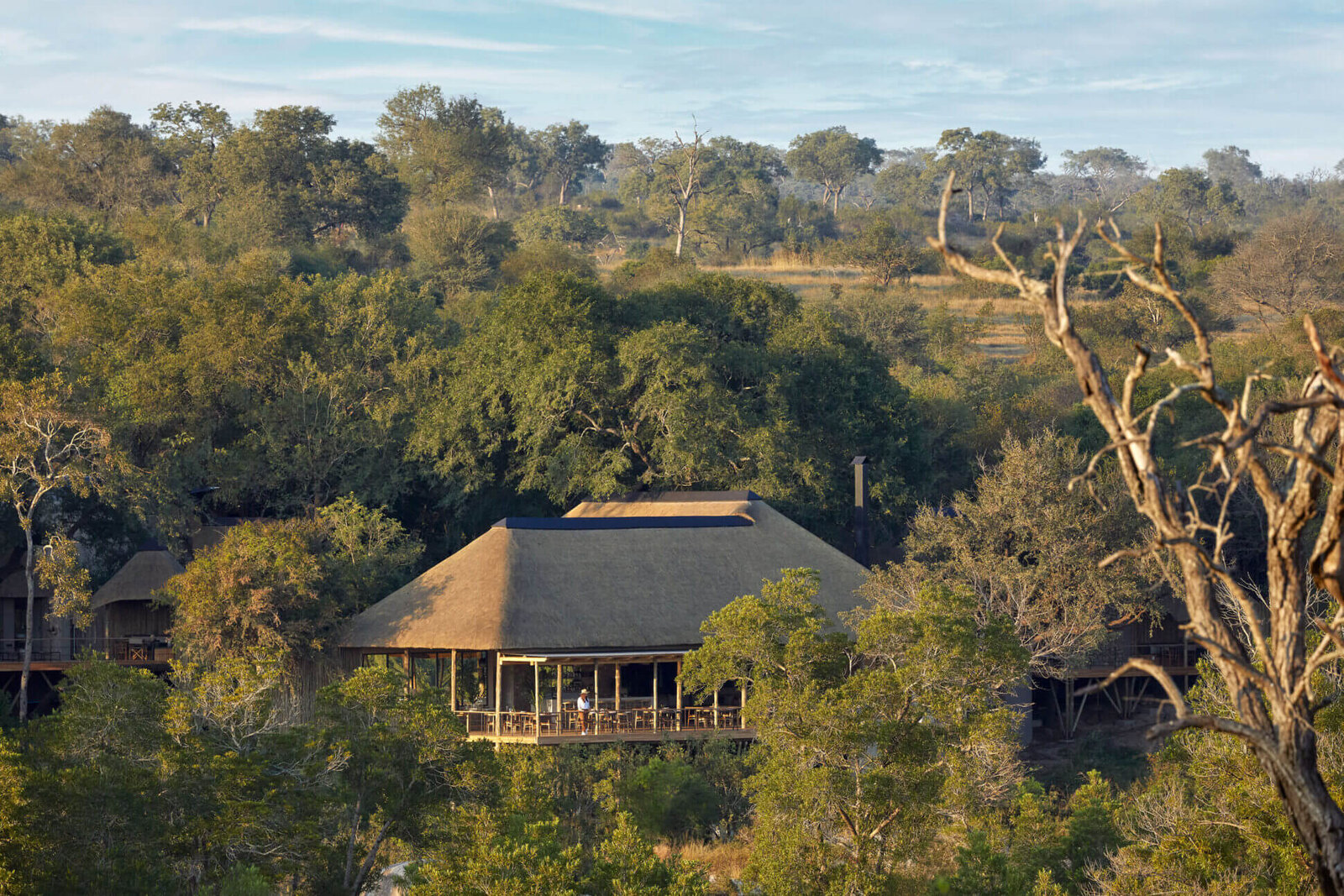
This is the heart of the Londolozi Conservation Development Model, articulated through the 1970s and 1980s: three simple, inseparable pillars — care of the land, care of the wildlife, and care of the people. Take away any one, and the whole thing collapses. Hold all three together, and conservation becomes self-sustaining.
Dropping the Fence — Reuniting an Ecosystem
Restoring one property is a start. But wildlife does not recognise fences, and a fenced reserve — however healthy — is an island. In 1992, Londolozi and its neighbours in the Sabi Sand made a landmark decision: they removed the fence between the Sabi Sand and Kruger National Park.
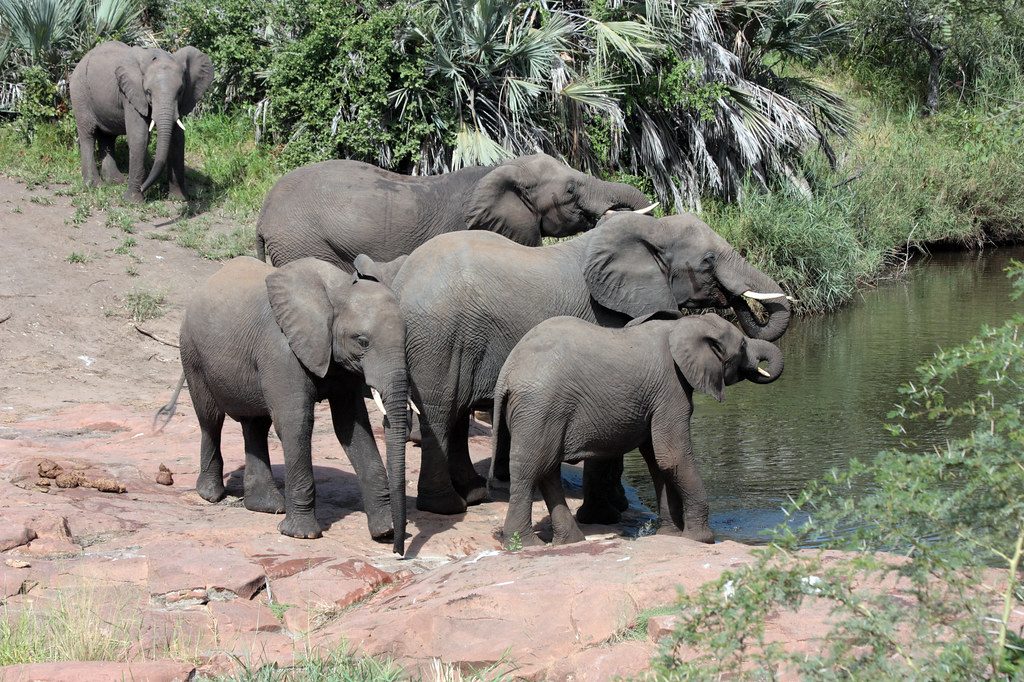
Overnight, animals that had been penned into separate blocks could move freely again. Leopards, lions, elephants, and wild dogs regained ancient migration routes. Gene flow resumed across a transboundary wilderness of roughly six million acres — the Greater Kruger. It is one of the largest protected ecosystems on the continent, and the dropped fence is one of the reasons the Sabi Sand today holds one of the highest leopard densities anywhere in Africa.
The lesson from that single act reshaped conservation thinking across Africa: ecosystems work best when they are connected. Fragmentation kills; connection heals.
The Leopards of Londolozi — The World's Longest Leopard Study
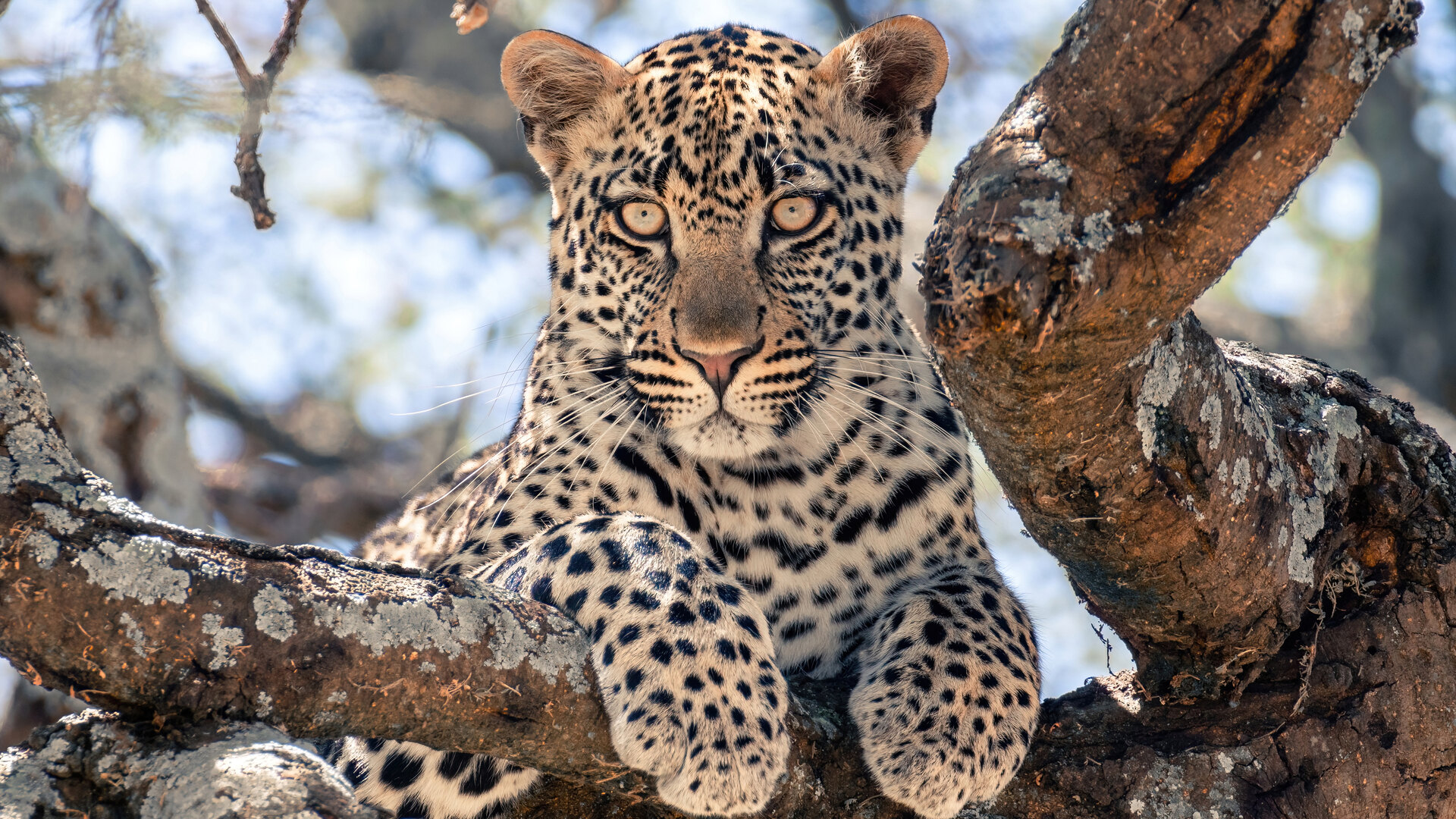
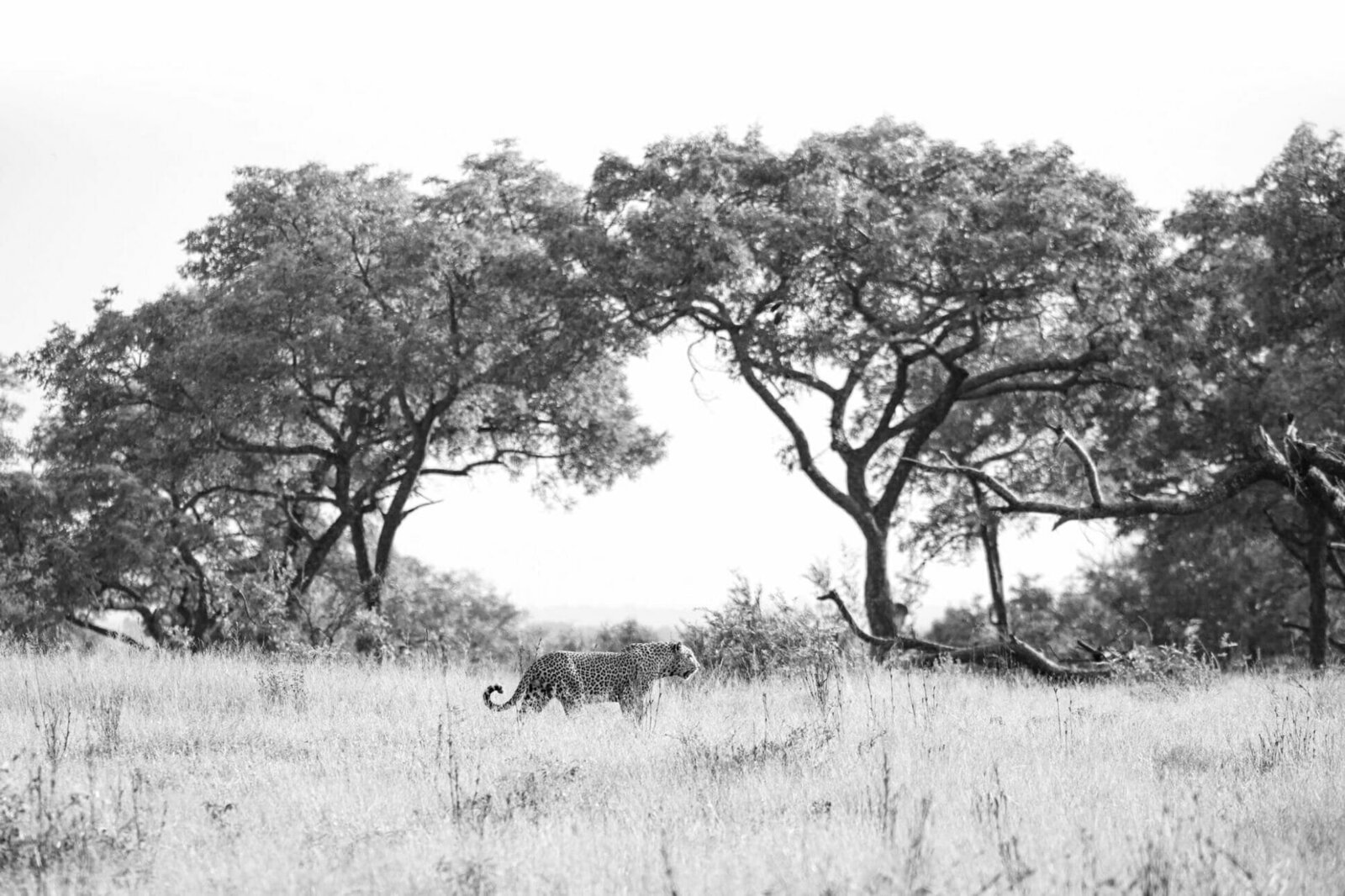
Of all Londolozi's contributions, none is more famous than its leopards. In the 1970s, leopards were considered impossible to view reliably — shy, nocturnal, gone in a flash of rosettes. Then, in 1979, ranger John Varty and tracker Elmon Mhlongo encountered a female leopard who, cautiously, tolerated the presence of their vehicle.
They named her the Mother Leopard, and what began that day became a 12-year documentation project — and, ultimately, the longest-running study of wild leopards on the planet. Through patience and respect, Varty and Mhlongo earned her trust, and then the trust of her offspring. The Mother Leopard raised at least nine litters and twelve cubs to independence under their careful observation, transforming everything the world thought it knew about these supposedly solitary cats.
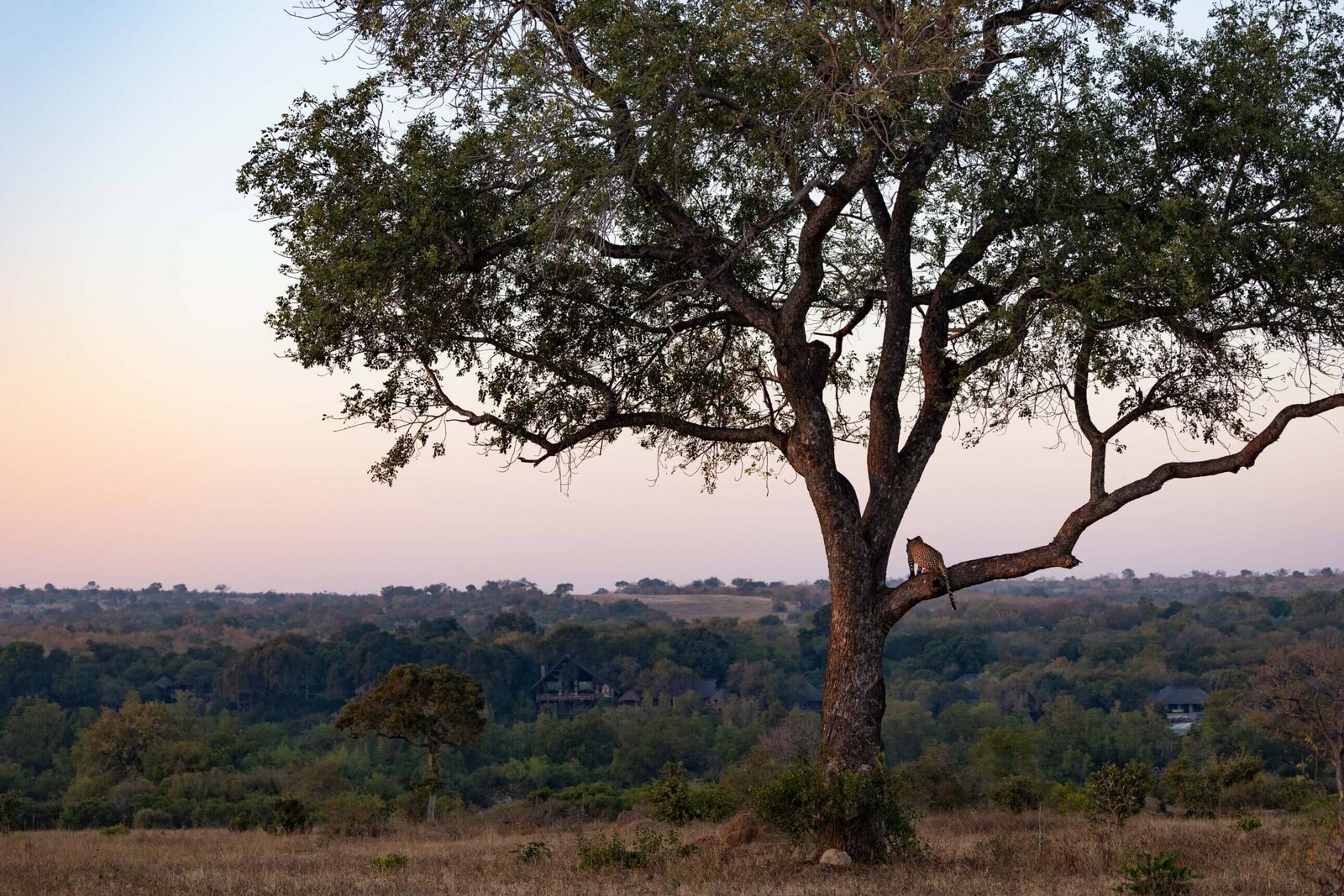
That work was immortalised in the 1988 documentary The Silent Hunter, which brought the private life of a wild leopard to a global audience for the first time. Today the lineage lives on — Londolozi's decades of field records now feed directly into Panthera's Sabi Sand Leopard Project, one of the most detailed long-term big-cat studies in existence. The reserve did not just make leopards viewable. It made them understood.
The Tracker Academy — Reviving an Ancient Skill
Conservation that ignores people is doomed. The Vartys knew that the deep bush knowledge of local trackers — the ability to read a scuff in the sand, a broken twig, a fresh scent — was both a precious cultural heritage and a livelihood waiting to be professionalised.
Founded by Londolozi alumni Alex van den Heever and Renias Mhlongo, the Tracker Academy trains previously unemployed rural people in the ancient art of tracking, turning it into a qualified profession. Its results are precise and real: to date the academy has produced 150 graduates, of whom 135 are employed in the conservation sector — a placement rate most vocational programmes can only dream of.
Alongside it sits the Good Work Foundation, a network of digital learning campuses that Londolozi helped found and continues to support. Its reach is extraordinary: the foundation's centres serve around 12,000 learners every week and produce roughly 400 adult graduates each year, bringing digital and English literacy to rural villages beside the reserve — with a particular focus on empowering young women.
Madiba's Blessing — Mandela at Londolozi
In 1991, shortly after his release from prison, Nelson Mandela came to Londolozi to rest, away from the relentless pressure of a nation in transition. Dave Varty showed him the Big Five for the first time, and — more importantly — showed him what conservation-led tourism could do for rural communities: jobs, education, dignity, and a reason to protect the wild rather than plunder it.
Mandela left transformed. He endorsed the Varty model as a "significant blueprint for the future conservation of our wilderness areas," and urged the family to take it further. That encouragement helped give rise to Conservation Corporation Africa — today known as &Beyond — which carried the Londolozi philosophy of "care of the land, wildlife and people" across the continent.
It is a remarkable thread of history: a degraded farm, restored by one family, became the place where the father of a new South Africa saw — with his own eyes — that protecting nature and uplifting people are not opposites, but partners.
Measurable Impact — A Century in Numbers
Conservation storytelling too often leans on emotion. Londolozi's legacy is written in facts and dates:
- 1926: A degraded cattle farm on the Sand River is purchased — the land that becomes Londolozi.
- 1976: Londolozi opens as South Africa's first dedicated photographic safari lodge.
- 1979: The Mother Leopard is first habituated, launching the longest-running wild-leopard study on earth.
- 1992: The fence between the Sabi Sand and Kruger is removed, reconnecting a ~6-million-acre transboundary wilderness.
- 1993: Londolozi becomes the first safari camp in Africa to join Relais & Châteaux.
- Tracker Academy: 150 graduates trained, with 135 now employed in conservation.
- Good Work Foundation: around 12,000 learners reached weekly; about 400 adult graduates each year.
- 2026: Londolozi marks its centennial — 100 years of family-led conservation.
These are not projections or marketing claims. They are the audited milestones of a project that has outlasted governments, droughts, and generations.
A Living Blueprint — Care of the Land, Wildlife and People
What makes Londolozi matter beyond its own boundaries is that it proved a model — and then shared it. The three pillars of the Conservation Development Model are now standard language in responsible tourism worldwide, but Londolozi lived them first, and lives them still.
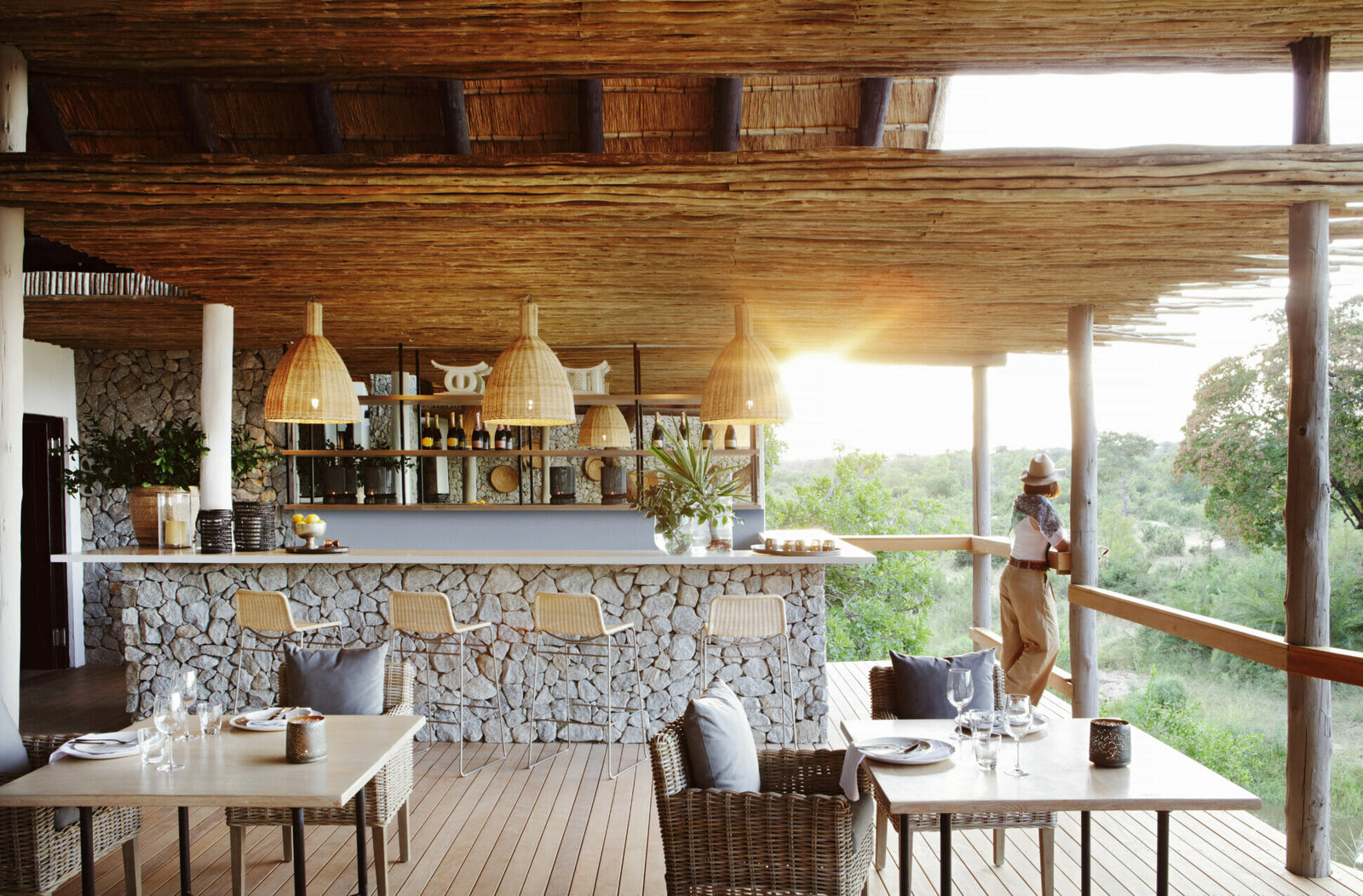
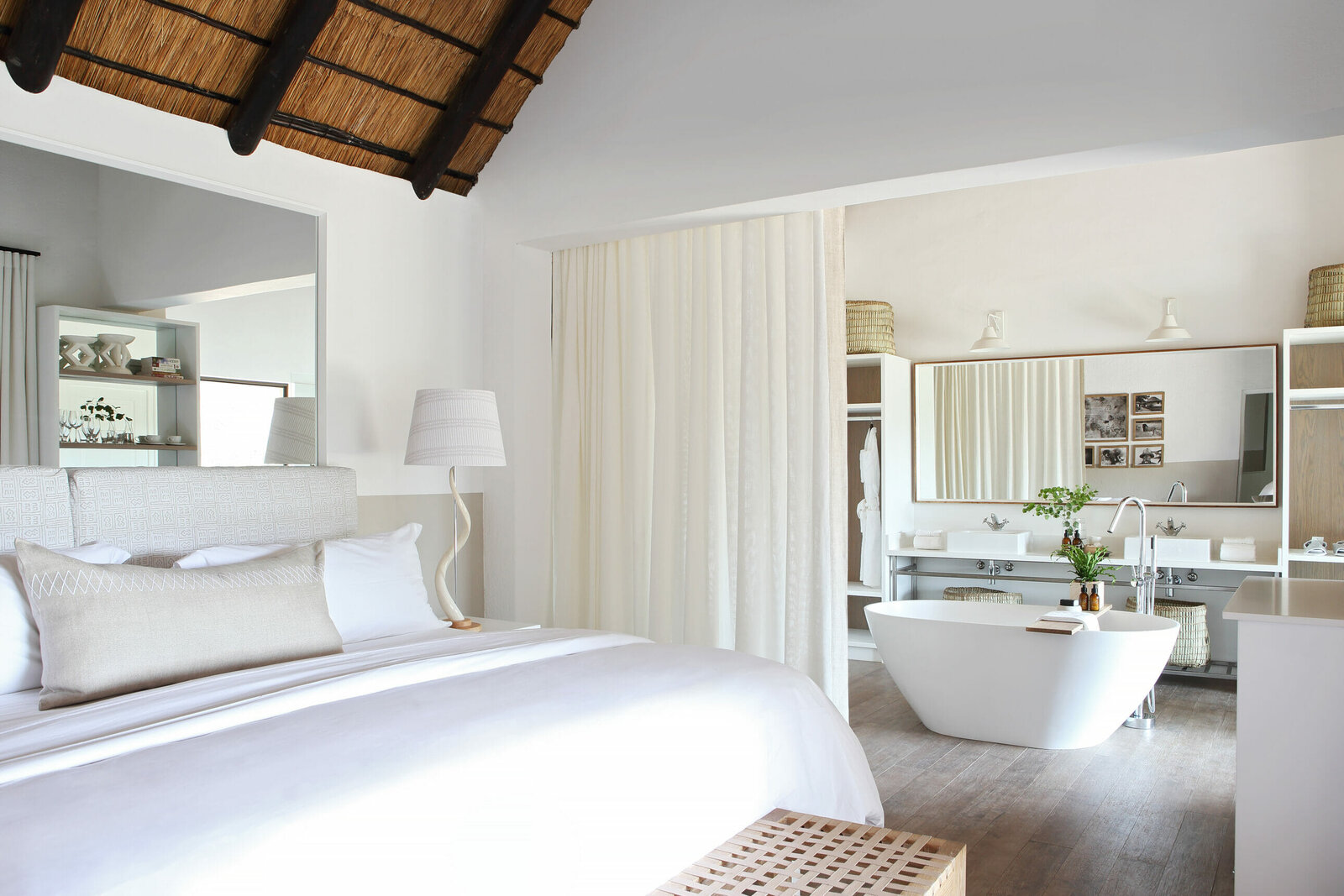
The reserve continues to evolve: circular food systems, renewable energy, and ongoing community investment through the Londolozi Ripple Fund. It has collected the highest accolades in hospitality — including three MICHELIN Keys in 2025 — but the deeper achievement is quieter. A piece of Africa that was nearly lost is, a hundred years on, wilder, healthier, and more alive than the day it was bought.
That is the real definition of conservation: not preserving something in amber, but restoring it to life — and keeping it alive.
Experience the Londolozi Legacy
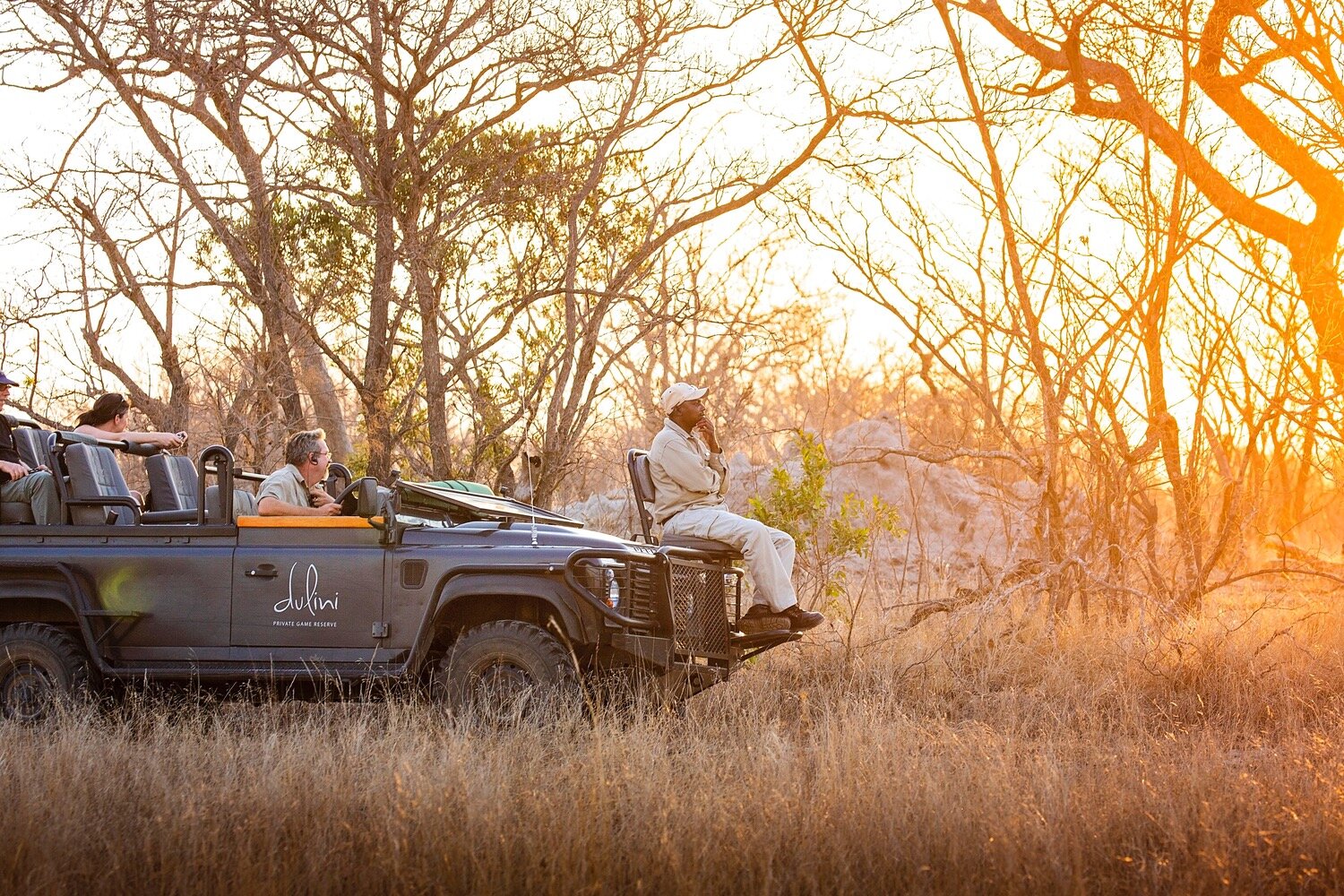
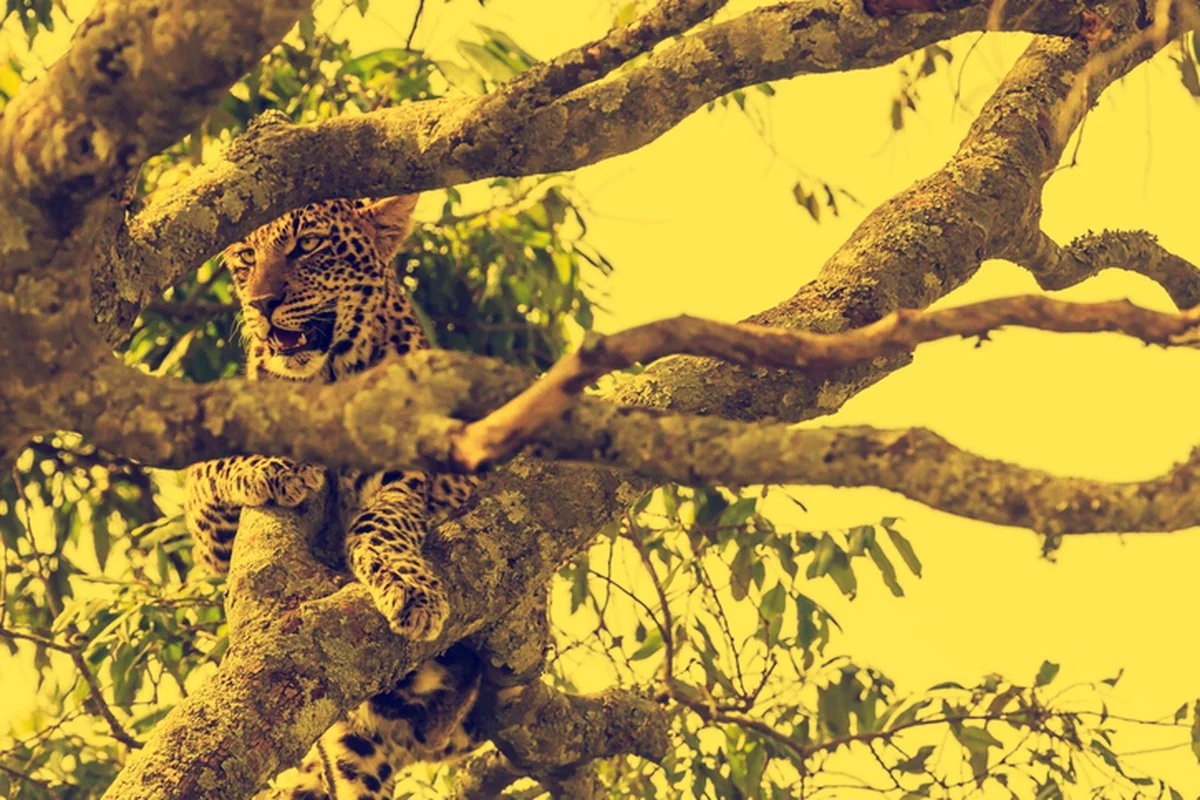
When you sit in an open vehicle at Londolozi and watch a leopard descend a marula at dusk, you are not simply on holiday. You are witnessing the payoff of a hundred years of restoration — a rewilded landscape, a documented leopard dynasty, and communities whose futures are bound to the health of the bush.
Let us take you into this story. Talk to our Sabi Sand specialists and we'll craft a safari that connects you directly to the Londolozi legacy — with lodges that lead conservation, trackers who carry ancient knowledge, and leopards that prove, generation after generation, that it works.
Conservation in Action:
Every night in the Sabi Sand funds land restoration, wildlife protection, and community education — the three pillars Londolozi pioneered. Your visit doesn't just give you a leopard sighting; it keeps a century-old conservation legacy alive. Explore our conservation-focused safaris or message us on WhatsApp to design your journey.