The Leopard Capital of the World
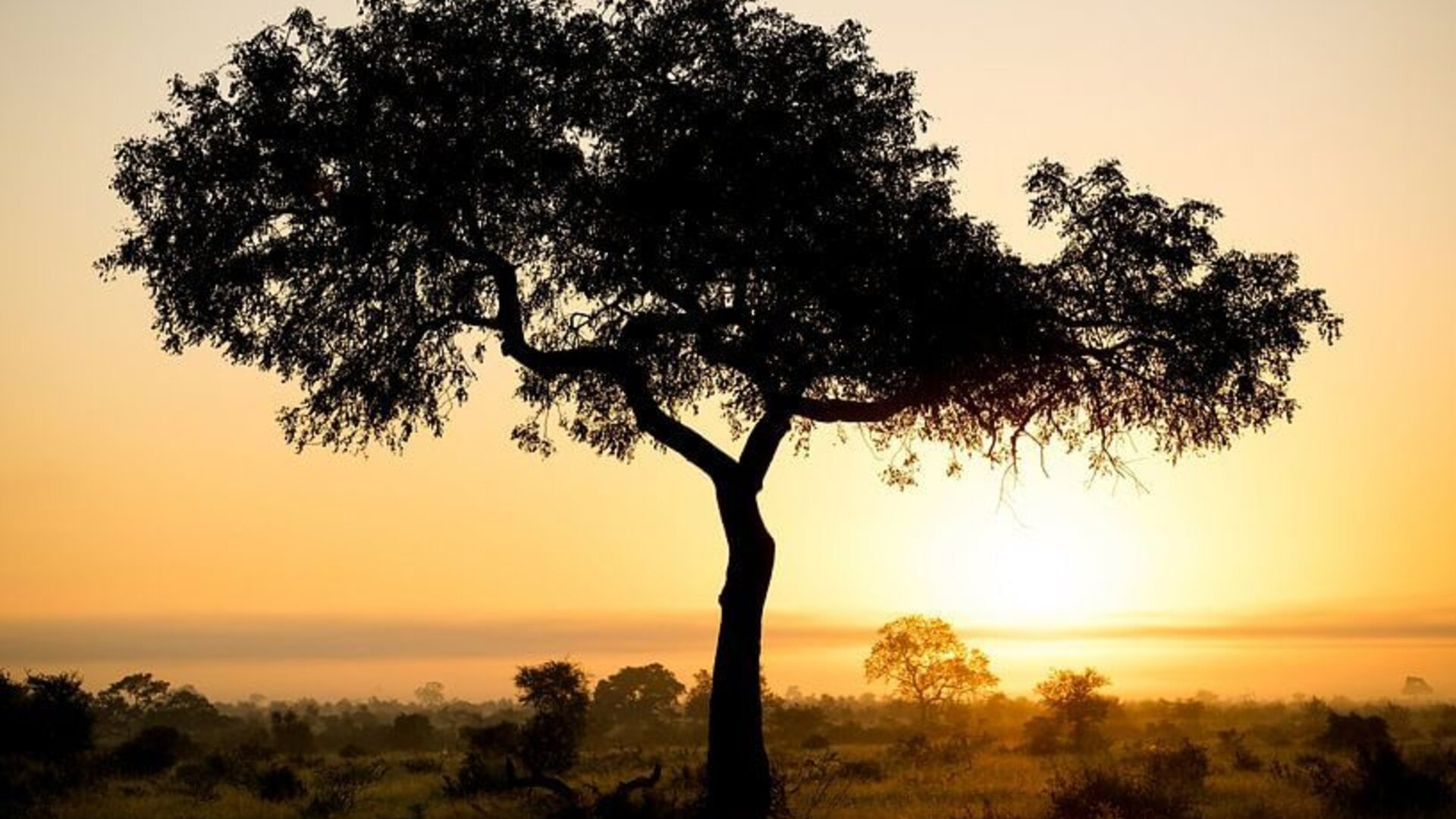
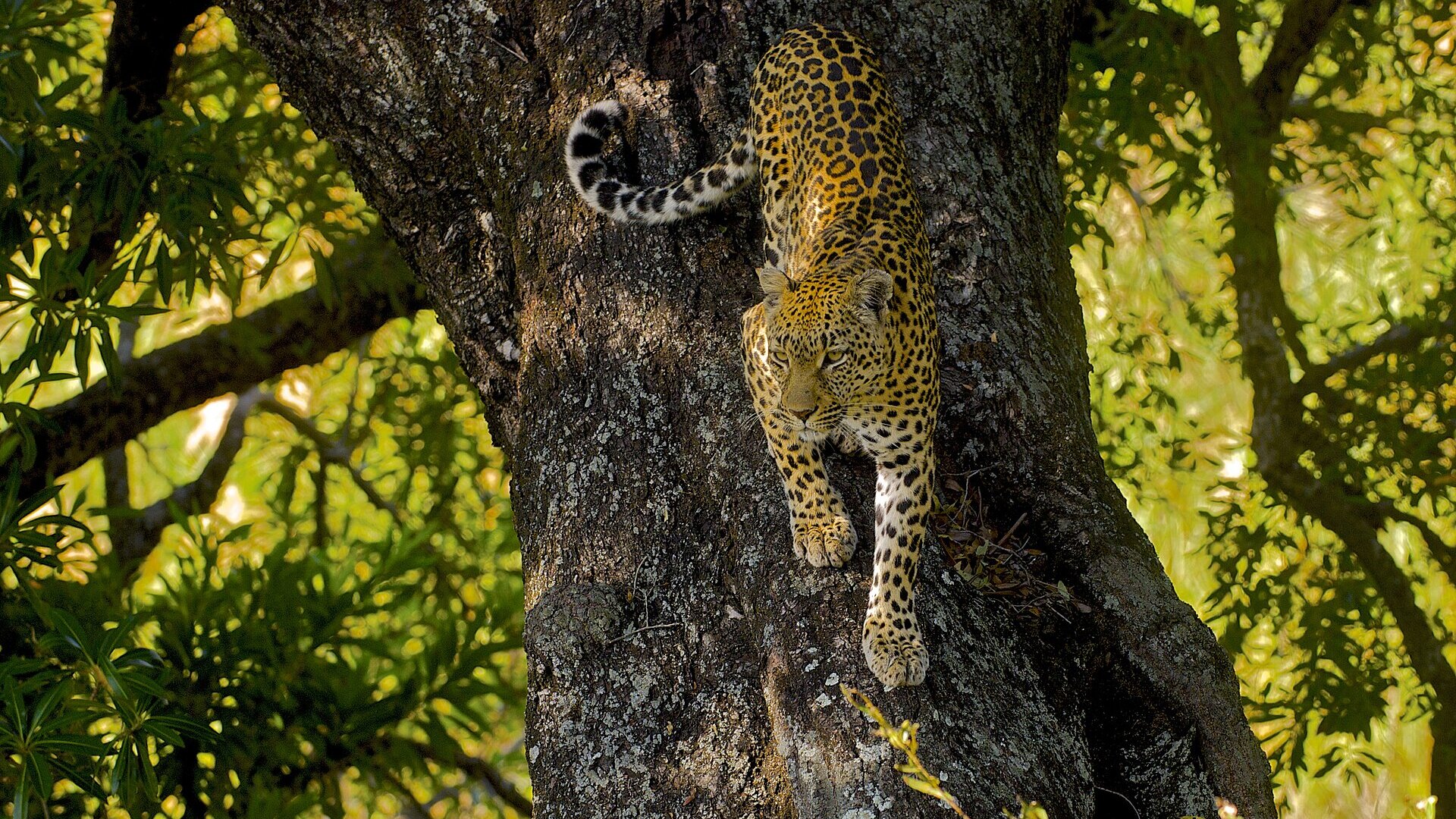
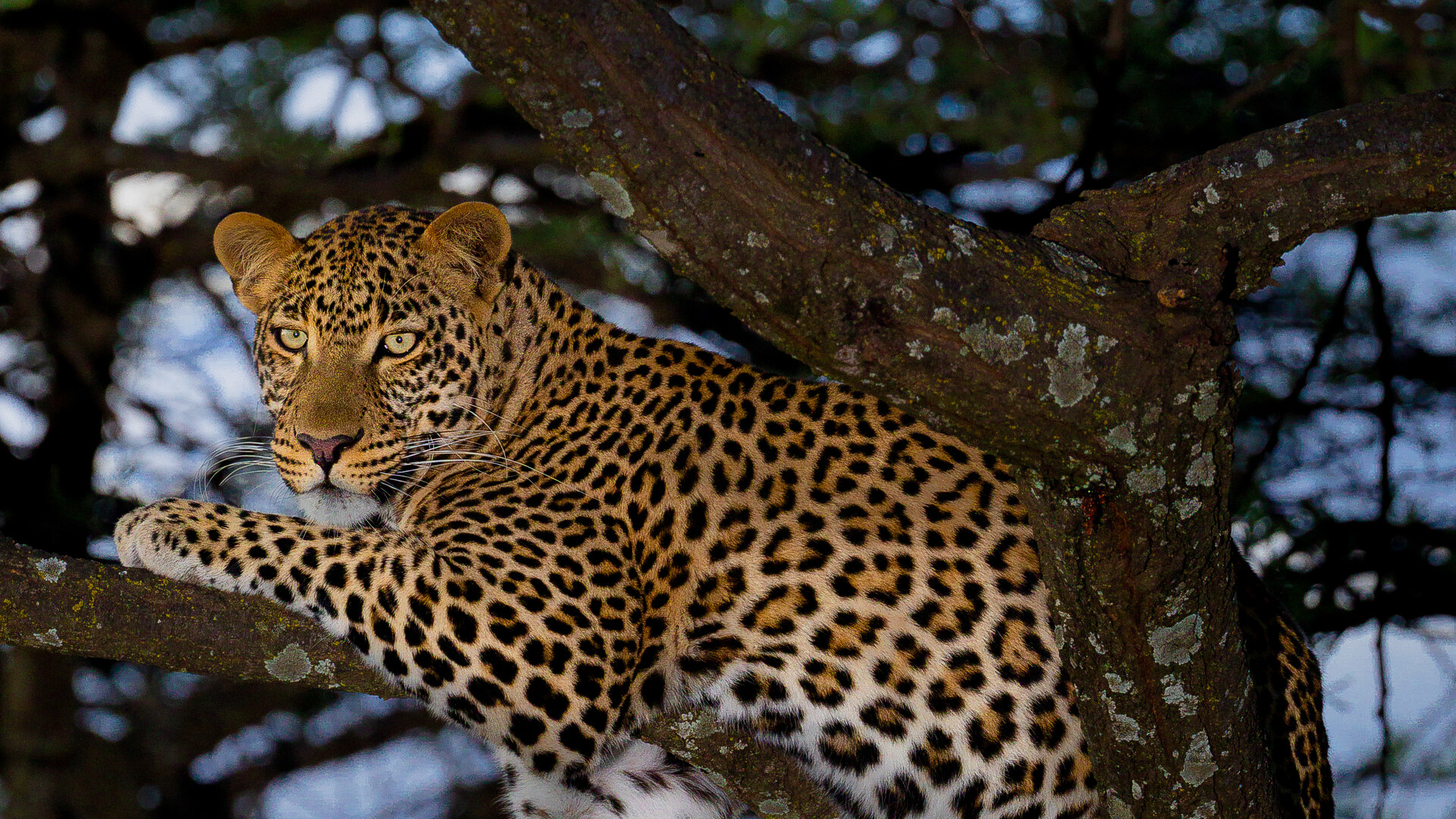
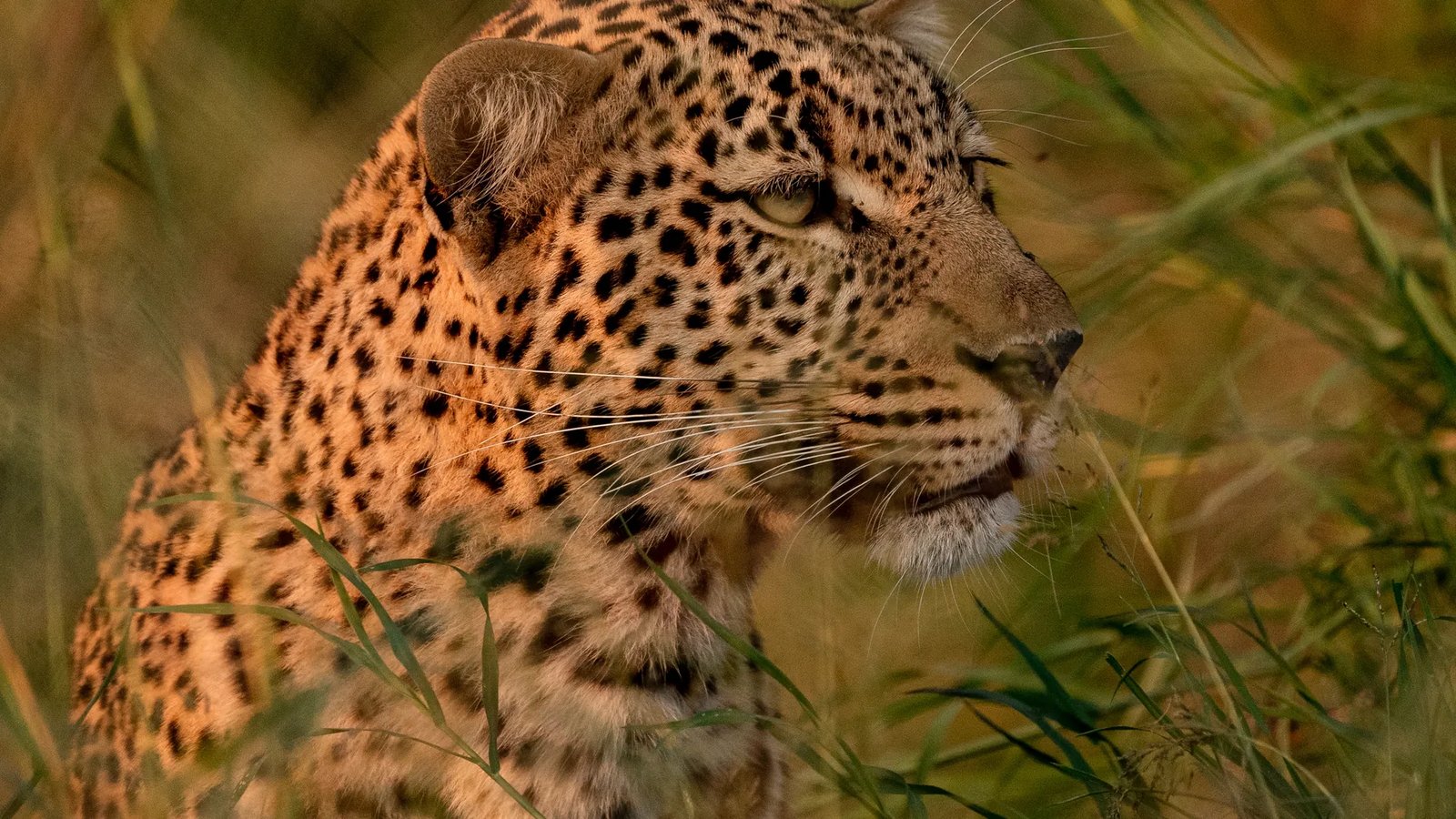
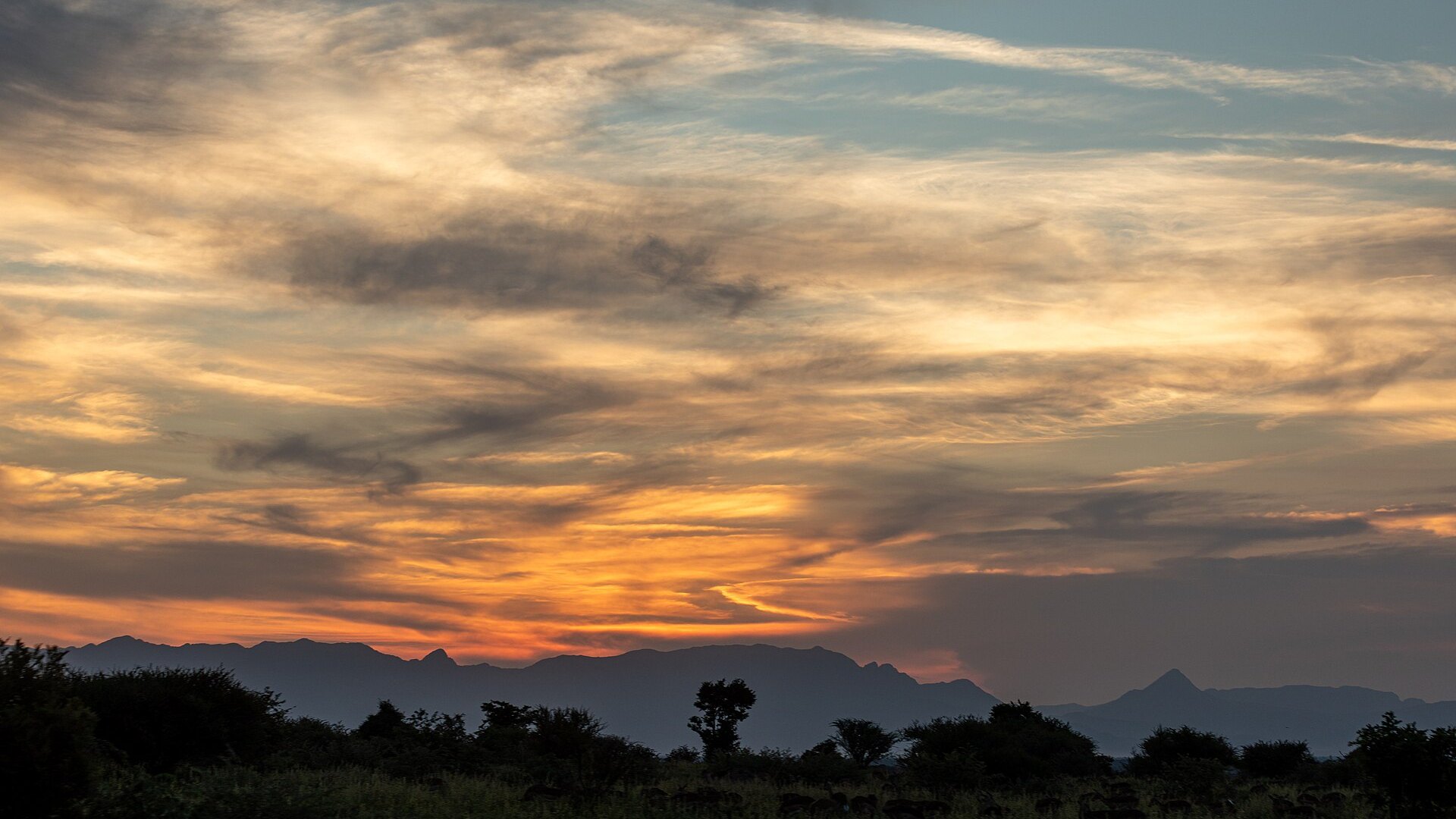
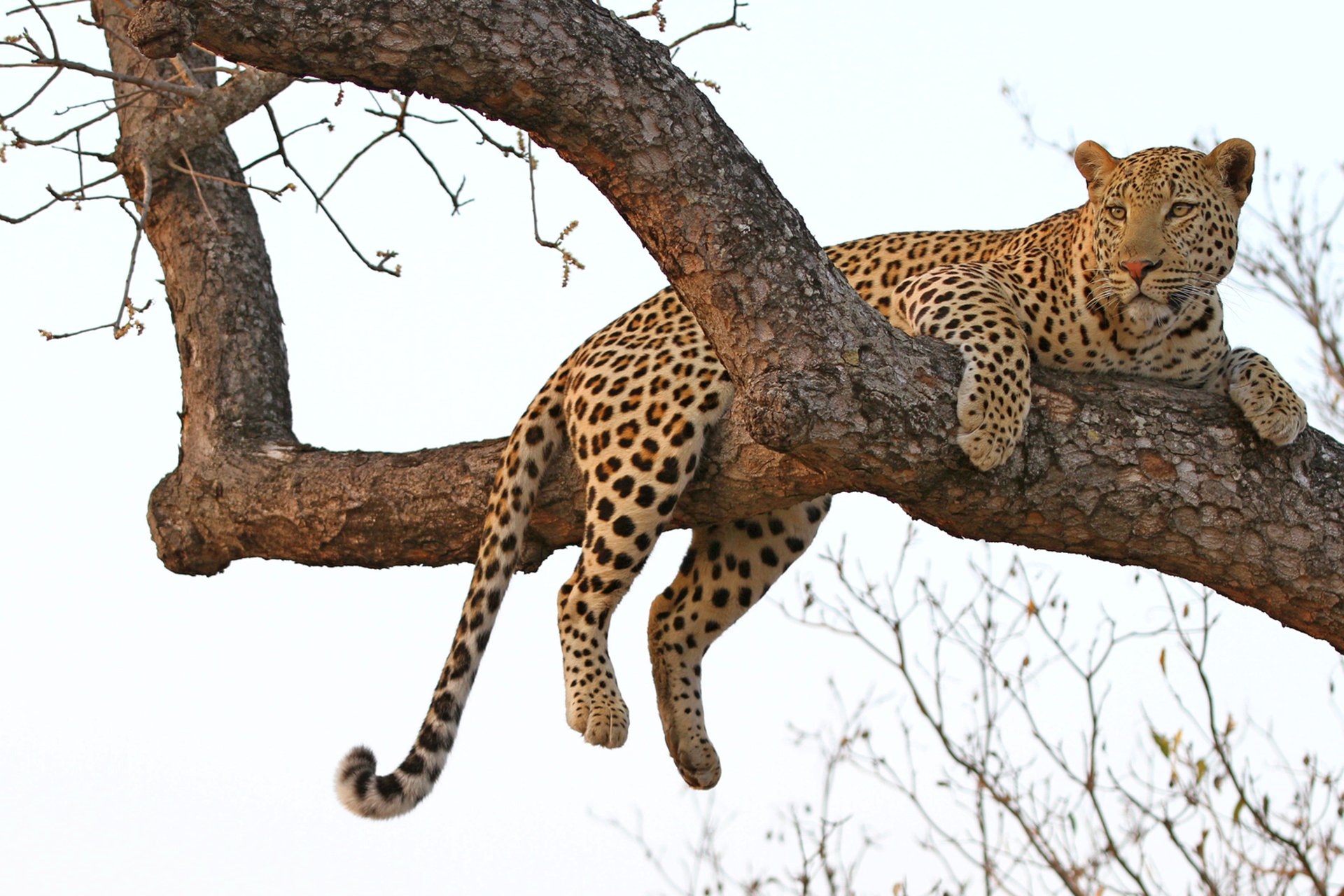
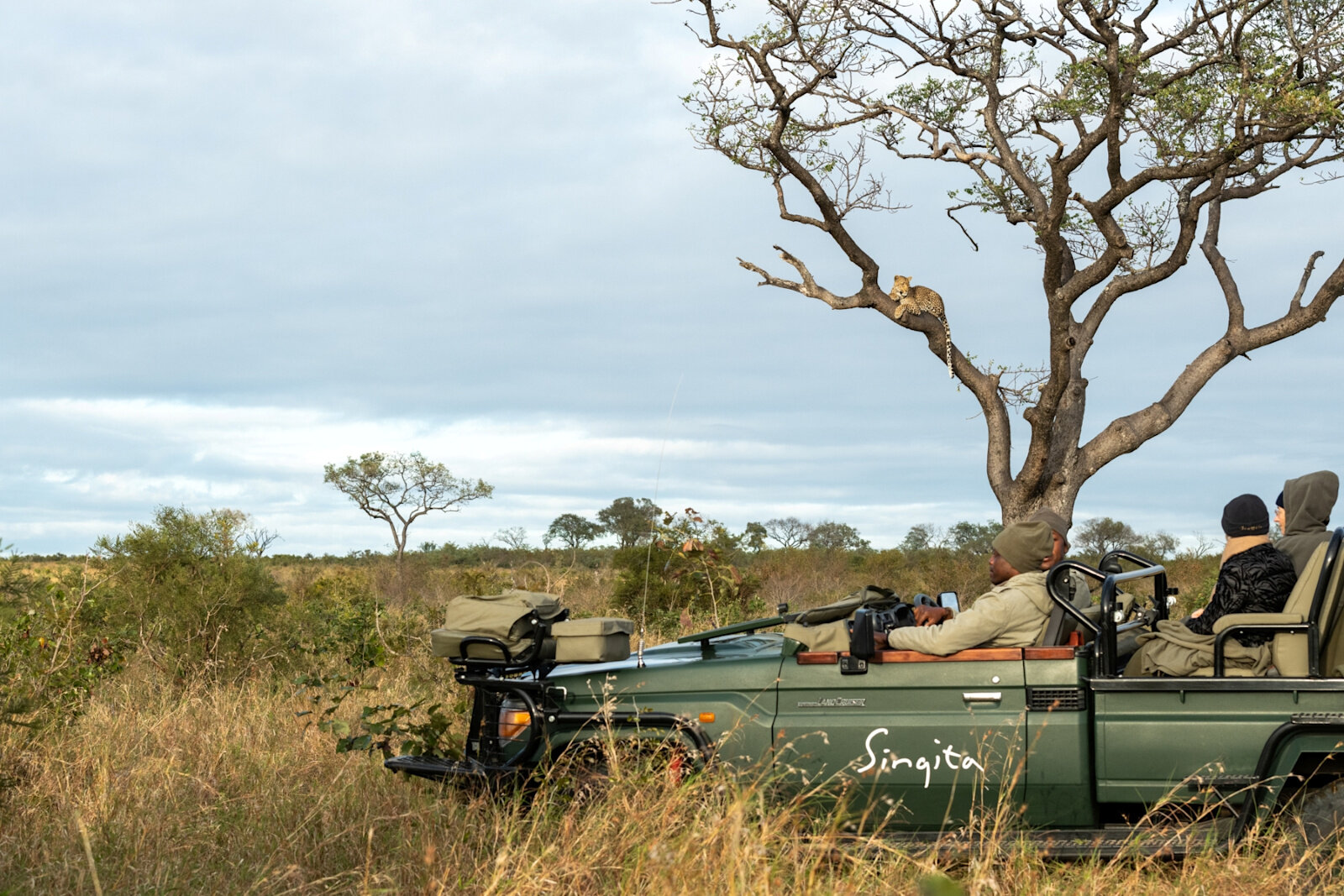
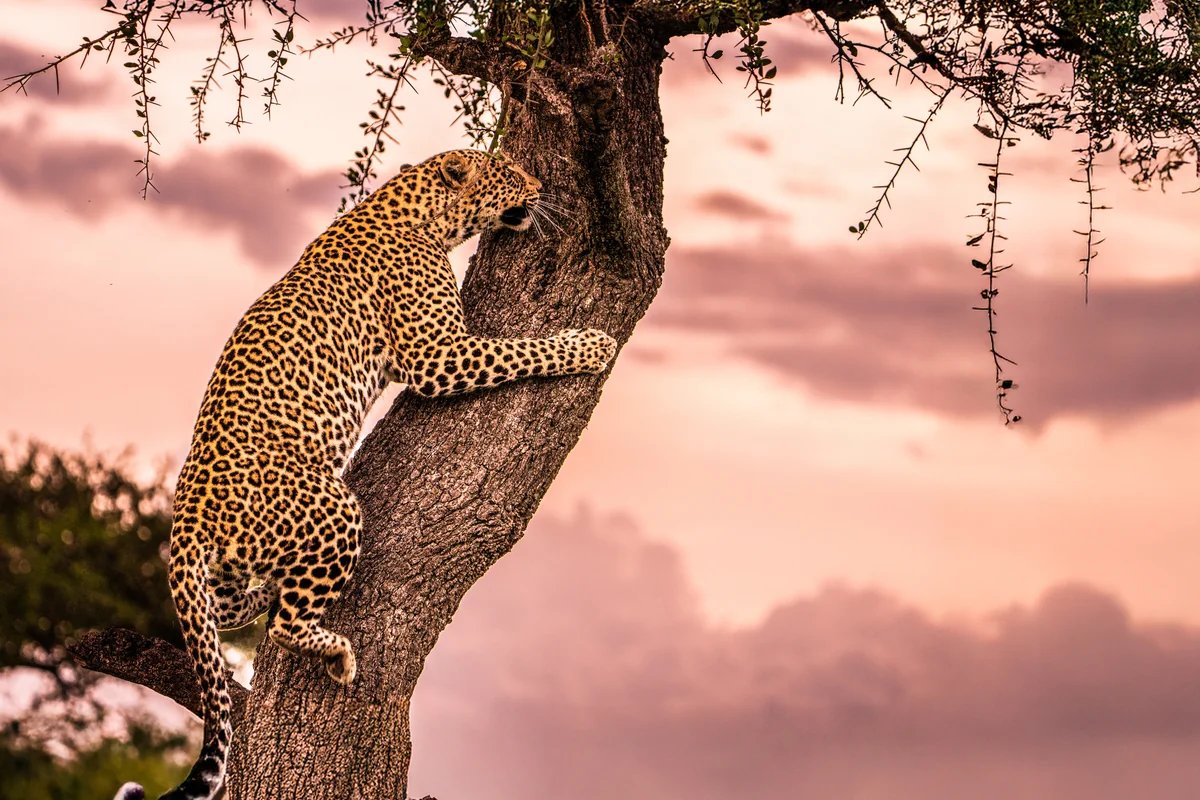
In the golden-hour light of the Sabi Sands Private Game Reserve, a female leopard emerges from the riverine thicket, her rosettes glowing amber against the fading sun. She pauses on a fallen marula log, scanning the clearing with eyes that have seen this land protected for generations. This is not luck — this is conservation.
Sabi Sands holds the highest density of leopards anywhere on earth. On any given evening drive, you stand a better than 80% chance of seeing one — not by accident, but because of 50 years of deliberate, unflinching conservation work. While poaching decimates leopard populations across the continent, Sabi Sands has quietly become the blueprint for how private reserves, anti-poaching units, and local communities can work together to protect Africa's most elusive big cat.
This is not a feel-good story written for brochures. This is the real account of rangers who walk patrol lines at 3 a.m., community programs that turn former poachers into conservationists, and the measurable impact of responsible safari tourism.
The Foundation — Why Leopards Thrive Here
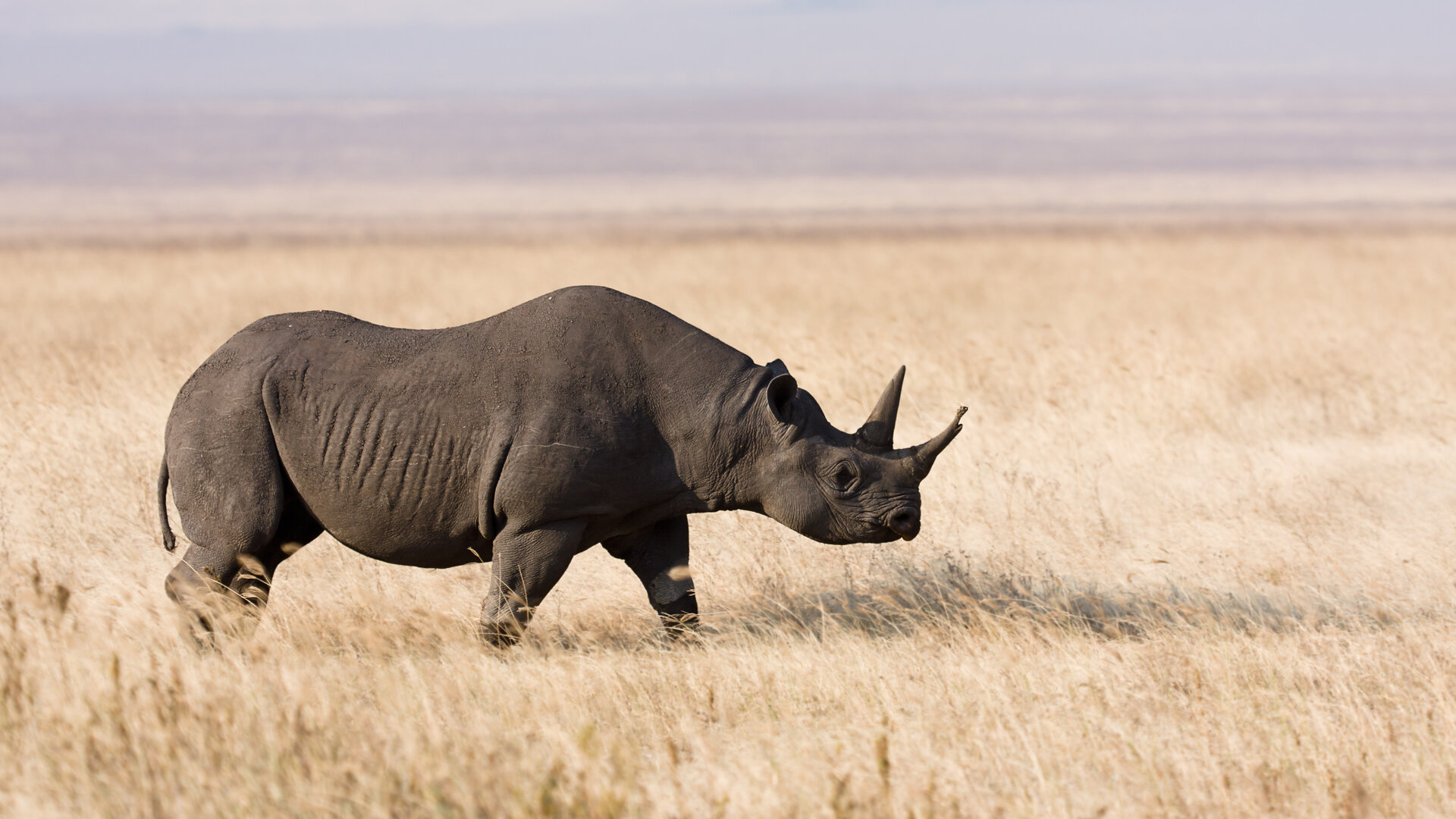
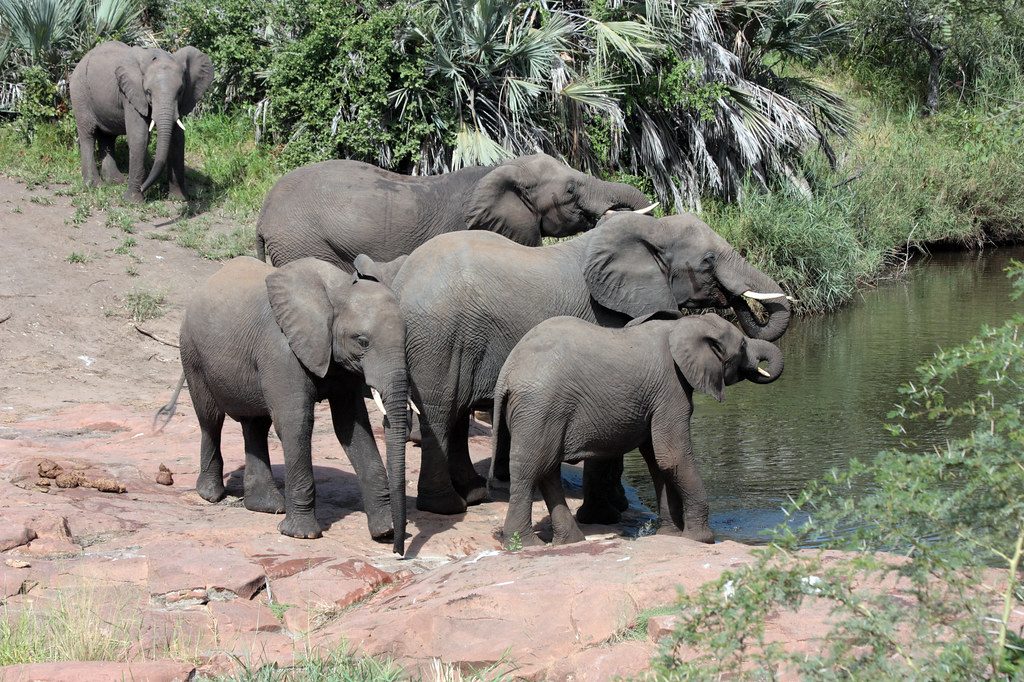
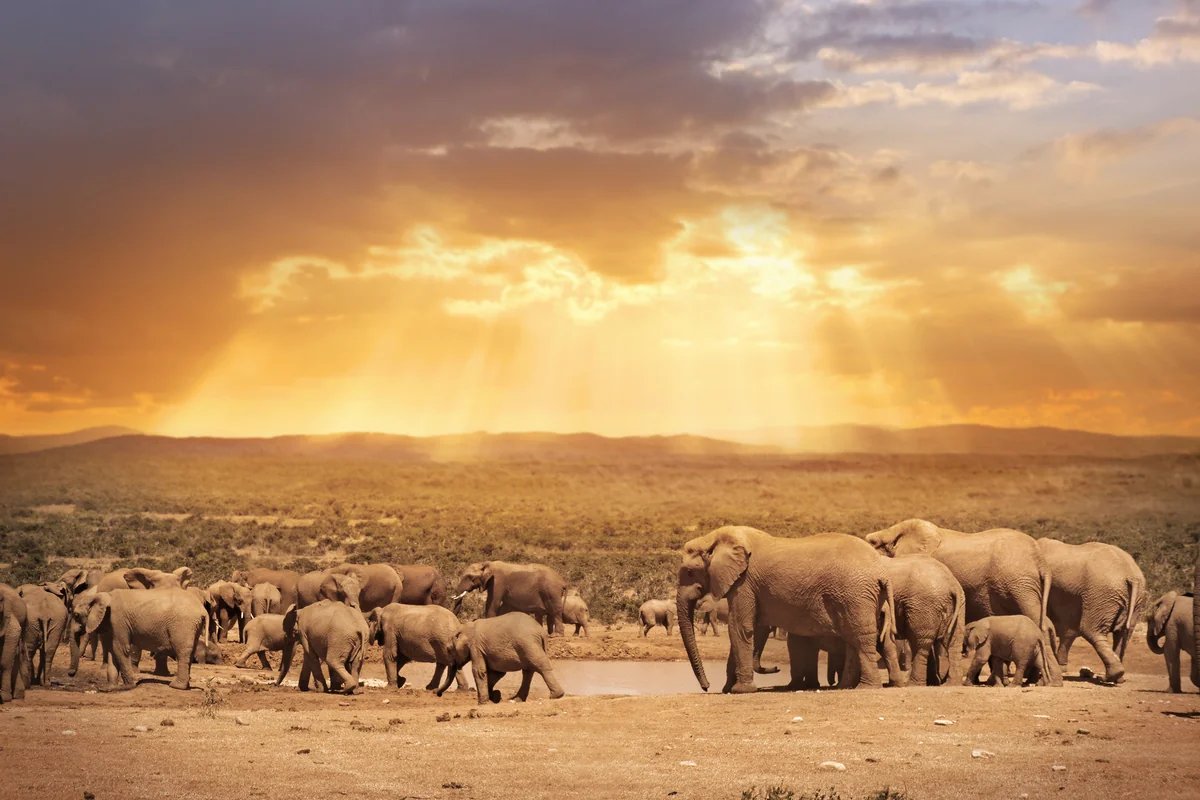
Sabi Sands is a 65,000-hectare private reserve sharing an unfenced border with Kruger National Park. That open boundary is the first pillar of its conservation success: leopards, lions, elephants, and rhinos move freely between the two reserves, creating a contiguous wildlife corridor nearly 2 million hectares in size — one of the largest protected ecosystems in Africa.
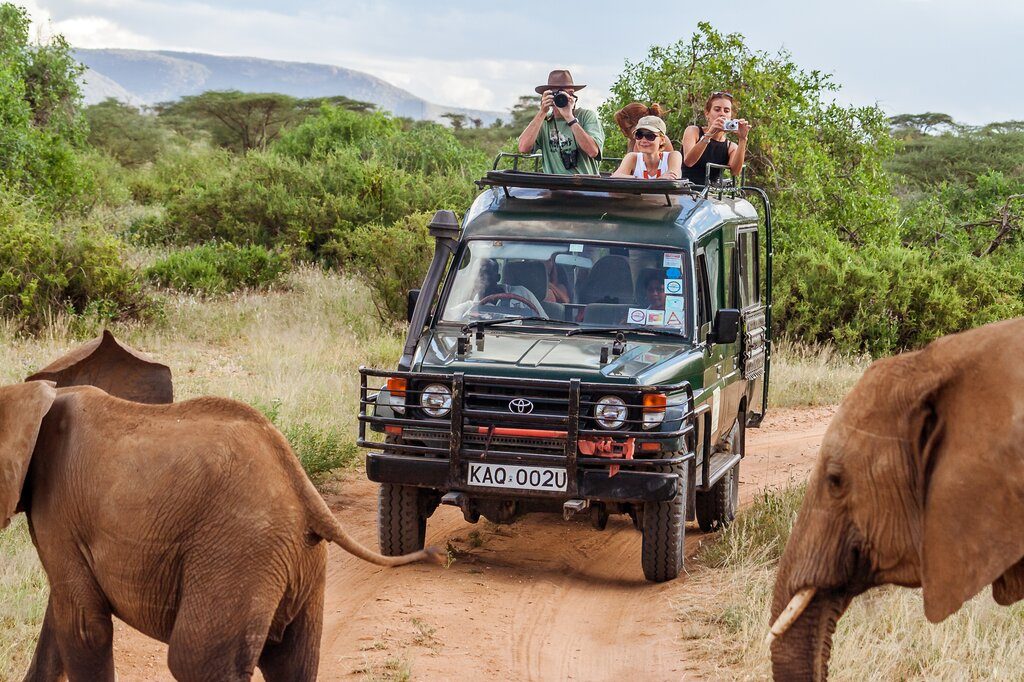
But the real differentiator is low-volume, high-investment tourism. Where national parks allow dozens of vehicles to converge on a single sighting, Sabi Sands limits guest numbers strictly. Each of the reserve's private lodges operates on an exclusive concession, with no more than three vehicles permitted per sighting. This means leopards are watched, not harassed. They habituate to vehicles, yes — but they are never crowded, never chased, never stressed.
The result? Leopards that behave naturally. Mothers raise cubs in the open. Males patrol their territories without fear. Kills are made and cached in full view. Sabi Sands leopards are wild, not tame — but they tolerate the quiet presence of a vehicle because, for five decades, that presence has never threatened them.
Anti-Poaching — The Invisible Frontline
Every leopard you see on a Sabi Sands game drive owes its life to the anti-poaching unit that patrols the reserve 24 hours a day, 365 days a year. These are not symbolic patrols. These are armed, highly trained field rangers working twelve-hour shifts in the thornveld, following spoor, dismantling snares, and intercepting poachers before they can take a single animal.
The numbers speak for themselves. In the past decade, Sabi Sands has not lost a single leopard to poaching. Not one. In a region where leopard bones fetch thousands of dollars on the illegal wildlife trade market — driven by demand for traditional medicine in Southeast Asia — that statistic is nothing short of miraculous.
How do they do it? Technology, intelligence, and boots on the ground. Motion-sensor cameras cover every access point. Drones patrol the perimeter. But the real deterrent is the ranger teams themselves — former trackers, many of them from surrounding communities, who know every path, every dry riverbed, every place a poacher might cross. They work in pairs, communicate via encrypted radio, and respond within minutes to any alert.
When you pay your conservation fee at a Sabi Sands lodge, a direct portion funds this unit. Your safari doesn't just give you a leopard sighting — it pays the salary of the ranger who made sure that leopard was still alive to be seen.
Community Conservation — Turning Poachers into Protectors
The most profound conservation work at Sabi Sands happens outside the reserve's boundaries, in the rural villages where poverty and wildlife come into conflict. For decades, locals saw the reserve as a symbol of exclusion — land they could not access, animals they could not benefit from, while tourists flew in from overseas to watch leopards their grandfathers had once hunted.
That narrative is changing. Sabi Sands lodges now employ over 1,200 people, the vast majority from neighboring communities. Guides, trackers, chefs, housekeepers, maintenance staff — these are not minimum-wage positions. They are career-path jobs with training, benefits, and advancement. A senior tracker at a luxury lodge earns more than a teacher or a nurse, and that economic reality has fundamentally shifted how communities view conservation.
But the lodges go further. Many fund schools, clinics, and bursaries in surrounding villages. Singita's Community Culinary School trains young chefs. Londolozi's Tracker Academy has graduated over 600 students, many now working across Africa. These programs don't just create jobs — they create stakeholders. When a young man knows his nephew might one day earn a living guiding safaris, he has a reason to protect the leopards instead of poaching them.
One of the most powerful examples is the reserve's former-poacher employment program. Several of the current anti-poaching rangers were themselves caught poaching years ago. Instead of imprisonment, they were offered a choice: prosecution or training. Many chose the latter. Today, they are the most effective rangers on the team — because they know exactly how poachers think, where they cross, what they target.
Measurable Impact — The Numbers Don't Lie
Conservation storytelling often relies on emotion. Sabi Sands relies on data. Here is what five decades of protection has achieved:
- Leopard population: Estimated at 1 leopard per 3-4 square kilometers — the highest density recorded anywhere in Africa.
- Leopard sightings: Average success rate exceeds 80% on multi-day safaris, compared to under 30% in most national parks.
- Poaching incidents: Zero leopards lost to poaching in the past 10 years; rhino poaching incidents down 90% since 2015 (despite Kruger's ongoing crisis).
- Wildlife corridor integrity: Over 2,000 square kilometers of unfenced wilderness maintained between Sabi Sands and Kruger, allowing natural migration.
- Community employment: 1,200+ local jobs created; indirect economic benefit to surrounding villages estimated at over R50 million annually.
- Conservation funding: Lodge fees contribute over R15 million per year to anti-poaching, veterinary care, and habitat management.
These are not projections. These are audited, published figures. Sabi Sands proves that conservation and tourism are not in conflict — when done responsibly, they are symbiotic.
A Ranger's Story — Meet Jonas Mabuza
Jonas Mabuza has worked as a field ranger at Sabi Sands for 18 years. He starts his shift at 4 a.m., before the first game drive vehicles leave the lodges. By sunrise, he has already walked 12 kilometers, checked three camera traps, and cleared two snares set for impala near the western boundary.
"People think anti-poaching is about catching poachers," Jonas says, crouched beside a fresh leopard track in the sand. "But most of our work is prevention. If they never get in, we never have to catch them."
Jonas grew up in a village 15 kilometers from the reserve. His father was a subsistence farmer; his uncle, a poacher. "I understand why people poach," he says. "It's not greed — it's survival. But I also understand that if we lose the leopards, we lose the tourists. And if we lose the tourists, we lose everything."
He joined the anti-poaching unit in 2008, after the reserve began recruiting from local communities. The training was military-grade: tracking, arrest procedures, firearms, first aid. "They didn't just give us a uniform," he says. "They gave us a profession."
Today, Jonas leads a team of six rangers. They work in shifts, covering 24-hour patrols. "We've had quiet months and tough months," he says. "But we've never had a month where we lost a leopard. That's what we fight for."
How Your Safari Contributes
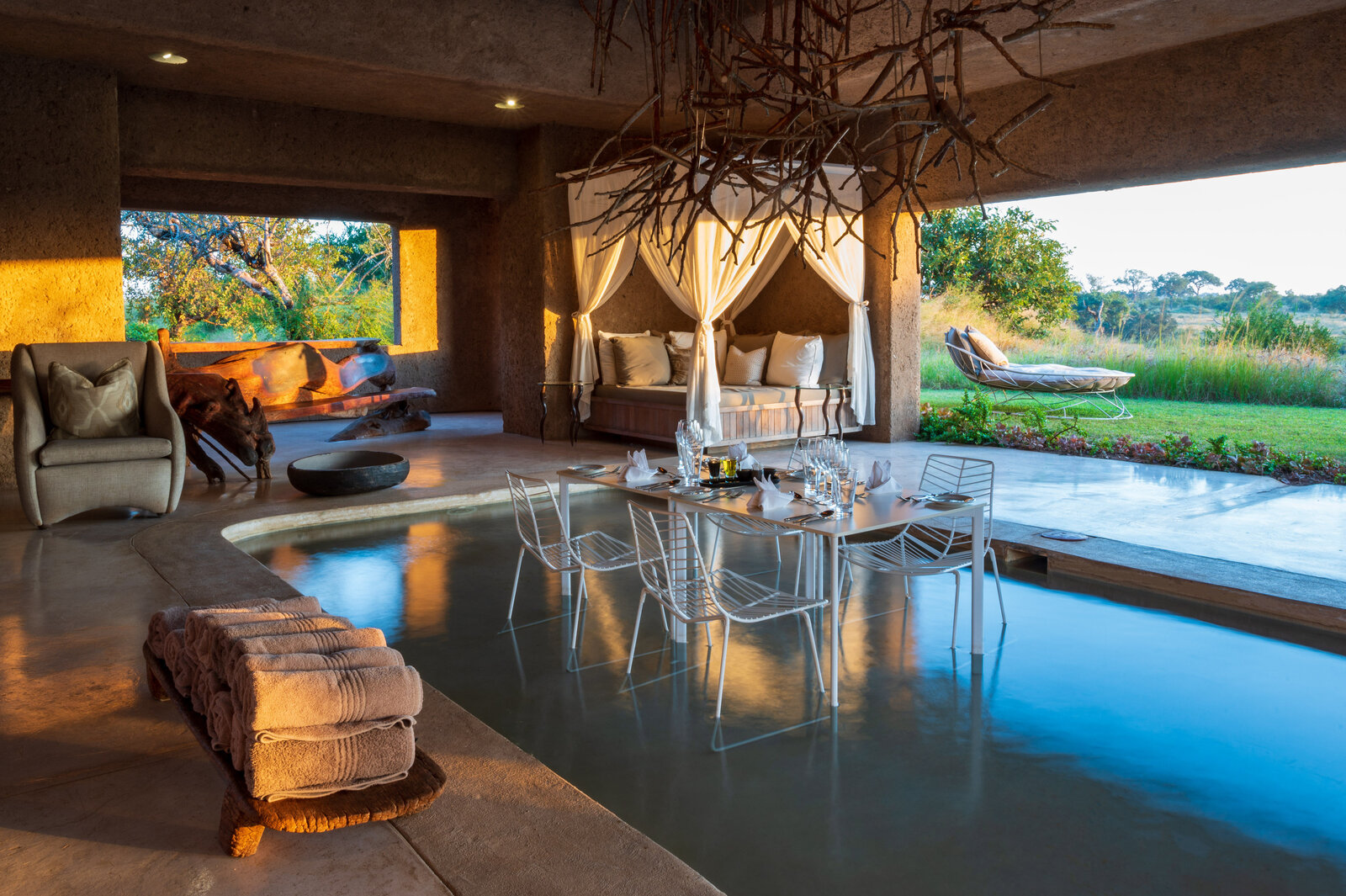
Every guest who stays at a Sabi Sands lodge becomes part of this conservation story. Here's how:
- Conservation fees: A portion of your nightly rate (typically R500-R1,000 per person) goes directly to the reserve's conservation fund, which funds anti-poaching patrols, veterinary care, and habitat management.
- Community uplift: Your stay creates employment — not just for the guide and tracker on your vehicle, but for the housekeepers, chefs, and maintenance teams, almost all from local villages.
- Low-impact model: By choosing a low-volume reserve like Sabi Sands over a mass-tourism destination, you reduce pressure on wildlife and ensure leopards can behave naturally.
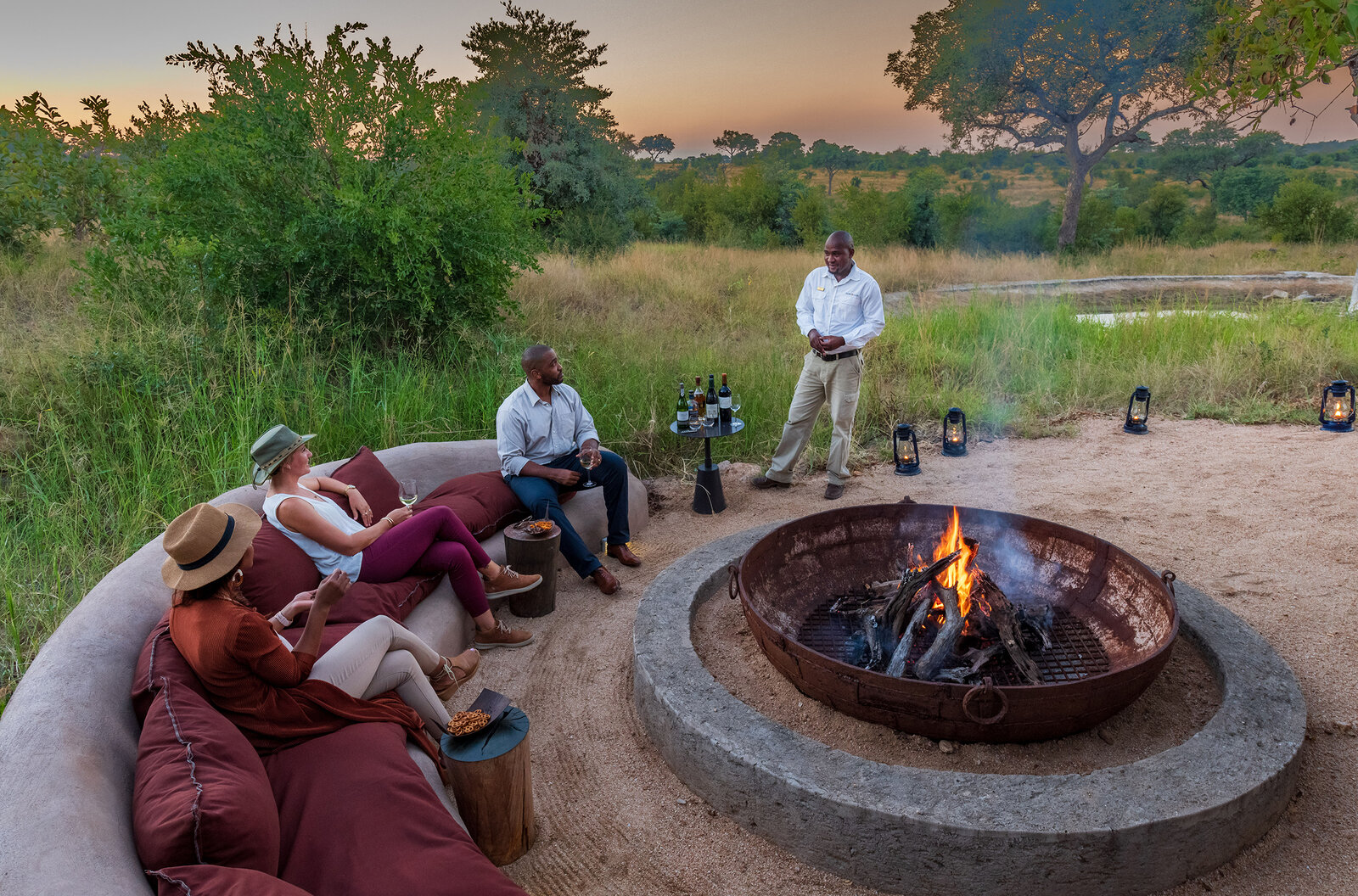
- Direct engagement: Many lodges offer opportunities to meet rangers, visit anti-poaching units, or tour community projects — turning abstract "conservation" into tangible human stories.
This is not greenwashing. This is the real economic engine that keeps Sabi Sands protected. Without guests, there are no lodges. Without lodges, there is no funding. Without funding, the anti-poaching units disband, the snares go unchecked, and the leopards disappear.

The Future — Expanding the Model
Sabi Sands is not resting. The reserve is actively working to expand the conservation model to neighboring areas, creating new wildlife corridors and bringing more land under protection. The vision is a Greater Kruger mosaic — a network of private reserves, national parks, and community conservancies all managed as one ecosystem.
Leopard populations across Africa are declining — listed as Vulnerable by the IUCN, with numbers down by over 30% in the past two decades. But in Sabi Sands, they are stable, thriving, and breeding successfully. That success is proof that private reserves, when managed with integrity and transparency, can be conservation powerhouses.
The lessons learned here — low-volume tourism, community employment, unfenced corridors, and professional anti-poaching — are now being replicated across Southern and East Africa. Sabi Sands is no longer just a destination. It is a conservation blueprint.
Experience Conservation Firsthand
The leopards of Sabi Sands are not behind glass. They are wild, free, and protected — living proof that conservation works when it is funded, professional, and community-driven. When you track a leopard here, you are not just watching an animal. You are witnessing the result of decades of deliberate, measurable, relentless conservation work.
Let us take you there. Talk to our Sabi Sands specialists and we'll craft a safari that connects you directly to this story — with lodges that lead conservation, guides who live it, and leopards that prove it works.
Conservation in Action:
Every Sabi Sands safari directly funds anti-poaching patrols, community programs, and wildlife corridors. Your visit doesn't just give you a leopard sighting — it ensures the next generation will see them too. Explore our conservation-focused safaris or message us on WhatsApp to design your journey.