The Singita story begins with a purchase. Not a business acquisition, but a grandfather's decision in 1925 to buy 30,000 acres of raw Lowveld bushveld in South Africa. No lodges. No guests. Just land, wildlife, and time.
Sixty-eight years later, his grandson Luke Bailes opened Singita Ebony Lodge on that same land — the first property in what would become one of Africa's most respected conservation brands. Today, Singita protects and manages close to 1 million acres across South Africa, Zimbabwe, Tanzania, and Rwanda, not through ownership alone, but through partnerships with dedicated conservation trusts and funds.
This is not a story about safari lodges. It is a story about what happens when a family decides that 100 years is the correct timeline for measuring success.
The 100-Year Purpose — Conservation as a Family Legacy
Most businesses measure success in quarters. Singita measures it in centuries.
The foundation was laid in 1925 when Luke Bailes' grandfather purchased 30,000 acres in South Africa's Lowveld — land that would eventually become part of the Sabi Sand Nature Reserve, adjacent to Kruger National Park. The property transitioned from a hunting concession into a protected reserve, setting the stage for a family legacy centred on land stewardship.
In 1993, Luke Bailes opened Singita Ebony Lodge, the brand's first property, on that same land. The founding principle was radical for its time: luxury safari tourism could fund — and accelerate — conservation at scale.
Today, the brand's "100-year purpose" is encoded into every decision. It is a commitment to long-term ecological and community stability over short-term profit, measured not in annual returns but in generational impact.
Three Pillars — Biodiversity, Sustainability, Community
Singita's conservation model rests on three pillars, each equally weighted:
1. Biodiversity
The brand focuses on habitat restoration, species reintroduction, and predator-prey balance across its reserves. Large-scale ecosystem management is conducted through partnerships with non-profit Funds and Trusts — the Grumeti Fund in Tanzania, the Malilangwe Trust in Zimbabwe, the Singita Lowveld Trust in South Africa, and the Dian Fossey Gorilla Fund in Rwanda.
2. Sustainability
Operations are designed to minimise environmental impact. Singita properties utilise renewable energy, run carbon offset programmes, and implement water conservation systems. The goal is not just to reduce harm — it is to create a net-positive ecological footprint.
3. Community
Conservation fails without local buy-in. Singita invests in education, vocational training, women's empowerment, and rural enterprise development in the communities surrounding its reserves. The logic is simple: if conservation creates jobs and opportunity, it becomes locally valuable — and locally protected.
Anti-Poaching — From Poacher to Protector
Singita's anti-poaching operations are among the most sophisticated on the continent. In the Grumeti Reserve in Tanzania, a force of 100 game scouts — many of whom are former poachers — conducts 24/7 patrols from 12 permanent camps and elevated observation posts.
An elite Special Operations Group of 18 rangers handles high-risk threats, particularly the protection of the reserve's critically endangered black rhinos. These units are supported by:
- K9 anti-poaching units (in both Grumeti and Sabi Sand)
- Night-vision technology for darkness operations
- TrailGuard covert cameras synced to a Domain Awareness System (DAS)
- Reconnaissance drones for 24/7 aerial monitoring
- Joint Intelligence Units with local authorities, maintaining informer networks in surrounding villages
The approach is proactive, not reactive. The goal is to apprehend suspects before wildlife is harmed.
The Numbers That Matter
- Zero rhinos lost to poaching in the Sabi Sand in the five-year period before 2021
- 120 former poachers now employed as wildlife protectors in the Grumeti Reserve
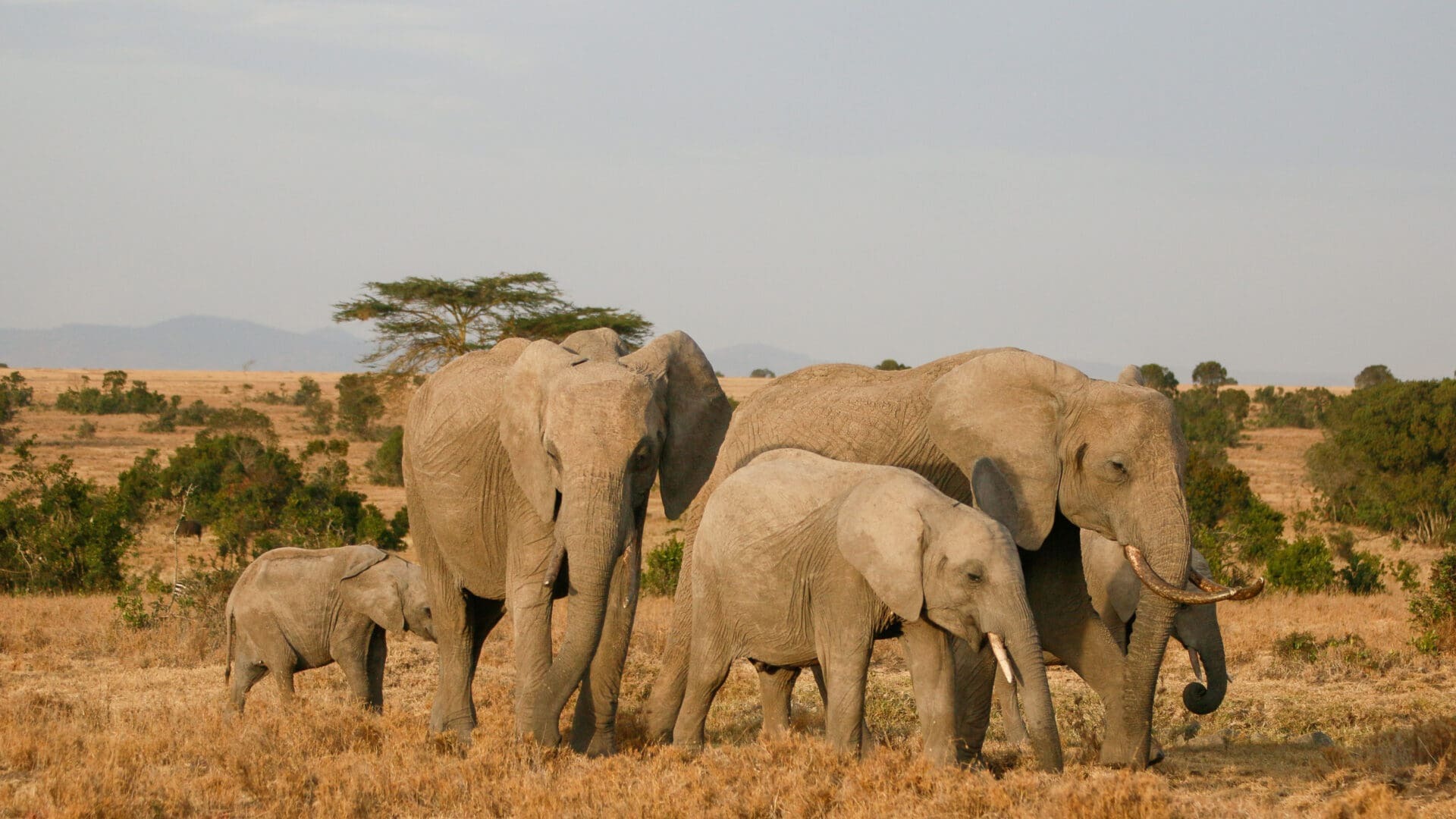
- 4× increase in elephant population in Grumeti since protection began
- 9 Eastern black rhinos reintroduced to Grumeti in 2019 — the species' return to the region after decades of absence
Rewilding Rwanda — 300,000 Trees and Counting
In Rwanda, Singita has partnered with the Dian Fossey Gorilla Fund to restore and rewild land adjacent to Volcanoes National Park — former farmland now returning to indigenous forest.
Since 2019, the project has planted nearly 300,000 indigenous trees and shrubs using a "tree-island" (nuclei) reforestation model. Rather than mass planting, the strategy creates small forest clusters that attract seed-dispersing wildlife, which then naturally regenerate the surrounding landscape.
What's Returned
Vegetation monitoring tracks over 310 tagged plants weekly, measuring biomass, health, and growth. Camera traps and passive acoustic devices have documented the return of:
- Mountain gorillas (the park's flagship species)
- Elephants and buffaloes
- Duikers, servals, and side-striped jackals
- Over 60 unique bird species (pollinators and seed dispersers)
- Six amphibian species, including the endangered Karisimbi tree frog
This is not decoration. It is the functional restoration of an ecosystem — the return of the web of life that was severed when the land was converted to agriculture.
UPLIFT — Conservation That Empowers
In Tanzania, Singita runs the UPLIFT programme — "Unlocking Prosperous Livelihoods for Tomorrow" — which provides education, vocational training, and enterprise development to communities surrounding the Grumeti Reserve.
The programme includes:
- Primary and secondary education support
- Vocational skills training (carpentry, masonry, hospitality)
- Enterprise development (beekeeping, poultry farming, small-scale agriculture)
- Women's empowerment initiatives
- Human-wildlife conflict mitigation (elephant collaring, geo-fencing, rapid-response teams)
The philosophy is straightforward: conservation must create value for local people, or it will fail. UPLIFT ensures that the presence of Singita — and the wildlife it protects — translates into tangible jobs, education, and income for the communities who live alongside the reserve.
When communities benefit, poaching pressure drops. When young people see a future in conservation, they become its fiercest defenders.

Biodiversity Monitoring — Science as the Foundation
Singita's conservation decisions are grounded in rigorous, evidence-based research. Across its reserves, the brand coordinates with partner trusts to maintain comprehensive ecological records, tracking:
- Climate and rainfall patterns
- Soil carbon and hydrological health
- Predator densities and prey populations
- Vegetation health and alien plant infestations
- Wildfire patterns and burn management
- Human-wildlife conflict incidents
In South Africa, the Singita Lowveld Trust uses historical aerial photographs dating back to 1935 as a template to guide the restoration of the land to its original state — a science-backed rewilding blueprint spanning nearly a century.
In Tanzania, the Grumeti Fund employs state-of-the-art GIS mapping software to monitor wildfire, track invasive species, and coordinate anti-poaching patrols. All data feeds into adaptive management strategies, ensuring that interventions are data-driven, not guesswork.
Where Art Meets Wilderness
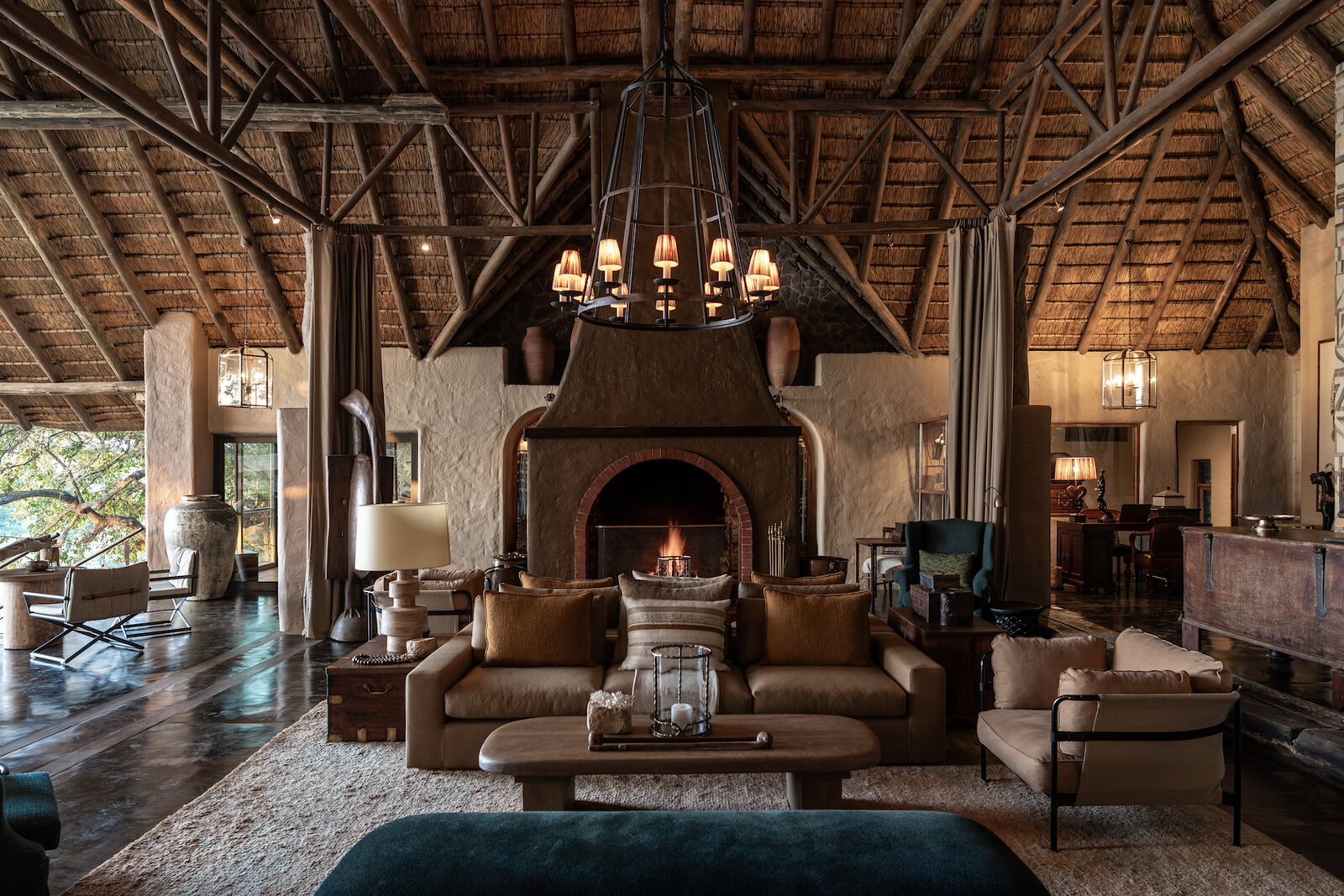
Singita is known not just for conservation, but for the seamless integration of art, design, and wilderness. Each lodge is a gallery — a curated collection of African art, contemporary design, and architectural innovation that honours the landscape rather than dominating it.
This is not superficial. The brand's philosophy is that beauty inspires stewardship. When guests experience the African wilderness as both ecologically vital and aesthetically profound, they leave not just entertained, but transformed. They become advocates.
The revenue generated by this luxury model directly funds conservation. Every stay supports anti-poaching patrols, biodiversity monitoring, community programmes, and habitat restoration. The higher the standard, the greater the conservation impact.
It is a model that proves luxury and conservation are not opposites. They are inseparable.
The 100-Year Timeline — What Success Looks Like
In 2026, Singita operates across four countries and protects close to 1 million acres. But the brand does not measure success by acreage alone.
Success is:
- Zero rhinos lost to poaching over a five-year period
- 120 former poachers now protecting the wildlife they once hunted
- 300,000 indigenous trees returning Rwanda to forest
- Elephant populations quadrupling in protected reserves
- Communities thriving because conservation creates jobs, not displacement
Success is also what happens after the lodges are gone. The 100-year purpose is not about Singita the brand. It is about the land, the wildlife, and the people who will inherit it long after the current generation has passed.
This is conservation measured not in quarters, but in lifetimes.
Experience Singita's conservation legacy firsthand. Our luxury safaris to Sabi Sand, Grumeti, and Rwanda include stays at Singita properties where every moment supports the 100-year purpose. Contact us to design your journey.