The Land Before the Wild Returned
In 1991, if you stood on the land that would become Phinda Private Game Reserve, you would not have seen a wilderness. You would have seen the wreckage of decades of industrial agriculture: exhausted pineapple plantations, overgrazed cattle ranches, sisal fields stripped to stubble, and stands of non-native pine. The soil was eroding. The water tables were compromised. The game — the nyala, the elephant, the lion, the leopard — were long gone, hunted out or displaced decades earlier.
The name that piece of KwaZulu-Natal farmland would take — Phinda, from the Zulu for "the return" — was not a description of what it was. It was a declaration of what it would become. This is the story of how roughly 29,866 hectares of degraded land were restored into seven distinct, thriving ecosystems — and how that restoration became a blueprint for private conservation across Africa.
This is not a brochure fantasy. It is a documented, three-decade project in ecological restoration — the kind of conservation that does not happen in a single heroic act, but across years of unglamorous, relentless work.
Seven Ecosystems — The "Seven Worlds of Wonder"
Phinda is celebrated as the "Seven Worlds of Wonder" — not for marketing poetry, but because seven genuinely distinct biomes exist side by side within its boundaries. Each supports a different suite of species. Each required a different restoration approach. Together, they create one of the most biodiverse private reserves in Southern Africa.
The seven are: rare dry sand forest (one of Africa's most endangered woodland types, covering roughly 1,000 hectares at Phinda), Zululand thicket (dense, thorny cover crucial for leopards and nyala), woodland savanna (open plains with scattered acacias), floodplain grasslands (seasonal wetlands that feed the Mzinene River), wetlands and marshes (permanent water-retention zones), mountain bushveld (rising over 300 meters, with rocky outcrops), and coastal thicket (transitional vegetation linking the inland reserve to the Indian Ocean coast).
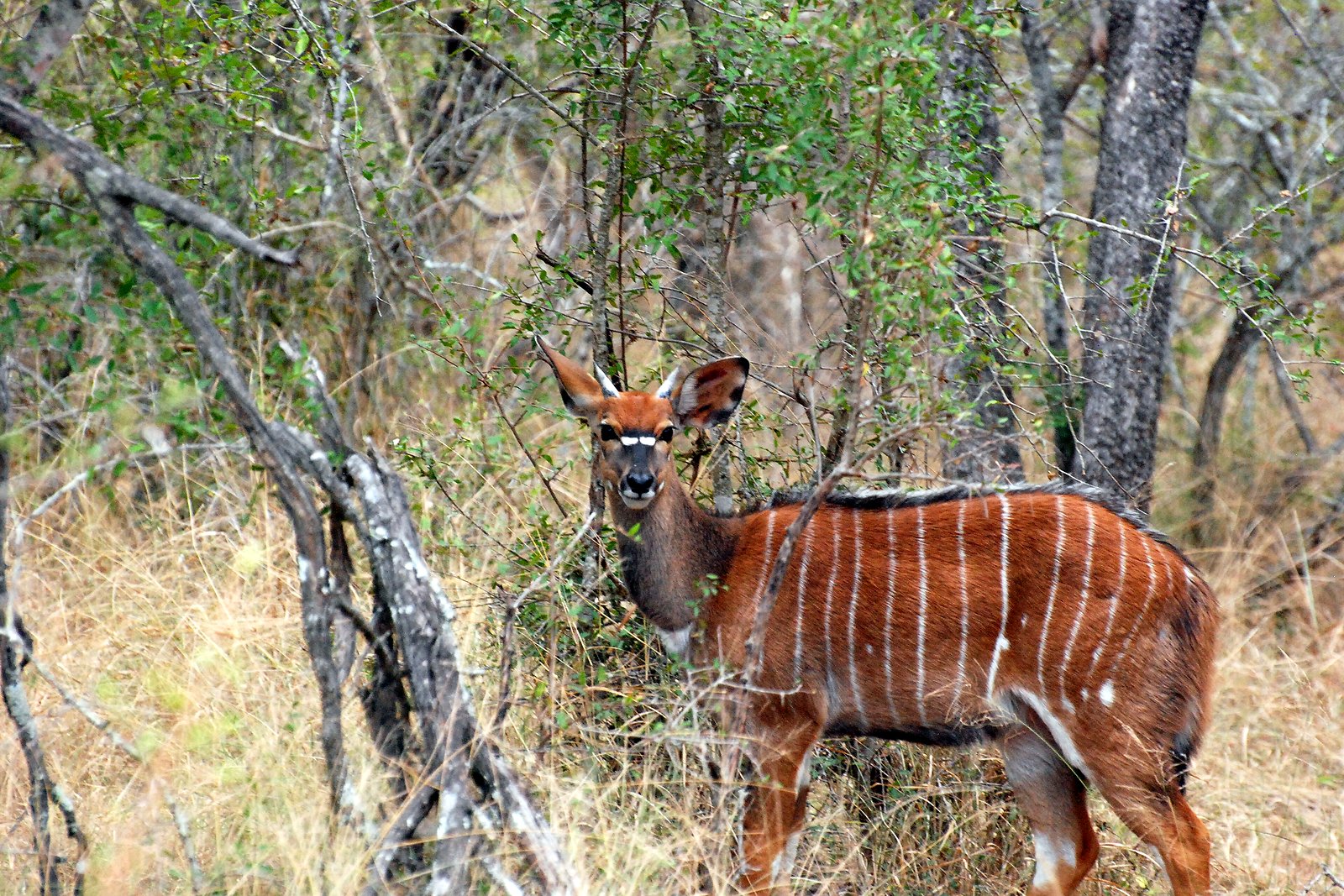
Restoring each of these systems meant removing invasive alien plants, rehabilitating watercourses, managing fire regimes, and clearing internal fences so animals could move freely. It was slow, technical, unglamorous work. And it worked.
1992 — The First Cheetahs Return
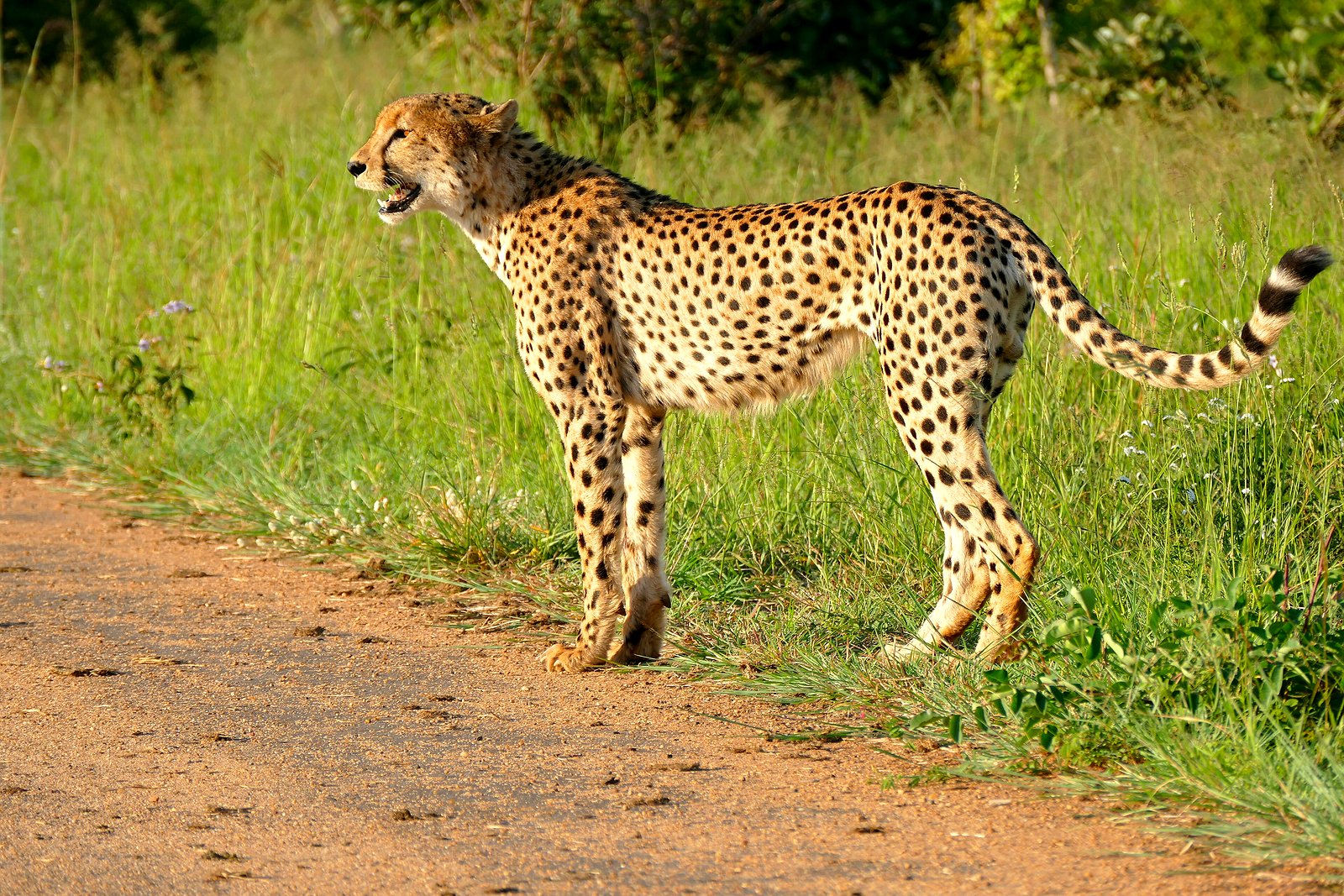
In 1992, Phinda made history: it became the first private game reserve in South Africa to reintroduce cheetahs. At the time, cheetahs were not readily available from South African sources, so the reserve sourced a founding population of 13 individuals from Namibia. It was a calculated gamble — could a fenced reserve sustain a viable cheetah population, or would genetic bottlenecks and territorial conflicts doom the project?
Thirty years later, the answer is clear. Phinda's cheetah population has thrived, stabilising at around 36 individuals as of 2025. The Endangered Wildlife Trust now classifies Phinda as one of the most important cheetah populations on fenced reserves in Southern Africa, and the reserve has become a source population — meaning healthy cheetahs are translocated from Phinda to establish or strengthen populations elsewhere across the subcontinent.
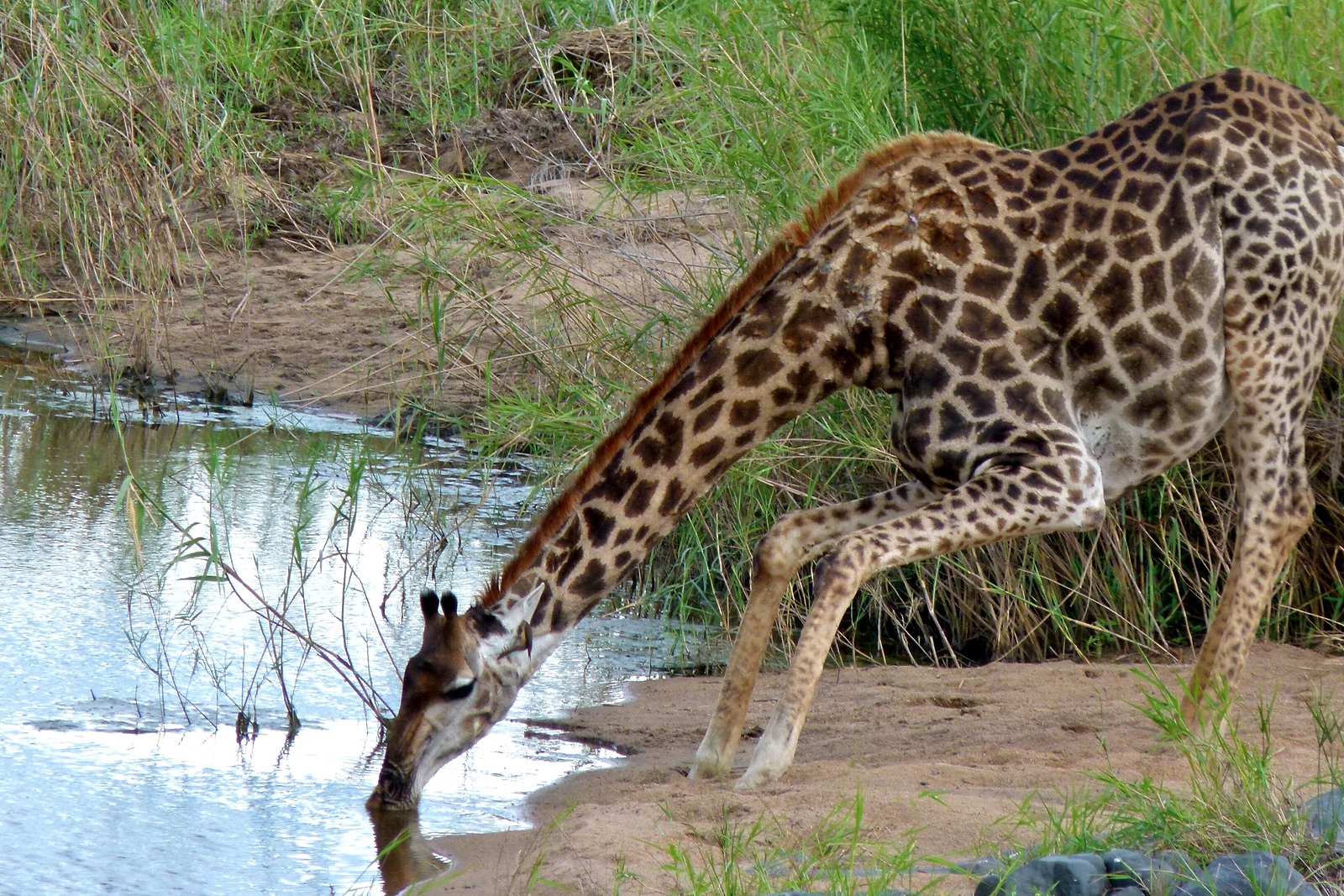
Phinda's cheetah success has made it a pioneer in a more difficult challenge: genetic rescue. In partnership with the Ashia Cheetah Sanctuary, the reserve has introduced captive-born cheetahs into the wild population, providing a "genetic lifeline" for a species whose diversity has been eroded by centuries of range collapse. Phinda was also the first private reserve to donate cheetahs for relocation to another country — specifically, Botswana — demonstrating that private reserves can play a continental role in metapopulation management.
Operation Rhino — From 21 in a Day to Continental Rewilding
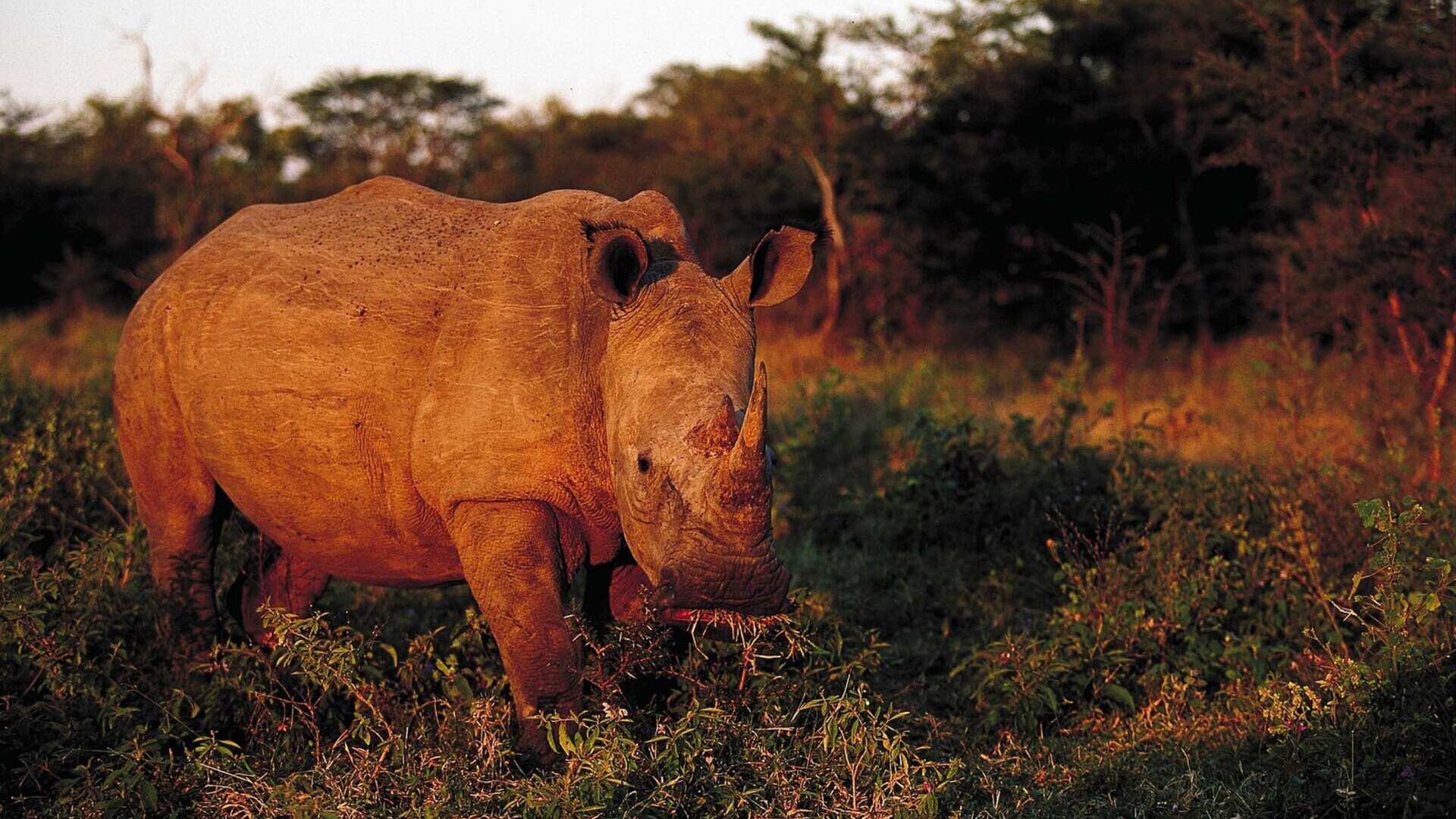
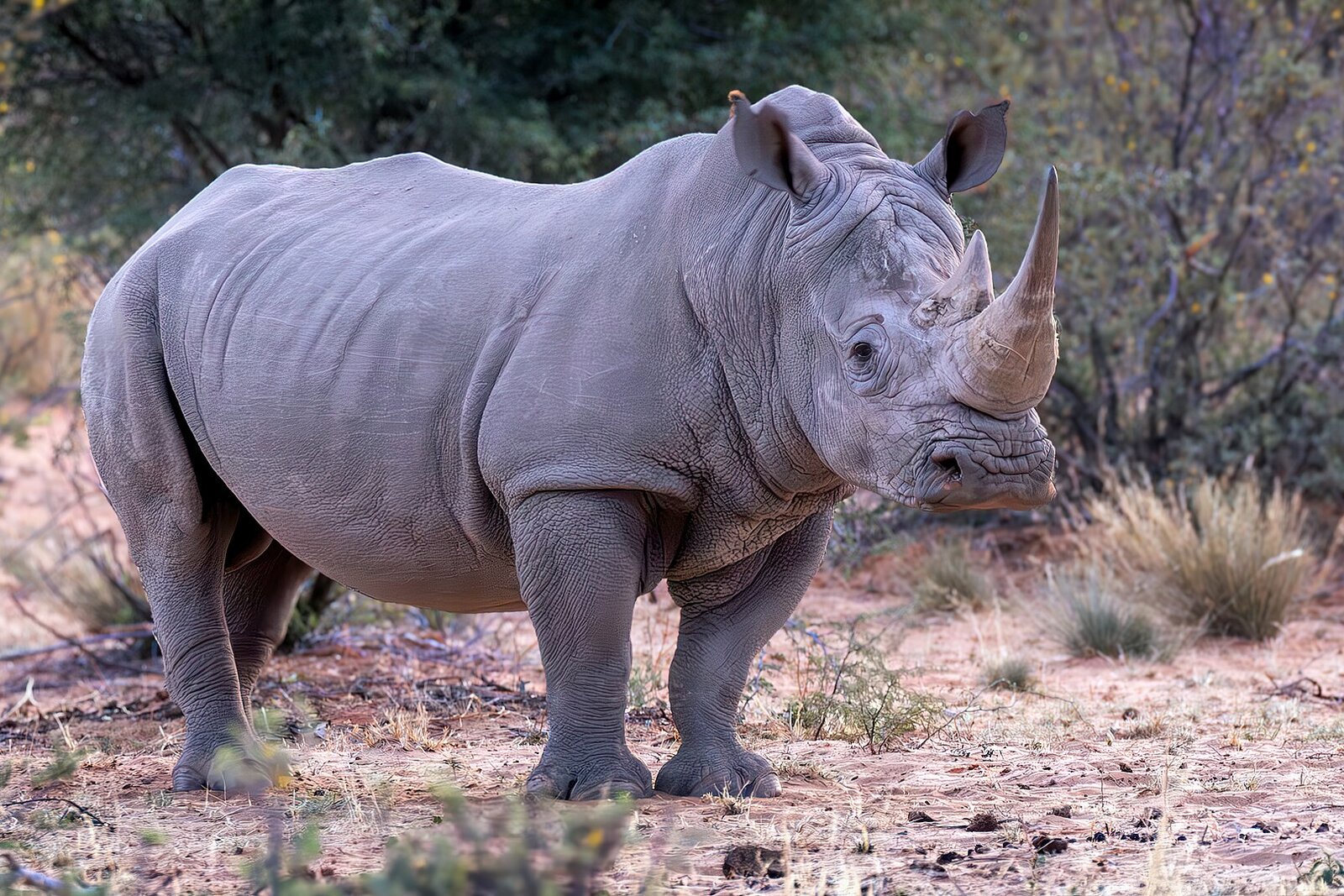
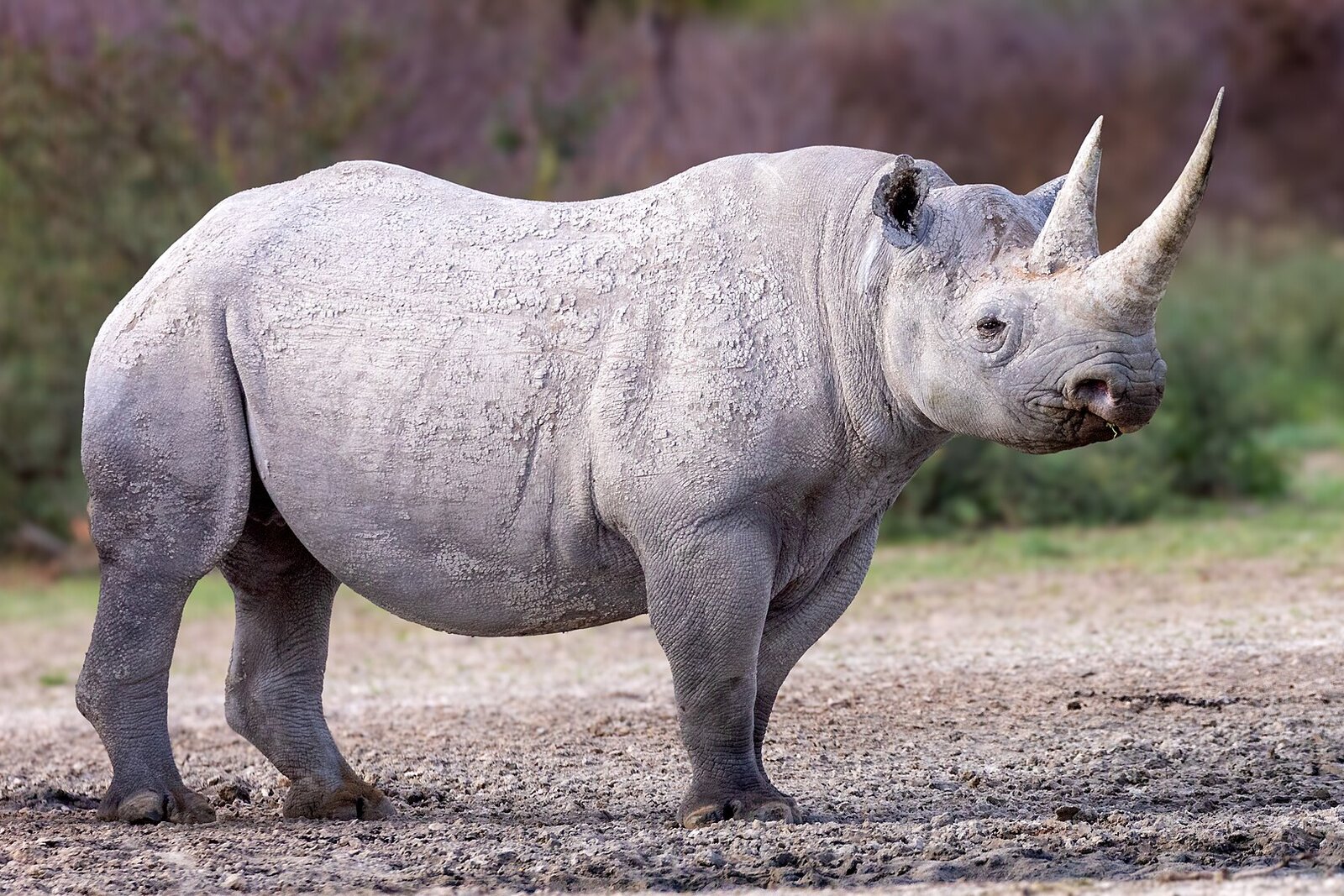
Cheetahs were not the only species brought back. In 1994, the reserve relocated 21 white rhinos in a single day — a logistical feat that signalled Phinda's ambitions extended beyond modest reintroduction. Since then, the reserve has become a rhino stronghold, playing a central role in some of the most ambitious translocation projects in African conservation history.
In 2013, Phinda pioneered a translocation of six white rhinos to the Okavango Delta in Botswana, a project that involved training Botswana game scouts in tracking and monitoring. That experiment laid the groundwork for Rhinos Without Borders, a collaboration between &Beyond and Great Plains Conservation that aimed to relocate 100 rhinos to safe havens across Botswana. By December 2019, 87 rhinos had been successfully moved, and the population has since grown through natural breeding.
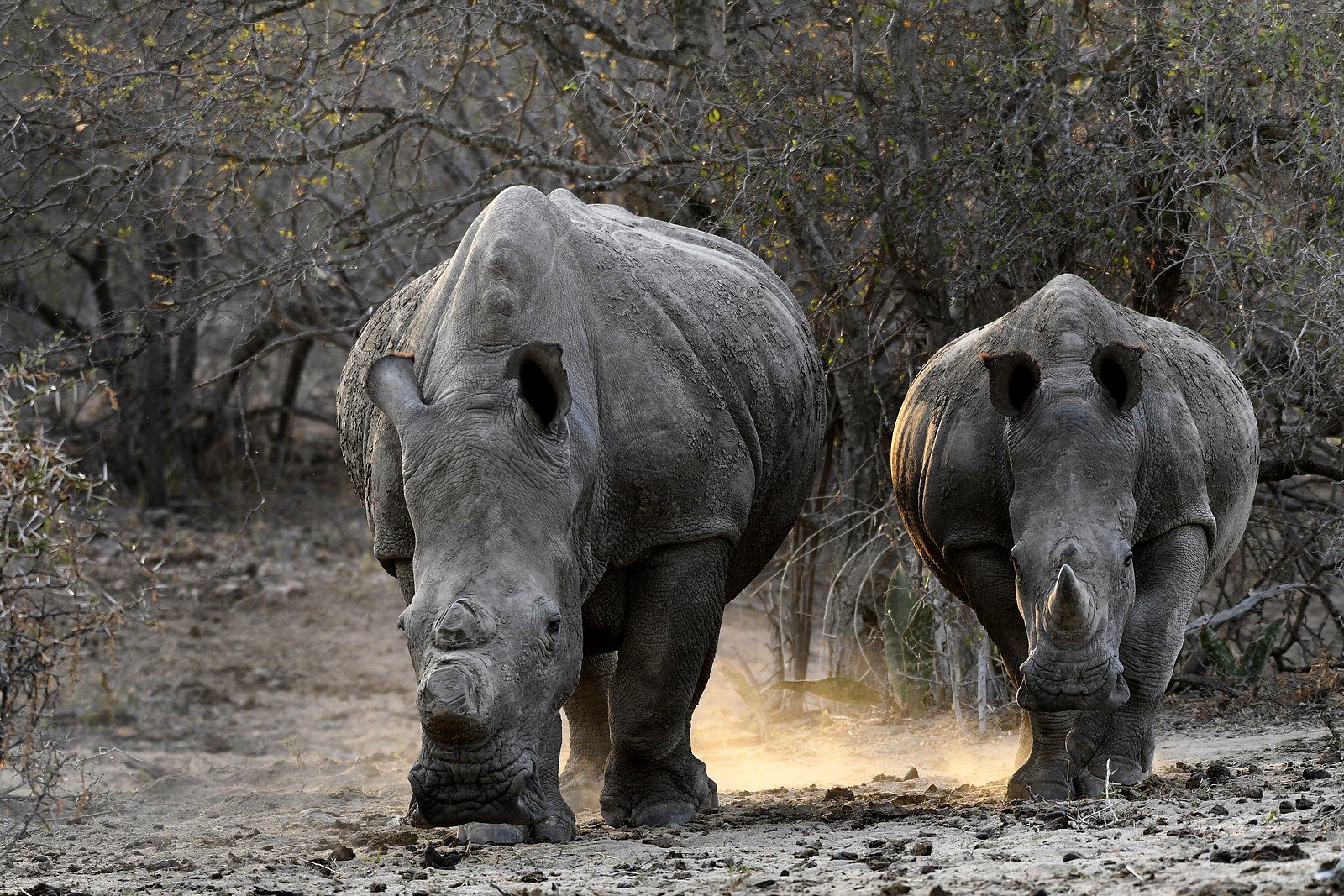
More recently, Phinda served as the source for 16 southern white rhinos transported to Garamba National Park in the Democratic Republic of the Congo in 2023 — a mission that used Lockheed L-100 Hercules aircraft to move the animals across half a continent. And in 2024, the broader Munywana Conservancy (of which Phinda is a part) received 40 rhinos as part of African Parks' "Rhino Rewild" initiative, a 10-year plan to rewild 2,000 southern white rhinos across Africa.
Phinda's approach to rhino protection includes intensive security, GPS-collaring for real-time monitoring, and — in the face of relentless poaching pressure — the difficult decision to dehorn rhinos as a deterrent. It is an imperfect solution, but one the reserve has embraced as a necessary local adaptation to an intractable threat.
Bringing Back the Big Five — Lions, Elephants, Buffalo
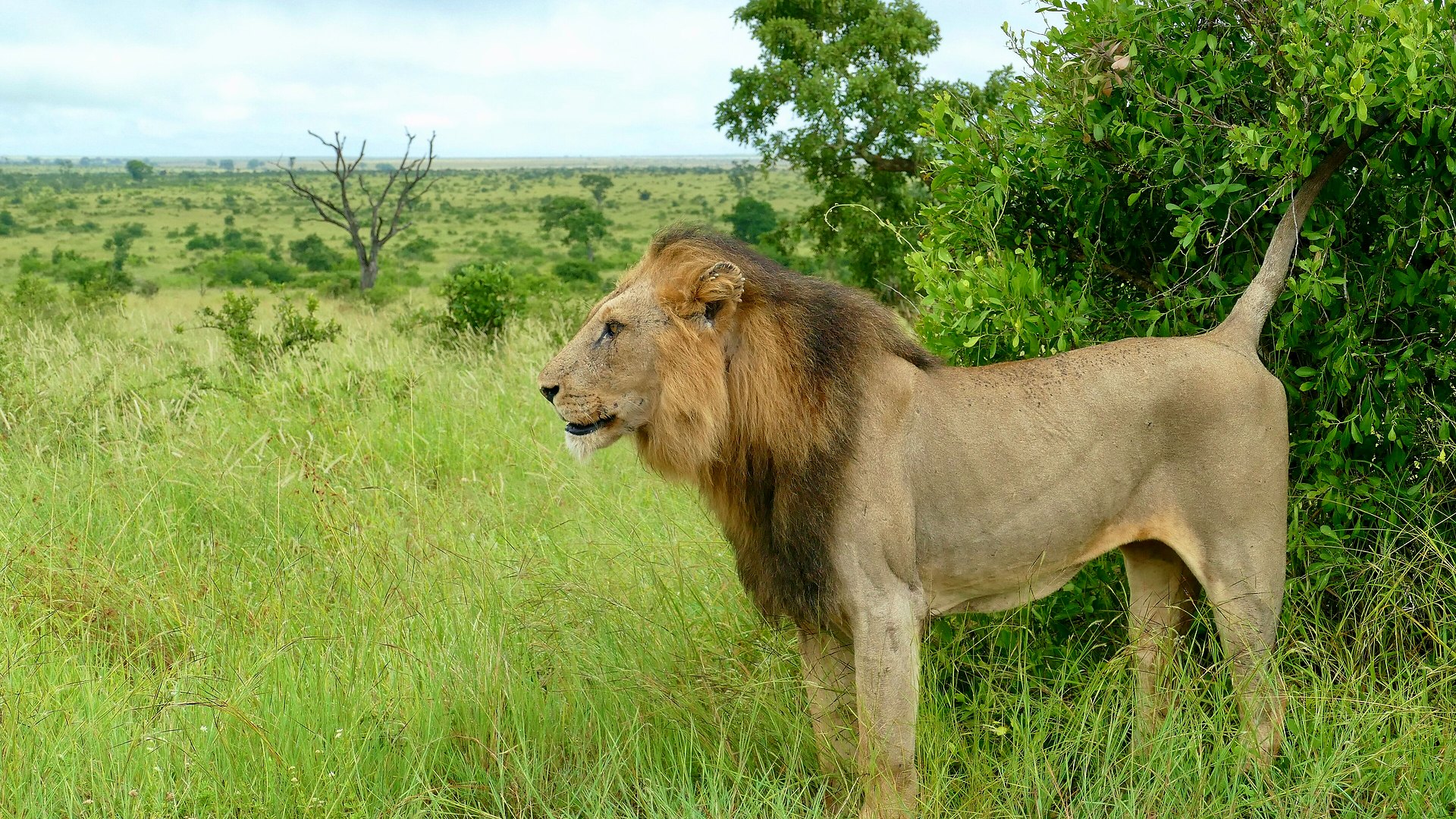
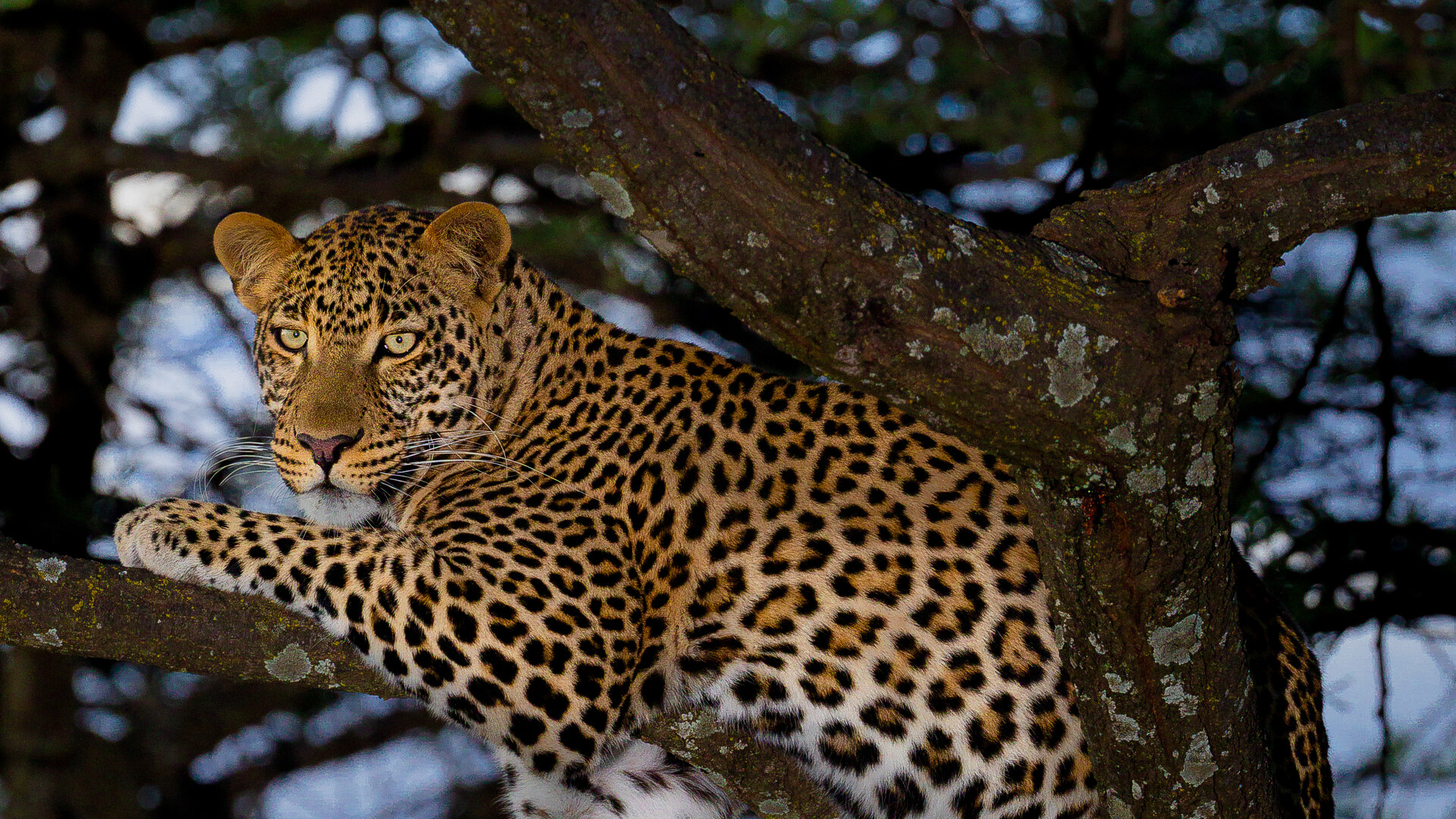
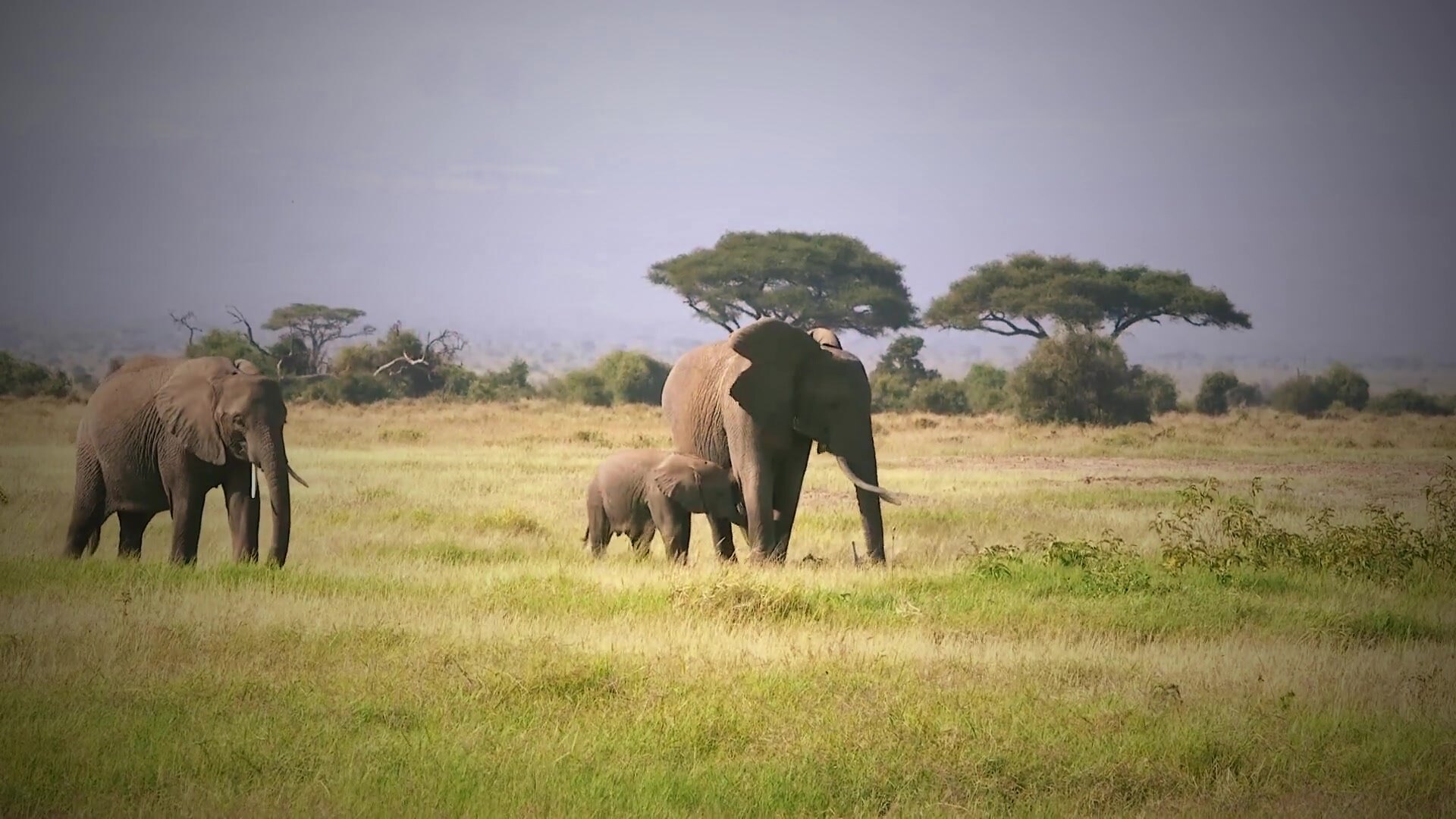
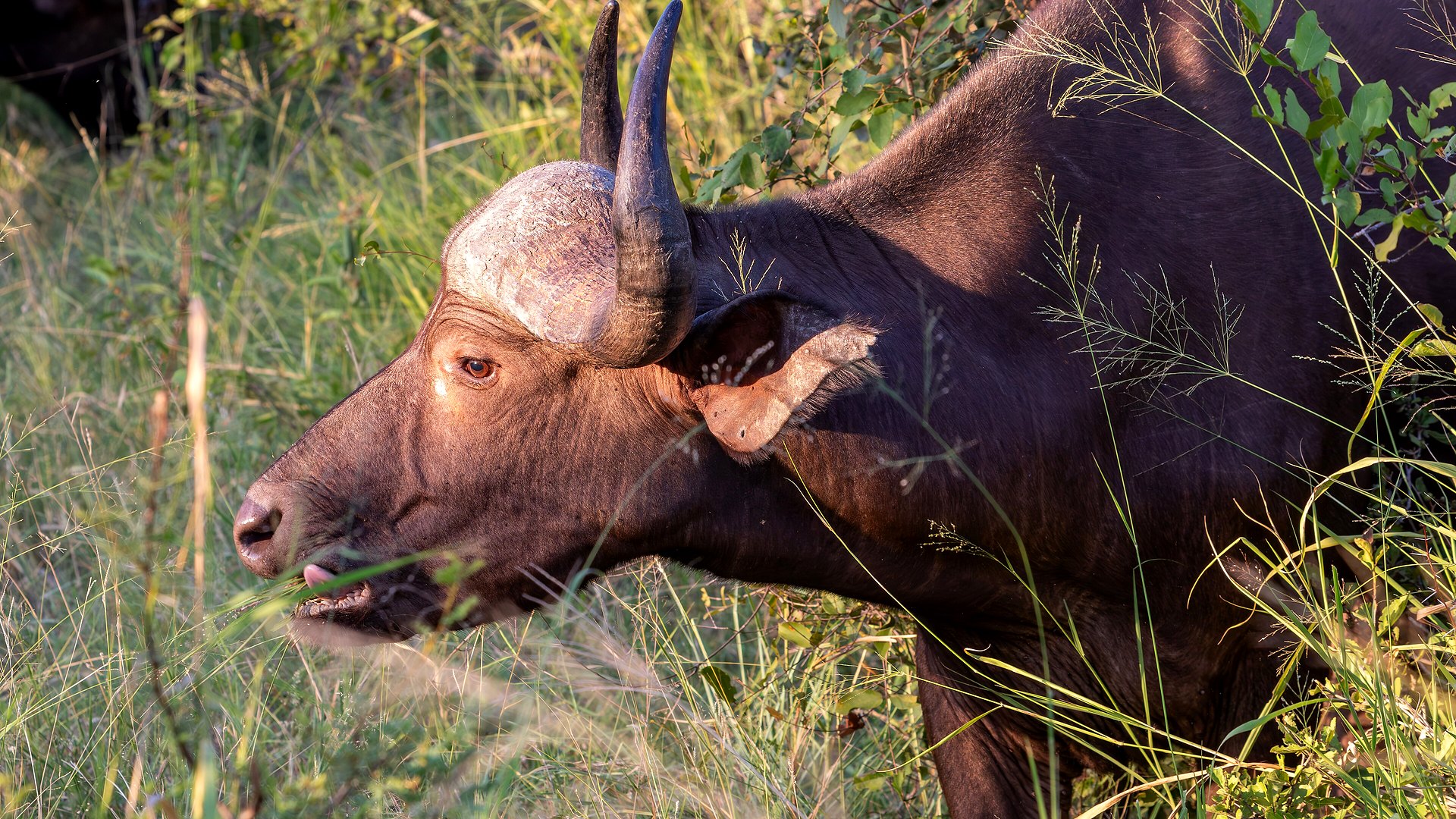
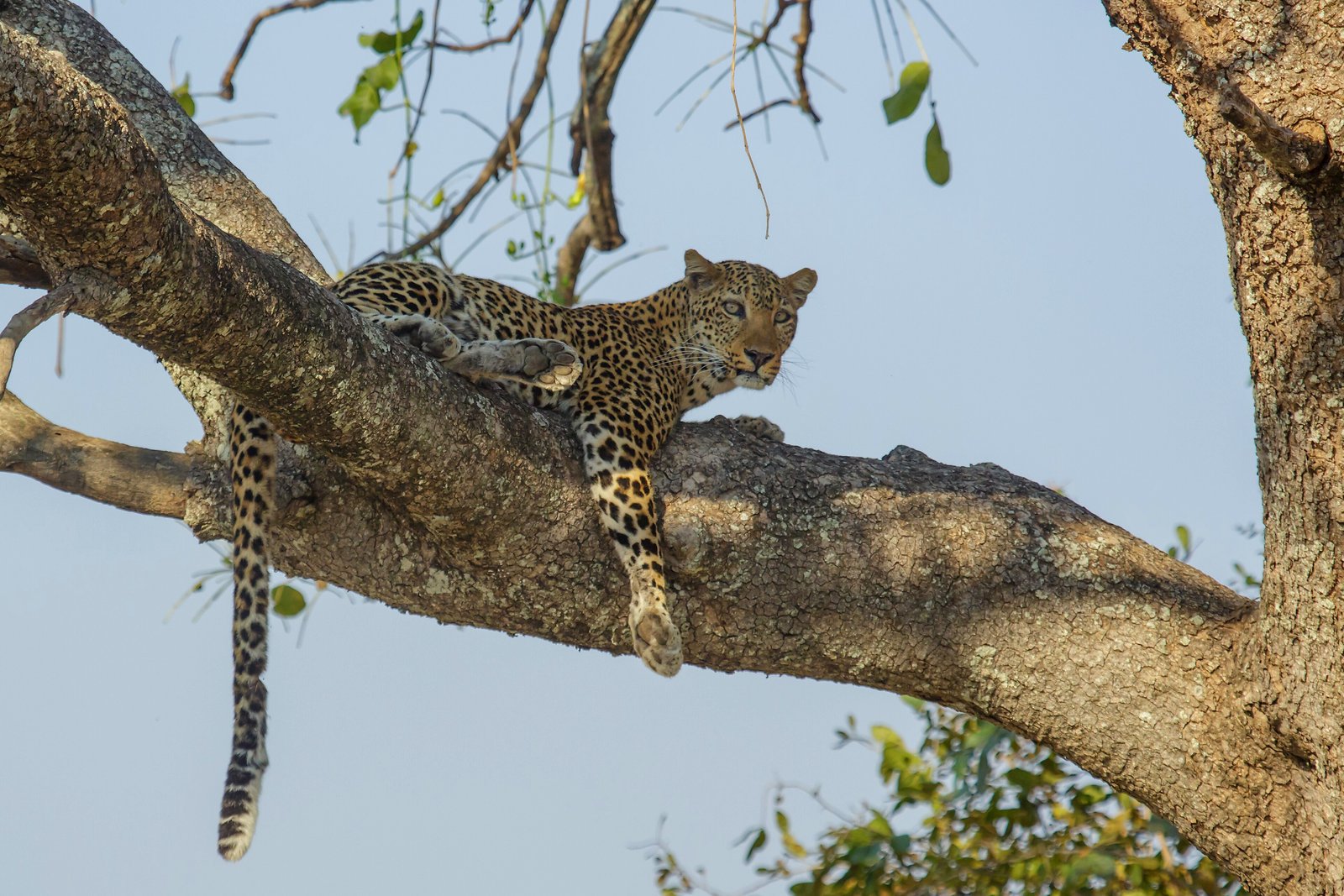
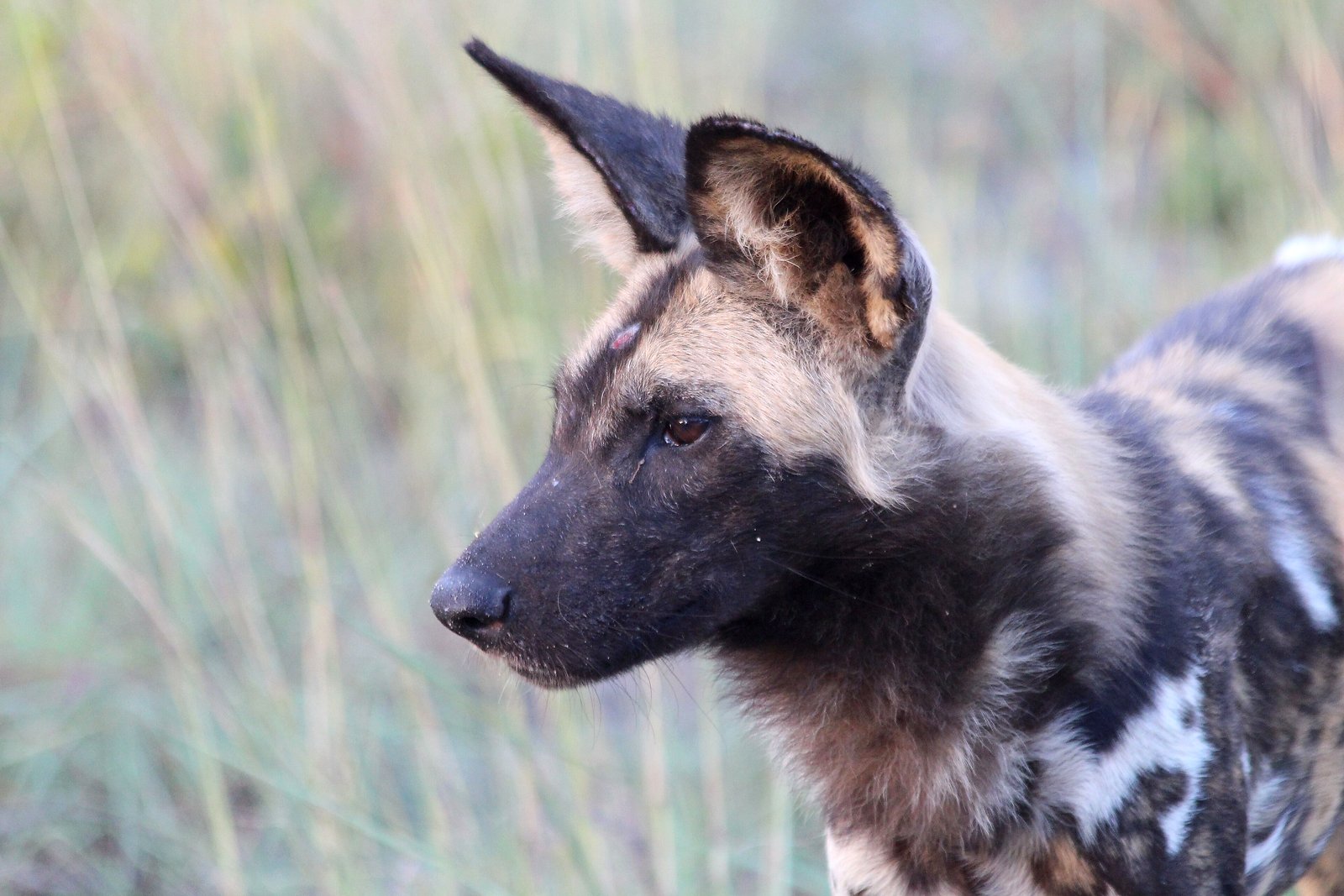
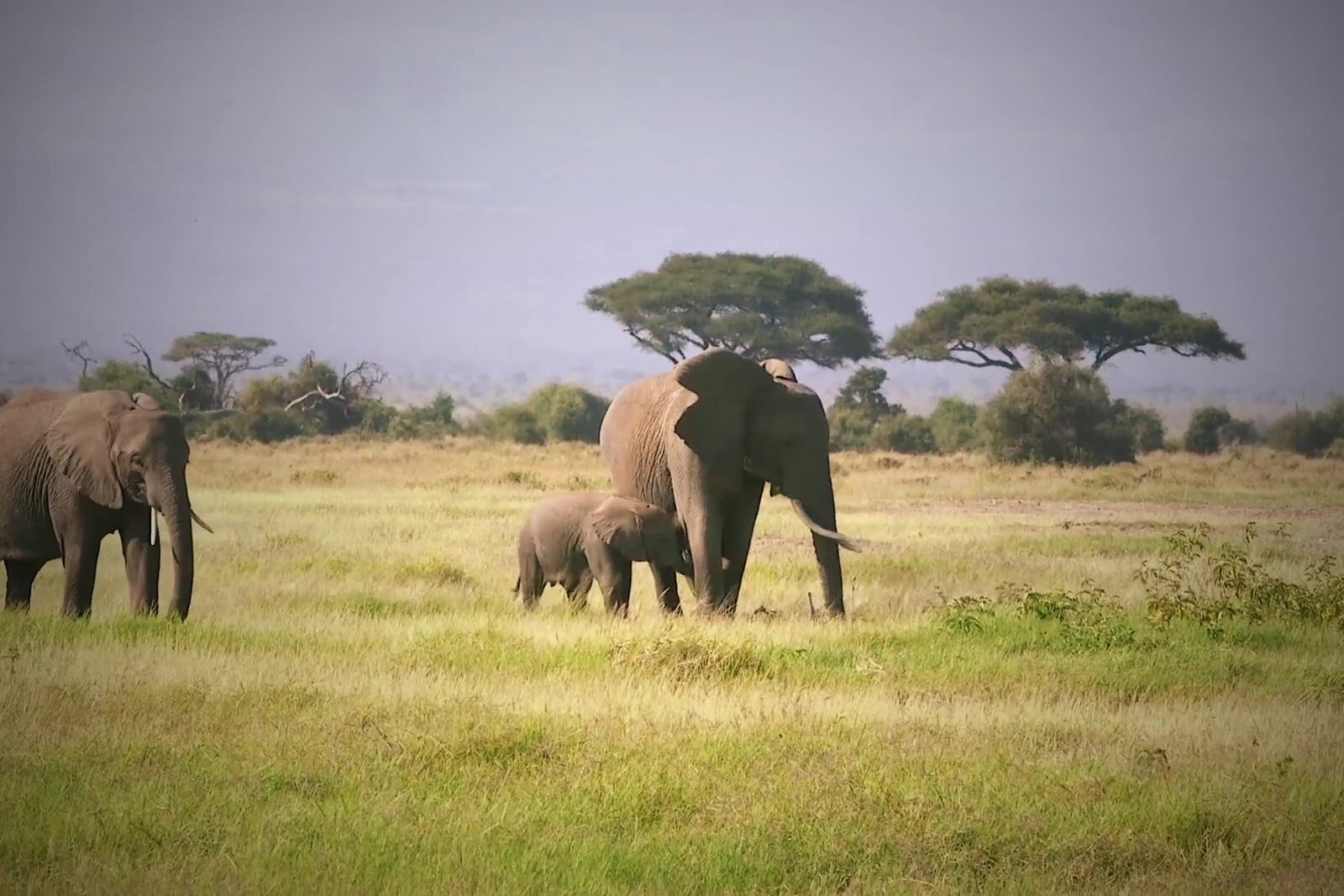
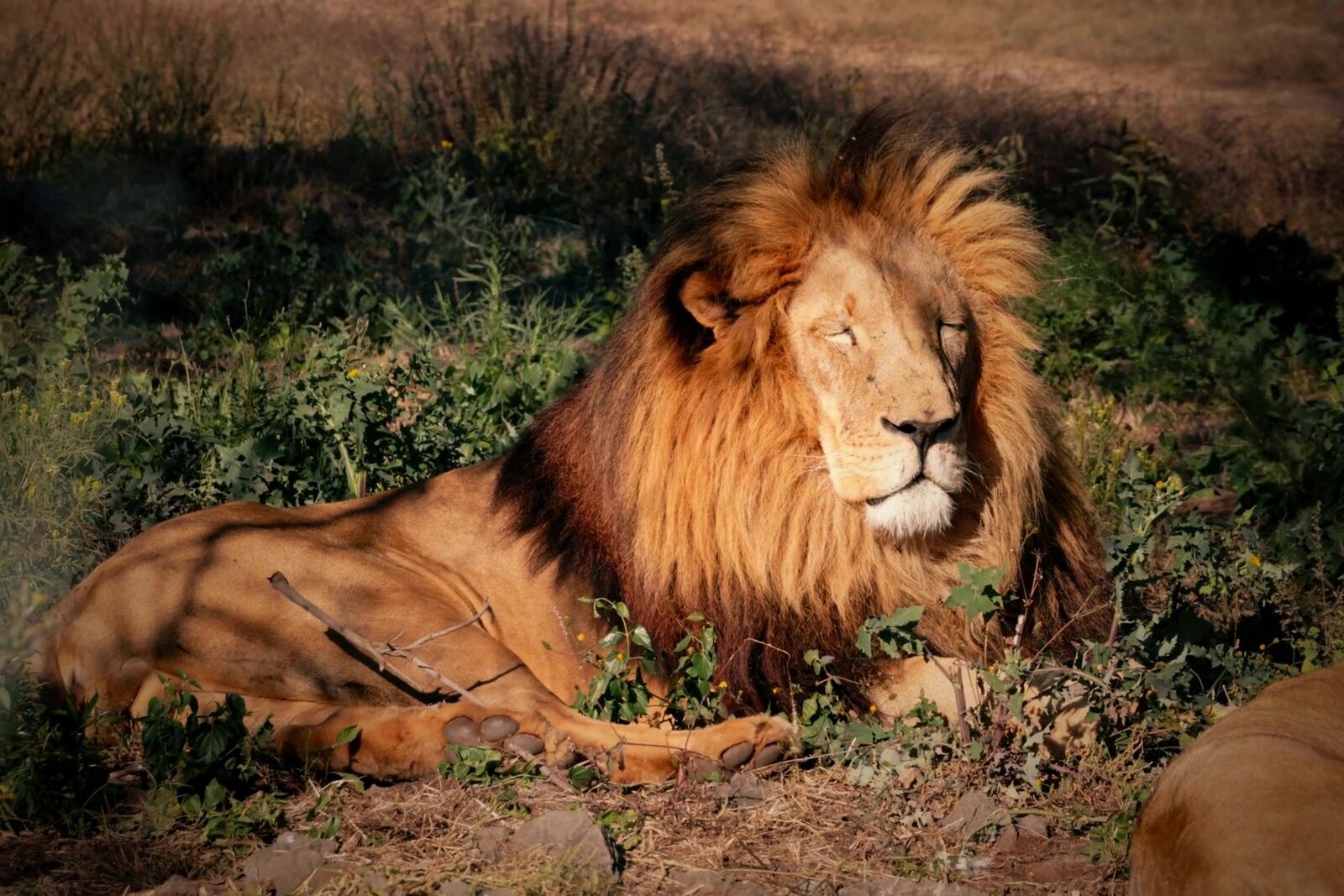
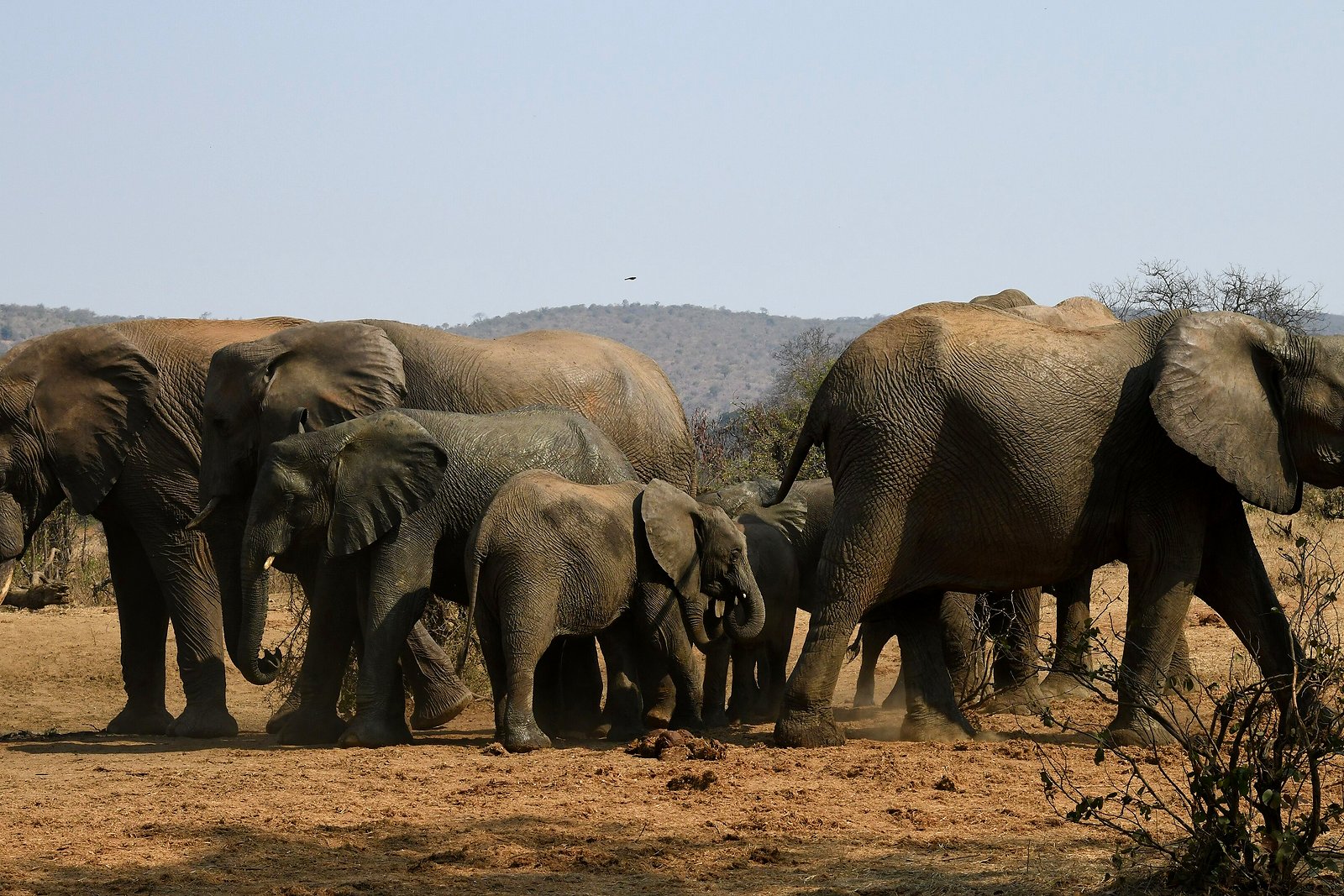
Cheetahs and rhinos were only part of the rewilding. The full suite of the Big Five — lion, leopard, elephant, buffalo, and rhinoceros — had to be reintroduced, along with wild dogs, nyala, and dozens of other species that had been locally extinct for generations. Each reintroduction required careful planning: where would territorial lions establish prides? Would elephants damage the rare dry sand forest before it could recover? Could buffalo adapt to the reserve's disease-free protocols?
The answers came through rigorous monitoring. GPS-enabled collars tracked movements. Intensive observation documented behavioural ecology. Scientific papers were published. And over time, Phinda's reintroduced populations stabilised, reproduced, and became self-sustaining. Today the reserve holds healthy populations of all the Big Five, plus cheetah and wild dog — a feat that would have been unimaginable on the exhausted farmland of 1991.
One milestone deserves special mention: in recent years, Phinda reintroduced the endangered Temminck's ground pangolin, one of the most trafficked mammals on earth. It is a species notoriously difficult to keep alive in human care, let alone reintroduce to the wild. Phinda's success with pangolins is a quiet, technical triumph — proof that restoration can extend even to the most fragile species.
2007 — Giving the Land Back, Keeping Conservation Intact
In 2007, Phinda and the Makhasa and Mnqobokazi communities signed a historic land-claim settlement. In a pioneering arrangement, the reserve returned 9,032 hectares of land to its ancestral owners — and then immediately leased it back for 72 years to continue operating as a conservation area.
This was not a symbolic gesture. It was a legally binding partnership that ensured the communities would receive ongoing rental income, a stake in the reserve's success, and access to employment and infrastructure development — while the land itself remained protected. The arrangement reinforced the Munywana Conservancy, a collaborative protected area involving community trusts and private landowners, and it set a precedent for how private conservation can coexist with land restitution.
For conservation to endure, the people who live beside the reserve must see tangible benefits from its existence. Phinda understood this early, and acted on it.
The Mduku Partnership — Clinics, Schools, and a Digital Future
Through its social development partner, the Africa Foundation (rebranded as Wild Impact in 2024), Phinda has facilitated extensive rural development in the neighbouring Mduku community and surrounding areas. The work is community-driven, needs-based, and measurable.
Key initiatives include the Mduku Clinic, which provides essential 24-hour medical services to the surrounding population, with a focus on public health issues such as HIV/AIDS education and healthy living. The facility has expanded over the years, including a new wing added in 2014, and it serves as a healthcare anchor for villages that previously had limited access to medical care.
The Mduku Development Centre (or "Dev Centre") was established in an abandoned road construction site to bridge the technology gap. It functions as a computer school, internet café, and health unit, providing local residents with access to modern communication tools and training. Graduates of the centre's programmes have gone on to secure employment in banking, retail, and other sectors — proof that conservation-funded education can create pathways out of unemployment.
The Mbedula Craft Market was created to assist local artisans in selling their crafts to lodge guests, providing a reliable income stream that did not exist before the reserve arrived. And the "Stars in Training" programme focuses on building vocational skills to help community members gain employment within the hospitality and conservation sectors — both at Phinda and at other reserves across the region.
In 2020, Phinda launched the Community Conservation and Research Skills Development Course for unemployed youth from Mduku and surrounding communities, providing hands-on training in wildlife and environmental management. It is a pipeline that turns conservation from an abstract concept into a tangible career.
Measurable Impact — Three Decades in Numbers
Conservation storytelling too often leans on emotion. Phinda's legacy is written in facts and dates:
- 1991: Phinda Private Game Reserve established on 29,866 hectares of degraded farmland in the Munywana Conservancy, KwaZulu-Natal, by Conservation Corporation Africa — the company that became &Beyond in 2005 and still owns and operates the reserve today.
- 1992: First private game reserve in South Africa to reintroduce cheetahs — 13 individuals sourced from Namibia.
- 1994: 21 white rhinos relocated to Phinda in a single day.
- 2007: Historic land-claim settlement — 9,032 hectares returned to Makhasa & Mnqobokazi communities, leased back for 72 years for conservation.
- 2013: Pioneering translocation of 6 white rhinos to Botswana's Okavango Delta.
- 2014–2019: Rhinos Without Borders project relocates 87 rhinos to Botswana.
- 2023: Phinda sources 16 southern white rhinos for Garamba National Park, Democratic Republic of the Congo.
- 2024: Munywana Conservancy receives 40 rhinos as part of African Parks' Rhino Rewild initiative.
- Current cheetah population: approximately 36 individuals, classified by the Endangered Wildlife Trust as one of the most important populations on fenced reserves.
- Community impact: Mduku Clinic, Mduku Development Centre, Mbedula Craft Market, Stars in Training vocational programme, Community Conservation Skills Course.
These are not projections or marketing claims. They are the audited milestones of a project that has outlasted governments, droughts, and market cycles.
A Blueprint That Travels
What makes Phinda matter beyond its own boundaries is that it proved a model — and then shared it. The three-decade project demonstrated that degraded farmland can be rewilded, that private reserves can sustain viable populations of Africa's most threatened species, that conservation and community upliftment can reinforce each other, and that protected areas do not need to be government-run to deliver continental conservation outcomes.
Today, Phinda's cheetahs are walking in Botswana. Its rhinos are rebuilding populations in the DRC. Its community programmes have been replicated across &Beyond's portfolio of reserves. And its seven restored ecosystems continue to support biodiversity that had vanished from the region for generations.
That is the real definition of conservation: not locking something away, but restoring it to life — and keeping it alive, one species and one partnership at a time.
Experience the Phinda Legacy
When you sit in an open vehicle at Phinda and watch a cheetah sprint across the open plains, you are not simply on holiday. You are witnessing the payoff of three decades of restoration — a rewilded landscape, a reintroduced species that now seeds populations across the subcontinent, and communities whose futures are bound to the health of the bush.
Let us take you into this story. Talk to our KwaZulu-Natal specialists and we'll craft a safari that connects you directly to the Phinda legacy — with lodges that lead conservation, seven ecosystems that prove restoration works, and cheetahs that prove it is never too late to bring the wild back.
Conservation in Action:
Every night at Phinda funds land restoration, species reintroduction, and community education — the three pillars that rebuilt this reserve from exhausted farmland. Your visit doesn't just give you a cheetah sighting; it keeps a three-decade restoration legacy alive. Explore our KwaZulu-Natal safaris or message us on WhatsApp to design your journey.