Key Takeaways
- A well-chosen luxury safari is one of the most powerful conservation tools in Africa — tourism gives wild land its economic value.
- Your money flows into park fees, private-concession leases, anti-poaching, and community levies — each protecting wildlife in a different way.
- Low-density, high-value tourism protects more land per guest than mass tourism ever could.
- Community benefit is the quiet engine of conservation — when people prosper from wildlife, they protect it.
- We steer you toward operators and reserves where your money demonstrably gives back.
Why Tourism Is Conservation's Best Friend
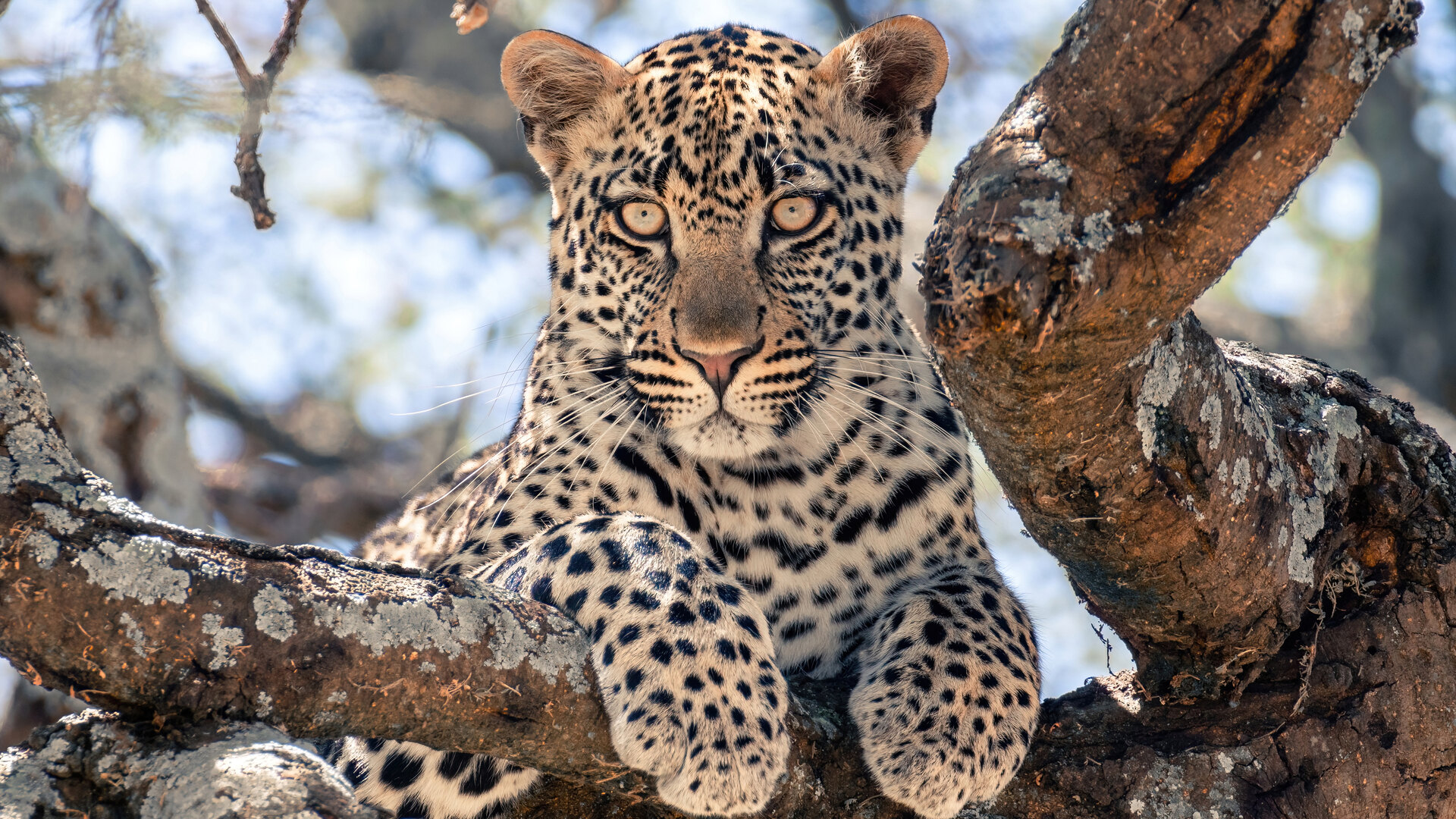
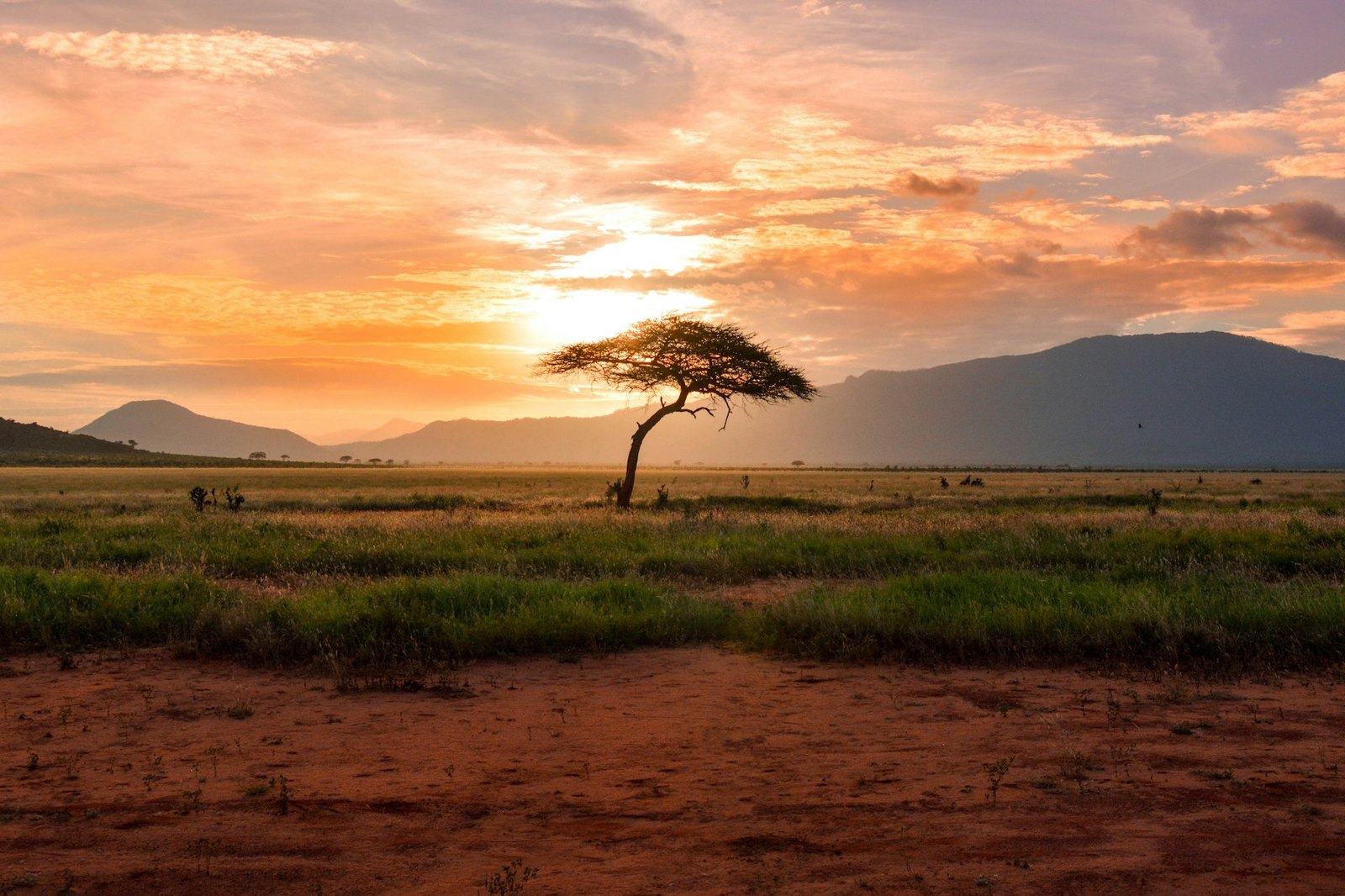
Wild land survives when it is worth more wild than it is converted. The single greatest threat to Africa's wilderness is not poaching — it is the pressure to turn wild land into farmland, cattle range or development. Tourism is the economic argument that keeps land wild: when a reserve earns more from a leopard than a field of maize would, the leopard — and its whole ecosystem — is protected. Your safari is a vote, in hard currency, for wilderness over conversion. That is why the great conservationists say a well-run safari is not a threat to the wild but its strongest ally.
The luxury model matters here. Low-density, high-value tourism — a handful of guests paying premium rates across a huge concession — protects far more land per visitor than crowded, low-cost tourism ever could. Fewer footprints, more funding, more wilderness saved.
1. Park & Conservation Fees
The most direct line from your wallet to the wild. Every national park and reserve charges a daily conservation fee, built into your rate, that goes straight to the authority managing the land — funding rangers, roads, water points, veterinary care and habitat management. In some countries these fees are the single largest source of conservation funding. When you see a well-managed park with healthy game and active rangers, you are looking at conservation fees at work.
2. Private Concession & Traversing Leases
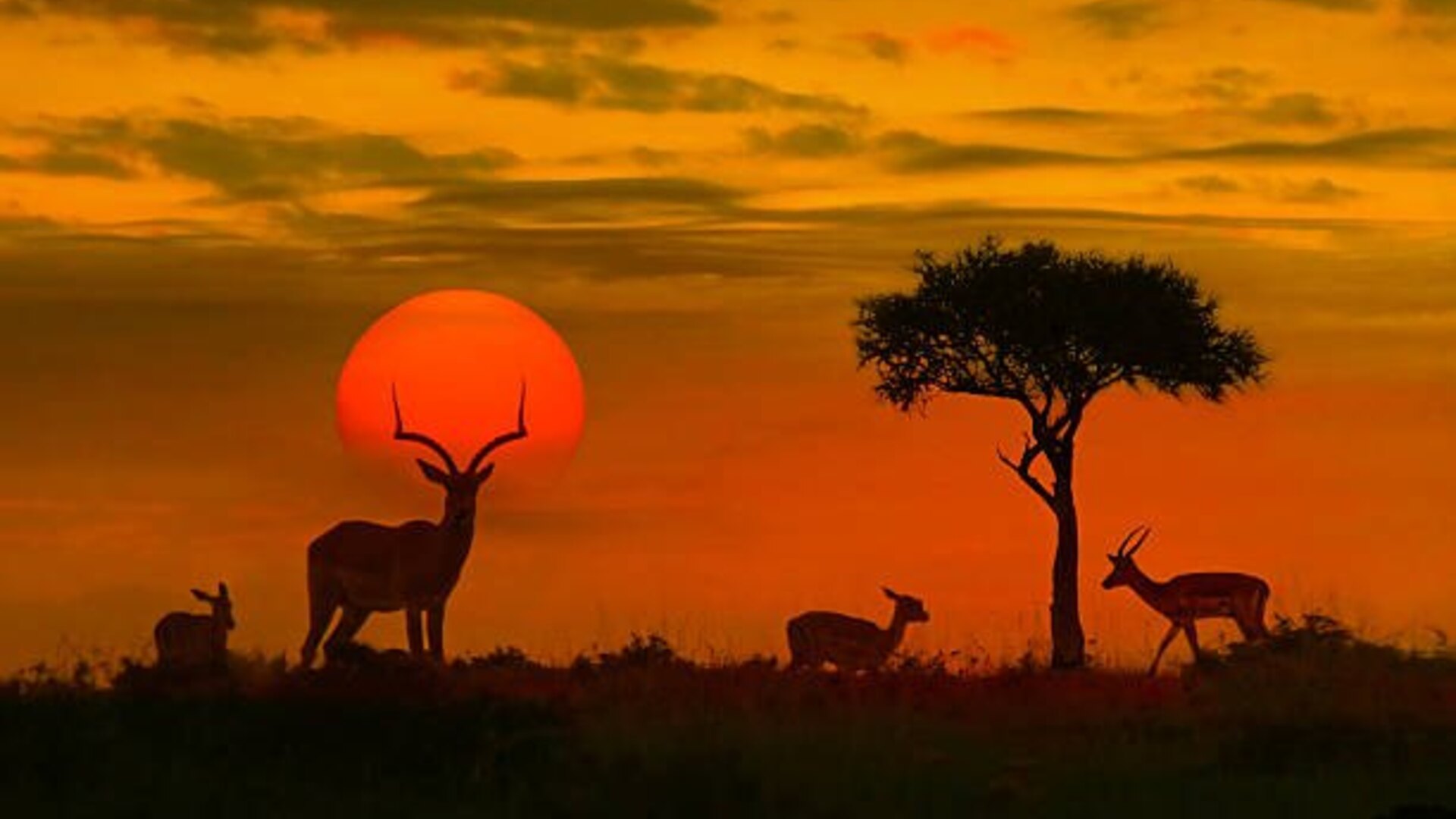
Where your rate leases and protects vast tracts of wilderness. On private concessions, lodges pay large annual lease fees for exclusive traversing rights over enormous areas. That lease is what keeps the land under conservation management rather than open to hunting, grazing or development. Because only a few guests share a huge area, the per-guest contribution to protecting that land is extraordinary — and you enjoy the wilderness almost entirely to yourself in return.
3. Anti-Poaching & Ranger Teams
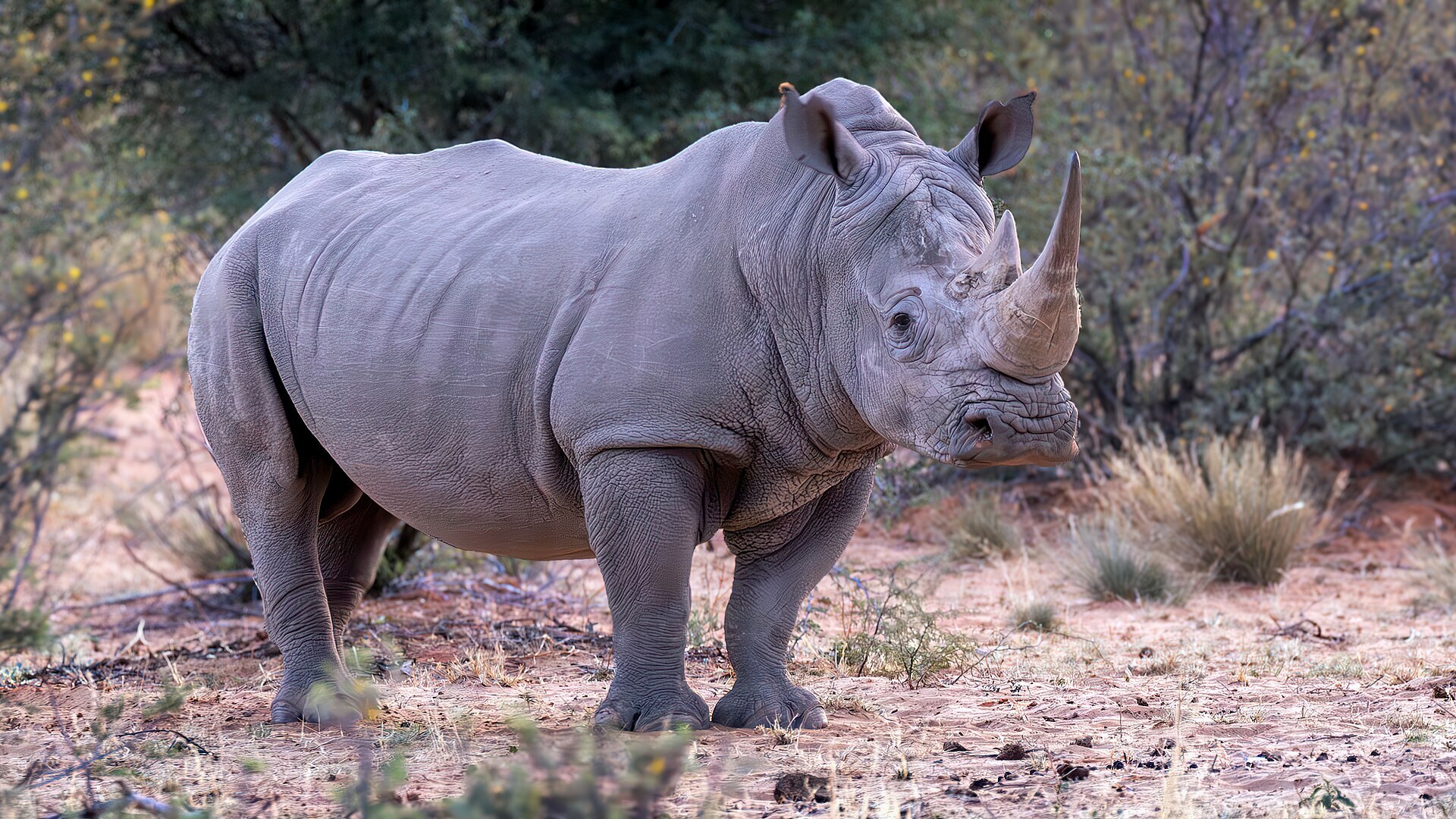
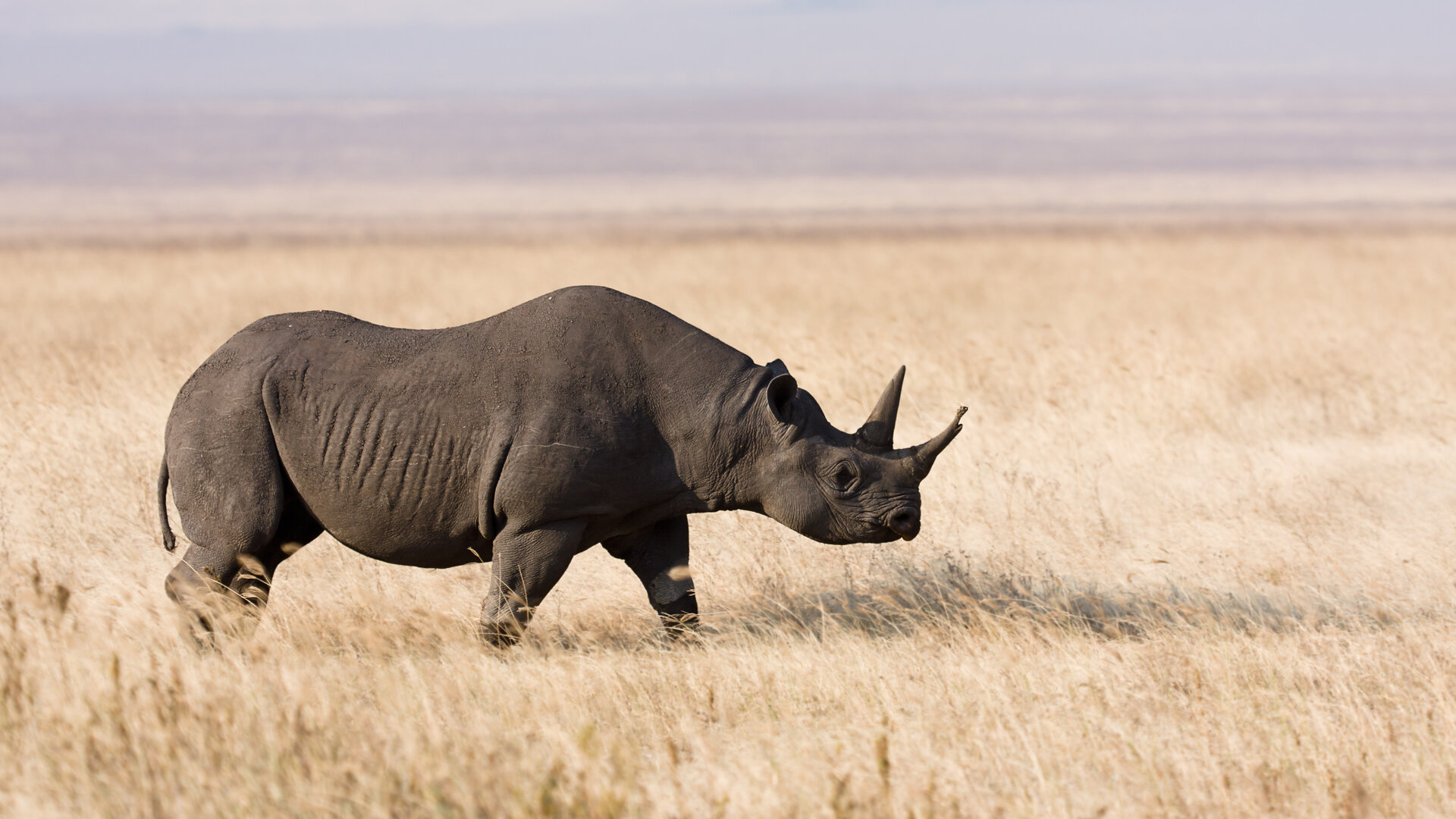
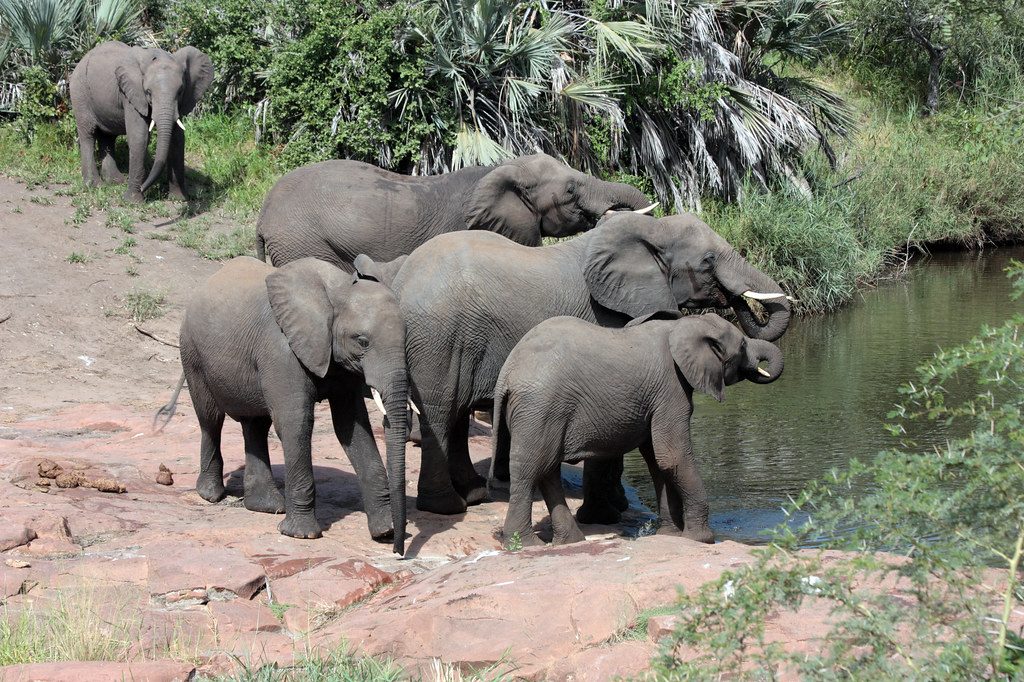
The frontline your money keeps in the field. Protecting rhino, elephant and other targeted species takes trained, equipped, round-the-clock anti-poaching teams — a huge ongoing cost. A meaningful share of premium lodge revenue funds these patrols, tracking dogs, aircraft and monitoring technology. In the best reserves, this investment has turned the tide, with rhino populations stable or growing precisely because tourism pays for their protection. Every night you stay helps keep those boots on the ground.
4. Community Levies & Employment
The quiet engine that makes conservation last. Conservation only endures when the people who live alongside wildlife benefit from it. Community levies, land-lease payments to local landowners, and above all employment turn wildlife into a livelihood. A single luxury lodge employs and trains dozens of local people — guides, trackers, chefs, hosts, managers — and supports many more families indirectly. When a community prospers because the wildlife is there, protecting that wildlife becomes everyone's shared interest.
5. Habitat & Water Management
Keeping the ecosystem itself healthy. Beyond protecting animals, reserves must actively manage the land — maintaining waterholes, clearing invasive plants, managing fire, monitoring grazing and restoring degraded areas. This unglamorous, essential work is funded largely by tourism revenue. A thriving, balanced ecosystem with healthy vegetation and reliable water is not an accident; it is the result of constant, well-funded stewardship that your visit helps pay for.
6. Research & Wildlife Monitoring
The science that guides every decision. Collaring predators, monitoring populations, studying migration and tracking individual animals all inform how a reserve is managed — and all cost money. Many luxury lodges directly fund or host research programmes, and guests often contribute simply by sharing sightings and photographs. This data is how conservationists know whether a population is recovering, where to focus anti-poaching, and how to keep the ecosystem in balance for the long term.
7. Reforestation & Rewilding Projects
Actively giving land back to the wild. Some of the most inspiring lodges go beyond protection to restoration — replanting indigenous forest, reintroducing species to areas they had vanished from, and expanding protected areas by bringing former farmland back under conservation. These projects are long-term and expensive, and premium tourism is often what makes them possible. Choosing a lodge with a genuine rewilding programme means your safari does not just preserve the wild; it grows it.
8. How to Choose a Safari That Gives Back
Ask the right questions — or let us ask them for you. The signs of a genuinely conservation-positive safari are clear: transparent conservation fees, low guest density, strong local employment, published community and conservation partnerships, and a real, measurable impact story rather than vague "eco" marketing. Knowing which operators walk the talk — and which simply greenwash — is exactly the kind of insider knowledge we bring. We steer you toward the reserves and lodges where your money demonstrably protects the wild.
Where Your Safari Money Goes — At a Glance
| Where It Goes | What It Protects | Why It Matters |
|---|---|---|
| Park & conservation fees | Rangers & habitat | Direct funding |
| Concession leases | Vast wild land | Keeps land wild |
| Anti-poaching | Rhino & elephant | Frontline defence |
| Community levies & jobs | Local livelihoods | Makes it last |
| Research & rewilding | Whole ecosystems | Grows the wild |
Does Luxury Mean More or Less Impact?
Counter-intuitively, the luxury end of safari is often where conservation impact is highest. A high-value, low-density model means a small number of guests fund the protection of an enormous area, with minimal environmental footprint. Compare that to high-volume tourism, where many visitors bring more pressure, more infrastructure and more disturbance for a fraction of the per-guest contribution. This does not mean every expensive lodge is a conservation hero — but the model itself, done honestly, protects more wilderness per traveller than any other. We help you find the lodges that live up to it.
How to Add Even More to Your Impact
Beyond simply choosing well, there are easy ways to deepen your contribution: stay a little longer at conservation-led camps, choose reserves with active rewilding programmes, tip the community-staffed team generously, buy authentic local craft, and consider a direct donation to a lodge's conservation trust. Some travellers add a morning with an anti-poaching unit or a research team to their itinerary — a moving, eye-opening experience that connects you directly to the work your money supports. We are happy to build any of this into your journey.
Why Plan Your Conservation Safari With Us
- We know who really gives back — and can tell genuine impact from greenwashing.
- Transparent on fees — we explain exactly what your rate funds.
- Impact-led itineraries — we favour reserves with measurable conservation results.
- Deeper experiences — anti-poaching, research and community visits on request.
- 24/7 support — one point of contact from first enquiry to final sunset.
Travel Wild, Do Good
We are a private, tailor-made travel house based in Cape Town, and we believe a great safari should leave the wild better than it found it. Tell us what matters to you, and we will craft a journey that is both extraordinary and genuinely good for the wilderness and the people who protect it.
Ready for a safari that gives back? 👉 Request a conservation safari quote → 👉 Browse our tours & safari packages → 👉 WhatsApp us: +27 78 471 4852