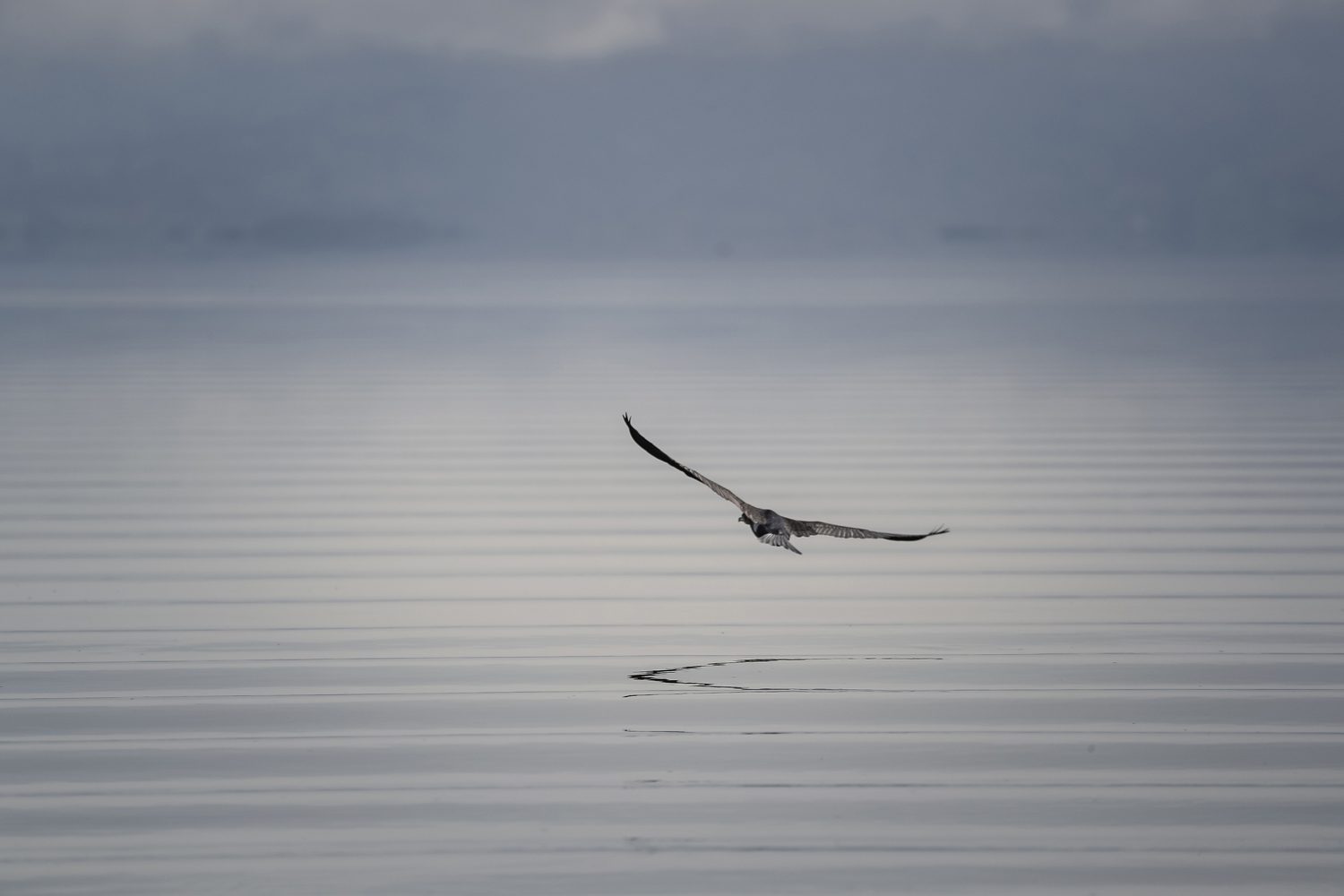
Most of the inquiries we receive about wildlife encounters carry the same quiet concern: travellers want to be close to the animals, but they do not want to support anything cruel. It is exactly the right question to ask — and the honest answer is that the tourism industry still sells a great deal that fails the test. This is our operator's guide to what to avoid, why it matters, and the genuine ethical wildlife encounters that deliver the moments you will remember for the rest of your life.
The One Rule That Cuts Through Everything
If you can ride it, touch it, walk it on a lead, pose with it, or watch it perform, the encounter is almost never ethical. Genuine wildlife encounters happen on the animal's terms — wild, free-ranging, and at a respectful distance. The finest moments in the bush are the ones where the animal barely acknowledges you exist. You are a guest in their world, not the other way around.
Why This Question Matters
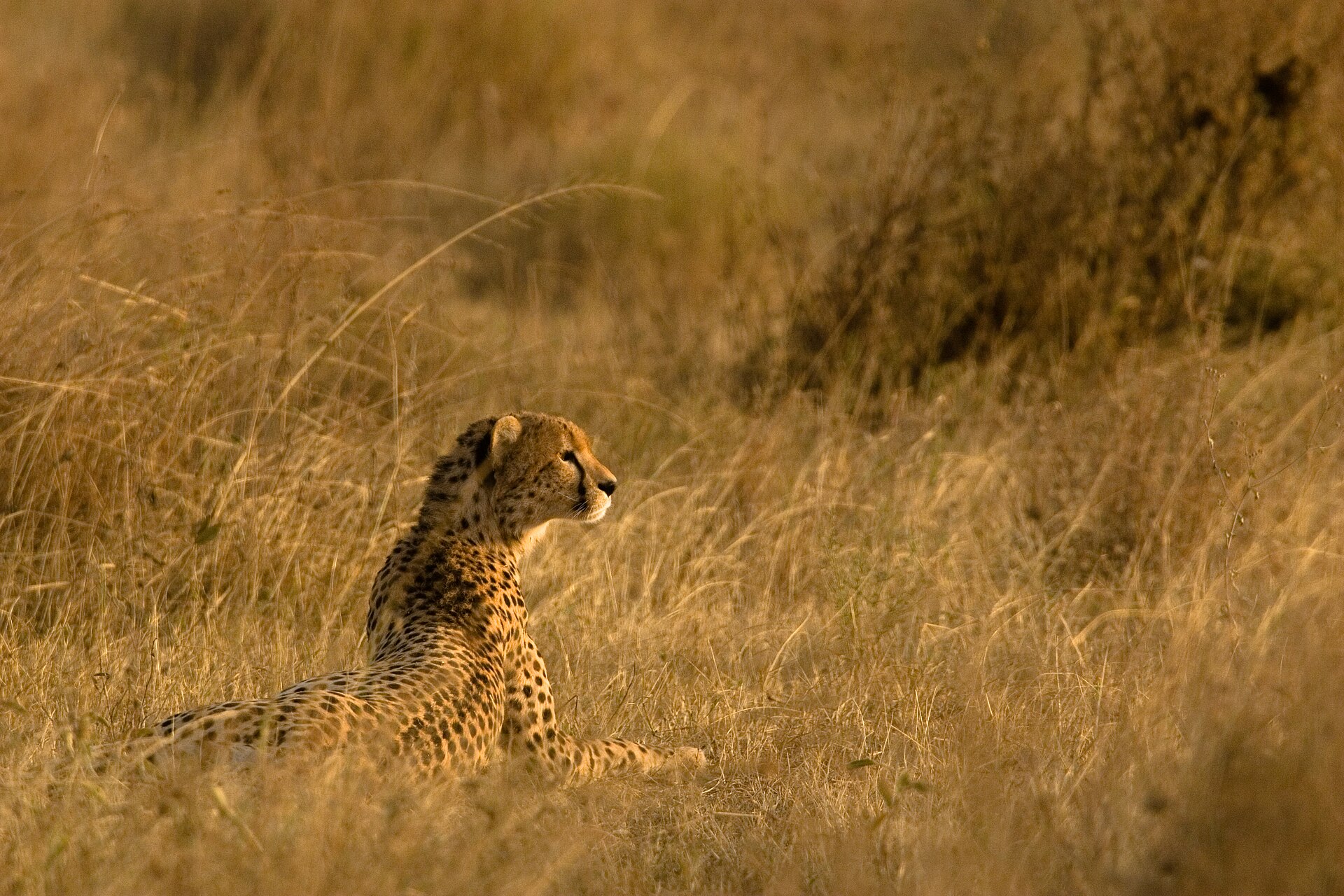
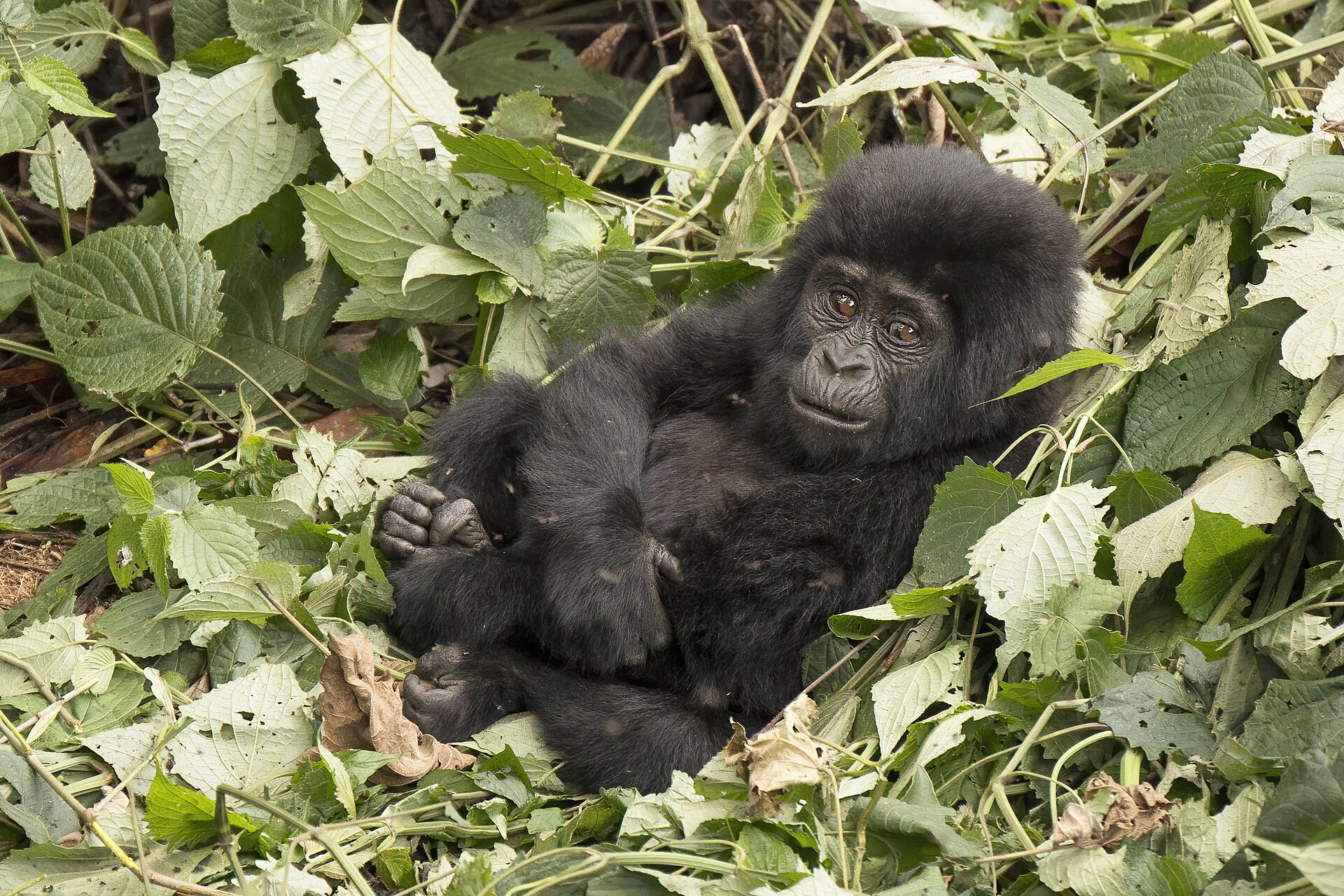
We have been designing private wildlife journeys across Africa for over two decades, and the experiences that stay with our travellers longest are never the ones where they touched an animal in a facility. They are the ones where a wild leopard held a gaze for thirty seconds before melting into the bush. Where a mountain gorilla sat close enough to make you feel like the visitor. Where a wild cheetah crossed the track at dawn without so much as a glance in your direction.
That is the essence of an ethical wildlife encounter. The trouble is that "close to animals" and "ethical" are often sold as the same thing when they are opposites. The facilities that let you hug a lion cub or ride an elephant depend on exactly what makes the encounter hollow: a wild animal stripped of its wildness. Understanding the difference is the single most important thing you can do before you book — and it changes the entire character of your trip for the better. If you are still deciding what shape your journey should take, our guide to the types of African safari explained is a useful companion to this one.
What to Avoid: The Exploitative Animal Encounters
These are the experiences we will never book, and the reasons why. If an operator offers any of them, treat it as a red flag for everything else they sell.
Elephant rides
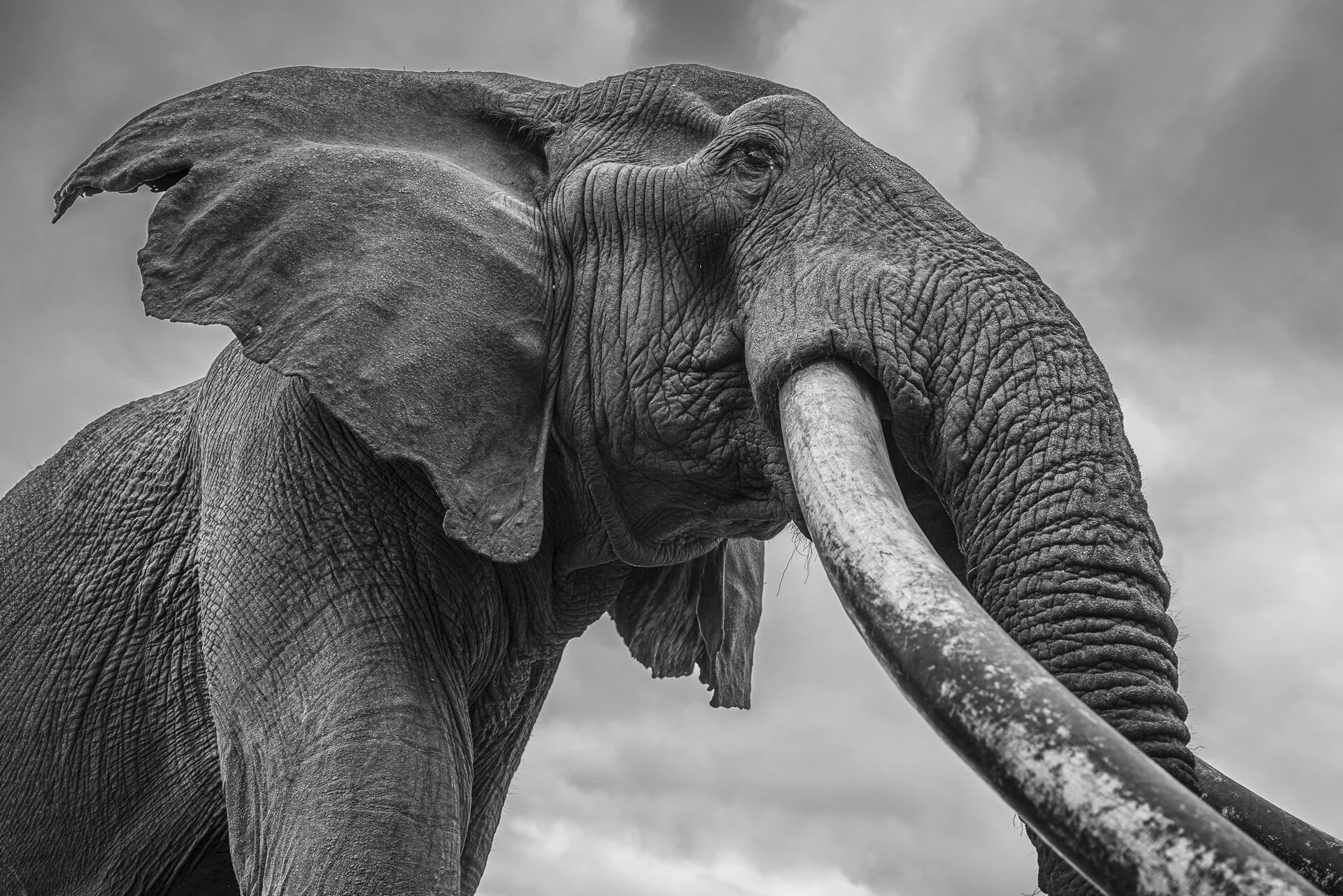
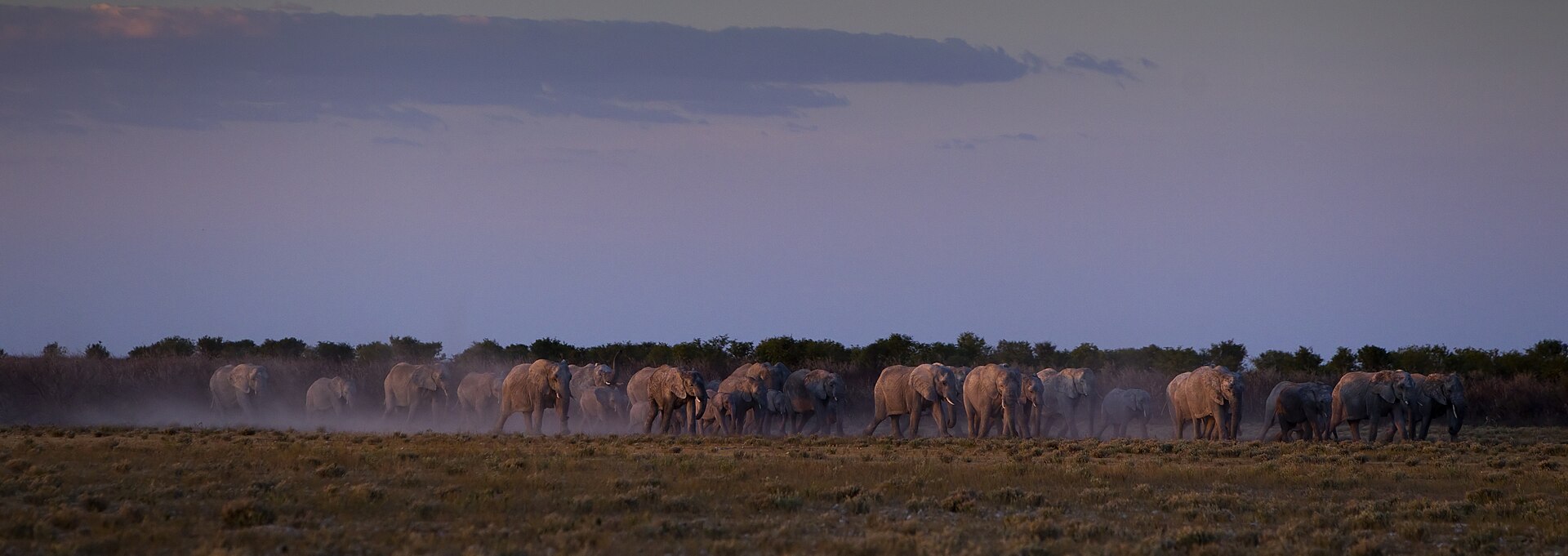
Is elephant riding ethical? No. To be ridden, an elephant must be broken — a process that traditionally involves separating calves from their mothers and using fear to force compliance. The saddles and howdahs damage spines that are not built to carry weight the way a horse's is. A wild elephant encounter, by contrast — watching a breeding herd drink at a waterhole from an open vehicle or a mokoro — is one of the most moving sights in Africa, and it harms nothing.
Walking with lions and "lion walk" experiences
A lion walk safari is marketed as ethical because the lions are "rescued" or "habituated". They are neither released nor rehabilitated. Cubs used for walking are typically part of a pipeline — petted as babies, walked as sub-adults, and in the worst cases funnelled into canned hunting once they are too large to handle. There is no legitimate conservation reason to walk alongside a lion. Wild lions, seen on a proper game drive or a dawn walking safari, are the real reward.
Cheetah, lion and tiger cub petting
Cub petting is the entry point of the captive-predator industry. Cubs are bred continuously to supply a constant stream of babies for tourists to hold, removed from mothers far too early, and discarded once grown. No reputable sanctuary allows the public to handle big-cat cubs. If you can hold it, walk away.
Predator "volunteering" programmes
Pay-to-volunteer schemes that have you bottle-feeding lion or cheetah cubs sound noble and feel meaningful. Many are front-ends for the same captive-breeding chain, using unpaid labour and well-meaning fees to raise animals that will never see the wild. Genuine conservation volunteering exists, but it rarely involves hands-on contact with charismatic predators.
Performing and begging animals
Dancing, "painting", or chained animals used for photographs on beaches and in markets are victims of the clearest kind of exploitation. The same applies to any primate, serval or bird kept for selfies. Reward none of it — not with money, not with a photograph.
A Quick Gut-Check Before You Book Anything
Ask yourself three things: Does the experience involve physical contact? Is the animal captive or confined? Would the animal behave this way with no humans present? If the answers are yes, yes, and no — it is not an ethical wildlife encounter, however it is dressed up.
What Makes an Encounter Truly Ethical
Over the years we have distilled our thinking into a five-criteria checklist. We apply it to every experience we put in front of a client. If an encounter cannot clear all five, we do not build it.
| Criteria | What it means | Ethical | Exploitative |
|---|---|---|---|
| 1. Wildness | The animal is free-ranging and behaves naturally | Wild gorilla family, cheetah on the plains | Caged, chained or hand-raised predator |
| 2. Distance | No touching, riding or baiting; respectful space kept | 7m gorilla rule, quiet vehicle approach | Petting, riding, feeding for a photo |
| 3. Accreditation | Governed by recognised conservation bodies and permits | IUCN, national park permits, GSTC operators | Unregulated roadside attractions |
| 4. Revenue to protection | Money flows back into habitat and communities | Gorilla permits funding anti-poaching | Profit extracted, nothing returned |
| 5. The animal's future | The encounter supports, not undermines, the species | Research-linked observation | Captive breeding for the next tourist |
The Finest Ethical Wildlife Experiences in Africa
Here is where the good news lives. Every one of these is wild, free-ranging and clears all five criteria — and each is more thrilling than any facility could ever be. These are the experiences we recommend to every traveller who asks.
| Experience | Where | Why it's the real thing | Best season |
|---|---|---|---|
| Mountain gorilla trekking | Rwanda, Uganda, DR Congo | Wild families, strict 7m rule, permits fund protection | Jun–Sep, Dec–Feb |
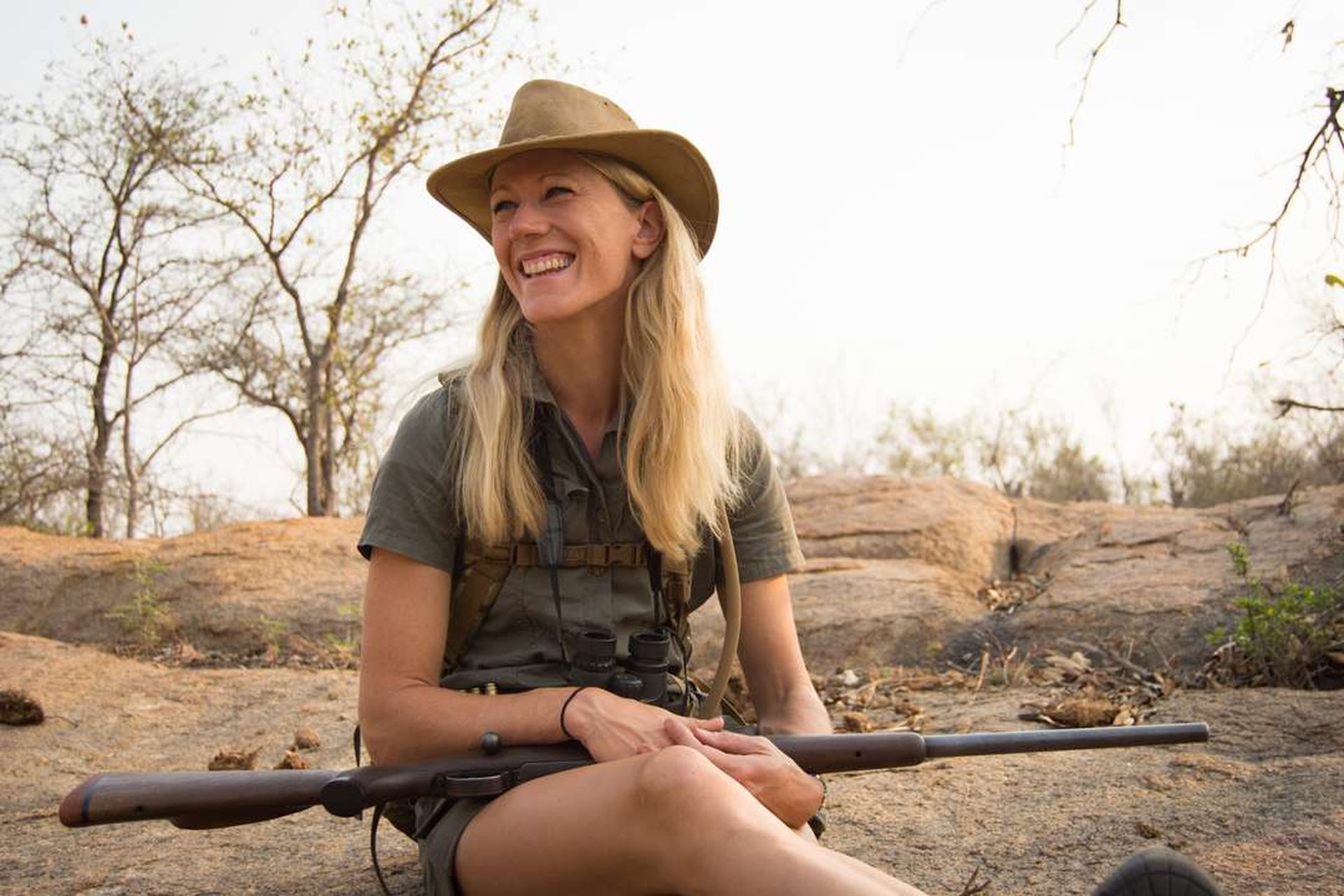
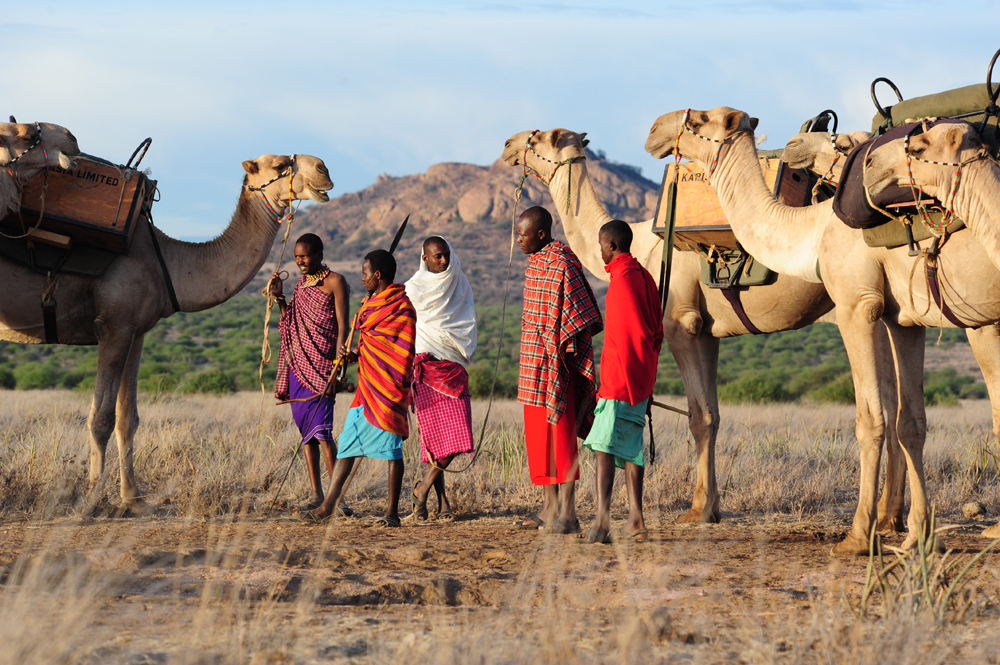
| Walking safari | South Luangwa, Laikipia, Ol Donyo | On foot, at the pace of the bush, nothing baited | May–Oct |
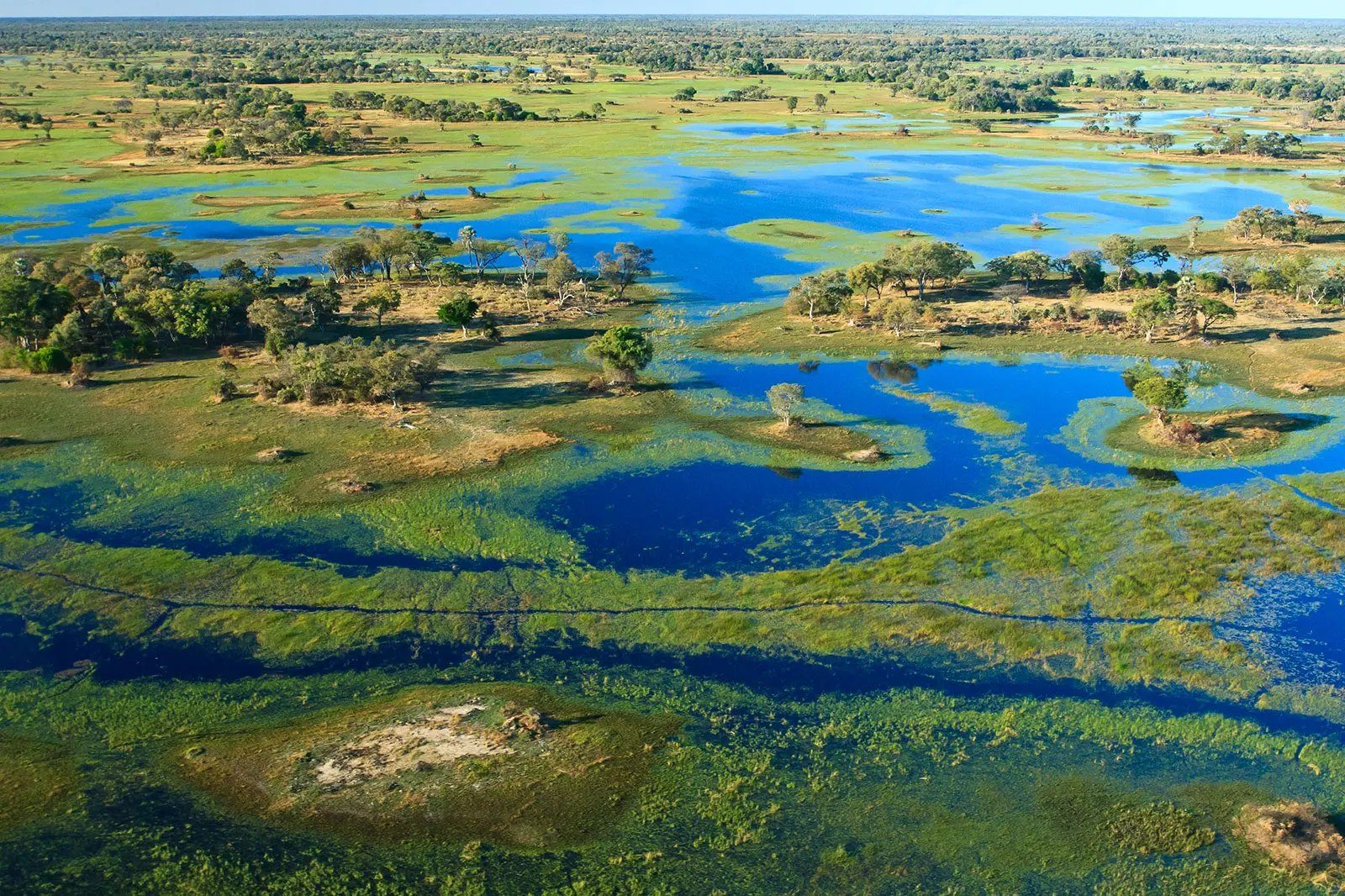
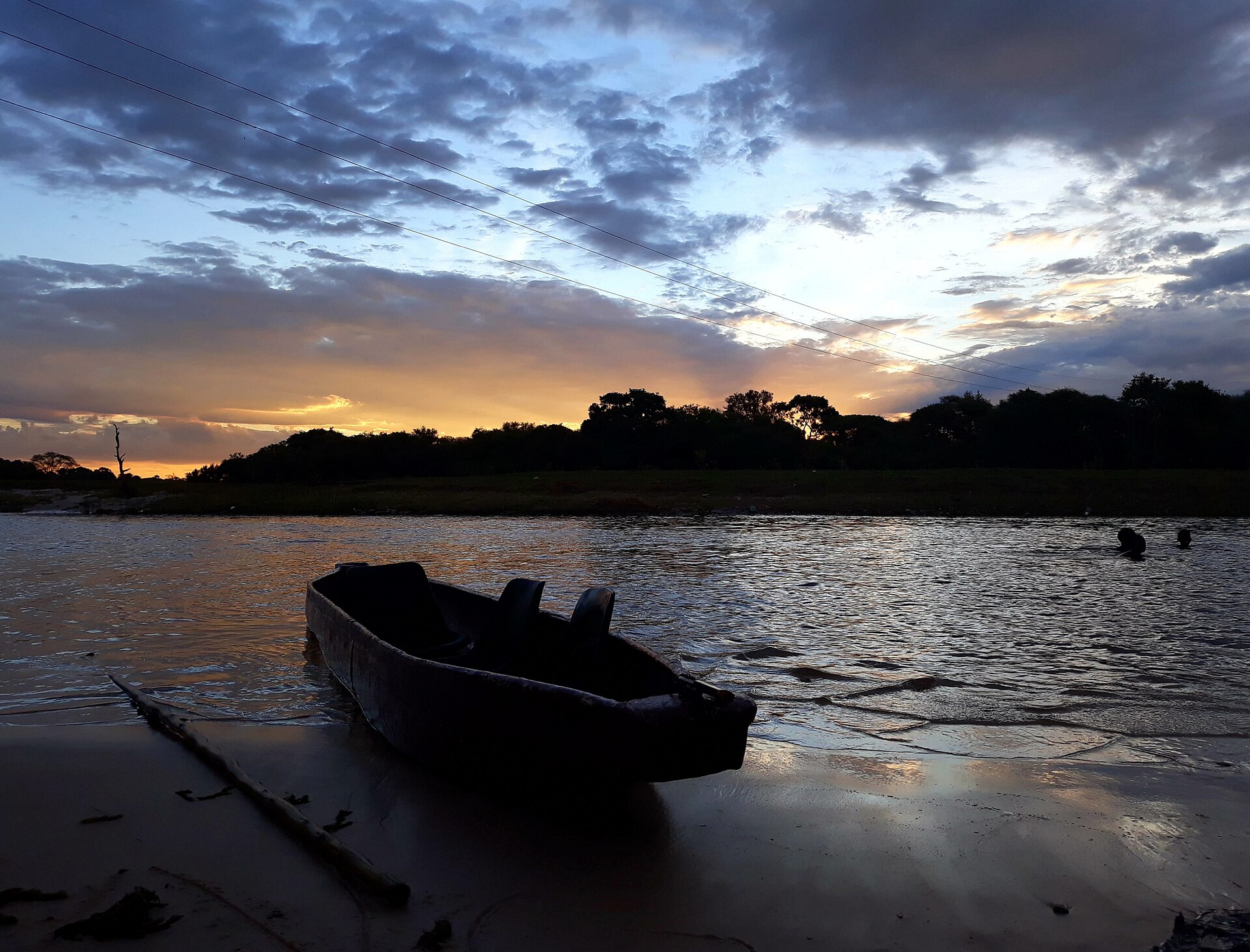
| Mokoro & boat safari | Okavango Delta | Silent water approach, zero footprint | May–Sep (high water) |
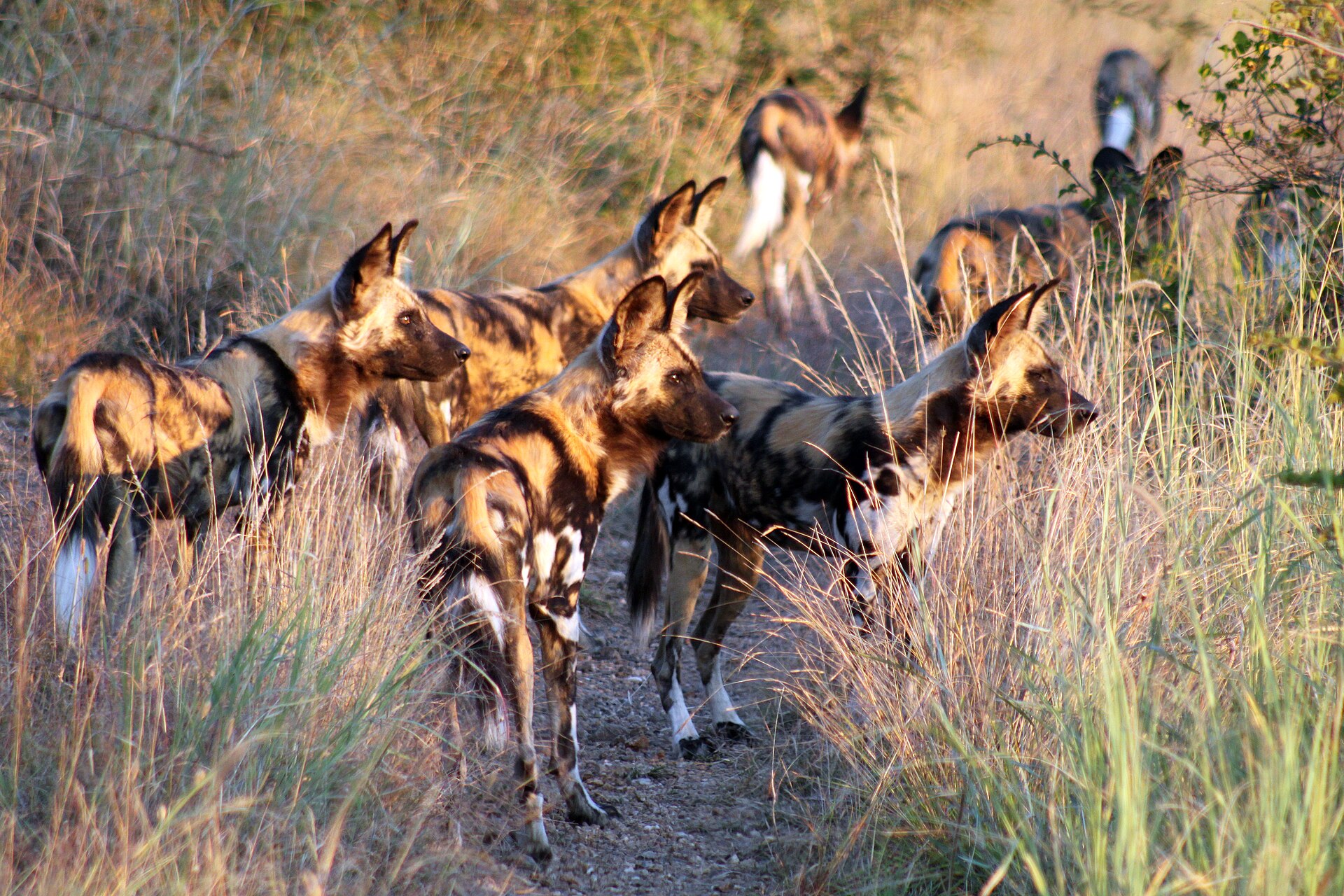
| Wild dog tracking | Mana Pools, Sabi Sand | Following wild packs on their terms | Jun–Aug (denning) |
| Cheetah research observation | AfriCat, Cheetah Conservation Fund | Science-led, no handling of wild cats | Year-round |
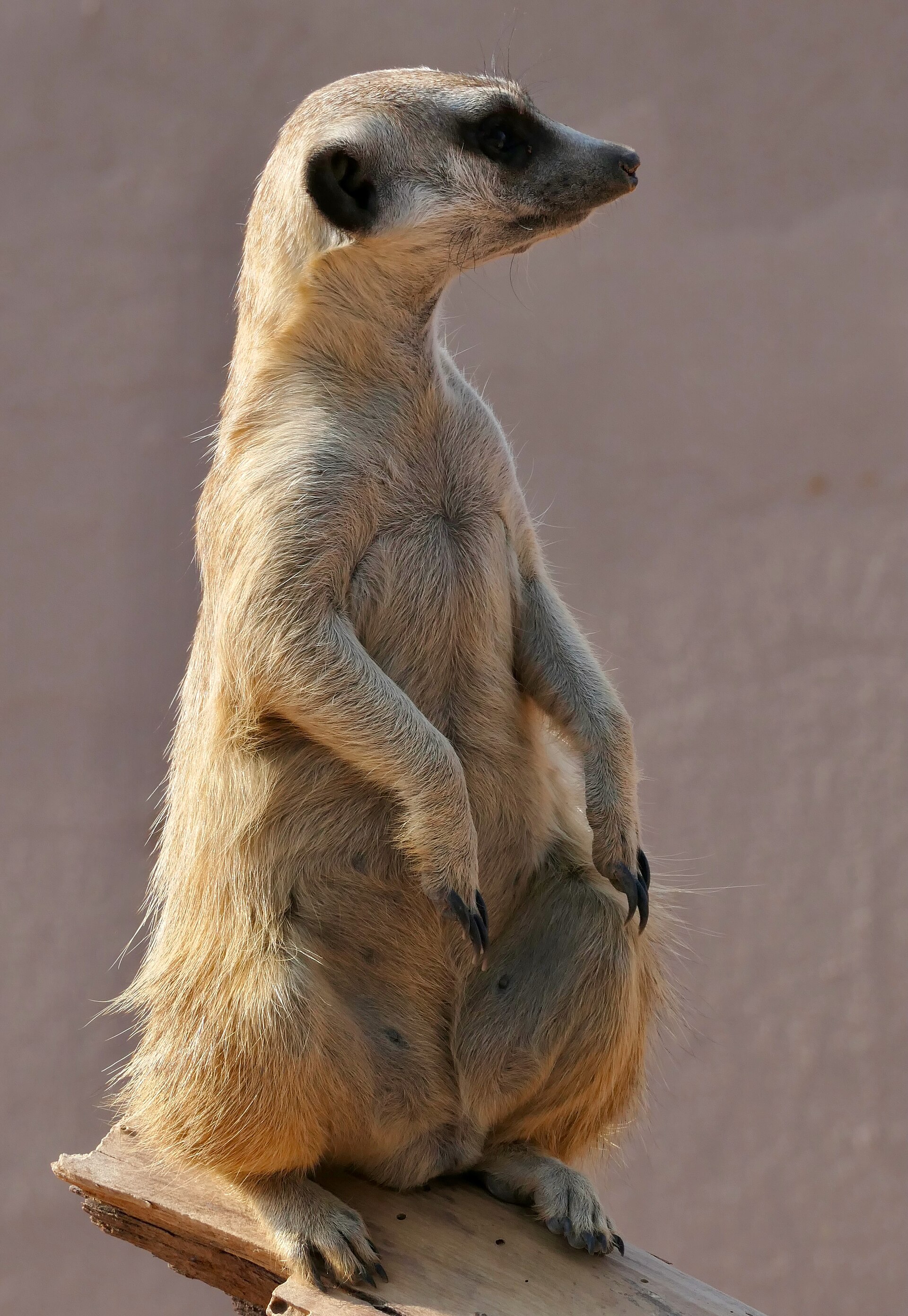
| Meerkat research encounters | Makgadikgadi, Kalahari | Habituated-to-researchers, never fed or touched | Apr–Oct |
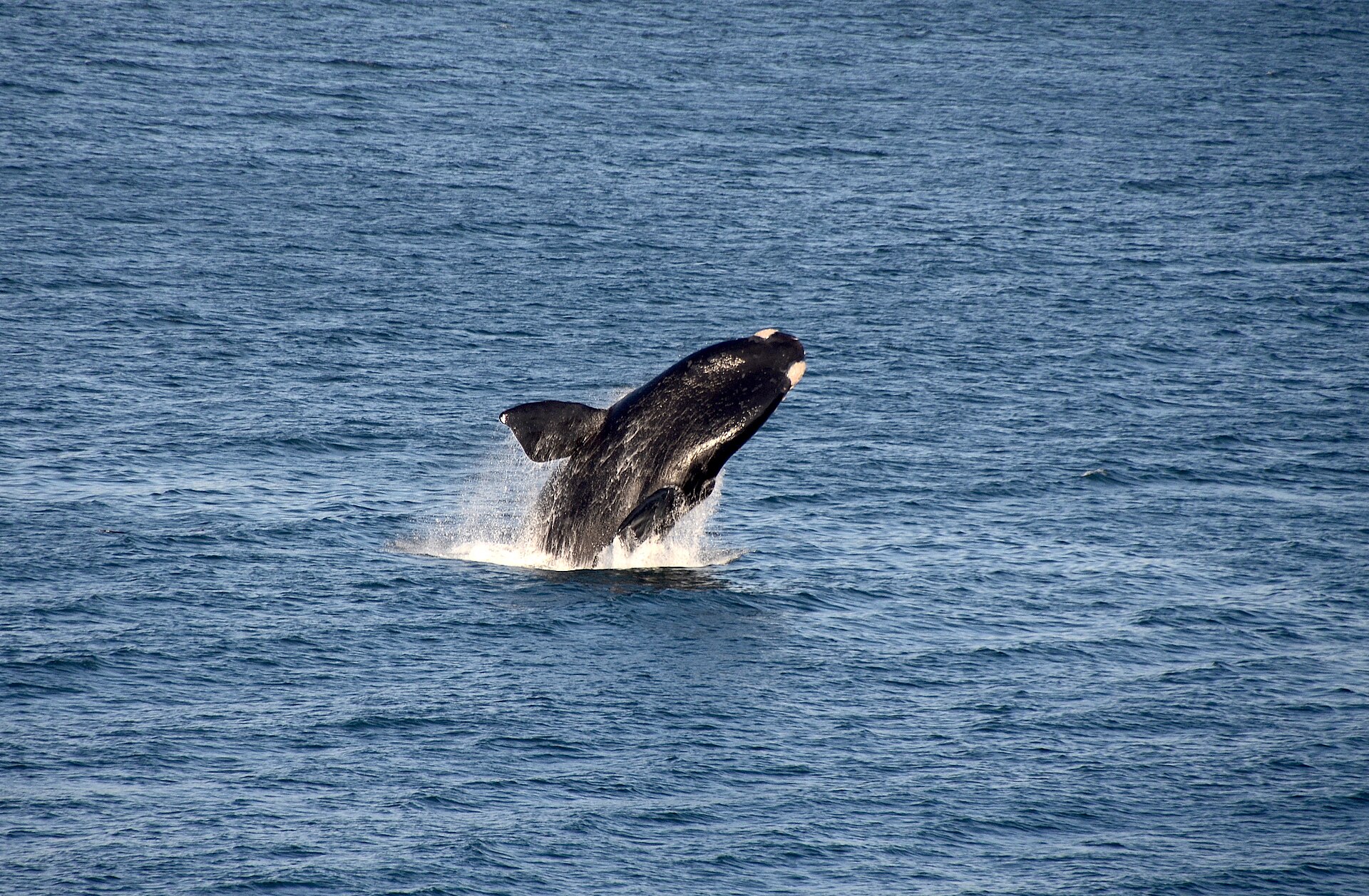
| Whale watching | Hermanus, Plettenberg Bay | Regulated boat distances, wild migration | Jun–Nov |
| Marine turtle conservation | Mozambique, Bazaruto | Guided nesting observation under permit | Nov–Feb |
Each of these deserves a fuller picture. Mountain gorilla trekking is, for many of our travellers, the encounter of a lifetime — an hour in the presence of a wild family who tolerate your quiet attention; our guide to gorilla trekking and what to expect walks you through it in detail. A walking safari replaces the engine with your own footsteps and your guide's tracking skill. The mokoro safari in the Okavango drifts you past elephants and hippos in near silence. And the whale watching at Hermanus delivers forty-tonne southern right whales breaching metres from a regulated boat — entirely on their own wild schedule.
Photography Ethics on Safari
A camera changes behaviour — yours and sometimes the animal's. Beautiful wildlife photography and ethical conduct are not in conflict, but it takes a little discipline. Here are the four rules our guides live by, and our full safari photography experience guide goes deeper.
- Never bait or lure. Food, calls and playback recordings stress animals and alter natural behaviour. The best photographs come from patience, not manipulation.
- Keep your distance — and your flash off. A long lens respects the animal's space. Flash startles nocturnal species and can damage sensitive eyes.
- Let the sighting breathe. No crowding, no engine-revving to get a reaction, no blocking an animal's path. If your presence changes what the animal is doing, back off.
- Be honest about geotags. For rhino and other high-poaching-risk species, switch off location data before you post. A careless geotag can cost a life.
How to Vet an Operator: 5 Questions to Ask Before Booking
The single best protection against greenwashing is a short, direct conversation. A good operator answers these without hesitation; a dubious one deflects. If you want the wider picture on choosing well, our guide to the best conservation safaris in Africa is the natural next read.
- "Can I touch, ride or pose with any animal on this itinerary?" The right answer is a clear no for all wild species.
- "Which conservation bodies or permits govern these encounters?" Expect specifics — national park permits, IUCN alignment, GSTC or recognised accreditation.
- "Where does my money go?" A good operator can show how fees support anti-poaching, habitat and local communities.
- "What are your guides' qualifications and distance protocols?" Look for accredited guides (FGASA, national guide certification) and firm rules on approach distance.
- "What happens to the animals when tourists aren't there?" Wild animals simply live their lives. If the answer involves enclosures or handlers, reconsider.
Beyond the Big Names: More Wild, Ethical Encounters
The marquee experiences are not the only ones that pass the test. Wild dog tracking in Mana Pools or the Sabi Sand follows one of Africa's most endangered predators on its own terms. Meerkat research encounters in the Makgadikgadi and Kalahari let you sit quietly as a habituated family posts its sentries at dawn — never fed, never handled. Horseback safaris, covered in our guide to the best horseback safaris, let you move through plains game as one more large herbivore, drawing astonishingly close without an engine. And marine turtle conservation along the Mozambican coast puts you alongside researchers as females haul ashore to nest under permit and starlight.
Start Planning Your Ethical Wildlife Journey
Every journey we design passes a straightforward test: does this experience respect the animal's nature, its wildness and its future? If the answer is yes, we build it. If it is no, we tell you why — and we build you something better. Our private wildlife journeys start from around USD 2,800 per person, and each one is tailored around the wild, free-ranging encounters in this guide.
Tell us what moves you — gorillas in the mist, wild dogs on the hunt, a mokoro at first light, whales off the Cape — and we will craft a private itinerary around the real thing. Speak to our team and we will start with the experiences that matter most to you.