Key Takeaways
- Habituated (not tame) meerkats let you sit among them as they wake and forage
- They may use a still human as a lookout post — an unforgettable moment
- The experience is centred on the Makgadikgadi Pans in north-eastern Botswana
- Combine it with quad biking, salt-pan sleep-outs and ancient baobabs
- The wet season brings a spectacular zebra migration and flamingos
- Best paired with an Okavango Delta safari for total contrast
The Encounter That Steals Every Heart
Of all the wildlife experiences Botswana offers — the leopards, the elephant herds, the wild dogs — the one that sends travellers home grinning is often the smallest. On the fringes of the Makgadikgadi Pans live several families of meerkats that have been gently habituated to human presence by patient researchers and guides over many years. They are not tame and they are not fed; they simply no longer regard people as a threat. And that changes everything.
You arrive at their burrow before dawn and wait quietly as the desert warms. One by one the meerkats emerge, stretch, and stand tall on their hind legs to catch the first sun and scan for danger. Then they begin to forage, scampering and digging around you as though you were a rock or a bush. And here is the magic: because meerkats climb to the highest point available to act as sentinel, a still, seated human sometimes becomes exactly that — and a meerkat may hop onto your shoulder or head to survey the horizon. It is a moment of pure, unscripted joy that no amount of money could guarantee, and it happens on the Makgadikgadi.
Where It Happens: The Makgadikgadi Pans
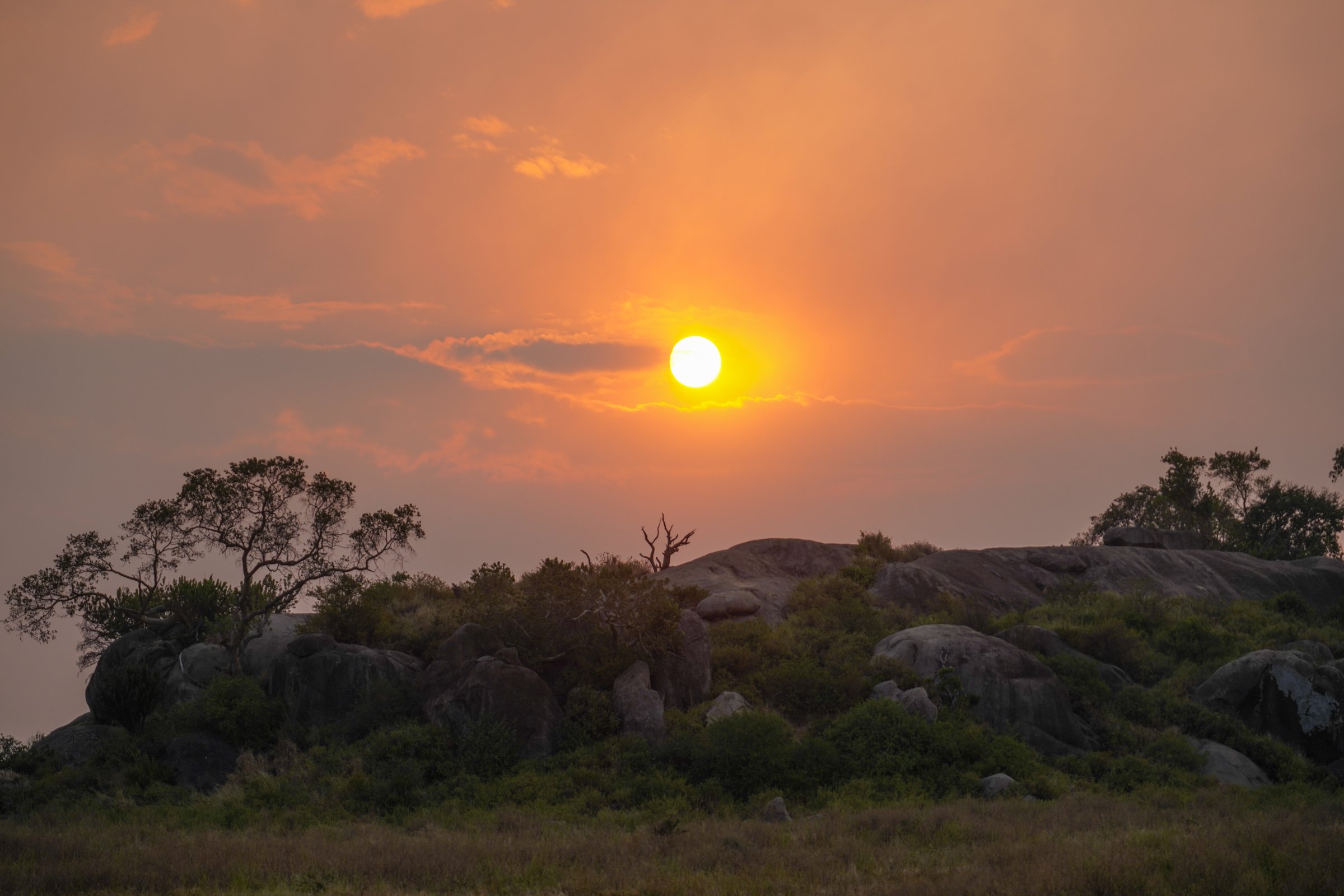
The Makgadikgadi is one of the largest salt-pan systems on earth — the ghost of a super-lake that once covered much of Botswana, now a shimmering expanse of white that stretches to a horizon so flat you can see the curvature of the earth. It is one of Africa's most surreal and beautiful landscapes, and the meerkat experience is only one of its treasures. This is a place of extremes: bone-dry and silent in the winter, transformed by the summer rains into a shallow sea that draws wildlife from hundreds of miles.
The meerkat families live in the grassy fringes and islands around the pans, where a scattering of legendary camps — Jack's Camp among them — have built their reputation on this landscape. Read our Jack's Camp review for the most famous of them, a 1940s-style oasis of Persian rugs and museum-quality curiosities on the edge of the void.
Beyond the Meerkats: Quad Bikes, Baobabs and a Migration
The Makgadikgadi rewards those who linger. In the dry season, guests ride quad bikes out across the salt crust to the very heart of the pans — a thrilling, slightly disorienting journey into a white infinity — and often sleep out there under a sky so dark and star-choked it feels like flying. The silence is total, the scale humbling. Read our star-bed sleep-out guide for more on that experience.
Scattered across the region are ancient baobab trees — including the famous group on Kubu Island, some over a thousand years old, standing sentinel on a granite outcrop in the middle of the pans. And in the wet season the story flips entirely: water returns, and with it one of Africa's last great zebra migrations, tens of thousands of animals moving to the fresh grazing, followed by predators and joined by flamingos gathering in their thousands on the flooded pans. It is one of the continent's great wildlife spectacles, and almost nobody knows about it.
Plan My Makgadikgadi Experience
When to Go
Both seasons have their magic. The dry season (May–October) is best for the classic desert experience — reliable meerkat sightings, quad biking across the hard salt crust, star-bed sleep-outs and the surreal emptiness of the pans at their most extreme. The wet season (December–April) brings the water, the zebra migration, the flamingos and a green, transformed landscape, though the pans themselves become inaccessible by quad. Many travellers are surprised to learn the Makgadikgadi is a genuinely year-round destination with two utterly different characters.
How to Build It Into Your Trip
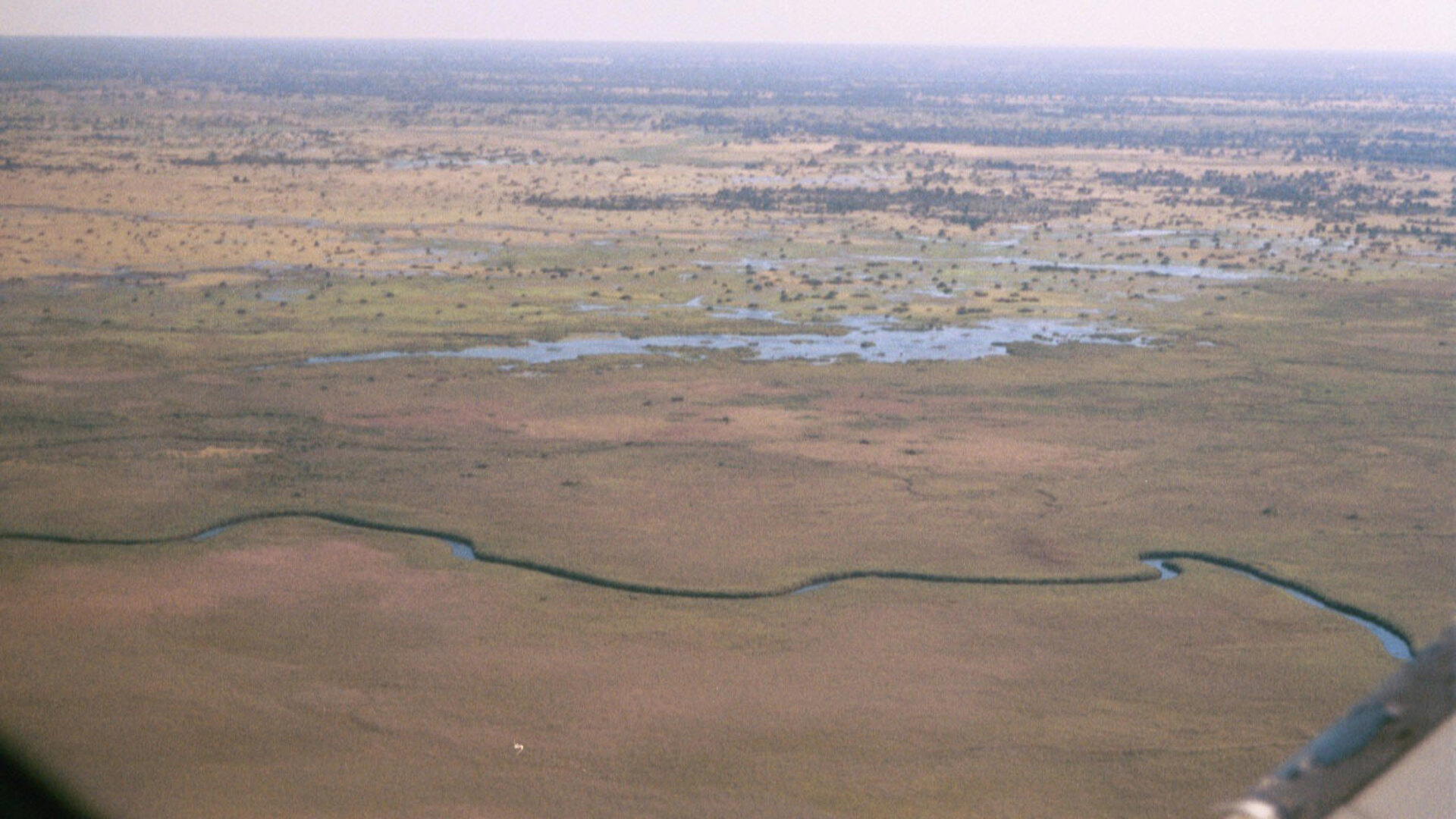
The Makgadikgadi is the perfect counterpoint to the Okavango Delta. Where the delta is all water, reeds and dense wildlife, the pans are space, silence and surreal emptiness — and the meerkats, the quad bikes and the star-beds provide experiences you simply cannot have in the delta. We usually recommend two or three nights on the pans, either side of a delta or Chobe stay, linked by a short scenic flight. The contrast is the whole point: two completely different faces of Botswana in a single, seamless journey.
An ethical note we are proud of: the meerkat habituation is a gentle, long-term research-led process, and reputable camps maintain strict guidelines — no feeding, no touching, keeping a respectful distance and letting the meerkats set the terms. What you experience is wild behaviour, freely given. That is exactly why it feels so special.
Private Tours Cape Town crafts Makgadikgadi and delta combinations — the meerkats, the salt pans, the star-beds and the Okavango, woven into one unforgettable Botswana journey.