What Is a Star Bed Sleep-Out?
- A raised sleeping platform (2–3 metres off the ground) out in the open wilderness
- No tent, no walls, no roof — just a mattress, bedding and mosquito netting
- Set on the Makgadikgadi salt pans, in the Kalahari or on remote delta islands
- You sleep under the unfiltered African night sky — stars, Milky Way, satellites
- Totally safe (height deters predators; staff nearby if needed; you're never alone)
- Usually a one-night experience as part of a longer safari
Why Do a Star Bed Sleep-Out?
Some travel experiences are designed to remove every barrier between you and the natural world. A Botswana starbed sleep-out is one of them. There's no tent canvas between you and the Milky Way, no lodge lights dimming the constellations, no hum of generators. Just you, a mattress on a raised platform and the biggest, brightest, most overwhelming night sky you will ever see.
The Southern Hemisphere sky — especially in Botswana's remote, light-pollution-free wilderness — is spectacular beyond description. You'll see the Milky Way as a wide, glowing river of stars overhead. You'll watch satellites drift silently across Orion. You'll spot shooting stars until you lose count. And all night, if you wake, the sky is there — infinite, humbling, utterly beautiful. It's a bucket-list experience for a reason.
Where Can You Do It? (Makgadikgadi vs. Kalahari)
The two classic starbed locations are the Makgadikgadi Pans and the Kalahari Desert, each offering a different flavour of wilderness solitude.
Makgadikgadi Pans
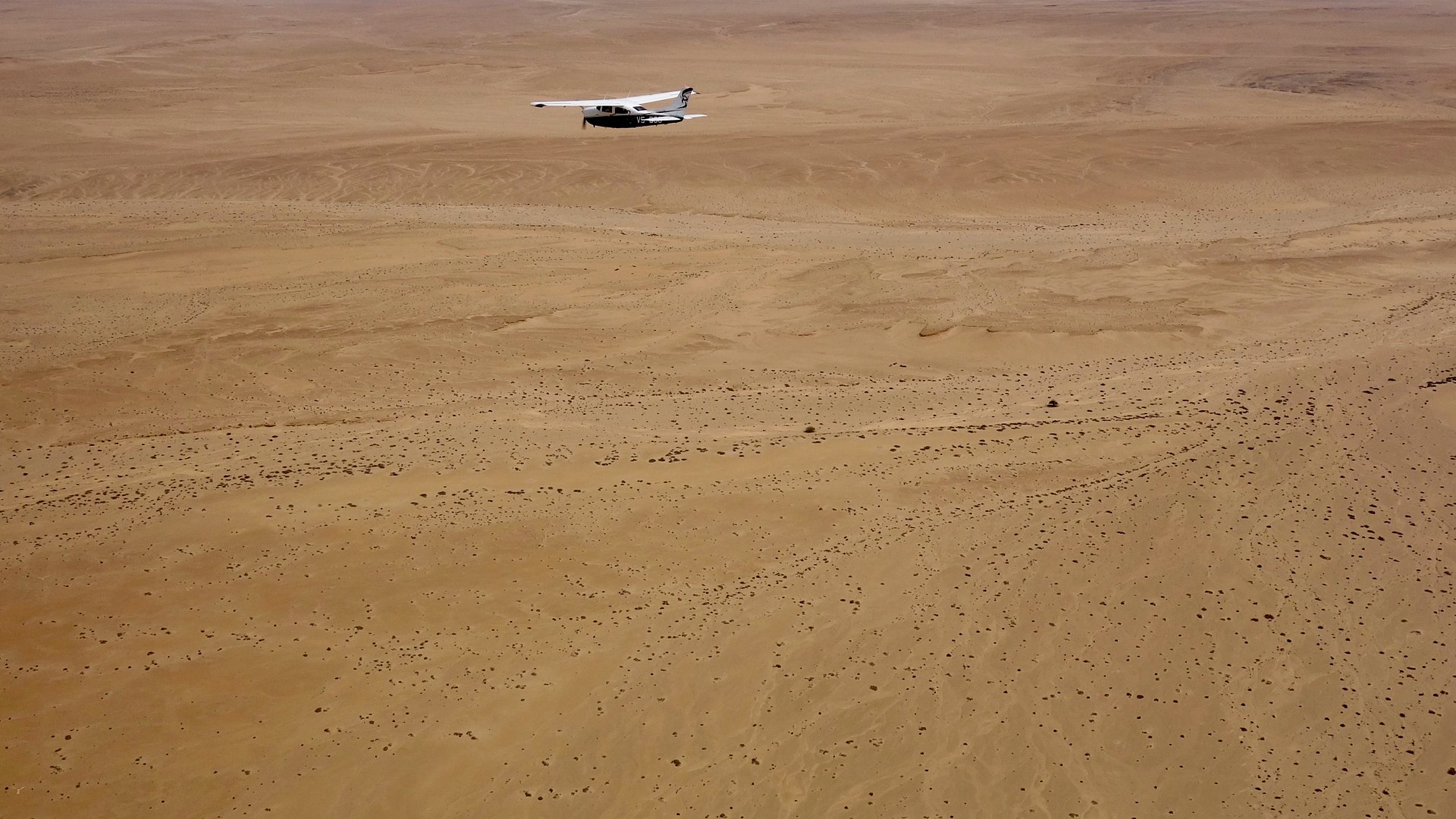
The Makgadikgadi is the archetypal star bed setting — a vast white salt pan stretching to the horizon, flat as glass, silent as the moon. Your platform sits out on the open pan or on its edge, surrounded by absolute emptiness. The horizon is so flat you can see the curvature of the earth. At night, with no ambient light for hundreds of kilometres, the stars are overwhelming. Jack's Camp and San Camp are the two main operators here, and both offer iconic starbed experiences. The pans are also famous for their green-season zebra migration (December–March) and habituated meerkats.
Kalahari Desert
The Kalahari offers a softer, more vegetated backdrop — golden grasslands, ancient baobabs and acacia scrub. Your platform might be set beside a waterhole or deep in the bush, with the sounds of jackals and nightjars in the distance. The sky is equally spectacular, but the landscape feels less alien, more connected to the rhythms of the wild. Camps like Kalahari Plains offer starbed options here.
What to Expect: A Typical Starbed Night
Your guide will drive you out to the platform in the late afternoon, usually after a sundowner stop. The platform itself is simple but comfortable — a king-size mattress on a raised wooden deck (2–3 metres high), fresh linens, pillows, warm blankets for the cool desert night and a mosquito net you can drop if needed (though there are usually few insects out on the pans).
Dinner is served at sunset, either on the platform or at a table nearby — typically a three-course meal with wine, champagne and a campfire. As the sun sets, the sky turns gold, then pink, then deep indigo. And then the stars come out. Your guide will point out the Southern Cross, Scorpius, the Magellanic Clouds. You'll lie back and watch the Milky Way arc overhead. If you're lucky, you might see a meteor shower or a satellite pass.
At some point you'll fall asleep — and if you wake in the night, the sky is still there, just as bright. In the morning, breakfast is served on the platform as the sun rises. It's one of those experiences that sounds simple on paper but feels utterly transformative in the moment. See our guide to Botswana's best camps for where to stay.
Is It Safe?
Yes. The platform is raised 2–3 metres off the ground, which puts you well above the reach of any predator. Lions, leopards and other big cats show little interest in elevated structures — to them, you're not on the ground, so you're not prey. Your guide and camp staff are always nearby (usually sleeping in tents 50–100 metres away), and you'll have a radio or whistle to call them if needed. In decades of starbed sleep-outs across Botswana, there have been no incidents.
That said, you will hear the sounds of the African night — distant hyena whoops, the bark of a zebra, the rumble of elephants. That's part of the magic. If you're genuinely uncomfortable with the idea of sleeping in the open, most camps offer the option to sleep in a ground tent nearby instead, or to return to the lodge. But the vast majority of guests — even those initially nervous — describe the starbed as the highlight of their safari.
Best Time for a Star Bed Sleep-Out
The dry season (May–October) is ideal: clear skies, cooler nights (you'll want those blankets) and zero chance of rain. The new moon periods are the darkest and offer the best stargazing — your guide can help you plan around this. The green season (November–April) can be spectacular in its own way (dramatic thunderstorms, the zebra migration on the pans), but cloud cover and rain can disrupt the sleep-out.
For photographers, the dry season also offers the best light and visibility for astrophotography. A long exposure on the Milky Way over the salt pans is one of Africa's iconic shots.
Which Camps Offer Starbed Sleep-Outs?
The most famous are Jack's Camp and San Camp on the Makgadikgadi Pans — both run by Natural Selection and both offering raised starbeds as a signature experience. Kalahari Plains Camp also offers starbed nights. Some mobile tented camps in the Delta and Chobe can arrange sleep-outs on request, though these are less common. If a starbed is a priority for your trip, tell us early — availability can be limited and some camps only offer it in dry season.
Private Tours Cape Town arranges Botswana starbed experiences as part of tailored safaris — we'll suggest the right camp, book your platform and ensure your night under the stars is unforgettable.