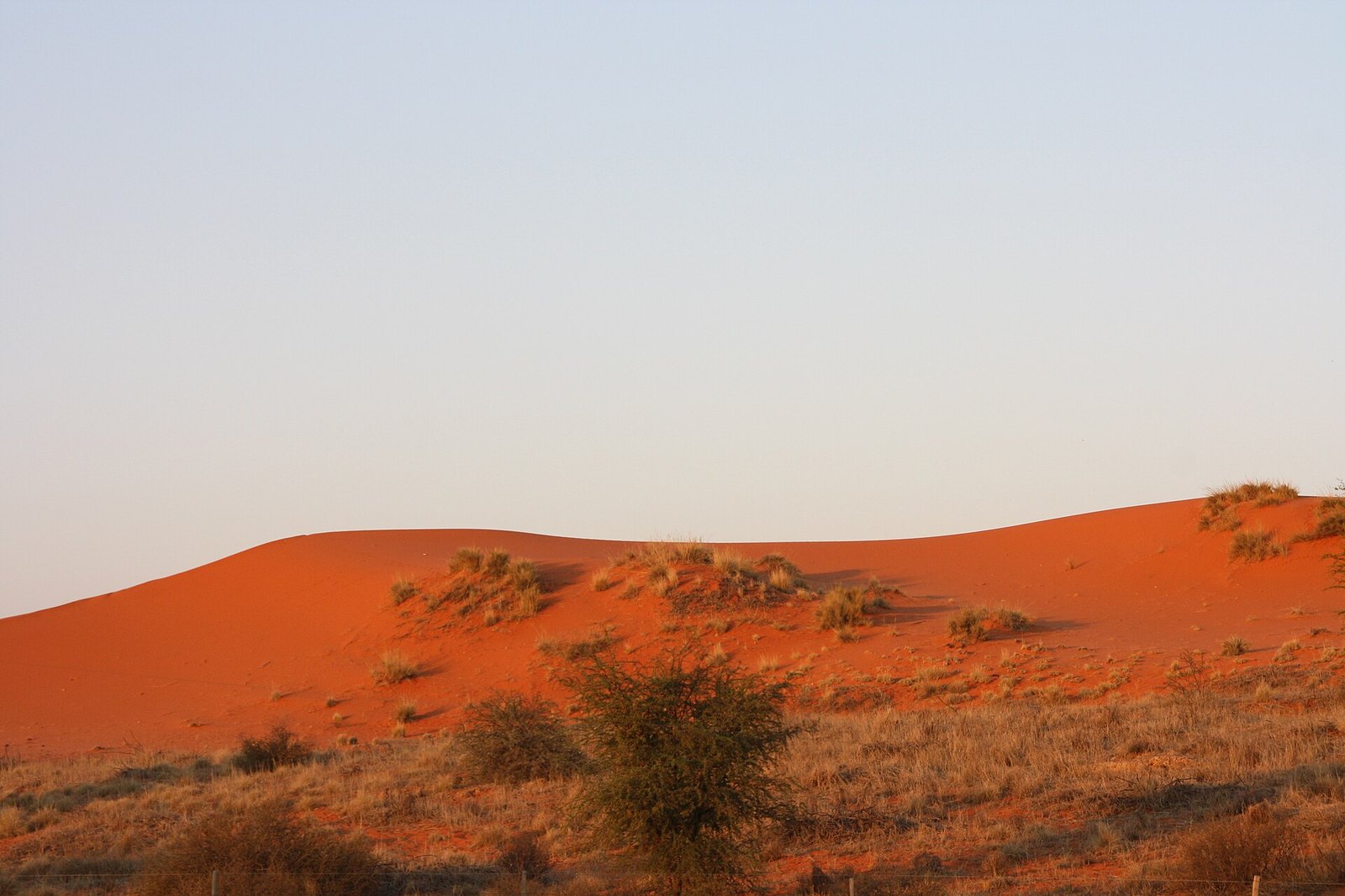
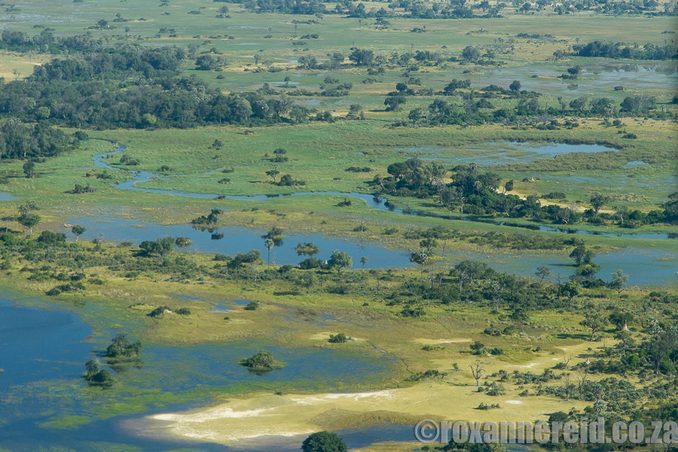
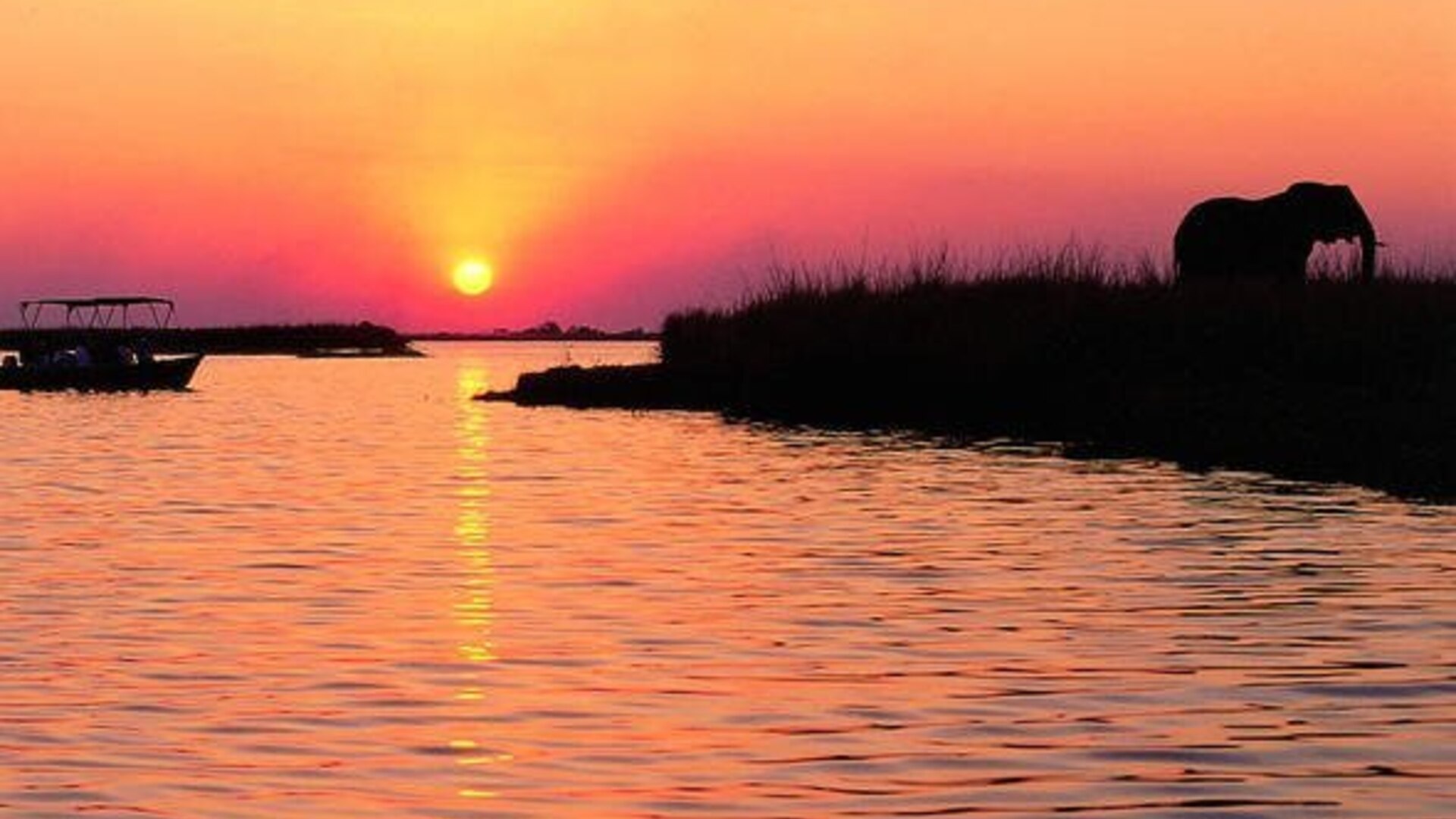
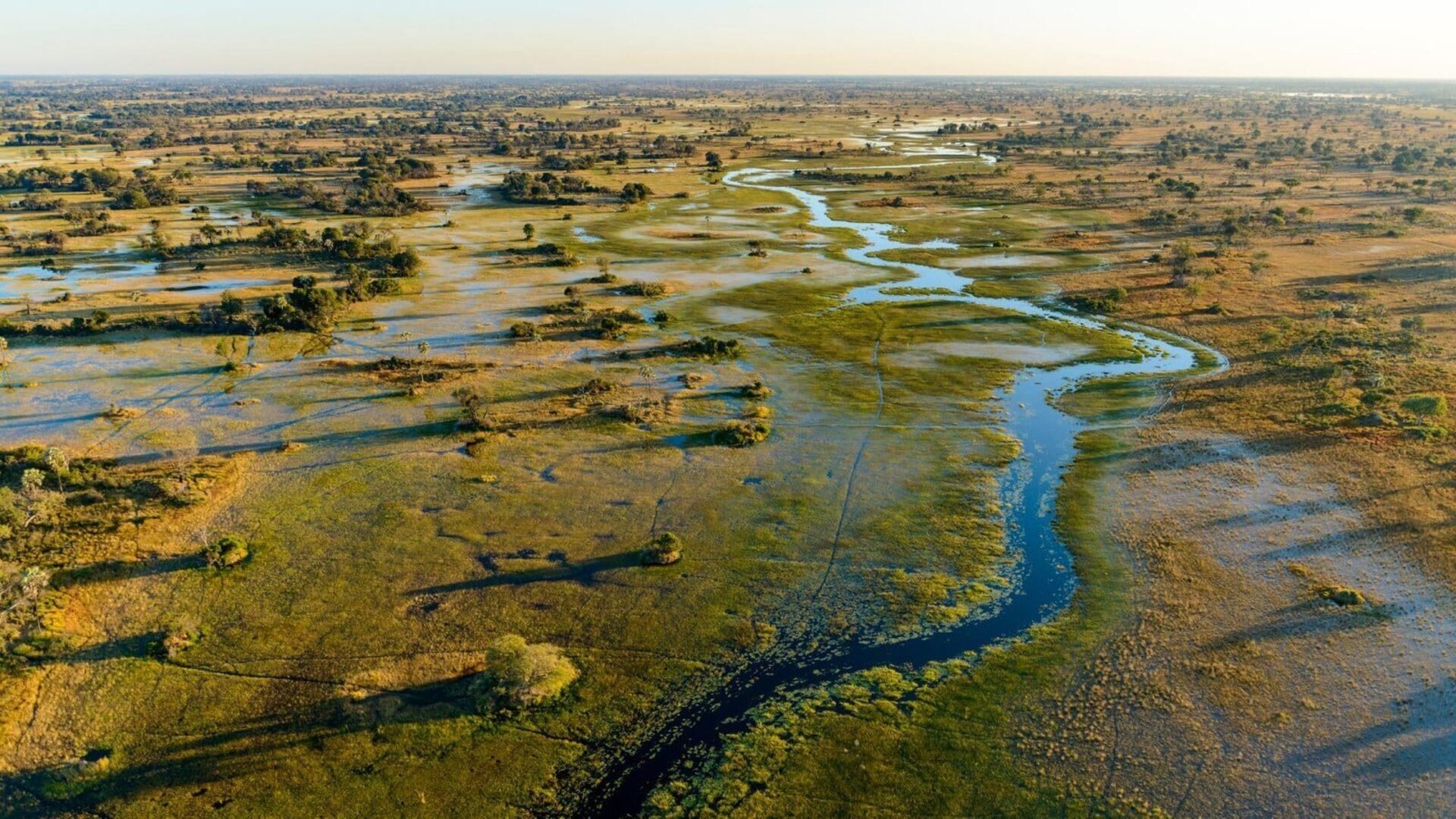
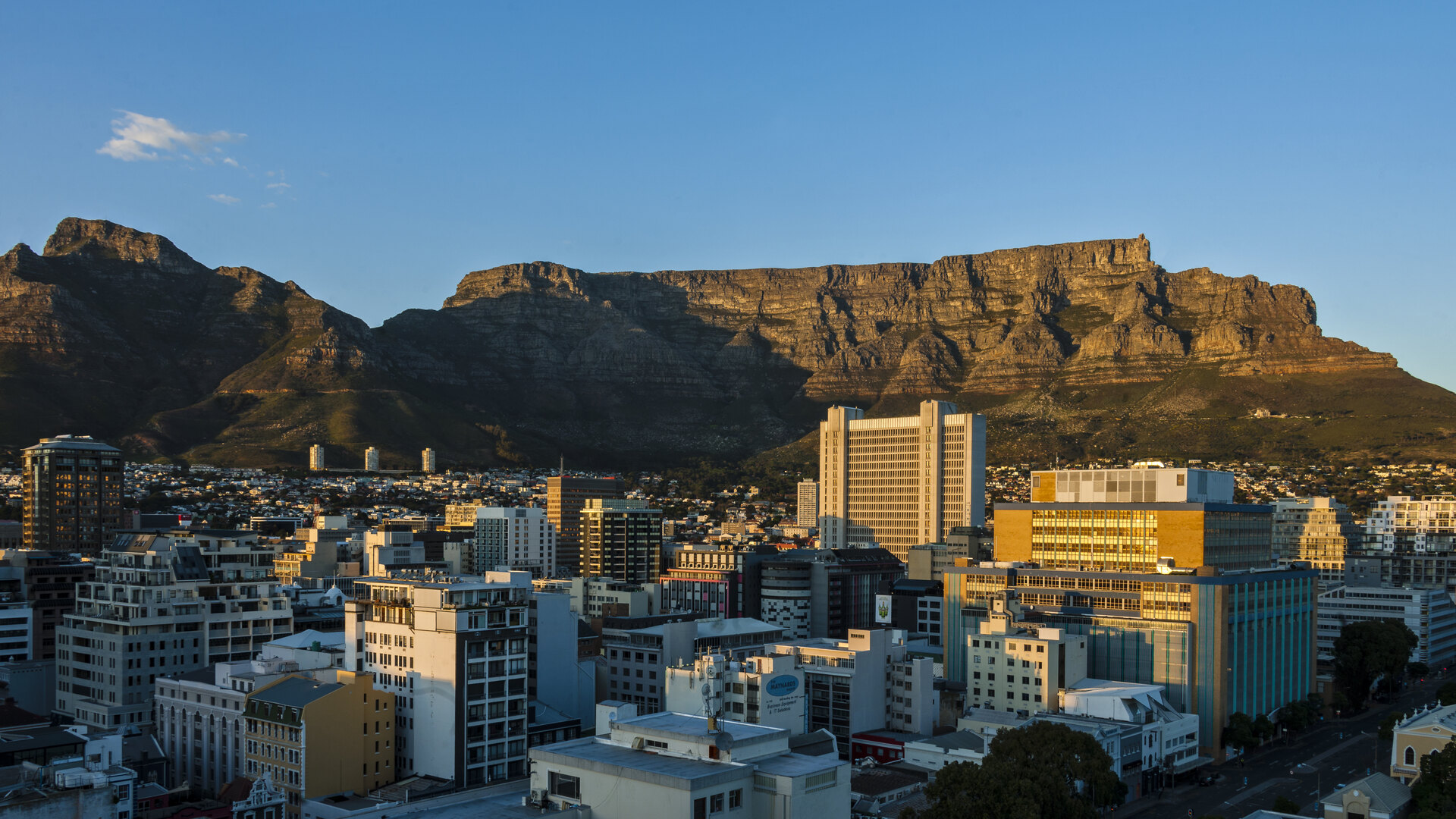
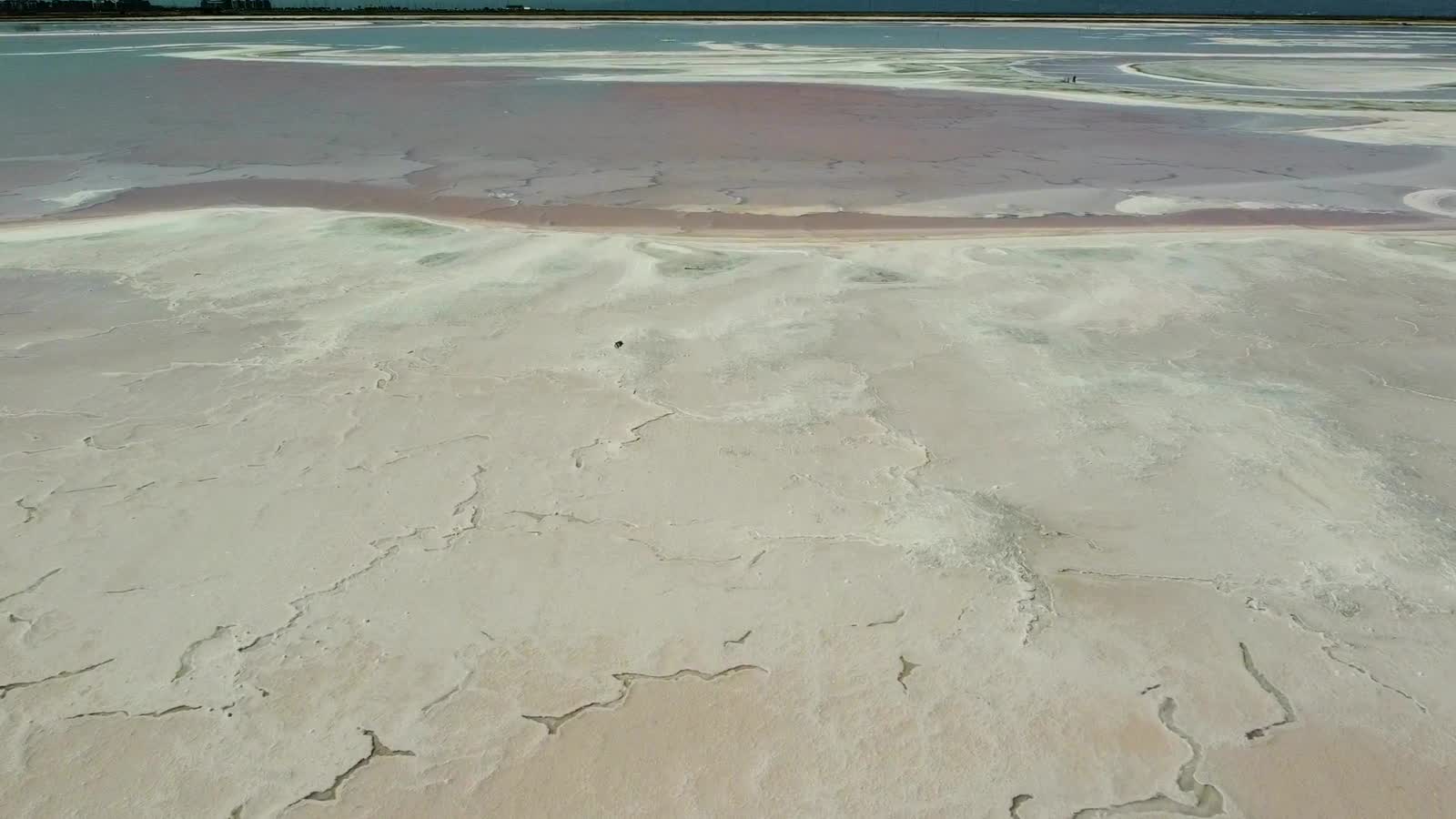
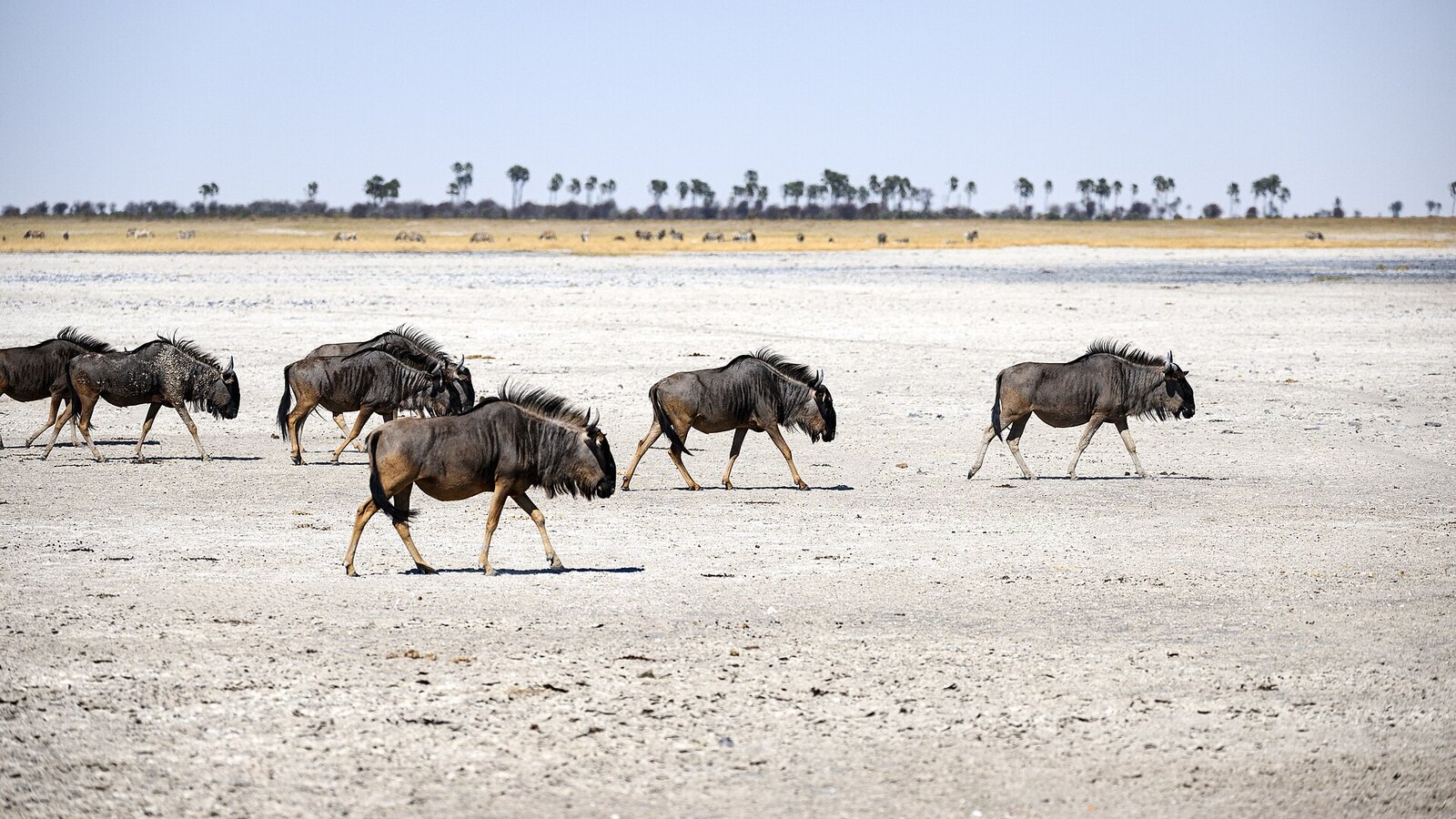
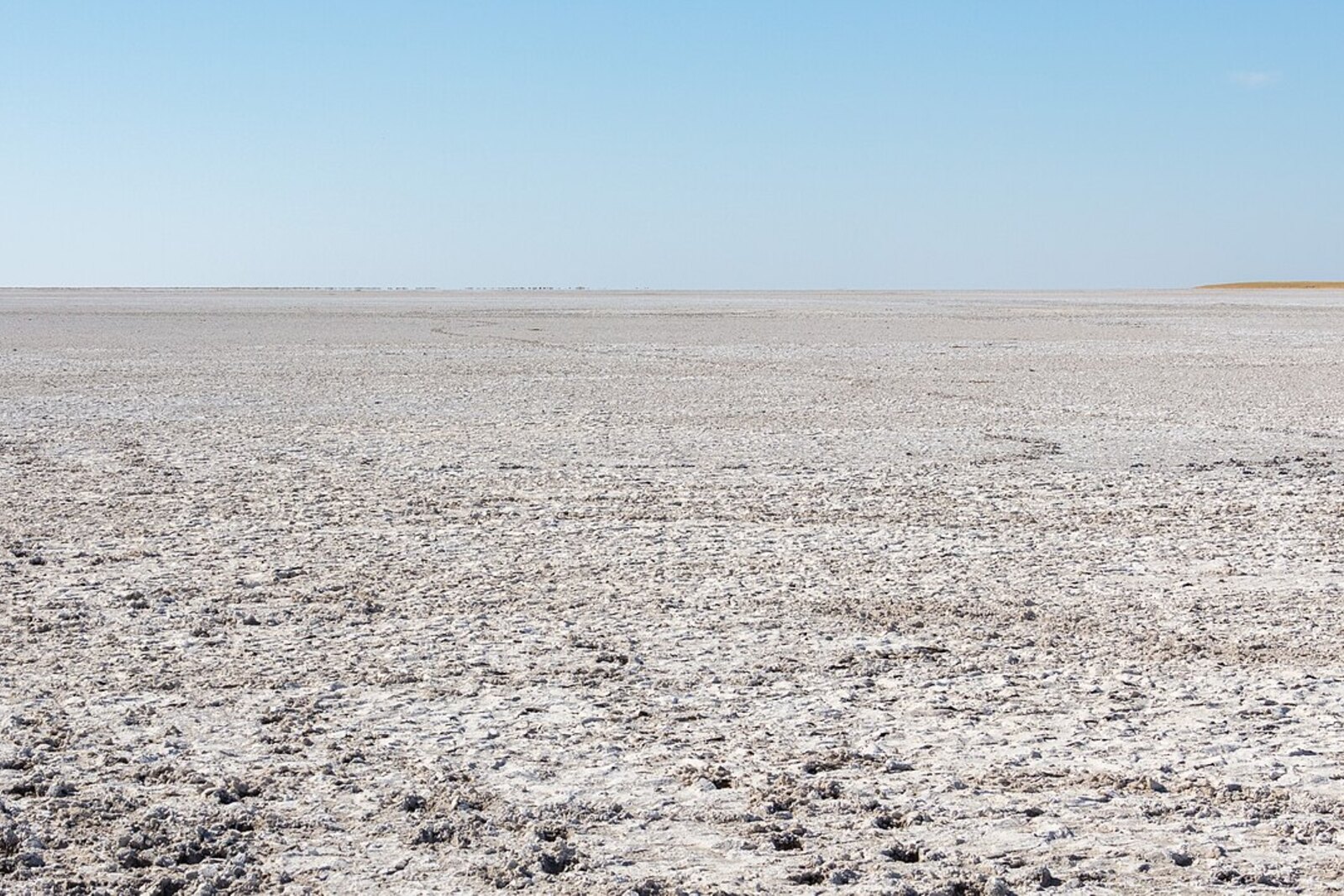
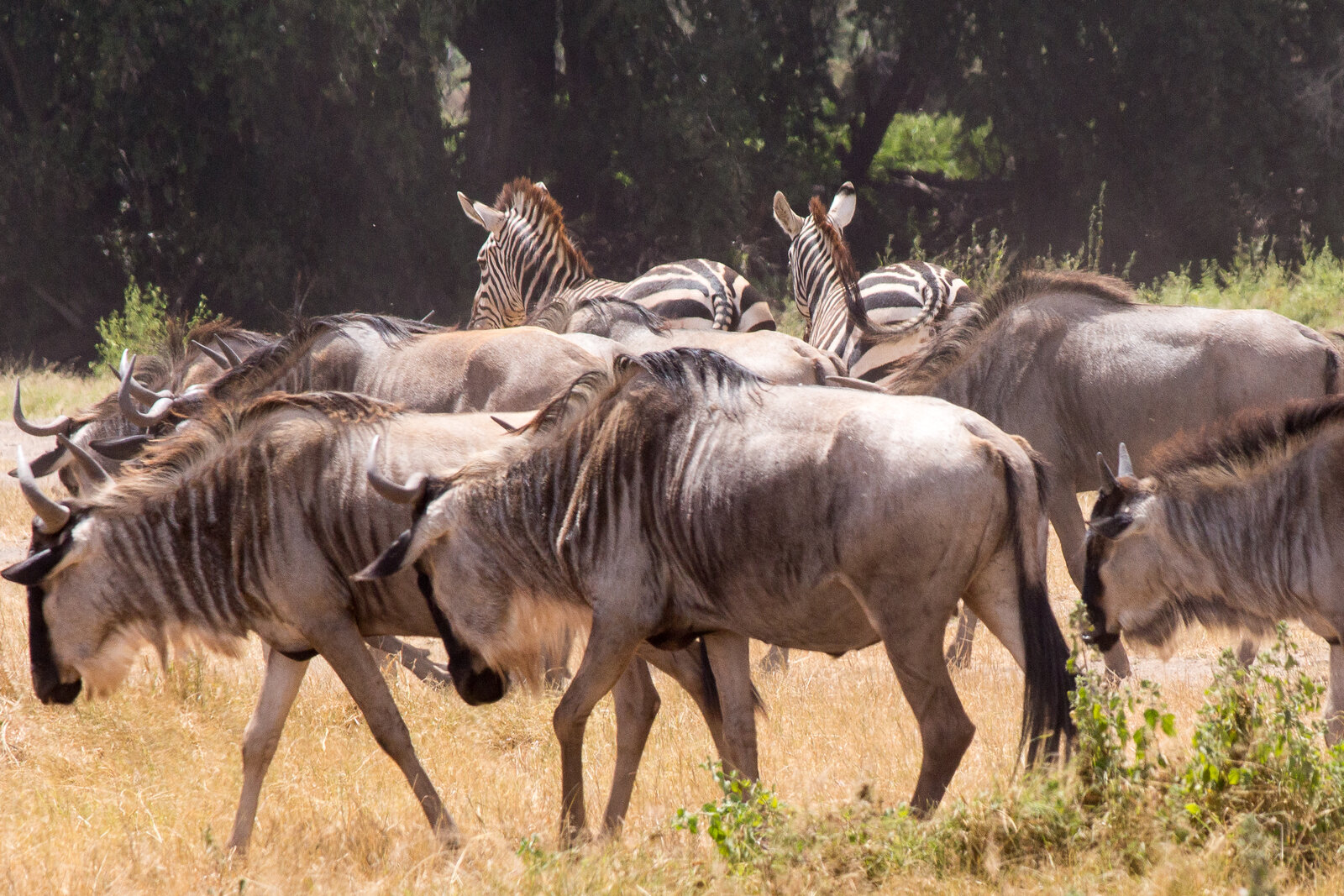
Once, a super-lake the size of Switzerland shimmered across northern Botswana. When it evaporated some ten thousand years ago it left behind the Makgadikgadi — one of the largest salt-pan systems on earth, a landscape of such flat, blinding emptiness that on the great pans of Ntwetwe and Sua you can sense the curvature of the earth and hear nothing but your own heartbeat. In the dry season it is a stark white void, crossed by quad bike to sleep out beneath the stars. When the summer rains arrive, the pans are transformed: grasses green the fringing savanna, tens of thousands of zebra and wildebeest pour in on Africa's second-largest migration, and flamingos gather in pink multitudes on Sua Pan. Add habituated meerkat colonies, walks with the Zu/'hoasi San Bushmen, and the legendary Jack's Camp, and the Makgadikgadi becomes one of the most surreal and soul-stirring places on the continent.
We don't just send you to the salt. We time your visit to the right season — the surreal white emptiness, or the thunder of the migration. The Makgadikgadi is two destinations in one, and knowing which to choose is everything. We match the season to your dream — a silent dry-season sleep-out under a shadow-casting Milky Way, or a green-season front-row seat to Africa's second-greatest migration.
At a glance: the Makgadikgadi covers roughly 16,000 km² of salt pan and fringing grassland in north-eastern Botswana, protected as Makgadikgadi Pans National Park since 1992. Its headline draws are the zebra and wildebeest migration, habituated meerkats, flamingos on Sua Pan and star-filled sleep-outs on the salt. It rewards visitors year-round — but the dry and green seasons deliver two completely different experiences, so timing is everything.
Sleep-Out on the Salt Pans
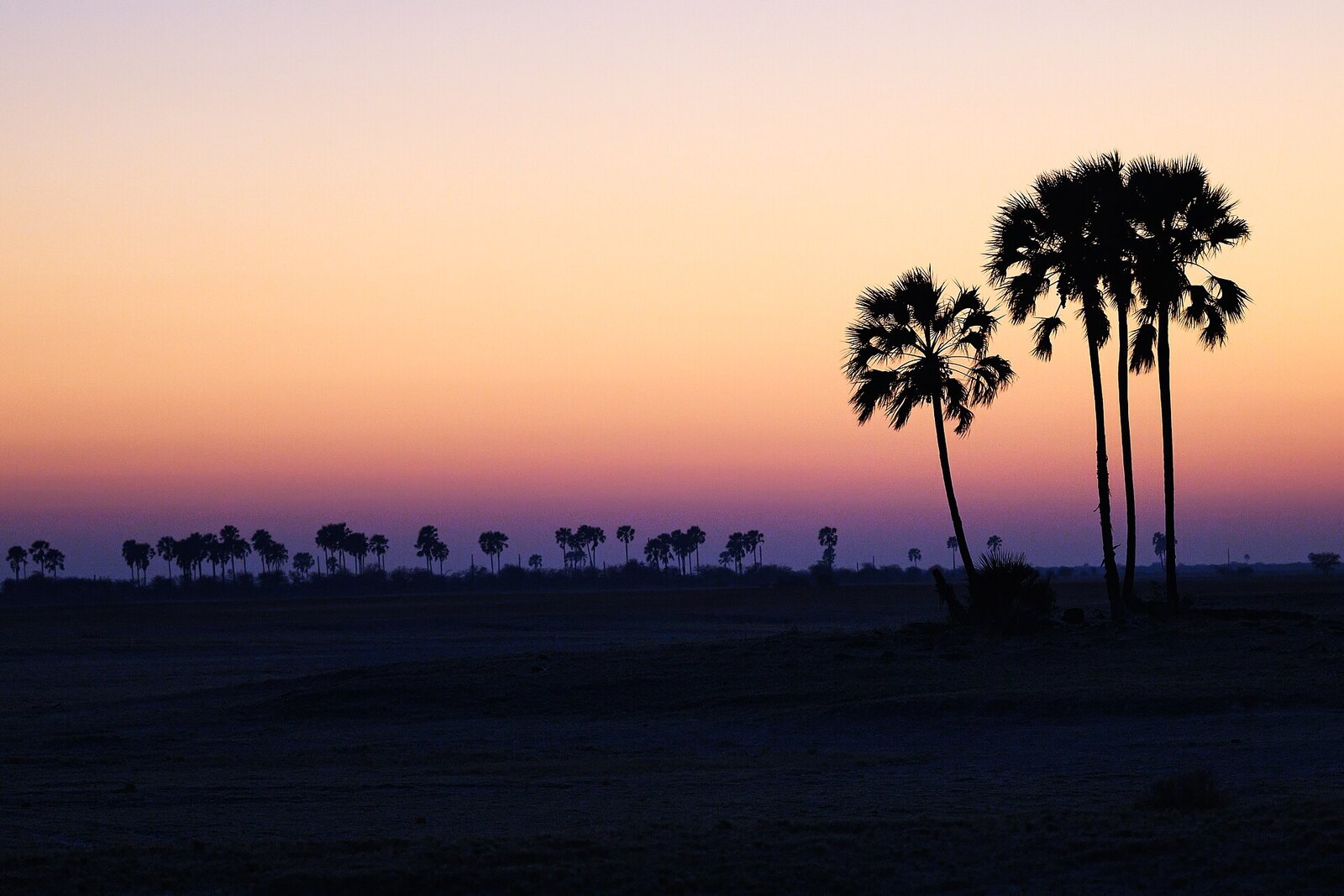
Quad-bike out onto the open pans as the sun sets, then bed down on a simple stretcher beneath a sky untouched by light. With no horizon, no sound and the Milky Way blazing overhead, a night on the Makgadikgadi is one of the most profound experiences in African travel — a lesson in scale and silence.
- Quad-bike transfer
- Bedroll sleep-out
- Dinner under the stars
- Guided astronomy
Why Go
- Sleep-outs on the open salt pans beneath skies so dark the Milky Way casts shadows
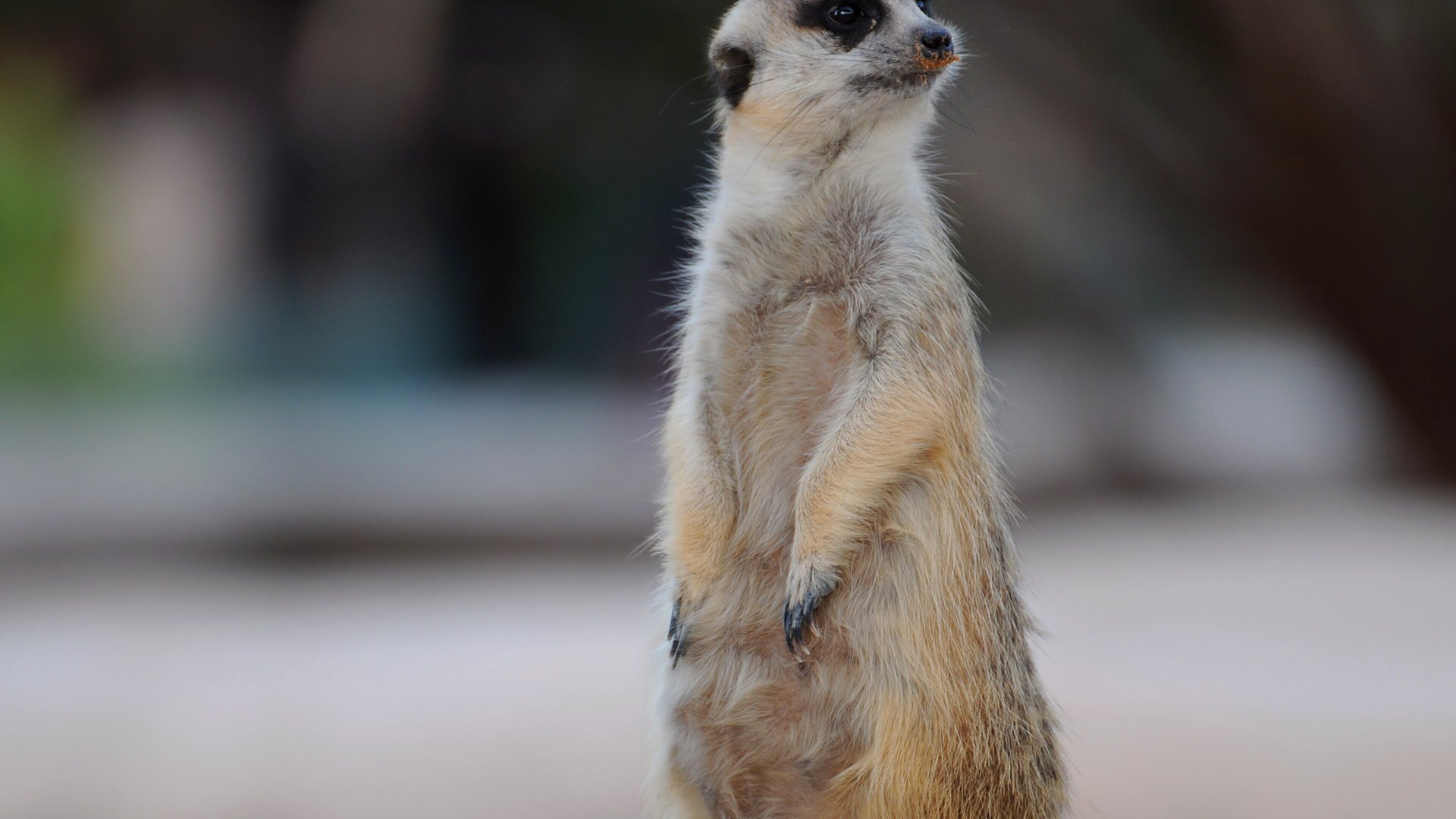
- Habituated meerkat colonies that will use a still guest as a lookout post
- The green-season zebra and wildebeest migration — Africa's second largest
- Tens of thousands of flamingos on Sua Pan after good rains
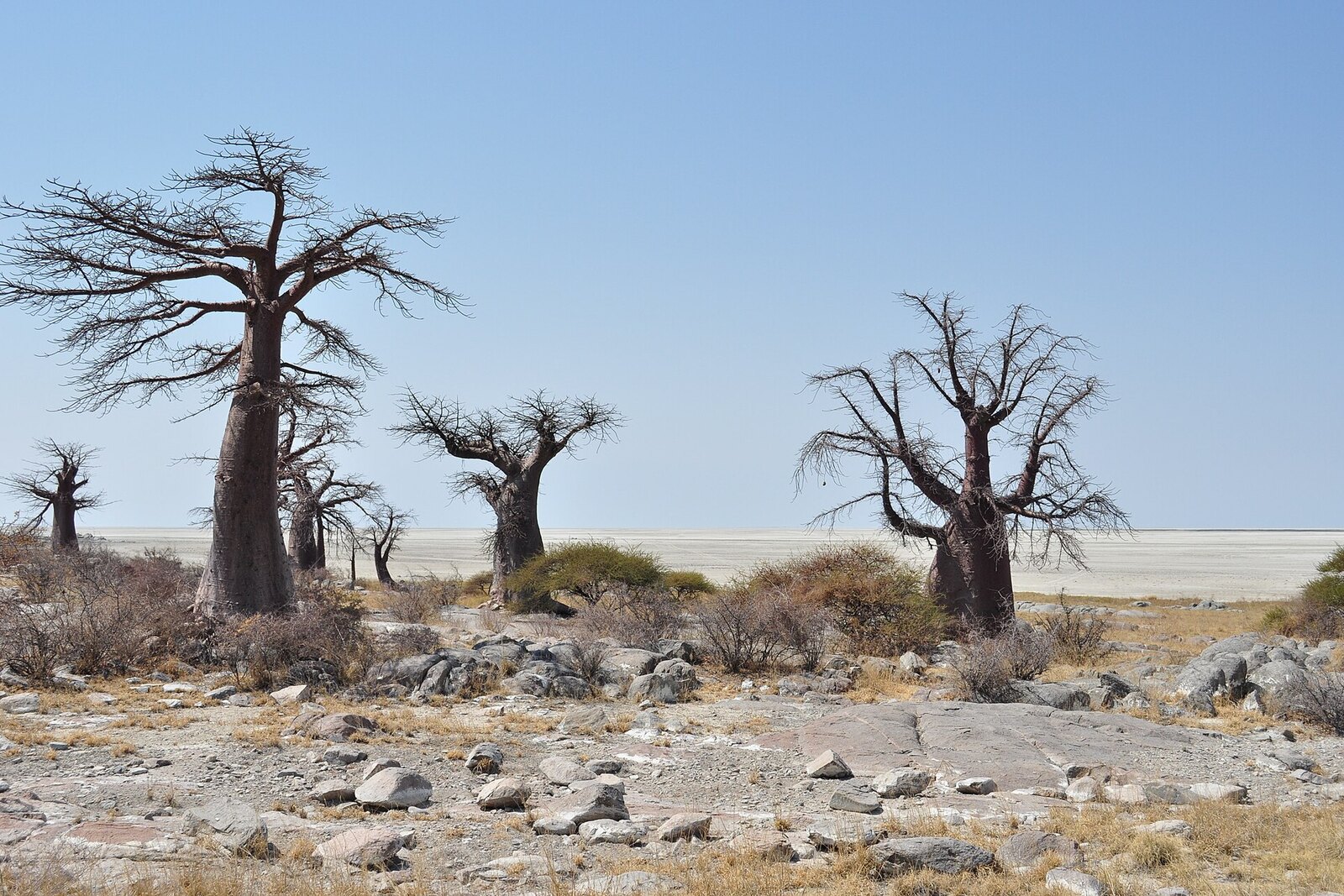
- Quad-biking across the pans to the baobabs of Kubu Island
- Walks with the Zu/'hoasi San Bushmen and the legacy of Jack's Camp
What Roams Here
Of the Big Five you can expect Lion & Cheetah here. Here is what the guiding team looks for on a typical few days in the bush.
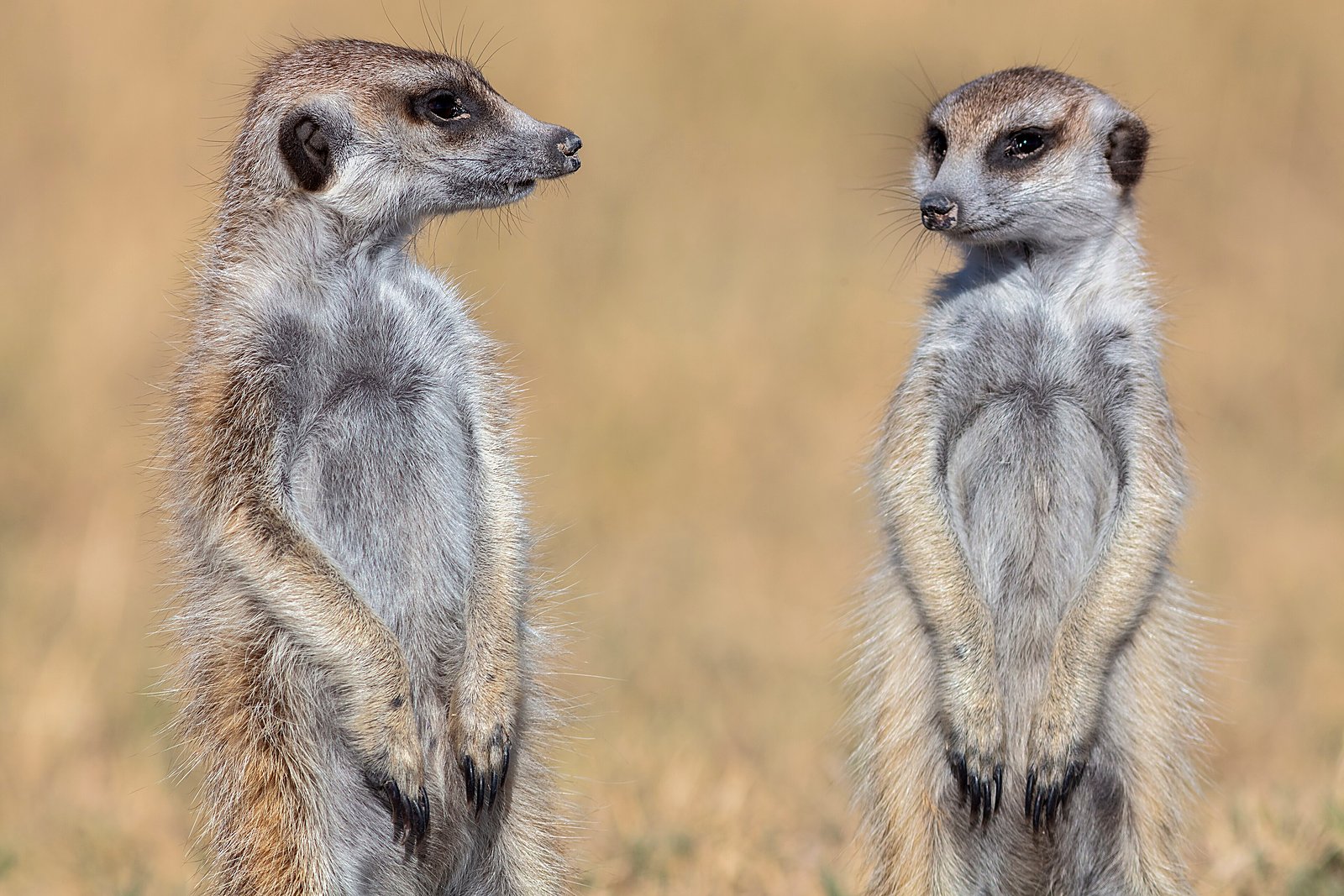
Meerkat. The joyful sentinels of the pans.
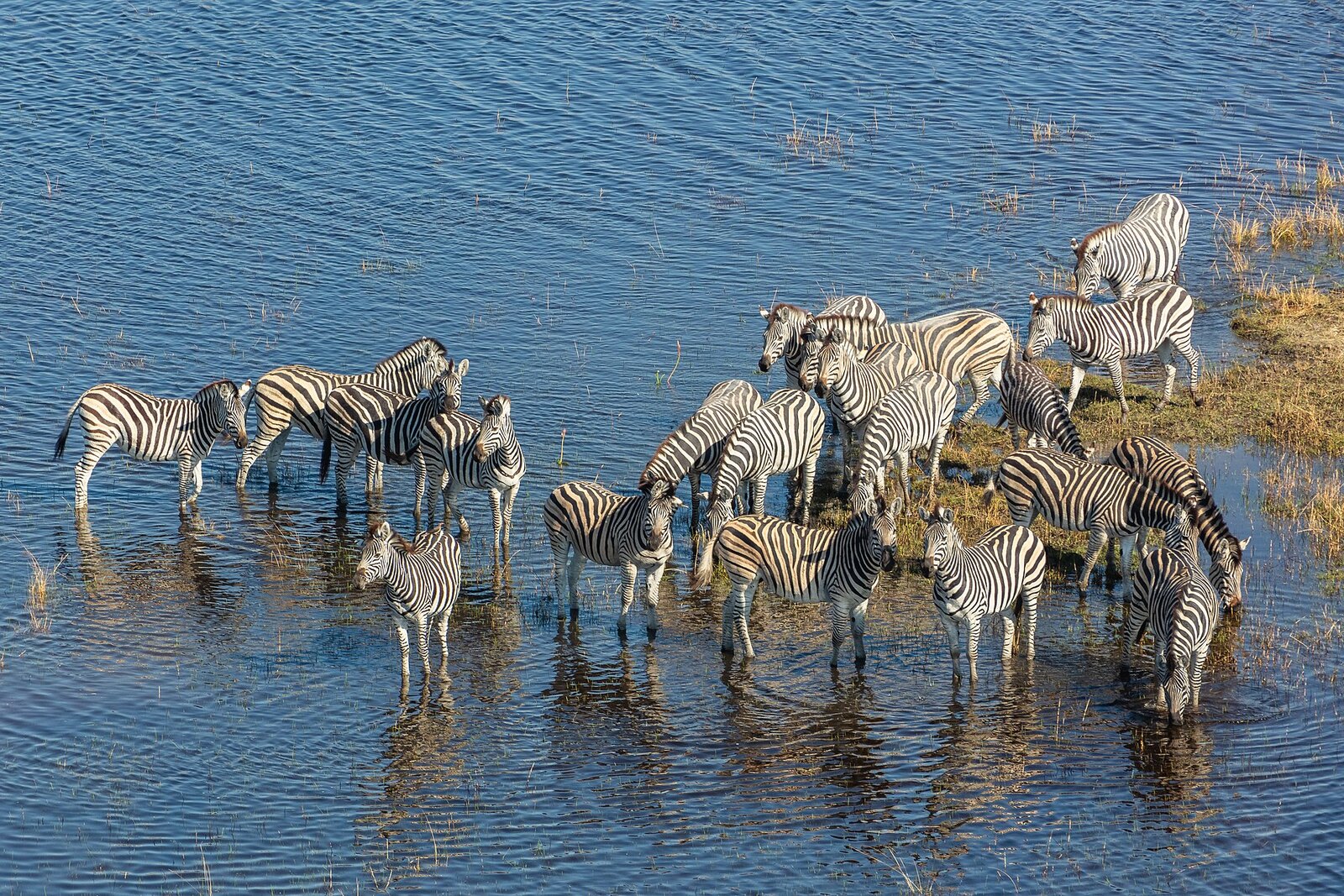
Burchell's Zebra. Stars of Africa's second-largest migration.
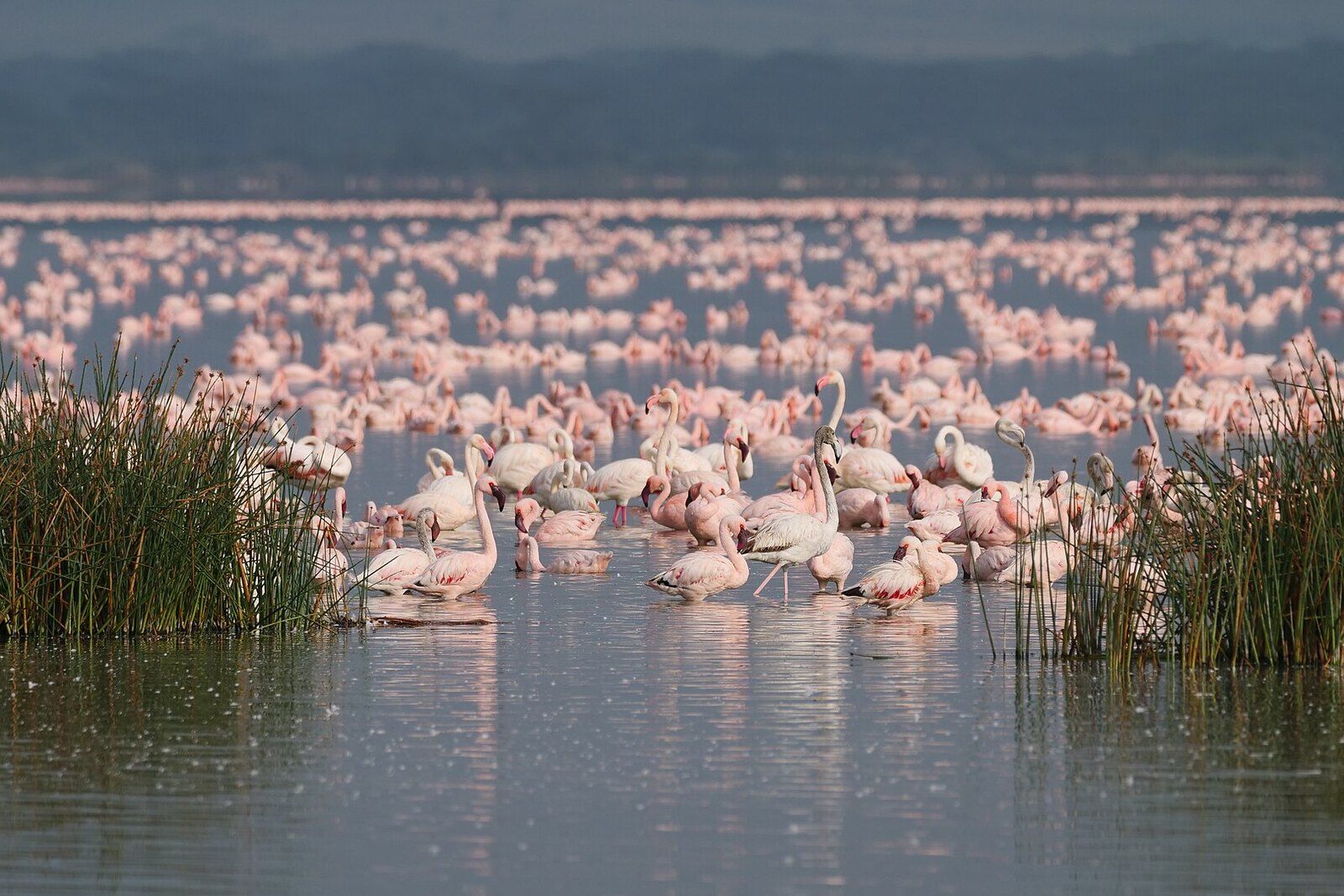
Greater & Lesser Flamingo. Pink multitudes on Sua Pan.
Brown Hyena. The Kalahari's shy scavenger.
Lion & Cheetah. Predators of the open plains.
Springbok & Oryx. Desert antelope of the grasslands.
On Safari: What to Do
Sleep-Out on the Salt Pans
Overnight (dry season) · Night Safari
Quad-bike out onto the open pans as the sun sets, then bed down on a simple stretcher beneath a sky untouched by light. With no horizon, no sound and the Milky Way blazing overhead, a night on the Makgadikgadi is one of the most profound experiences in African travel — a lesson in scale and silence.
Best for: Couples, Adventurers, Stargazers.
Meerkat Encounters
2 – 3 hours (morning) · Wildlife Viewing
Sit quietly beside a habituated meerkat colony as it wakes and warms in the morning sun. Utterly unbothered by people, the sentinels may even scramble onto a still guest's head for a better view — one of the most joyful and intimate wildlife encounters anywhere in Africa.
Best for: Families, Photographers, First-timers.
Green-Season Zebra Migration
Half to full day · Game Drive
When the rains green the fringing grasslands from December, tens of thousands of zebra and wildebeest converge on the Makgadikgadi in Africa's second-largest migration, trailed by lion, cheetah and hyena. Game drives across the fresh savanna deliver dramatic predator-prey action against a backdrop of storm skies.
Best for: Wildlife enthusiasts, Photographers, Families.
Quad-Biking to Kubu Island
Full day (dry season) · Adventure
Ride out across the hard dry pan to Kubu Island, a ghostly granite outcrop crowned with ancient baobabs and ringed by fossil beaches — a national monument steeped in San legend. The sense of crossing an inland sea of salt is exhilarating and utterly unique.
Best for: Adventurers, Photographers, Active travellers.
Walk with the San Bushmen
Half day · Cultural
Walk the Kalahari fringe with the Zu/'hoasi San, whose ancestors have read this land for tens of thousands of years. Learn to find water, set a snare, identify medicinal plants and understand a way of life older than agriculture — a moving cultural highlight of any Makgadikgadi stay.
Best for: Culturally curious, Families, Thoughtful travellers.
What a Makgadikgadi Safari Costs
Prices vary widely depending on camp tier, season and length of stay. Here is what you can expect to pay per person per night, and what a typical 2-night or 3-night Makgadikgadi add-on costs in total, including flights from Maun, all meals, activities, sleep-outs and park fees.
| Tier | Per Person / Night | 2 Nights (Total pp) | 3 Nights (Total pp) | What You Get |
|---|---|---|---|---|
| Mid-Range / Family | US$650 – $750 | $2,800 – $4,000 | $4,200 – $6,000 | Camp Kalahari — great value, family-friendly, Meru tents, swimming pool, meerkats, San walks, sleep-outs |
| Luxury | $1,400 – $1,500 | $6,500 – $8,500 | $9,800 – $12,800 | San Camp, Jack’s Camp — vintage-explorer style, white tents, salt-pan-edge, private museum, quad biking, meerkat encounters, pan sleep-outs, Relais & Châteaux calibre |
Best value months: November (shoulder), December – February (green season / migration) and April offer 20–35% lower rates than peak dry-season (June – September). The green season is also when the zebra migration and flamingos arrive.
When to Visit: Makgadikgadi by Season
The Makgadikgadi is two destinations in one — the dry-season stark white void of silence, and the green-season migration spectacle. Choose the season that matches your dream.
| Month | Wildlife ⭐ | Weather | Landscape | Best For | Value |
|---|---|---|---|---|---|
| January | ⭐⭐⭐⭐⭐ | Hot, afternoon storms | Green grasslands, flooded pans | Zebra migration peak (15,000 herds), flamingos, lion/cheetah hunts | ⭐⭐⭐⭐ |
| February | ⭐⭐⭐⭐⭐ | Hot, wet | Lush green, water everywhere | Migration peak, flamingo breeding colonies on Sua Pan, dramatic birding | ⭐⭐⭐⭐ |
| March | ⭐⭐⭐⭐ | Warm, rains easing | Fading green, herds moving | Tail end of migration, predators still active, great photos | ⭐⭐⭐⭐ |
| April | ⭐⭐⭐ | Pleasant, dry | Grasslands drying | Transitional — herds returning to Delta, cooler, excellent value | ⭐⭐⭐⭐⭐ |
| May | ⭐⭐ | Cool, dry | Pans drying, white salt emerging | Wildlife at Boteti River, meerkats, early dry-season quiet | ⭐⭐⭐ |
| June | ⭐⭐ | Cool mornings, warm days | Dry white salt pans | Quad biking begins, sleep-outs, Boteti River game, stargazing | ⭐⭐ |
| July | ⭐⭐ | Cold, dry | Stark white void | Peak sleep-out season, Kubu Island expeditions, crisp skies | ⭐⭐ |
| August | ⭐⭐ | Cool, dry, windy | Dry pans, whirlwinds | Ultimate silence, meerkats, dark skies, Boteti predators | ⭐⭐ |
| September | ⭐⭐ | Warming, dry, windy | Very dry, dusty | Quad biking, sleep-outs, Boteti wildlife concentration | ⭐⭐ |
| October | ⭐⭐ | Hot (up to 45°C), dry | Parched, anticipation | Extreme heat but superb Boteti game, anticipation of rains | ⭐⭐⭐ |
| November | ⭐⭐⭐ | Hot, first rains | Greening begins, herds arriving | Shoulder season — great value, migration starts, fewer crowds | ⭐⭐⭐⭐⭐ |
| December | ⭐⭐⭐⭐⭐ | Hot, storms start | Fresh green, water pools | Migration arrives (15k zebras from Delta), flamingos gathering, birding peak | ⭐⭐⭐⭐ |
Verdict: December – February is peak wildlife (zebra migration, flamingos, predators). July – September is peak dry-season (sleep-outs, quad biking, Kubu Island, stargazing). November & April offer best value. June – October = dry silence; Nov – April = green spectacle.
Dry vs Green: Two Completely Different Safaris
The Makgadikgadi transforms so completely between seasons that it becomes two different destinations. Here is how they compare.
| Aspect | Dry Season (May – Oct) | Green Season (Nov – Apr) |
|---|---|---|
| Landscape | Stark white salt pans, hard dry crust, blinding emptiness, desert silence | Lush green grasslands, flooded pans, water pools, storm skies, vibrant birding |
| Signature Wildlife | Meerkats (habituated colonies), brown hyena, Boteti River game (lion, giraffe, kudu, springbok) | Zebra migration (15,000 from Okavango Delta Nov–Mar), flamingos (tens of thousands on Sua Pan), wildebeest, lion/cheetah hunts |
| Activities | Quad biking on salt pans, sleep-outs under Milky Way, Kubu Island expeditions, San walks, stargazing (world-class dark skies) | Game drives (migration herds), birding (flamingo colonies), predator action, cultural walks — quad biking NOT possible (pans too wet) |
| Weather | Cool to cold nights (Jun–Aug can freeze), warm dry days, windy Aug–Oct, crisp air | Hot days (up to 40°C+), afternoon thunderstorms, dramatic skies, warm nights |
| Access | Road access good, pans dry & crossable, self-drive possible | Roads can be boggy/impassable, fly-in recommended, some areas waterlogged |
| Atmosphere | Profound silence, vast emptiness, introspective, soul-stirring, dark-sky magic | Dynamic, dramatic, migration spectacle, birding paradise, storm theatre |
| Best For | Adventurers, stargazers, couples seeking silence, photographers (stark white minimalism), quad-bike enthusiasts | Wildlife enthusiasts, birders, migration chasers, families (warmer weather), photographers (dramatic skies + herds) |
| Value | Peak rates Jun–Sep, shoulder value May & Oct | Excellent value Nov–Apr (20–35% lower), best deals Dec–Feb despite peak wildlife |
Our recommendation: If you want the zebra migration, flamingos and dramatic green spectacle, book December – February. If you want quad-bike sleep-outs on the salt pans, Kubu Island, stargazing and desert silence, book June – September. Both are extraordinary but utterly different.
Sample Makgadikgadi Itineraries — What They Cost
Here are three real itineraries our team books, showing what you get and what it costs per person, including flights from Maun, all meals, activities, sleep-outs, quad biking and park fees.
| Itinerary | Nights | Camps | Highlights | Cost per Person |
|---|---|---|---|---|
| 2-Night Pans Taster | 2 | Camp Kalahari | Meerkat encounters, quad biking on salt pans (dry season) or zebra migration drives (green season), sleep-out under stars, San bush-walk | US$2,800 – $4,000 |
| 3-Night Migration & Meerkats | 3 | Jack’s Camp or San Camp | Green-season zebra migration (15k herds Dec–Feb), flamingo colonies on Sua Pan, habituated meerkats, sleep-out on pans (if dry enough), private museum at Jack’s, San cultural walks | $9,800 – $12,800 |
| 5-Night Delta + Pans Contrast | 3 Okavango Delta + 2 Makgadikgadi | Luxury Delta camp + Jack’s Camp | Ultimate Botswana contrast: 3 nights Delta water (mokoro, big cats, channels) + 2 nights Makgadikgadi (salt pans, zebra migration or sleep-outs depending on season, meerkats, quad biking) — water and desert silence in one journey | $14,500 – $19,000 |
Budget tip: Book green season (Nov–Apr) for 20–35% savings + you get the zebra migration spectacle. Or choose Camp Kalahari over Jack’s Camp to cut costs by $3,000–$4,000 pp without sacrificing the core Makgadikgadi experiences (meerkats, sleep-outs, San walks).
Lodges We Love
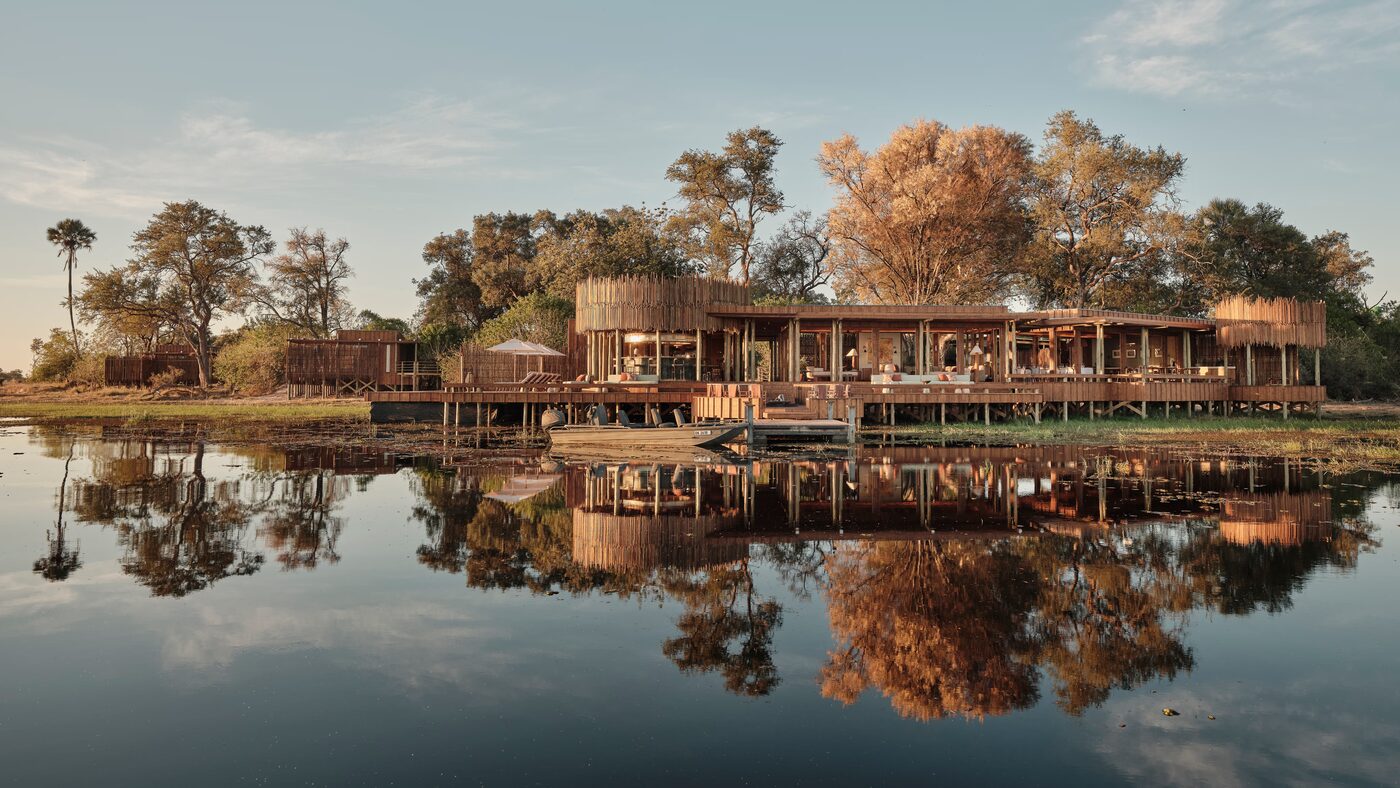
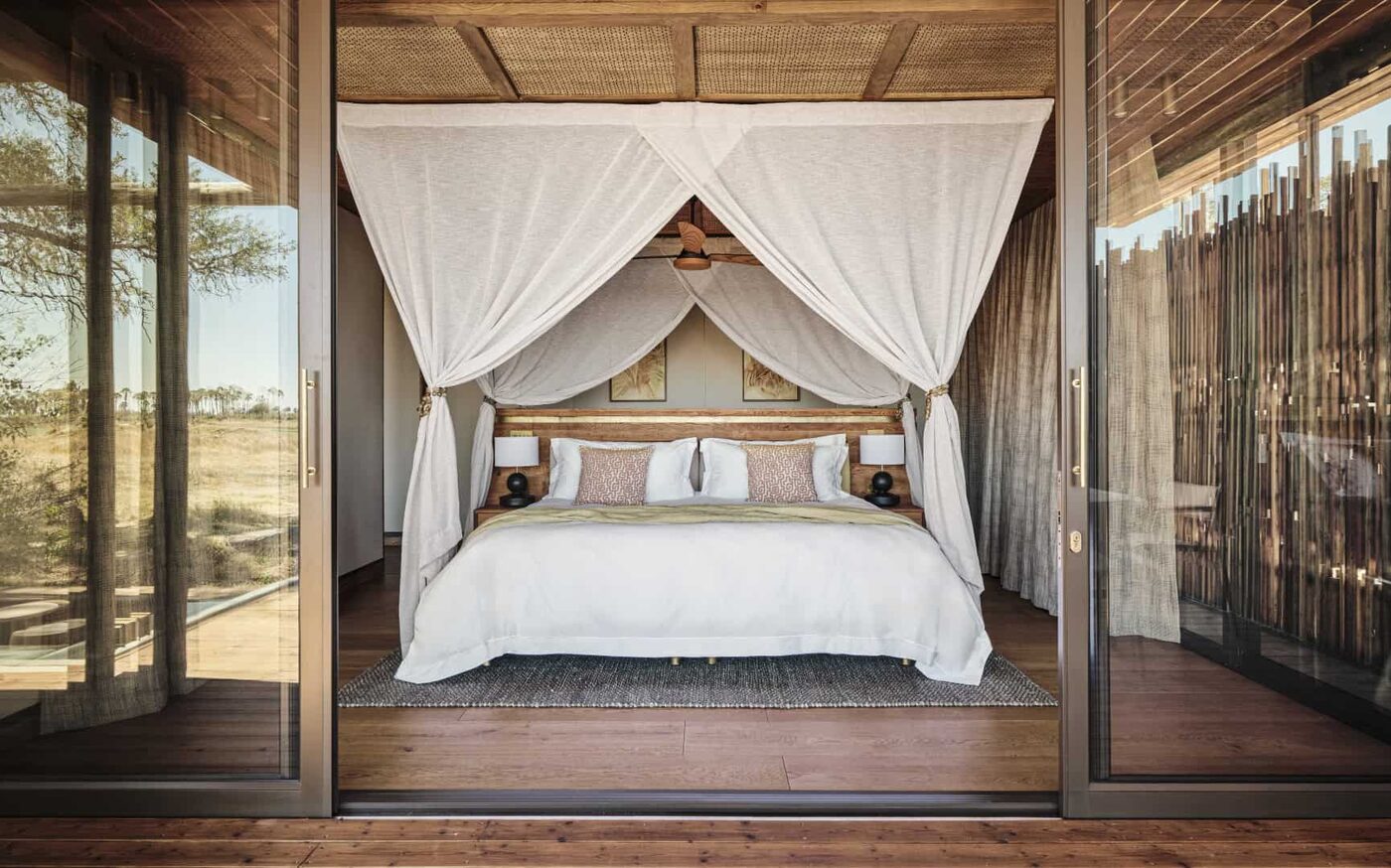
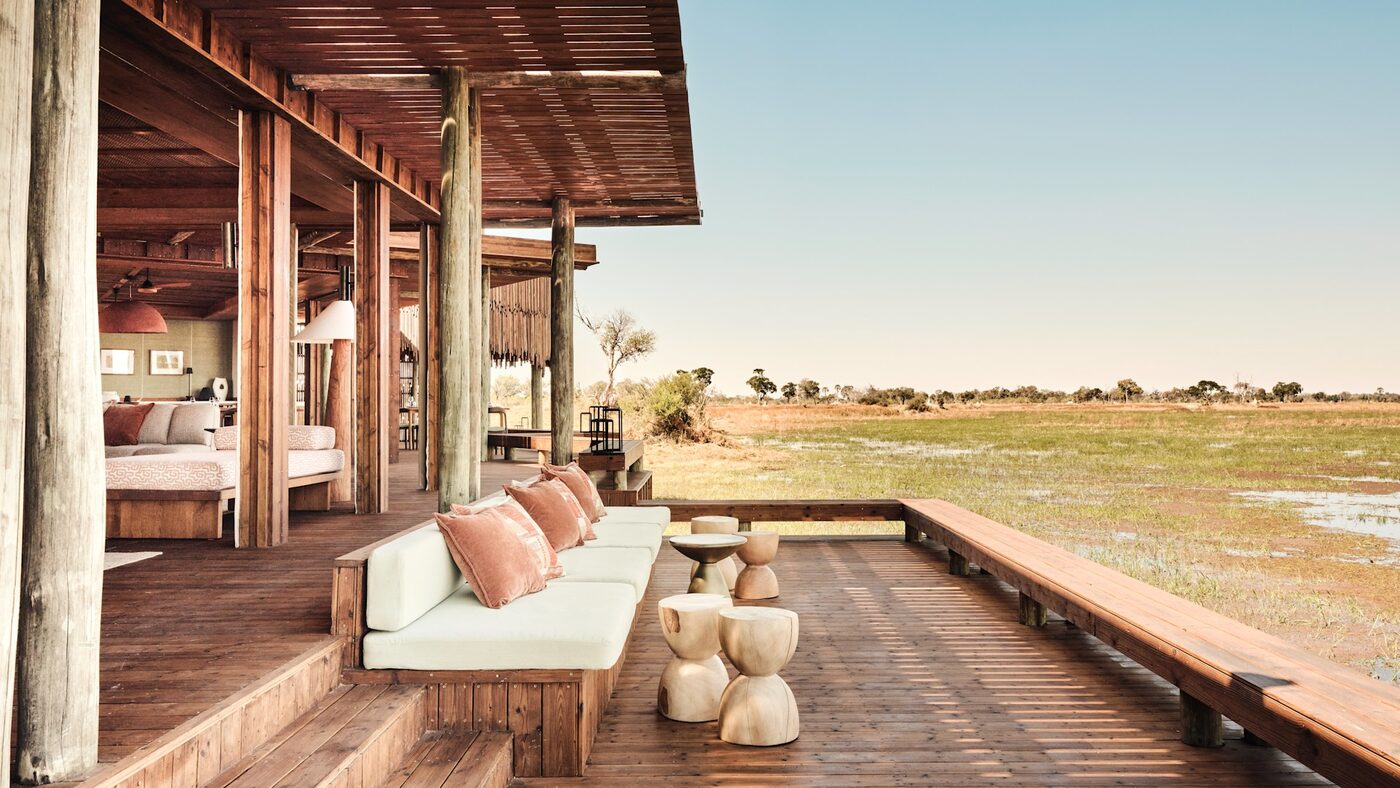
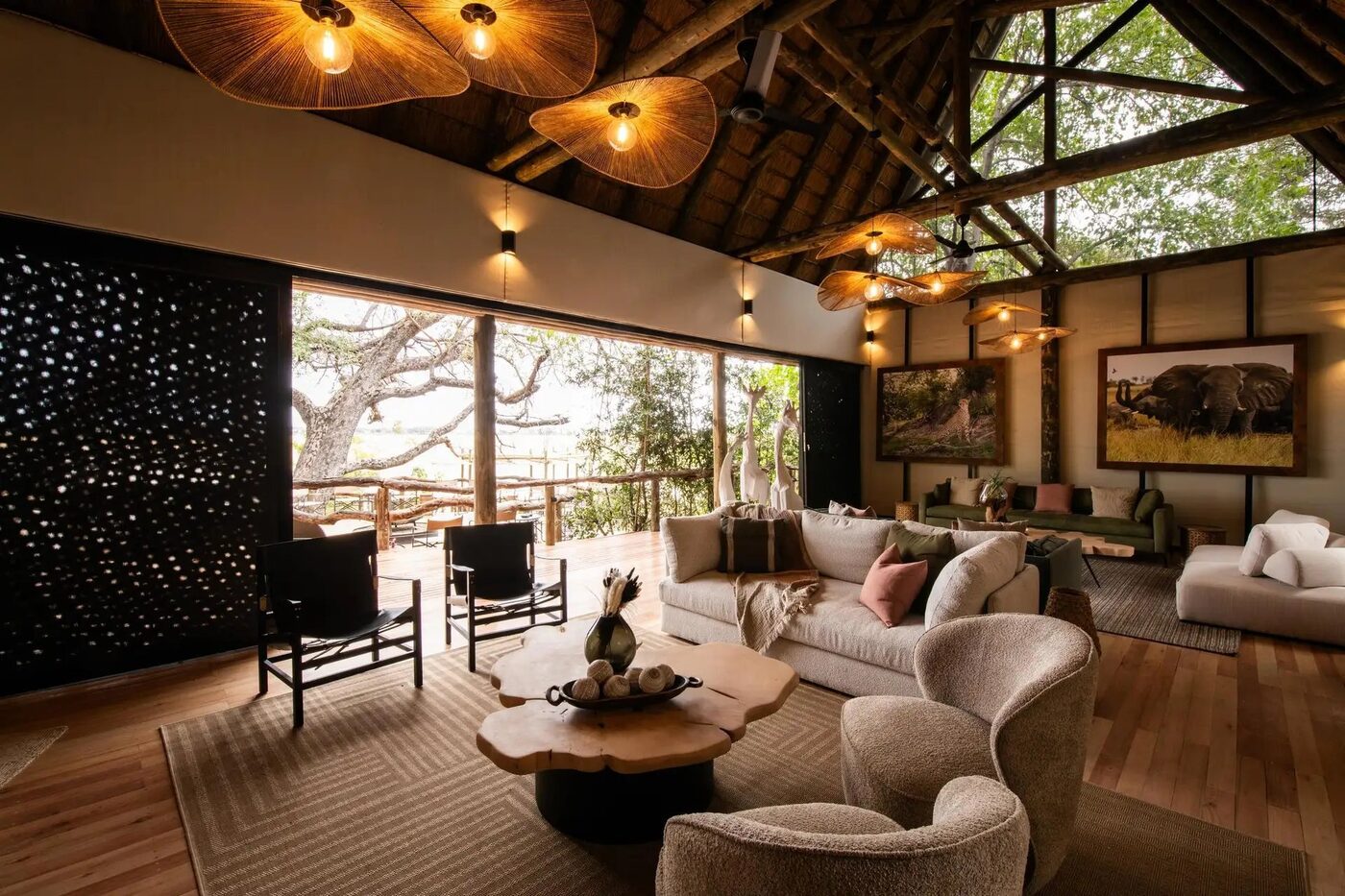
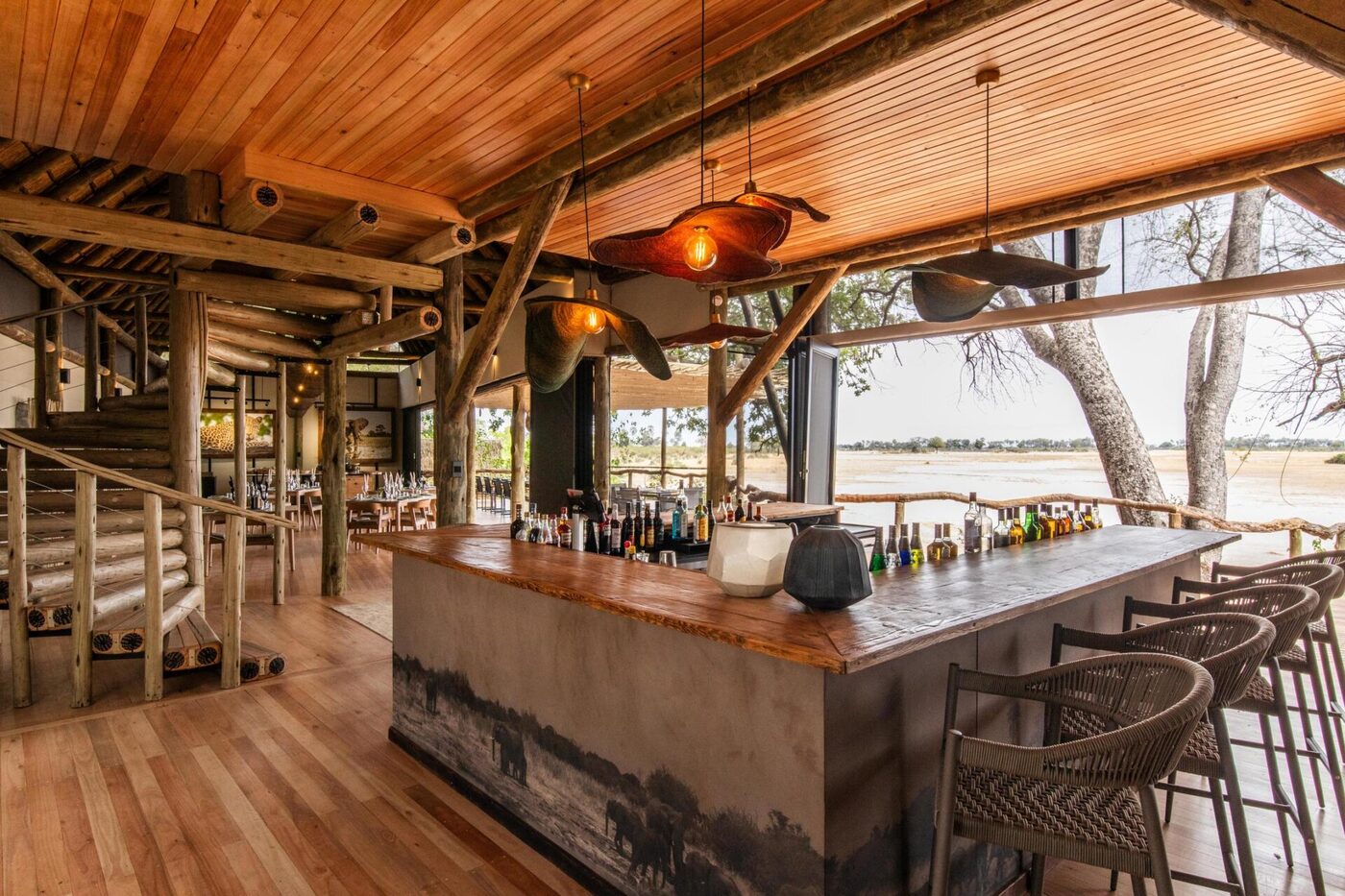
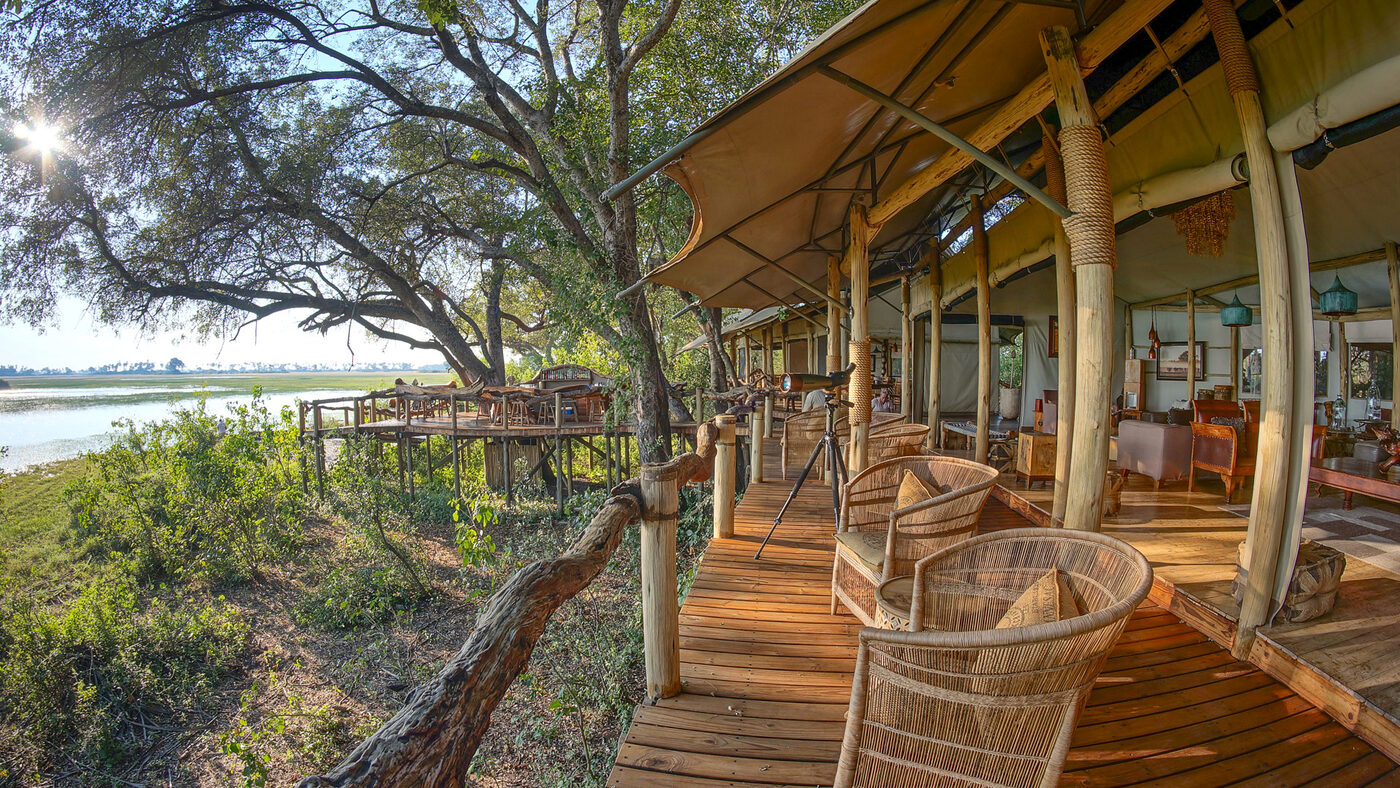
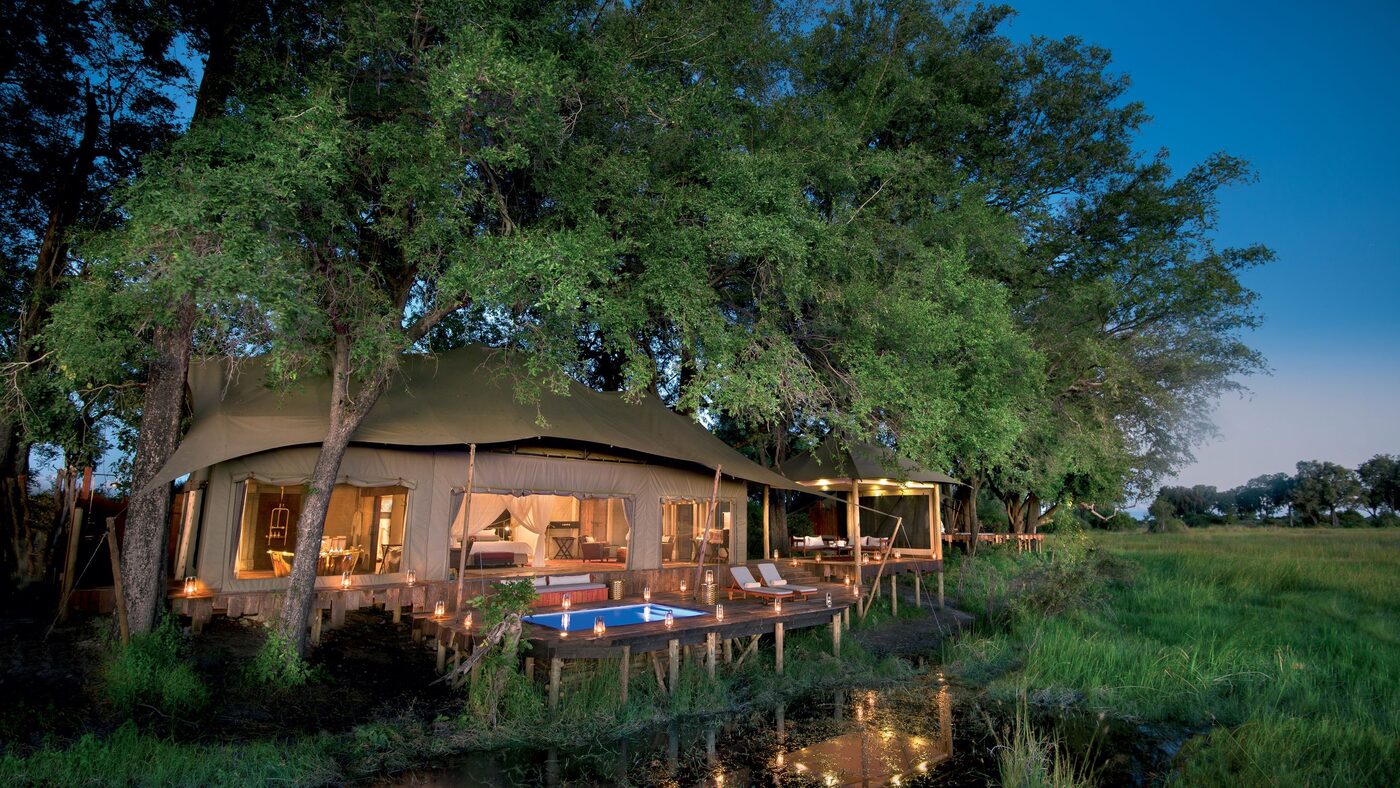
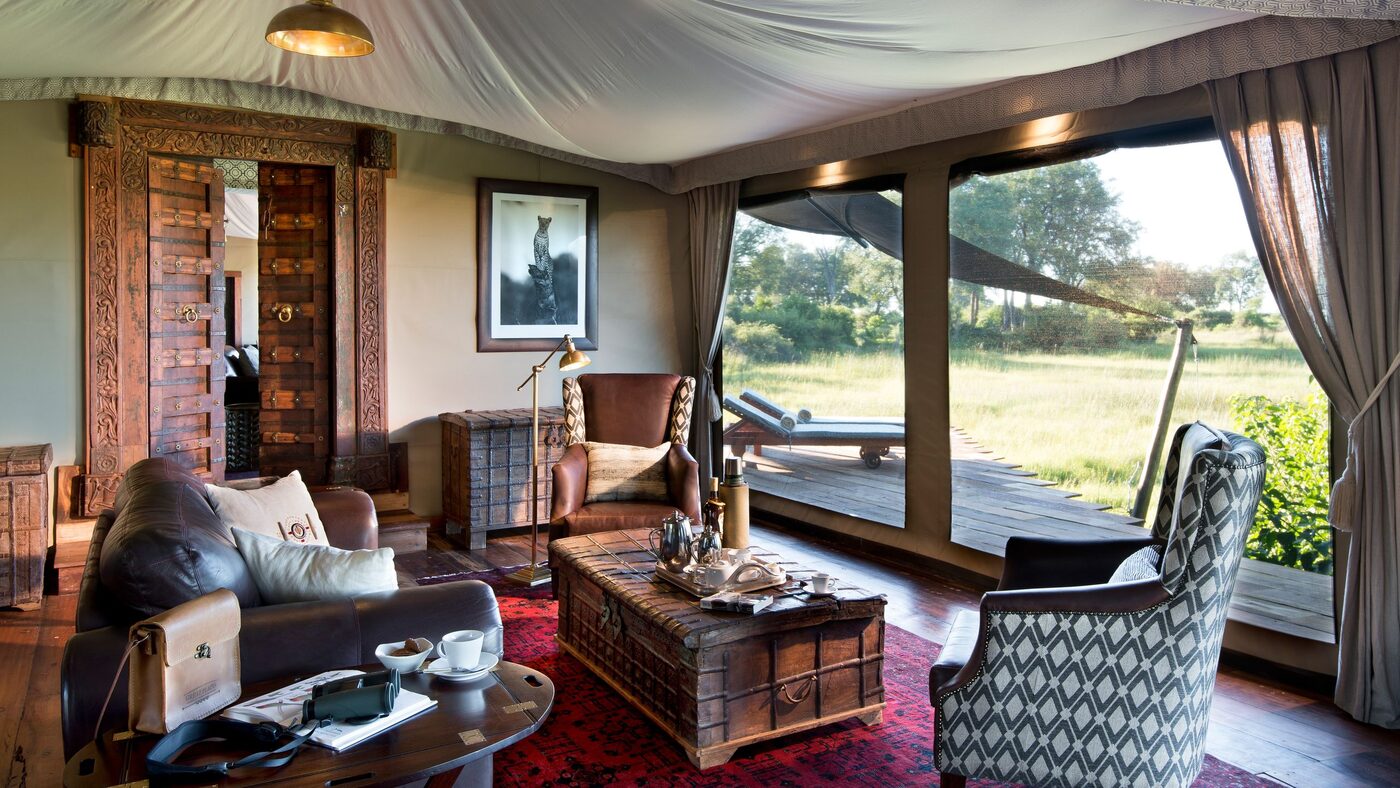
We hand-pick every camp and lodge we use across the Makgadikgadi. These are the addresses we return to, chosen for their guiding, their location and the way they make the wilderness feel like your own.
Jack's Camp ★★★★★
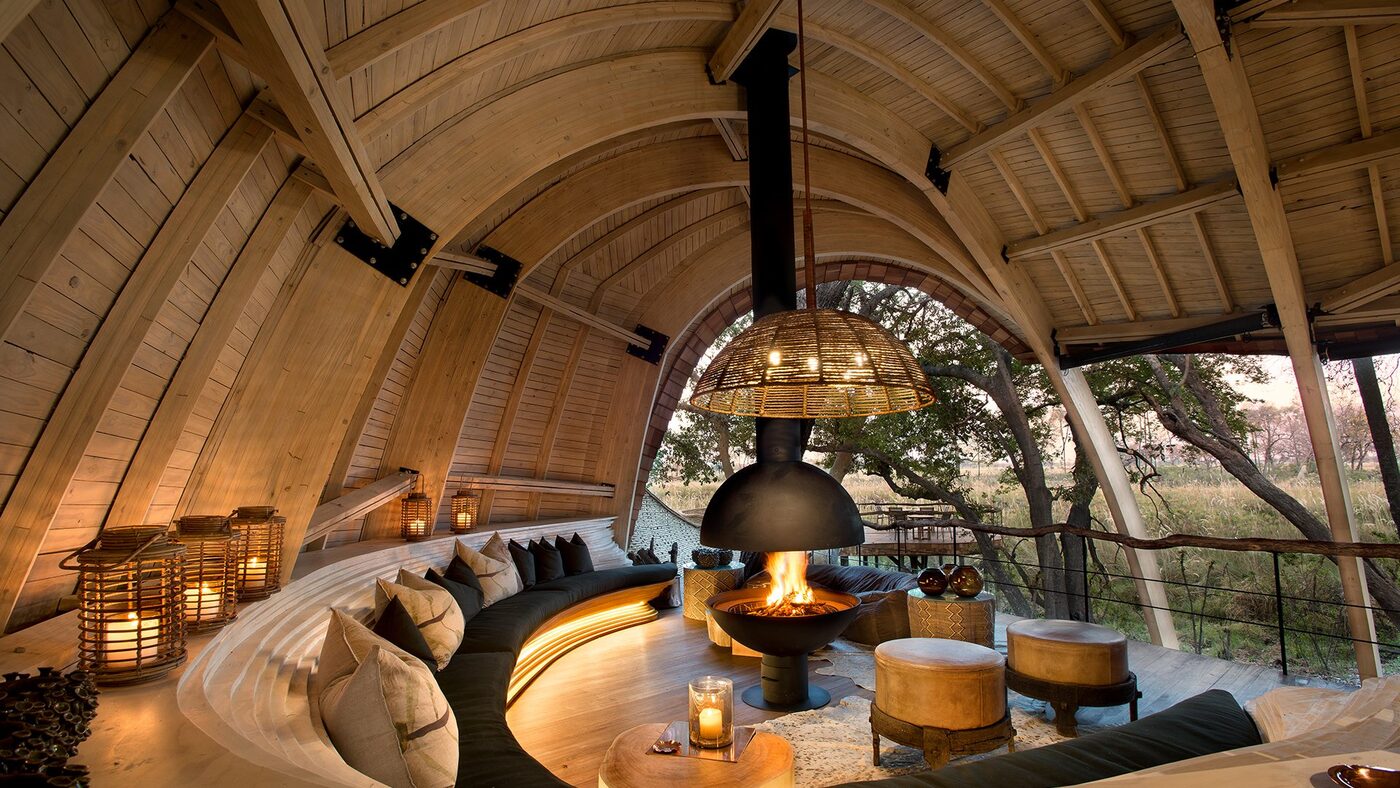
From $1500 per person per night. A legendary vintage-style camp with a private museum and signature pan experiences.
- 9 tented pavilions
- Private plunge pools
- Natural-history museum
- Meerkats & sleep-outs
Natural Selection flagship; Relais & Châteaux calibre
San Camp ★★★★★
From $1400 per person per night. Ethereal white tents on the salt-pan edge, pure minimalist romance.
- 6 white expedition tents
- Salt-pan-edge setting
- Meerkats & sleep-outs
- Vintage-explorer style
Natural Selection design camp
Camp Kalahari ★★★★
From $650 per person per night. Great-value, family-friendly base for the pans' signature experiences.
- 12 Meru tents
- Family-friendly
- Meerkats & San walks
- Swimming pool
Natural Selection classic camp
Best Time to Go
Dry Season (May – October) (May–Oct). The pans are dry, hard and crossable — prime time for quad-bike sleep-outs, Kubu Island expeditions and reliable meerkat encounters against a blinding-white backdrop. Cool nights, warm clear days and vast silence. Wildlife: meerkats, desert species; weather Cool nights, dry days.
Green Season (November – April) (Nov–Apr). Summer rains green the grasslands and trigger Africa's second-largest zebra migration, with lion and cheetah in pursuit and flamingos massing on Sua Pan. Dramatic storm skies and superb birding, though the pans themselves become too wet to cross. Wildlife: migration, flamingos, predators; weather Warm, afternoon storms.
How to Get Here
Most guests reach the Makgadikgadi by light-aircraft charter from Maun or Kasane to the camps' private airstrips, often as part of a wider Botswana circuit with the Okavango Delta and Chobe. The northern pan edge around Gweta and Nata is also accessible by road for self-drive and overland travellers. Fly-in is the smoothest way to combine the pans with the Delta in a single trip.
- Maun: Light-aircraft charter or road transfer (≈ 150 km / fly-in)
- Nata / Gweta (road): Guided 4x4 transfer (On the northern pan edge)
Plan Your Journey
Every trip we craft to the Makgadikgadi is private and built around you — your dates, your pace and the wildlife you most want to see. Our specialists have travelled this ground themselves and design each itinerary by hand. Contact our team to begin planning, or explore our Makgadikgadi Pans destination guide for more detail.