Key Takeaways — Every Type of African Safari in 60 Seconds
- ◆There is no single safari: game drives, walking, water (mokoro & boat), fly-in, balloon, gorilla trekking and specialist trips are all genuinely different experiences.
- ◆Region shapes the vehicle: Southern Africa = fully open 4x4, off-road and night drives in private concessions; East Africa = closed pop-top vehicles, vast plains, the Great Migration.
- ◆The best trips combine types: three or four complementary activities in one journey is the single biggest difference between an ordinary safari and a great one.
- ◆Cost scales with remoteness: game-drive lodges from ~USD 450–900pp/day; fly-in private concessions ~USD 1,000–2,500+pp/day; balloon ~USD 450–600pp; gorilla permits ~USD 800.
- ◆We build it around you: private vehicles only, booked direct with the lodges — the right types of safari matched to your travellers, budget and season.
Ask ten people to describe an African safari and you will get ten versions of the same picture: an open vehicle, a lion in the golden light, a cloud of dust trailing off into the sunset. It is a beautiful image — and it is only one of a dozen genuinely different ways to experience wild Africa. Over the years I have guided and designed trips built around every one of them, and the question I am asked most often, before anything else, is simply this: what kinds of safari are there, and which one is right for me?
This guide answers that question in full. Below you will find every major type of African safari explained the way a private operator actually thinks about them — not a brochure list, but what each one is really like, who it suits, what it costs, where in Africa it works best, and how we weave several of them together into a single seamless journey. Because here is the thing most first-time travellers do not yet know: the finest safaris are never a single repeated activity. They are a deliberate sequence of contrasting experiences, and knowing the difference is the first step to planning a trip you will talk about for the rest of your life.
1. The Classic Game Drive
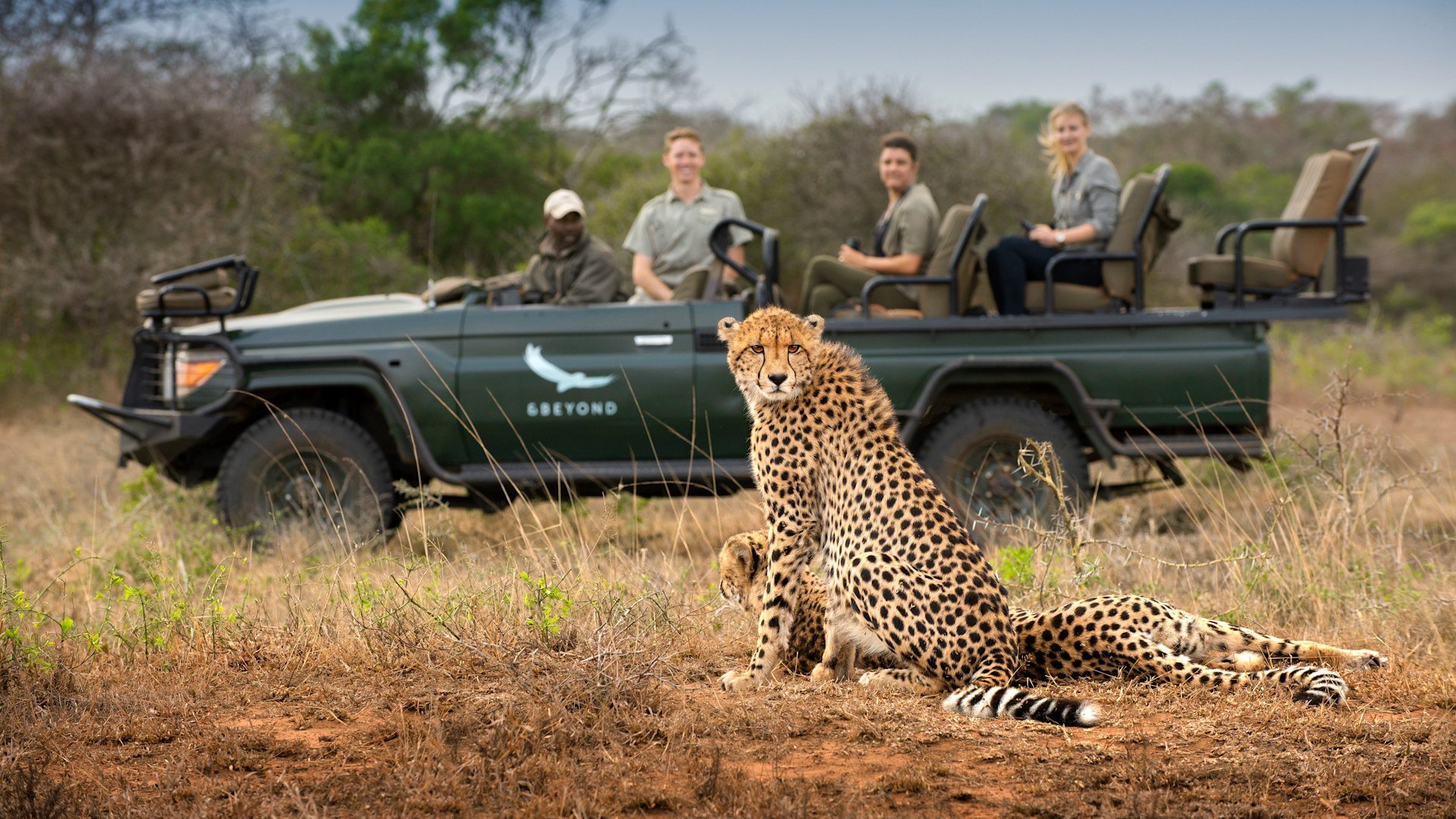
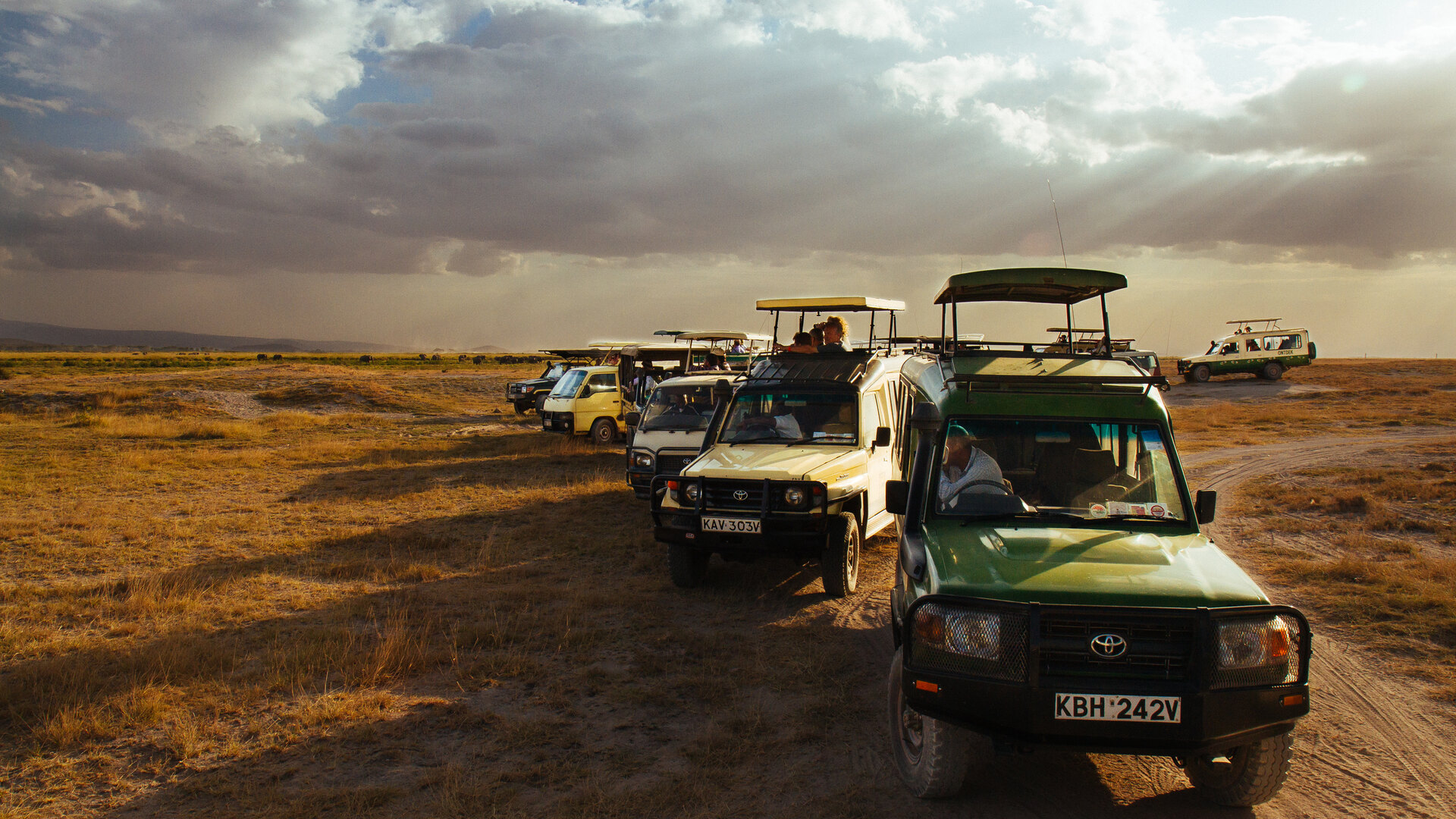
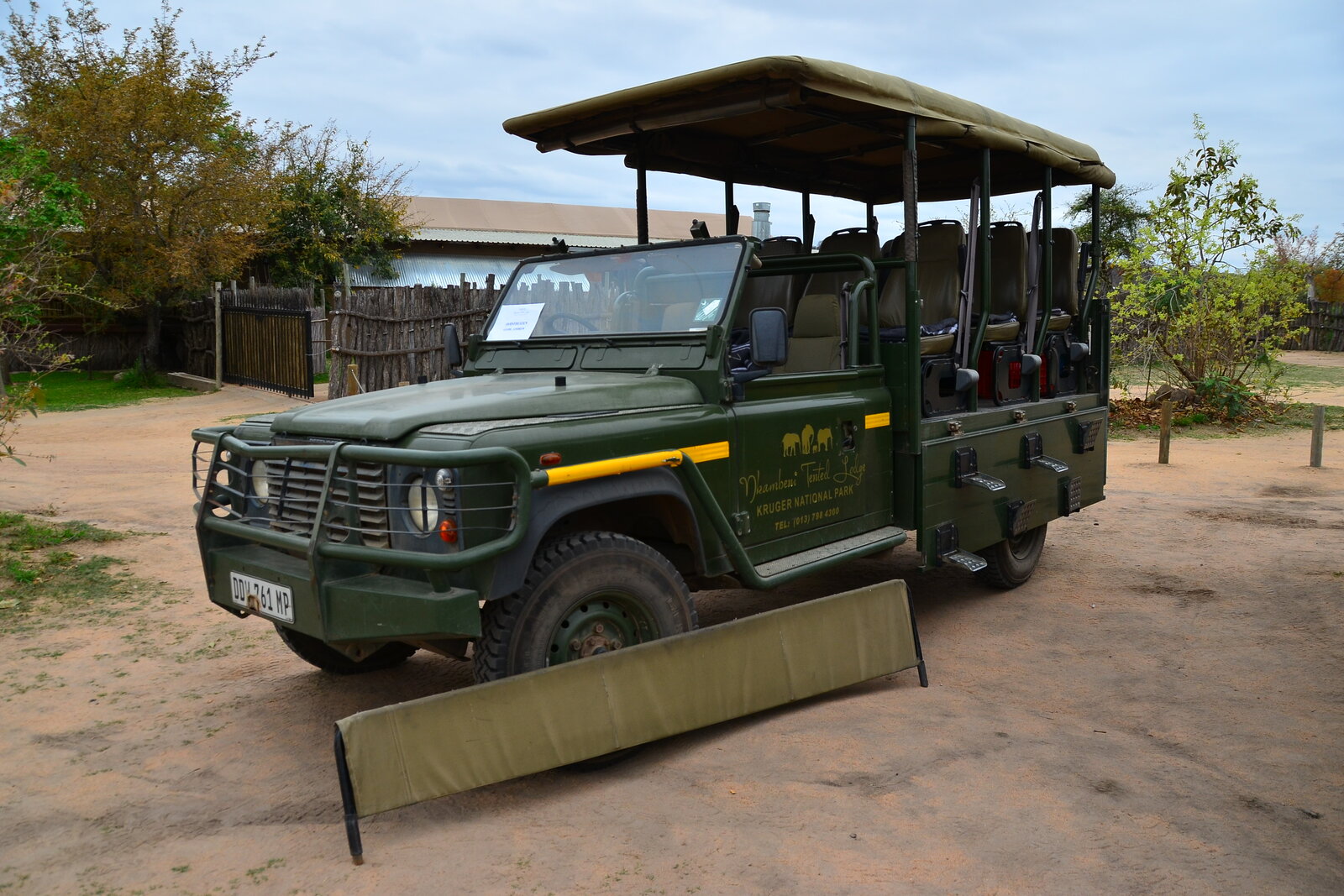
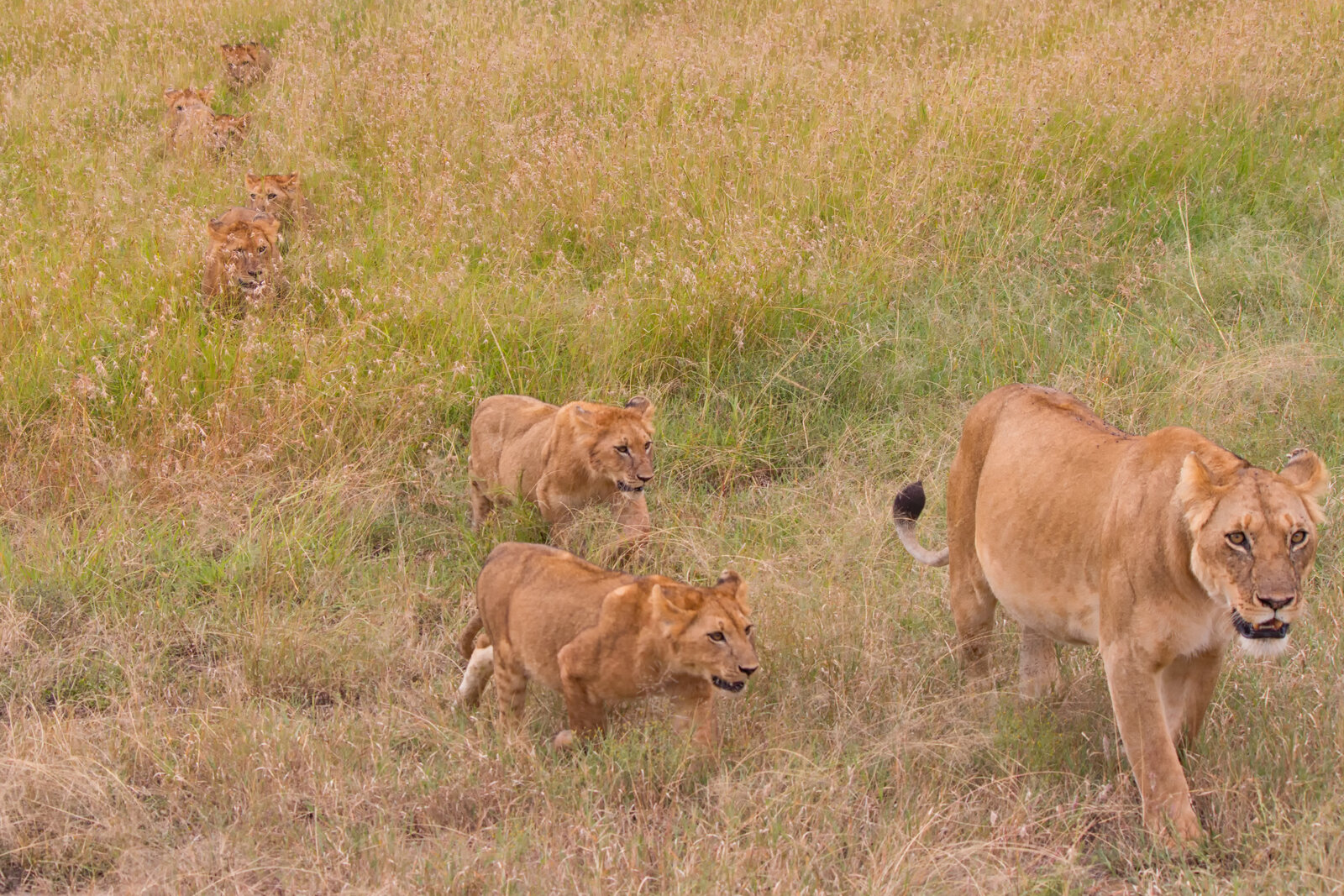
The game drive is the backbone of almost every African safari, and it is where nearly every first trip begins. You set out in a 4x4 vehicle — open in Southern Africa, closed with a pop-up roof in East Africa — in the cool, active hours of early morning and late afternoon, with a trained guide at the wheel reading tracks, alarm calls, broken branches and the behaviour of the animals themselves to find wildlife and interpret what you are seeing. A good guide turns a drive from a game of spot-the-animal into a running masterclass in how the bush actually works.
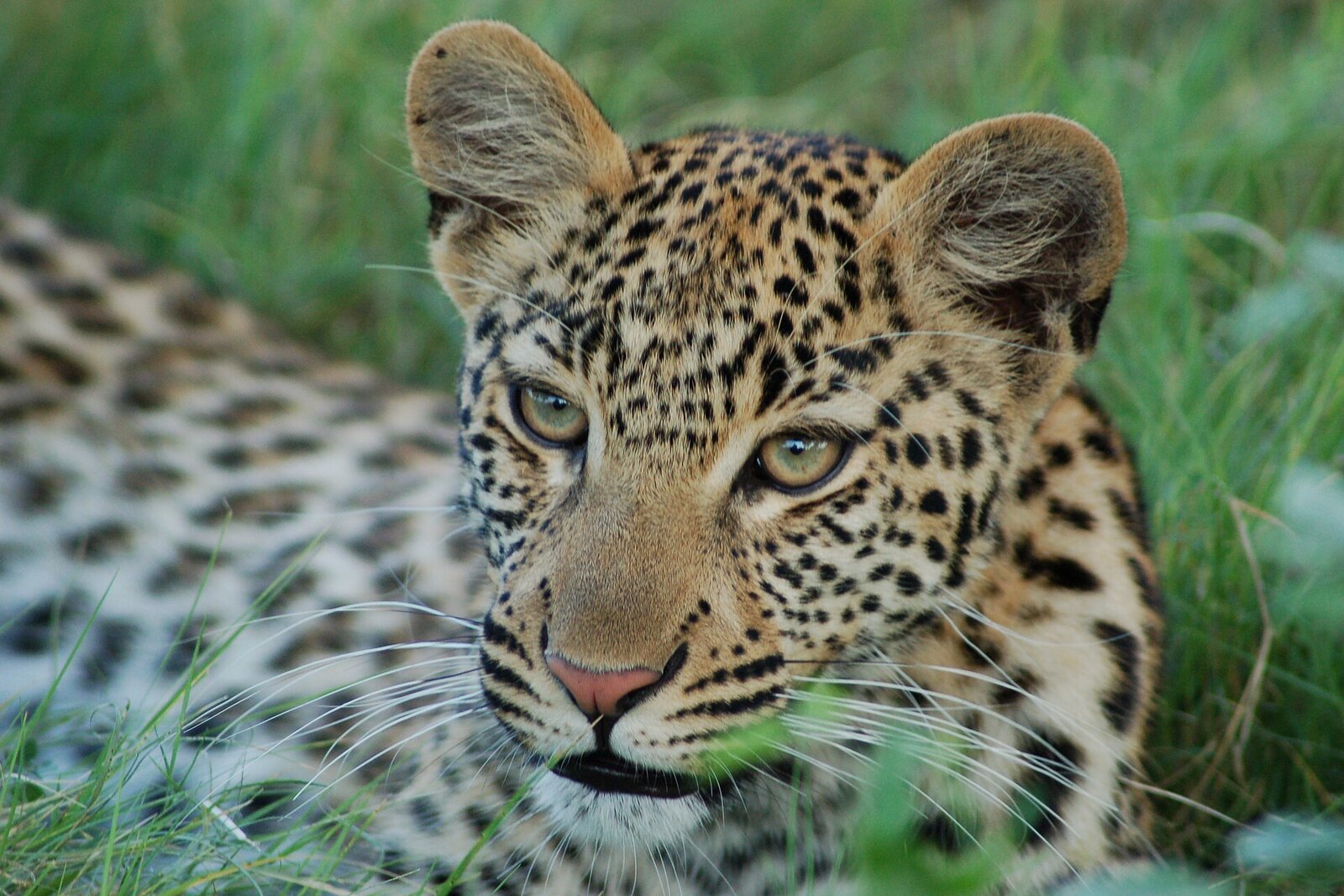
What makes a game drive exceptional is less about luck and more about access and expertise. In a private concession — a reserve where only a handful of camps have traversing rights — your guide can drive off-road to position you quietly for a leopard in a tree, follow a hunting pack of wild dogs across the grass, and run a night drive with a spotlight to find the nocturnal cats and civets you would never see by day. In the great national parks of East Africa, the trade-off is different: you stay on the tracks, but the reward is the sheer scale of the plains and, in season, the Great Migration spread to the horizon.
The single biggest upgrade you can make to any game drive is a private vehicle. It means no sharing with strangers, no compromise on when you leave or how long you linger, and the freedom to chase the light for photography or sit with a single sighting for an hour. It is, in my experience, the difference that first-timers notice most once they have experienced it.
Best for:
Every traveller, and especially first-timers. The reliable, high-density wildlife core of any trip. Where: Greater Kruger & Sabi Sand (South Africa), Serengeti & Maasai Mara (East Africa), Okavango & Chobe (Botswana). Typical cost: from ~USD 450–900pp/day at good lodges; included in your camp rate.
If you are weighing up where to base a game-drive safari, our guide to the best safari destinations in Africa breaks down the strengths of each region for different kinds of trip.
2. Walking & Bush Safaris
Long before there were vehicles, there was walking — and for many of our most seasoned travellers, the walking safari is still the most profound way to experience Africa. On foot, behind a specially qualified walking guide and almost always an armed ranger, everything changes. The engine noise is gone. You move at the pace of the bush itself, reading tracks in the sand, examining dung and termite mounds and medicinal plants, following the direction of the wind, and feeling the true scale of an elephant or a giraffe when you are standing on the same earth rather than looking down from a vehicle.
A walking safari is not about creeping up on dangerous game — quite the opposite. A good walking guide gives big animals a wide, respectful berth and keeps the group small, quiet and downwind. The thrill is in the detail and the immersion: the birdsong, the smell of wild sage, the sudden intimacy of fresh lion tracks crossing your own path. Zambia's South Luangwa is the spiritual home of the walking safari, and many camps across Zimbabwe, Botswana and the Greater Kruger offer superb guided walks as part of a wider stay.
Best for:
Returning safari-goers, nature lovers, anyone who wants intimacy over ticking off species. Where: South Luangwa (Zambia), Greater Kruger (South Africa), Mana Pools (Zimbabwe). Typical cost: usually included in your camp rate; specialist walking camps vary.
3. Water Safaris: Mokoro, Boat & Canoe
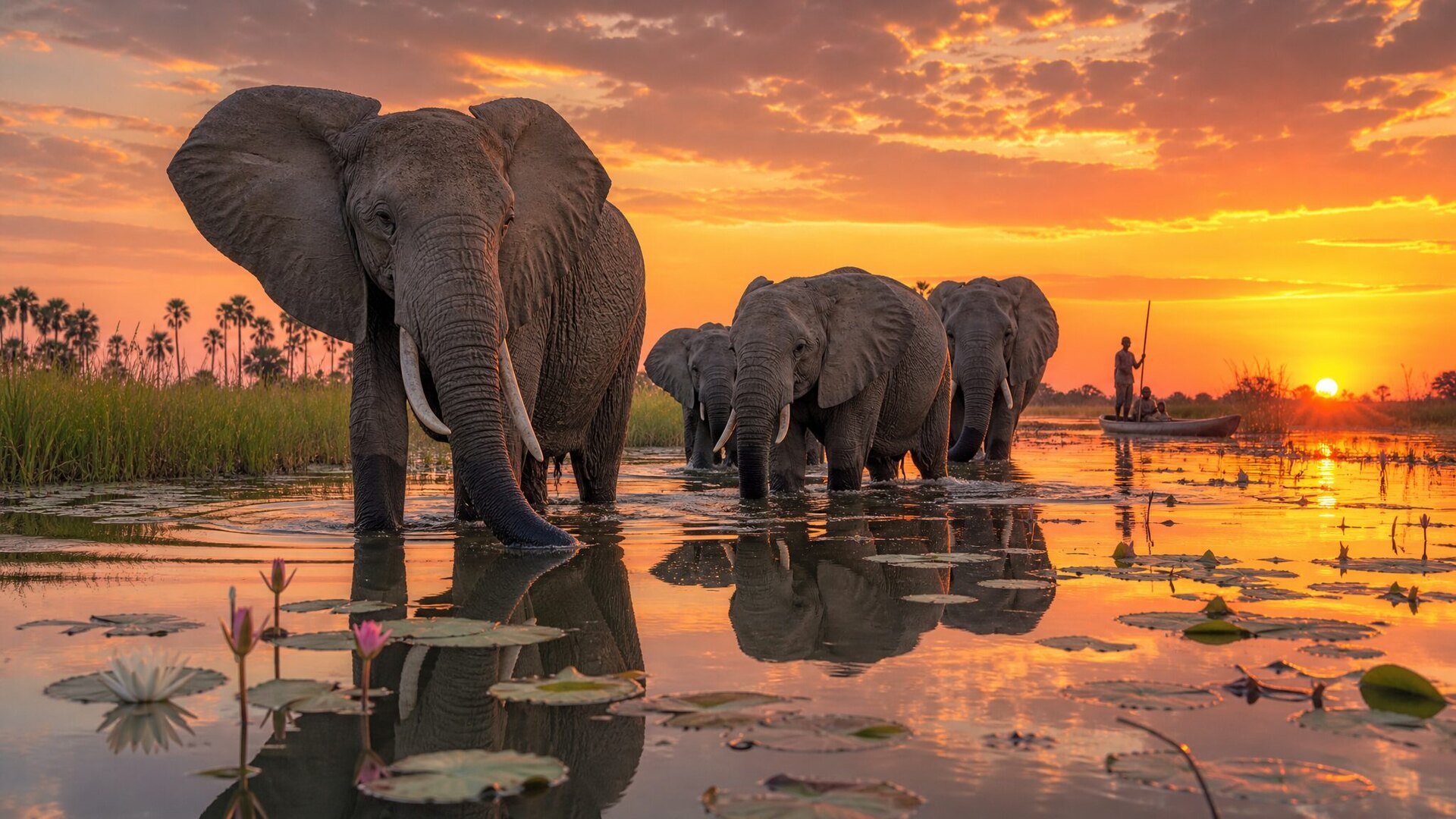
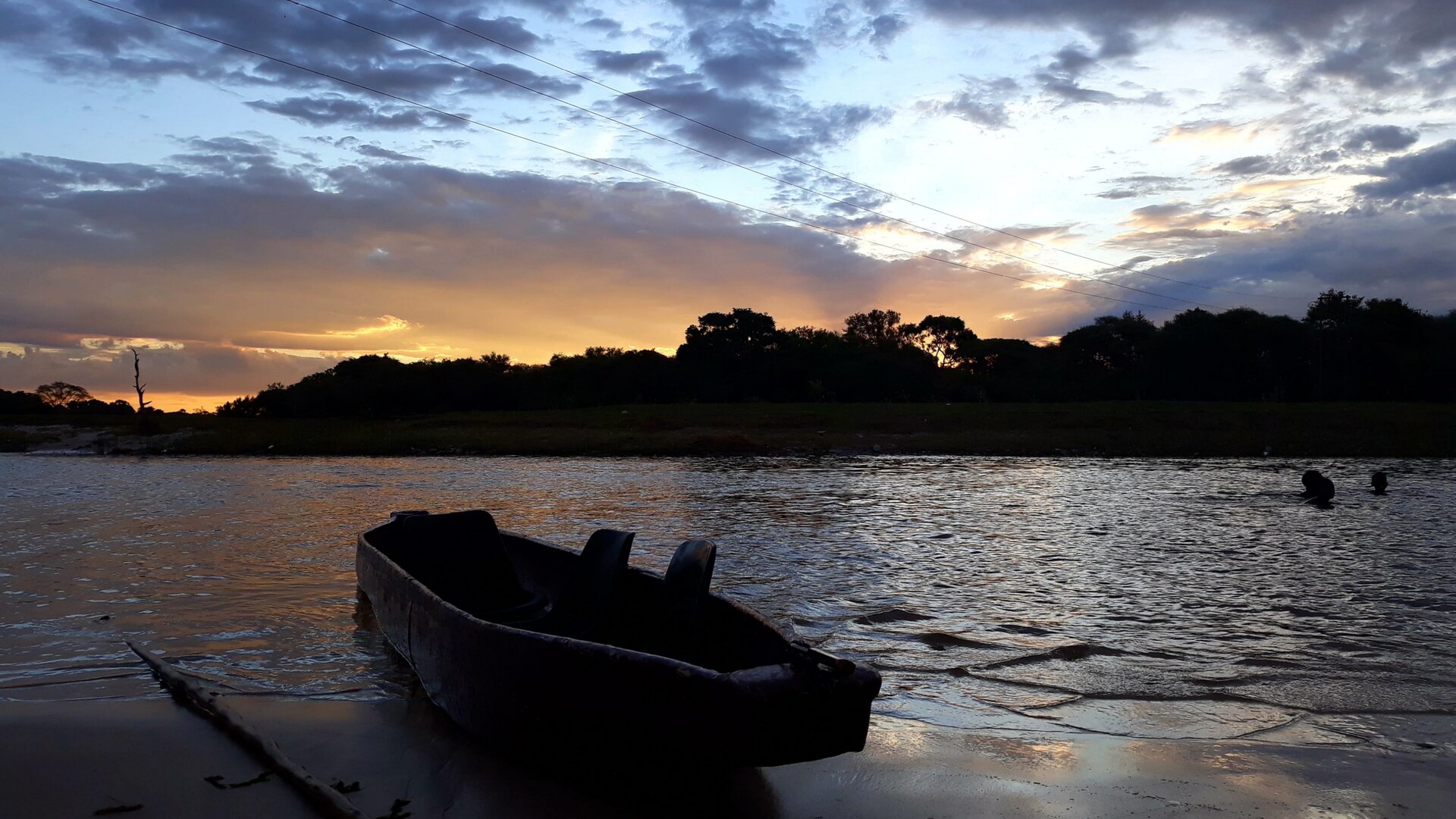
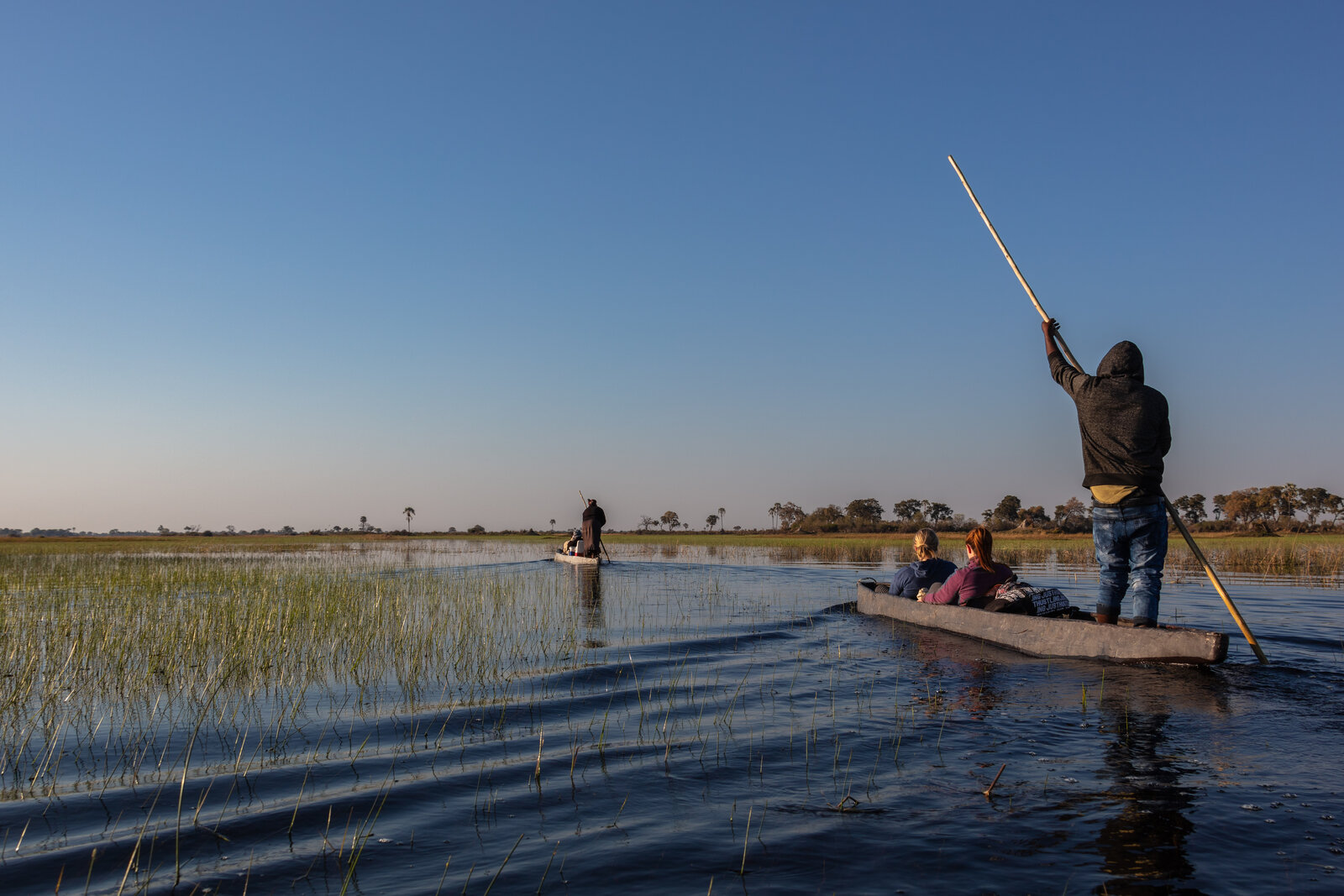
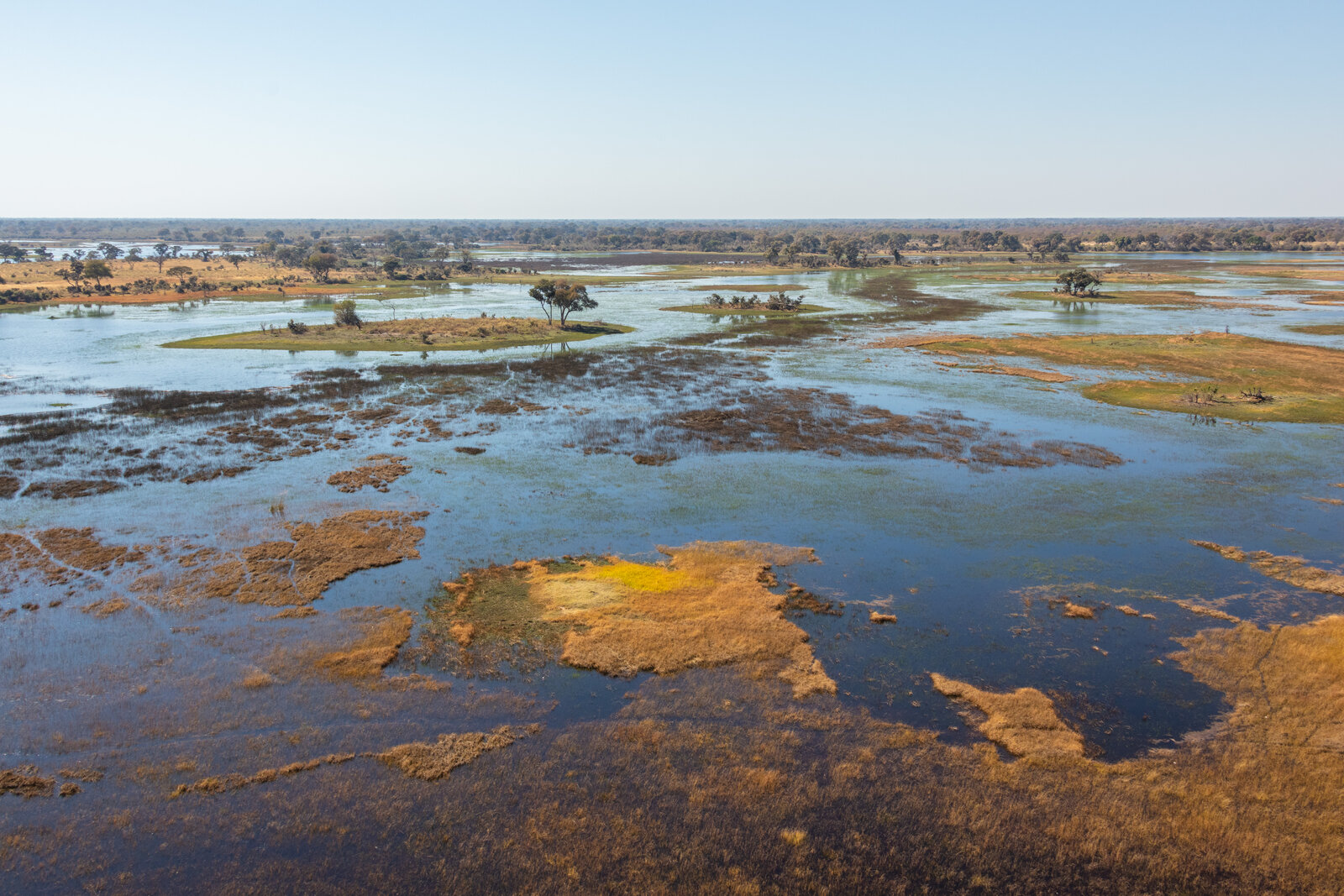
Some of the most magical hours I have ever spent in Africa were on the water, not on land. A water safari means experiencing wildlife from a boat, a canoe or a traditional dugout — and it offers a silence and an eye-level intimacy that no vehicle can match. The classic is the mokoro, a shallow dugout canoe poled by hand through the crystal channels of the Okavango Delta in Botswana. You glide, barely a ripple, past lechwe standing in the shallows, past elephants feeding on the islands, past a thousand frogs and dragonflies, with the papyrus whispering as the poler pushes you through.
Boat safaris change the game again. On the Chobe River in Botswana you can sit offshore at sunset and watch hundreds of elephants come down to drink and swim — one of the great wildlife spectacles anywhere. The Zambezi above Victoria Falls offers superb birding and hippo-filled channels, and canoe safaris on the Lower Zambezi add a gentle, self-propelled adventure, drifting past buffalo herds on the bank. Water safaris are seasonal — the Okavango's floodwaters peak roughly June to September, which is also when mokoro excursions are at their best — so timing matters, and we always build it in. Our Chobe National Park safari guide goes deeper on the river experience.
Best for:
Anyone wanting contrast, calm and world-class birding; superb for photography. Where: Okavango Delta (mokoro), Chobe River & Zambezi (boat), Lower Zambezi (canoe). Typical cost: mokoro & boat activities usually included in delta/river camp rates.
4. Fly-In & Aerial Safaris
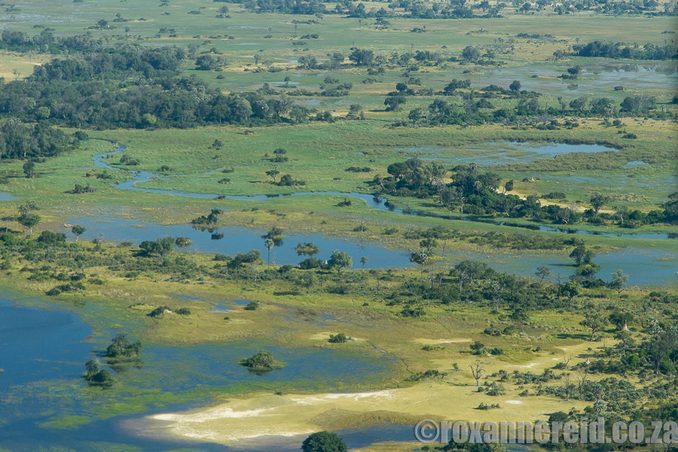
In the remotest corners of Africa — the heart of the Okavango, the far reaches of the Serengeti, the wilds of Zambia — the finest camps are deliberately hard to reach, and that is exactly the point. A fly-in safari uses light aircraft, typically six to twelve seaters, to hop directly between these camps' private airstrips instead of spending half a day on rough roads. It is the standard, and often the only sensible, way to travel in Botswana's delta, and it does two wonderful things at once: it saves you hours of transfer time, putting you deeper into the wilderness faster and for longer, and the flights themselves become part of the safari — low passes over the delta's silver channels, herds scattering below, the whole landscape revealed from the air.
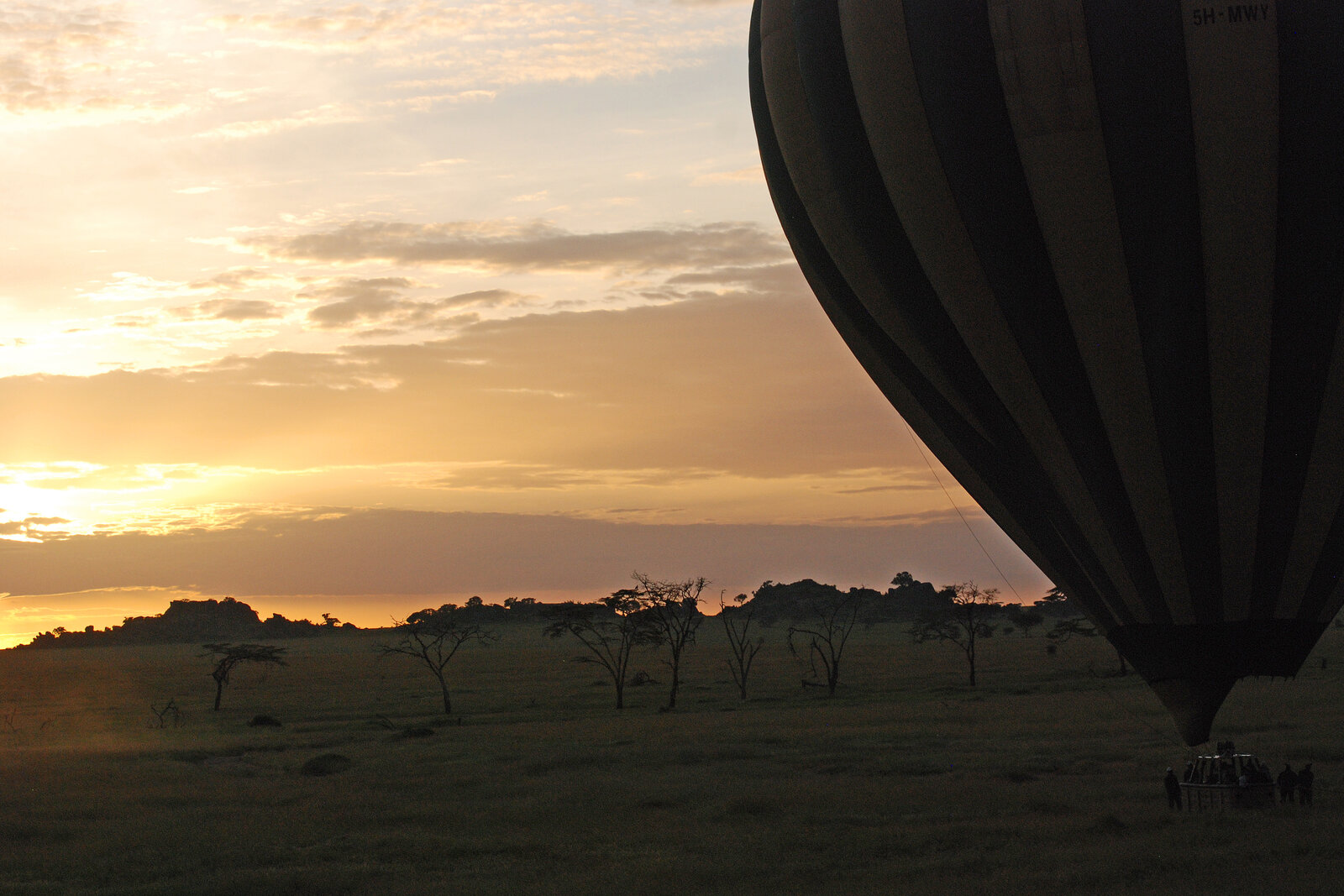
The other kind of aerial safari needs no transfer at all: the hot-air balloon flight. Lifting off in the dark and rising with the sun over the Serengeti or the Maasai Mara is one of the most moving hours in all of travel — the plains turning gold beneath you, the shadows of giraffe and elephant stretching long, the only sound the occasional roar of the burner. Most balloon flights end with a champagne bush breakfast on the plains. It is a splurge, but for a milestone trip it is one of the most requested experiences we arrange.
Best for:
Remote, high-end itineraries; time-conscious travellers; milestone trips (balloon). Where: Okavango & Linyanti (fly-in), Serengeti & Maasai Mara (balloon). Typical cost: fly-in built into daily rates on delta itineraries; balloon ~USD 450–600pp.
5. Mobile & Tented Camping Safaris
Before permanent lodges, the safari was a moving thing — a camp of canvas tents that packed up and followed the game. That tradition is alive and well, and it spans a huge range from genuinely adventurous to seriously luxurious. At one end, an authentic mobile safari moves with the seasons, often following the Great Migration through the Serengeti so that you are always close to the action, with comfortable walk-in tents, proper beds, hot bucket showers and a crew who cook over the fire. At the other end, permanent tented camps deliver canvas on the outside and genuine luxury within — en-suite bathrooms, four-poster beds, private decks and fine dining, the sounds of the bush just beyond the zip.
What all of these share is immersion. Sleeping under canvas, you hear everything — the lions calling in the dark, the hyena's whoop, the dawn chorus of birds — in a way that a solid-walled room simply cannot offer. For many travellers, the night in a tented camp is the memory that lingers longest. It is also the style of safari that most powerfully connects you to the romance and history of the whole idea.
Best for:
Migration-chasers (mobile) and anyone wanting atmosphere and immersion over bricks and mortar. Where: Serengeti (mobile, follows the migration), across Botswana, Zambia & Tanzania (tented). Typical cost: from mid-range mobile to ultra-luxury tented; wide range.
6. Primate & Gorilla Trekking
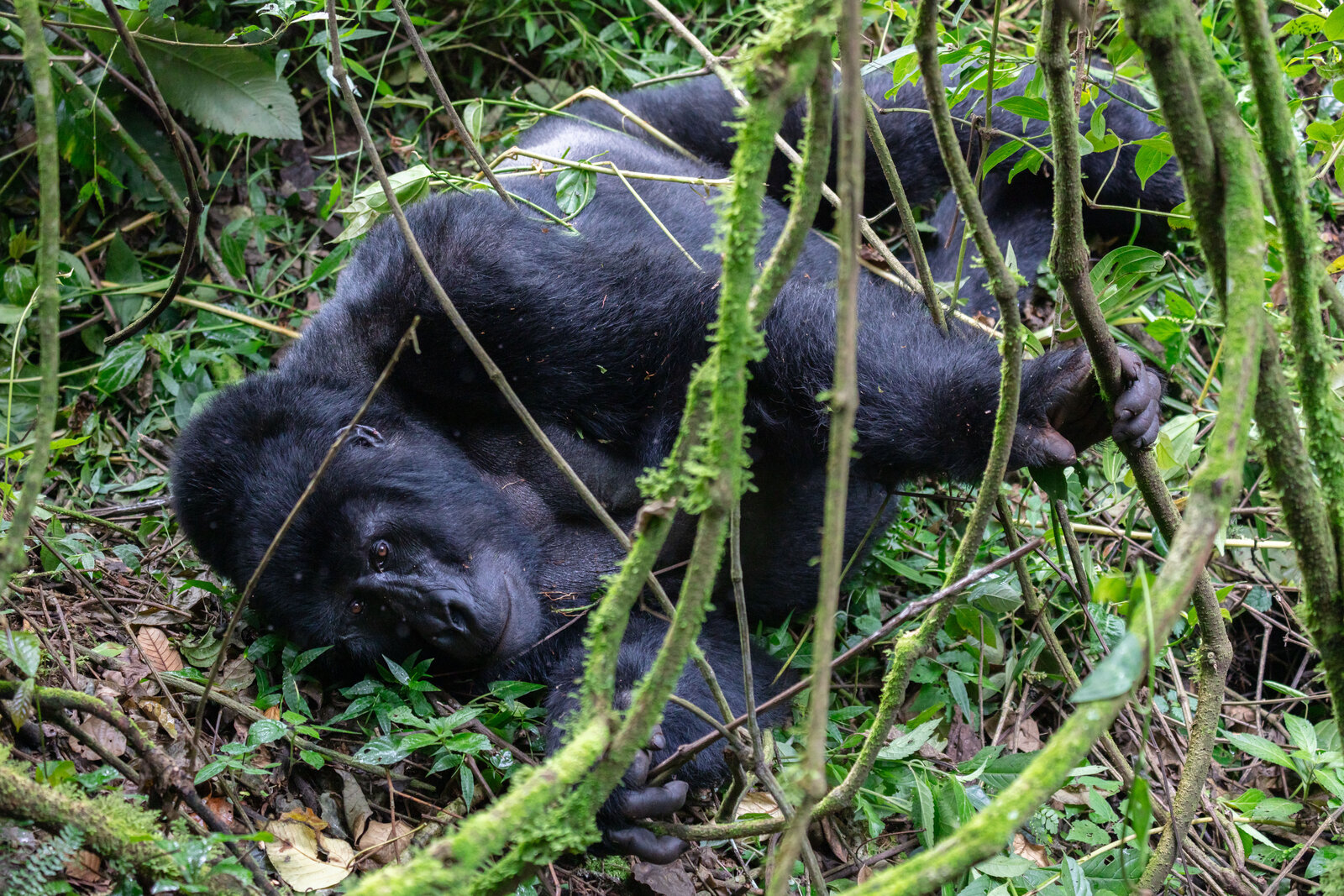
This is a safari of a completely different kind — not plains and big cats, but misty montane forest and an hour that changes people. Gorilla trekking takes you on foot, with trackers and a guide, up through the forests of Rwanda's Volcanoes National Park, Uganda's Bwindi Impenetrable Forest or the Virungas, to spend a strictly regulated, deeply moving hour in the presence of a wild family of mountain gorillas. There are only around a thousand mountain gorillas left on earth, and to sit quietly a few metres from a silverback and his family, tolerated and unbothered, is an experience almost everyone describes afterwards with the same word: humbling.
Chimpanzee trekking in Uganda's Kibale or Tanzania's Mahale and Gombe adds another primate dimension, often faster-paced and noisier, as you follow troops through the canopy. These are permit-controlled experiences — a gorilla permit is a fixed cost and numbers are deliberately limited to protect the animals — so they must be booked well in advance. We handle the permits, the fitness planning and the timing. For the full detail, see our guide to luxury gorilla trekking in Rwanda and Uganda.
Best for:
Bucket-list travellers; those wanting a once-in-a-lifetime, conservation-led encounter. Where: Rwanda (Volcanoes NP), Uganda (Bwindi), plus chimps in Kibale, Mahale & Gombe. Typical cost: gorilla permit ~USD 800pp; reasonable fitness required.
7. Specialist Safaris: Photographic, Horseback, Self-Drive & Night
Beyond the main types sit a cluster of specialist safaris, each built around a single passion or a particular way of travelling.
Photographic safaris
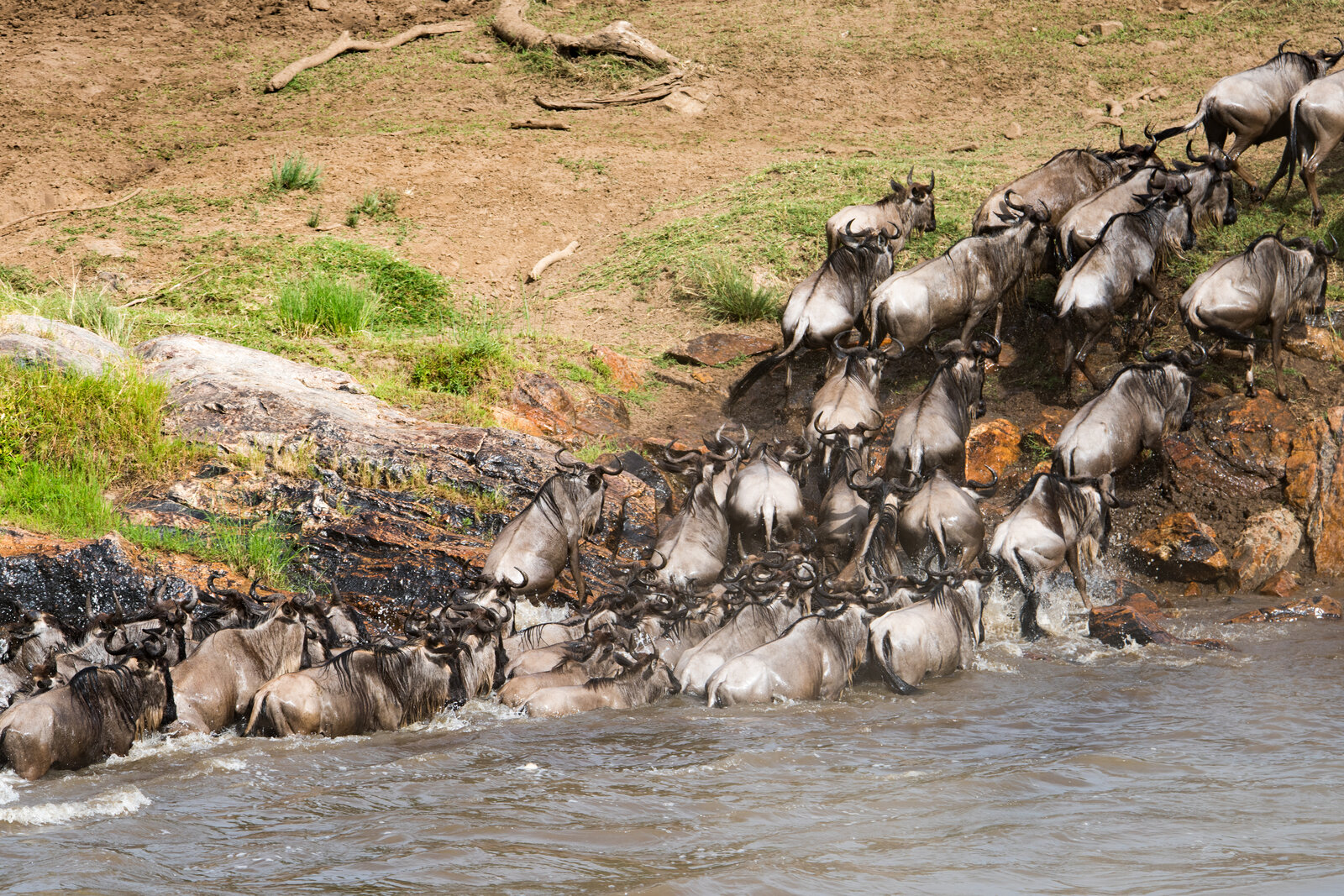
These are game drives optimised entirely for the image — specially modified vehicles with camera mounts, bean bags and 360-degree swivel seats, low-level water hides for eye-level shots, longer, slower sessions, and guides who understand light and anticipate behaviour. If photography is your reason for coming, this focus transforms what you bring home. Our Great Migration river-crossing experience is a classic photographic highlight.
Horseback safaris
For confident riders, approaching wildlife on horseback is extraordinary — plains game accept a horse where they would flee a human on foot, and you can cover ground and cross terrain a vehicle cannot. The Okavango, the Tuli Block in Botswana and parts of Kenya offer superb riding safaris. These require real riding competence and are not for beginners.
Self-drive safaris
In well-set-up parks — especially South Africa's Kruger, Namibia's Etosha and parts of Botswana — you can drive your own 4x4 and set your own route. Self-drive is the most budget-friendly way to safari and offers total independence, but it trades away the expert eyes of a guide. We often combine a self-drive section with a few nights of fully guided private-concession safari to get the best of both.
Night drives
Permitted mainly in private concessions in Southern Africa, the night drive uses a spotlight to reveal a completely different cast — leopard and lion on the hunt, aardvark, civet, genet, bushbaby and nightjar. It is one of the great advantages of staying in a private reserve rather than a national park, and it reliably produces sightings you simply cannot get by day.
Where We Stay — Lodges & Camps We Love
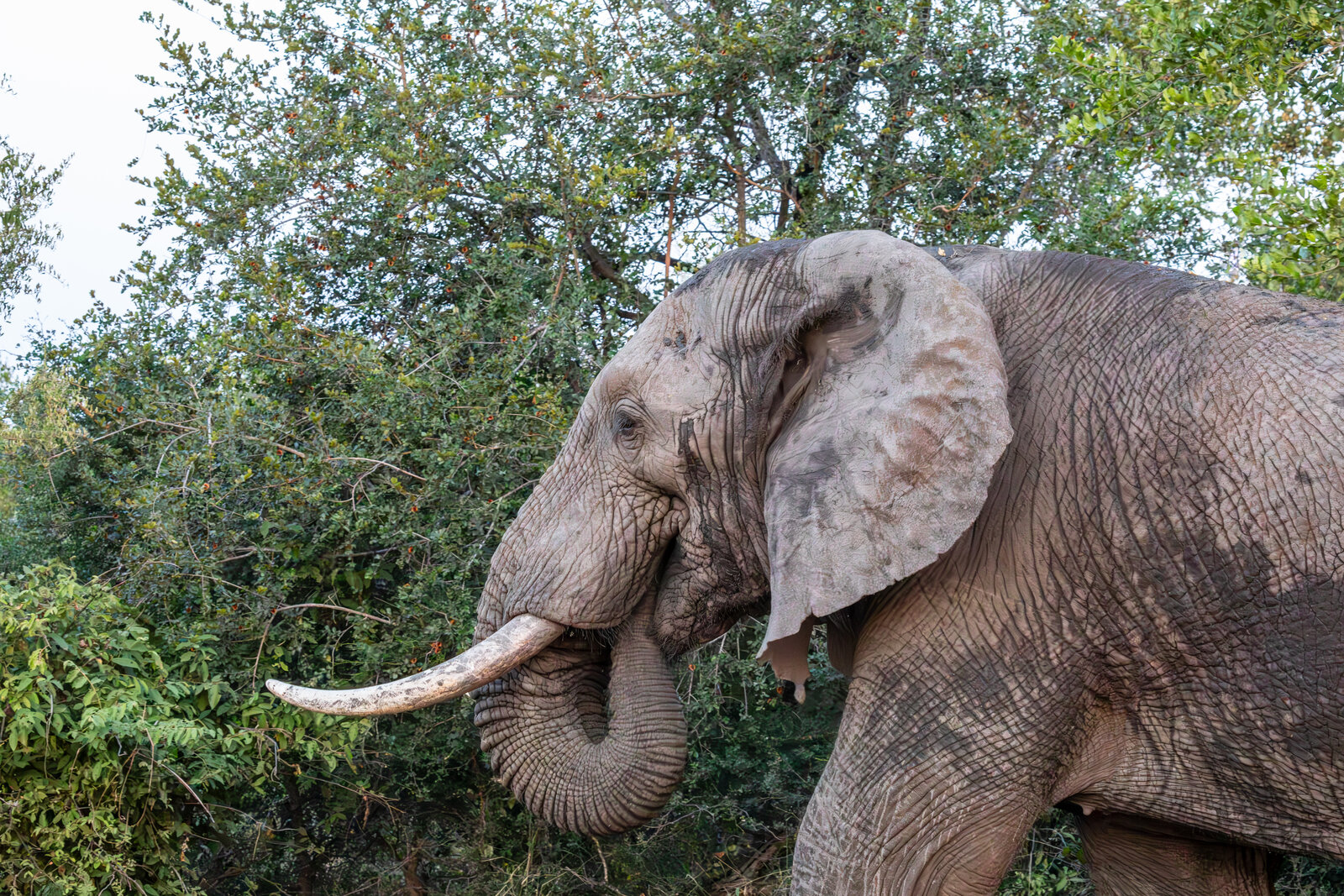
Whatever the type of safari, the camp you sleep in shapes the whole experience. Here are a handful we book direct, chosen because they do one or more of these safari types exceptionally well.
Which Type of Safari Is Right for You?
After all of that, the practical question remains: which type, or combination of types, suits you? Here is the framework I use with every traveller who calls.
By who you are
First-timers should lead with game drives in a high-density region — the private Greater Kruger reserves are ideal — and add one or two other activities (a walk, a balloon) for variety. Returning safari-goers tend to want the specialist experiences they missed first time: walking in South Luangwa, mokoro in the Okavango, gorillas in Rwanda. Families do best with game-drive-led trips at family-friendly camps, often with a self-drive or beach extension. Honeymooners gravitate to fly-in delta camps, balloon flights and a beach finish. Photographers want dedicated photographic vehicles and hides, and the migration in season.
By budget
If budget is the priority, a self-drive or road-based game-drive safari in South Africa or Namibia delivers extraordinary value. For a comprehensive look at what trips actually cost, see our African safari cost and budget guide. As budget rises, you add remoteness and exclusivity — fly-in private concessions, mobile migration camps, balloon flights and gorilla permits — each of which lifts the daily rate but buys genuine wilderness and privacy.
By season
Timing decides which types are even possible. The Okavango's mokoro season peaks June to September; the Mara River migration crossings run roughly July to October; the Serengeti calving is January to March; gorilla trekking is possible year-round but easiest in the drier months. Tell us your dates and we will tell you honestly what will be at its best — or suggest the window that will.
By combining them
The real answer, almost every time, is not one type but three or four woven together. A Botswana trip that pairs Chobe boat safaris, Okavango mokoro and walking, and a fly-in between them. An East African journey of Serengeti game drives, a dawn balloon flight and a Rwanda gorilla trek. That deliberate contrast — the vehicle, the water, the air, the forest — is what turns a good safari into the trip of a lifetime.
Let Us Match the Right Safari to You
We are Beyond Africa Safaris — a private operator that designs every itinerary by hand and books direct with the lodges, with no reseller mark-up and no generic package pulled from a brochure. We run every one of the safari types above, we know which camps do each of them best, and we build journeys that combine them into a single seamless trip shaped entirely around you. Every safari we design uses private vehicles only, so your days are your own.
Tell us who is travelling, roughly when, and what you dream of seeing — the big cats, the gorillas, the delta, the migration, the balloon at dawn — and we will match the right types of African safari to you, in the right places, at the right time of year. For ready-to-shape ideas, browse our luxury African safari packages, or read our guide to the best safari destinations in Africa to decide where to go.
Contact Beyond Africa Safaris today to start designing your private African safari — built from the types of safari that suit you best.