Key Takeaways
- Launches at dawn (5:30–6:00 AM) from Central Serengeti for golden-hour light
- One-hour flight drifts silently above the plains — no engine noise, just wind and wildlife
- Migration season (July–October) offers unmatched aerial views of a million wildebeest
- Champagne bush breakfast served where you land — tables, linen, acacia shade
- Costs ~$550–650 USD per person; book 3+ months ahead in peak season
- Pilots are CAA-certified; baskets carry 8–16 passengers with full safety briefing
Why a Hot Air Balloon Safari in the Serengeti?
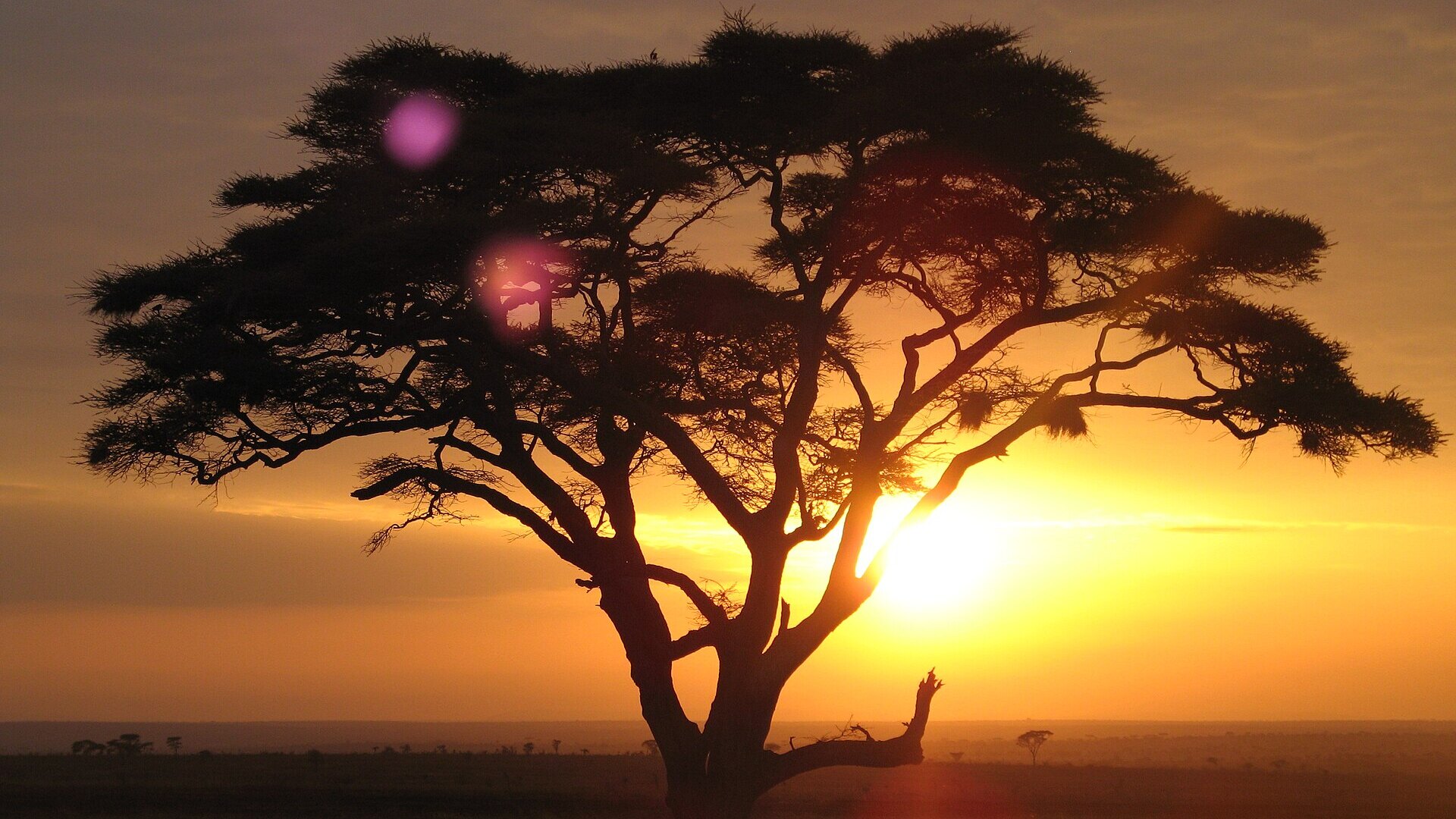
The Serengeti is magnificent from the ground — lion prides lounging under acacia trees, cheetahs on termite mounds, wildebeest herds stretching to the horizon. But from the sky, at dawn, in the silence of a hot air balloon, it becomes something else entirely: a living, breathing canvas of gold and green, dotted with wildlife, framed by the curve of the Earth.
A hot air balloon safari is the Serengeti's most breathtaking experience. You rise before the sun, drive to the launch site in the dark, and watch as the crew inflates a giant envelope of colour against the pre-dawn sky. Then you climb into the basket, the burner roars to life, and you lift off — gently, silently, until the plains unfold beneath you like a map.
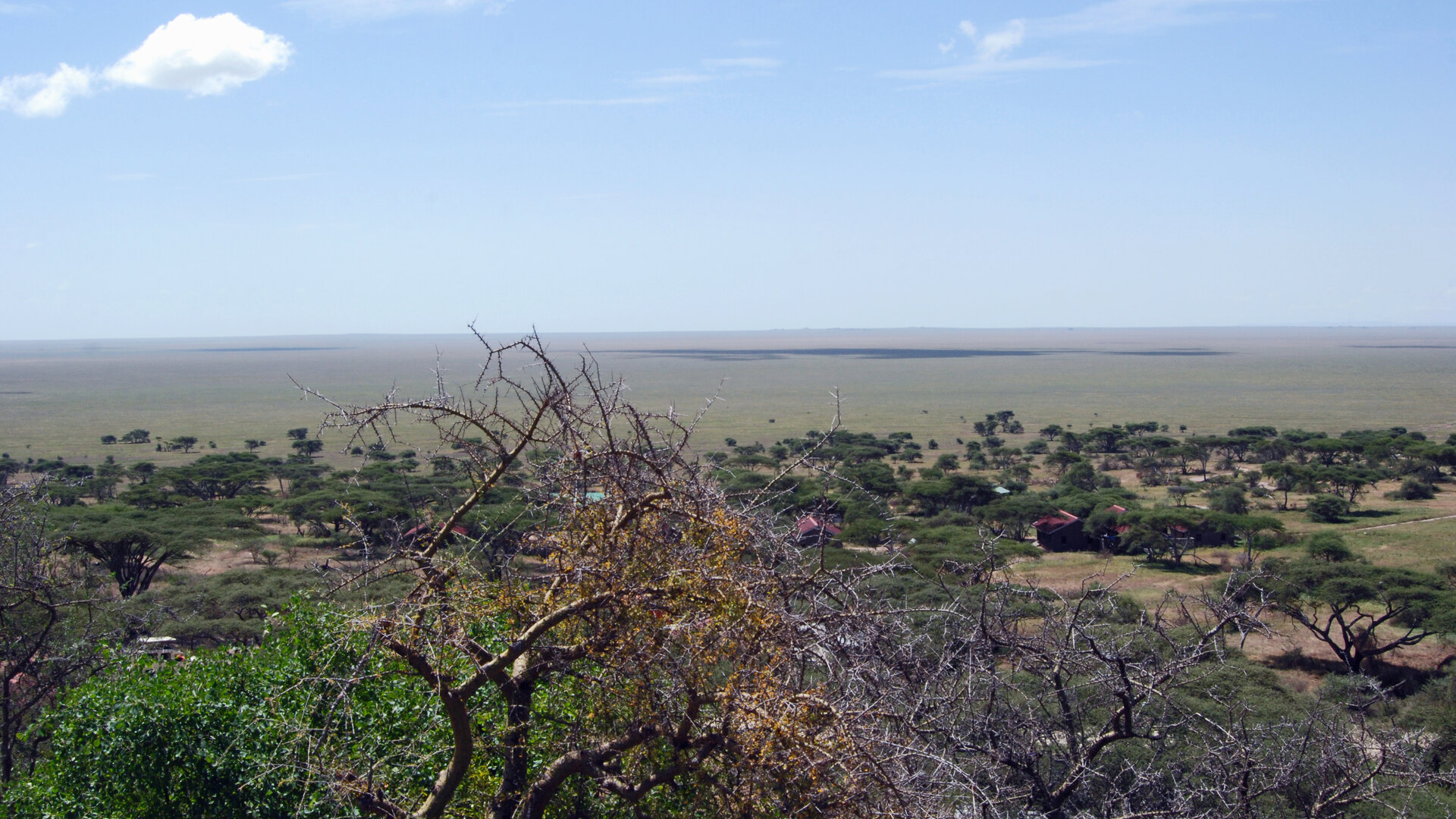
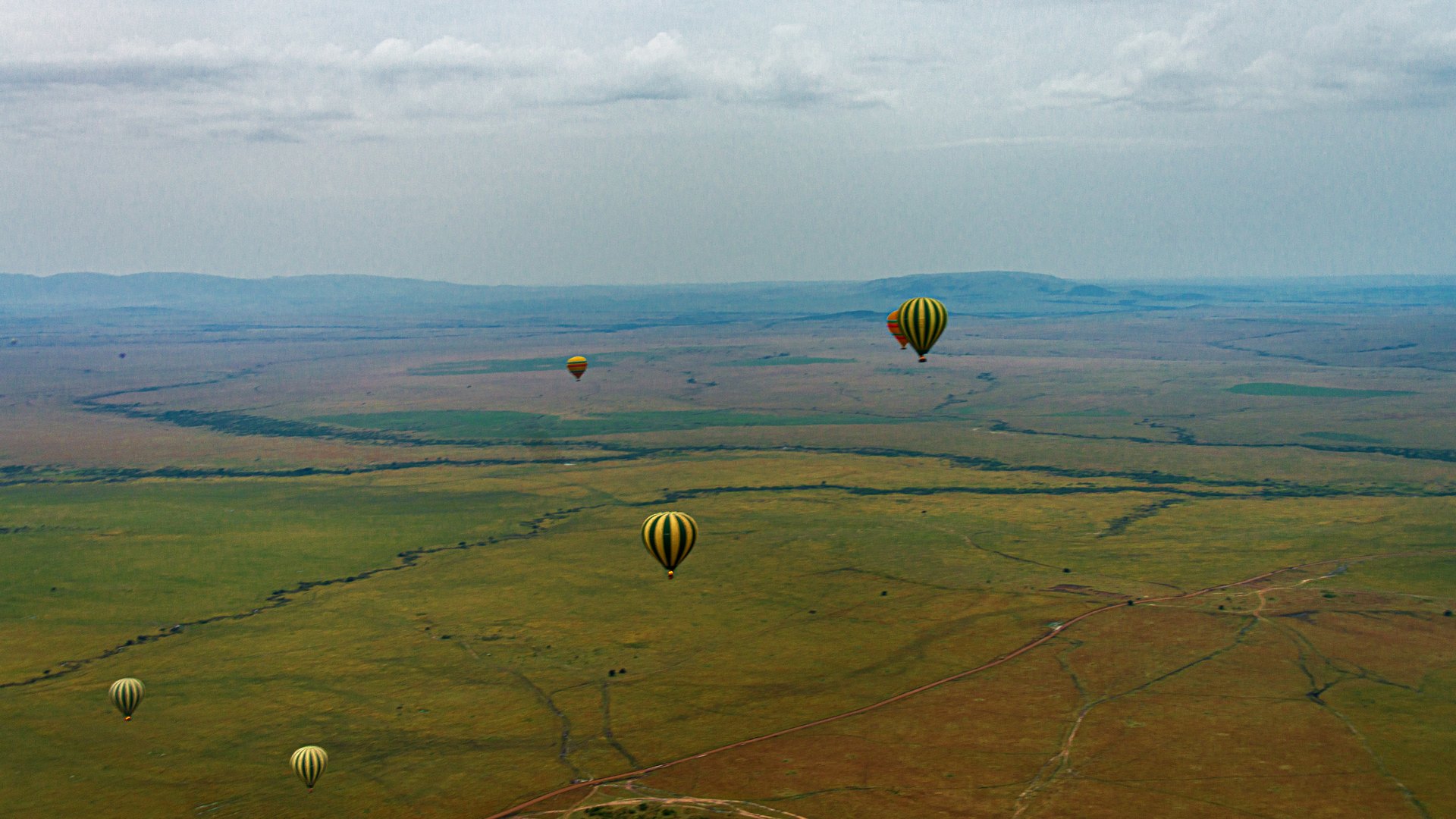
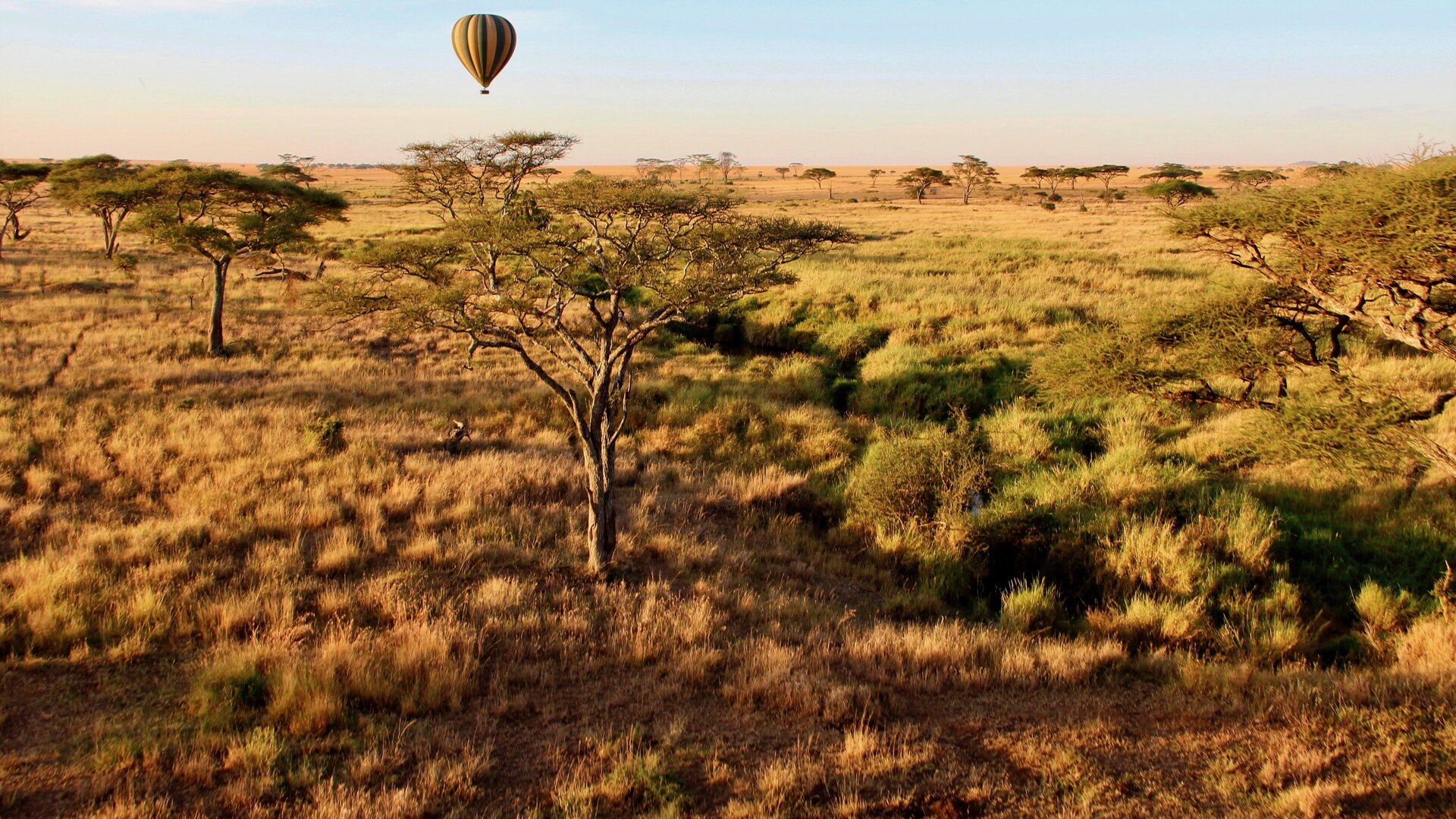
For one hour you drift with the wind, 300–1,000 feet above the ground. There's no engine noise, no vibration — just the occasional whoosh of the burner and the whisper of the breeze. Below you, elephants move through the bush, giraffe browse the treetops, and — if the migration is on — a million wildebeest carpet the grasslands as far as you can see.
It's magical. It's humbling. And when you land, the crew is waiting with champagne, white linen, and a full bush breakfast beneath an acacia tree. It's Africa at its finest.
When to Go: Best Months for Serengeti Balloon Safaris
Balloon safaris operate year-round in the Central Serengeti (Seronera area), but timing matters if you want to see the Great Migration from above.
July to October is the peak window for aerial migration views, especially if you're based in the north or west. But even in the so-called 'off-season', the Central Serengeti delivers: resident wildlife — lion, elephant, giraffe, leopard — are always there, and the light at dawn is always golden.
The Experience: From Pre-Dawn to Champagne Breakfast
Here's how a typical Serengeti balloon safari unfolds:
4:30 AM — Pickup from your lodge or camp. It's dark, it's early, and you're half-asleep. But the excitement keeps you awake. You're driven to the launch site (usually 30–45 minutes from Central Serengeti camps).
5:15 AM — Arrival and inflation. The crew has already laid out the balloon envelope on the ground. They fire the burners, hot air fills the fabric, and the balloon slowly rises from horizontal to vertical — a giant, colourful bulb against the starlit sky. It's a show in itself.
5:45 AM — Boarding and lift-off. You climb into the wicker basket (8–16 passengers, divided into compartments). The pilot gives a quick safety briefing, the burner roars, and you lift off — so smoothly you barely notice at first. One moment you're on the ground; the next you're 50 feet up, and the Serengeti is spreading out below you.
6:00–7:00 AM — The flight. This is it. The sun breaks the horizon, painting the plains in gold and amber. You drift wherever the wind takes you — sometimes low enough to hear the wildebeest grunting, sometimes high enough to see 50 kilometres in every direction. The pilot adjusts altitude with the burner, but otherwise you're silent, floating, watching.
You might see: herds crossing a dry riverbed, a lone elephant bull browsing, a pride of lions returning from a night hunt, giraffe necks poking above the treetops, hippos wallowing in a pool. Every flight is different. The wildlife moves. The wind decides your path. You're at the mercy of the sky, and it's perfect.
7:00 AM — Landing. The pilot talks to the ground crew via radio, picks a clear patch of grassland, and brings the balloon down — usually with a gentle bump. Sometimes you land perfectly upright; sometimes the basket tips on its side and you scramble out laughing. Either way, the crew is there within minutes, and the champagne corks are already popping.
7:15–8:30 AM — Bush breakfast. Tables are set up on the plains. White linen, real plates, hot food (eggs, sausages, pastries, fresh fruit, Kenyan coffee). You sit under an acacia tree, still buzzing from the flight, watching the Serengeti wake up around you. It's one of those moments you'll remember forever.
Enquire About Serengeti Balloon Safaris
Cost: What to Expect
A Serengeti balloon safari costs between $550 and $650 USD per person, depending on the operator and season. This includes:
• One-hour balloon flight
• Champagne bush breakfast
• Return transfers from your lodge/camp
• Flight certificate
It's not cheap, but it's worth every cent. Most visitors say it's the highlight of their safari — the one experience they'd repeat in a heartbeat.
Booking: Reserve at least 3–6 months ahead if you're travelling in peak season (July–October). Operators include Serengeti Balloon Safaris (the original, operating since 1989) and Miracle Experience. Your lodge or safari operator can arrange it as part of your itinerary.
Safety: Is It Safe?
Yes. Hot air ballooning is statistically one of the safest forms of aviation. Serengeti operators are licensed by the Tanzania Civil Aviation Authority (TCAA), pilots have thousands of flight hours, and balloons are inspected rigorously.
That said, it's not for everyone. If you have severe mobility issues (you need to climb into a chest-high basket and may land with a bump), are heavily pregnant, or have a serious fear of heights, it might not be the best fit. Children under 7 are usually not permitted.
The weather is checked every morning. If conditions aren't safe (high winds, storms), the flight is cancelled and you're refunded or rescheduled.
What to Wear and Bring
• Layers: It's cold at dawn (10–15°C), but warms up quickly once the sun rises.
• Closed shoes: No flip-flops. You're landing in the bush.
• Hat and sunglasses: The sun gets strong once you're up.
• Camera with strap: You'll want both hands free during landing.
• No drones: They're illegal in Tanzania's national parks.
Migration from the Sky: July to October
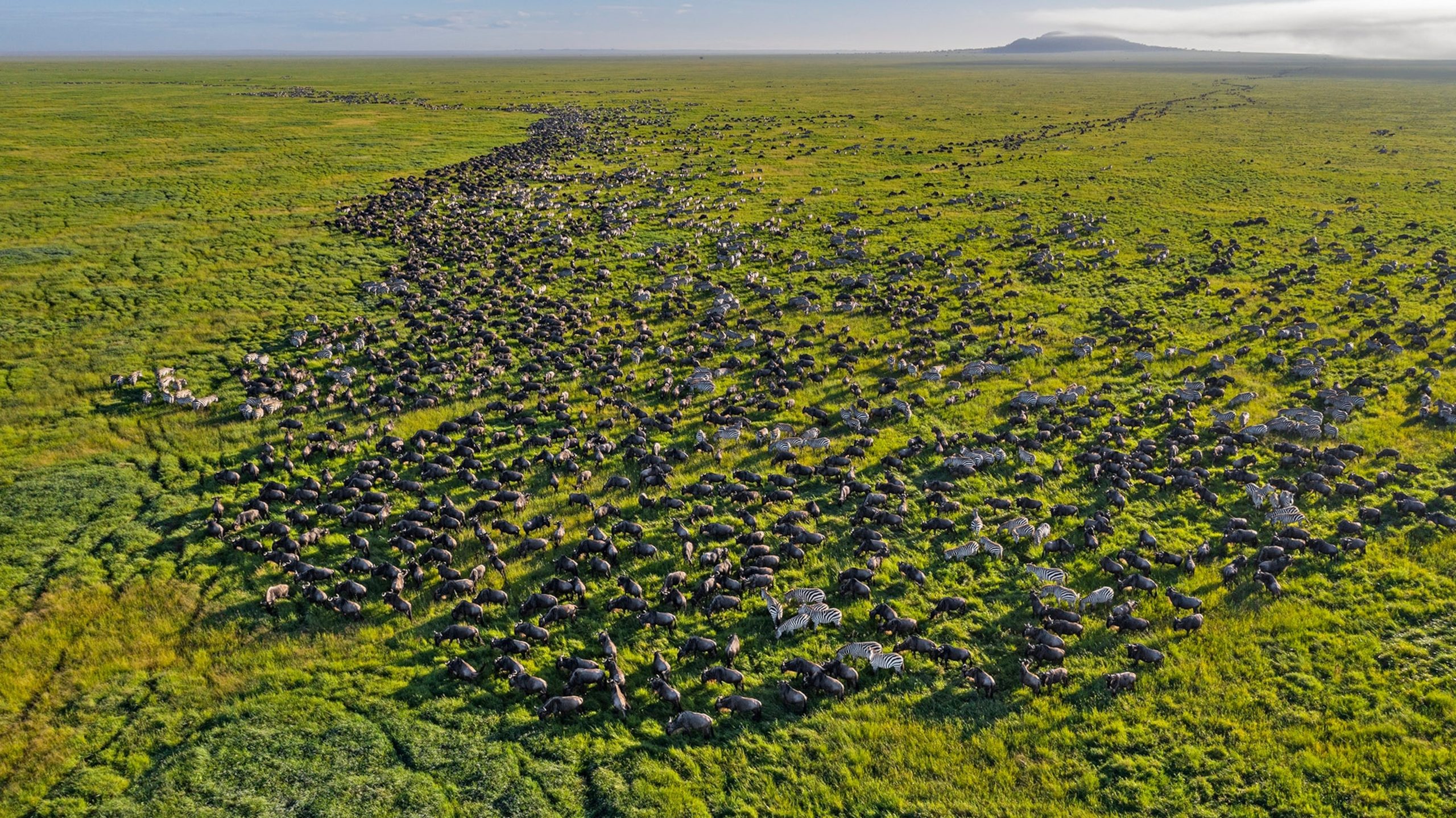
If you time your balloon safari to coincide with the Great Migration, you're in for the aerial show of a lifetime. In July and August, the herds are massed in the Western Corridor and northern Serengeti, preparing to cross the Mara River. From the balloon, you see the scale of it: a dark, moving ribbon of wildebeest and zebra, kilometres long, snaking across the plains.
In September and October, the action shifts to the far north — right on the Kenya border. Some operators offer flights from northern camps (seasonal), putting you directly above the river crossings. You watch the herds plunge into the water, crocodiles waiting, chaos unfolding — all from a silent, floating vantage point 500 feet up.
It's not guaranteed (the migration doesn't follow a schedule), but if you're there at the right time, it's unforgettable.
Alternatives: Can You Balloon Elsewhere in Tanzania?
The Serengeti is Tanzania's only national park that allows hot air balloon safaris. You can't balloon in Ngorongoro Crater, Tarangire, or Lake Manyara (regulations and logistics). If you want the balloon experience, the Serengeti is it.
Kenya's Masai Mara offers a similar experience (and is slightly cheaper), but the Serengeti's vastness and the sheer scale of the migration give it the edge.
Private Tours Cape Town brings you closer to Africa's most breathtaking experiences — from the Serengeti plains to the Indian Ocean islands, every journey is a masterpiece.