We're Open8am–6pm SAST
WishlistPartner Portal
← Back to BlogSafari

Sustainable Safari 2026: 8 Ways to Travel Responsibly in Africa

Audio EditionListen to this story
0:000:00
Narrated by George — audio edition

Key Takeaways

  • A responsible safari is a powerful force for conservation — it funds the protection of vast wildernesses and the wildlife within them.
  • Choose lodges with genuine conservation and community credentials, not just green marketing.
  • Support local communities — local guides, community-owned camps and locally made crafts keep tourism income where it belongs.
  • Reduce your footprint with solar-powered camps, low-impact travel and considered flights.
  • We hand-pick lodges and operators with real, verifiable sustainability practices for every journey.

Why a Safari Is Good for Africa's Wild Places

Wildlife pays for its own protection through tourism. Across Africa, the revenue from responsible safaris is what keeps vast tracts of land wild — funding anti-poaching patrols, habitat protection, and the wages of the rangers, guides and lodge staff who make a living from a living wilderness. Where photographic tourism thrives, land that might otherwise be turned to farming or lost to poaching is instead protected for wildlife. By travelling thoughtfully, you become part of that virtuous circle: your trip is not a cost to the environment but an investment in its survival.
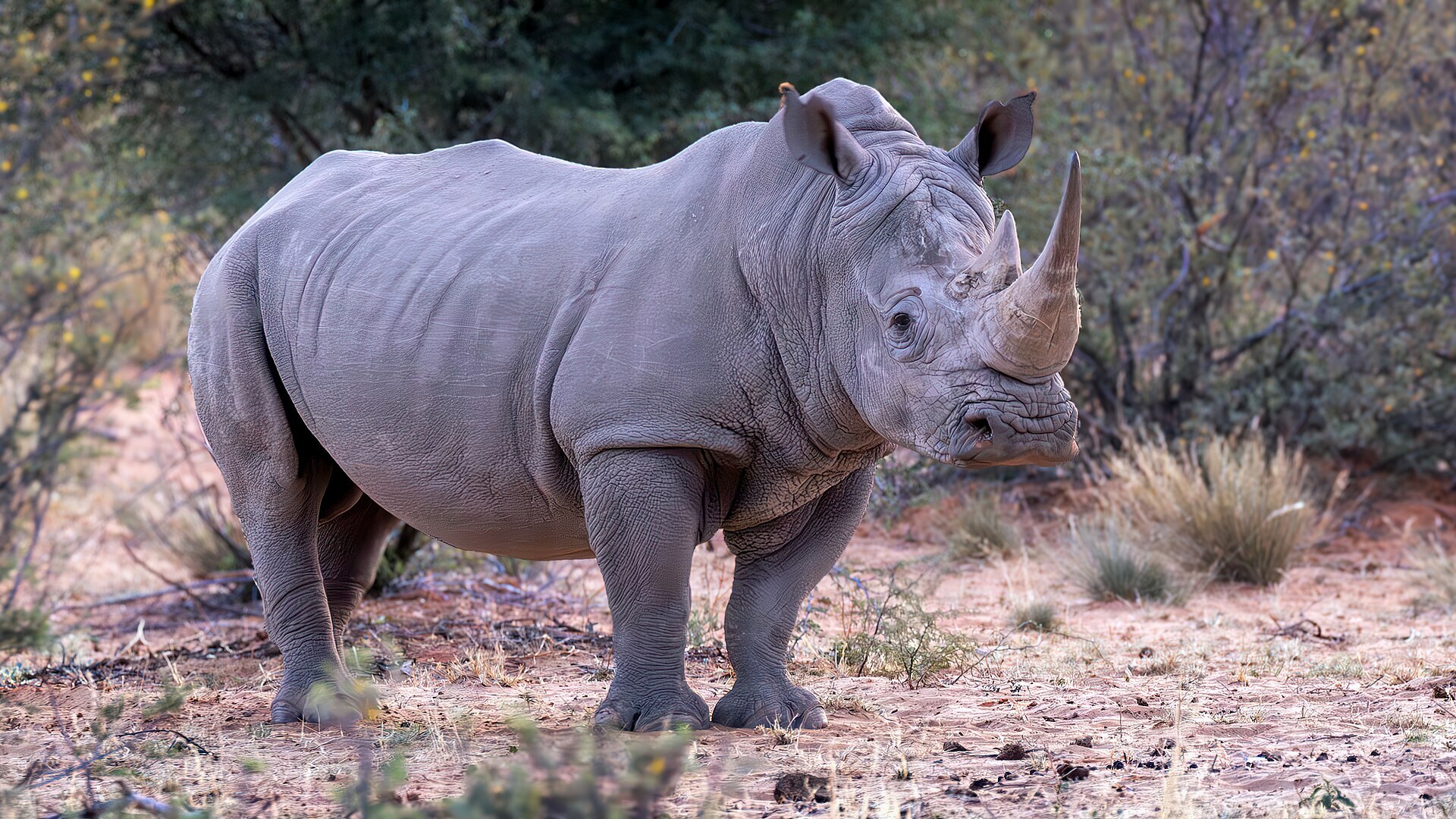
A rhino in a protected African reserve
Tourism revenue funds the protection of endangered species like the rhino

1. Choose Lodges with Real Conservation Credentials

Look past the green marketing to genuine impact. The best eco-lodges do far more than swap plastic straws — they protect land, run or fund anti-poaching and research, restore habitats and reinvest profits into the surrounding ecosystem. Ask how a lodge measures its impact, what conservation it funds and how much land it protects. We only recommend lodges whose credentials are real and verifiable, so your stay genuinely helps the wild.

2. Support Local Communities

Tourism should benefit the people who live alongside wildlife. Choose camps that employ and train local people, are partly or wholly community-owned, and channel income into schools, clinics and water projects. When communities benefit directly from wildlife, they become its fiercest protectors. Buying locally made crafts, using local guides and visiting community projects all help keep tourism income where it belongs — and enrich your trip enormously.
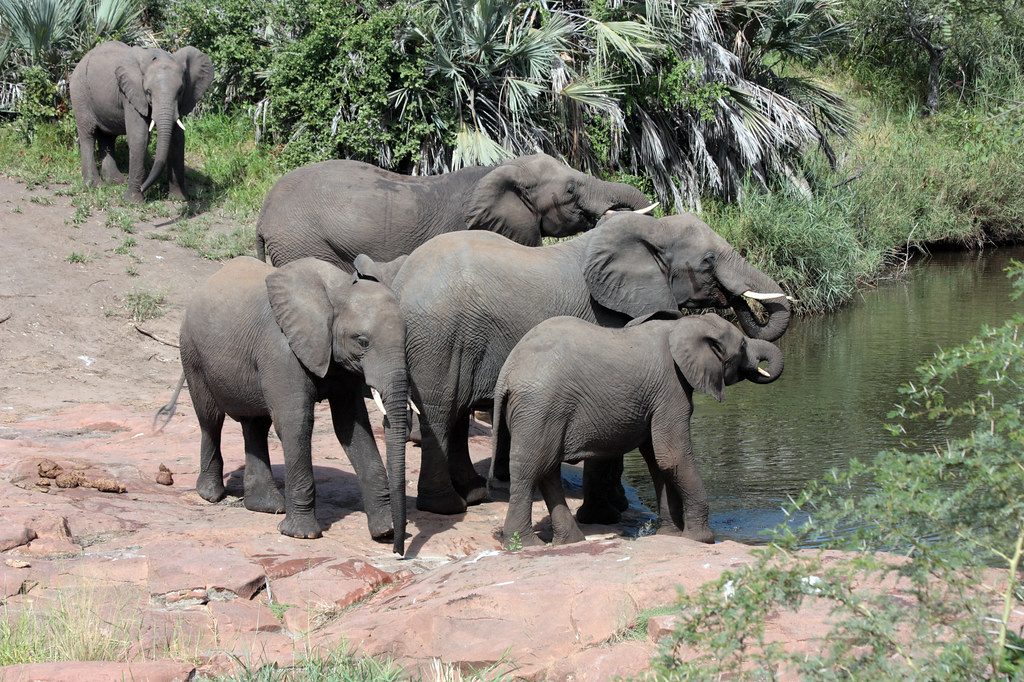
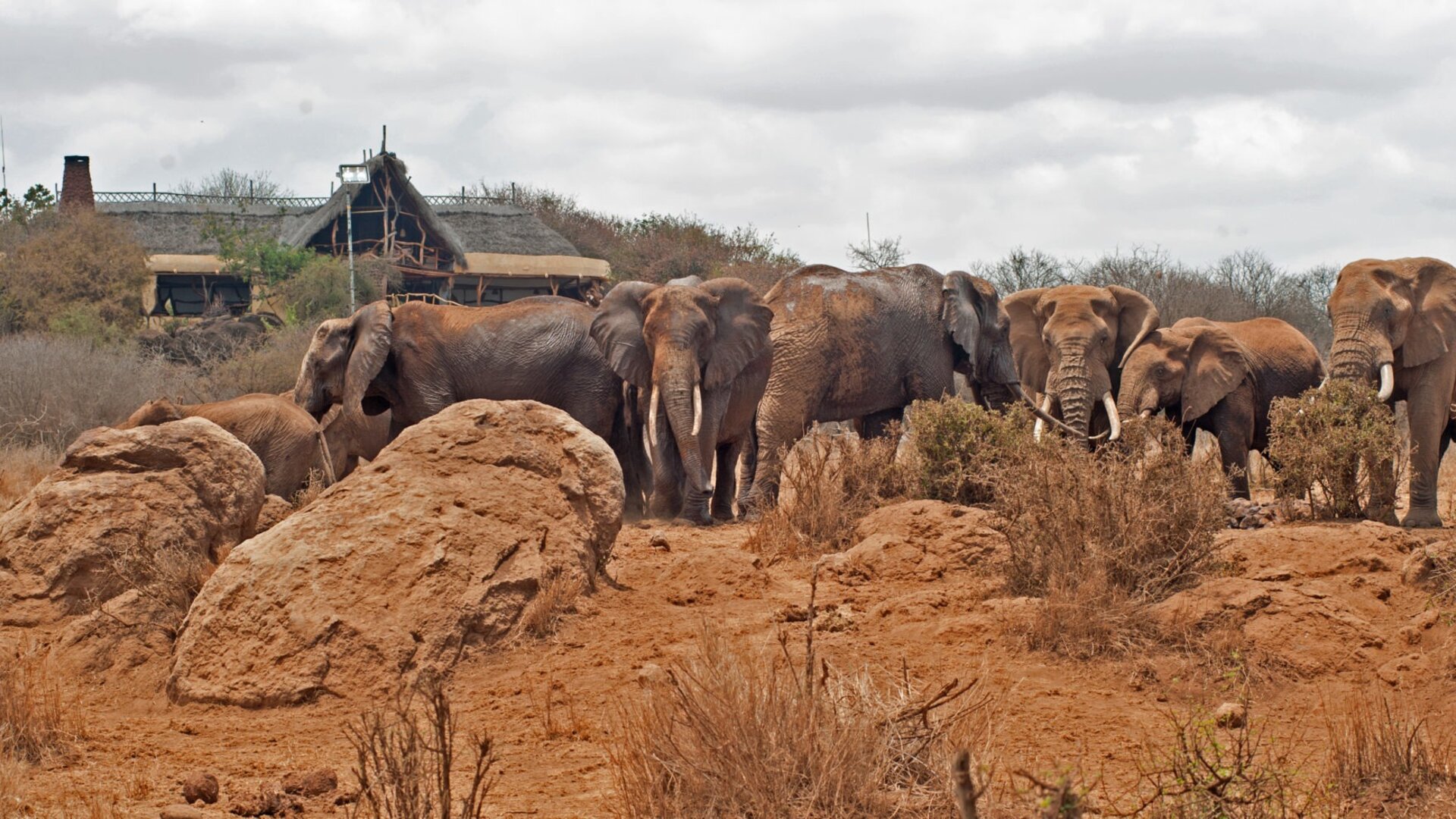
An elephant herd moving through a protected landscape
When communities benefit from wildlife, they become its fiercest protectors

3. Stay at Solar-Powered, Low-Impact Camps

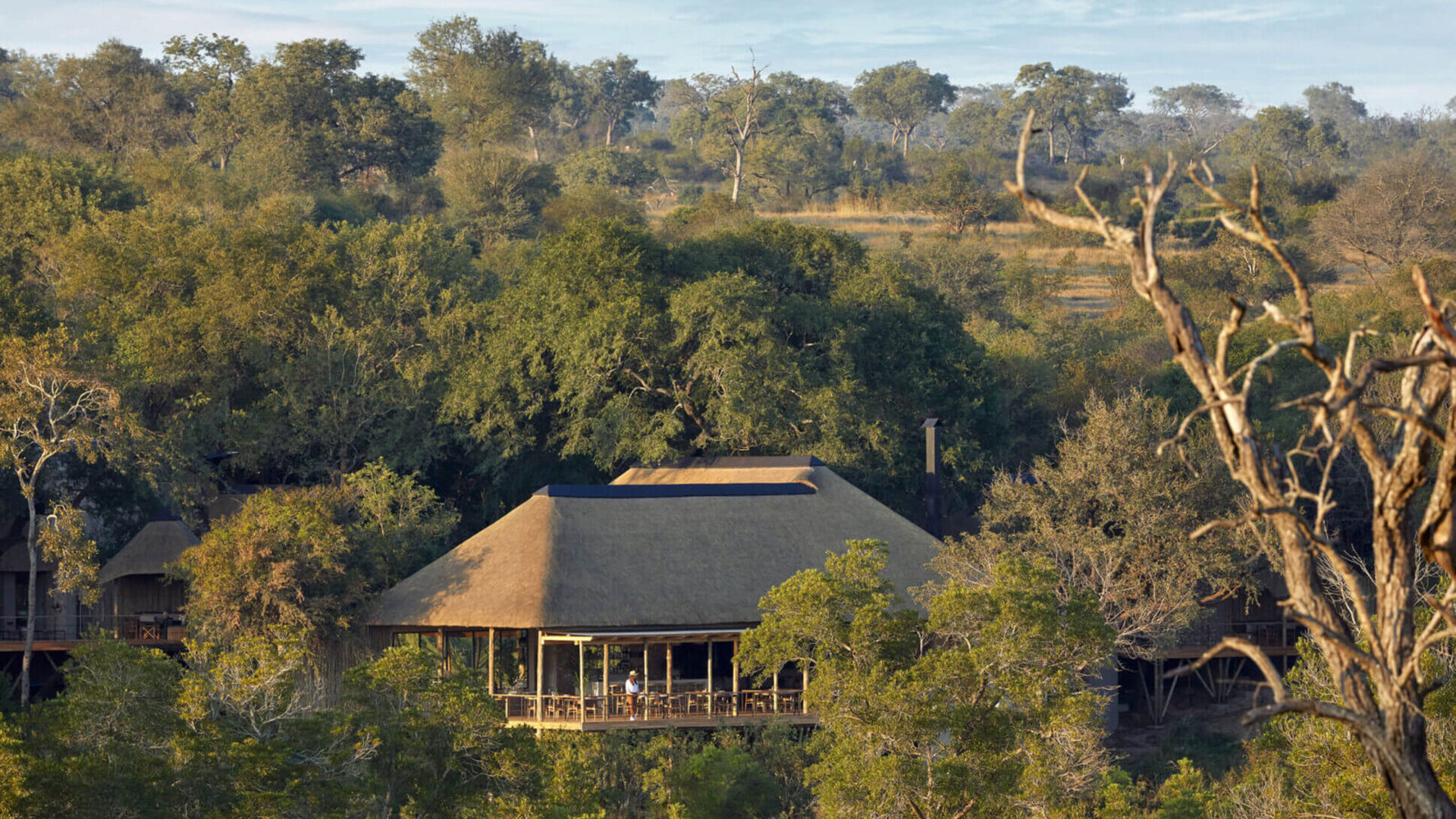
The best camps tread lightly on the land. Many of Africa's finest lodges now run largely or entirely on solar power, harvest and recycle water, compost waste and are built from local, sustainable materials on lightweight footprints that can be removed with almost no trace. Tented camps in particular can be remarkably low-impact while still being beautifully comfortable. Choosing these camps dramatically reduces the footprint of your stay without sacrificing luxury.

4. Travel Overland Where You Can, Fly Thoughtfully Where You Must

Balance access with impact. Light-aircraft transfers open up remote wildernesses that would otherwise be inaccessible, and are often the only practical way to reach them. Where distances allow, though, overland travel between nearby camps reduces emissions and lets you see the country. We plan efficient routes that minimise unnecessary flights, group destinations sensibly, and can arrange carbon offsetting for your international and internal travel.

5. Respect Wildlife and Keep Your Distance

Great guiding is ethical guiding. A responsible safari never harasses animals for a photograph. Good guides keep a respectful distance, never surround or crowd a sighting, switch off engines and keep noise low, and always put the animals' welfare first. Choose operators and reserves with strong codes of conduct and well-trained guides. The best sightings — calm, natural animal behaviour observed quietly — are also the most rewarding and the most ethical.

6. Cut the Plastic and Pack Light

Small choices add up. Bring a refillable water bottle — most camps provide filtered water — along with reef-safe sunscreen, biodegradable toiletries and a good pair of binoculars you will reuse for years. Pack light in a soft bag for light-aircraft limits, and leave excess packaging at home. These simple habits reduce waste in remote areas where disposal is difficult, and set a good example for the children travelling with you.

7. Choose Conservancies and Private Reserves

Community conservancies are conservation success stories. In Kenya, Namibia and beyond, community-owned conservancies lease land for wildlife and share tourism income directly with local families, protecting huge areas and reducing conflict between people and animals. Staying in a conservancy or a well-run private reserve channels your money straight into a proven model of conservation — and usually rewards you with fewer vehicles and a wilder, more exclusive experience.
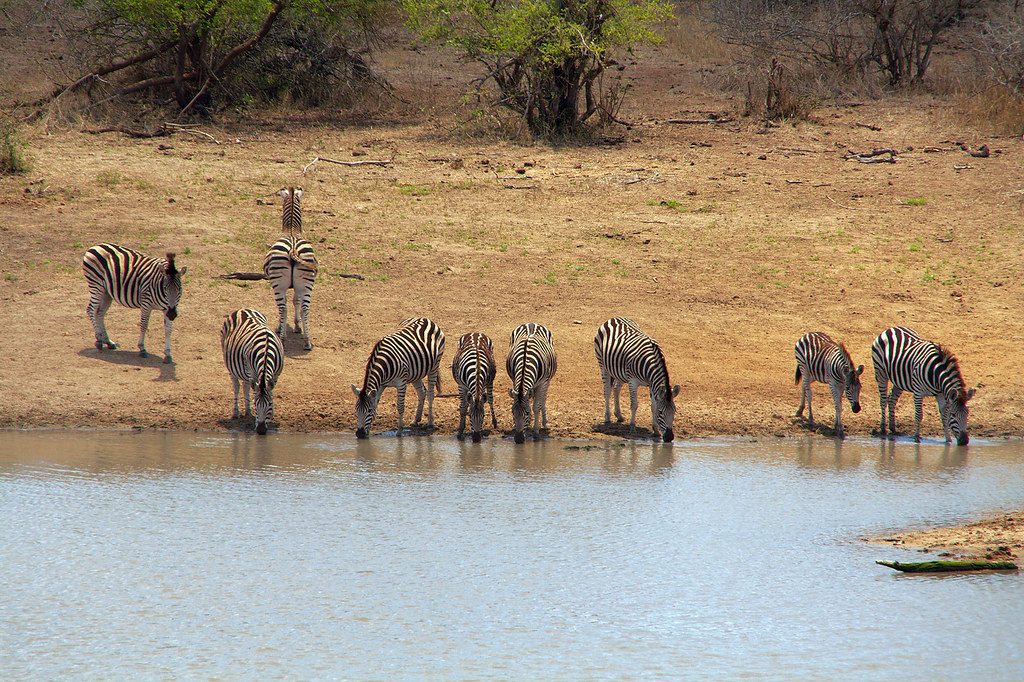
Wildlife gathered at a waterhole in a protected reserve
Conservancies and private reserves protect vast areas for wildlife

8. Give Back — Beyond the Booking

Turn a trip into a lasting connection. Many travellers choose to support a conservation or community project they visit, whether a rhino programme, a school or a rangers' fund, long after they return home. Others build a research or volunteer element into their trip, or simply share their experience to inspire others to protect Africa's wild places. We can connect you with reputable, on-the-ground projects so your journey continues to do good well beyond your stay.


A Quick Sustainable Safari Checklist

ChoiceWhy It Matters
Conservation-led lodgeFunds anti-poaching & habitat protection
Community-owned campIncome reaches local families directly
Solar-powered campLow-impact, low-emission stay
Ethical guidingPuts wildlife welfare first
Offset your flightsBalances unavoidable travel emissions

Does Sustainable Mean Less Comfortable?

Not in the least. Some of the most sustainable lodges in Africa are also among the most luxurious — solar power, water recycling and low-impact design sit perfectly alongside beautiful suites, fine food and superb guiding. Sustainability is about how a lodge operates and what it protects, not about roughing it. In fact, the most responsible camps tend to be in the wildest, most exclusive settings, so travelling well and travelling responsibly usually go hand in hand.

Why Plan Your Sustainable Safari With Us

  • Verified credentials — we hand-pick lodges and operators with real, proven sustainability practices.
  • Conservation and community first — we favour conservancies, community camps and conservation-led lodges.
  • Efficient routing — sensible itineraries that minimise unnecessary flights, with offsetting available.
  • No compromise on comfort — responsible does not mean roughing it; the best eco-lodges are exquisite.
  • 24/7 support — one point of contact for a journey that does genuine good.

Plan a Safari That Protects the Wild

We are a private, tailor-made travel house based in Cape Town, and we believe travel should leave the wild stronger than we found it. Tell us your dates and what matters most to you — conservation, community, low impact or all three — and we will craft a beautiful, responsible journey that supports the places and people who make Africa so extraordinary.

Ready to travel responsibly? 👉 Request a sustainable safari quote → 👉 Browse our tours & safari packages → 👉 WhatsApp us: +27 74 315 5782


Travel That Protects the Wild

A well-planned safari is one of the most powerful forces for good in Africa — it funds conservation, protects vast wildernesses and supports the communities that live alongside wildlife. Done thoughtfully, your trip leaves the wild stronger than you found it.

This is our definitive 2026 guide to a sustainable, eco-friendly safari — how to choose responsible lodges, support conservation and communities, and tread lightly, without sacrificing comfort.

Frequently Asked Questions

A sustainable, or eco-friendly, safari is one planned to protect the wild places and support the people it visits. In practice that means choosing lodges with genuine conservation and community credentials, staying at low-impact, often solar-powered camps, guiding ethically with wildlife welfare first, and reducing waste and emissions. Done well, a safari is a powerful force for good — the revenue funds anti-poaching, habitat protection and local livelihoods, leaving the wild stronger than you found it.

Tourism revenue is what keeps vast areas of Africa wild. The fees you pay fund anti-poaching patrols, wildlife research and habitat protection, and provide wages for the rangers, guides and staff who depend on a living wilderness. Where photographic tourism thrives, land that might otherwise be farmed or lost to poaching is instead protected for wildlife. By travelling thoughtfully, you become part of that virtuous circle and directly help fund conservation.

Look past green marketing to real, measurable impact. Genuinely responsible lodges protect land, run or fund anti-poaching and research, employ and empower local communities, and operate on solar power with water recycling and low-impact design. Ask how a lodge measures its impact, what conservation it funds and how it supports local people. We do this vetting for you, recommending only lodges whose credentials are real and verifiable.

Not at all. Some of the most sustainable lodges in Africa are also among the most luxurious. Solar power, water recycling and low-impact, locally built design sit perfectly alongside beautiful suites, fine food and superb guiding. Sustainability is about how a lodge operates and what it protects, not about roughing it. In fact, the most responsible camps are often in the wildest, most exclusive settings, so travelling well and responsibly usually go hand in hand.

Yes. While light-aircraft transfers are often the only way to reach remote wildernesses, we plan efficient routes that minimise unnecessary flights and group destinations sensibly. For your remaining international and internal travel, we can arrange reputable carbon offsetting that funds verified conservation and clean-energy projects, helping to balance the emissions of your journey.

Choose camps that employ and train local people, are partly or wholly community-owned, and reinvest income into schools, clinics and water projects. On the ground, use local guides, buy locally made crafts and, where offered, visit community projects. Community conservancies in Kenya, Namibia and elsewhere share tourism income directly with local families, protecting huge areas. We can build these meaningful, respectful connections into your itinerary.

Make It Happen

Safari Packages

Ready to experience it yourself?

Let our local experts craft a private journey around the places you just read about.

Explore ToursPlan My Trip
Curated For You

You May Also Like

A golden-hour luxury safari lodge deck overlooking the African bushSafari

The Great Luxury Safari Houses Compared 2026: How to Choose the Right One

Ask ten well-travelled people who the best luxury safari operator is and you will get ten different answers — because there is no single best, only the right one for you. Africa's great safari houses each carry a distinct character: some are conservation pioneers, some are design temples, some are founder-led and fiercely personal, some are quietly boutique. As an independent, Cape Town-based travel house, we book across all of them, which means we can be honest about where each truly shines. This is our 2026 comparison of the leading luxury safari collections — their soul, their strengths, their price and their fit — and how we pair the right house to the safari you have always imagined.

28 Jul 2026 · 14 min read
A golden-hour African wilderness landscape protected by conservation fundingSafari

Safari Conservation 2026: Where Your Money Actually Goes on a Luxury Safari

It is a fair question, and one thoughtful travellers increasingly ask: when I spend thousands on a luxury safari, where does the money actually go — and does any of it truly help the wild? The honest answer is that a well-chosen safari is one of the most effective conservation tools on the continent. Your nightly rate funds anti-poaching patrols, keeps vast tracts of land wild rather than farmed, pays park and conservation fees, and gives local communities a direct, tangible stake in protecting wildlife. This is our transparent guide to the economics of conservation safari in 2026 — how the money flows, what it protects, and how we steer you toward the operators and reserves where your money does the most good.

28 Jul 2026 · 14 min read
A golden-hour safari scene representing a multi-country African journeySafari

How to Plan a Multi-Country Luxury Safari 2026: The Complete Guide

The most memorable safaris are often a journey across borders — big cats on the Serengeti plains, then the waterways of the Okavango, then a beach to finish; or the Cape, the Kruger and Victoria Falls woven into one grand arc. Multi-country safaris deliver contrast and depth that a single destination cannot, but they live and die on logistics: the light-aircraft transfers, the visas, the conservation fees, the baggage limits and the timing of connections. Get it right and it feels effortless; get it wrong and you spend your holiday in transit. This is our complete guide to planning a seamless multi-country luxury safari in 2026 — how to route it, how the flights work, what to budget for, and how we make several countries feel like one flawless journey.

28 Jul 2026 · 14 min read
Simple, Personal, Expert-Led

How It Works

From first message to the trip of a lifetime — planning your safari with us is effortless.

  1. 1

    Share Your Dream

    Tell us who is travelling, your dates and what you long to see. One quick message is all it takes to begin.

  2. 2

    We Design It

    Your specialist crafts a private, tailor-made itinerary — the right camps, the right season, every detail considered.

  3. 3

    Refine Together

    We fine-tune the journey with you until every day feels perfect, then handle flights, transfers and permits.

  4. 4

    Travel With Confidence

    Set off knowing every detail is handled and a dedicated specialist is on call from your first game drive to home.

Your Journey Starts Here

Let Our Experts Craft Your Perfect Safari

Every itinerary is handcrafted by our team of local specialists who have spent 18+ years exploring Southern and East Africa. From Big Five game drives to gorilla trekking — we create journeys that stay with you forever.

Start PlanningChat with Us
Chat