I was born in Zimbabwe, beside the Zambezi, and the river has been the fixed point of my life ever since. Twelve years of planning journeys has sent me up and down the length of East and Southern Africa, but the shape of my working year always comes back to a single line: from Kenya's Mara in the north, down through the Serengeti, across the water country of Botswana, and home to the Zambezi.
This note follows that line. These are the places along it I return to myself, and what I say to my own guests when they ask me, near the end of a call, which ones are really worth it.
The short version
- The line I travel each year runs from the Masai Mara down to the Zambezi, through the Serengeti, the Okavango and Chobe on the way.
- The Mara and Serengeti are one herd a month apart; I plan them by season, not by border.
- Botswana's water country and Victoria Falls link into a single week by light aircraft, and the Falls sits a short hop from South Luangwa in Zambia.
The Masai Mara, where my year starts
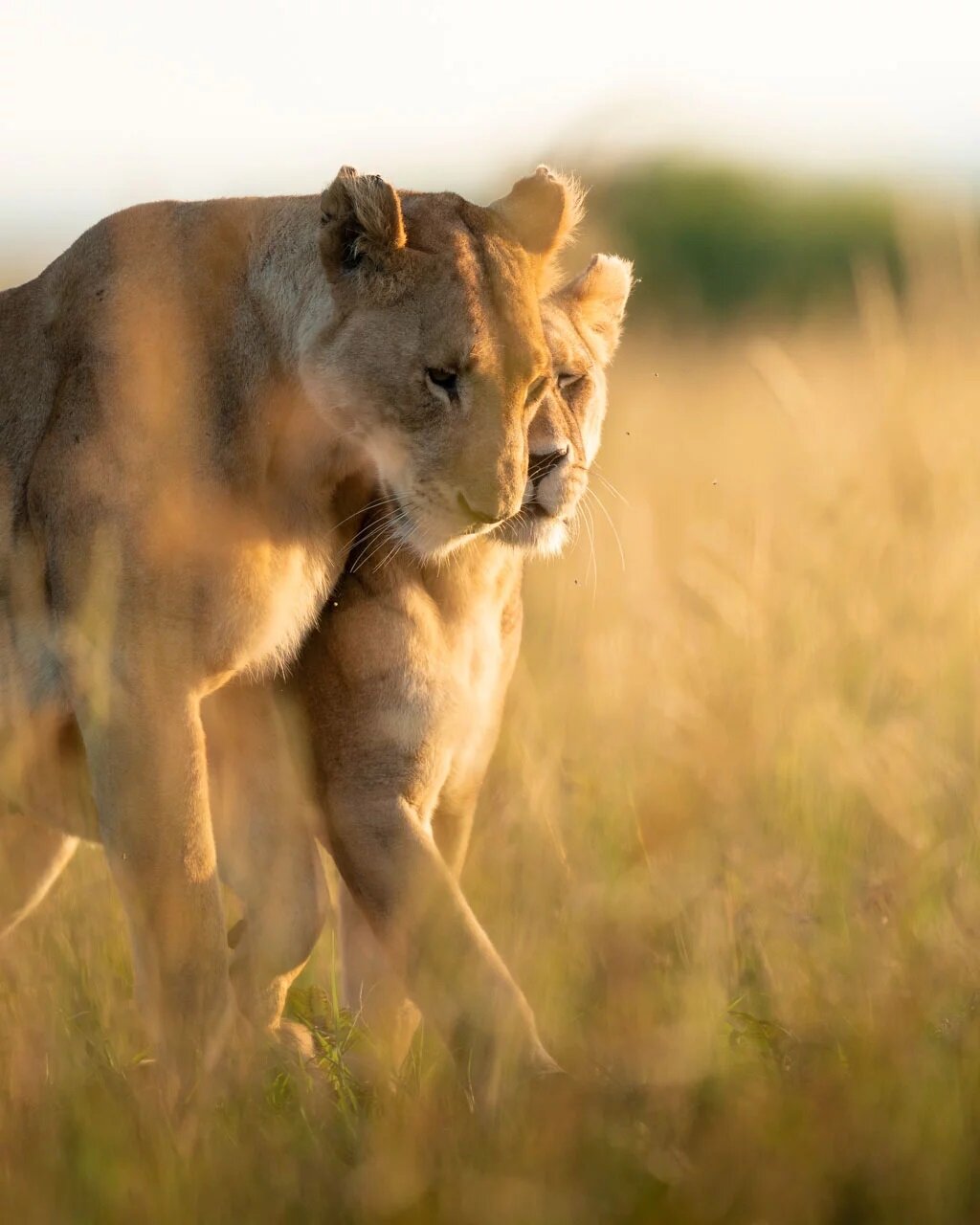
My year starts in the Mara. It is the open grassland people picture when they close their eyes and think of Africa, and in the season from July into September it holds the Great Migration: wildebeest and zebra by the hundred thousand, and the river crossings that draw the crocodiles and the big cats in behind them. Even outside the crossing months the resident lion, cheetah and plains game make it the surest big-cat country in Kenya.
The camp I know best and send people to most is Angama Mara, high on the Oloololo Escarpment with the whole reserve laid out below it. I have watched the light come up over that valley more mornings than I can count. My full notes on it are in my Angama Mara review, and for how a Kenyan trip fits together, the Kenya safari packages page is where I would start.
The Serengeti, the same herds a month on
Cross the border south and the Mara becomes the Serengeti. People treat them as two destinations, but it is one ecosystem and, for much of the year, one herd on the move: the same wildebeest that cross the Mara in August are calving on the southern Serengeti plains by February. I plan this stretch by season rather than by country, following where the animals actually are in the month you can travel.
In the northern Serengeti I lean on Singita Sasakwa, up on its hill with the plains running out forever below. It is a grand old place, and it pairs naturally with a few Mara nights for guests who want the full width of the migration country in one trip.

The Okavango and Chobe, Botswana's water country
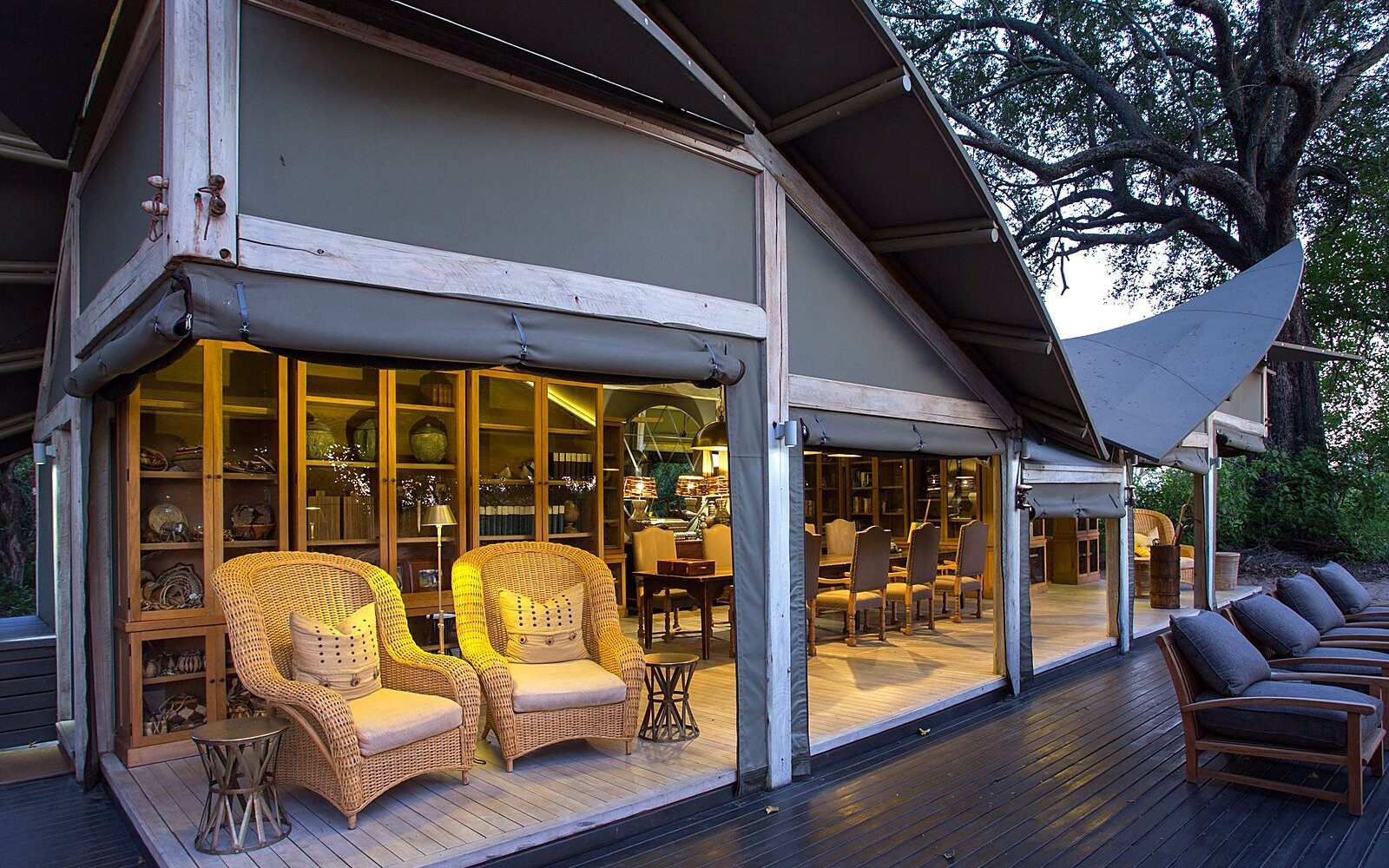
South and west, the grassland gives way to water. The Okavango is a river that never reaches the sea, spilling instead across the Kalahari into a maze of channels and palm islands, and you move through it in a shallow mokoro poled by someone who grew up reading the flow. The camp I return to is Mombo, up on Chief's Island, where the predator density is as high as anywhere I have stood. My Mombo Camp review has the detail, and my wider notes on the best Okavango Delta lodges go camp by camp.
A short hop east, Chobe is a different day again. The drama here is on the river, where the dry season pulls the largest elephant population on the continent down to drink. I plan Chobe around the afternoon boat: from a low craft you sit level with the herds crossing to the islands, a hippo yawning close by, a fish eagle calling overhead. It is the easiest wildlife on this whole line, in the best sense.
Victoria Falls and the Zambezi, going home
Then the line brings me home. Victoria Falls sits on the Zambezi a short flight from the Chobe camps, and it is the hinge every trip along this route swings on. You hear the Falls before you see them, and in full flood you feel the ground through your shoes: the Zambezi pours more than a kilometre and a half wide over the edge, and the spray climbs high enough to show on the horizon from the air. I grew up on this river, and I never tire of standing a guest in front of it for the first time.
I treat the Falls as a day or two rather than a destination on its own: the walk through the rainforest, a flight over the gorge if the budget allows, and a sundowner cruise on the river above the lip. On the Zimbabwe bank my home base is Victoria Falls River Lodge, which I write about in my Victoria Falls River Lodge review, and the Zimbabwe safari packages page shows how it joins Hwange and the wider country.

South Luangwa, for the walking
For guests with the nights to spare, I send them one leg further, into Zambia's South Luangwa. This is where the walking safari began, the guiding is some of the finest anywhere, and the leopard viewing along the Luangwa River holds its own against the Mara and the Sabi Sand. To be on foot in good hands here, reading tracks rather than watching through a windscreen, changes how people understand the bush.
The camp I lean on is Mfuwe Lodge, set by a lagoon the elephants famously walk straight through on their way to the mango trees. My Mfuwe Lodge review covers it, and the South Luangwa safari packages page shows how it slots onto the end of a longer trip.

Lake Malawi, where I let it rest
When a trip has run hard through the game country, I like to set people down beside water that asks nothing of them. Lake Malawi is where I do it: clear fresh water over pale sand, dugout canoes on the horizon, and the snorkelling among the cichlids that makes the lake famous among people who study fish. Kaya Mawa, on Likoma Island, is the quiet corner I choose most.
Three or four nights here after the Luangwa or the Zambezi lets the safari settle before the long flight home. It is not on every itinerary, but for travellers who want a true rest rather than another early start, it is the ending I reach for.

How I put it together
You do not have to travel the whole line to feel it. Most of my guests take a stretch of it: the Mara and Serengeti at the top, or the water country and the Falls in the middle, or the Falls and Luangwa at the end. The eight-day Okavango, Chobe and Victoria Falls route is the middle of the line in one go, and it is the trip I book most. For the northern end, the seven-day Mara and Samburu safari opens Kenya well, and the fourteen-day grand journey carries the whole width of it, Mara to Cape Town.
None of these are fixed. They are starting points I shape around your dates, your pace and which part of the line is pulling hardest.
Plan it with me
These are notes from the field, not an itinerary. When you are ready to turn them into a real trip, I would far rather talk it through than send you a template. Tell me who is travelling, roughly when, and which part of this line you most want to stand in, and I will build the days around it.
Speak to Marylyn
Marylyn Maposa was born beside the Zambezi and has planned journeys across East and Southern Africa for twelve years. Read her background on her specialist profile, or start a conversation and she will reply herself.