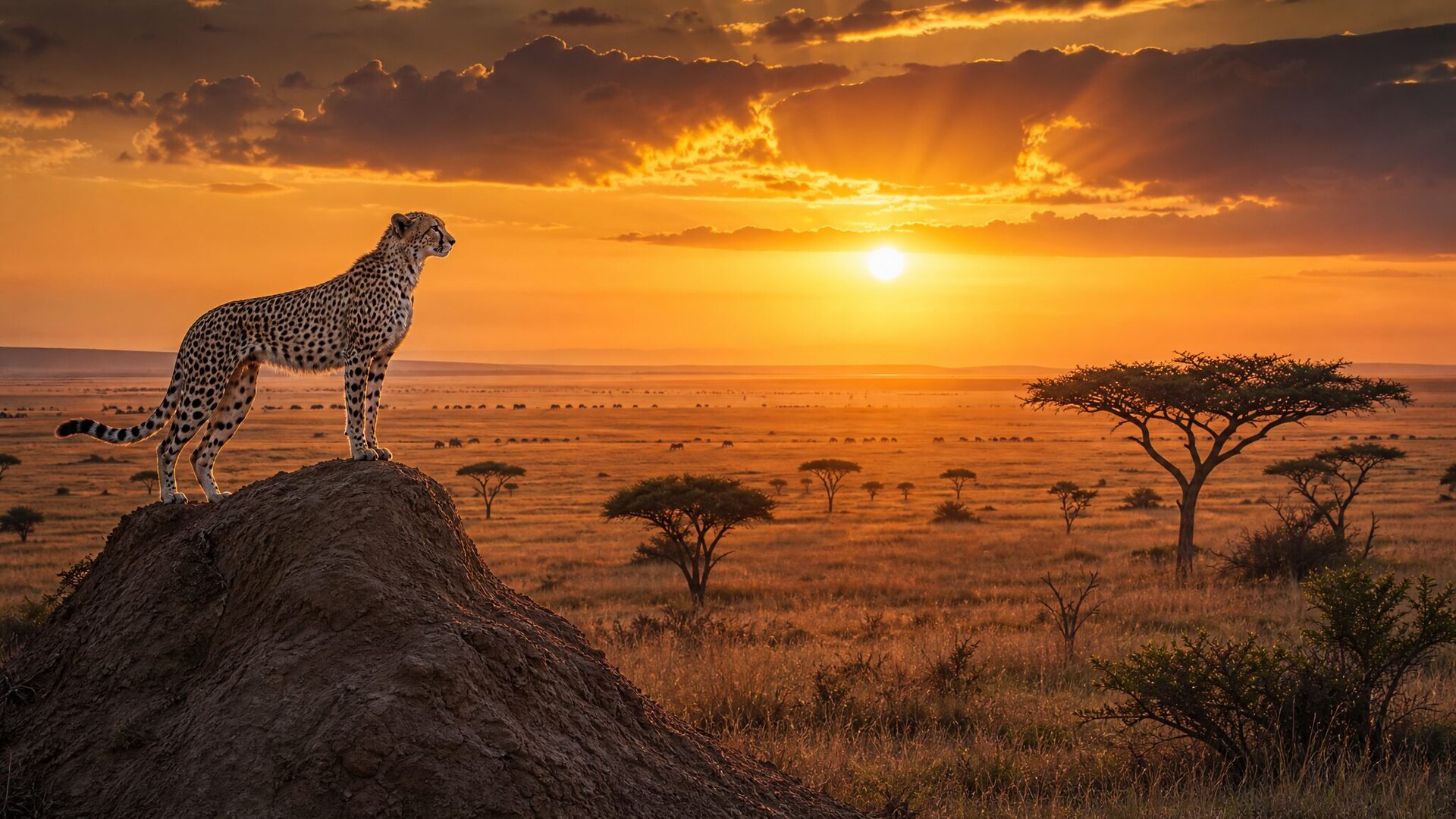
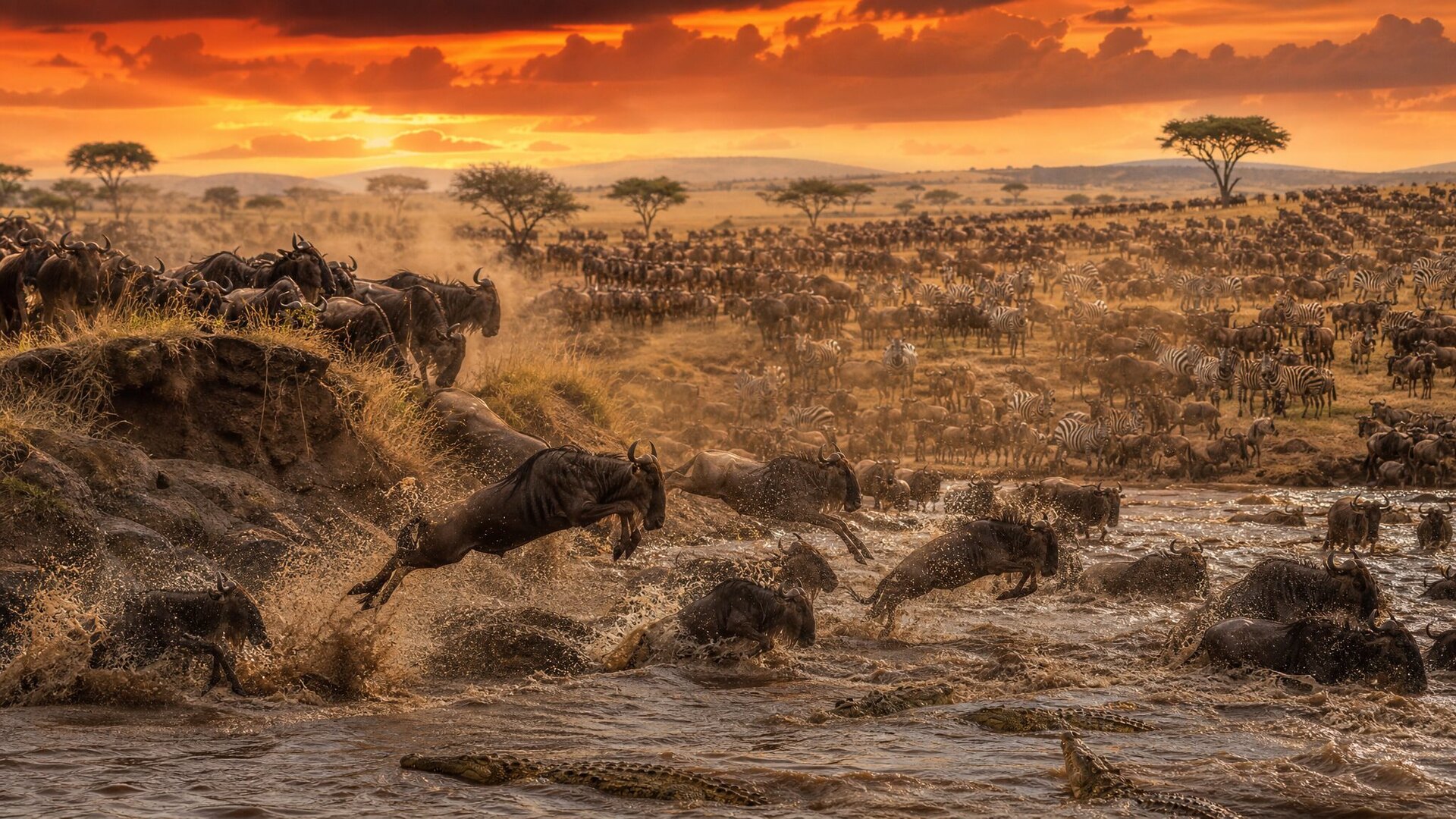
Key Takeaways
- Chobe has the highest elephant density in Africa — an estimated 120,000 elephants roam the greater Chobe ecosystem, gathering in vast herds along the river.
- River cruises are the signature experience — game viewing from a boat brings you astonishingly close to elephants, hippos, buffalo and crocodiles at eye level.
- Four distinct regions in one park — the Chobe Riverfront, Savute Marsh, Linyanti wetlands and Nogatsaa pans each offer a completely different safari.
- Legendary sunsets — the Chobe River delivers some of the most spectacular golden-hour scenes on the continent, ideal for photography.
- Easily combined with Victoria Falls — Chobe is just over an hour from the Falls, making it a natural pairing for a Southern African journey.
- Budget $350-2,500 per person per night for lodge stays, from riverfront hotels near Kasane to ultra-exclusive Linyanti concessions.
1. Why Chobe Is One of Africa's Great Parks
Chobe National Park, in Botswana's far north, is one of Africa's most iconic and rewarding safari destinations. Covering 11,700 square kilometres, it is Botswana's first national park and its most biologically diverse — a land defined by the mighty Chobe River, vast floodplains, and the greatest concentration of elephants anywhere on Earth.
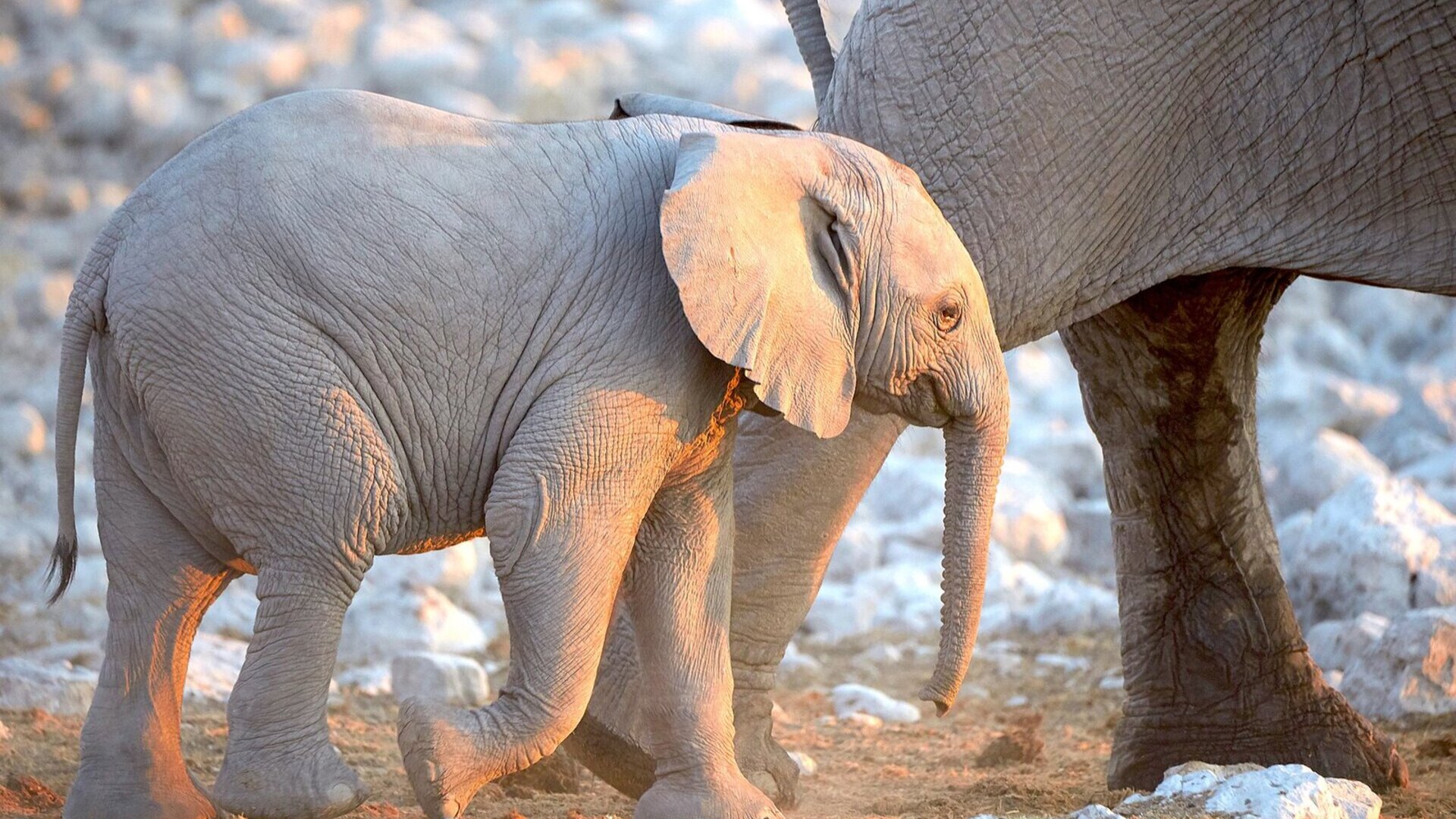
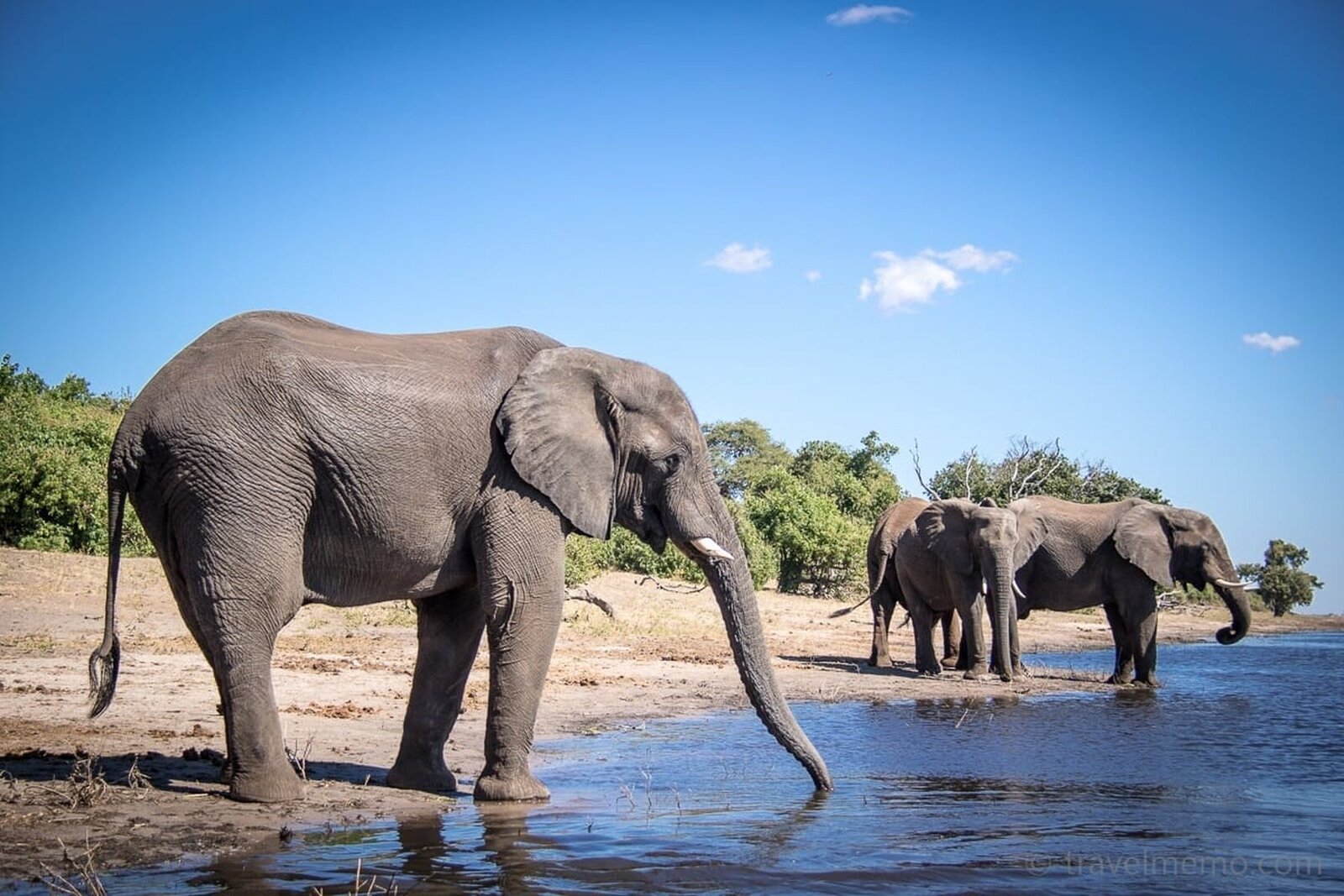
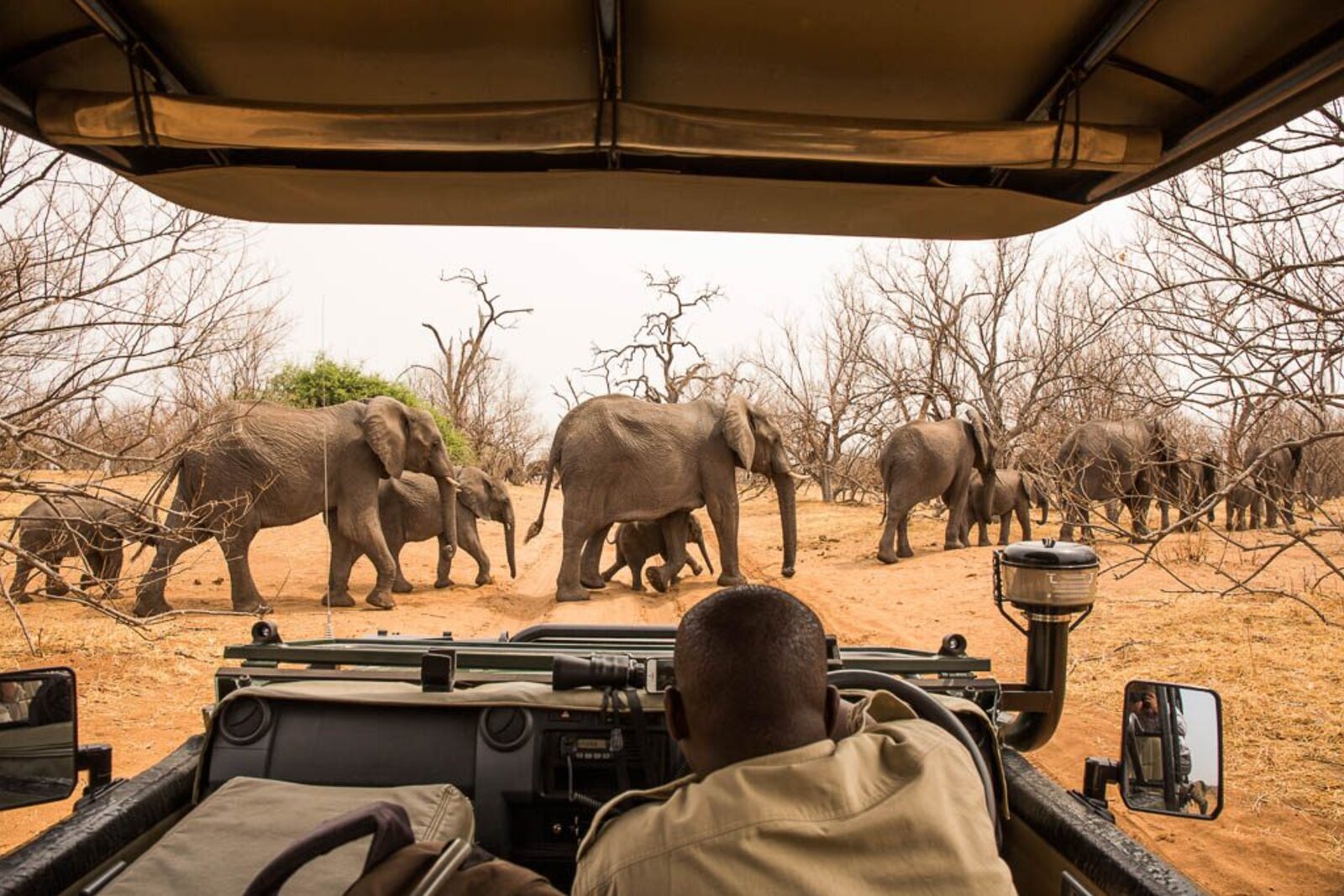
The greater Chobe ecosystem supports an estimated 120,000 elephants, and in the dry season they gather along the riverfront in breathtaking numbers — herds hundreds strong drinking, bathing and crossing the water in a spectacle found nowhere else on the continent.
What makes Chobe special:
- The highest elephant density in Africa — Nowhere else will you witness elephants in such vast, concentrated numbers, especially along the river in the dry season.
- Water-based safaris — The Chobe River allows game viewing by boat, bringing you astonishingly close to wildlife at eye level — a completely different perspective from a game drive.
- Four distinct ecosystems — The Chobe Riverfront, Savute Marsh, Linyanti wetlands and Nogatsaa pans each offer their own character, wildlife and landscapes.
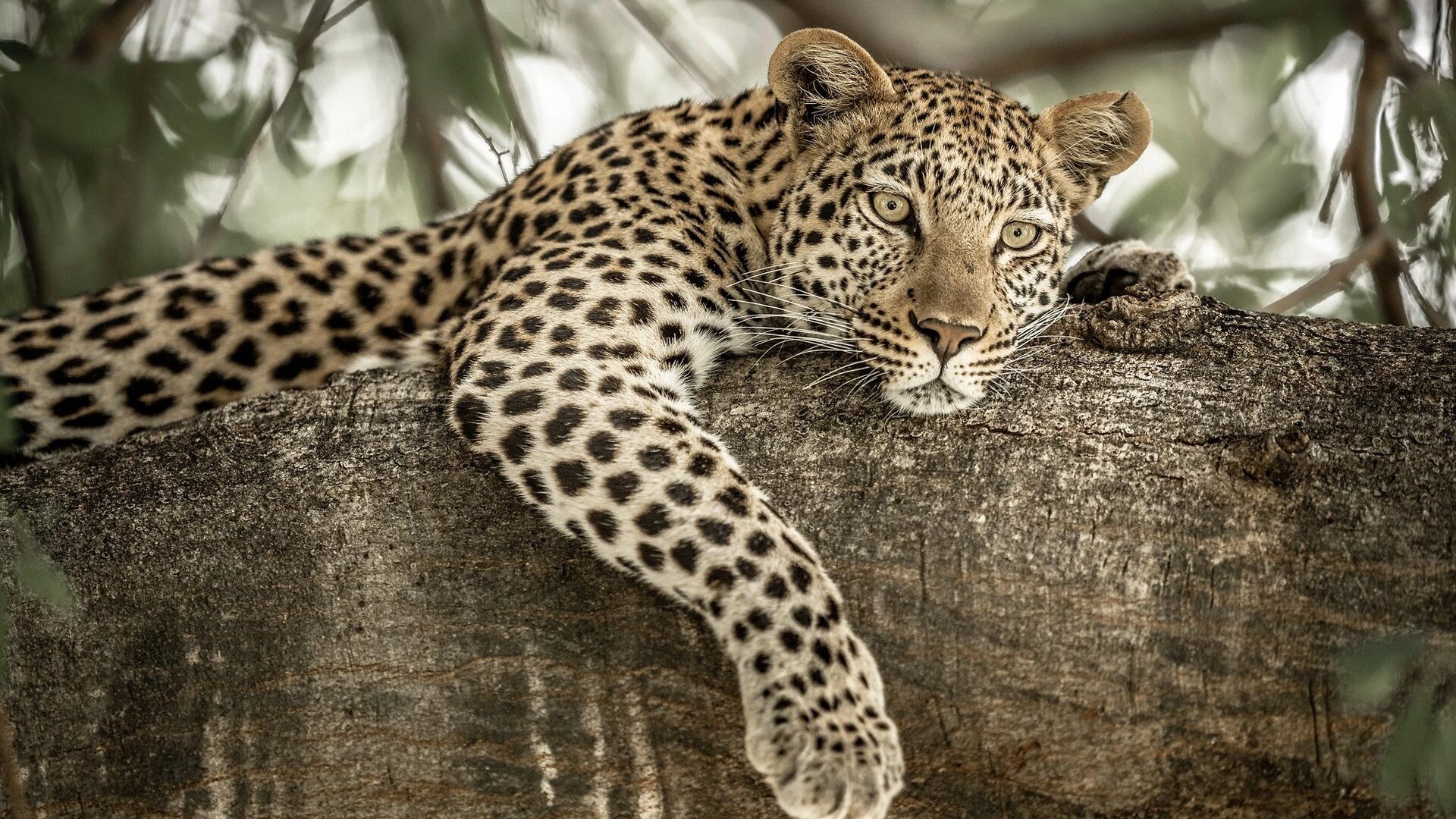
- Big game abundance — Beyond elephants, Chobe hosts lion, leopard, buffalo, hippo, crocodile, giraffe, zebra, and large herds of antelope, plus the rare puku and Chobe bushbuck.
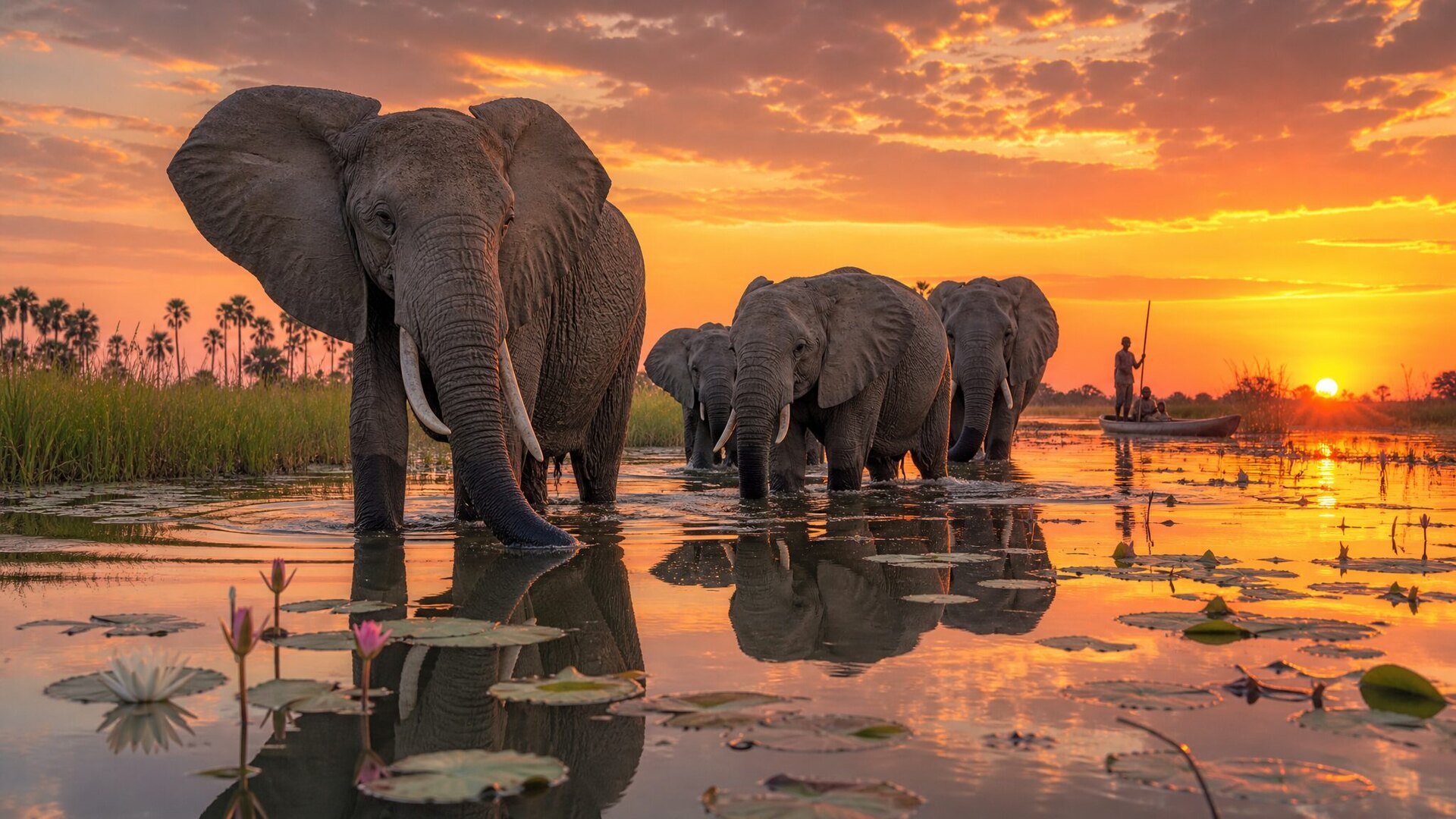
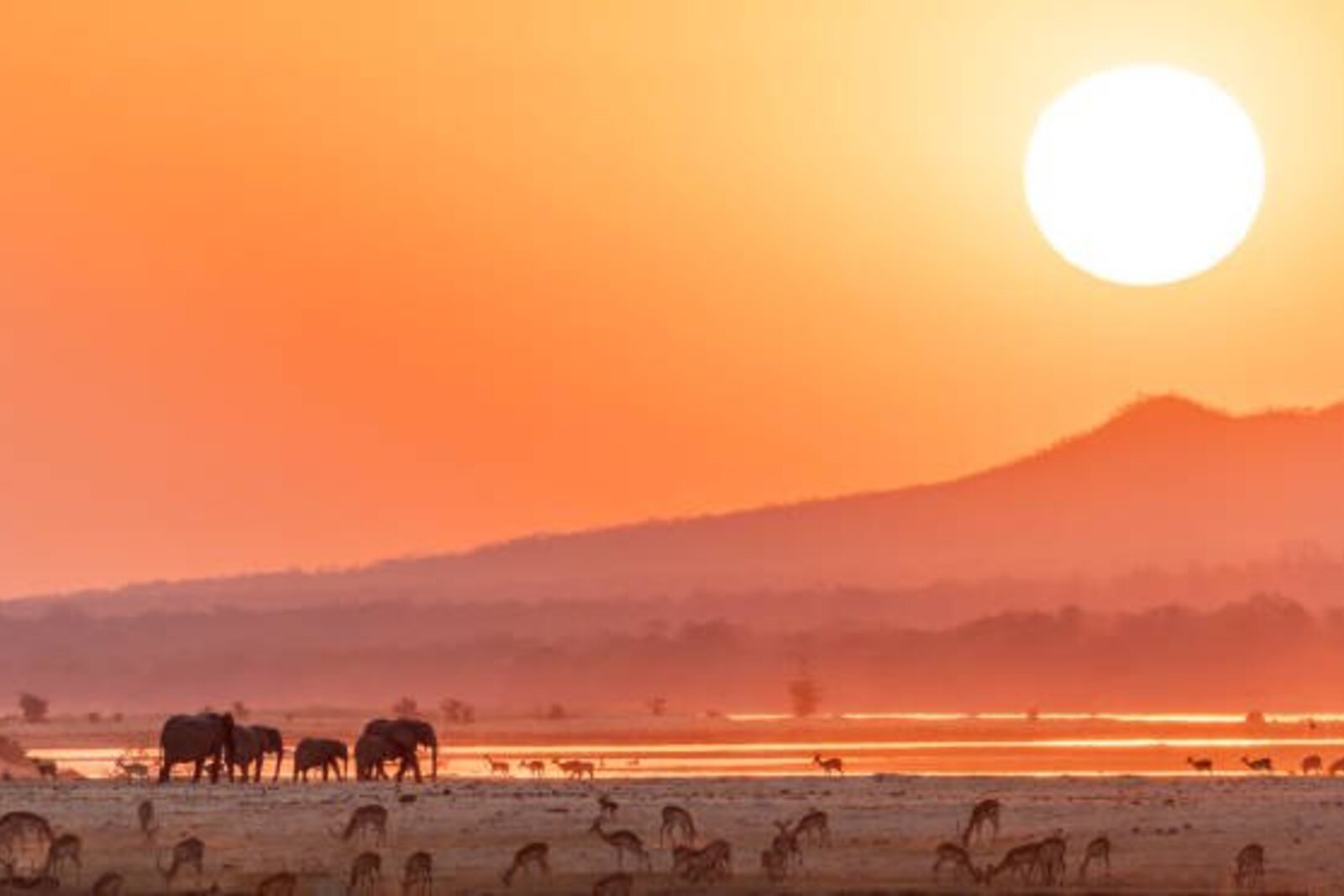
- Legendary sunsets — Golden hour on the Chobe River, with elephants silhouetted against a blazing sky, is one of the great photographic scenes in Africa.
- Gateway to Victoria Falls — Just over an hour from the Falls, Chobe combines effortlessly into a Southern African circuit.
Chobe delivers a safari of scale and abundance — the sheer numbers of elephant, the drama of the river, the diversity of landscapes — making it utterly unforgettable.
2. The Chobe River Cruise Experience
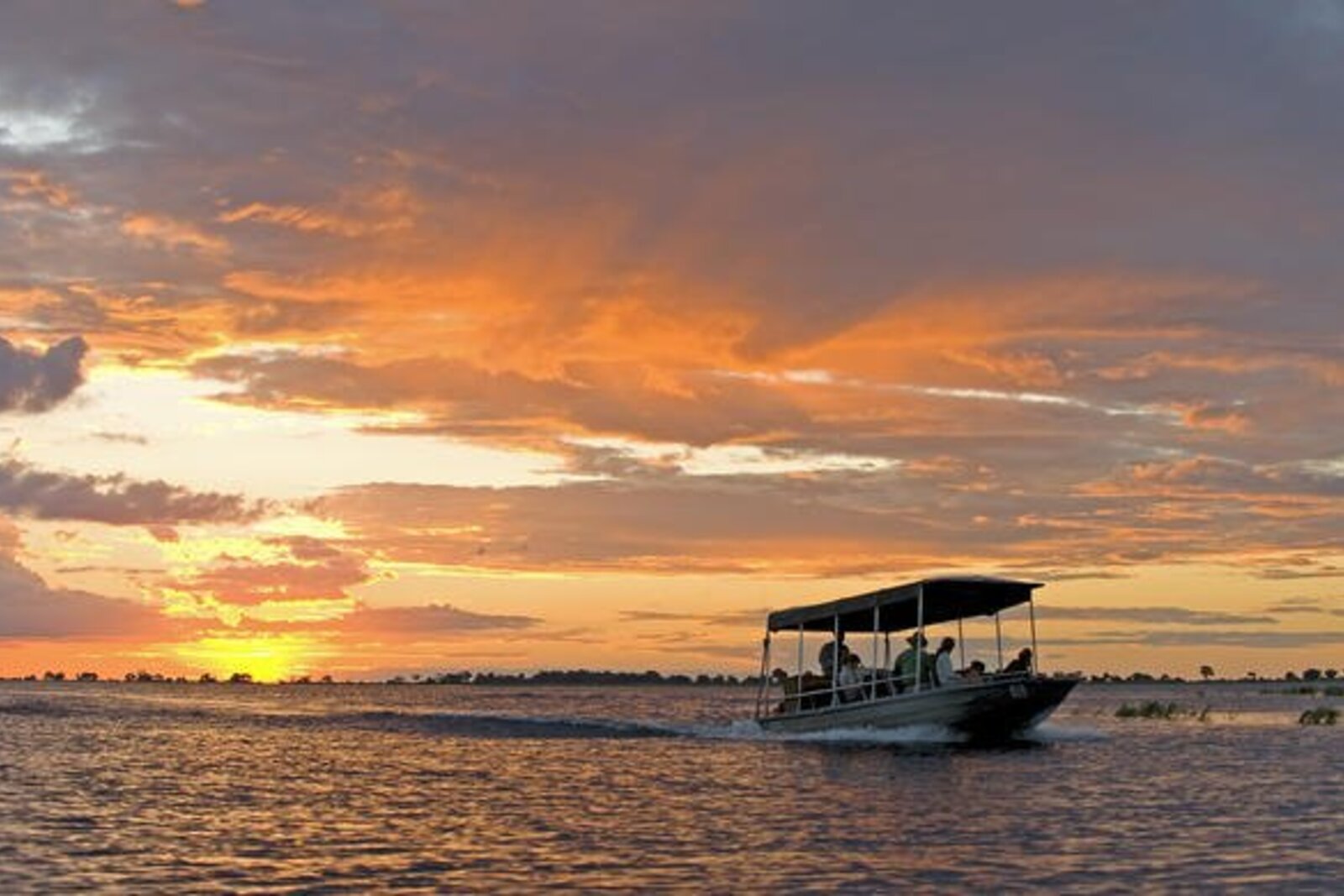
The defining feature of a Chobe safari is the river cruise. While game drives are superb, it is the water-based game viewing that sets Chobe apart from almost every other safari destination in Africa.
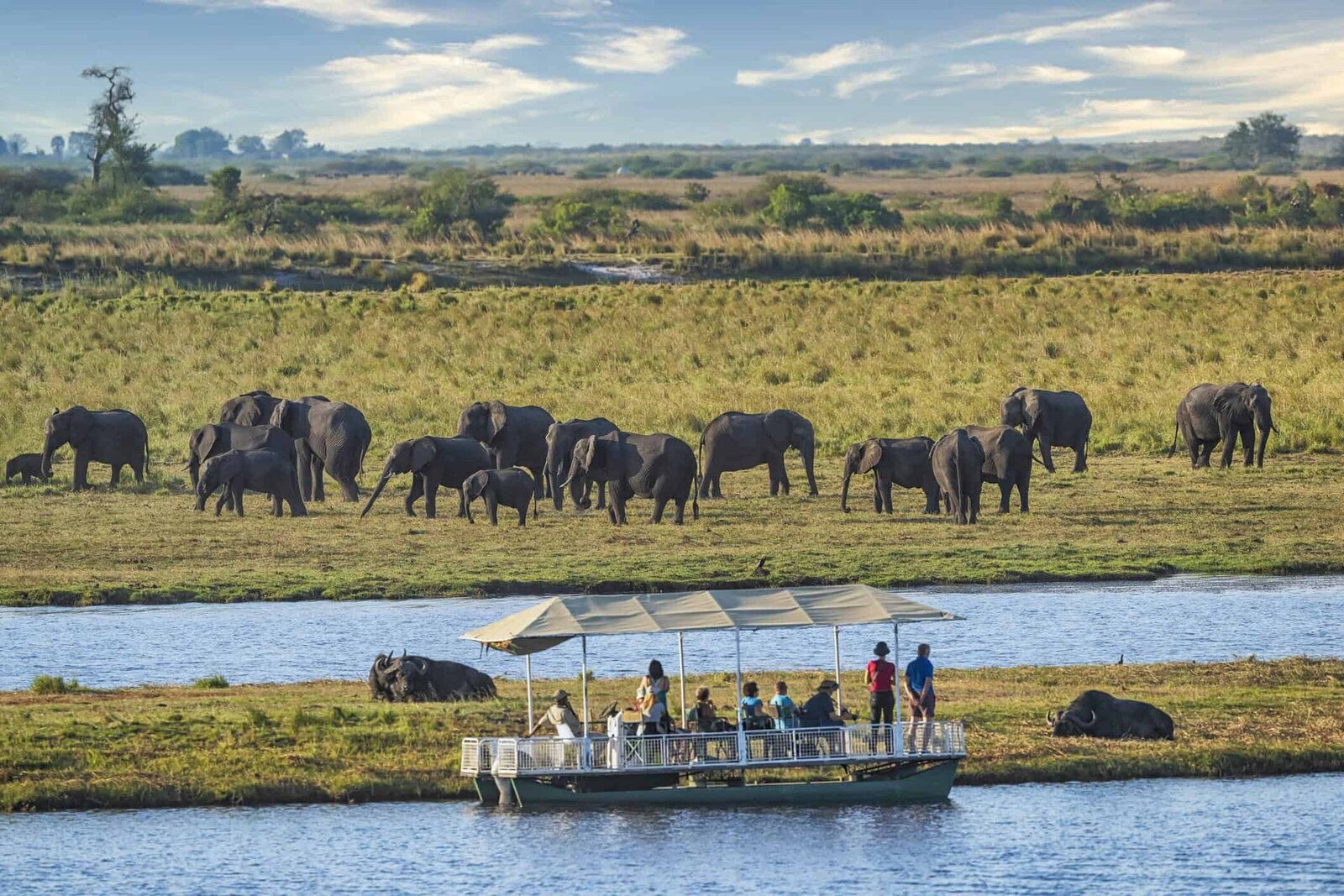
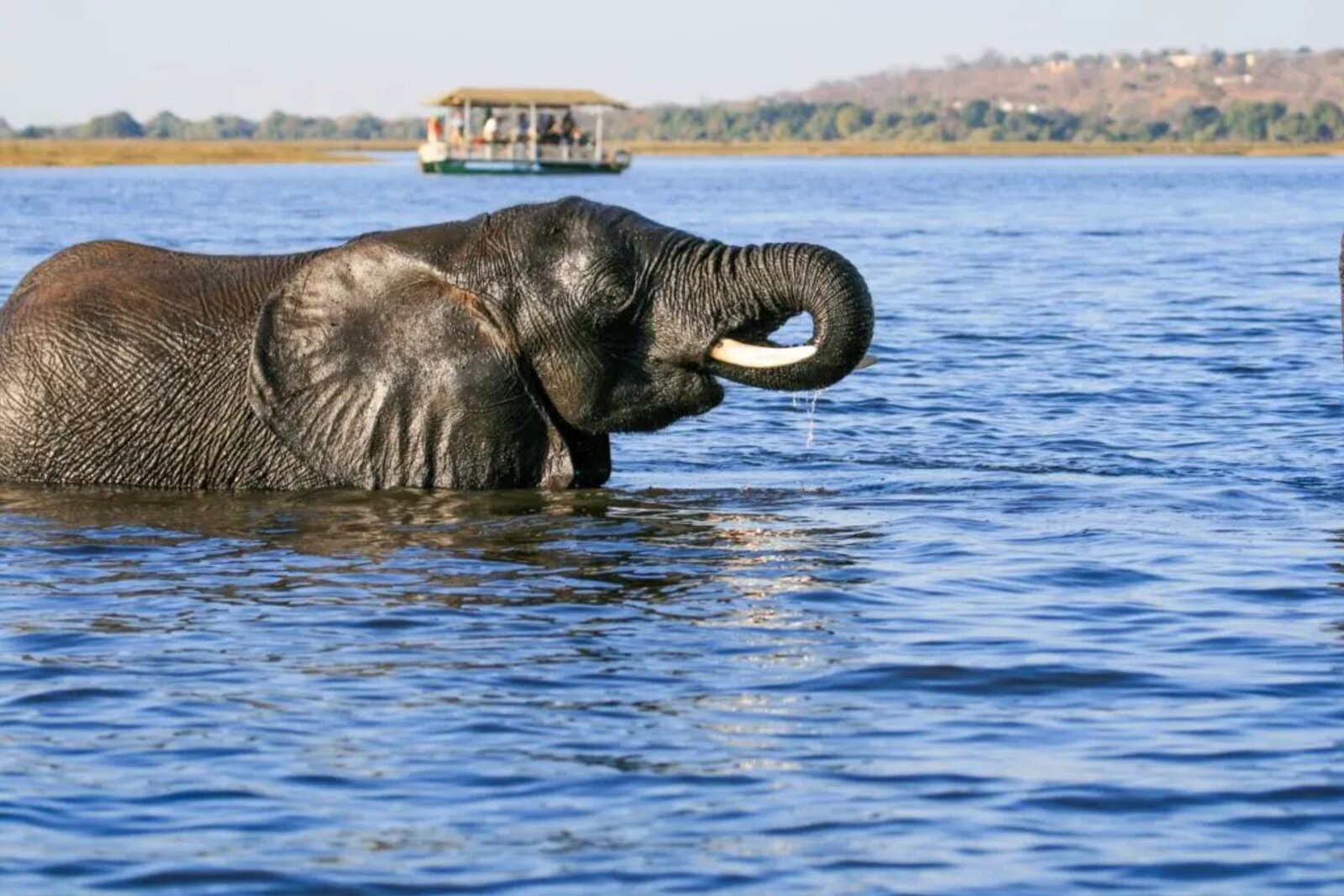
From a small boat, you drift silently along the Chobe River, approaching wildlife that has come to drink, bathe and feed on the lush floodplains. The perspective is intimate and low, putting you at eye level with the animals — a completely different, deeply immersive experience.
What You'll See on the Water
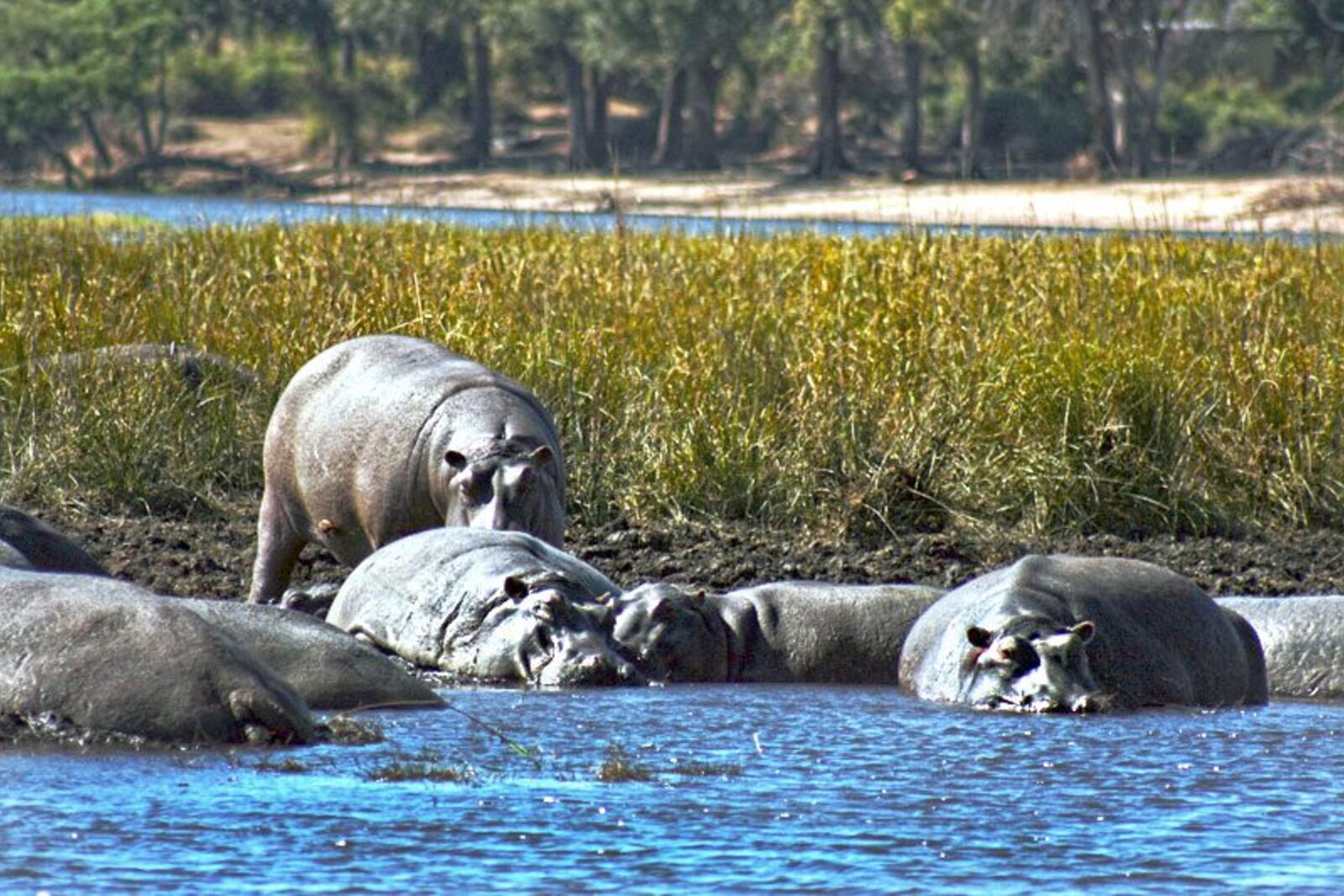
The Chobe River is a magnet for wildlife, and a cruise typically brings you close to:
- Elephant herds — Groups drinking, bathing and swimming across the channels, often just metres from the boat.
- Hippo pods — Wallowing in the shallows, yawning, and occasionally surfacing beside you.
- Crocodiles — Basking on sandbanks or gliding silently through the water.
- Buffalo herds — Grazing the floodplains in their hundreds.
- Prolific birdlife — African fish eagles, carmine bee-eaters, skimmers, storks, kingfishers and herons — over 450 species recorded in the park.
- Antelope — Puku, red lechwe and waterbuck feeding at the water's edge.
The Magic of Golden Hour
An afternoon river cruise timed for sunset is the quintessential Chobe experience. As the sun sinks toward the horizon, the sky ignites in gold and crimson, elephants gather on the banks to drink, and the entire scene glows with a light so beautiful it seems almost unreal.
Sipping a sundowner as the day fades over the water, with elephants silhouetted against the blazing sky, is a moment that defines an African safari — and one that photographers travel across the world to capture.
Related reading: The Complete Chobe National Park Safari Guide →
3. The Four Regions of Chobe
One of Chobe's great strengths is its diversity. The park comprises four distinct ecosystems, each offering a completely different safari experience — and a multi-region itinerary reveals the full richness of the park.
The Chobe Riverfront — The Elephant Capital
The most famous and accessible region, the Chobe Riverfront stretches along the northern boundary near Kasane. This is where the legendary elephant gatherings occur, where river cruises depart, and where most lodges are based.
Best for: First-time visitors, river cruises, elephant spectacles, easy access, and combining with Victoria Falls.
Savute Marsh — The Land of Predators
In the park's central-western sector, the Savute (or Savuti) Marsh is a mysterious, ever-changing region fed by the unpredictable Savute Channel. It's renowned for exceptional predator action — large lion prides (famous for hunting elephants), spotted hyena clans, cheetah and leopard.
Best for: Predator enthusiasts, dramatic wildlife action, big-cat photography, and a wilder, less-crowded experience.
Linyanti — Exclusive Wilderness
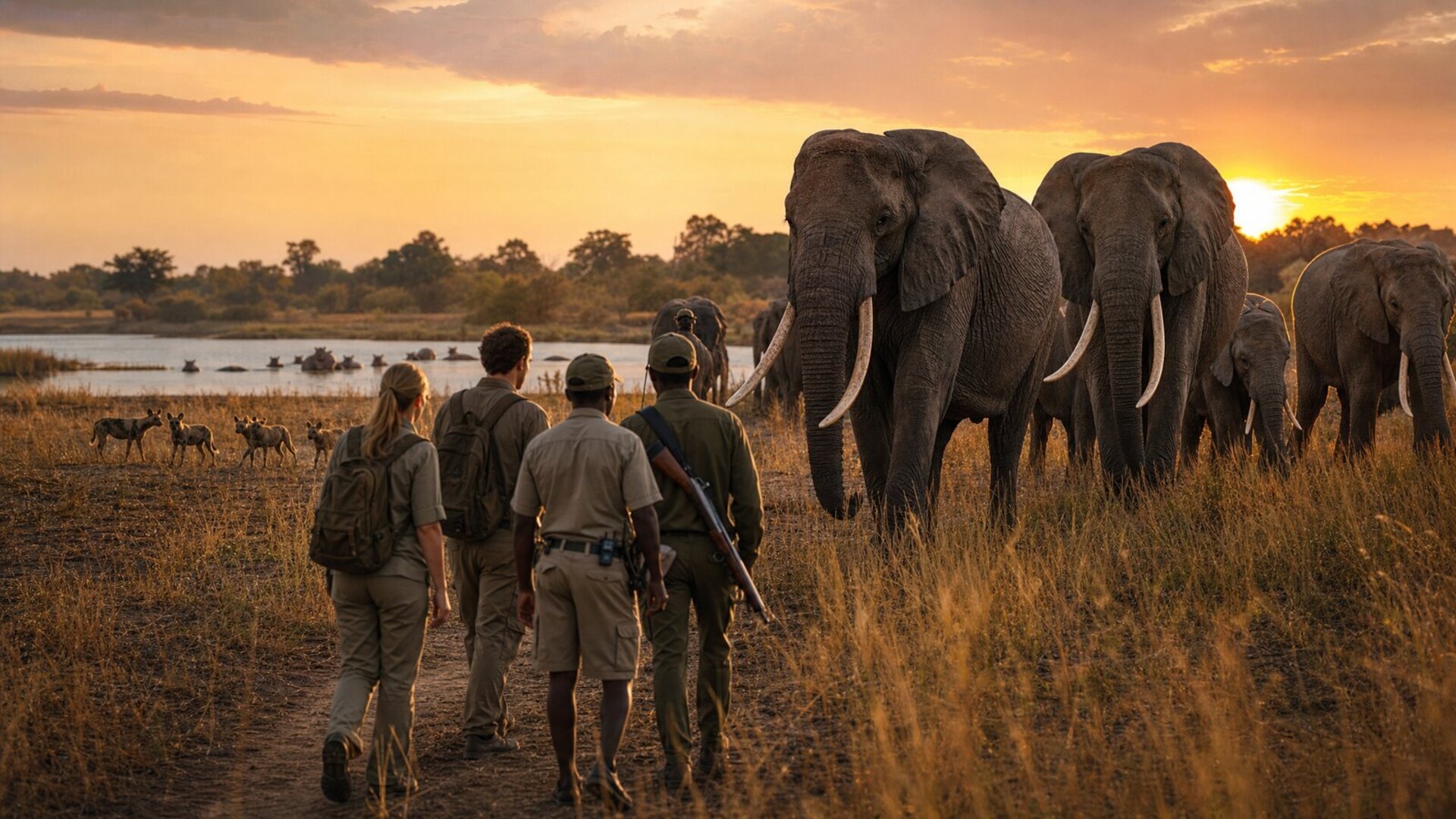
In the park's north-west, bordering the Linyanti River and Marshes, this region offers pristine wilderness and exclusive private concessions. Low vehicle density, superb wildlife (including wild dog, elephant, lion and roan antelope), and a genuine sense of remoteness define the Linyanti experience.
Best for: Exclusivity, wild dog sightings, walking safaris, night drives, and an intimate, high-end safari away from the crowds.
Nogatsaa & Tchinga — The Hidden Pans
The remote, seldom-visited southern region of grassland pans comes alive in the green season, drawing elephant, eland and rare antelope to its seasonal waterholes. It's a wild, untamed frontier for the truly adventurous.
Best for: Seasoned safari-goers seeking solitude and off-the-beaten-track wilderness.
Related reading: Chobe vs the Okavango Delta — Which Botswana Safari? →
4. Best Private Lodges & Camps
Chobe Game Lodge — Riverfront Icon
The only lodge located inside the national park on the riverfront, Chobe Game Lodge is a legend. With elegant rooms overlooking the river, an all-female guiding team, and both boat and game-drive access from its doorstep, it offers an unmatched riverfront location.
Why it's exceptional: Unrivalled position inside the park, superb river access, and a rich history (famously the honeymoon spot of a Hollywood icon).
Price: From $650 per person per night (all-inclusive).
Chobe Chilwero — Luxury Above the River
Perched on a ridge overlooking the Chobe River, Chilwero (meaning "place of high view") offers luxurious cottages, a spa, and sweeping vistas. Combining game drives, river cruises and superb cuisine, it's one of the finest properties in the Kasane area.
Why it's exceptional: Elevated views, private cottages, spa, and an intimate luxury atmosphere.
Price: From $900 per person per night (all-inclusive).
Savute Safari Lodge — Predator Country
Set on the banks of the Savute Channel, this lodge offers front-row access to one of Africa's greatest predator arenas. Twelve thatched bungalows, a waterhole viewing deck, and expert guiding make it a superb base for big-cat safaris.
Why it's exceptional: Prime predator territory, intimate scale, and dramatic wildlife action.
Price: From $850 per person per night (all-inclusive).
Linyanti Concessions — Ultra-Exclusive
The private concessions of the Linyanti region host some of Botswana's most exclusive camps. With low guest numbers, off-road driving, night drives and walking safaris, these camps deliver the pinnacle of a private Chobe-region safari — superb for wild dog, elephant and predator sightings in pristine wilderness.
Why it's exceptional: Absolute exclusivity, off-road freedom, night drives, walking safaris and wild dog territory.
Price: From $1,500 per person per night (all-inclusive).
Kasane Riverfront Lodges — Great Value
For those seeking value without sacrificing experience, the lodges and hotels in and around Kasane (just outside the park) offer comfortable accommodation, easy access to river cruises and game drives, and a convenient base for combining Chobe with Victoria Falls.
Price: From $200 per person per night (bed & breakfast).
5. When to Visit: Dry vs Green Season
May to October — Dry Winter (Best Overall)
The dry winter months are Chobe's peak season, and for the elephant spectacle, unbeatable. As the interior dries out, enormous herds of elephant and buffalo converge on the permanent water of the Chobe River, creating the legendary gatherings the park is famous for.
What to expect:
- Legendary river gatherings — Elephant herds hundreds strong along the riverfront; buffalo, hippo and predators in abundance.
- Superb river cruising — The best time for water-based game viewing as wildlife concentrates on the river.
- Clear skies, pleasant days — Warm, dry days (25-30°C/77-86°F); cold mornings and nights, especially June-August.
- Low malaria risk and few mosquitoes — Comfortable safari conditions.
- Peak-season demand — Book luxury lodges 9-12 months ahead.
November to April — Green Season (Best for Birds, Babies & Value)
The summer rains transform Chobe. The landscape greens, migratory birds arrive in spectacular numbers, and newborn animals appear. Wildlife disperses from the river into the interior, but the birding, photography and value are exceptional. This is the low season — quieter, greener and often overlooked.
What to expect:
- Spectacular birding — Migratory species arrive; carmine bee-eater colonies nest along the riverbanks; over 450 species recorded.
- Newborn wildlife — Impala, zebra and other antelope calve, drawing predators.
- Lush, dramatic landscapes — Emerald grass and towering thunderclouds make for superb photography.
- The Savute comes alive — Zebra migration into the Savute region draws predators in the green season.
- Lower rates and fewer visitors — Discounts of 30-50% at many lodges; a quieter, more exclusive feel.
- Afternoon rains — Usually brief storms; mornings typically clear for activities.
6. How to Book a Private Chobe Safari
Chobe rewards thoughtful planning — here's how to get it right:
Choose Your Approach
- Want the elephant spectacle and river cruises? → Base yourself on the Chobe Riverfront (Chobe Game Lodge, Chobe Chilwero, or a Kasane lodge)
- Want big-cat predator action? → Add the Savute region (Savute Safari Lodge)
- Want ultimate exclusivity and wild dog? → Choose a Linyanti concession camp
- Want the full picture? → Combine riverfront (2-3 nights) with Savute or Linyanti (2-3 nights) for diversity
Getting There
Chobe is accessed via Kasane Airport, served by flights from Johannesburg, Maun and Victoria Falls. Alternatively:
- From Victoria Falls: A road transfer of just over an hour makes Chobe the easiest safari add-on to a Falls visit.
- Fly-in: Light aircraft connect Kasane to Maun (for the Okavango Delta) and to the Savute and Linyanti airstrips.
- Combined circuit: Many itineraries pair Chobe with the Okavango Delta and Victoria Falls for a comprehensive Botswana journey.
Budget Realistically
Chobe spans a wide accommodation spectrum:
- Kasane riverfront lodges: $200-350 per person per night (bed & breakfast; day trips and cruises extra)
- Premium riverfront lodges: $600-900 per person per night (all-inclusive: meals, drinks, cruises, game drives)
- Savute lodges: $800-1,000 per person per night (all-inclusive)
- Linyanti exclusive concessions: $1,500-2,500 per person per night (all-inclusive, ultimate exclusivity)
- Light-aircraft transfers: $250-450 per person per sector
A typical 3-4 night Chobe stay for two guests ranges from about $1,200 (Kasane lodges, road transfer from the Falls) to $20,000 (ultra-luxury Linyanti fly-in), depending on lodge choice and season.
Combine with Victoria Falls & the Okavango
The classic Botswana itinerary pairs Chobe (elephants and river) with the Okavango Delta (water wilderness and predators) and Victoria Falls (one of the natural wonders of the world). A 7-10 day circuit covering all three is the gold standard for a Southern African safari.
Related journey: Victoria Falls & Chobe Safari — 5 Days →
7. Private Safari Activities Beyond Game Drives
River Cruises — Chobe's Signature
The afternoon river cruise is the quintessential Chobe activity. Drifting among elephants, hippos and buffalo at eye level, with a sundowner in hand as the sky ignites, is an experience unmatched anywhere else in Africa.
Private Photographic Boats
For serious photographers, private photographic boats with swivel seats, camera mounts and low waterline positioning allow for spectacular, eye-level wildlife images. Chobe is one of the world's premier destinations for wildlife photography from the water.
Walking Safaris & Night Drives (Concessions Only)
In the private Linyanti concessions, guided bush walks and spotlit night drives reveal Chobe's wilder side — tracking wildlife on foot, and encountering nocturnal species like genets, civets, honey badgers and, if you're lucky, leopard on the hunt.
Fishing (Seasonal)
The Chobe River offers excellent catch-and-release fishing, with tigerfish and bream the prime targets — a thrilling add-on for anglers (subject to seasonal regulations).
8. Practical Planning: What You Need to Know
Getting There
Fly into Kasane Airport (via Johannesburg, Maun or Victoria Falls), or transfer by road from Victoria Falls (just over an hour). Light aircraft connect Kasane to the Savute, Linyanti and Okavango Delta airstrips.
Visa & Entry
Most Western nationalities receive a free entry stamp on arrival in Botswana (usually up to 90 days). Ensure your passport has at least six months' validity and sufficient blank pages, especially if crossing between Botswana, Zimbabwe and Zambia. Check current requirements before you travel.
Malaria Precautions
Chobe is a malaria area, with risk highest during the summer rains (November-April). Consult your doctor about prophylaxis, use repellent at dawn and dusk, wear long sleeves in the evenings, and sleep under a net or in screened rooms.
What to Pack
Neutral safari colours (khaki, beige, olive), warm layers for cold winter mornings on the water and open vehicles (it can be surprisingly cold on a dawn boat cruise), a light waterproof for summer storms, quality binoculars, a good camera with a telephoto lens (a zoom is ideal for river work), sun protection, insect repellent and a hat.
Photography Tips
The Chobe River is a photographer's dream. Bring a versatile zoom (100-400mm ideal for boat work), a beanbag or clamp for stability, plenty of memory cards, and a polarising filter to cut glare on the water. Golden hour cruises deliver sublime light — position yourself with the sun behind you for front-lit elephants, or shoot into the light for dramatic silhouettes.
Combine with Other Highlights
Beyond Victoria Falls and the Okavango Delta, consider adding the Makgadikgadi Pans (surreal salt flats, meerkats, zebra migration), the Central Kalahari (desert-adapted wildlife) or a Zambezi region extension for a comprehensive Southern African journey.
Ready to Plan Your Private Chobe Safari?
Our team specialises in crafting exclusive Chobe safaris, blending the legendary riverfront elephant gatherings with the predator drama of Savute and the exclusivity of the Linyanti concessions. We'll match you with the perfect lodges for your budget and priorities, weave in Victoria Falls and the Okavango Delta, and handle all flights and logistics for a seamless Botswana journey.