Key Takeaways
- South Luangwa is the birthplace of the walking safari — pioneered by Norman Carr in the 1950s, this park offers the most authentic and thrilling on-foot wildlife experience in Africa.
- Legendary leopard density — South Luangwa hosts one of the highest concentrations of leopards on the continent, with sightings on nearly every night drive.
- Remote and uncrowded — Far from the tourist circuits, South Luangwa delivers an intimate, exclusive wilderness experience with low guest density.
- Night drives are world-class — Zambia permits night drives within the national park, revealing a nocturnal world of hunting predators, porcupines, genets and owls.
- Classic safari camps — South Luangwa's camps are intimate, unfenced and deeply connected to the wilderness — this is old-school safari at its finest.
- Budget $450-2,000 per person per night for all-inclusive lodge stays, and easily combined with Victoria Falls or Lower Zambezi for a comprehensive Zambian journey.
1. Why South Luangwa Is One of Africa's Great Parks
South Luangwa National Park, in eastern Zambia, is one of the continent's most authentic, rewarding and deeply satisfying safari destinations. Covering 9,050 square kilometres of pristine wilderness, it is defined by the meandering Luangwa River, vast floodplains, and a sense of remoteness and intimacy that has all but vanished from more famous African parks.
This is where the walking safari was born. In the 1950s, Norman Carr — a legendary Zambian conservationist and safari pioneer — led the first guests on foot into the bush, armed with nothing but a rifle and a deep knowledge of the wild. That legacy endures today, and South Luangwa remains the finest destination on the continent for walking safaris.
What makes South Luangwa special:
- The birthplace of the walking safari — This is where it all began, and nowhere else in Africa offers the same depth, authenticity and expertise in guided bush walks.
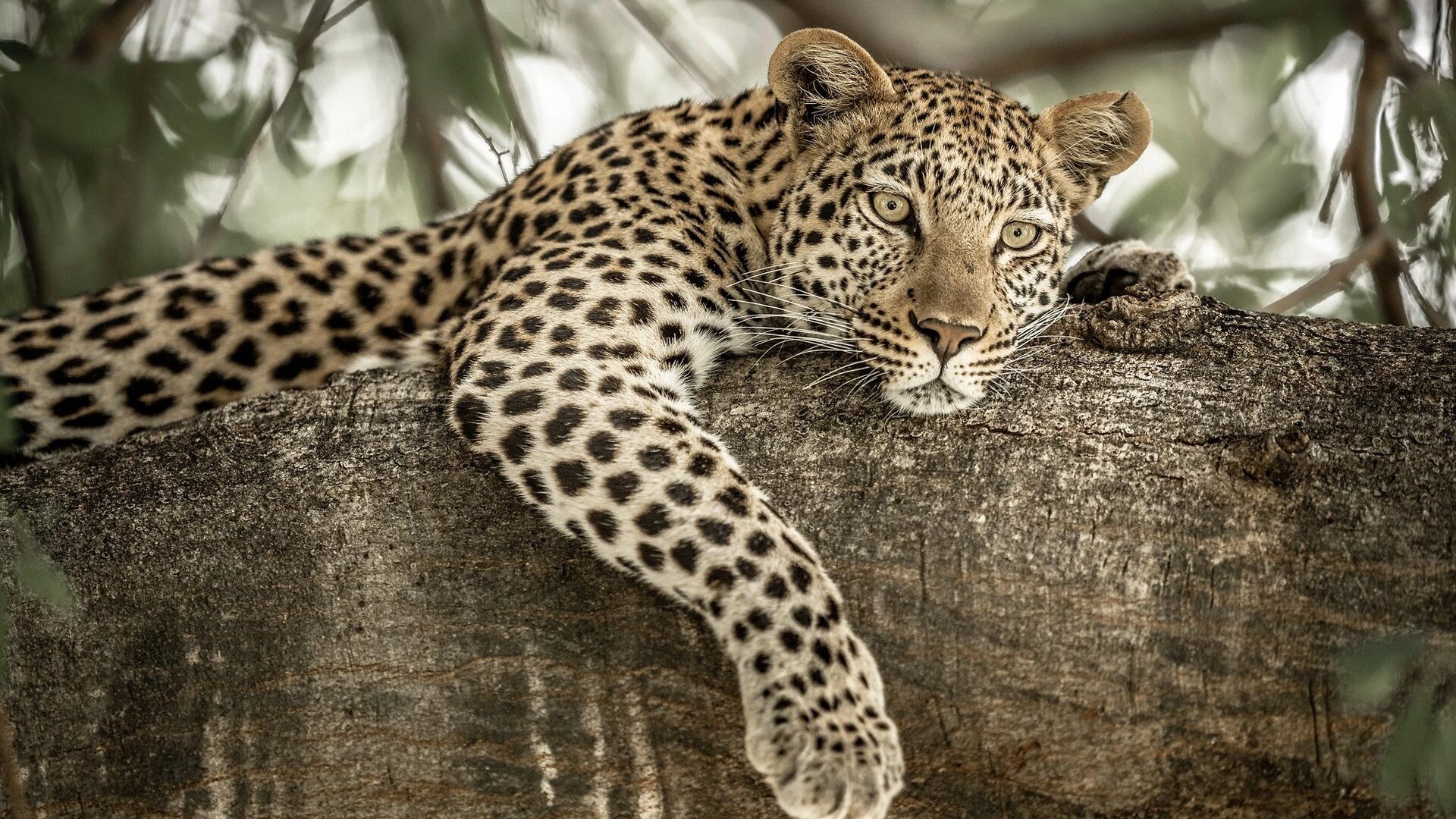
- Exceptional leopard density — South Luangwa hosts one of the highest concentrations of leopards in Africa, with sightings on nearly every night drive — earning it a reputation as the leopard capital of the world.
- Remote and uncrowded — Far from the East African circuits and the crowds of Kruger, South Luangwa delivers an exclusive, intimate wilderness experience.
- World-class night drives — Zambia permits night drives inside the national park (unlike many reserves), revealing a nocturnal world of hunting leopards, lions, hyenas, genets, civets and owls.
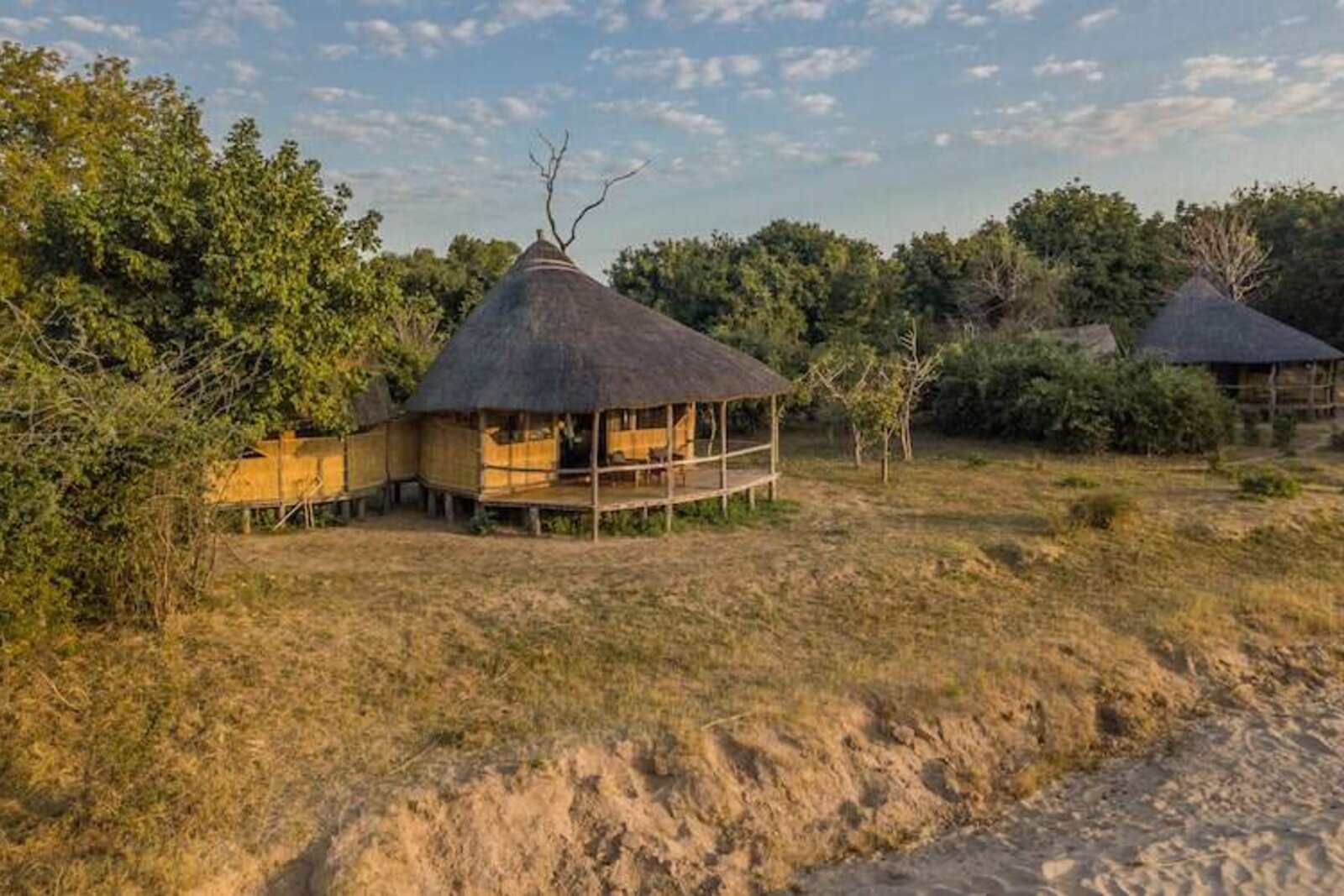
- Classic safari camps — Intimate, unfenced tented camps along the river, where elephants wander through at dawn and hippos graze beside your tent — this is old-school safari at its finest.
- Abundant big game — Beyond leopards, South Luangwa hosts lion, elephant, buffalo, giraffe, zebra, hippo, crocodile and the endemic Thornicroft's giraffe and Cookson's wildebeest.
South Luangwa delivers a safari of authenticity and depth — a place where you walk among giants, track predators on foot, and experience the African wilderness as it was meant to be.
2. The Walking Safari Experience
The walking safari is the defining experience of South Luangwa — and the reason many seasoned safari-goers return year after year. There is no comparable experience in the safari world: on foot, armed only with knowledge and respect, tracking wildlife through the bush with an expert guide.
Unlike a game drive, where you observe from the safety of a vehicle, a walking safari puts you on the ground, in the landscape, among the animals. Your senses sharpen. The rustle of a buffalo in the thicket, the snap of a twig, the scent of elephant on the wind — every detail becomes vivid and alive.
Norman Carr's Legacy
Norman Carr pioneered the walking safari in South Luangwa in the 1950s, driven by the belief that to truly understand the African bush, you must walk in it. His philosophy was simple: the best safari is the one that slows you down, opens your senses, and teaches you to see.
Today, the Norman Carr Safaris camps — Kakuli, Luwi, Nsolo — continue that legacy with some of the finest guides in Africa. But the ethos has spread: nearly every camp in South Luangwa offers walking safaris, and the quality of guiding is exceptional across the board.
What a Walking Safari Involves
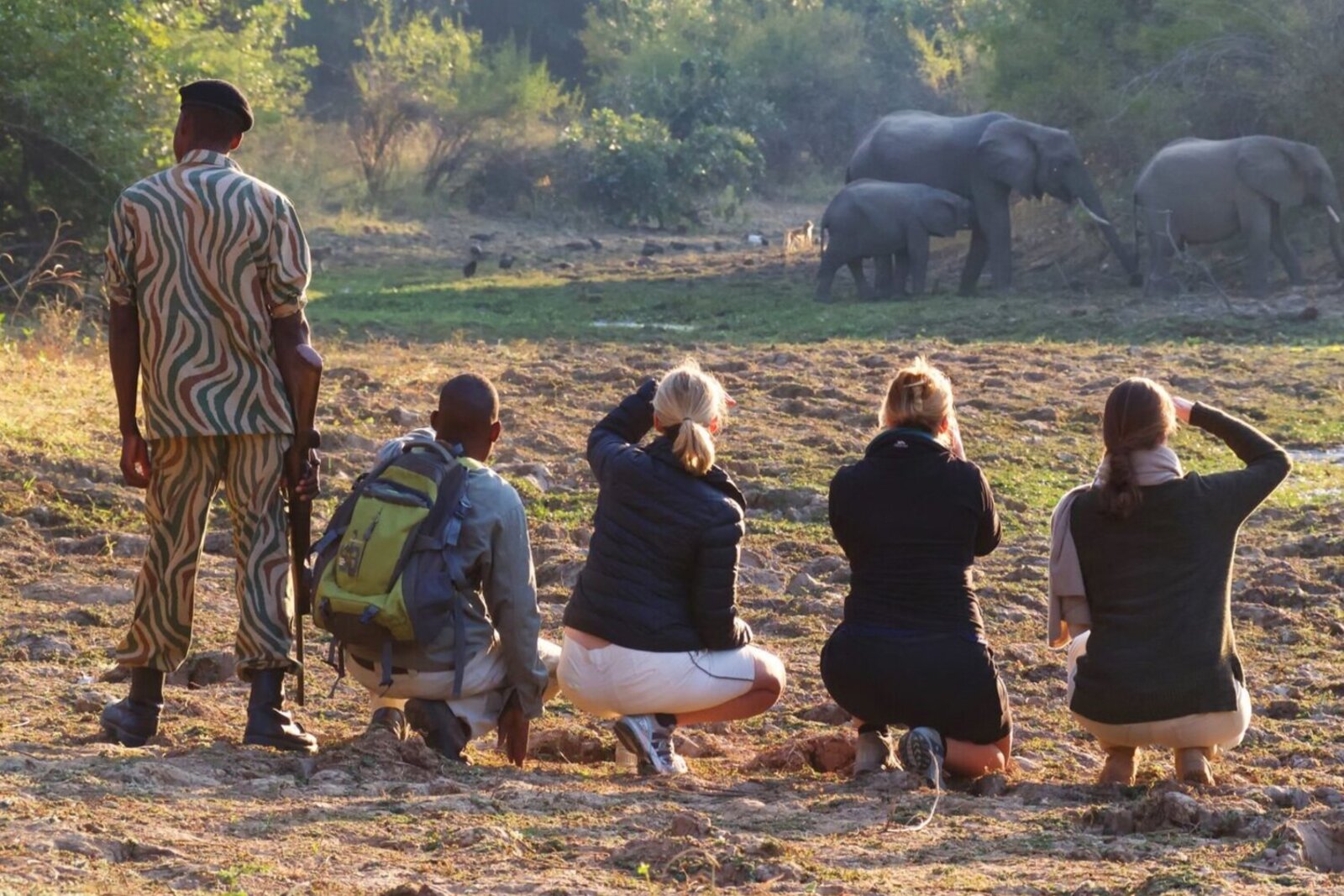
You set out on foot, typically early in the morning or late afternoon, with an armed guide and tracker. The guide reads the landscape, points out animal signs (tracks, dung, feeding marks), and explains the intricate ecology of the bush. The tracker, usually walking ahead, spots wildlife and ensures safe passage.
You might track a herd of elephants through mopane woodland, approach a pod of hippos basking on a sandbank, or freeze as a buffalo lifts its head and assesses you from thirty metres away. The encounters are close, visceral and profoundly moving.
Why South Luangwa Is the Best for Walking
South Luangwa is widely regarded as the finest destination in Africa for walking safaris, for several reasons:
- Depth of experience — The guiding expertise here is unmatched. This is where the walking safari was refined, and the knowledge passed down through generations.
- Variety of terrain — Floodplains, riverine forest, mopane woodland, oxbow lagoons — every walk reveals different landscapes and wildlife.
- Abundant wildlife — Elephants, buffalo, giraffe, zebra, hippo, antelope and even lion encounters on foot are possible here.
- Multi-day walking safaris — Some camps offer mobile walking safaris, where you trek from camp to camp over several days, carrying only essentials and sleeping in fly camps — the ultimate immersion.
If you've never walked in the African bush, South Luangwa is where to start. If you have, this is where you return.
Related reading: The Complete South Luangwa Safari Guide →
3. Night Drives & Leopard Encounters
South Luangwa is legendary for its night drives — and for good reason. Unlike many African parks that prohibit nocturnal game viewing, Zambia permits night drives inside the national park, and South Luangwa is the finest destination on the continent to experience them.
As darkness falls, a spotlight sweeps across the bush, revealing a nocturnal world that few safari-goers ever witness: leopards on the hunt, lions stalking impala, hyenas cackling over a carcass, genets prowling the branches, owls swooping silently overhead.
The Leopard Capital of Africa
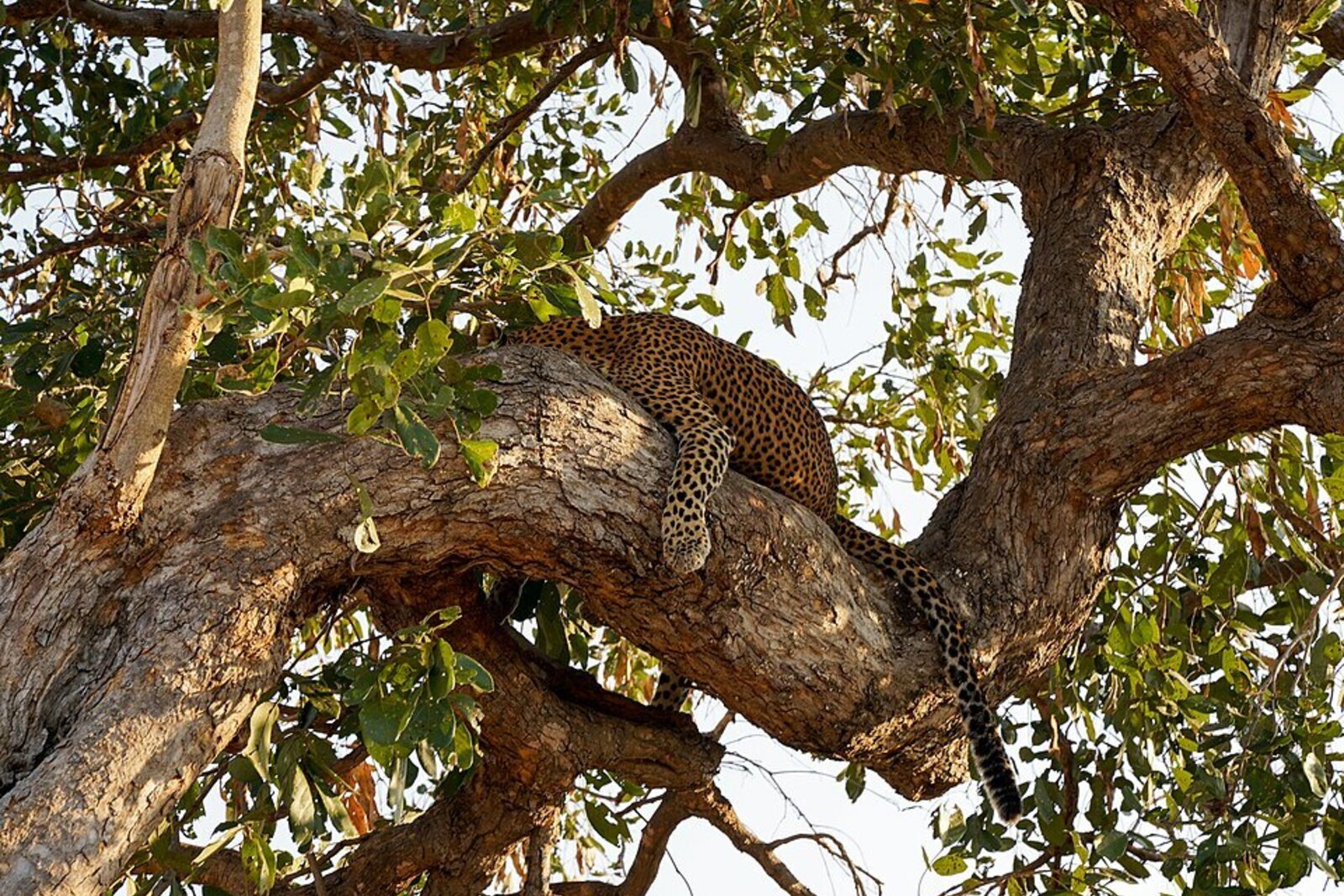
South Luangwa has earned its reputation as the leopard capital of the world. The park hosts an exceptionally high density of leopards, and sightings are remarkably frequent — many guides report leopard encounters on nearly every night drive during the dry season.
What makes South Luangwa unique is the quality of the sightings. You don't just glimpse a leopard disappearing into the bush; you watch them hunt, stalk prey, drag kills into trees, and patrol their territories. The leopards here are relaxed around vehicles, and the night drives allow for extended, intimate observations.
What You'll See on a Night Drive
A typical night drive in South Luangwa might reveal:
- Leopards — Prowling the riverbanks, stalking impala, or feeding on a kill hoisted into a tree.
- Lions — Hunting under cover of darkness, their eyes glowing amber in the spotlight.
- Spotted hyenas — Cackling and scavenging, or hunting in packs.
- Civets and genets — Small, cat-like carnivores rarely seen during the day.
- Porcupines — Waddling through the grass, quills erect.
- Owls and nightjars — Perched on branches or swooping low over the road.
- Honey badgers — Fearless, ferocious and utterly unforgettable.
Why Night Drives Matter
Many African predators are primarily nocturnal or crepuscular (active at dawn and dusk). By restricting safaris to daylight hours, you miss a vast portion of the action. South Luangwa's night drives unlock that hidden world, and the result is one of the most thrilling safari experiences on the continent.
Related reading: Best Time to Visit South Luangwa National Park →
4. Best Private Camps & Lodges
Chinzombo Camp — Ultra-Luxury Riverside
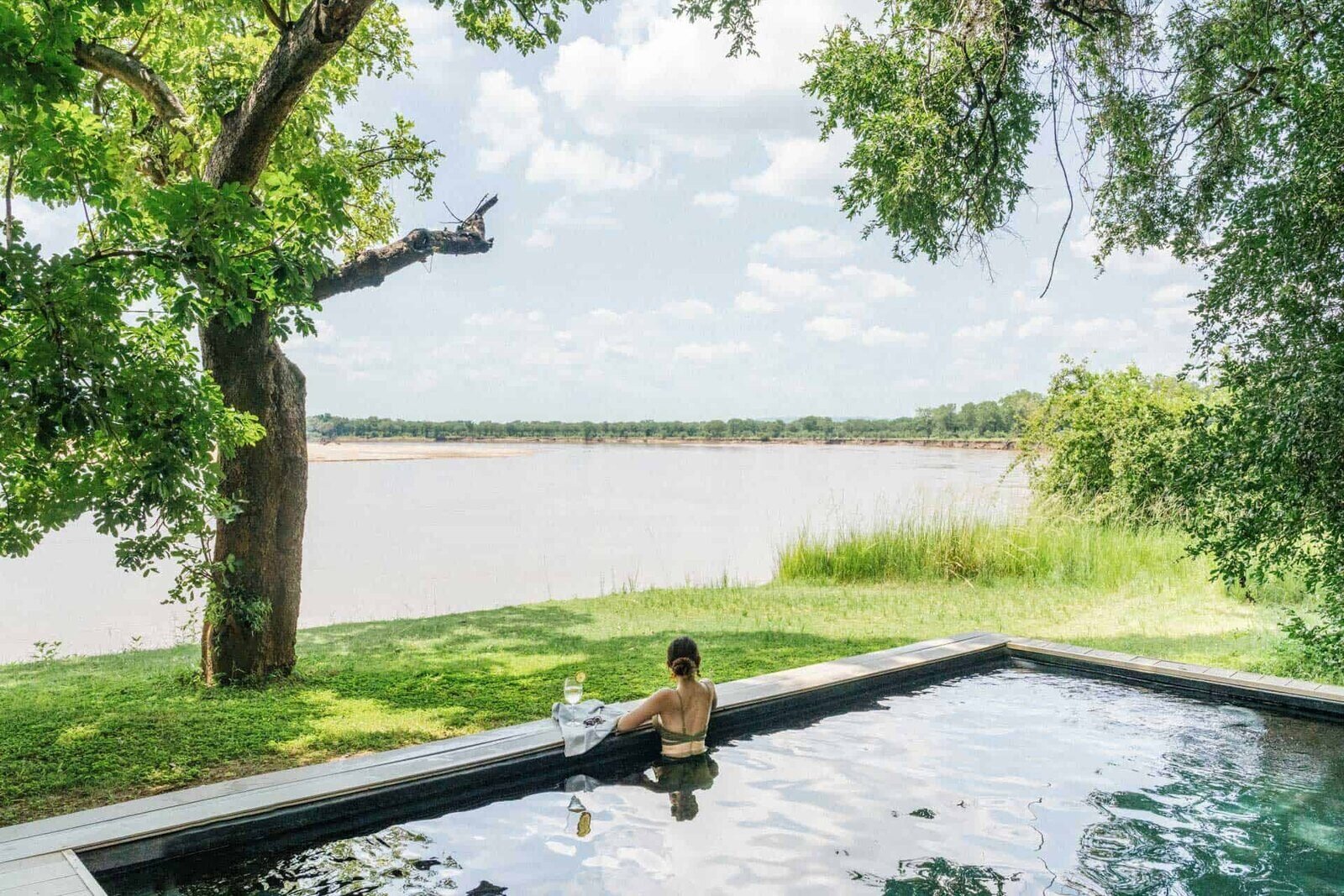
Set on the banks of the Luangwa River, Chinzombo is one of Zambia's most luxurious safari camps. With just six spacious villas (each with a private plunge pool), exceptional guiding, and both walking and night safaris, it delivers an intimate, high-end South Luangwa experience.
Why it's exceptional: Stunning location on the river, ultra-spacious villas, superb leopard sightings, and world-class guiding.
Price: From $1,200 per person per night (all-inclusive).
Mfuwe Lodge — Iconic Elephant Encounters
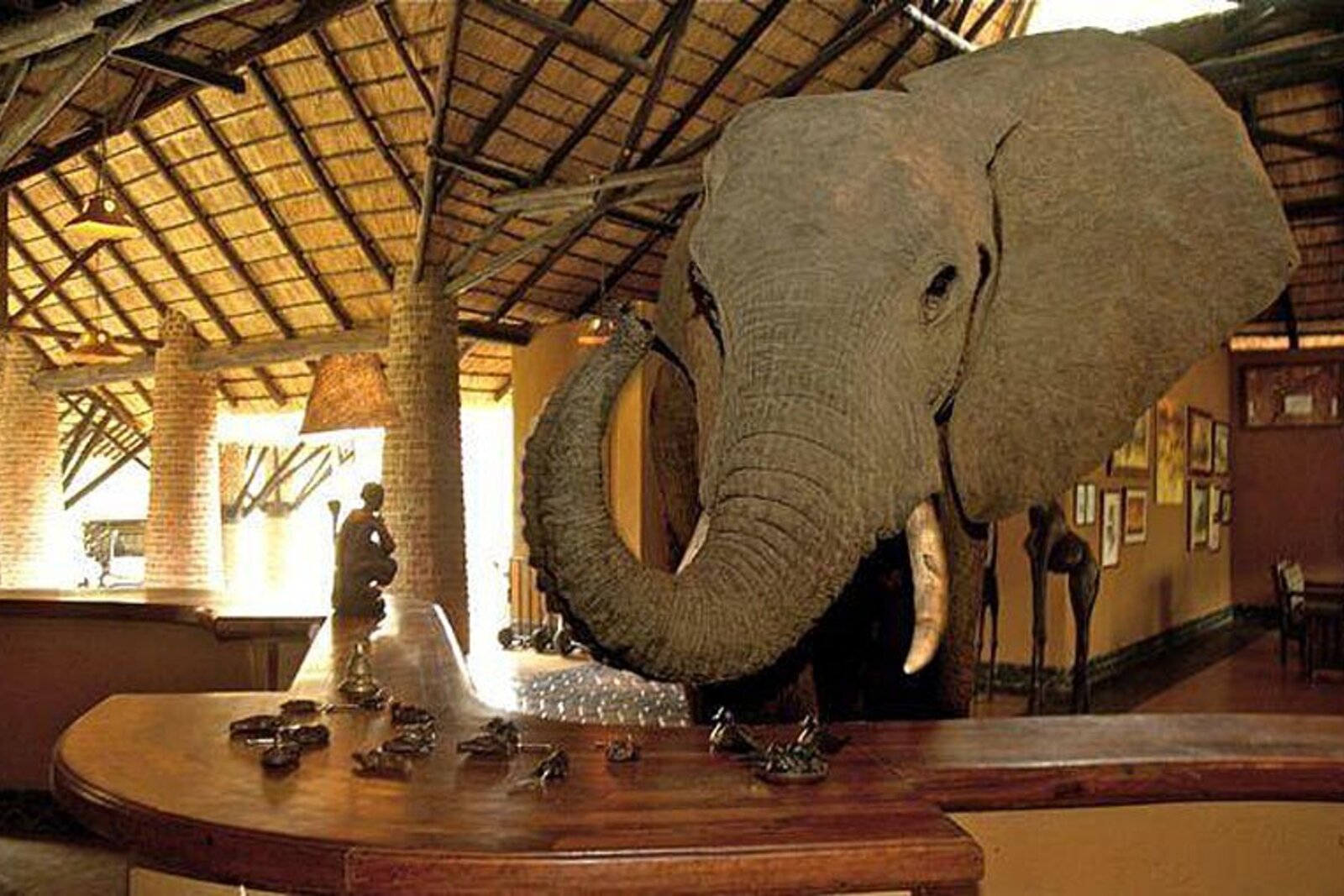
Mfuwe Lodge is one of South Luangwa's most iconic properties, famous for the wild elephants that walk through the open-sided lobby each year to reach a mango grove on the far side. With 18 chalets overlooking a lagoon, excellent wildlife viewing and superb guiding, it offers a classic South Luangwa experience.
Why it's exceptional: The elephant walkthrough, a beautiful lagoon setting, and a long-standing reputation for superb guiding and hospitality.
Price: From $650 per person per night (all-inclusive).
Tafika Camp — Walking Safari Specialists
Tafika, run by the legendary guide John Coppinger, is a specialist walking safari camp. Set in a remote corner of the park, it offers exceptional multi-day walking safaris, fly camps, and some of the finest guiding in Zambia.
Why it's exceptional: Deep expertise in walking safaris, remote location, and a reputation for immersive, educational guiding.
Price: From $750 per person per night (all-inclusive).
Norman Carr Safaris Camps — The Pioneer's Legacy
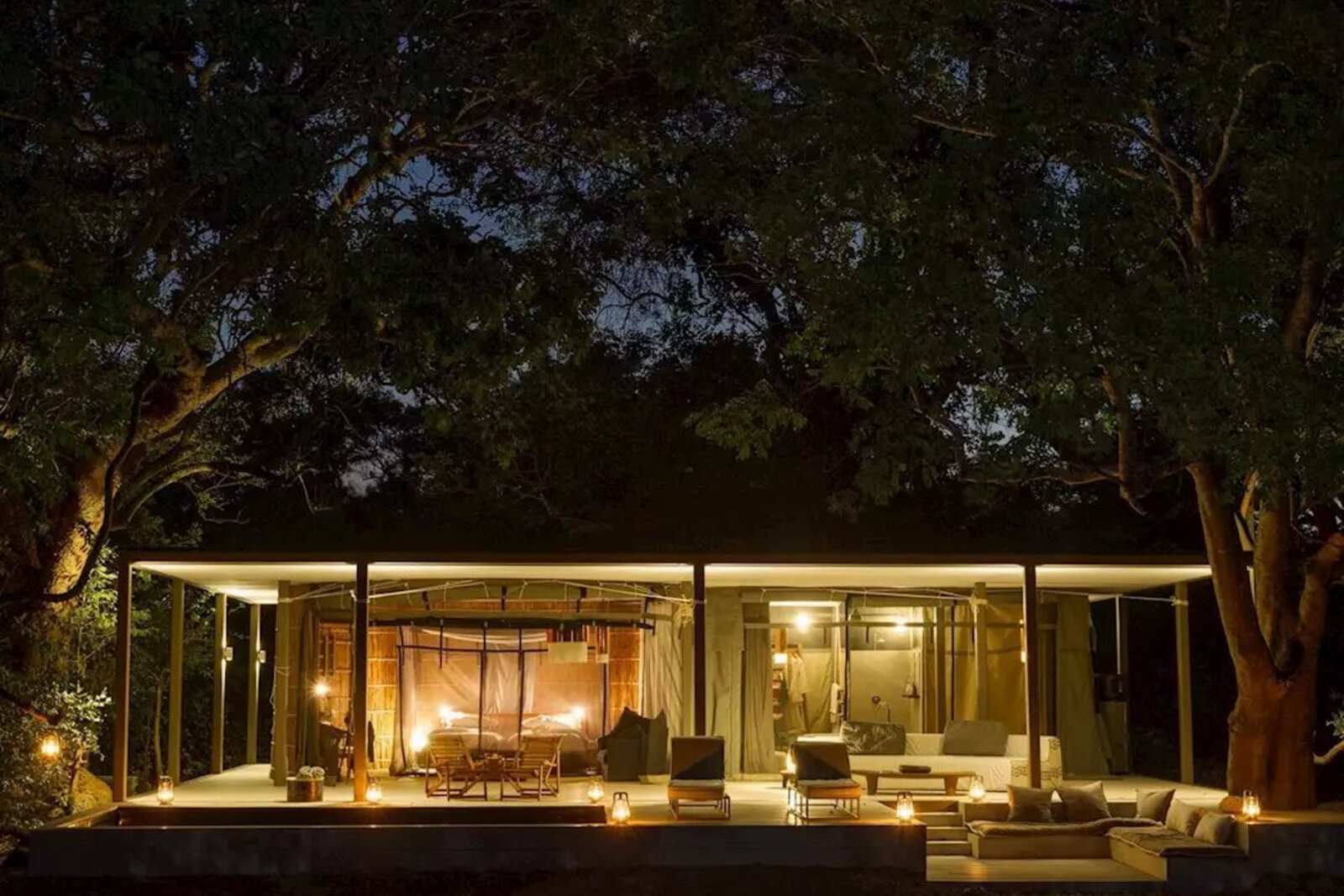
Norman Carr Safaris operates three intimate camps in South Luangwa: Kakuli, Luwi and Nsolo. Each is small, remote and deeply connected to the wilderness. The guiding is exceptional, and the camps honour Norman Carr's pioneering ethos of slow, immersive safari experiences.
Why they're exceptional: The Norman Carr legacy, intimate scale (just 4-5 chalets per camp), superb walking safaris, and a genuine sense of remoteness.
Price: From $700 per person per night (all-inclusive).
Time + Tide King Lewanika & Nsolo — Boutique Luxury
The Time + Tide portfolio in South Luangwa includes King Lewanika (a luxury lodge on an oxbow lagoon) and Nsolo (a small bush camp in the heart of the park). Both offer superb guiding, intimate scale and excellent leopard viewing.
Price: From $800 per person per night (all-inclusive).
Budget-Friendly Options
For those seeking value without sacrificing experience, several excellent mid-range camps offer comfortable accommodation, excellent guiding and the full South Luangwa experience (walking safaris, night drives, river access) at more accessible prices, typically from $450-550 per person per night, all-inclusive.
5. When to Visit: Dry vs Green Season
June to October — Dry Winter (Best Overall)
The dry winter months are South Luangwa's peak season, and the best time for leopard sightings, walking safaris and concentrated game viewing. As the interior dries out, wildlife congregates along the Luangwa River, making for exceptional sightings.
What to expect:
- Exceptional leopard sightings — The dry season delivers the best leopard viewing, with frequent sightings on night drives.
- Superb walking safaris — Dry conditions, pleasant temperatures and concentrated wildlife make this the ideal time for walking.
- Clear skies and excellent visibility — Sparse vegetation and dry conditions mean unobstructed sightings.
- Pleasant days, cool nights — Warm, sunny days (25-30°C/77-86°F); cold mornings and nights (down to 10°C/50°F in June-July) — bring layers.
- Low malaria risk — Comfortable safari conditions.
- Peak-season demand — Book luxury camps 9-12 months ahead.
November to April — Green Season (Best for Solitude, Birds & Drama)
The summer rains transform South Luangwa. The valley greens, migratory birds arrive, and newborn animals appear. Most camps close (the park experiences heavy flooding and some areas become inaccessible), but a handful remain open, offering spectacular birding, dramatic landscapes, and near-total solitude. This is the low season — and a deeply rewarding time for adventurous travellers.
What to expect:
- Spectacular birding — Migratory species arrive; over 400 species recorded in the park.
- Lush, dramatic landscapes — Emerald grass, wildflowers and towering thunderclouds make for superb photography.
- Newborn wildlife — Impala, puku and other antelope calve, drawing predators.
- Absolute solitude — With most camps closed and few visitors, you may have entire areas of the park to yourself.
- Lower rates — Discounts of 30-50% at the few camps that remain open.
- Afternoon rains — Usually brief storms; mornings typically clear for activities.
- Some camps closed — Many camps close November-May due to flooding and road access issues; confirm availability.
6. How to Book a Private South Luangwa Safari
South Luangwa rewards careful planning — here's how to get it right:
Choose Your Approach
- Want the ultimate walking safari? → Tafika or a Norman Carr camp (Kakuli, Luwi, Nsolo) for deep immersion and multi-day walks
- Want luxury and leopard viewing? → Chinzombo or Time + Tide King Lewanika
- Want iconic South Luangwa? → Mfuwe Lodge for the elephant walkthrough and classic safari experience
- Want the best of everything? → Combine two camps (e.g. Mfuwe + a Norman Carr camp) for diversity
Getting There
Fly into Lusaka (Zambia's capital) or Mfuwe Airport (the park's local airstrip, served by flights from Lusaka and Lower Zambezi). From Mfuwe, camps arrange road transfers (typically 1-2 hours). Alternatively, light aircraft charters connect South Luangwa to Victoria Falls, Lower Zambezi and other Zambian destinations.
Budget Realistically
South Luangwa spans a moderate-to-luxury price spectrum:
- Mid-range camps: $450-550 per person per night (all-inclusive: meals, drinks, walking safaris, game drives, night drives)
- Premium camps: $650-900 per person per night (all-inclusive)
- Ultra-luxury (Chinzombo): $1,200-1,500 per person per night (all-inclusive)
- Light-aircraft transfers: $250-450 per person per sector
A typical 4-night South Luangwa stay for two guests ranges from about $3,600 (mid-range) to $12,000 (ultra-luxury), depending on camp and season.
Combine with Victoria Falls & Lower Zambezi
The classic Zambian itinerary pairs South Luangwa (walking safaris and leopards, 3-4 nights) with Lower Zambezi (canoeing safaris and river-based wildlife, 3-4 nights) and Victoria Falls (one of the natural wonders of the world, 2 nights). A 9-12 day circuit covering all three is the gold standard for a Zambian journey.
7. Private Safari Activities Beyond Game Drives
Walking Safaris — The Defining Experience
Walking safaris are the heart and soul of South Luangwa. Whether it's a morning walk, an afternoon stroll, or a multi-day mobile walking safari with fly camps, this is where you connect with the bush on the deepest level.
Night Drives — Spotlit Leopard Encounters
Night drives reveal South Luangwa's nocturnal world and deliver some of the best leopard viewing on the continent. The thrill of a spotlit leopard on the hunt is unmatched.
Photographic Hides
Several camps offer dedicated photographic hides at ground level beside waterholes or lagoons, allowing for stunning, eye-level wildlife photography as animals approach to drink.
Birding Safaris
With over 400 species recorded, South Luangwa is a birder's paradise. The green season (November-April) brings spectacular migratory species, including carmine bee-eaters, Pel's fishing owls and African skimmers.
8. Practical Planning: What You Need to Know
Getting There
Fly into Lusaka or Mfuwe Airport. From Lusaka, you can fly to Mfuwe (1 hour) or drive (9 hours). Most camps arrange transfers from Mfuwe Airport. Light aircraft charters connect South Luangwa to other Zambian destinations and Victoria Falls.
Visa & Entry
Most Western nationalities can obtain a visa on arrival in Zambia (single-entry, around $50 USD). For multi-country itineraries (e.g. Zambia + Zimbabwe), consider a KAZA UniVisa. Ensure your passport has at least six months' validity and sufficient blank pages. Check current requirements before you travel.
Malaria Precautions
South Luangwa is a malaria area. Consult your doctor about prophylaxis, use repellent at dawn and dusk, wear long sleeves in the evenings, and sleep under a net (provided by all camps).
What to Pack
Neutral safari colours (khaki, beige, olive), sturdy walking boots (essential for walking safaris), warm layers for cold winter mornings and nights, a light waterproof for summer storms, quality binoculars, a good camera with a telephoto lens, sun protection, insect repellent and a torch for walking between chalets at night (camps are unfenced).
Photography Tips
Bring a versatile zoom (100-400mm ideal), a fast lens for low-light night drives (f/2.8 or faster), plenty of memory cards, and a beanbag for vehicle-based shooting. South Luangwa's leopards are the prize — high ISO capability is essential for night photography.
Combine with Other Zambian Highlights
Beyond Lower Zambezi and Victoria Falls, consider adding Kafue National Park (Zambia's largest park, remote and wild), Liuwa Plain (spectacular wildebeest migration, second only to the Serengeti) or Lake Tanganyika (Africa's deepest lake, crystal-clear waters) for a comprehensive Zambian journey.
Ready to Plan Your Private South Luangwa Safari?
Our team specialises in crafting exclusive South Luangwa safaris, blending the legendary walking safari experience with the finest camps, world-class leopard viewing and the remote wilderness that defines Zambia. We'll match you with the perfect camps for your priorities, weave in Victoria Falls and Lower Zambezi, and handle all flights and logistics for a seamless Zambian journey.