Key Takeaways
- Safari has a rich language of its own, blending Swahili, Afrikaans, guiding slang and conservation shorthand.
- The Big Five — lion, leopard, elephant, rhino and buffalo — are joined by the playful Little Five, Ugly Five and Shy Five.
- Words like boma, sundowner, braai and bush breakfast describe the beloved rituals that make safari days so special.
- Landscape terms such as koppie, pan and waterhole help you read the bush and understand where wildlife gathers.
- Conservation words like habituated, endemic and concession explain how and where you watch animals so intimately.
- Arrive knowing the language and you will relax, understand your guide and get far more from every single moment.
The Language of the Wild
Step off the plane on your first safari and you enter a world with a vocabulary all its own. Your guide talks of sundowners and bomas, points out a koppie and a sausage tree, and casually mentions the Shy Five as if everyone knows what they are. It is a wonderful, evocative language — a blend of Swahili, Afrikaans, old guiding slang and conservation shorthand — but it can leave a first-timer quietly baffled.
So here is your friendly, complete safari glossary. Learn a handful of these terms before you travel and something lovely happens: you relax, you follow your guide effortlessly, and you understand the rhythm and meaning of everything around you. Consider this your phrasebook for the bush — decoding every term you are likely to hear, grouped so you can find exactly what you need.
The Big Five and the Groups Beyond
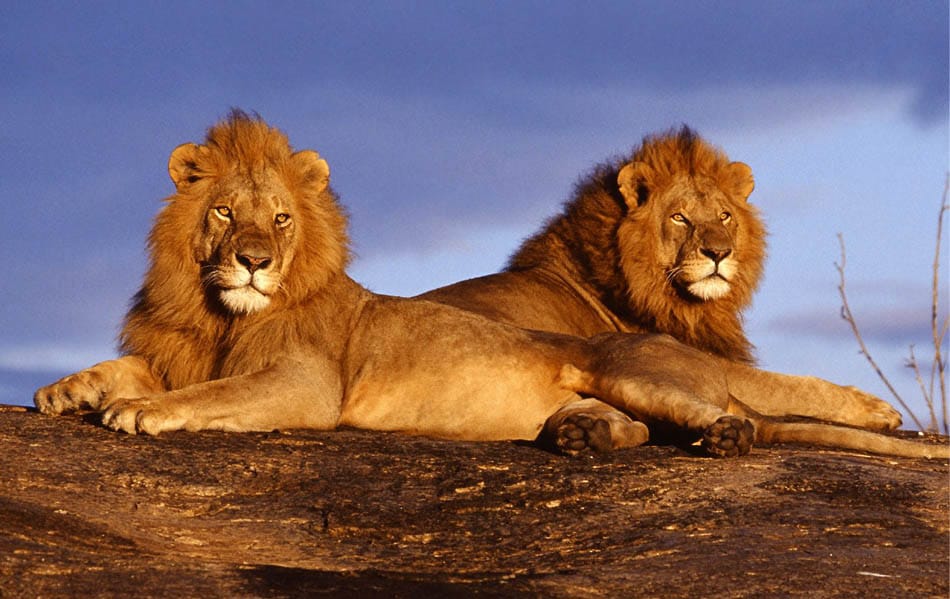
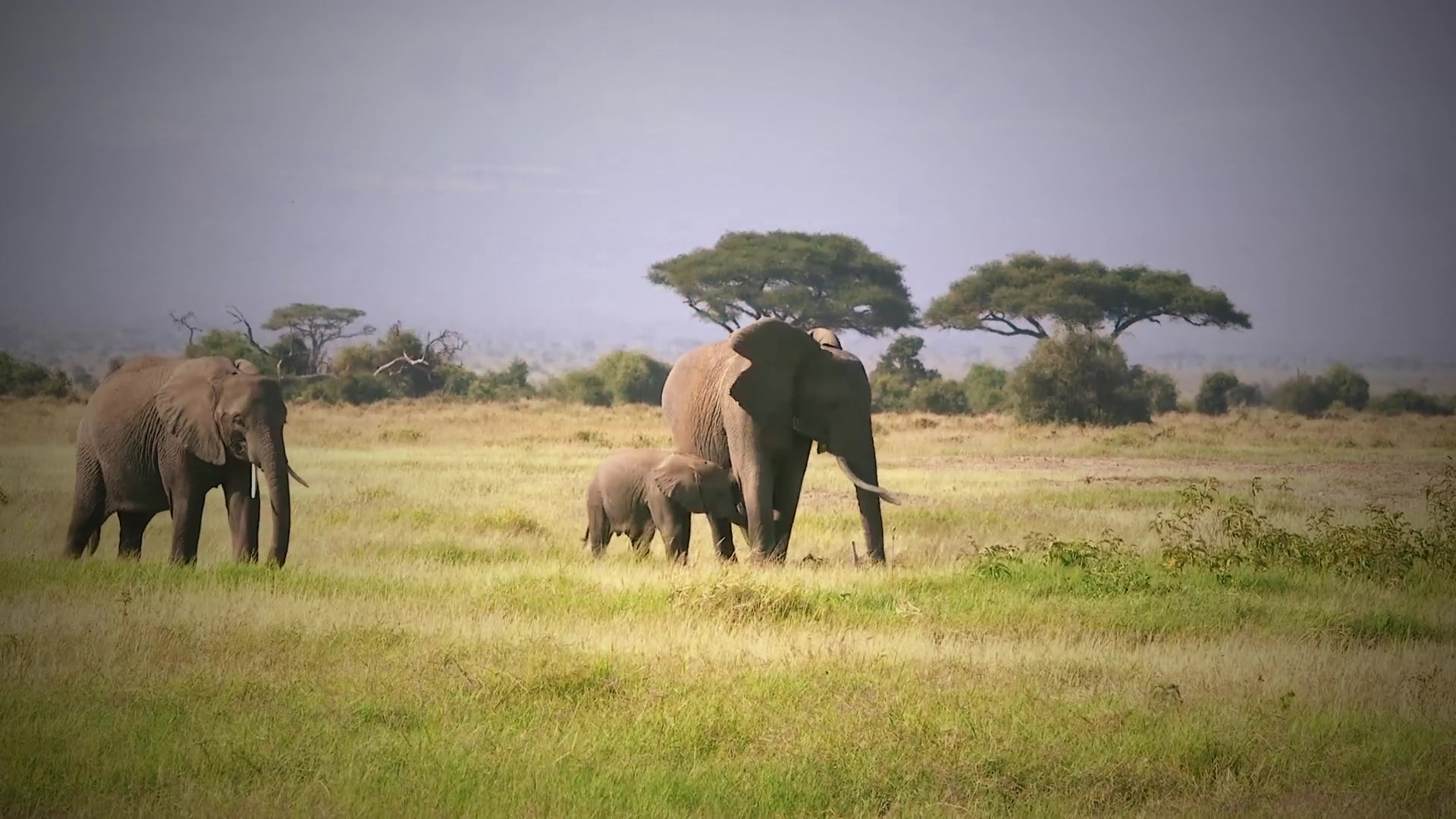
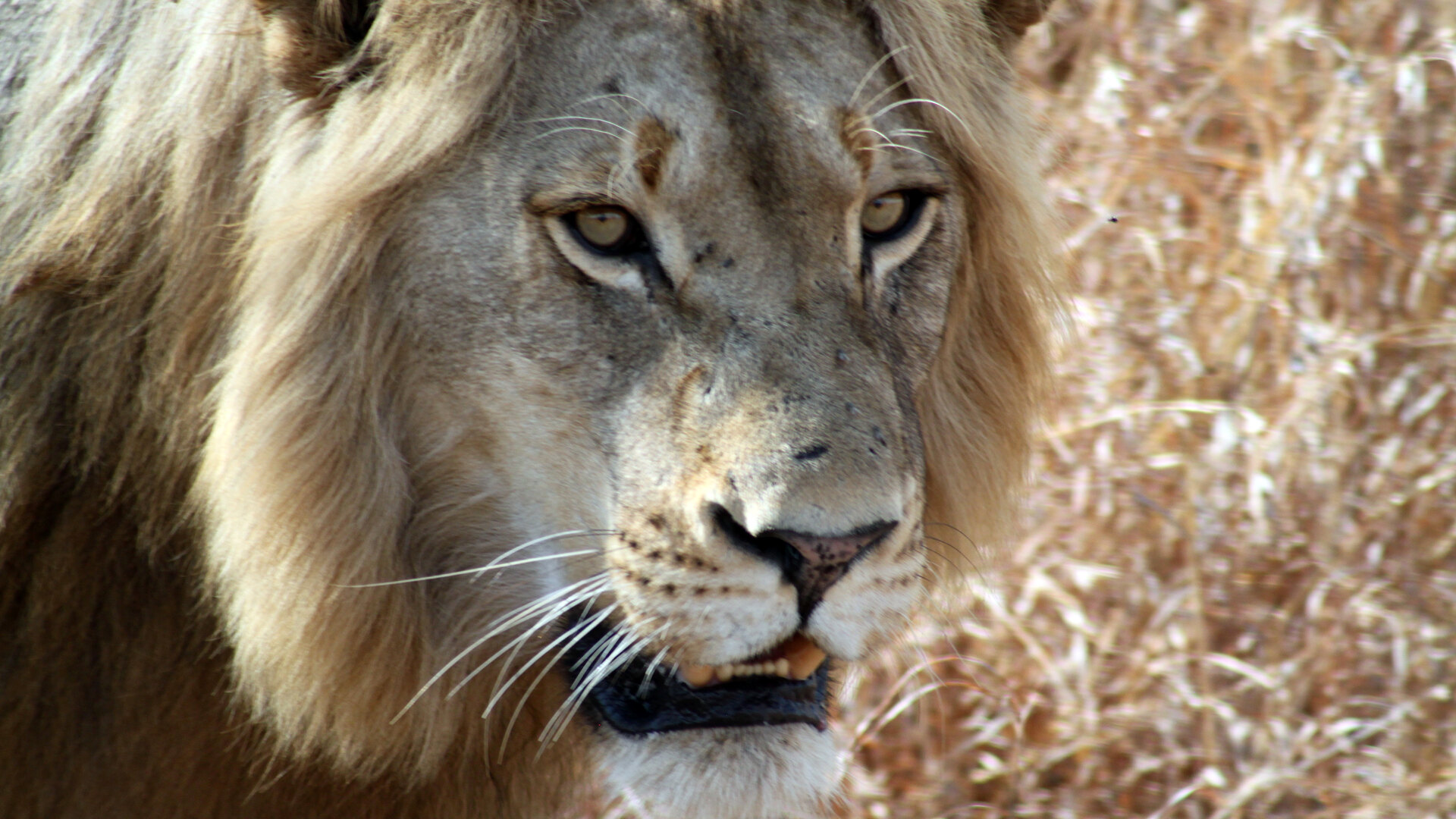
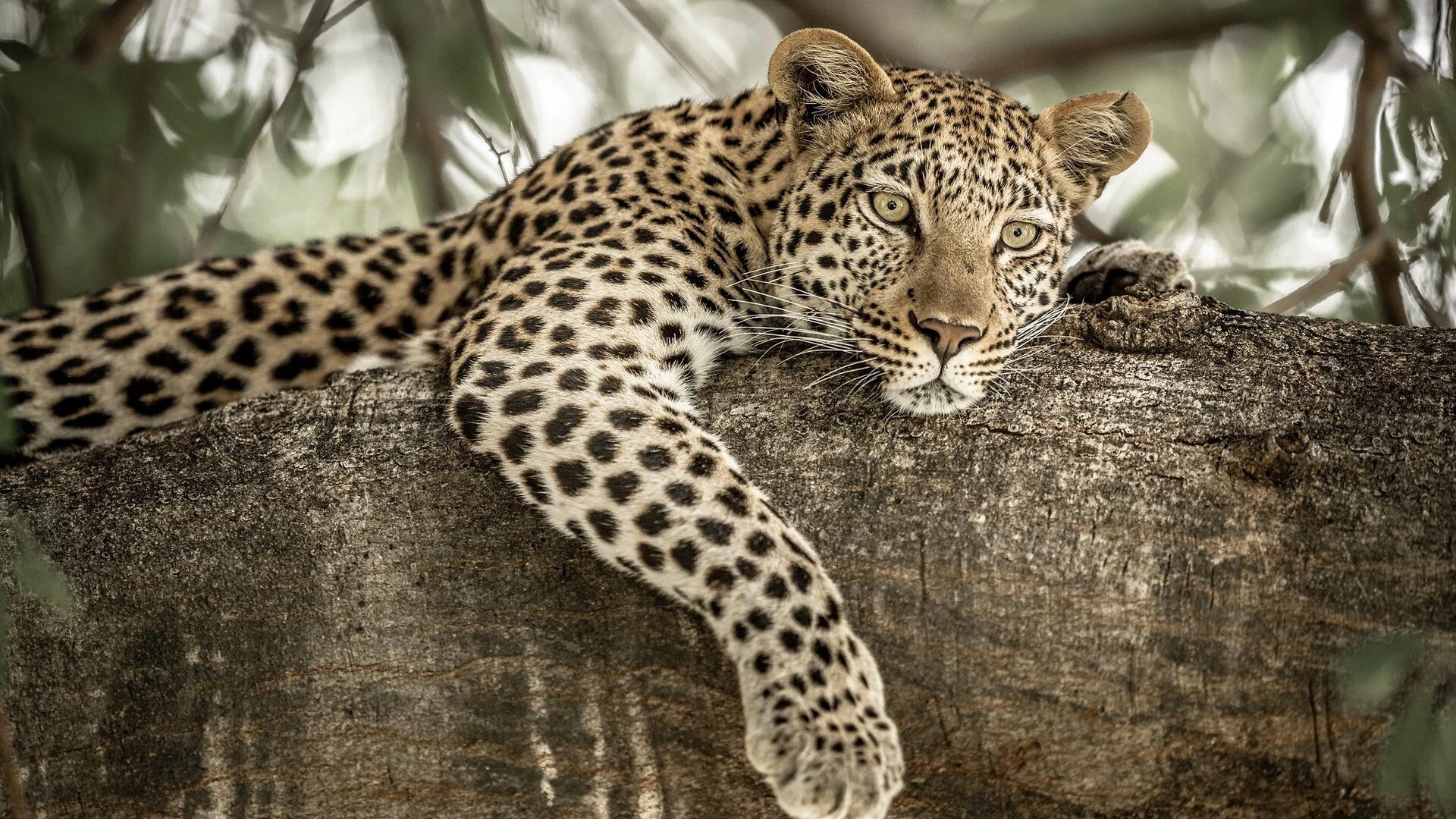
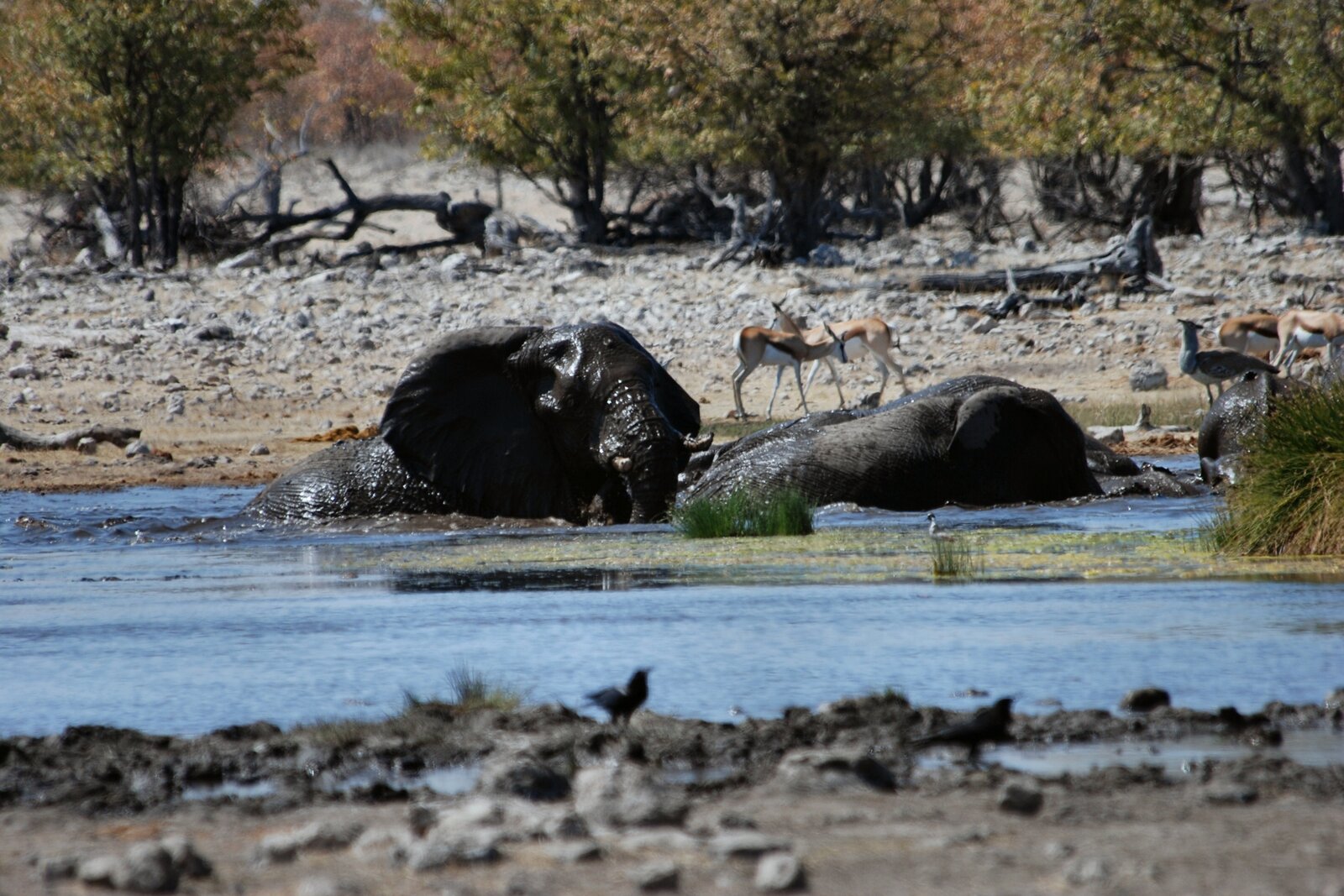
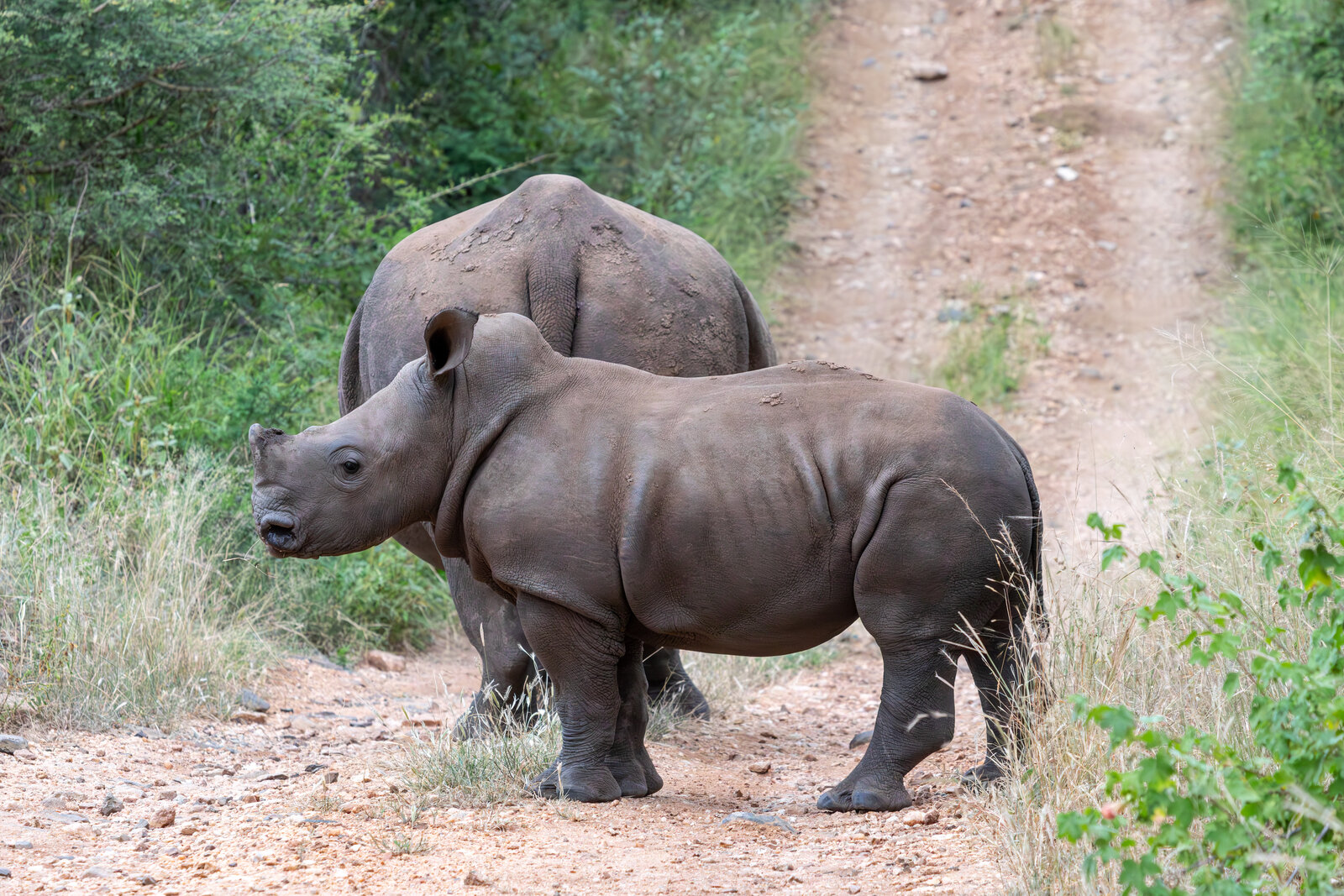
The most famous safari term of all is the Big Five: the lion, leopard, elephant, rhinoceros and Cape buffalo. The phrase comes from the old hunting era and referred not to size but to the five animals considered most dangerous to hunt on foot. Photographic safaris happily adopted it, and ticking off all five is a celebrated goal — with the leopard usually the trickiest to find. The southern parks, Kruger and the Sabi Sands above all, are among the finest places to see the whole set.
Guides love the playful spin-offs. The Little Five each borrow part of a big name — the elephant shrew, ant lion, rhinoceros beetle, buffalo weaver and leopard tortoise. The Ugly Five celebrate the characterful and less conventionally handsome: the warthog, wildebeest, hyena, vulture and marabou stork. And the Shy Five are elusive, largely nocturnal treats to spot — the aardvark, aardwolf, porcupine, bat-eared fox and meerkat. Ask your guide to help you find them all; it turns a game drive into a joyful treasure hunt.
On the Game Drive
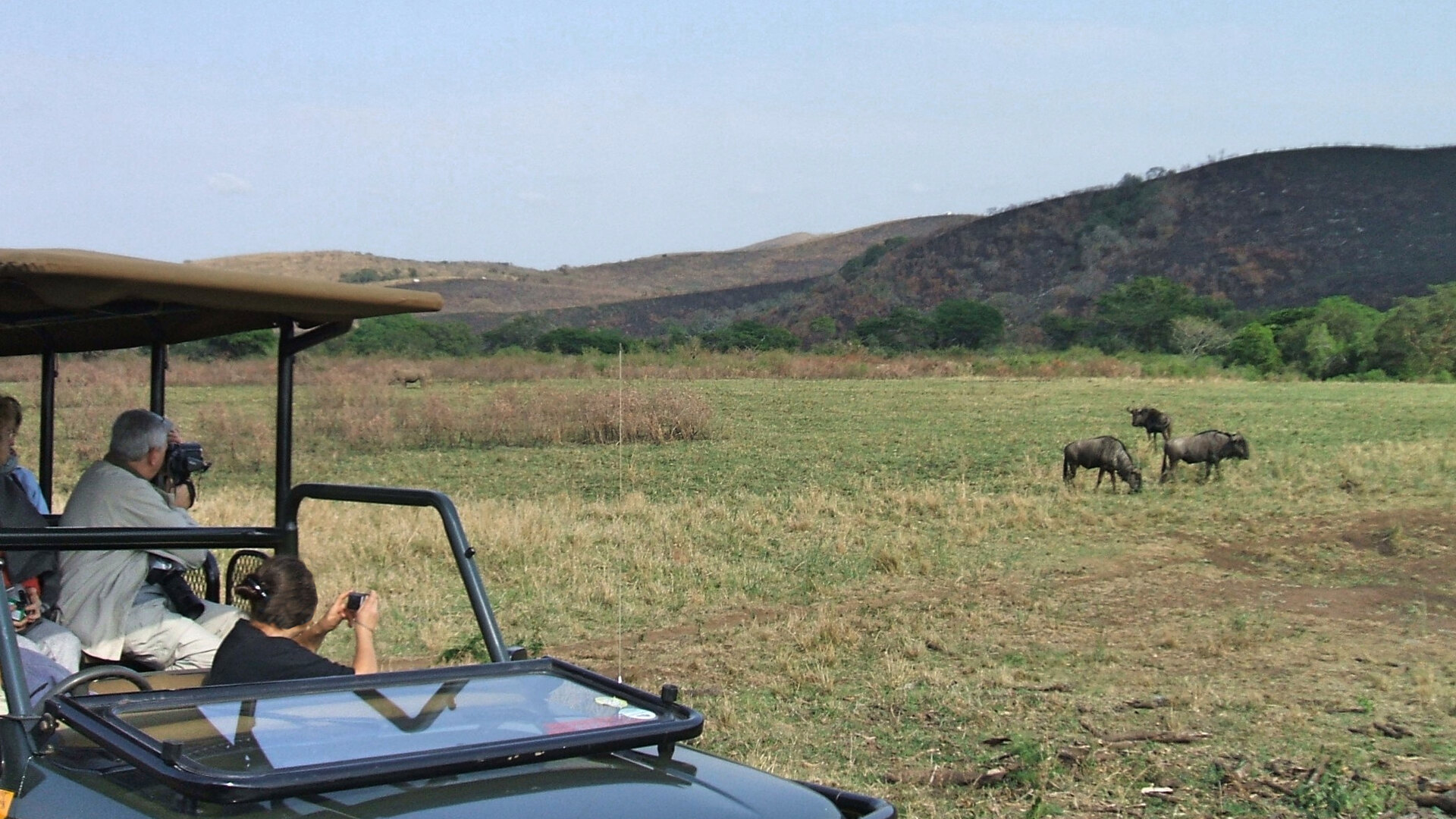
The heart of any safari is the game drive — an outing in an open vehicle, usually at dawn and again in the late afternoon, when wildlife is most active, to find and watch animals. A bush walk or walking safari swaps the vehicle for expert guides on foot, reading tracks and small wonders up close. When your guide follows spoor — the tracks, droppings and signs an animal leaves — you are watching real bushcraft in action, and it is mesmerising.
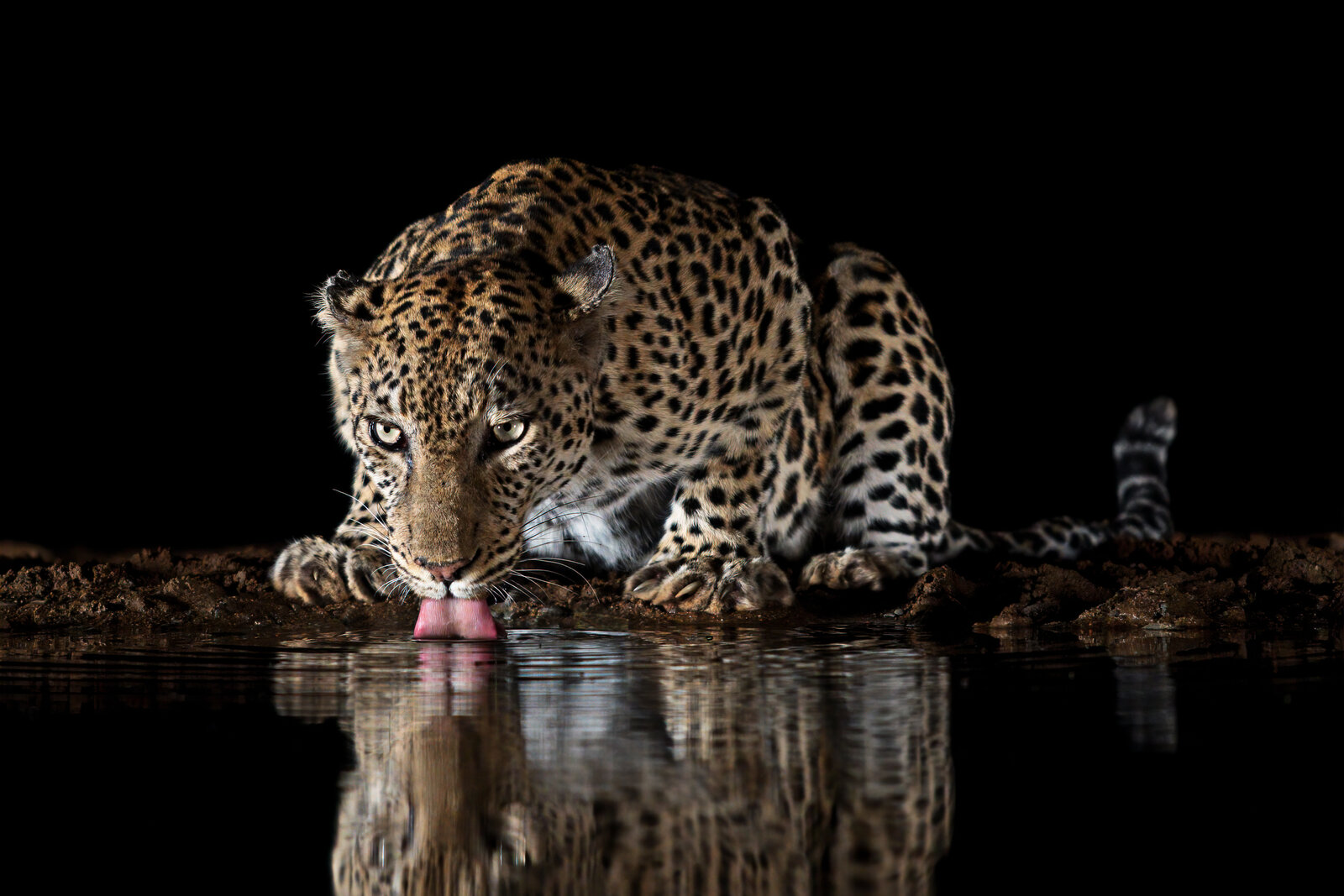
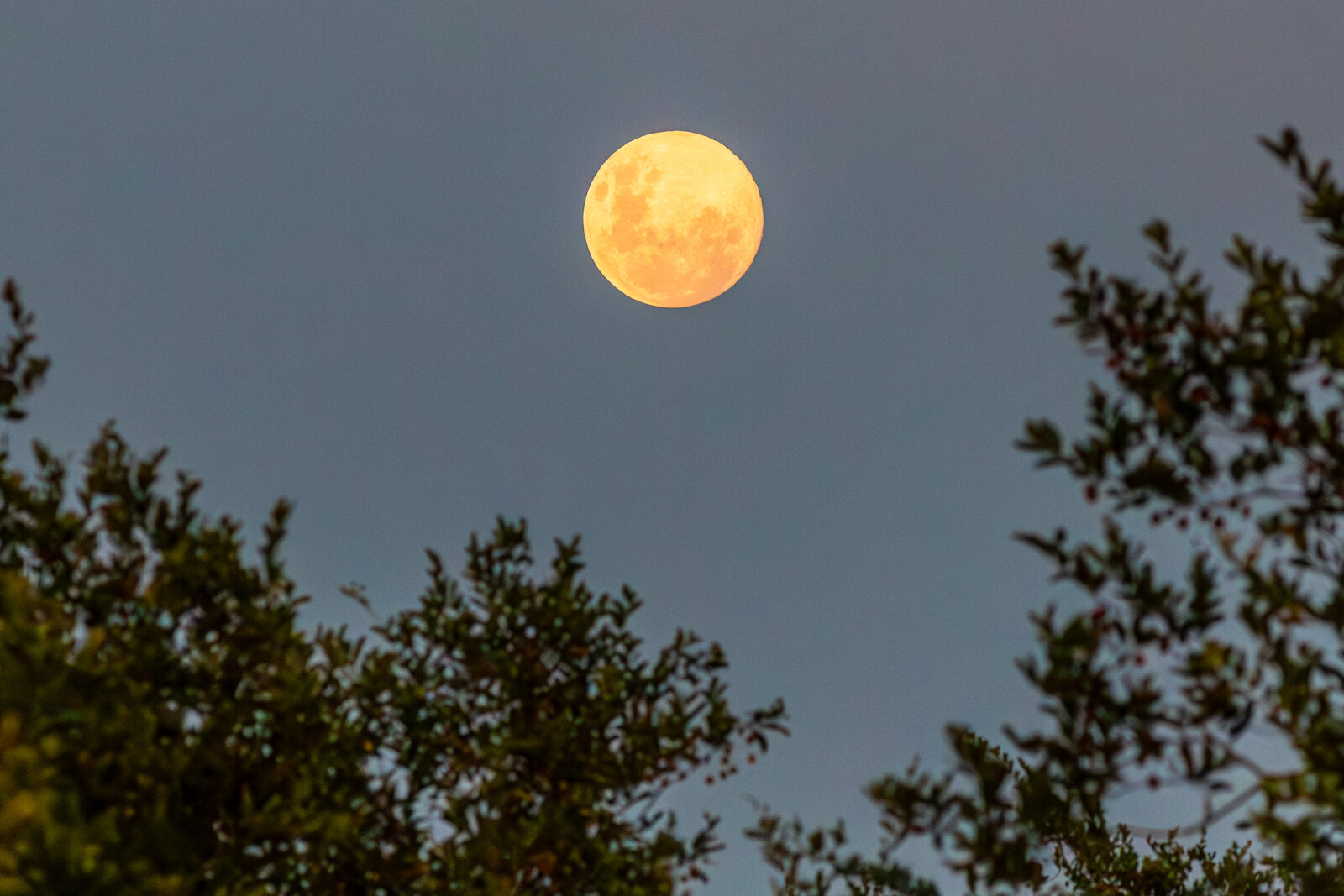
Some words describe the rituals that make safari days so special. A sundowner is the beloved custom of pausing at a scenic spot at dusk for a drink and snacks as the sun sets. A night drive, offered on private reserves, uses a spotlight to reveal nocturnal creatures. And a mokoro is the traditional dugout canoe poled silently through Botswana's Okavango Delta. Together these terms map out the gentle, golden rhythm of a day in the wild.
Landscape & Camp Terms
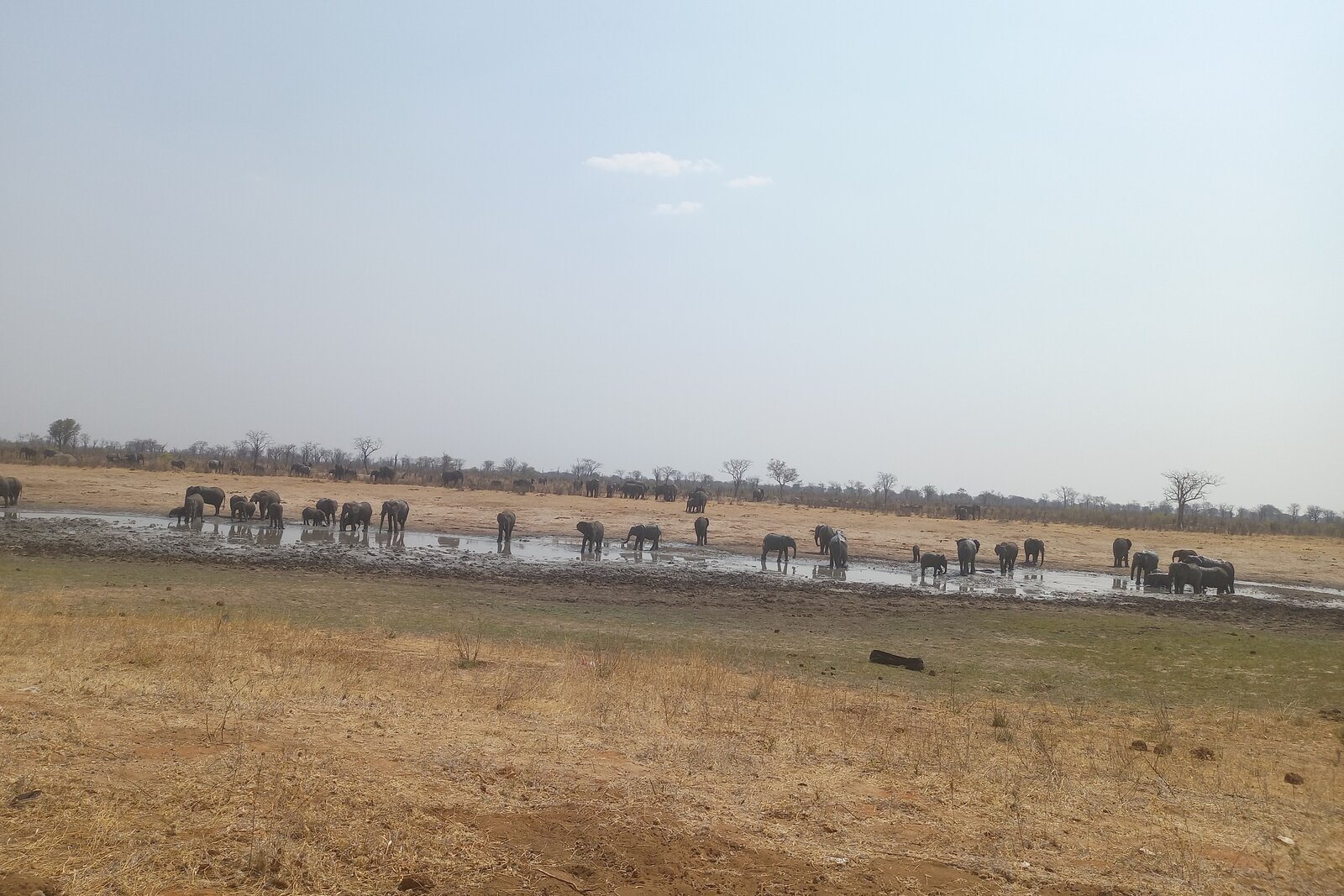
The bush has its own geography, and guides describe it with lovely, specific words. A koppie (or kopje, from the Afrikaans for little head) is a rocky outcrop rising from the plains — a favourite lookout for lions and leopards. A pan is a shallow, often seasonal depression that holds water, while a waterhole or water point is where animals gather to drink, making it prime viewing. The distinctive sausage tree, hung with heavy fruit, and the flat-topped acacia are the trees of a thousand safari photographs.
Around camp, a boma is an outdoor, often circular enclosure where guests dine around a central fire under the stars. A rondavel is a traditional round hut, sometimes echoed in lodge architecture. Fly-camping means an overnight under canvas in a simple, mobile camp for a wilder night out. And the affectionate phrase bush TV refers to the campfire itself — the flickering flames everyone gathers around to swap the day's sightings.
Wildlife & Conservation Words
A little conservation vocabulary deepens everything you see. Habituated means animals have grown used to vehicles and ignore them, carrying on naturally — which is exactly why you can watch a leopard hunt at close range; it does not mean tame. Endemic describes a species found only in one particular area, the great prize for keen birders and naturalists. Crepuscular animals are most active at dawn and dusk, which is why game drives are timed as they are.
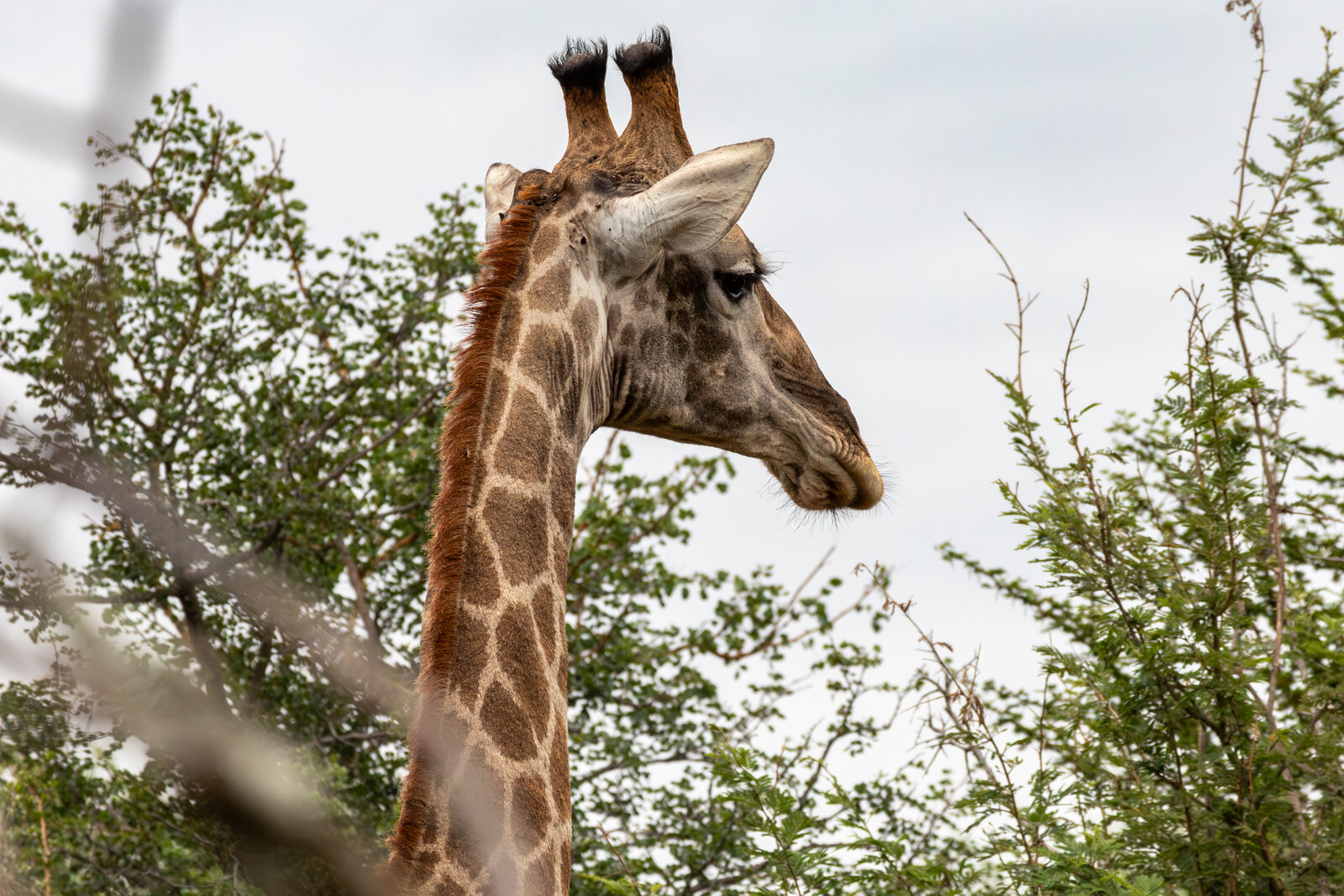
You will hear guides distinguish browsers (which eat leaves and shoots, like giraffe and kudu) from grazers (which eat grass, like zebra and buffalo). A concession is a private area leased for exclusive safari use, allowing off-road driving and low guest numbers. Anti-poaching refers to the vital teams and technology protecting wildlife, and a portion of what you pay directly funds this work — one of the quiet, powerful reasons a well-chosen safari is a force for good.
Food & Fireside Terms
Safari food comes with its own delicious vocabulary, especially in Southern Africa. A braai is the South African barbecue — far more than cooking, it is a beloved social ritual around open coals, and a staple of camp evenings. A boma dinner is that magical meal taken in the open-air enclosure around the fire, often with local dishes and song. A bush breakfast or bush dinner is a surprise meal set up out in the wild, complete with white linen and a crackling fire.
You will meet biltong, the moreish air-dried, spiced cured meat that is the perfect game-drive snack, and its cousin droëwors, a dried sausage. A potjie (pronounced poy-kee) is a slow-cooked stew prepared in a three-legged cast-iron pot over the fire. And of course the sundowner reappears at the table too — that late-afternoon gin and tonic or glass of Cape wine that toasts another perfect day in the bush.
Booking & Trip Terms
Finally, the words you will meet while planning. Full board (or FB) means all meals are included, while fully inclusive often adds drinks, game activities and laundry too — always check exactly what is covered. A transfer is any transport between airports, camps and lodges, whether by road or light aircraft, and a bush flight is the small-plane hop that whisks you between remote camps over spectacular scenery.
You will see seasons described as high, shoulder and green (or low) — the green season being the lush, quieter, often cheaper rains, when landscapes are dramatic and birding superb. A single supplement is the extra charge for solo travellers, and FIT refers to a flexible, fully independent tailor-made trip, as opposed to a fixed group departure. Do not worry about memorising it all — a good operator explains every line of your itinerary in plain language, so you always know exactly what you are getting.
| Safari Term | What It Means |
|---|---|
| Big Five | Lion, leopard, elephant, rhino and Cape buffalo |
| Boma | Open-air enclosure for dining around a fire under the stars |
| Sundowner | Late-afternoon drink and snacks while watching the sun set |
| Game drive | An outing in an open vehicle, usually at dawn and dusk |
| Koppie / kopje | A rocky outcrop rising from the plains, favoured by big cats |
| Braai | The South African barbecue and its social fireside ritual |
| Habituated | Wild animals used to vehicles, behaving naturally (not tame) |
| Green season | The lush, quieter low season during the rains |
Now You Speak Safari — Let Us Do the Rest
Armed with this glossary, you will step into the bush fluent in its language, relaxed and ready to soak up every moment. And when it comes to turning that excitement into the real thing, we are here to make it effortless. We design tailor-made safaris across Africa with the finest guides — the very people who will teach you these words in the field — matching you to the perfect parks, camps and vehicles, and explaining every step in plain, friendly language. Let us handle the detail so you can simply fall in love with the wild.
Ready to Turn Safari Words into a Real Safari?
Now you know the language, let our specialists craft the journey. We design tailor-made safaris with expert guides, hand-picked camps and every detail explained — so your first safari is as effortless as it is unforgettable.
Ready to explore? Browse our safari tours and packages →