You have budgeted for the safari, packed your camera, read the itinerary. Then someone mentions tipping, and suddenly you are Googling frantically at 2 a.m.: How much do I tip the guide? Do I tip daily or at the end? What about the tracker? The chef? Is it rude not to tip? What currency? This safari tipping guide gives you the honest, specific answers — exact amounts in USD, who gets what, when to hand it over, what is already included, and the etiquette that keeps it graceful.
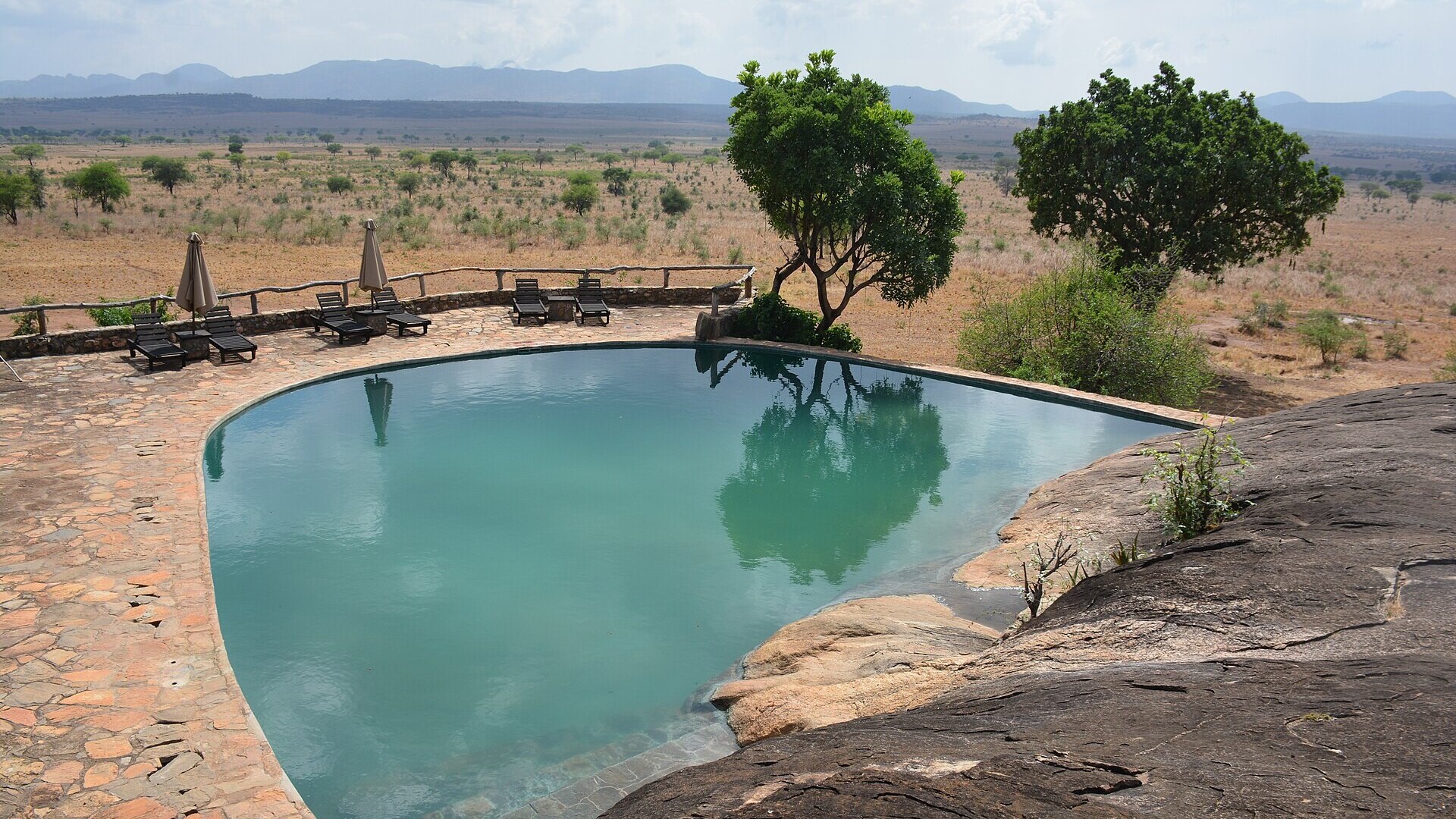
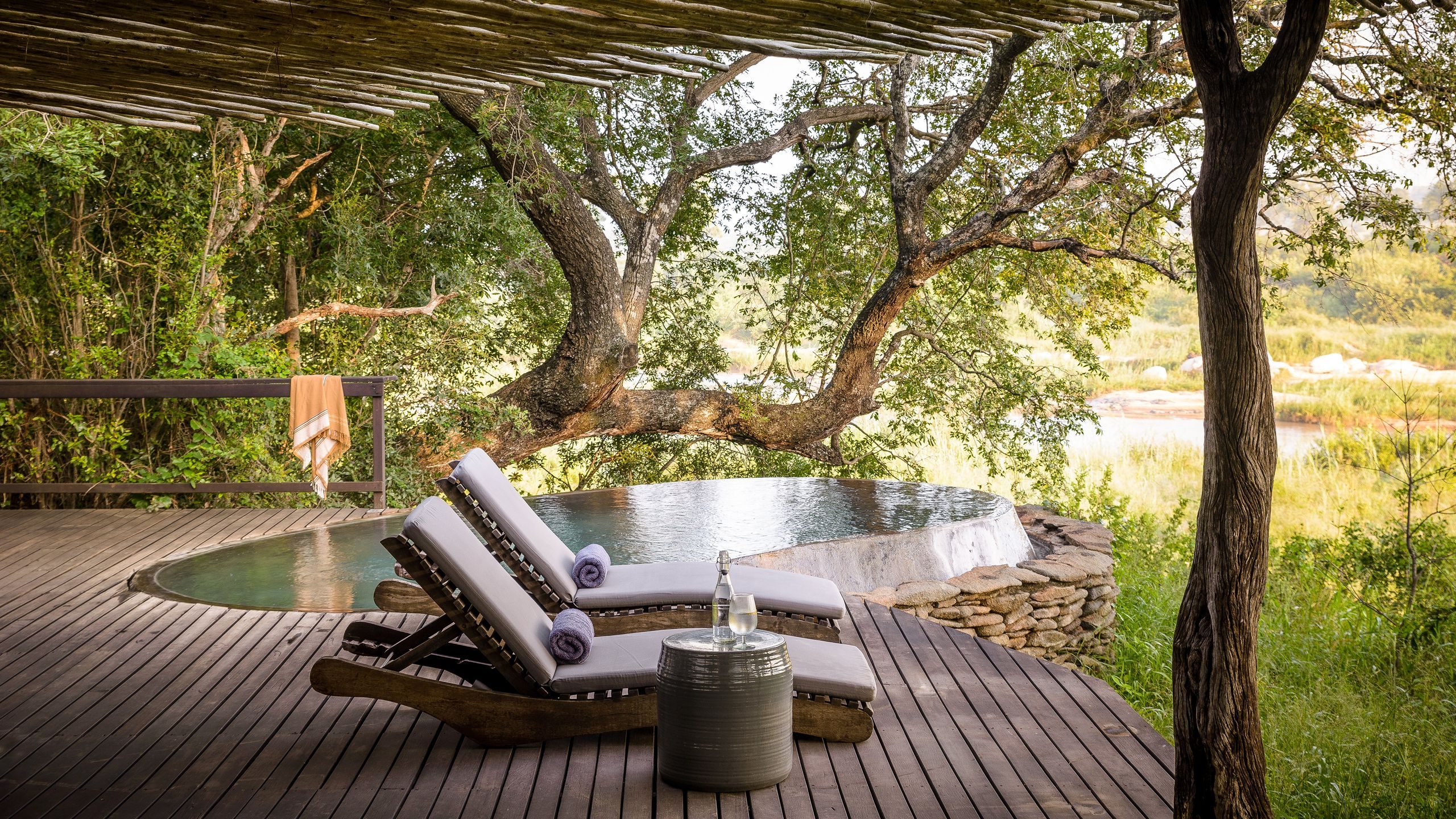
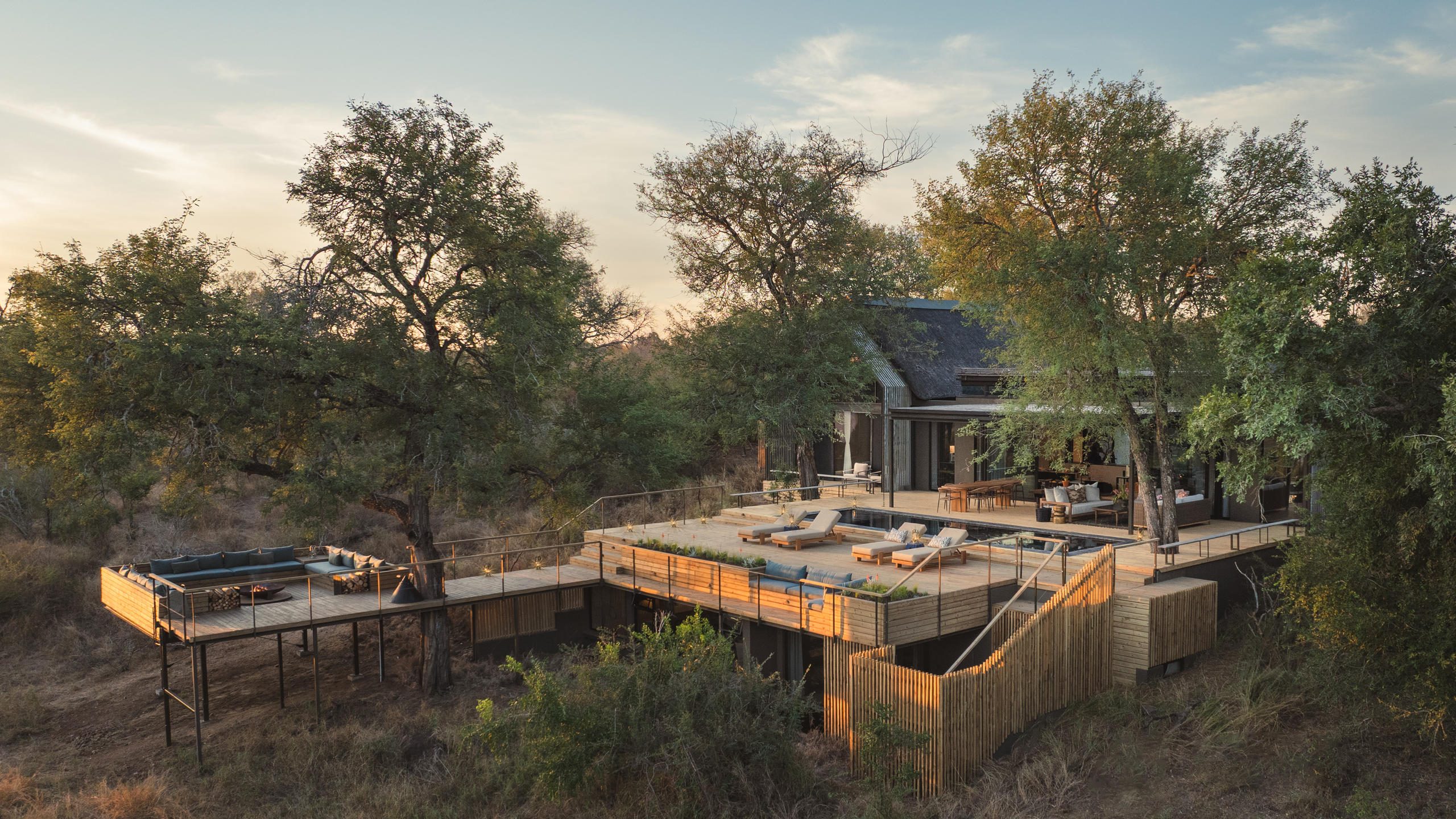
Luxury safari hospitality — and why tipping matters.
The Short Answer (If You Are in a Hurry)
For a mid-range to luxury safari, budget these amounts per person per day:
- Safari guide: $10–$15
- Tracker (if you have one): $8–$10
- General lodge/camp staff (communal tip pool): $10–$15
So for a couple on a 4-night safari, you are looking at roughly $150–$200 total in tips. Tip at the end of your stay, in US dollars, in cash, in sealed envelopes. Now let us break down the details.
Who Do You Tip on Safari?
1. Your safari guide
Your guide is the linchpin of your experience. They find the animals, read the landscape, keep you safe, educate you, and often become a friend by the end of your stay. On a private safari you will have the same guide for your whole stay; on a shared safari the guide may rotate or be assigned per drive. Either way, they earn the largest share of your gratuities.
How much: $10–$15 per person per day (mid-range to luxury). Budget safaris: $5–$10. Ultra-luxury or exceptional service: $15–$25+.
2. The tracker
Luxury safaris in private reserves (Sabi Sands, Madikwe, parts of the Okavango) include a tracker — a specialist who sits or stands at the front of the vehicle, reads spoor (tracks), spots camouflaged animals and communicates with the guide. The tracker is a highly skilled professional and deserves a separate tip.
How much: $8–$10 per person per day. On budget safaris or self-drive trips (where there is no tracker), this does not apply.
3. General lodge or camp staff
This covers everyone else who makes your stay exceptional: housekeeping, chefs, waiters, maintenance, camp managers. Most lodges operate a communal tip pool that is divided fairly among all staff. You contribute to this pool once, at the end of your stay.
How much: $10–$15 per person per day (total for the pool, not per staff member). So if you stay 4 nights as a couple, you would leave $80–$120 in the staff tip box.
What about the lodge manager, the barman, the person who brought you tea?
They are all covered by the general staff pool. You do not need to tip each person individually — that would be exhausting and awkward. The communal system ensures everyone is looked after. However, if someone went extraordinarily out of their way (arranged a surprise birthday setup, tracked down your lost camera, stayed up late to help with a problem), a small personal tip or a handwritten thank-you note is a lovely gesture.
Tipping by Safari Style & Budget
Budget safari (rest camps, budget lodges, self-drive)
On a self-catering, self-drive safari (e.g., in Kruger's rest camps), there is no guide or tracker to tip unless you book a guided drive, in which case $5–$10 for the guide is appropriate. For budget lodges with guided drives, expect $5–$10 per person per day for the guide and $5–$8 for general staff.
Mid-range safari
This is the sweet spot where most travellers sit. Comfortable lodges, all-inclusive meals and drinks, twice-daily guided drives. Use the amounts at the top of this guide: $10–$15 for the guide, $8–$10 for the tracker (if present), $10–$15 for staff.
Luxury & ultra-luxury safari
At high-end lodges where you are paying $800–$3,000+ per person per night, staff expectations are slightly higher — not because the job is different, but because the service is exceptional and guests often tip more generously. Many guests at luxury lodges tip $15–$25 per person per day for the guide, $10–$15 for the tracker, and $15–$20+ for the staff pool. It is not required, but it is common and appreciated.
When Do You Tip?
Tip at the end of your stay, not daily. This is the universal standard. On your final morning, or at checkout, hand the envelopes to your guide and tracker personally (with a handshake and a sincere thank-you), and leave the general staff tip in the communal tip box or with the lodge manager.
If you change guides or camps mid-trip, tip each guide when they hand over to the next. If you are on a multi-camp itinerary, tip at each camp rather than trying to tip everything at the very end.
What Currency? (Bring US Dollars)
US dollars are the preferred and universally accepted tipping currency across safari destinations in Southern and East Africa. Bring small, crisp bills — $1, $5, $10 and $20 notes — in good condition. Torn, heavily worn or pre-2006 bills are sometimes refused. Avoid $50 and $100 bills for tips; they are hard for staff to change in remote areas.
You can tip in local currency (South African Rand, Kenyan Shillings, Botswana Pula, etc.) if you have it, but USD is simpler, especially on multi-country trips. Most lodges also list suggested tipping amounts in USD on the information card in your room.
Is Tipping Included in the Safari Price?
Almost never. Even on all-inclusive safaris where meals, drinks, park fees and activities are covered, gratuities are extra and at your discretion. Some lodges explicitly state "gratuities not included" in their booking terms; others assume you know. Always budget for tips as a separate cost when planning your safari — add roughly 10% of your total safari price as a rough guide. For a detailed cost breakdown, see our African safari cost guide.
How to Hand Over the Tip (Etiquette)
Most lodges place small envelopes in your room specifically for tipping. If not, ask at reception or bring your own. Here is the graceful way to do it:
- Seal the cash in an envelope. Write the person's name or role on the front (e.g., "John — Guide", "Tracker — Thank you", "General Staff").
- Hand guide and tracker tips directly to them on your final morning, with a handshake, eye contact and a genuine thank-you. A short verbal acknowledgment of something specific they did ("Thank you for finding that leopard," "Your knowledge made this trip unforgettable") means as much as the money.
- Leave the general staff tip in the communal tip box (usually near reception or at the main lodge area) or give it to the lodge manager to distribute fairly.
- A handwritten note is a beautiful touch, especially if someone made your trip extraordinary. It costs nothing and is often treasured more than the cash.
What If the Service Was Poor?
Tipping is discretionary. If your guide was rude, inattentive, late, or unprofessional, you are not obliged to tip the full amount — or at all. However, be fair: if the wildlife was quiet or the weather was bad, that is not the guide's fault. If there was a genuine problem with service, speak to the lodge manager before you leave so they can address it, then adjust your tip to reflect the experience. Conversely, if someone went above and beyond, tip generously. It is noticed, appreciated, and it supports the people who make safaris magical.
Group Safaris vs Private Safaris
Group/shared safari
On a group safari where the vehicle is shared with other guests, each guest or couple tips individually based on the amounts above. Do not feel obliged to coordinate with strangers or split tips — everyone tips according to their own means and satisfaction.
Private safari
On a private safari where you have your own guide and vehicle, the tipping works the same way but feels more personal because you have built a relationship over several days. Many guests on private safaris tip at the higher end of the range or add a little extra as a thank-you for the exclusivity and tailored experience.
Quick Tipping Calculator
Use this to estimate your total tipping budget:
Number of nights: ___
Number of people in your party: ___
Guide tip: $12 × nights × people = $___
Tracker tip (if applicable): $9 × nights × people = $___
General staff tip: $12 × nights × people = $___
Total estimated tips: $___
Example: A couple (2 people) on a 4-night luxury safari:
Guide: $12 × 4 × 2 = $96
Tracker: $9 × 4 × 2 = $72
Staff: $12 × 4 × 2 = $96
Total: ~$264
Common Tipping Questions Answered
Do I tip the pilot on a fly-in safari?
Not usually. Pilots on charter flights between camps are salaried professionals, and tipping is not expected. However, if a pilot went out of their way (a scenic detour, helpful with luggage, exceptionally friendly), $5–$10 per person is a kind gesture. For more on fly-in safaris, see our fly-in safari guide.
What about the transfer driver?
If you have a dedicated transfer driver for a long journey (e.g., Johannesburg to Kruger, Cape Town to the Winelands), $5–$10 per person for a half-day transfer, or $10–$20 for a full-day drive with commentary, is appropriate.
Do I tip on a walking safari?
Yes. Your walking guide is doing the same job as a game-drive guide (and arguably taking more responsibility, as they are on foot with you in big-game country), so tip the same amount: $10–$15 per person per day. If you also have an armed scout or backup ranger, $5–$8 for them. See our walking safari guide for more.
Can I tip by credit card or mobile payment?
Very rarely. Most safari camps and lodges operate in remote areas without reliable card-processing for tips, and staff vastly prefer cash (it is immediate and guaranteed). A few ultra-modern lodges are beginning to offer tip-by-card options, but do not count on it. Bring cash.
A Word on Gratitude
Tipping is more than money. For many safari guides, trackers and lodge staff, tourism wages are modest, and tips make up a meaningful share of their income — income that supports families, pays school fees, and builds futures. A generous, respectful tip is a way of saying: Your skill, your knowledge, your care — it mattered. Thank you. And that, as much as the dollars, is what safari hospitality is built on.
Plan Your Safari & Budget for Tips
Now that you know what to budget, you can plan your trip with confidence. We design private safaris where every detail — guides, lodges, timing — is handled so you can focus on the experience.
Explore the Big Five Luxury Safari, the leopard-rich Luxury Sabi Sands Safari, the Classic Kruger Safari, or the water-and-wildlife wonder of the Okavango Delta Luxury Safari. Read our first-timer's planning guide, or get in touch and we will walk you through every detail — including exactly what to bring for tips.