Key Takeaways
- A private safari means your own guide, tracker and open 4x4 — used only by your party, at your pace
- Private reserves such as Sabi Sand allow off-road traversing and night drives that national parks do not
- Exclusive-use villas and whole-camp buyouts add a private chef, host and childminder for total family privacy
- Malaria-free options — Madikwe, Pilanesberg, Tswalu and the Eastern Cape — are ideal for young families
- Cape Town, the Winelands and the Garden Route link seamlessly to a private reserve in one trip
Most safaris put you in a shared vehicle with strangers, on someone else's timetable, moving on the moment the guide decides. A private safari in South Africa does the opposite: you travel with your own guide, your own tracker and your own open 4x4, used by nobody but your party. You linger at the leopard for an hour if the light is good. You leave camp before dawn because you want the sunrise. You build the trip around your children, your camera, or your appetite for big cats — not around a group.
South Africa is the ideal country for this. It combines the world's most reliable Big Five viewing with private reserves that permit off-road tracking, malaria-free parks perfect for families, and a genuinely cosmopolitan front door — Cape Town, the Winelands and the Garden Route — that no other safari destination can match. This guide explains exactly how a private South African safari works, which reserve suits you, what it costs in 2026, and how we tailor every mile of it.
What a Private Safari in South Africa Really Means
The word "private" gets used loosely in safari marketing, so it helps to be precise. A truly private safari has three components. First, a private guide and tracker who work only for your party — over a few days they learn whether you care most about predators, birds, photography or simply being out in the wild, and they shape every drive around that. Second, a private open 4x4 for your sole use, so you never share a bench with strangers and can position for the sun and the perfect angle. Third, a flexible, tailored itinerary — you decide when to leave, how long to stay at a sighting, whether to stop for coffee under a tree or push on after a lion call.
On a shared safari, none of that is guaranteed. The vehicle stops when it is full, the drive ends on a schedule, and the guide balances a photographer against a family with restless toddlers. Going private removes those compromises. For couples it means romance and spontaneity; for families it means the drive bends to the children's energy; for photographers it means staying put in golden light while a shared vehicle would have moved on.
Kruger & Greater Kruger — Big Five in a Private Vehicle
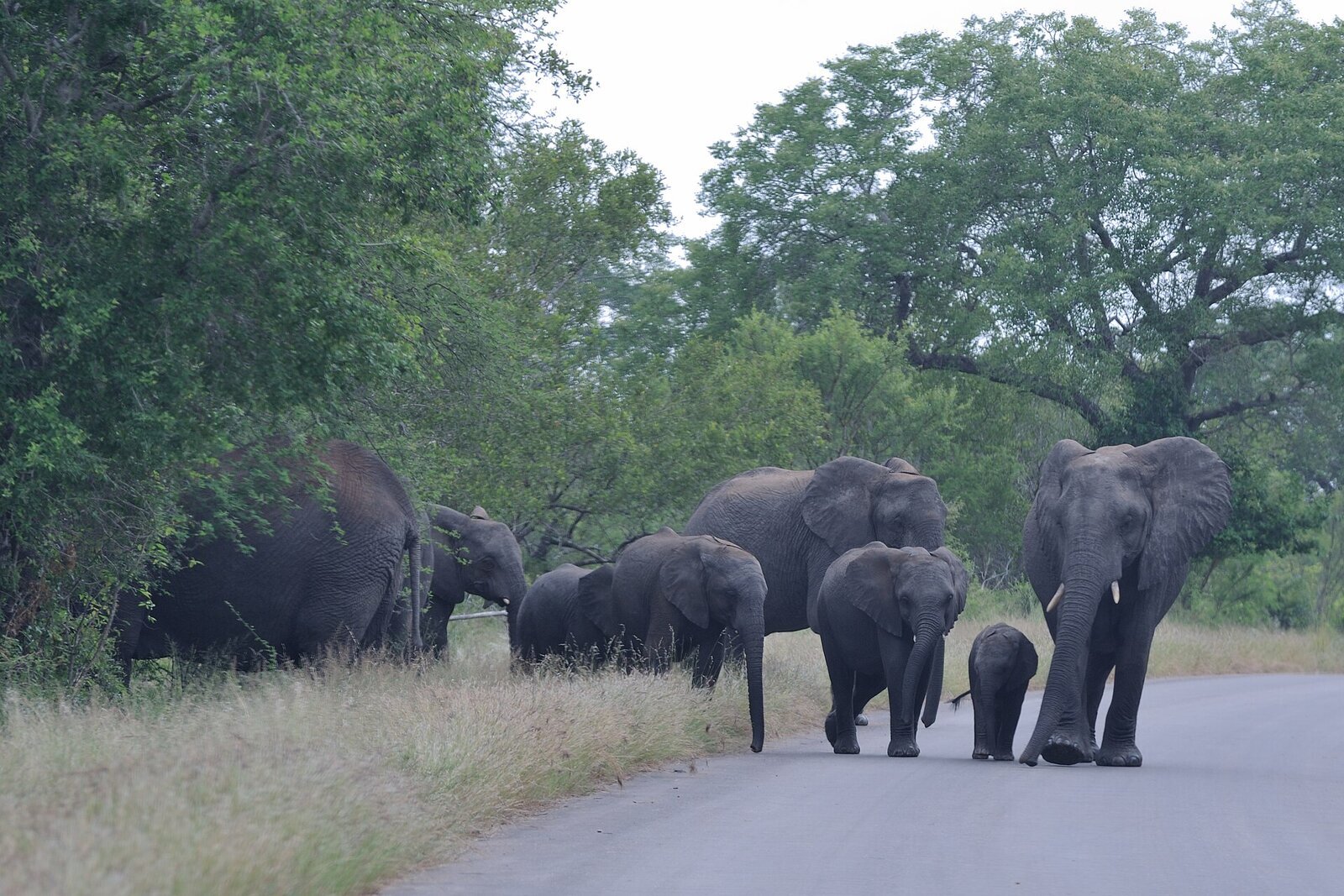
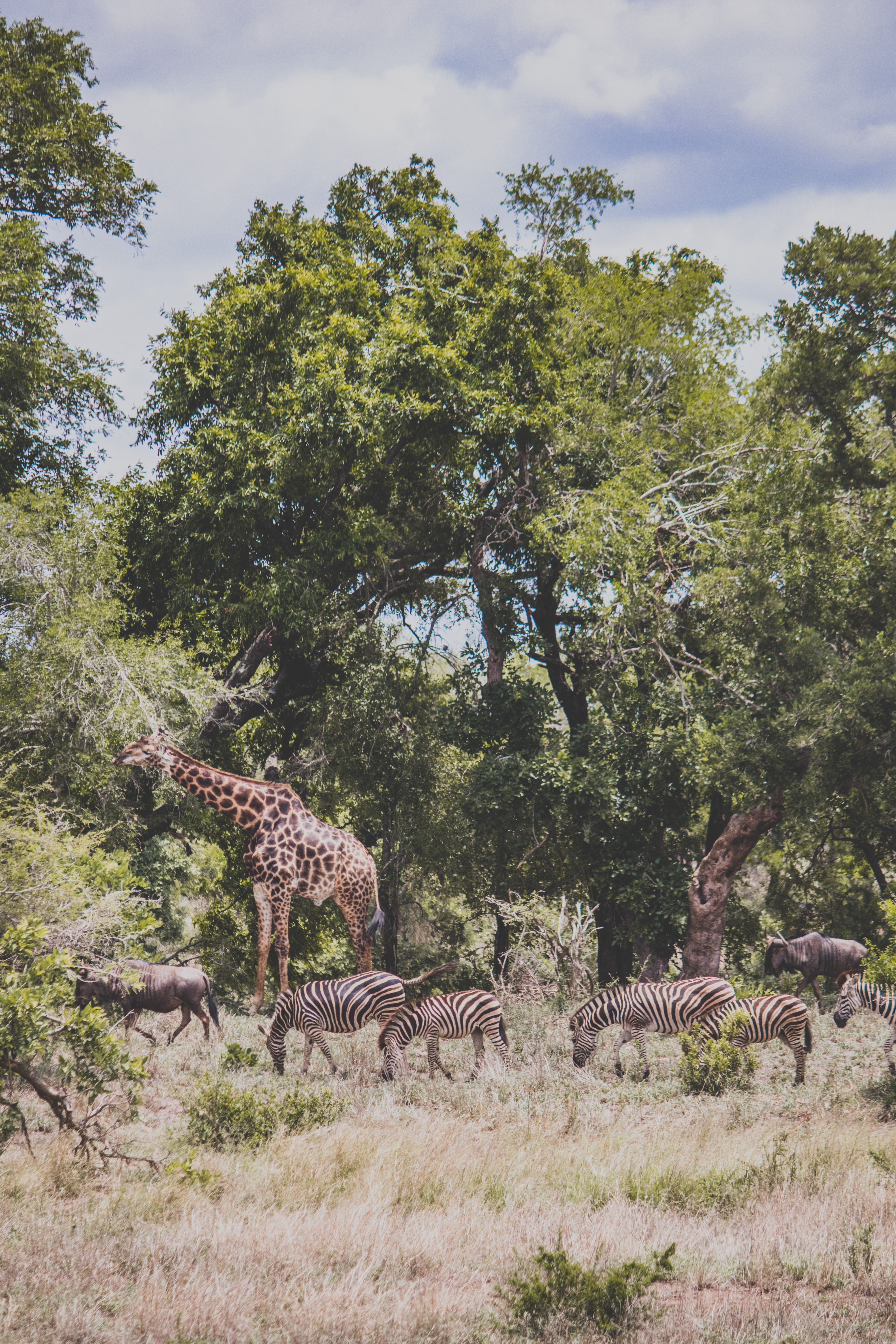
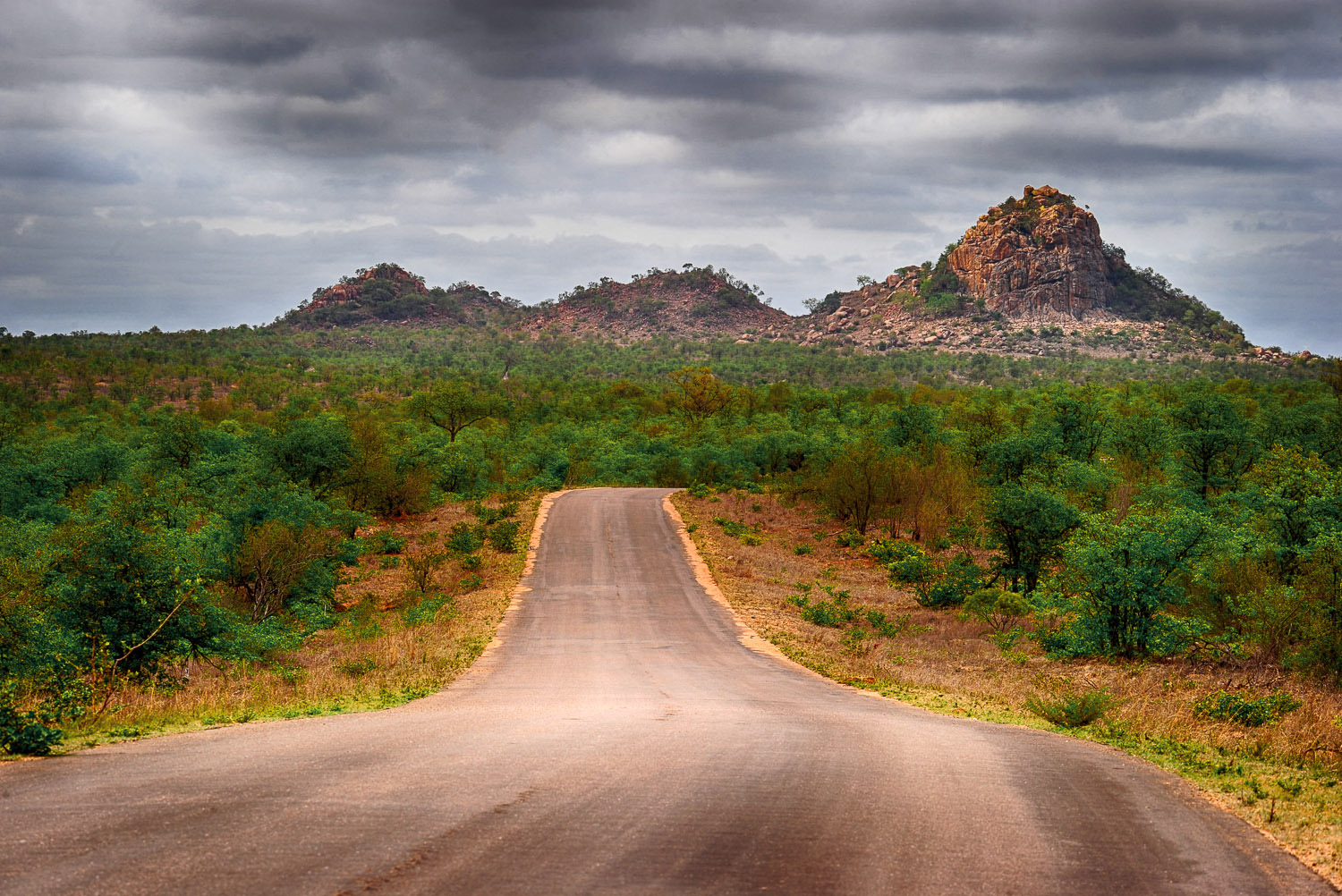
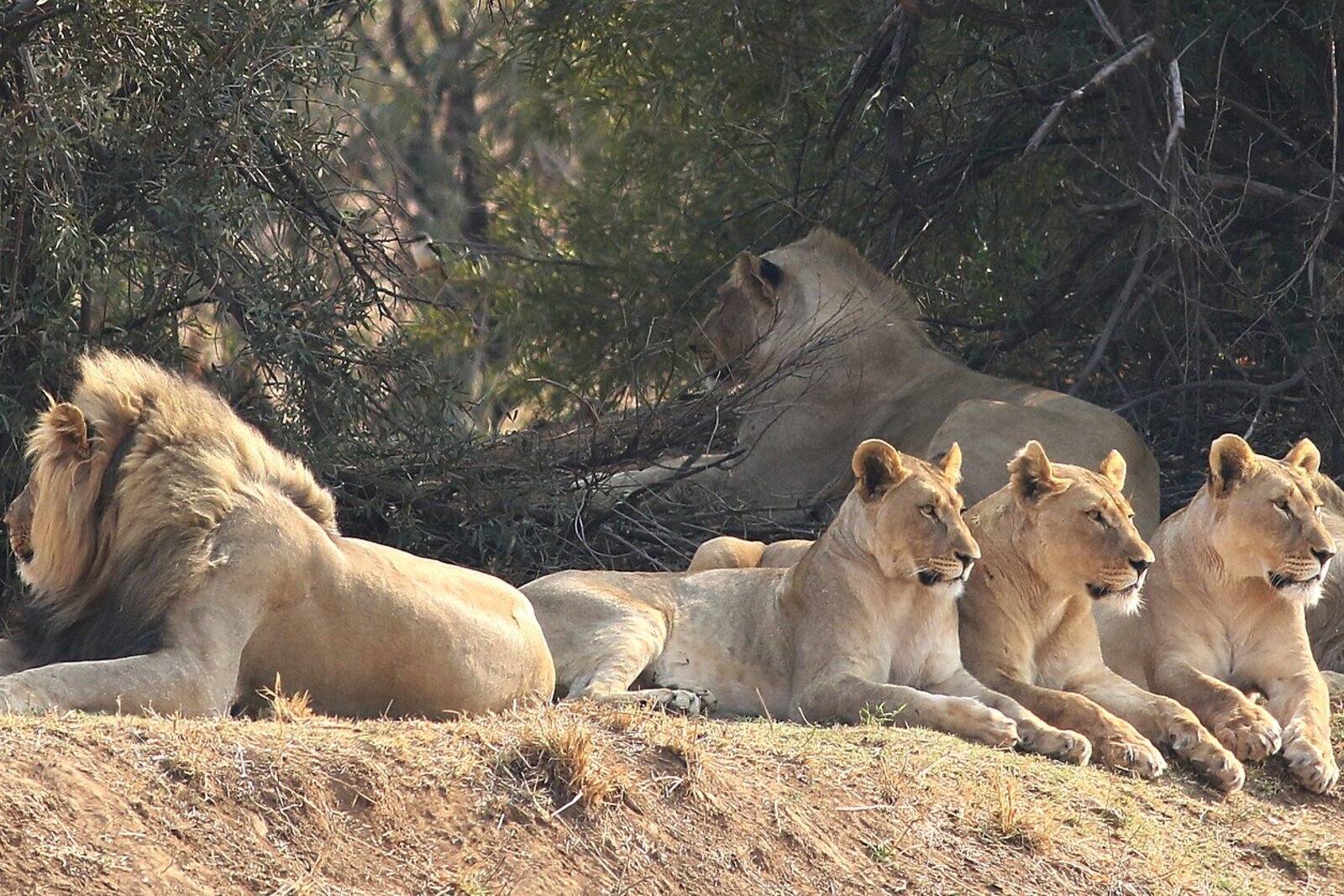
Kruger National Park is the beating heart of South African safari — two million hectares of bushveld holding the densest, most reliable Big Five populations on the continent. On a private tour you skip the self-drive tarmac loops and stay instead in the Greater Kruger private concessions and reserves — Timbavati, Klaserie, Balule and the Sabi Sand — that share unfenced boundaries with the national park. The animals move freely across those boundaries; the difference is that in a private concession your guide can leave the road, follow a leopard into the thickets, and run a spotlit night drive that the national park forbids.
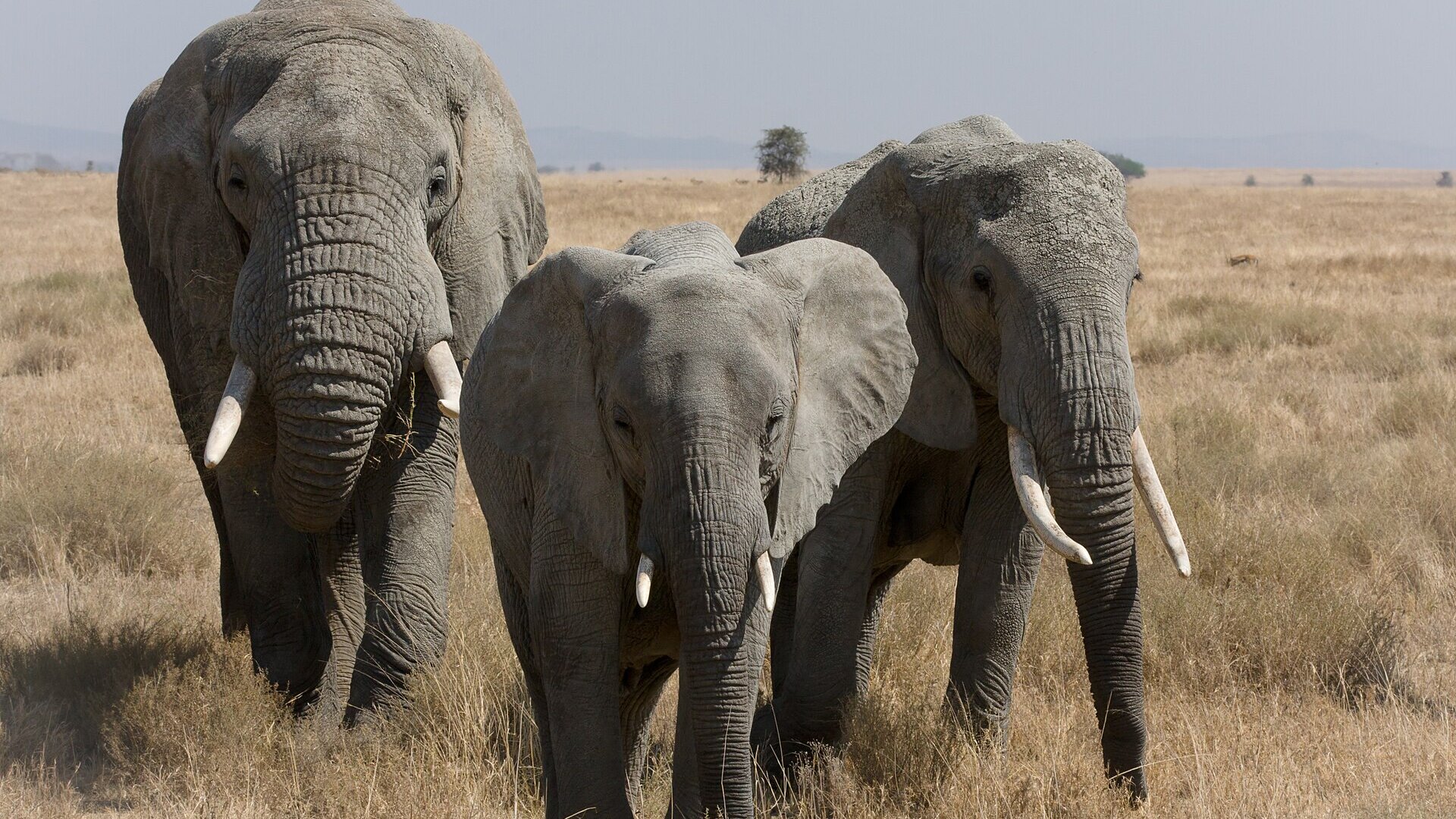
This is where a private vehicle earns its keep. Your guide radios a sighting, and instead of joining a queue you are tracking quietly with the tracker reading pug marks from the bonnet seat. Timbavati and Klaserie also offer superb value and big, wild traverses, while walking safaris let you step out on foot with an armed ranger to read the smaller stories of the bush.
Sabi Sand — The Gold Standard for Private Safaris
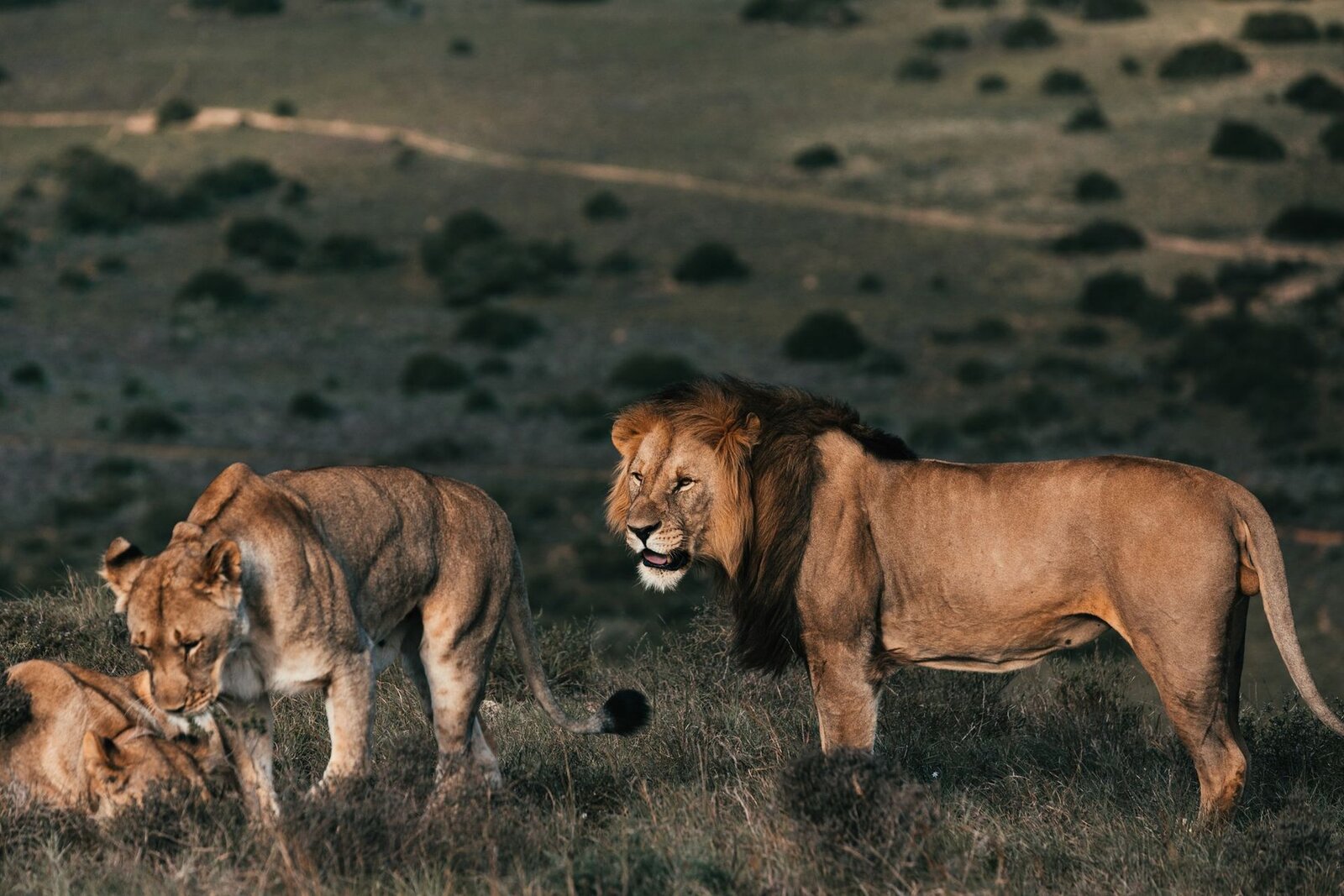
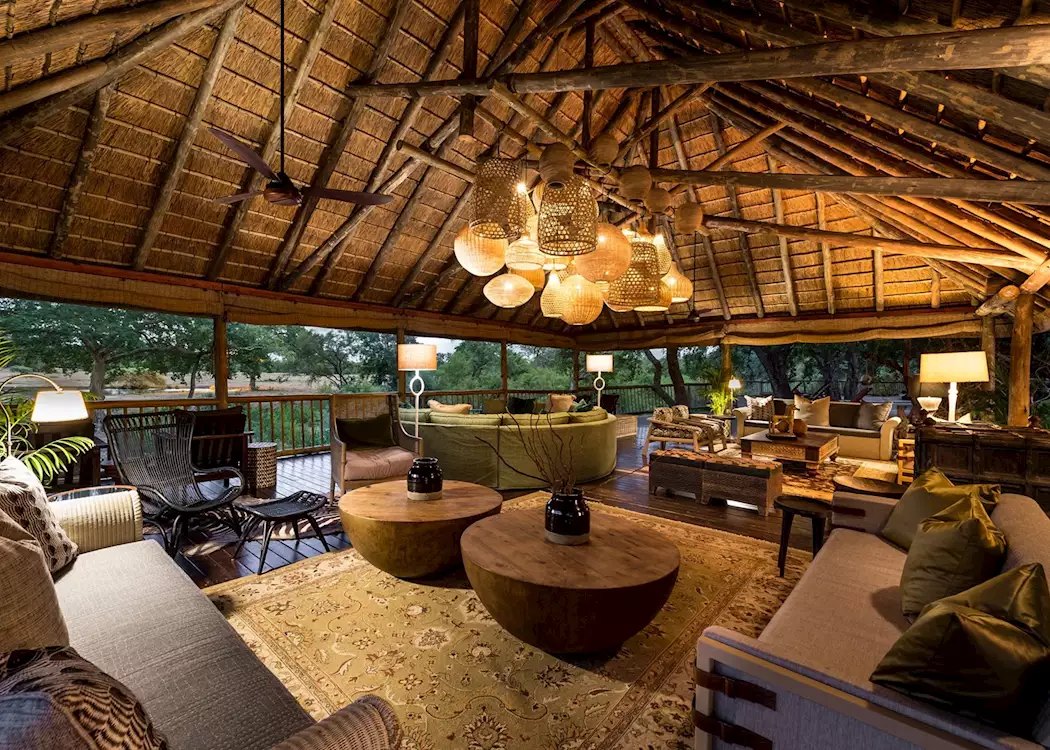
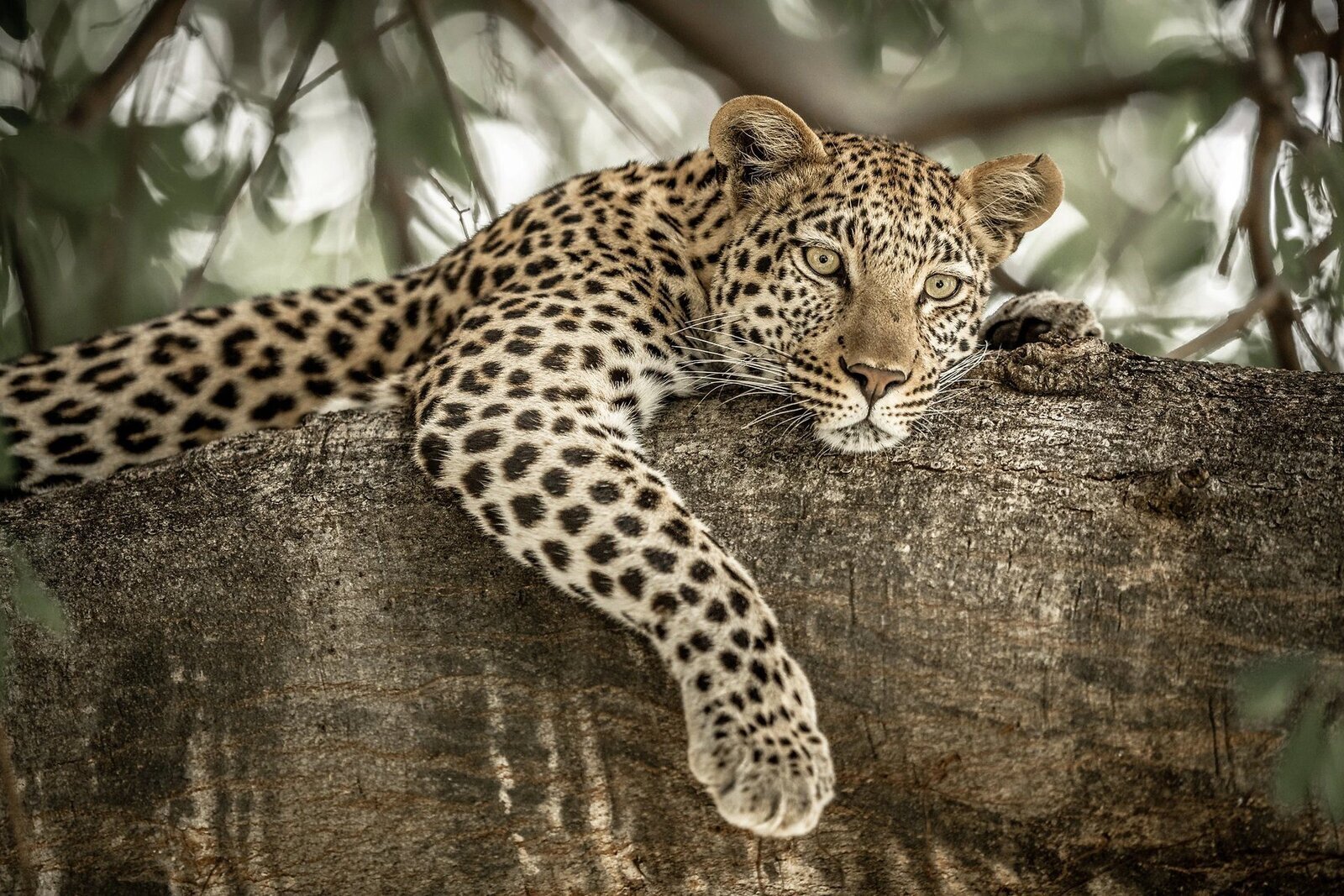
If you want the single best private safari in South Africa, it is the Sabi Sand Game Reserve. Sharing a 50-kilometre unfenced border with Kruger, Sabi Sand is world-famous for one thing above all: leopards so relaxed around vehicles that they will walk past your wheel arch as if you were part of the furniture. Decades of careful, low-volume traversing have produced generations of habituated cats, and nowhere else on earth offers such consistent, close, unhurried leopard viewing.
The reserve strictly limits vehicle numbers at any sighting and grants full off-road rights, so your private guide can follow the action into the drainage lines where the drama actually happens. Add ultra-professional guiding, world-class camps and a near-guarantee on all of the Big Five, and Sabi Sand becomes the reserve we recommend most often to first-timers who simply want the very best.
Cape Town, the Winelands & Garden Route — Your Private Combo
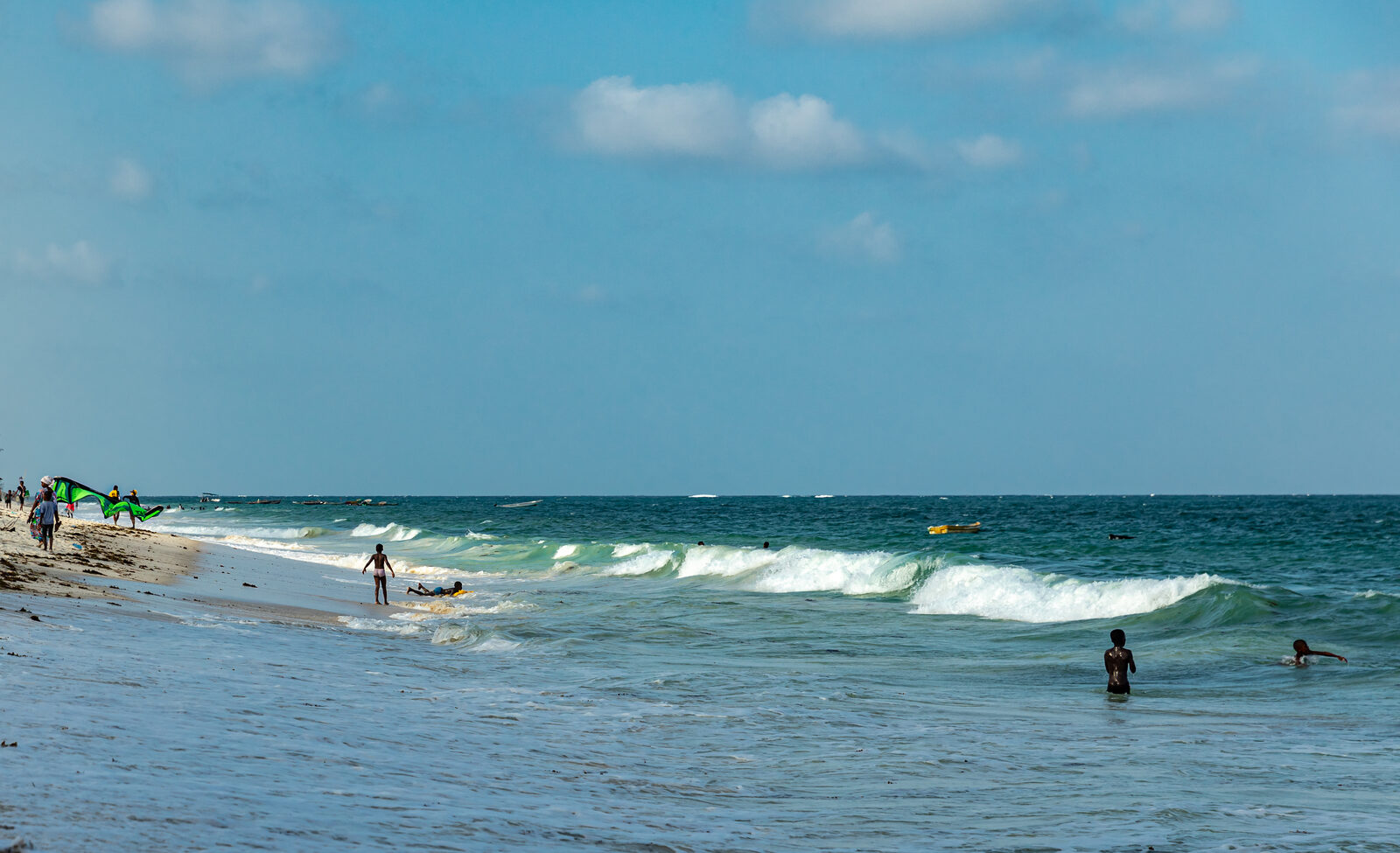
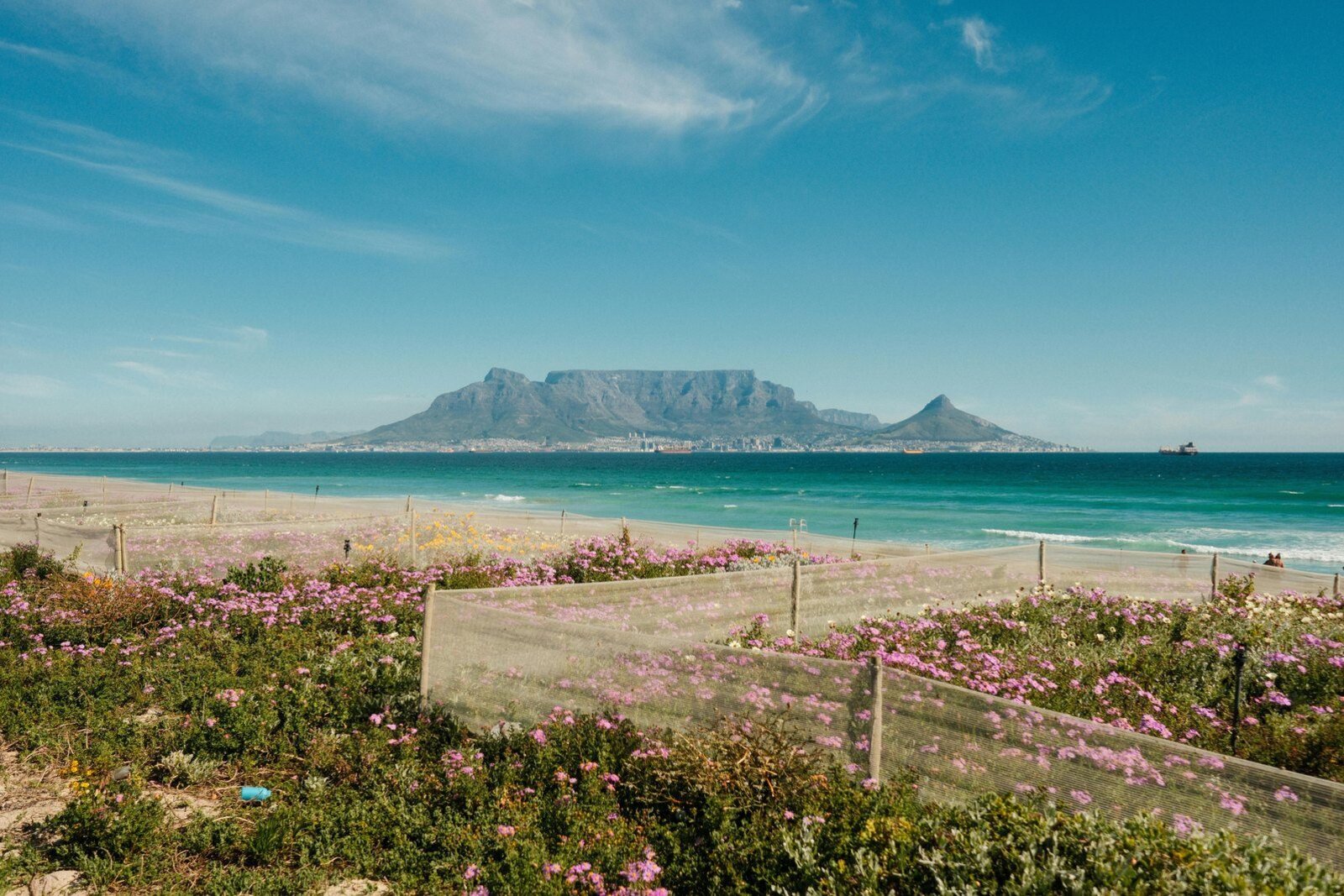
The reason discerning travellers keep choosing South Africa over other safari countries is the combination. In a single private trip you can stand on Table Mountain, taste in the oak-shaded cellars of Stellenbosch and Franschhoek, drive the coastal Garden Route, and finish tracking leopard in the bush — all linked by private transfers and short light-aircraft flights, with a private guide at each stage.
A typical rhythm gives you three or four nights in Cape Town and the Winelands to explore the Cape Peninsula, Boulders penguins, the V&A Waterfront and the wine estates, before flying to a Big Five reserve. If you want the whole journey malaria-free, we route the coast into the Eastern Cape reserves so you never trade the safari for peace of mind. Every hotel, tasting, transfer and flight is arranged and escorted so the trip flows without a single logistical worry.
Madikwe, Pilanesberg & the Eastern Cape — Malaria-Free Private Reserves
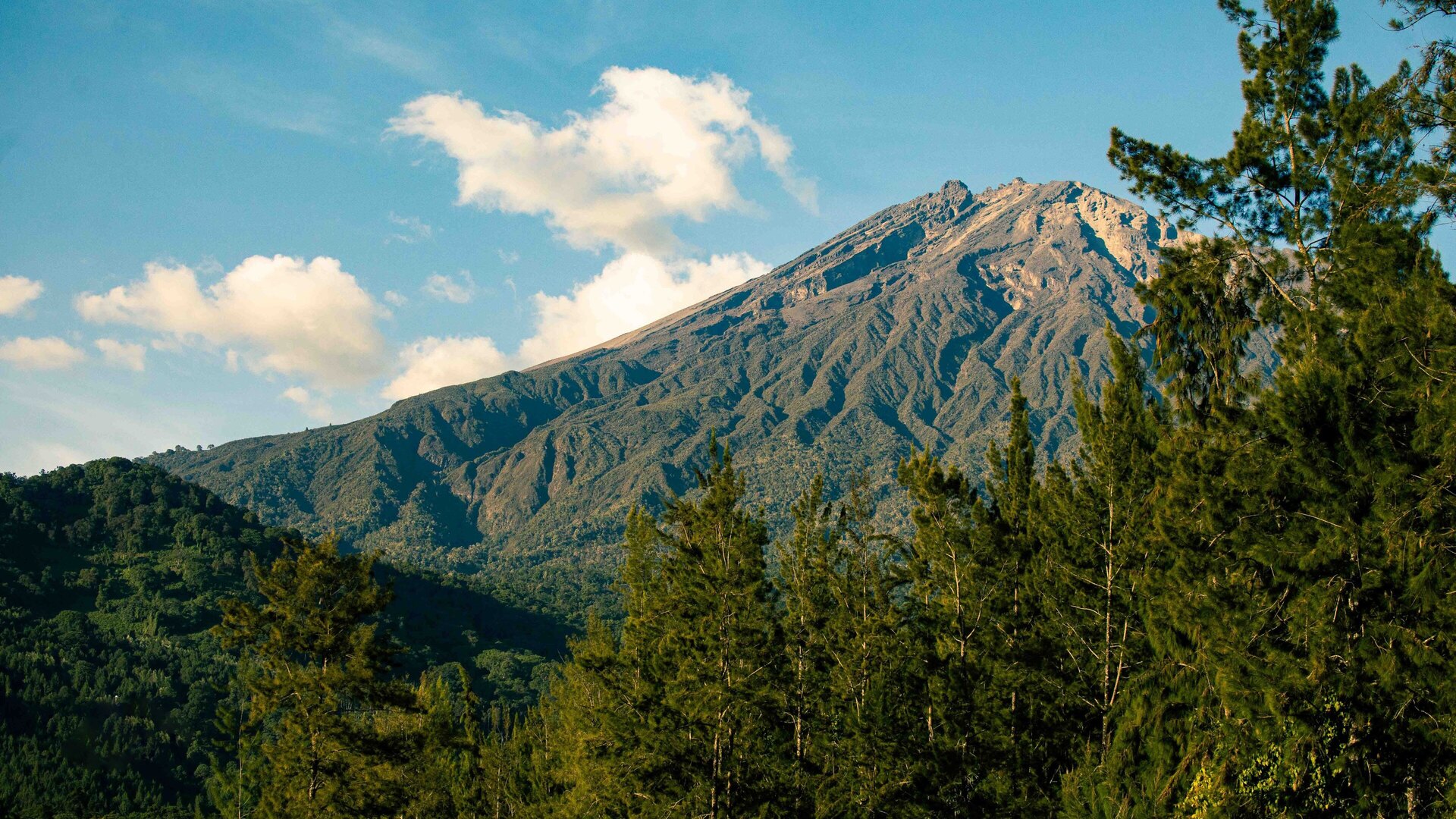
For families with young children — and for anyone who would rather not take anti-malarial medication — South Africa's malaria-free private reserves are a gift. Madikwe, on the Botswana border, is a big, wild reserve celebrated for its African wild dogs and excellent Big Five viewing, with family-friendly lodges and easy access from Johannesburg. Pilanesberg, set in an ancient volcanic crater, is closer still to the city and superb for a short, malaria-free first safari.
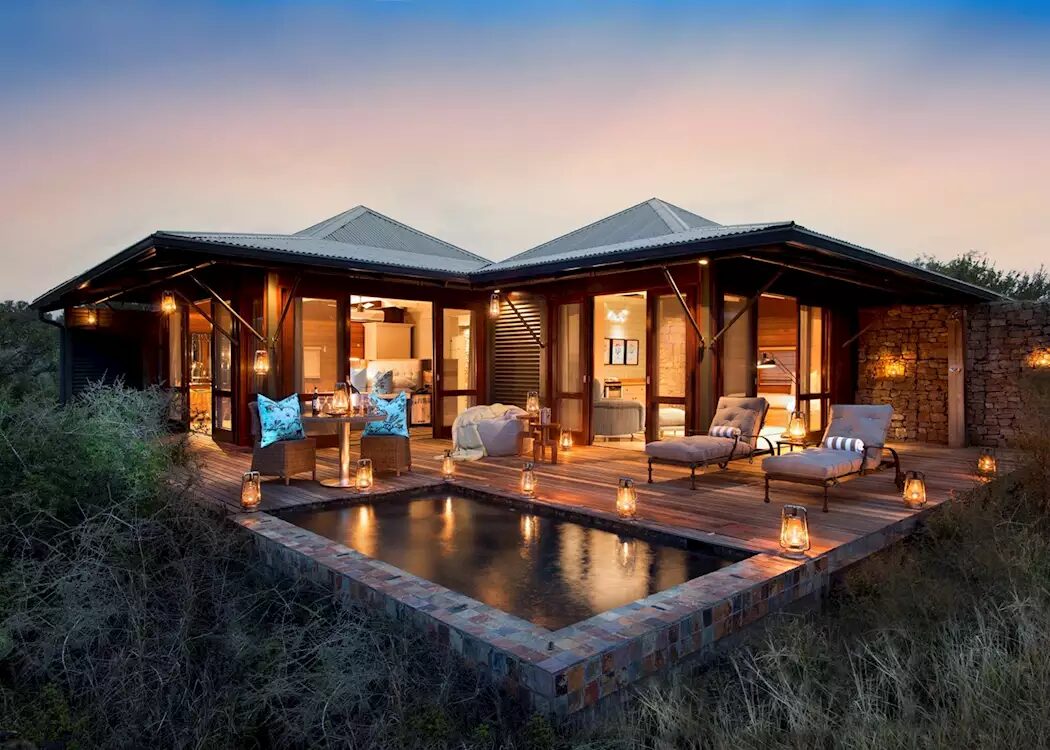
Down in the Eastern Cape, reserves such as Kwandwe and Shamwari deliver malaria-free Big Five within easy reach of the Garden Route and Port Elizabeth — the natural safari finale to a Cape and coast journey. On a private tour, all of these reserves let you set the pace for your children and choose lodges with interconnecting family suites, dedicated childminders and tailored kids' activities.
Private Reserves vs National Parks — Why It Changes Everything
The choice between a national park and a private reserve shapes the entire feel of a safari. In a national park you must stay on the roads, drives end at fixed gate times, night drives are generally off-limits, and any number of vehicles can gather at a sighting. It is affordable and rewarding — but it is a public experience.
A private reserve rewrites those rules. Guides may drive off-road to follow the animals, run early-morning and after-dark drives with a spotlight, cap the number of vehicles at each sighting, and offer guided walking. Because your lodge holds traversing rights over a defined area, the wildlife you are watching is effectively yours to enjoy without a crowd. Combine that with your own vehicle and guide, and every element of the safari answers to you rather than to a schedule.
Which South African Reserve Is Right for You?
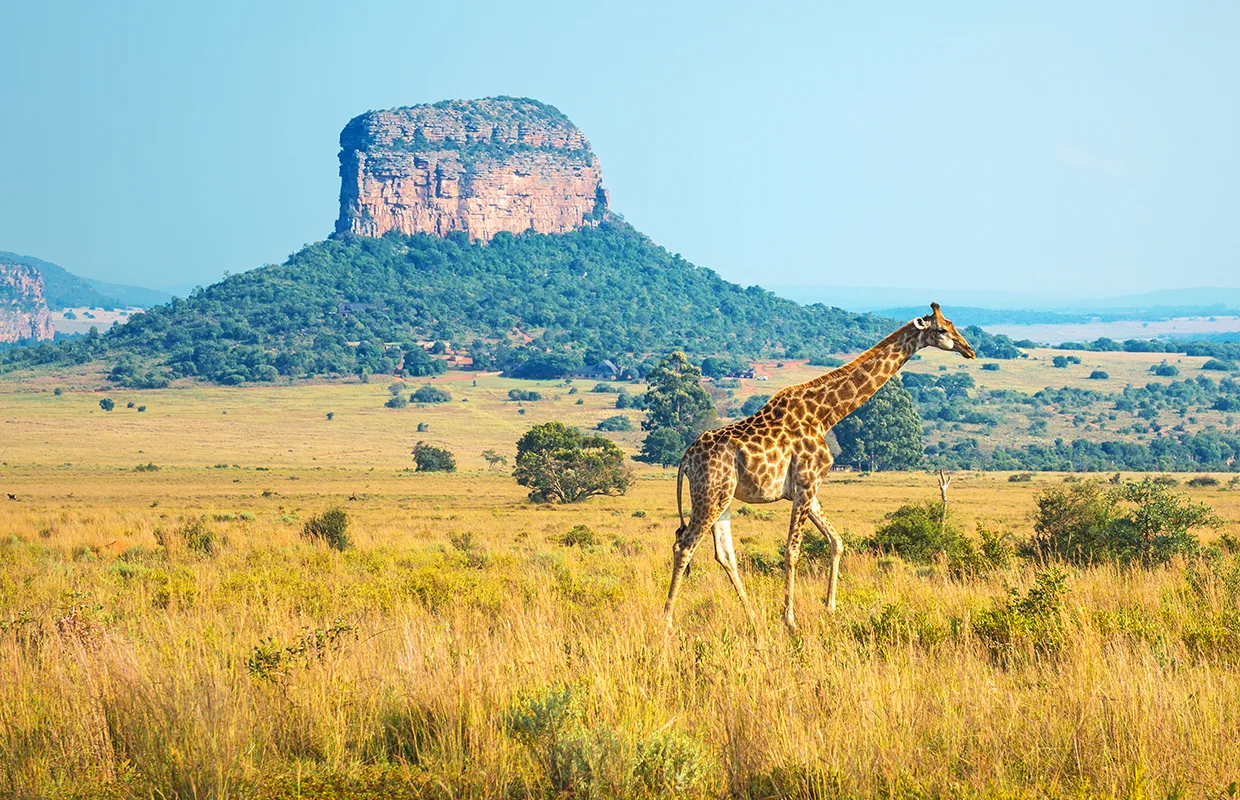
South Africa is unique among safari countries: you can pair Big Five game viewing with Cape Town, the Winelands and the Garden Route in a single trip, and choose between famous leopard reserves and malaria-free parks perfect for families. Here is how our specialists match private-safari travellers to the ideal reserve:
| You are… | Best-fit reserve | Malaria | From (pp / night) |
|---|---|---|---|
| A first-timer wanting the best | Sabi Sands | Low risk | $1,200–$3,500 |
| A family with young children | Madikwe or Pilanesberg | Malaria-FREE | $600–$1,400 |
| Combining safari with the Cape | Eastern Cape (Kwandwe, Shamwari) | Malaria-FREE | $700–$1,800 |
| Seeking classic Big Five value | Greater Kruger (Timbavati, Klaserie) | Low risk | $500–$1,100 |
| Chasing ultimate exclusivity & space | Tswalu Kalahari | Malaria-FREE | $2,500–$3,800 |
Your Private Guide, Tracker & 4x4 Vehicle
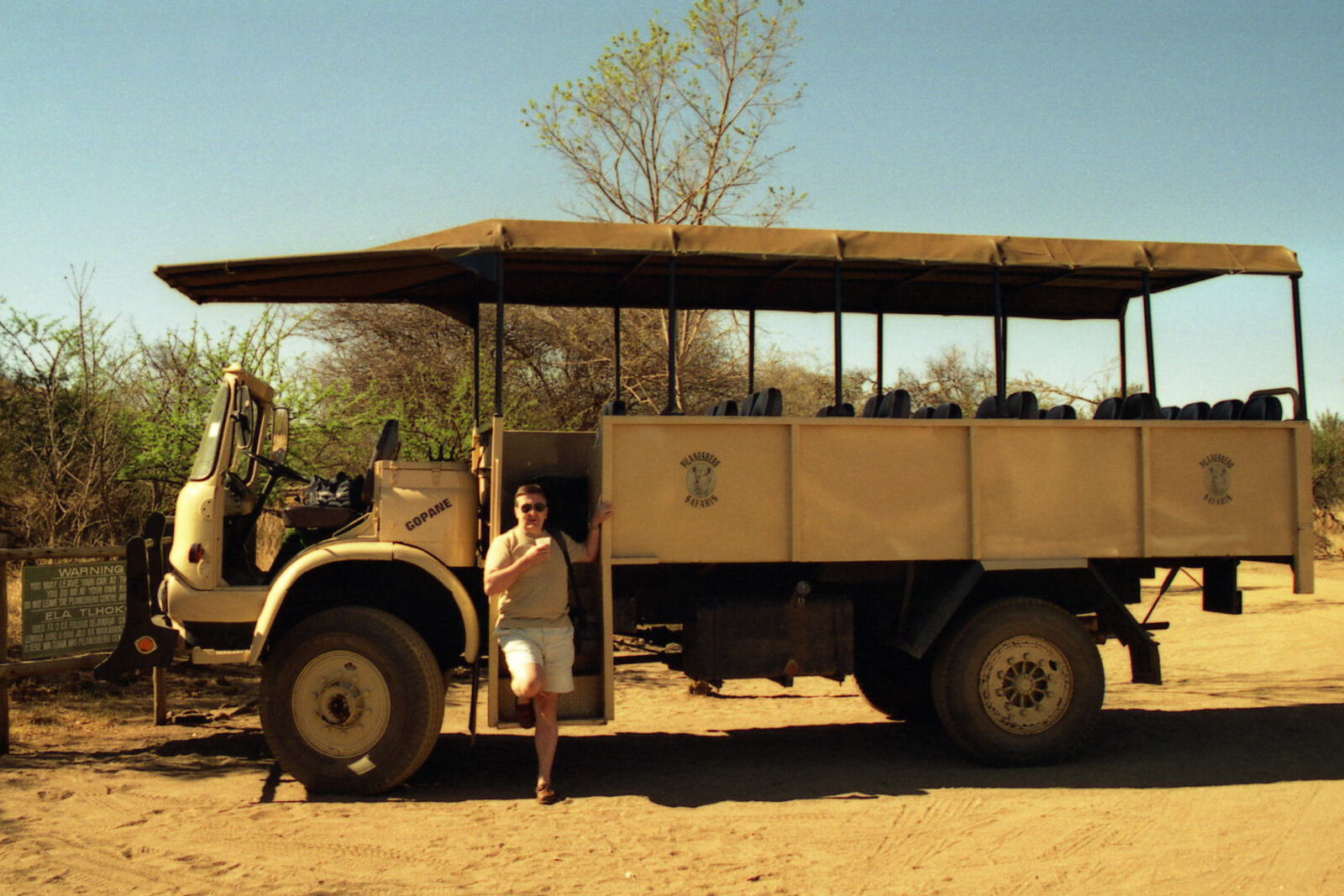
The private guide is the soul of the whole experience. On a South African private reserve you typically travel as a guide-and-tracker pair: the tracker reads the ground from a seat mounted on the front of the vehicle, spotting the fresh tracks and tiny signs that lead to a sighting, while the guide interprets behaviour and positions the 4x4. Because they work only for your party, within a day or two they know exactly what makes your safari — the photographer who needs the sun behind the vehicle, the child who lights up at elephants, the couple who would happily spend an hour with a single leopard.
A private open 4x4 also transforms the practicalities. There is no waiting for a full vehicle before departure, no compromise seat, no stranger's long lens in your frame. You leave when you choose, you break for coffee where you like, and you decide whether to chase the lion call across the reserve or sit quietly at the waterhole. For photographers and multi-generational families in particular, sole use of the vehicle is the difference between a good safari and a perfect one.
Exclusive-Use Villas & Whole-Camp Buyouts
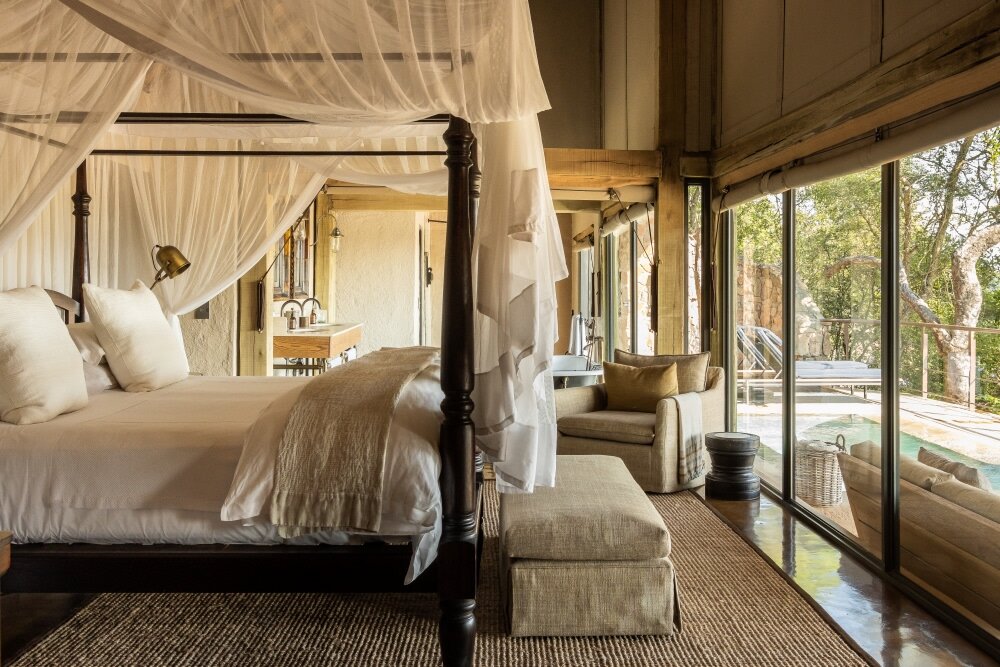
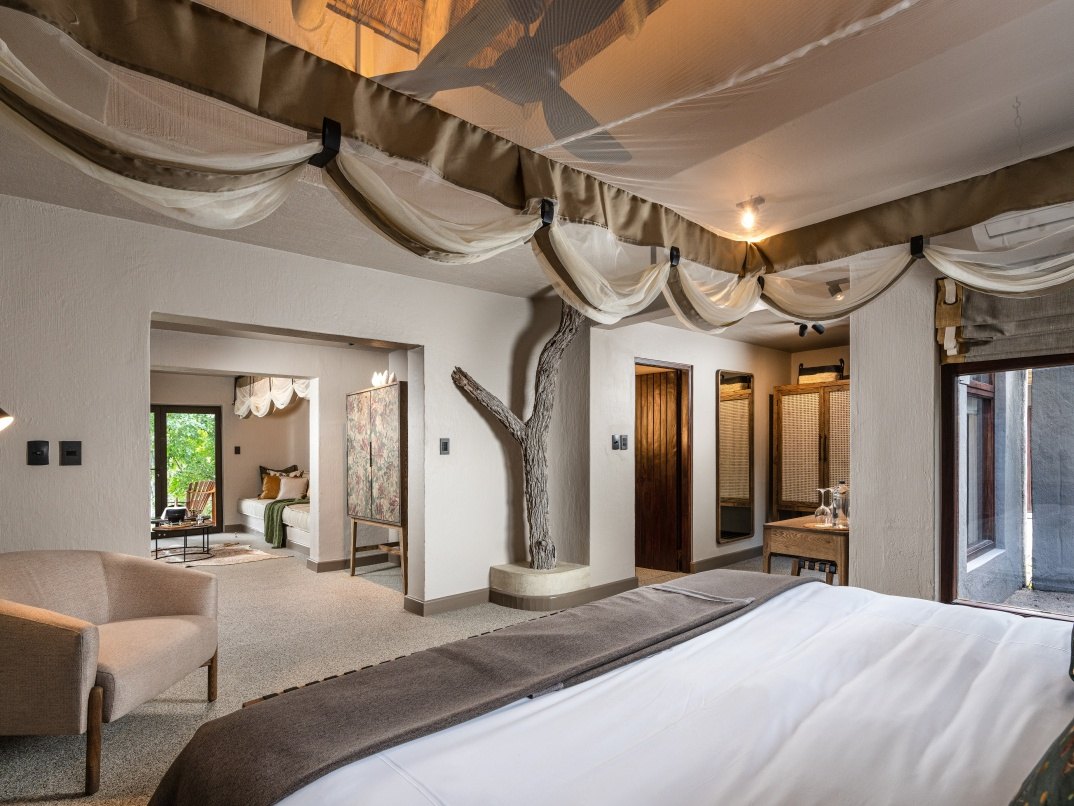
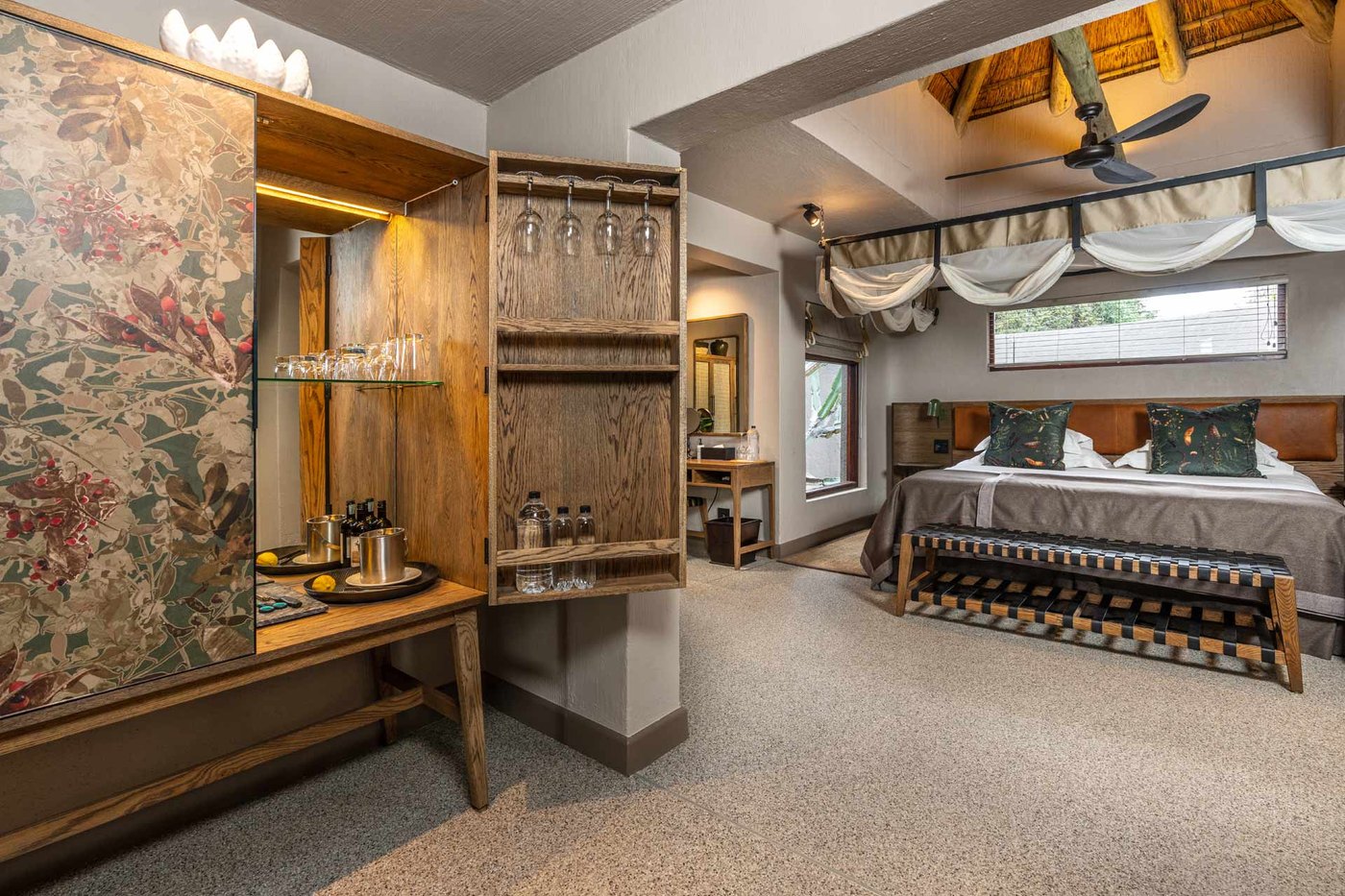
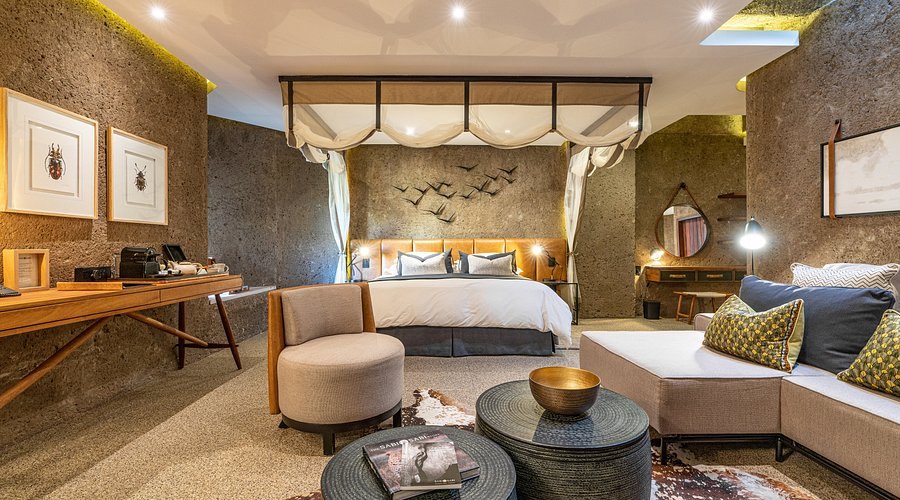
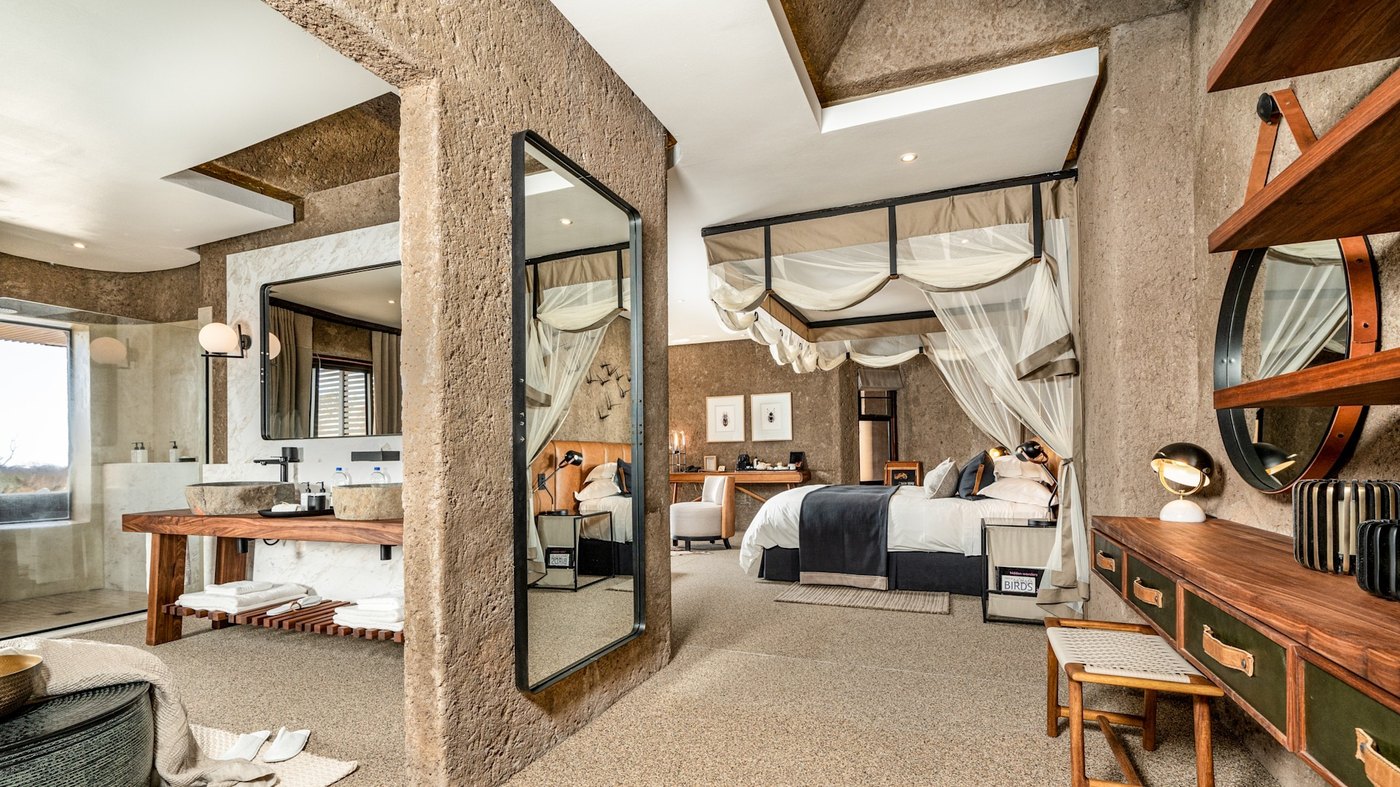
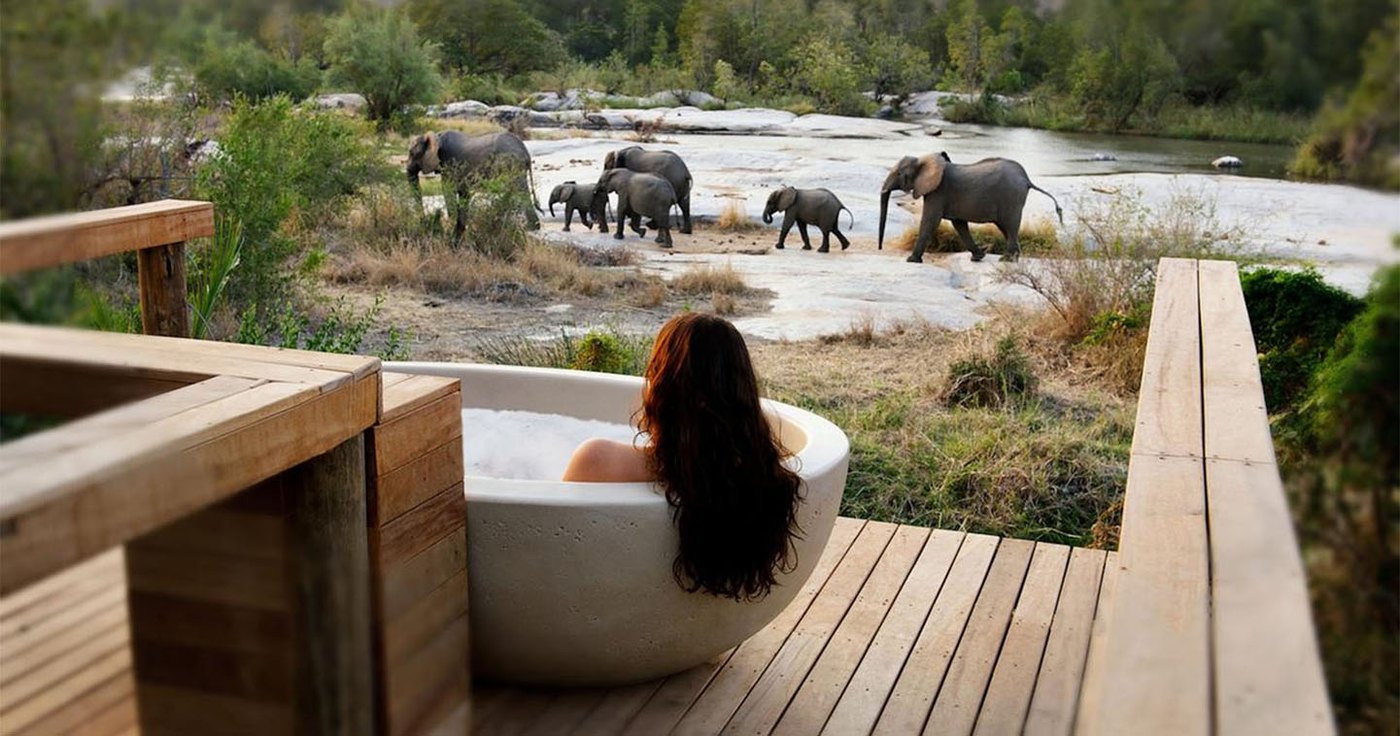
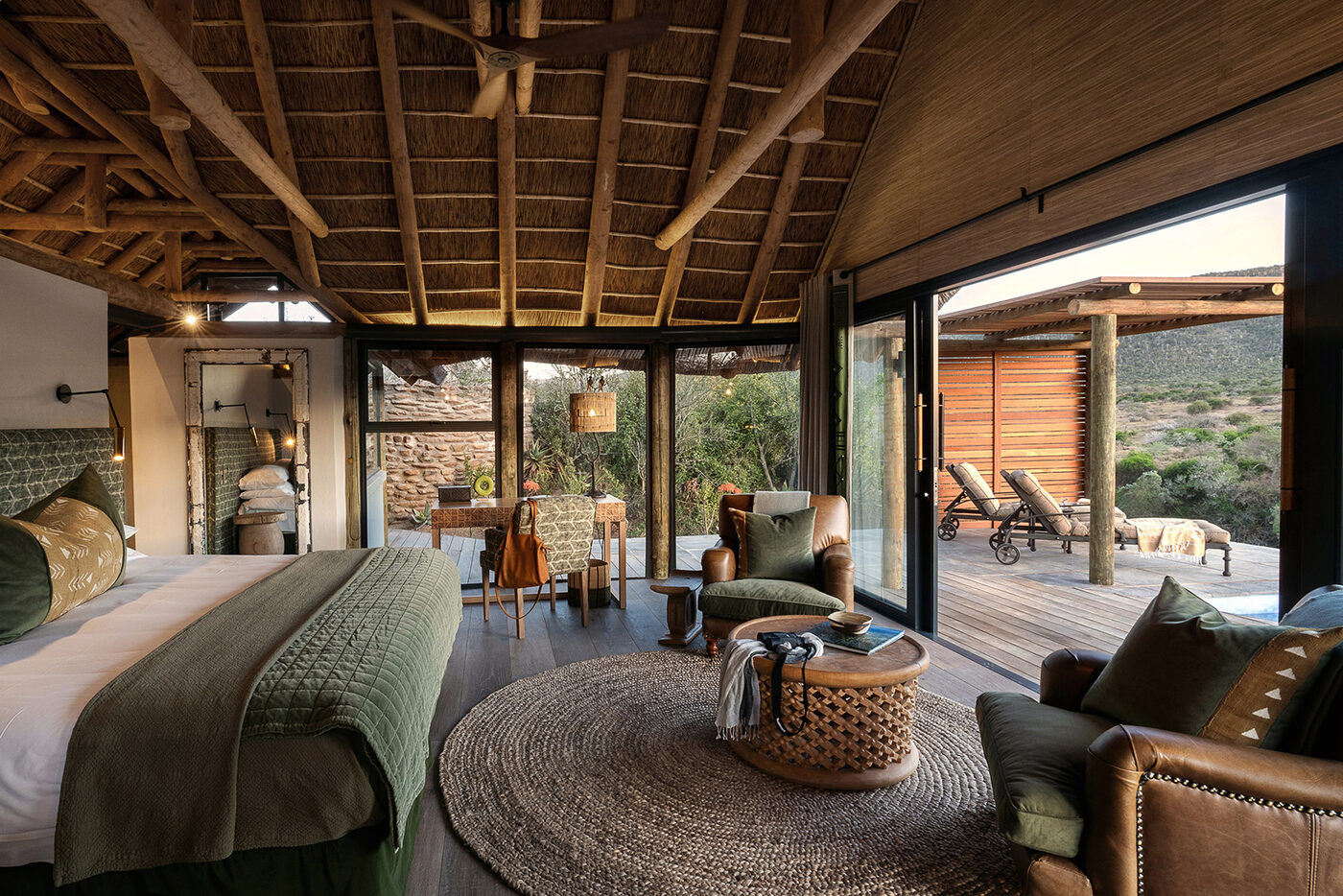
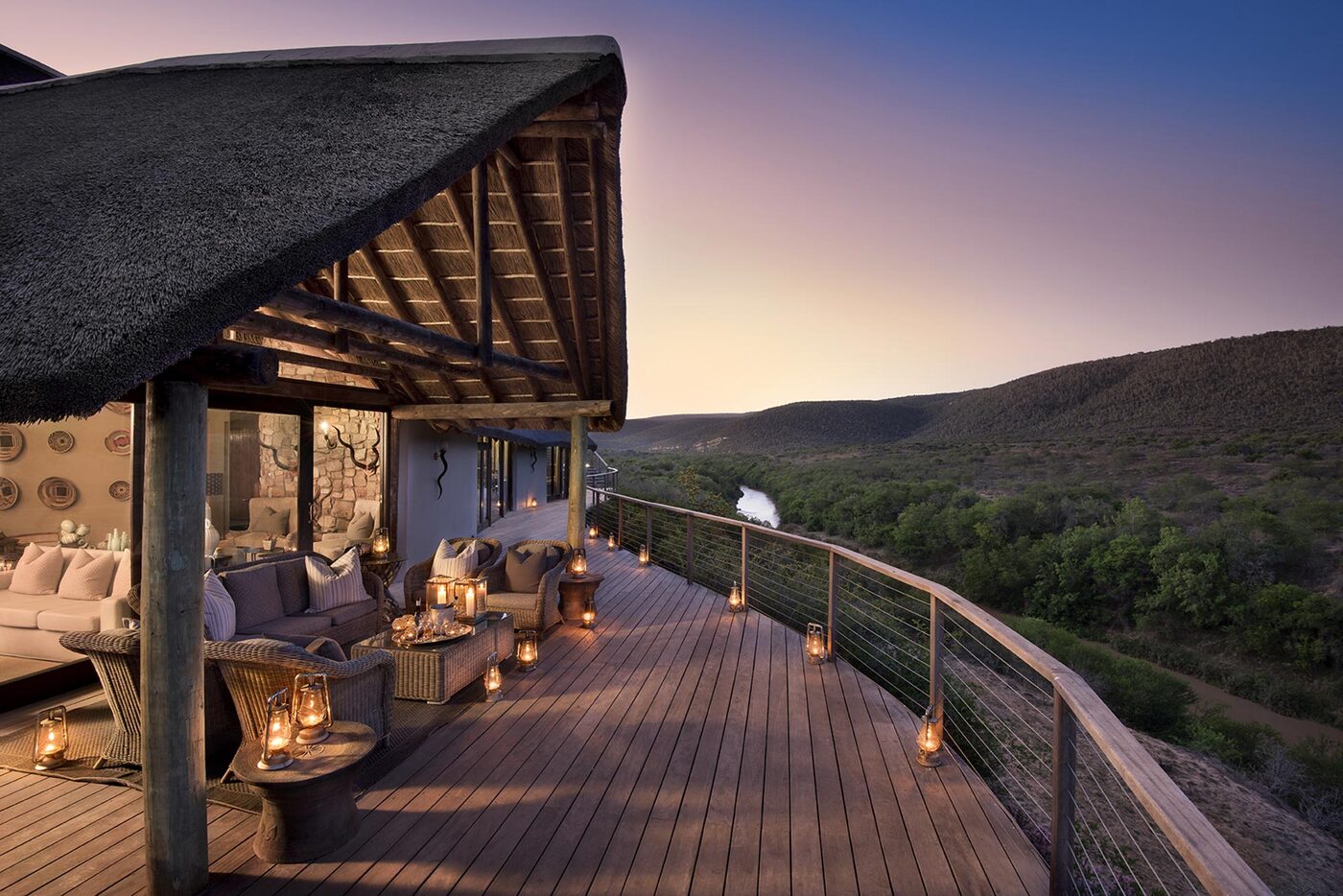
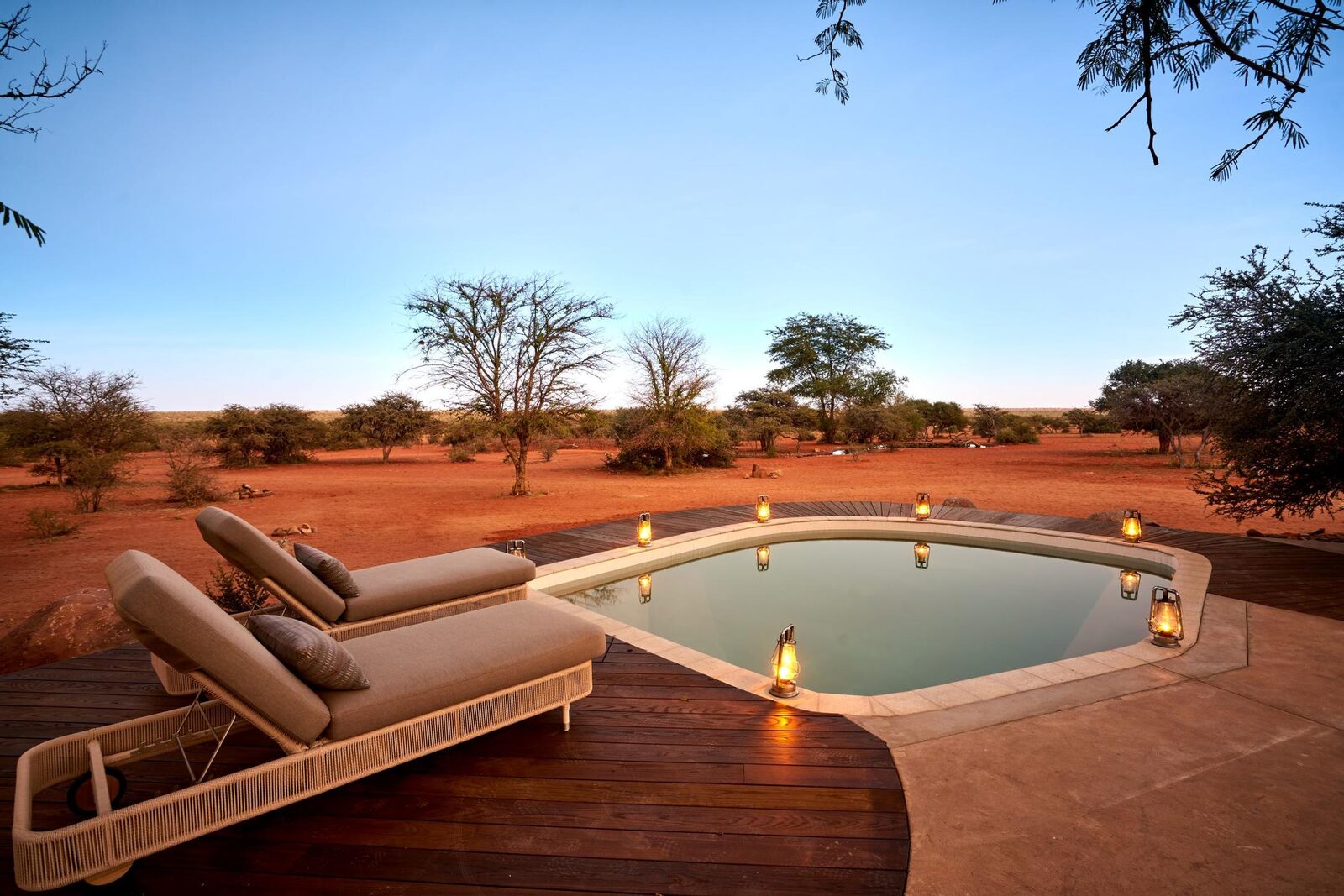
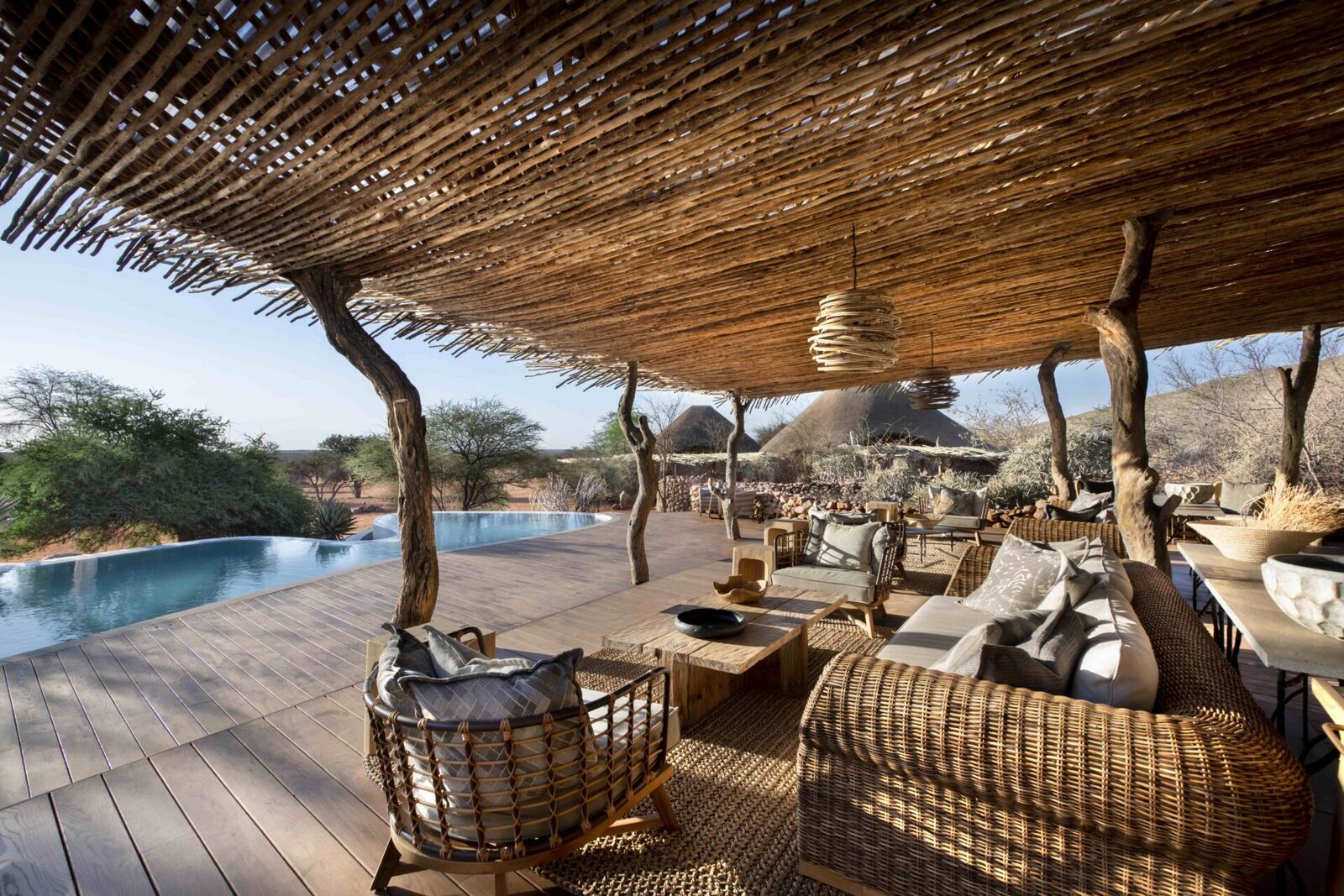
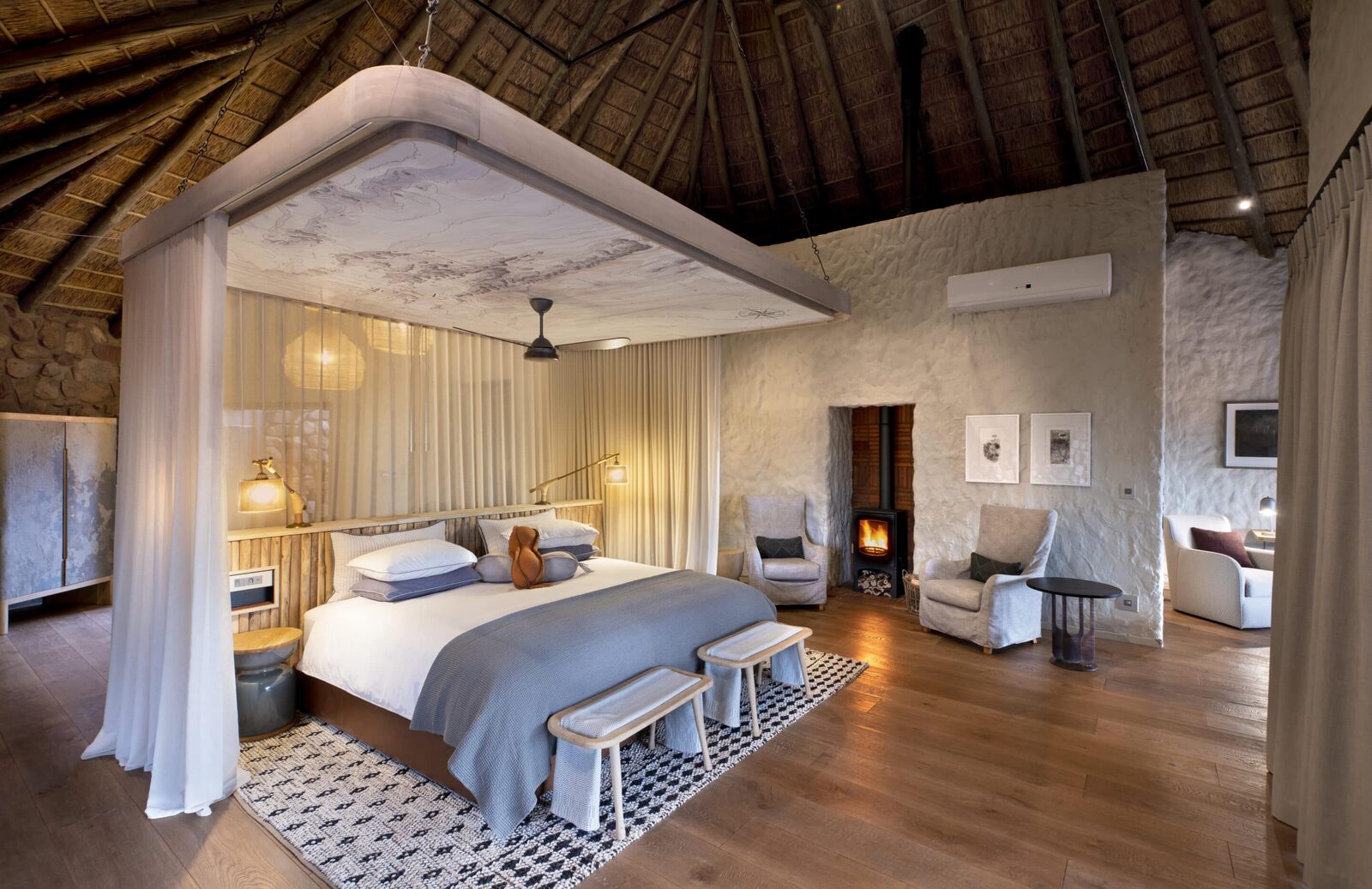
For the ultimate in privacy, many South African reserves offer exclusive-use villas — a self-contained house within the reserve, taken by your family or group alone. These typically come fully staffed with a private chef, a host or butler and, where you need it, a childminder, plus your own guide, tracker and vehicle. Meal times, drive times and menus bend entirely to you; children can be noisy, grandparents can rest, and there is no wider camp to consider.
Where a villa is not available, a whole-camp buyout achieves the same thing at a small camp — you take every suite, so the entire lodge and its guiding team are yours. Both options are ideal for multi-generational celebrations, groups of friends and families who value complete seclusion. Because these suites and villas often include the private vehicle and guide in their rate, the effective cost per person can be surprisingly reasonable once a group shares it.
2026 private reserve rates & who each suits
| Reserve | Style | From (pp / night, all-incl.) | Best for |
|---|---|---|---|
| Sabi Sands | Ultra-premium leopard reserve | $1,200–$3,500 | Big cats, first-timers wanting the very best |
| Greater Kruger (Timbavati, Klaserie) | Classic Big Five value | $500–$1,100 | Value, big traverses, walking safaris |
| Madikwe | Malaria-free family reserve | $600–$1,400 | Families, wild dogs, easy Jo'burg access |
| Eastern Cape (Kwandwe, Shamwari) | Malaria-free Garden Route combo | $700–$1,800 | Cape + safari in one trip, malaria-free Big Five |
| Tswalu Kalahari | Largest private reserve, ultra-exclusive | $2,500–$3,800 | Meerkats, pangolin, total seclusion |
Indicative 2026 rates, per person sharing, all-inclusive of accommodation, meals and twice-daily game drives (drinks vary by lodge). A private guide-and-vehicle add-on typically runs $150–$350 per day where it is not already included in the suite or villa rate. Green-season and Stay/Pay specials can lower the effective nightly rate by 20–40% — we hold these for you.
Planning Your Private South Africa Safari
Organising a private safari is a matter of matching your interests, budget and travel dates to the right reserves and lodges, then linking them seamlessly. Beyond Africa Safaris specialises in tailored South Africa itineraries that combine the iconic highlights with quieter corners most visitors never reach.
We handle every detail: lodge and villa bookings, private guide and vehicle arrangements, internal light-aircraft flights and road transfers, park and conservation fees, visa guidance, and 24/7 in-country support. You choose the shape of the trip; we make every connection invisible. Your only job is to show up and immerse yourself.
Start planning: Contact our safari specialists →
A Classic 7–10 Day Private Cape & Safari Itinerary
The trip that makes South Africa unbeatable pairs cosmopolitan Cape Town and the Winelands with a private Big Five reserve. Here is how a signature ten-day private journey flows — every element tailored, guided and seamlessly linked by private transfers and light-aircraft flights:
| Day | Location | Experience |
|---|---|---|
| Days 1–3 | Cape Town | Table Mountain, Cape Peninsula & Boulders penguins, V&A Waterfront, Robben Island — with a private guide |
| Day 4 | Cape Winelands | Stellenbosch & Franschhoek wine estates, cellar tastings and a gourmet estate lunch |
| Day 5 | Fly to the reserve | Light-aircraft flight to Sabi Sands or Madikwe; lodge welcome and first golden-hour game drive |
| Days 6–8 | Private Big Five reserve | Twice-daily off-road game drives, leopard & lion tracking, bush walks and bush dining |
| Day 9 | Garden Route option | Or fly to the malaria-free Eastern Cape / Addo for coast, elephants and a Kwandwe finale |
| Day 10 | Departure | Final sunrise drive or leisurely breakfast; private transfer to the airport |
A classic 7–10 day private Cape & safari combination typically ranges from about $9,000 to $28,000 per person depending on lodge category and season. Shorter safari-only trips and longer add-ons (Victoria Falls, Mozambique beaches) are easily arranged.
Private Safaris for Families & Multi-Generational Groups
South Africa is arguably the best safari country in the world for families, and going private is what makes it effortless. A private vehicle means a three-hour drive can become a gentle ninety minutes when little ones tire, with a stop for hot chocolate under a tree. Malaria-free reserves remove the biggest health worry, and many lodges run dedicated children's programmes — junior ranger activities, tracking lessons, and childminders so parents can enjoy an evening drive in peace.
For grandparents, parents and children travelling together, an exclusive-use villa or whole-camp buyout is transformative: everyone under one roof, meals when it suits the group, and a single guiding team that quickly becomes part of the family. We build multi-generational trips constantly and know which lodges genuinely welcome children, which suites interconnect, and how to pace the flights and drives so nobody is exhausted.
Conservation & Community — The Private Reserve Model
Choosing a private reserve is also a choice about how your money is spent. South Africa's private reserves fund anti-poaching units, rhino protection, habitat restoration and wildlife research directly from lodge revenue — the guests are, in effect, paying for the wilderness to survive. Low vehicle numbers and strict traversing rules exist precisely to keep the impact light and the animals wild.
Many reserves also anchor the local economy, employing and training guides, trackers, chefs and conservation teams from surrounding communities, and supporting schools and clinics. When you travel privately with us, we favour lodges with a genuine conservation and community record, so your safari leaves the reserve, and the people who protect it, stronger than it found them.

When to Book (2026 Timeline)
12–18 months out: Secure the icons (Singita, Londolozi, MalaMala in Sabi Sands; Tswalu) for peak dry-season dates (Jun–Oct) and school-holiday family suites at Madikwe — the finest rooms and exclusive-use villas sell out first.
9–12 months out: Book premium lodges, your Cape Town hotels and the internal flights that link the Cape to the reserve — these fill quickly in high season.
6–9 months out: Great-value greater-Kruger and Eastern Cape lodges, plus green-season stays, still have strong availability and often carry Stay/Pay specials.
Any time: Talk to us early — we hold provisional suites, layer in honeymoon and Stay/Pay offers, and lock the right reserve before 2026 rates rise.
Why Choose Beyond Africa Safaris
For over a decade, Beyond Africa Safaris has curated life-changing private journeys across Africa. Our South Africa specialists live and breathe the destination, maintaining personal relationships with lodge managers, conservation teams, and the continent's finest private guides and trackers.
We don't sell package tours — we design bespoke experiences. Whether you want sole use of a leopard-rich corner of the Sabi Sand, a malaria-free family villa near the Cape, or a whole-camp buyout in the Kalahari, your safari reflects your dreams, not a template.
Our commitment extends beyond booking: we're available 24/7 during your journey, monitor flight changes, coordinate surprise celebrations, and ensure every element exceeds expectations. When you travel with us, you're family.