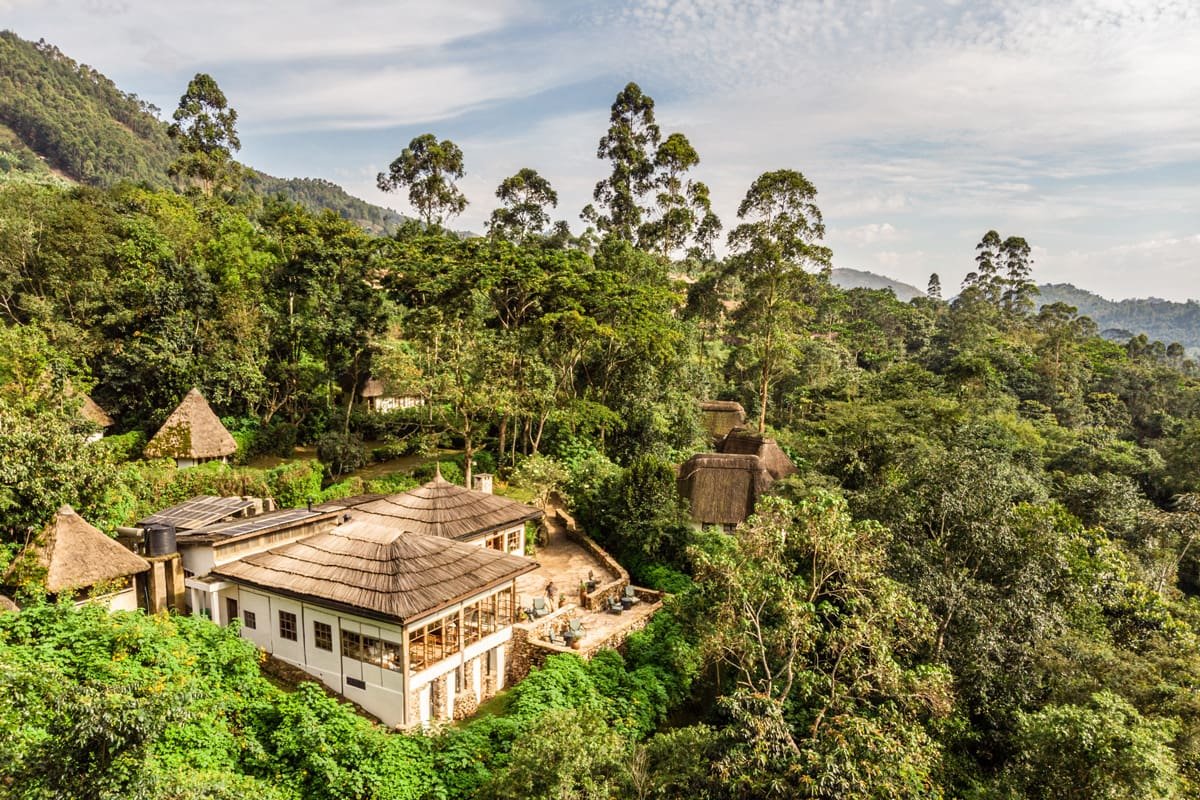
Key Takeaways
- Uganda is three safaris in one country. The Southwest Primate Trail (Bwindi gorillas, Kibale chimps, Queen Elizabeth), the Northern Savanna (Murchison Falls, Ziwa Rhino Sanctuary) and the Remote Frontier (Kidepo Valley) each deliver a completely different experience.
- Start with gorillas. Bwindi Impenetrable Forest — home to roughly half the world's mountain gorillas — is the reason most visitors come, and it deserves to anchor your trip.
- Add chimps and tree-climbing lions. Kibale Forest and Queen Elizabeth National Park are a natural next step, giving you Africa's best primate diversity plus the famous Ishasha lions lounging in fig trees.
- Go north for raw savanna. Murchison Falls and the remote Kidepo Valley add big plains game, Nile boat safaris and genuine wilderness far from the crowds.
- Best time: the dry seasons — June to September and December to February — for the easiest gorilla trekking and clearest game viewing.
Uganda packs more biodiversity into its borders than almost any country in Africa. Mountain gorillas in misty forest, chimpanzees crashing through the canopy, tree-climbing lions dozing in fig trees, the Victoria Nile thundering through a seven-metre gap, and a remote northern valley where cheetahs and ostriches share the plains with lions — all within a country smaller than the United Kingdom. The challenge is not whether Uganda is worth a safari. The challenge is choosing where to go.
This guide ranks the ten safari destinations in Uganda worth building a trip around — not as a park checklist, but as trip-planning building blocks. For each, we tell you what it is genuinely best for, when to go, how to reach it, and how to chain it with the others. For the comprehensive country overview, see our Ultimate Uganda Travel Guide. If you want accommodation detail, our Best Uganda Safari Lodges guide goes property by property. This article answers the bigger question: where should you go, and in what order?
How to Read Uganda: Four Safari Regions
Before choosing destinations, understand the geography. Uganda's safari areas cluster into four regions, and knowing them makes every other decision simple.
| Region | Headline Destinations | Best For |
|---|---|---|
| Southwest Gorillas & Chimps | Bwindi, Mgahinga, Kibale, Queen Elizabeth, Lake Mburo | Mountain gorillas, chimpanzees, tree-climbing lions, boat safaris, golden monkeys |
| Savanna Parks | Murchison Falls, Ziwa Rhino Sanctuary | Big game, Nile boat safaris, rhino tracking on foot, waterfalls |
| Northern Frontier | Kidepo Valley | Remote wilderness, lions, cheetahs, ostriches, Karamojong culture |
| Mountains & Wetlands | Rwenzori Mountains, Semliki | Afro-alpine trekking, glaciers, hot springs, lowland forest birding |
Most first-time Uganda safaris combine the Southwest primate trail + a Murchison Falls extension. Return visitors add Kidepo for raw frontier wilderness. Below, the ten destinations that make each region sing — ranked by how much they should shape your trip.
The 10 Best Safari Destinations in Uganda
1. Bwindi Impenetrable Forest — Mountain Gorilla Heartland
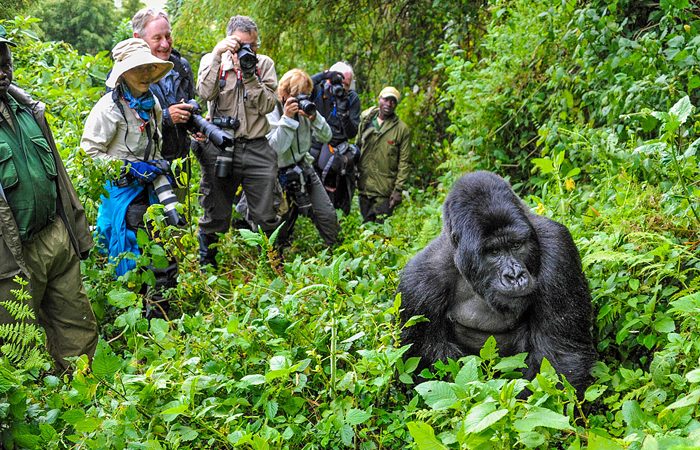
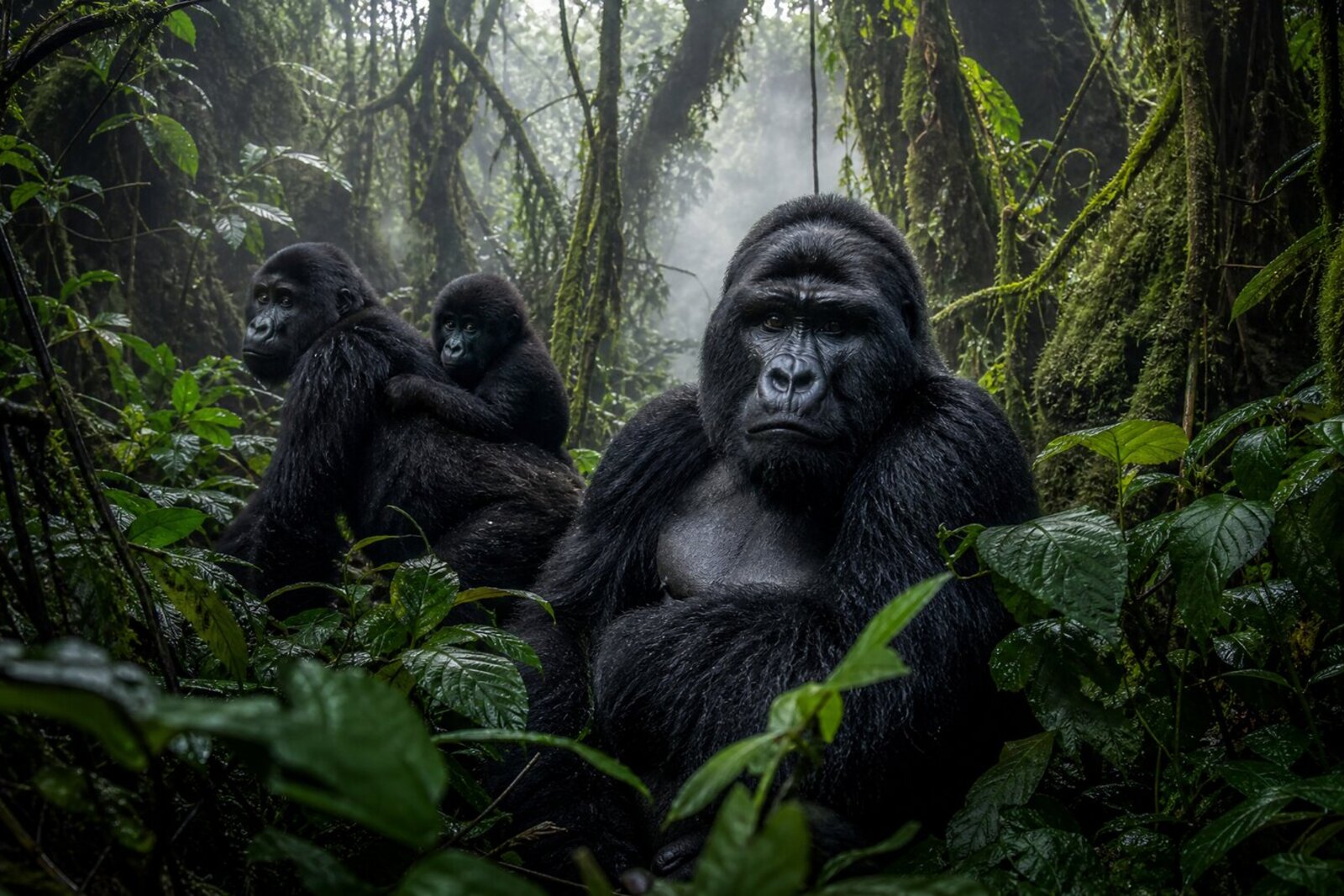
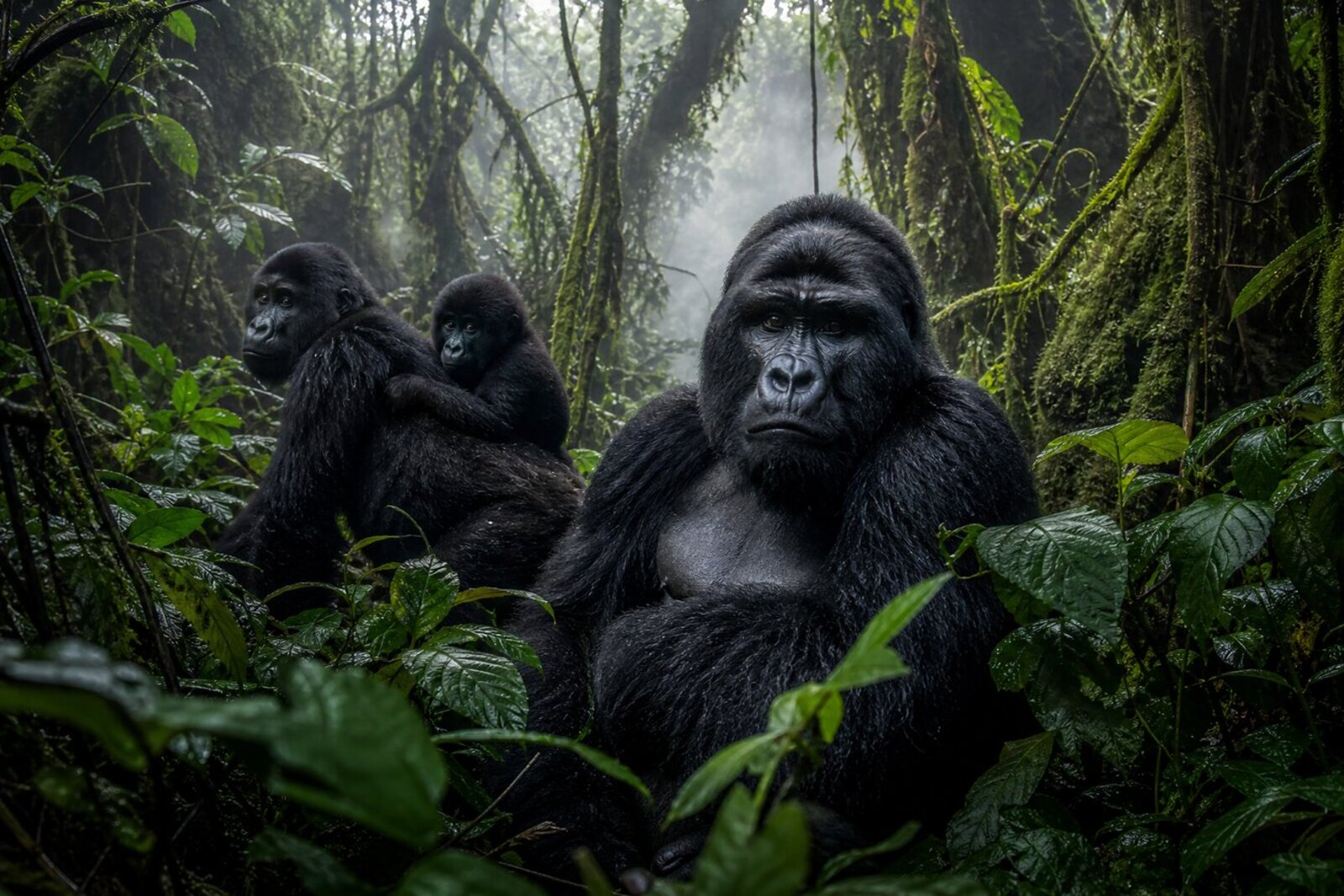
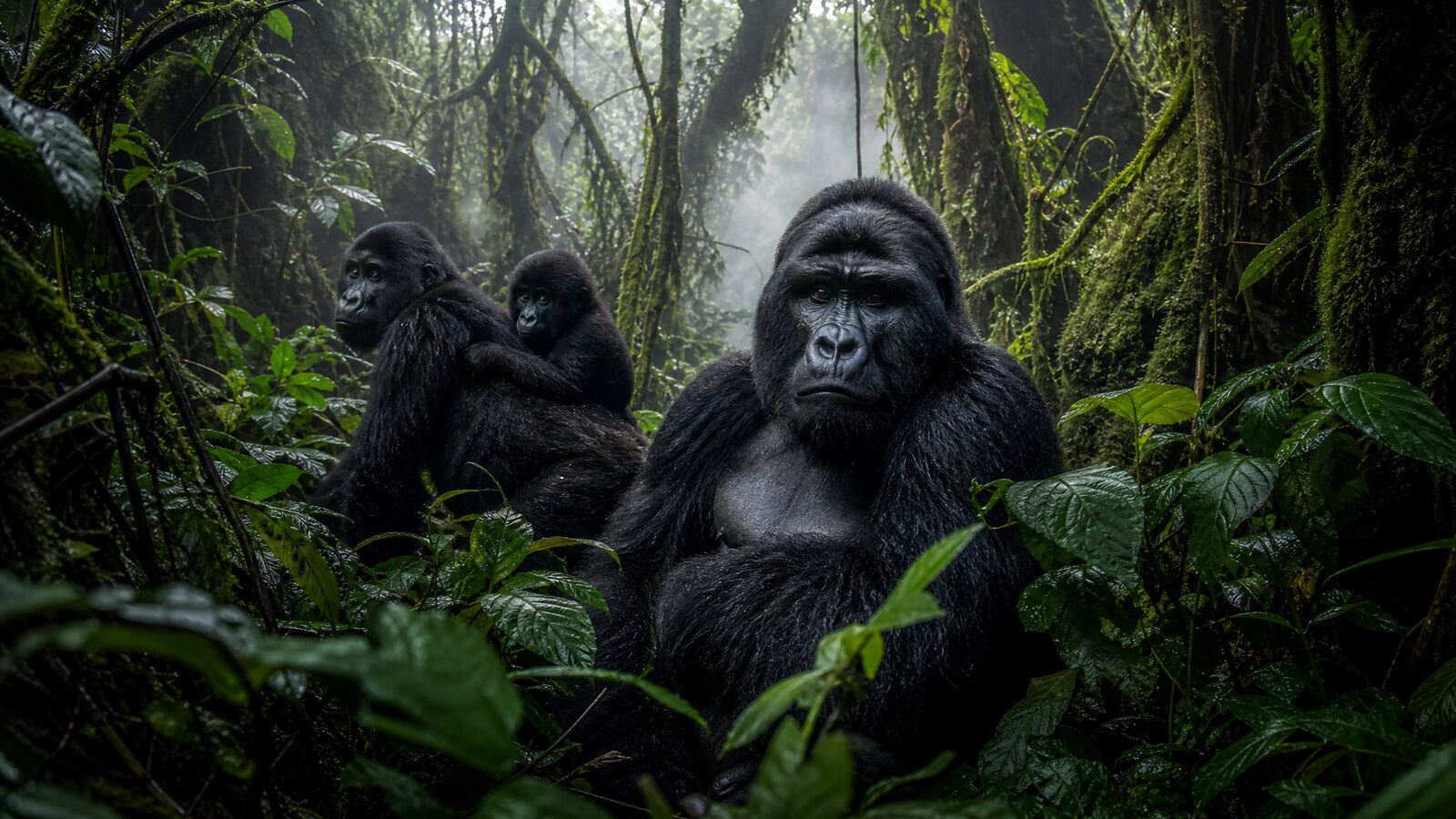
There is no safari experience on Earth quite like sitting metres from a silverback mountain gorilla in the moss-draped forests of Bwindi. This UNESCO World Heritage Site protects roughly half the world's remaining mountain gorillas — around 459 individuals across more than 20 habituated families. The trek through tangled vegetation is demanding, the forest is dark and ancient, and the encounter, when it comes, is overwhelming.
- Best for: Mountain gorilla trekking — the number-one reason to visit Uganda
- When to go: June–September and December–February (dry seasons) for easier trails; gorillas are tracked year-round
- Access: Fly to Kihihi or Kisoro airstrip (1 hr from Entebbe), or drive 8–10 hours from Kampala through stunning scenery
- Permits: US$800 per person (UWA, 2026); book months ahead. For full permit and cost detail, see How Much Does a Uganda Safari Cost.
2. Queen Elizabeth National Park — Tree-Climbing Lions & the Kazinga Channel
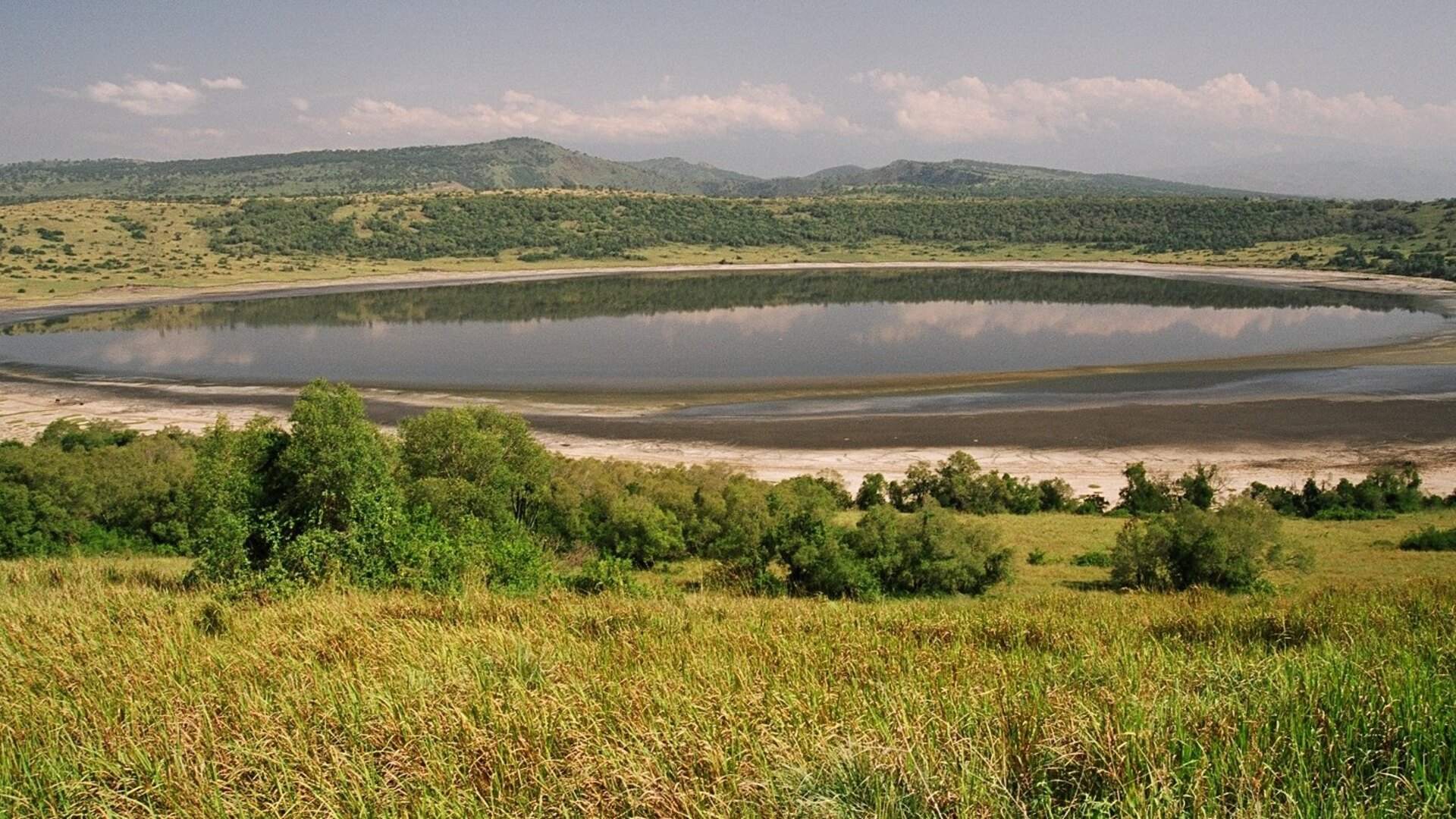
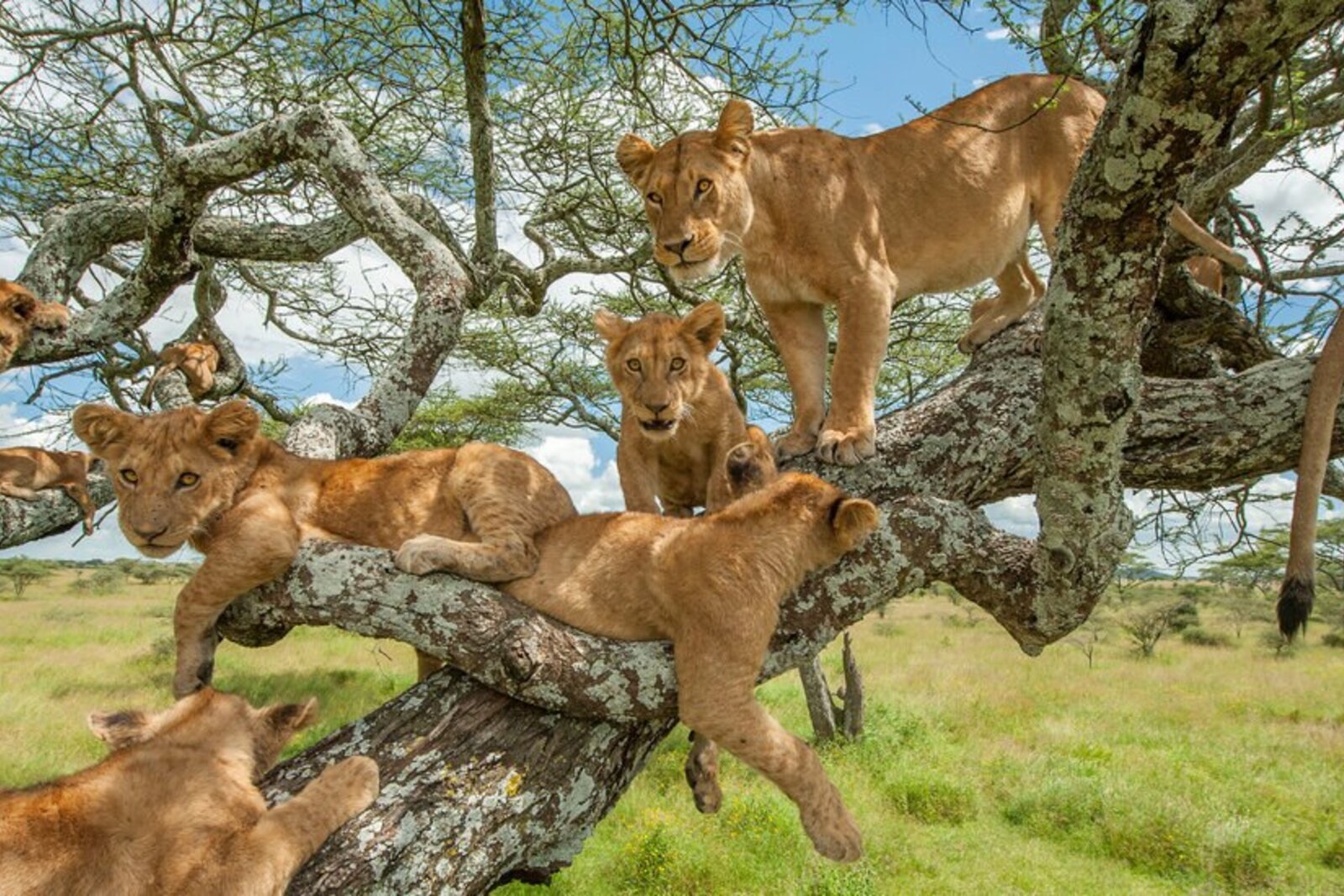
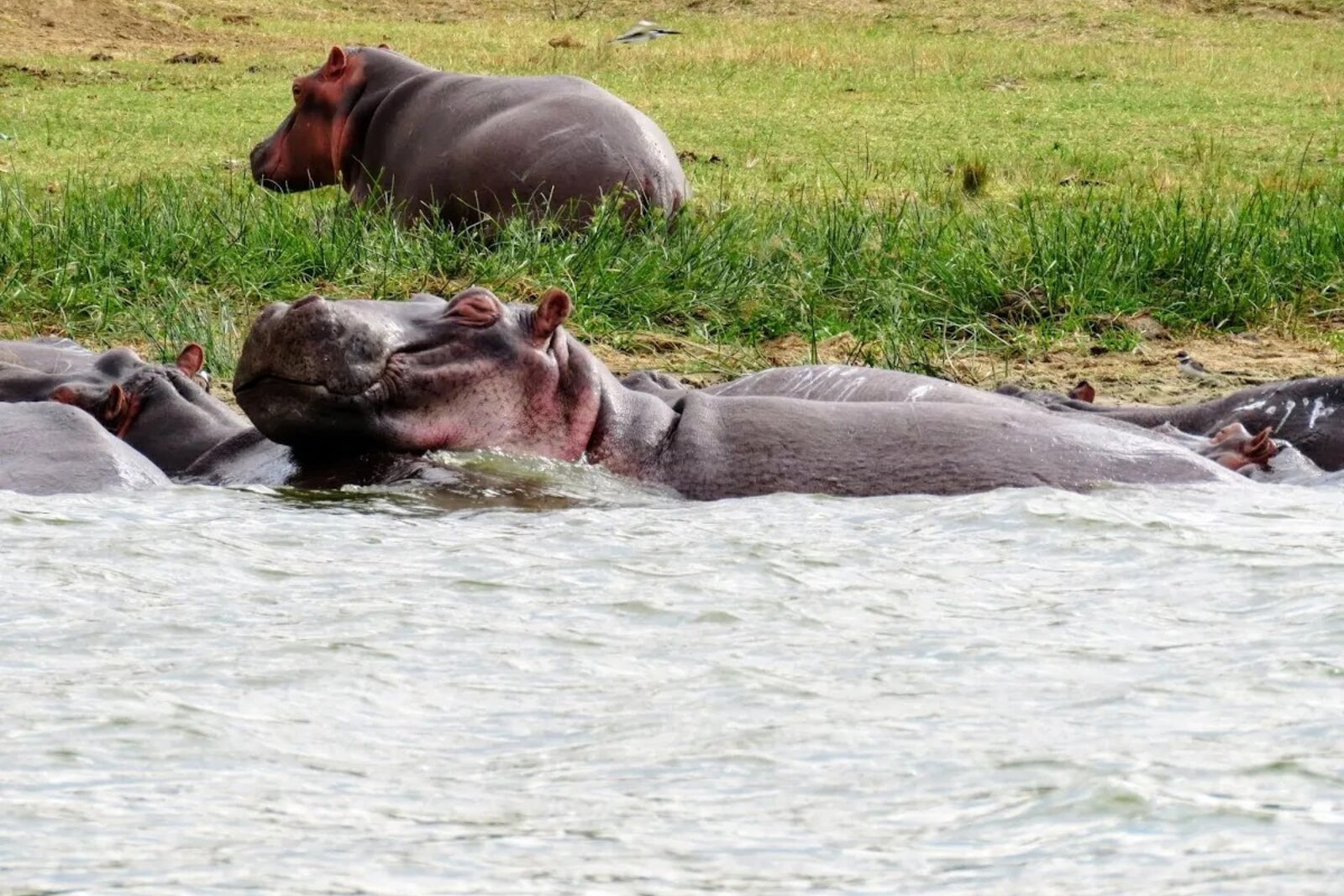
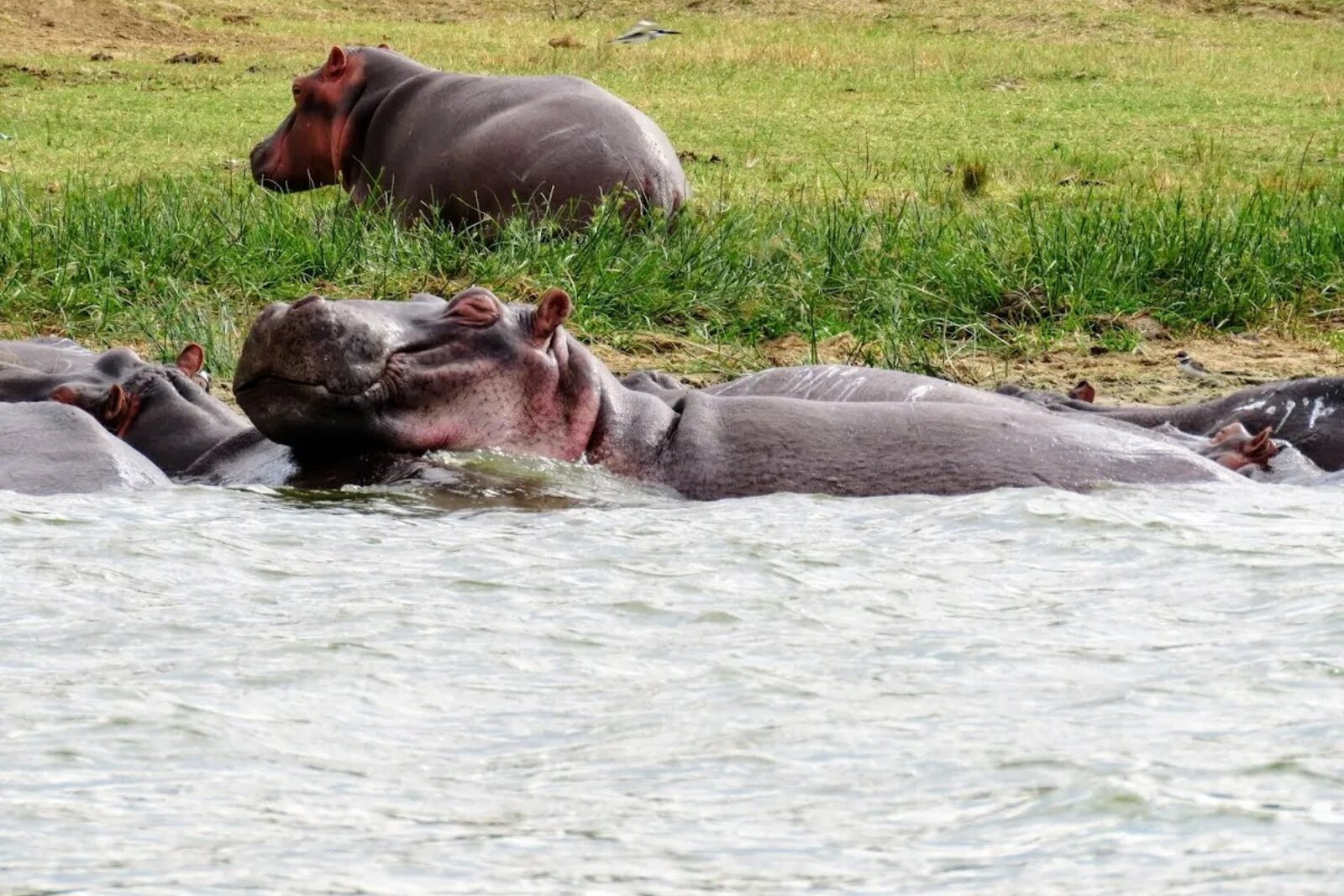
Uganda's most diverse park stretches from the crater-dotted plains of the north to the Ishasha sector in the south, where tree-climbing lions drape themselves across the branches of massive fig trees — one of Africa's most photographed sights. Between the two, the Kazinga Channel hosts one of the continent's densest concentrations of hippos, and a boat safari here is unforgettable.
- Best for: Tree-climbing lions, Kazinga Channel boat safari, crater lakes, birding (over 600 species)
- When to go: June–September and December–February for the best game viewing; birding is excellent year-round
- Access: Fly to Kasese or Mweya airstrip; a short drive from Kibale, making them a natural pairing
- Reality: Allow three nights to cover both the northern (Mweya) and southern (Ishasha) sectors properly.
3. Murchison Falls National Park — The Victoria Nile Thundering Through a Gap
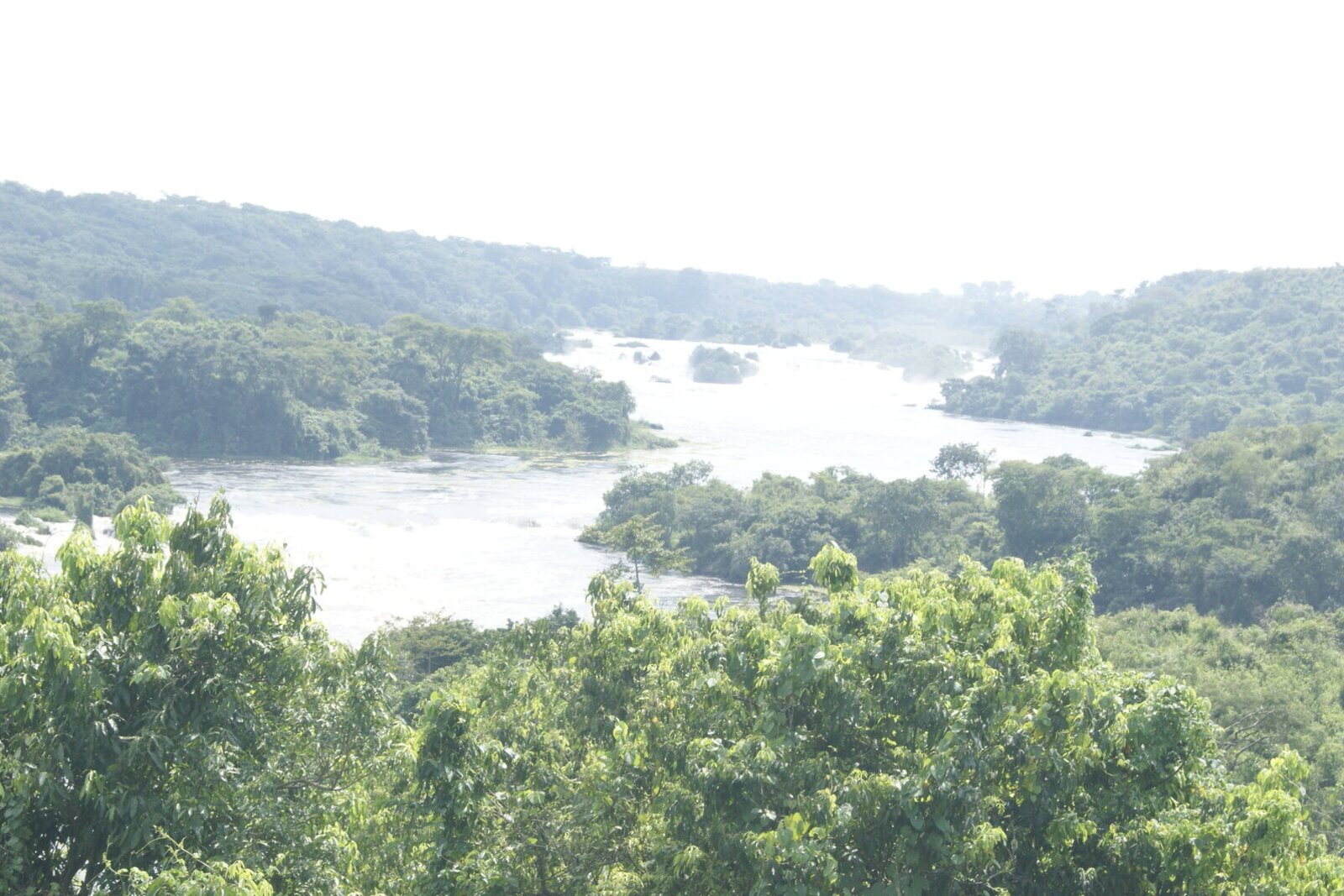
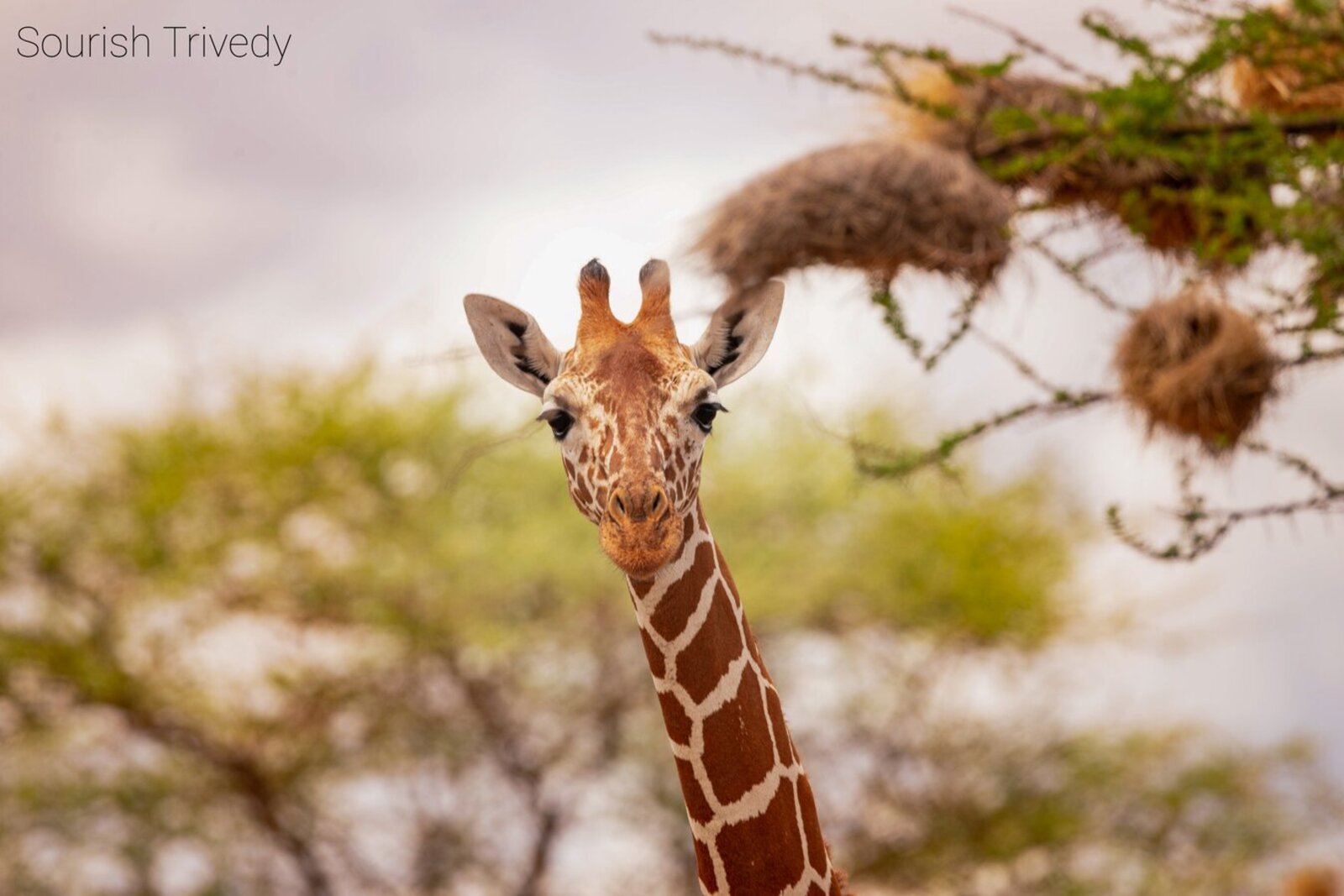
Uganda's largest national park is built around one of nature's most dramatic spectacles: the entire Victoria Nile forced through a seven-metre gap before exploding 43 metres into the gorge below. A boat safari to the base of the falls, with elephants, giraffes and enormous Nile crocodiles on the banks, is one of Africa's great experiences. The park's northern bank holds good populations of lion, leopard, buffalo and Uganda's only natural giraffe population.
- Best for: The Nile boat safari to the falls, big savanna game, giraffes, shoebill stork
- When to go: June–September and December–February for dry-season game concentration; the falls are thunderous year-round
- Access: A 4–5 hour drive from Kampala, or fly to Pakuba airstrip
- Reality: Two to three nights is ideal. Combine with Ziwa Rhino Sanctuary on the drive from Kampala to complete Uganda's Big Five.
Southwest Primates & Savanna — Bwindi, Queen Elizabeth & Murchison Falls
4. Kibale Forest National Park — Chimpanzee Capital of the World
Kibale holds the highest density of primates of any forest in Africa — 13 species, including around 1,500 chimpanzees. A chimp-tracking walk through the cathedral-like forest, listening for the pant-hoot calls before your first sighting, is as emotionally powerful as gorilla trekking. Kibale also offers a full-day chimpanzee habituation experience for those who want deeper immersion.
- Best for: Chimpanzee tracking and habituation, primate diversity (red colobus, L'Hoest's monkey, grey-cheeked mangabey)
- When to go: June–September and December–February for drier trails; chimps are tracked year-round
- Access: A short drive from Fort Portal, easily paired with Queen Elizabeth National Park
- Reality: Two nights is enough for a standard chimp trek; add a third for the habituation experience.
5. Kidepo Valley National Park — The Remote Northern Frontier
If you want to see what Africa looked like before the crowds, fly to Kidepo. Tucked into Uganda's far northeast corner against the South Sudan and Kenya borders, this dramatic valley of rugged mountains and golden savanna holds species found nowhere else in the country — cheetah, ostrich, striped hyena, greater and lesser kudu — alongside healthy populations of lion, buffalo, elephant and over 475 bird species.
- Best for: Remote wilderness, cheetah and ostrich, Karamojong culture, very few visitors
- When to go: December–March for the driest conditions and best game concentration at waterholes
- Access: Charter flights from Entebbe (about 2 hours) or a long two-day drive — fly-in is recommended
- Reality: Not a first-safari add-on, but for many it becomes the highlight of a Ugandan journey. Allow three nights minimum.
6. Mgahinga Gorilla National Park — Golden Monkeys & Virunga Volcanoes
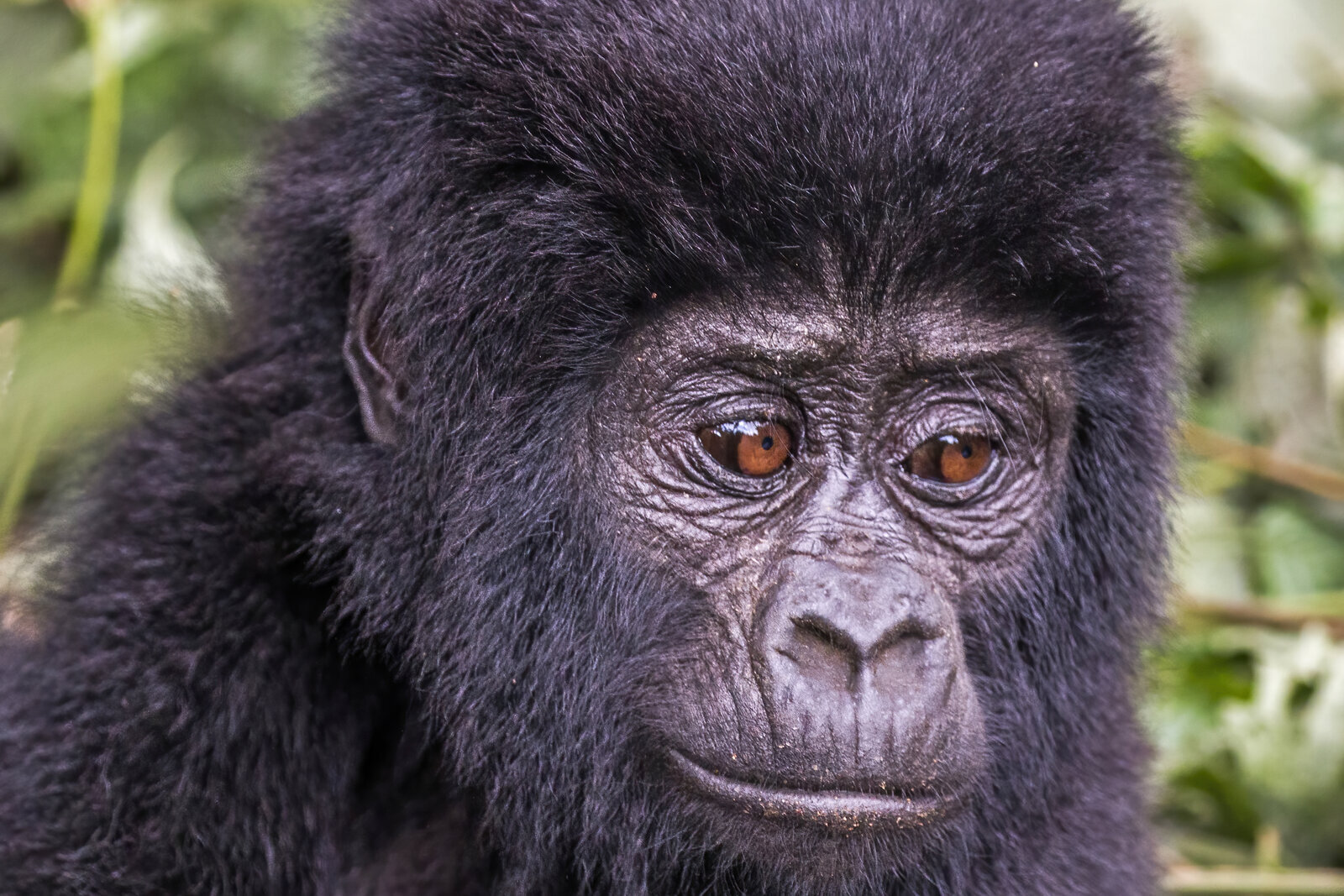
Uganda's smallest national park sits at the foot of the Virunga volcanoes, straddling the border with Rwanda and the DRC. Mgahinga offers gorilla trekking with fewer visitors than Bwindi, plus the unique chance to trek the endangered golden monkey — a flame-furred species found only in the Virungas. The volcanic backdrop of Mount Muhabura, Mount Gahinga and Mount Sabyinyo is stunning.
- Best for: Golden monkey trekking, intimate gorilla encounters, volcano hiking, Batwa cultural trail
- When to go: June–September and December–February for clear summit views and easier trails
- Access: Near Kisoro airstrip, combinable with Bwindi (a few hours' drive)
- Reality: Gorilla availability is more limited here (usually one habituated group) — book early or use Bwindi as your primary gorilla destination and Mgahinga for golden monkeys and volcanoes.
7. Lake Mburo National Park — Compact Savanna Gateway
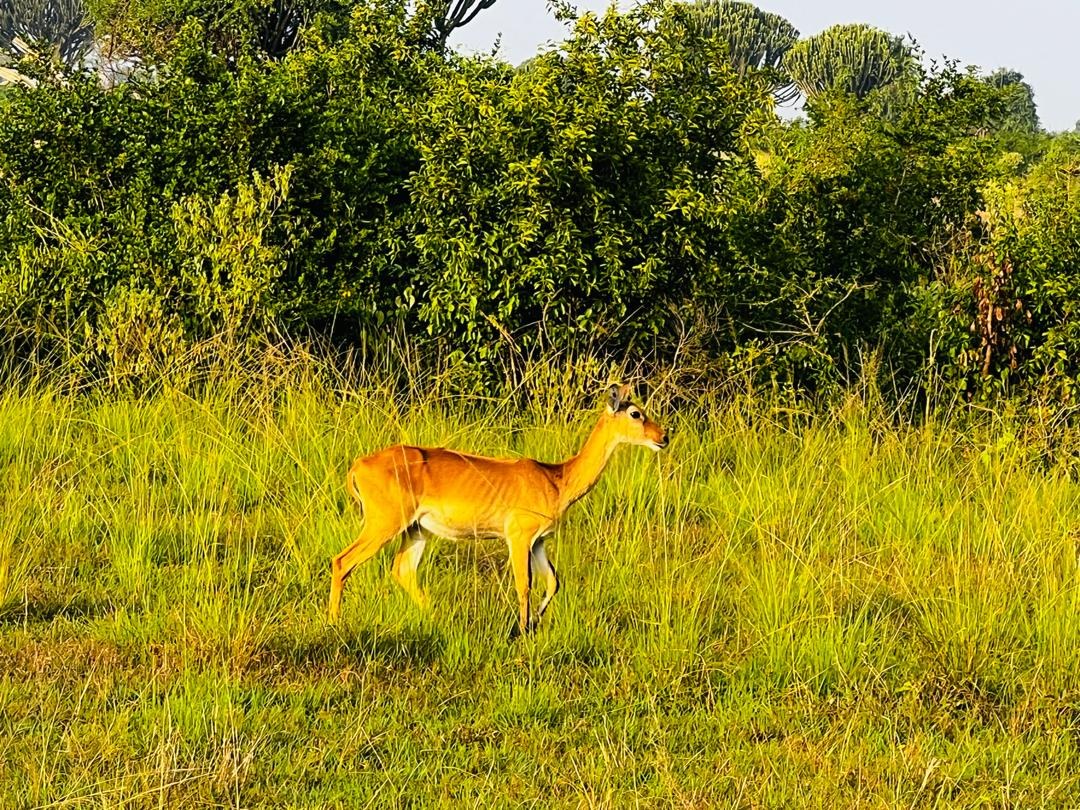
Lake Mburo is Uganda's most accessible savanna park and the only place in the country where you can see zebra and impala. It is small, intimate and beautifully varied — acacia woodland, wetlands and lakeside plains alive with hippo, crocodile, eland and over 350 bird species. Night drives and horseback safaris add variety you will not find in the bigger parks.
- Best for: Zebras and impalas, boat safaris, night drives, horseback safaris, a quick stop en route to Bwindi
- When to go: Year-round; drier months (June–September, December–February) are slightly better for game drives
- Access: About 3.5 hours from Kampala on the road to Bwindi — the natural first or last stop on a southwest circuit
- Reality: One to two nights is ideal. It breaks the drive to Bwindi perfectly and adds diversity.
The Wild Heart — Kidepo, Mgahinga & Lake Mburo
8. Semliki National Park — Hot Springs, Lowland Forest & Rare Birds
On Uganda's western border, Semliki protects a finger of lowland Congo Basin forest — the easternmost fragment of the great Central African rainforest. It holds species found nowhere else in East Africa, including the shoebill stork along its wetland edges, forest hornbills, and the spectacular Sempaya hot springs where boiling water erupts from the forest floor.
- Best for: Congo Basin forest birds, hot springs, unique lowland ecology, off-the-beaten-track adventure
- When to go: June–September for drier trails; birding is productive year-round
- Access: Near Fort Portal, combinable with Kibale Forest on a western Uganda circuit
- Reality: A specialist destination — add it if birding or ecology drives your trip, or if you have already seen the headline parks.
9. Rwenzori Mountains National Park — Afro-Alpine Glaciers & Unique Flora
The Mountains of the Moon rise to 5,109 metres at Margherita Peak — Africa's third-highest summit — through zones of giant heather, otherworldly lobelias and groundsels, and equatorial glaciers. A Rwenzori trek is one of Africa's great mountain adventures, utterly different from a conventional safari but combinable with one.
- Best for: Multi-day alpine trekking, glaciers, giant lobelias, unique Afro-alpine flora, summit seekers
- When to go: June–August and December–February for the driest and clearest trekking conditions
- Access: Based from Kasese, near Queen Elizabeth National Park — combine mountain and savanna
- Reality: The full Margherita Peak circuit takes 7–9 days. Shorter nature walks explore the lower slopes in a day.
10. Ziwa Rhino Sanctuary — White Rhino Tracking on Foot
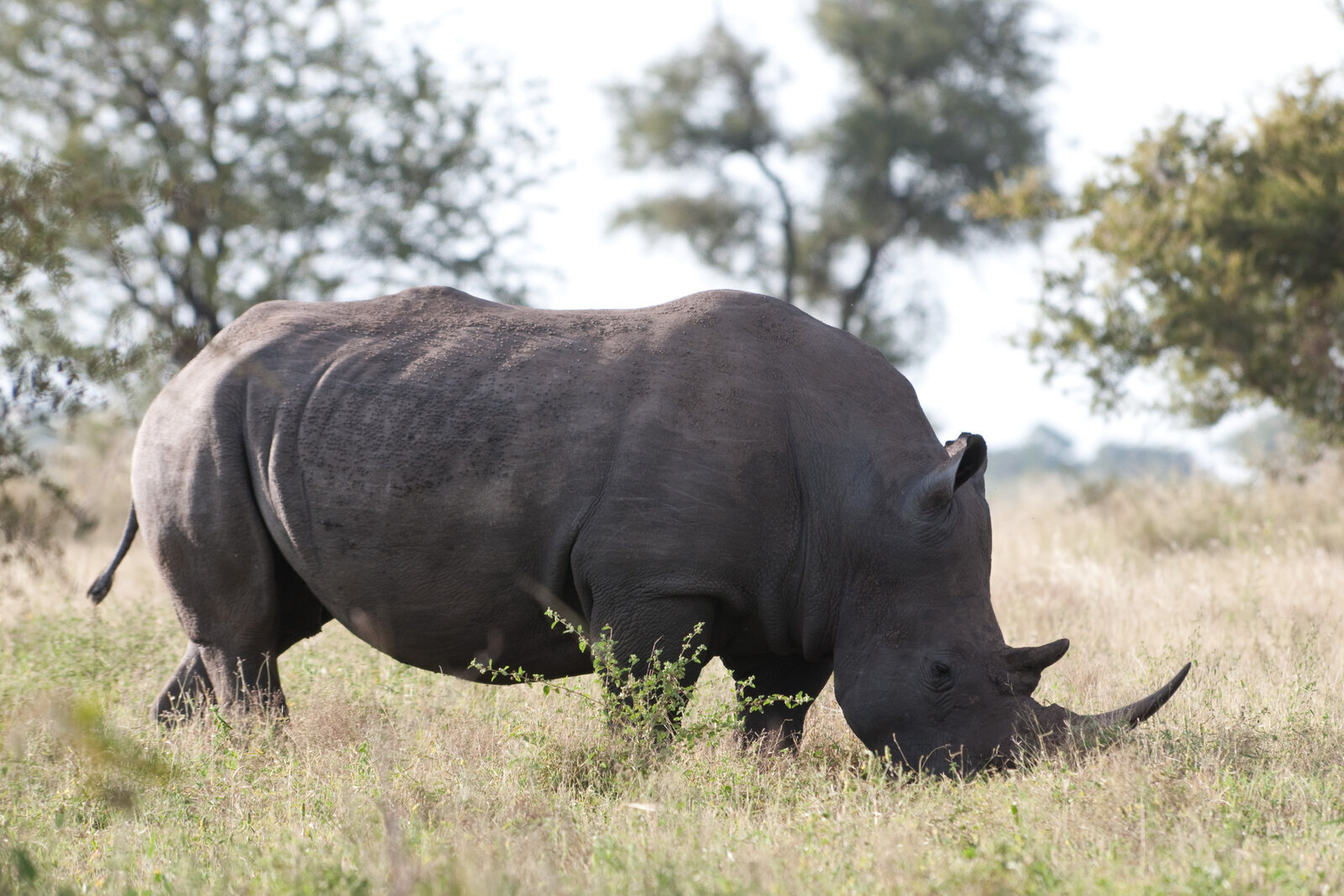
Ziwa is Uganda's only place to see rhinos — and you do it on foot. This privately managed sanctuary between Kampala and Murchison Falls has bred southern white rhinos back from local extinction, growing the population from six founders to over 40 animals. Walking alongside a two-tonne rhino in open savanna, guided by armed rangers, is an experience unique in East Africa.
- Best for: Rhino tracking on foot, conservation story, completing Uganda's Big Five
- When to go: Year-round; mornings are best for active rhinos
- Access: On the Kampala–Murchison Falls road — the natural stopover en route north
- Reality: A half-day visit or overnight is enough. It pairs perfectly with Murchison Falls to give you all of the Big Five within Uganda.
Mountains, Wetlands & Rhinos — Rwenzori, Semliki & Ziwa
Building Your Uganda Safari: How to Combine the Destinations
The art of a Uganda safari is combination — primates and savanna woven into one journey. Here are the routes that work best, matched to how much time you have. For fully costed, pre-designed trips see our Uganda Safari Tours guide, and for tailor-made departures our Private Safari Tours Uganda page.
The Classic Gorilla Safari (3–5 days): Entebbe → fly to Bwindi → gorilla trek → fly out. The fastest, purest gorilla experience. Add Mgahinga for golden monkeys if time allows.
The Primate & Wildlife Trail (7–8 days): Entebbe → Lake Mburo → Bwindi (gorillas) → Queen Elizabeth (tree-climbing lions, Kazinga boat safari) → Kibale (chimps) → Entebbe. The most popular Uganda circuit — every highlight of the southwest.
The Grand Uganda (10–12 days): Add Murchison Falls and Ziwa Rhino Sanctuary to the above for the complete Big Five, the Nile and the falls. This is the definitive first-time Uganda trip.
The Explorer (12–14 days): Grand Uganda + a Kidepo fly-in extension. For travellers who want the remote northern frontier as well — few crowds, big reward.
💡 Planning Tip: Driving distances in Uganda are long and roads are rough. Internal flights (Aerolink Uganda, Fly Uganda) save entire days. Budget for at least one or two flights — Entebbe to Bwindi, or Entebbe to Kidepo — and spend the saved hours with the gorillas, not on the road. For a realistic budget, see How Much Does a Uganda Safari Cost.
Best Time to Visit Uganda's Safari Destinations
| Season | Months | Game & Trekking | Notes |
|---|---|---|---|
| Long Dry | Jun–Sep | ★★★★★ Excellent | Best gorilla trekking conditions; peak game viewing at Murchison & Queen Elizabeth; book permits & lodges early |
| Short Dry | Dec–Feb | ★★★★★ Excellent | Equally good trekking & game viewing; slightly quieter than Jun–Sep; Kidepo at its finest |
| Long Rains | Mar–May | ★★★☆☆ Variable | Muddy gorilla trails but lower permit demand; lush landscapes; superb birding; lower rates |
| Short Rains | Oct–Nov | ★★★★☆ Good | Brief afternoon showers; good value; migratory birds arrive; workable for gorillas |
Verdict: For a first Uganda safari, aim for the dry seasons (June–September or December–February) when trails are drier and game concentrates around water. Gorilla permits are available year-round, but dry-season treks are significantly more comfortable. For detailed park-by-park timing, see our Best Time to Visit Uganda guide.
🦍 Ready to plan your Uganda safari? Browse pre-designed trips in our Uganda Safari Tours guide, compare accommodation in the Best Uganda Safari Lodges, find premium gorilla properties in Best Luxury Gorilla Lodges Uganda, or design a tailor-made trip via Private Safari Tours Uganda. For the full country guide, see the Ultimate Uganda Travel Guide.
Uganda Safari Destinations: Frequently Asked Questions
What is the best safari destination in Uganda?
For most travellers, Bwindi Impenetrable Forest is the single best destination — it is home to roughly half the world's mountain gorillas and the primary reason people visit Uganda. But the strongest trips combine Bwindi with Kibale for chimpanzees and Queen Elizabeth for tree-climbing lions and the Kazinga Channel. The answer depends on your priorities.
How much does a gorilla permit cost in Uganda?
A Uganda gorilla trekking permit costs US$800 per person (UWA, 2026). Permits are strictly limited — one hour with one gorilla family, groups of eight visitors — and should be booked well in advance, especially for the dry-season months. For a full cost breakdown, see our How Much Does a Uganda Safari Cost guide.
Where can you see tree-climbing lions in Uganda?
The tree-climbing lions are found in the Ishasha sector of Queen Elizabeth National Park, in the far south. The lions climb large fig trees, probably to escape heat and biting flies on the ground. It is a behaviour seen regularly in Ishasha and Lake Manyara (Tanzania), but rare elsewhere.
Should I choose chimps or gorillas — or both?
Both, if your time and budget allow. They are very different experiences. Gorilla trekking in Bwindi is an intense, emotional, once-in-a-lifetime encounter. Chimpanzee tracking in Kibale is wilder and more dynamic — noisy, fast-moving and thrilling. A strong Uganda trip includes both: gorillas at Bwindi and chimps at Kibale, connected by Queen Elizabeth National Park.
How do you get to Kidepo Valley National Park?
Kidepo is in Uganda's remote northeast, near the South Sudan border. The best way to reach it is a charter flight from Entebbe (about 2 hours). Driving takes two full days on rough roads. The remoteness is exactly the point — Kidepo is one of Africa's last great wildernesses, with almost no other visitors.
How many days do you need for a Uganda safari?
A focused gorilla safari needs 3–5 days. The classic southwest circuit (Bwindi, Queen Elizabeth, Kibale) takes 7–8 days. A grand Uganda trip adding Murchison Falls and Ziwa needs 10–12 days. Adding Kidepo extends to 12–14 days. Allow more time than you think — Uganda's distances are long and the experiences deserve unhurried days.
Can you combine Uganda's safari parks into one trip?
Yes, and you should. The classic combination is Bwindi (gorillas) → Queen Elizabeth (tree-climbing lions, boat safari) → Kibale (chimps), all in the southwest. Add Lake Mburo at the start and Murchison Falls at the end for a complete journey. Internal flights between Entebbe and the parks save valuable time.
When is the best time to visit Uganda for safari?
The two dry seasons — June to September and December to February — offer the best conditions for both gorilla trekking and game viewing. Trails are drier, game concentrates around water, and visibility is better. Uganda can be visited year-round, but the wet months (March–May) mean muddier trekking and rougher roads.
Is Uganda or Rwanda better for gorilla trekking?
Both are outstanding. Rwanda's Volcanoes National Park offers easier access from Kigali and more premium lodges, but permits cost US$1,500. Uganda's Bwindi has more habituated gorilla families, permits at US$800 are nearly half the price, and the experience combines naturally with chimps and savanna. Uganda suits travellers who want a broader wildlife journey; Rwanda suits those short on time or seeking pure luxury.
Final Word: Choosing Your Uganda Safari Destinations
Uganda's genius is compression. In a country you can cross in a day, you can sit with mountain gorillas in ancient forest, watch tree-climbing lions from a safari vehicle, cruise the Victoria Nile beneath thundering falls, track chimpanzees through cathedral-like canopy, walk alongside white rhinos, and gaze across a remote valley where cheetahs hunt on golden plains — all connected by one extraordinary journey.
- ✅ First safari? The Southwest — Bwindi, Queen Elizabeth, Kibale — then Murchison Falls
- ✅ Short on time? Fly to Bwindi for gorillas and add Mgahinga for golden monkeys
- ✅ Craving wilderness? Kidepo Valley — Africa's last frontier, barely touched
- ✅ Want it all? The Grand Uganda over 10–12 days, primates to savanna to falls
The honest advice: choose the region that matches who you are as a traveller, give it enough days to breathe, and let the destinations you pick tell a single, coherent story rather than a rushed checklist. Do that, and Uganda will give you a safari unlike anything else in Africa.
Ready to start planning? Explore our Uganda Safari Tours guide, browse the Best Uganda Safari Lodges, or begin with the comprehensive Ultimate Uganda Travel Guide.