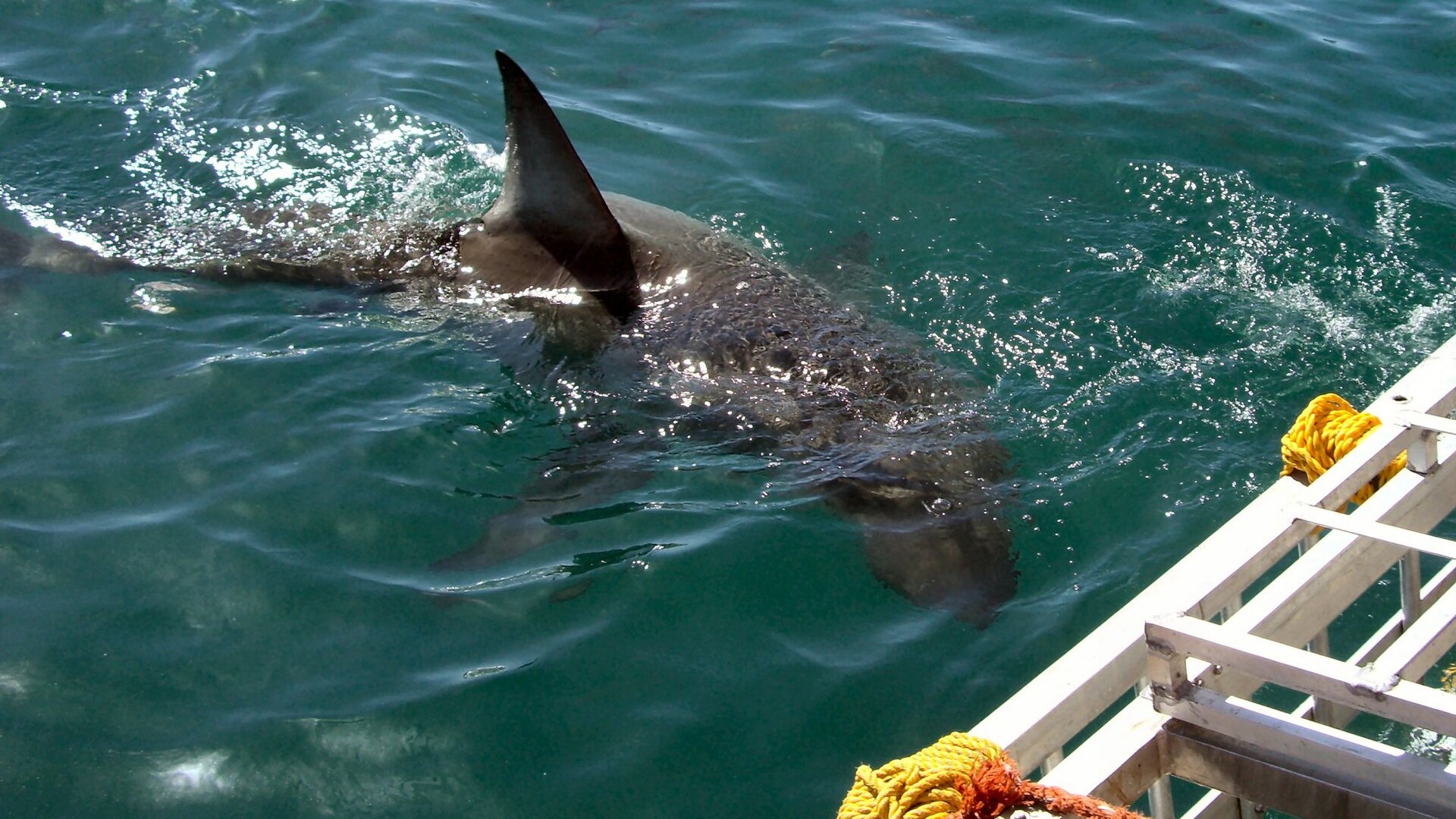
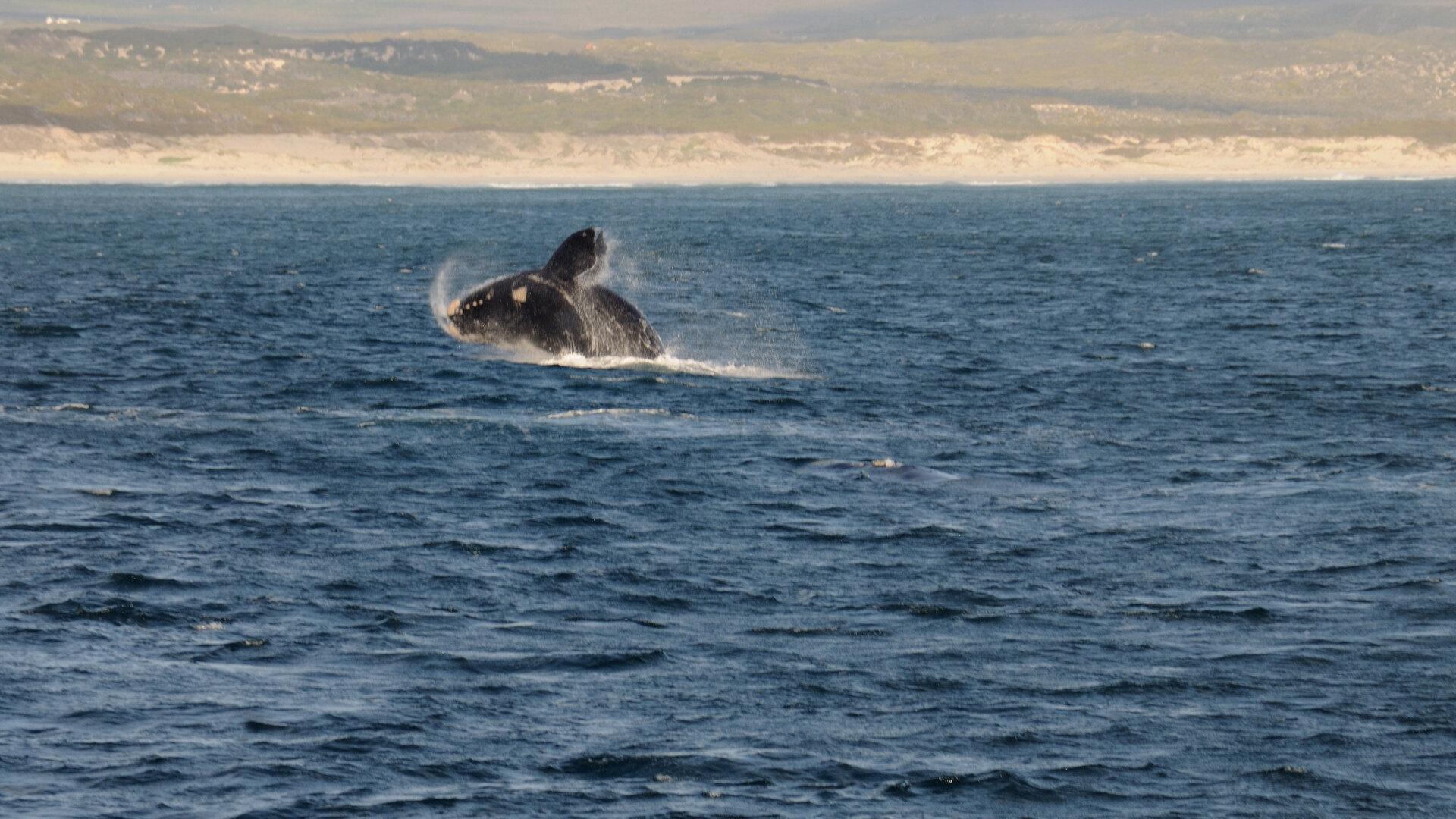
- The Big 7 = the classic Big Five (lion, leopard, elephant, buffalo, rhino) plus two marine giants: the southern right whale and the great white shark.
- Addo Elephant National Park in the Eastern Cape is the only reserve on Earth where the conservation footprint spans all seven — Big Five on land and both marine species offshore in Algoa Bay.
- The two marine animals are seasonal: southern right whales visit June–November; great whites are best May–September in Gansbaai and Mossel Bay.
- The Eastern Cape is malaria-free, making the Big 7 the safest "everything" safari for families and first-timers.
- Beyond Africa Safaris builds private, tailor-made Big 7 itineraries that combine bush and coast into one seamless journey.
Almost every traveller arrives in Africa with the same wish-list of five animals. The Big Five — lion, leopard, elephant, buffalo and rhino — is the most famous grouping in the natural world. But the phrase was never coined by photographers. It came from the old hunting era and simply named the five species most dangerous to pursue on foot. South Africa took that idea, looked at its extraordinary coastline, and did something no other safari country has done: it added the ocean.
The result is the Big 7 — the five land legends plus two marine titans, the southern right whale and the great white shark. It is a uniquely South African concept, born on the wild shores of the Eastern Cape, and it turns a classic game drive into something far larger: a journey from thornveld waterholes to the cold Atlantic swell. This is the complete field guide to all seven, where each one lives, when to see it, and how to tick off the entire set in a single trip.
What Are the Big 7 — And Who Invented Them?
The Big 7 refers to seven flagship African animals: the lion, leopard, African elephant, Cape buffalo and rhinoceros (the land-based Big Five), together with the southern right whale and the great white shark (the "marine two"). The term was popularised in the Eastern Cape, where the combined conservation area of Addo Elephant National Park and the marine protected zone of Algoa Bay made it possible, for the first time, to protect all seven within one contiguous footprint.
It is more than a marketing line. Addo grew from a tiny 1931 elephant sanctuary into a mega-park that now stretches from the semi-arid Karoo, across the coastal thicket, out to the islands of Algoa Bay — home to the world's largest breeding colonies of African penguins and Cape gannets, plus seasonal whales and resident great whites. No other reserve on the planet spans that full range of habitats, which is exactly why the Big 7 belongs to South Africa and nowhere else.
The phrase itself was coined in the Eastern Cape in the late 1990s, as private reserves along this stretch of coast realised that a guest could, in theory, watch a lion at dawn and a breaching whale that same afternoon. It was a natural evolution of the old "Big Five" hunting terminology into something modern, marine and unmistakably South African — a celebration of protection rather than pursuit. Today the Big 7 is a genuine conservation identity for the whole Eastern Cape, from Addo and the malaria-free private reserves inland to the marine protected area offshore.
Crucially, the Big 7 changes what a safari feels like. A traditional trip is all dust, thornveld and big cats. A Big 7 journey adds salt air, the boom of surf and the sheer scale of a forty-tonne whale rolling beside your boat. It is two wildernesses — bush and ocean — stitched into a single story, and that contrast is precisely what makes it so memorable.
1. The Lion — King of the Bushveld
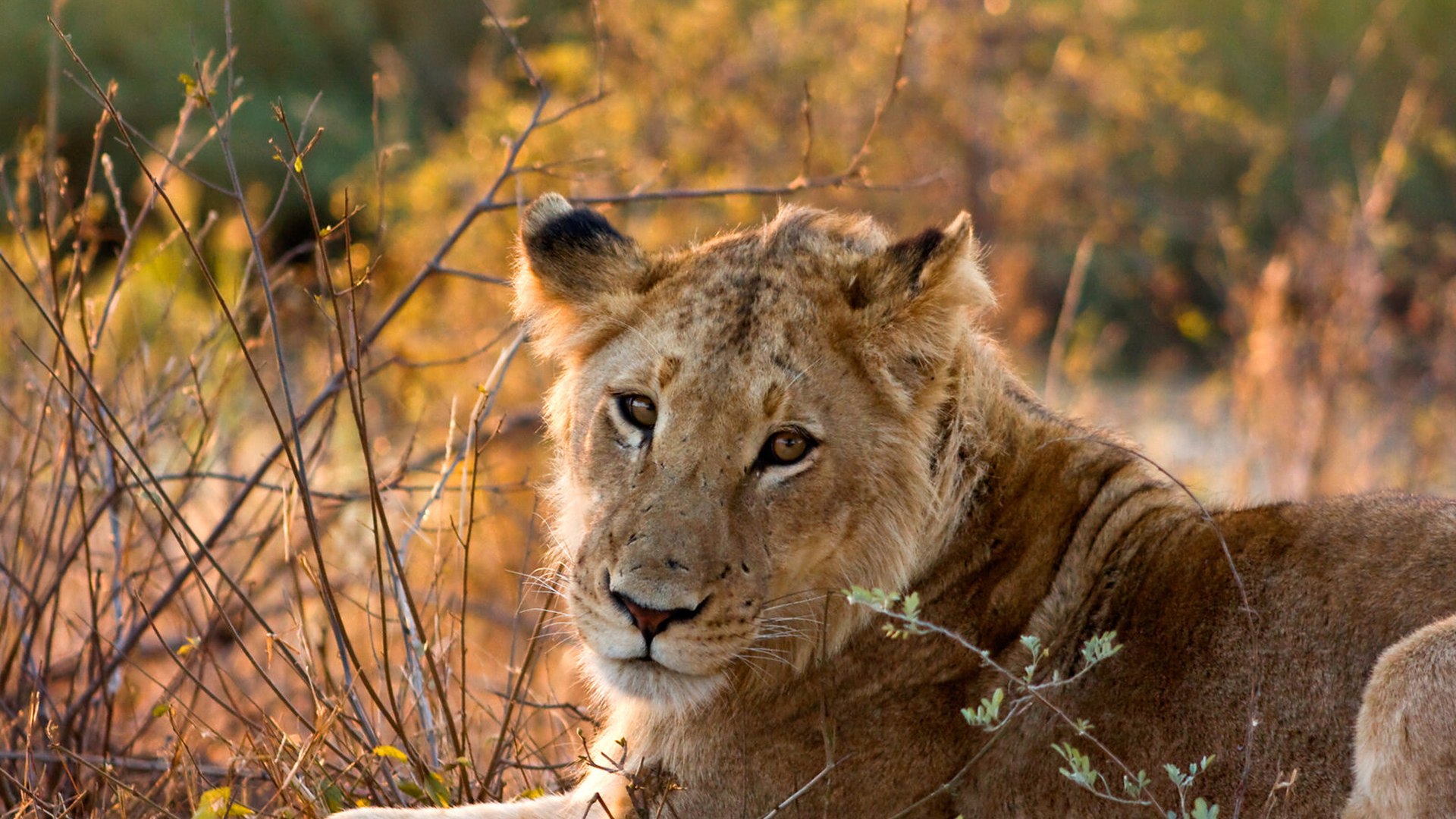
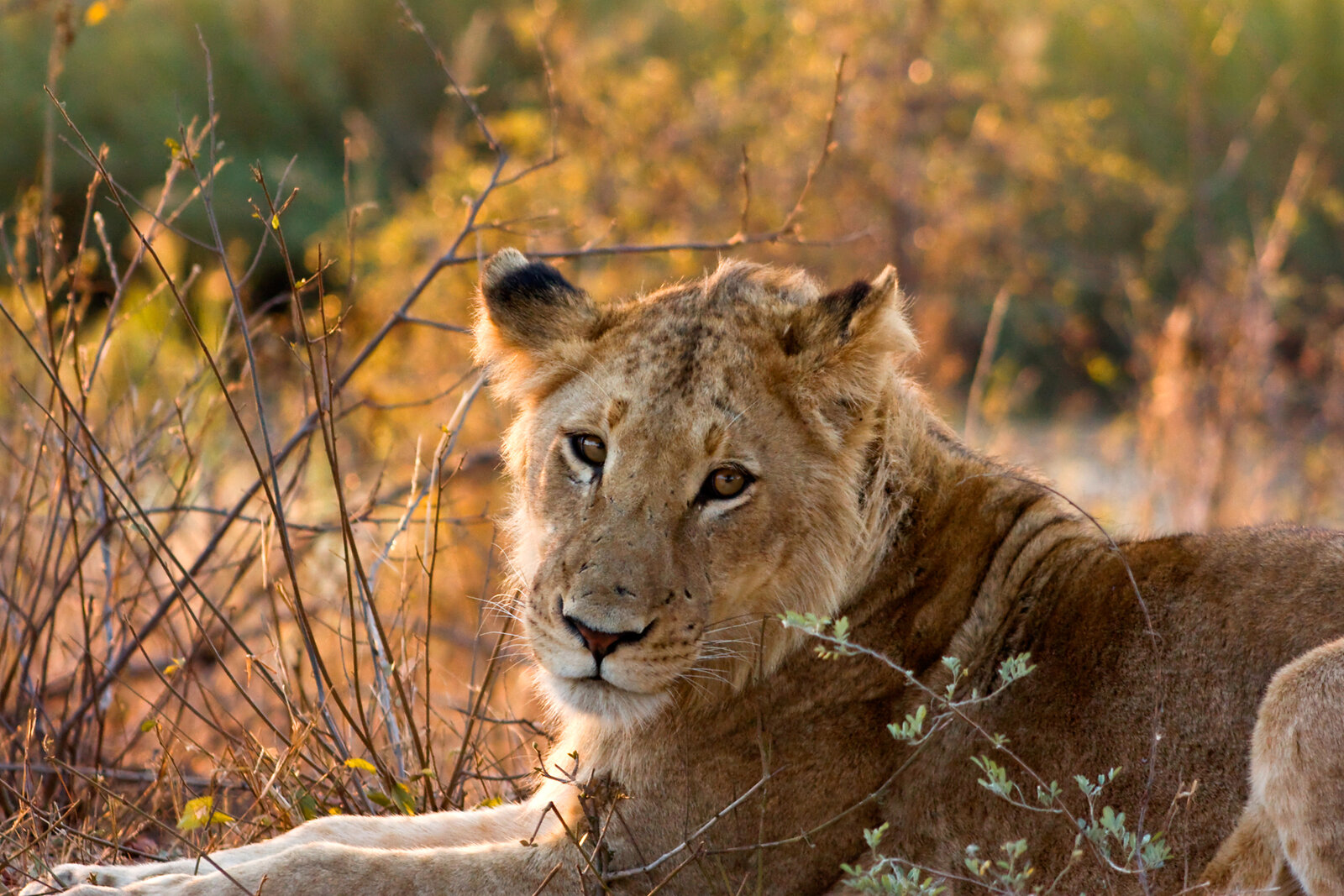
No sound defines an African night like the territorial roar of a male lion, a call that carries up to eight kilometres across still air. Panthera leo is the only truly social big cat, living in prides of related females, their cubs and a coalition of dominant males. Watching a pride at dawn — cubs tumbling, lionesses grooming, the great males surveying their domain — is the emotional centre of most safaris.
South Africa's flagship lion populations live in the Greater Kruger and the Sabi Sand, but the Eastern Cape's private reserves and Addo's Kuzuko and Nyathi sections have re-established free-roaming prides too. Lions are most active in the cool hours around sunrise and sunset; the middle of the day is usually spent asleep in the shade, conserving energy for the hunt. Patience and an early start are everything.
2. The Leopard — The Phantom of the Trees
The leopard is the connoisseur's animal — the one experienced safari-goers most long to see. Solitary, secretive and astonishingly powerful, Panthera pardus can haul a carcass heavier than itself into the fork of a tree to feed undisturbed. Its rosette-patterned coat dissolves into dappled shade so completely that guides often find a leopard only by the flick of a tail or the alarm call of an impala.
For the highest odds, the Sabi Sand Game Reserve is the leopard capital of the world, where generations of habituated cats allow unhurried, close sightings. But leopards are the most widespread of all the big cats and appear throughout South Africa, from the Cederberg mountains to the coastal thicket of the Eastern Cape. Seeing one is never guaranteed — which is precisely why the moment it happens is unforgettable.
3. The African Elephant — The Gentle Giant
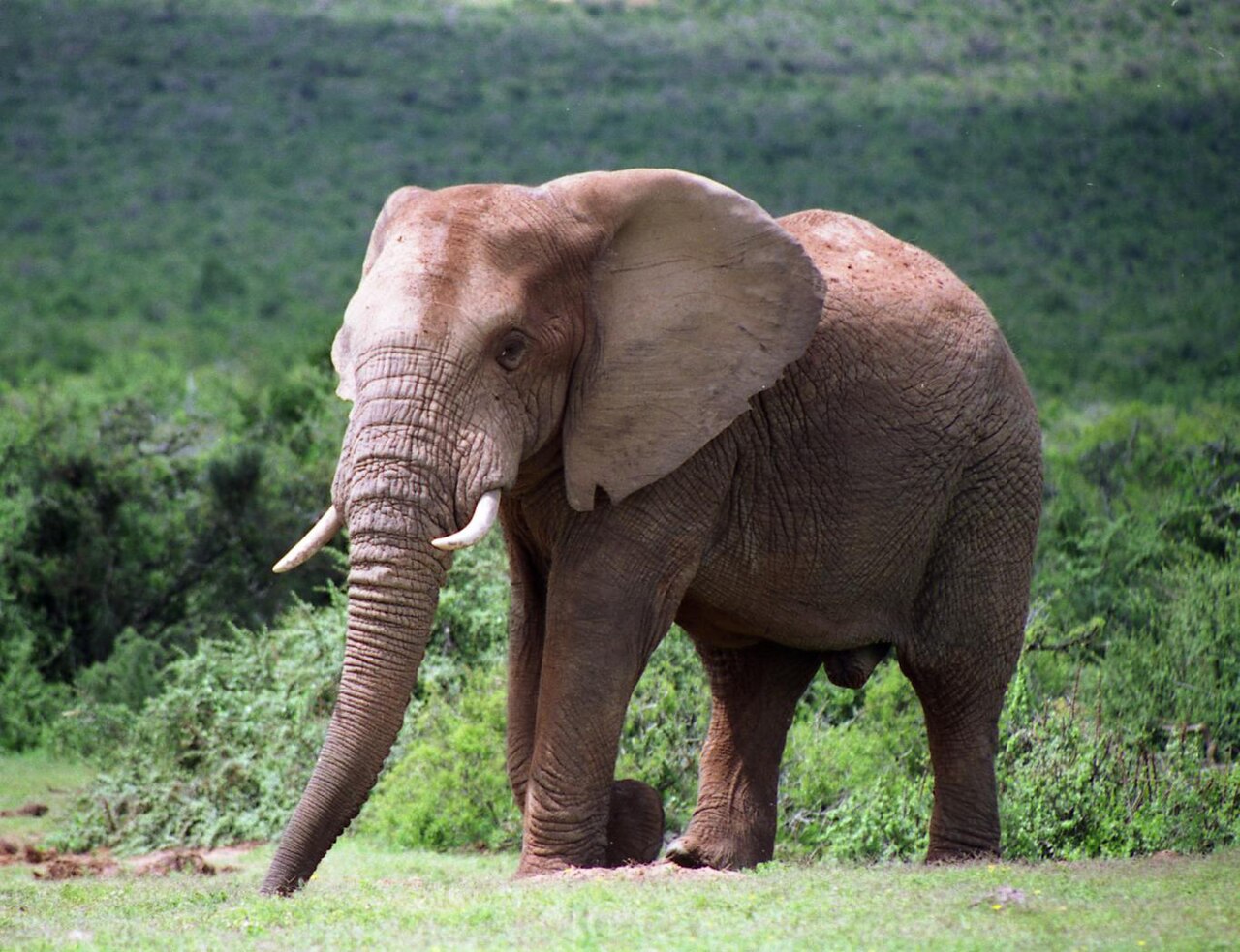
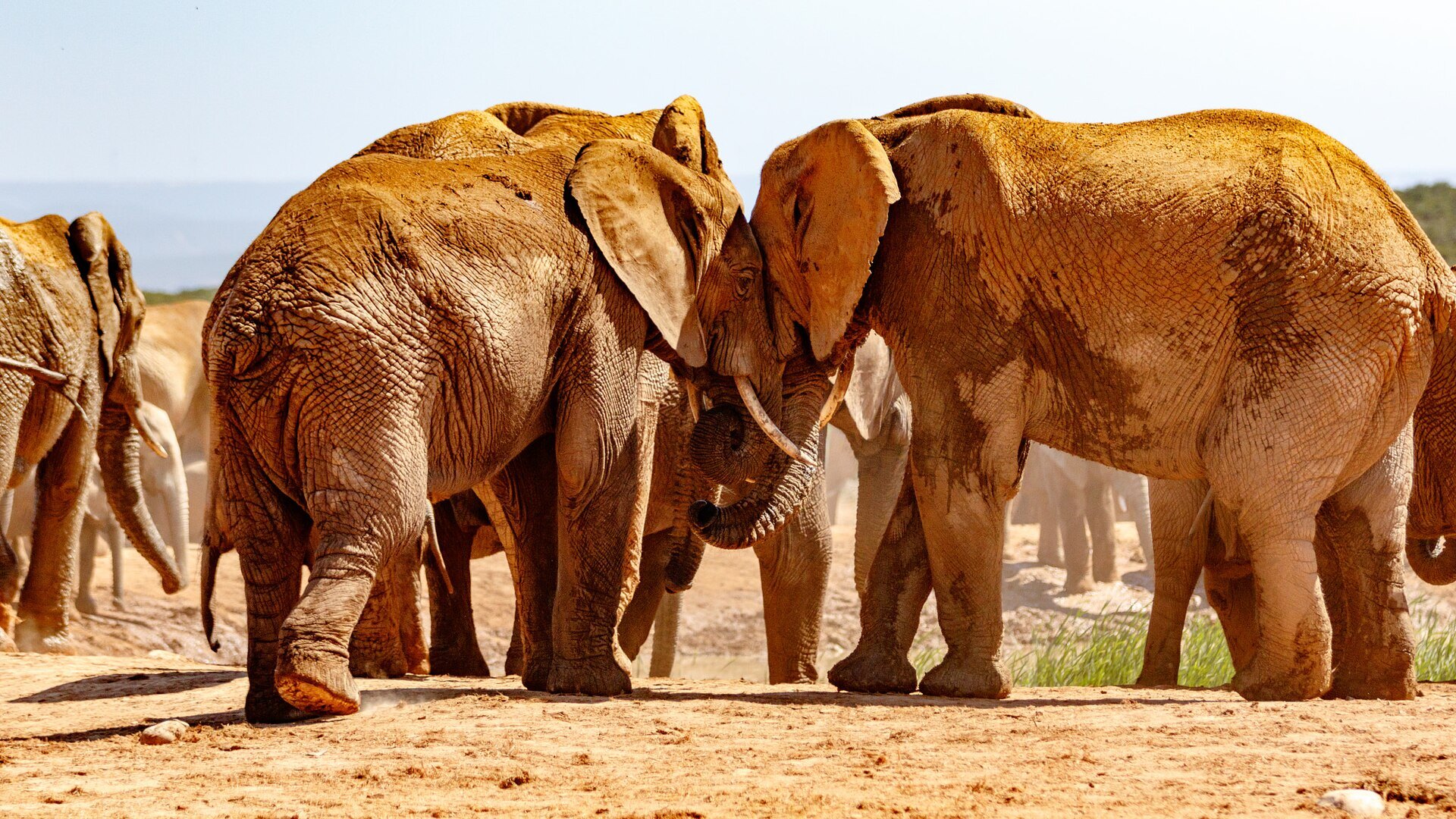
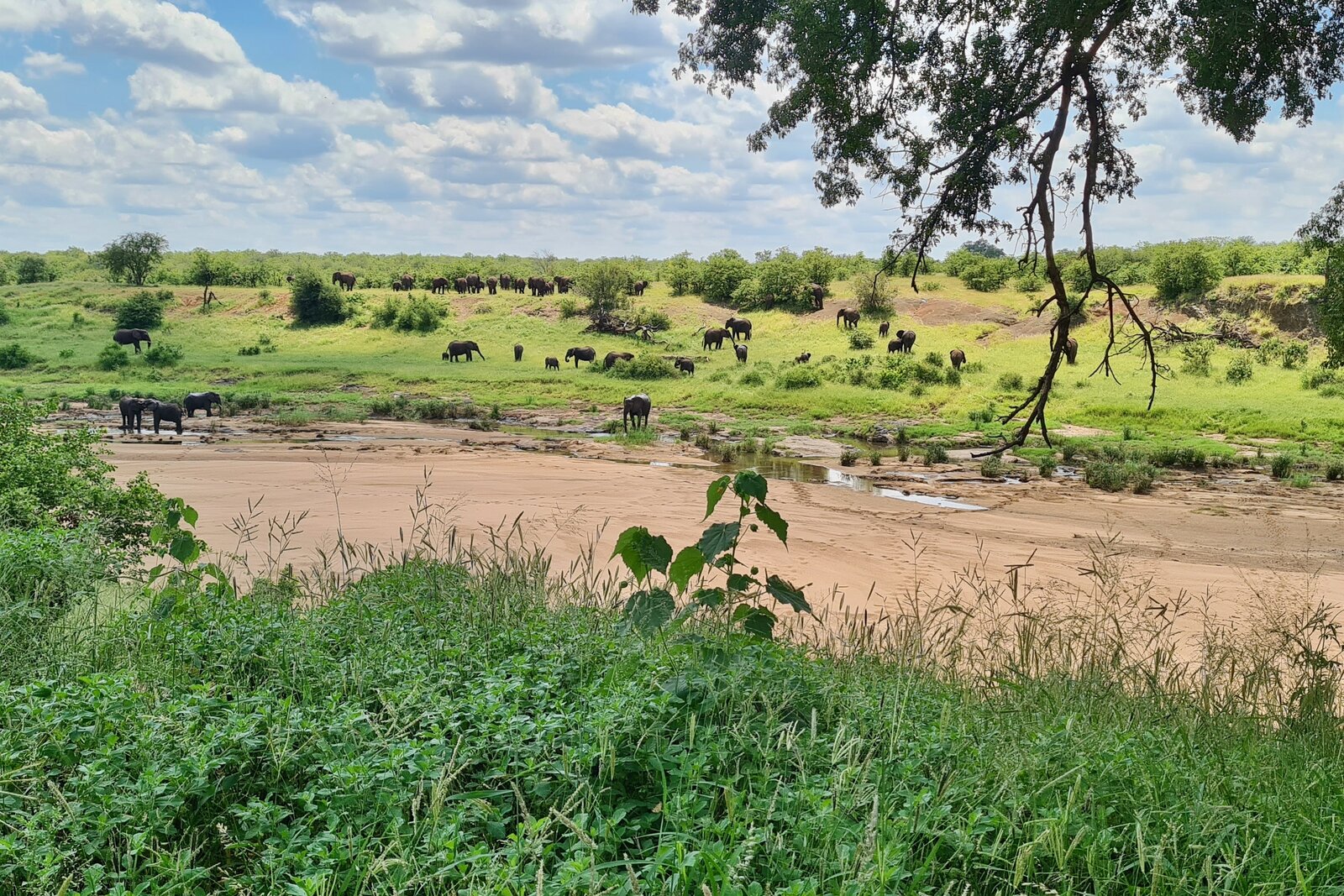
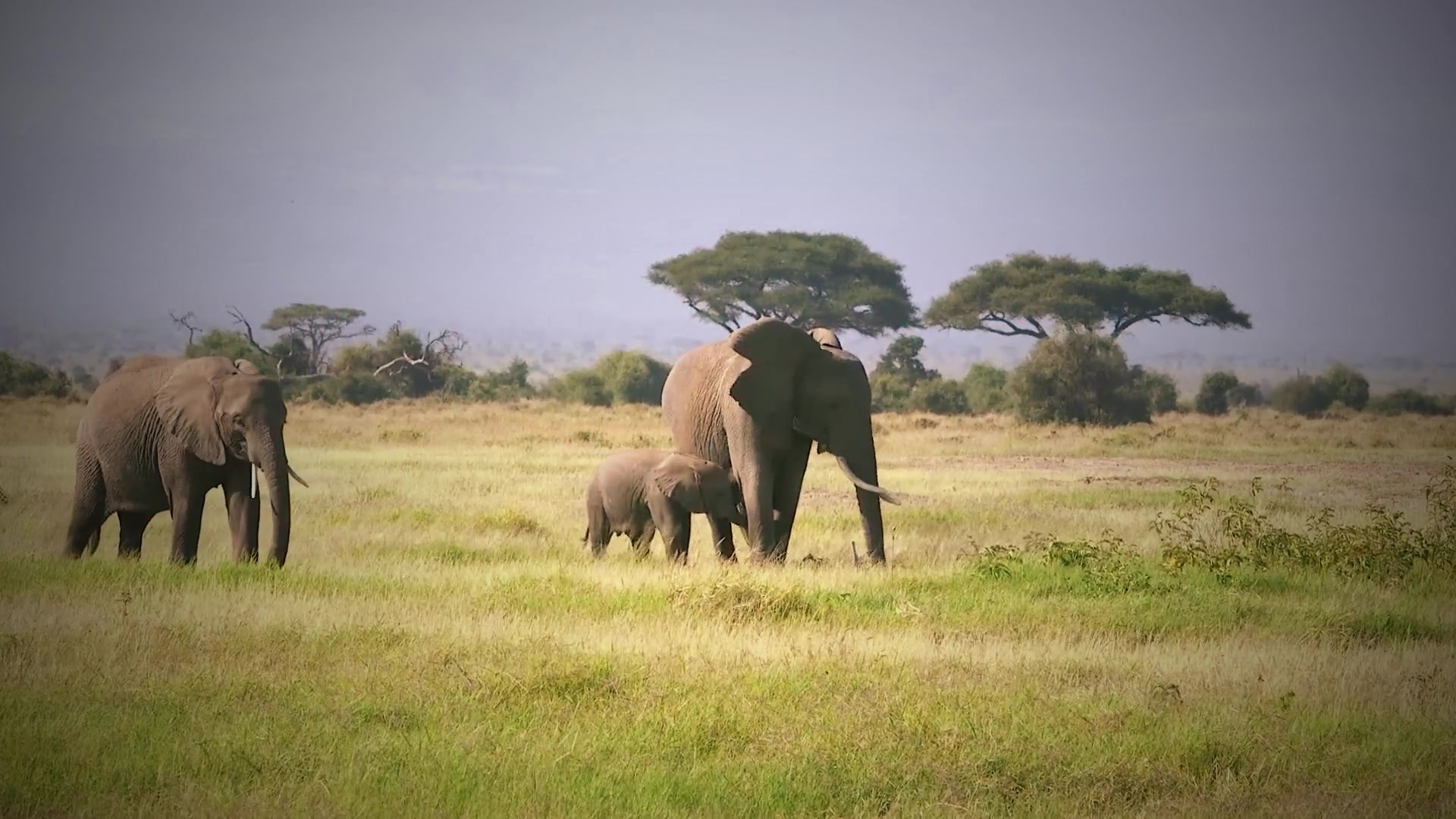
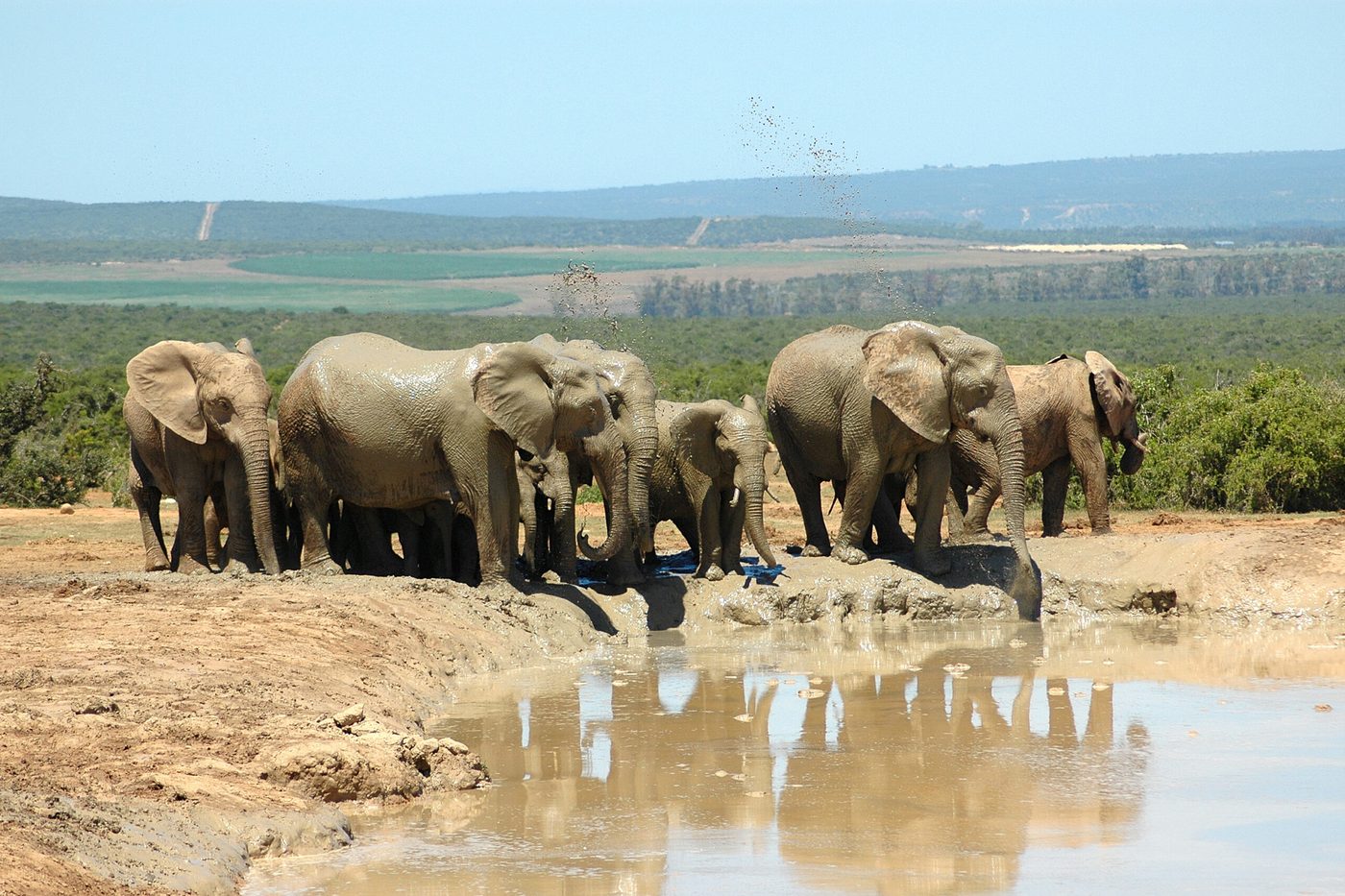
The African elephant is the largest land animal on Earth, and time spent among a herd is the most moving experience the bush offers. These are deeply intelligent, emotional creatures that mourn their dead, recognise old friends after decades apart, and are led by a wise matriarch whose memory holds the map of every waterhole and migration route.
Nowhere is the elephant story more powerful than at Addo. In 1931 just eleven elephants survived here after relentless hunting; today the park protects more than 600, one of the densest populations in Africa. A single afternoon at Addo's Hapoor or Domkrag waterholes can bring dozens of elephants — bulls, breeding herds and tiny calves — within metres of your vehicle. It is the beating heart of the Big 7.
4. The Cape Buffalo — The Unpredictable One
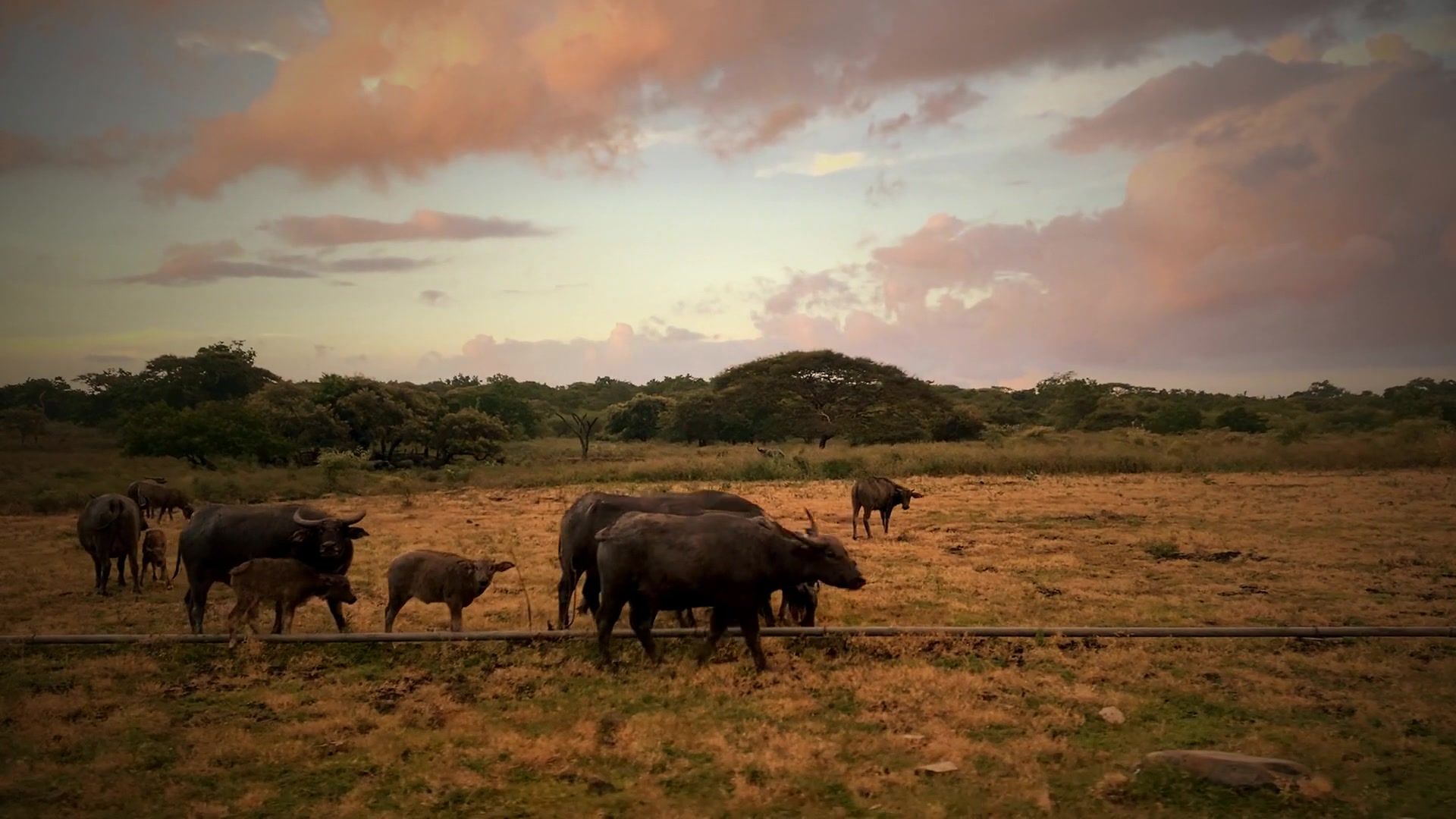
Weighing up to 900 kilograms and armed with a fused boss of horn, the Cape buffalo is the member of the Big Five that guides treat with the most caution. Herds can be a thousand strong, moving like a slow dark tide across the plains, while lone old bulls — the "dagga boys," caked in dried mud — are famously bad-tempered and account for their fearsome reputation.
Buffalo are a keystone species: where there are healthy buffalo herds, there is usually a full complement of predators nearby. Addo protects a disease-free buffalo bloodline of enormous conservation value, and the Eastern Cape's private reserves hold strong herds too. Watch for the oxpecker birds riding their backs — a living illustration of the bush's endless partnerships.
5. The Rhinoceros — The Armoured Survivor
To stand near a rhino is to stand beside the Pleistocene. South Africa protects the vast majority of the world's remaining rhinos, both the broad-lipped grazing white rhino and the smaller, hook-lipped, browsing black rhino. Addo is one of the best places in the country to see the shy black rhino, which shelters in the dense spekboom thicket that gives the park its unique character.
Every rhino sighting today carries weight. Relentless poaching pressure means these animals survive only because of round-the-clock anti-poaching units, and a portion of every responsible safari helps fund that protection. For security reasons, guides never share rhino locations by radio or geotag — a quiet discipline that protects the very animal you have come to admire.
6. The Southern Right Whale — The Ocean's Gentle Giant
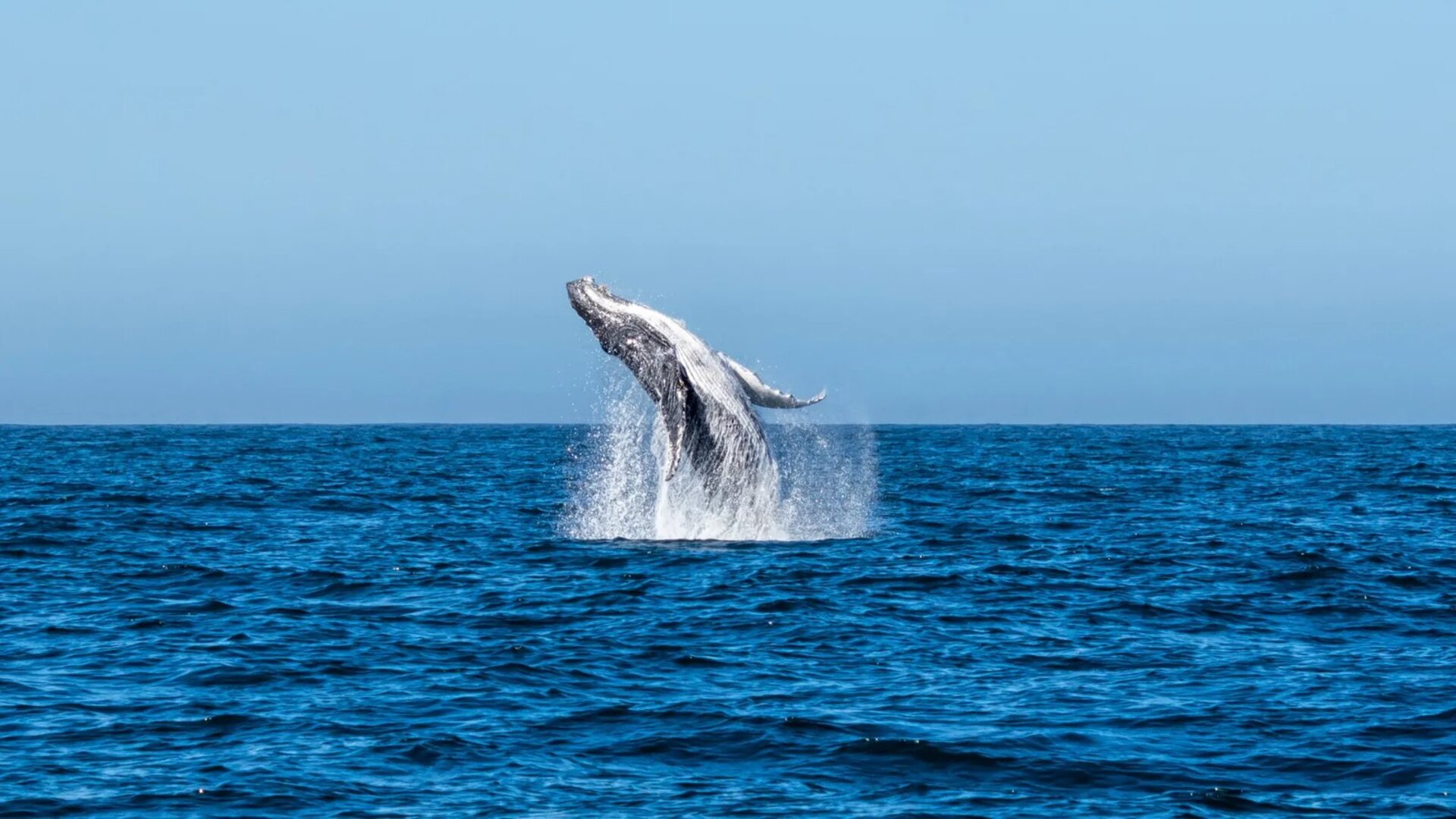
Each winter the cold, plankton-rich waters off the South African coast fill with southern right whales, which travel thousands of kilometres from their Antarctic feeding grounds to calve and nurse in the sheltered bays. These forty-tonne giants earned their grim name from whalers, who considered them the "right" whale to hunt because they float when killed. Today they are fully protected, and their recovery is one of conservation's great success stories.
From roughly June to November, mothers and calves rest so close to shore that they can be watched from the cliffs of Hermanus — the self-styled whale-watching capital of the world — and, crucially for the Big 7, from the waters of Algoa Bay off Addo. Their spectacular breaches, tail-slaps and the misty V-shaped blow of their spouts make them the unmistakable sixth member of the group. This is the moment the safari leaves the land behind.
7. The Great White Shark — Apex of the Marine Big 7
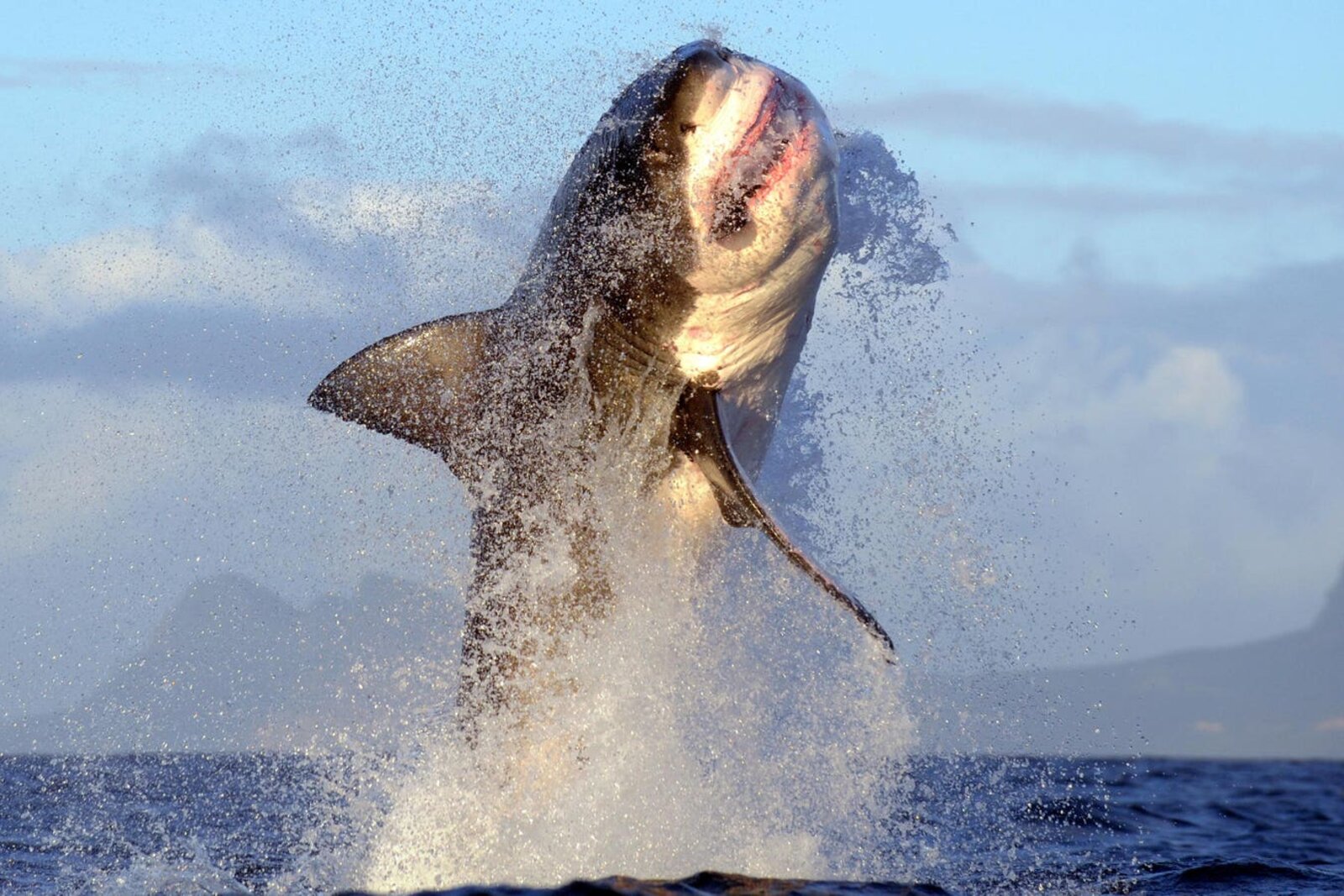
The seventh and most electrifying member is the great white shark, the ocean's ultimate apex predator and the animal that completes the set. Growing beyond five metres and moving with terrifying grace, the great white patrols South Africa's southern coast, especially the cold waters around Gansbaai and Mossel Bay, drawn by dense Cape fur seal colonies.
Responsible, permit-regulated cage diving lets travellers meet this misunderstood giant face to face, in safety, and come away with respect rather than fear. Great whites are best seen from roughly May to September, when the water is clear and the sharks are most active. Far from the movie monster, the great white is a vital, threatened predator whose presence signals a healthy ocean — the perfect, thrilling full stop to a Big 7 journey.


Where to See All Seven: Addo & the Eastern Cape
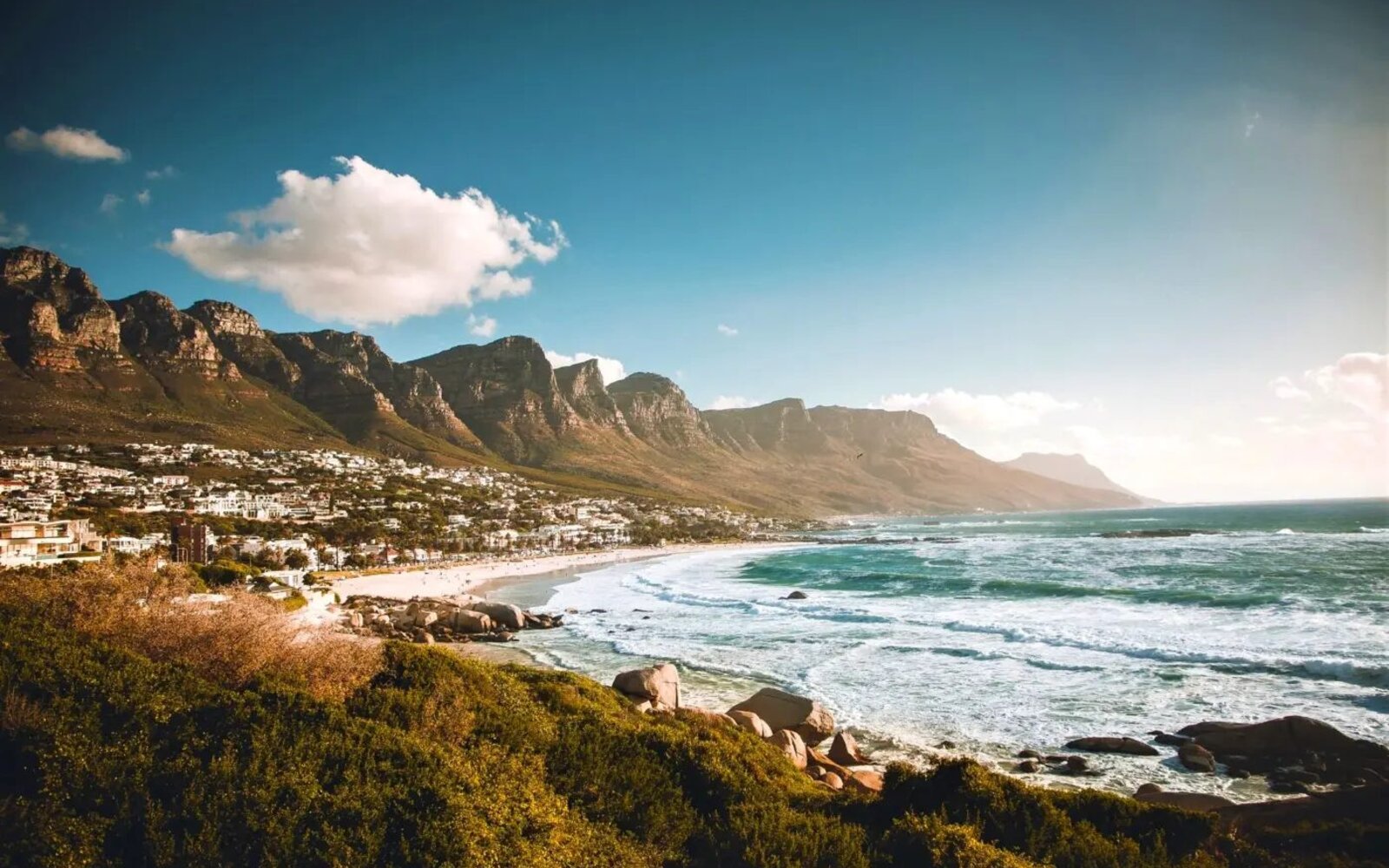
Here is the fact that makes safari planners lean forward: Addo Elephant National Park is the only place on Earth where the conservation footprint holds the entire Big 7. The land Big Five roam the malaria-free thicket and plains of the main reserve and its private neighbours, while the marine section — the islands and waters of Algoa Bay — protects the southern right whales and great white sharks offshore. Nowhere else combines all seven in one protected system.
That does not mean you tick off all seven in a single game drive — the marine two are seasonal and seen by boat rather than 4x4 — but a well-built Eastern Cape itinerary of four to six days can genuinely deliver the full set. You spend your mornings and evenings tracking Big Five in the bush, and dedicate a day to the coast for a whale-watching cruise or a shark cage dive out of Gansbaai. The reward is a "grand slam" almost no traveller ever completes.
The Eastern Cape's second great advantage is that it is completely malaria-free. Families with young children, older travellers and anyone who would rather skip anti-malarial medication can chase the Big 7 with total peace of mind — a freedom the northern parks cannot offer.
Big 7 vs Big 5: What's the Difference?
The distinction is simple but important. The Big Five — lion, leopard, elephant, buffalo, rhino — is a pan-African grouping you can pursue in Kruger, the Sabi Sand, Botswana, Kenya, Tanzania and beyond. The Big 7 takes those five and adds the southern right whale and great white shark, and because those two live off the South African coast, the Big 7 is a concept that only truly works in South Africa's Eastern Cape.
If your dream is the classic bush safari — big cats, dust and acacia sunsets — the Big Five in the Greater Kruger is your journey. If you want that plus the drama of the ocean, and the bragging rights of a list almost nobody completes, the Big 7 in the Eastern Cape is unmatched. Many of our travellers do both: a Big Five bush leg in the north, then fly south to add the marine two.
Best Time to See the Big 7
The land Big Five can be seen year-round, but the dry winter months (roughly May to September) concentrate animals around water and thin the vegetation, making sightings easier. Happily, that season overlaps beautifully with the marine two:
- Southern right whales: June–November, peaking August–October.
- Great white sharks: best May–September, when the water is coldest and clearest around Gansbaai.
- Big Five game viewing: excellent in the dry winter, comfortable temperatures, low malaria risk (and the Eastern Cape is malaria-free anyway).
The sweet spot for a full Big 7 sweep is therefore August to October, when every one of the seven is realistically in play at the same time. Book well ahead — this is peak whale season and the best lodges fill early.
Responsible Big 7: Conservation at the Heart
Every one of the seven is a conservation story, and several are hard-won victories. Addo's elephants clawed back from eleven survivors to more than six hundred. Southern right whales, hunted to the brink, now return in growing numbers each winter. And the great white — still misunderstood and increasingly threatened — depends on the very cage-diving industry that lets travellers see it, because that industry funds the research and public goodwill that protect it.
Choosing a responsible operator matters. Reputable Big 7 travel means permitted, respectful boat distances from whales, ethically run shark encounters, and safari lodges that fund anti-poaching and community projects. When you travel with a specialist, a portion of your journey quietly underwrites rangers, marine biologists and the reserves themselves. Seeing the Big 7 is not a checklist to be conquered — it is a way of helping keep all seven alive for the next generation.
Your Big 7 Safari Checklist
Because a Big 7 trip spans bush and coast, packing and planning differ slightly from a standard safari. A few practical pointers:
- Layered clothing. Winter game drives are cold at dawn, and the ocean is colder still — bring a warm windproof layer for boat trips as well as neutral bush colours.
- Good binoculars. Essential for both distant cats and whales blowing offshore.
- Sea-sickness remedies. The whale and shark boats head into open swell; if you are prone to motion sickness, prepare in advance.
- A weather-buffer day. Marine trips can be cancelled by rough seas, so build a spare day into the coastal leg to maximise your chance of the full set.
- Camera with zoom. Breaches and predators happen fast; a decent zoom and a spare battery pay off.
- Realistic expectations. The land Big Five are near-certain over a few days; the marine two depend on season and weather. Travel in the August–October window to stack the odds.
How to Plan Your Big 7 Safari
Completing the Big 7 is a logistics puzzle — bush lodges, a coastal base, boat permits and the right season all have to line up — which is exactly the kind of journey a specialist should build for you. At Beyond Africa Safaris we design private, tailor-made Big 7 itineraries that flow seamlessly from thornveld game drives to a whale cruise or shark cage dive, with every transfer, guide and lodge handled so you simply arrive and experience.
A typical Big 7 journey runs four to seven days: two or three nights of Big Five game drives in a private Eastern Cape reserve or Addo, then a coastal leg based near Gqeberha (Port Elizabeth) or the Garden Route for the marine chapter. We match the dates to whale and shark season, keep the whole trip malaria-free, and tune the pace to your family. When you are ready to meet all seven, talk to our team and we will craft the itinerary around you.