🦁 Key Takeaways
- Why fly: Tanzania's parks are far apart. A one-hour flight can replace a seven-hour drive, so your days go to game viewing instead of transfer roads.
- The airstrips: Seronera for the central Serengeti year-round, Kogatende in the north for the June–October crossings, Ndutu and the south for the December–March calving, Grumeti for the western corridor.
- Fly-in fly-out: Both legs flown. Or mix it — fly in, drive out — to see some of the country on one leg and save the long haul on the other.
- Baggage: 15kg per person, soft bag only, no hard cases or wheels. Every camp does same-day laundry, so you pack light.
- Cost: Scheduled seats run about USD 250–500 per person per leg; a private charter about USD 1,200–3,000 per aircraft. We quote one clear per-person figure before you book.
Why Fly Rather Than Drive
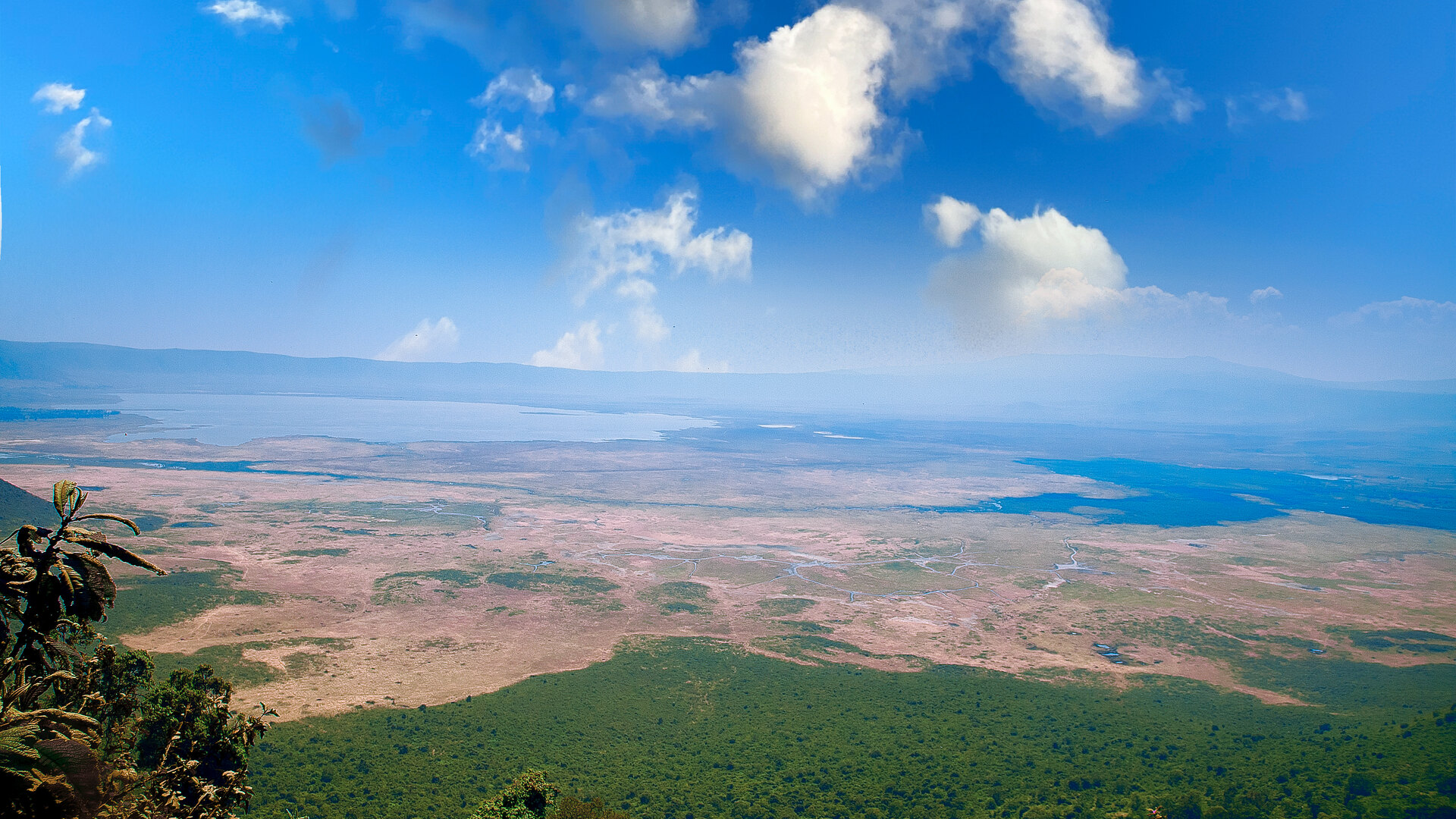
Tanzania is a big country, and the places you have come to see sit a long way apart. The road from Arusha to the central Serengeti is a full day with the Ngorongoro climb in the middle; the northern Serengeti, where the herds cross the Mara River, is hours further again on dirt. Drive the whole thing and a good slice of your holiday is spent looking at the back of the seat in front of you.
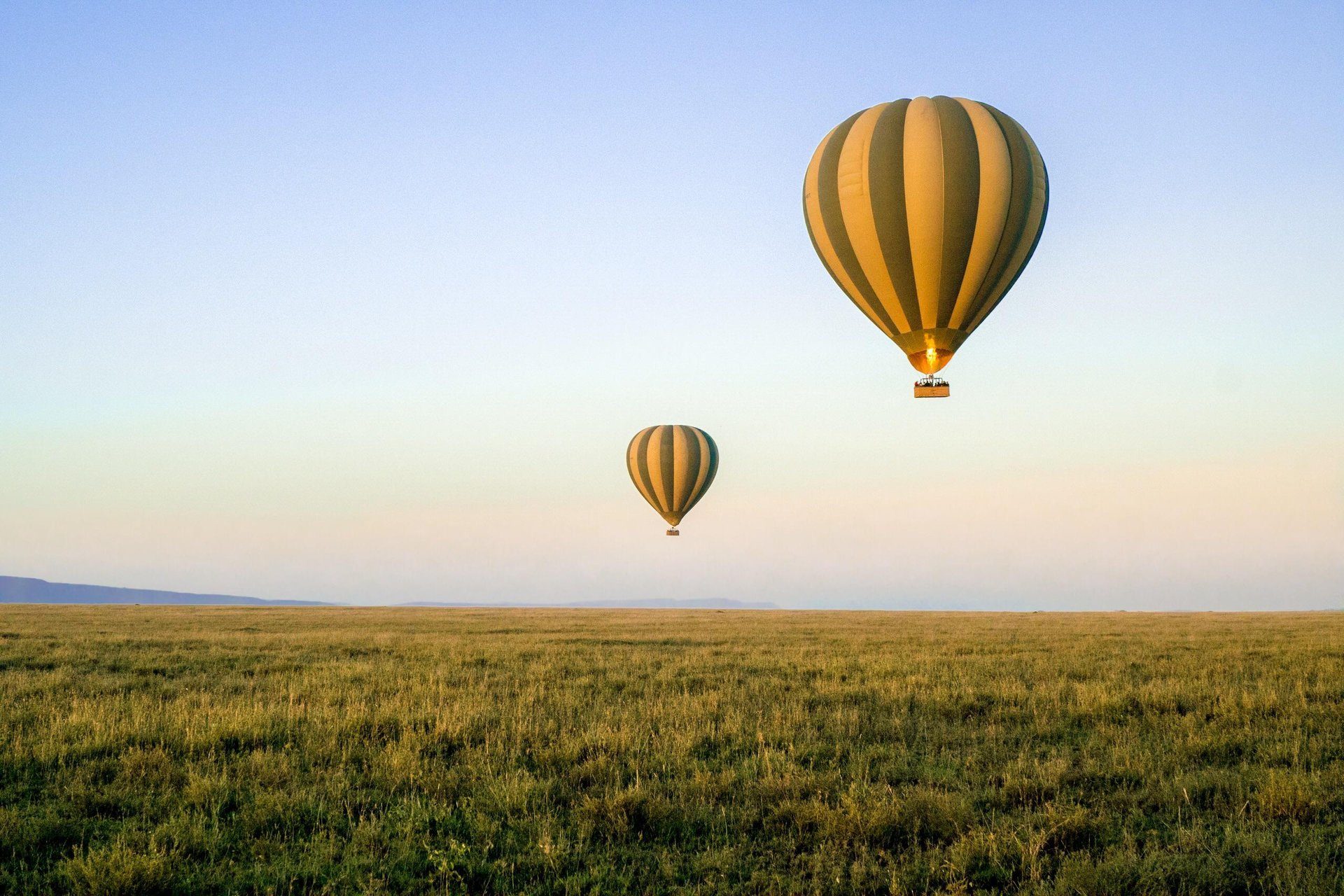
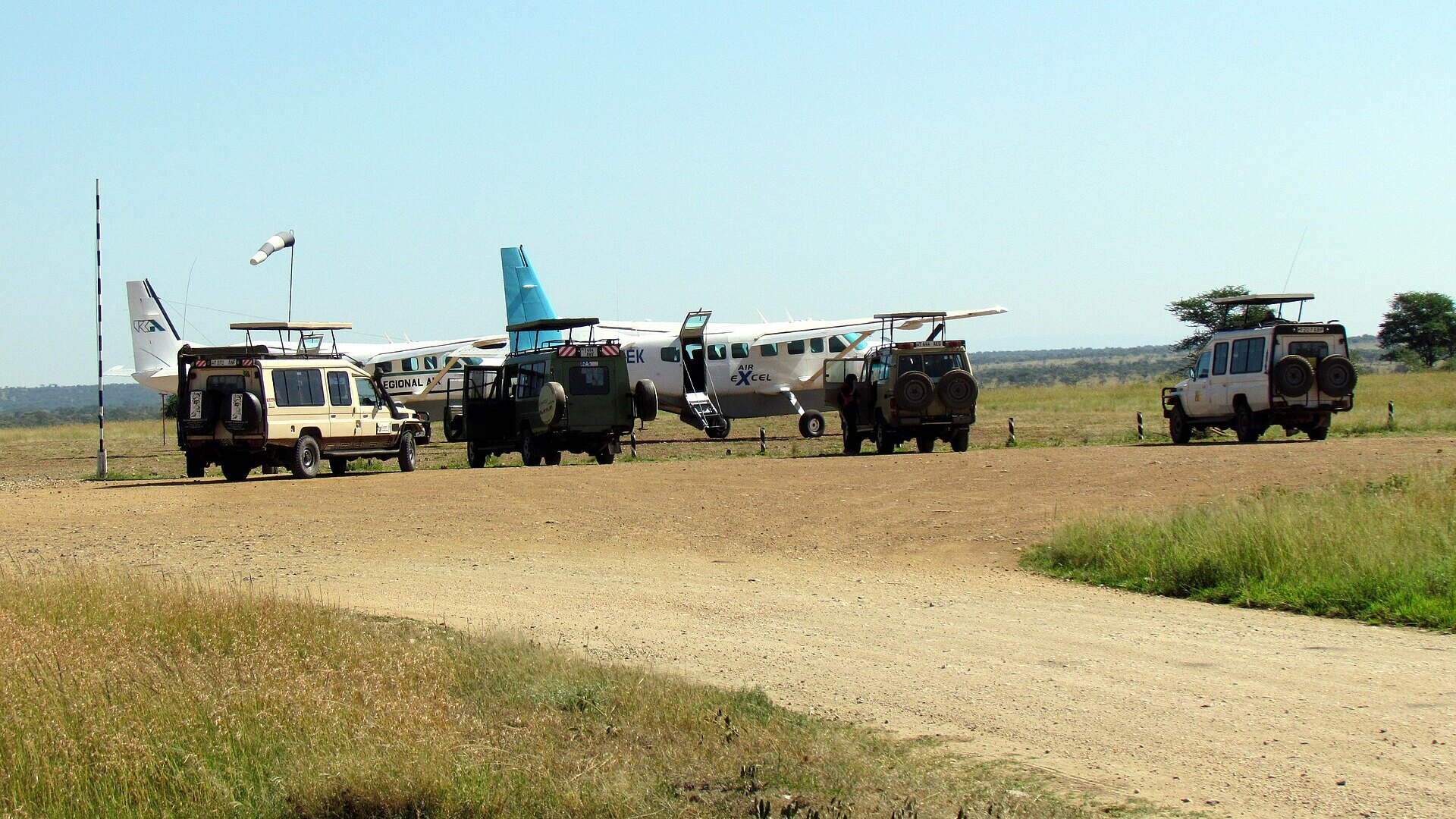
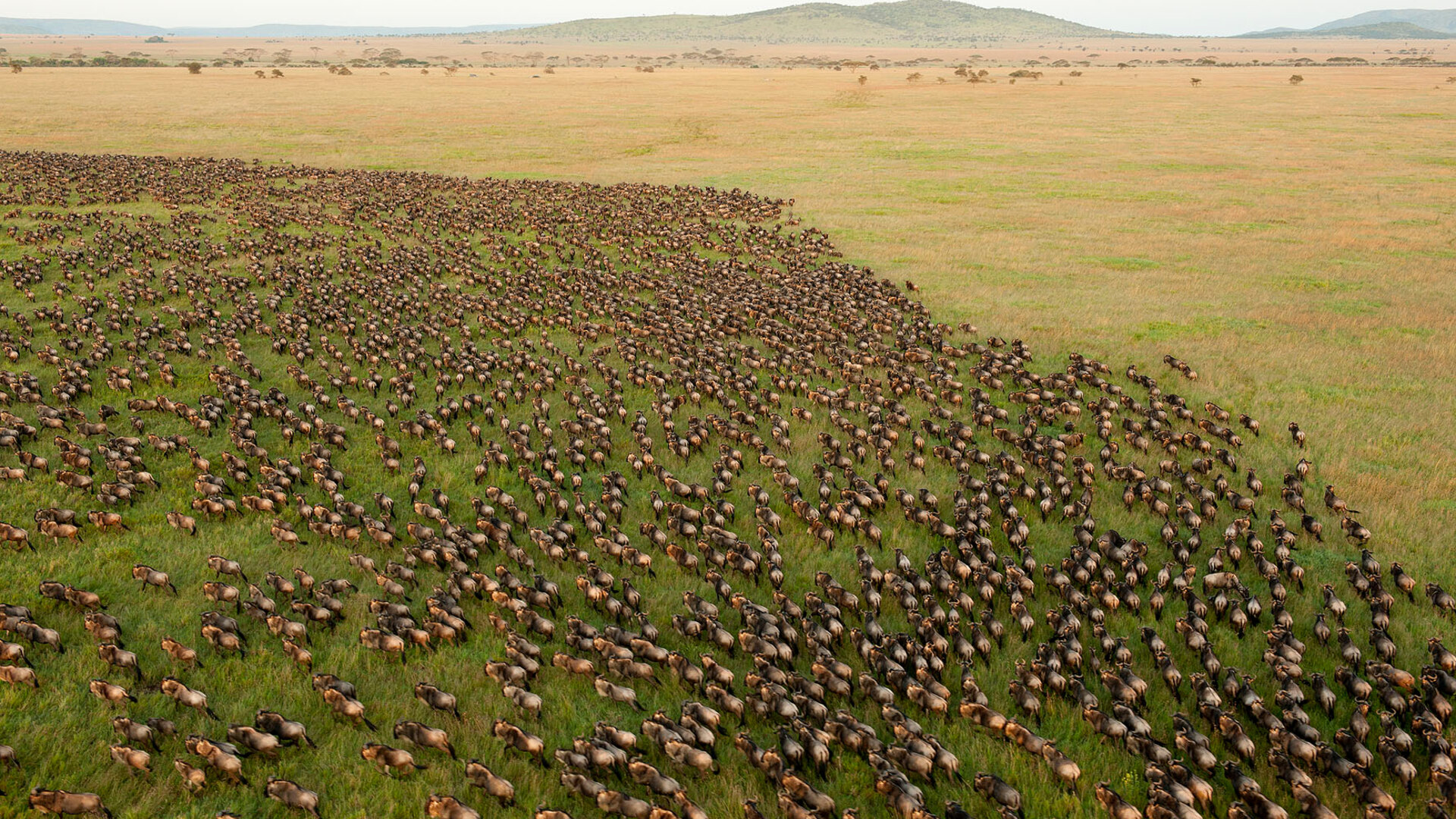
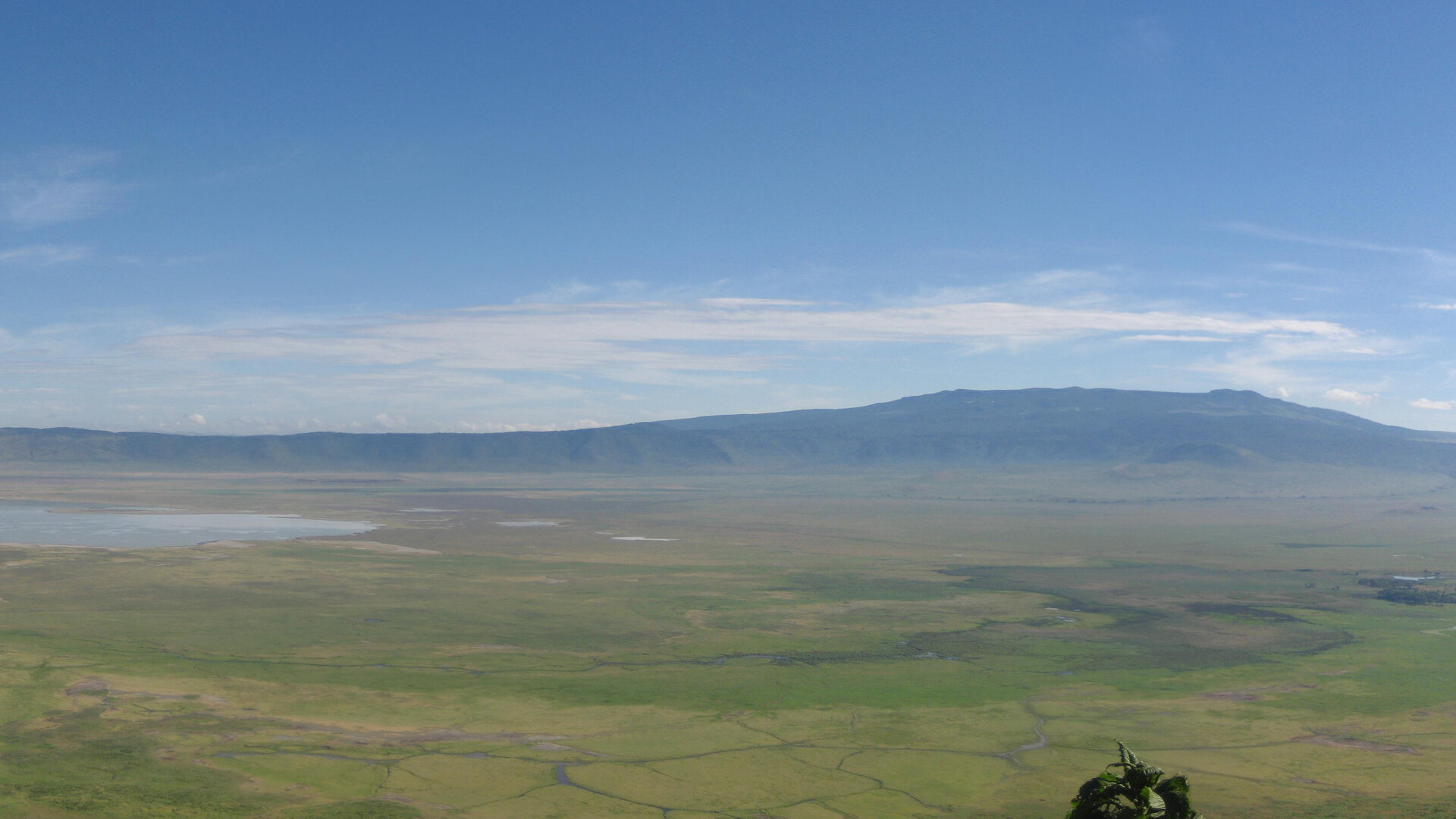
Flying changes the shape of the trip. A light aircraft covers in an hour what a vehicle covers in seven or eight, so the days you have paid for go to lions and leopards rather than to transfer roads. You lift off a short strip, climb to a few thousand feet, and the plains open out below — the herds as dark rivers across the grass, the oxbows of the rivers, the shadow of the plane running over it all. Then you drop onto a dirt strip in the middle of the park, and your guide is already there with a cold drink and the vehicle warm.
That is the case for flying in one paragraph: more time where it counts, access to parks a vehicle simply cannot reach in a sensible number of days, and a view of the country you never get from the ground. What follows is the honest detail — the airstrips, the trade-offs, the baggage rule everyone trips over, and what it all costs.
The Airstrips and How They Work
A fly-in safari runs on a network of small airstrips and scheduled safari flights, much like a bush bus service. You check in at Arusha Airport or Kilimanjaro, or at Zanzibar if you are coming off the beach, and the aircraft hops from strip to strip dropping guests as it goes. Which strip you use is decided by one thing: where the game is at the time of year you travel.
| Airstrip | Serves | Best season |
|---|---|---|
| Seronera | Central Serengeti | Year-round — resident big cats |
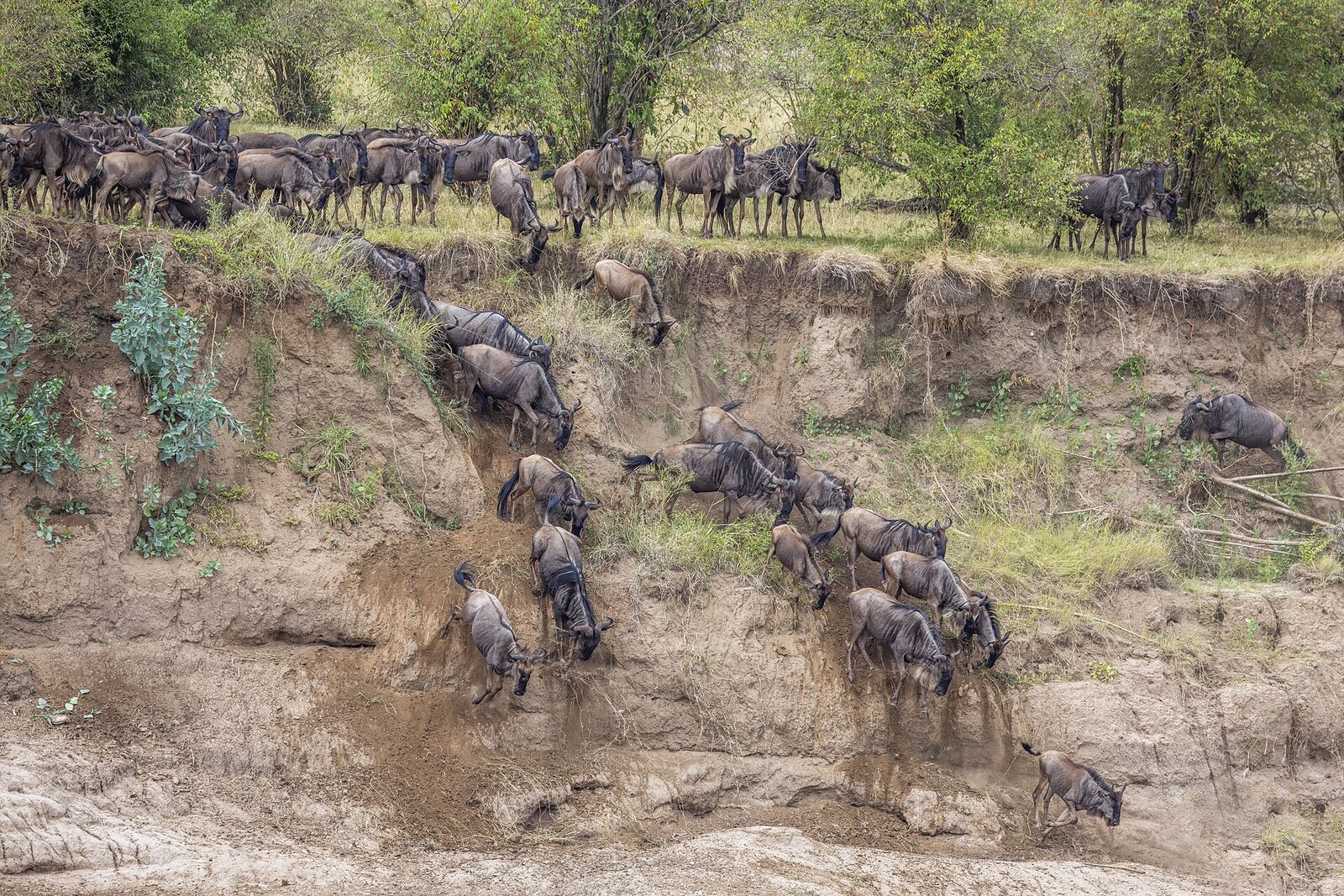
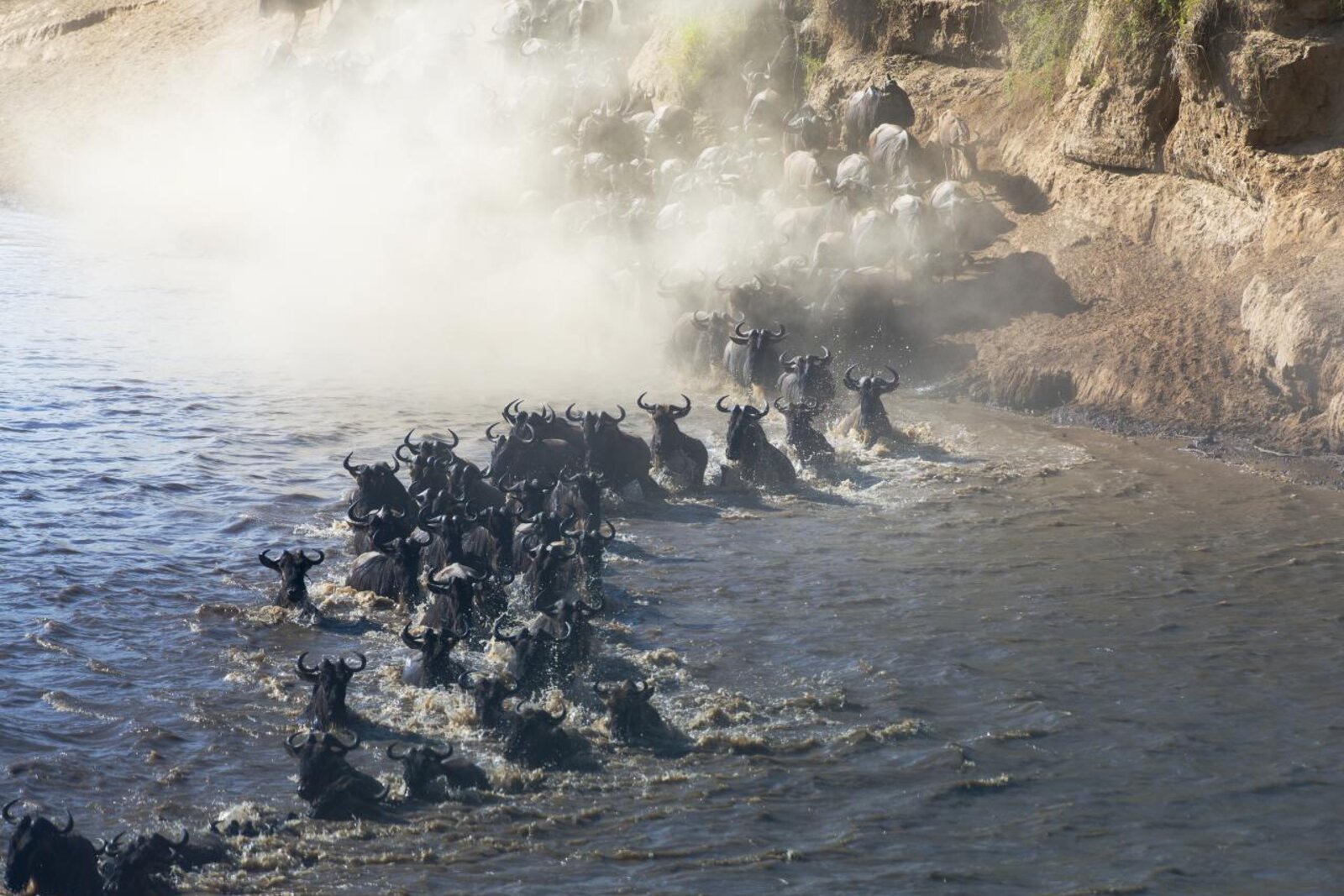
| Kogatende | Northern Serengeti, Mara River | June–October — river crossings |
| Ndutu / Kusini | Southern Serengeti plains | December–March — calving season |
| Grumeti | Western corridor | May–July — Grumeti River |
| Arusha / Kilimanjaro | Main northern hubs | Year-round — start and end point |
| Zanzibar | Beach link to the Serengeti | Year-round — bush and beach |
Two practical things to know. First, the published times on safari flights are a guide, not a promise — the aircraft may make an extra stop to pick up guests, so build a little slack into any onward connection. Second, your camp handles the strip transfer as part of the booking, so you are never left standing on a dirt runway wondering who is coming. Your guide is there, and if there is a short wait it is spent watching whatever has wandered up to the edge of the strip.
Fly-In Fly-Out and the Hybrid Options
People use a few different terms for this, so let us settle them. A fly-in safari means you reach the park by air. Fly-in fly-out just means both legs are flown — you fly in at the start and fly back out at the end, rather than driving one direction. They describe the same style of trip; fly-in fly-out is simply the full round-trip version.
You do not have to fly everything, though, and the best trips often do not. Three shapes we build most often:
- Fly-in fly-out: Both legs by air. The fastest way to reach the northern Serengeti and back, and the easy choice if your days are precious.
- Drive-in, fly-out: Drive up through Tarangire, Lake Manyara and the Ngorongoro Crater over two or three days, then fly out from the Serengeti. You see the whole northern circuit without the long drive home.
- Fly-in, drive-out: Fly straight to the far north for the crossings while they are on, then work your way back south by road at a gentler pace.
There is no single right answer. If you have ten days, a little driving adds texture and saves money. If you have five, flying both ways protects every hour for the bush. We will lay out the options side by side with the real time and cost of each, and you choose.
Baggage, Weight and the Soft-Bag Rule
This is the one rule that catches people out, so here it is plainly. On Tanzania's safari flights you are allowed 15kg per person in total — that figure includes your hand luggage — and it must go in a soft-sided bag with no rigid frame and no wheels. A hard suitcase will be refused at check-in, because it will not fit the small, curved hold of a light aircraft and it eats into the weight the pilot has to balance.
It sounds brutal, and the first reaction is always the same worry about running out of clean clothes. You will not. Every serious safari camp runs a same-day laundry service, usually free or for a token charge, so three or four changes of neutral bush clothing cover a week easily. Pack the heavy camera gear and anything you cannot replace in a soft padded bag as your carry-on, keep the medicines and documents on you, and let the camps wash the rest. The reward for travelling light is the whole point of flying in the first place.
What a Fly-In Safari Costs
Let us separate the flight cost from the safari cost, because that is where the confusion usually sits. The flights are an add-on to your camps, park fees and guiding, not a replacement for them. Here is the honest range as it stands for 2026 and into 2027:
- Scheduled light-aircraft seats: roughly USD 250 to 500 per person, per leg. These are the backbone of most fly-in trips — you share the aircraft with other guests and it stops at a few strips along the way.
- Private charter: roughly USD 1,200 to 3,000 per aircraft, depending on the route and the size of the plane. For a family or a group of four to six, chartering the whole aircraft can cost about the same as buying individual seats, with the bonus of flying on your own schedule.
On the trip as a whole, a well-run Tanzania safari with good camps generally starts around the mid thousands per person for a week and climbs from there with the standard of camp and the amount of flying. The flights buy you time and reach; the camps buy you comfort and location. We put the whole thing in front of you as one figure, per person, in your currency, with the flights, park fees, transfers and full board shown clearly, so there are no surprises once you are on the ground.
The Best Fly-In Circuits
A few shapes come up again and again because they simply work. Treat these as starting points — we tailor the nights and the camps to you.
- Serengeti in four days: Fly Arusha to Seronera or Kogatende, two or three nights in a camp set for the season, fly back. The tightest trip that still feels like a real safari.
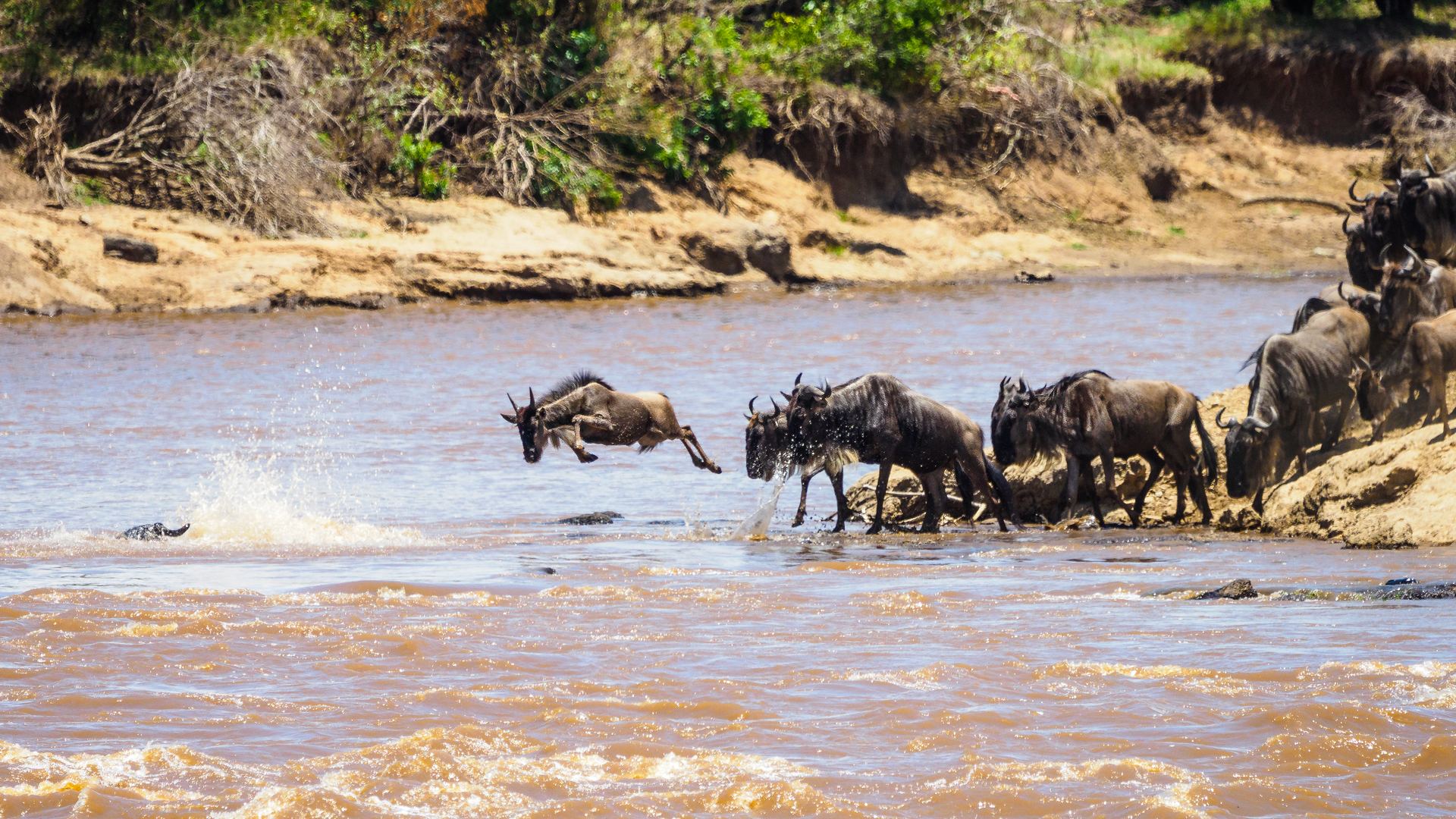
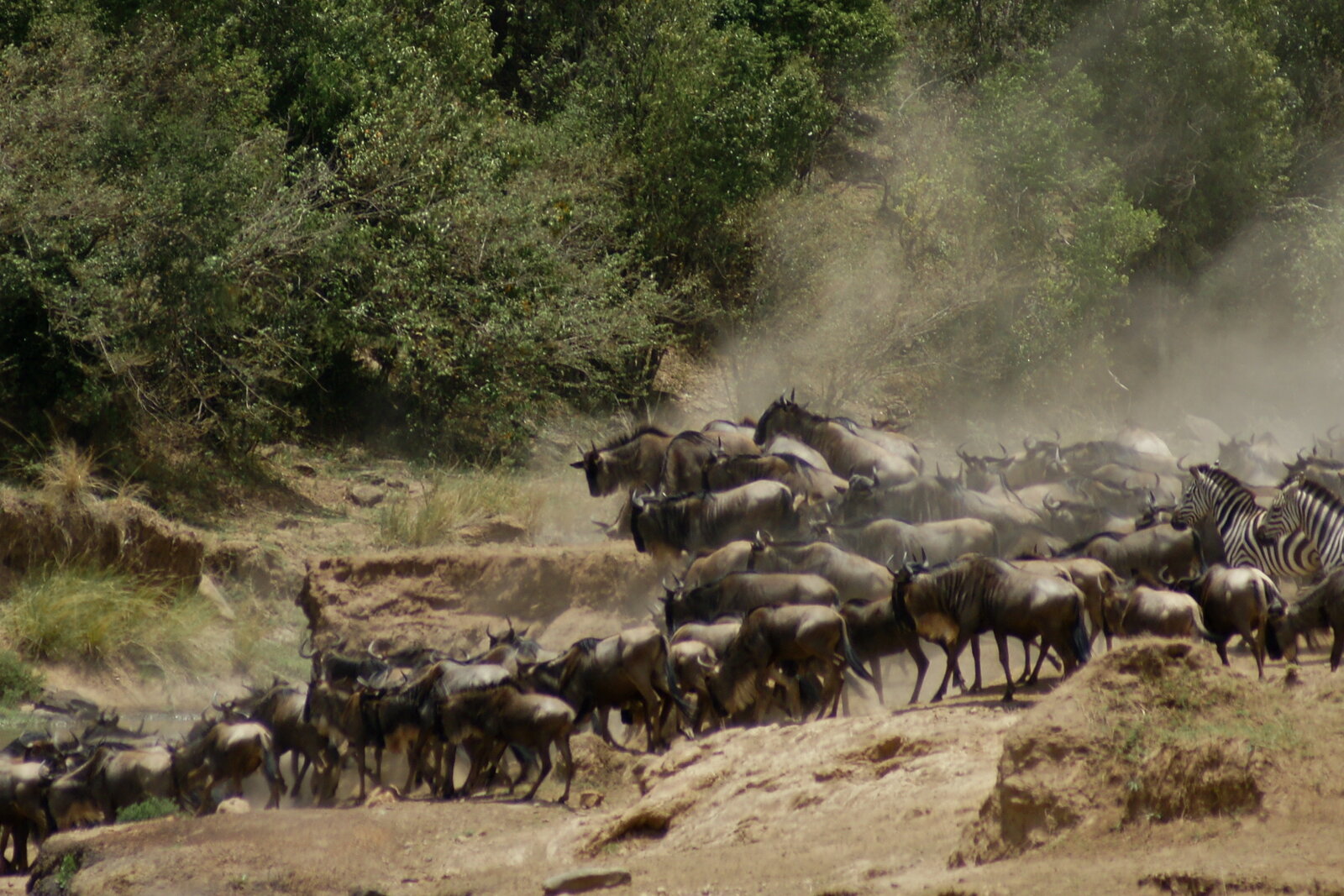
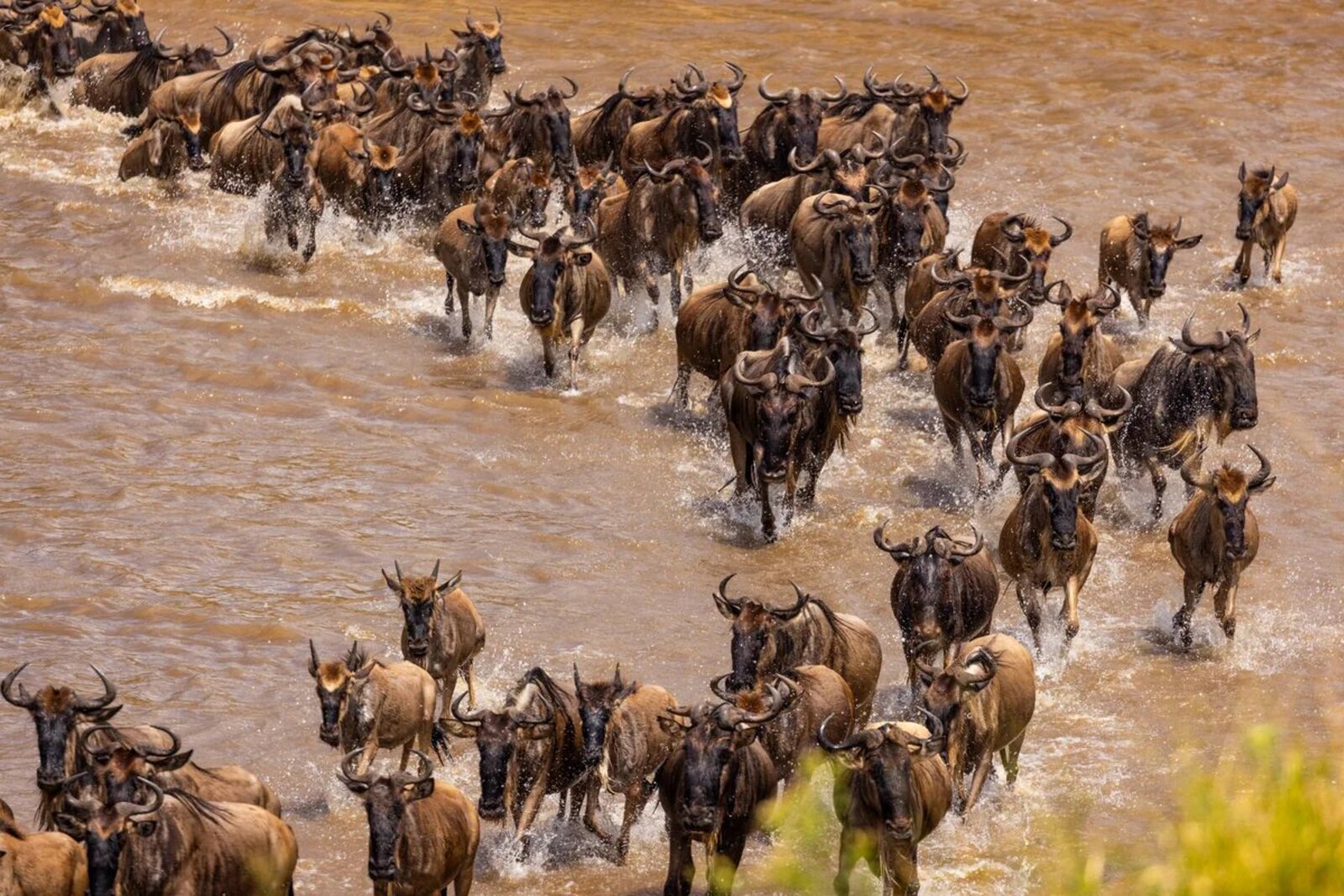
- Great Migration chase: Fly straight to Kogatende in the dry season for the Mara crossings, or to Ndutu in the green season for the calving. Flying is what makes reaching these far corners sensible on a short trip.
- Serengeti and Ngorongoro: Fly into the Serengeti, then drive out via the Ngorongoro Crater and the northern circuit — the classic drive-out hybrid.
- Bush and beach: Serengeti by air, then a direct flight to Zanzibar for the beach, with no backtracking through Arusha.
- North and south: Link the Serengeti with Ruaha or Nyerere in the south — a journey only flying makes possible in a single trip.
Which Airstrip, Which Season
The whole art of a fly-in safari is landing close to the game, and in the Serengeti the game moves. If the migration is your reason for coming, the timing drives the airstrip, not the other way around.
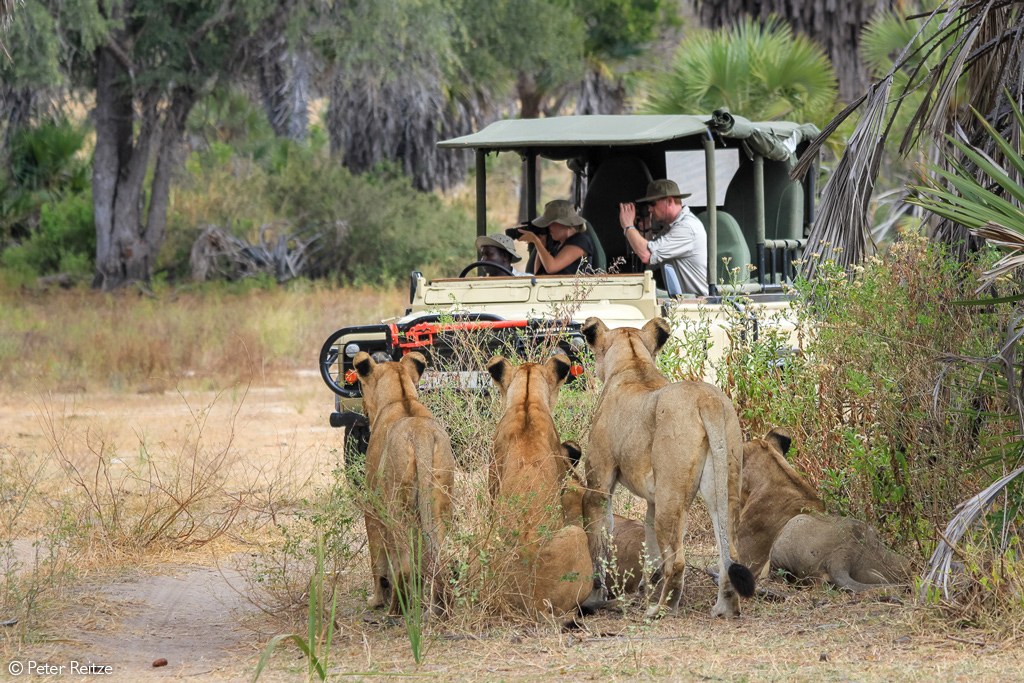
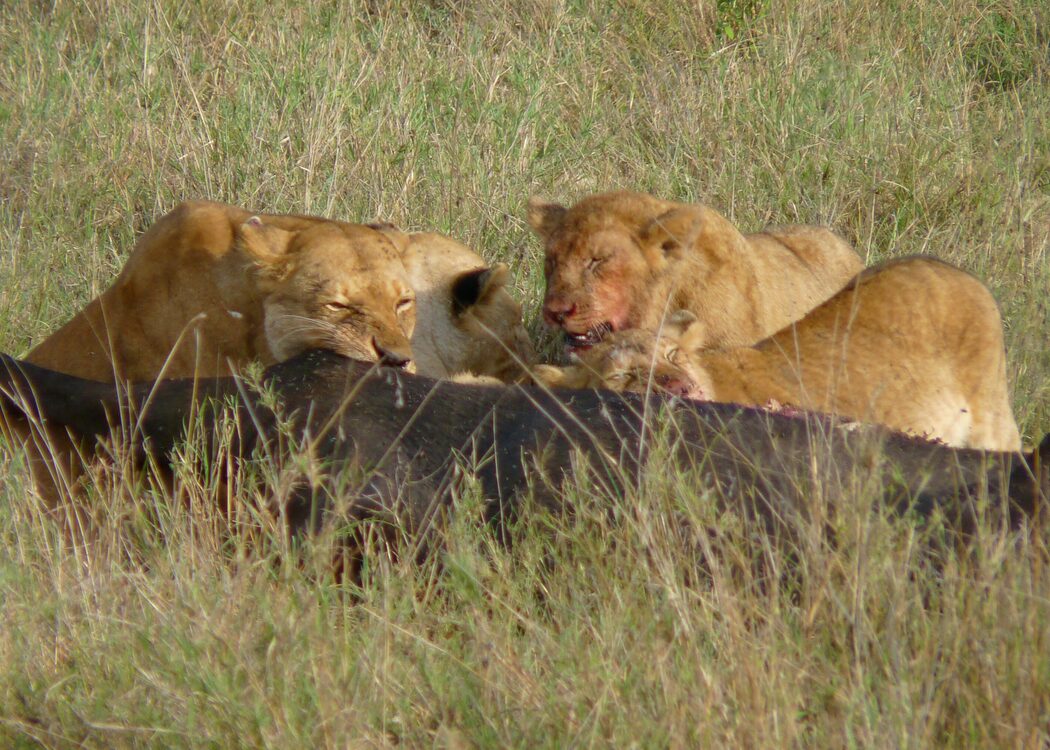
From roughly December to March, the herds are on the short-grass plains of the south for the calving, so you fly to Ndutu or Kusini. Through April and May the long rains soften the ground and the herds begin to move; the western corridor and Grumeti come into play around May to July. From about June to October, the dry season, the action is in the north around the Mara River, so Kogatende is your strip and the crossings are the draw. The central Serengeti around Seronera holds resident big cats all year, which is why it is the safe pick if your dates are fixed and you would rather not chase the herds. Our guide to the best time for the Great Migration in Tanzania goes month by month if you want to pin the timing down.
Beyond the Serengeti: Ruaha, Nyerere, Katavi and Mahale
Most fly-in talk is about the Serengeti, and fairly so, but the southern and western parks are where flying really earns its keep. They are so far from the northern hubs that reaching them by road would swallow days you do not have — which is exactly why they stay quiet and wild.
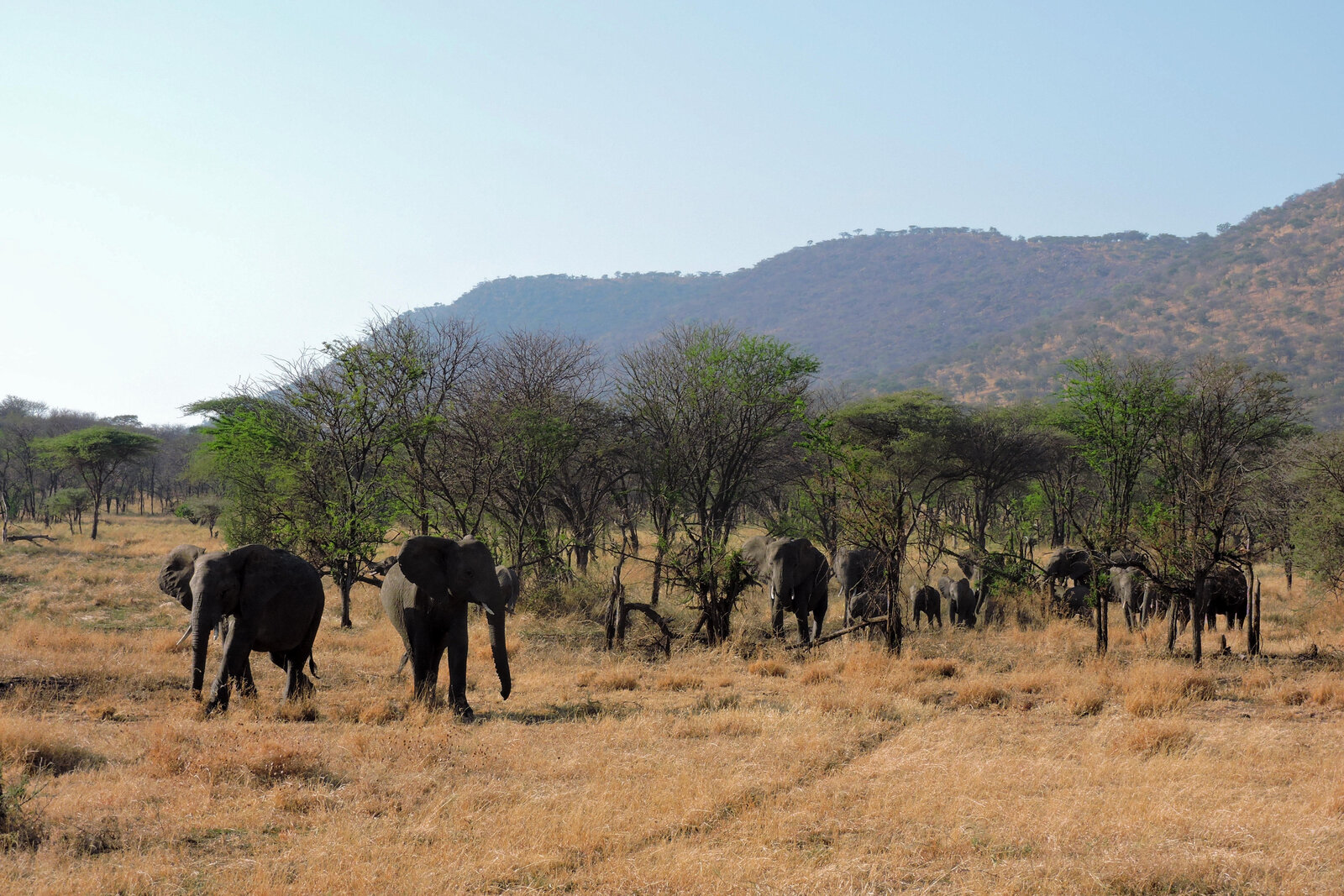
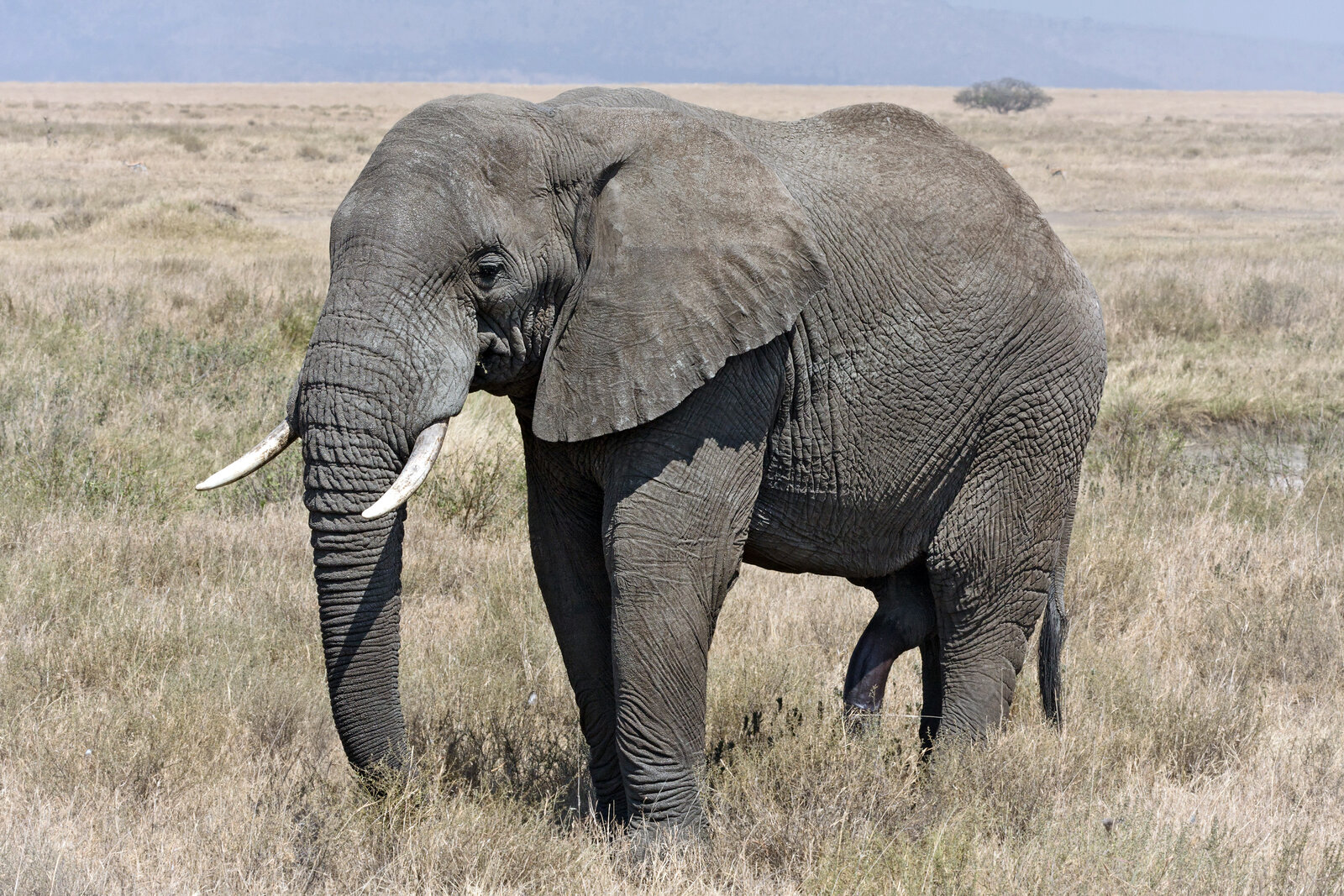
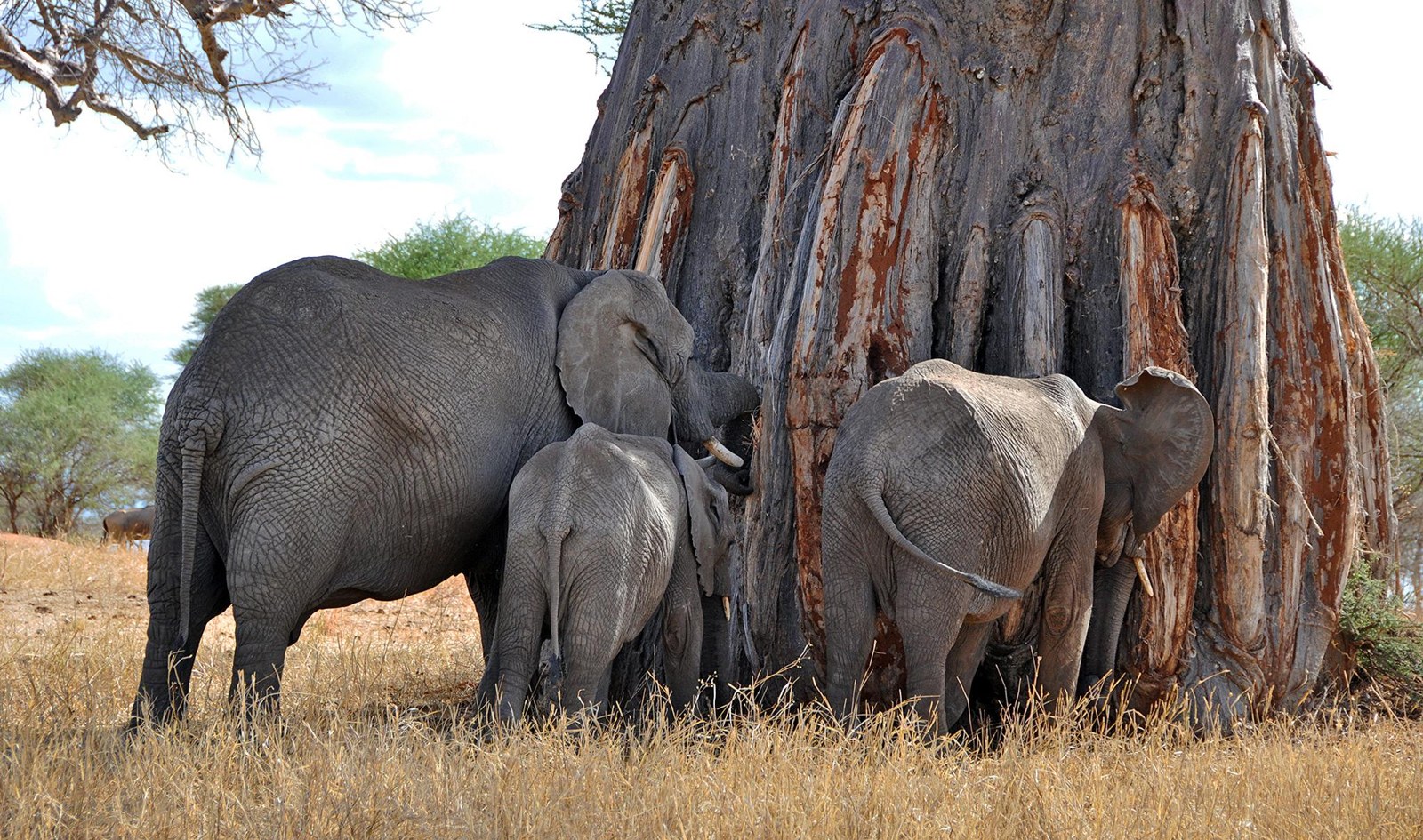
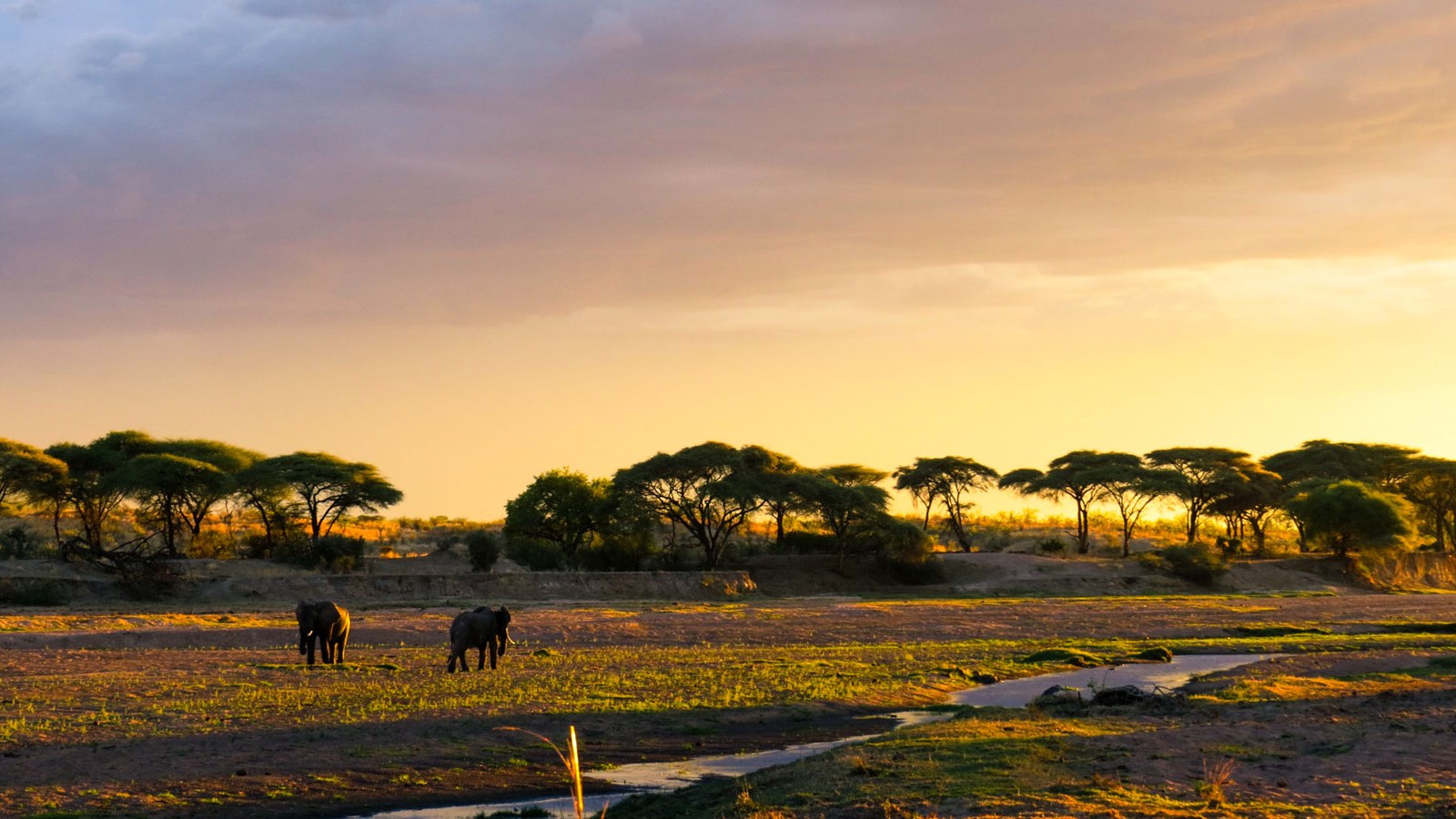
Ruaha, in the centre of the country, is a vast, dry, baobab-studded park with big elephant herds and some of the largest lion prides in Africa. Nyerere — the park carved from the old Selous — adds boat safaris on the Rufiji River and walking, a change of pace from the plains. Further out, Katavi is about as remote as a safari gets, and Mahale, on the shore of Lake Tanganyika, is where you trek for wild chimpanzees in forest that runs down to a beach. None of these fit a road trip comfortably; all of them are a straightforward flight. If your heart is set on the wilder side of Tanzania, flying is not a luxury but the thing that makes it possible.
Who a Fly-In Safari Suits
Flying is not the right answer for everyone, and we would rather say so. A fly-in trip suits you if time is short and you want every day in the bush, if the far corners of the Serengeti or the southern parks are the draw, if you are linking bush and beach, or if a day of hard driving is simply not how you want to spend a holiday. Honeymooners and families short on days lean this way for good reason.
Driving may suit you better if the budget is tight, if you genuinely enjoy watching the country change through the window, or if you want the full northern circuit — Tarangire, Manyara, the Crater — at an unhurried pace. There is also the small matter of the planes themselves: they are little, they fly low, and the midday air over the plains can be bumpy. If that is not for you, we keep the legs short and book the calm morning flights. For most people, the honest answer is a mix: drive the circuit you want to see, fly the legs that would otherwise cost you a day.
Planning Your Fly-In Safari
Three things make a fly-in trip run smoothly: the right strip for the season, enough slack in the connections, and camps that handle the transfers end to end. We book the flights, the camps and the ground transfers as one trip, so your guide is always at the strip and your onward connections — including any beach or international flight — have room to breathe. We also sort the small things that trip people up: the soft bag, the 15kg limit, the morning flight if you are a nervous flyer, and medical-evacuation cover on every booking.
If you are weighing it up, our wider guide to fly-in safaris across Africa sets Tanzania against the other great fly-in countries, and the Tanzania northern circuit itinerary shows what a drive-and-fly combination looks like day by day. When you are ready, tell us your dates and how long you have, and we will put the options in front of you.
🦁 Plan Your Fly-In Safari in Tanzania
Tell us your dates, how many days you have and whether the migration is your reason for coming, and we will build a fully costed fly-in itinerary — the right airstrips for the season, the camps, the flights and the transfers all handled, quoted per person in your own currency.
Get My Fly-In Safari Plan →The Short Version
A fly-in safari in Tanzania buys you the one thing you cannot make more of: time in the bush. You swap long drives for short flights, land on a dirt strip in the middle of the park, and spend your days with the animals rather than on the road. Match the airstrip to the season — Seronera all year, Kogatende for the crossings, Ndutu for the calving — pack a soft 15kg bag, and let the camps handle the strip transfers.
Fly both ways if your days are short, mix in some driving if you want to see the country, and add the southern parks if you want Tanzania at its wildest. Start with our Africa fly-in guide or the best luxury lodges in Tanzania, or just tell us your dates and we will take it from there. You can also reach us on WhatsApp for a quick answer.