We're Open8am–6pm SAST
WishlistPartner Portal
← Back to BlogSafari

Ilha de Moçambique 2026: The Island of Mozambique Guide

Audio EditionListen to this story
0:000:00
Narrated by George — audio edition

Key Takeaways

  • Ilha de Moçambique is a UNESCO World Heritage Site — a tiny coral island that once gave its name to the whole country.
  • Expect a sun-bleached Stone Town, the vast Fort São Sebastião, ancient chapels and a living Swahili-Portuguese culture.
  • It layers five centuries of history — Swahili, Arab, Portuguese, Indian and African — in a walkable, atmospheric setting.
  • Pair it with the beaches and diving of northern Mozambique and the wildlife of the mainland.
  • We build every visit as a private, tailor-made journey, matched to a mainland safari.

Where Is Ilha de Moçambique — and Why Go?

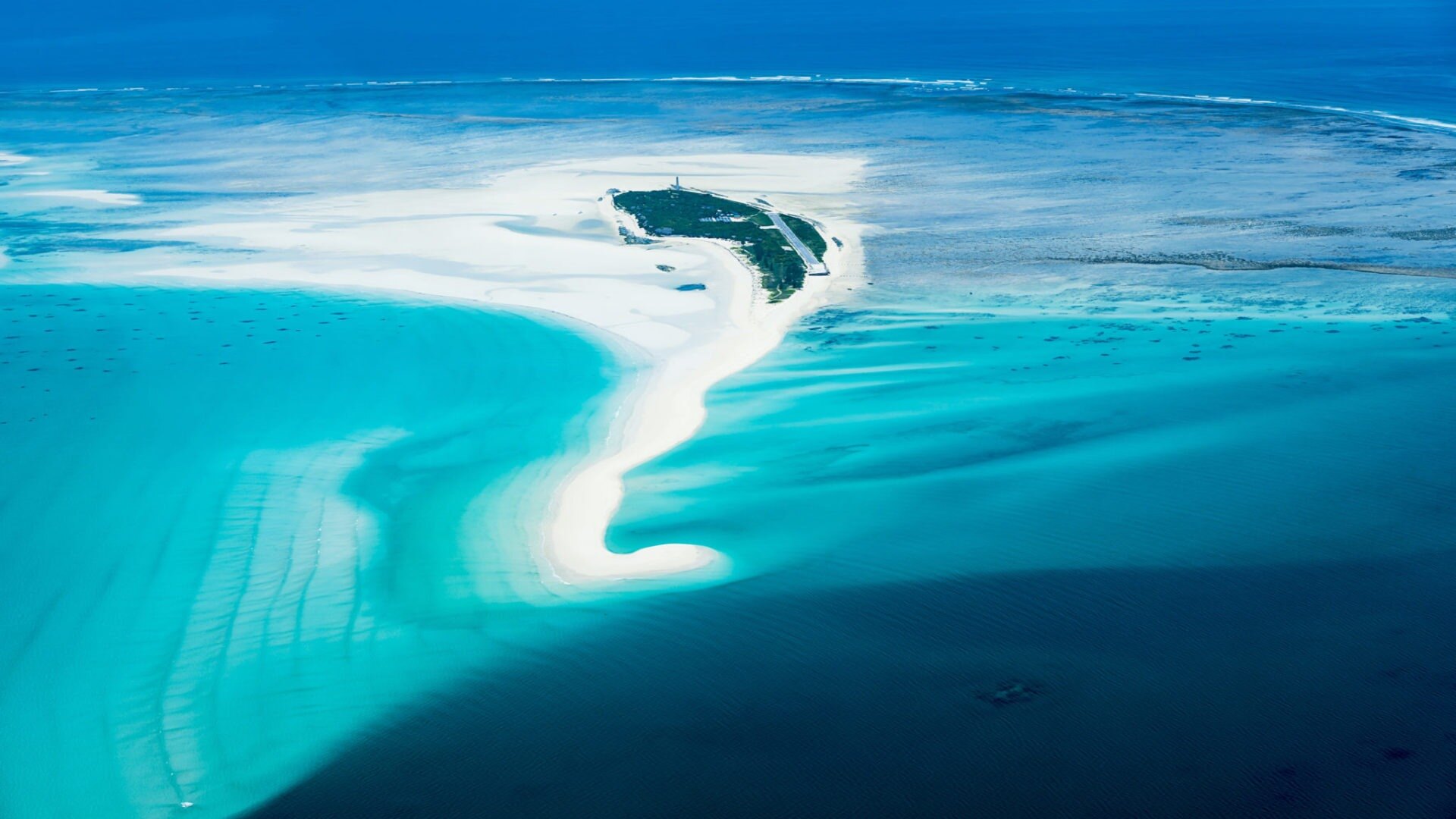
A living history book you can walk through. Ilha de Moçambique lies off the coast of northern Mozambique, connected to the mainland by a slender three-kilometre causeway. For nearly four centuries it was the capital of Portuguese East Africa and a pivotal Indian Ocean trading port, where Swahili dhows, Arab merchants, Portuguese explorers and Indian traders all left their mark. Today the whole island is a UNESCO World Heritage Site — a place where you can wander from a 16th-century fort to a coral-stone mosque to a faded colonial mansion in a single afternoon.

Below we explore the island's landmarks and layers — and how we weave this extraordinary place into a wider African journey.
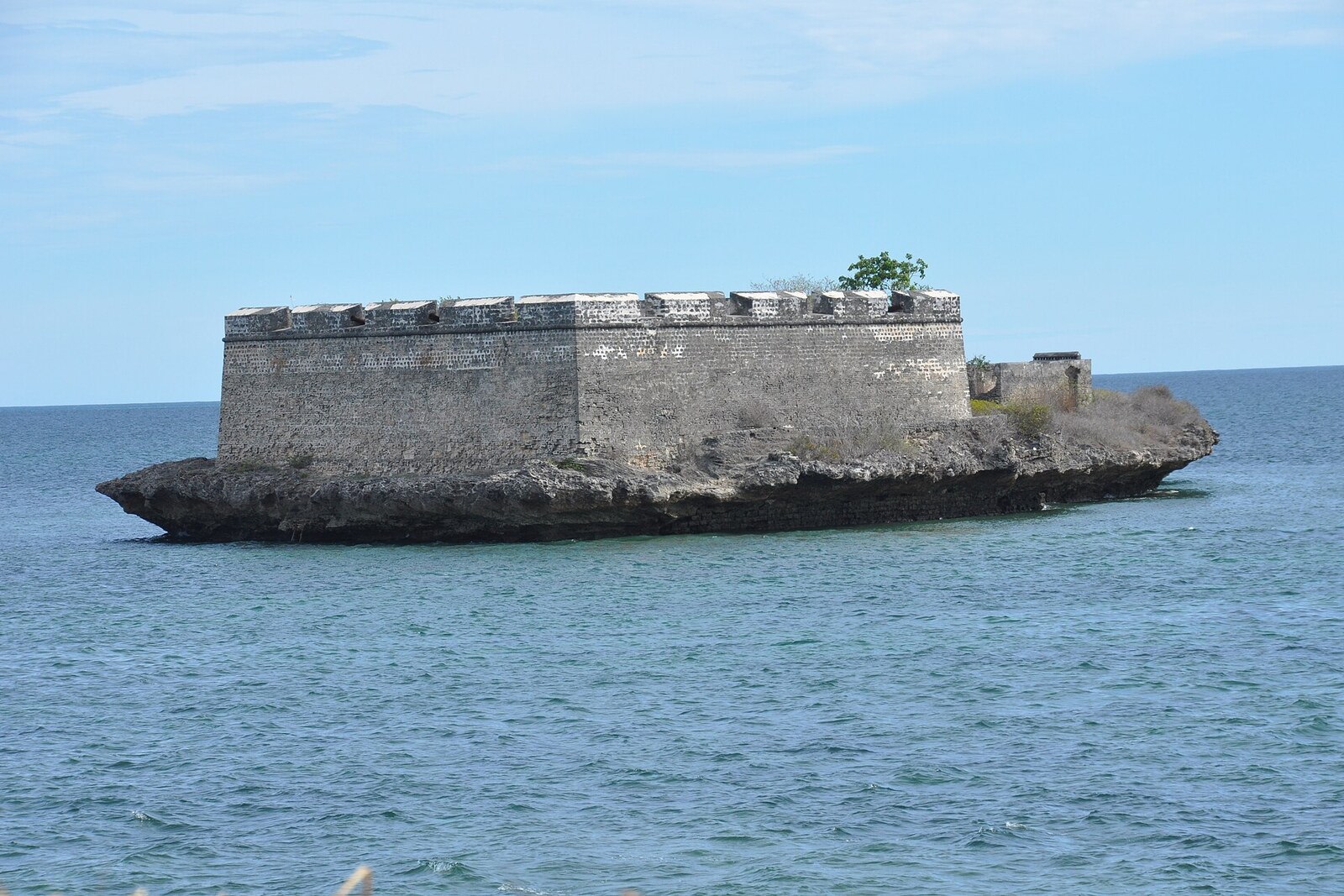
A stone fort standing in the sea off Ilha de Moçambique
Centuries of Indian Ocean history rise straight from the sea

1. Fort São Sebastião — The Great Fortress

The oldest standing European building in the southern hemisphere. Dominating the northern tip of the island, the vast Fort São Sebastião was completed in the late 16th century and has guarded the harbour ever since. Its immense coral-stone walls, cannon-lined ramparts and sweeping sea views make it the island's greatest landmark — and a walk along its battlements, with the Indian Ocean on every side, is unforgettable.
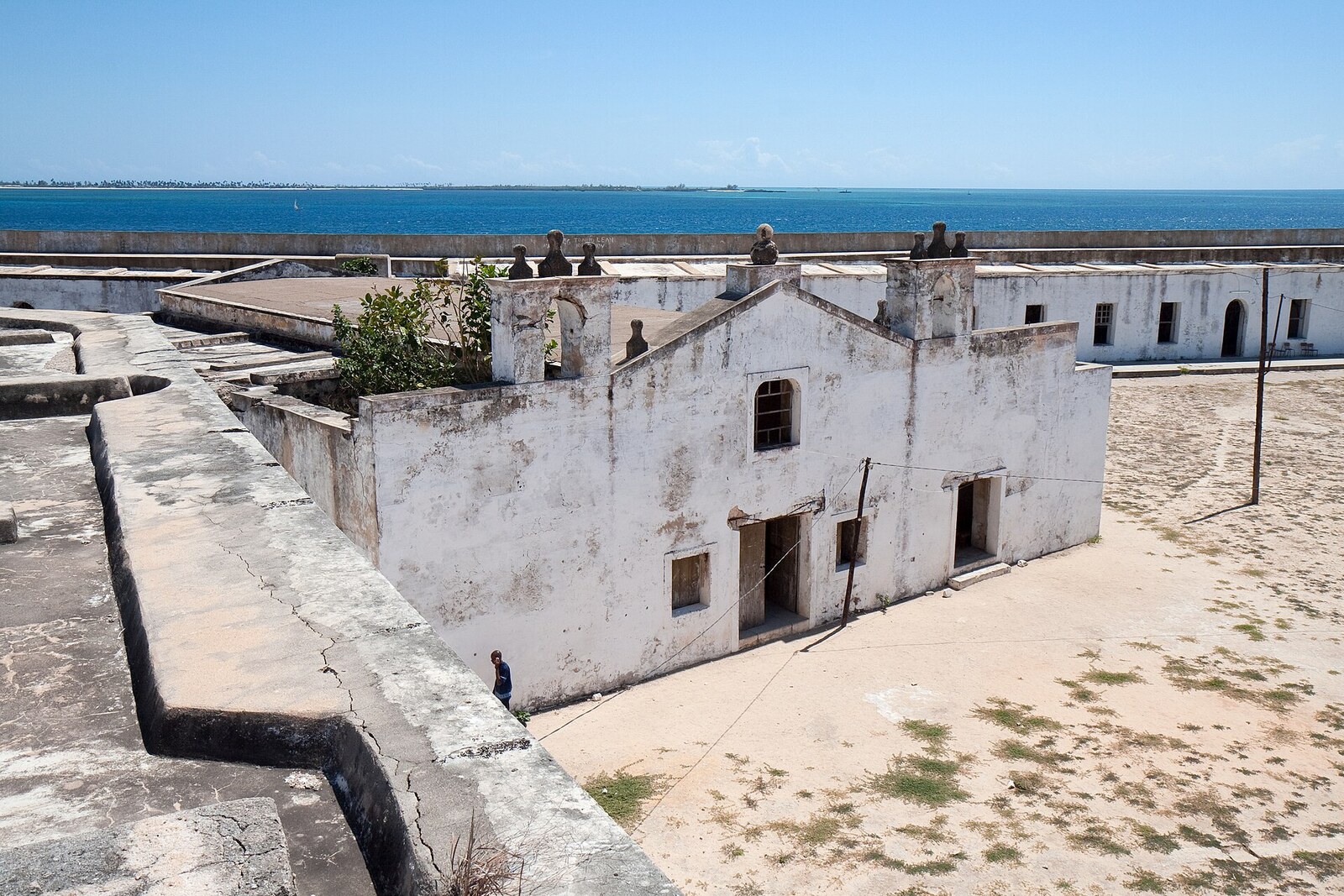
Cannon and courtyard inside Fort São Sebastião on Ilha de Moçambique
Fort São Sebastião — the oldest standing fort in the southern hemisphere

2. The Chapel of Nossa Senhora de Baluarte

A tiny white chapel of extraordinary age. Beside the fort stands the Chapel of Nossa Senhora de Baluarte, built in 1522 and considered the oldest surviving European building in the southern hemisphere. Simple, white and framed by palms against the blue of the sea, it is one of the most photographed and moving sights on the island — a quiet monument to five centuries of history.
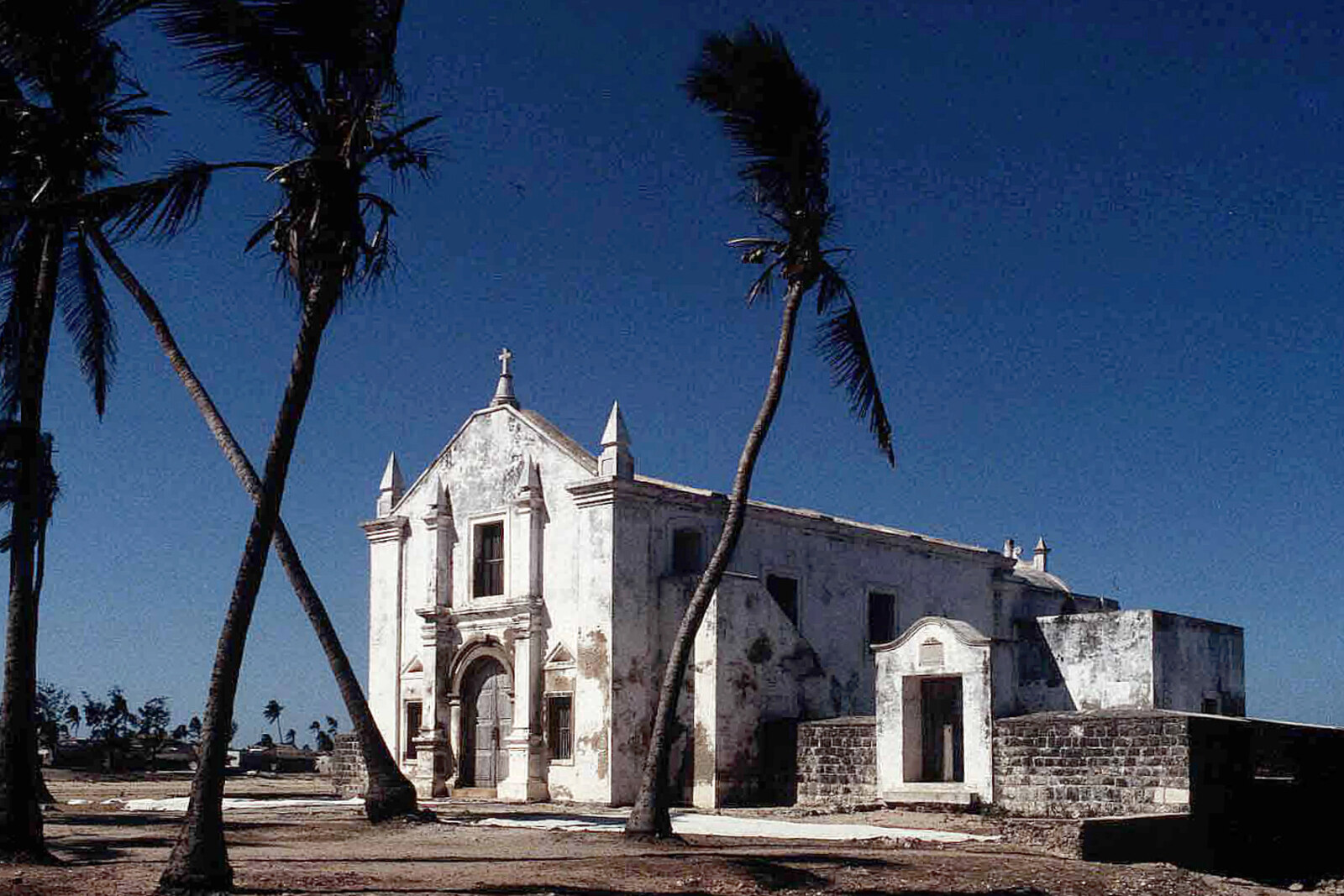
The white Chapel of Nossa Senhora de Baluarte framed by palms on Ilha de Moçambique
The 1522 Chapel of Baluarte — the oldest European building south of the equator

3. Stone Town — The Historic North

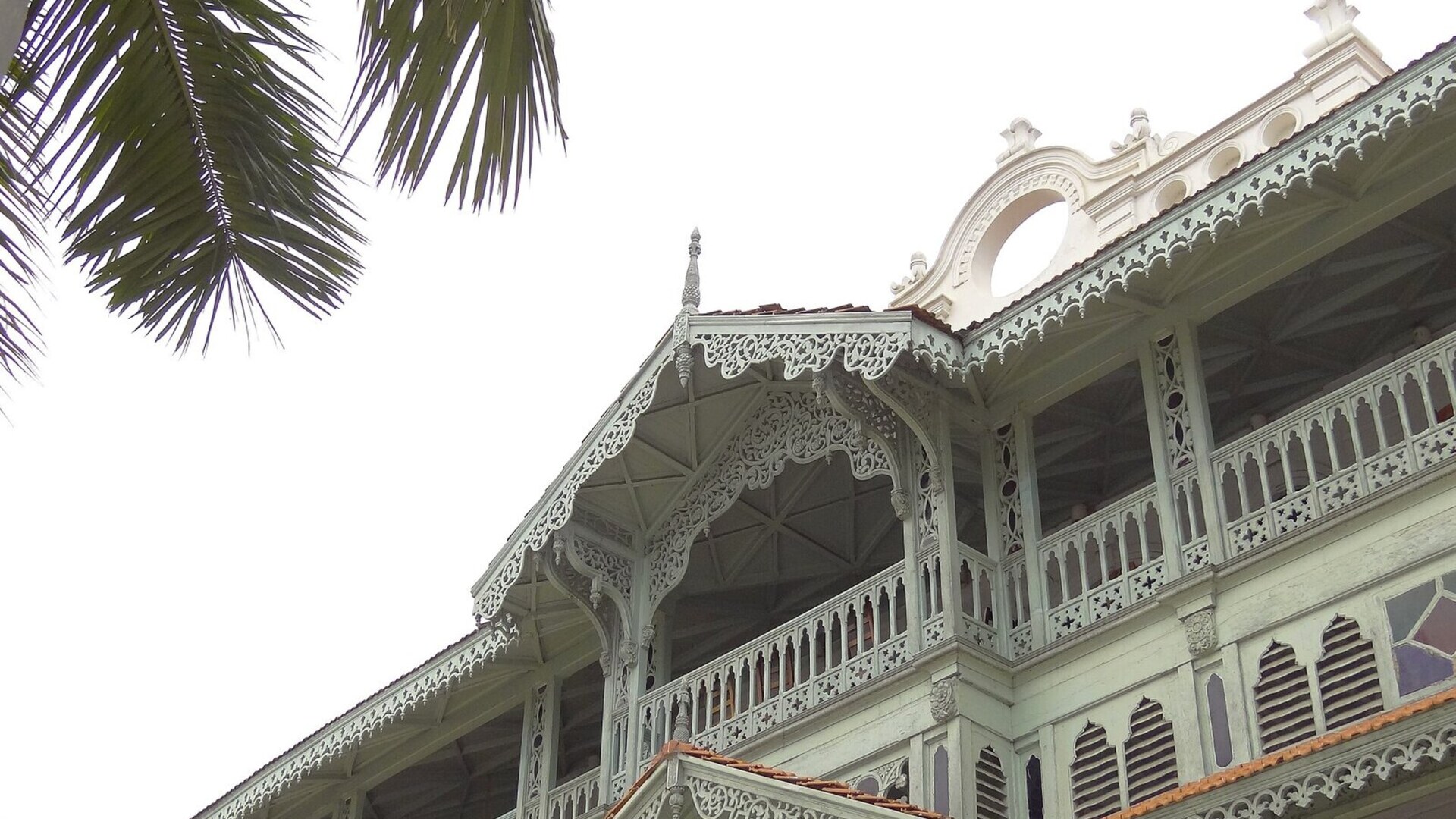
A sun-bleached quarter of grand old buildings. The northern half of the island is Stone Town, a dense weave of coral-stone streets lined with palaces, churches, mosques, a Hindu temple and the elegant mansions of merchants and governors. Some are beautifully restored as museums and hotels; others stand romantically faded. Wandering here, layer upon layer of Swahili, Portuguese and Indian influence reveals itself at every turn.

4. Makuti Town — The Living Island

Where the island's community lives today. The southern half of the island is Makuti Town, a lively, colourful quarter of palm-thatched houses where most of the island's residents live. Its bustling markets, football games on the sand and everyday rhythm give the island its warm, living heart — a vivid contrast to the grand stone quarter to the north.

5. Dhows, Beaches & the Sea

The Indian Ocean on every side. Wooden dhows still sail from the island exactly as they have for centuries, and boat trips to nearby sandbanks and islets — Goa Island and its lighthouse among them — reveal turquoise water, empty beaches and superb snorkelling. Sunset from the causeway or a rooftop, with dhows silhouetted against the sky, is one of the great romantic moments of any African journey.
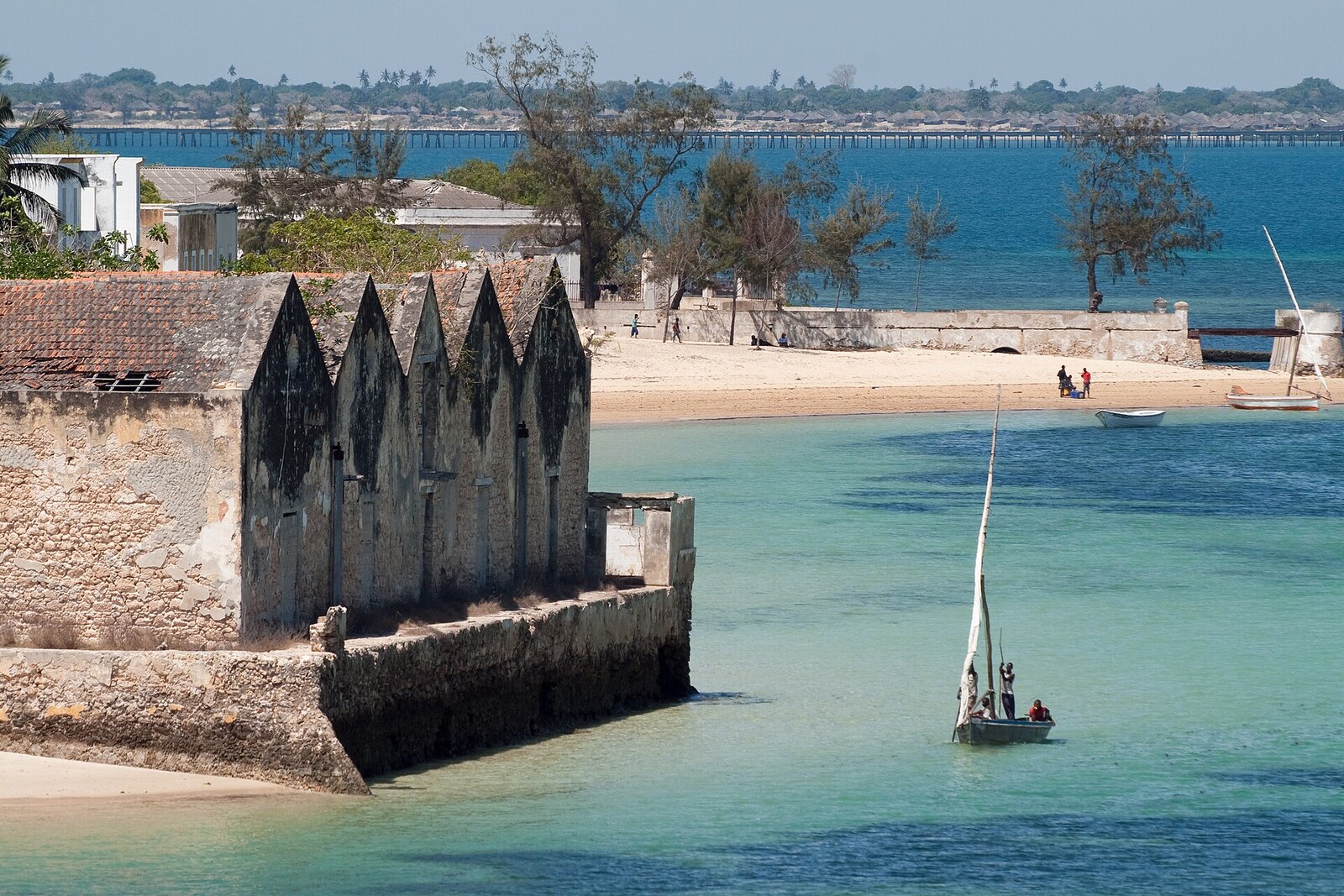
A dhow beside a stone jetty in the turquoise sea at Ilha de Moçambique
Dhows still sail from the island as they have for centuries

6. The Palace & Museums

Treasures of the trading centuries. The Palace and Chapel of São Paulo, once the governor's residence, is now a superb museum of Indo-Portuguese furniture, Chinese porcelain and sacred art — a window onto the wealth that once flowed through the island. Together with the Museum of Sacred Art, it brings the island's golden age of Indian Ocean trade vividly to life.


How to See Ilha de Moçambique

ExperienceBest ForTime Needed
Fort & Stone Town walking tourHistory & architectureHalf to full day
Dhow trip & snorkellingSea & sandbanksHalf day
Museums & palaceCulture & artA few hours
Overnight in a heritage hotelAtmosphere1–3 nights

When to Visit Ilha de Moçambique

The best time to visit is the cooler, drier season from May to October, when the weather is comfortable for walking the stone streets and the sea is calm for dhow trips — this also aligns with prime safari season on the mainland. The November to April months are hotter and more humid, with occasional tropical rain. We plan your visit around the most comfortable conditions and the smoothest connections.

Why Book Ilha de Moçambique With Us

  • Seamless logistics — northern Mozambique takes careful planning; we handle every flight and transfer.
  • History & safari as one — the game drives, the island and the connecting flights, arranged as a single journey.
  • The finest heritage stays — atmospheric restored mansions and characterful island hotels.
  • Private and tailor-made — expert guides, dhow trips and special touches all handled.
  • 24/7 support — one point of contact from the first game drive to the last island sunset.

Plan Your Ilha de Moçambique Journey

We are a private, tailor-made travel house based in Cape Town, and few places on the continent reward the curious traveller like this tiny island of stone and sea. Tell us your dates and interests — history and architecture, culture, or the beaches and dhows of the north — and we will craft an all-inclusive journey that pairs the island beautifully with a mainland safari.

Ready to step into living history? 👉 Request an Ilha de Moçambique quote → 👉 Browse our tours & safari packages → 👉 WhatsApp us: +27 74 315 5782


The Island of Mozambique

A tiny crescent of coral, barely three kilometres long, Ilha de Moçambique carries five centuries of Swahili, Arab, Portuguese and Indian history in its weathered stone streets — a UNESCO World Heritage Site where the past is gloriously, tangibly alive.

This is our 2026 guide to Ilha de Moçambique — its fort and Stone Town, its chapels and beaches, and how to weave this living-history island into a wider African journey.

Frequently Asked Questions

Ilha de Moçambique, or the Island of Mozambique, is a tiny coral island off the coast of northern Mozambique that was for nearly four centuries the capital of Portuguese East Africa and a great Indian Ocean trading port. The island gave its name to the entire country. Today the whole island is a UNESCO World Heritage Site, celebrated for its fort, Stone Town, ancient chapels and layered Swahili-Portuguese-Indian culture.

Highlights include the vast Fort São Sebastião, the 1522 Chapel of Nossa Senhora de Baluarte, the sun-bleached palaces and mosques of Stone Town, the lively palm-thatched quarter of Makuti Town, superb museums such as the Palace of São Paulo, and dhow trips to nearby sandbanks and islets for snorkelling and empty beaches. It is a compact island best explored slowly on foot.

The island is connected to the mainland of northern Mozambique by a three-kilometre causeway, and is reached via the nearby airport at Nampula followed by a road transfer. Because it lies in the country's north, it takes careful planning and connecting flights — which is exactly the kind of logistics we handle so your visit is seamless.

The best time is the cooler, drier season from May to October, when the weather is comfortable for walking the stone streets and the sea is calm for dhow trips — this also aligns with prime safari season on the mainland. November to April is hotter and more humid with occasional tropical rain. We plan your visit around the most comfortable conditions.

Yes — it makes an extraordinary cultural counterpoint to a wildlife safari. The island pairs naturally with the beaches and diving of northern Mozambique and with a Big Five safari on the mainland or in neighbouring countries. We arrange the game drives, every flight and the island as one private, all-inclusive journey.

Two to three nights is ideal — enough to explore the fort, Stone Town and museums at a relaxed pace, take a dhow trip to the sandbanks, and soak up the island's unique atmosphere over a couple of unforgettable sunsets. Paired with a mainland safari and a beach stay, it forms a beautifully varied journey that we tailor to your dates.

Make It Happen

Safari Packages

Ready to experience it yourself?

Let our local experts craft a private journey around the places you just read about.

Explore ToursPlan My Trip
Curated For You

You May Also Like

An ultra-luxury safari suite with a private deck and plunge pool overlooking the bushSafari

The 8 Best Ultra-Luxury Safari Suites in Africa 2026: The Most Exclusive Rooms in the Bush

Some safari suites are simply on another level. At the very top of the market sit a rare few — vast, private, breathtakingly designed spaces with their own plunge pools, salas and sun decks, glass walls framing the wilderness, and, at the most exclusive, a dedicated butler, private chef and even a personal guide and vehicle. These are the suites that turn a great safari into an unforgettable one, where the room is as memorable as the game viewing. This is our definitive 2026 guide to the best ultra-luxury safari suites in Africa: what defines them, where to find the finest, who they suit, and how we build one seamlessly into a private journey.

28 Jul 2026 · 14 min read
Golden light over the African savannah with acacia trees, the real-life Pride LandsSafari

The Lion King Safari 2026: Where to Find the Real Pride Lands in Africa

Generations have fallen in love with Africa through one golden, unforgettable story — of a lion cub, a wise mandrill, a warthog and meerkat, and a sunrise over the Pride Lands. What many people do not realise is that all of it is real. The endless plains, the acacia-dotted horizons, the great herds on the move, the very animals themselves — Simba, Pumbaa, Timon, Rafiki and Zazu all have living counterparts you can meet on safari. Even the word Hakuna Matata is real Swahili. This is our 2026 guide to a Lion King-inspired safari: where to find the real Pride Lands, which animals to look for, and how to turn a family's favourite story into the trip of a lifetime.

28 Jul 2026 · 14 min read
A pristine African wilderness landscape with wildlife under a wide skySafari

Sustainable Safari 2026: 8 Ways to Travel Responsibly in Africa

It is one of travel's happiest truths: a well-planned safari is a force for good. The fees you pay protect enormous wildernesses that might otherwise be lost, fund the anti-poaching teams and rangers who guard the wildlife, and provide livelihoods for the communities who live alongside it. Choose thoughtfully and your trip leaves the wild stronger than you found it. This is our definitive 2026 guide to a sustainable, eco-friendly safari — how to pick genuinely responsible lodges, how to support conservation and local people, and how to reduce your footprint — all without giving up an ounce of comfort or wonder.

28 Jul 2026 · 14 min read
Simple, Personal, Expert-Led

How It Works

From first message to the trip of a lifetime — planning your safari with us is effortless.

  1. 1

    Share Your Dream

    Tell us who is travelling, your dates and what you long to see. One quick message is all it takes to begin.

  2. 2

    We Design It

    Your specialist crafts a private, tailor-made itinerary — the right camps, the right season, every detail considered.

  3. 3

    Refine Together

    We fine-tune the journey with you until every day feels perfect, then handle flights, transfers and permits.

  4. 4

    Travel With Confidence

    Set off knowing every detail is handled and a dedicated specialist is on call from your first game drive to home.

Your Journey Starts Here

Let Our Experts Craft Your Perfect Safari

Every itinerary is handcrafted by our team of local specialists who have spent 18+ years exploring Southern and East Africa. From Big Five game drives to gorilla trekking — we create journeys that stay with you forever.

Start PlanningChat with Us
Chat