Key Takeaways — Kibira National Park
- Location: Northwest Burundi, 2.5 hours from Bujumbura. Part of the Congo-Nile watershed.
- Size & Habitat: 400km² montane rainforest (1,100–2,660m elevation), contiguous with Rwanda's Nyungwe Forest.
- Primates: ~300 wild chimpanzees, black & white colobus monkeys, golden monkeys.
- Birds: 200+ species, including rare Albertine Rift endemics.
- Activities: Chimpanzee tracking (permit ~$50-80), forest walks, birding, waterfall hikes.
- Best Time: Dry season (June–September) for chimp tracking; December–February also good.
- Entry: Park fee ~$40-50/person + chimp tracking permit.
- Accessibility: Accessible year-round; 4x4 recommended during wet season.
Why Visit Kibira National Park?
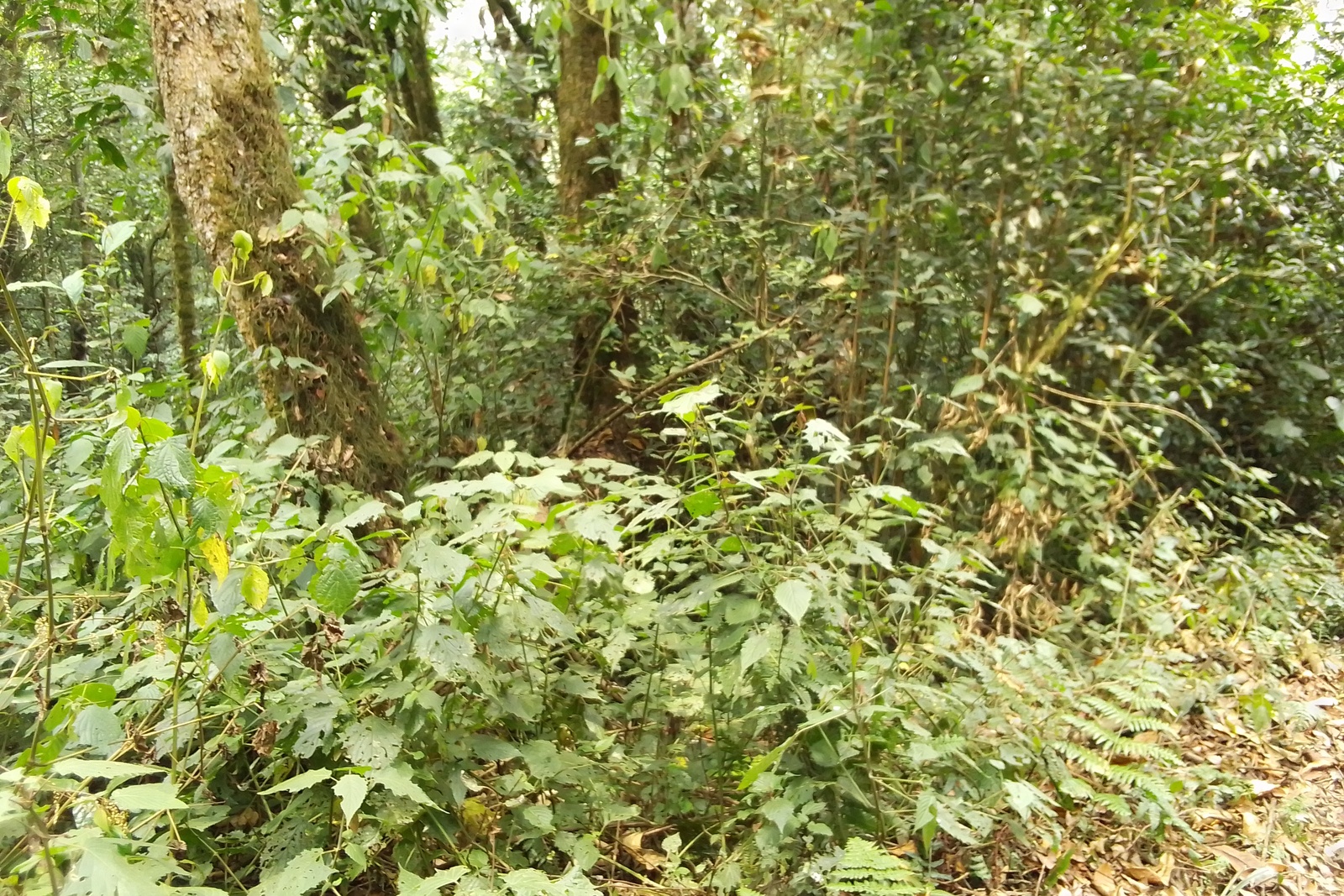
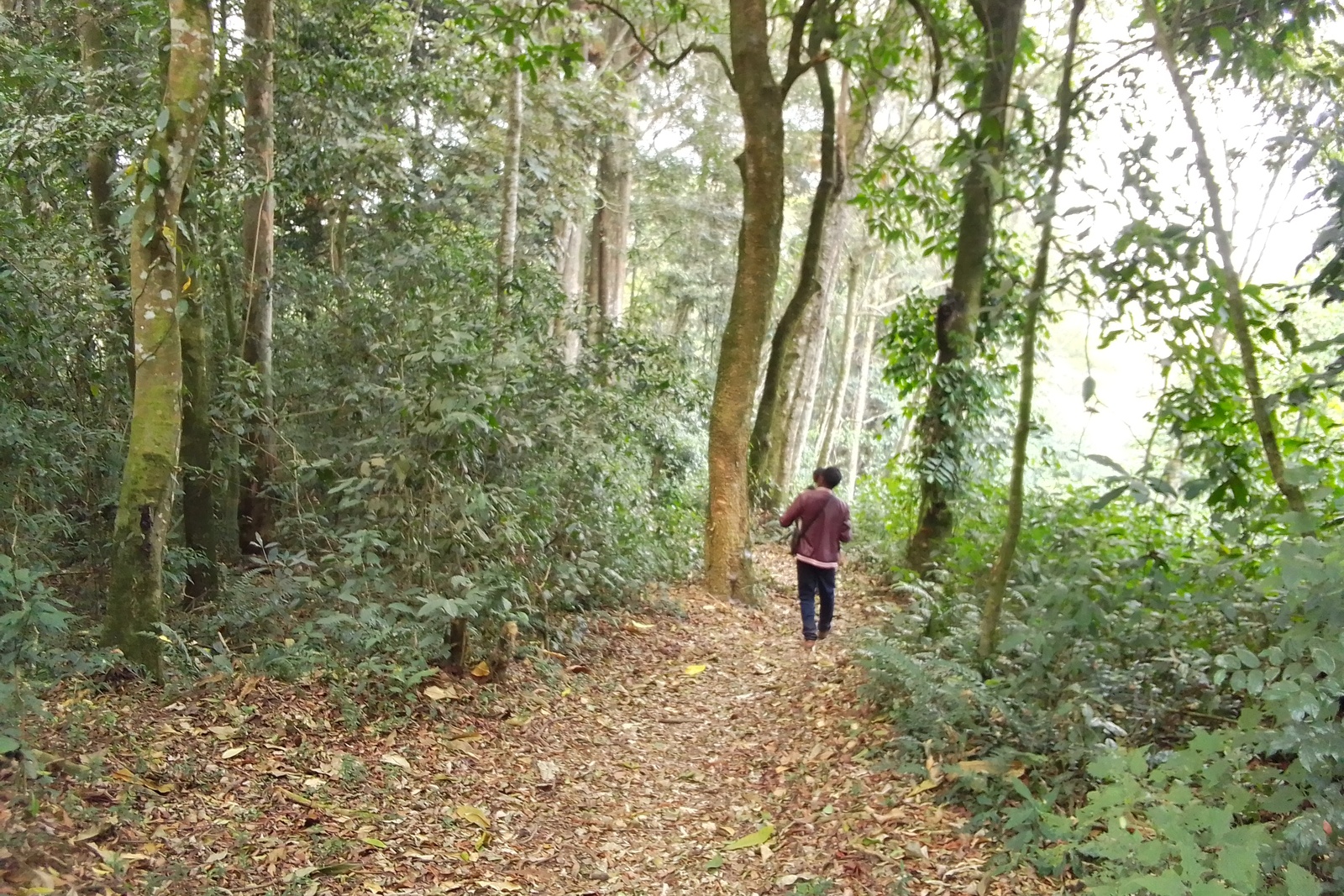
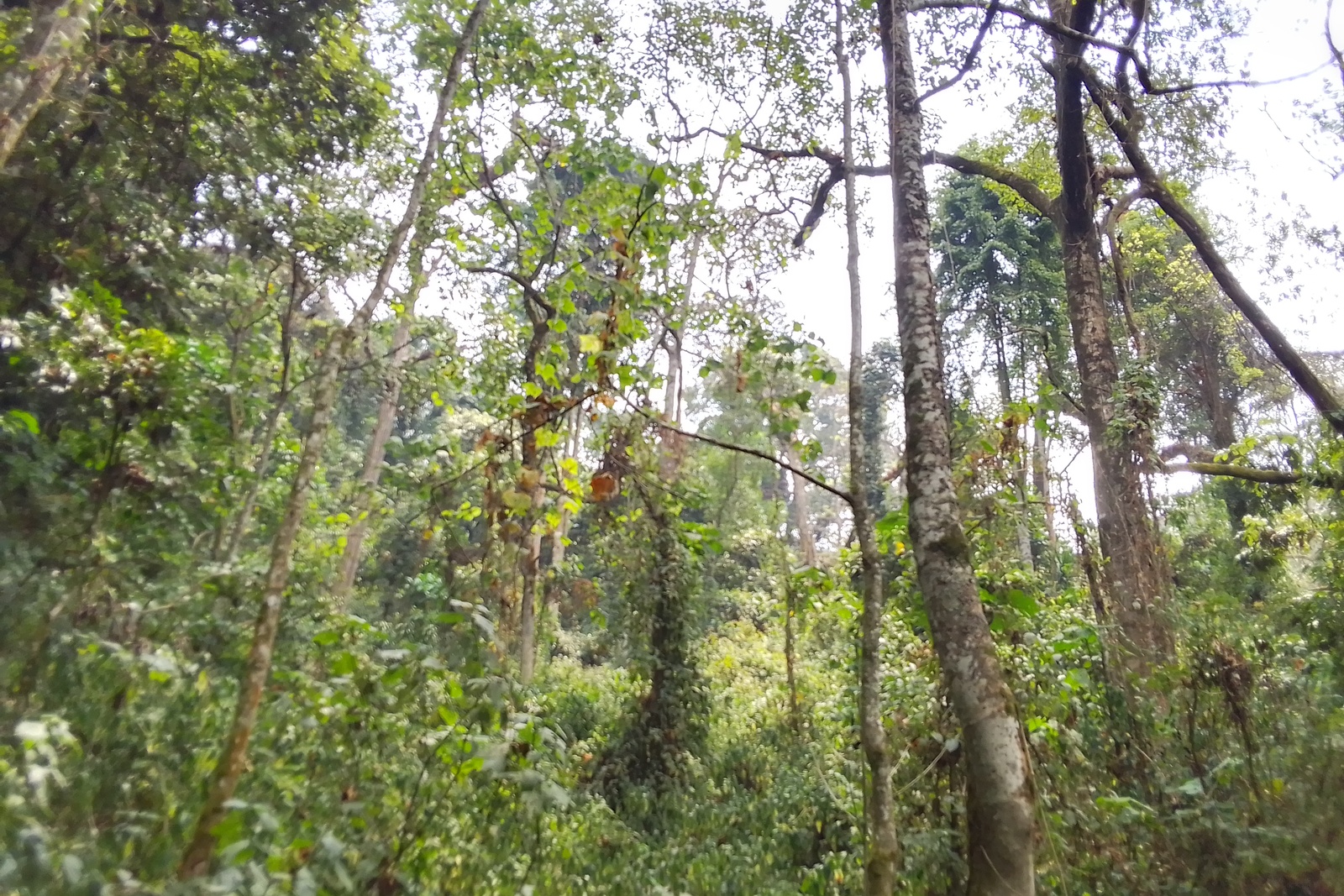
Kibira National Park is Burundi's premier rainforest wilderness — a 400km² expanse of montane forest where the Congo-Nile watershed climbs from 1,100 meters to 2,660 meters. This is one of Africa's last intact mountain rainforests, ecologically contiguous with Rwanda's legendary Nyungwe Forest, forming a single vast primate corridor across the heart of Central-East Africa.
If you've dreamed of tracking wild chimpanzees in near-total solitude, Kibira delivers. Unlike Uganda's crowded Kibale or Rwanda's permit-lottery Nyungwe, Kibira sees only a handful of primate trackers per week. You'll hear the forest's symphony — chimp pant-hoots echoing through cathedral-like canopies, colobus monkeys crashing through branches overhead, and the calls of over 200 bird species, many found nowhere else on Earth.
This is the Burundi few tourists discover — lush, wild, and profoundly humbling. For those seeking an authentic off-the-beaten-path primate safari, Kibira is a privilege, not a checklist.
Park Overview — Africa's Hidden Rainforest Gem
Established in 1980, Kibira National Park protects the largest remaining tract of montane rainforest in Burundi. The park's name derives from the Kirundi word for "forest," a fitting tribute to its dense, mist-shrouded canopy that blankets the Congo-Nile Divide.
| Attribute | Details |
|---|---|
| Size | 400 km² (154 sq mi) |
| Elevation | 1,100 – 2,660 meters (3,610 – 8,730 feet) |
| Ecosystem | Montane rainforest, bamboo zones, secondary growth |
| Location | Northwest Burundi, along the Rwanda border |
| Nearest City | Bujumbura (120 km / 2.5 hours west) |
| Conservation Status | IUCN-recognized, UNESCO Biosphere Reserve candidate |
| Rainfall | 1,500–2,000 mm annually (wet October–May) |
| Access | Year-round; 4x4 recommended wet season |
Kibira is part of the Albertine Rift biodiversity hotspot, one of the richest ecosystems in Africa. Its slopes are drained by rivers flowing west to the Congo Basin and east to the Nile, making it a hydrological linchpin for the entire region.
Wildlife — Primates, Birds & Forest Secrets
Primates
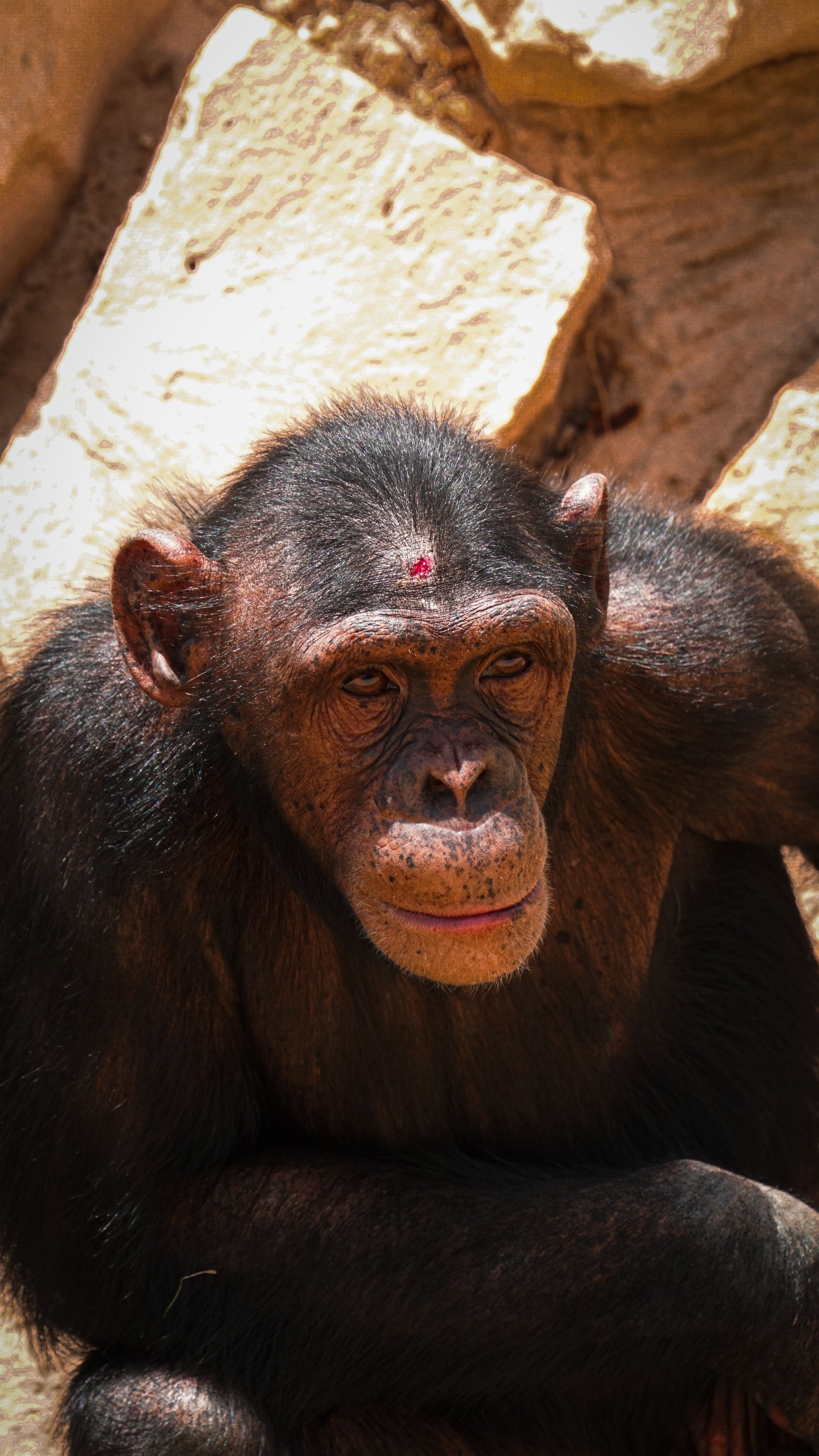
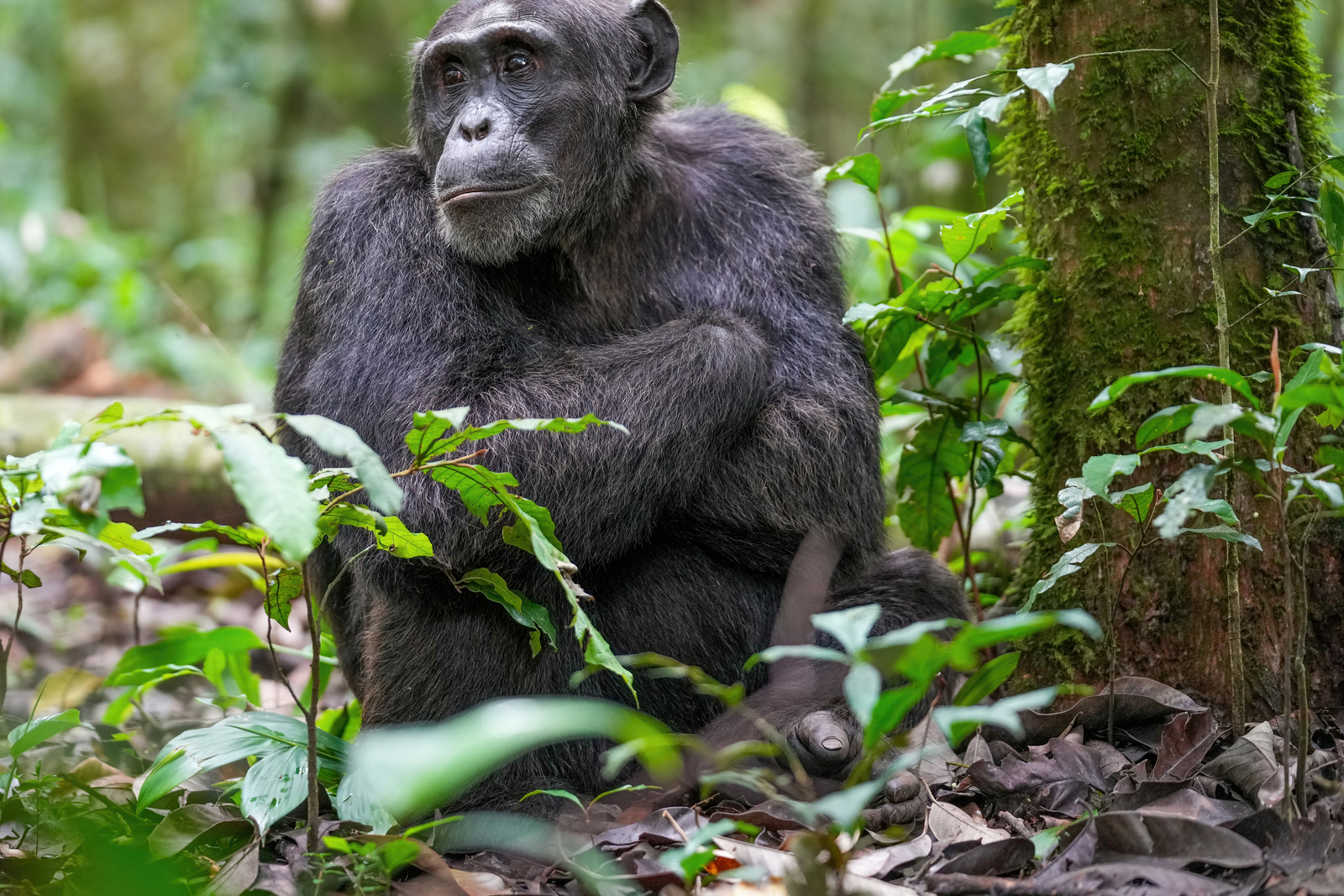
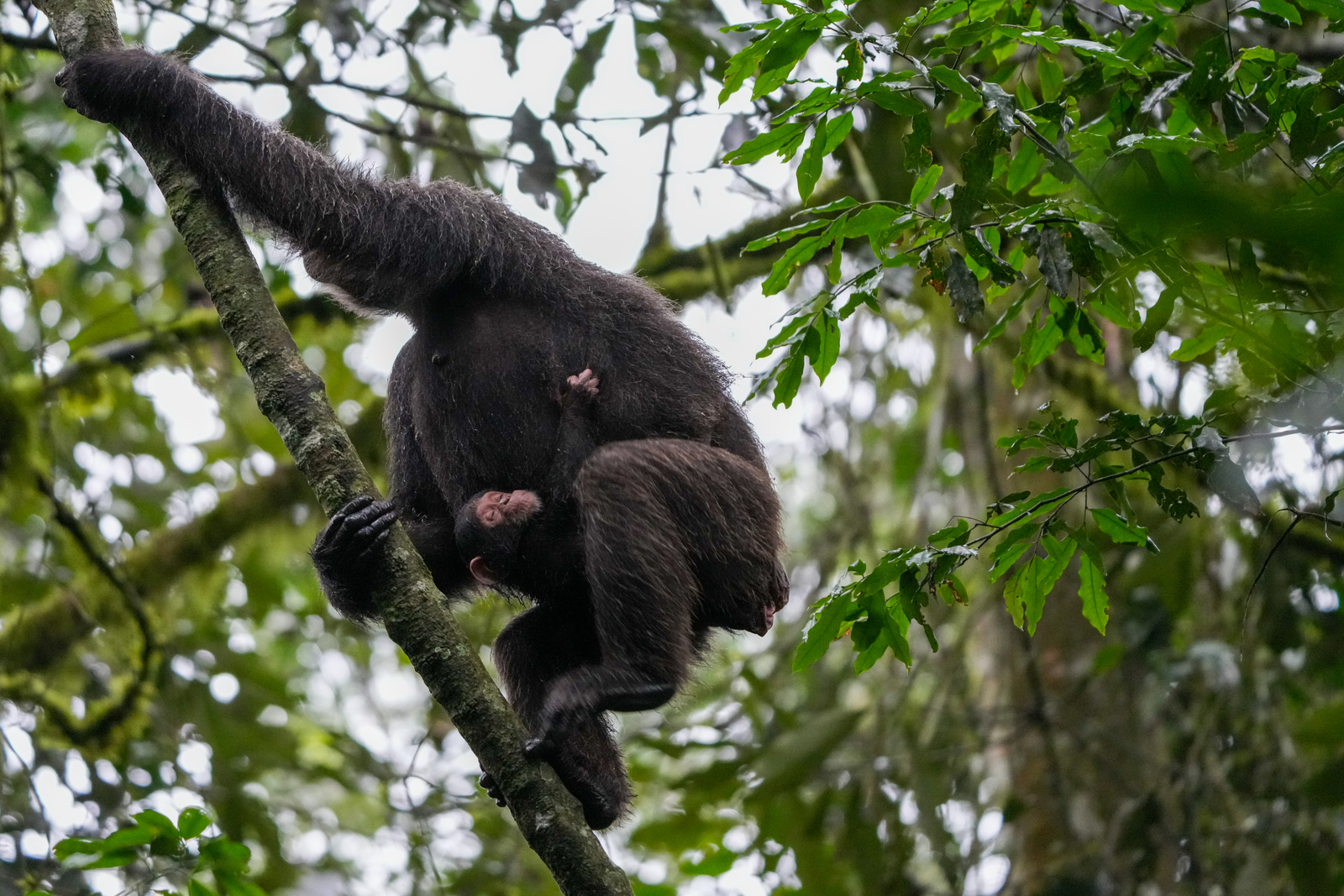
Kibira is home to an estimated 300 wild chimpanzees (Pan troglodytes), though habituated groups for tourism are still limited. Trackers follow chimp calls deep into the forest, where sightings reveal intimate moments — grooming sessions, tool use, and the thunderous displays of alpha males drumming on buttress roots.
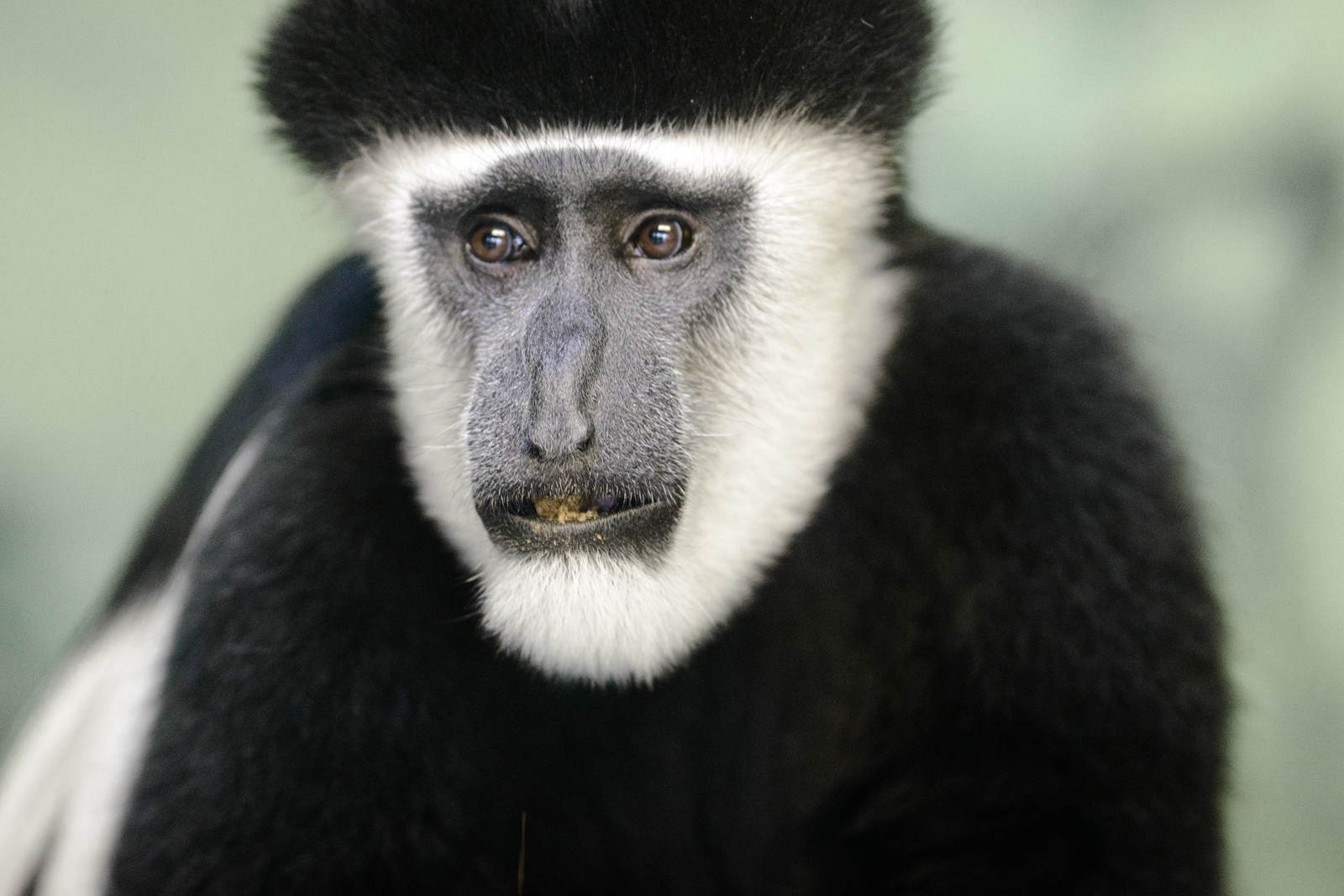
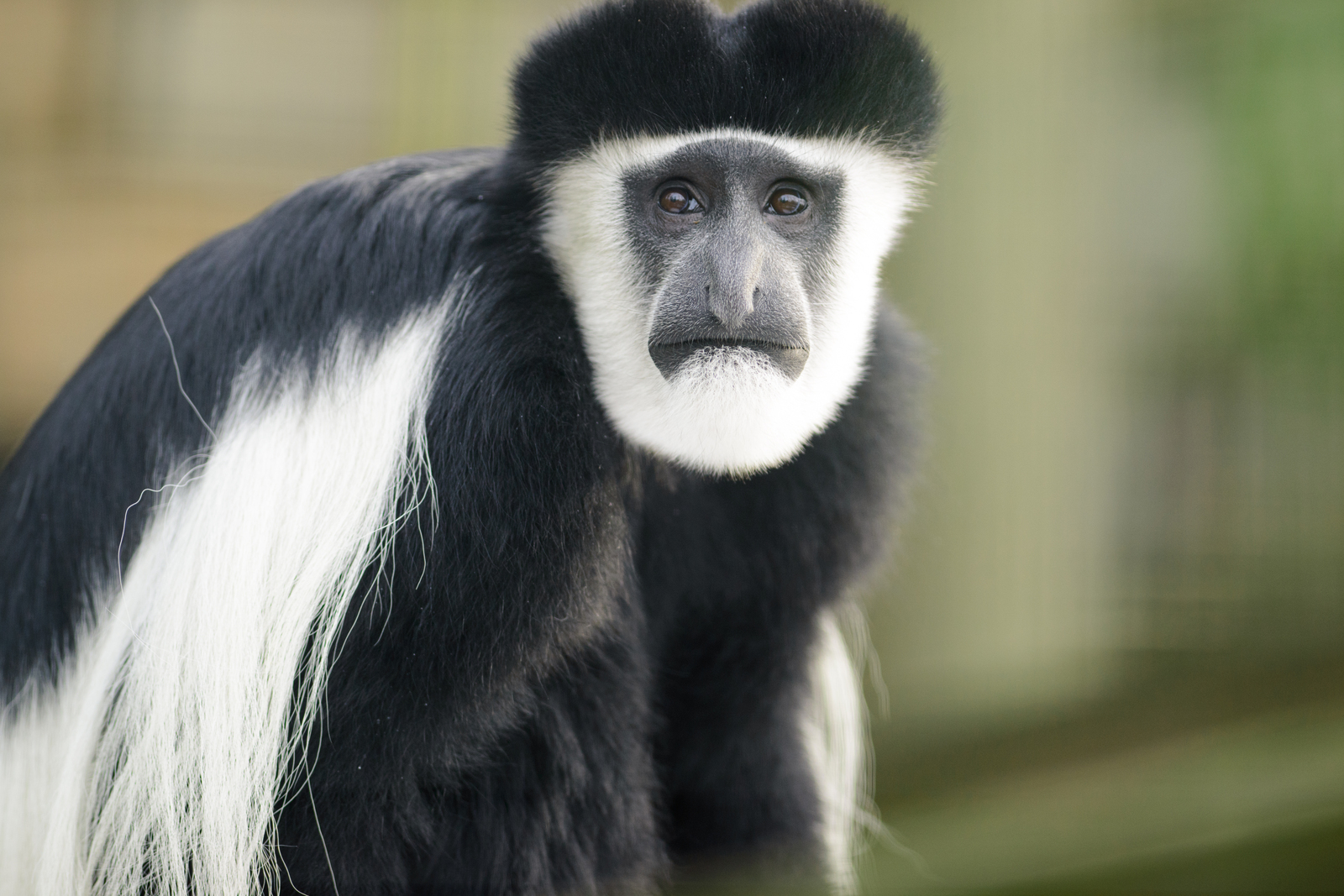
Black-and-white colobus monkeys are abundant, their flowing white capes visible against the green canopy. You'll also spot golden monkeys (rare outside the Virungas), blue monkeys, and vervet monkeys foraging near forest edges.
Birds — Albertine Endemics & Canopy Jewels
Over 200 bird species call Kibira home, including 23 Albertine Rift endemics found nowhere else:
- Rwenzori Turaco — crimson and green canopy sentinel
- Grauer's Swamp Warbler — bamboo zone specialist
- Red-throated Alethe — forest floor skulker
- Archer's Robin-Chat — melodious dawn caller
- Mountain Masked Apalis — high-altitude forager
Early morning birding walks reward patient observers with flashes of color and a soundscape unchanged for millennia.
Other Wildlife
While large mammals are rare, forest elephants (small, elusive) occasionally leave tracks along river valleys. Bush pigs, duikers, and giant forest squirrels complete the mammal roster. The true magic is in the understory — orchids, tree ferns, medicinal plants, and the hum of insects pollinating the forest's next generation.
Activities & Experiences
Chimpanzee Tracking
The crown jewel. Guided by experienced trackers from nearby Teza communities, you'll trek 2–6 hours through dense forest following chimp calls and nests. When you find them — feeding on figs, grooming, or playing — you're allowed one hour of observation. Permits are limited to protect the chimps; advance booking through local operators is essential.
Guided Forest Walks
Multi-hour interpretive walks explore medicinal plants, tree identification, and forest ecology. Local guides share traditional knowledge passed down through generations.
Birding Expeditions
Dawn and dusk are prime times. Specialist birding guides can arrange walks targeting Albertine endemics and high-elevation specialists near the bamboo zones.
Waterfall Hikes
Hidden cascades tumble down Kibira's slopes. Guides can arrange day hikes to remote waterfalls — refreshing, secluded, and spectacular after the rains.
Best Time to Visit Kibira
| Season | Months | Conditions | Best For |
|---|---|---|---|
| Dry Season (Primary) | June – September | Sunny mornings, trails firm, chimps easier to track | Chimp tracking, birding, photography |
| Dry Season (Secondary) | December – February | Short dry spell, pleasant temperatures | General wildlife, forest walks |
| Wet Season | March – May, October – November | Heavy rains, trails muddy & slippery, lush growth | Birdwatching (breeding), waterfalls at peak flow |
Peak Months: July–August see the driest conditions but also the highest (though still low) tourist numbers. For near-solitude, visit June or September.
Getting to Kibira National Park
By Air
Melchior Ndadaye International Airport (BJM) in Bujumbura is Burundi's gateway. Fly via:
- Nairobi (NBO) — Kenya Airways, RwandAir
- Addis Ababa (ADD) — Ethiopian Airlines
- Kigali (KGL) — RwandAir (onward overland from Rwanda also possible)
By Road from Bujumbura
Kibira's main access points lie 120 km northwest of Bujumbura (2.5-hour drive). Hire a 4x4 with driver — most tour operators include this. The route passes through the scenic Teza tea plantations, a landscape of rolling green hills that rivals Rwanda's Virunga vistas.
Road conditions are fair year-round but deteriorate during heavy rains. A local guide is mandatory within the park.
From Rwanda (Nyungwe Forest)
Overland travelers can cross from Rwanda's Nyungwe Forest via the Kayanza border. The two forests are ecologically contiguous, making a combined Nyungwe–Kibira primate circuit a bucket-list itinerary for serious wildlife enthusiasts.
Sample 2-Day Kibira Itinerary
| Day | Morning | Afternoon | Overnight |
|---|---|---|---|
| Day 1 | Drive Bujumbura → Kibira (2.5 hrs). Meet guide, briefing. Start chimp tracking trek (2–6 hours). | Forest walk focusing on medicinal plants and Albertine endemic birds. Return to Teza guesthouse. | Teza Guesthouse or Bujumbura |
| Day 2 | Dawn birding walk (target endemics). Waterfall hike. | Lunch, then return to Bujumbura or continue to Rusizi National Park / Lake Tanganyika. | Bujumbura or onward |
Extend It: Combine with Rusizi National Park (hippos & sitatungas) and Lake Tanganyika for a full week exploring Burundi's northwestern wilderness circuit.
Where to Stay — Lodges & Guesthouses Near Kibira
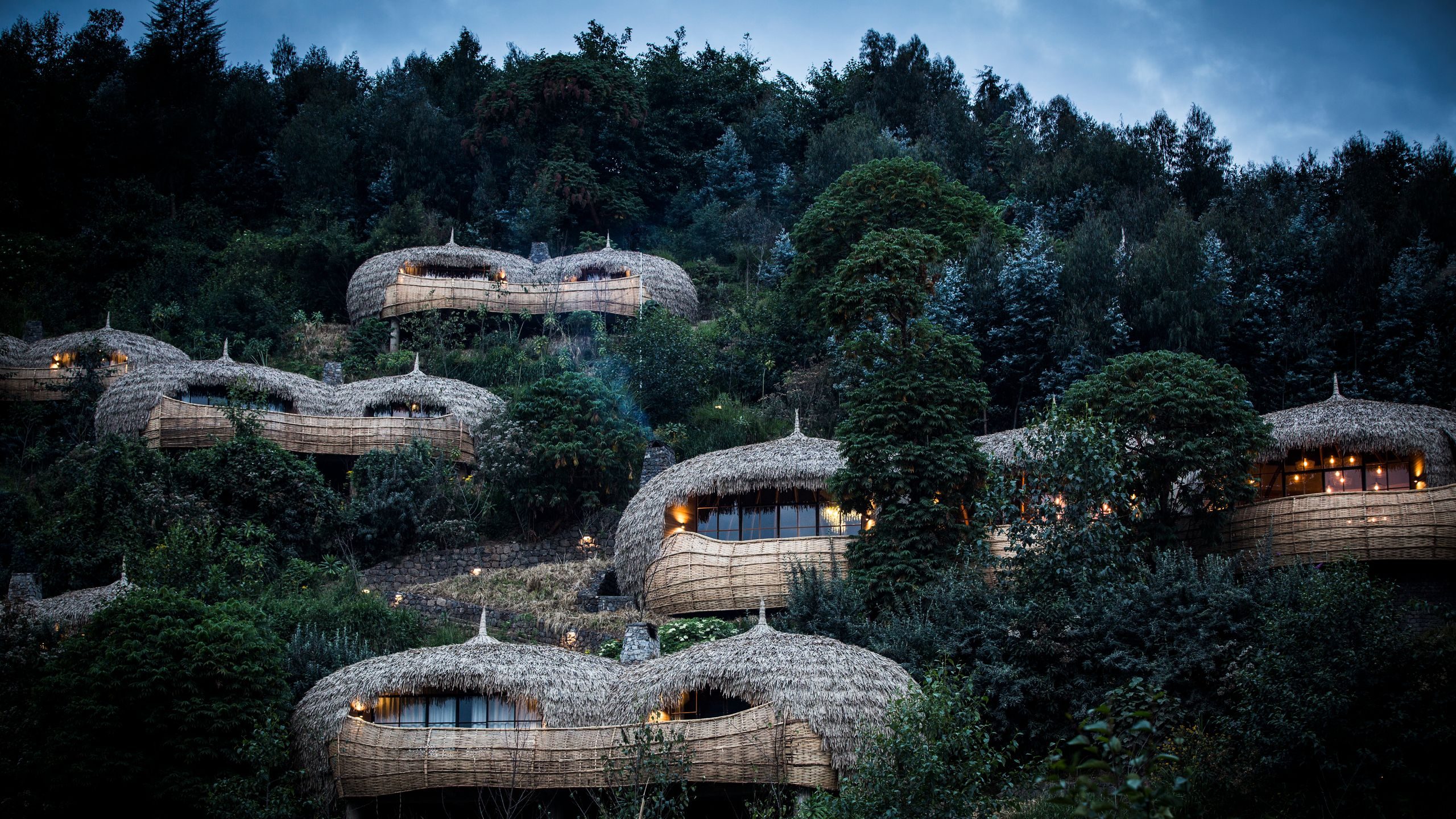
Kibira has no lodges within the park. Accommodation options include:
Near the Park (Teza / Kayanza)
- Teza Community Guesthouses — Simple, clean rooms run by tea cooperative communities. Basic but authentic. ~$30–50/night.
- Kayanza Eco-Lodge (planned) — check locally for updates on this community initiative.
Bujumbura (2.5 hours away)
- Hotel Club du Lac Tanganyika — Lakefront mid-range comfort. ~$80–120/night.
- Roca Golf Hotel — Upscale Bujumbura option with pool. ~$150–200/night.
- Saga Plage — Budget lakeside guesthouse. ~$40–60/night.
Most travelers base in Bujumbura and take day trips to Kibira, though staying in Teza allows for dawn chimp tracking starts.
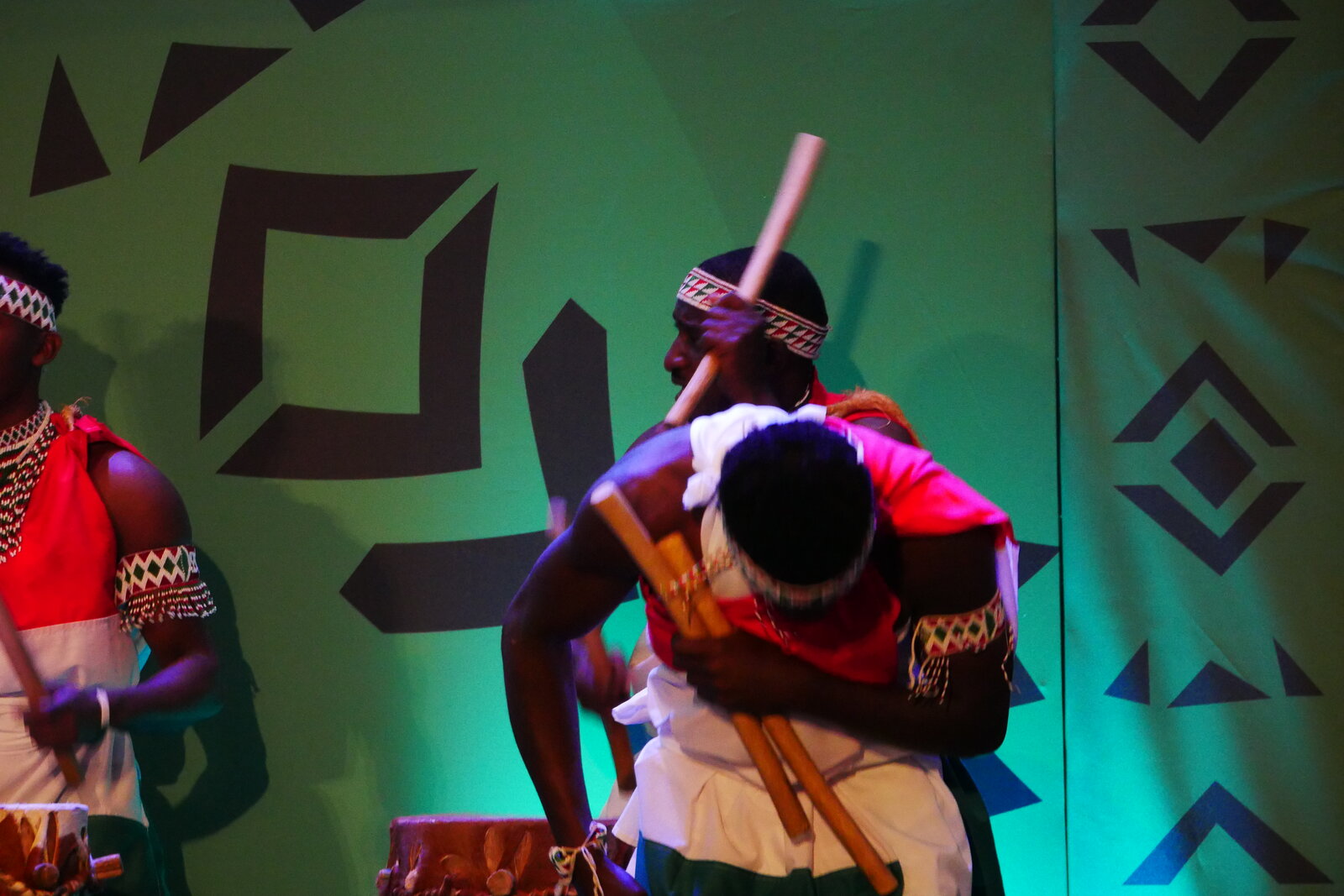
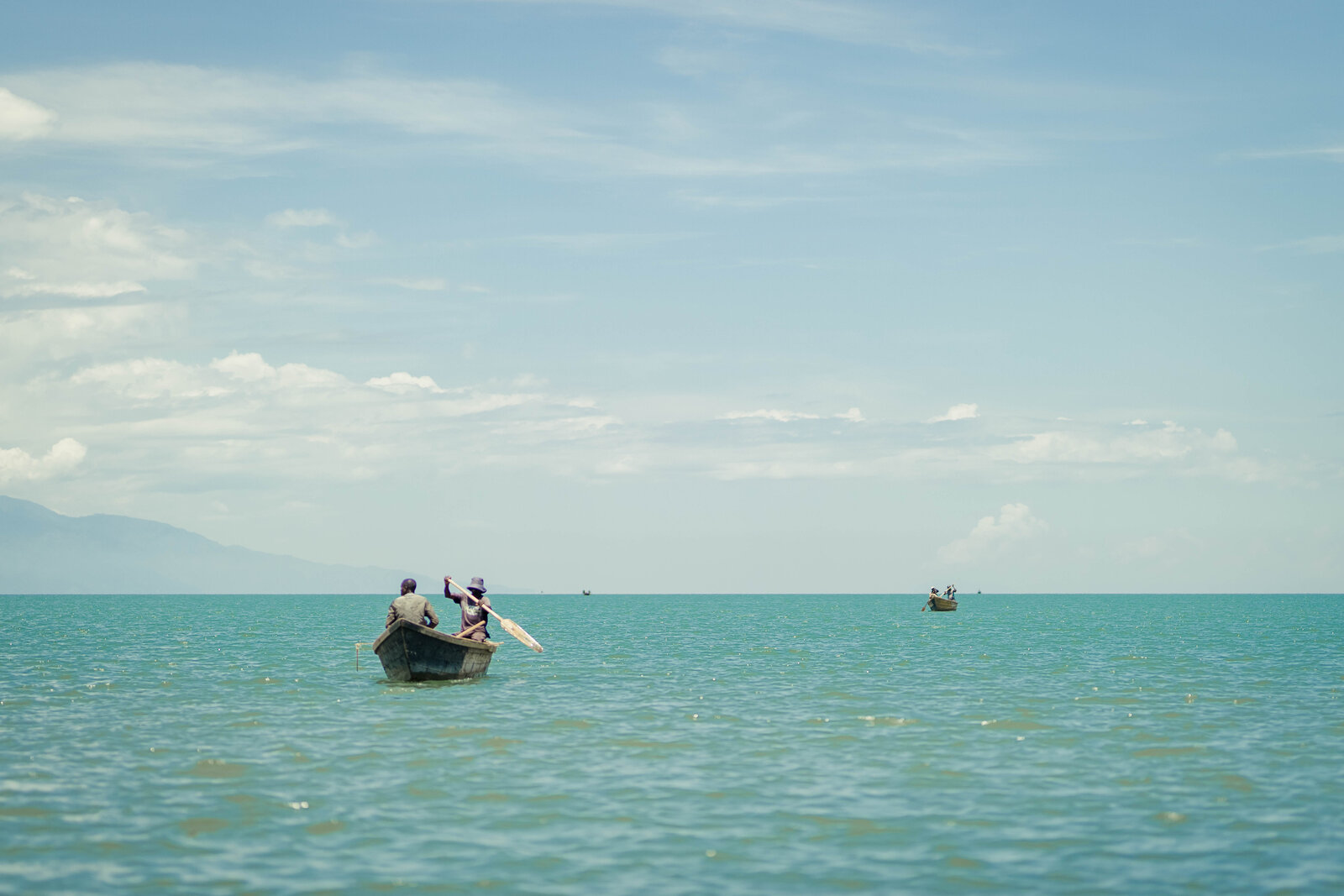
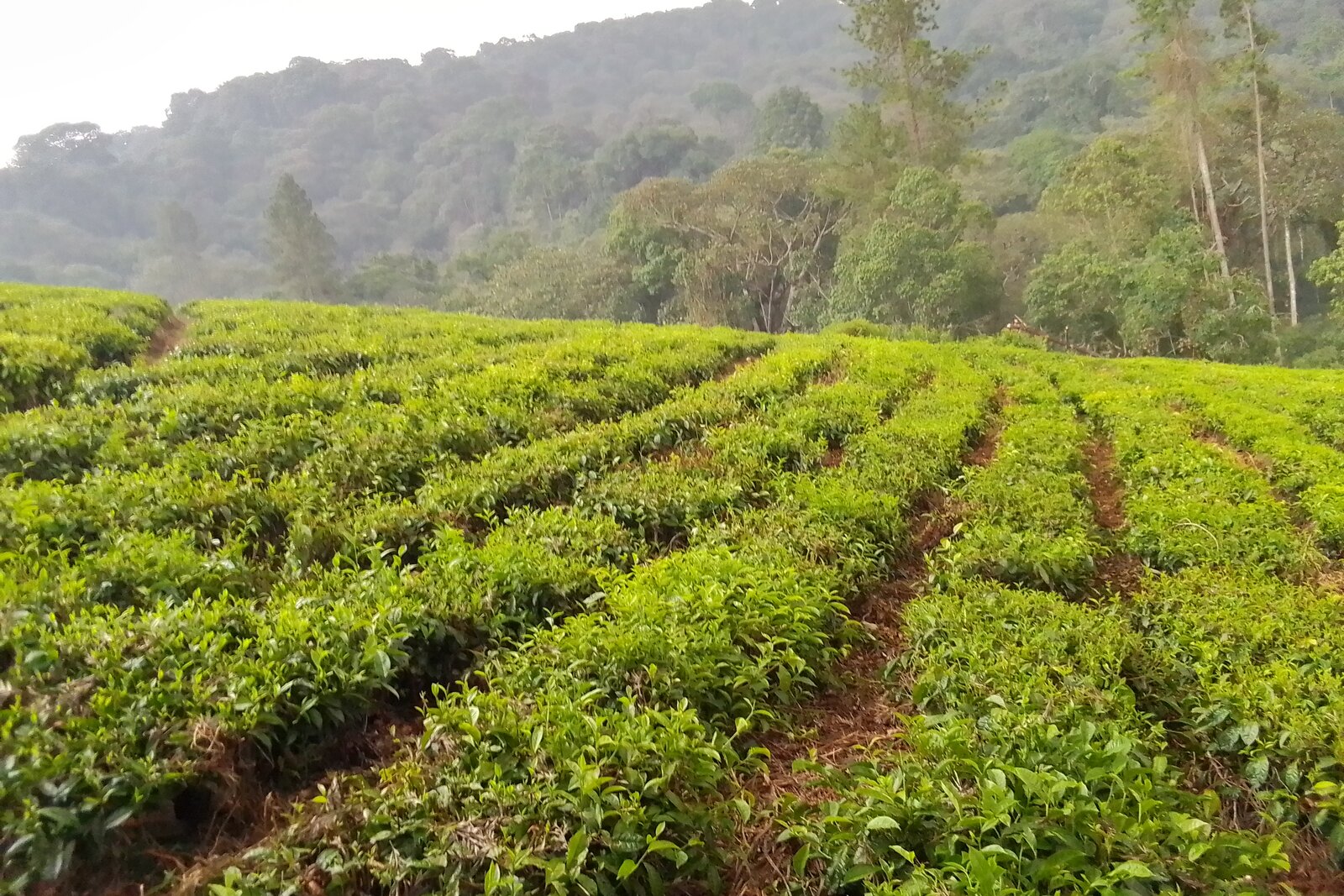
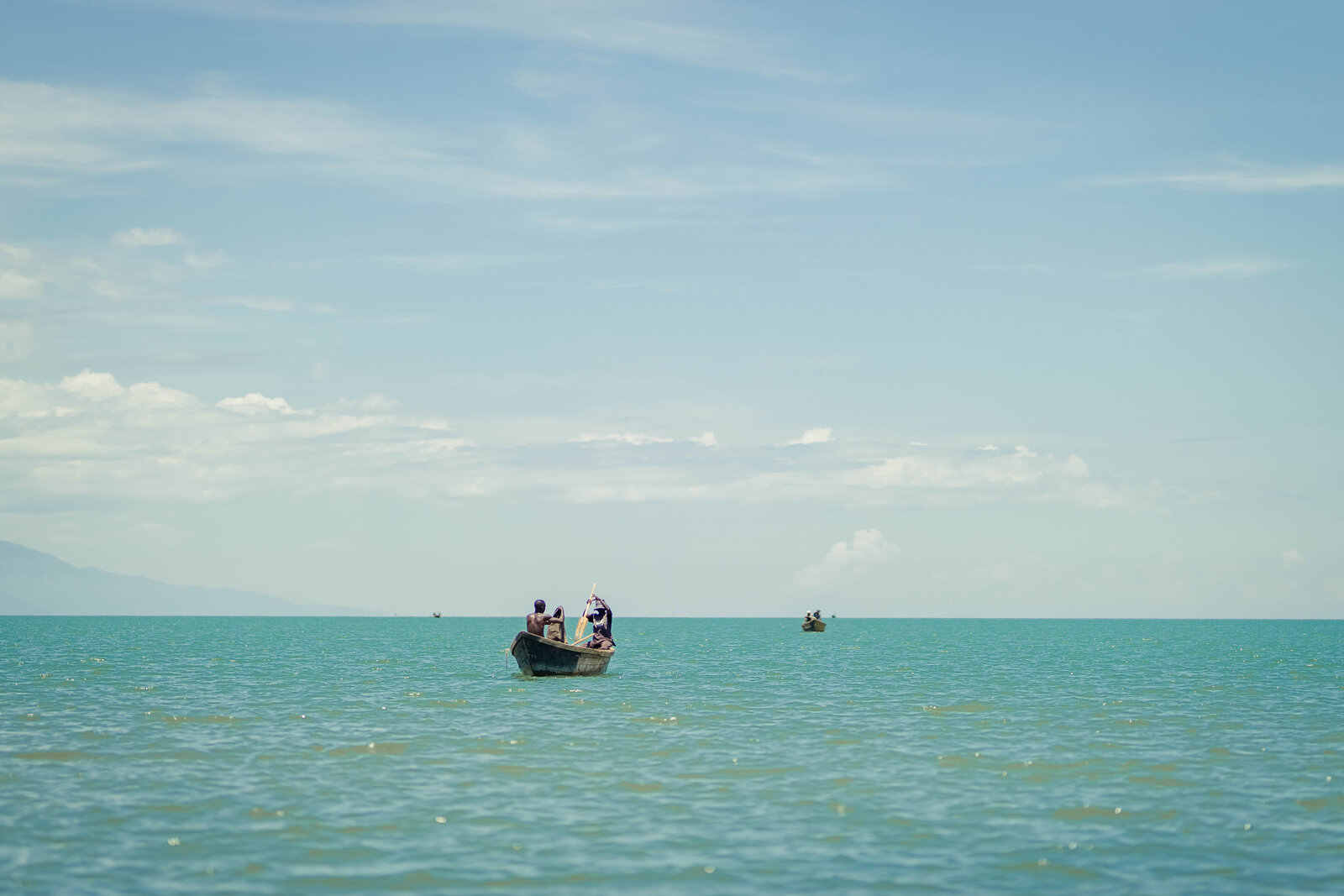
Nearby attractions: Gishora Royal Drummers, Lake Tanganyika shores & Teza tea highlands
Costs — What to Budget for Kibira
| Item | Cost (USD) |
|---|---|
| Park Entry Fee (per person) | $40 – $50 |
| Chimpanzee Tracking Permit | $50 – $80 |
| Local Guide (mandatory) | $20 – $30/day |
| 4x4 Hire (Bujumbura–Kibira return) | $100 – $150 |
| Teza Guesthouse (per night) | $30 – $50 |
| Meals (local restaurants) | $5 – $10 per meal |
| Total (2-day trip, solo traveler) | ~$350 – $500 |
Note: Prices for chimp permits are lower than Uganda ($700) or Rwanda ($1,500), making Kibira exceptional value for primate enthusiasts. Group rates can lower per-person transport costs.
Kibira vs. Nyungwe — How Do They Compare?
| Aspect | Kibira (Burundi) | Nyungwe (Rwanda) |
|---|---|---|
| Size | 400 km² | 1,019 km² |
| Chimp Permit | $50 – $80 | $90 (was $1,500, reduced 2021) |
| Tourist Infrastructure | Minimal (authentic, raw) | Well-developed lodges, canopy walk |
| Crowds | Near-solitude | Moderate (busy July–Sept) |
| Accessibility | 2.5 hrs from Bujumbura | 5 hrs from Kigali |
| Primates | Chimps, colobus, golden monkeys | Chimps, 12 other primate species |
| Best For | Off-beaten-path authenticity | Luxury canopy-walk experience |
For travelers who value solitude over infrastructure, Kibira wins. For those seeking comfort and variety (canopy walk, multiple habituated chimp groups), Nyungwe edges ahead. Many serious primate lovers do both in a single trip.
Conservation & Community — Protecting Kibira's Future
Kibira faces pressures from illegal logging, charcoal production, and agricultural encroachment. Yet community-led conservation initiatives are turning the tide:
- Teza Tea Cooperative employs locals in sustainable tea farming, reducing forest dependence.
- Reforestation Programs have replanted thousands of hectares of buffer zones.
- Eco-Tourism Revenue from chimp permits funds ranger patrols and anti-poaching efforts.
- IUCN Partnership is working toward UNESCO Biosphere Reserve status.
Your visit directly supports these efforts. Every permit purchased funds a ranger's salary, a school in Teza, or a seedling in a degraded zone.
Frequently Asked Questions — Kibira National Park
Do I need a permit to track chimpanzees in Kibira?
Yes. Chimpanzee tracking permits cost $50–$80 and must be booked in advance through tour operators or directly with Burundi's park authorities. Permits are limited to protect the chimps. Unlike Uganda or Rwanda, Kibira's permits are easier to secure and far more affordable.
How difficult is the chimp tracking in Kibira?
Moderate to challenging. Treks range from 2–6 hours depending on where the chimps nested the night before. The terrain is steep, muddy (especially in wet season), and densely vegetated. A reasonable fitness level is required. Porters can assist with gear and support.
What should I pack for Kibira National Park?
- Waterproof hiking boots with ankle support
- Long-sleeved shirt & trousers (protection from vegetation and insects)
- Rain jacket (even in dry season)
- Daypack with water (2L min) and snacks
- Insect repellent & sunscreen
- Binoculars for birding
- Camera (no flash allowed near chimps)
Can I combine Kibira with other Burundi parks?
Absolutely. A classic northwest Burundi circuit combines Kibira (chimps & rainforest), Rusizi National Park (hippos & sitatungas), and Lake Tanganyika (beach relaxation). Add Gishora Drum Sanctuary for culture. Allow 5–7 days minimum for this circuit.
Is Kibira safe to visit?
Yes, the park itself is safe. Burundi's security situation has improved significantly in recent years, especially in tourist areas. Always travel with a registered local operator, follow ranger guidance, and check current travel advisories before departure. As with any remote wilderness, the primary "risks" are weather-related (muddy trails) and wildlife encounters (keep distance from chimps, snakes).
Can I visit Kibira as a solo traveler?
Yes, but you must hire a local guide (mandatory) and arrange transport. Solo travelers can join small group treks to split costs. Operators like Burundi Safari Tours (burundisafaritours.com) specialize in personalized itineraries for independent travelers.
Is photography allowed during chimp tracking?
Yes, but no flash (it disturbs the chimps and can cause aggression). Keep voices low, maintain a 7-meter distance, and follow your guide's instructions. If a chimp charges or displays, stand still and avert your gaze. Chimps are wild and unpredictable — respect is essential.
What is the best month to visit Kibira for chimps and birding?
July or August offer the driest, most comfortable tracking conditions with firm trails. For birding, late wet season (April–May) sees peak breeding activity, vibrant plumage, and lush growth — but trails are muddy and slippery. If you can handle the wet, the birding rewards are extraordinary.
Final Thoughts — Kibira's Call
Kibira National Park is not for the casual tourist. It's for the traveler who values authenticity over Instagram backdrops, who finds joy in a chimp's distant call rather than a guaranteed close-up, who understands that true wilderness is earned through muddy boots and steep climbs.
If that resonates, Kibira will humble you. The rainforest's cathedral silence, the weight of a colobus's gaze, the sudden crack of a chimp's knuckle-walk through leaf litter — these are privileges granted to the patient, the respectful, the curious.
Burundi's rainforest is waiting. Will you answer?
Ready to plan your Kibira adventure? Explore our Ultimate Burundi Safari Guide or contact Burundi Safari Tours to start building your personalized Burundi primate safari.