Why Gombe Stream National Park Is a Pilgrimage for Wildlife Lovers
At just 35 square kilometres, Gombe Stream is Tanzania's smallest national park — yet its global impact is immeasurable. This narrow strip of tropical rainforest along the eastern shore of Lake Tanganyika became the stage for one of the most significant scientific endeavours of the 20th century: Dr. Jane Goodall's revolutionary study of wild chimpanzees, which began in 1960 and continues today as the world's longest-running field research on any animal species.
Unlike the sweeping savannahs of the Serengeti or the volcanic grandeur of Ngorongoro, Gombe demands something different from its visitors. There are no roads here, no game drives, no lodges with infinity pools overlooking wildebeest migrations. Instead, you'll trek on foot through steep, forested valleys, listen for the pant-hoot calls of chimps echoing through the canopy, and — if you're lucky and patient — sit quietly as a family of wild chimpanzees feeds, grooms, and plays just metres away, utterly indifferent to your presence.
This is not a park for everyone. Getting here requires a flight to the remote lakeside town of Kigoma followed by a boat journey across Lake Tanganyika. The terrain is rugged, the climate humid, and the trekking physically demanding. But for those who make the pilgrimage, the reward is profound: the chance to witness our closest living relatives in their natural home, and to walk the same forest paths where Jane Goodall made the discoveries that forever changed our understanding of what it means to be human.
The Jane Goodall Legacy — How Gombe Changed Science Forever
On 14 July 1960, a 26-year-old Englishwoman with no university degree stepped off a boat onto the shores of what was then the Gombe Stream Game Reserve. Her name was Jane Goodall, and she had been sent by the famed paleoanthropologist Louis Leakey to study chimpanzees in the wild — a task most scientists considered impossible.
What happened next redefined primatology, ethology, and our understanding of the boundary between humans and other animals. Within months of arriving, Goodall observed a chimpanzee she had named David Greybeard using a stripped twig to fish termites from a mound — the first documented evidence of tool use and tool manufacture by a non-human species. When she reported her findings to Leakey, his response was prophetic: "Now we must redefine 'tool', redefine 'man', or accept chimpanzees as humans."
Over the following decades at Gombe, Goodall documented behaviours that shattered long-held assumptions:
- Chimpanzees are omnivores who hunt and eat meat, including smaller primates like red colobus monkeys
- They possess individual personalities, form deep social bonds, and experience emotions ranging from joy to grief
- They engage in complex social behaviours including cooperation, politics, warfare between communities, and even infanticide and cannibalism
- They use medicinal plants to self-treat illnesses, demonstrating cultural knowledge passed between generations
The Gombe Stream Research Centre (GSRC), established in 1967, remains active today, staffed largely by Tanzanian researchers who have continued the work for over six decades. The data collected here — spanning multiple generations of chimps — represents an irreplaceable archive of primate behaviour, ecology, and evolution.
When you trek through Gombe today, you're not just watching wildlife. You're walking through a living laboratory where some of the most important scientific discoveries of our time were made, and where researchers continue to unlock the secrets of our evolutionary cousins.
The Chimpanzees of Gombe — What to Expect on a Trek
Gombe is home to approximately 100 wild chimpanzees divided into three communities: the Kasekela, Mitumba, and Kalande groups. The Kasekela community, which Jane Goodall originally studied, remains the most habituated and is the primary group visitors observe during treks.
What "habituated" means: These chimps are accustomed to human presence and will go about their daily routines — feeding, grooming, playing, resting — without fleeing or displaying aggression. However, they are not tame. They are wild animals living entirely natural lives, and sightings are never guaranteed.
The Trekking Experience
Chimpanzee trekking at Gombe is unlike a traditional East African safari. You won't be sitting in a vehicle with a cold drink in your hand. Instead, expect:
- 2–4 hours of hiking through steep, forested terrain, often in heat and humidity
- Experienced trackers who locate the chimps using knowledge of their ranging patterns, calls, and nesting sites
- A maximum of one hour with the chimps once located (strictly enforced to minimise stress on the animals)
- Distances of at least 7 metres maintained at all times (though the chimps may choose to come closer — you must not approach them)
- Success rates above 80% even during the wet season, thanks to the skill of the trackers and the chimps' habituation
What you might witness: adult males drumming on buttress roots as a display of dominance, mothers cradling infants, juveniles chasing each other through the branches, or the entire group moving through the canopy in search of ripe figs. You'll hear their vocalisations — grunts, screams, and the unmistakable pant-hooting that can carry for over a kilometre through the forest.
The magic of Gombe is in these unscripted moments. This is not a zoo or a controlled encounter. It's a window into the lives of wild apes going about their business, indifferent to your awe.
Beyond Chimps — Gombe's Other Wildlife
While chimpanzees are the undeniable stars, Gombe supports a surprising diversity of wildlife for such a small park:
Primates
- Olive baboons — often seen along the lakeshore and in open areas, occasionally interacting (and competing) with chimps
- Red-tailed monkeys — forest dwellers known for their striking facial markings
- Blue monkeys — shy and arboreal, with distinctive grey-blue fur
- Vervet monkeys — opportunistic feeders common around the research centre
Other Mammals
Bushbucks are occasionally spotted in the dense undergrowth, and if you're exceptionally fortunate, you might glimpse a leopard track along the trails — though actual sightings are vanishingly rare.
Birdlife
Over 200 bird species have been recorded, including the jewel-like Peter's twinspot, trumpeter hornbills, palm-nut vultures, and African fish eagles patrolling the lake. For birdwatchers, the mix of forest, woodland, and wetland habitats makes Gombe a hidden gem.
Lake Tanganyika
The lake itself — the world's longest, second-oldest, and second-deepest freshwater lake — adds another dimension. Snorkelling trips can be arranged to see endemic cichlid fish species found nowhere else on Earth, their colours rivalling any coral reef.
When to Visit Gombe Stream National Park
Gombe is accessible year-round, but your experience will vary significantly depending on the season:
Dry Season: June to October (Peak Season)
Best for: Comfortable trekking, clearer forest views, easier chimp tracking
- Trails are drier and less slippery
- Chimps often congregate near fruiting trees, making them easier to locate
- Lower humidity and fewer insects
- Highest visitor numbers — book permits 3–6 months in advance
Short Dry Season: December to February
Best for: Avoiding peak-season crowds while retaining good trekking conditions
- Less busy than June–October but still favourable weather
- Chimps are active and visible
- Good middle-ground option
Wet Seasons: March to May & November
Best for: Lush forest scenery, exceptional birdwatching, lower permit competition
- Heavy rains make trails muddy and steep sections treacherous
- Forest is thick and green, with reduced visibility
- Chimps may range more widely in search of scattered food sources
- Significantly fewer tourists — you may have the forest to yourself
- Some lodges and boat services reduce operations
Our recommendation: First-time visitors or those with moderate fitness should target the dry season (June–October or December–February). Adventurous travellers willing to embrace rain and mud will be rewarded with an emptier, more intimate Gombe during the wet months.
Logistics — How to Get to Gombe (The Honest Reality)
Gombe Stream is one of the most remote parks in Tanzania. There are no roads in or out, and reaching it requires commitment. Here's the step-by-step reality:
Step 1: Get to Kigoma
The lakeside town of Kigoma is your mandatory gateway. Options:
| Method | Duration | Notes |
|---|---|---|
| Fly from Dar es Salaam or Arusha | 2–3 hours | Most practical option. Precision Air and Coastal Aviation run scheduled flights. Book early in dry season. |
| Train from Dar es Salaam | 36–48 hours | The TAZARA railway is an adventure in itself — slow, bumpy, but scenic. Not for everyone. |
| Road from Dar or Mwanza | 20+ hours | Rough, poorly maintained roads. Only for the truly adventurous. |
Step 2: Boat from Kigoma to Gombe
Once in Kigoma, you'll transfer to Gombe by boat — the only access to the park.
| Boat Type | Duration | Cost (approx.) | Notes |
|---|---|---|---|
| Speedboat (private charter) | 30–60 min | $200–$300 | Fast, comfortable, flexible timing. Often shared among tour groups. |
| Shared speedboat | 60–90 min | $50–$80 per person | Good middle-ground option. Arranged by lodges or tour operators. |
| Local lake taxi | 3–4 hours | $20–$30 per person | Slow, stops at villages, no schedule. Budget option for patient travellers. |
Important: Lake Tanganyika can be rough, especially in the afternoon. Early morning departures are safer and more comfortable. Always wear a life jacket.
Step 3: Trekking Permit & Park Entry
On arrival at Gombe, you'll complete registration and attend a mandatory briefing on safety protocols and chimpanzee etiquette.
Costs & Permits — What You'll Actually Pay
| Item | Foreign Non-Resident | Notes |
|---|---|---|
| Chimpanzee trekking permit | $100–$118 USD | Mandatory. Book 3–6 months ahead for dry season. |
| Park entry fee (if separate) | Included in most permits | Verify when booking. |
| Return boat from Kigoma | $40–$600 | Depends on boat type (see table above). |
| Accommodation (Gombe Forest Lodge) | $200–$350 per night | Full board. Only in-park option. |
| Accommodation (Kigoma hotels) | $30–$120 per night | Budget to mid-range options. |
| Guide & ranger tips | $10–$20 per person | Discretionary but appreciated. |
Total budget estimate: A 2-day, 1-night Gombe experience (fly to Kigoma, shared speedboat, one chimp trek, basic accommodation) will cost approximately $700–$1,000 USD per person excluding international flights. Longer stays or private charters increase this significantly.
Permit booking: Arrange through the Tanzania Wildlife Research Institute (TAWIRI) or, more commonly, via a licensed Tanzanian tour operator who handles all logistics as part of a package.
Where to Stay — Inside the Park vs. Kigoma
Inside Gombe: Gombe Forest Lodge
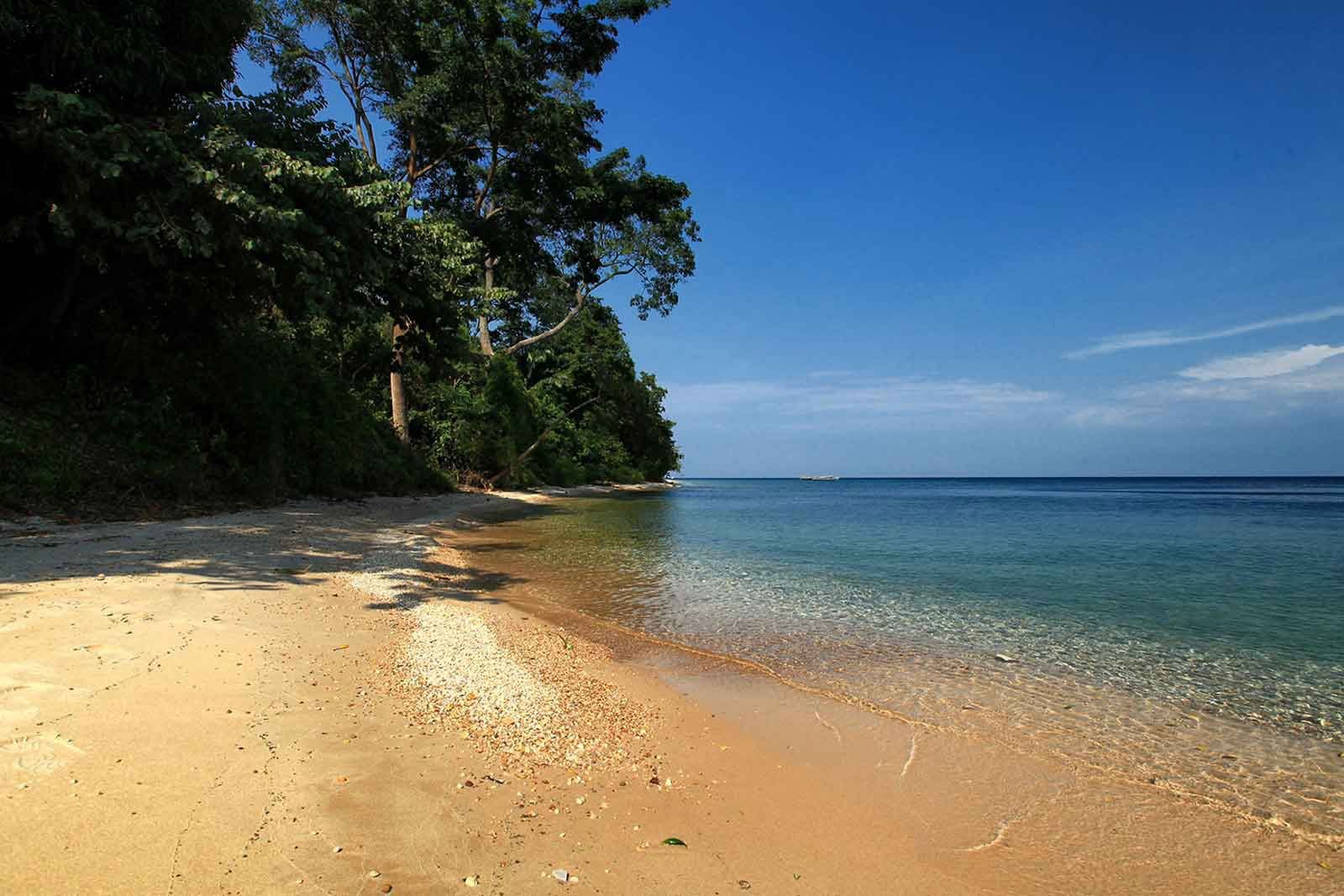
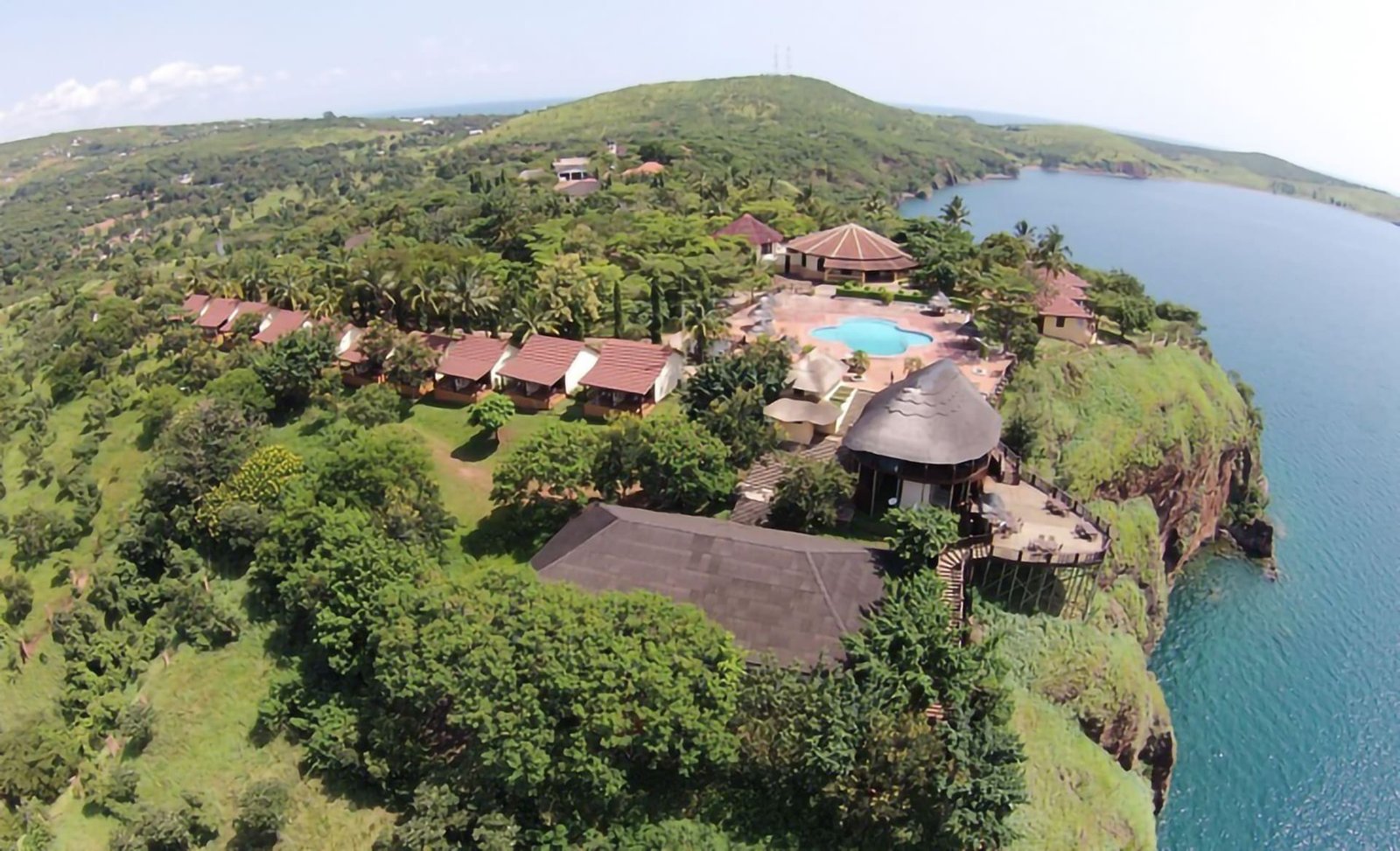
The only accommodation inside the park, perched on the lakeshore with direct views across Lake Tanganyika. Simple but comfortable tented bandas with en-suite facilities, solar power, and full-board meals. Staying here means you're at the trailhead at dawn, maximising your trekking time. Book well in advance.
In Kigoma: Budget to Mid-Range Hotels
For those on tighter budgets or combining Gombe with other destinations, Kigoma offers several guesthouses and hotels. Options include Aqua Safari Lodge, Kigoma Hilltop Hotel, and budget hostels near the port. Expect basic amenities and early-morning departures for boat transfers.
Our advice: If your budget allows, spend at least one night at Gombe Forest Lodge. The evening atmosphere — chimps calling from the forest, the sun setting over the lake, the sense of remoteness — is unforgettable and cannot be replicated by day-tripping from Kigoma.
What to Pack for Gombe — The Practical Essentials
| Category | What to Bring |
|---|---|
| Clothing | Long trousers & long-sleeved shirts (protection from thorns, insects, sun). Earth tones (green, brown, khaki) to blend in. Hat and bandana. Waterproof jacket (rain likely even in dry season). |
| Footwear | Hiking boots with ankle support and good tread. Trails are steep, rocky, and often muddy. Gaiters optional but useful. |
| Trekking Gear | Daypack (20–30L). 2–3 litres of water. High-energy snacks. Trekking poles (highly recommended for steep descents). |
| Camera & Binoculars | DSLR or mirrorless camera with zoom lens (70–200mm or longer). Binoculars (8x42 or 10x42). Extra batteries (no power on trails). Waterproof camera cover. |
| Health & Safety | Insect repellent (DEET 30%+). Sunscreen (SPF 50+). Anti-malarial medication (Gombe is a malarial zone). Basic first aid kit. Hand sanitiser. |
| Documents | Printed copy of trekking permit. Passport & yellow fever certificate. Travel insurance covering medical evacuation. |
What NOT to bring: Bright or reflective clothing, strong perfumes or colognes (chimps have a keen sense of smell), single-use plastics (Gombe has a strict no-plastic policy), drones (prohibited throughout Tanzanian national parks).
Combining Gombe with Other Tanzania Destinations
Because of Gombe's remote location, most visitors integrate it into a longer Tanzania itinerary. Popular combinations include:
- Gombe + Mahale Mountains: Tanzania's two chimp-trekking parks, both on Lake Tanganyika. Mahale is even more remote and offers beach-backed trekking. Typically combined via chartered boat or light aircraft.
- Gombe + Katavi: Katavi National Park, one of Tanzania's wildest and least-visited reserves, lies between Gombe and the more accessible northern parks. Fly-in safaris link the two.
- Gombe + Northern Circuit: After a classic Serengeti-Ngorongoro safari, fly via Arusha to Kigoma for a completely different Tanzania experience.
- Gombe + Zanzibar: Combine forest trekking with Indian Ocean beaches. Fly Kigoma → Dar es Salaam → Zanzibar.
Realistic time requirement: Budget a minimum of 3 full days for Gombe (one travel day in, one full day trekking, one travel day out). Most visitors spend 2–3 nights to allow for multiple treks and forest walks.
Conservation Challenges & How Your Visit Helps
Despite its protected status, Gombe faces significant threats:
- Habitat isolation: The park is surrounded by deforested land, cutting it off from other chimpanzee populations and limiting genetic diversity
- Human-wildlife conflict: Local communities depend on the same forests and resources, creating competition and disease transmission risks
- Climate change: Shifting rainfall patterns affect fruiting trees, the chimps' primary food source
The Jane Goodall Institute (JGI) works extensively with communities around Gombe through reforestation programs, sustainable agriculture training, and education initiatives. Your park fees directly support ranger salaries, research operations, and community projects. Additionally, responsible tourism creates economic incentives for conservation — when chimps are worth more alive than the forest is worth cleared for farming, local support for the park increases.
By visiting Gombe, you're contributing to the survival of one of the world's most important chimpanzee populations and supporting the continuation of research that has already changed science forever.
Frequently Asked Questions
How fit do I need to be for chimpanzee trekking at Gombe?
Moderate to good fitness is required. Gombe's terrain is steep and forested with minimal flat ground. Treks can last 2–4 hours in heat and humidity, involving scrambles over roots, stream crossings, and ascents up slippery slopes. If you can hike for several hours with short breaks and climb stairs without difficulty, you should manage. Trekking poles are highly recommended. Porters are not typically available as they are in gorilla trekking parks.
What's the age limit for chimpanzee trekking?
The minimum age is 15 years. This is strictly enforced to protect both children and chimpanzees (who can be unpredictable and are susceptible to human diseases). There is no upper age limit, but the physical demands mean older visitors should honestly assess their fitness before booking.
What if I'm sick on the day of my trek?
If you have a cold, flu, stomach illness, or any contagious condition, you will not be allowed to trek. Chimpanzees share 98.6% of our DNA and are highly vulnerable to human diseases, which can be fatal to them. Permits are non-refundable but may be rescheduled if you have a multi-day stay. This is a strict rule taken very seriously by park authorities.
Can I visit Gombe independently or do I need a tour operator?
Technically you can visit independently by arranging your own flights, boat transfers, permits, and accommodation. However, the logistics are complex and most visitors find it simpler and often cheaper to book through a Tanzania-based tour operator who handles all arrangements. Independent travel makes most sense if you're an experienced Africa traveller comfortable with uncertainty and want to spend several days in the area.
How does Gombe compare to Mahale Mountains for chimp trekking?
Both parks offer outstanding chimp trekking on Lake Tanganyika. Gombe is smaller, slightly easier to reach (closer to Kigoma), and has the Jane Goodall legacy. Mahale is larger, more remote, more expensive, and has a more dramatic mountain-and-beach setting. Success rates are similarly high at both. Budget travellers and those short on time typically choose Gombe; those with larger budgets seeking exclusivity often prefer Mahale. Serious chimp enthusiasts visit both.
What wildlife will I definitely see, besides chimps?
Olive baboons are virtually guaranteed — they're common throughout the park, especially near the lakeshore. Red-tailed monkeys, blue monkeys, and vervet monkeys are frequently seen during treks. Bushbucks are possible but shy. Birdlife is excellent for those who pay attention. Leopards exist but sightings are exceptionally rare. This is not a Big Five park; it's a primate and forest experience.
Is Gombe safe? What about crime or safety on Lake Tanganyika?
The park itself is very safe. Armed rangers accompany all treks, not because of dangerous wildlife (chimps are not a threat if you follow guidelines) but for security and to enforce rules. The lake crossing is generally safe with reputable boat operators, but Lake Tanganyika can become rough in windy conditions — always insist on life jackets and travel in the early morning when the water is calmest. Kigoma is a working port town; take normal urban precautions at night.
Do I need vaccinations or malaria prevention for Gombe?
Yellow fever vaccination is mandatory for entry to Tanzania (you must carry your certificate). Gombe is in a malarial zone; prophylaxis (such as Malarone or doxycycline) is strongly recommended. Hepatitis A, typhoid, and routine vaccinations should be up to date. Consult a travel health clinic 6–8 weeks before departure. Comprehensive travel insurance covering medical evacuation is essential given Gombe's remoteness.
Can I do multiple chimpanzee treks during my stay?
Yes. If you stay multiple nights, you can trek each day (permits allowing). Many visitors do a morning chimp trek followed by an afternoon forest walk or a swim/snorkel in Lake Tanganyika. Each trek is a different experience because the chimps move constantly and their behaviour changes. A second or third trek often reveals behaviours or individuals you missed the first time.
Final Thoughts — Is Gombe Worth the Effort?
Let's be blunt: Gombe Stream is not an easy park to reach, nor is it cheap. The flights, the boats, the permits, the humidity, the steep climbs — all of it requires commitment, time, and a willingness to embrace discomfort.
But if you've ever wondered what it would be like to sit in the forest and watch a chimpanzee mother tenderly groom her infant, to hear the drumming of an alpha male asserting his dominance, or to lock eyes with an ape whose genetic makeup differs from yours by less than 1.5% — then Gombe is worth every dollar, every flight connection, and every bead of sweat.
This is not a park where you tick off the Big Five from the comfort of a Land Cruiser. This is a pilgrimage to a place where a young woman with boundless curiosity and patience showed us that the line between "them" and "us" is far thinner than we ever imagined.
Jane Goodall spent 60 years returning to these forests. You only need a few days to understand why.
Where to Stay Near Gombe Stream