Key Takeaways — Rusizi National Park
- Location: 15km northwest of Bujumbura, where the Rusizi River meets Lake Tanganyika — Burundi's most accessible park (15–30 min drive).
- Size & Habitat: ~90km² of riverine forest, savanna grassland and papyrus wetland, split by the Bujumbura–Uvira road.
- Signature Wildlife: Large hippo pods, Nile crocodiles (the legendary "Gustave"), semi-aquatic sitatunga, waterbuck and bushbuck.
- Birds: 300–350 recorded species, including African fish eagle, shoebill stork, malachite kingfisher and goliath heron.
- Signature Experience: Silent early-morning boat safari through the Rusizi River delta.
- Best Time: Dry season (June–September), with a secondary dry window December–February.
- Costs: Park entry ~$40 (foreign) / $10–20 (EAC); boat safari $30–60; full-day trip ~$150–250 per person.
- Status: Ramsar Wetland of International Importance.
Introduction to Rusizi National Park
Rusizi National Park is Burundi's most accessible wetland sanctuary — a living delta where the Rusizi River meets Lake Tanganyika. Just fifteen kilometers from Bujumbura's vibrant streets, this Ramsar-protected wetland offers an intimate African safari experience unlike any other: gliding through papyrus channels in silent boats, watching hippo pods surface in golden light, listening to the resonant call of the African fish eagle, and tracking the elusive sitatunga antelope through marshes that have nurtured life for millennia.
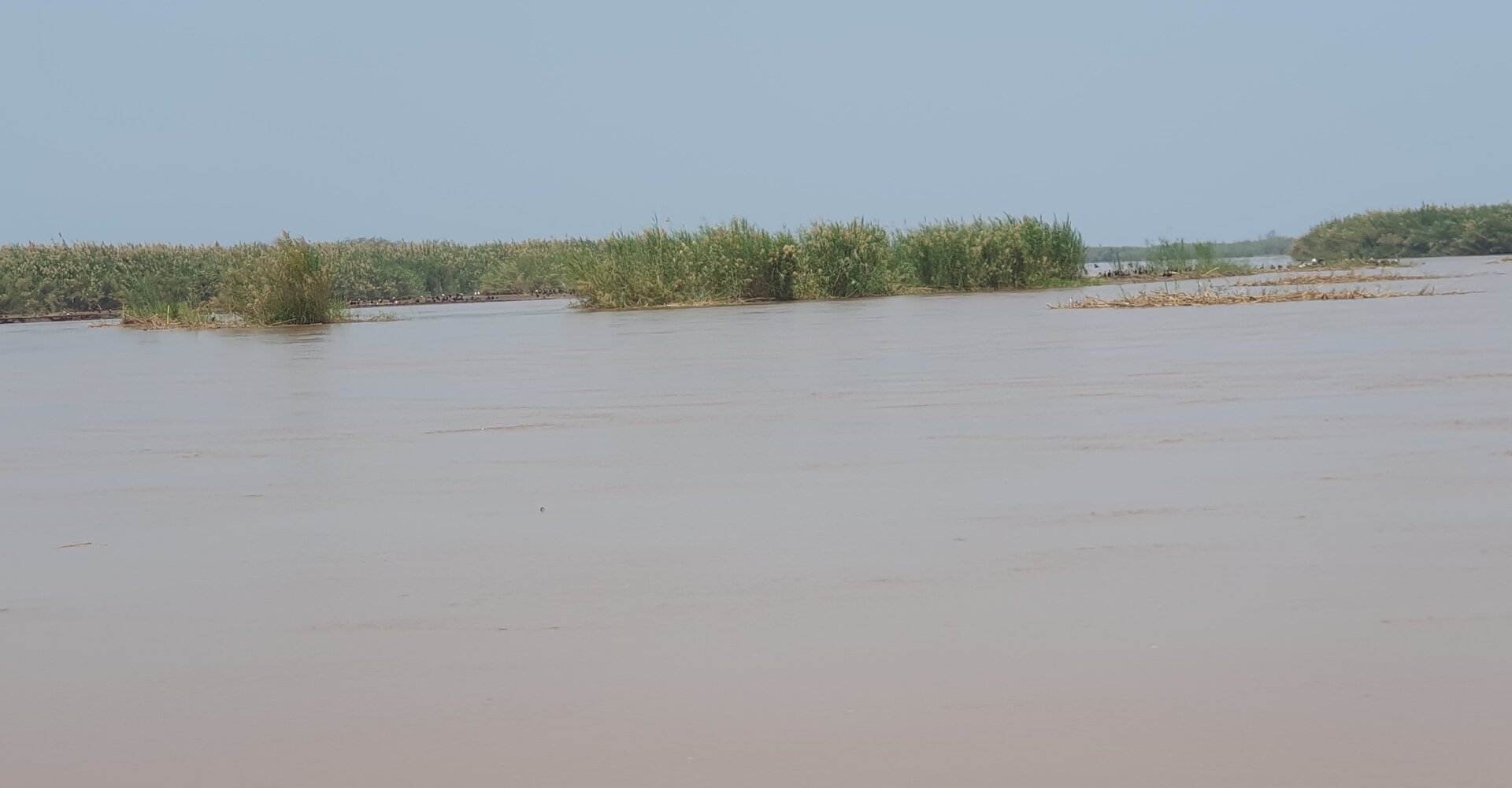
Established in 1980, Rusizi National Park protects approximately 90 square kilometers of riverine forest, savanna grassland, and wetland mosaic. The park is divided by the Bujumbura–Uvira road into two distinct zones: the eastern savanna section with its acacia woodlands and wildlife-rich plains, and the western delta — a maze of papyrus swamps, lagoons, and channels that form one of East Africa's most important waterbird sanctuaries.
For those seeking an authentic Burundi safari experience without the long drives typical of larger parks, Rusizi delivers. Early morning boat safaris reveal large pods of hippos, basking Nile crocodiles (including the legendary giant "Gustave"), and over 300 recorded bird species. The wetlands are prime habitat for the semi-aquatic sitatunga, waterbuck, and bushbuck, while the savanna sections host warthogs, baboons, and occasional predators like serval and spotted hyena.
This guide draws on firsthand experience and local expertise to help you plan a rewarding Rusizi safari — from choosing the best time for boat cruises to understanding park fees, wildlife behavior, and the conservation challenges facing this vital wetland ecosystem.
Wildlife of Rusizi — Hippos, Sitatunga & Crocodiles
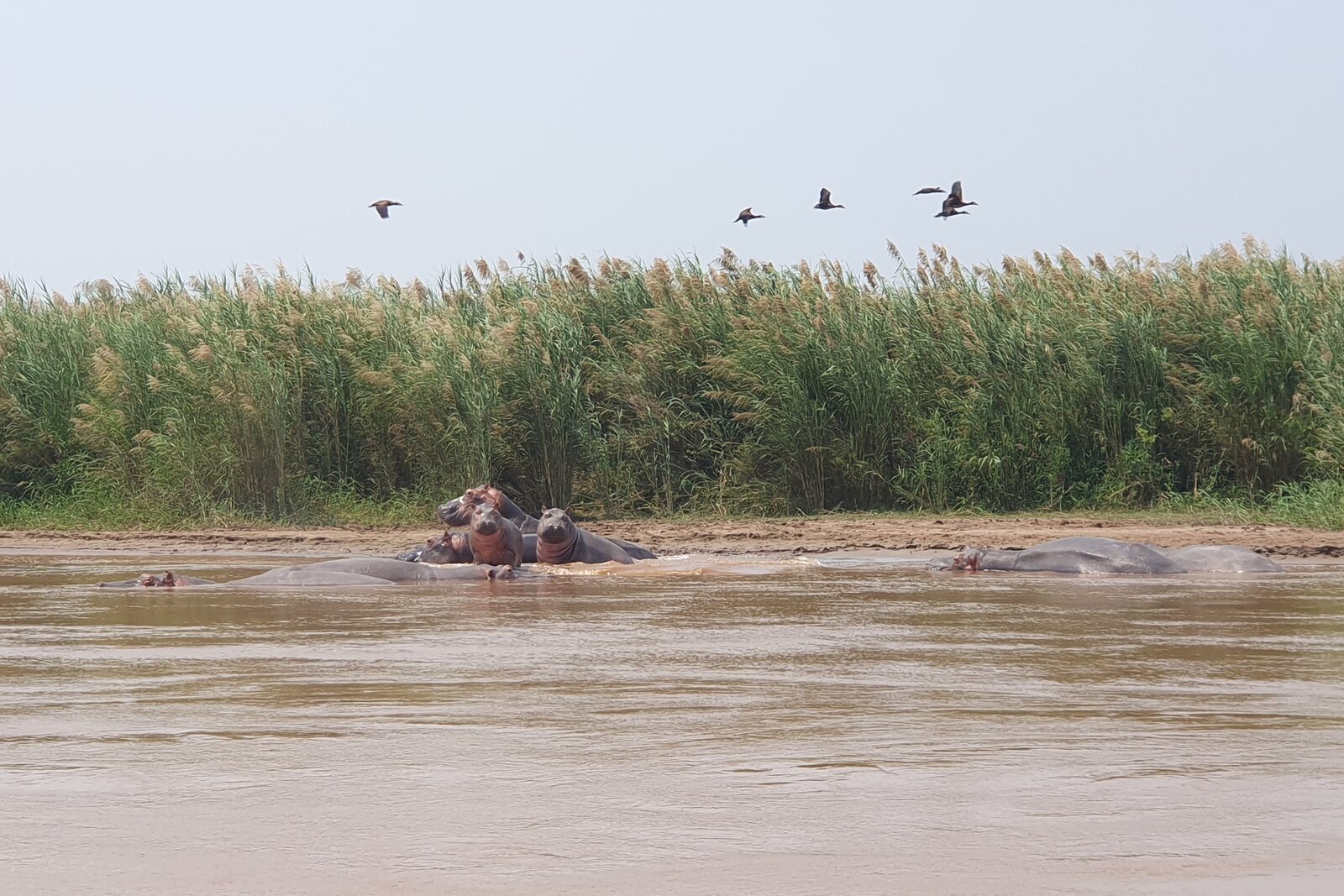
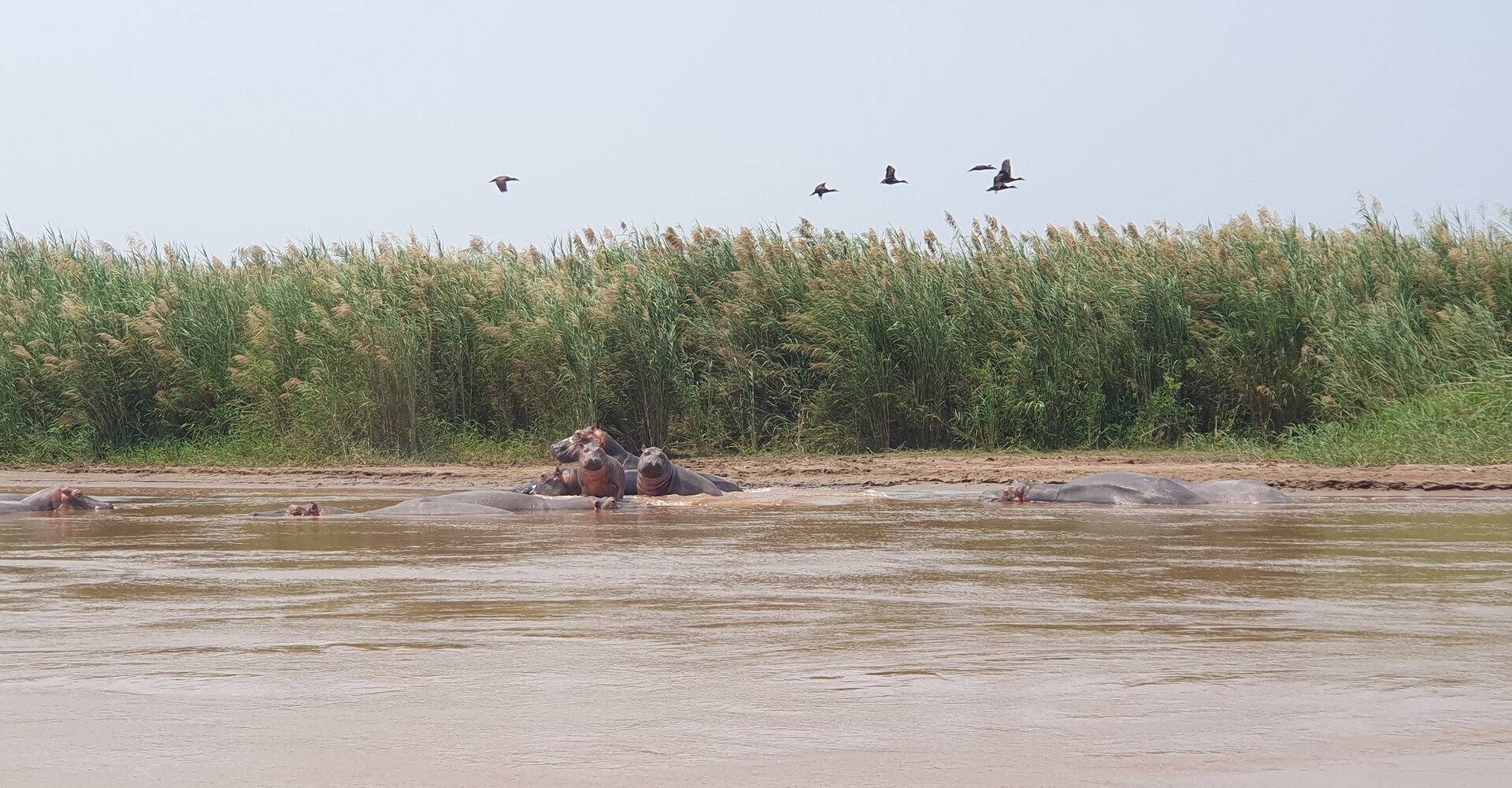
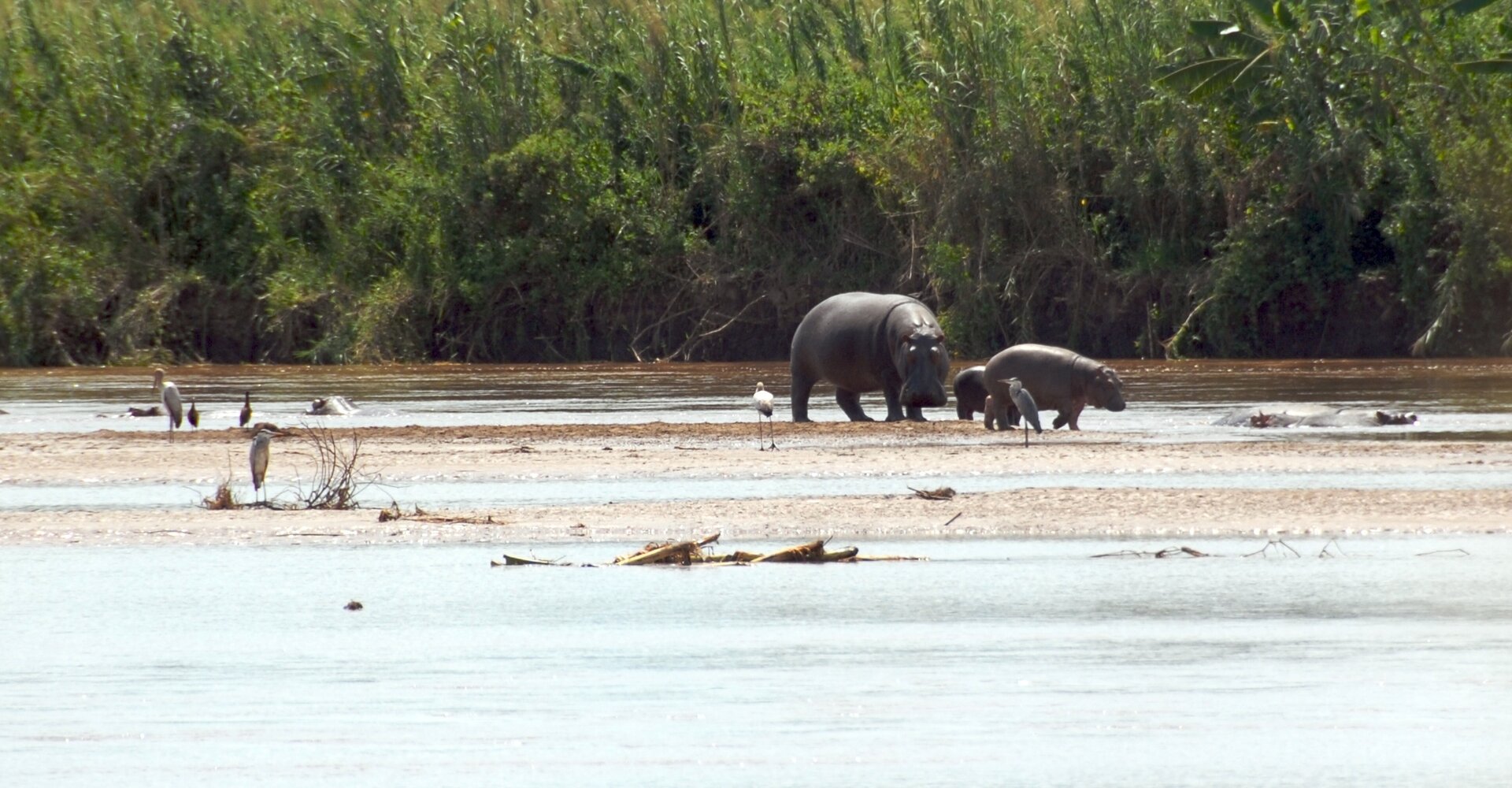
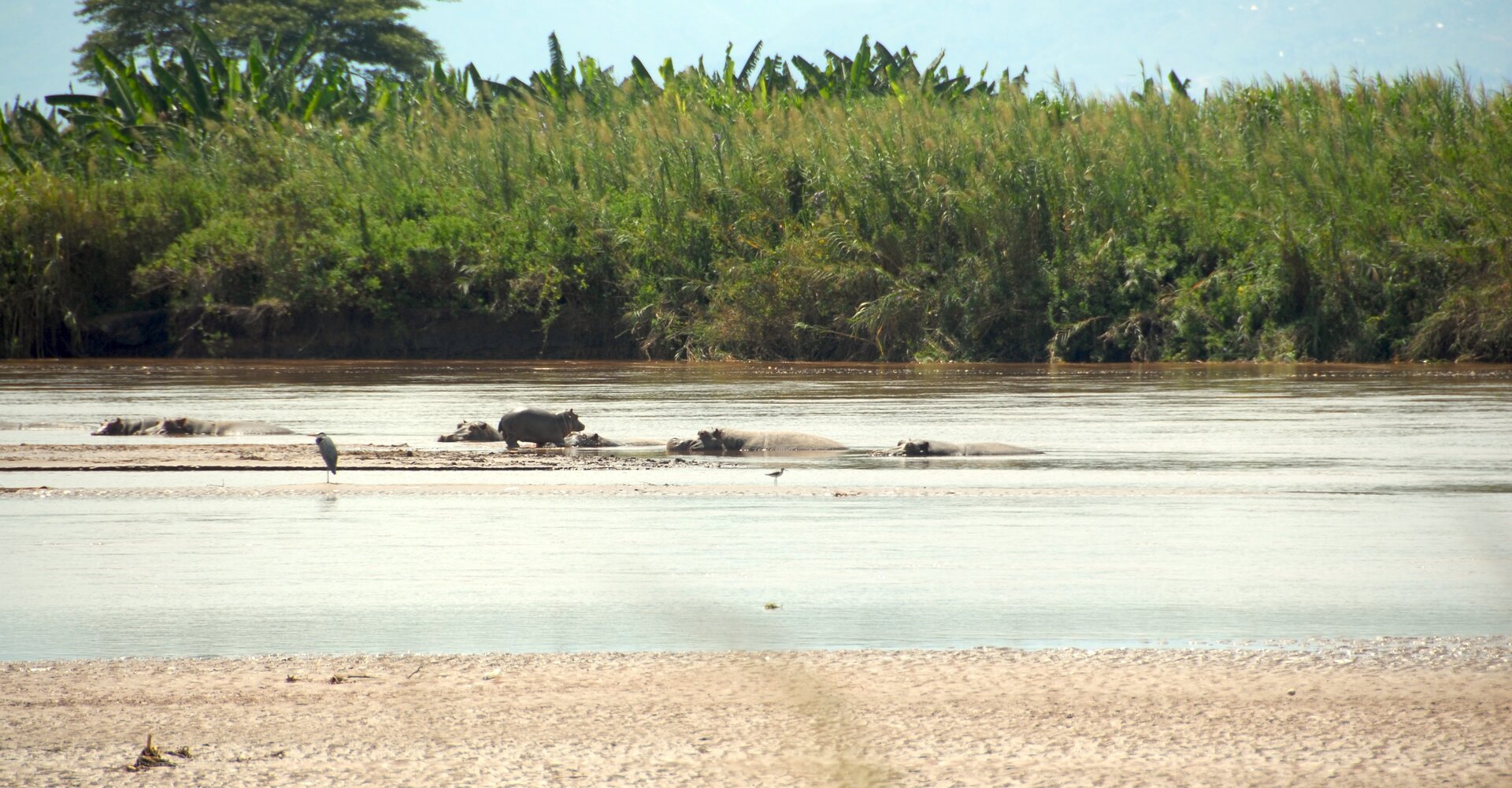
Rusizi's wildlife is defined by water. The park's signature species — the hippopotamus — thrives here in numbers that rival far larger reserves. Boat safaris bring you within respectful viewing distance of pods numbering ten or more individuals, their ears, eyes, and nostrils protruding above the surface. Hippos spend daylight hours submerged to keep cool, emerging at dusk to graze on riverbanks and grasslands. They're territorial and unpredictable, which is why guided boat cruises are both the safest and most effective way to observe them.
The Nile crocodile is Rusizi's other aquatic giant. These ancient reptiles bask on muddy sandbanks, often in groups, their jaws agape to regulate body temperature. Rusizi is famously home to Gustave, a legendary crocodile estimated to exceed six meters in length. Over decades, Gustave eluded capture attempts and became the subject of local folklore. While he has not been reliably sighted in recent years, park rangers and fishermen still speak of him with a mix of reverence and caution.
The sitatunga (Tragelaphus spekii) is Rusizi's most specialized antelope. This shy, semi-aquatic species has evolved elongated, splayed hooves that distribute its weight across marshy ground, allowing it to walk where other ungulates would sink. Sitatungas inhabit the dense papyrus beds and are most often spotted during early morning boat safaris when they emerge to feed along the marsh edges. Their shaggy, water-resistant coats range from chestnut to grey-brown, and males sport elegant spiral horns.
Other antelope species include waterbuck, easily identified by the white ring on their rumps, and bushbuck, a smaller, more secretive species that favors the riverine forest edges. Warthogs trot across the savanna grasslands, tails held high, while vervet, blue, and red-tailed monkeys inhabit the acacia woodlands. Predators are present but elusive — serval, spotted hyena, and occasionally leopard are recorded, though sightings are rare.
| Species | Status | Best Viewing | Notes |
|---|---|---|---|
| Hippopotamus | Common | Boat safaris (all year) | Large pods; most active dawn/dusk |
| Nile Crocodile | Common | Boat safaris, sandbanks | Includes legendary "Gustave" (rarely seen) |
| Sitatunga | Uncommon | Early morning boat safaris | Semi-aquatic; elongated hooves for marshes |
| Waterbuck | Common | Savanna walks, riverbanks | White ring on rump; near water |
| Bushbuck | Fairly common | Riverine forest edges | Shy, crepuscular |
| Warthog | Common | Savanna sections | Often seen in family groups |
| Vervet / Blue Monkey | Common | Acacia woodlands | Active during the day |
| Serval | Rare | Night or early dawn | Elusive; marsh/grassland edges |
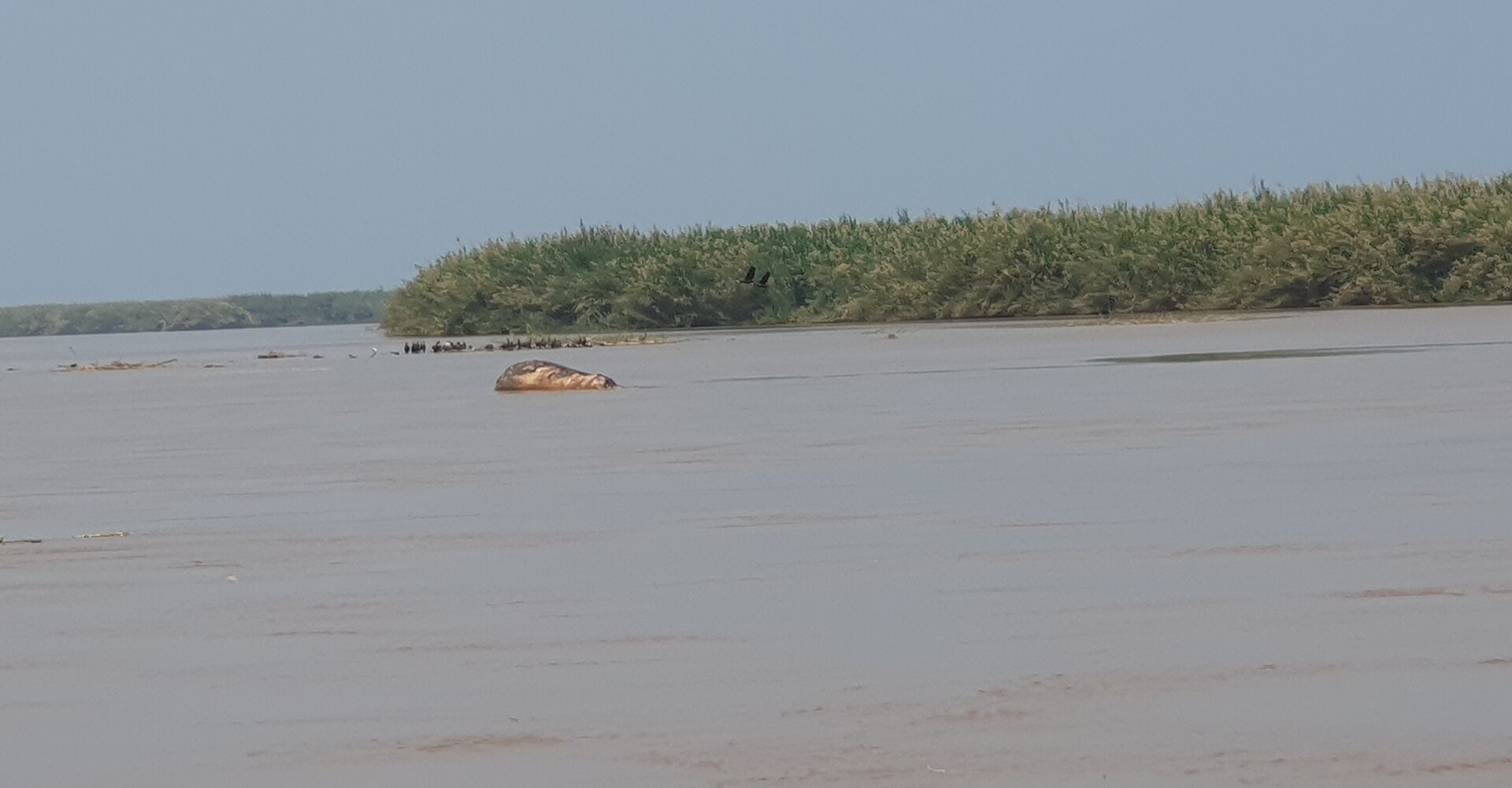
Birdwatching Paradise — 300+ Species
Rusizi National Park is one of Burundi's premier birdwatching destinations, with between 300 and 350 recorded species. Its location at the meeting point of the Rusizi River and Lake Tanganyika, combined with diverse habitats (wetlands, savanna, riverine forest), creates a mosaic that supports both resident and migratory waterbirds.
The park's icon is the African fish eagle (Haliaeetus vocifer), whose haunting, evocative call — often described as the "voice of Africa" — echoes across the delta. These magnificent raptors perch in tall riverside trees, scanning the water for fish. When they dive, talons outstretched, and pluck a tilapia from the surface, it's one of Africa's most thrilling natural spectacles.
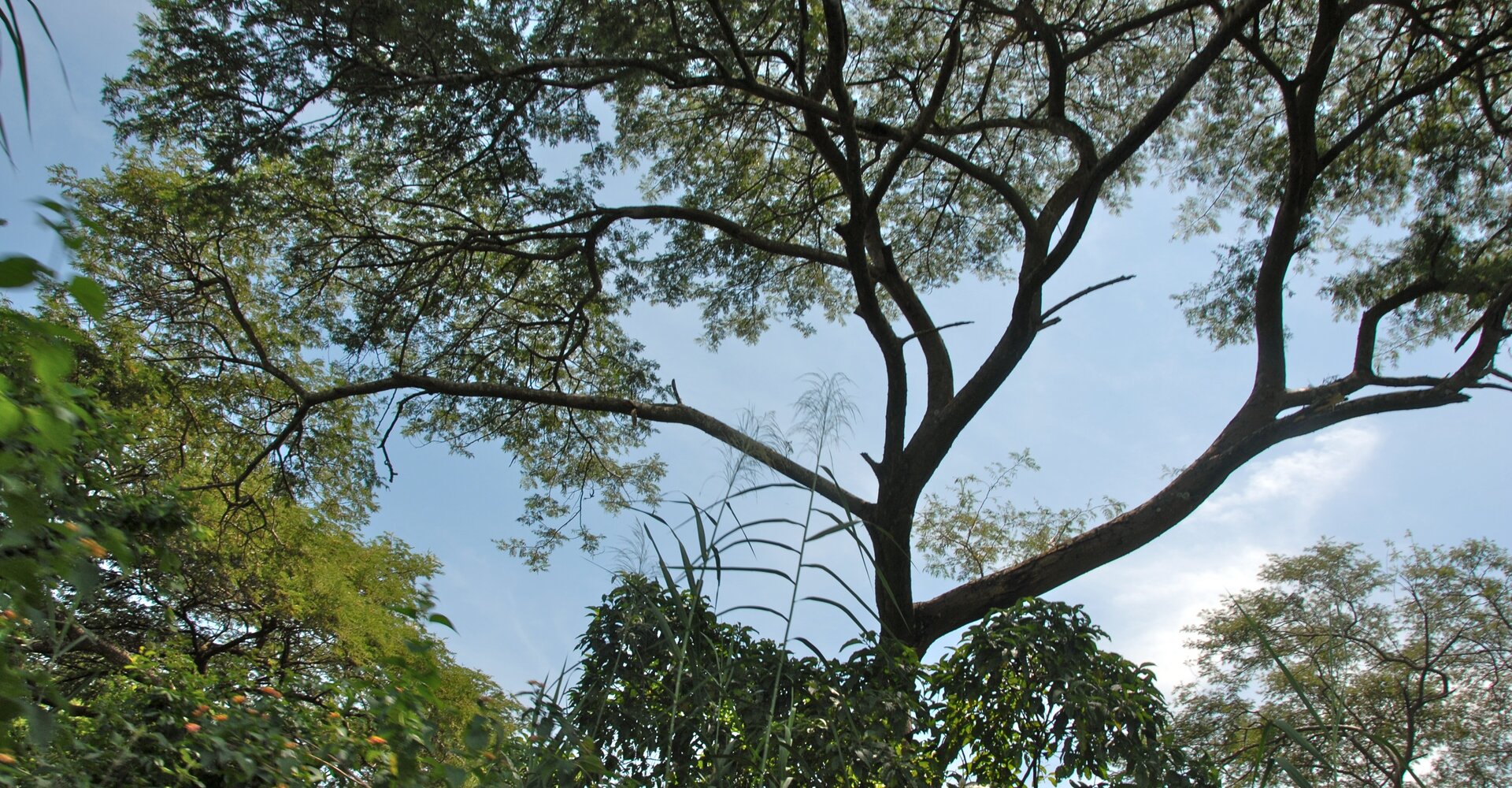
The shoebill stork (Balaeniceps rex), one of Africa's most sought-after birds, is occasionally spotted in the quieter papyrus channels. This prehistoric-looking bird, with its massive bill and slow, deliberate movements, is a true prize for serious birders. Early morning boat safaris offer the best chance of sighting.
Other notable waterbirds include the goliath heron (Africa's largest heron), purple heron, grey heron, black-crowned night heron, African sacred ibis, yellow-billed stork, African spoonbill, white pelican, and pink-backed pelican. The wetlands host several kingfisher species, with the jewel-like malachite kingfisher being the most common and photogenic.
The papyrus swamps are home to the papyrus gonolek, a skulking bird with a distinctive call, and the African skimmer, a rare and elegant tern that skims the water's surface. Migratory waders include white-winged tern, common sandpiper, and wood sandpiper, with peak numbers during the northern winter months (November–March).
Top Birds of Rusizi:
- African Fish Eagle — Rusizi's icon; haunting call; fish-plucking dives
- Shoebill Stork — Rare; prehistoric appearance; quiet papyrus channels
- Malachite Kingfisher — Common; jewel-like plumage; perches on reeds
- Goliath Heron — Africa's largest heron; solitary; shallow water
- African Sacred Ibis — Flocks in wetlands; curved bill
- Papyrus Gonolek — Endemic to papyrus swamps; distinctive call
- African Skimmer — Rare; skims water surface with lower bill
- Yellow-Billed Stork — Wades in shallows; sweeps bill side to side
- Pied Kingfisher — Hovering hunter; black and white plumage
- White-Winged Tern — Migratory; elegant flight over water
Serious birders should allocate at least two boat safaris (early morning and late afternoon) to maximize species counts. Bring a field guide, binoculars, and a camera with a telephoto lens. The dry season (June–September) offers easier access and better visibility, but the wet season (February–May) attracts migratory species and sees heightened breeding activity.
Boat Safaris on the Rusizi River
The boat safari is Rusizi's defining experience. Unlike traditional game drives, a boat safari offers silent, non-intrusive wildlife viewing. The absence of engine noise (many boats use low-power motors or paddles) allows you to drift close to hippo pods, hear the splash of a fish eagle's dive, and observe sitatunga without disturbance.
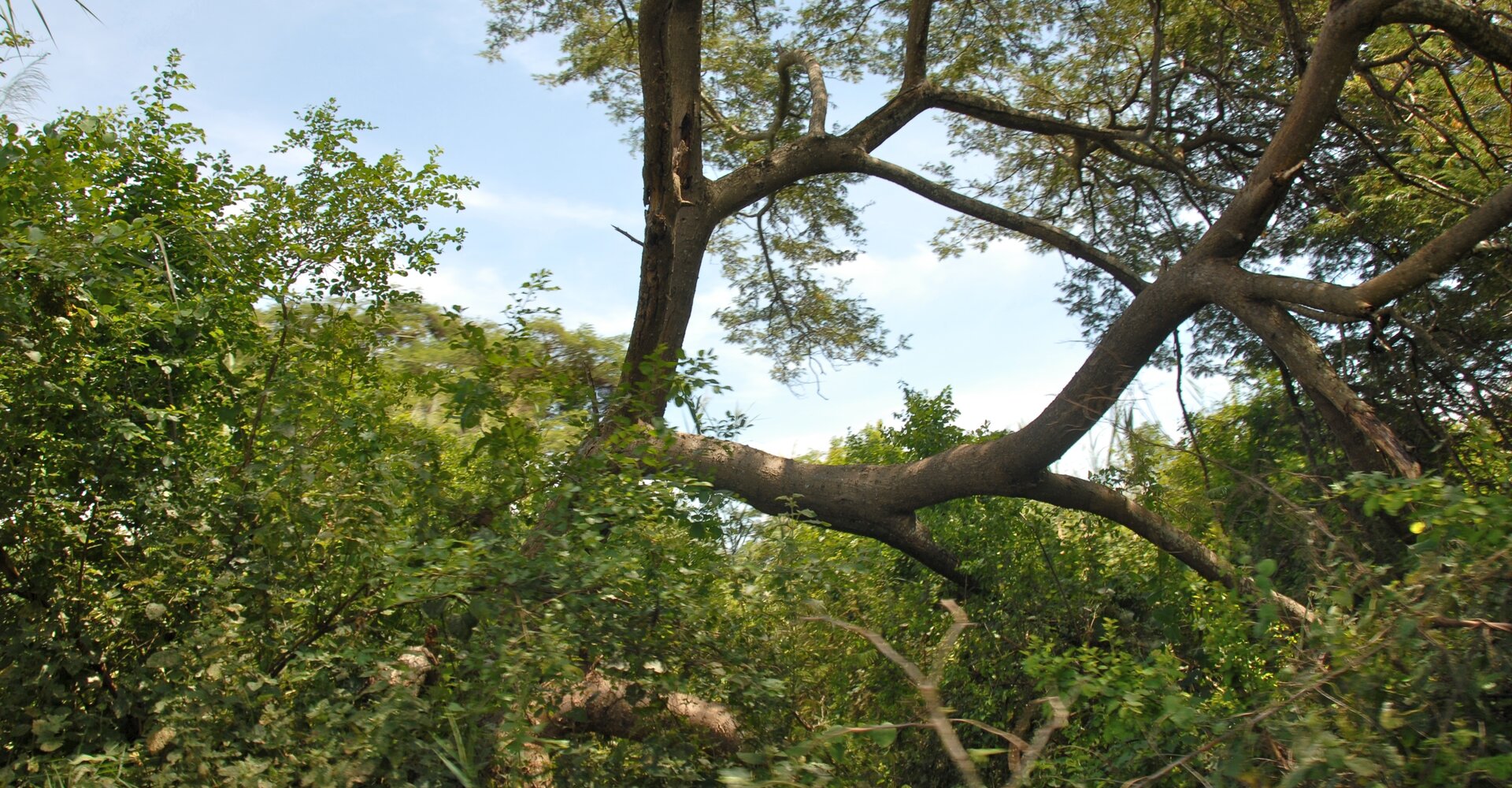
Boat safaris typically launch from the delta section of the park, near the confluence of the Rusizi River and Lake Tanganyika. Your guide will navigate a network of channels through papyrus beds, open lagoons, and shallow waterways. The landscape is otherworldly — walls of green papyrus rising three meters high, punctuated by openings that reveal distant mountain ridges in the Democratic Republic of the Congo.
What to Expect:
- Duration: 1.5 to 3 hours depending on your package
- Group Size: 4–8 people per boat (smaller groups for premium experiences)
- Safety: Life jackets provided; experienced guides maintain safe distances from hippos and crocodiles
- Best Time: Early morning (7:00–9:00 AM) for wildlife activity and light; late afternoon (4:00–6:00 PM) for dramatic lighting
Boat Safari Highlights:
- Hippo Pods — The boat will pause near hippo groups, allowing you to observe their behavior, listen to their grunts and bellows, and photograph them safely.
- Crocodile Sandbanks — Guides know the locations of favored basking spots where multiple crocodiles gather.
- Sitatunga Sightings — Skilled guides scan the marsh edges for sitatunga. Patience and silence increase your chances.
- Birdlife — African fish eagles, kingfishers, herons, and ibises are omnipresent. Your guide will identify calls and point out nests.
- Scenic Beauty — The delta's papyrus islands, reflections in still water, and distant mountain vistas make for stunning photography.
Practical Tips:
- Wear neutral-colored clothing (greens, browns, khaki) to avoid startling wildlife.
- Bring binoculars, a camera with telephoto lens (300mm+ ideal), sunscreen, a hat, and water.
- Sit low and move slowly to maintain boat stability. Follow your guide's instructions.
- Silence is golden — whispers and slow movements yield the best wildlife encounters.
Activities in Rusizi National Park
1. Guided Nature Walks
The eastern savanna section of the park offers guided nature walks through acacia woodlands and grasslands. These walks are excellent for spotting waterbuck, bushbuck, warthogs, and primates (vervet, blue, and red-tailed monkeys). Armed park rangers accompany all walks for safety. Walks typically last 2–3 hours and can be combined with a boat safari for a full-day experience.
2. Birdwatching from Observation Towers
Several observation towers and platforms are strategically positioned along the wetland edges, offering elevated views across the delta. These are particularly good for scanning for shoebills, fish eagles, and flocks of pelicans. Early morning is best.
3. Sport Fishing
The Rusizi River and Lake Tanganyika shoreline offer freshwater fishing opportunities. Tilapia and catfish are the primary catches. A fishing license is required and can be arranged through tour operators. This is a niche activity, best suited to those with specific interest.
4. Photography
Rusizi's combination of wetland landscapes, dramatic wildlife (hippos, crocodiles), and rich birdlife makes it a photographer's paradise. The golden light of early morning and late afternoon is ideal. A boat safari provides a stable, low-angle platform for wildlife photography.
5. Community and Conservation Visits
Some tour operators offer visits to nearby communities involved in conservation and sustainable livelihoods projects. These include wetland restoration, beekeeping, and traditional fishing demonstrations. Such visits provide cultural context and support local economies.
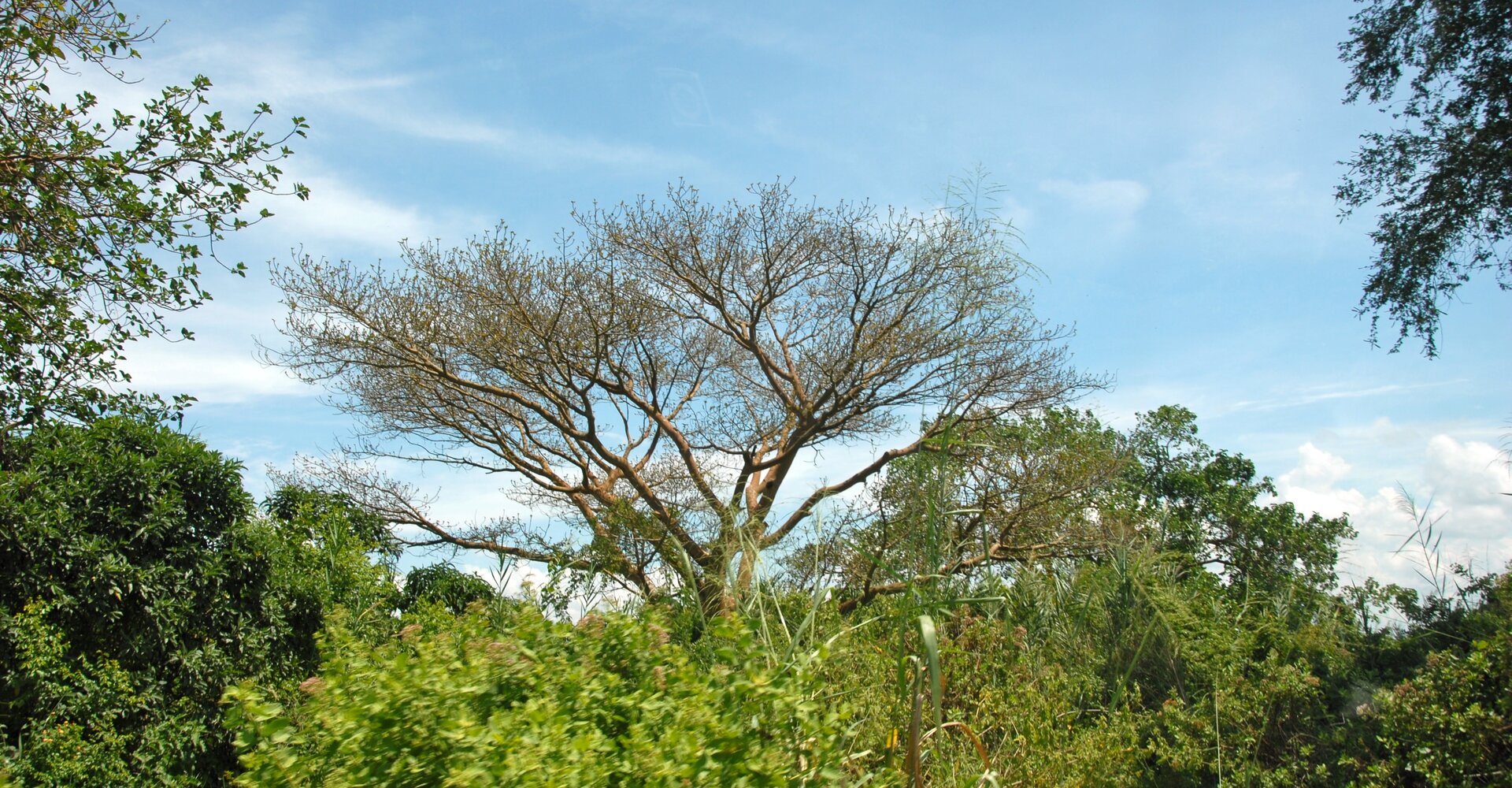
Best Time to Visit Rusizi
Rusizi National Park is accessible year-round, but the dry season offers the most comfortable and rewarding experience.
| Season | Months | Conditions | Best For |
|---|---|---|---|
| Dry Season (Primary) | June – September | Sunny, warm days (25–30°C); cool mornings; minimal rain; firm tracks | Boat safaris, wildlife viewing, photography |
| Dry Season (Secondary) | December – February | Shorter dry window; slightly warmer temperatures | Good alternative to mid-year travel |
| Wet Season | March – May, October – November | Frequent afternoon rains; high humidity; muddy tracks; lush green landscapes | Birdwatching (migratory arrivals & breeding), fewer visitors, lower rates |
Daily Timing:
- Best for Boat Safaris: 7:00–9:00 AM (wildlife most active; cooler; best light)
- Best for Birding: 6:30–11:00 AM (birds most vocal and active)
- Best for Photography: 7:00–9:00 AM and 4:00–6:00 PM (golden hour light)
Getting to Rusizi & Practical Information
Location: Rusizi National Park is 15 kilometers northwest of Bujumbura, Burundi's capital and largest city.
Access:
- From Bujumbura: 15–30 minutes by car. Most visitors arrange transport via rental car, taxi, or tour operator. Public transport (minibuses) is available but unreliable and not recommended for tourists.
- Airport: Bujumbura International Airport (BJM) is the entry point. International connections via Nairobi (Kenya Airways), Addis Ababa (Ethiopian Airlines), Kigali (RwandAir), and regional flights.
Park Fees:
| Item | Cost (USD) |
|---|---|
| Foreign Visitors (per person) | ~$40 |
| East African Community (EAC) Residents | $10 – $20 |
| Boat Safari (per person) | $30 – $60 (depending on duration & group size) |
| Guide Fees | Typically included in boat safari or tour package |
What to Bring:
- Binoculars (8x42 or 10x42 recommended)
- Camera with telephoto lens (300mm+ for wildlife)
- Sunscreen, hat, sunglasses
- Light, neutral-colored clothing (long sleeves for sun protection)
- Insect repellent (wetlands attract mosquitoes)
- Water bottle and snacks
- Field guide to birds of East Africa (optional but helpful)
Tour Operators: Pre-booking a guided boat safari through a reputable Burundi tour operator is highly recommended. Operators can arrange permits, transport from Bujumbura, professional guides, and combine Rusizi with other Burundi highlights (Kibira National Park, Lake Tanganyika, Gishora Drum Sanctuary). Expect to pay $150–250 USD per person for a full-day Rusizi experience including transport, park fees, boat safari, guide, and lunch.
Safety: Rusizi is generally safe for tourists. Armed park rangers accompany boat safaris and nature walks. Follow your guide's instructions regarding safe distances from hippos and crocodiles. Do not attempt to approach wildlife on foot without a guide. Check current travel advisories and consider hiring a reputable operator familiar with local conditions.
Conservation & Community
Rusizi National Park was designated a Ramsar Wetland of International Importance, recognizing its critical role in biodiversity conservation and ecosystem services. The wetlands filter pollutants, regulate water flow, support fisheries, and provide livelihoods for thousands of people living along the Rusizi River.
However, the park faces significant conservation challenges:
- Human Encroachment: Population pressure around Bujumbura has led to agricultural expansion into park buffer zones, reducing wildlife habitat and increasing human-wildlife conflict.
- Poaching: Although patrols have reduced illegal hunting, some poaching of antelope and waterbirds persists.
- Pollution: Agricultural runoff (pesticides, fertilizers) and waste from nearby communities degrade water quality, affecting fish populations and aquatic ecosystems.
- Climate Change: Altered rainfall patterns affect seasonal flooding, which is critical for papyrus regeneration and fish breeding. Prolonged droughts stress hippo populations.
Conservation Efforts: The Office Burundais pour la Protection de l'Environnement (OBPE) manages the park with support from international partners including the European Union and conservation organizations. Initiatives include:
- Anti-Poaching Patrols: Increased ranger presence and equipment (boats, radios) to deter illegal hunting.
- Community Engagement: Training local communities in sustainable fishing, beekeeping, and eco-tourism to provide alternative livelihoods.
- Wetland Restoration: Rehabilitating degraded papyrus beds and riverbanks to enhance habitat quality.
- Tourism Infrastructure: Upgrading boat launch sites, observation towers, and visitor facilities to improve the tourist experience and generate park revenue.
How You Can Help:
- Choose reputable, conservation-focused tour operators who employ local guides and contribute to park fees.
- Respect park rules: no littering, no feeding wildlife, maintain safe distances.
- Support community-based tourism initiatives (handicrafts, cultural visits).
- Share your Rusizi experience responsibly on social media to raise awareness of this under-visited gem.
Sample Rusizi Safari Itinerary
1-Day Rusizi Wetland Safari (from Bujumbura)
| Time | Activity | Details |
|---|---|---|
| 6:30 AM | Hotel Pickup | Depart Bujumbura hotel; 30-minute drive to Rusizi park gate |
| 7:00 AM | Park Entry & Briefing | Pay entrance fees; meet guide; safety briefing |
| 7:30 AM | Boat Safari — Morning Session | 2-hour boat cruise through delta channels; hippo pods, crocodiles, sitatunga, waterbirds (African fish eagle, malachite kingfisher, shoebill). Papyrus maze, Congo mountain views. |
| 9:30 AM | Tea/Coffee Break | Light refreshments at park visitor center |
| 10:00 AM | Guided Nature Walk — Savanna Section | 2-hour walk through acacia woodlands; waterbuck, bushbuck, warthogs, monkeys. Armed ranger accompanies. |
| 12:00 PM | Picnic Lunch | Packed lunch at designated picnic site; views over wetlands |
| 1:00 PM | Birdwatching from Observation Tower | Elevated platform; scan for pelicans, herons, ibises. Photography. |
| 2:30 PM | Return to Bujumbura | Drive back to city |
| 3:00 PM | Drop-off at Hotel | End of safari |
Cost Estimate (per person, group of 4):
- Park entrance: $40
- Boat safari: $40
- Guide/ranger: $20 (shared)
- Transport (private vehicle from Bujumbura): $30 (shared)
- Packed lunch: $15
- Total: ~$145 USD per person
2-Day Rusizi & Lake Tanganyika Safari
Day 1: Rusizi boat safari (morning), nature walk (midday), overnight at Lake Tanganyika lodge.
Day 2: Lake Tanganyika beach relaxation, snorkeling, sunset cruise; return to Bujumbura.
This itinerary combines Rusizi's wetland wildlife with the pristine beauty of Lake Tanganyika's shoreline, offering a diverse Burundi experience.
Where to Stay Near Rusizi
Rusizi National Park does not have lodging within its boundaries. Most visitors stay in Bujumbura and visit as a day trip. However, several accommodation options near the park and along Lake Tanganyika provide comfortable bases.
Bujumbura (15–30 minutes from Rusizi)
- Hotel Club du Lac Tanganyika (Mid-range) — Lakeside hotel; pool, restaurant, Wi-Fi; convenient for early Rusizi departures.
- Kiriri Garden Hotel (Budget–Mid) — Central Bujumbura; clean rooms, friendly staff, good value.
- Roca Golf Hotel (Mid-range) — Quiet location; golf course views; restaurant and bar.
Lake Tanganyika Lodges (30–60 minutes from Rusizi, north of Bujumbura)
- Saga Beach Hotel — Beachfront; restaurant, bar, water sports; combine Rusizi safari with beach relaxation.
- Tanganyika Blue Bay Resort & Spa — Upscale lakeside resort; pool, spa, restaurant; luxury base for multi-day Burundi safaris.
Guesthouses Near the Park
Basic guesthouses exist in villages near the park entrance. These are budget-friendly but lack amenities. Suitable for budget travelers or birders prioritizing ultra-early access to the park.
For multi-day Burundi safaris combining Rusizi, Kibira National Park, Gishora Drum Sanctuary, and Lake Tanganyika, tour operators often arrange accommodation as part of a package. Staying in Bujumbura offers the widest choice of restaurants, ATMs, and services.
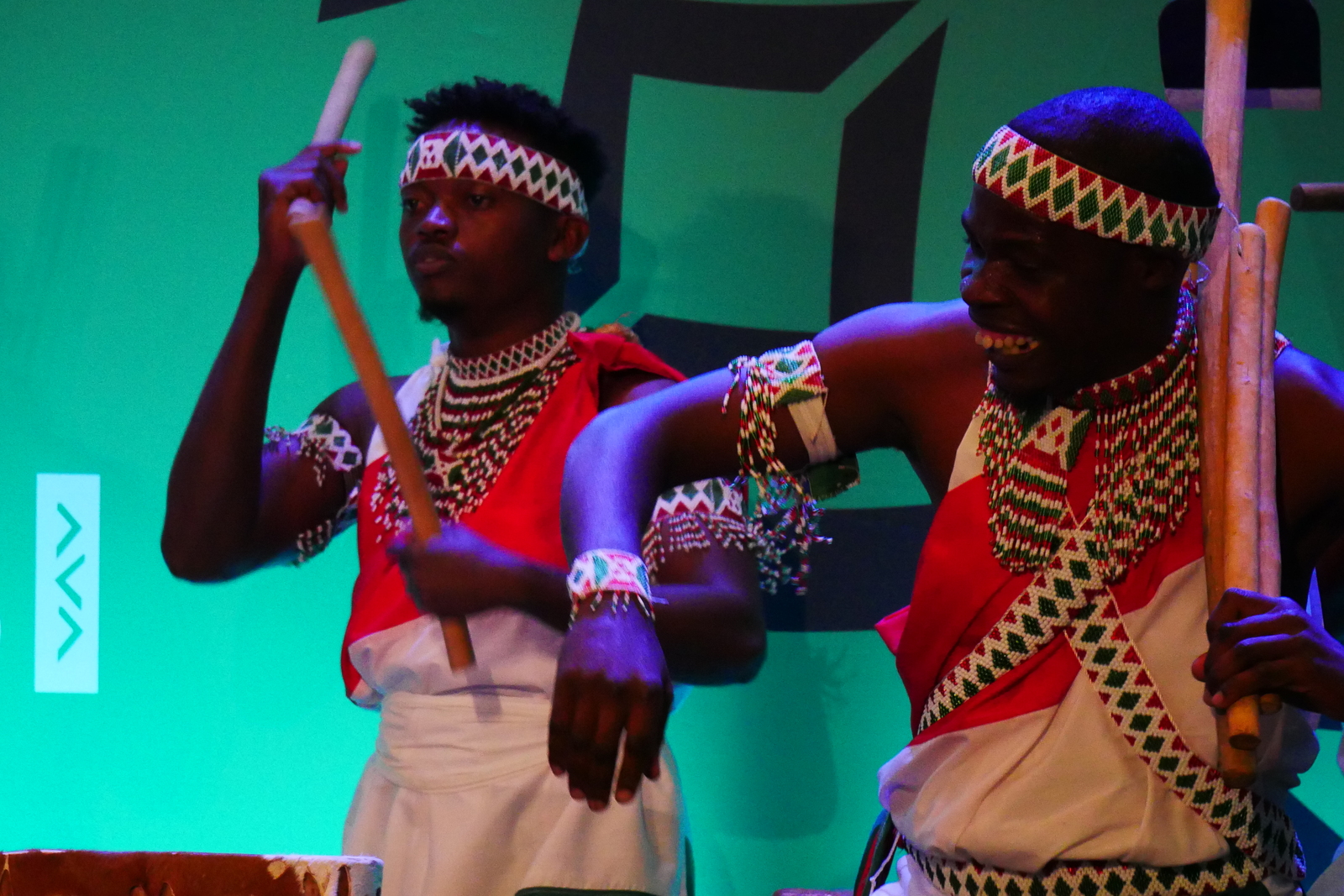
Extend your journey: Lake Tanganyika's shores, Kibira's rainforest chimps & the Royal Drummers of Gishora
Final Thoughts — Burundi's Wetland Gem
Rusizi National Park may be compact, but it distills the essence of an African wetland safari into an intimate, accessible experience. The sight of a hippo pod surfacing in morning mist, the haunting call of the African fish eagle, the thrill of spotting a sitatunga's spiral horns through the papyrus — these moments linger long after you've returned to Bujumbura's bustling streets.
For travelers seeking authenticity over crowds, wildlife intimacy over vast open plains, and a chance to explore one of Africa's least-visited wetland gems, Rusizi delivers. It's a safari that rewards patience, curiosity, and a willingness to embrace the quiet beauty of a landscape shaped by water, time, and the rhythms of the natural world.
Ready to explore Burundi's wetland gem? Combine Rusizi with Kibira National Park's rainforest chimps, Lake Tanganyika's pristine shores, and the Royal Drummers of Gishora for an unforgettable Burundi safari. Discover our Burundi safari packages or contact our team to craft your personalized adventure.