Key Takeaways — Ruvubu National Park
- Size & Location: 508 sq km, northeastern Burundi (216 km / 4-5 hours from Bujumbura).
- Established: 1980 to protect the Ruvubu River valley and its grassland ecosystem.
- Wildlife: Hippos, Nile crocodiles, elephants, Cape buffalo, waterbuck, 5 primate species, 400+ bird species.
- Activities: Boat safaris, game drives (50 km of tracks), walking safaris, birdwatching.
- Best Time: June–August (long dry) and December–February (short dry).
- Entry: ~10,000 BIF (~$5-10 USD) per person.
- Highlights: Boat safaris for hippos & crocs, African fish eagle sightings, remote wilderness feel.
- Accommodation: Camping on-site or stay in Bujumbura/Gitega.
Why Visit Ruvubu National Park?
In a country more famous for its royal drummers and Lake Tanganyika sunsets, Ruvubu National Park is Burundi's wild secret. Covering 508 square kilometers of riverine savanna, wetlands, and gallery forest, Ruvubu is the country's largest protected area and its most complete safari experience.
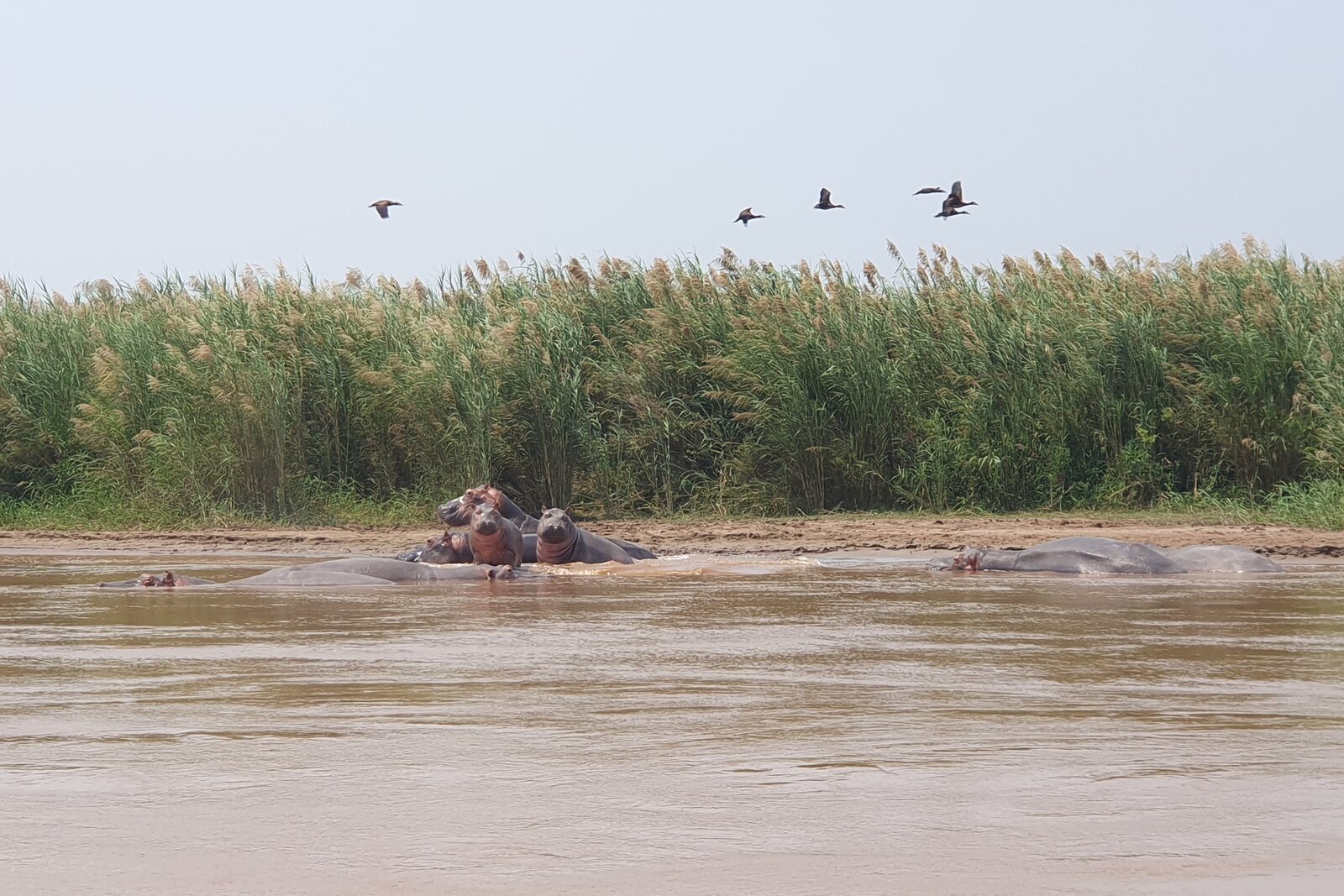
The park is named after the Ruvubu River, and in Kirundi, imvubu means hippopotamus — a fitting tribute, as the river teems with pods of these massive mammals. Beyond hippos, Ruvubu is home to elephants, Cape buffalo, Nile crocodiles, five primate species, and over 400 recorded bird species. This is East Africa savanna safari at its quietest and most remote — no crowds, no lodges every kilometer, just you, the wildlife, and the river.
If you've come to Burundi for the culture (Gishora drummers), the highlands (Nile source, Karera Falls), and the lake (Tanganyika sunsets), Ruvubu is the wilderness chapter — the place where Burundi shows you it can deliver a classic African safari too.
Ruvubu National Park — Burundi's Riverine Wilderness
Established in 1980, Ruvubu National Park protects the last major vestige of the natural grassland and riverine ecosystem that once dominated northeastern Burundi. The park spans four provinces — Karuzi, Muyinga, Cankuzo, and Ruyigi — and borders Tanzania to the south.
| Attribute | Details |
|---|---|
| Size | ~508 sq km (largest park in Burundi) |
| Established | 1980 |
| Location | Northeastern Burundi (Karuzi, Muyinga, Cankuzo, Ruyigi provinces) |
| Distance from Bujumbura | ~216 km / 4-5 hours via Gitega |
| Landscape | Riverine savanna, gallery forest, wetlands, papyrus swamps |
| Anchor Feature | Ruvubu River (flows south to join Kagera River system) |
| Wildlife Highlights | Hippos, Nile crocodiles, elephants, buffalo, primates, 400+ bird species |
| Activities | Boat safaris, game drives, walking safaris, birdwatching |
| Entry Fee | ~10,000 BIF (~$5-10 USD) per person |
| Best Time | June–August & December–February (dry seasons) |
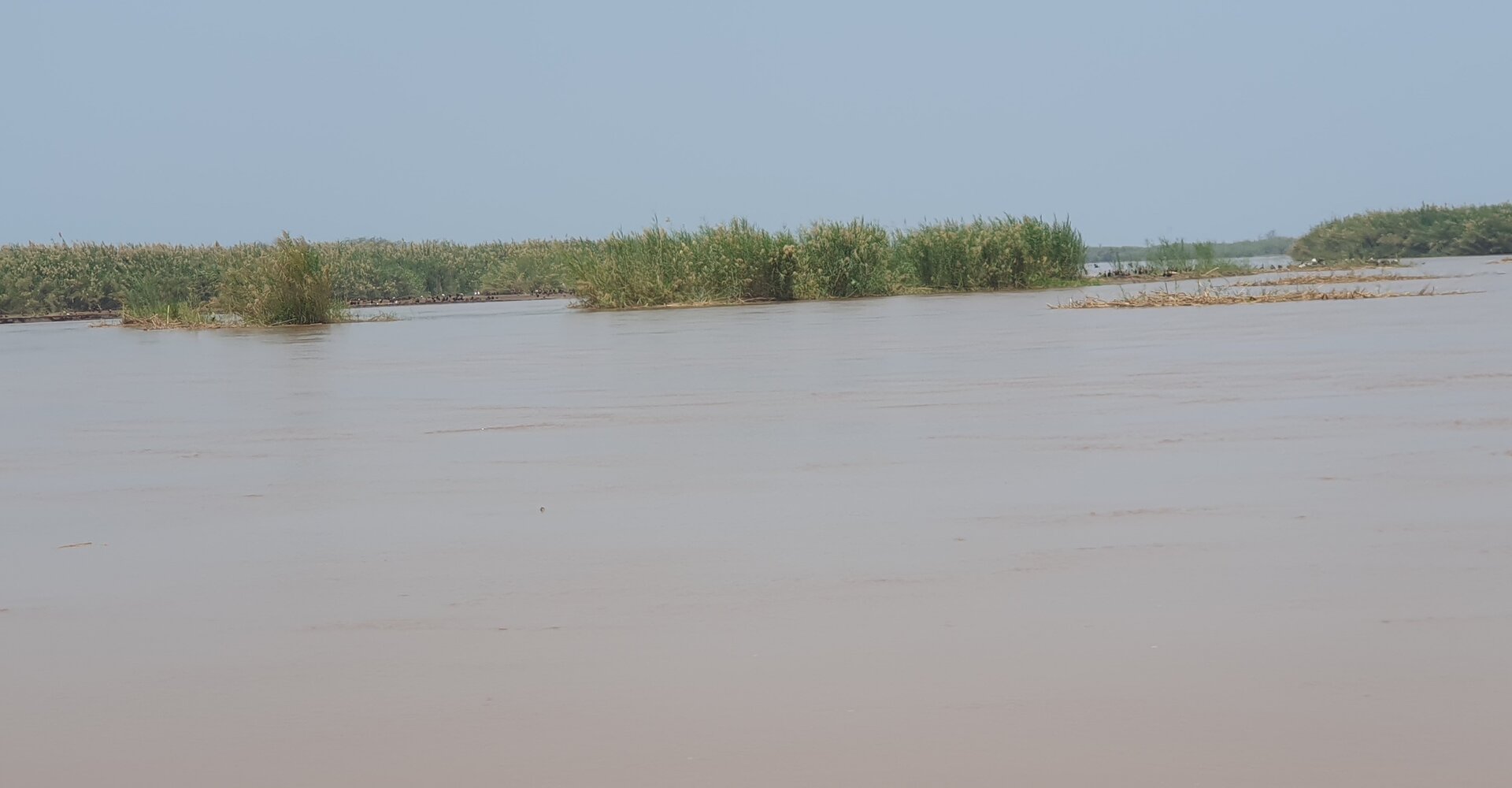
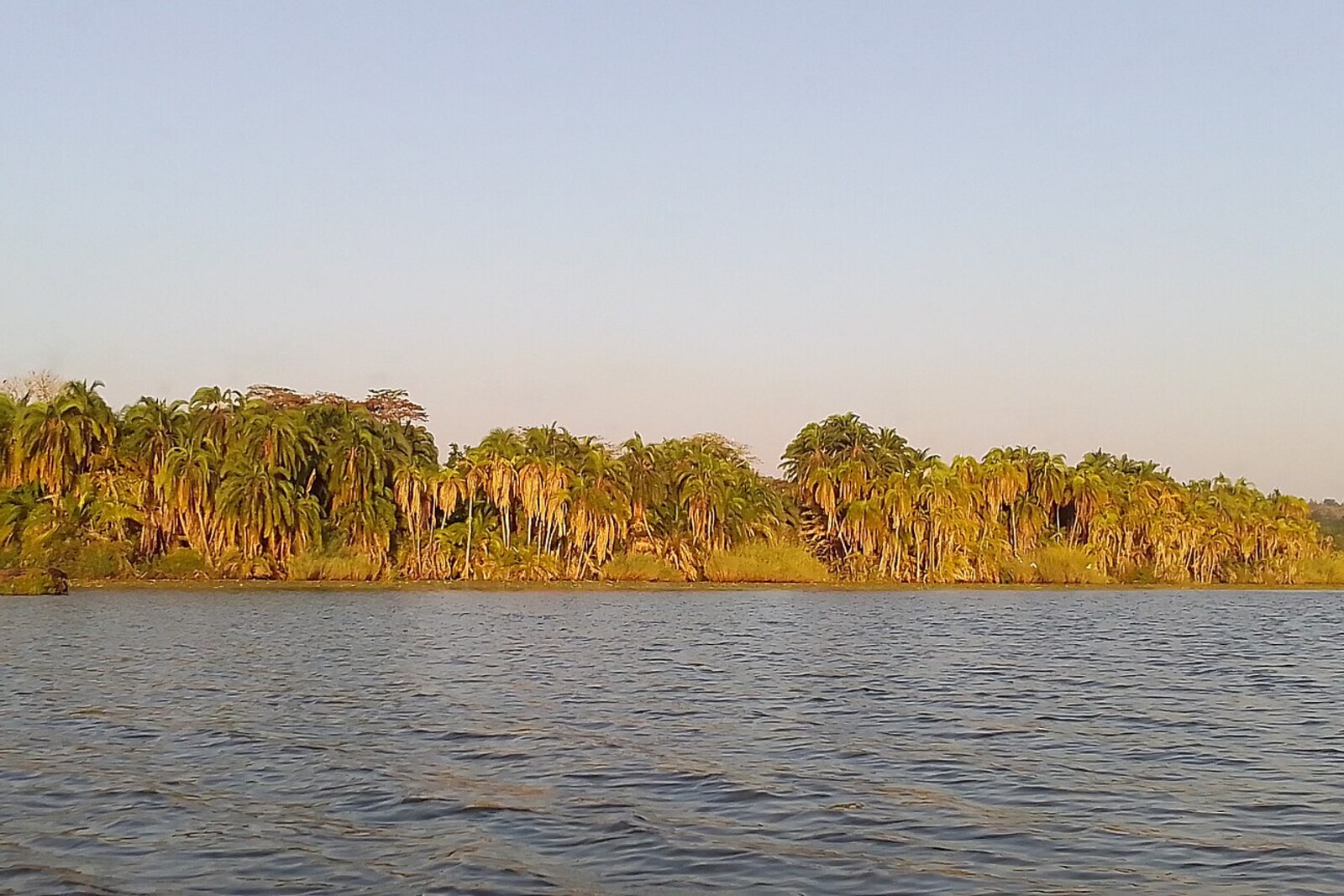
The park's defining feature is the Ruvubu River, which flows north-south through the center of the park. The river creates a ribbon of life — gallery forests line the banks, papyrus swamps fringe the floodplains, and the surrounding savanna grasslands roll away to the horizon.
Wildlife in Ruvubu National Park
Ruvubu is a biodiversity hotspot for northeastern Burundi, supporting a wide range of mammals, birds, and reptiles. Here's what you can expect to see:
Mammals
| Species | Notes |
|---|---|
| Hippopotamus | Large pods in the Ruvubu River; best seen on boat safaris |
| Nile Crocodile | Basking on sandbanks and riverbanks throughout the park |
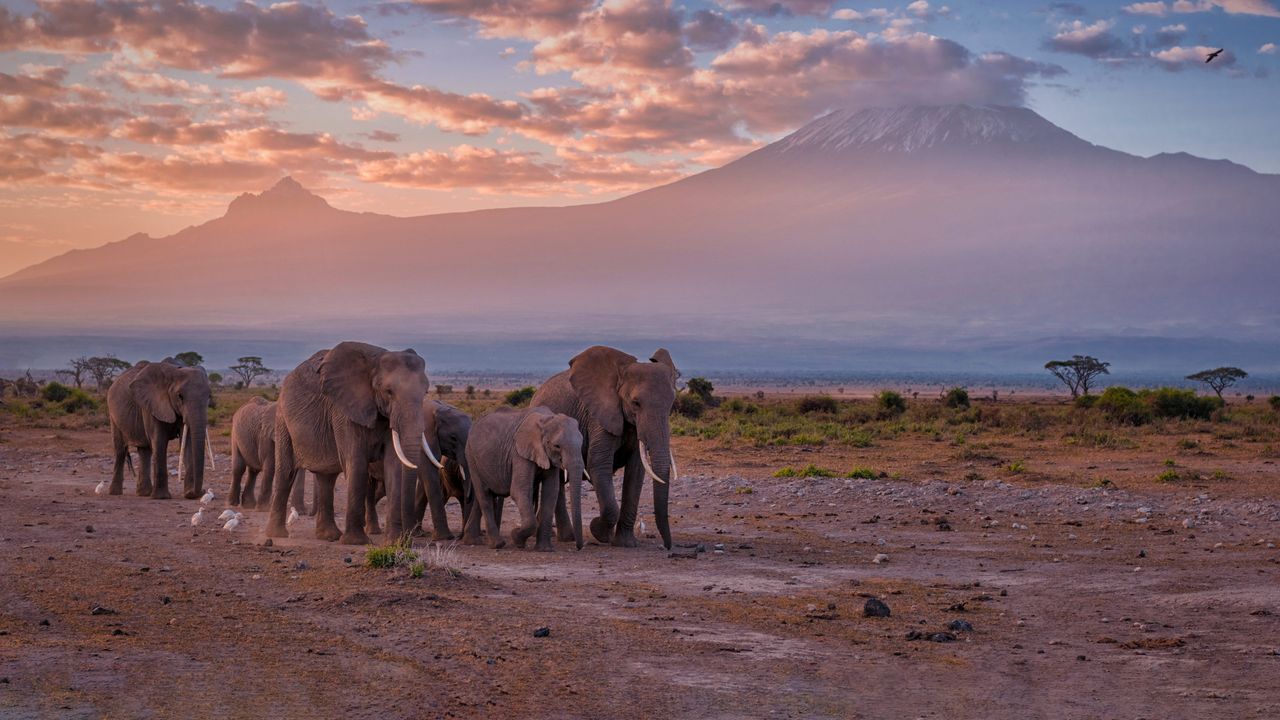
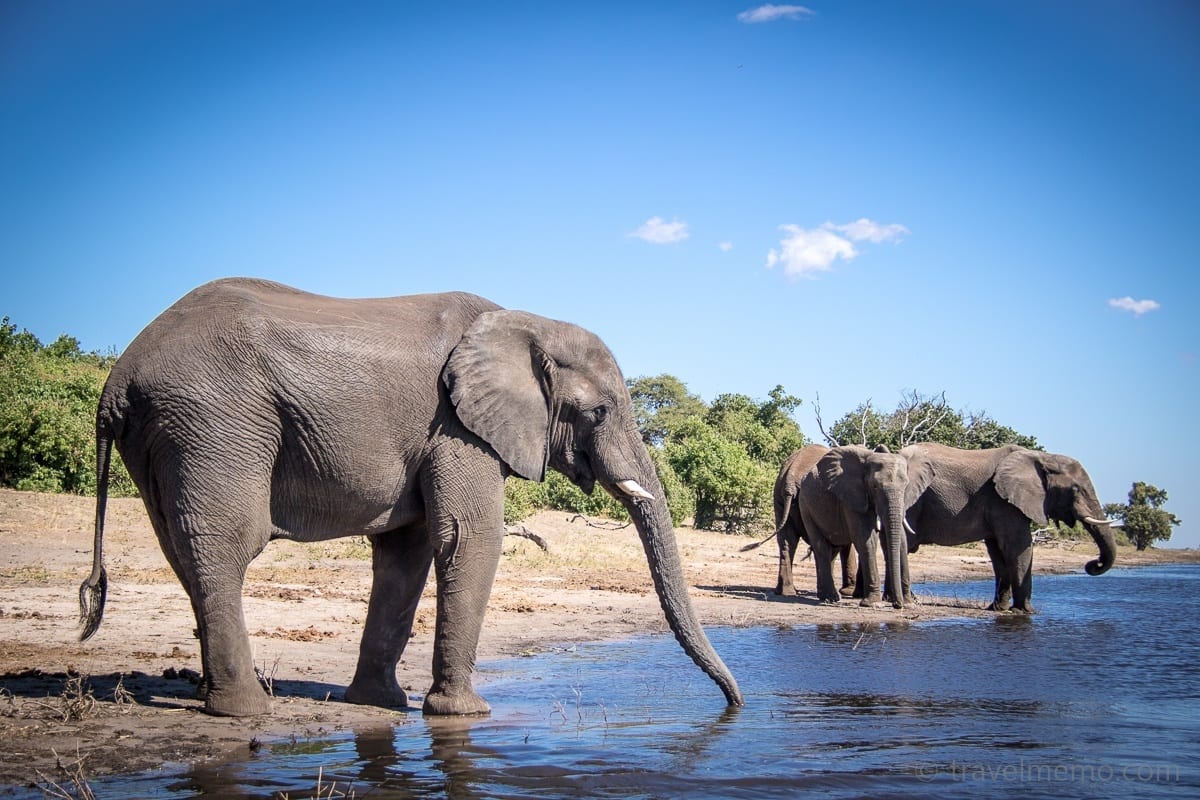
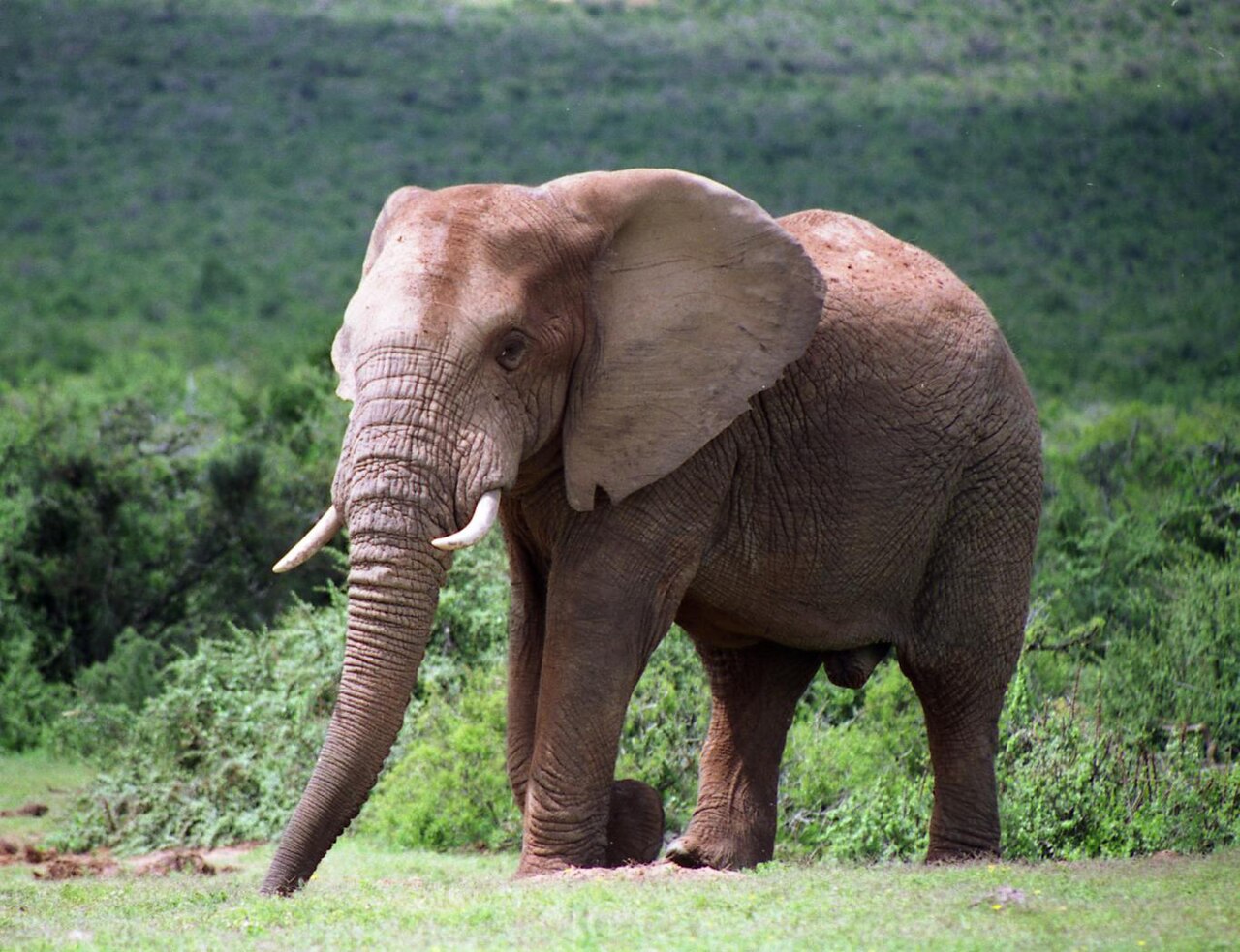
| African Elephant | Small herds browse gallery forests; seen drinking at river |
| Cape Buffalo | Herds in open savanna; cautious and defensive |
| Waterbuck | Common near water; distinctive white rump ring |
| Duikers (various sp.) | Small antelope in thickets and forest edges |
| Warthog | Grassland grazer; often seen kneeling while feeding |
| Bushbuck | Shy forest antelope along riverine thickets |
| Primates | Olive baboon, vervet monkey, blue monkey, red colobus, Senegal bushbaby |
| Leopard | Present but elusive; rarely seen |
| Spotted Hyena | Low density; occasionally heard at night |
Birds — 400+ Species
Ruvubu is a premier birdwatching destination, with over 400 recorded species. The riverbanks, wetlands, and savanna offer diverse habitats:
- African Fish Eagle — The iconic raptor, perched on riverside snags and calling over the water.
- Papyrus Gonolek — A papyrus-specialist, crimson and black, skulking in the swamps.
- Shoebill — Rare sightings in wetland areas (highly prized by birders).
- Yellow-billed Stork & Saddle-billed Stork — Wading in shallows, probing for fish.
- Various Herons & Egrets — Goliath heron, purple heron, black-headed heron, cattle egret.
- Kingfishers — Malachite, pied, giant kingfisher along the river.
- Bee-eaters, Sunbirds, Warblers — In woodland and savanna edges.
What to Do in Ruvubu National Park
1. Boat Safaris on the Ruvubu River
The highlight of any Ruvubu visit is a boat safari along the river. Glide past hippo pods, watch Nile crocodiles slip off sandbanks, and spot elephants and buffalo coming down to drink. African fish eagles perch on dead trees, kingfishers dart across the water, and herons stalk the shallows.
Duration: 2-3 hours. Cost: ~$50-80 per boat. Best Time: Early morning or late afternoon.
2. Game Drives
The park has approximately 50 km of rough tracks for game drives. While not as extensive as southern African parks, the tracks offer good sightings of buffalo, waterbuck, warthog, primates, and plenty of birds. Night drives can be arranged (with advance notice) for a chance to spot nocturnal species.
Duration: 2-4 hours. Cost: ~$40-60 per vehicle. Best Time: Early morning (6-9 AM) and late afternoon (4-6 PM).
3. Walking Safaris
Guided walking safaris allow you to explore the savanna and riverine forests on foot. You'll track animal footprints, learn about medicinal plants, and experience the bush at a human pace — often with close encounters with antelope, primates, and birdlife.
Duration: 1-3 hours. Cost: Included in guide fee (~$20-30). Best Time: Early morning when it's cool.
4. Birdwatching
With over 400 species, Ruvubu is a birder's paradise. The riverbanks are the prime birding zone, especially for waterbirds, raptors, and papyrus specialists. Bring binoculars, a field guide, and patience — the diversity is outstanding.
Best Time to Visit Ruvubu National Park
| Season | Months | Highlights | Challenges |
|---|---|---|---|
| Long Dry Season | June – August | Best wildlife viewing, animals at river, accessible tracks, comfortable temperatures | None; ideal for visiting |
| Short Dry Season | December – February | Good game viewing, green landscapes, fewer visitors | Occasional afternoon showers |
| Long Wet Season | March – May | Lush vegetation, waterbirds abundant, calving season for some species | Muddy tracks, wildlife dispersed, difficult access |
| Short Wet Season | October – November | Green landscapes, good birdwatching | Wet roads, overcast skies |
Recommendation: Visit during June–August for the best combination of wildlife sightings, road access, and dry weather.
How to Visit Ruvubu National Park
Getting There
Ruvubu is 216 km northeast of Bujumbura, a 4-5 hour drive via Gitega. The final stretch is on dirt roads, so a 4×4 is recommended, especially in the wet season.
- From Bujumbura: Hire a private 4×4 and driver-guide for a full-day trip ($120-180) or multi-day safari package.
- From Gitega: Approximately 100 km northeast; 2-2.5 hours.
- Public transport: Taxi-brousse to Ruyigi junction (~1,500 BIF), then moto to park entrance (~3,000 BIF). Not recommended for first-time visitors.
Park Entry & Guides
Entry fees are ~10,000 BIF (~$5-10 USD) per person. Guides are mandatory for boat safaris and strongly recommended for game drives and walks. Guide fees are typically $20-30 per day.
Costs — What to Budget for Ruvubu
| Item | Cost (USD) |
|---|---|
| Park entry fee | $5-10 per person |
| Local guide (full day) | $20-30 |
| Boat safari (2-3 hours) | $50-80 per boat |
| Game drive (vehicle hire, 2-4 hours) | $40-60 |
| Private vehicle & driver from Bujumbura (full day) | $120-180 |
| Total 1-day trip from Bujumbura (solo) | ~$235-360 |
| Total 1-day trip (2 people sharing vehicle) | ~$135-200 per person |
Where to Stay Near Ruvubu
Accommodation in and around Ruvubu is limited. Most visitors do the park as a long day trip from Bujumbura or overnight in Gitega.
Camping (In the Park)
- Ruvubu campsites — Basic facilities; bring your own tent and supplies. Arrange in advance with park authorities. (~$5-10/person/night)
Gitega (100 km from Park)
- Hotel Tropitel — The best in Gitega, modern, central ($60-80/night).
- Gitega Guest House — Budget-friendly, simple, clean ($25-40/night).
Bujumbura (Base for Day Trips)
- Hotel Club du Lac Tanganyika — Lakefront luxury, pool, beach ($120-180/night).
- Tanganyika Blue Bay Resort — Mid-range lakeside hotel ($80-120/night).
Sample Itineraries — Ruvubu Day Trips & Multi-Day Safaris
1-Day Itinerary: Ruvubu from Bujumbura
- 05:30 — Depart Bujumbura in private 4×4, heading northeast via Gitega.
- 09:30 — Arrive Ruvubu, pay entry, meet park guide.
- 10:00-12:30 — Morning boat safari on Ruvubu River (hippos, crocs, birds, elephants).
- 12:30-13:30 — Lunch (pack a picnic).
- 14:00-16:30 — Afternoon game drive through savanna (buffalo, waterbuck, primates).
- 16:45 — Depart for Bujumbura, arriving ~20:30.
2-Day Itinerary: Ruvubu + Gitega Cultural Sites
Day 1: Bujumbura → Gitega → Gishora Royal Drummers performance → overnight Gitega.
Day 2: Gitega → Ruvubu morning boat safari & game drive → return to Bujumbura.
3-Day Itinerary: Highlands & Wildlife Loop
Day 1: Bujumbura → Kibira National Park (chimpanzee trekking) → overnight Teza/Muramvya.
Day 2: Teza → Ruvubu (full-day safari: boat + game drive) → overnight camping in Ruvubu or Gitega.
Day 3: Ruvubu morning walk → Karera Falls → return to Bujumbura via Lake Tanganyika.
Combine Ruvubu with These Burundi Highlights
Gishora Royal Drummers
UNESCO-recognized sacred drummers near Gitega. A cultural stop en route to or from Ruvubu. Performance fee ~$50-100 (group).
Karera Falls
Burundi's most spectacular waterfall — a 40-meter cascade in the highlands, 60 km from Ruvubu. Entry ~$10.
Kibira National Park
Chimpanzee trekking and montane rainforest hikes. Located northwest of Ruvubu. Chimp permit ~$60-80.
Lake Tanganyika
Return to Bujumbura for sunset cruises, beach relaxation, and fresh grilled fish on the lakeshore.
Practical Tips for Visiting Ruvubu
- Bring cash (USD or Burundian francs): Park fees, guide tips, and meals are cash-only.
- Pack binoculars: Essential for birdwatching and spotting distant wildlife.
- Sun protection: Hat, sunscreen, sunglasses — the savanna sun is intense.
- Insect repellent: Mosquitoes are present; malaria prophylaxis recommended.
- Water & snacks: Limited facilities in the park; bring plenty of water and a packed lunch.
- Respect wildlife: Keep a safe distance from hippos and buffalo (both dangerous); stay in the vehicle unless with a guide.
- Book in advance: Arrange boat safaris and guides ahead of time, especially in the dry season when demand is higher.
Safety & Current Conditions
Ruvubu is a remote park and generally safe for visitors. However:
- Travel with a guide: The park is wild and largely unmarked; a guide is essential.
- Hippo & buffalo safety: Both are dangerous. Never approach on foot; always listen to your guide.
- Health precautions: Malaria risk present; take prophylaxis and use insect repellent. Yellow fever vaccination required for Burundi entry.
- Road conditions: Highland roads are winding; travel during daylight hours and avoid night driving.
Final Thoughts — Burundi's Wild Heart
Ruvubu National Park is not the Serengeti, nor does it try to be. It is Burundi's answer to the question: Can a small East African country deliver a real safari? And the answer, unequivocally, is yes.
Ruvubu is remote, undeveloped, and gloriously wild. The boat safaris put you face-to-face with hippos and crocodiles. The game drives roll through savanna where buffalo herds graze and elephants browse the forest edge. The birdwatching rivals anywhere in East Africa. And the solitude — the utter absence of crowds — makes every sighting feel like your own discovery.
For travelers building a complete Burundi itinerary, Ruvubu is the wilderness bookend to the cultural richness of Gishora, the geographic wonder of the Nile source, and the lakeside tranquility of Tanganyika. Together, they tell the full Burundi story: a small country with a big, beating heart.
Ruvubu is where Burundi goes wild. And it's unforgettable.