Key Takeaways — Lake Rwihinda (Lac aux Oiseaux)
- What: Burundi's 'Lake of Birds' — a protected Ramsar wetland bird sanctuary.
- Where: Kirundo Province, far northern Burundi (~220-240 km / 4-5 hours from Bujumbura).
- Birdlife: Hundreds of species — pelicans, African openbill storks, egrets, herons, cormorants, ducks & grey crowned cranes.
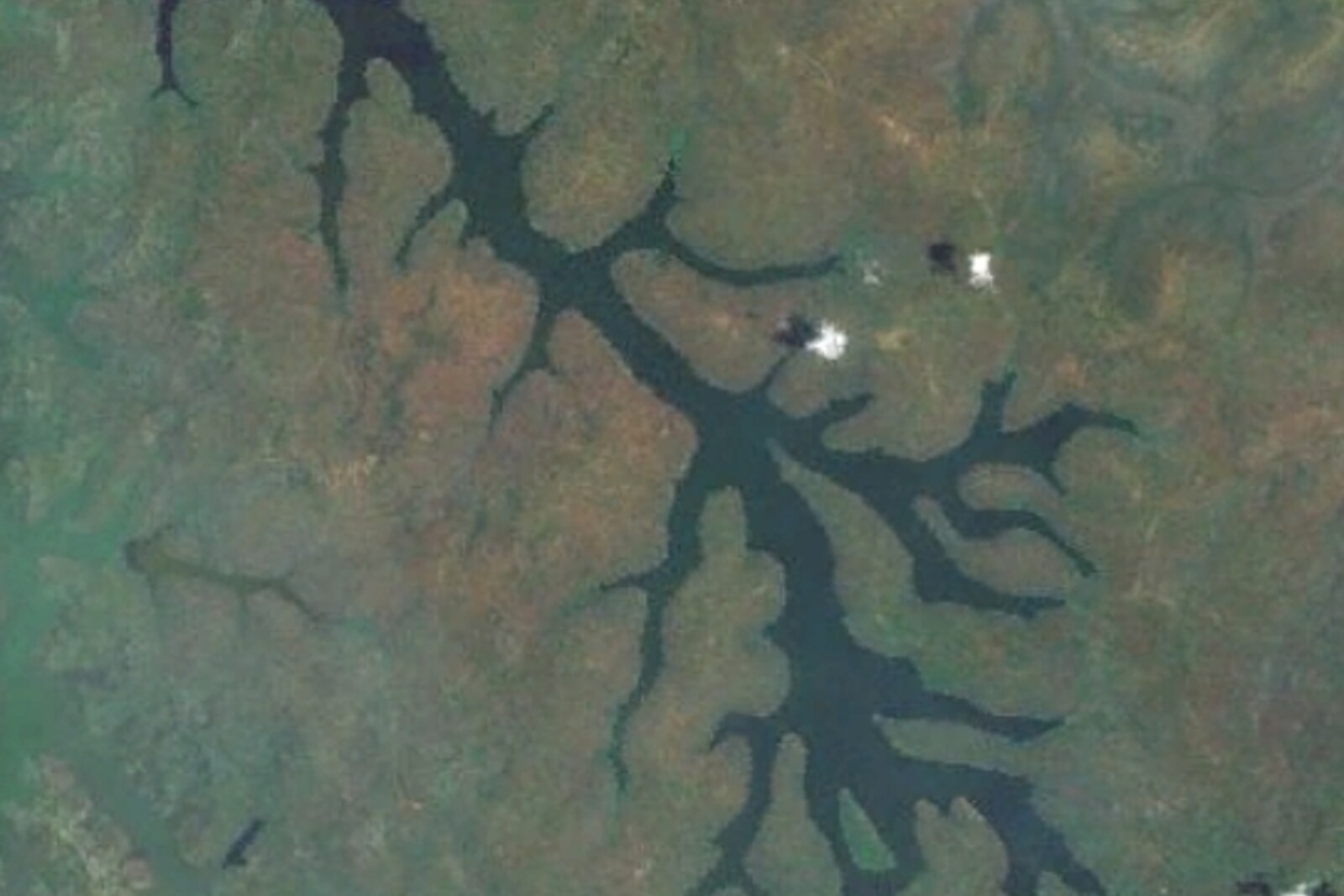
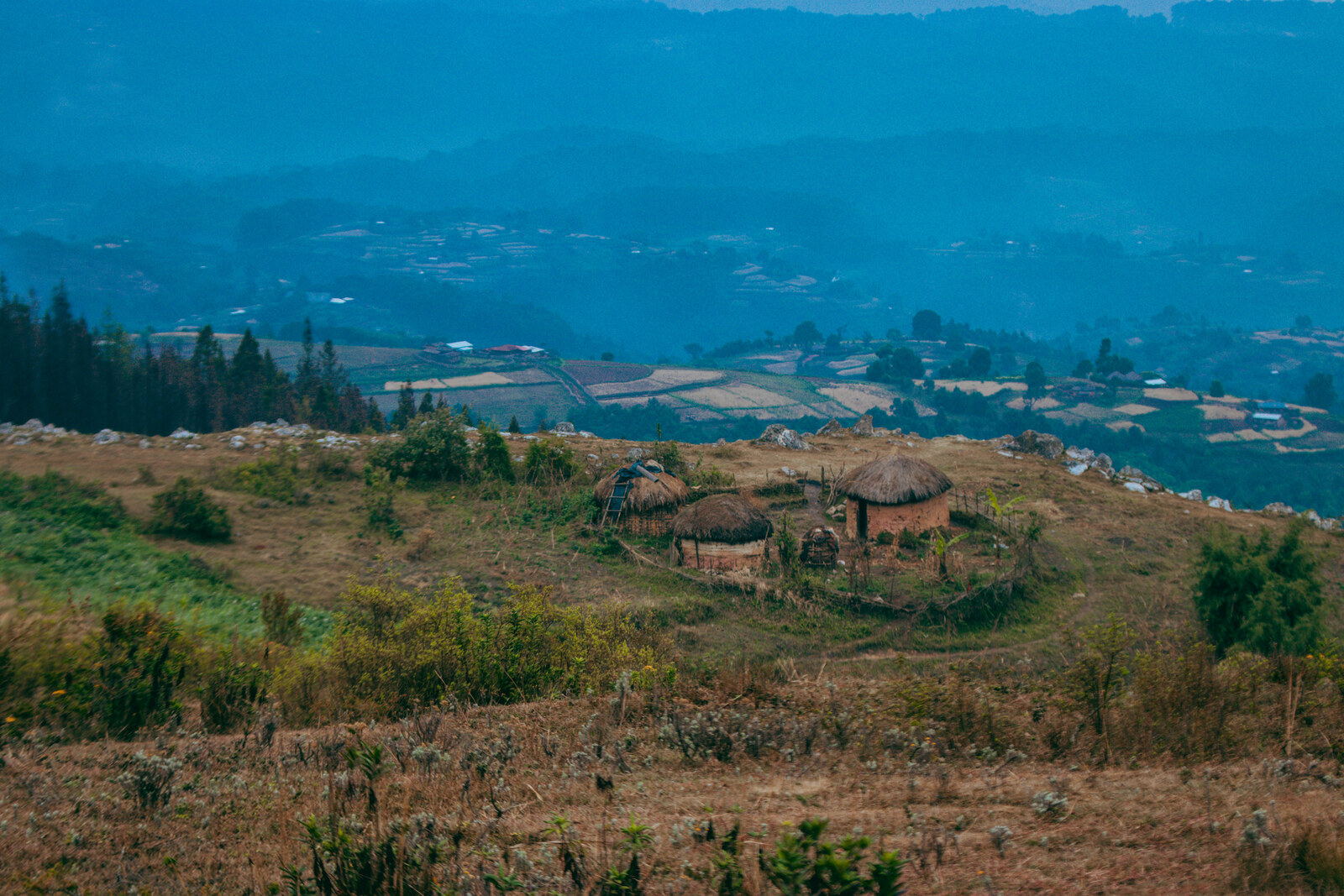
- Setting: Shallow plateau lake fringed with papyrus at ~1,400-1,500 m, ringed by cultivated green hills.
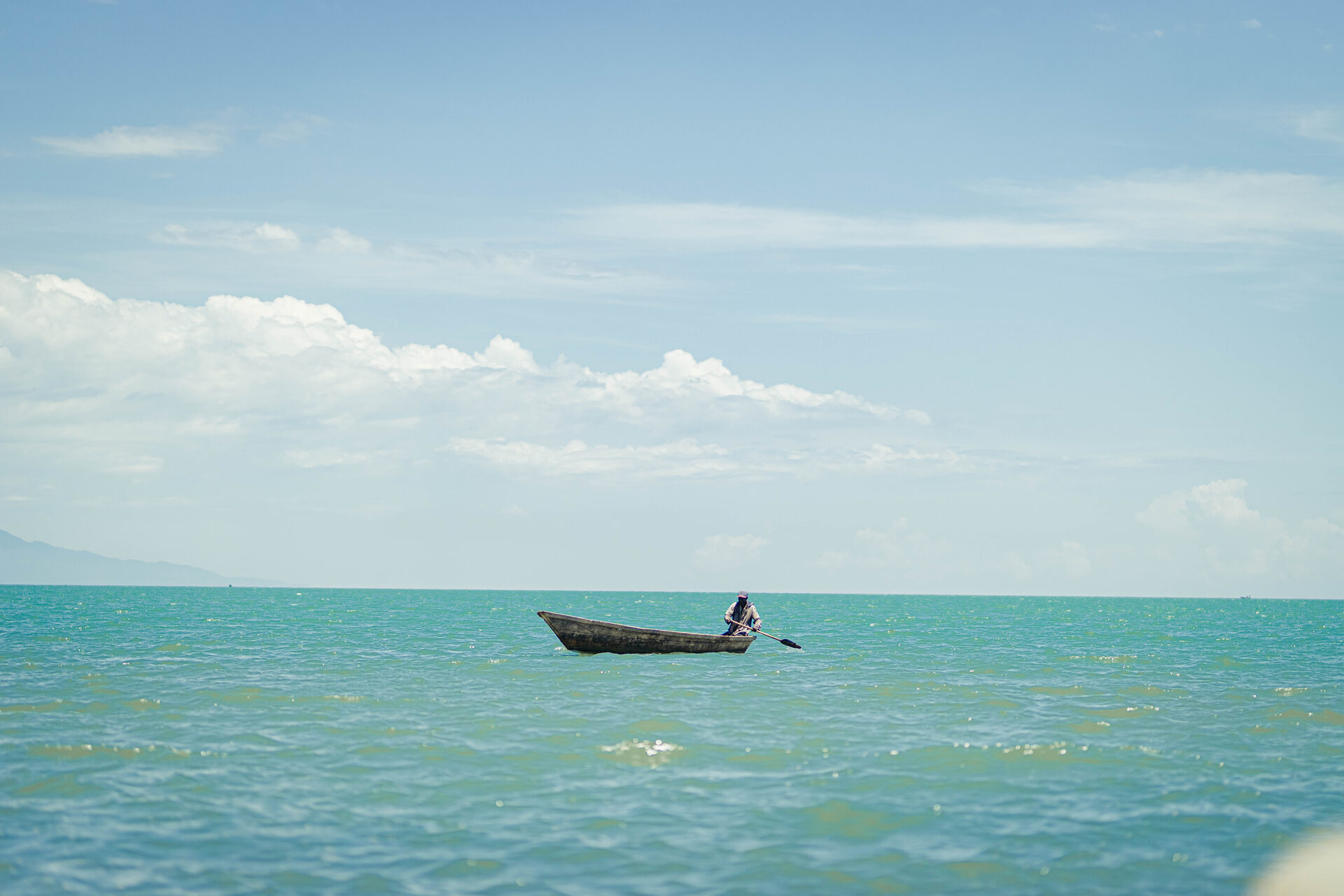
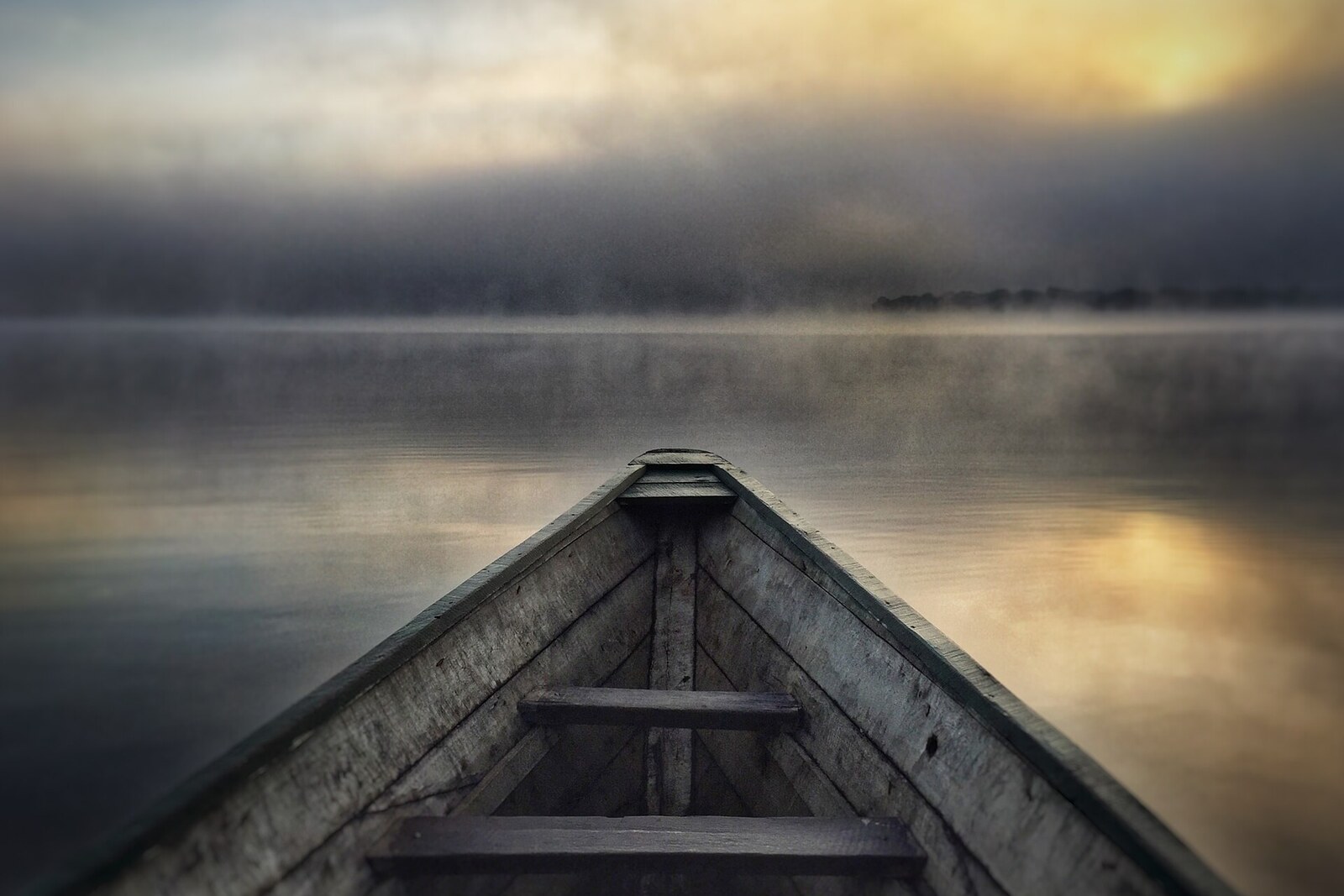
- Signature Experience: Silent, engine-free birdwatching by traditional wooden pirogue at dawn.
- Best Time: November–March for peak migration; June–September for easiest travel.
- Entry: Modest reserve fee + pirogue & guide (~$10-30 per person); bring Burundian francs.
- Combine With: Lake Cohoha, Lake Rweru & the other northern Kirundo lakes.
Why Visit Lake Rwihinda?
There is a lake in the far north of Burundi that the local people do not name for a king or a province, but for its birds. Lac Rwihinda — the Lac aux Oiseaux, the "Lake of Birds" — sits on the green plateau of Kirundo Province, and it earns its name every single morning. Drift out at dawn in a wooden pirogue and the water and the sky belong to wings: pelicans gliding in slow formation, storks wading the shallows, egrets and herons stalking the reeds, and, if you are lucky, the grey crowned crane stepping through the papyrus in its golden headdress.
Rwihinda is a protected Ramsar wetland reserve, one of a cluster of shallow lakes strung across the high north of the country near the Rwandan border. What makes it special is not size or drama but silence and abundance. Engines are banned on the water, so the only sounds are the dip of a paddle, the rustle of the papyrus and the ceaseless conversation of the birds. In the migration months the reserve becomes a genuine spectacle — a congregation of waterbirds that few travelers ever see, in a corner of Africa almost no one visits.
For travelers building a Burundi journey around the royal drummers of Gishora, the hippos of Ruvubu and the beaches of Lake Tanganyika, Rwihinda is the quiet counterpoint — the country's wild, watchful heart, where nature still keeps its own unhurried rhythm.
Lake Rwihinda — At a Glance
| Attribute | Details |
|---|---|
| Local Name | Lac Rwihinda / Lac aux Oiseaux ("Lake of Birds") |
| Type | Shallow freshwater lake & papyrus wetland — nature reserve |
| Protection | Protected Ramsar wetland reserve (Réserve Naturelle du Lac Rwihinda) |
| Birdlife | Hundreds of species — pelicans, openbill storks, egrets, herons, cormorants, ducks, crowned cranes |
| Location | Kirundo Province, far northern Burundi (near the Rwandan border) |
| Elevation | ~1,400-1,500 m (northern plateau) |
| Distance from Bujumbura | ~220-240 km / 4-5 hours (via Ngozi & Kirundo) |
| Signature Experience | Silent birdwatching by traditional wooden pirogue |
| Entry | Modest reserve fee + pirogue & guide (~$10-30 pp) |
| Best Time | Nov–Mar (peak migration) / Jun–Sep (easiest travel) |
| Time Needed | 2-3 hours on the water; a full day or overnight from Bujumbura |
Rwihinda is not a deep, dramatic Rift lake like Tanganyika — it is a shallow, reedy plateau lake, and that is precisely why the birds love it. The still, food-rich shallows and dense papyrus fringes provide roosting, nesting and feeding for enormous numbers of waterbirds, and the surrounding hills of banana, bean and cassava plots frame the water in soft, cultivated green.
The Lake of Birds — What You'll See
Rwihinda's fame rests on its birdlife, and the reserve is one of the most important waterbird sites in Burundi. Depending on the season, you may encounter:
- Great white & pink-backed pelicans — gliding in slow, disciplined formations and fishing in cooperative lines across the open water.
- African openbill storks — the lake is a stronghold for these dark, snail-eating storks, often seen wading the shallows in numbers.
- Egrets & herons — great, little and cattle egrets, grey and black-headed herons stalking the margins.
- Grey crowned cranes — the elegant, golden-crested national showpiece of the region, stepping through the reeds.
- Cormorants, ducks & jacanas — reed cormorants, knob-billed and white-faced ducks, and lily-trotting African jacanas.
- Kingfishers, weavers & warblers — a busy supporting cast in the papyrus and lakeside scrub.
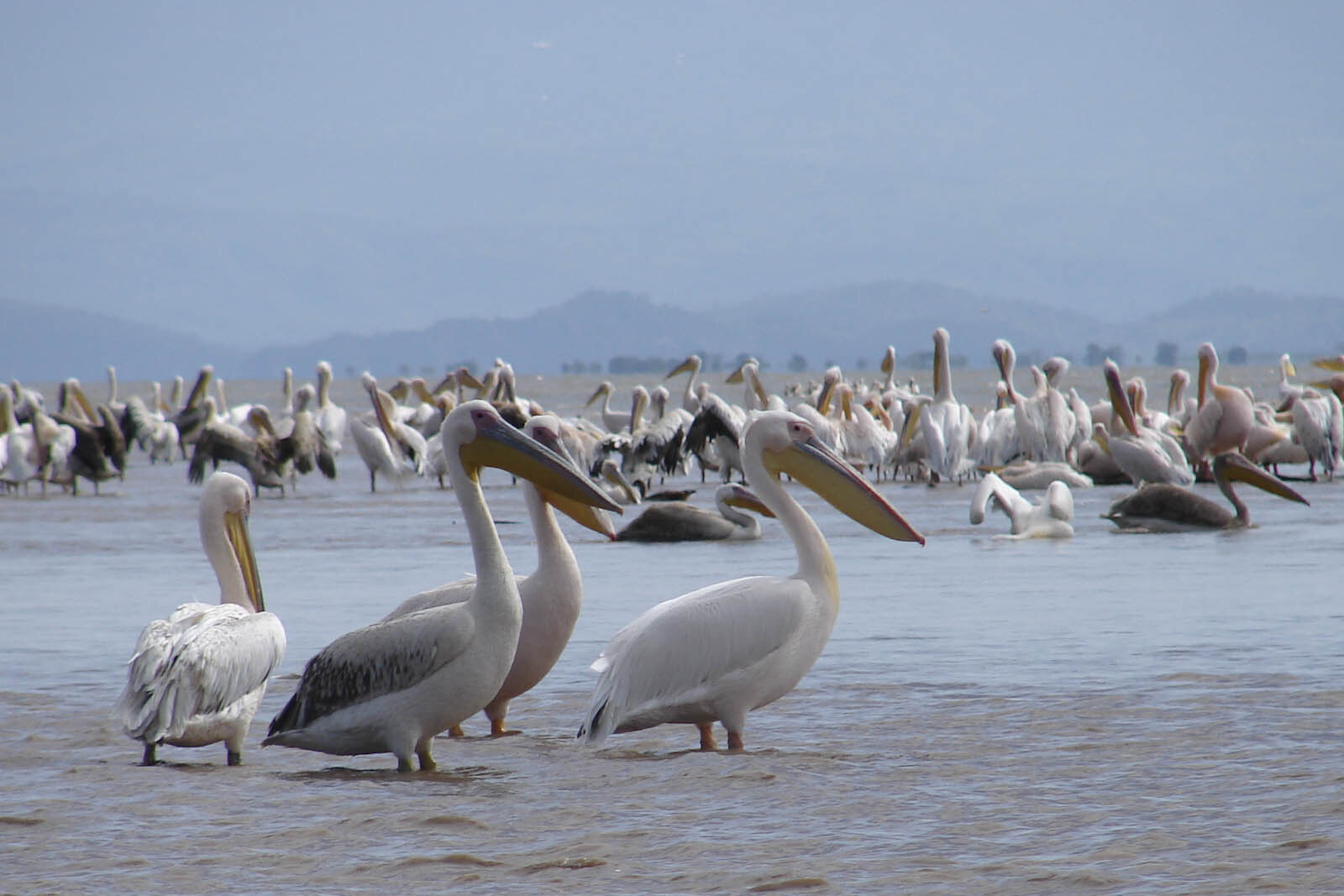
The great spectacle comes with the migration. From roughly November to March, migratory waterbirds swell the resident colonies and the reserve reaches its full, wing-filled glory. Even outside the peak, the resident birds make any morning on the water worthwhile — and because so few people come, you often have the whole sanctuary to yourself.
Things to Do at Lake Rwihinda
1. Take a Pirogue at Dawn
The signature Rwihinda experience is a wooden pirogue — a traditional dugout canoe — paddled quietly by a local boatman across the still water. With no engines allowed, the birds stay close and calm; you drift through papyrus channels and open shallows at eye level with pelicans and storks. Go at first light, when the water is like glass, the air is cool and the birds are at their busiest.
2. Birdwatch from the Shore & Hills
You don't have to be on the water to enjoy Rwihinda. The low hills and shoreline around the lake give sweeping views over the reserve, and a patient hour with binoculars from a vantage point reveals egrets working the margins, cranes in the reeds and pelicans wheeling overhead.
3. Photography
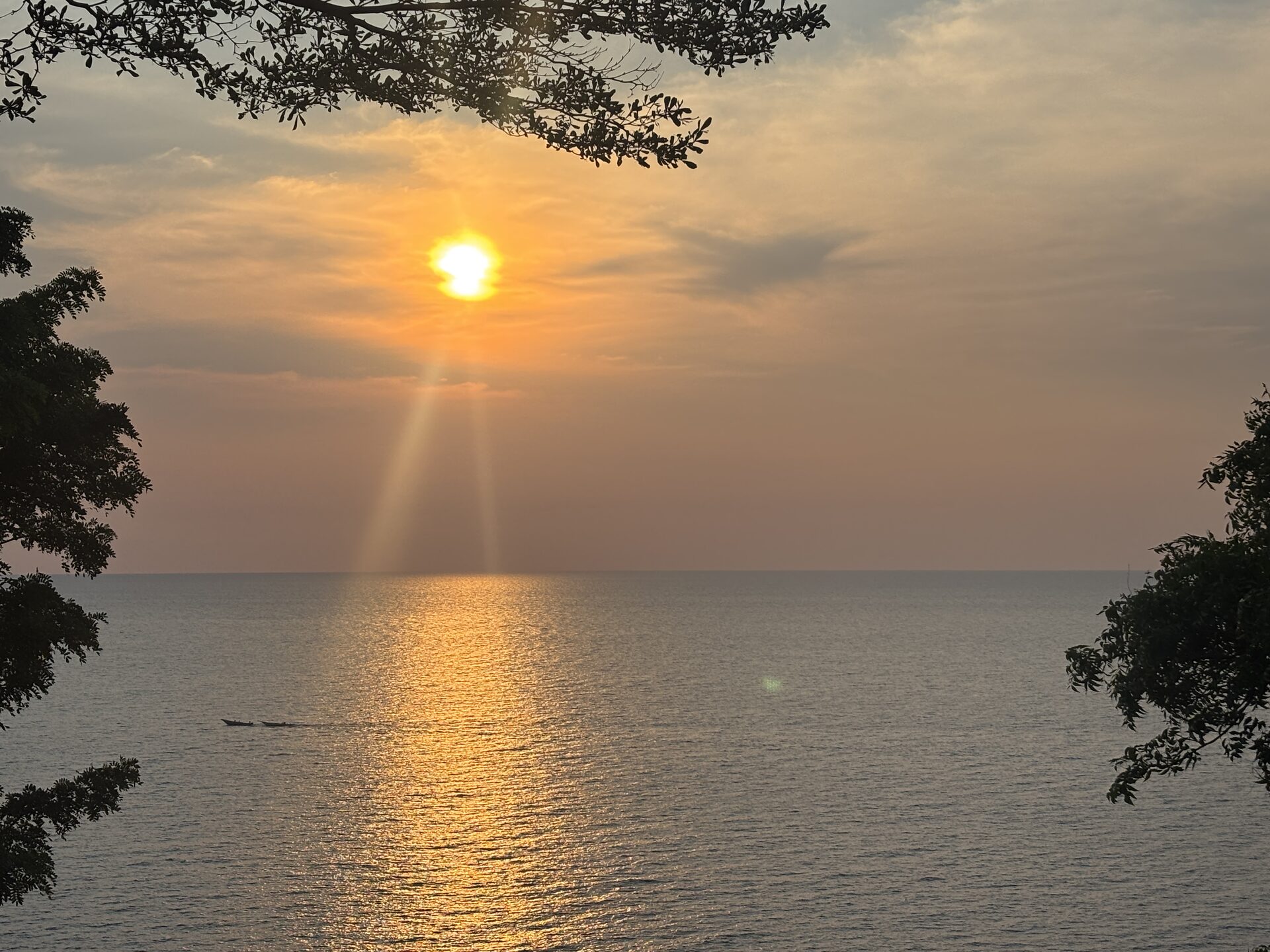
The combination of soft plateau light, mirror-calm water and huge numbers of birds makes Rwihinda a photographer's dream. Bring a long lens for the birds and a wide lens for the misty, palm-fringed panoramas. Early morning mist rising off the lake, with a pirogue silhouetted against it, is the classic Rwihinda shot.
4. Meet the Lakeside Communities
Kirundo is deep rural Burundi, and a visit to Rwihinda is also a window into traditional lakeside life — fishermen mending nets, farmers tending banana and bean plots on the surrounding hills, and children waving from the shore. Your local guide can bridge the language and share the customs of the north.
5. Explore the Northern Lakes
Rwihinda is one of a family of northern lakes in Kirundo Province. With a little more time you can add nearby Lake Cohoha and Lake Rweru — larger border lakes shared with Rwanda — for a rounded exploration of Burundi's little-known lake district.
Best Time to Visit Lake Rwihinda
| Season | Months | What to Expect |
|---|---|---|
| Peak Migration | November – March | The best birding — migratory flocks swell the resident colonies; the sky and shallows fill with birds. Some rain, lush green hills. |
| Long Rains | March – May | Greenest landscapes and full lake levels; heavier showers can make the northern roads harder going. |
| Long Dry Season | June – September | Easiest travel and access, clear skies and comfortable temperatures. Fewer migrants but resident birds always present. |
| Short Rains | October – December | Migration building, landscapes greening up, few visitors. Occasional afternoon showers. |
Recommendation: For the fullest bird spectacle, aim for November to March. For the most comfortable travel and reliable road access to the far north, choose June to September. Whatever the season, be on the water at dawn — it is when Rwihinda is at its most magical.
How to Get to Lake Rwihinda
From Bujumbura
Lake Rwihinda is roughly 220-240 km north of Bujumbura, a 4-5 hour drive via Ngozi to the town of Kirundo. The main roads are mostly surfaced, but the far north is remote, so a private vehicle with a driver-guide is the practical choice. Because of the distance, many visitors either make it a long day trip from Ngozi or overnight in Kirundo to catch the dawn on the water.
From Kirundo Town
The lake sits a short drive from Kirundo town, the provincial capital, where basic guesthouses and supplies are available. Kirundo makes the natural base for exploring Rwihinda and the other northern lakes.
Guides, Pirogues & Fees
Arrange a local guide and a pirogue with a boatman at the reserve — they know where the birds are gathering on the day and keep the canoe steady and safe. Fees are modest (a small reserve fee plus the pirogue and guide, roughly $10-30 per person). Carry cash in Burundian francs; there are no card facilities in the area.
Combine Rwihinda With Nearby Highlights
The Northern Lakes (Cohoha & Rweru)
Kirundo Province is Burundi's lake district. Rwihinda pairs naturally with the larger border lakes of Cohoha and Rweru for a day or two of quiet water, fishing villages and birdlife well off the tourist trail.
Ruvubu National Park
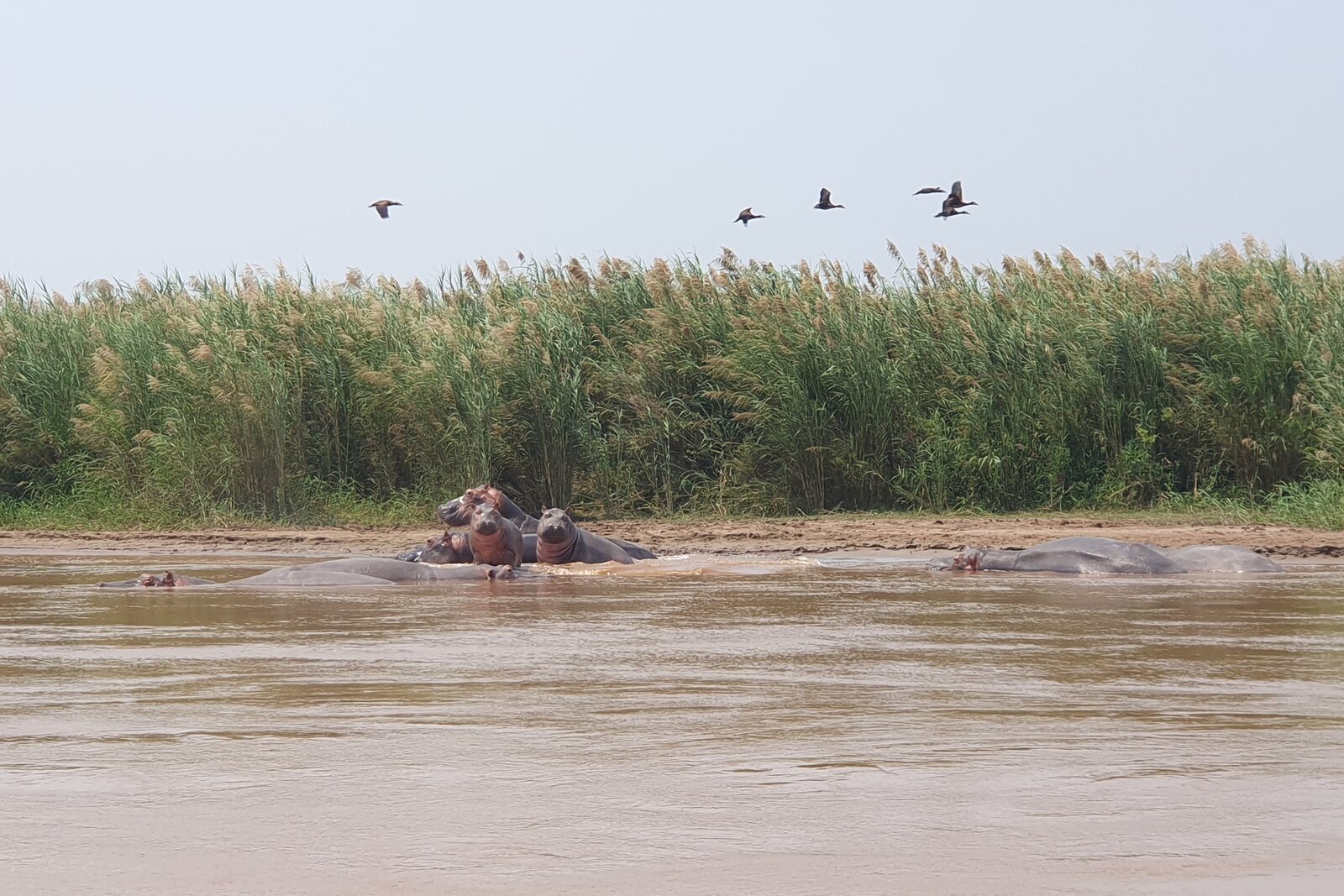
To the southeast lies Burundi's largest protected area — hippos, elephants, buffalo and boat safaris along the Ruvubu River. See our Ruvubu National Park guide to combine wildlife with your wetland birding.
Gishora Royal Drummers
On the road back south toward Gitega, the UNESCO-recognized Royal Drummers of Burundi at Gishora deliver a thunderous cultural highlight that could not contrast more beautifully with Rwihinda's silence.
Lake Tanganyika & the Source of the Nile
Round out the journey on the great Rift lake at Bujumbura and in the southern highlands. See our Lake Tanganyika Burundi guide and Source of the Nile Burundi guide.
Sample Itineraries Featuring Lake Rwihinda
2-Day: Northern Lakes from Bujumbura
- Day 1: Depart Bujumbura, drive north via Ngozi to Kirundo (4-5 hours); afternoon shore birding at Lake Rwihinda; overnight Kirundo.
- Day 2: Dawn pirogue on Rwihinda; late morning at Lake Cohoha; return south to Ngozi or Gitega.
3-Day: Drums, Wildlife & Birds
Day 1: Bujumbura → Gitega (Gishora Royal Drummers) → Ngozi overnight.
Day 2: Ngozi → Kirundo → dawn-to-midday on Lake Rwihinda → overnight Kirundo.
Day 3: Lake Cohoha & Rweru → return to Bujumbura & Lake Tanganyika sunset.
Birder's Extension
Add Rwihinda as a two-day northern extension to any central-Burundi itinerary — the perfect complement to Ruvubu's wildlife and the country's cultural sites, delivering a bird list few travelers ever compile.
Where to Stay Near Lake Rwihinda
There is no lodge on the reserve itself, so most visitors base in Kirundo or Ngozi, or overnight en route.
- Kirundo: Basic guesthouses in the provincial town for early starts on the lake (~$20-40/night).
- Ngozi (~70 km): The largest town of the north with simple hotels and guesthouses ($30-60/night) — a convenient staging base.
- Bujumbura: Lakefront hotels such as Hotel Club du Lac Tanganyika and Tanganyika Blue Bay Resort ($80-180/night) for the start and end of the trip.
What to Bring
- Binoculars — essential for the birdlife; a spotting scope is a bonus.
- Camera with a long lens — for the birds; a wide lens for the misty panoramas.
- Sun hat & sunscreen — the water is fully exposed and the plateau sun is strong.
- Light layers — dawn on the lake is cool before the sun climbs.
- Cash (Burundian francs) — for reserve fees, pirogue and guide; no card facilities.
- Insect repellent — this is wetland country; mosquitoes are present.
- Dry bag — to protect cameras and phones in the pirogue.
Safety & Responsible Visiting
Rwihinda is a peaceful rural reserve and a gentle, rewarding excursion — but it lies in a remote corner of the country, and a little planning goes a long way:
- Go with a guide & boatman: They know the safe channels, the birds' movements and the customs of the lakeside communities.
- Respect the wildlife: Keep noise low, don't chase or flush the birds, and give nesting colonies a wide berth — the reserve exists to protect them.
- Mind the water: Follow your boatman in the pirogue, keep your weight low and balanced, and stow gear in a dry bag.
- Check advisories: Review your government's current travel advice for Burundi before you travel, and use a reputable operator who monitors conditions in the north.
- Health: A yellow fever vaccination certificate is required to enter Burundi; malaria prophylaxis and insect repellent are recommended, especially in wetland country.
- Travel by day: The far north is a long haul on rural roads — drive in daylight and allow generous time.
Final Thoughts — Where the Birds Still Rule the Water
Lake Rwihinda is the kind of place that rewards the traveler willing to go a little further. There are no crowds here, no engines, no ticket queues — only the dip of a paddle, the whisper of the papyrus, and a sky full of wings. To glide out at dawn among the pelicans and cranes, with the green hills of Kirundo mirrored in the still water, is to see a side of Burundi that almost no one knows.
Pair it with the drums of Gishora, the hippos of Ruvubu, the pyramid at the Source of the Nile and the sunsets of Lake Tanganyika, and you have a Burundi journey of astonishing variety — a country that gives its rare visitors far more than they ever expect. Rwihinda is its quiet miracle: the Lake of Birds, entirely and unmistakably Burundi.
Come and drift a while, where the birds still rule the water.